Get Premium
Dark mode theme is available exclusively for premium users. Learn more about the benefits of subscribing.
No fees, cancel anytime.

 Dark Mode Ad-Free Browsing Unlimited Content
 Ad-Free Browsing Unlimited Content Dark Mode
Join 1.2 million Panda readers who get the best art, memes, and fun stories every week!
Feminism has helped women gain things that once seemed impossible, or were treated like a luxury. The right to vote, access to education, the ability to open a bank account without a husband’s permission, the freedom to build a career and be your own boss. The list goes on.
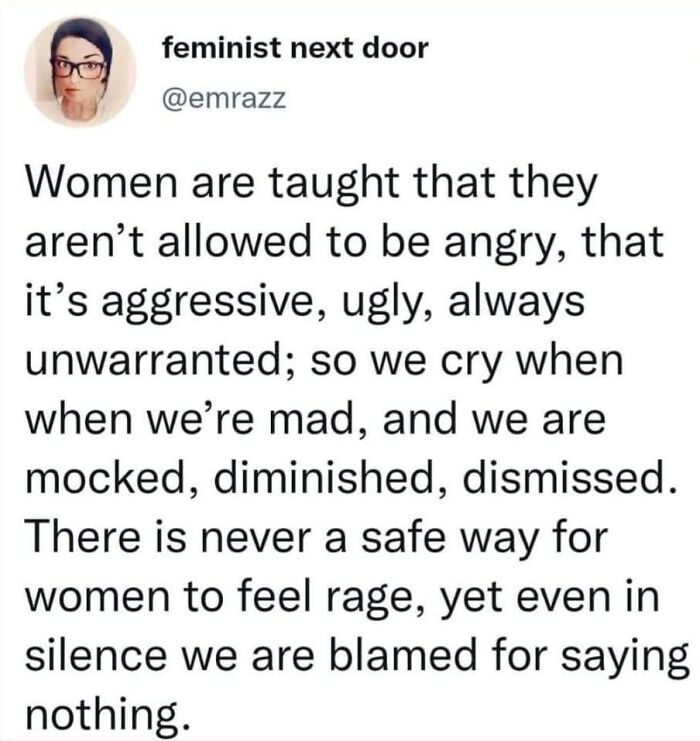
But even after all that progress, there’s still a long way to go. Seriously, why are people still fighting over women’s bodily autonomy in 2026? And that’s just one piece of the daily sexism women still run into. It’s exhausting. It’s infuriating.
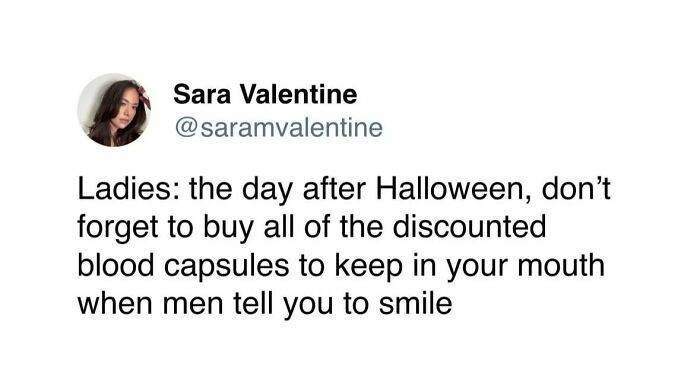
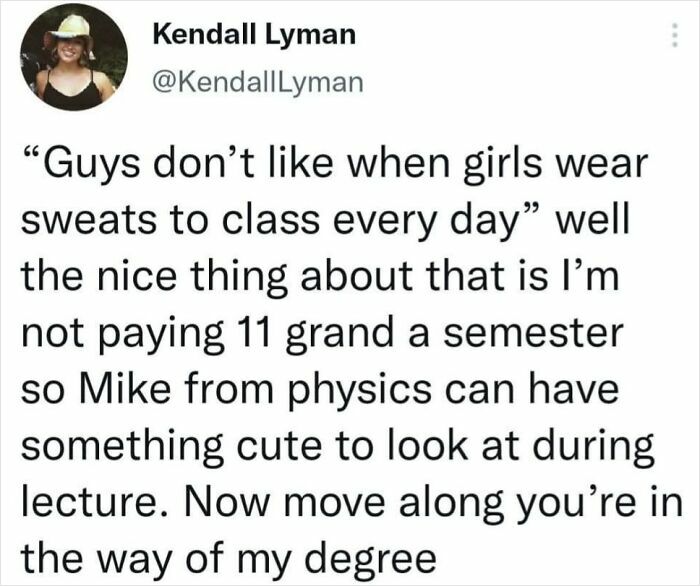
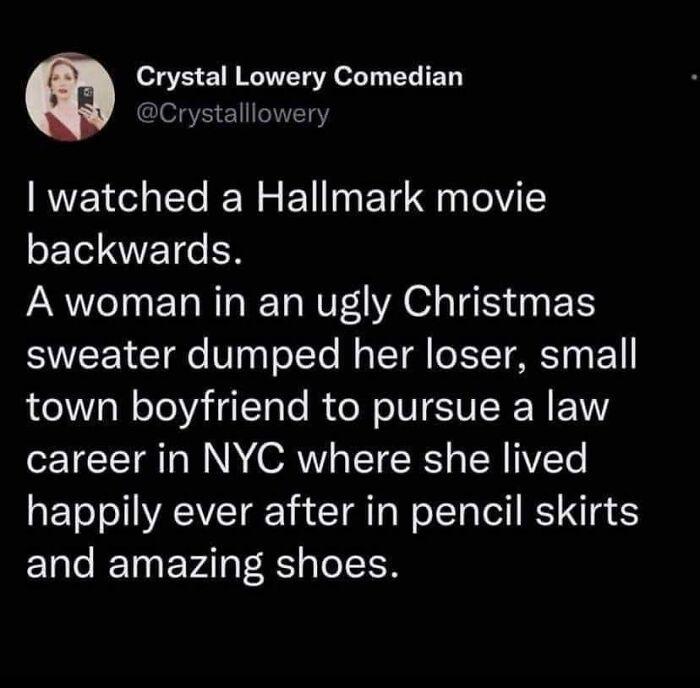
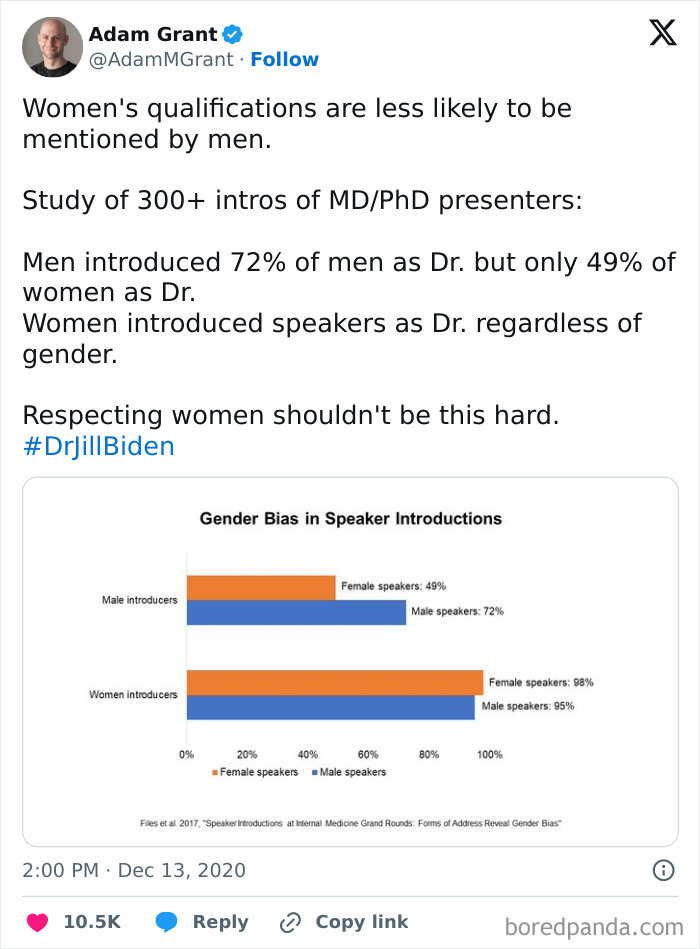
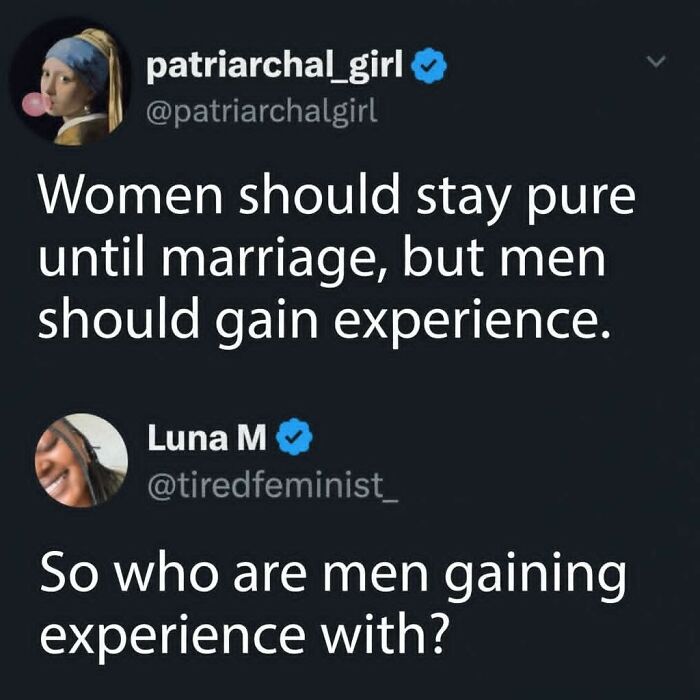
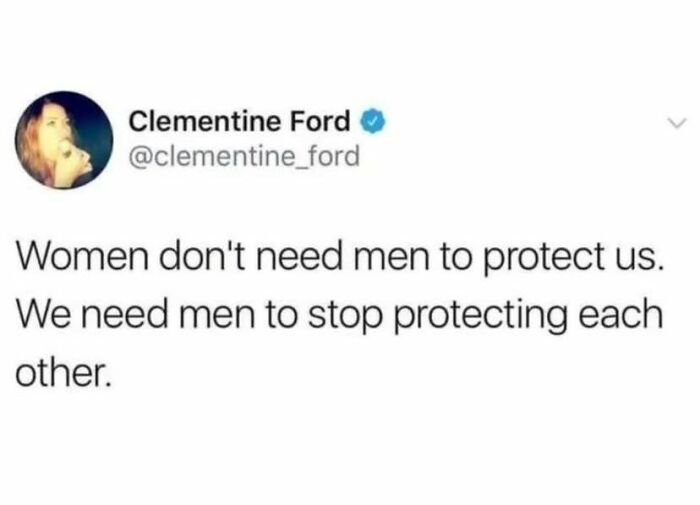
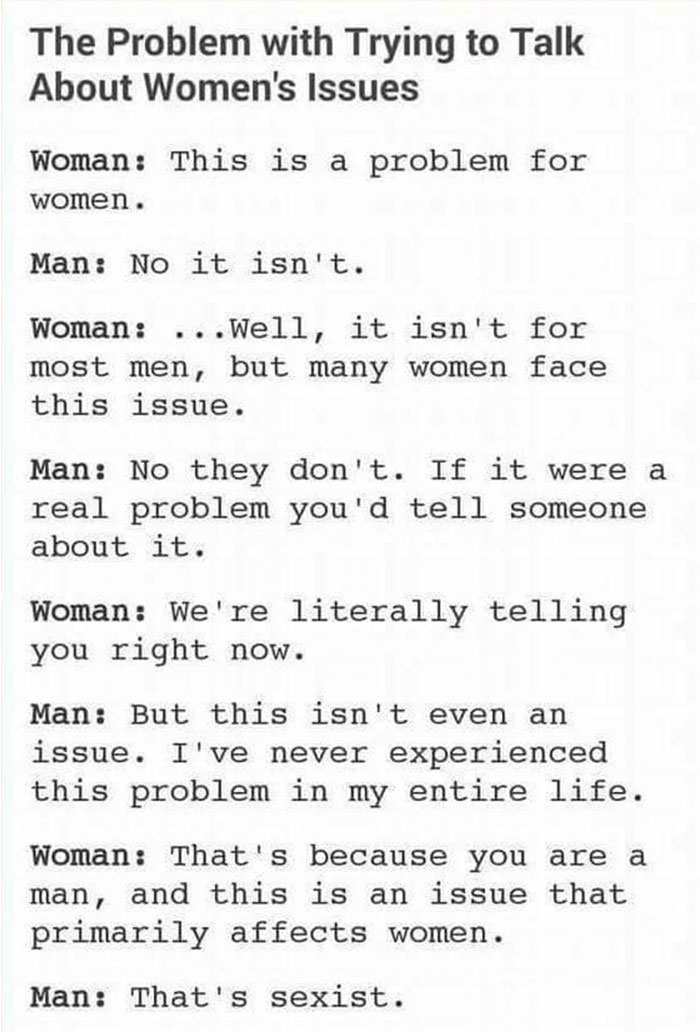
That’s why sometimes the best response is to vent online and say the quiet part out loud. The Facebook group Heroic Girls does exactly that, calling out the patriarchy with zero mercy. Scroll down for some of their best posts, and feel free to add your own thoughts in the comments.
This post may include affiliate links.
Today, we’re lucky to have countless platforms where women can speak up and share their experiences. Whether it’s an online group or a protest that makes headlines, women have more ways than ever to make their voices heard. That kind of visibility makes it harder to brush real issues off as “no big deal.” And that matters more than you might think.
American memoirist, essayist, poet, and civil rights activist Maya Angelou once said, “Each time a woman stands up for herself, without knowing it possibly, without claiming it, she stands up for all women.”
Every post calling out workplace inequality or story about unfair treatment chips away at the idea that these issues are normal or acceptable. It reminds other women they’re not alone.
But this ability to speak freely and publicly is shockingly recent. For most of history, women didn’t have these platforms. They didn’t have the vote or the education to make their voices count. Speaking up often meant risking everything, from social ostracism to actual violence.
Before feminism became an organized movement, women’s roles were largely confined to what men decided they should be. In many Western societies, women were considered the property of their fathers and then their husbands. They couldn’t own property or sign contracts in most places.
Education was reserved almost exclusively for men, and women who dared to speak publicly about politics or rights were often ridiculed or worse.

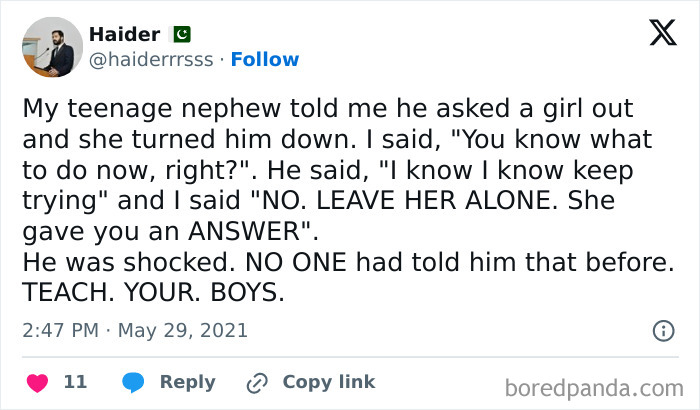
It's long past time that people, not just men, learn that "No" is a complete sentence. Whether asking a girl/woman on a date, attempting to force drinks or food on someone who isn't interested or any other reason, if the response is No, then stop harassing the person.
Yet even in these restrictive conditions, individual women pushed back. Writers like Mary Wollstonecraft published ground-breaking works such as “A Vindication of the Rights of Woman” in 1792, arguing that women weren’t naturally inferior to men but appeared so because they lacked education and opportunities.
Wollstonecraft’s work laid important groundwork for what would eventually become the feminist movement, even though the term “feminism” itself wouldn’t appear for another century.

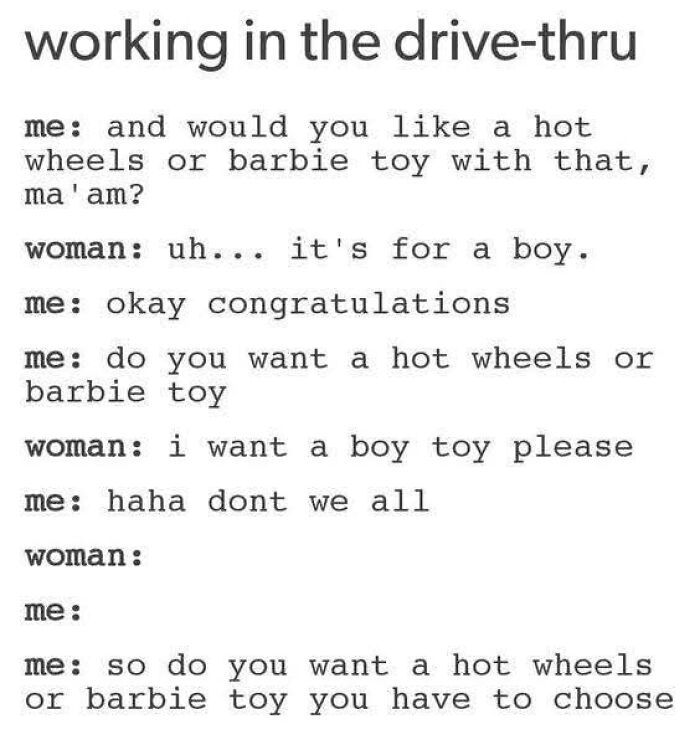
I never liked Barbies or any kind of human doll/baby doll XD I remember for a few years, some relatives would still give me Barbies as bday/Xmas gifts, and I would always perform "surgery" on them XD I preferred my dinosaur toys, my Transformers, and my GI Joes. I had a bunch of cheap shoddy horse toys too, and I used to play with them in the backyard - they were a tribe of meat-eating horses who had a hierarchical rule system XD They would go to war with rival tribes of horses (aka the horse toys I liked the least) and have grand battles with a lot of casualties. I was a strange child. XD
The word “feminism” has French origins. French philosopher Charles Fourier is credited with coining the term “féminisme” in 1837. While it originally referred to “feminine qualities or character,” that meaning has long since faded.
The term didn’t gain widespread use in English until the 1890s. By then, women on both sides of the Atlantic were organizing in earnest, demanding the right to vote and own property. This became known as first-wave feminism, focused primarily on legal inequalities and suffrage.

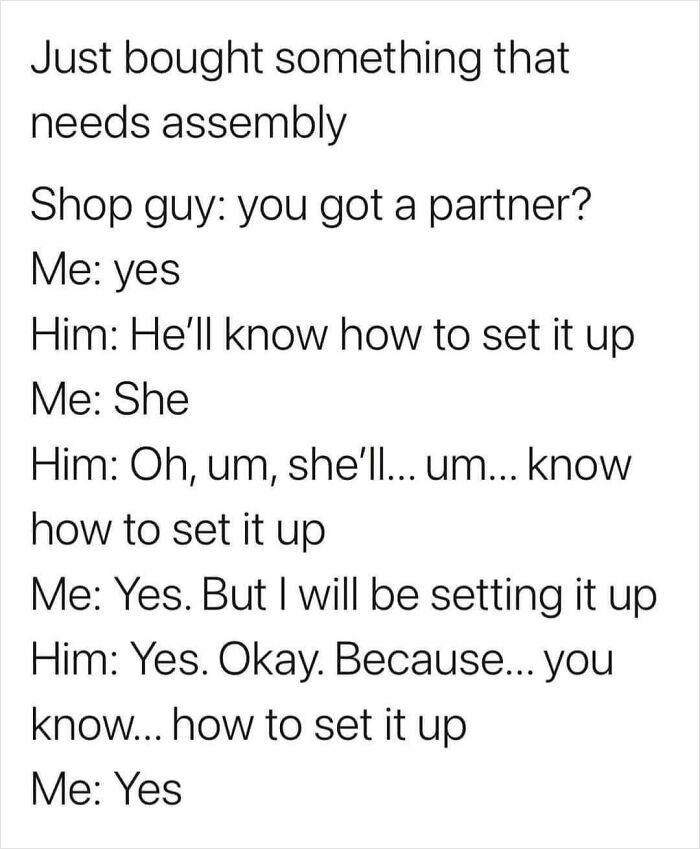
Wait... Women can read assembly and set up instructions? Whatever next!

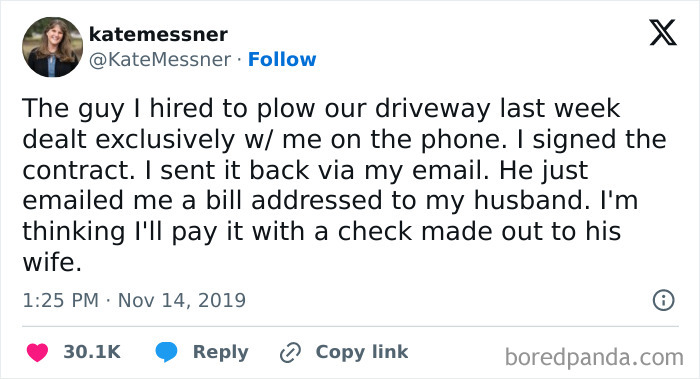
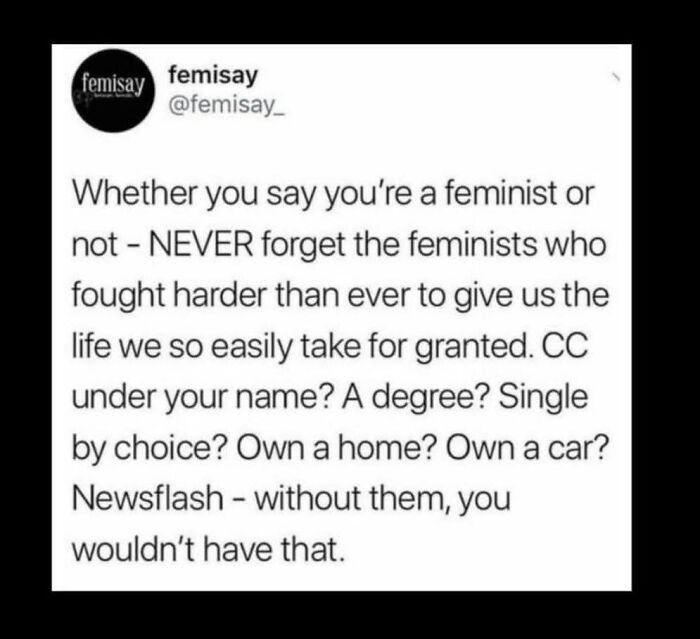
That's true. Back before those ladies, you would have to have your husband/father sign off on you having a checking account, a car, a house. It wasn't that long ago that was the norm.
The suffragette movement brought women together in unprecedented numbers. In the United States, the Seneca Falls Convention in July 1848 marked the official beginning of organized efforts for women’s suffrage.
Around 300 women and men came together to discuss the status of women and wrote the Declaration of Sentiments, which boldly stated: “We hold these truths to be self-evident: that all men and women are created equal.”
From there, the campaign grew. Activists marched and protested, and some were imprisoned or lost their lives for their activism. Women gained the right to vote in 1920 with the 19th Amendment, while in the UK, all women over 21 could finally vote by 1928. These victories came after decades of relentless campaigning.
Second-wave feminism emerged in the 1960s and 70s, broadening the conversation beyond legal rights to cultural inequalities. This wave tackled workplace inequality and reproductive rights alongside questions of sexuality and family dynamics.
Betty Friedan’s “The Feminine Mystique” and Gloria Steinem’s activism helped galvanize a generation of women to question the limited roles society expected them to fill. The movement achieved significant legal victories, including the Equal Pay Act of 1963 and Title IX in 1972.
Third-wave feminism began in the early 1990s, responding to what some saw as the failures and limitations of second-wave feminism. This wave embraced individualism and diversity, challenging the idea that there was a single way to be a feminist.
It focused heavily on intersectionality, a term coined by scholar Kimberlé Crenshaw, recognizing that women’s experiences differ based on factors like race and class. Third-wave feminists also reclaimed terms and symbols that had previously been used to demean women, turning them into sources of power.
Fourth-wave feminism, emerging around 2012, is largely defined by technology and social media activism. The #MeToo movement showed how quickly women could organize online to expose systemic problems in workplaces and institutions. This wave continues to emphasize intersectionality while using digital platforms to call out inequality in real time.
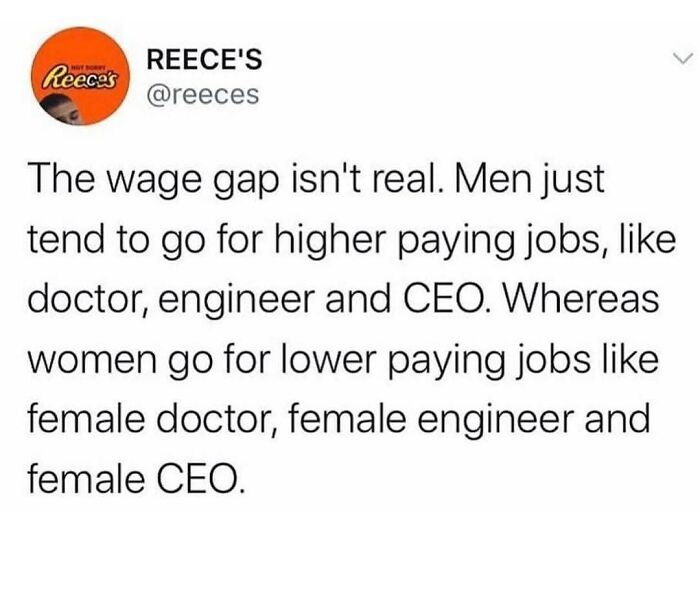
Yet progress remains frustratingly uneven. Women still earn less than men for the same work and face ongoing battles over reproductive rights. The fight continues, just with different tools than previous generations had.
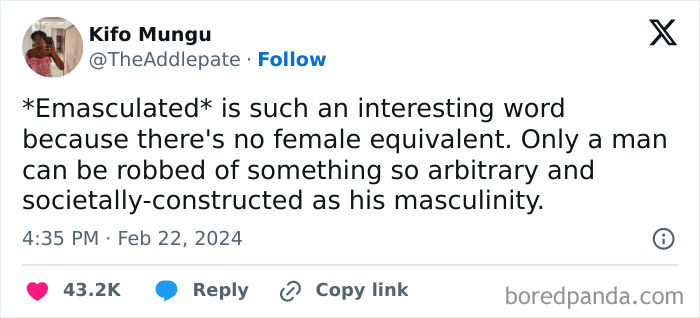
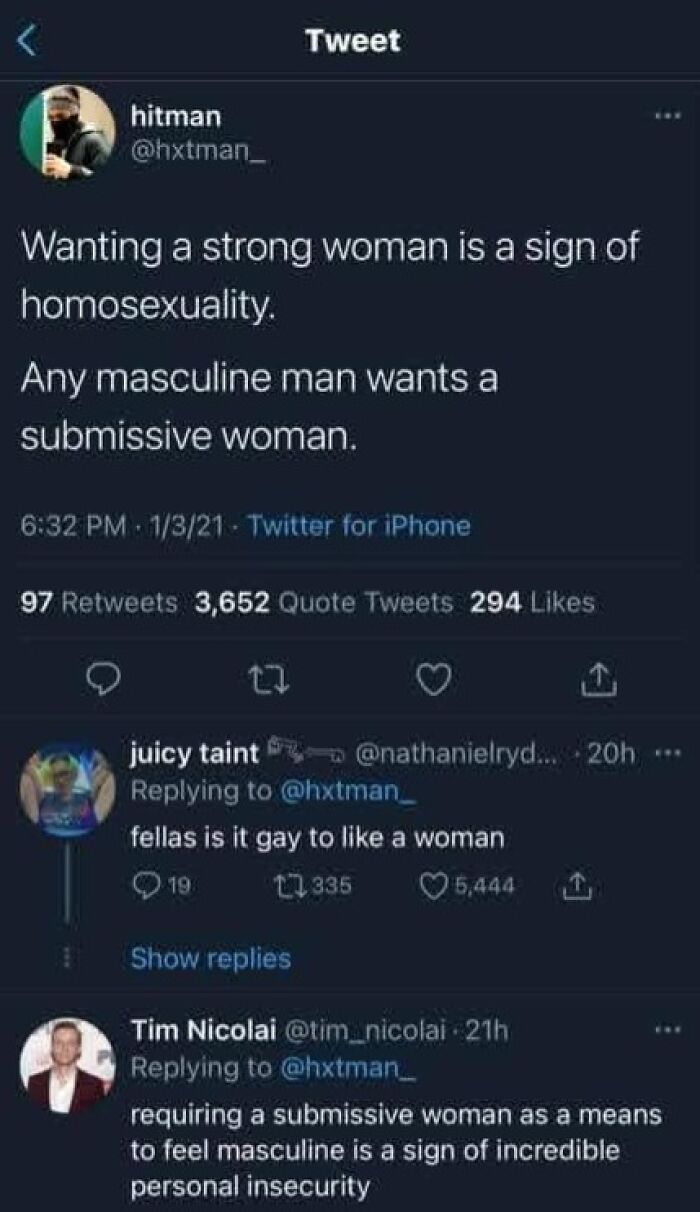
Do not care try to take my masculinity away from me! I will throw a hissy fit it you try!
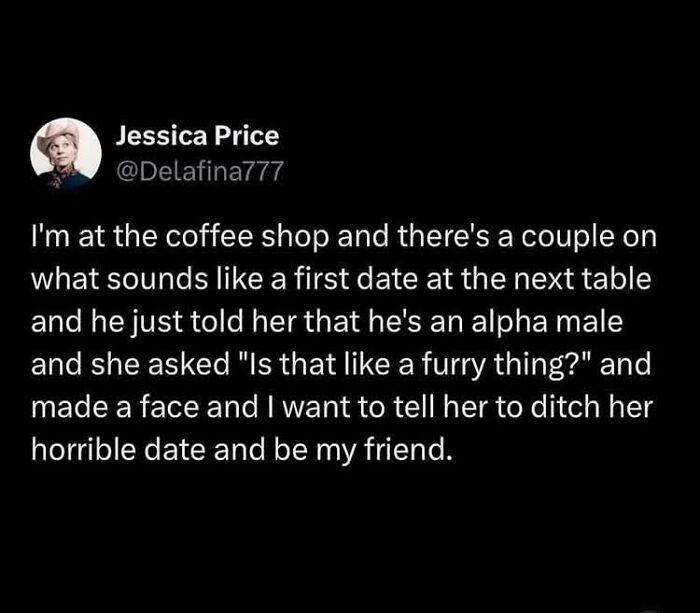
As an alpha male I have to tell you that I find it very cringe when men have to tell people that they are alpha males themselves. I can assure you, as an alpha male, no true alpha male would do this.
Ahem. What's this nonsense about "men's inability to show and properly communicate blah blah blah"? 🤨 Take a leaf out of Professor Germaine Greer's book and stop talking about things you don't understand - that is, men.
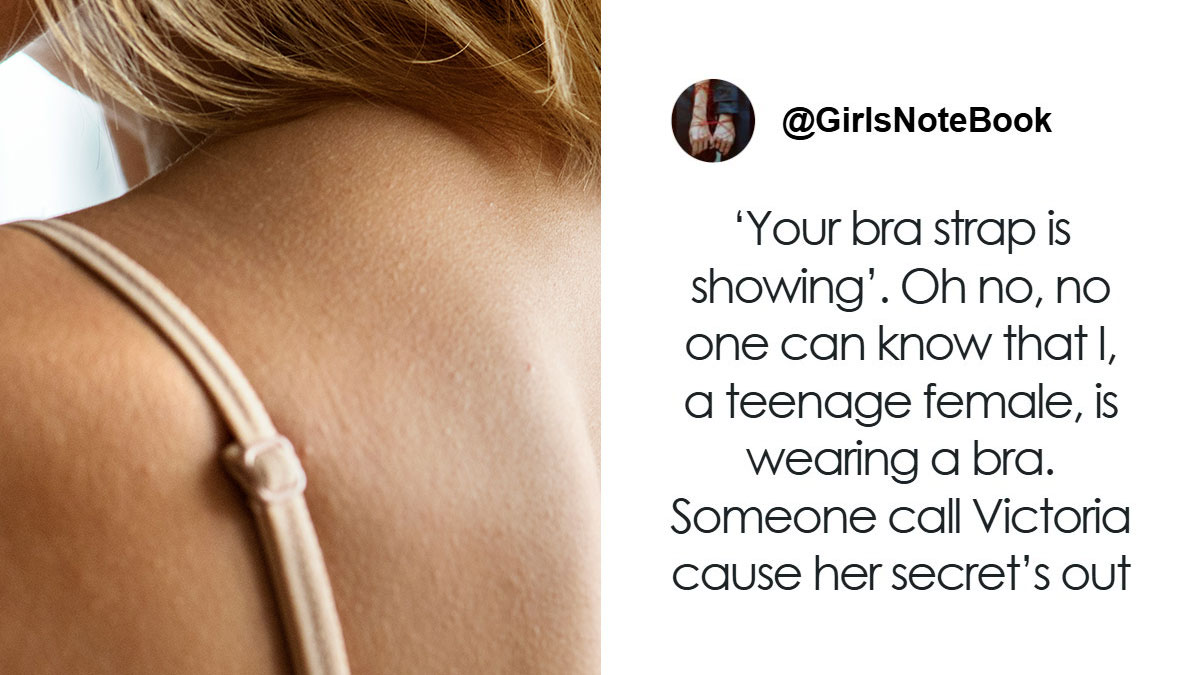
Oh heavens no! Not the exposed brastrap! GASP! I'm not looking forward to this nonsense when I eventually go on HRT... the fact that people think it's inappropriate to show a brastrap is wild.
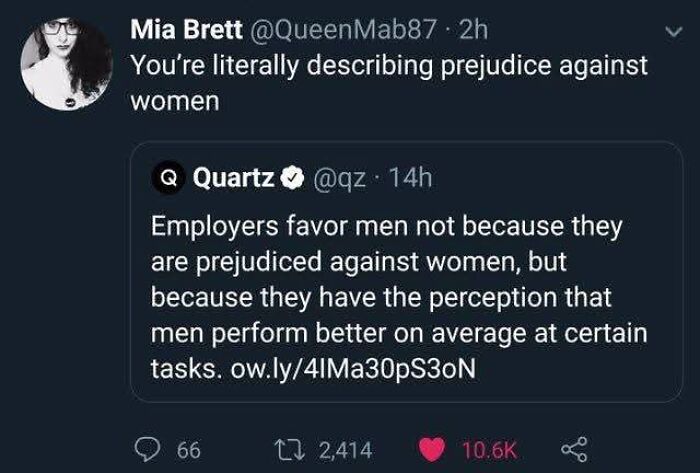
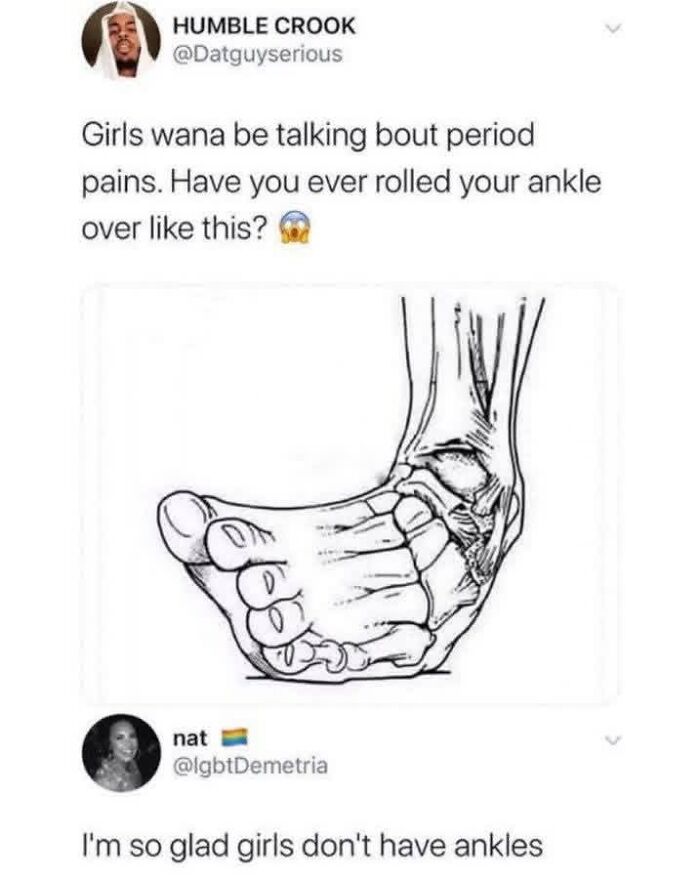
What "certain tasks"? Peeing while standing up? Getting teabagged?
I mean, kinda both? XD But for me, it was caused/perpetuated/first inflicted upon me by my mother all throughout my childhood and teen years. Then I managed to date a guy for 24 years who was basically my mother in dude form! Good times!

Nooe. That is the woman I definitely want. And that is the woman who currently loves me, and I'm absolutely fine with it!
D**n it I am gay. Excuse me whilst I break the news to my parents.
Ha ha! Levels of misunderstanding that end up in perfect understanding....!
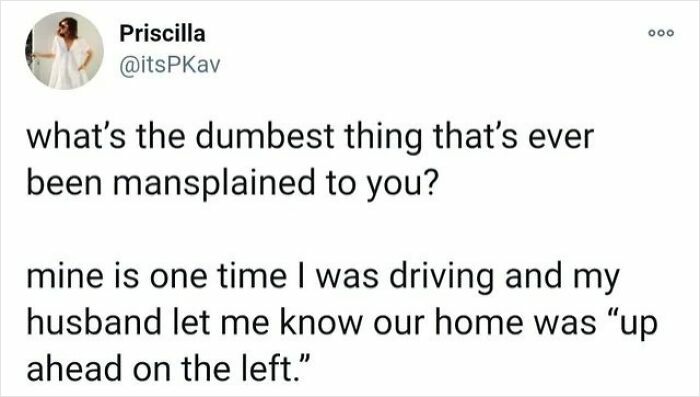
We say/do this all the time as a family when getting in the car. I'm not a girl, but I'm more than happy to join in!
Thinks "she's too smart for him"? Doesn't that mean "He's too dumb for her"?
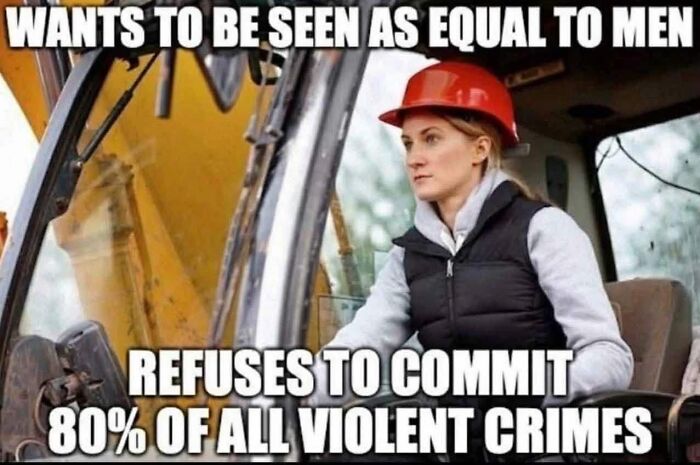
And they were not wearing floor length skirts! Or aprons! And was there even one flowery bonnet? Nope!
That's a shame, I have a treat for you and was about to take you walkies...
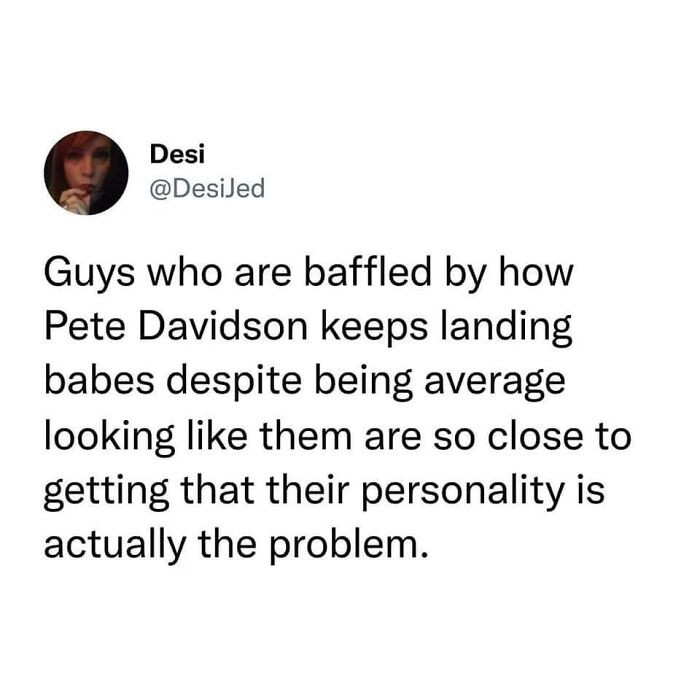
I don't know of any woman (that I respect, anyway) who has chosen their partner by looks. They don't want eye-candy. They want a real companion. It's always given me hope for myself 😁
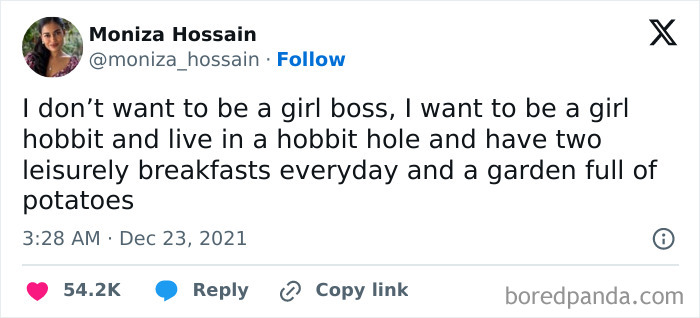
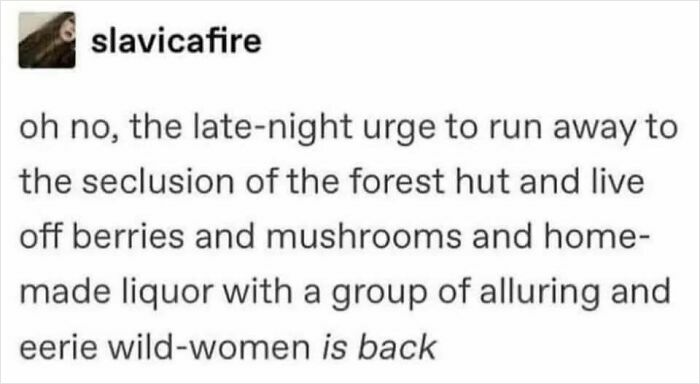
I'd like that, can I live in the hut next door? I'll make mushroom soup for everyone?








 No fees, cancel anytime
 then open in external browser


 and click "Open in External Browser"