Get Premium
Dark mode theme is available exclusively for premium users. Learn more about the benefits of subscribing.
No fees, cancel anytime.

 Dark Mode Ad-Free Browsing Unlimited Content
 Ad-Free Browsing Unlimited Content Dark Mode
Join 1.2 million Panda readers who get the best art, memes, and fun stories every week!
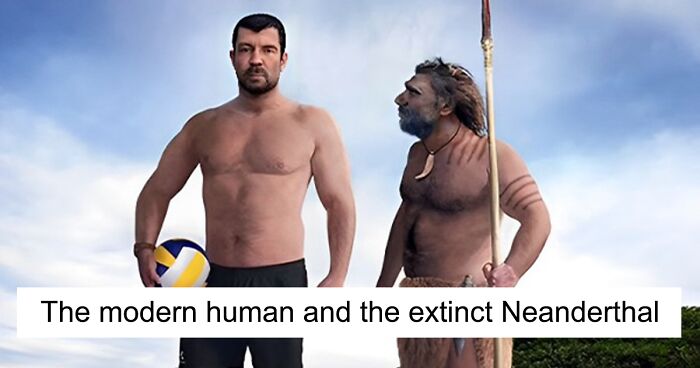

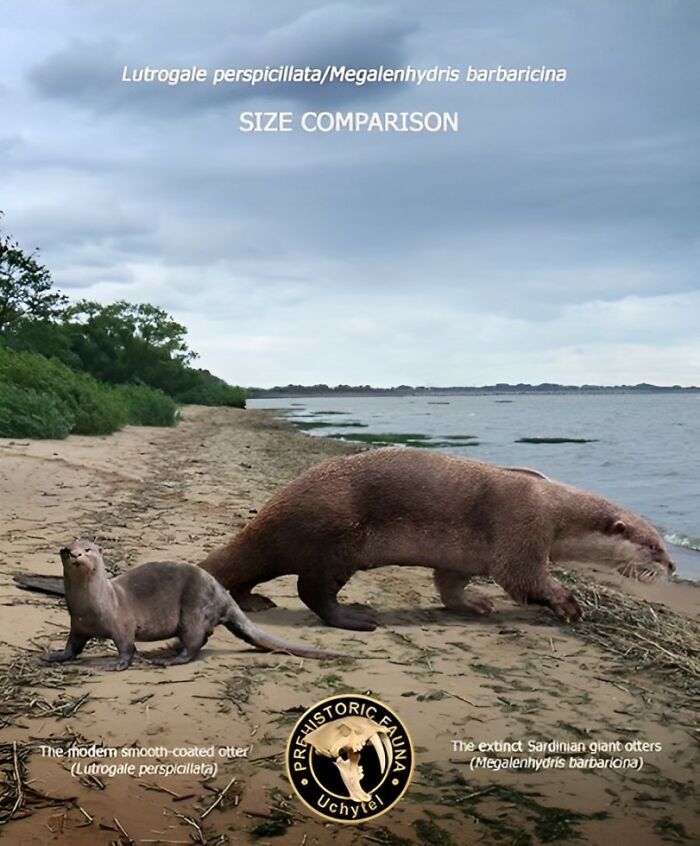
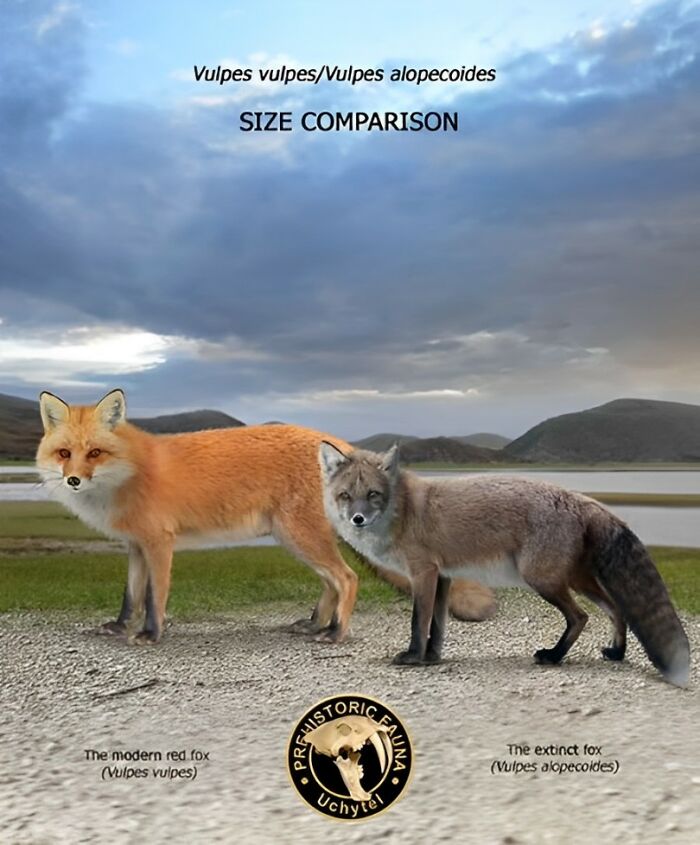
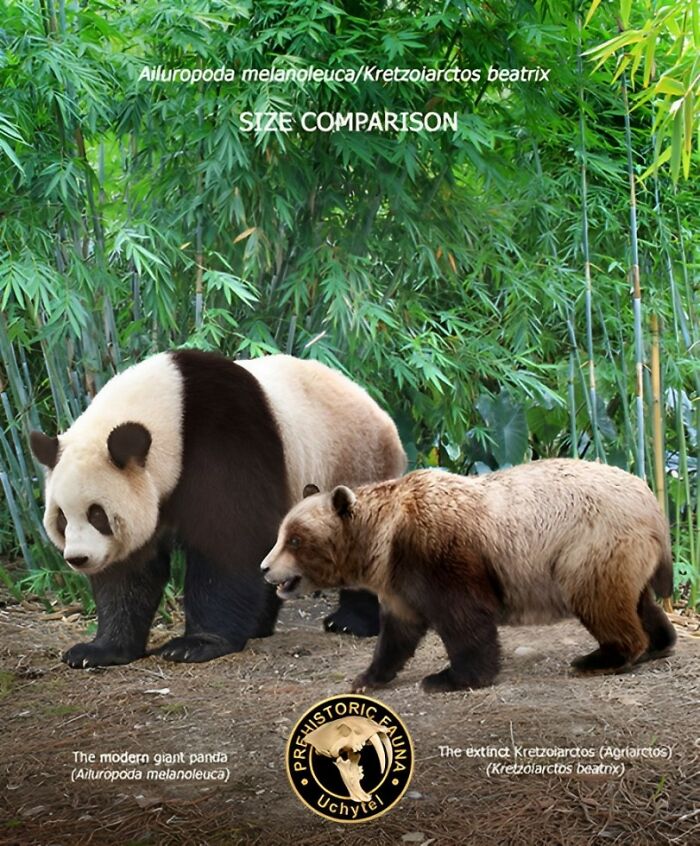
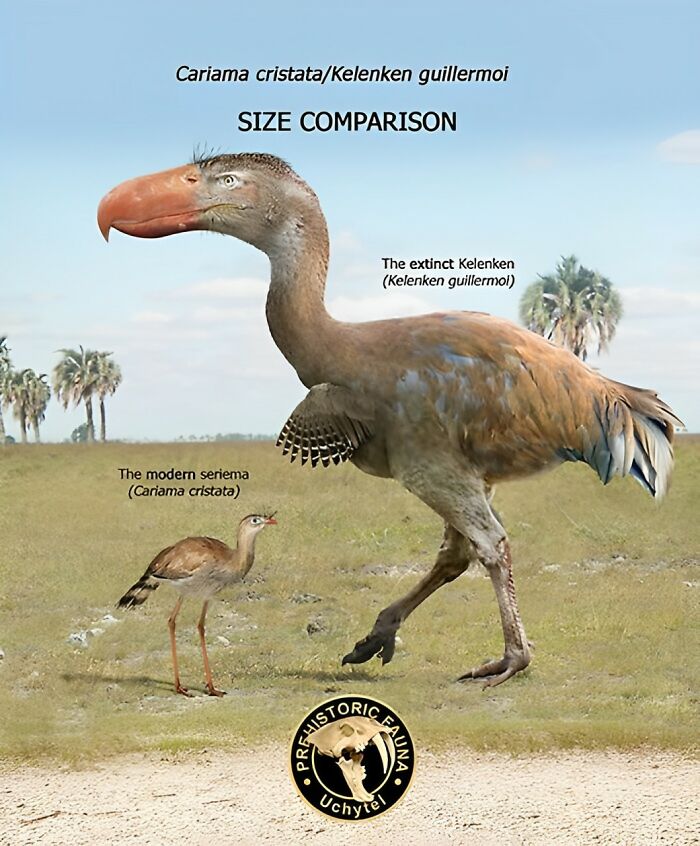
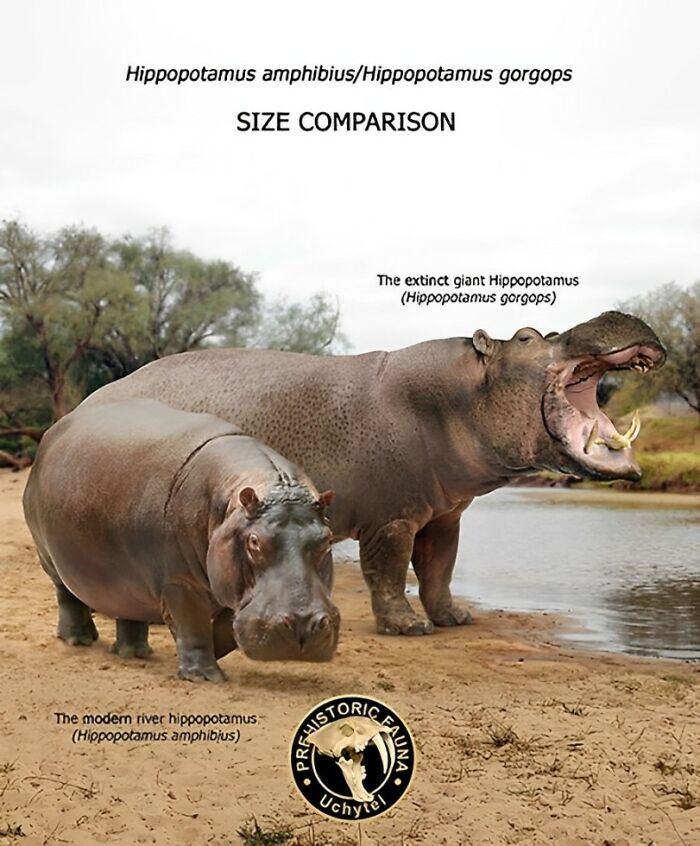
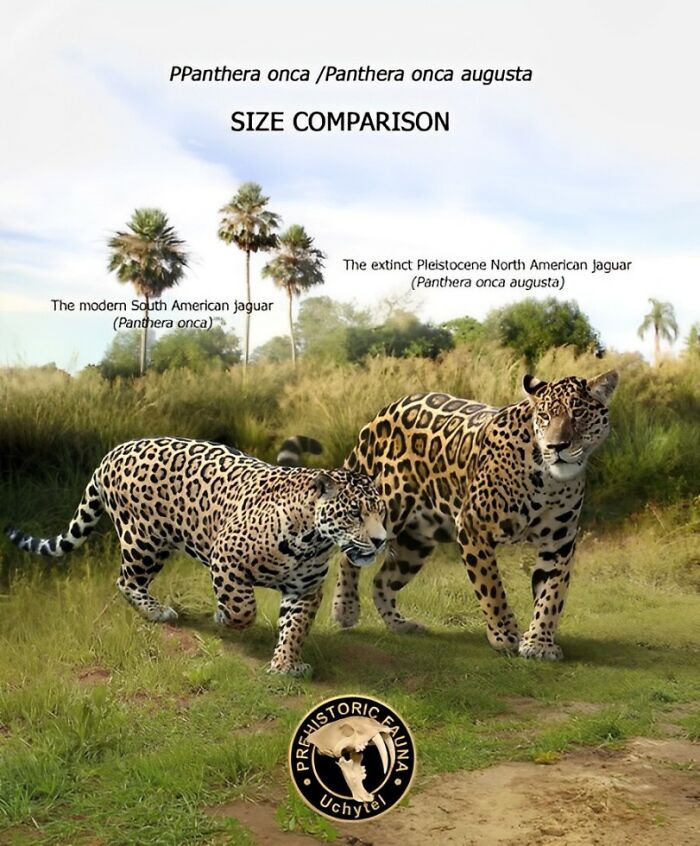
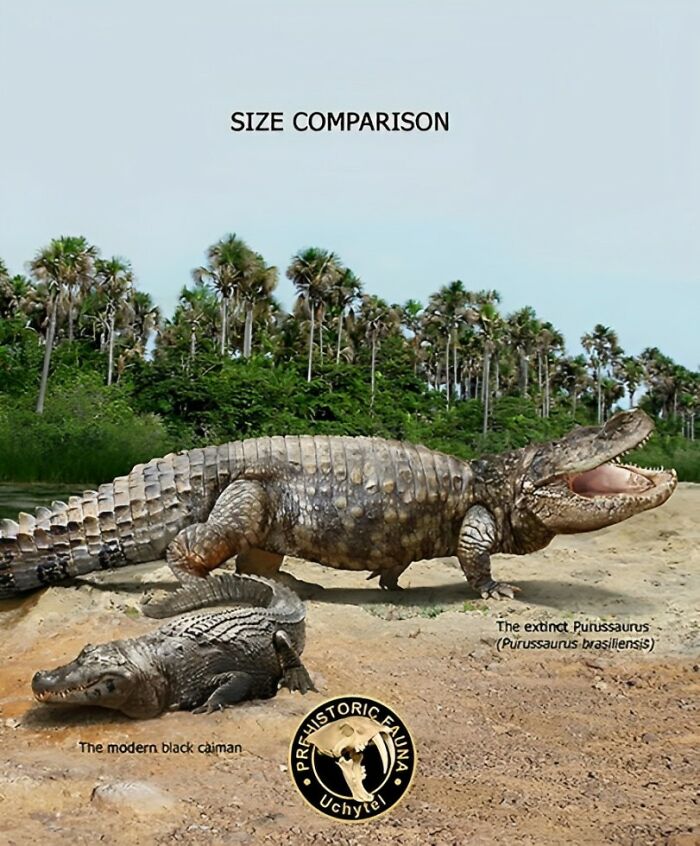
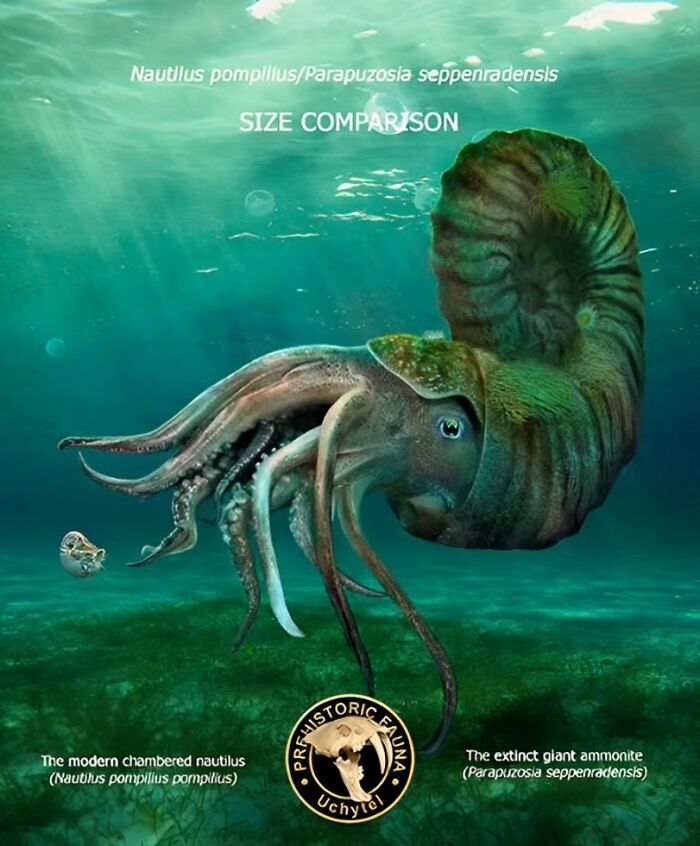
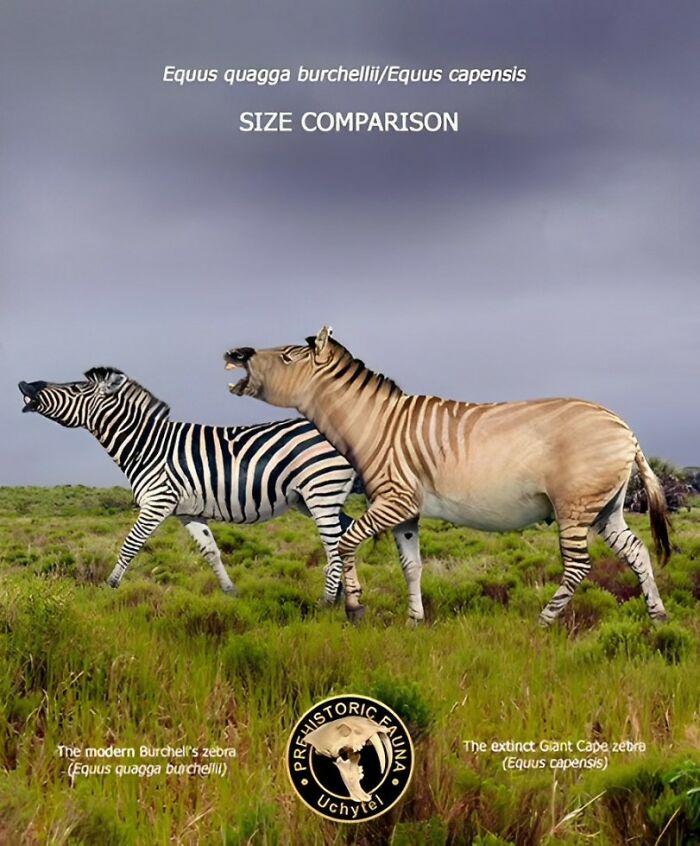
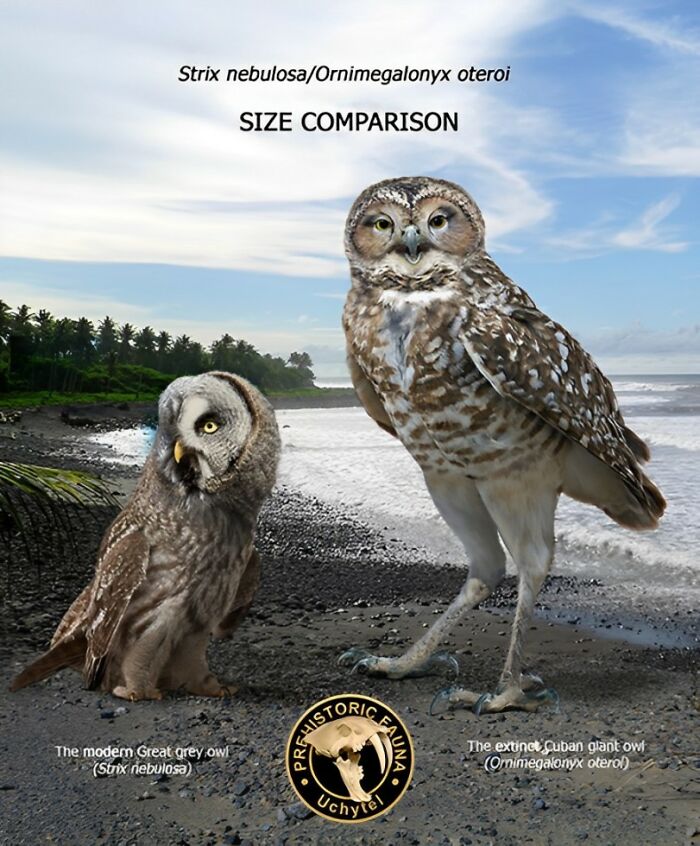
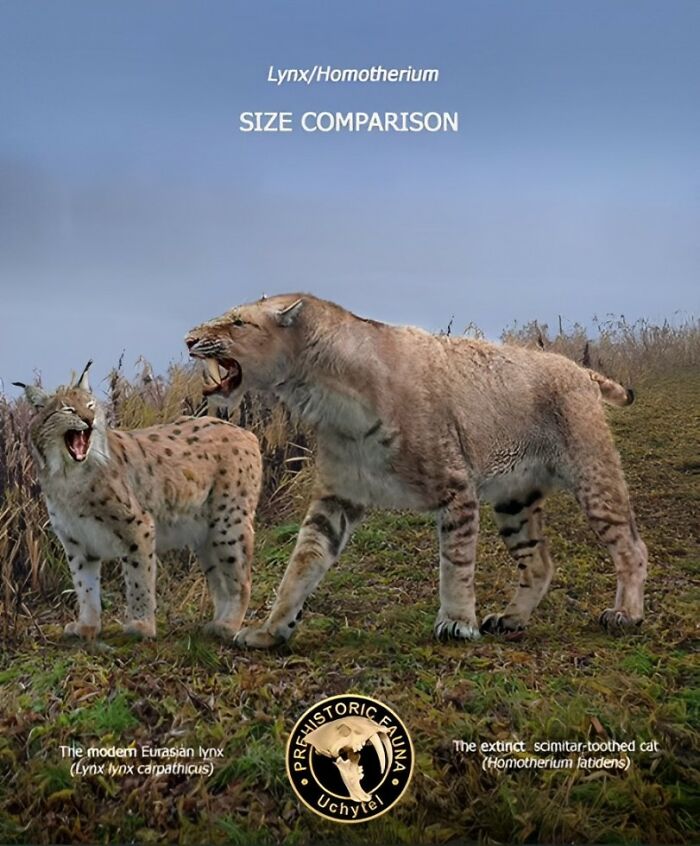
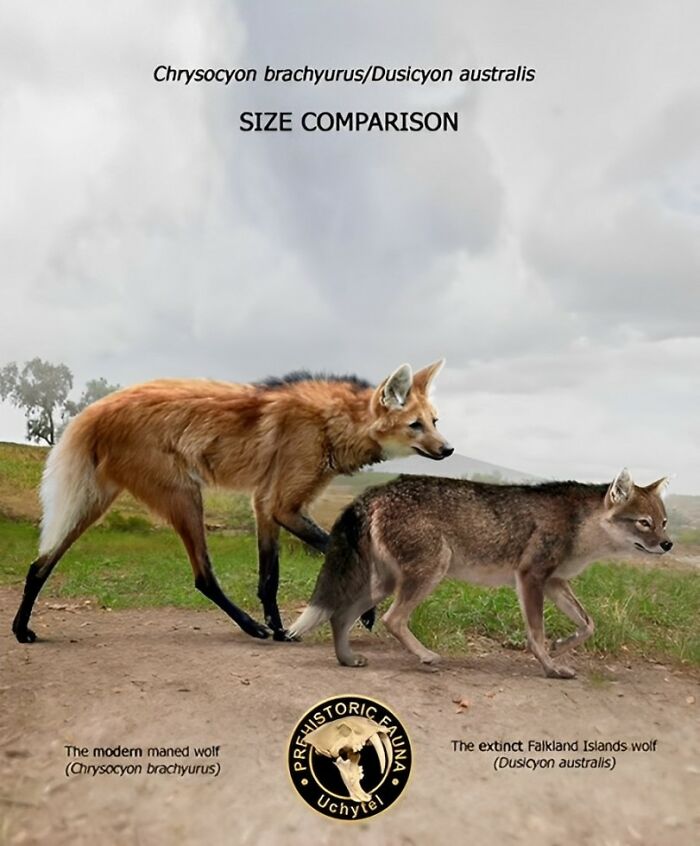
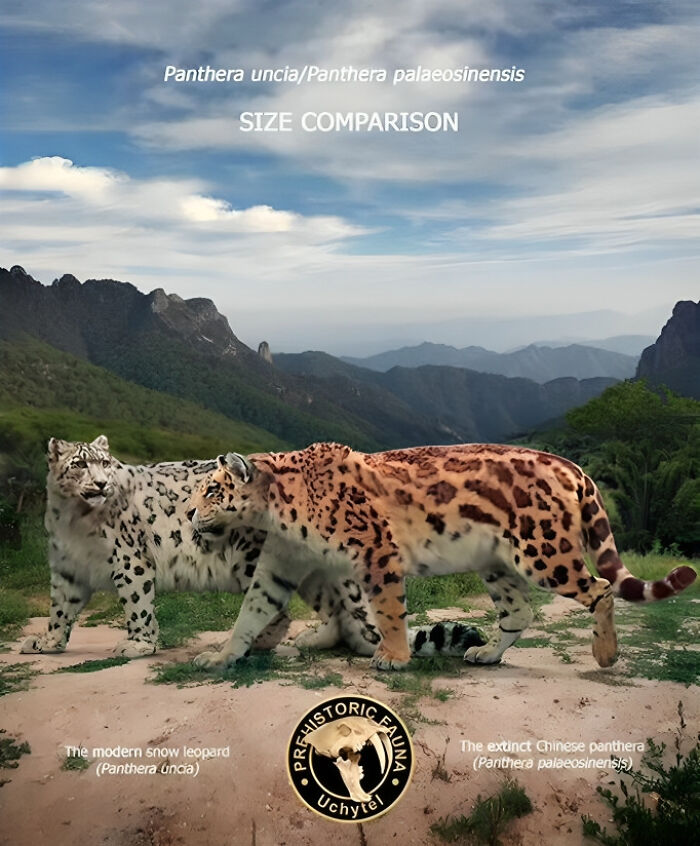
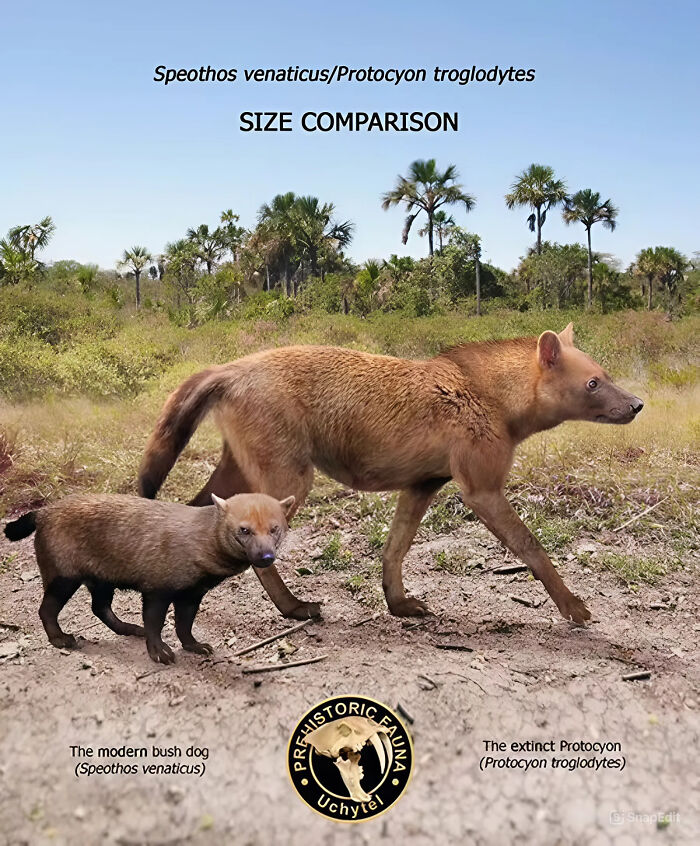
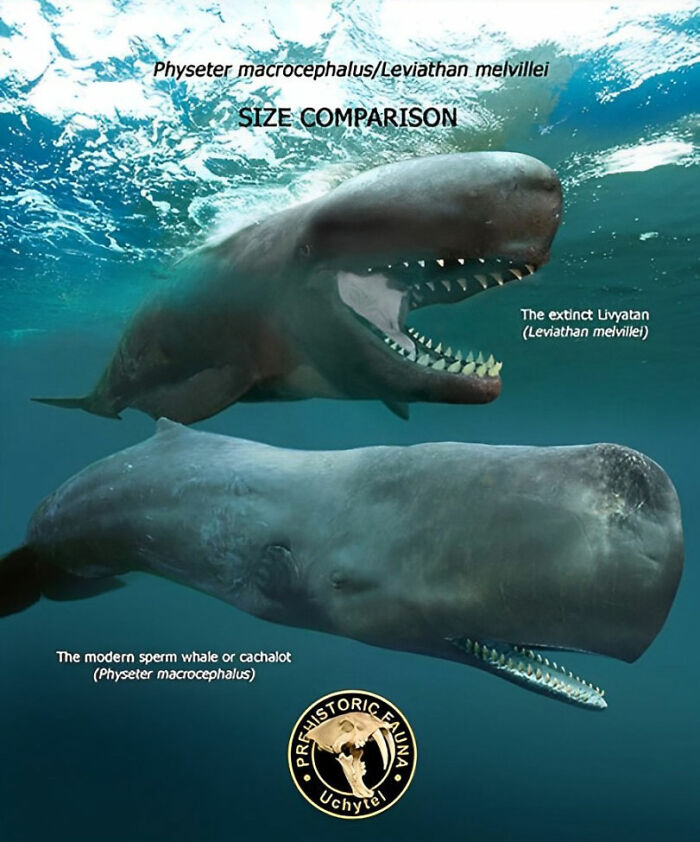
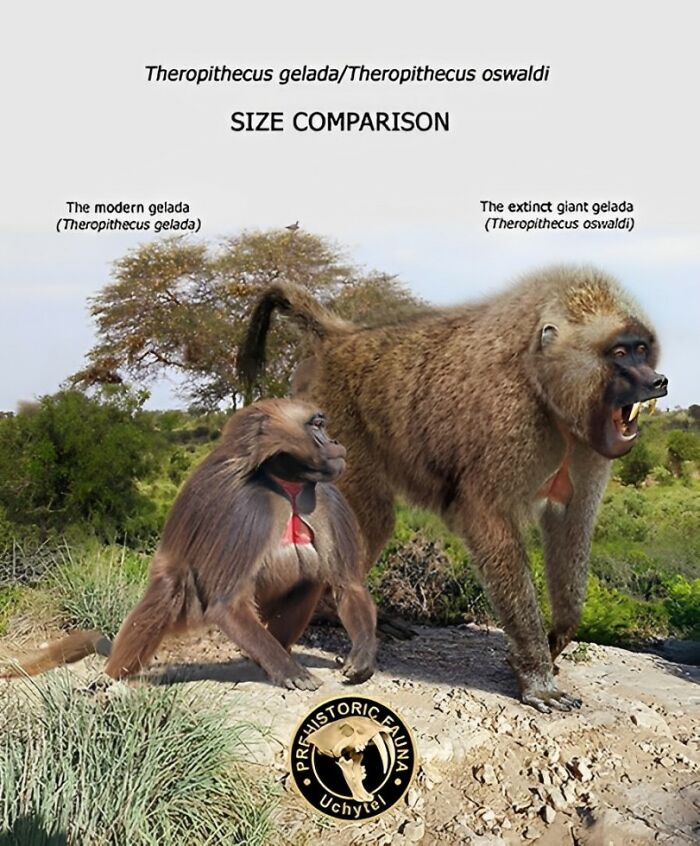
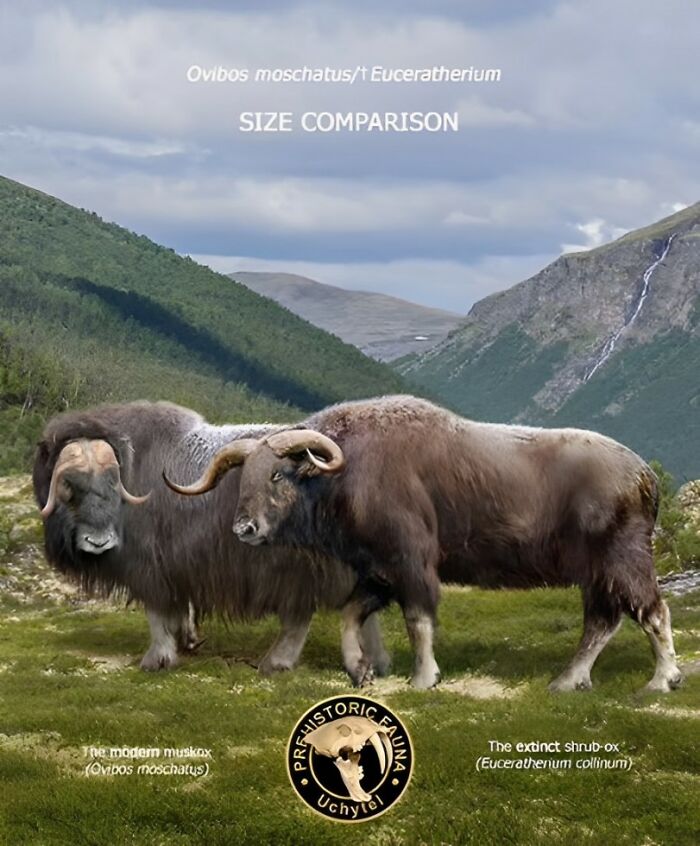
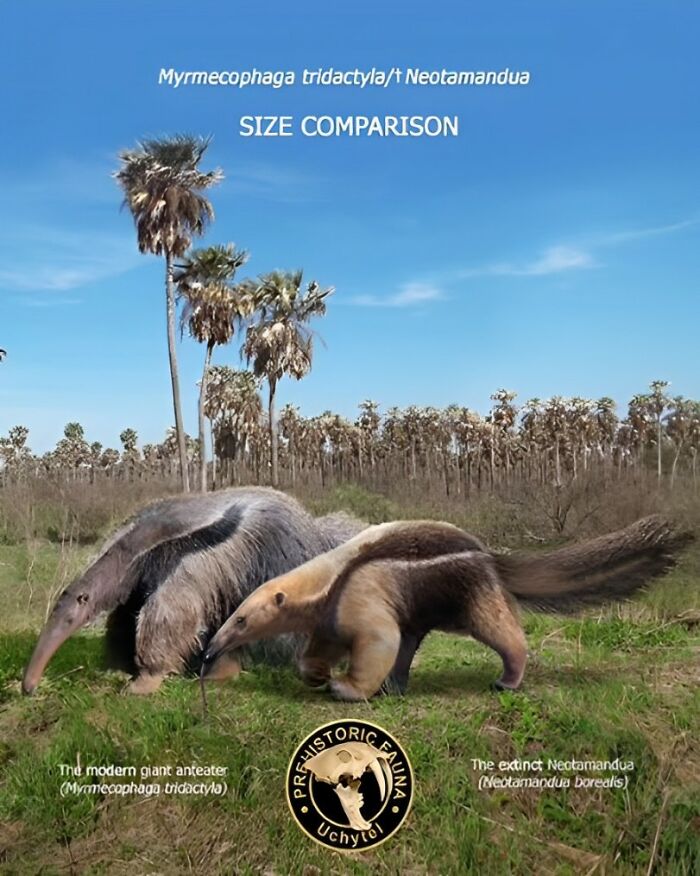
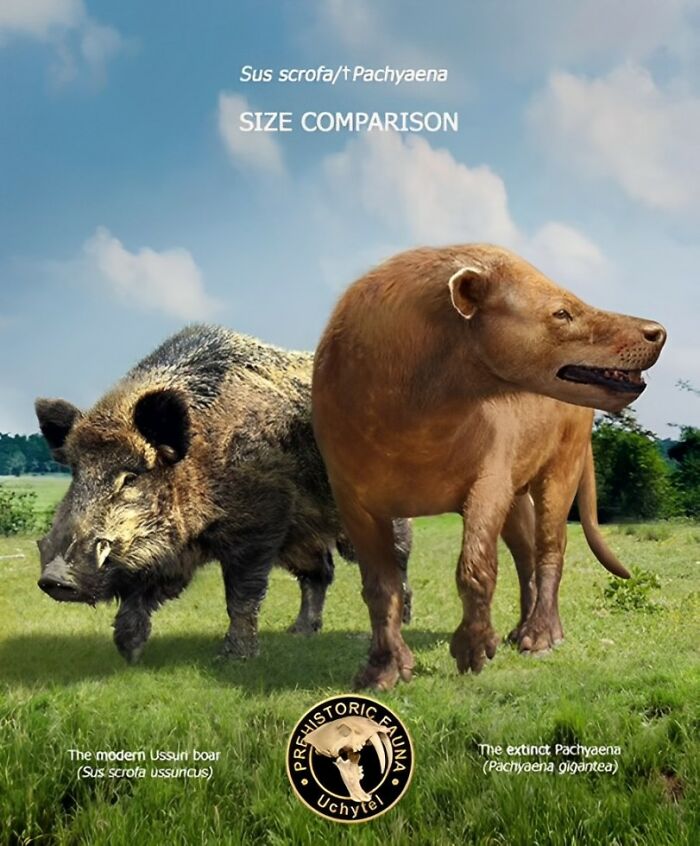
It's time for a fascinating history lesson—prehistoric, to be exact! This journey into the past is made possible by Roman Uchytel, who dedicates his research to comparing extinct animals with their modern relatives. He brings these comparisons to life through detailed illustrations that highlight both the similarities and differences between them, focusing on size and overall appearance.
We've featured even more of Roman's comparisons in the past, so be sure to check out our previous posts. If you're curious to learn more about familiar species and see how they looked in the past, keep scrolling. The artist was kind enough to answer a few questions about his work, which you can read in our interview below.
More info: Instagram | uchytel.com | x.com | Facebook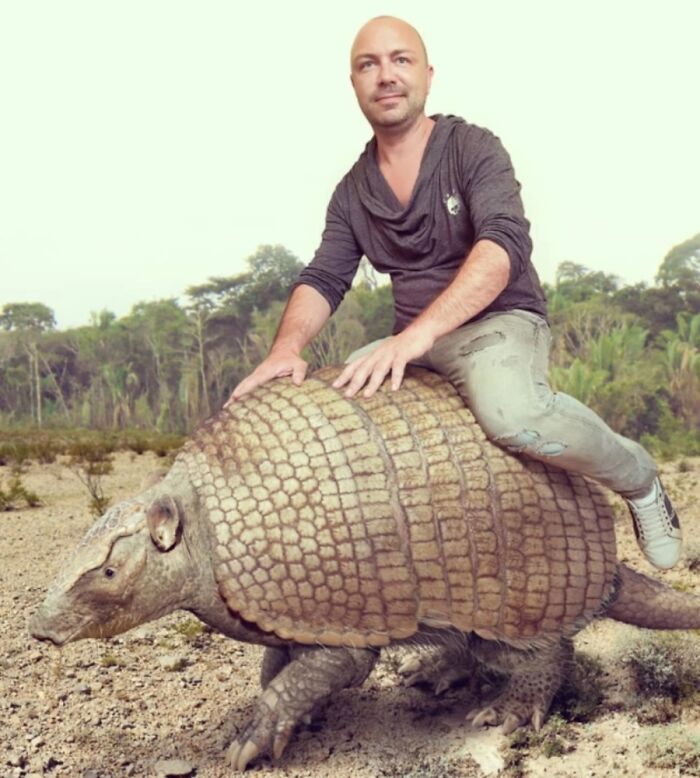 Image credits: romanuchytel
This post may include affiliate links.
We first asked Roman about the extinct animals he feels a strong emotional connection to, and without much hesitation, the history enthusiast mentioned the woolly rhinoceros. Then he told us more about it: “I don't have to spend too much time figuring out what he might look like because our ancestors created lifetime portraits of him in caves.
At the same time, if you rely on these images, you can understand that modern animals are not very different from some extinct animals, which helps in my work.”

All through my early education they repeatedly emphasized to us that the panda is not a bear, but it is some sort of giant raccoon. Then in the 1980s they changed their mind - "Nope, it was actually a bear this whole time! Sorry for the misunderstanding!" I felt so gaslighted.
Next, we wondered if Uchytel had ever been particularly surprised by something he learned during his research. It turns out that unexpected discoveries are a regular part of his work: “Every animal is a surprise. For example, it is still believed that the huge one-horned rhinoceros Elasmotherium had a giant horn on its forehead. But when I started to reconstruct it, there was evidence that if there was a horn, it was small - more like a bump on the forehead. In addition, one of Elasmotherium's skulls was found with damage to the spot that theoretically should have been protected by the giant horn. And this indirectly confirms that there was no giant horn.”

I mourn the loss of earth's megafauna as I would have loved to see some of the amazing, large extinct animals. Terror Birds are the one exception, they were indiscriminate omnivores and I see how things like Shoebill Storks eat their prey. It probably would be a long drawn out death unless they kicked a hole through you first.
When asked how his perception and portrayal of extinct animals have evolved over time, Roman answered: “Firstly, when I started doing digital palaeo-art, most artists were still drawing prehistoric animals with pencils and paints. As I created my archive, many scientific discoveries related to these animals came to light, necessitating changes or drastic reworking of already created reconstructions. And this process is never-ending. In addition, technology changes, allowing for more realistic images to be created. At the same time, I deliberately do not use AI.”
The artist also shared his vision for his future work: “Now there is a noticeable increase in competition and I have a lot of successors. Even famous palaeo-artists started to make photorealistic illustrations. So you could say that my wife, who is a business partner, and I have given a boost to the industry as a whole. Fifteen years ago, not many people were interested in extinct Cenozoic fauna. And now it's become popular. Many people think that all modern reconstructions are created with the help of AI. But real nature is wild and ‘dirty’, and has nothing in common with an ideal picture created by a ‘robot’.”
Lastly, we were curious about what dream project related to extinct animals Uchytel would like to undertake if he had unlimited resources. We learned that: “We have long been thinking about creating a virtual Prehistoric Zoo, where sabre-toothed cats, giant sloths, big-horned deer and any other extinct megafauna from different continents and eras could walk alongside visitors.”
I just love how MuskOxen have horns that look just like old-school Lego women's hair! 😸

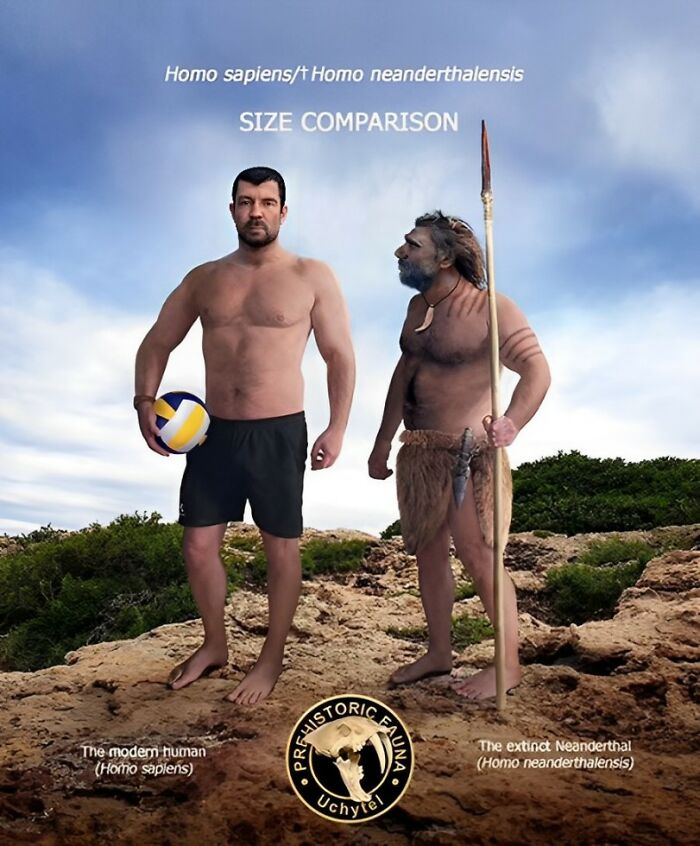
Neanderthals are not extinct. Many of them mated with modern humans, so their genes are still part of us.


Some modern humans would. We still have warriors who seem like a different breed now days.
Load More Replies...

Dude is sucking it in. He looks like he can't wait for you to look away.

Really feel like there needs to be a disclaimer. The Modern Human* *Modern humans may contain small amounts of DNA from Neanderthals, Denisovans, and an as yet unknown hominid species.

But this image doesn't imply or state that modern humans *aren't* part Neandertal. It simply states that "purebred" Neanderthals are extinct. It doesn't require a "disclaimer" about the genetic makeup of modern humans.
Load More Replies...
There's a model of a Neanderthal man clad & styled modernly in a museum in Germany. The odd thing for me is that I keep thinking that I've seen that guy before: Neandertha...d3bda3.jpg 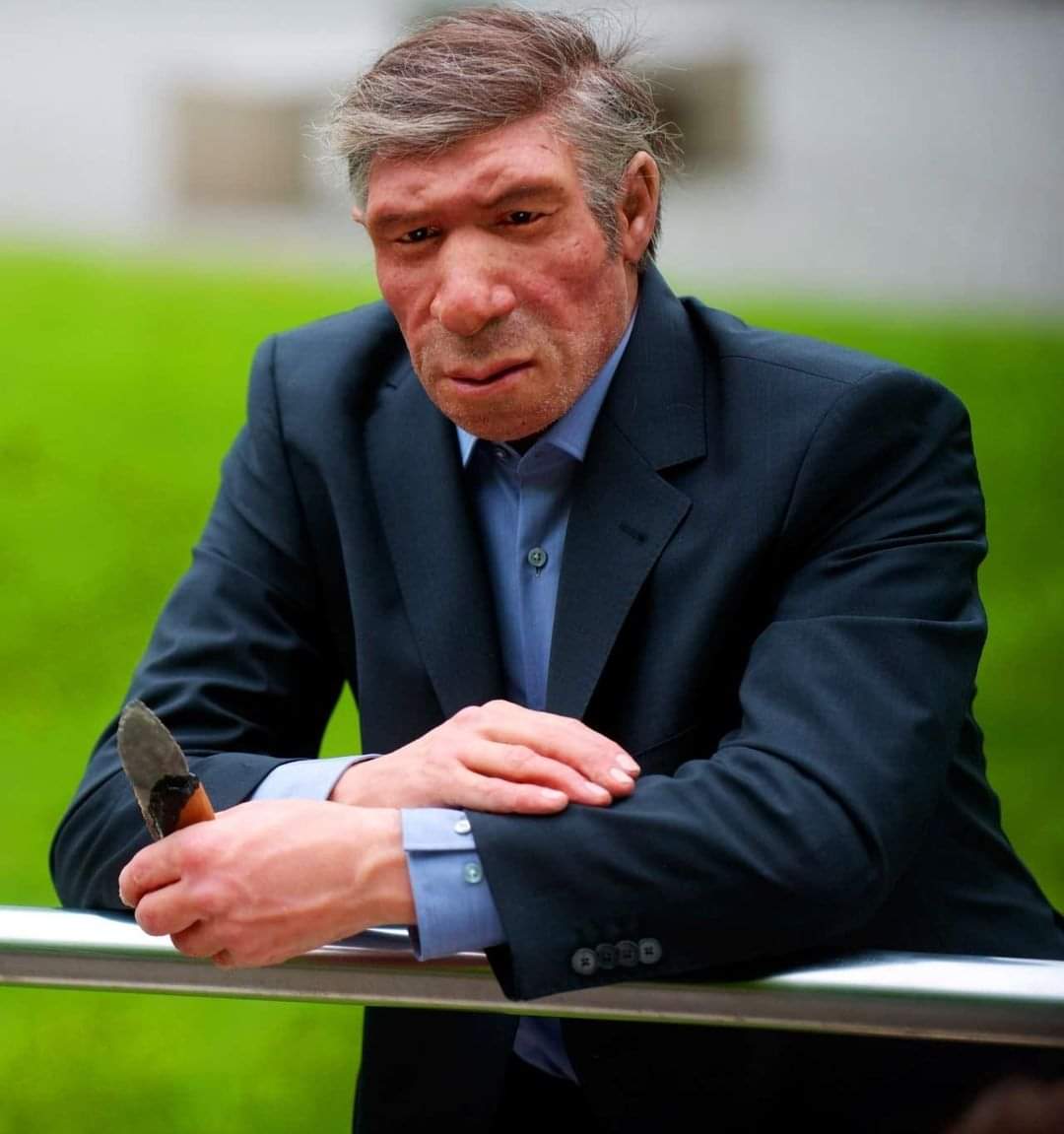

Neanderthals are not extinct, have you seen some of the guys out there
Humans. Have you seen some of the HUMANS. There's plenty of Neanderthal females out there too.
Load More Replies...
Question, are we really considered "the same" to whatever standard it is compared to humans from 500 years ago?

I am so disappointed. I am so scared to die!! I do not believe there is an afterlife. I am an archaeologist . Science tells me that the subjects I find, simply died. The remains from many graves.. , are just that.. remains. They can tell us how they died, lived, if they had children, this is a profession that offers so much about who we are
You see these 2 men from different places in time How does the bible account of mankind fit into this ??

Perhaps it's silly of me, but I'd like to see modern species/subspecies side by side size comparisons as well. For example tiger, echidna, pangolin, otter, squirrel, bear, leopard. For each there is a factor of two or more difference in size between extant species/subspecies, and sometimes a great difference in shape as well, for example in the echidna.

The only way I can really tell a Jaguar and leopard apart is by having them side by side, especially if they're both black. The jaguar is stockier and more muscular than the leopard, with a shorter body, shorter legs, and a broader chest. It also tends to have a large barrel-like abdomen. A leopard has a more slender and longer body, longer legs, and generally a lighter appearance. But unless I see them side by side 🤷🏿
Load More Replies...

Awesome. Great work to raise awareness of the many, extinct species similar to today’s extant species! A less well-known window into what could happen to so many of our existing fauna. It appears that there were several, often larger, variations of so many animals, elephants, rhinos, camels, etc, called ‘megafauna’.
I wish there was a giant sloth among these pics. Still great renderings.

Perhaps it's silly of me, but I'd like to see modern species/subspecies side by side size comparisons as well. For example tiger, echidna, pangolin, otter, squirrel, bear, leopard. For each there is a factor of two or more difference in size between extant species/subspecies, and sometimes a great difference in shape as well, for example in the echidna.
The only way I can really tell a Jaguar and leopard apart is by having them side by side, especially if they're both black. The jaguar is stockier and more muscular than the leopard, with a shorter body, shorter legs, and a broader chest. It also tends to have a large barrel-like abdomen. A leopard has a more slender and longer body, longer legs, and generally a lighter appearance. But unless I see them side by side 🤷🏿
Load More Replies... Awesome. Great work to raise awareness of the many, extinct species similar to today’s extant species! A less well-known window into what could happen to so many of our existing fauna. It appears that there were several, often larger, variations of so many animals, elephants, rhinos, camels, etc, called ‘megafauna’.
I wish there was a giant sloth among these pics. Still great renderings.

























 No fees, cancel anytime
 then open in external browser


 and click "Open in External Browser"