ADVERTISEMENT

Film-maker Paul Ratner developed a passion for researching old photographs of indigenous people while making "Moses on the Mesa", a film about a German-Jewish immigrant who fell in love with a Native-American woman and became governor of her tribe of Acoma Pueblo in New Mexico in the late 1800s.

“What has been most gratifying to me about researching old photos of Native Americans is when the relatives of the people featured in the photos discover them through our popular Facebook page," Ratner told Bored Panda. "Many of them have never seen these photos and are excited to find them. It is also exciting when folks correctly identify the people and the tribes pictured in the photos since the archives or vintage photo auctions often have incorrect or incomplete information. I feel like through this process we are reclaiming some lost history.”

More info: filmsbygiants.com | Facebook (h/t: huffpost)

#1

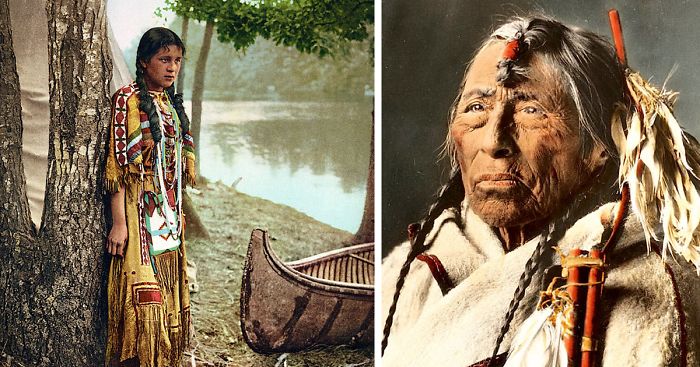
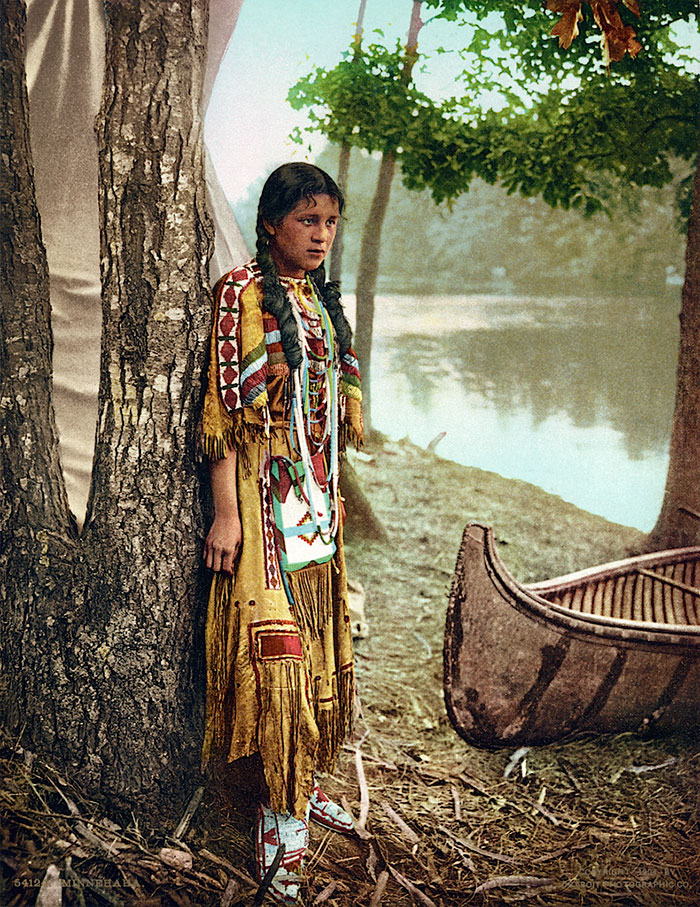
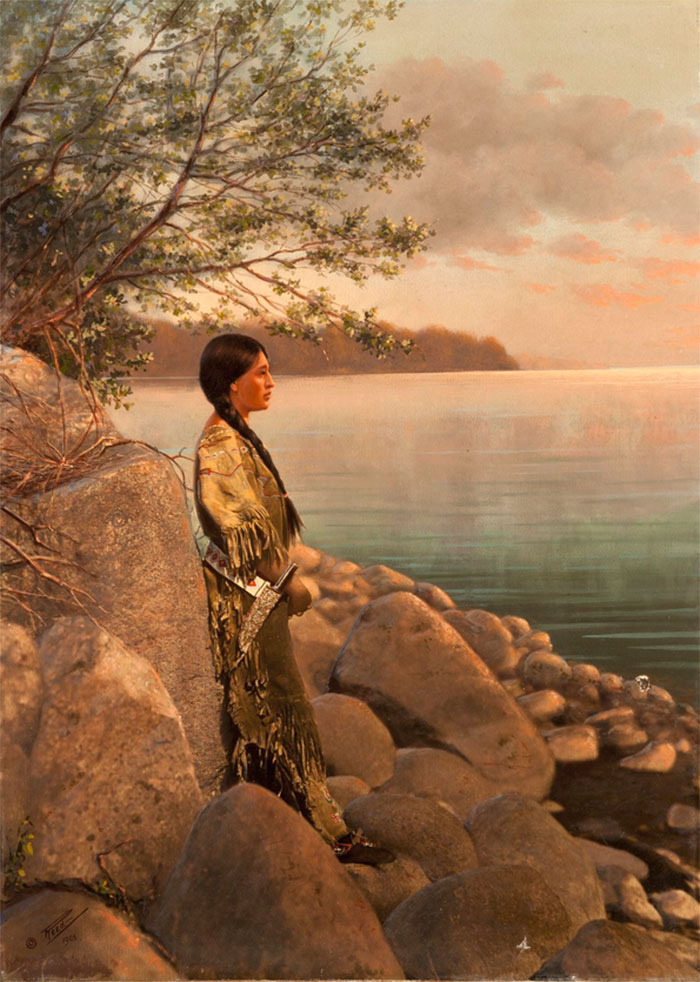
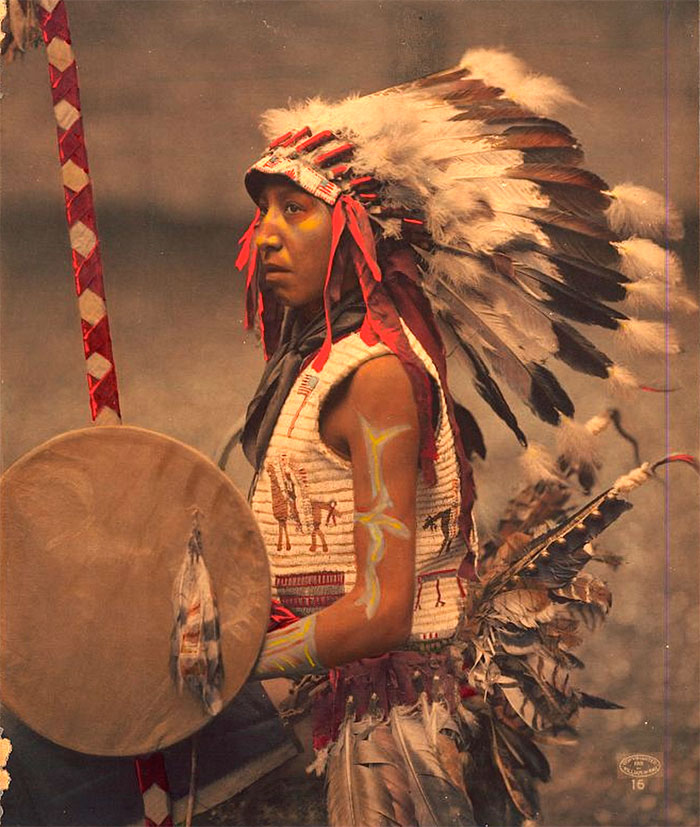
Minnehaha. 1904

Minnehaha. 1904

Paul Ratner Report

Yvonne Bernal
Community Member
8 years ago Created by potrace 1.15, written by Peter Selinger 2001-2017

"Rare color photo"?? I don't think so.... this one has to be just a picture of a painting since Minnehaha never existed!

RichardKnob
Community Member
9 years ago Created by potrace 1.15, written by Peter Selinger 2001-2017

Please explain. How can this be a real photo? Minnehaha is a fictional Native American woman documented in Henry Wadsworth Longfellow's 1855 epic poem The Song of Hiawatha.

BobbiNewell
Community Member
9 years ago Created by potrace 1.15, written by Peter Selinger 2001-2017

Call it artistic license. The girl must have reminded the photographer of Longfellow's poem, so he felt compelled to make the cultural reference.

Load More Replies...
Donna R Winter Hall
Community Member
9 years ago Created by potrace 1.15, written by Peter Selinger 2001-2017

look at the beautiful beading and needle work!

View more comments
RELATED:
    #2

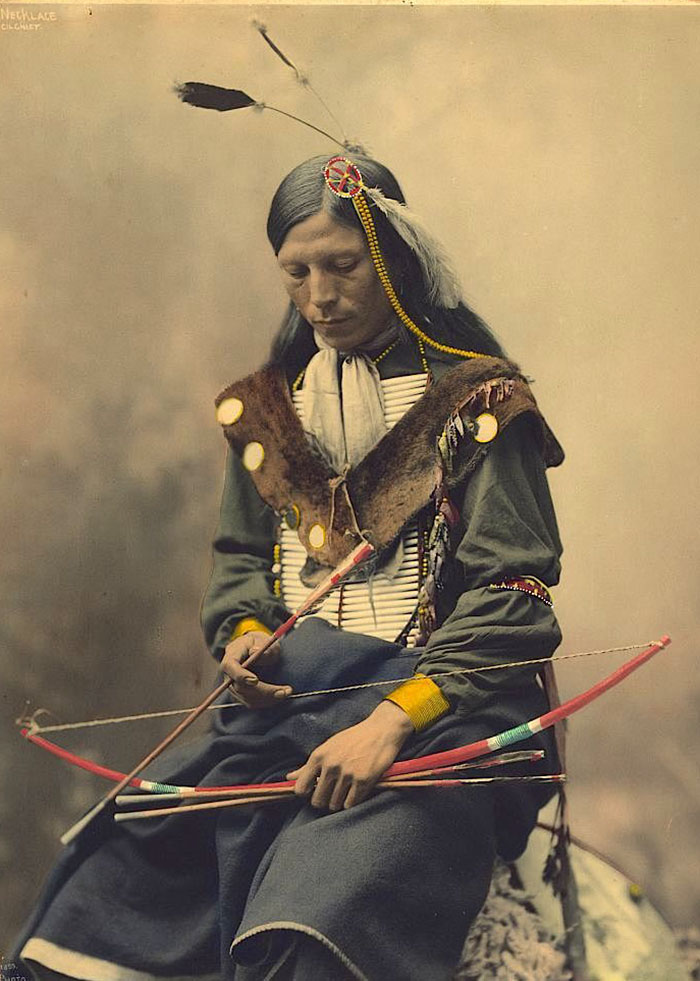
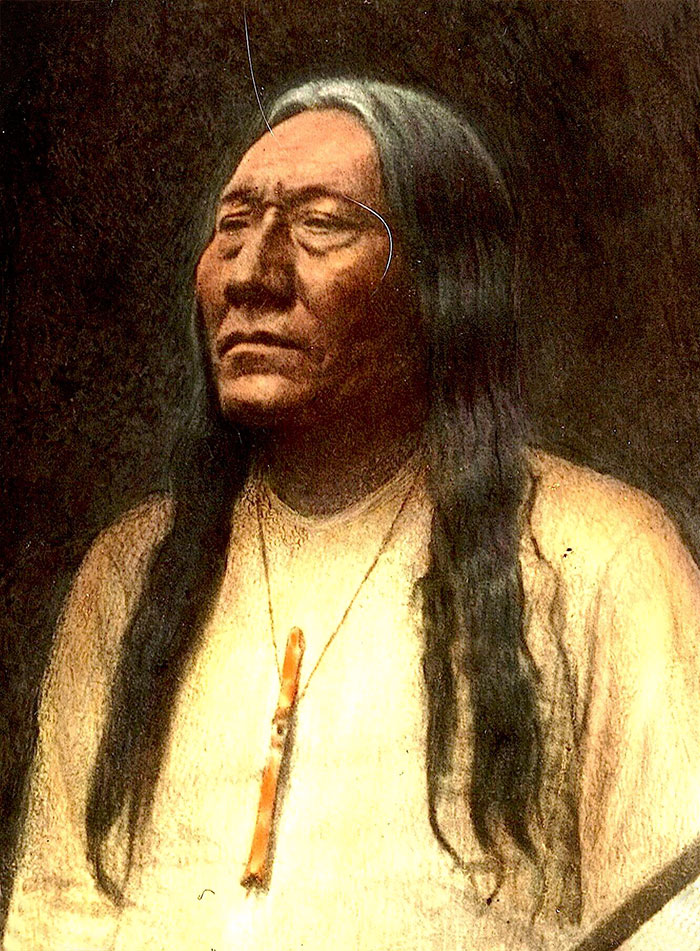
    Bone Necklace. Oglala Lakota Chief. 1899. Photo By Heyn Photo

    Bone Necklace. Oglala Lakota Chief. 1899. Photo By Heyn Photo

    Paul Ratner Report

    ChrisMiilu
    Community Member
    9 years ago Created by potrace 1.15, written by Peter Selinger 2001-2017

    This man has a sensitive, intelligent face and beautiful hands. This is an example of those who fell victim to the brutality of those who wanted their land. Sensitive face and beautiful hands. This man is an example of those we murdered for land.

    Jason Ortiz
    Community Member
    9 years ago Created by potrace 1.15, written by Peter Selinger 2001-2017

    Dont forget that, Indian would kill indian as well, they had wars, and they captured territory from their own people, they killed their own people, just like we do, just like any human does. A sensitive face and beautifull hands you say, rest assure those hands and face went to war against another Indian tribe. They murdered for land too, as with everyone else. Just because we conquered them, does not mean they automatically are innocent. Those are warriors, and they didnt became warriors by sitting around smoking peace pipe.

    Load More Replies...
    Elaine Padeken
    Community Member
    9 years ago Created by potrace 1.15, written by Peter Selinger 2001-2017

    This is my great grandmothers maternal Uncle. Image my surprise to see this photo! Wow!!!

    Ronda Carifelle Longard
    Community Member
    9 years ago Created by potrace 1.15, written by Peter Selinger 2001-2017

    What a beautiful man. He's someone you just want to sit beside and learn from or draw strength and peace from. I wish I'd known him.

    Rhhal Amzziane
    Community Member
    9 years ago Created by potrace 1.15, written by Peter Selinger 2001-2017

    T hey.re victims of europian criminal imperialism!!!!!!!!???????

    Livvy McMahill
    Community Member
    9 years ago Created by potrace 1.15, written by Peter Selinger 2001-2017

    Cool...Rabbit arrows...Like the beadwork...

    #3

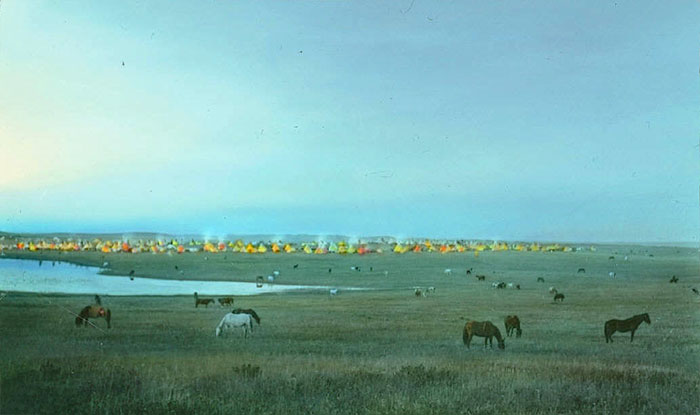
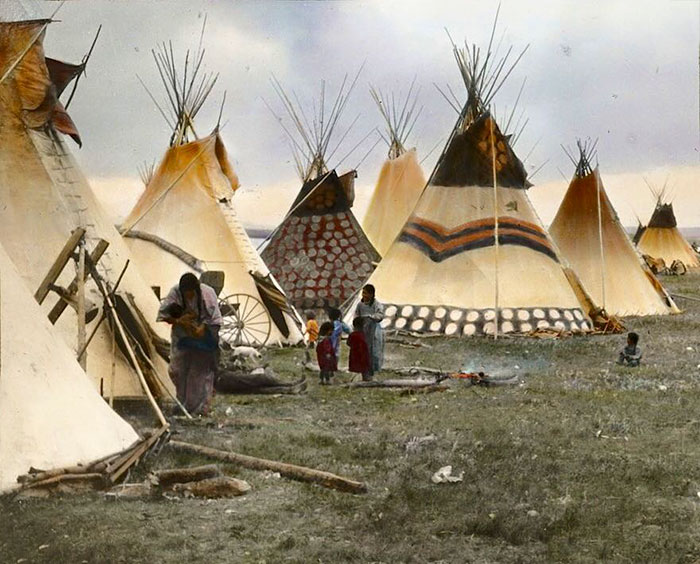
    Blackfeet Tribal Camp With Grazing Horses. Montana. Early 1900s. Glass Lantern Slide By Walter Mcclintock

    Blackfeet Tribal Camp With Grazing Horses. Montana. Early 1900s. Glass Lantern Slide By Walter Mcclintock

    Paul Ratner Report

    #4

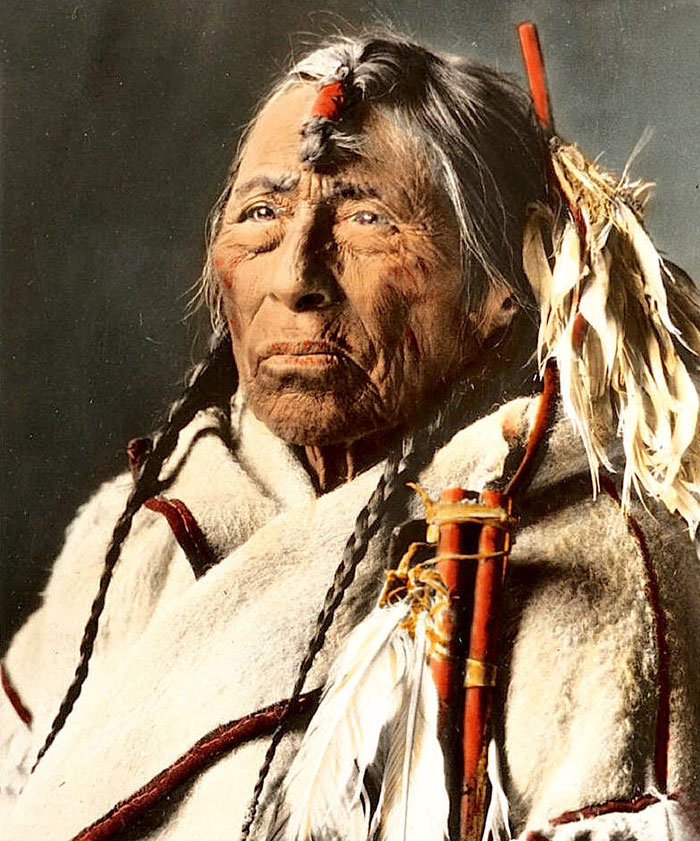
    Eagle Arrow. A Siksika Man. Montana. Early 1900s. Glass Lantern Slide By Walter Mcclintock

    Eagle Arrow. A Siksika Man. Montana. Early 1900s. Glass Lantern Slide By Walter Mcclintock

    Paul Ratner Report

    ygraine
    Community Member
    9 years ago Created by potrace 1.15, written by Peter Selinger 2001-2017

    He has a face full of wisdom and experience. Love it.

    Yvonne Bernal
    Community Member
    8 years ago Created by potrace 1.15, written by Peter Selinger 2001-2017

    I love the coloring on this photo

    ChrisMiilu
    Community Member
    9 years ago Created by potrace 1.15, written by Peter Selinger 2001-2017

    His eyes are sad. He has seen great losses.

    Bennifer
    Community Member
    9 years ago Created by potrace 1.15, written by Peter Selinger 2001-2017

    Thank you. I see sadness in his eyes also

    Load More Replies...
    Kathy Tank
    Community Member
    9 years ago Created by potrace 1.15, written by Peter Selinger 2001-2017

    Now THIS is a face that should be on the 20 dollar bill!

    Allie Queahpama
    Community Member
    4 years ago Created by potrace 1.15, written by Peter Selinger 2001-2017

    They called us superstitious until they catch up, then they call it science

    Pauline Lloyd
    Community Member
    8 years ago Created by potrace 1.15, written by Peter Selinger 2001-2017

    He looks sad and kind of haunted.

    Linda Carroll
    Community Member
    9 years ago Created by potrace 1.15, written by Peter Selinger 2001-2017

    Are these photos available for painting? I would really like to paint them.

    View more comments
    ADVERTISEMENT
    #5

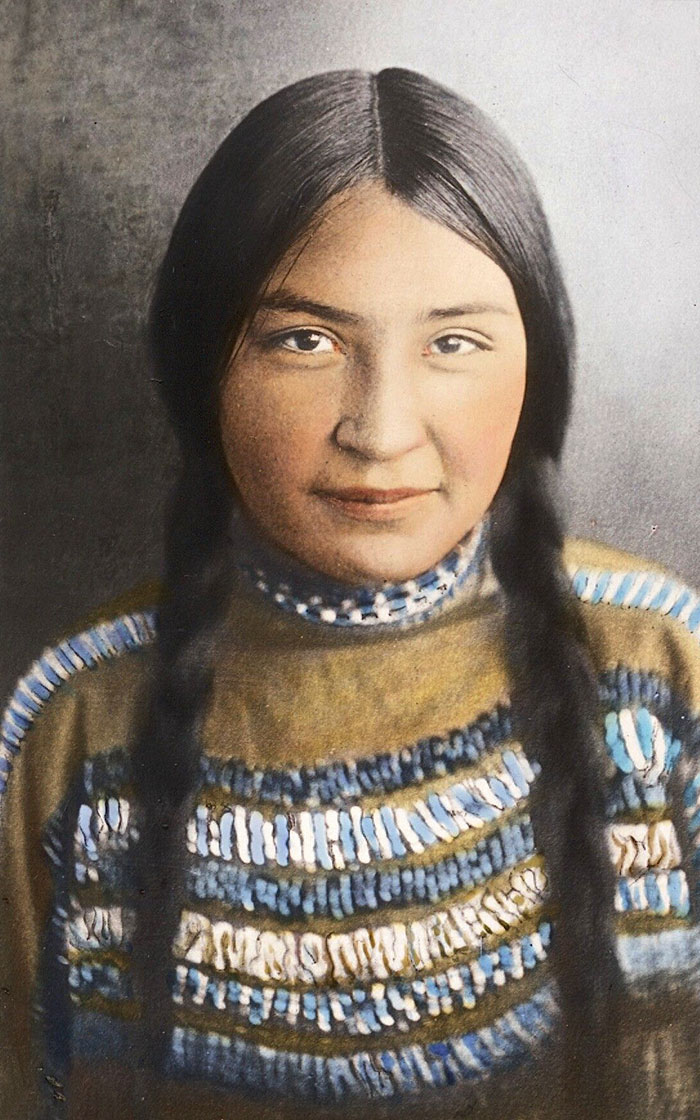
    Blackfeet Girl. Montana. Early 1900s. Glass Lantern Slide By Walter Mcclintock

    Blackfeet Girl. Montana. Early 1900s. Glass Lantern Slide By Walter Mcclintock

    Paul Ratner Report

    Andrew D
    Community Member
    2 years ago (edited) Created by potrace 1.15, written by Peter Selinger 2001-2017

    Her skin should be darker. They colorized these originally black-and-white photos so it is not the actual color of what she actually was. I have noticed this in paintings and colorized photos of indigenous Americans, and darker-skinned peoples around the world. Painters and photo editors will often lighten the skin color of the subjects because of the white beauty standard. This is especially true for darker-skinned women to make them seem more "beautiful" in the eyes of many even though I and many other men find darker-skinned women to be far more beautiful than fair-skinned women.

    Andrew D
    Community Member
    2 years ago Created by potrace 1.15, written by Peter Selinger 2001-2017

    Her skin should probably be darker. They colorized it so it is not the actual color of what she actually was. I have noticed this in paintings and colorized photos of indigenous Americans, and darker-skinned peoples around the world. Painters and photo editors will often lighten the skin color of the subjects because of the white beauty standard. This is especially true for darker-skinned women to make them seem more "beautiful" in the eyes of even though I and many other men find darker-skinned women to be the more beautiful than fair-skinned women.

    Elizabeth MacTavish
    Community Member
    9 years ago Created by potrace 1.15, written by Peter Selinger 2001-2017

    My great grandmother was Blackfeet, she was bought when she was 14 and brought to the east coast . My grandfather said she used to say we are from the nowashy tribe every time the kids had muddy bare feet. It is really cool to see how my face resembles even this women. My sister looks alot like her.

    Jane Sanford
    Community Member
    3 years ago Created by potrace 1.15, written by Peter Selinger 2001-2017

    This girl looks like me at that age . My grandmothers great,great grandmother was a Indian chiefs daughter. She married a imergant that worked for the railroad. Also our last name is McClantoc which I was told had been changed over the years though misspelling from McClintok to McClantoc

    Load More Replies...
    View more comments
    #6

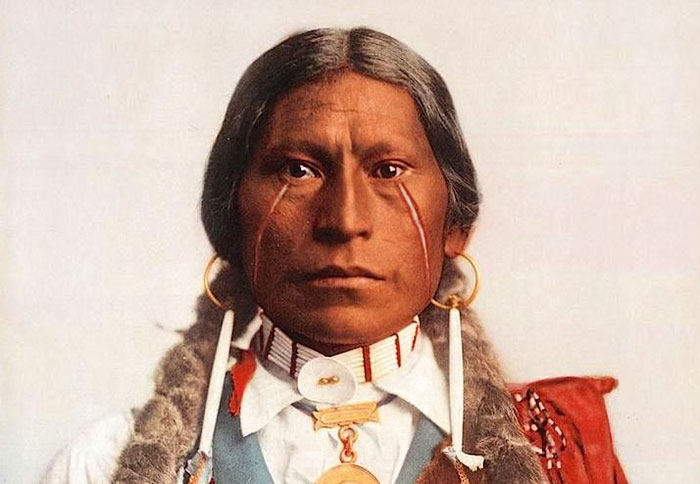
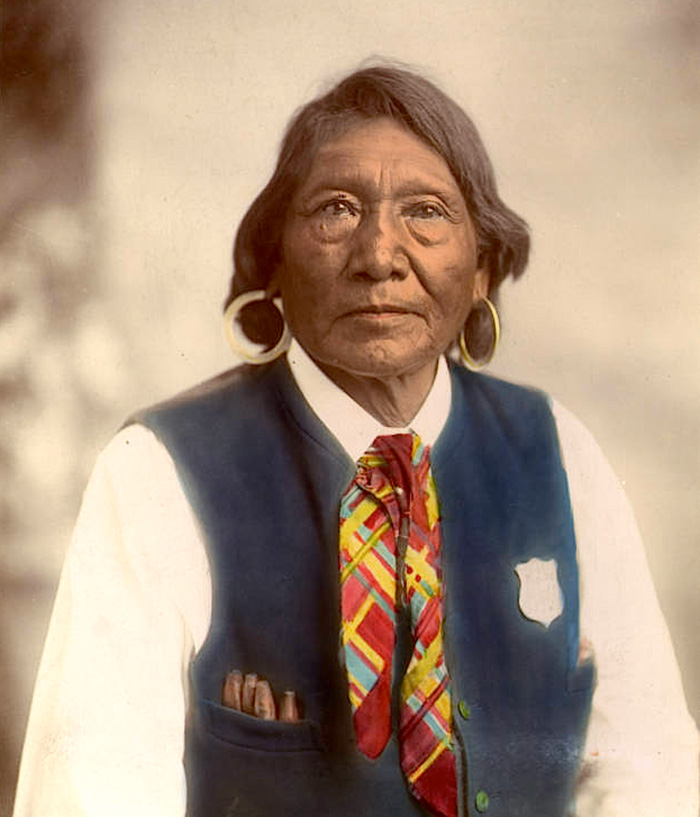
    Chief James A. Garfield. Jicarilla Apache. 1899. Photo By William Henry Jackson

    Chief James A. Garfield. Jicarilla Apache. 1899. Photo By William Henry Jackson

    Paul Ratner Report

    ChrisMiilu
    Community Member
    9 years ago Created by potrace 1.15, written by Peter Selinger 2001-2017

    The Apaches were among the fiercest fighters, much feared. Death was meted out slowly and painfully.

    #7

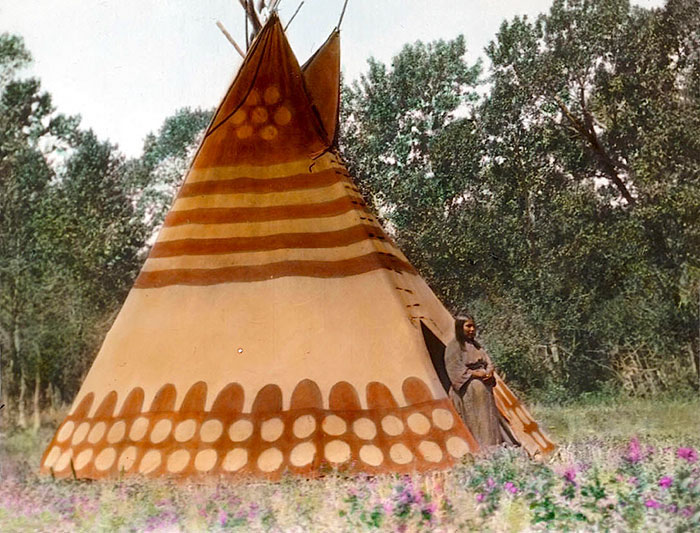
    "Painted Tipis Of The Headmen". Blackfeet. Montana. Early 1900s. By Walter Mcclintock

    "Painted Tipis Of The Headmen". Blackfeet. Montana. Early 1900s. By Walter Mcclintock

    Paul Ratner Report

    CuriousCat
    Community Member
    9 years ago Created by potrace 1.15, written by Peter Selinger 2001-2017

    Amazing to think this was only 100 years ago..

    Kat Orga
    Community Member
    9 years ago Created by potrace 1.15, written by Peter Selinger 2001-2017

    More like "sad to think" it was only 100 years ago".

    Load More Replies...
    ChrisMiilu
    Community Member
    9 years ago Created by potrace 1.15, written by Peter Selinger 2001-2017

    The Blackfeet were warriors and bison hunters. They were almost decimated after exposure to European diseases. They were given a reservation, and there are still about 15,000 in the U.S. More live in Canada.

    View more comments
    #8

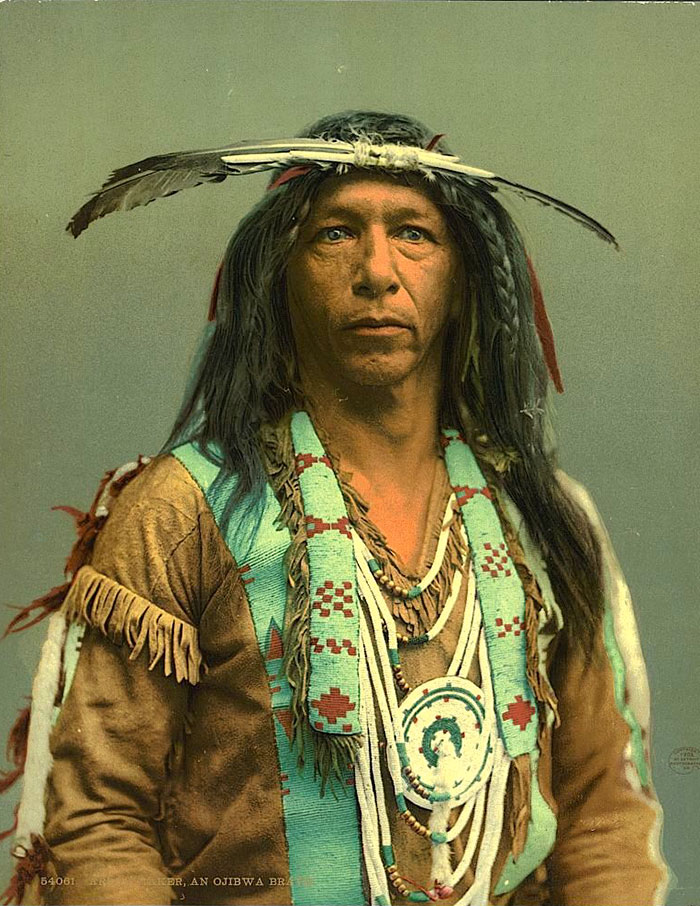
    Arrowmaker, An Ojibwe Man. 1903

    Arrowmaker, An Ojibwe Man. 1903

    Paul Ratner Report

    CharlesLaster
    Community Member
    9 years ago Created by potrace 1.15, written by Peter Selinger 2001-2017

    Everything he wears is an artwork.

    ChrisMiilu
    Community Member
    9 years ago Created by potrace 1.15, written by Peter Selinger 2001-2017

    Beautiful bead work in the necklaces and medallion. He looks European with light colored eyes. I wonder what his background is.

    GordMcgowan
    Community Member
    9 years ago Created by potrace 1.15, written by Peter Selinger 2001-2017

    he looks like he's pretty mad at the other white meat

    EricKaplan
    Community Member
    9 years ago

    This comment is hidden. Click here to view.

    Steven Tyler's debut with his first group - ARROWsmith.

    ADVERTISEMENT
    ADVERTISEMENT
    #9

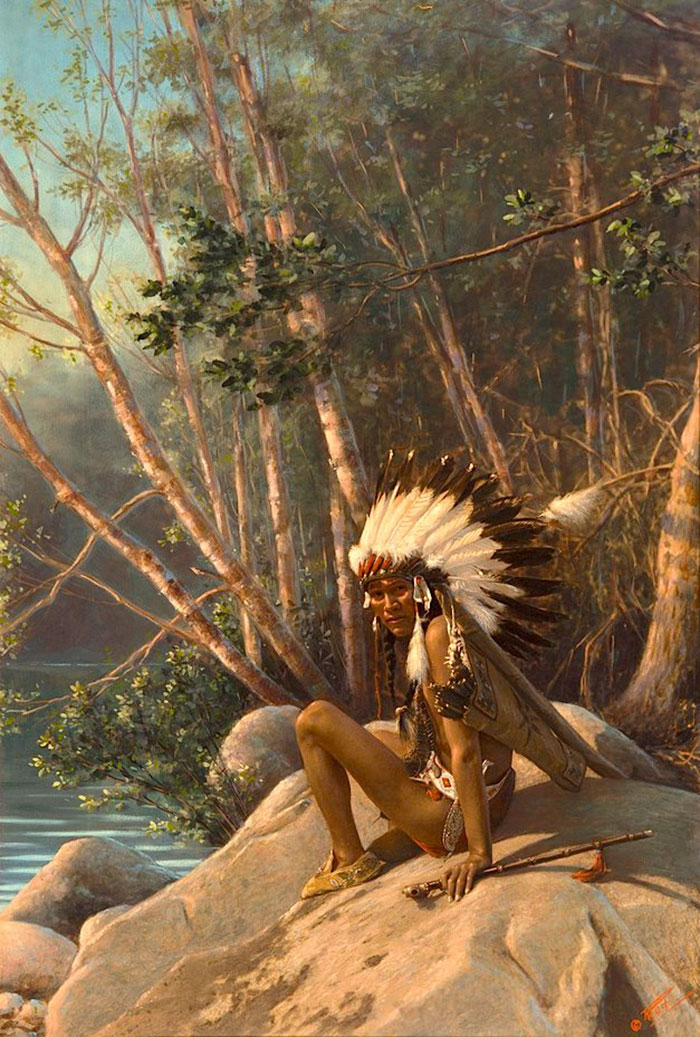
    "Ringing Bell". 1908. Minnesota. Handpainted Photo Print By Roland W. Reed

    "Ringing Bell". 1908. Minnesota. Handpainted Photo Print By Roland W. Reed

    Paul Ratner Report

    DonnaJohnson
    Community Member
    9 years ago Created by potrace 1.15, written by Peter Selinger 2001-2017

    How beautiful our American Indians are and were.

    Andrew D
    Community Member
    2 years ago (edited) Created by potrace 1.15, written by Peter Selinger 2001-2017

    They are not "yours". You are on their land they are not animals or creatures for you to own as "yours". What a diminitive, belittling, and inconsiderate thing to say about people whose land was stolen from them and on which you likely live on.

    Load More Replies...
    Yvonne Bernal
    Community Member
    8 years ago Created by potrace 1.15, written by Peter Selinger 2001-2017

    Excellent paint job on this photograph

    Raven Hardy
    Community Member
    7 years ago Created by potrace 1.15, written by Peter Selinger 2001-2017

    Nearly naked AND wearing a headdress..every white man's fantasy..Native women did NOT go around half nude!! We are modest and back then, it would have gotten her punished , if not banned from her family snd tribe ..and Native women DO NOT WEAR HEADRESSES!! they r sacred..every Eagle feather earned..only a Chief wears it and only for special ceremonies and occassions..this picture helps perpetuate the image of Native women as being promiscuous and sexually avert..nothing is further from the truth!! Shame on you

    Suzanne Haigh
    Community Member
    4 years ago Created by potrace 1.15, written by Peter Selinger 2001-2017

    Why could they not leave these gently people alone?

    VikiBanaszak
    Community Member
    9 years ago Created by potrace 1.15, written by Peter Selinger 2001-2017

    Finally one without the addition of modern amenities.

    DoyleE
    Community Member
    9 years ago Created by potrace 1.15, written by Peter Selinger 2001-2017

    drawing lol. not a picture!

    View more comments
    #10

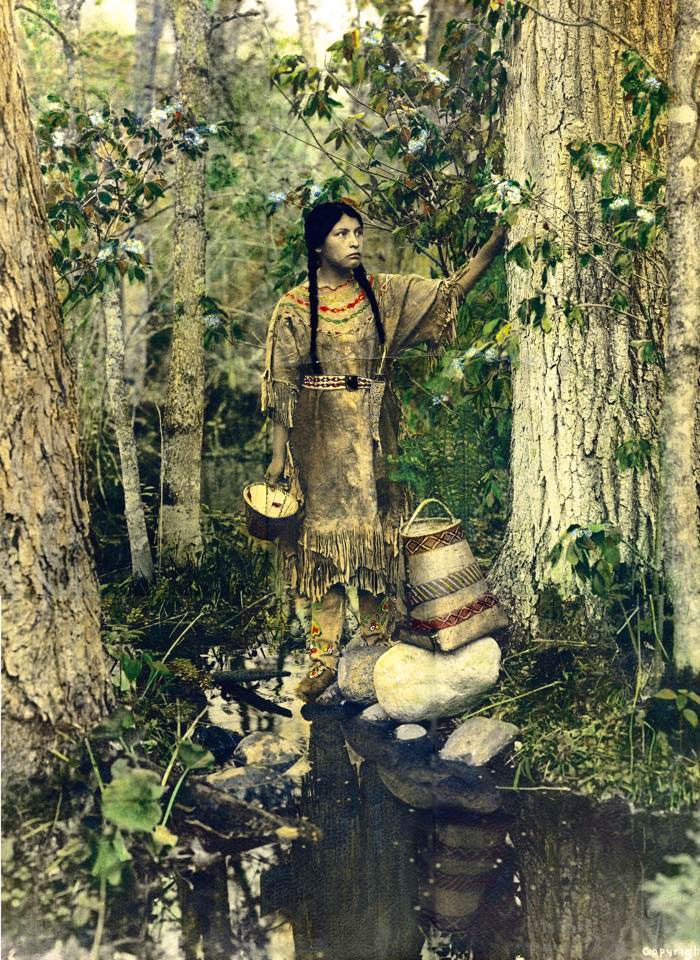
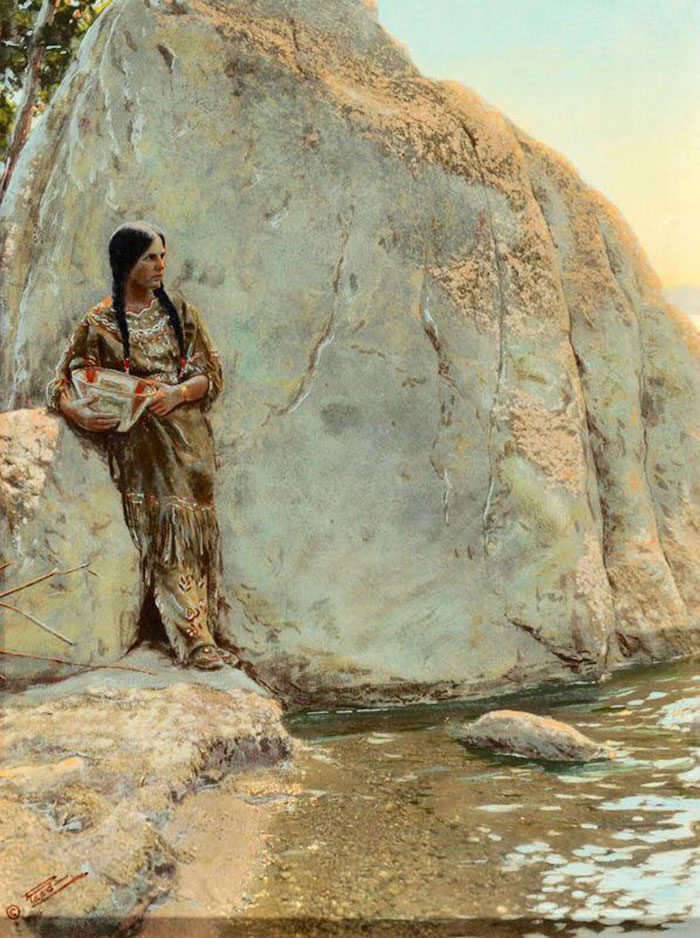
    Handpainted Print Of A Young Woman By The River. Early 1900s. Photo By Roland W. Reed

    Handpainted Print Of A Young Woman By The River. Early 1900s. Photo By Roland W. Reed

    Paul Ratner Report

    RichardKnob
    Community Member
    9 years ago Created by potrace 1.15, written by Peter Selinger 2001-2017

    Same girl, different clothes. See above

    VikiBanaszak
    Community Member
    9 years ago Created by potrace 1.15, written by Peter Selinger 2001-2017

    They look nothing alike, unless you mean she has black hair and is wearing buckskin.

    Load More Replies...
    #11

    Charles American Horse (the Son Of Chief American Horse). Oglala Lakota. 1901. Photo By William Herman Rau

    Charles American Horse (the Son Of Chief American Horse). Oglala Lakota. 1901. Photo By William Herman Rau

    Paul Ratner Report

    ShaunaWoolley
    Community Member
    9 years ago Created by potrace 1.15, written by Peter Selinger 2001-2017

    Also Indians against Indians. Brutal times all around.

    ChrisMiilu
    Community Member
    9 years ago Created by potrace 1.15, written by Peter Selinger 2001-2017

    "Crazy Horse, Red Cloud, and other Lakota Sioux leaders are among the most famous of all ... , Oglala, or Sicangu ... The 1890s were difficult years for the Sioux."

    #12

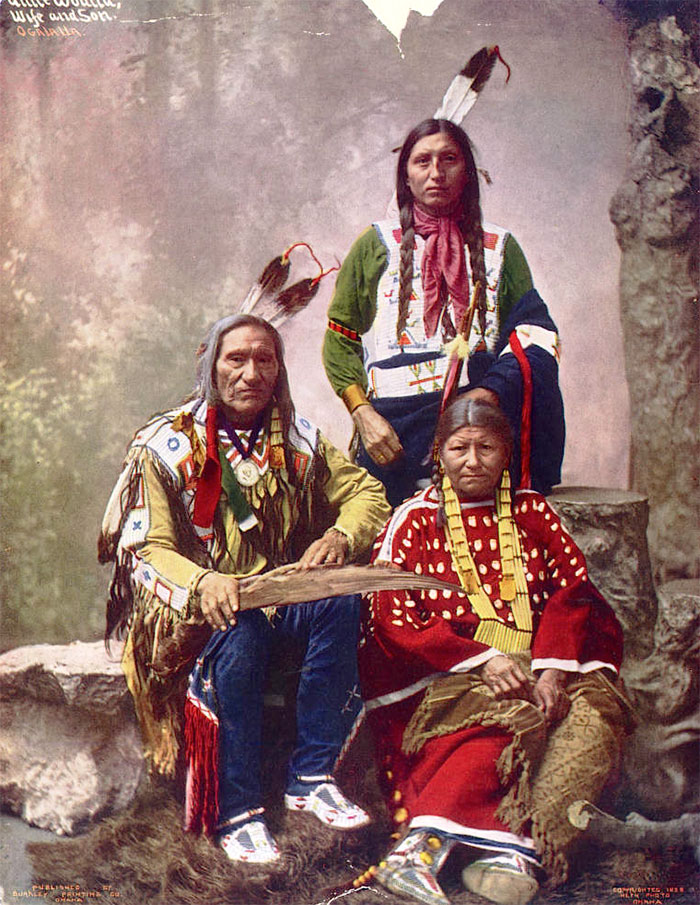
    Chief Little Wound And Family. Oglala Lakota. 1899. Photo By Heyn Photo

    Chief Little Wound And Family. Oglala Lakota. 1899. Photo By Heyn Photo

    Paul Ratner Report

    Jeffrey Powell
    Community Member
    2 years ago Created by potrace 1.15, written by Peter Selinger 2001-2017

    I think I see the original sneakers there.

    ChrisMiilu
    Community Member
    9 years ago Created by potrace 1.15, written by Peter Selinger 2001-2017

    The Oglala Lakota were fierce warriors. Their beading was exquisite. That said, I don't think they were fashionistas.

    ADVERTISEMENT
    #13

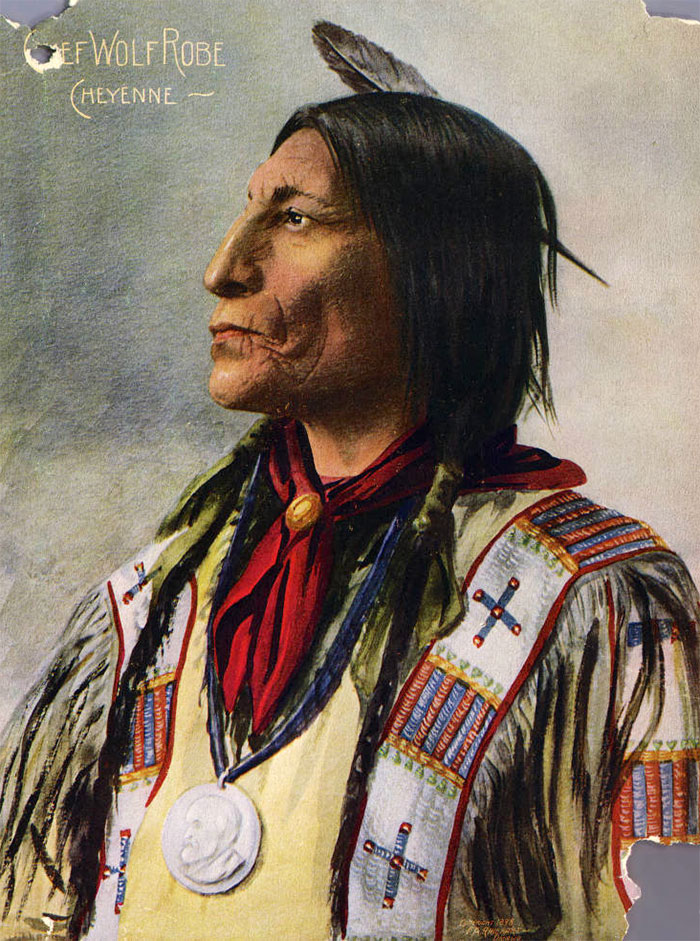
    Cheyenne Chief Wolf Robe. Color Halftone Reproduction Of A Painting From A F. A. Rinehart Photograph. 1898

    Cheyenne Chief Wolf Robe. Color Halftone Reproduction Of A Painting From A F. A. Rinehart Photograph. 1898

    Paul Ratner Report

    SueLitleton
    Community Member
    9 years ago Created by potrace 1.15, written by Peter Selinger 2001-2017

    The Cheyenne were the Indian's Indian -- their ethics, beliefs, and philosophical ideas were greatly honored by the other Indian tribes.

    ChrisMiilu
    Community Member
    9 years ago Created by potrace 1.15, written by Peter Selinger 2001-2017

    "In the Battle of the Little Bighorn on June 25, 1876, the Cheyenne, along with the Lakota Sioux and a small band of Arapaho, annihilated George Armstrong Custer and his troops near the Little Bighorn River. Known as the greatest Native American victory, 262 soldiers died in the battle, while only an estimated 60 Indian warriors were killed." No one deserved this more than Custer who was less a man than any Indian he murdered.

    Tiggy Sagar
    Community Member
    5 years ago Created by potrace 1.15, written by Peter Selinger 2001-2017

    That looks like a photo of a painting.

    Mrs Schubert
    Community Member
    6 years ago Created by potrace 1.15, written by Peter Selinger 2001-2017

    who is the white man is on his medal?

    Håkon Johansen
    Community Member
    9 years ago Created by potrace 1.15, written by Peter Selinger 2001-2017

    Is that a Alfred Nobel price hanging around his neck?

    View more comments
    #14

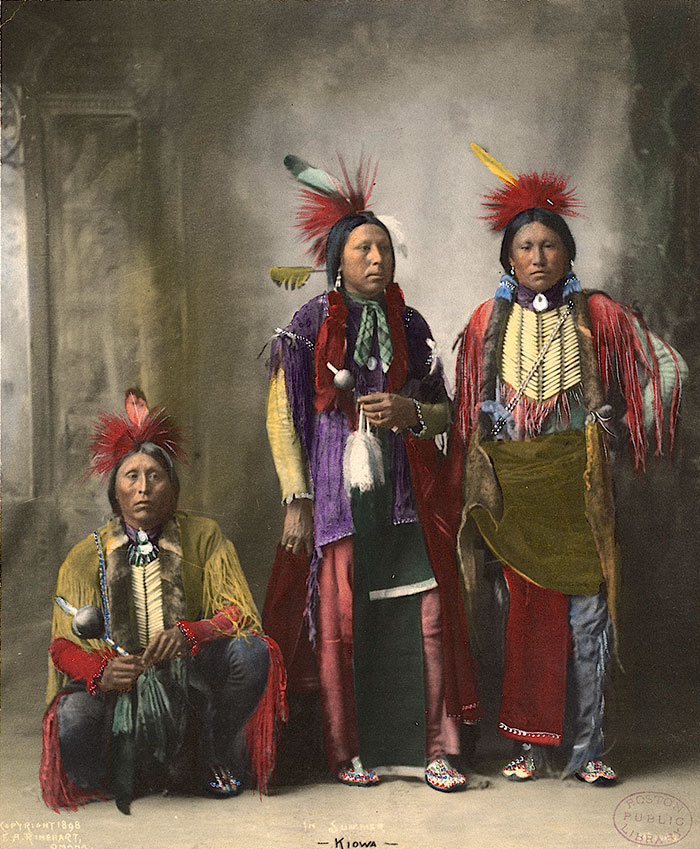
    ”In Summer”. Kiowa. 1898. Photo By F.a. Rinehart

    ”In Summer”. Kiowa. 1898. Photo By F.a. Rinehart

    Paul Ratner Report

    wewe
    Community Member
    9 years ago Created by potrace 1.15, written by Peter Selinger 2001-2017

    Now they are gone slaughtered by the USA

    ChrisMiilu
    Community Member
    9 years ago Created by potrace 1.15, written by Peter Selinger 2001-2017

    "The Apache Indians are well-known today for their unique culture, but more specifically, their talent in art. Their art mainly encompassed silver smithing, bead work, sculpting, pottery, and intricate basket weaving." The Kiowa were part of the larger Apache tribes.

    #15

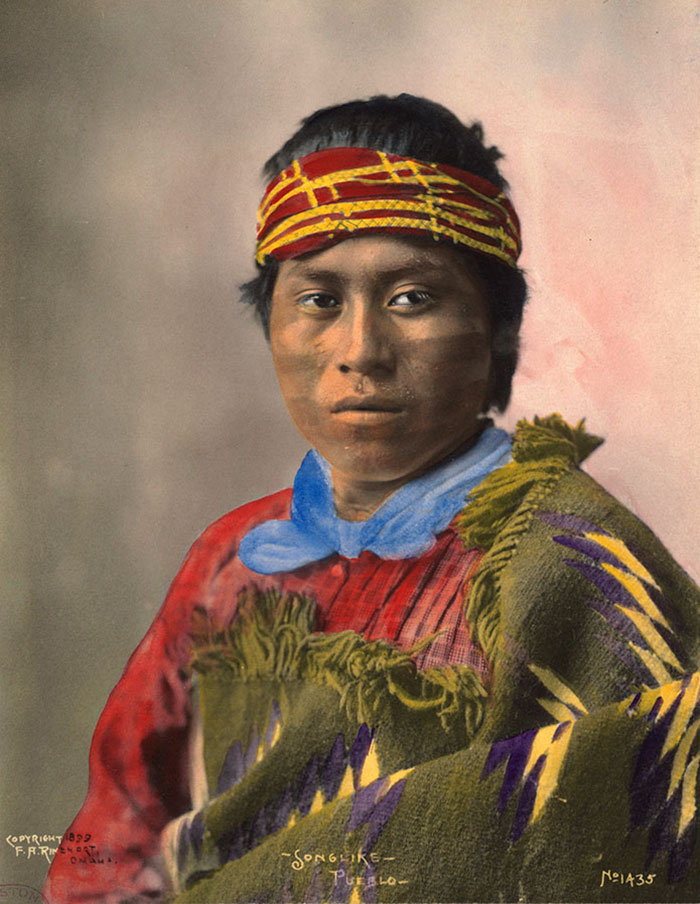
    “Songlike”, A Pueblo Man, 1899. Photo By F.a. Rinehart

    “Songlike”, A Pueblo Man, 1899. Photo By F.a. Rinehart

    Paul Ratner Report

    ChrisMiilu
    Community Member
    9 years ago Created by potrace 1.15, written by Peter Selinger 2001-2017

    Visited the Pueblo Indian reservation in New Mexico. Amazing place with a burial ground in the mountains above it.

    Louis Nagelkerke
    Community Member
    7 years ago Created by potrace 1.15, written by Peter Selinger 2001-2017

    beautiful photos Thanks for posting www.louisnagelkerke.nl

    #16

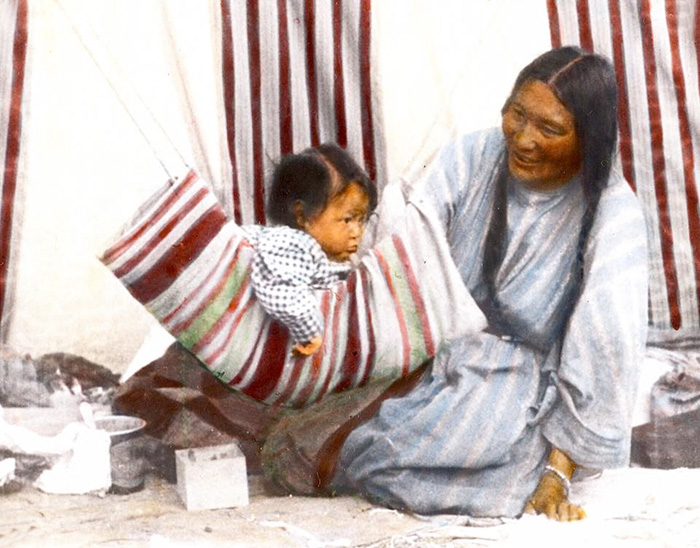
    Walks-in-the-water (soya-wa-awachkai) And Her Baby Koumiski (round Face). Siksika. Montana. Ear

    Walks-in-the-water (soya-wa-awachkai) And Her Baby Koumiski (round Face). Siksika. Montana. Ear

    Paul Ratner Report

    Jayne Bradley
    Community Member
    5 years ago Created by potrace 1.15, written by Peter Selinger 2001-2017

    Children were sacred to the Indians. They didn't raise their voices or hand to them. These children were communally raised and cared for. Free and not forced to do anything yet they excelled at what they were interested in and were wise even though they didn't learn algebra or how to diagram sentences

    ADVERTISEMENT
    #17

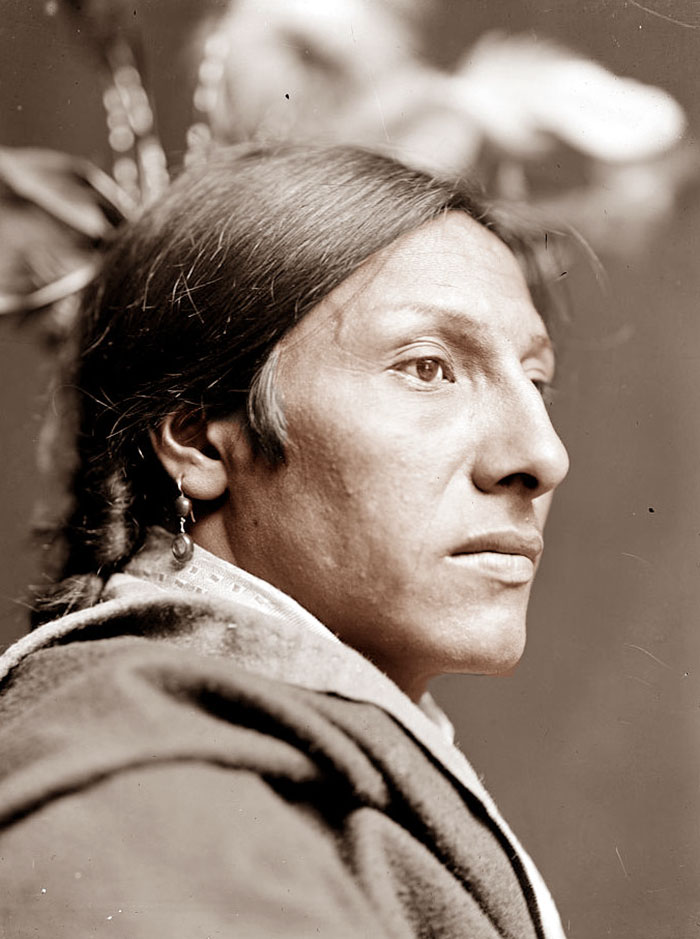
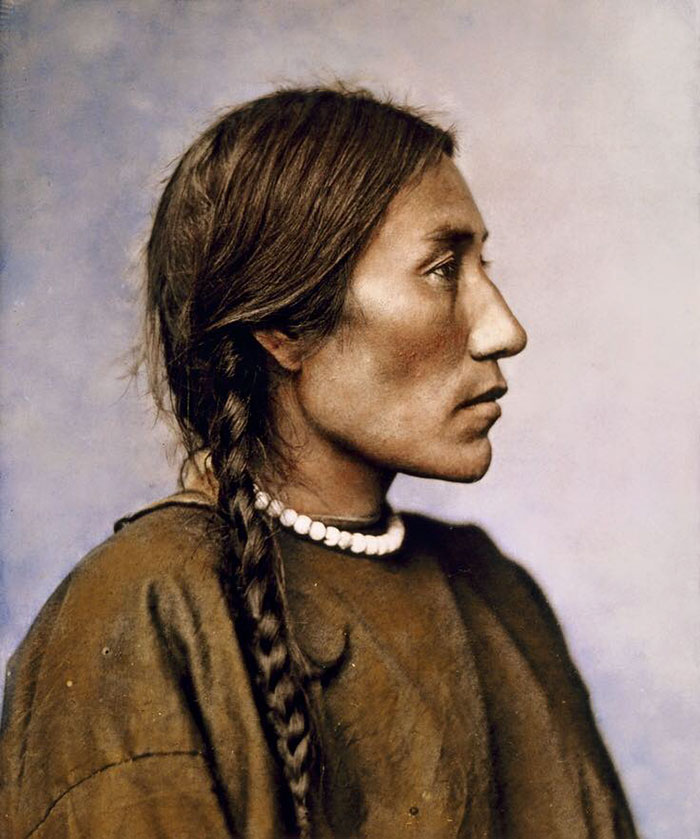
    Amos Two Bulls. Lakota. Photo By Gertrude Käsebier

    Amos Two Bulls. Lakota. Photo By Gertrude Käsebier

    Paul Ratner Report

    ChrisMiilu
    Community Member
    9 years ago Created by potrace 1.15, written by Peter Selinger 2001-2017

    This is a very intelligent, thoughtful face. We will never know completely the men and women we destroyed in our march across the continent.

    #18

    She Who Travels In The Sky. Ojibwe. 1908. Photo By Roland Reed

    She Who Travels In The Sky. Ojibwe. 1908. Photo By Roland Reed

    Paul Ratner Report

    ChrisMiilu
    Community Member
    9 years ago Created by potrace 1.15, written by Peter Selinger 2001-2017

    "The Chippewa Indians, also known as the Ojibway or Ojibwe, lived mainly in Michigan, Wisconsin, Minnesota, North Dakota, and Ontario. They speak a form of the Algonquian language and were closely related to the Ottawa and Potawatomi Indians. The Chippewas were allies of the French and French traders often married Chippewa women. Chippewa warriors fought with the French against the British in the French and Indian War. But political alliances changed with the times. During the American Revolution the Chippewas sided with the British against the Americans. "

    #19

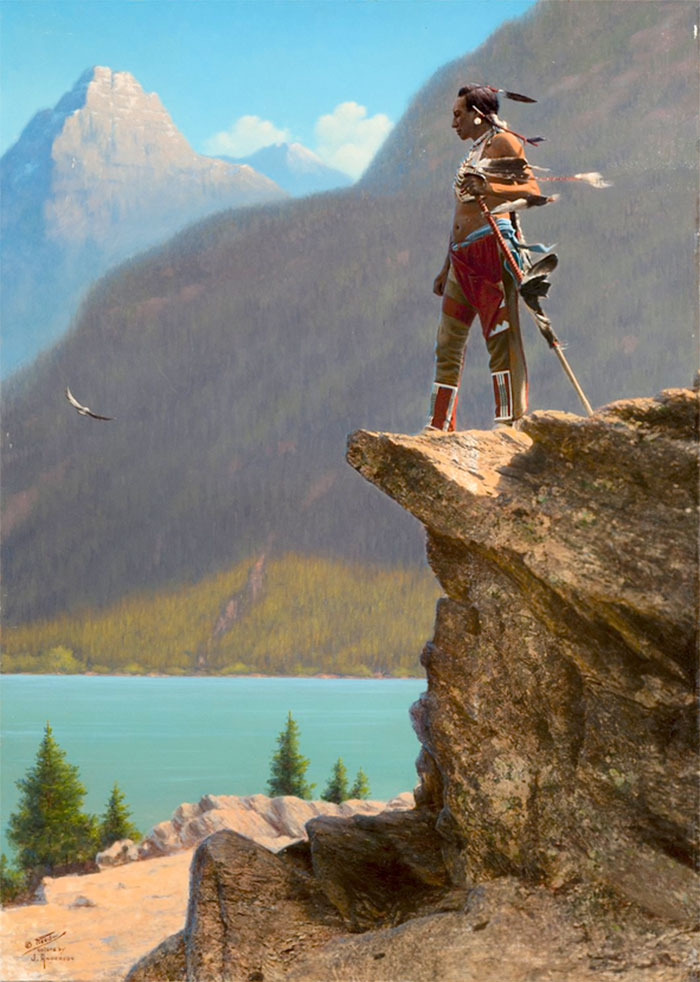
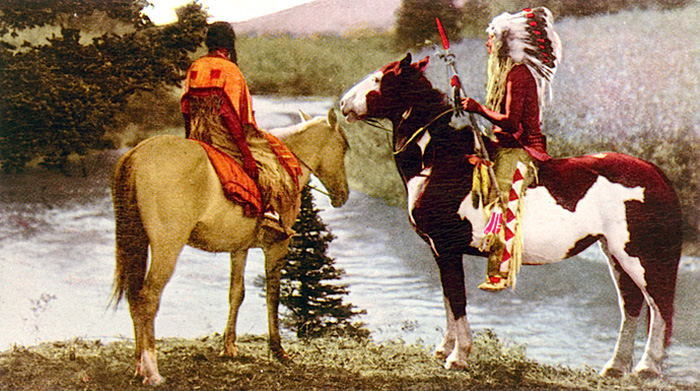
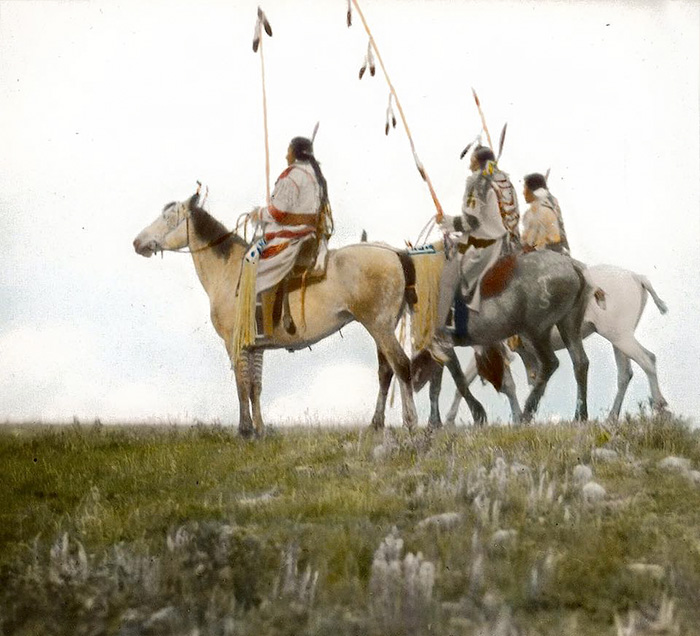
    Northern Plains Man On An Overlook. Montana. Early 1900s. Hand-colored Photo By Roland W. Reed

    Northern Plains Man On An Overlook. Montana. Early 1900s. Hand-colored Photo By Roland W. Reed

    Paul Ratner Report

    #20

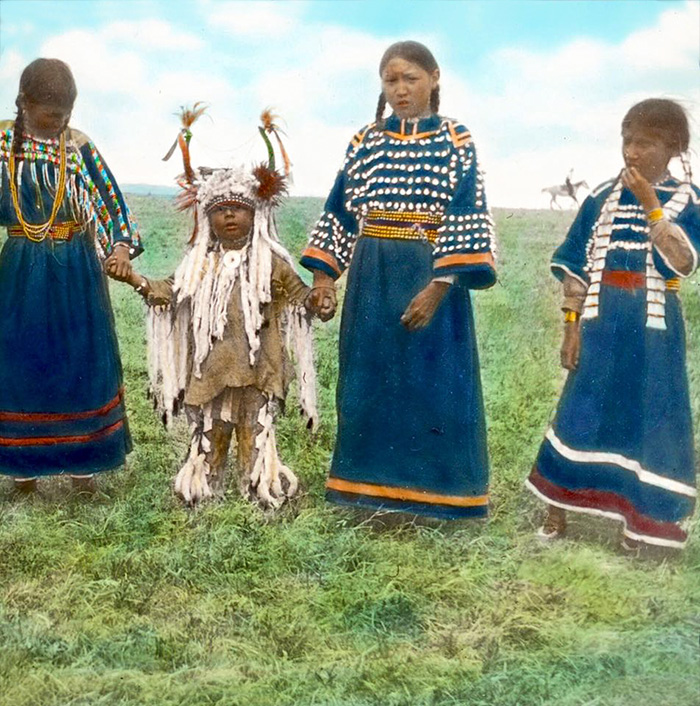
    Blackfeet Children (including "sa-ko-uka-etsusin"). Montana. Early 1900s. Glass Lantern Slide B

    Blackfeet Children (including "sa-ko-uka-etsusin"). Montana. Early 1900s. Glass Lantern Slide B

    Paul Ratner Report

    ChrisMiilu
    Community Member
    9 years ago Created by potrace 1.15, written by Peter Selinger 2001-2017

    Note the exquisite beading; the Blackfeet were known for their beading artistry.

    Cath Rowe
    Community Member
    Premium
    1 month ago Created by potrace 1.15, written by Peter Selinger 2001-2017

    That little lad was destined for greatness ❣️

    #21

    Mrs. Bad Gun. 1879. Cheyenne. Photo By L.a.huffman

    Mrs. Bad Gun. 1879. Cheyenne. Photo By L.a.huffman

    Paul Ratner Report

    ChrisMiilu
    Community Member
    9 years ago Created by potrace 1.15, written by Peter Selinger 2001-2017

    The Cheyenne were fierce warriors, and they had a very strong culture. They learned to read and write.

    Christine Johnson
    Community Member
    1 year ago Created by potrace 1.15, written by Peter Selinger 2001-2017

    In the 1950's, they were forced to read and write. Children were removed from their tribes and beaten and killed, (more than 500) for not following " the white rules at boarding schools". History lessons are not lies that can be erased to make this generation, " feel better". https://www.wowt.com/2023/11/06/survivors-say-trauma-abusive-native-american-boarding-schools-stretches-across-generations/

    Load More Replies...
    #22

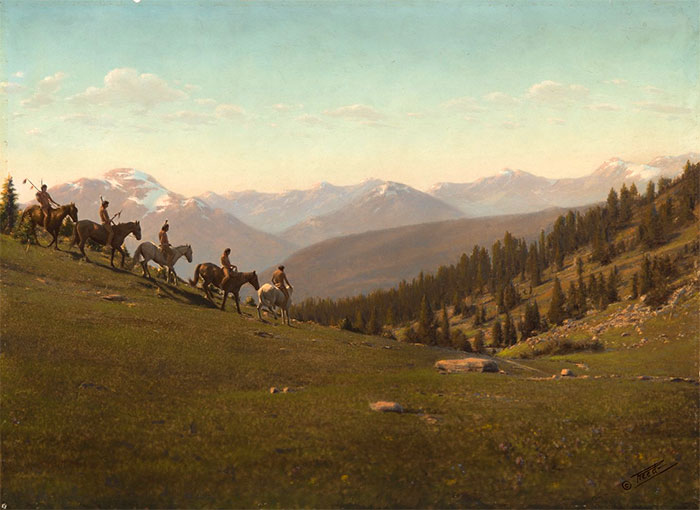
    Handpainted Print Depicting Five Riders Going Downhill In Montana. Early 1900s. Photo By Roland W. Reed

    Handpainted Print Depicting Five Riders Going Downhill In Montana. Early 1900s. Photo By Roland W. Reed

    Paul Ratner Report

    ChrisMiilu
    Community Member
    9 years ago Created by potrace 1.15, written by Peter Selinger 2001-2017

    " The Crow are a northern Plains tribe, famous for their expert horsemanship and especially long hair. The Crow tribe are now mostly located on a reservation south of Billings, Montana. Some historians believe the early home of the Crow-Hidatsa ancestral tribe was near the headwaters of the Mississippi River in either northern Minnesota or Wisconsin; others place them in the Winnipeg area of Manitoba. Later the people moved to the Devil's Lake region of North Dakota before the Crow split from the Hidatsa and moved westward. The Crow were largely pushed Westward by the intrusion and influx of the Sioux, the Sioux being pushed West themselves by American expansion. Once established in Montana and Wyoming, the Crow eventually divided into two groups: the Mountain Crow and River Crow. --The Crow had more horses than any other Plains tribe; in 1914 they numbered approximately thirty to forty thousand head "

    Suzanne Haigh
    Community Member
    4 years ago Created by potrace 1.15, written by Peter Selinger 2001-2017

    So basically in about 100 years they have done all the damage to the tribes? Yet Americans say it was the British who wiped them out

    #23

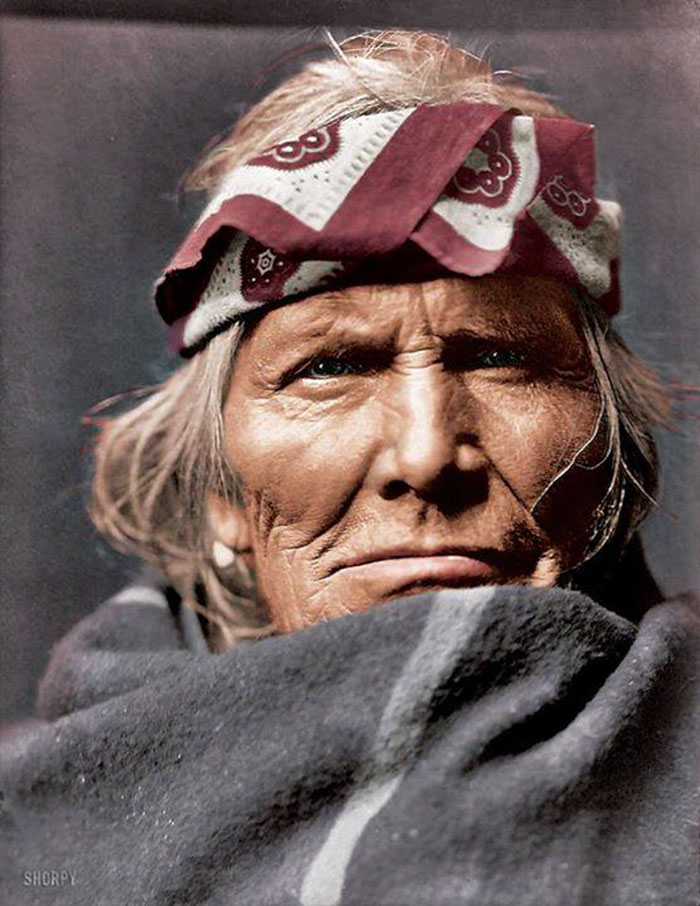
    Si Wa Wata Wa. A Zuni Elder. New Mexico. 1903. Photo By Edward S. Curtis

    Si Wa Wata Wa. A Zuni Elder. New Mexico. 1903. Photo By Edward S. Curtis

    Paul Ratner Report

    SueLitleton
    Community Member
    9 years ago Created by potrace 1.15, written by Peter Selinger 2001-2017

    What a marvelous face, filled with nobility and character.

    Yvonne Bernal
    Community Member
    8 years ago Created by potrace 1.15, written by Peter Selinger 2001-2017

    He has seen a lot of hard times (sigh)

    ChrisMiilu
    Community Member
    9 years ago Created by potrace 1.15, written by Peter Selinger 2001-2017

    "The Zuni are one of the 19 Pueblo tribes of what is now known as New Mexico. The Zuni tribe lives along the Zuni River in the northwestern corner of the state on a reservation of roughly 450,000 acres." They are known for their pottery and baskets.

    Pauline Lloyd
    Community Member
    8 years ago Created by potrace 1.15, written by Peter Selinger 2001-2017

    Very wise looking, still handsome.

    get in
    Community Member
    9 years ago Created by potrace 1.15, written by Peter Selinger 2001-2017

    This is my favorite, still a handsome man.

    Abby Bezuidenhout
    Community Member
    9 years ago Created by potrace 1.15, written by Peter Selinger 2001-2017

    If I could sketch this would be beaitiful

    #24

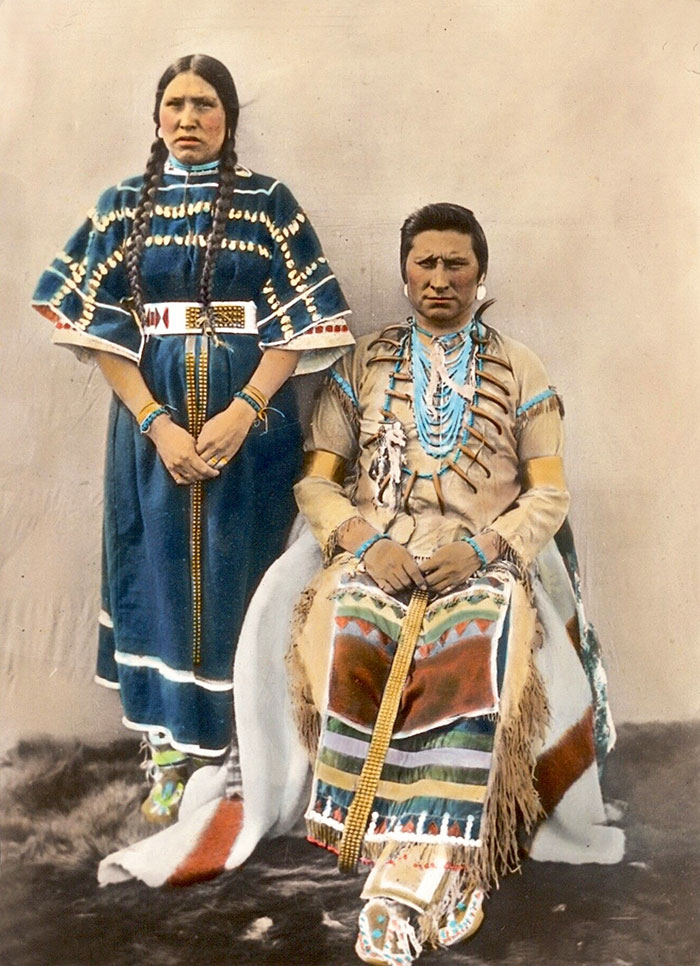
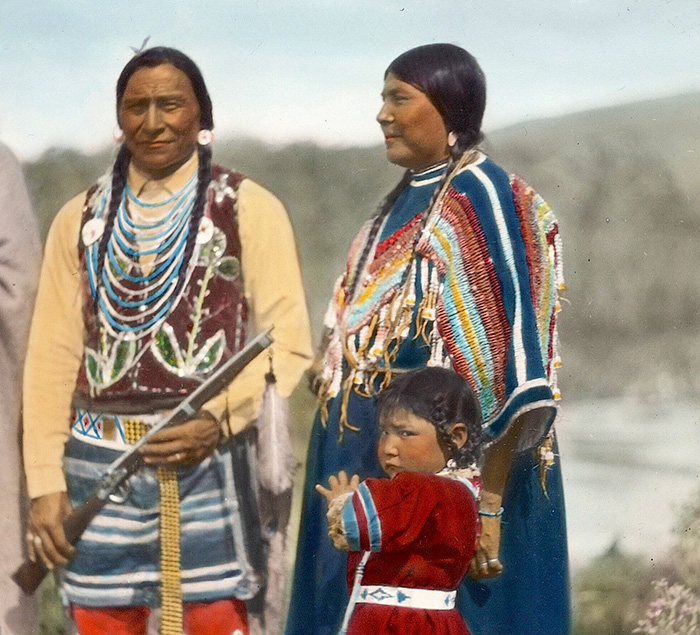
    A Blackfoot Couple. Montana. Early 1900s. Glass Lantern Slide By Walter Mcclintock

    A Blackfoot Couple. Montana. Early 1900s. Glass Lantern Slide By Walter Mcclintock

    Paul Ratner Report

    ChrisMiilu
    Community Member
    9 years ago Created by potrace 1.15, written by Peter Selinger 2001-2017

    An example of the exquisite beading the Blackfeet were known for. Beautiful picture.

    get in
    Community Member
    9 years ago Created by potrace 1.15, written by Peter Selinger 2001-2017

    These photos look colorized, don't look natural. Black and white would be better.

    #25

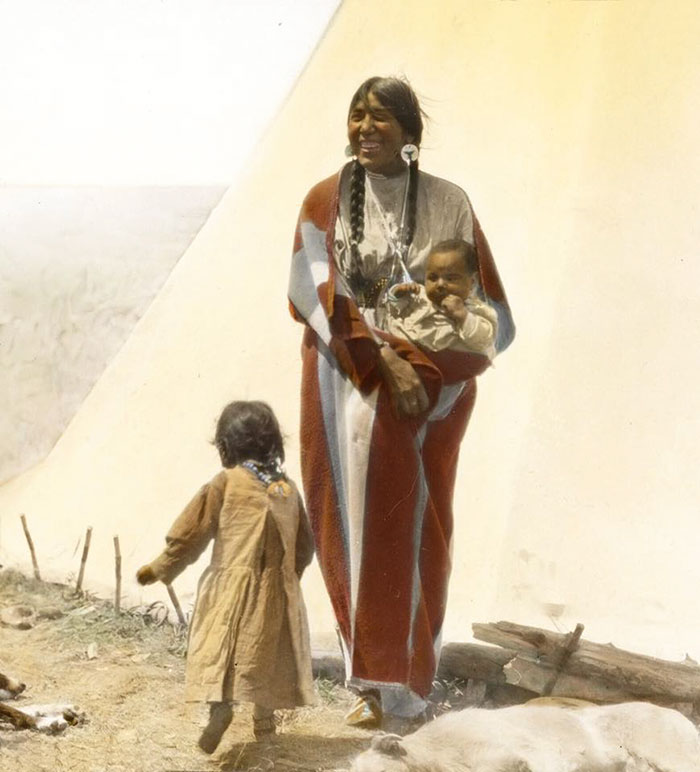
    "Coming Running". Blackfeet Woman With Children. Montana. Early 1900s. Glass Lantern Slide By W

    "Coming Running". Blackfeet Woman With Children. Montana. Early 1900s. Glass Lantern Slide By W

    Paul Ratner Report

    Pauline Lloyd
    Community Member
    8 years ago Created by potrace 1.15, written by Peter Selinger 2001-2017

    That smile lights up her face, beautiful.

    #26

    Ojibwe Woman. Early 1900s. Photo By Roland Reed

    Ojibwe Woman. Early 1900s. Photo By Roland Reed

    Paul Ratner Report

    Yvonne Bernal
    Community Member
    8 years ago Created by potrace 1.15, written by Peter Selinger 2001-2017

    This would make a wonderful painting!

    See Also on Bored Panda
    #27

    Piegan Couple. Ca. 1890-1910. Glacier National Park, Montana. Colorized Photo/postcard

    Piegan Couple. Ca. 1890-1910. Glacier National Park, Montana. Colorized Photo/postcard

    Paul Ratner Report

    #28

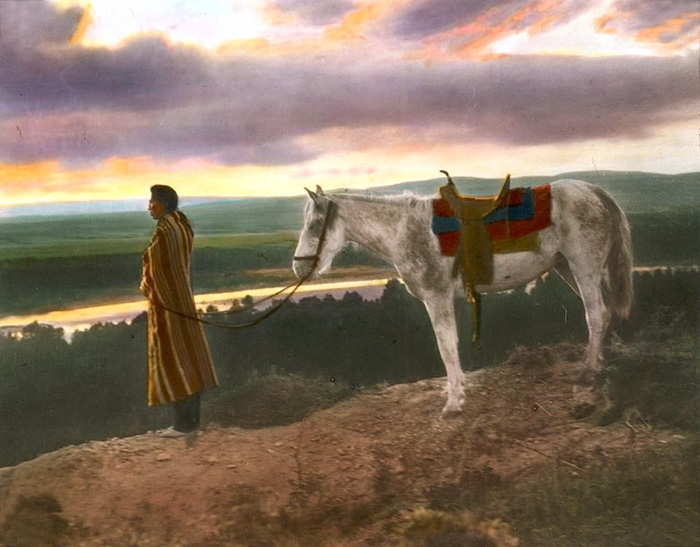
    Night-herder On Lookout Butte Overlooking Old Man's River. Blackfeet. Montana. Early 1900s. Gla

    Night-herder On Lookout Butte Overlooking Old Man's River. Blackfeet. Montana. Early 1900s. Gla

    Paul Ratner Report

    Derrick Wang
    Community Member
    3 years ago Created by potrace 1.15, written by Peter Selinger 2001-2017

    Thank you so much sir Dr Okokoma herbal home, for curing my herpes virus totally. Am so grateful sir Dr Okokoma herbal home you are indeed a great herbalist and you have been curing people of their various virus. viewers if you are suffering from any virus and you don't know the cure to it, rush now and contact this great herbalist on his personal email[ Drokokoma@gmail.com or WhatsApp him on +2349159223633 For your sure cure.

    #29

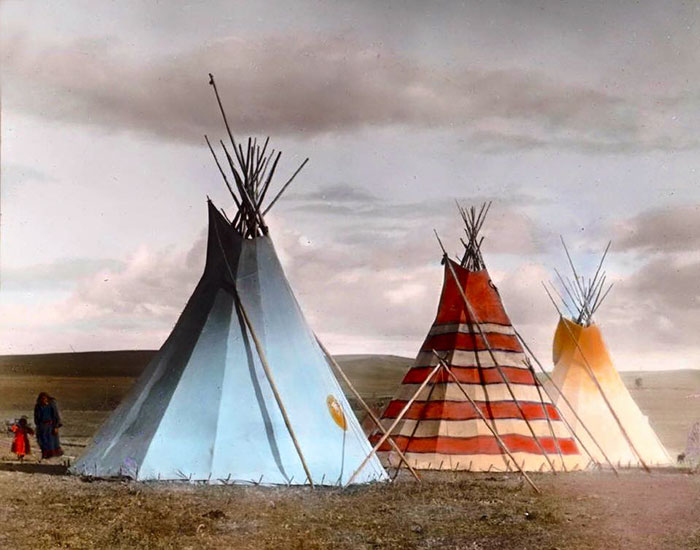
    Red Stripe Tipi And The Thunder Tipi. Siksika Camp. Montana. Early 1900s

    Red Stripe Tipi And The Thunder Tipi. Siksika Camp. Montana. Early 1900s

    Paul Ratner Report

    #30

    Blackfeet Family. Montana. Early 1900s. Glass Lantern Slide By Walter Mcclintock

    Blackfeet Family. Montana. Early 1900s. Glass Lantern Slide By Walter Mcclintock

    Paul Ratner Report

    ChrisMiilu
    Community Member
    9 years ago Created by potrace 1.15, written by Peter Selinger 2001-2017

    More examples of the famous Blackfeet beading artwork.

    Pauline Lloyd
    Community Member
    8 years ago Created by potrace 1.15, written by Peter Selinger 2001-2017

    Lovely family group, gorgeous beading.

    #31

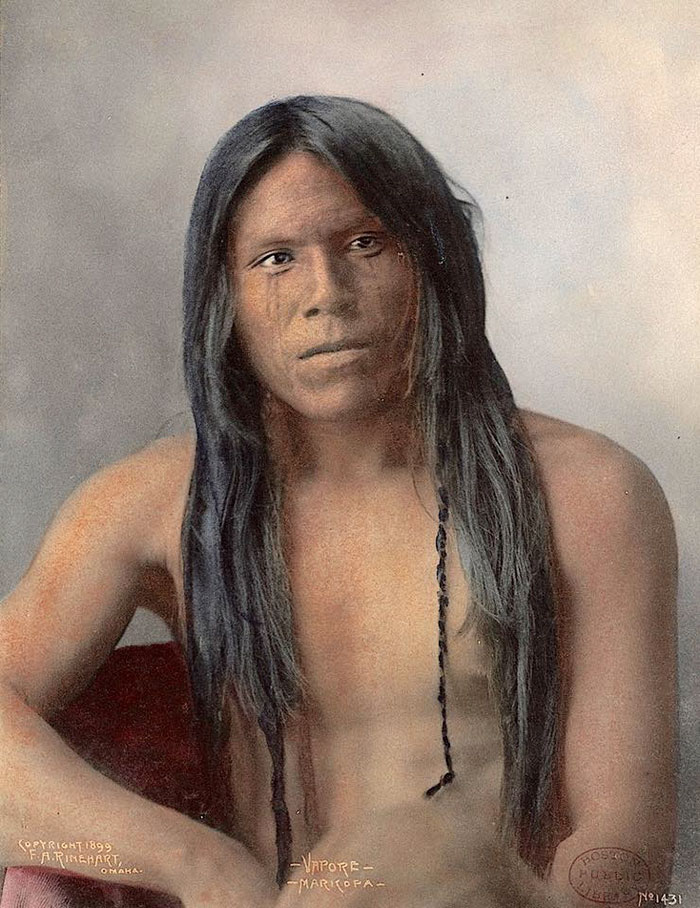
    Vapore. Maricopa. 1899. Photo By F.a. Rinehart

    Vapore. Maricopa. 1899. Photo By F.a. Rinehart

    Paul Ratner Report

    ChrisMiilu
    Community Member
    9 years ago Created by potrace 1.15, written by Peter Selinger 2001-2017

    "The most interesting fact in the history of these people is, that as far back as the records extend they lived, as they do to this day, by cultivating the earth; showing a direct affinity with the Pueblo Indians of New Mexico. Alarcon, who visited the great valley of the Colorado in 1540, mentions that it was cultivated to a considerable extent by tribes having a fixed residence and permanent abodes. Unlike the Apaches and the mountain tribes to the north, who live a wandering and predatory life, the Pimos have always manifested a friendly disposition toward the whites, and seem much devoted to the peaceful pursuits of agriculture and stock-raising."

    #32

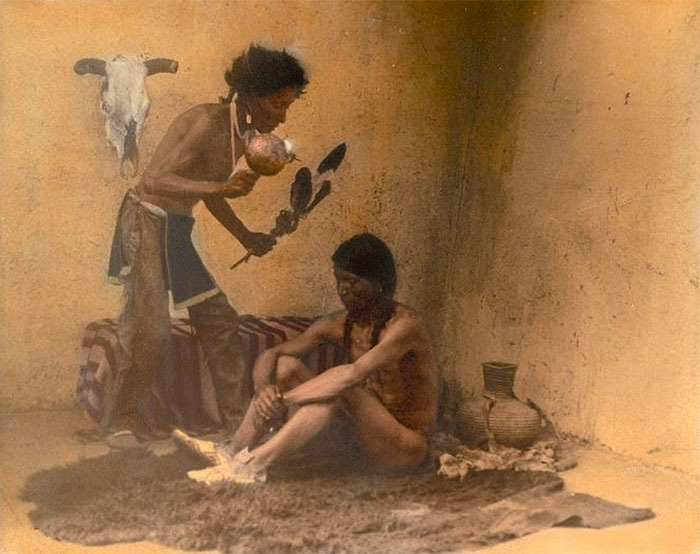
    A Medicine Man With Patient. Taos Pueblo, New Mexico. 1905. Photo By Carl Moon

    A Medicine Man With Patient. Taos Pueblo, New Mexico. 1905. Photo By Carl Moon

    Paul Ratner Report

    ChrisMiilu
    Community Member
    9 years ago Created by potrace 1.15, written by Peter Selinger 2001-2017

    Taos has a very old Pueblo settlement. Visited there and ate some of the most delicious bread I ever had. Brought home a recipe and some ingredients, but never able to duplicate it. Might be the old clay ovens.

    #33

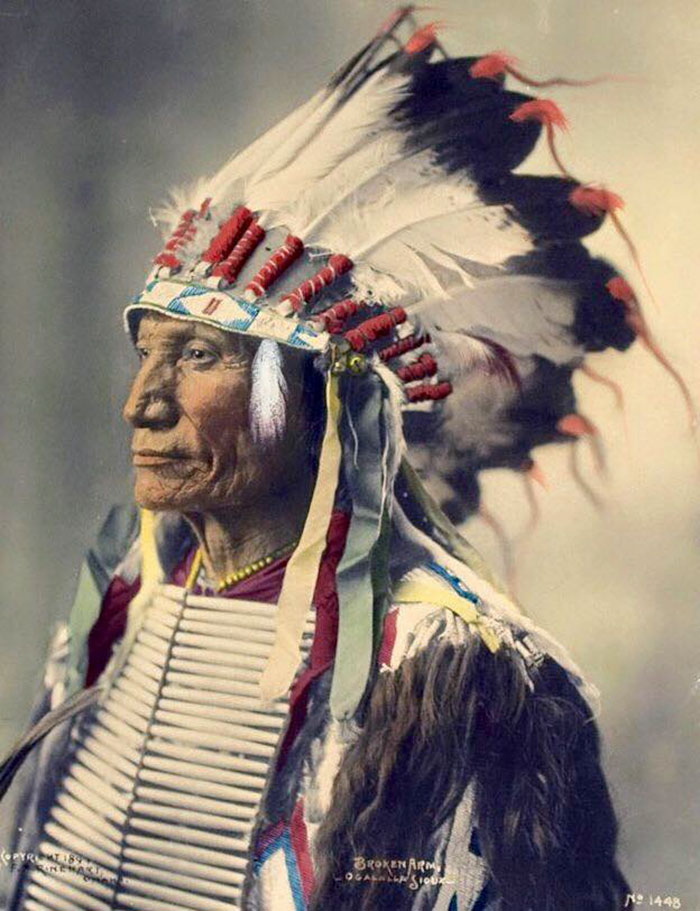
    Broken Arm. Oglala Lakota. Ca. 1899. Photo By F.a. Rinehart

    Broken Arm. Oglala Lakota. Ca. 1899. Photo By F.a. Rinehart

    Paul Ratner Report

    #34

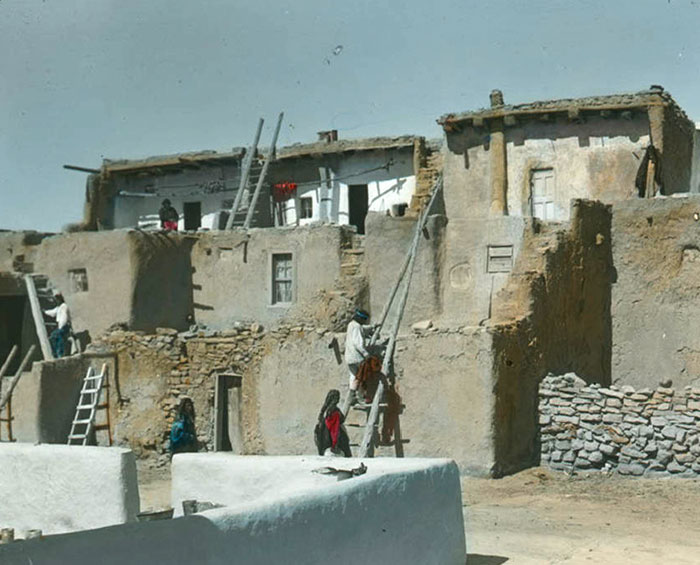
    Acoma Pueblo. New Mexico. Early 1900s. Photo By Chicago Transparency Company

    Acoma Pueblo. New Mexico. Early 1900s. Photo By Chicago Transparency Company

    Paul Ratner Report

    Yvonne Bernal
    Community Member
    8 years ago Created by potrace 1.15, written by Peter Selinger 2001-2017

    I found that "early 1900's " to be interesting, as I had actually thought it looked more current. I'd image that's because it has been colored. I like this one!

    Pauline Lloyd
    Community Member
    8 years ago Created by potrace 1.15, written by Peter Selinger 2001-2017

    It doesn't look 100 yrs old, it's amazing.

    #35

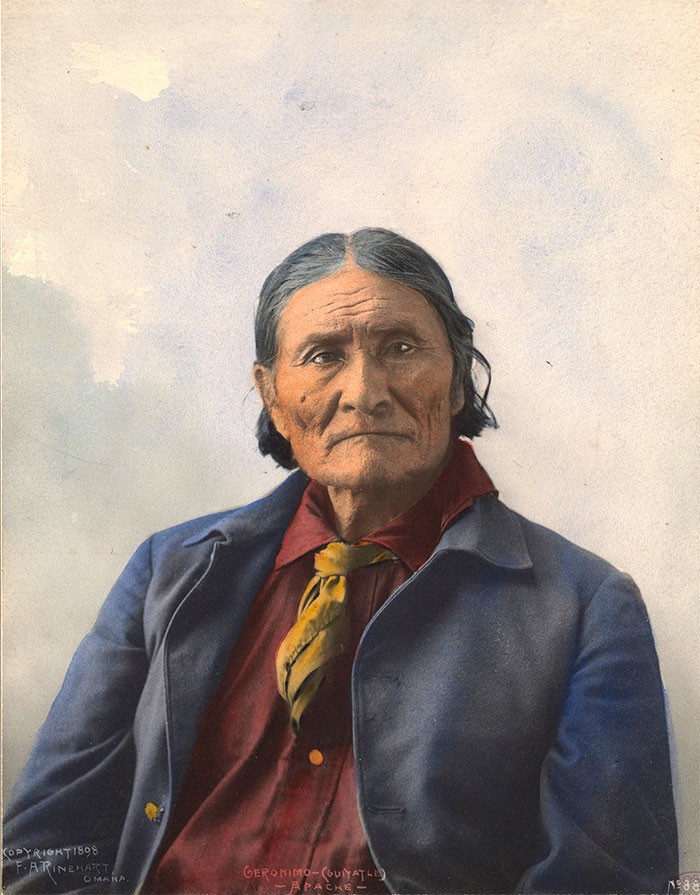
    Geronimo (goyaałé). Apache. 1898. Photo By F.a. Rinehart

    Geronimo (goyaałé). Apache. 1898. Photo By F.a. Rinehart

    Paul Ratner Report

    Yvonne Bernal
    Community Member
    8 years ago Created by potrace 1.15, written by Peter Selinger 2001-2017

    Geronimo means "one who yawns" - He surrendered MANY times and was eventually put on Apache reservations in Arizona. Geronimo eventually became a celebrity. He appeared at fairs, including the 1904 World's Fair in St. Louis,and sold souvenirs and photographs of himself. However, he was NEVER allowed to return to the land of his birth. He died at the Fort Sill hospital in 1909 AND he was still a prisoner of war. He is buried at the Fort Sill Indian Agency Cemetery surrounded by the graves of relatives and other Apache prisoners of war. This man was used and abused beyond belief

    Suzanne Haigh
    Community Member
    4 years ago Created by potrace 1.15, written by Peter Selinger 2001-2017

    One of the most famous American natives

    Pauline Lloyd
    Community Member
    8 years ago Created by potrace 1.15, written by Peter Selinger 2001-2017

    This photo is heart-wrenching , his eyes look full of despair 😟

    SueLitleton
    Community Member
    9 years ago Created by potrace 1.15, written by Peter Selinger 2001-2017

    Written after reading Watch for Me on the Mountain, a novel of Geronimo and the Apache Nation, by Native American author and Storyteller in Council to the Cherokee Nations, Forrest Carter. HOW GERONIMO GOT HIS NAME Sue Littleton Una moneda, señor, una moneda, por favor, ‘n I will tell you how that diablo Geronimo got his name! He stole the name of a good Catholic saint — San Geronimo, patron saint of Kaskiyeh, the pueblito my father’s folks come from! He was one of them Apache War Shamans, and he took feroz mad against us mejicanos when the soldados killed his young squaw ‘n their three niños. The warriors was all out on a huntin’ party, ‘n militares from the guarnación in the pueblo, they found the Apache camp, just wimmin ‘n kids ‘n old men — them soldados, they killed a lot of indios that day! My father’s mother, la abuelita, she was a skinny little girl, nine or ten, ‘n she hid good when them Apaches come lookin’ for venganza, shootin’ n’ burning.

    #36

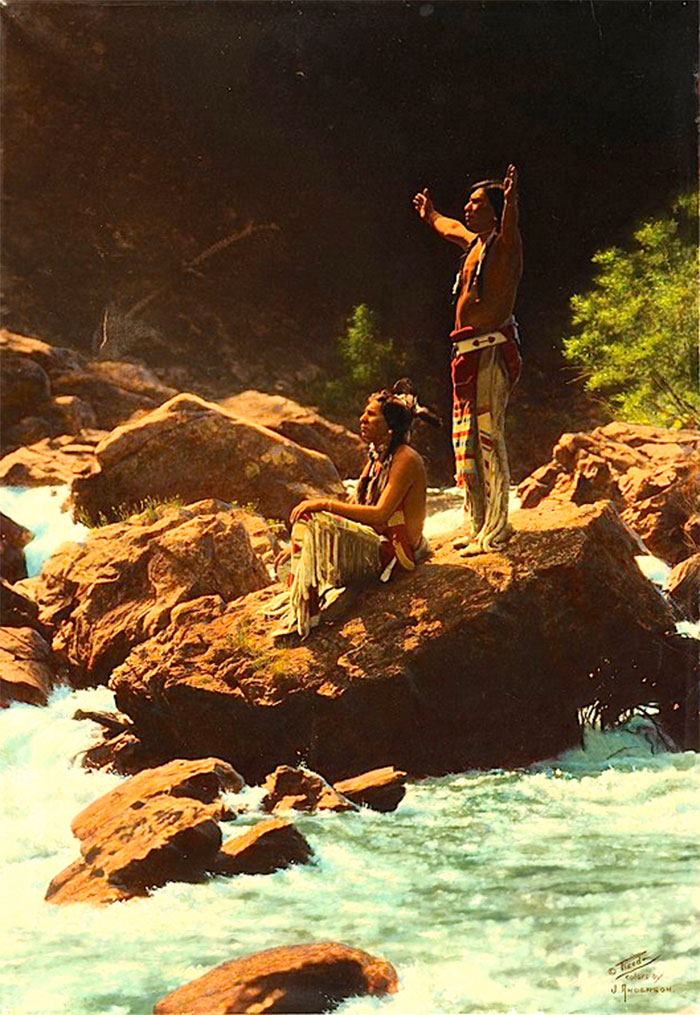
    Piegan Men Giving Prayer To The Thunderbird Near A River In Montana. 1912. Photo By Roland W. Reed

    Piegan Men Giving Prayer To The Thunderbird Near A River In Montana. 1912. Photo By Roland W. Reed

    Paul Ratner Report

    See Also on Bored Panda
    #37

    Ute Chief Ignacio. 1870-1890

    Ute Chief Ignacio. 1870-1890

    Paul Ratner Report

    Yvonne Bernal
    Community Member
    8 years ago Created by potrace 1.15, written by Peter Selinger 2001-2017

    Tribal history states that at age fourteen he killed every member of a rival family to avenge the murder of his father.

    Harriet Smith
    Community Member
    4 years ago Created by potrace 1.15, written by Peter Selinger 2001-2017

    Was he chief from those dates or his age span...if so he looks older than 20. clothes look so modern !

    #38

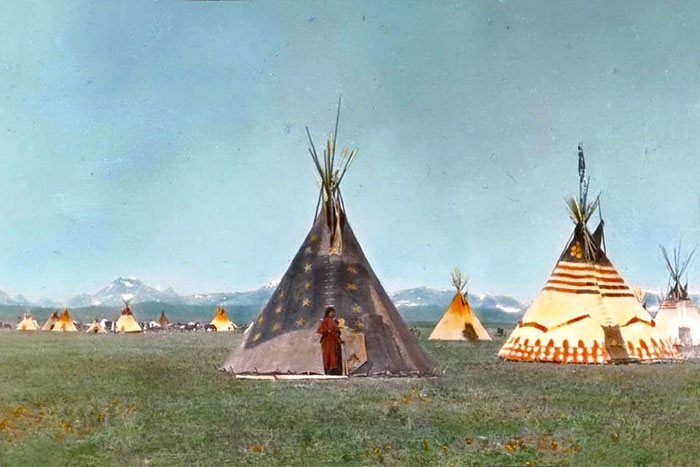
    A Woman By The Star Tipi In Blackfoot Camp. Early 1900s

    A Woman By The Star Tipi In Blackfoot Camp. Early 1900s

    www.facebook.com Report

    Mick Jarman
    Community Member
    6 years ago Created by potrace 1.15, written by Peter Selinger 2001-2017

    wow thank you so very much for the beautiful pictures

    Pauline Lloyd
    Community Member
    8 years ago Created by potrace 1.15, written by Peter Selinger 2001-2017

    The colour on this one is beautiful.

    #39

    Riders With Coup Sticks. Blackfeet. Montana. Early 1900s. Glass Lantern Slide By Walter Mcclint

    Riders With Coup Sticks. Blackfeet. Montana. Early 1900s. Glass Lantern Slide By Walter Mcclint

    Paul Ratner Report

    SueLitleton
    Community Member
    9 years ago Created by potrace 1.15, written by Peter Selinger 2001-2017

    The idea was to ride into battle and touch an armed enemy with your coup stick, bringing great honor to you and your tribe -- it was called "counting coup."

    #40

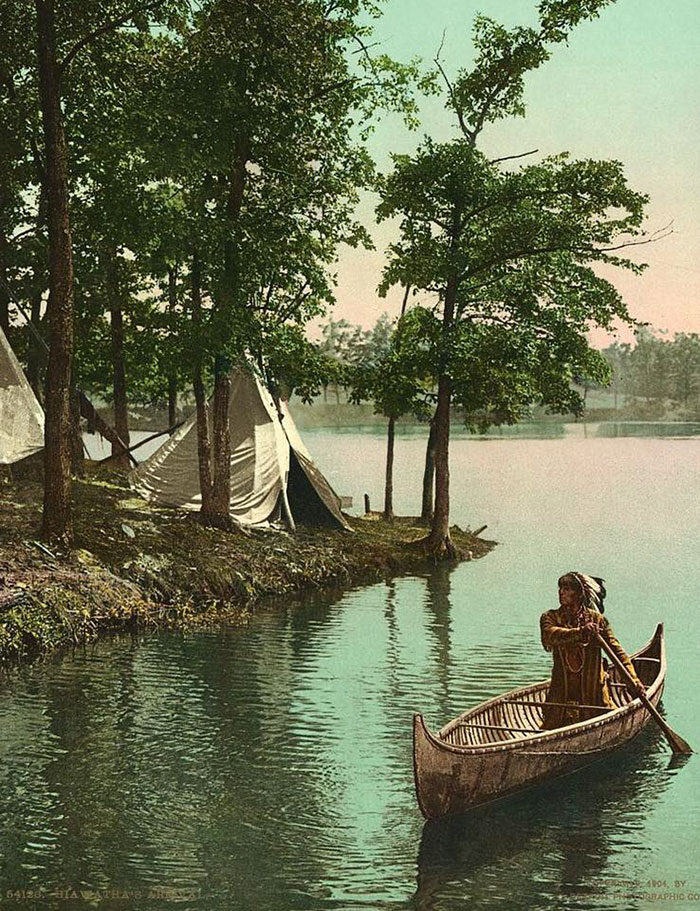
    "Hiawatha's Return." 1904. Photo By Detroit Photographic Co

    "Hiawatha's Return." 1904. Photo By Detroit Photographic Co

    Paul Ratner Report

    Harriet Smith
    Community Member
    4 years ago Created by potrace 1.15, written by Peter Selinger 2001-2017

    Was this staged? did they do such a thing back then?

    graham Faulkner
    Community Member
    5 years ago Created by potrace 1.15, written by Peter Selinger 2001-2017

    If i'm not mistaken the tree at the side of the tipi seems to me to be the one where the No 1 picture in your list is the one where Minihaha's picture was taken,

    #41

    Thunder Tipi Of Brings-down-the-sun. Blackfoot Camp. Early 1900s. Glass Lantern Slide By Walte

    Thunder Tipi Of Brings-down-the-sun. Blackfoot Camp. Early 1900s. Glass Lantern Slide By Walte

    Paul Ratner Report

    #42

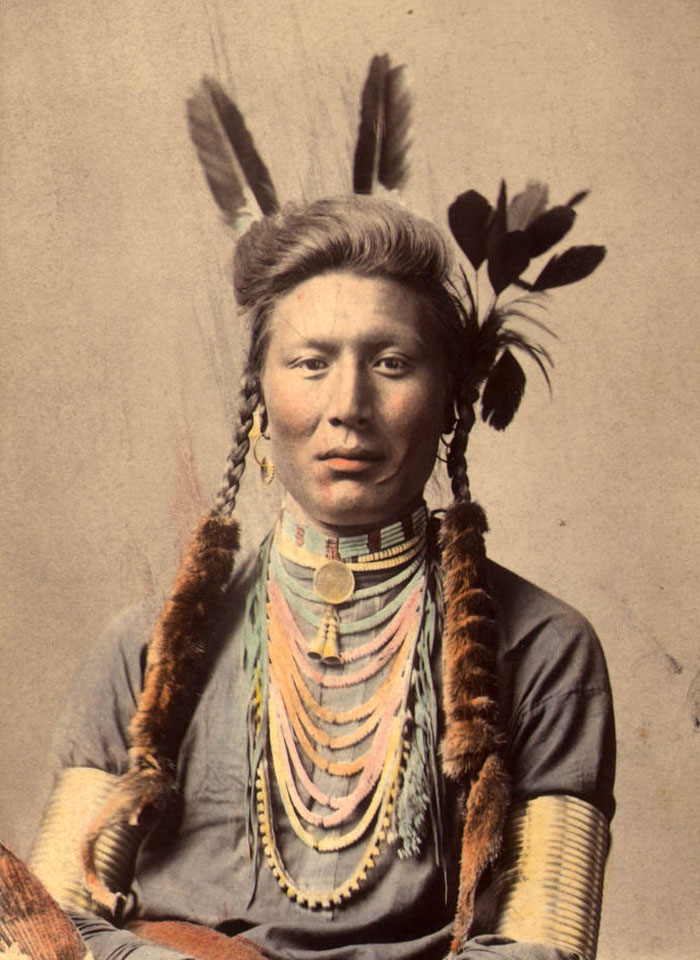
    Old Coyote (aka Yellow Dog). Crow. Original Photo Circa 1879 (color Tinted Circa 1910)

    Old Coyote (aka Yellow Dog). Crow. Original Photo Circa 1879 (color Tinted Circa 1910)

    Paul Ratner Report

    Yvonne Bernal
    Community Member
    8 years ago Created by potrace 1.15, written by Peter Selinger 2001-2017

    WOW! Look at those arm bracelets!

    Harriet Smith
    Community Member
    4 years ago Created by potrace 1.15, written by Peter Selinger 2001-2017

    Copper or Gold?....and the fur on his braids are impressive

    Load More Replies...
    RitaWinn
    Community Member
    9 years ago Created by potrace 1.15, written by Peter Selinger 2001-2017

    What a handsome man he was!

    Pauline Lloyd
    Community Member
    8 years ago Created by potrace 1.15, written by Peter Selinger 2001-2017

    Wow, that's more jewellery than I own. Amazing.

    Abby Rexroth
    Community Member
    2 years ago Created by potrace 1.15, written by Peter Selinger 2001-2017

    Ugh, I love the photos but hate the tinting. Keep them B&W or sepia at the most.

    #43

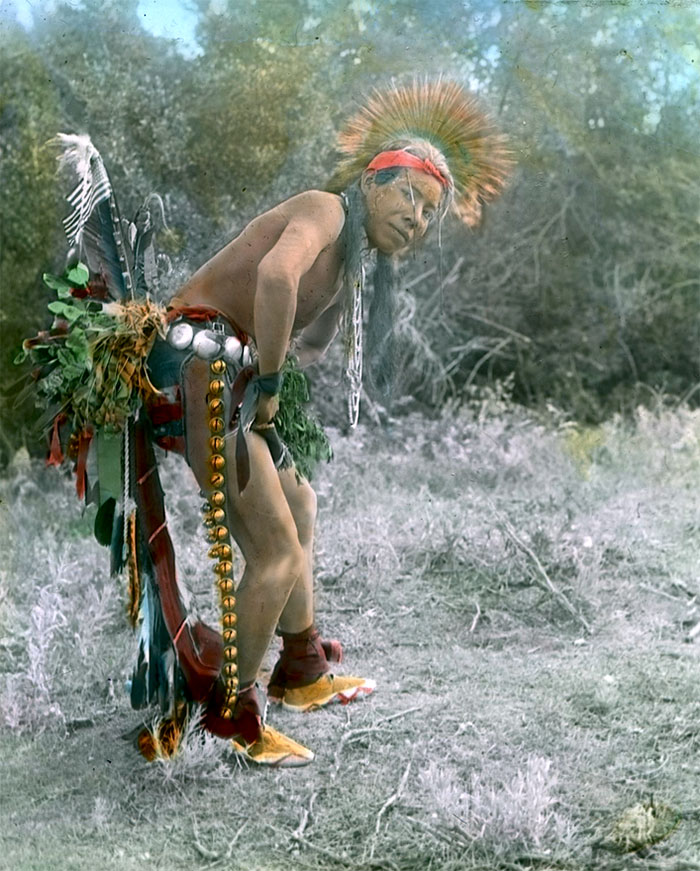
    A Crow Dancer. Early 1900s. Photo By Richard Throssel

    A Crow Dancer. Early 1900s. Photo By Richard Throssel

    Paul Ratner Report

    Pauline Lloyd
    Community Member
    8 years ago Created by potrace 1.15, written by Peter Selinger 2001-2017

    I like the way the foreground has been left uncoloured.

    #44

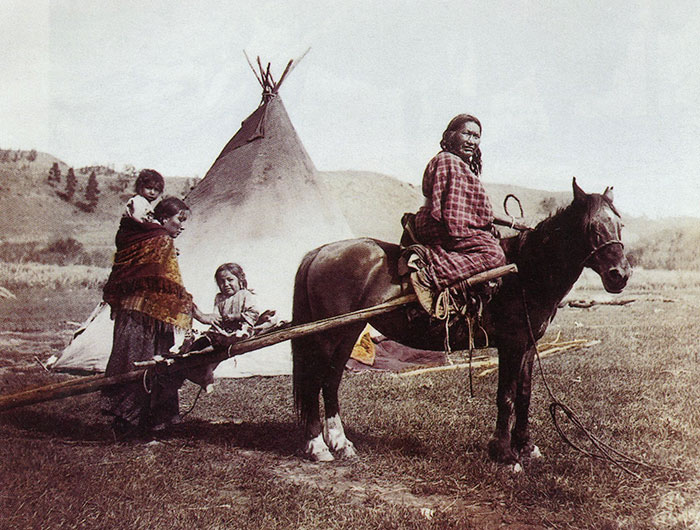
    Strong Left Hand And Family. Northern Cheyenne Reservation. 1906. Photo By Julia Tuell

    Strong Left Hand And Family. Northern Cheyenne Reservation. 1906. Photo By Julia Tuell

    Paul Ratner Report

    Yvonne Bernal
    Community Member
    8 years ago Created by potrace 1.15, written by Peter Selinger 2001-2017

    Pulling the children in this manner was not uncommon for those too big for mom to carry but too small to keep up with traveling.


    Suzanne Haigh
    Community Member
    4 years ago Created by potrace 1.15, written by Peter Selinger 2001-2017

    Notice Mother is walking with a child on her back. Indian women must have been a lot stronger than the males.

    Load More Replies...

    Pauline Lloyd
    Community Member
    8 years ago Created by potrace 1.15, written by Peter Selinger 2001-2017

    I love to se these family groups.

    #45

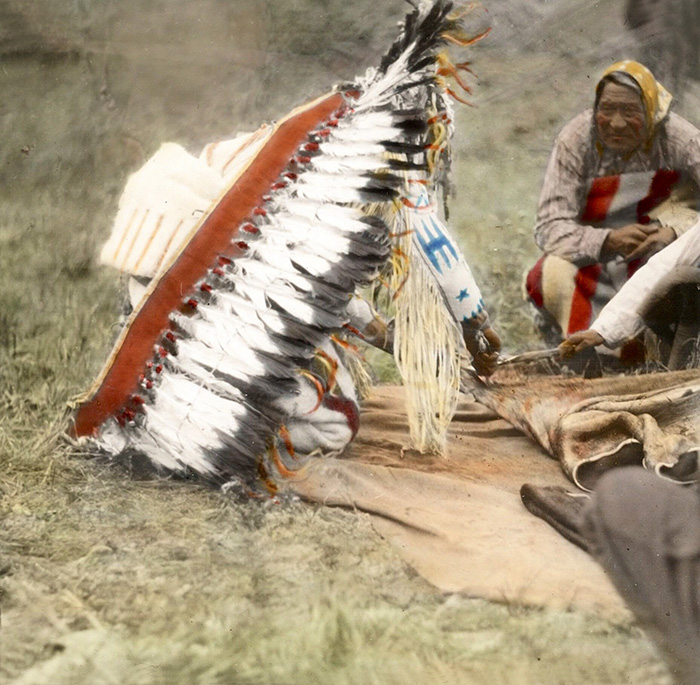
    Bear Chief Cutting A Green Hide. Blackfeet. Montana. Early 1900s. Glass Lantern Slide By Walter

    Bear Chief Cutting A Green Hide. Blackfeet. Montana. Early 1900s. Glass Lantern Slide By Walter

    Paul Ratner Report

    #46

    Chief Mad Wolf. Blackfeet. Montana. Early 1900s. Glass Lantern Slide By Walter Mcclintock

    Chief Mad Wolf. Blackfeet. Montana. Early 1900s. Glass Lantern Slide By Walter Mcclintock

    Paul Ratner Report

    See Also on Bored Panda
    #47

    Chief Hollow Horn Bear. Sicangu Lakota. 1905. Photo By Delancey W. Gill

    Chief Hollow Horn Bear. Sicangu Lakota. 1905. Photo By Delancey W. Gill

    Paul Ratner Report