Get Premium
Dark mode theme is available exclusively for premium users. Learn more about the benefits of subscribing.
No fees, cancel anytime.

 Dark Mode Ad-Free Browsing Unlimited Content
 Ad-Free Browsing Unlimited Content Dark Mode
Join 1.2 million Panda readers who get the best art, memes, and fun stories every week!





Christmas has a way of turning even the coldest days into something warm and indulgent. Streets glow with lights, homes fill with laughter, and kitchens everywhere come alive with the smell of sugar, spice, and butter. It’s the one time of year when desserts take center stage and calories politely stop counting.
Today, we’re traveling far beyond one country to celebrate Christmas treats from all around the world. From cozy street snacks to show-stopping festive desserts, these seasonal bites are rich in tradition and impossible to resist. Keep scrolling, and don’t be surprised if you suddenly find yourself craving something sweet.
This post may include affiliate links.
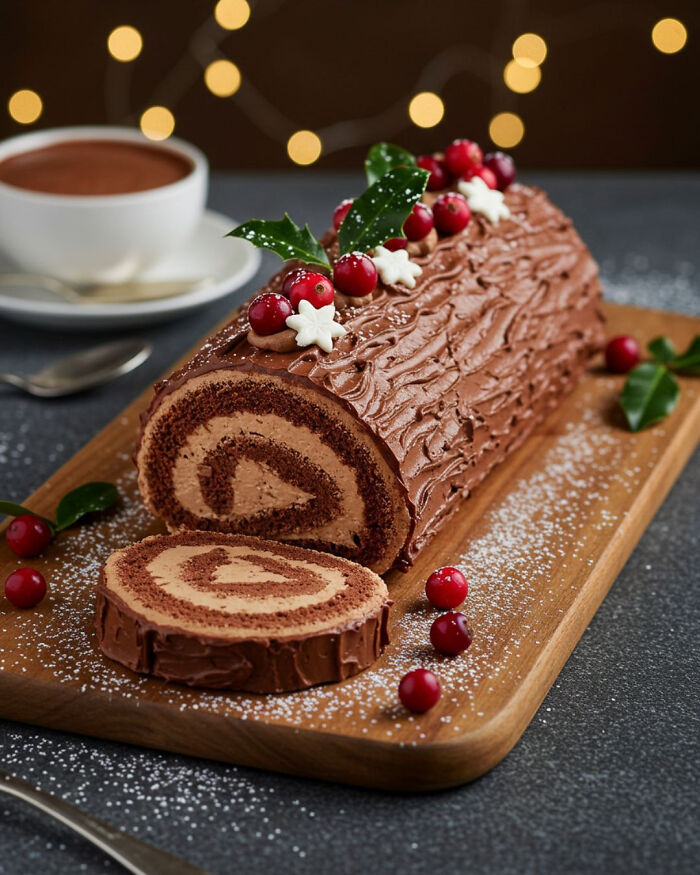
When most people think of “Christmas cake,” the bûche de Noël likely comes to mind. This festive dessert, also called the yule log, was popularized by French bakers in the early 1900s. It’s a light sponge cake shaped to resemble a log and traditionally covered in chocolate or coffee buttercream, often textured to mimic tree bark. To enhance the woodland theme, it’s commonly decorated with powdered sugar, edible leaves, or meringue mushrooms.
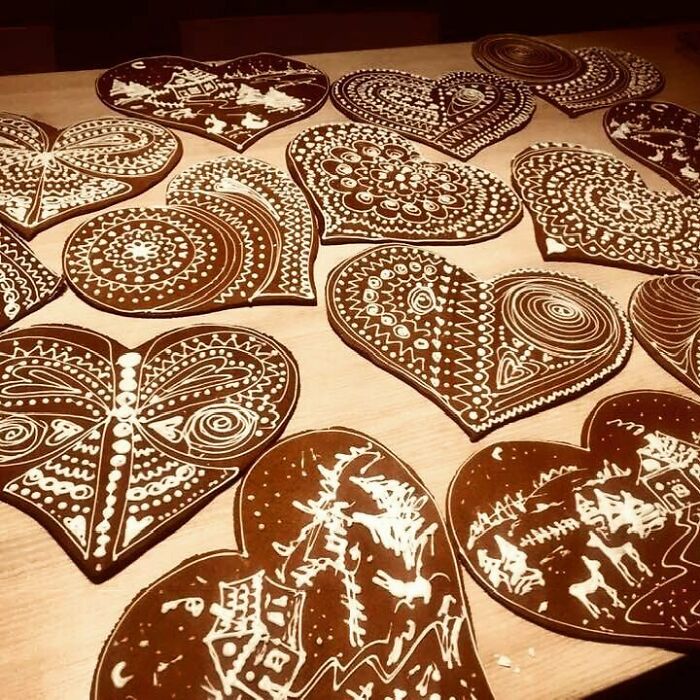
Latvia's Piparkūkas are traditional spiced cookies flavored with ginger, pepper, and a blend of warming spices. These aromatic treats are especially popular during the holiday season, offering a perfect balance of sweetness and spice.
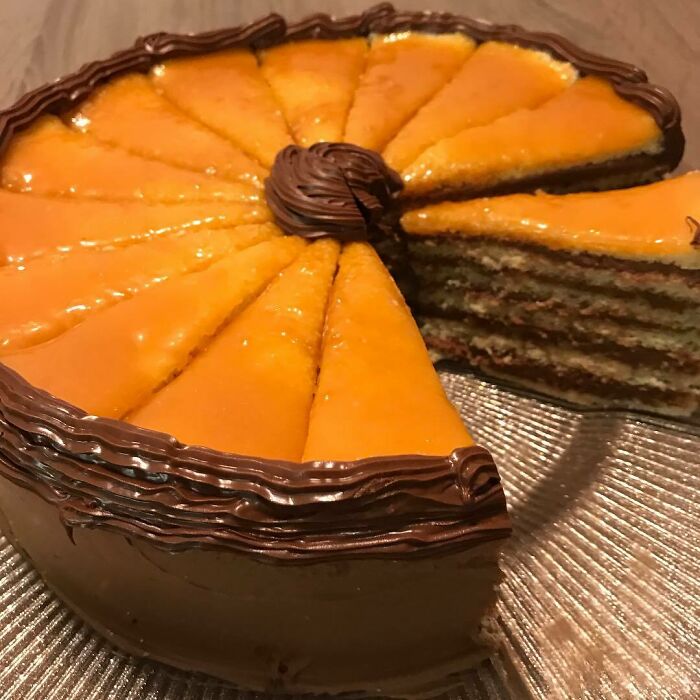
Dobosh torte, also called drum torte or dobos torta, is a classic Hungarian dessert featuring seven layers of delicate sponge cake filled with rich chocolate buttercream. The cake is finished with a smooth caramel topping and is sometimes edged with finely chopped nuts like hazelnuts, chestnuts, walnuts, or almonds. Elegant and indulgent, it’s a show-stopping dessert perfect for special occasions.
Every country has its own signature Christmas dessert, shaped by local flavors and traditions. To understand how India celebrates the season through food, we spoke to Akshita, a pastry chef based in Kolkata. She shared insights into India’s beloved Christmas desserts and explained how the country’s vast geography influences festive treats across different regions.
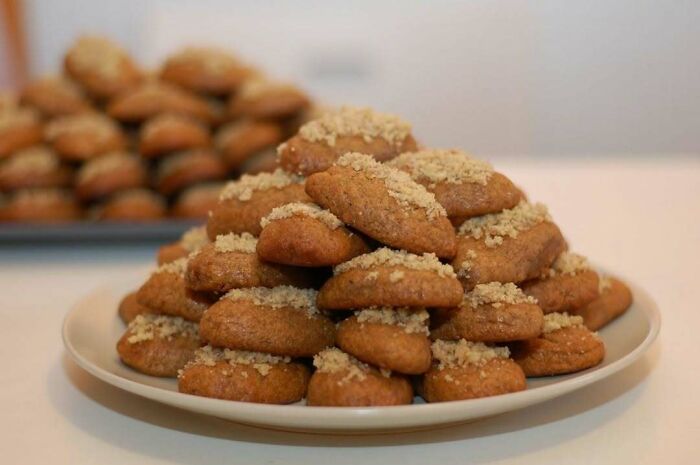
Melomakarona are traditional Greek honey cookies that signal the arrival of the Christmas season. Infused with warm spices like cloves, cinnamon, and nutmeg, they fill homes with a cozy, festive aroma. These beloved treats are a staple of Greek holiday celebrations, cherished for their rich flavor and comforting scent.
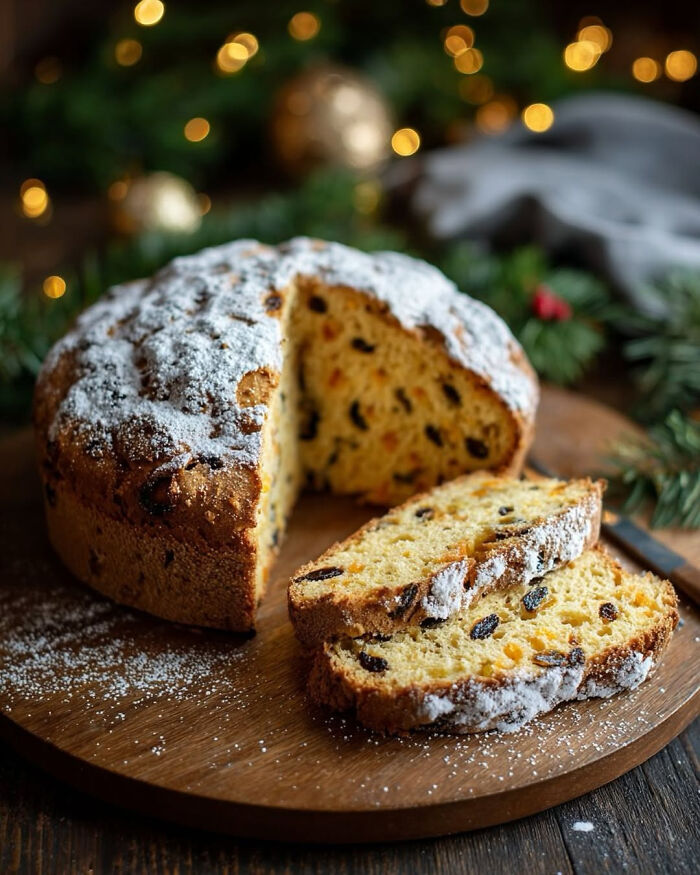
Hailing from Milan, Italy, the panettone has grown into one of the most beloved Christmas cakes across Europe and beyond. This dome-shaped sponge cake has a sweet, slightly yeasty flavor and, much like sourdough, requires three rounds of proofing before baking. Traditionally, it’s filled with raisins and candied fruits, though modern variations often include chocolate or creamy fillings.
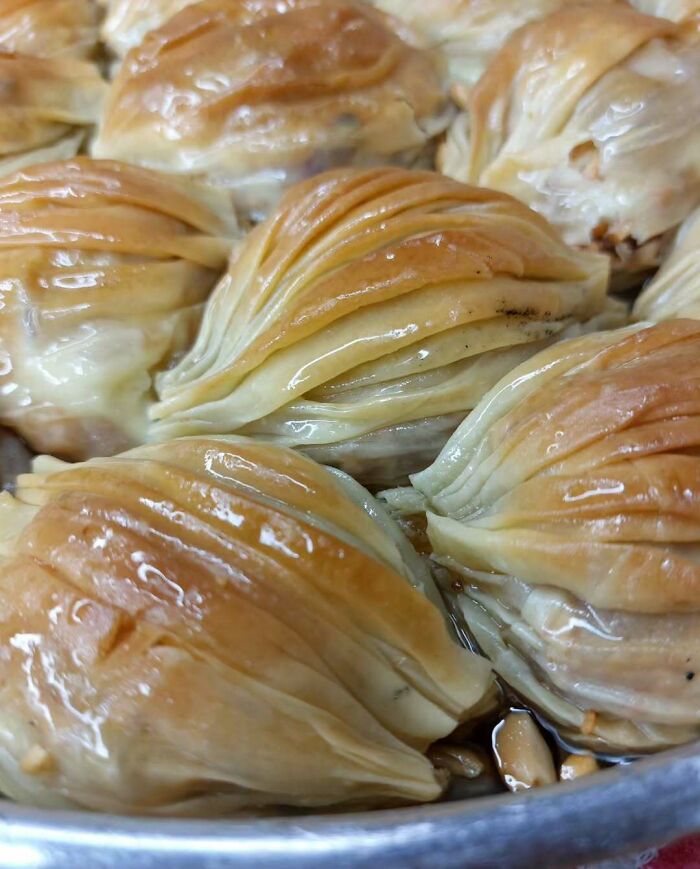
Egyptian Baklava is a classic Middle Eastern dessert made of crisp, golden layers of phyllo pastry filled with a mixture of nuts and generously drizzled with sweet syrup. Rich, crunchy, and indulgent, it’s a timeless treat that’s beloved across the region.
“India is incredibly diverse, which means our Christmas desserts vary widely from region to region,” Akshita explains. “What’s popular in the North can be completely different from what people enjoy in the South. But there’s one festive treat that has managed to bring everyone together over the years. Today, let’s talk about Plum Cake—a Christmas classic that’s loved across the country.”
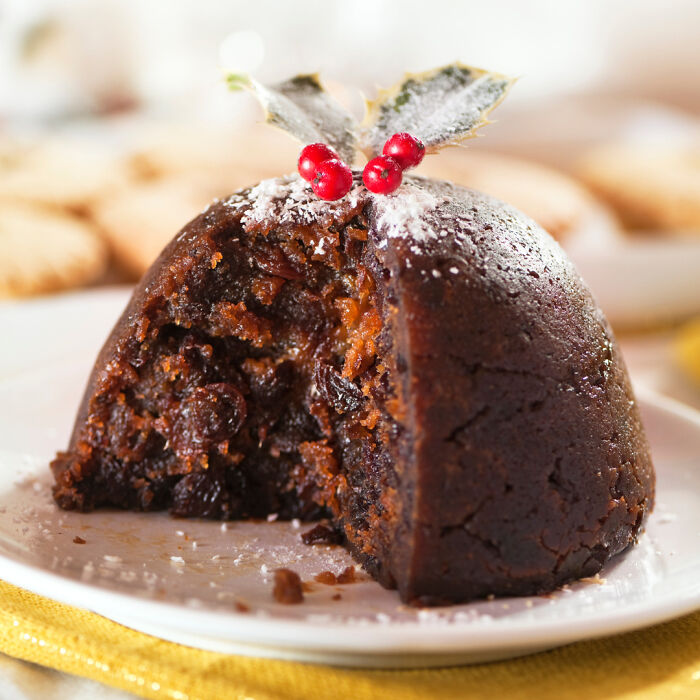
A Christmas in Britain probably wouldn’t be the same without the traditional Christmas pudding. This rich, dense dessert resembles a fruitcake and is made from a mixture of dried fruits, candied citrus peel, apple, and citrus juice and zest. Its deep flavor and dark color come from a combination of brandy and warming spices.

Traditionally you're meant to put a coin in it as well and the person that finds it will have good fortune in the new year. You can also pour alcohol (usually brandy) over it and set it on fire. A lot of people don't do that these days though for safety reasons, and because it's a waste of booze. 😆
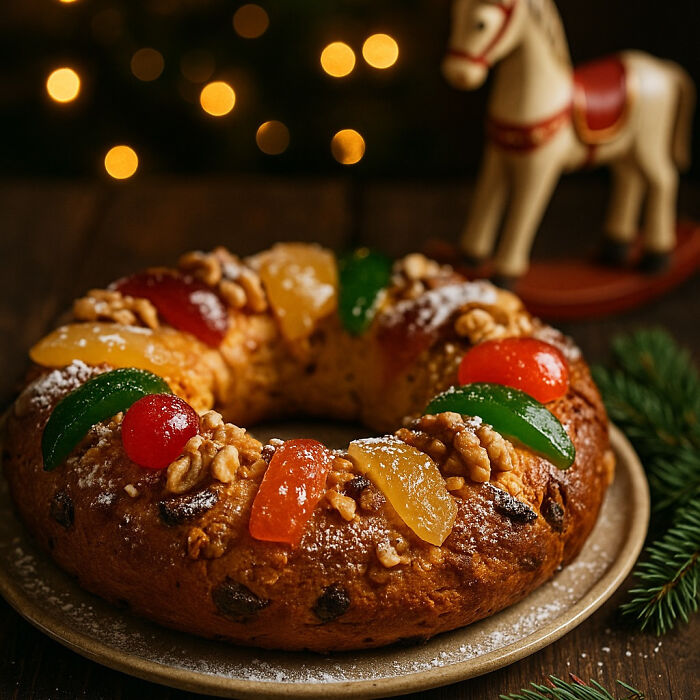
Bolo Rei, or “king cake,” is a round Portuguese fruit cake with a hole in the center, symbolizing a crown. Traditionally enjoyed during the Christmas season, and occasionally around Easter depending on the region, this cake is as rich in history as it is in flavor. Its colorful crust and sweet, nutty interior are steeped in symbolism: the crust represents gold, the dried fruits and nuts symbolize myrrh, and its fragrant aroma evokes incense, all reflecting the gifts presented to baby Jesus by the Magi in the classic Portuguese nativity scene.
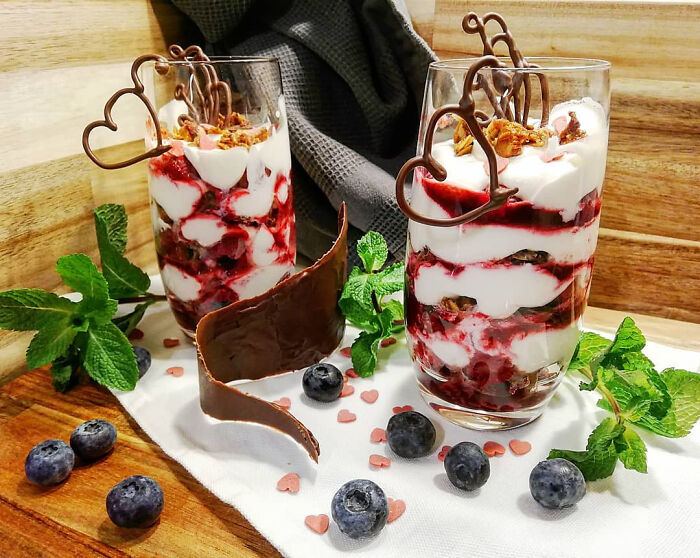
Cranachan is a traditional Scottish dessert that’s both simple and indulgent. Made with layers of oats, fresh raspberries, cream, malt whisky, and honey, it’s assembled much like a trifle for an attractive presentation. This festive treat is perfect for Christmas, Hogmanay, or to finish a Burns Night supper. The name “cranachan” comes from the Scots Gaelic word for “churn,” and the dessert is occasionally called “crowdie” when the traditional cheese was used in place of whipped cream.
“The story of Kerala’s Plum Cake goes all the way back to 1883, when a baker named Mambally Bapu created India’s first Christmas cake.” She explains that it was made for a British planter named Murdock Brown. “That moment really marked the beginning of a Christmas baking tradition in India,” she says. “And somehow, the recipe stuck around for generations.”
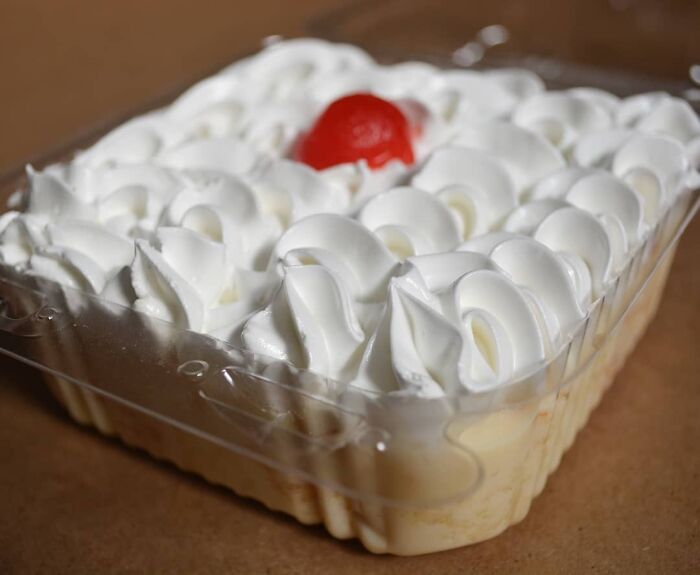
Pastel de tres leches, or three-milk cake, is a beloved dessert served at celebrations across Mexico and much of Latin America. Its signature sponge is soaked in a blend of three types of milk, creating a moist, rich texture that has delighted generations. The cake gained widespread popularity in the 1950s when the brand La Lechera printed the recipe on their cans, a marketing move that helped make this indulgent treat a household favorite that endures to this day.
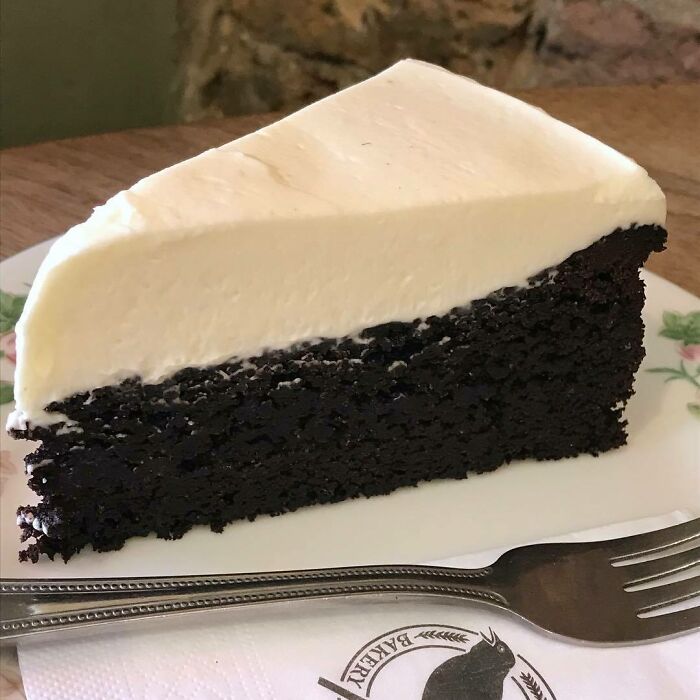
A staple on Irish holiday tables, Guinness cake is an unexpected yet delicious dessert made with dark stout beer. Despite the use of beer, the cake is smooth and richly flavorful, with none of the bitterness you might expect, making it a unique and crowd-pleasing treat.
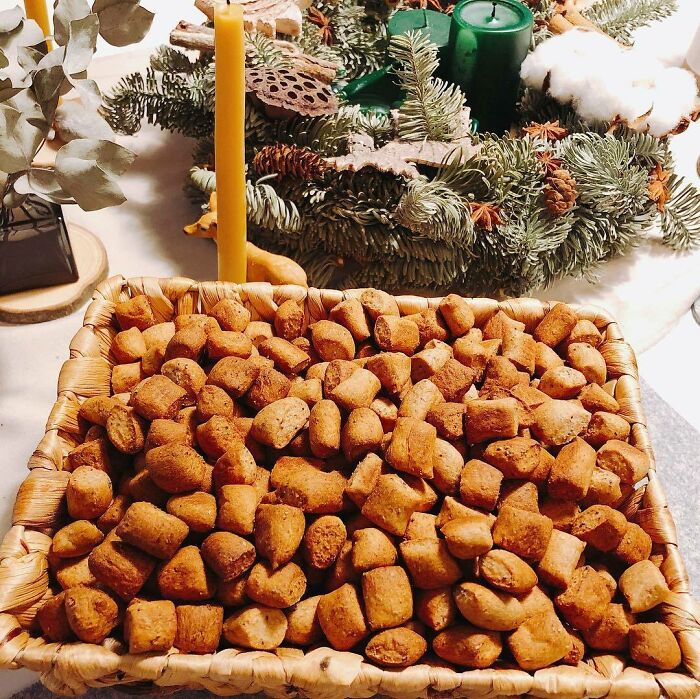
Kūčiukai are traditional Lithuanian treats made from soft, leavened dough and sprinkled with poppy seeds. These small, slightly sweet bites are a customary part of Lithuanian holiday celebrations, carrying both flavor and cultural significance.
“At its heart, the plum cake is inspired by the classic British Christmas fruitcake,” Akshita explains. “It’s rich, dense, and packed with dried fruits, nuts, and spices, often soaked in alcohol for depth.” But she’s quick to point out the difference. “Indian plum cakes bring in local flavors: warm spices like cinnamon and cardamom, and sometimes jaggery instead of refined sugar.” These small changes, she says, give the cake a distinctly South Asian soul. “It feels familiar, but also completely our own.”
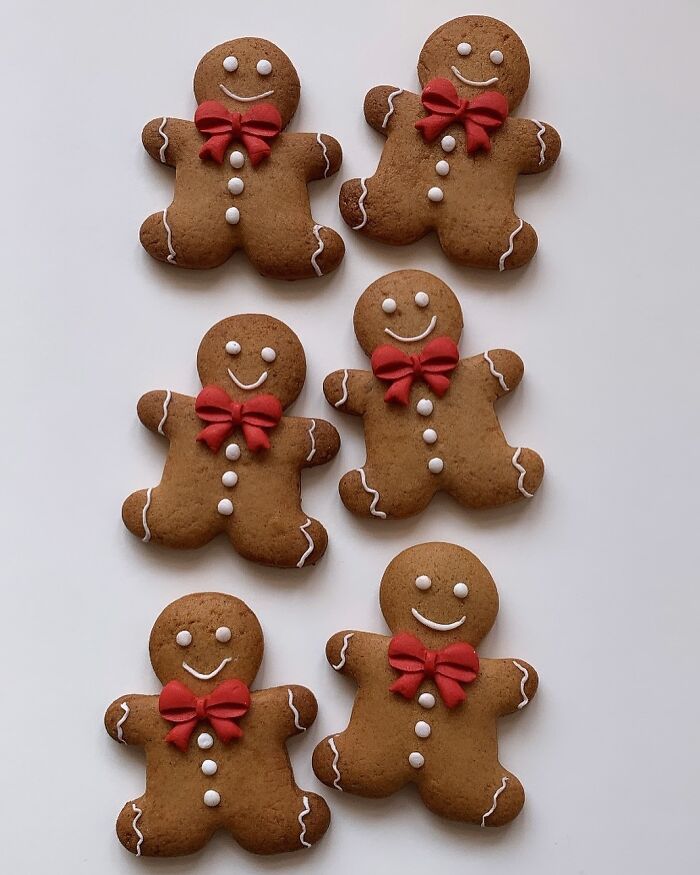
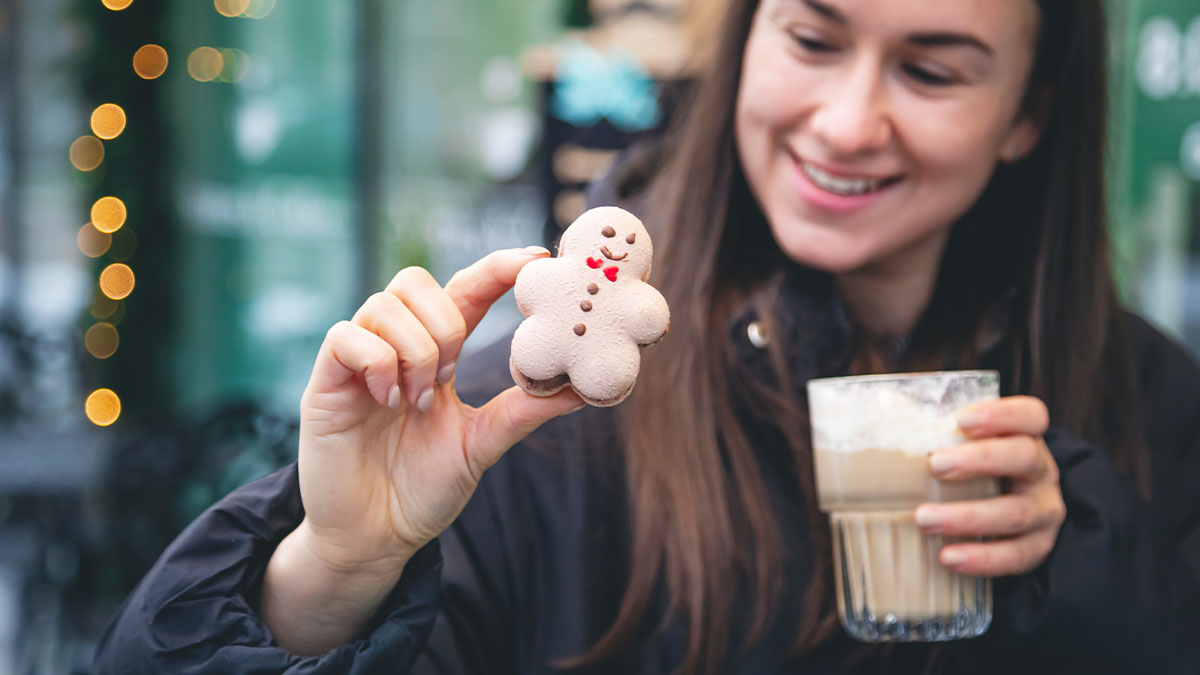
We all know that few baked treats capture the spirit of Christmas like gingerbread, from smiling gingerbread men to intricately decorated, candy-covered houses.

Gingerbread's origins trace back to ancient civilizations for ceremonial uses, but it arrived in Europe with Crusaders in the 11th century, evolving from spiced honey cakes to the festive treats we know, with its popularity soaring in the Middle Ages and figures (like gingerbread men) linked to Queen Elizabeth I's court in the 16th century, becoming a Christmas staple later on.
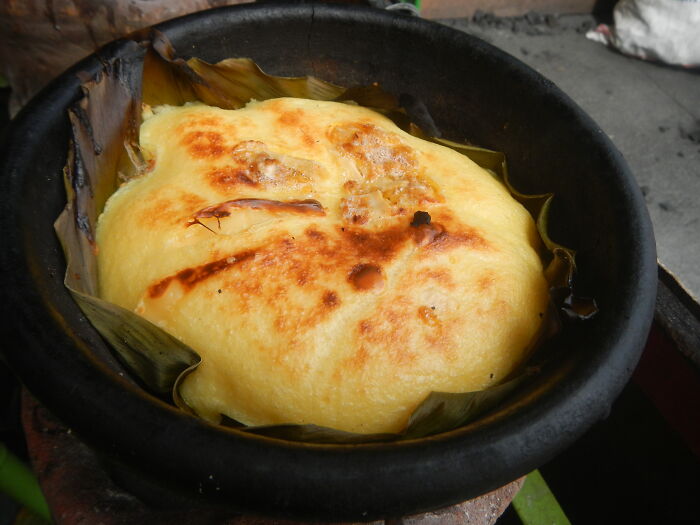
Bibingka is a traditional Filipino rice cake that’s as much a cultural treasure as it is a dessert. Made from sweet rice flour and rich coconut milk, it achieves a delicate balance of sweetness and creaminess. Topped with cheese and sometimes salted eggs, bibingka delivers a unique combination of flavors, soft, slightly sweet cake, creamy richness, and a hint of savory salt, that makes it unmistakably Filipino.
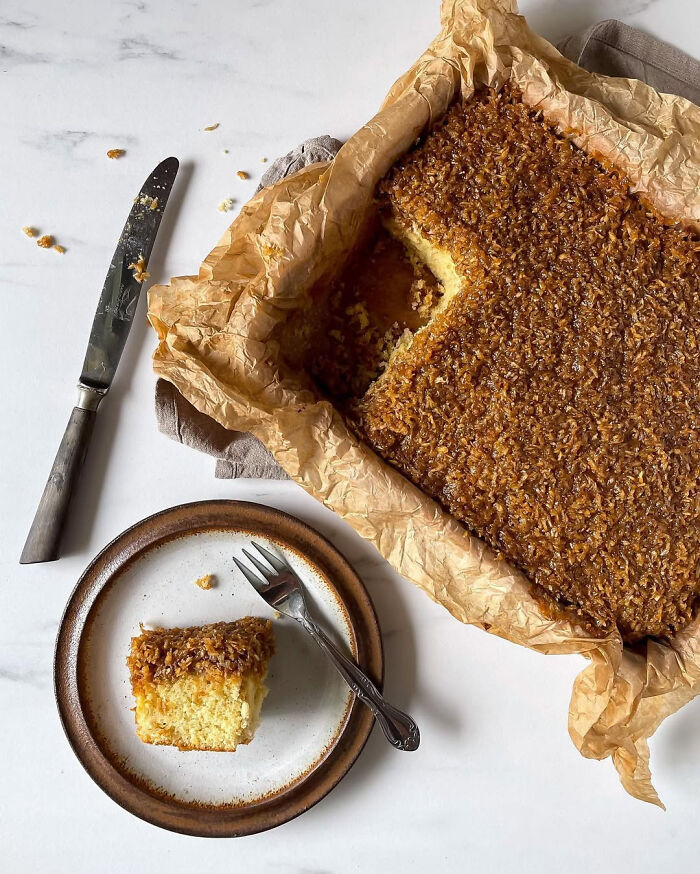
Drømmekage, which translates to “Dream Cake,” is one of Denmark’s most beloved and iconic desserts, its name reflecting the dreamy taste that has delighted generations. The cake originated in Hjallerup, a small town in Jutland, western Denmark. In 1960, Jytte Andersen entered a baking contest organized by a major Danish food company and created this now-famous cake. Her creation was so well-loved that it won the contest, marking the beginning of a dessert that would become a national favorite.

I'm danish and as far as I know this cake has nothing to do with Christmas, it is however the cake you bake to take to school or work on your birthday. I apologise to the Danes that has this cake for Christmas, and suggest you try my dad's home made vanille kranse instead, or get pebernødder, jødekager, brunkager, or klejner, they are all cakes traditionally eaten at Christmas.
“This cake has become a true holiday staple,” Akshita says. “And it’s not something you bake overnight.” She explains that preparation often starts weeks before Christmas. “The fruits and nuts need time to soak properly, especially if you’re using alcohol.” That slow process, she adds, is part of the magic. “By the time Christmas arrives, the flavors have deepened, and the cake tastes richer and more balanced.”
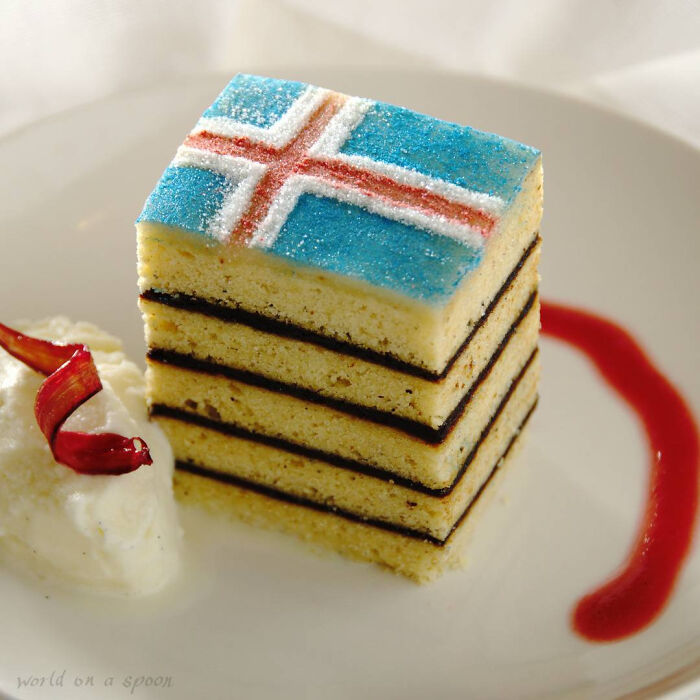
This classic Icelandic dessert combines layers of cardamom-flavored shortbread with a subtly spiced prune jam. Paired with a vanilla snow and a spiced rhubarb and vodka sauce, it makes for an irresistible treat perfect for warming up on cold winter evenings.
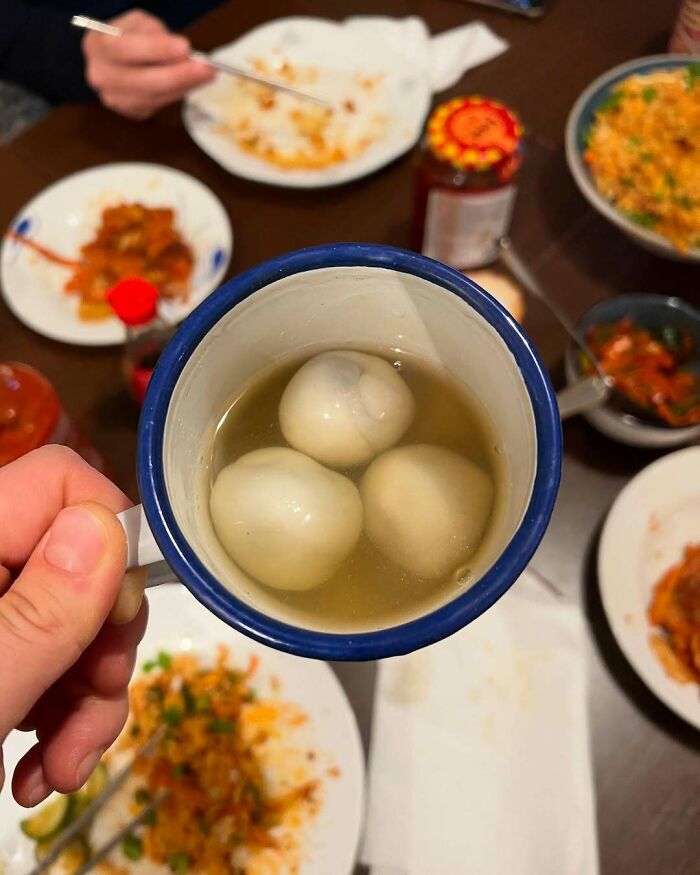
Peanut Tang Yuan is a traditional Chinese dessert featuring soft, chewy glutinous rice balls filled with sweet peanut paste and served in fragrant ginger-infused syrup. Often enjoyed during festivals like the Winter Solstice, Chinese New Year, and the Lantern Festival, these round rice balls symbolize unity, family reunion, and togetherness, making them a meaningful and delicious treat for special occasions.
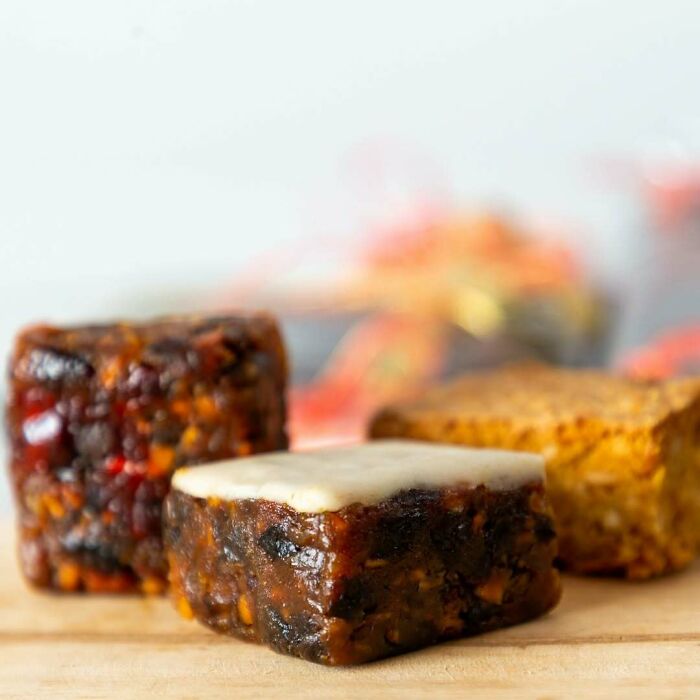
Sri Lankan Christmas Cake is a rich and flavorful twist on the traditional fruit cake. Packed with an abundance of fruits, nuts, and other indulgent ingredients, it’s intensely aromatic and delicious, so much so that even a small slice is enough to satisfy any sweet tooth.

Was never a big fan of fruit cakes because as a child, I only had the cheap, dry, mass produced store bought kind. Then a neighbor brought over a homemade fruit cake packed with high quality fruit, loaded with pecans. and soaked with whiskey over several weeks. Absolute heaven!!!!
“Indians genuinely love their desserts,” Akshita laughs. “We’re always excited to try new sweets, whether they come from different regions or different cultures.” She says that Indian plum cake perfectly fits that mindset. “It’s festive, nostalgic, and indulgent without being overly fancy.” Over time, it’s become more than just a cake. “It’s a symbol of Christmas here—shared with family, gifted to friends, and enjoyed with a cup of tea,” she concludes.
Desserts truly make Christmas celebrations feel extra special, adding sweetness to every gathering and memory. From rich, spiced cakes to nostalgic homemade treats, there’s always something that steals the spotlight at the table. Which one of these had you drooling the most? And what’s your all-time favorite Christmas dessert? Share it with us, we’d love to know.
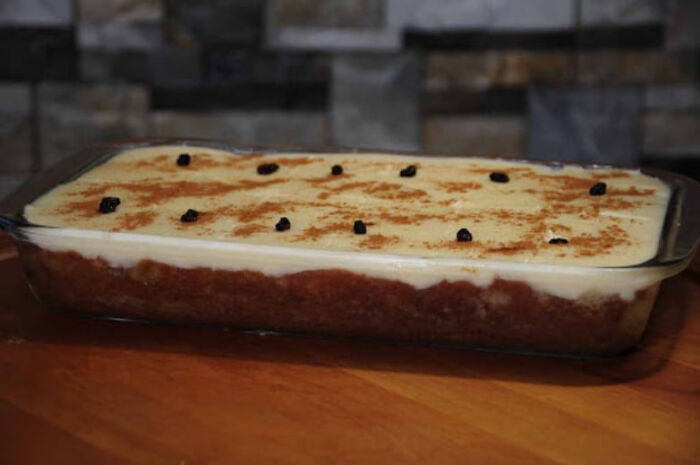
Pio Quinto is a rich, indulgent cake soaked in syrup and topped with a layer of rice pudding, eggs, and a sprinkle of cinnamon. Hidden between its layers are bursts of sweet raisins, adding texture and flavor to every bite. This traditional dessert is sure to be a showstopper on any table.
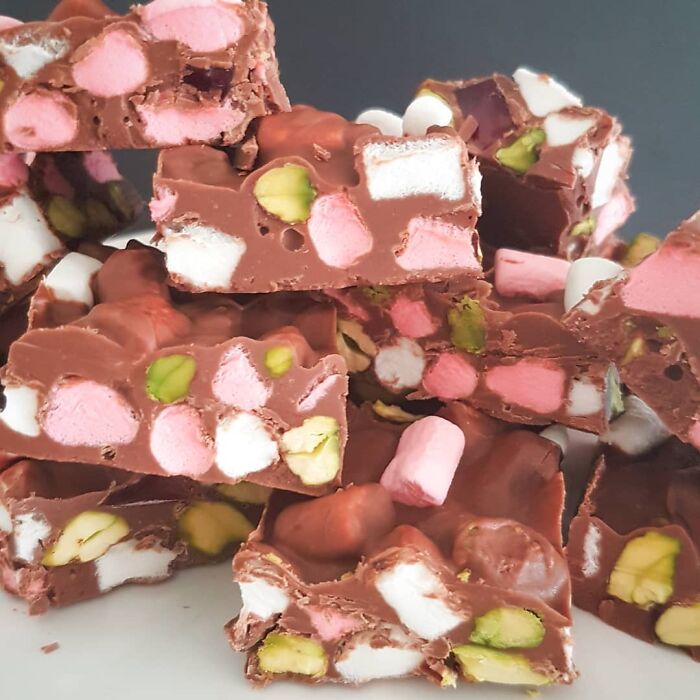
Rocky Road is a beloved no-bake dessert that combines rich chocolate with a mix of indulgent add-ins like marshmallows, nuts, coconut, and chewy jellies. Its playful texture and decadent flavor make it a timeless treat for all ages.







































 No fees, cancel anytime