Get Premium
Dark mode theme is available exclusively for premium users. Learn more about the benefits of subscribing.
No fees, cancel anytime.

 Dark Mode Ad-Free Browsing Unlimited Content
 Ad-Free Browsing Unlimited Content Dark Mode
Join 1.2 million Panda readers who get the best art, memes, and fun stories every week!
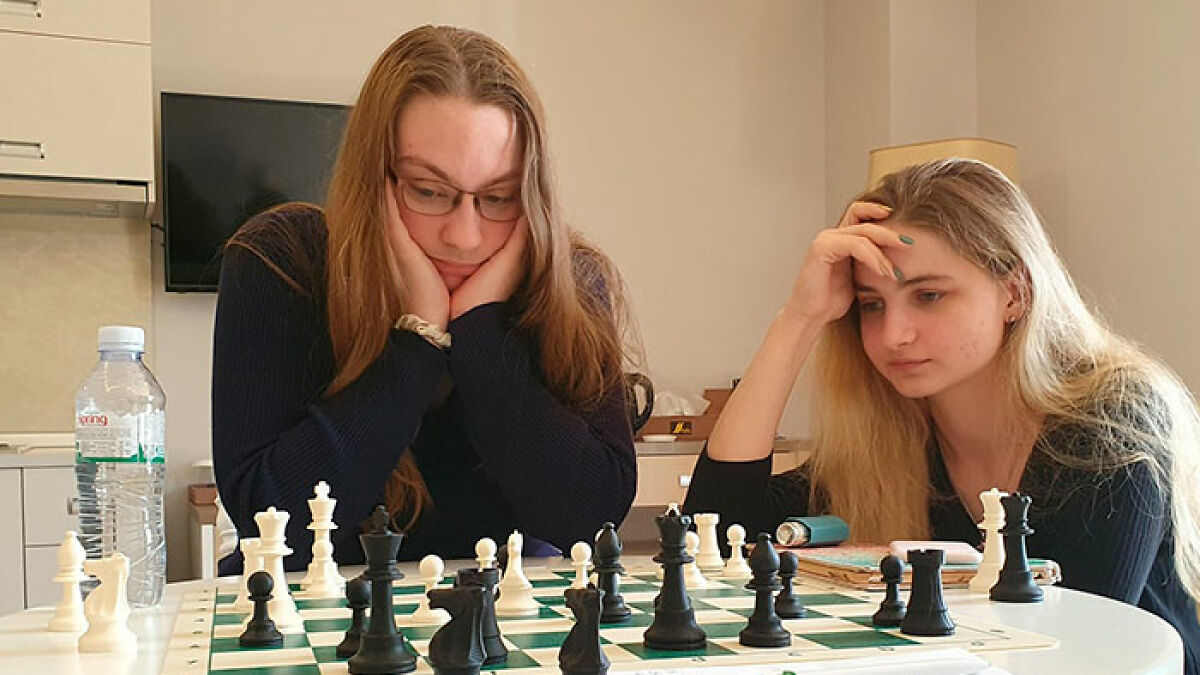
The chess community has been left divided after the UK’s only all-female team earned promotion to the country’s top division, only to be told they must add a male player to their squad.
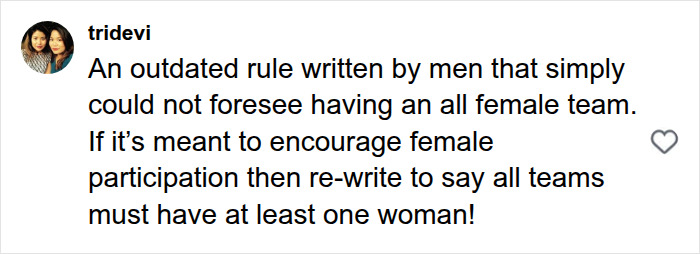
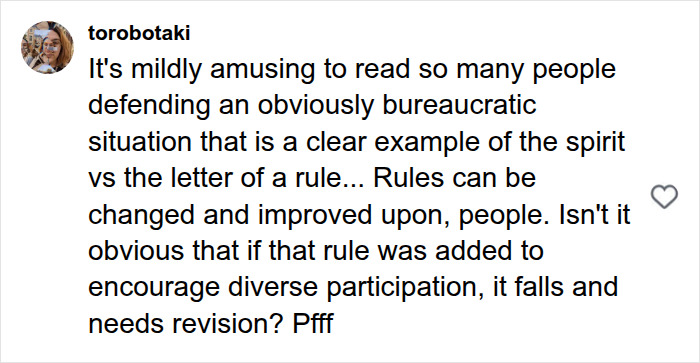
The rule was created to encourage more women to take up chess, but many netizens believe it has backfired in this case.
Players have also spoken up about how they have worked hard to reach the top on their own and should not have to replace one of their teammates.
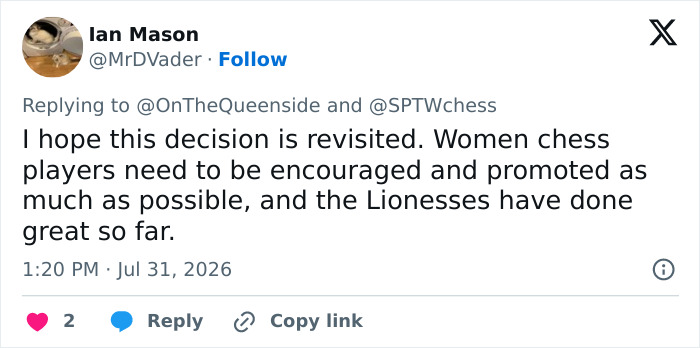
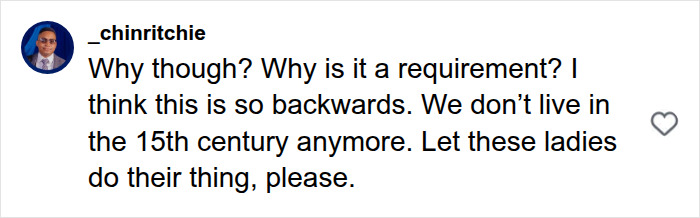
“I hope this decision is revisited. Women chess players need to be encouraged and promoted as much as possible, and the Lionesses have done great so far,” wrote one commenter.
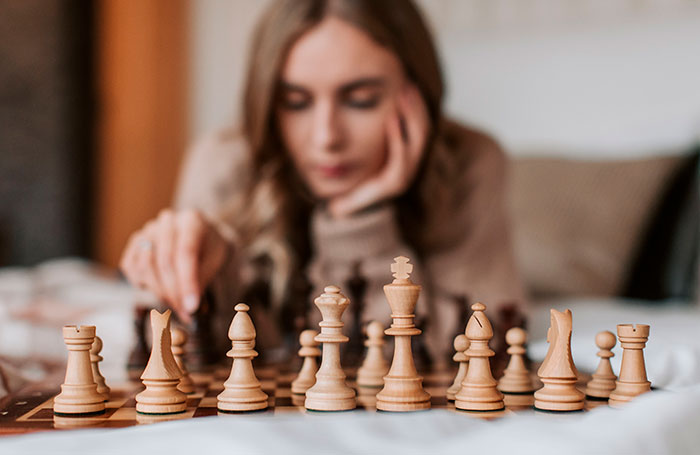
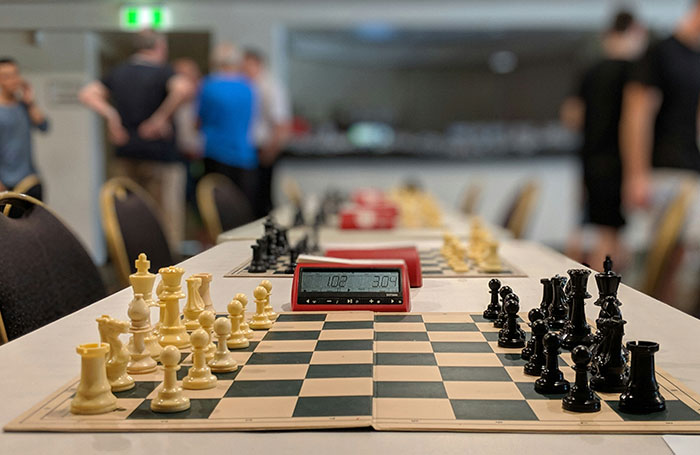
Image credits: Ahmed/Unsplash (not the actual photo)
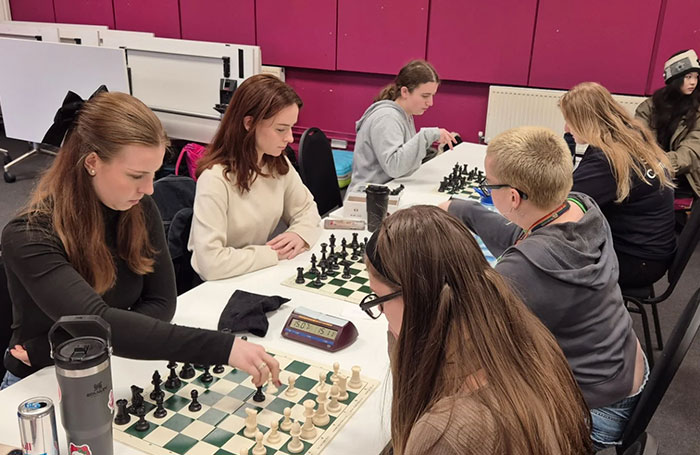
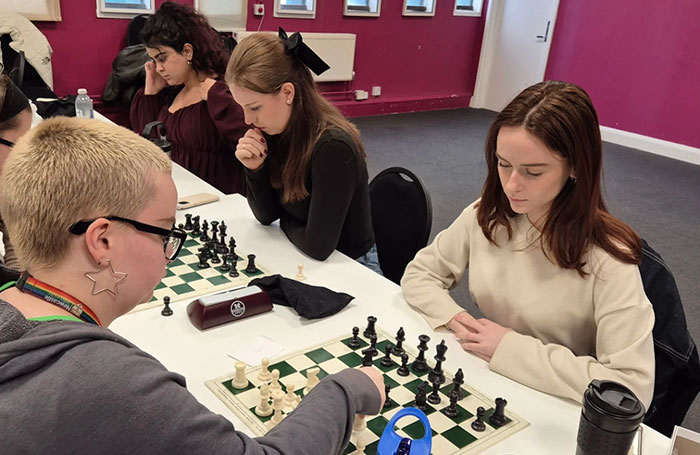
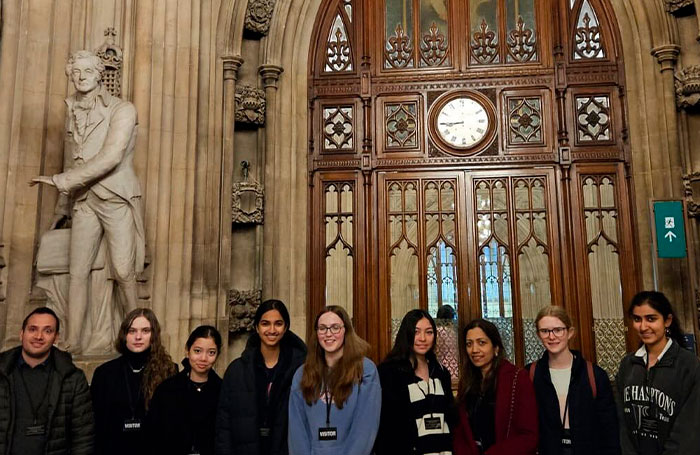
The Lionesses A Team made history by becoming the first all-female team to reach Division One of the Four Nations Chess League (4NCL), one of the UK’s top chess competitions.
Instead of simply celebrating the achievement, the players were told they could not compete with an all-women lineup.
Under 4NCL rules, every Division One team must have at least one male player and one female player on its roster.
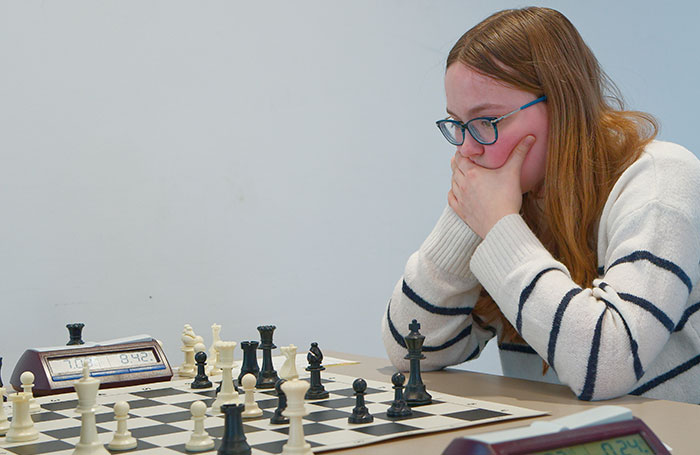
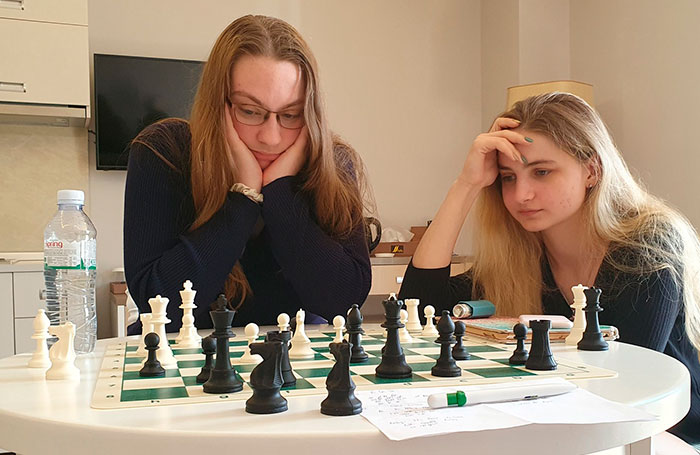
Image credits: Vlada Karpovich/Pexels (not the actual photo)
Image credits: MrDVader
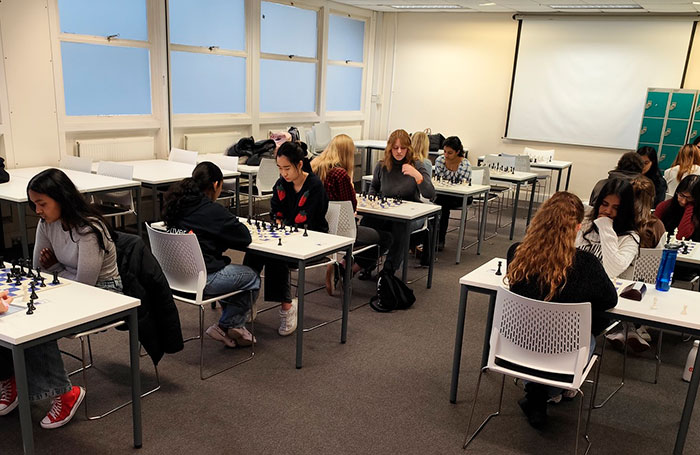
Image credits: emiliacastelao
That means the Lionesses would have to remove one of their eight female players to make room for a man.
Apparently, the rule was introduced decades ago to encourage female participation in chess by making sure every top-division team included at least one woman.
Ironically, the only all-female team to reach the division now said that same rule is standing in its way.
Image credits: Brendan O’Gorman
An 18-year-old player, Emily Maton, said the Lionesses worked hard to reach the league’s top division.
She said, “We’ve been promoted on our own merit. There’s no shortage of male players in the division,” per The Guardian.
According to Maton, the team exists because women are still heavily underrepresented in competitive chess.
“The whole point of the team is to bring female representation when there isn’t really any at all.”
Image credits: sptwchess
She believes forcing the team to include a male player completely changes its purpose.
“It’s going against the entirety of the rule, and it undermines what we’re trying to do as a team,” she said.
Maton also spoke about her own experience growing up in chess. She recalled coaches telling her, “You’re very good for a girl.”
She also said people regularly told the team they did not deserve to reach the top division.
“We’ve had people tell us we don’t deserve to be in this division, that we’re not good enough. We got to the top proving everyone wrong – and now this undermines that,” she said.
Image credits: sptwchess
Speaking to The Times, Maton shared that she has been playing competitive chess since she was nine years old but often felt isolated because there were so few girls at tournaments.
She remembered walking into competitions where it was mostly older men.
“It would be me and my one friend and then a room of 50-year-old men,” she said.
She also said she had seen male players react badly after losing to a girl. “I’ve witnessed a male player smash all the pieces off the board and talk about how they can’t believe they lost to a girl.”
The experience even pushed her away from chess at school.
Image credits: sptwchess
“I basically stopped attending my school chess club in secondary school just because you felt so isolated and out of place,” she added.
As the Lionesses climbed through the divisions, Maton said people continued doubting them, claiming they “don’t belong” and are going to “struggle.”
She further shared that because of how girls are treated, the majority of girls quit playing at 13 years of age.
Maton believes the Lionesses has changed that by creating a community where players support each other instead of feeling like they are simply filling a quota.
“We’re playing because we want this team to succeed and we really care about the others on the team.”
Image credits: www.instagram.com
Looking back on her previous teams, she said things felt very different because she could not relate to men and you were part of the team so “that they could fill the diversity quota.”
But with the Lionesses, she alleged female players have finally been given a place where they are valued for their ability. “This team has been an amazing step away from that, to be part of a team because of your own achievements.”
For Maton, earning promotion made that achievement even more meaningful.
“It is a huge achievement for us to get promoted to that top level and prove them wrong that an all-female team can do it,” she said.
Image credits: sptwchess
19-year-old player Alisha Vyas shared she had previously played on mixed teams where she was often the only woman.
She admitted she sometimes felt like she was included to satisfy a quota.
“I knew I was only there to fulfill the quota as a woman,” she said.
But after joining She Plays to Win, her experience has completely changed. “Being part of She Plays to Win is amazing.”
Founder Lorin D’Costa, who started She Plays to Win during the COVID pandemic, shared that creating that environment has taken years of work.
He explained, “The Lionesses earned promotion the hard way, but now their reward is losing the thing that makes them special.”
D’Costa also said not enough girls are taking up chess at a young age.
He believes the game teaches important thinking and decision-making skills that can help young women succeed in careers where men have traditionally been overrepresented.
According to the organization, only around 11% of the world’s top-rated chess players are women.
Image credits: Mitchell Johnson
The Four Nations Chess League said it understands the discussion but believes the rule should remain.
Mike Truran from the 4NCL explained that the top division has required mixed teams ever since the league began in 1994.
He said, “We remain the only league in the UK that encourages female participation in chess by requiring mixed teams.”
League officials also surveyed team captains during the 2025-26 season about changing the rule.
According to Truran, there was “no significant appetite” to change it.
He added that the league remains open to reviewing the policy in the future if opinions change.
Truran also argued that removing the mixed-team requirement altogether could actually reduce opportunities for women because some clubs might stop selecting female players entirely.
He said there is currently no evidence that the existing rule discourages women from participating in chess.
For now, unless the rule changes, the team has to replace one of its players with a male teammate.

By entering your email and clicking Subscribe, you're agreeing to let us send you customized marketing messages about us and our advertising partners. You are also agreeing to our Privacy Policy.
Thank you! You've successfully subscribed to newsletters!


What it shows, at least to me, is that these initiatives don't really work because there is no real change of heart. Inclusion becomes performative rather than transformative. One problem is that societies end up being run by people who are more concerned about power and their self perception rather than empowering and enhancing the society.

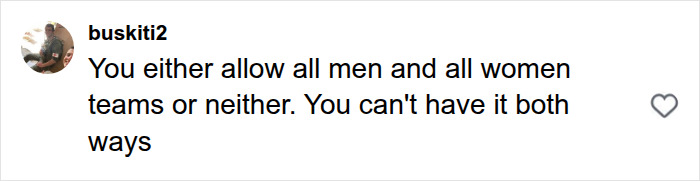
Let's add a rule to encourage women to play. Makes sense right? Now this rule is denying a woman an opportunity to play. Its DIRECTLY saying one woman who qualifies to play cannot, because it needs to be a man instead.

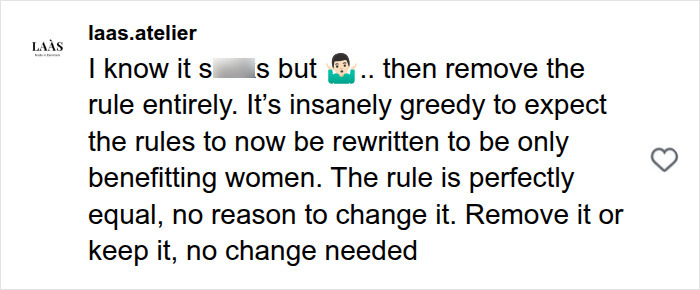
It's a hard call, actually. By requiring a person of the other gender to be on a team, it opened up places for women when teams were mostly men. Now there's an all-female team, should the rule be changed? If so, why? Because the only way to change the rule in a non-discriminatory way is to repeal it. Would this then risk "the one woman" being booted out of other teams? What is better for women, in the competition, in the long run? The ability to have an all-female team, or the ability to be included in other teams?
Load More Replies...
Haven't read the whole article yet, but curious why a pénịs is necessary to play chess? I don't think that's the appendage used to move the pieces around, but I've never watched a professional match so correct me if I'm wrong
What it shows, at least to me, is that these initiatives don't really work because there is no real change of heart. Inclusion becomes performative rather than transformative. One problem is that societies end up being run by people who are more concerned about power and their self perception rather than empowering and enhancing the society.
Let's add a rule to encourage women to play. Makes sense right? Now this rule is denying a woman an opportunity to play. Its DIRECTLY saying one woman who qualifies to play cannot, because it needs to be a man instead.
It's a hard call, actually. By requiring a person of the other gender to be on a team, it opened up places for women when teams were mostly men. Now there's an all-female team, should the rule be changed? If so, why? Because the only way to change the rule in a non-discriminatory way is to repeal it. Would this then risk "the one woman" being booted out of other teams? What is better for women, in the competition, in the long run? The ability to have an all-female team, or the ability to be included in other teams?
Load More Replies... Haven't read the whole article yet, but curious why a pénịs is necessary to play chess? I don't think that's the appendage used to move the pieces around, but I've never watched a professional match so correct me if I'm wrong





















 No fees, cancel anytime










29
10