Get Premium
Dark mode theme is available exclusively for premium users. Learn more about the benefits of subscribing.
No fees, cancel anytime.

 Dark Mode Ad-Free Browsing Unlimited Content
 Ad-Free Browsing Unlimited Content Dark Mode
Join 1.2 million Panda readers who get the best art, memes, and fun stories every week!
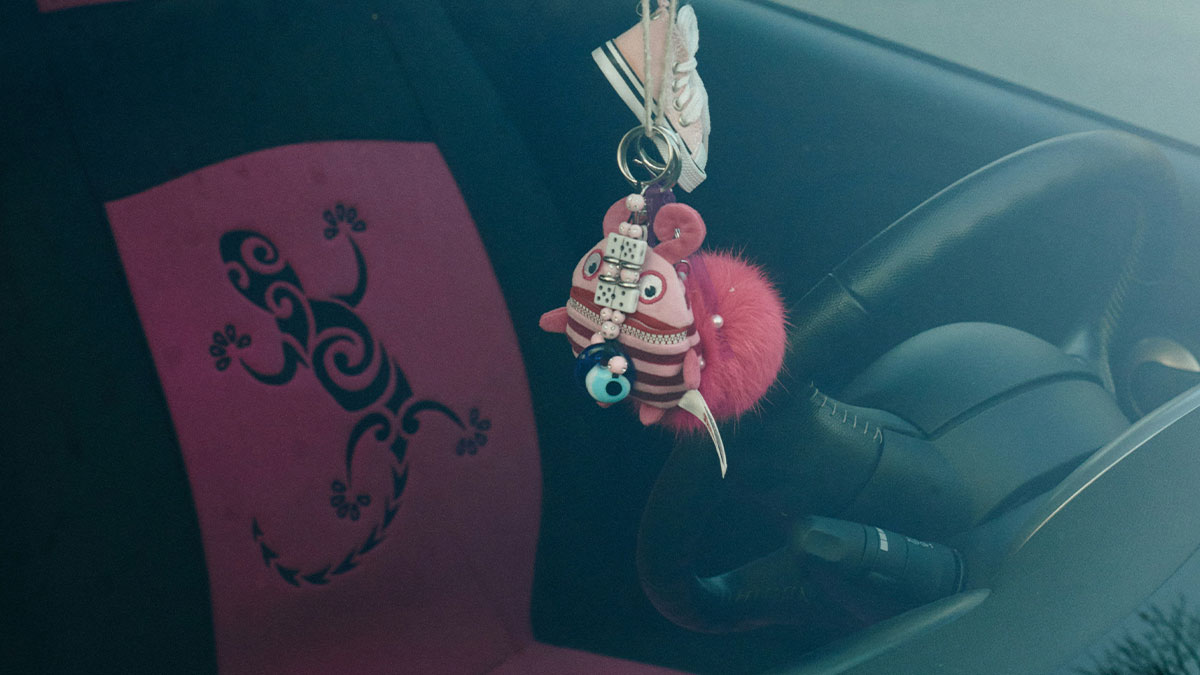
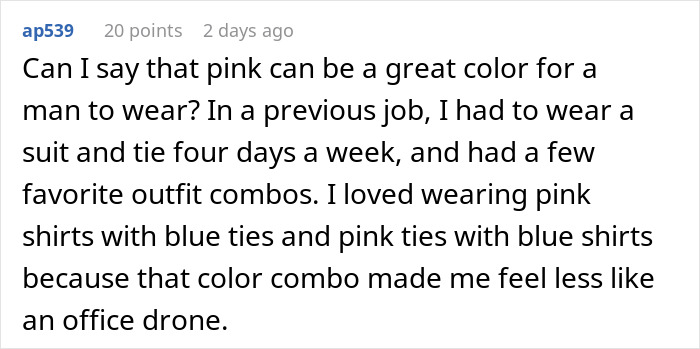
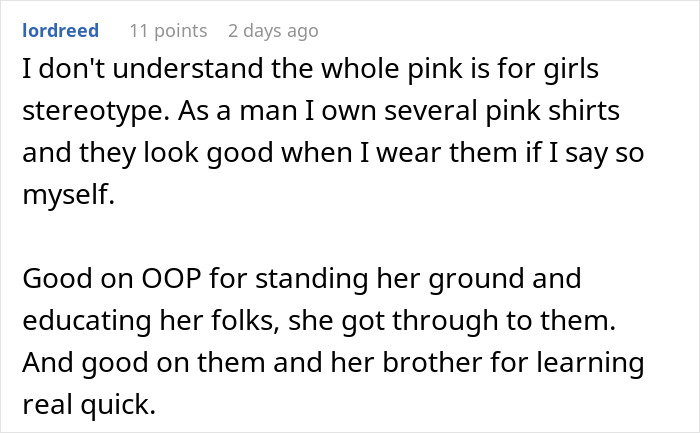
The color pink is beautiful, cute, and honestly pretty wholesome. Plenty of people love it. But for a fragile male ego, it’s apparently public enemy number one.
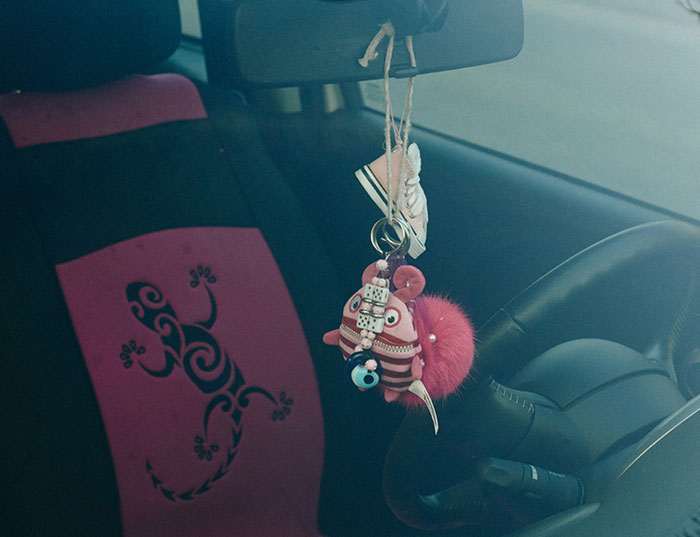
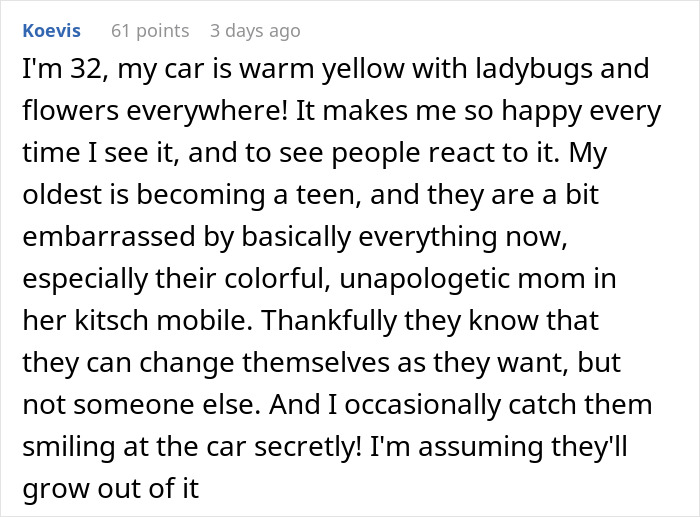
One teen girl learned that firsthand after she decked out her car in full pink glory: leather seat covers, cozy blankets, dangling charms, the whole thing. It was her space, and she loved it. The only issue was her younger brother spent a lot of time in that car, because he refused to get his own license and relied on her for rides.
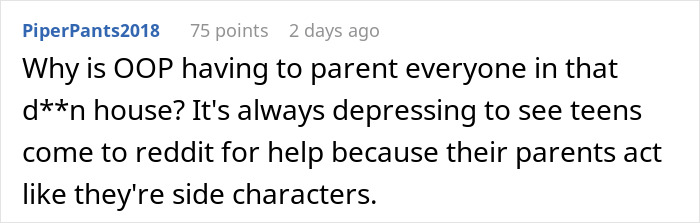
And while she didn’t mind helping out at first, he clearly minded the aesthetic. He was embarrassed being seen in the “girly” car, and eventually took things a step further by trashing her decorations. That was the moment the sister decided she was done playing chauffeur and ready to teach him a lesson in basic respect.
Read the full story below.
Image credits: Getty Images (not the actual photo)
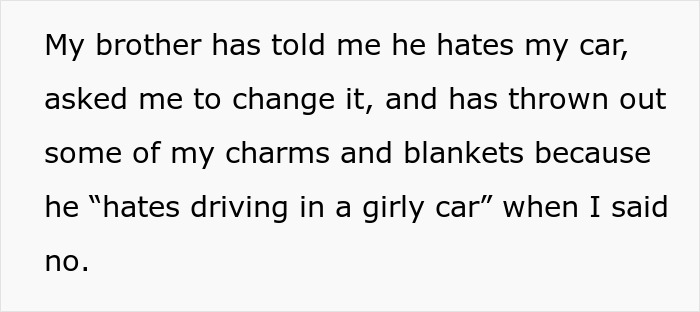
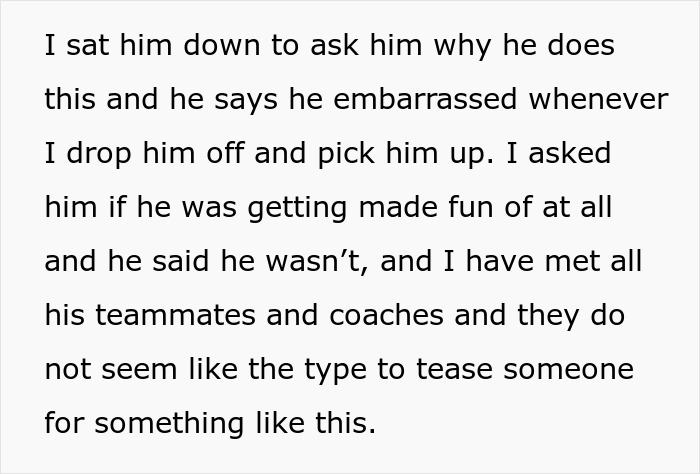
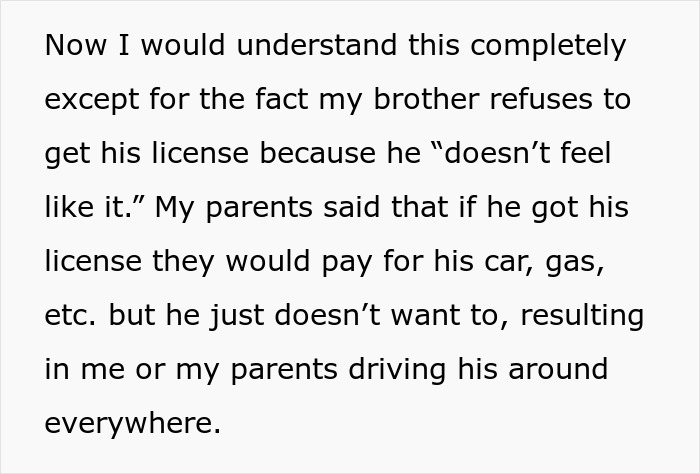
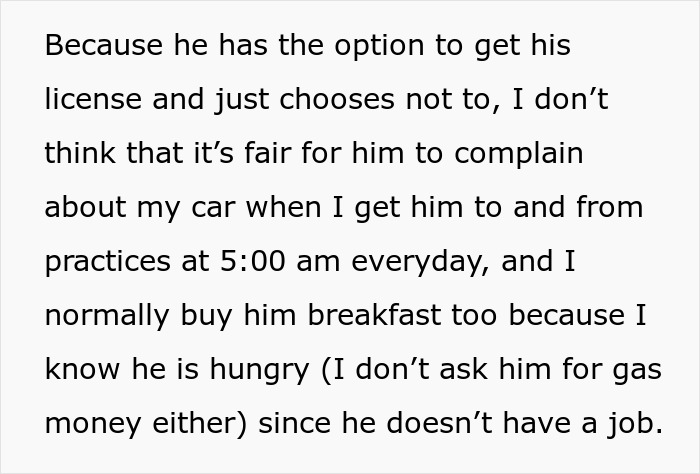
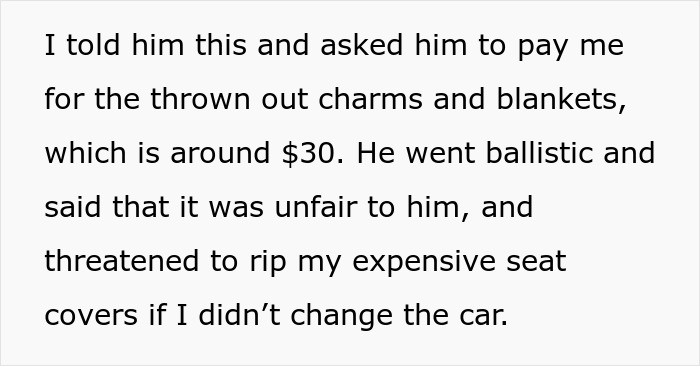
Image credits: Roberta Sant’Anna (not the actual photo)
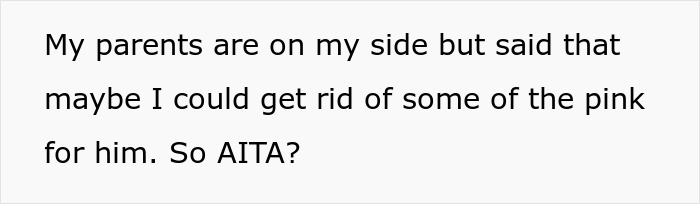
Image source: I_heart_cheesealot
Image credits: Abdul Haseeb M M (not the actual photo)
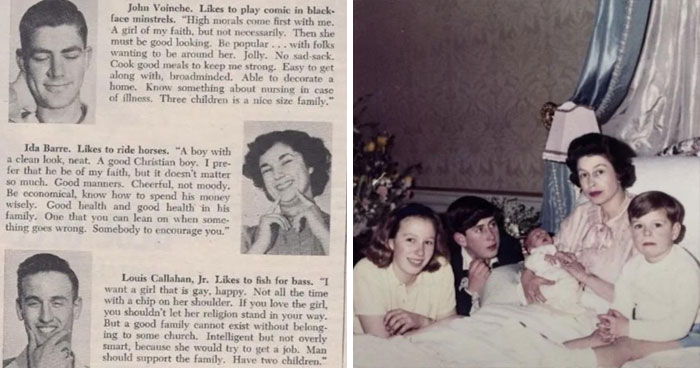
Pink wasn’t always considered a girl’s color. In fact, at one point it was actually seen as more appropriate for boys. Hard to imagine, right? Take a look at what publications were saying back then. A Ladies Home Journal article from 1890 advised, “Pure white is used for all babies. Blue is for girls, and pink is for boys when a color is wished.”
Nearly three decades later, a 1918 article from the trade publication Earnshaw’s Infants’ Department offered the same perspective: “The generally accepted rule is pink for the boy and blue for the girl. The reason is that pink being a more decided and stronger color, is more suitable for the boy, while blue, which is more delicate and dainty, is prettier for the girl.”
For most of history, pink didn’t carry any gender meaning at all. Jo B. Paoletti, a historian at the University of Maryland and author of Pink and Blue: Telling the Boys From the Girls in America, explains that 19th-century parents actually preferred dressing their children in white rather than colors, deliberately avoiding any emphasis on gender. Gendered dress was considered inappropriate for children, who were supposed to remain innocent.
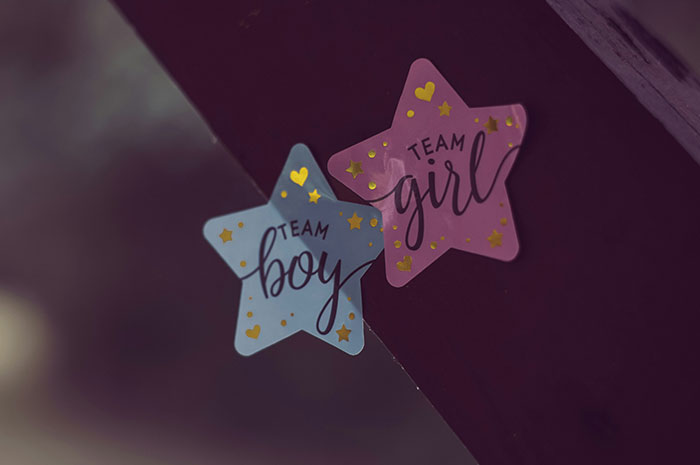
Everything changed after World War II. Manufacturers in the 1940s and 50s began mass-producing gender-specific clothing and toys, but the real turning point came in the 1980s. As Paoletti explained in Smithsonian Magazine, prenatal testing became widely available, allowing parents to know their baby’s sex before birth. This sparked a massive boom in gender-specific marketing, and pink became firmly cemented as the “girl color.”
An arbitrary marketing decision gradually transformed into a cultural norm that many people now treat as biological fact. Department stores created separate pink and blue sections, toy companies designed gender-specific product lines, and an entire industry emerged around the idea that colors have inherent gender.
The teen girl in this story simply decorated her car the way she liked it, but her brother’s explosive reaction reveals how deeply these manufactured associations have embedded themselves in our culture.
Image credits: Blake Cheek (not the actual photo)
So why do some men react so strongly to things labeled as “feminine”? Psychologists point to a concept called precarious manhood, which suggests that masculinity is seen as something that must be constantly proven and defended. Research published in the Journal of Personality and Social Psychology backs that up, showing that many men treat masculinity like a status that can be lost—so anything labeled “feminine” can feel like a threat to being viewed as a “real man.”
One study in the Journal of Global Fashion Marketing shows that men often avoid pink and other girly things because they fear social judgment and ridicule. Even when that judgment isn’t actually happening, the fear of it drives their behavior. This aversion to femininity goes beyond just disliking a color. Research indicates that devaluing feminine things often stems from deeper sexism.
When boys are taught that feminine equals lesser, they internalize the idea that women and girls are inferior. In this story, the brother had clearly absorbed the message that girly things threatened his masculinity, leading him to lash out at his sister’s decorations.
Fortunately, his sister stood her ground and helped both him and their parents understand the real issue at hand. After some genuine reflection and conversation, he apologized, replaced what he’d destroyed, and even signed up for driver’s education. These kinds of conversations matter because they challenge the harmful beliefs we often absorb without realizing it.
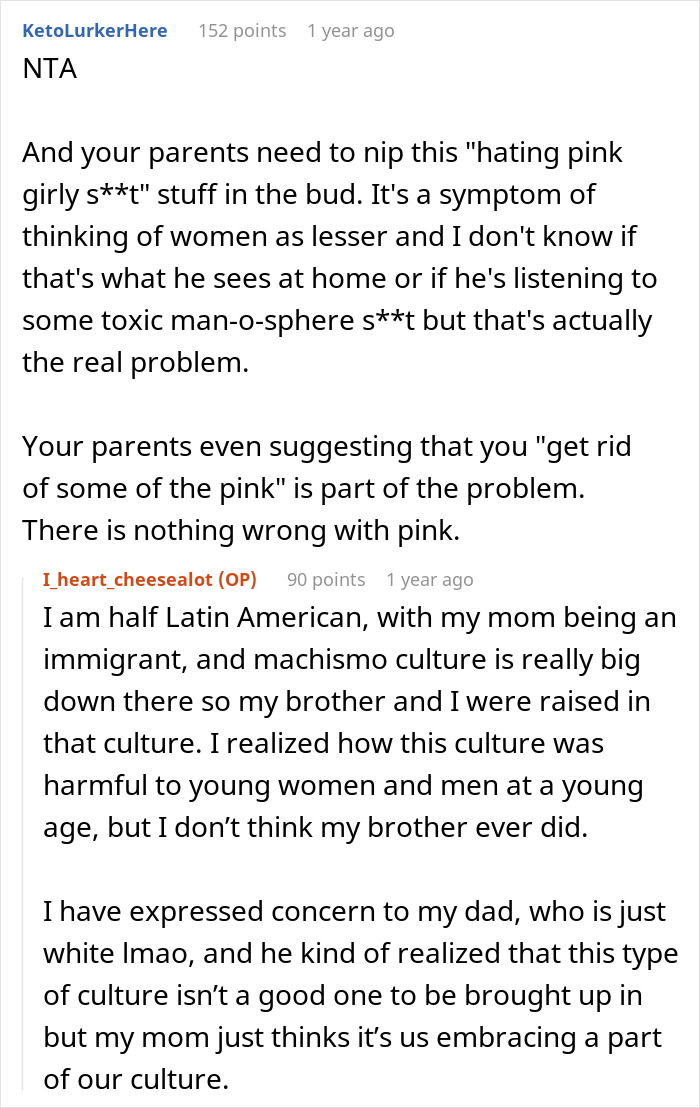
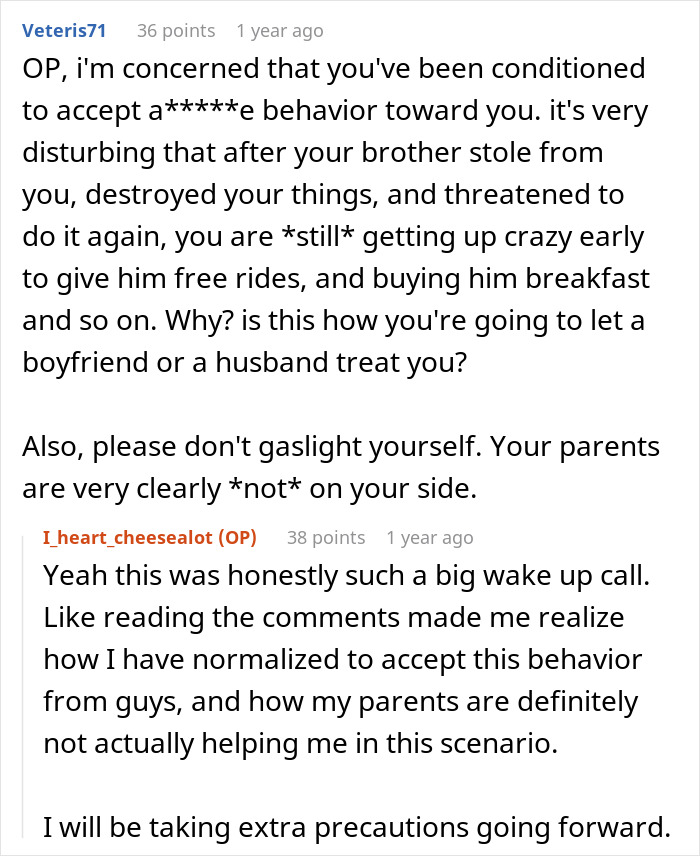
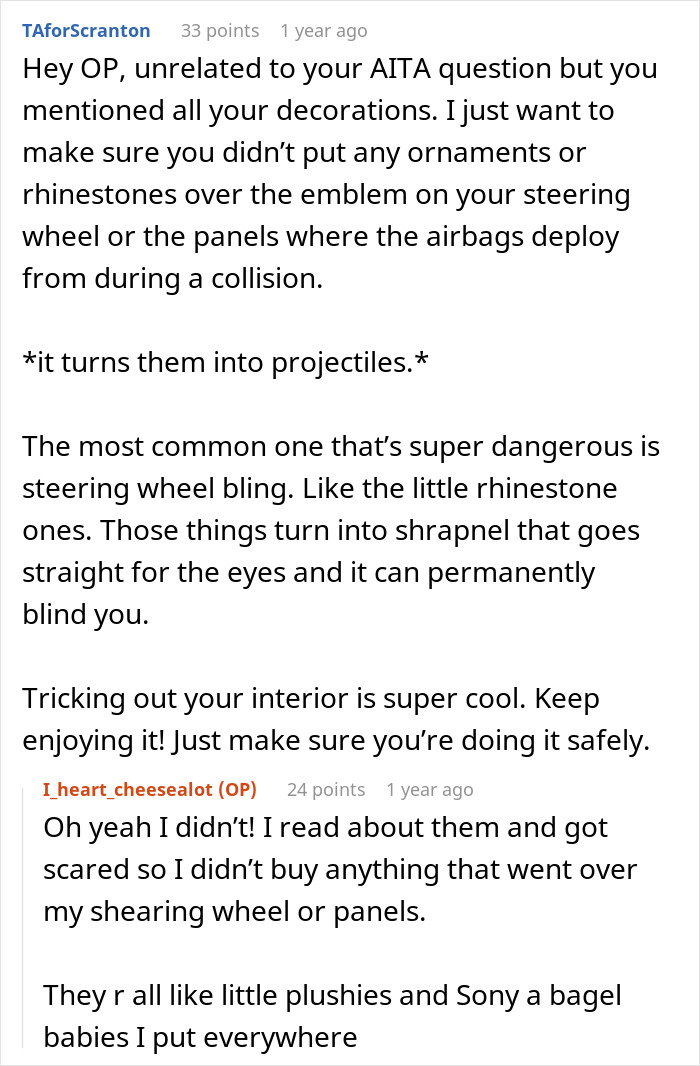
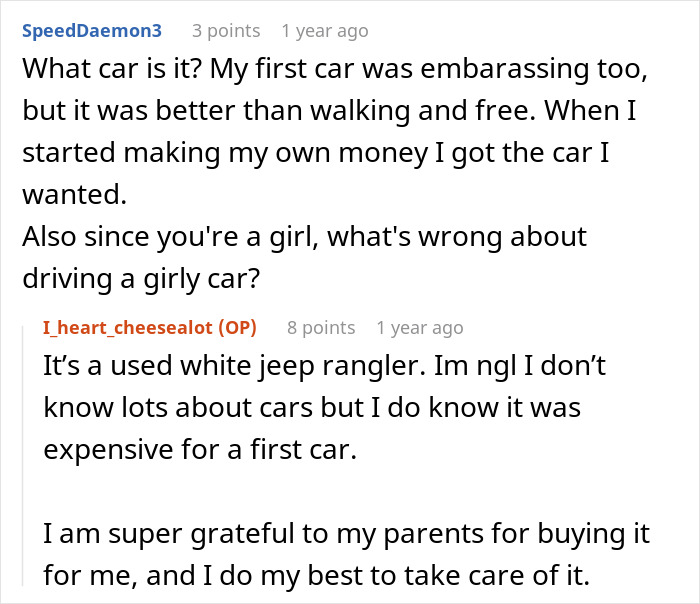
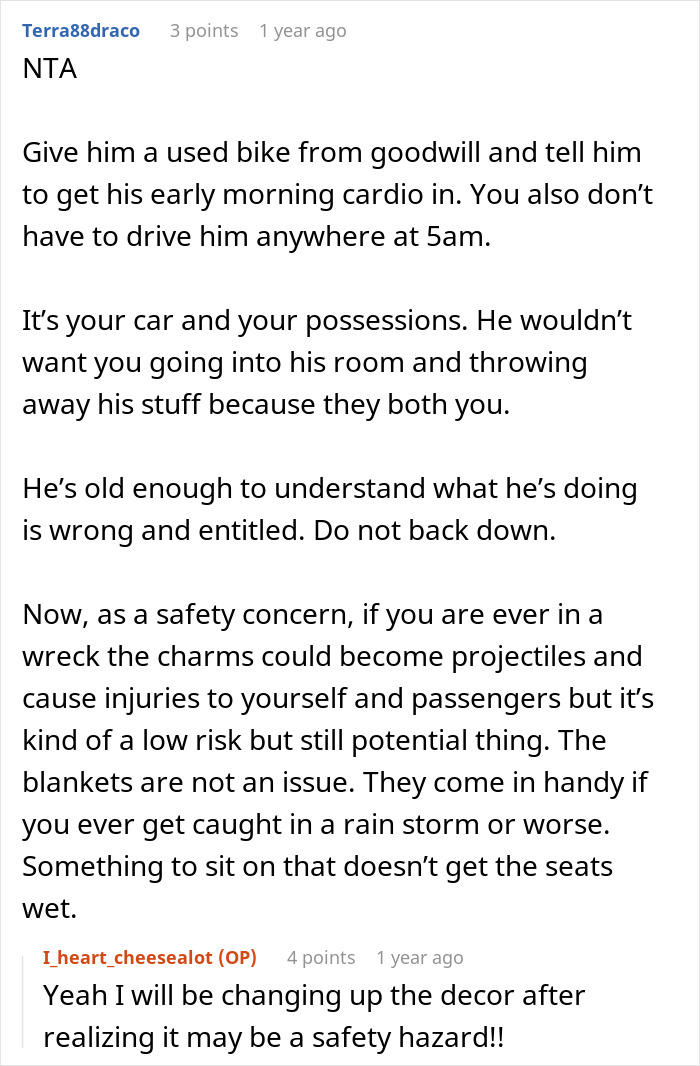

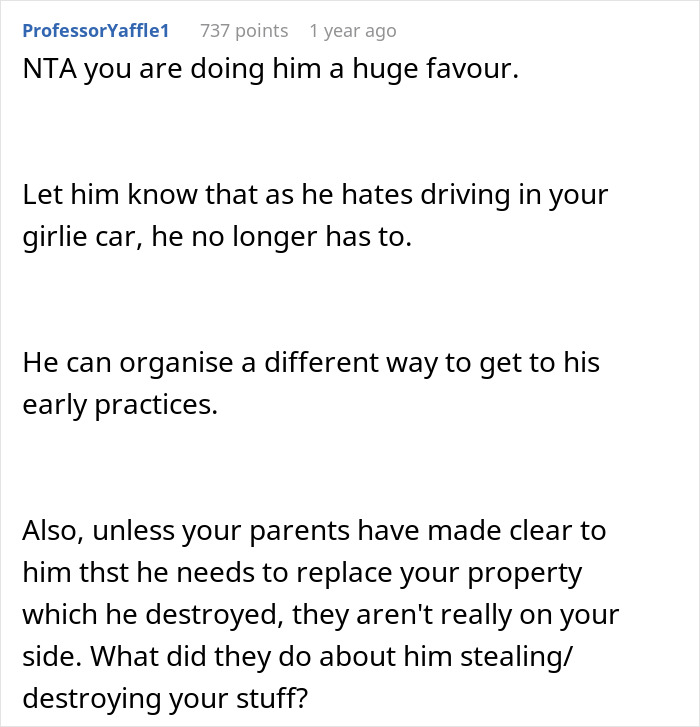
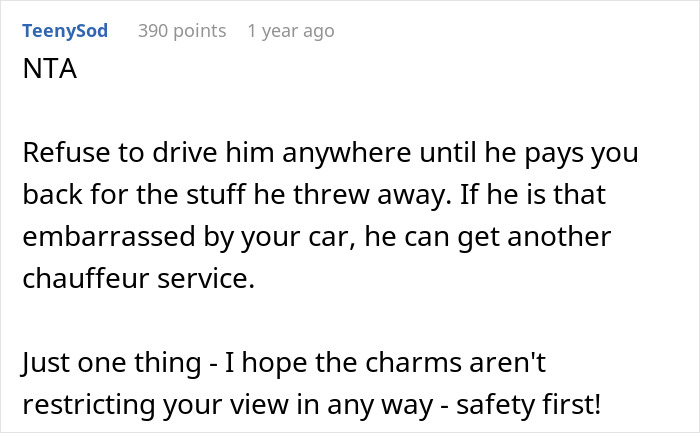
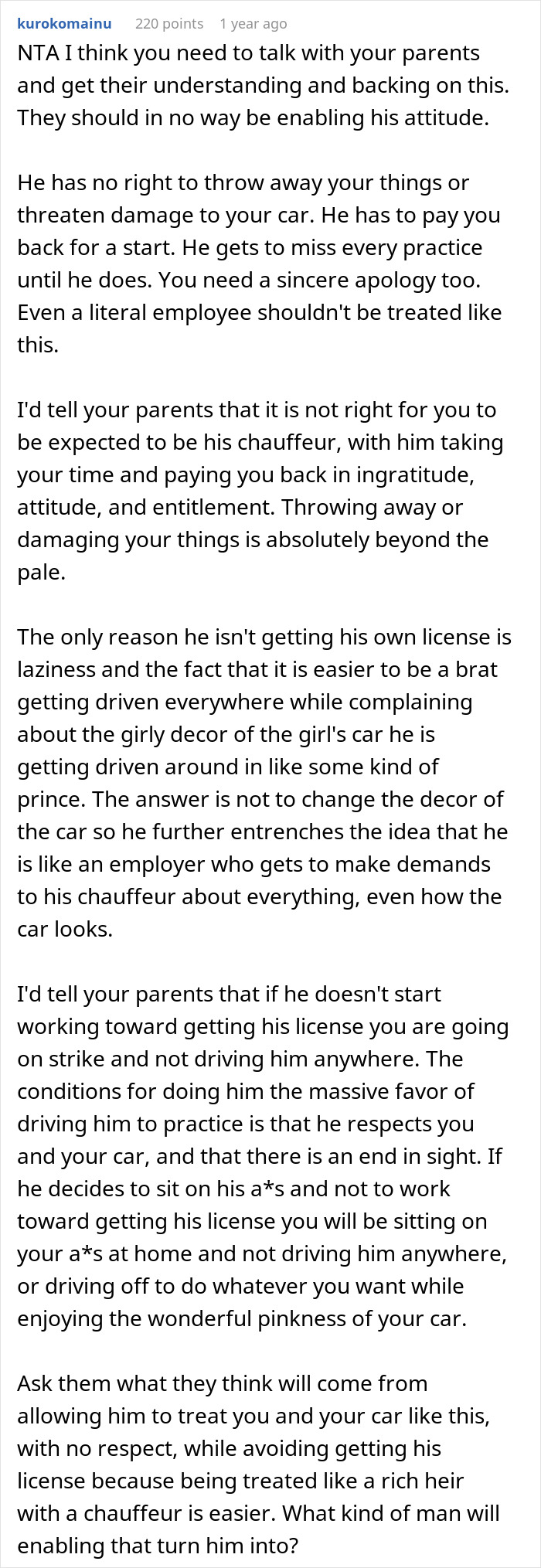

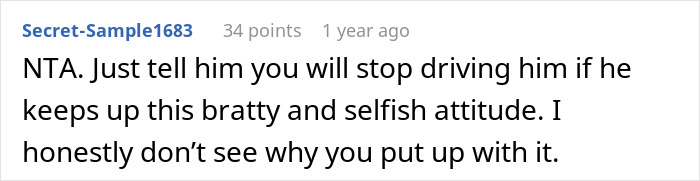


Image credits: Andrej Lišakov (not the actual photo)

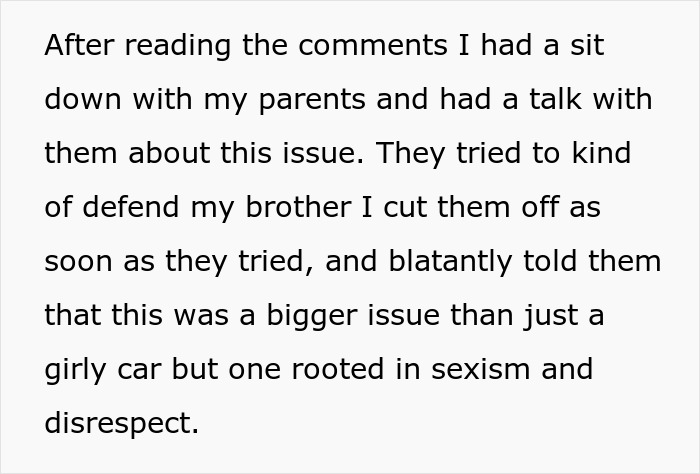
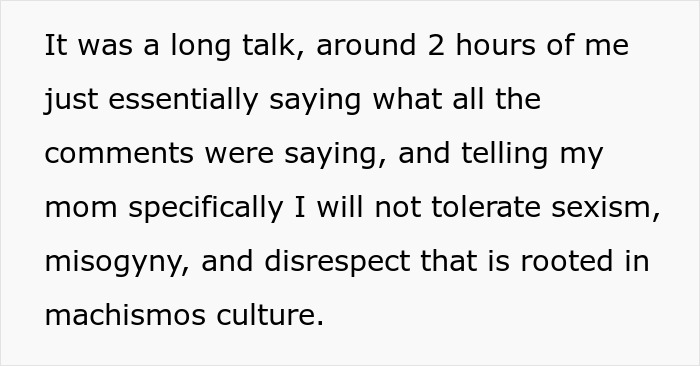
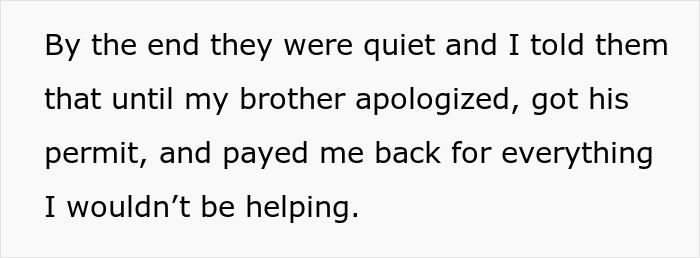
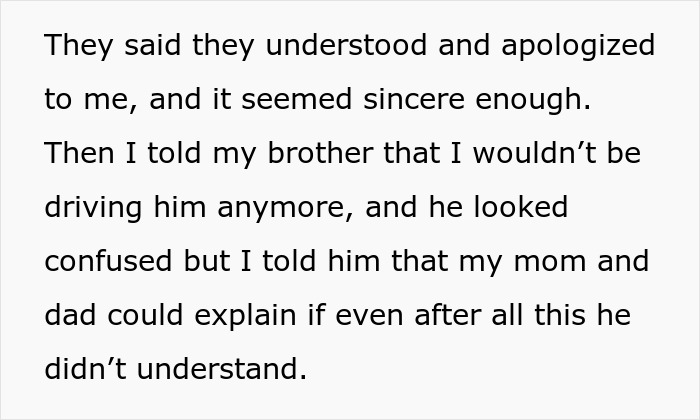
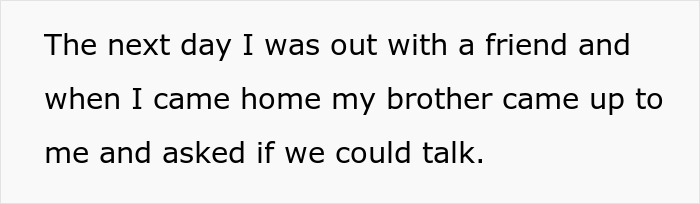
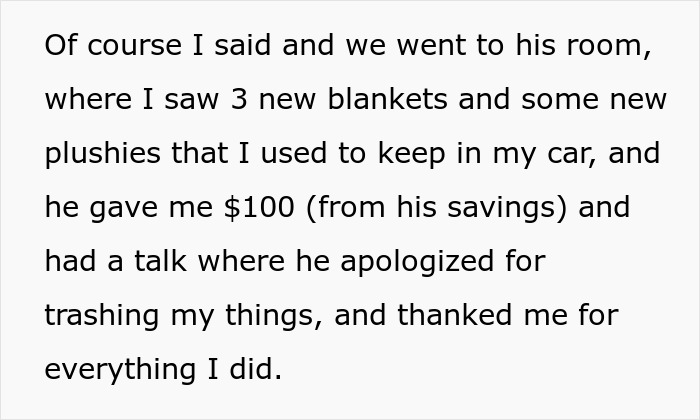
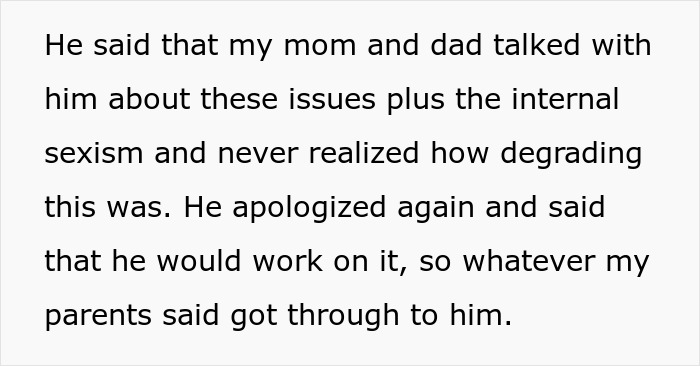


Image credits: Isaac Owens (not the actual photo)
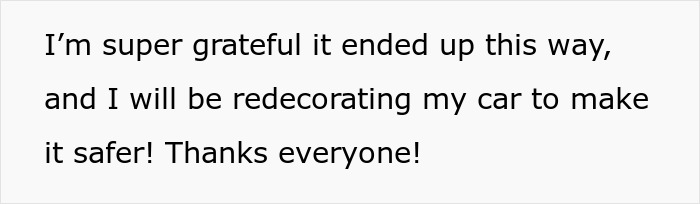
Image source: I_heart_cheesealot

By entering your email and clicking Subscribe, you're agreeing to let us send you customized marketing messages about us and our advertising partners. You are also agreeing to our Privacy Policy.
Thank you! You've successfully subscribed to newsletters!



So do most men (Sorry, will see myself out........)
Load More Replies...
Pink used to be considered a masculine colour, it's sad that so many men are almost afraid of it. I know when I was a teenager, the guys were all terrified that if they liked something considered girly people would think they were gay. I hope that's not still the case.
So do most men (Sorry, will see myself out........)
Load More Replies... Pink used to be considered a masculine colour, it's sad that so many men are almost afraid of it. I know when I was a teenager, the guys were all terrified that if they liked something considered girly people would think they were gay. I hope that's not still the case.














 No fees, cancel anytime
















36
22