Get Premium
Dark mode theme is available exclusively for premium users. Learn more about the benefits of subscribing.
No fees, cancel anytime.

 Dark Mode Ad-Free Browsing Unlimited Content
 Ad-Free Browsing Unlimited Content Dark Mode
Join 1.2 million Panda readers who get the best art, memes, and fun stories every week!
History books have a funny way of leaving out some of the most brilliant minds and game-changing inventions. These 22 innovations by people of color literally shaped the world we live in today – from the traffic lights that keep us safe to the hair tools we use, from the home security systems protecting our families to the computing technology in our pockets. Many of these inventors faced enormous obstacles and discrimination, yet their genius and determination gave us conveniences we can't imagine living without. It's time these innovators got their due credit for contributions that touch nearly every aspect of modern life. Their stories are as inspiring as their inventions are essential.
This post may include affiliate links.
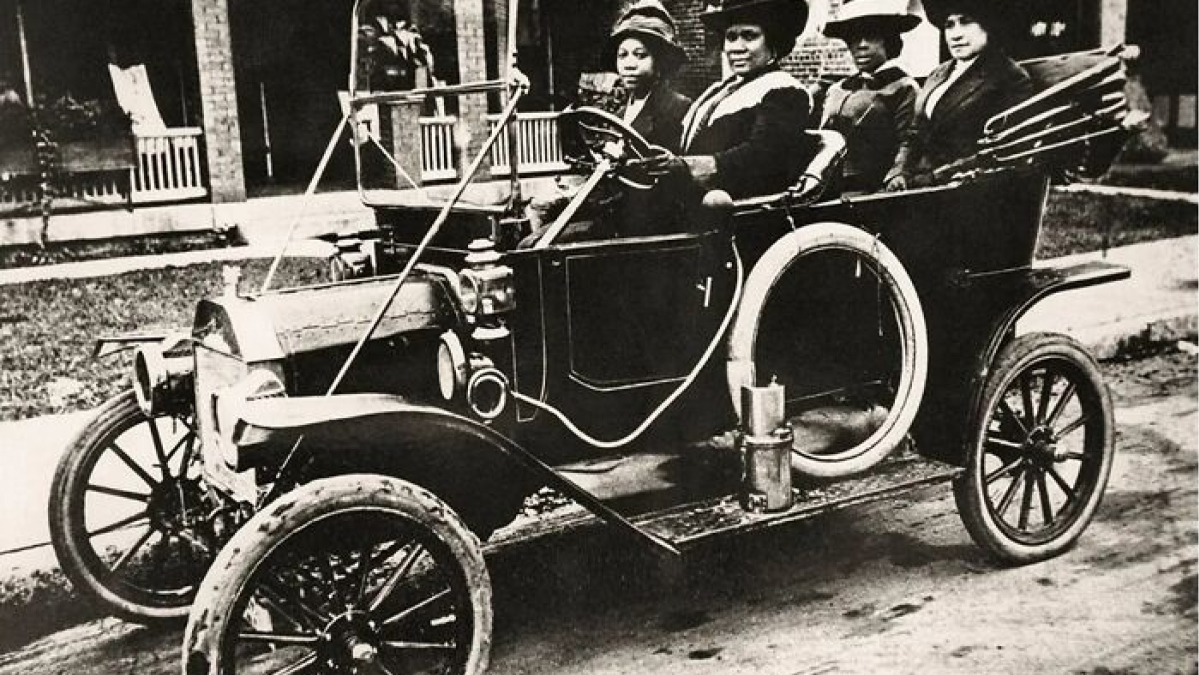
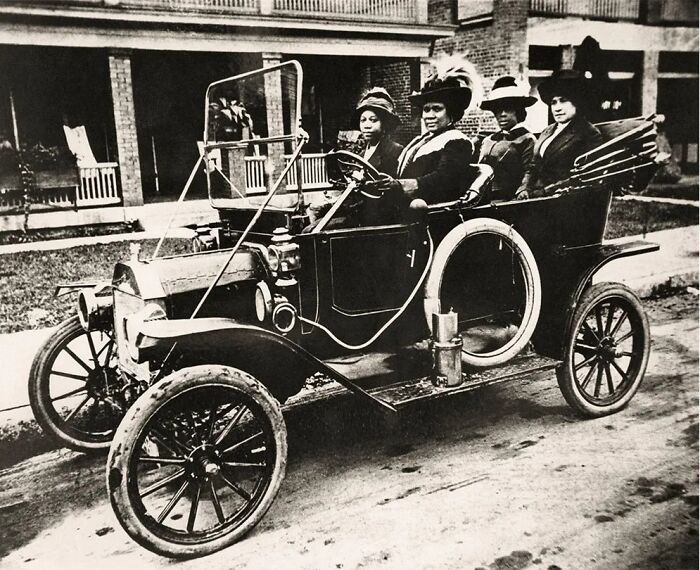
Sarah Breedlove Walker, later known as Madam C.J. Walker, built a substantial hair care empire primarily through a pioneering direct sales model, training a vast network of women for door-to-door sales and even establishing a training university, ultimately employing around 40,000 people across the U.S., Central America, and the Caribbean. While often credited with inventing the hot comb, she significantly improved its design by giving it wider teeth, which greatly boosted sales of her hair care products, developed after she experienced hair loss herself. Though not technically the first self-made female millionaire as sometimes claimed, her estimated worth of $600,000 was a remarkable achievement for a Black woman of her era, and she used her wealth to generously support organizations like the NAACP and the YMCA.
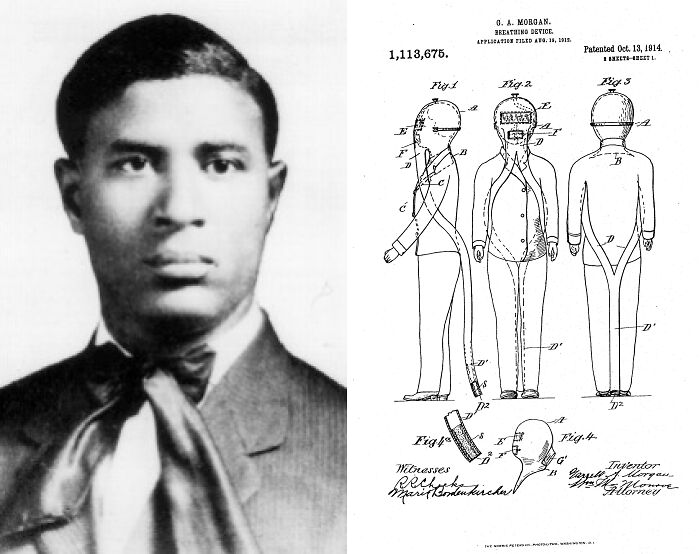
Observant and a quick learner despite a sixth-grade education, Garrett Morgan leveraged his self-taught mechanical skills, first to start a sewing machine business and then to accidentally discover a hair-straightening formula. Driven by a desire to protect firefighters from smoke inhalation, he later invented the "safety hood," an early version of the gas mask that used wet sponges to filter air, a device he famously used to rescue trapped workers from a tunnel explosion in 1916. Morgan's ingenuity also led him to develop an early three-position traffic signal in 1923, after witnessing numerous car accidents.
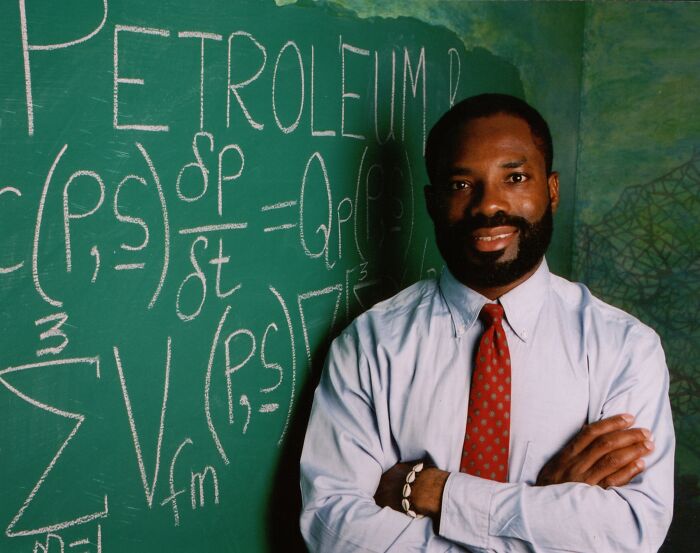
Philip Emeagwali, often dubbed the “Bill Gates of Africa,” achieved a significant breakthrough in computational power by developing a supercomputer capable of an astounding 3.1 billion calculations per second using 65,000 processors. This innovation, which earned him the prestigious Gordon Bell Prize in 1989, was notably applied to complex problems like modeling oil reservoirs. His work demonstrated the immense potential of massively parallel computing.
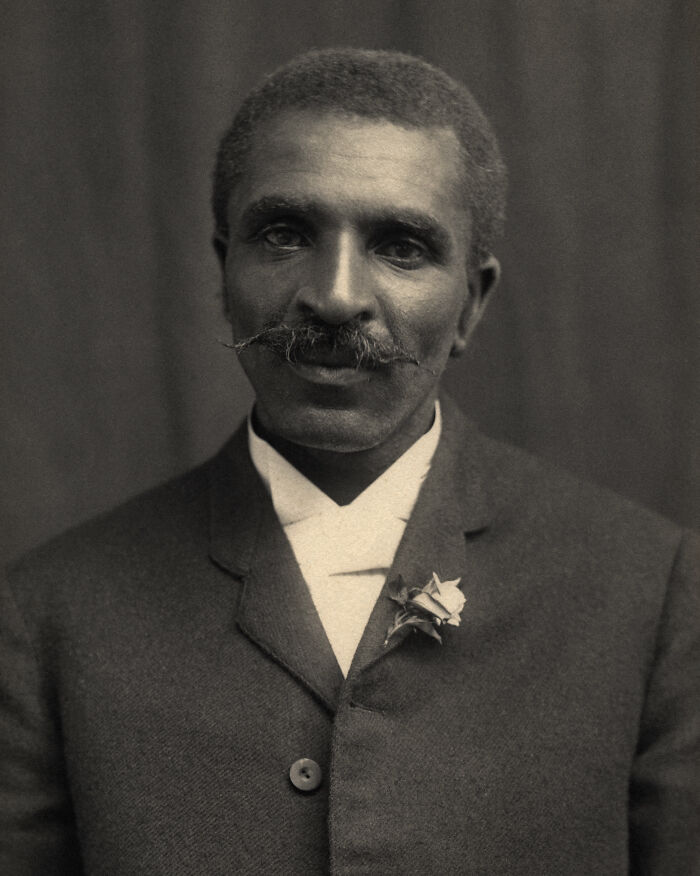
While widely recognized for developing over 300 uses for peanuts, including products ranging from soaps to fuel, George Washington Carver was a profoundly influential agricultural scientist dedicated to improving the lives of Southern farmers. Born into slavery, he rose to become a leading expert in botany and agriculture at the Tuskegee Institute, championing crop rotation and the cultivation of alternative crops like sweet potatoes and soybeans to restore soil depleted by cotton farming. Carver's innovative research aimed to provide economic self-sufficiency for farmers, particularly African Americans, and though he held few patents himself, his freely shared knowledge had a lasting impact on agricultural practices.
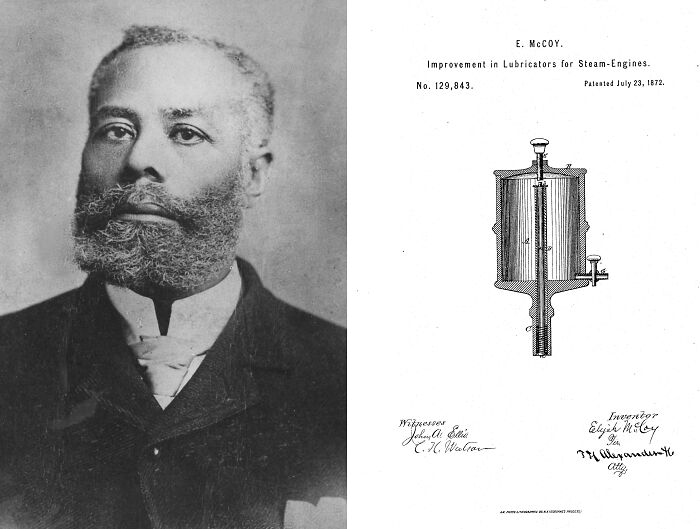
Elijah McCoy, a highly skilled engineer educated in Scotland whose parents had escaped slavery, faced significant racial discrimination in employment, leading him to work for the Michigan Central Railroad. It was there, observing the inefficiencies of manually oiling train parts, that he invented the automatic oil cup, a device that lubricated train axles and bearings while they were in motion, thus saving time, reducing costs, and improving safety. McCoy's invention was so superior to imitations that savvy engineers would specifically request "the real McCoy," a phrase that has since entered common language to denote authenticity and high quality. He went on to receive nearly 60 patents during his lifetime, mostly related to lubrication systems.
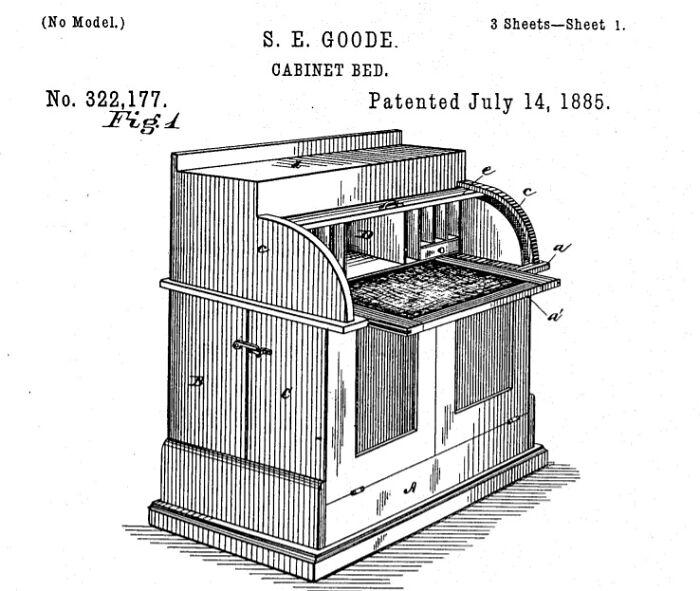
Sarah Goode, who was born into slavery and later opened a furniture store in Chicago after the Civil War, became the first Black woman to receive a U.S. patent in 1885. Her invention was a practical folding cabinet bed designed to help urban dwellers living in small apartments maximize their limited space. This innovative piece of furniture could function as a desk during the day and then fold out into a bed at night, offering a clever solution for tight living quarters well before the more widely known Murphy bed was created.
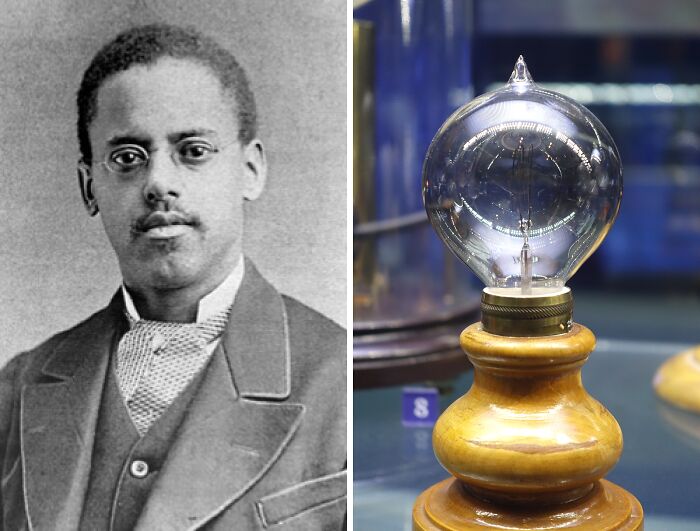
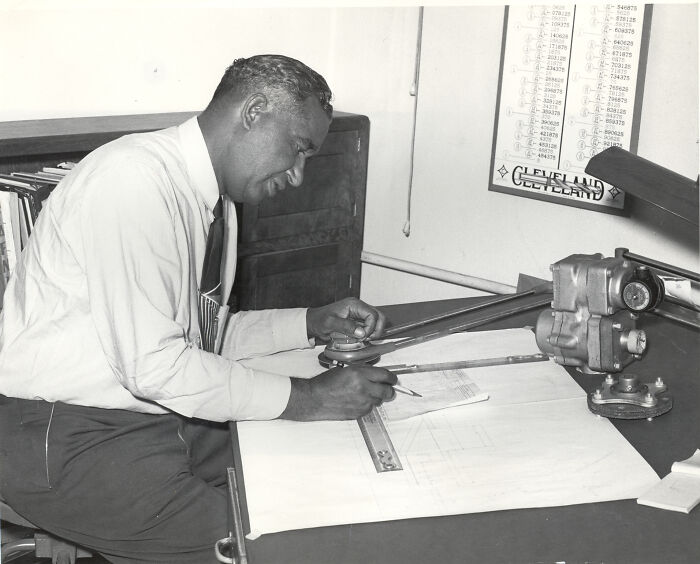
While Thomas Edison is widely credited with the light bulb, Lewis Latimer, an African American inventor and skilled draftsman, made a crucial contribution by developing a longer-lasting carbon filament. This innovation significantly improved upon Edison's earlier paper filament designs, which burned out too quickly, making light bulbs more practical and affordable for widespread use. Latimer, who also worked with Alexander Graham Bell on telephone plans and patented other inventions like an improved railroad car water closet, played a key role in the advancement of electric lighting. His work as a patent expert and draftsman further highlights his diverse talents and contributions to late 19th-century technology.
The ability to transport perishable goods over long distances while keeping them fresh is largely due to Frederick McKinley Jones, who patented a portable air-cooling unit for trucks in 1940. This invention revolutionized the food industry and led to the co-founding of the U.S. Thermo Control Company (later Thermo King Corporation). Jones's refrigeration systems were also vital during World War II, used to preserve blood, medicine, and food for military hospitals and troops on the front lines, and he held over 60 patents in various fields, including for X-ray machines and sound equipment.
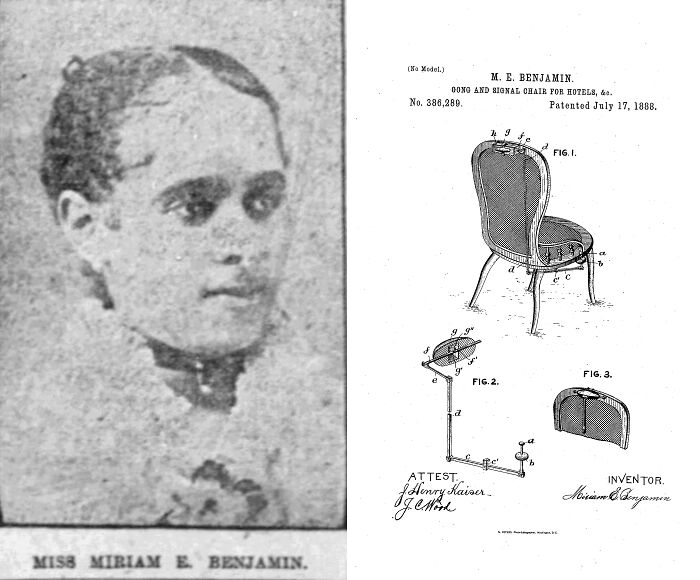
Miriam Elizabeth Benjamin, a school teacher and the second Black woman to receive a U.S. patent, designed the "Gong and Signal Chair" to make it easier for people in places like hotels, theaters, and even government buildings to discreetly request assistance from attendants. Her 1888 invention featured a button on the chair that, when pressed, would sound a chime and display a signal at the attendant's station. Though she initially envisioned it for various service industries, systems inspired by her concept of signaling for service can still be seen in places like the U.S. House of Representatives and on airplanes to call flight attendants.
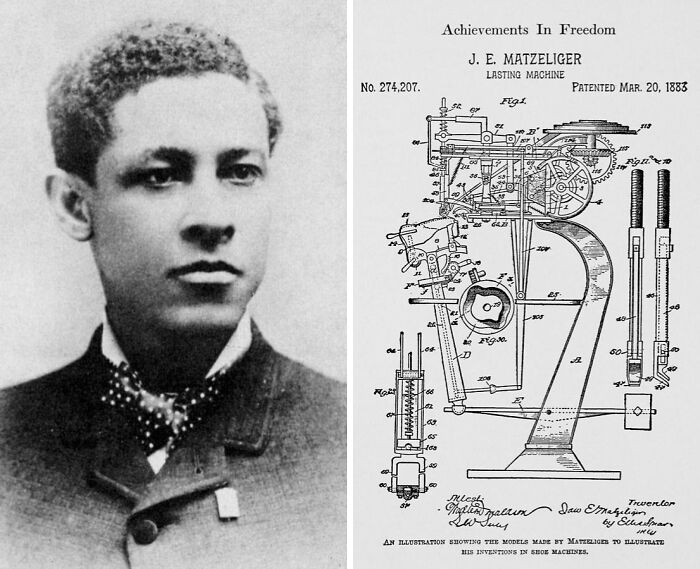
Arriving in the United States from Suriname at 21 and initially speaking no English, Jan Matzeliger found work in a Massachusetts shoe factory where he observed the slow and expensive process of hand-lasting shoes – fitting leather around a foot mold and attaching it to the sole. Determined to improve this bottleneck, he taught himself English, studied manufacturing, and eventually invented a revolutionary shoe lasting machine capable of producing 150 to 700 pairs of shoes daily, a huge increase from the 50 pairs a skilled hand laster could make. Though Matzeliger died young, his invention dramatically increased efficiency and made shoes significantly more affordable for the average person.
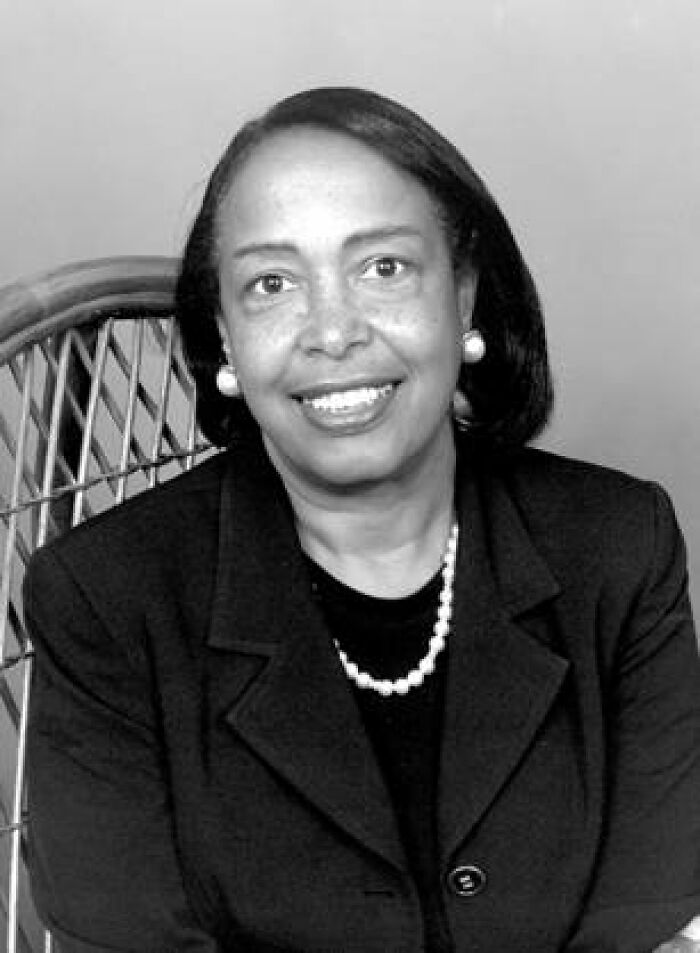
Dr. Patricia Bath significantly advanced eye care with her invention of the Laserphaco Probe, a device that refined the process of laser cataract surgery, making it more precise and less invasive. Beyond this groundbreaking technological contribution to ophthalmology, she also demonstrated a deep commitment to public health by co-founding the American Institute for the Prevention of Blindness. Dr. Bath was also the first African American woman to complete a residency in ophthalmology and the first to receive a medical patent.

I have a great respect for ophthalmologists. I have had three surgeries on one of my eyes because of a condition that quite uncommon. Before the first one, the ophthalmologists had to theorise the best way to perform laser surgery on a child, as it had never been done before. Despite them having to do a second operation because the laser hadn't been strong enough the first time, I am so grateful that they were able to perform it and save my sight in that eye. I didn't appreciate the dozens of training doctors that came and looked at my eye before surgery (or the amount of eye drops I had to endure) one after the other, but I recognize how important it was as an education experience. 15 years later, a different ophthalmologist picked up that I needed more surgery and was able to do an even better job due to advances in technology and a tool he had to make himself as there wasn't one in existence. Both of my grandparents were able to benefit from laser surgery to remove cataracts.
The immersive experience of modern 3D movies has its roots in the work of NASA physicist Valerie Thomas, who in 1980 invented the illusion transmitter. This innovative device utilizes concave mirrors to project three-dimensional images onto a screen, a technology that NASA continues to employ. Thomas's invention laid crucial groundwork for the development of 3D visual displays, and she enjoyed a long and distinguished career at NASA, contributing to various space and earth science programs before her retirement.
To more efficiently manage her Equal Employment Opportunity cases, Janet Rita Emerson Bashen, along with her computer scientist cousin, developed a software solution called LinkLine. This innovative database not only allowed for secure internal storage and retrieval of case information but also utilized the internet to provide access to relevant data for both employers and employees across multiple locations. For this groundbreaking work, Bashen became the first African American woman in the United States to hold a software patent, demonstrating a pioneering approach to information management in her field.
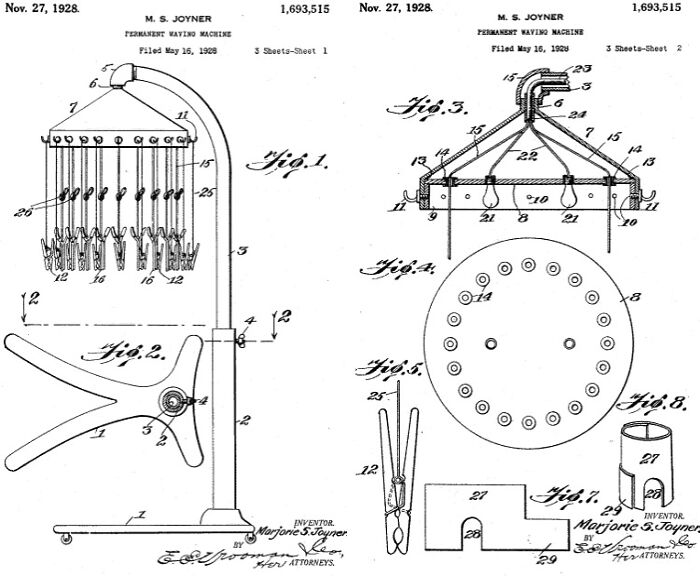
Drawing inspiration from her kitchen techniques, specifically how she used pins to cook pot roasts from the inside out, Marjorie Joyner invented the Permanent Wave Machine in 1928. This innovative beauty device used rods inside a hooded dryer to set curls, allowing women to maintain their hairstyles for days. While her invention was popular among both Black and white women, the primary financial benefits went to Madam C.J. Walker's company, where Joyner worked as a prominent figure, rather than directly to Joyner herself for this specific patent.
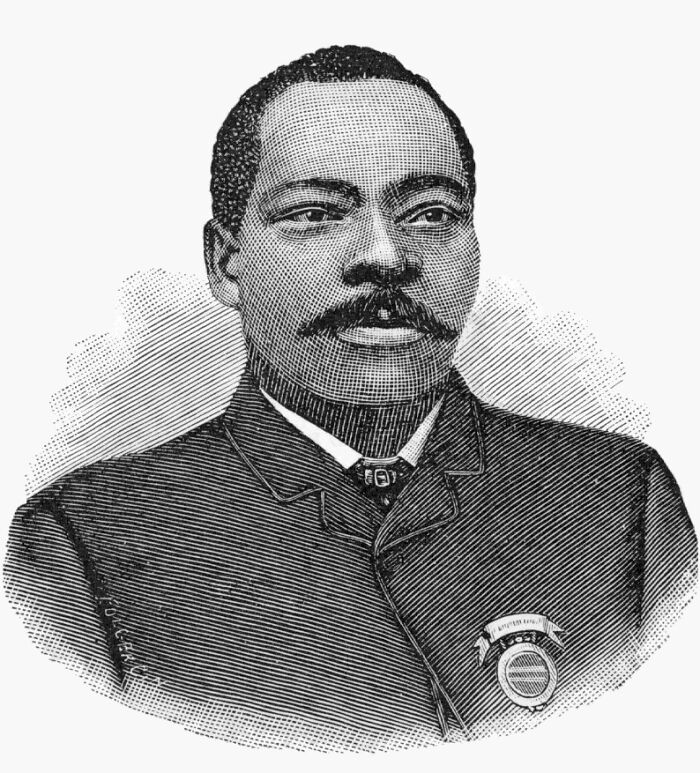
Granville T. Woods revolutionized train safety with his 1887 invention of the multiplex telegraph, a device that enabled dispatchers and station engineers to communicate directly with moving trains, and allowed conductors on different trains to communicate with each other. This significantly reduced the frequent and dangerous train collisions that plagued the railways at the time, much like air traffic controllers guide planes today. Woods successfully defended his patent for the multiplex telegraph in a lawsuit brought by Thomas Edison and later declined an offer to work for Edison, choosing to maintain his independence while also patenting other inventions like an improved steam boiler furnace and a device combining telephone and telegraph capabilities.
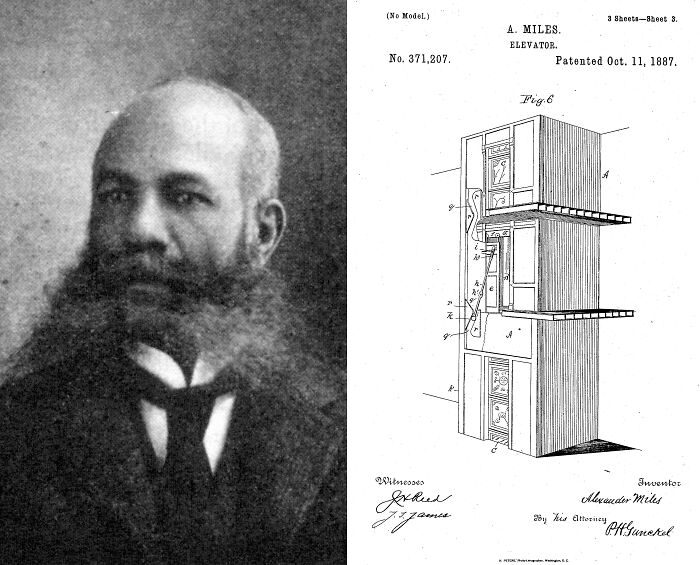
The safety of elevators was greatly enhanced by Alexander Miles, who, recognizing the dangers of manually operated doors, patented an automatic mechanism in 1887. Before his invention, passengers were responsible for closing both the elevator door and the protective shaft door, and forgetting to do so often led to accidents. Miles's design ingeniously allowed both sets of doors to open and close automatically, significantly reducing the risk of falls into the elevator shaft and forming a crucial basis for modern elevator safety systems.
Benjamin Banneker, a largely self-taught astronomer and mathematician, constructed what is widely considered one of America's first fully functioning striking clocks in the 18th century, impressively crafting it entirely from wood. This intricate device, which reportedly kept precise time for several decades, showcased his exceptional engineering skill and mechanical understanding, reputedly after disassembling and studying a borrowed watch only briefly. Though Banneker also made significant contributions through his almanacs and his role in surveying Washington D.C., this wooden clock remains a powerful symbol of early American ingenuity and his diverse talents.
The incredibly popular Super Soaker water gun was actually invented by Lonnie G. Johnson, an aerospace engineer, not a traditional toymaker. This fun invention came about while Johnson was working at NASA, where he also contributed to significant projects like the Galileo Jupiter probe and the Mars Observer mission, in addition to his work with the U.S. Air Force. The idea for the powerful water gun reportedly stemmed from experiments with a new type of heat pump that used water instead of Freon.
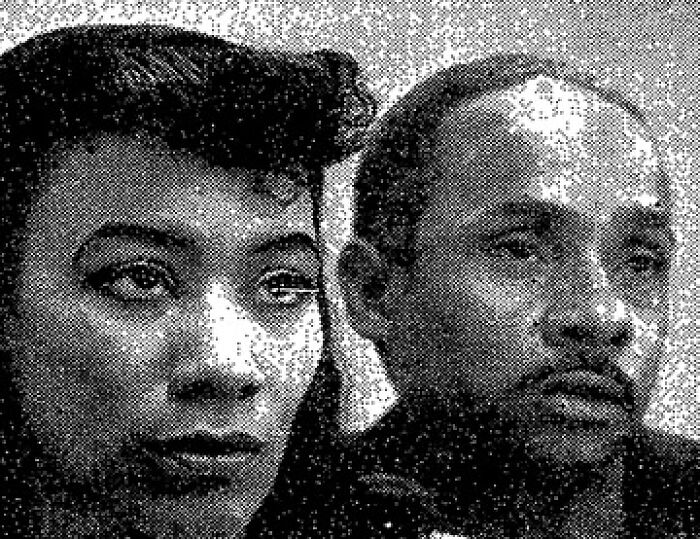
Feeling unsafe in her New York City neighborhood due to high crime rates, Marie Van Brittan Brown, a full-time nurse, devised an early and comprehensive version of a modern home security system. Her innovative setup, patented in 1969 after filing in 1966, included a motorized camera that could record the entryway and project images onto a television monitor, a two-way microphone for communicating with visitors without opening the door, and a panic button to directly alert police in an emergency. This pioneering closed-circuit television (CCTV) security system laid important groundwork for the sophisticated home security technologies we use today.
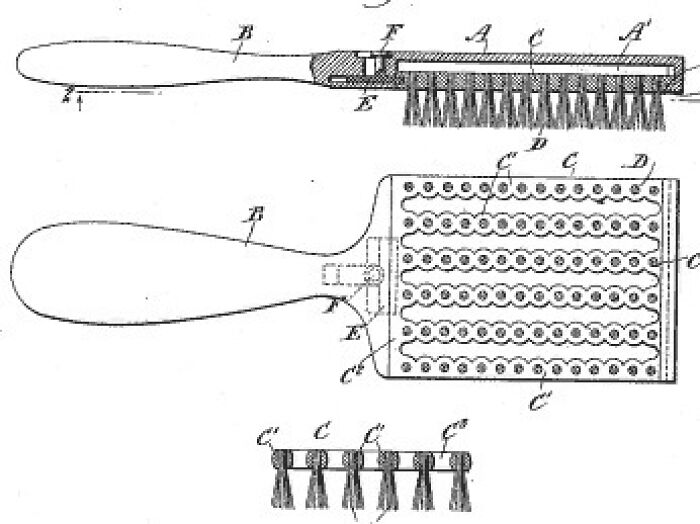
Lyda D. Newman, who became the third Black woman to receive a U.S. patent, significantly advanced hair care with her invention of a hairbrush featuring synthetic bristles. In the 1890s, when most brushes used animal hairs that were too soft for coarser hair types and difficult to clean effectively, Newman's design offered a more durable and hygienic alternative. This innovation was particularly beneficial for Black hair care and helped pave the way for other pioneers in the field, such as Madam C.J. Walker and Marjorie Joyner.
With a family background rich in invention and even childhood visits to the U.S. Patent and Trademark Office, Mary Beatrice Davidson Kenner went on to patent five inventions herself, including a toilet paper holder and a mounted back washer. Her first patented invention was the Sanitary Belt, an early version of a menstrual pad, which, despite taking her 30 years to secure the patent due to financial challenges and the limited support for Black women inventors at the time, marked a significant contribution to women's personal hygiene products. Kenner's perseverance in the face of these obstacles ensured her place in modern inventive history.

She also invented patented a walker with an attachable tray and pocket for carrying items after her sister was diagnosed with multiple sclerosis.
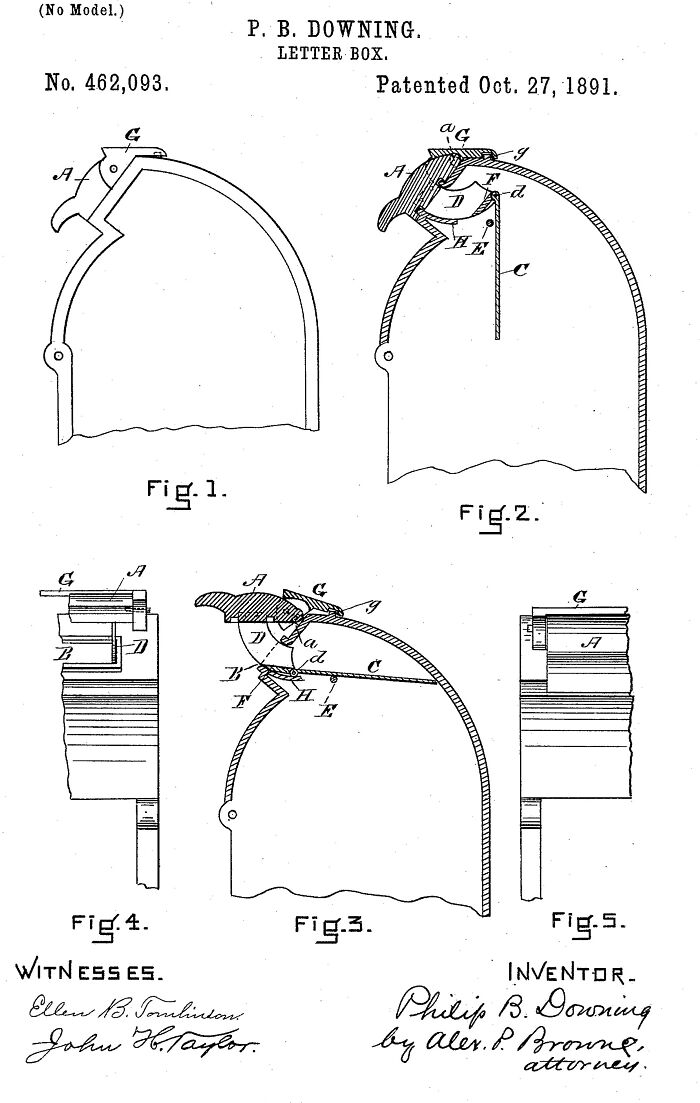
Philip B. Downing, who had a long career as a clerk for Boston's Custom House, also applied his ingenuity to several patented inventions, most notably a much-improved public mailbox design introduced in 1891. His innovative system, featuring interlocking inner and outer safety doors, effectively shielded deposited mail from both theft and weather damage—a significant improvement over previous semi-open designs. This enhanced security led to the widespread adoption of his mailbox model, even for residential use, and Downing also held patents for devices to moisten envelopes and operate street railway switches.
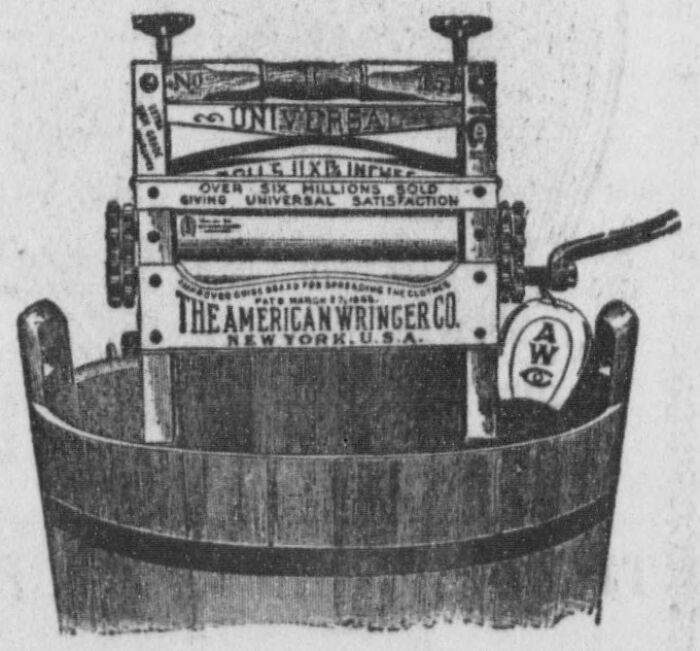
Recognizing the arduous task of drying clothes in 1888, Ellen F. Eglin invented the clothes wringer, a device designed to efficiently squeeze excess water from laundry before it was hung to dry, making the chore less laborious. However, acutely aware of the significant barriers Black women faced in obtaining patents and profiting from their inventions, Eglin sold her innovative design to a white agent for a mere $18. While her wringer became immensely popular well into the 20th century, generating substantial profits for the American Wringer Company, Eglin herself saw little financial reward for her ingenuity.
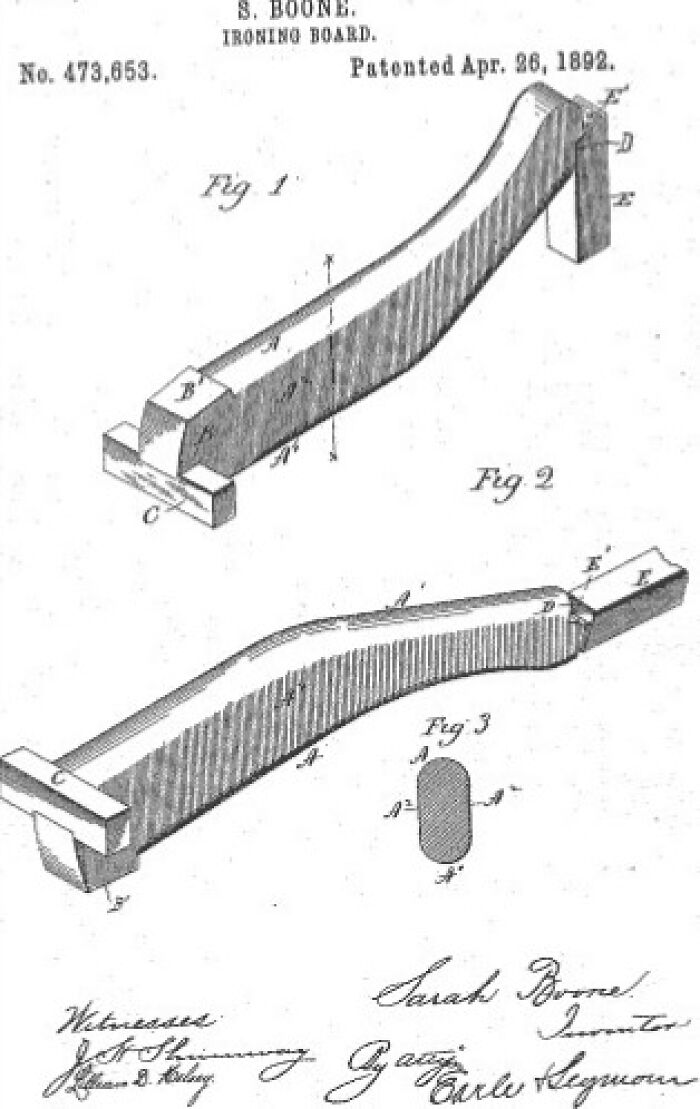
Sarah Boone, a North Carolina native, received a patent in 1892 for a significant improvement to the ironing board, specifically designed to make it easier to press the sleeves and bodies of ladies' garments. Her application highlighted the aim to create a "cheap, simple, convenient, and highly effective device" tailored for this purpose. This innovation, building upon earlier ironing board designs, offered a more practical solution for a common household chore.

THIS, is an Excellent Article that is FACT about the very important contributions of African American Inventors that Changed the World!! However, as YOU probably know, there are probably HUNDREDS more Black Inventors that "Changed the World," with patents, that many of US have heard of!? Thank You. Briggs

Perhaps it's poorly-worded and should have read "were used every day at the time of their invention" or "led to (modern) versions that are used every day" - there are some items on here that are very dated, but could have led to modern versions that ARE used every day (gas masks, hairbrush, etc.)
Load More Replies... THIS, is an Excellent Article that is FACT about the very important contributions of African American Inventors that Changed the World!! However, as YOU probably know, there are probably HUNDREDS more Black Inventors that "Changed the World," with patents, that many of US have heard of!? Thank You. Briggs
Perhaps it's poorly-worded and should have read "were used every day at the time of their invention" or "led to (modern) versions that are used every day" - there are some items on here that are very dated, but could have led to modern versions that ARE used every day (gas masks, hairbrush, etc.)
Load More Replies...
































 No fees, cancel anytime