Get Premium
Dark mode theme is available exclusively for premium users. Learn more about the benefits of subscribing.
No fees, cancel anytime.

 Dark Mode Ad-Free Browsing Unlimited Content
 Ad-Free Browsing Unlimited Content Dark Mode
Join 1.2 million Panda readers who get the best art, memes, and fun stories every week!
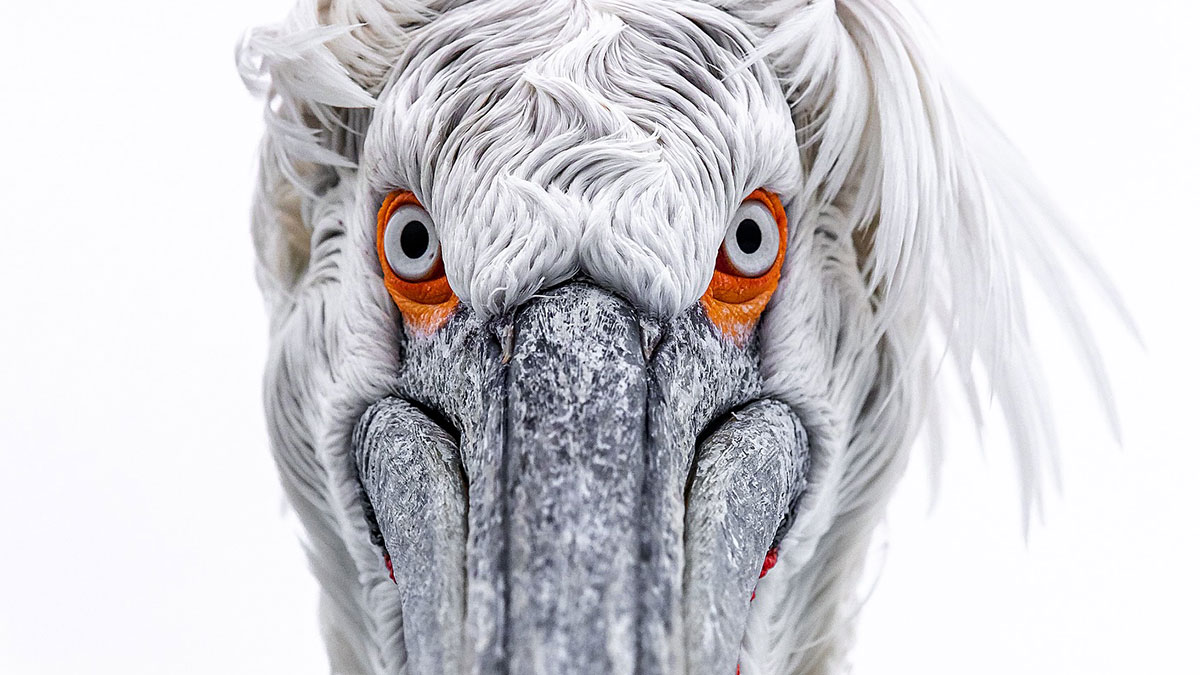

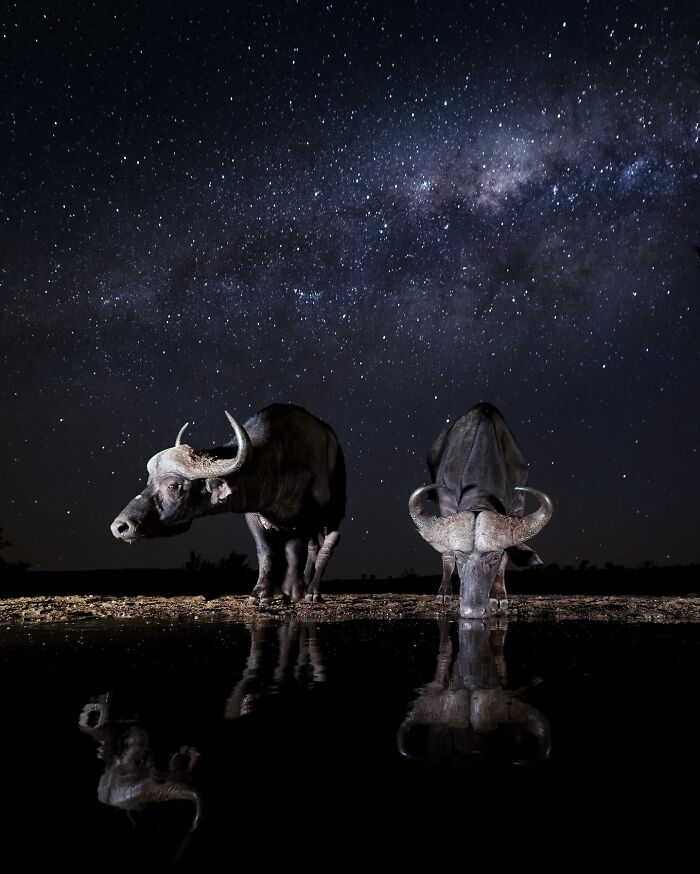
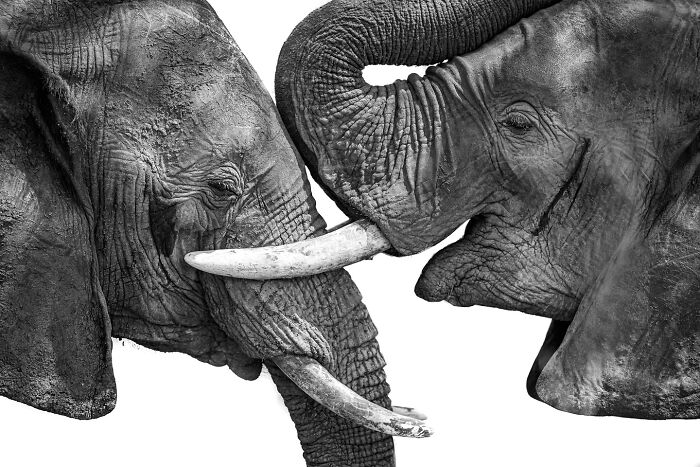
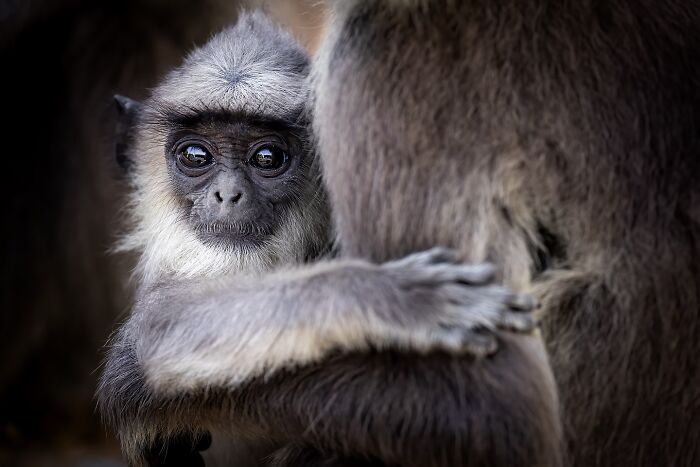
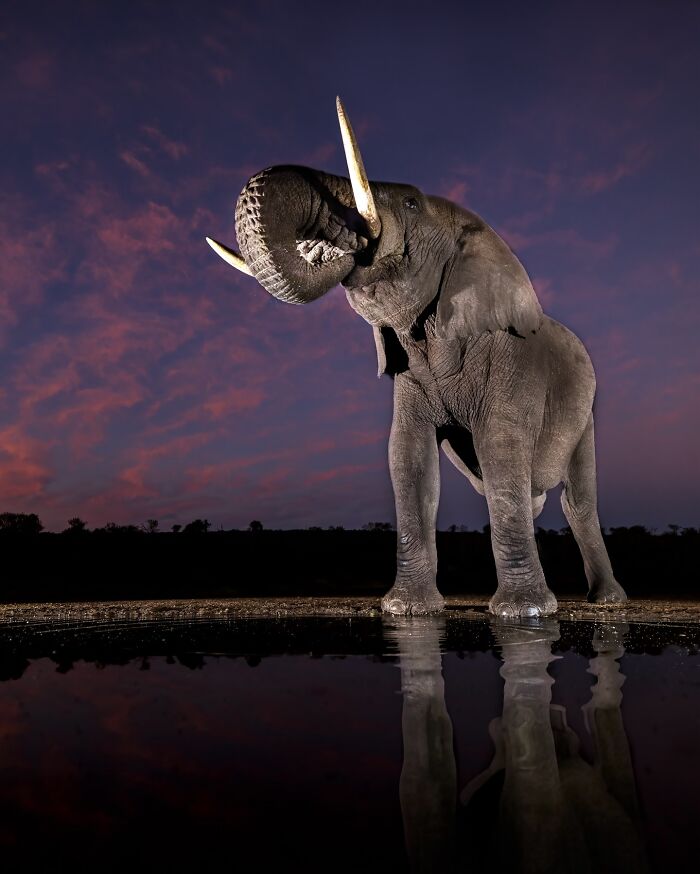
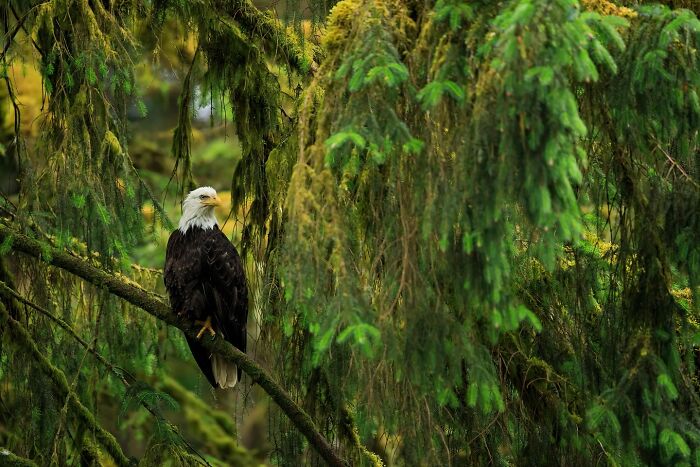
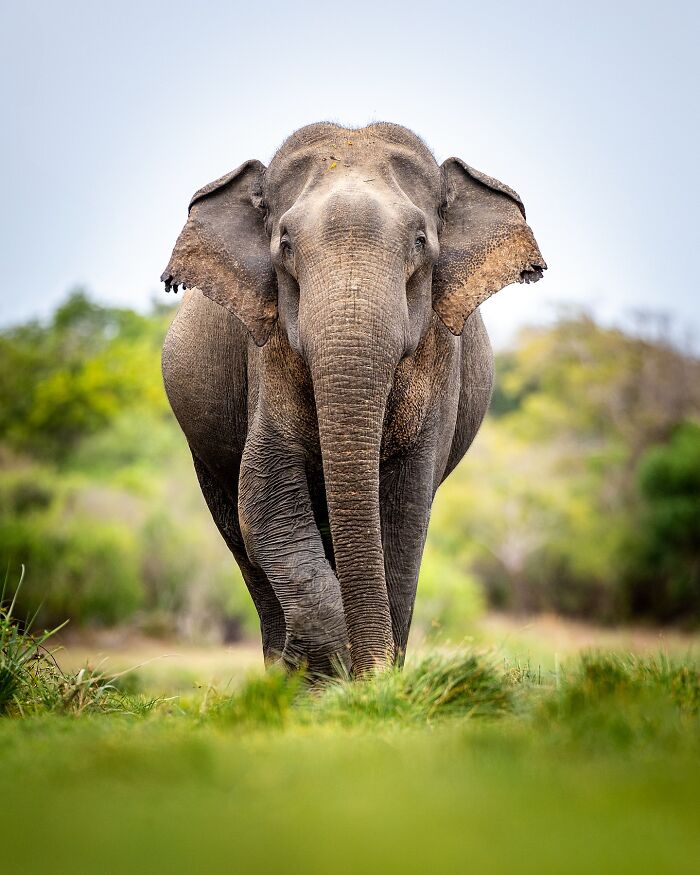
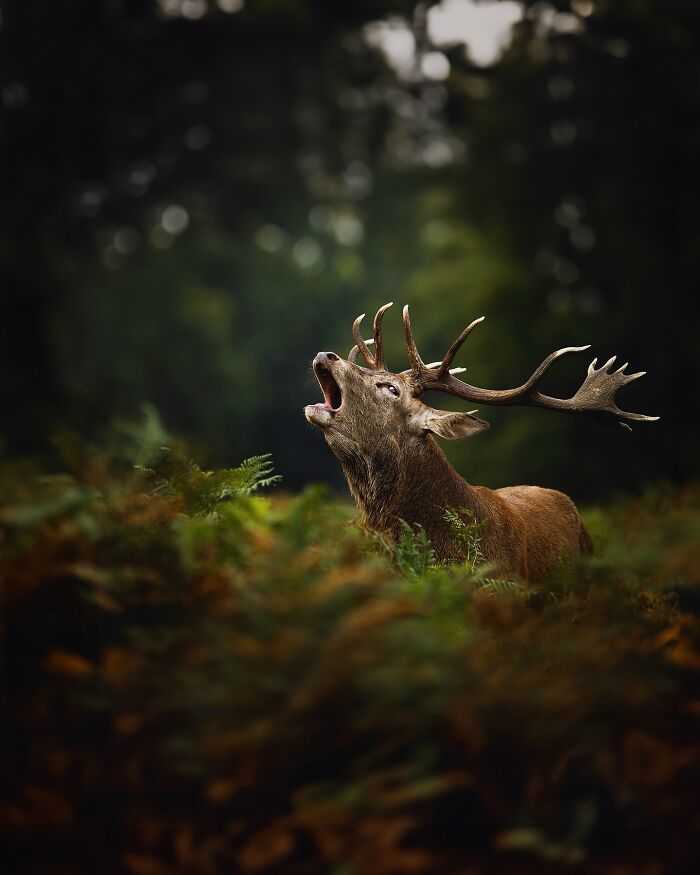
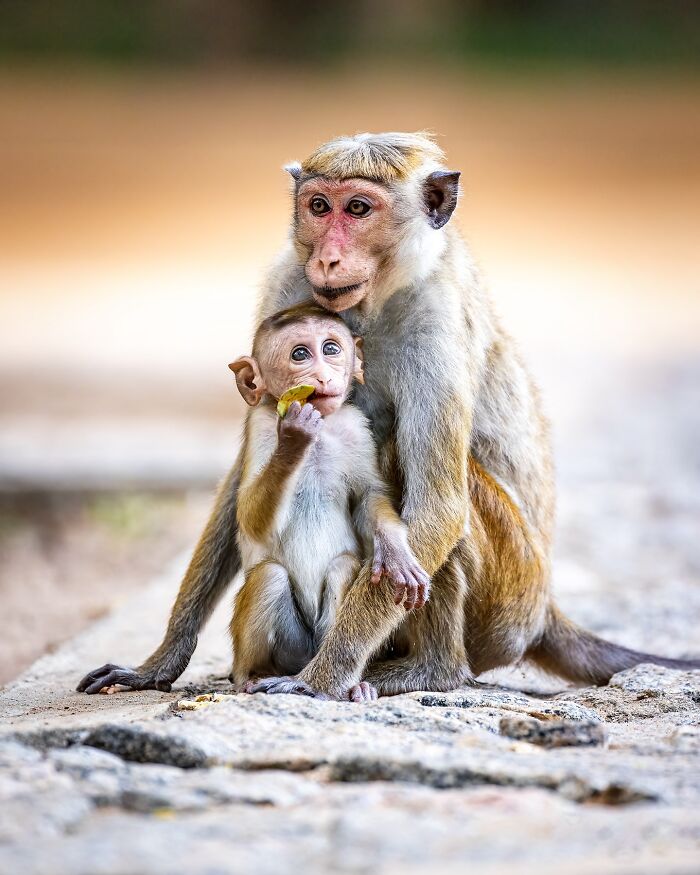
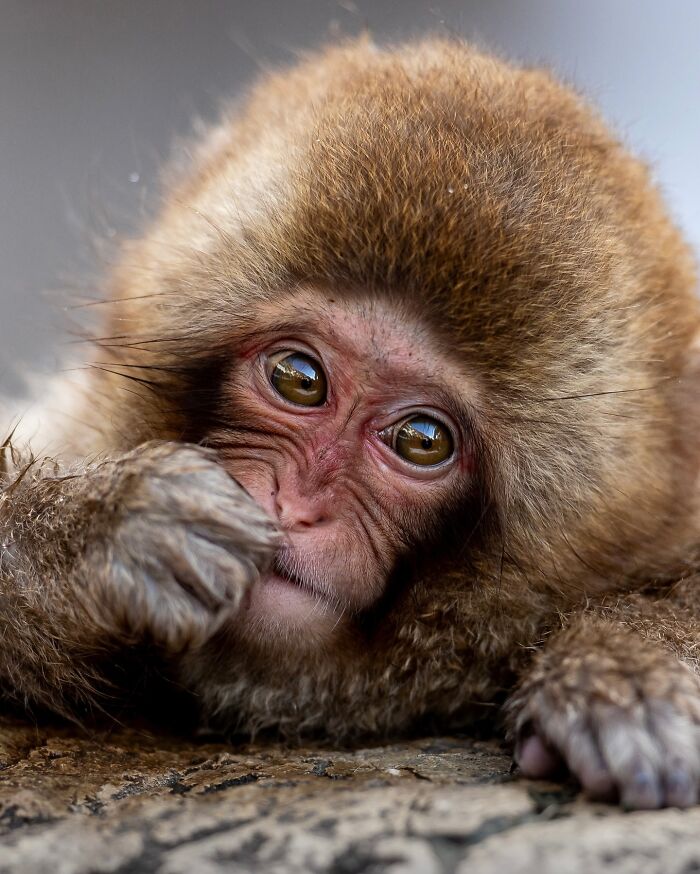
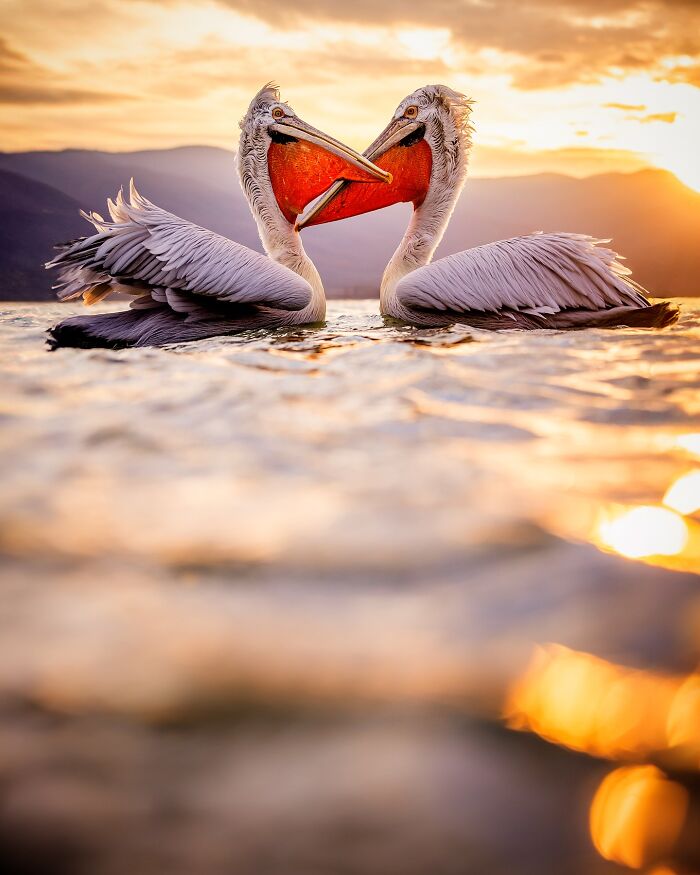
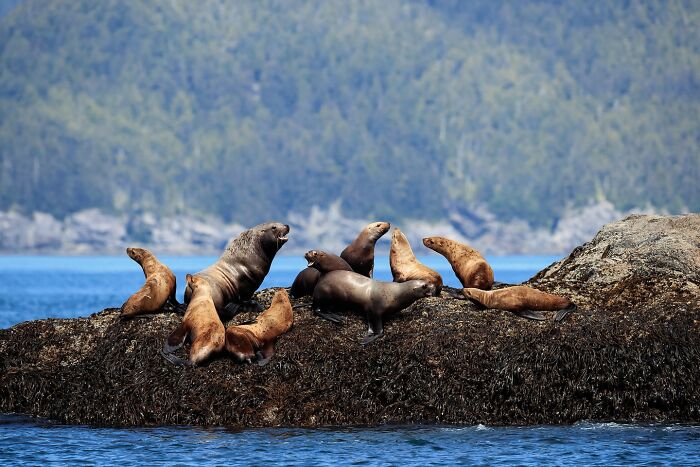
Pelicans, elephants, seals, and many other wildlife animals may feel out of reach to some, but through photography, Sean Weekly brings them closer to us.
After moving to Singapore, Sean was captivated by its diverse wildlife, sparking his interest in photography. This led him to purchase his first DSLR camera in 2010. After countless hours of studying and practicing, his skills improved, and he developed a unique style.
Fast forward to today, Sean has traveled across the UK and Europe, doing what he loves most—capturing the beauty of wildlife through his lens.
More info: Instagram | seanweekly.com | Facebook
This post may include affiliate links.
In an interview with Bored Panda, Sean shared more about himself and his achievements.
“I’m a multi-award-winner and full-time photographer. My work is regularly featured across a range of national and international publications.
After a career as a Royal Marine, I moved to the diverse habitats of Singapore where long-tailed macaques, snakes, lizards, and tropical birds were just a stone's throw away from my home.
Traveling through Southeast Asia and Australia with my camera was what ignited my love of the natural world and now I venture across the globe to expand my wildlife photography. I have led numerous workshops in the UK and further afield in Europe at locations including, Greece, Norway, Zambia, Alaska, and Japan to name a few.”
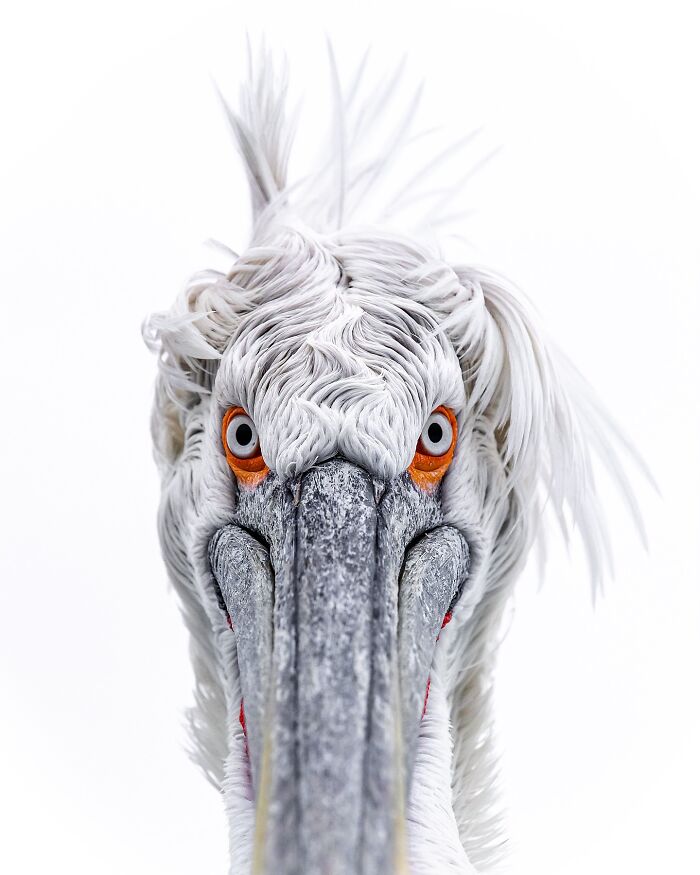
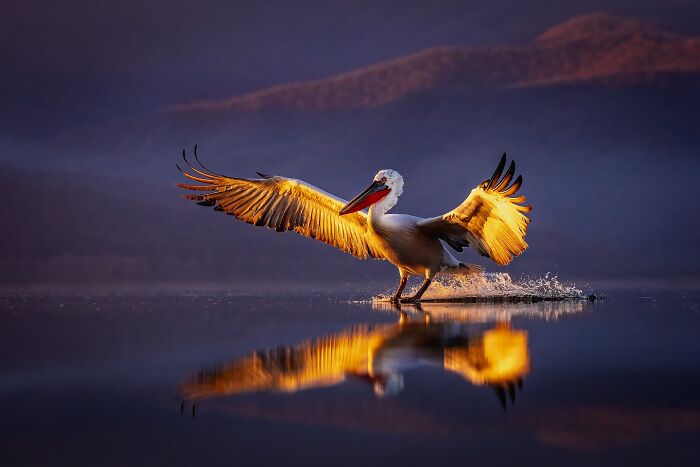
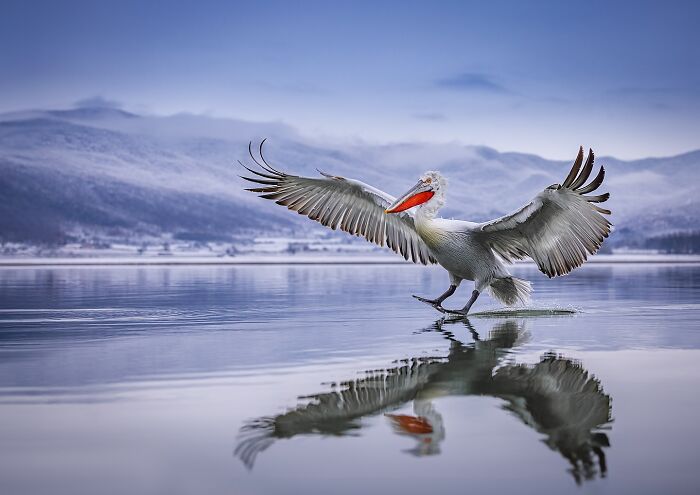
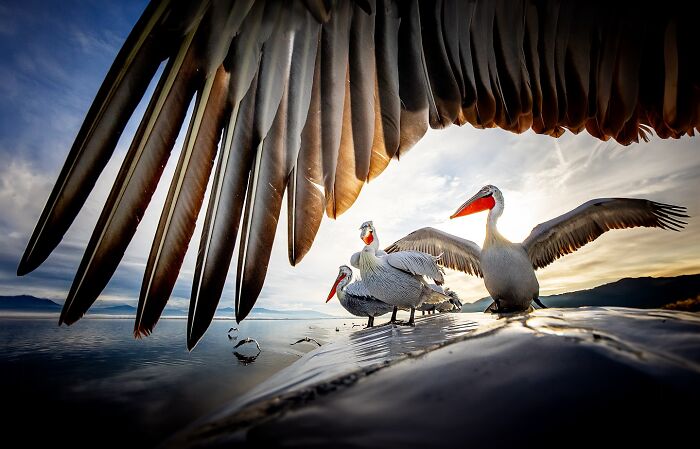
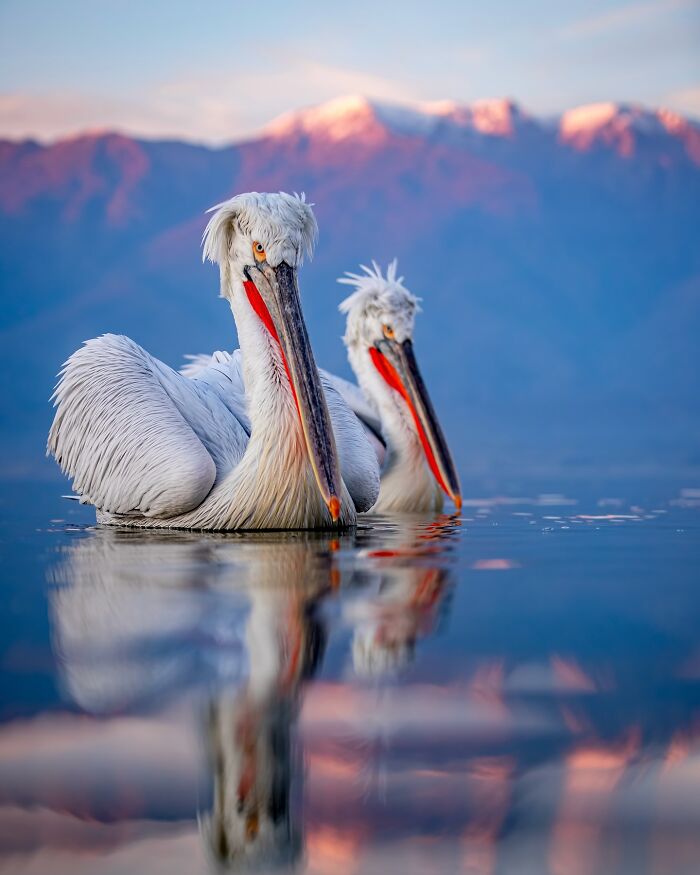
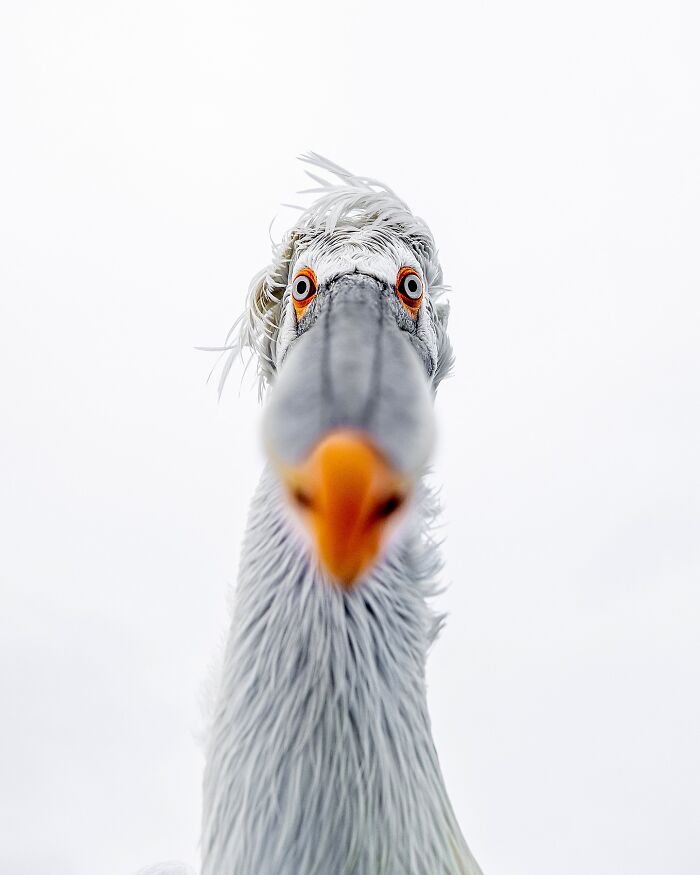
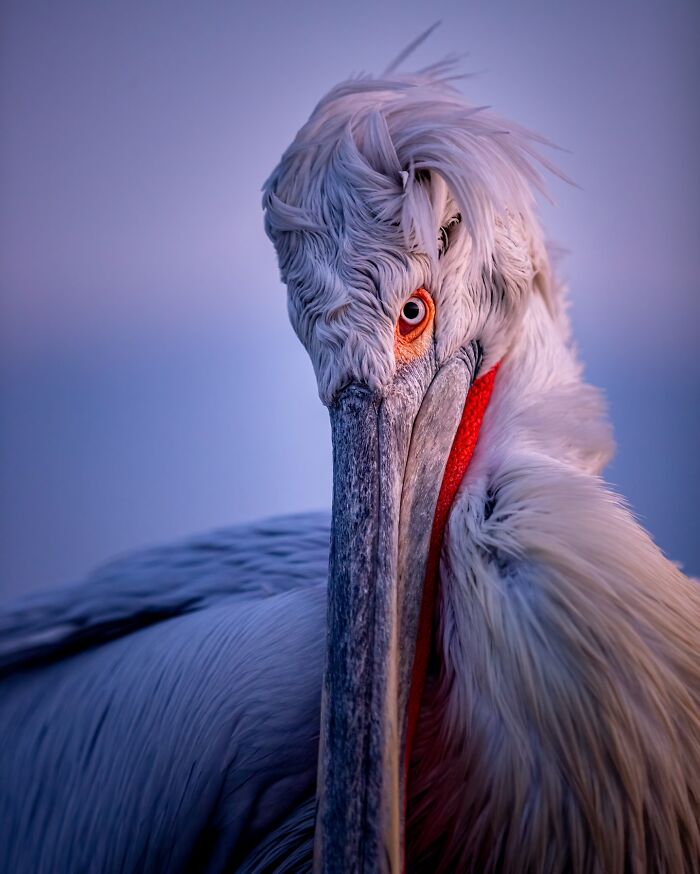
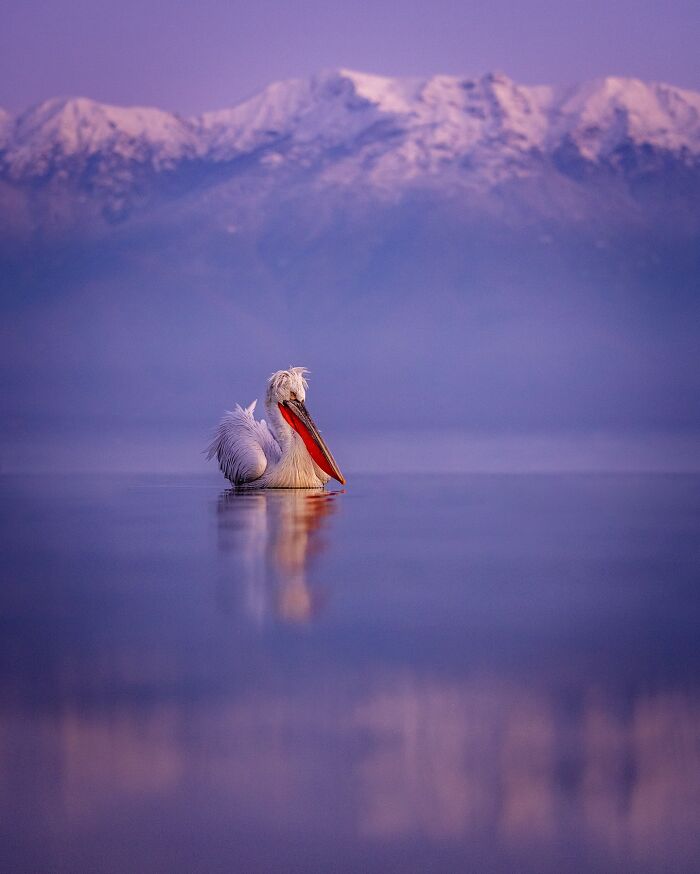
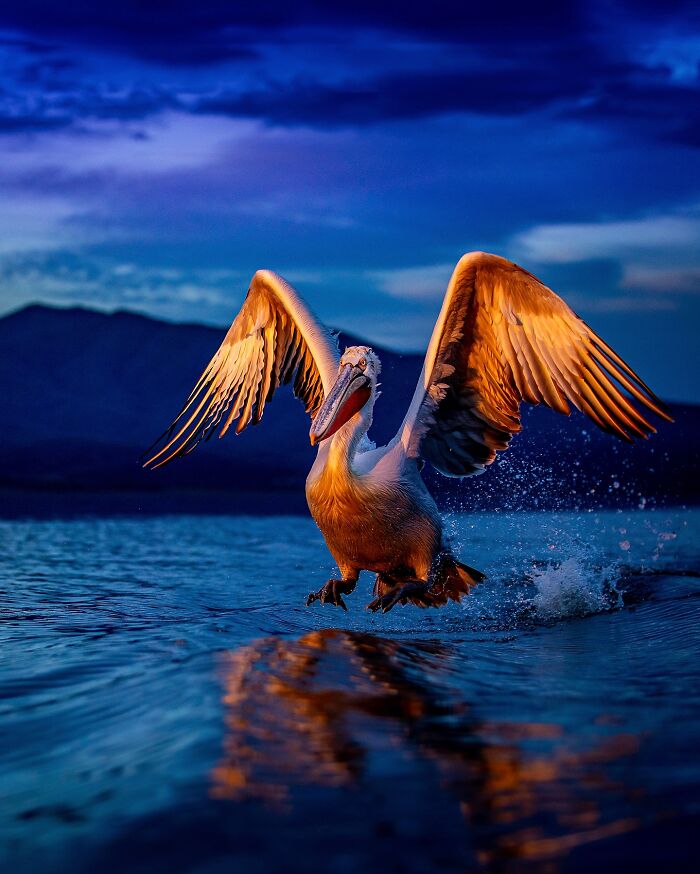
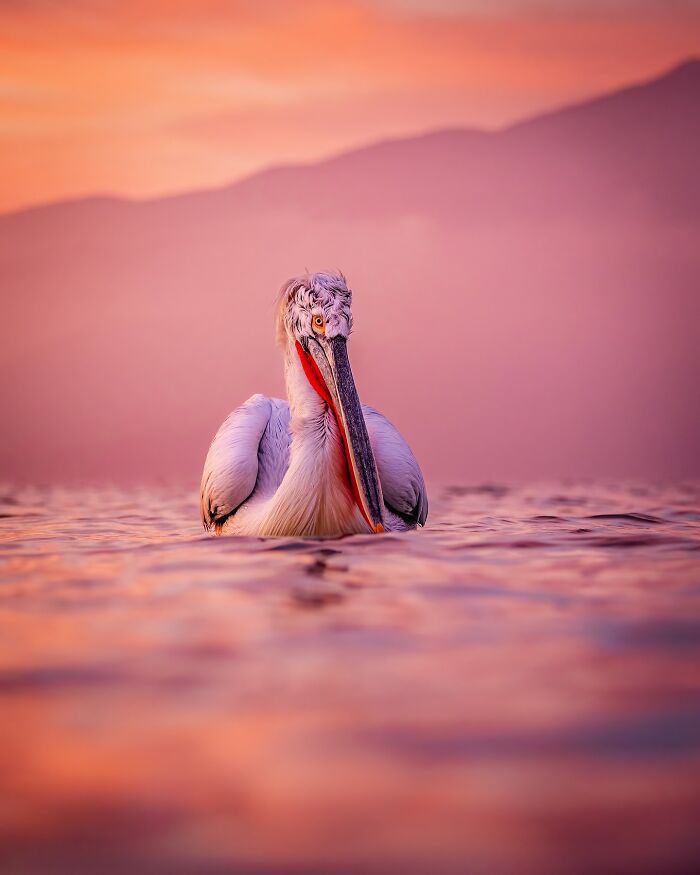
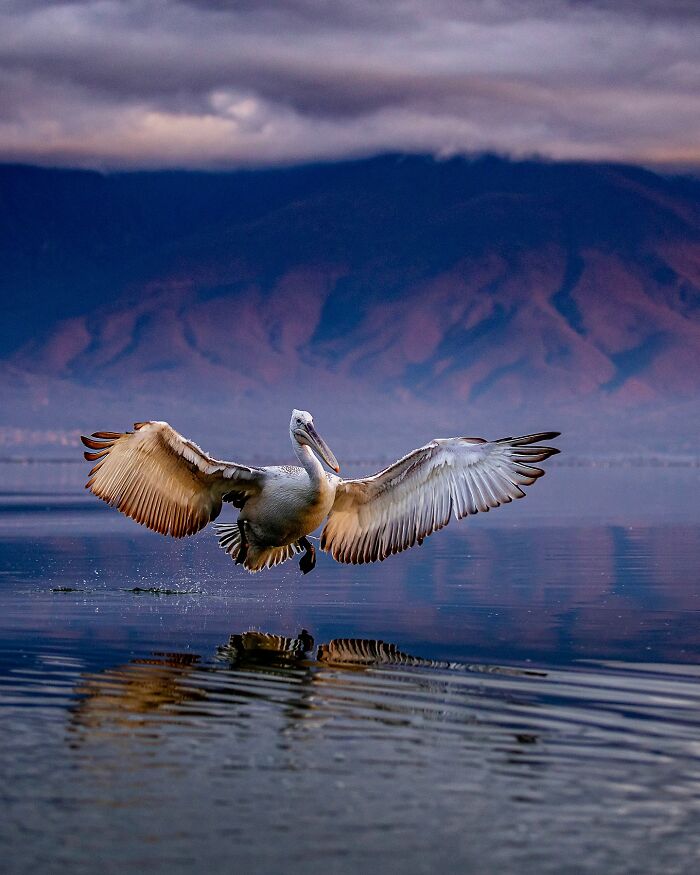
Sean often focuses a lot of his attention on Pelican, therefore we asked what he loves about photographing them.
He responded: “They are such gorgeous and majestic birds that are so prehistoric looking. Their habitat is surrounded by gorgeous snow-capped mountains making it the perfect location for any wildlife photographer.”

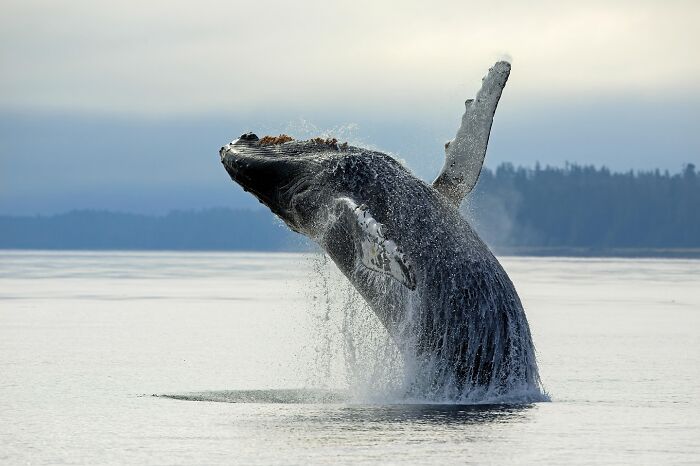
The sun on those wings and the small trail of water surface tension being broken.... Beautiful
He also shared the most memorable moment that he had photographed these majestic birds.
“The most memorable moment was probably a few weeks ago when I was out on the lake photographing the pelicans and I was greeted by some very heavy snowfall. I have been photographing these birds for many years but never photographed them during a snowstorm.”
We were wondering how important patience is in wildlife photography, to which Sean replied: “Patience is a critical element when it comes to wildlife photography. Animals are unpredictable and can run away in the blink of an eye. In addition, the weather, lighting, and surrounding environment is constantly changing. If you want to tackle all these factors and set yourself up for success, you'll need to give yourself ample time and learn the art of patience.”

“First and foremost, wildlife photography is all about capturing the natural behavior of animals. Wild animals are unpredictable, move around frequently, and each species behaves differently. As a wildlife photographer, it is essential to wait patiently for the perfect moment to capture the ideal shot. This moment can take a few seconds, minutes, or even hours. If you're photographing a small bird, for instance, it could leave your field of view in the blink of an eye. If you're photographing a Bison, you will likely have much more time and flexibility as these animals slowly move throughout their environment. Bottom line, animals are unpredictable, and you will have to take the time to work around their behavior.”
Lastly, Sean added by answering whether he hopes for people to care more about nature after seeing his images.
“Yes, I hope my photography inspires many people of the beauty of the natural world.”
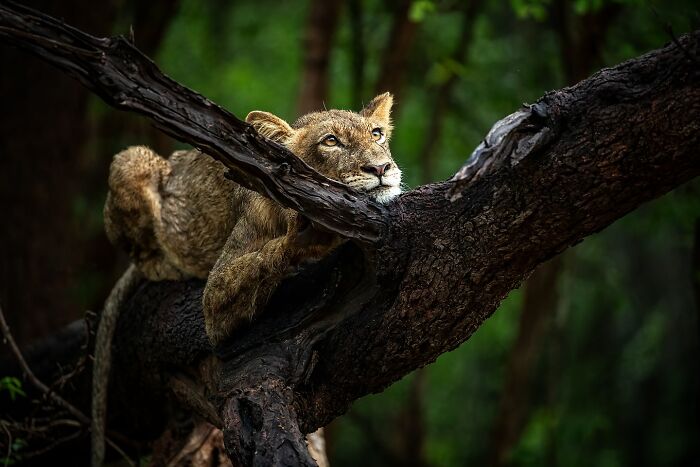
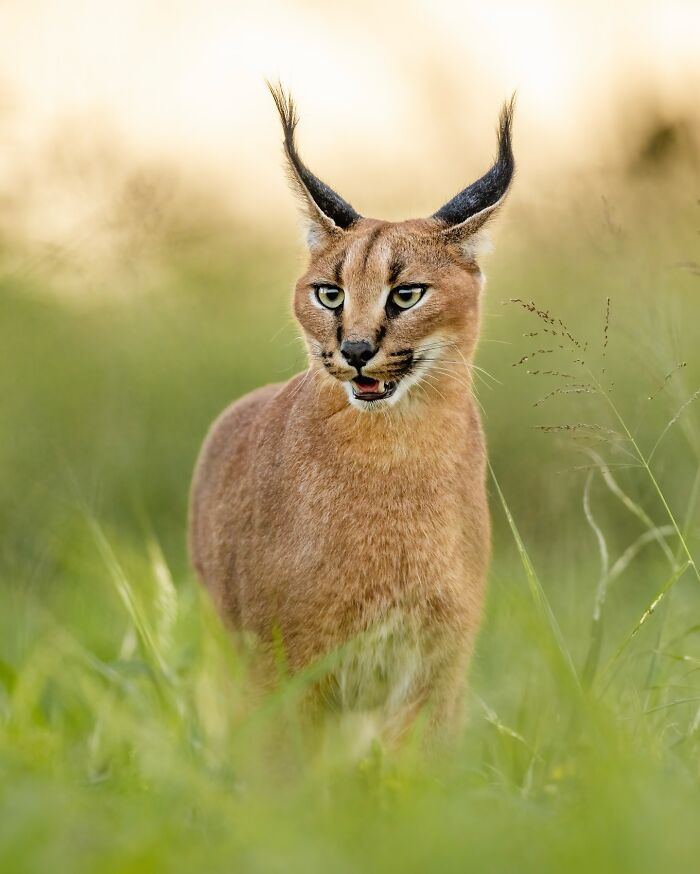
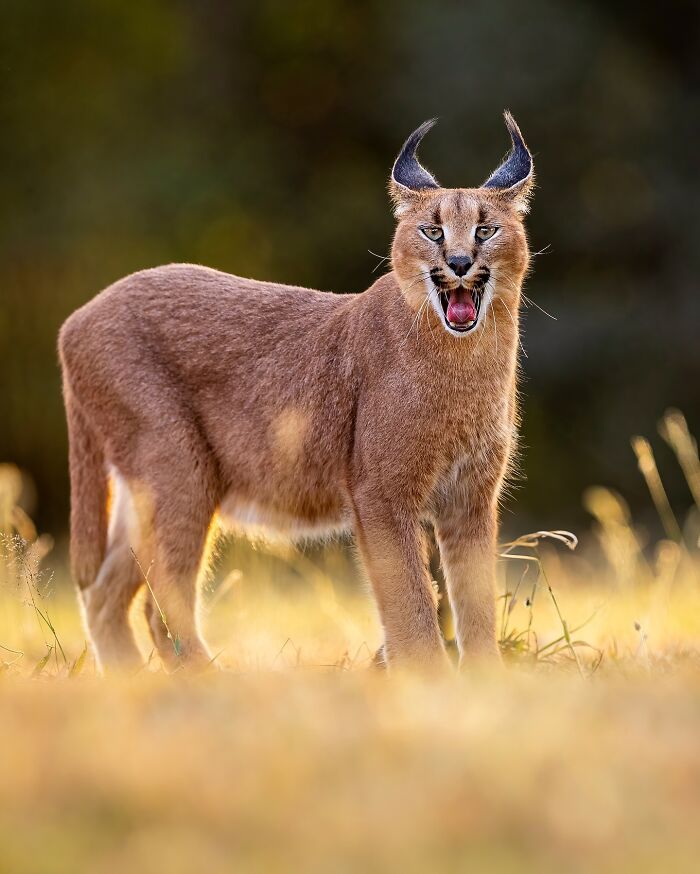
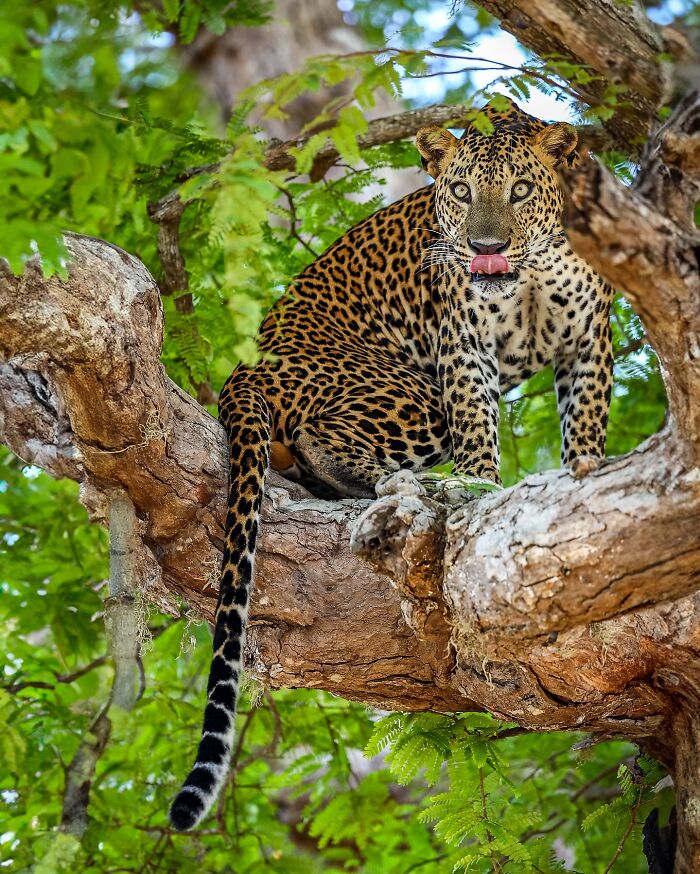
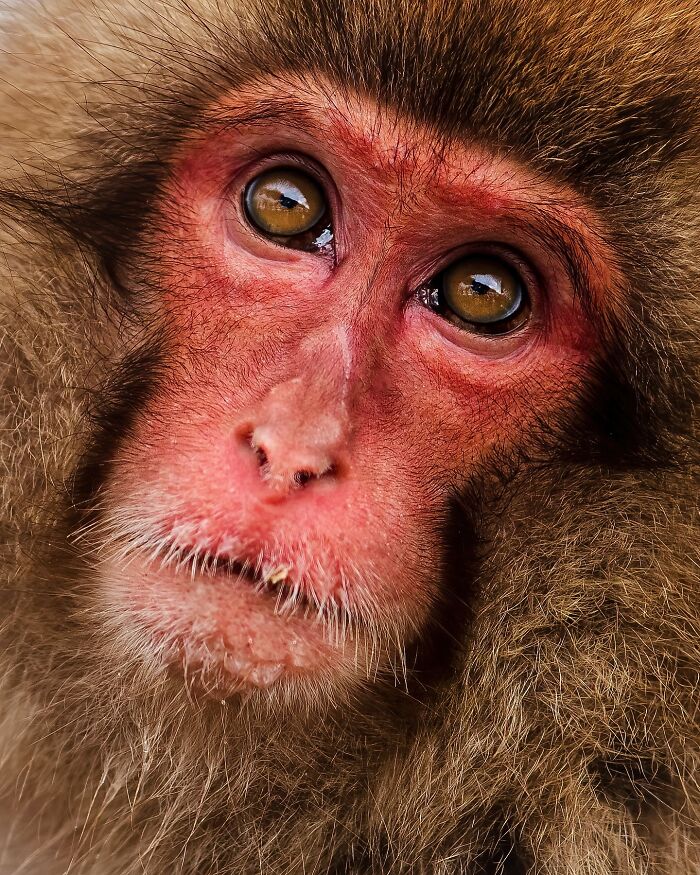
Kitty kitty kitty! I know better but I just want to scritch behind your ears before I lose my hands forever.

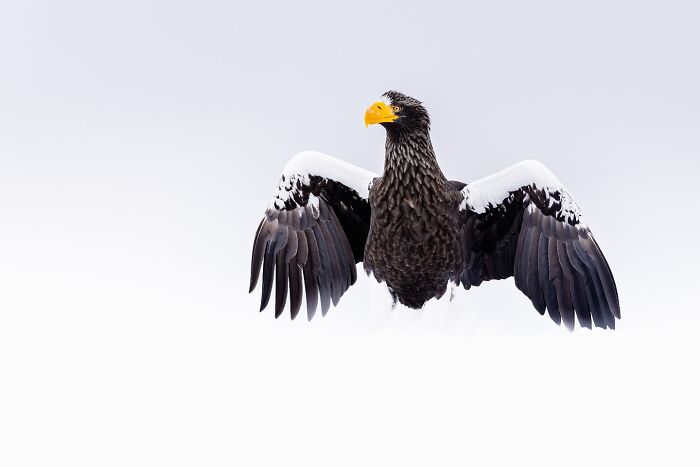
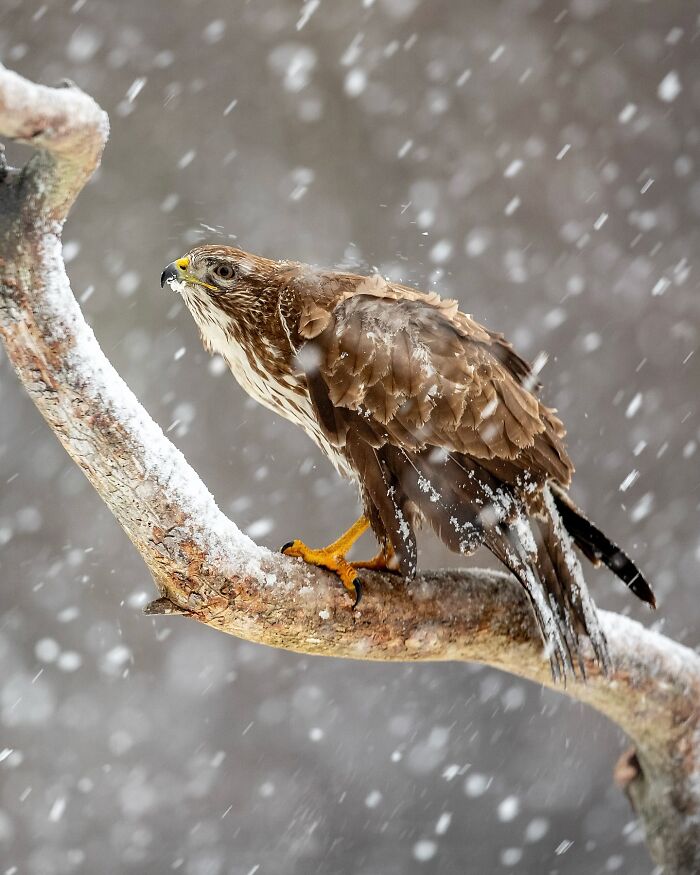
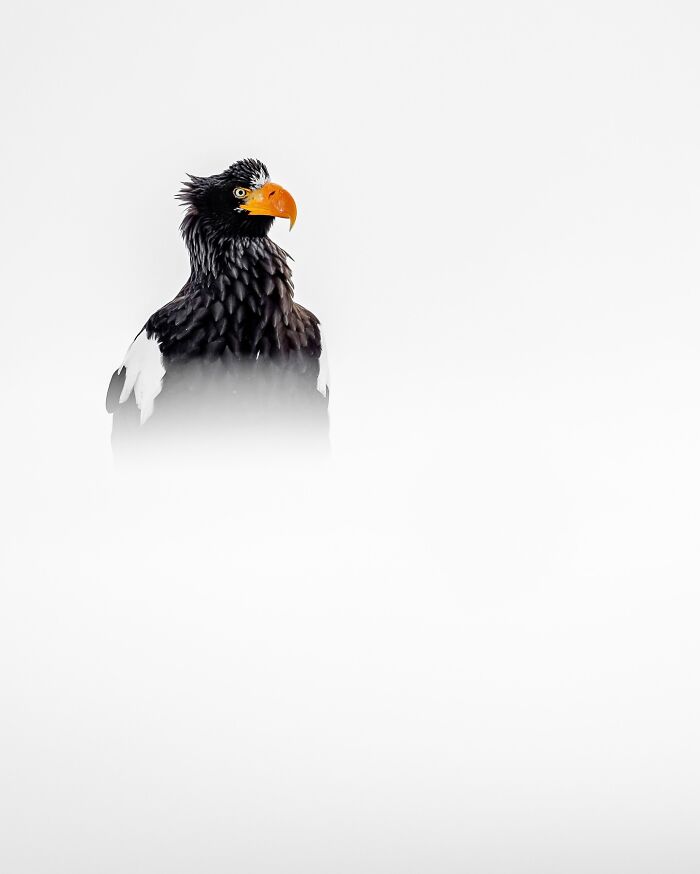
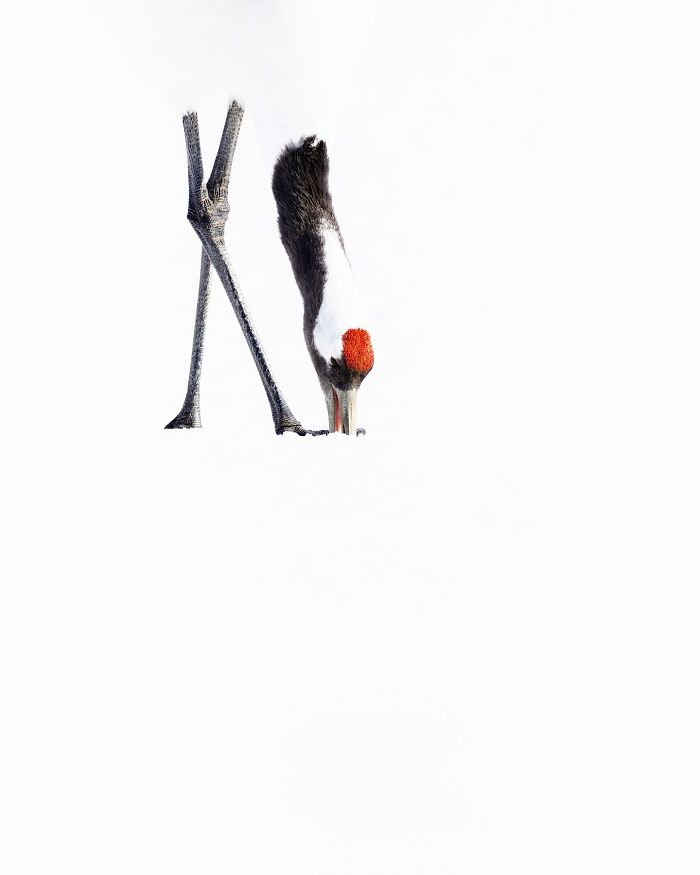
I always feel sorry for birds in the winter. Yeah, they are designed for it, etc., etc., etc., it's just how I feel.

The temperature of an eagle's nest while incubating eggs in the winter is close to 105°F. The optimal temperature for incubation is 99°F. Explanation Brood patch: Eagles have a bare patch of skin on their breast called a brood patch. This patch allows the eagle to transfer heat from its body to the eggs. Size: Eagles are larger than smaller birds, which helps them retain heat. Nest: The nest helps keep the eggs warm and safe. Regulation: Eagles regulate the temperature of their eggs by rolling, uncovering, and repositioning them. They may also spend time off the eggs in warmer weather. Other considerations Eagles may lay eggs in the winter because it's easier to keep them warm than cool. Eggs can't be left unattended for more than 20-30 minutes, or less time on cold or wet days. Parents may continue to incubate eggs for days or weeks past the normal hatching time.

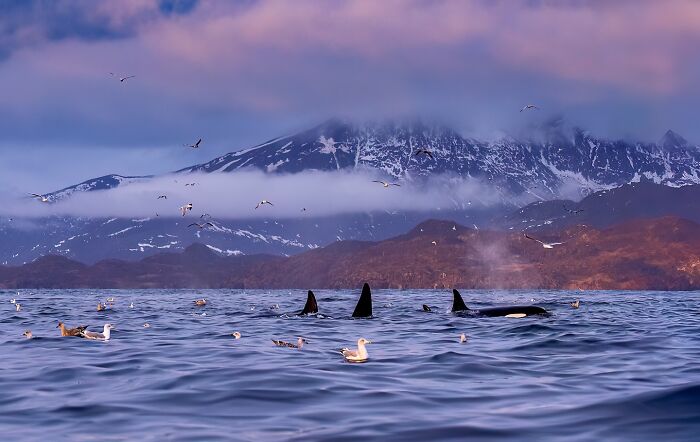
I'm guessing the sea birds eat the same things the orca do, just in smaller pieces (thank you orca waiters for cutting up our dinner for us)!

Yes, it's like Hidrėlėy knows what we want! *coughcelebcough*
Load More Replies...
I cannot upvote this enough !! Thank you !! More posts like this please :D


I'm lucky to be in the right place at the right time maybe twice in my life, this photographer at least 39 times far as I can tell


Outstanding work, absolutely fantastic! Thank you so very much for sharing these amazing shots with us. I love them all!
These images leave me awestruck! They are the most breathtaking images I’ve seen in a very long time. Thank you for sharing the beauty you are amazing with an incredible eye for beauty.



Fabulous. I oI love pelicans. Ho wonderful to see them pictured in such detail

Yes, it's like Hidrėlėy knows what we want! *coughcelebcough*
Load More Replies... I cannot upvote this enough !! Thank you !! More posts like this please :D
I'm lucky to be in the right place at the right time maybe twice in my life, this photographer at least 39 times far as I can tell
Outstanding work, absolutely fantastic! Thank you so very much for sharing these amazing shots with us. I love them all!
These images leave me awestruck! They are the most breathtaking images I’ve seen in a very long time. Thank you for sharing the beauty you are amazing with an incredible eye for beauty.
Fabulous. I oI love pelicans. Ho wonderful to see them pictured in such detail



























 No fees, cancel anytime