Get Premium
Dark mode theme is available exclusively for premium users. Learn more about the benefits of subscribing.
No fees, cancel anytime.

 Dark Mode Ad-Free Browsing Unlimited Content
 Ad-Free Browsing Unlimited Content Dark Mode
Join 1.2 million Panda readers who get the best art, memes, and fun stories every week!
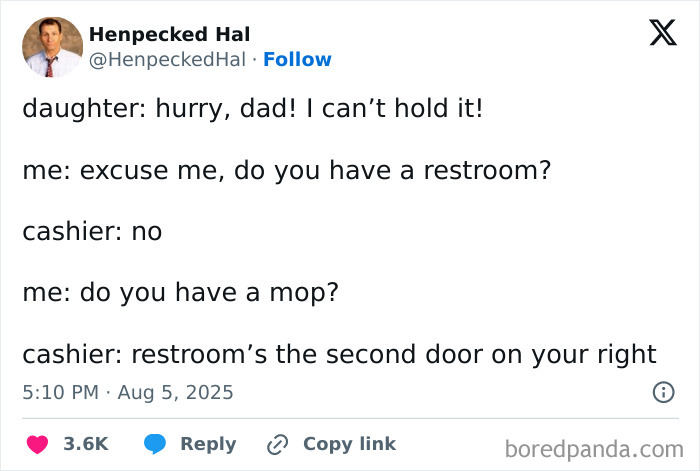
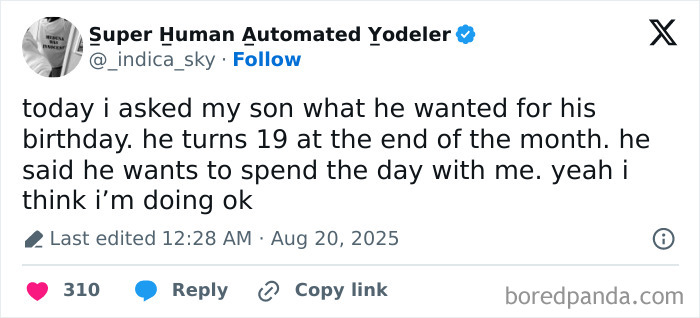
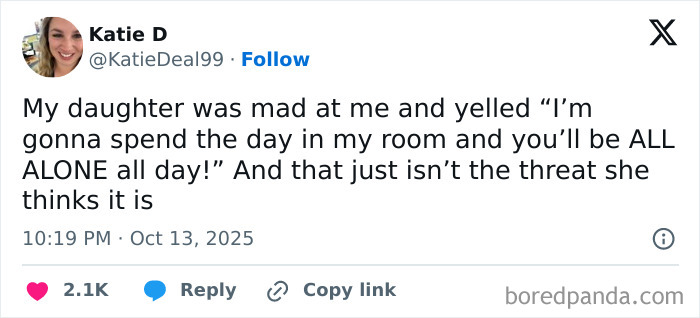
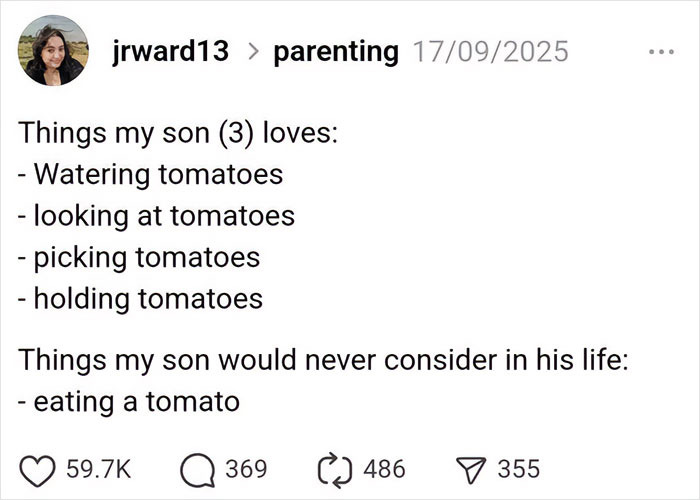
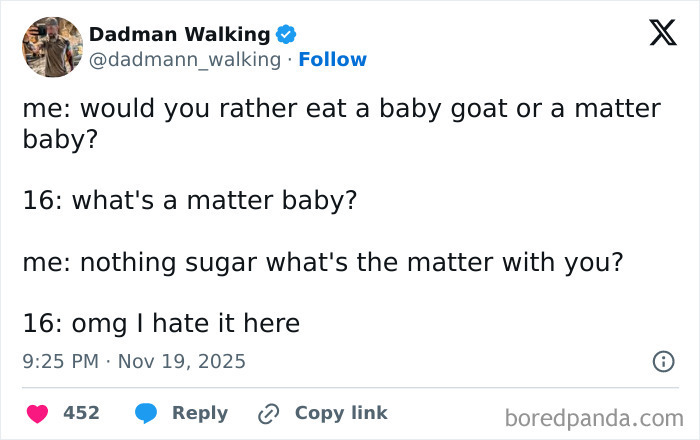
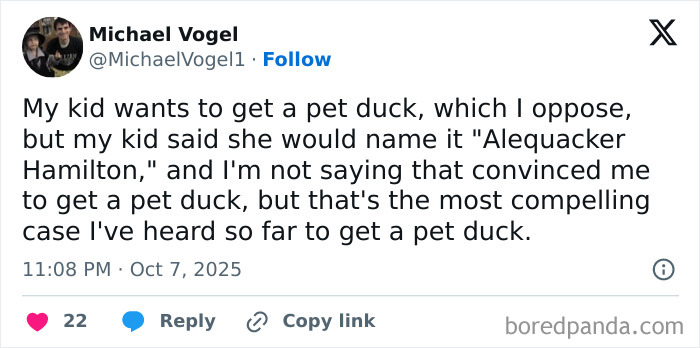
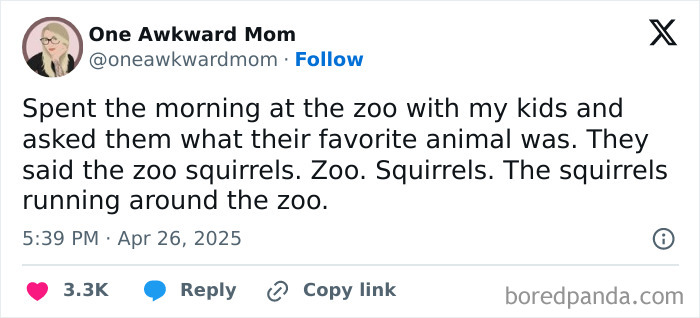
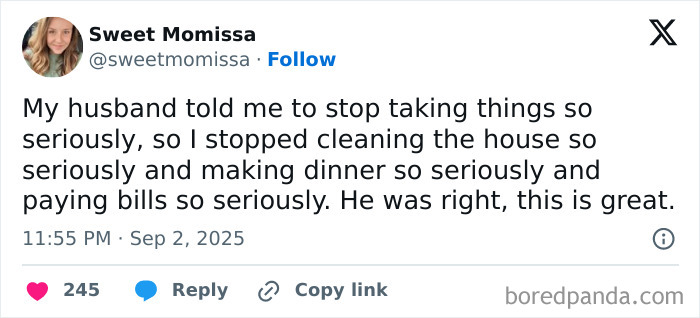
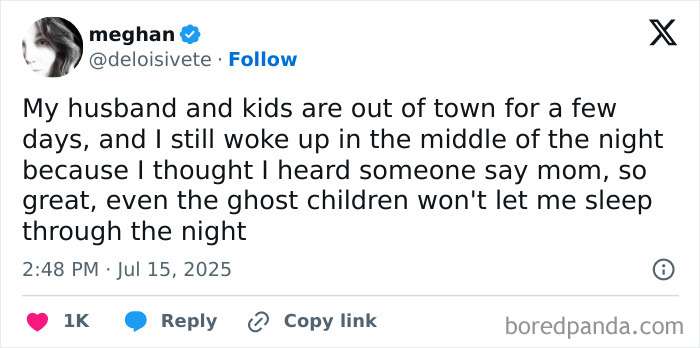
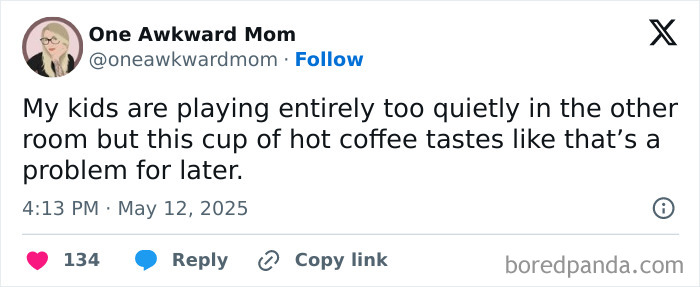
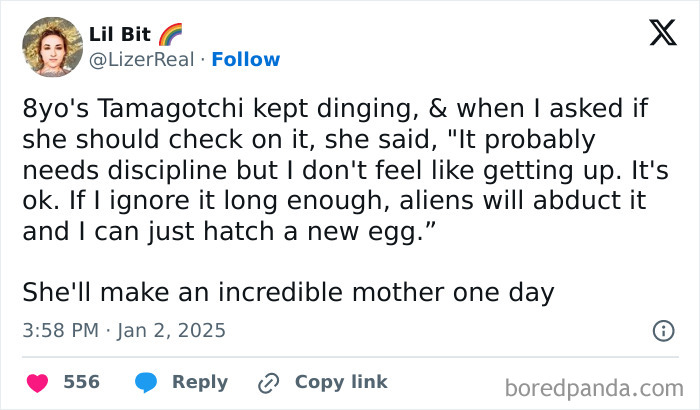
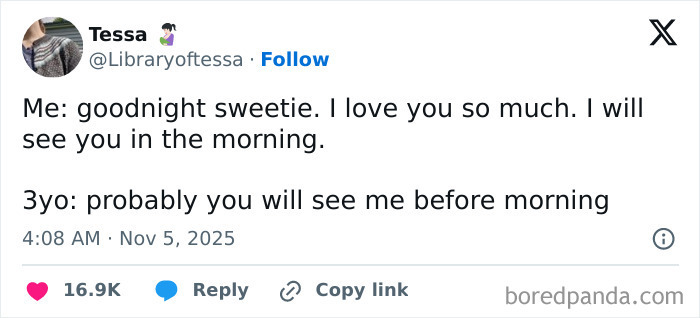
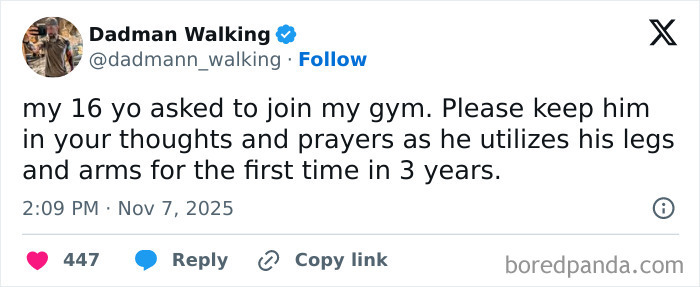
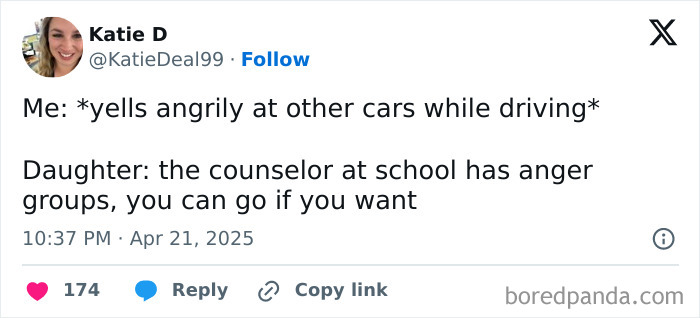
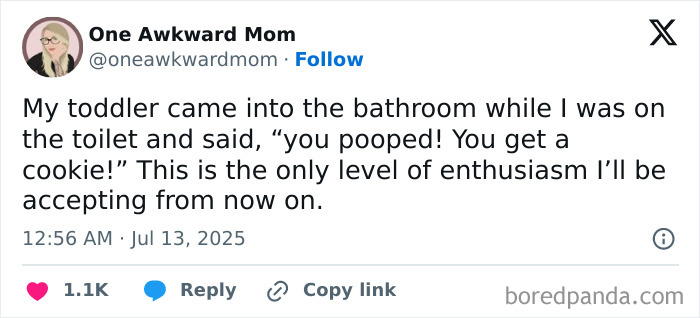
It's that time when everyone's putting together their rankings, compilations, and wrappeds to summarize the year. So we decided to create something as well. And since we're always browsing the parenting side of Twitter/X, the choice was obvious.
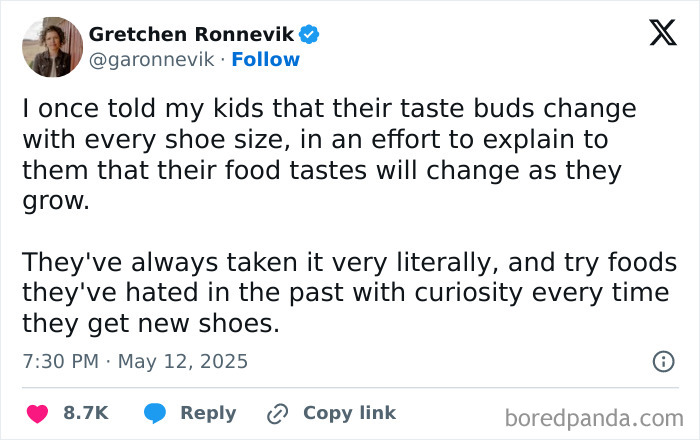
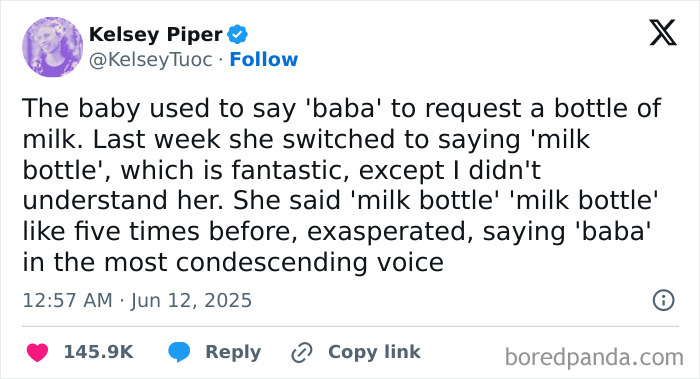
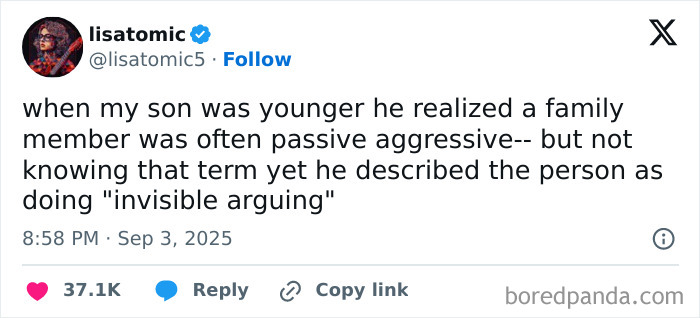
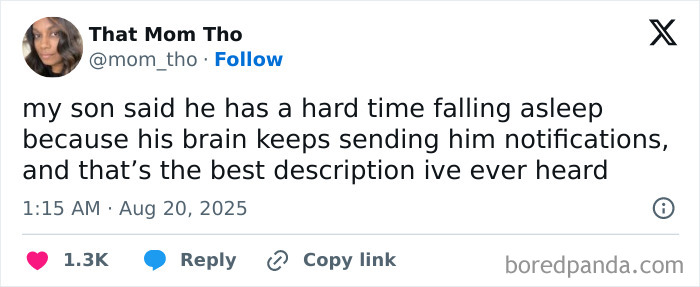
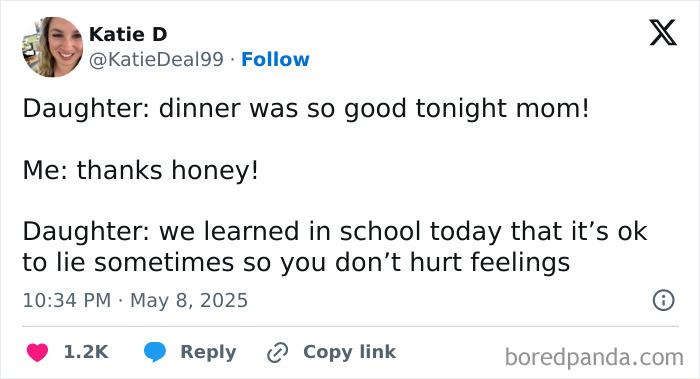
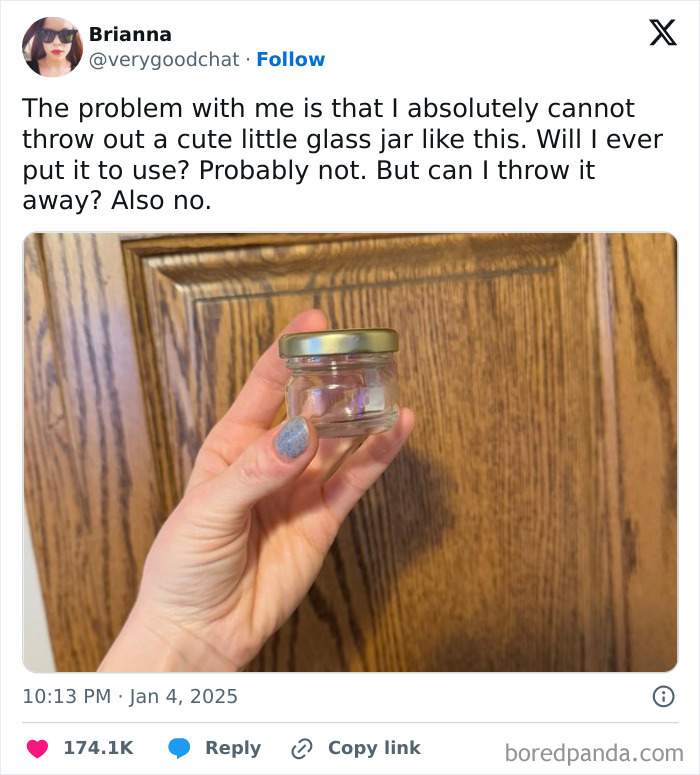
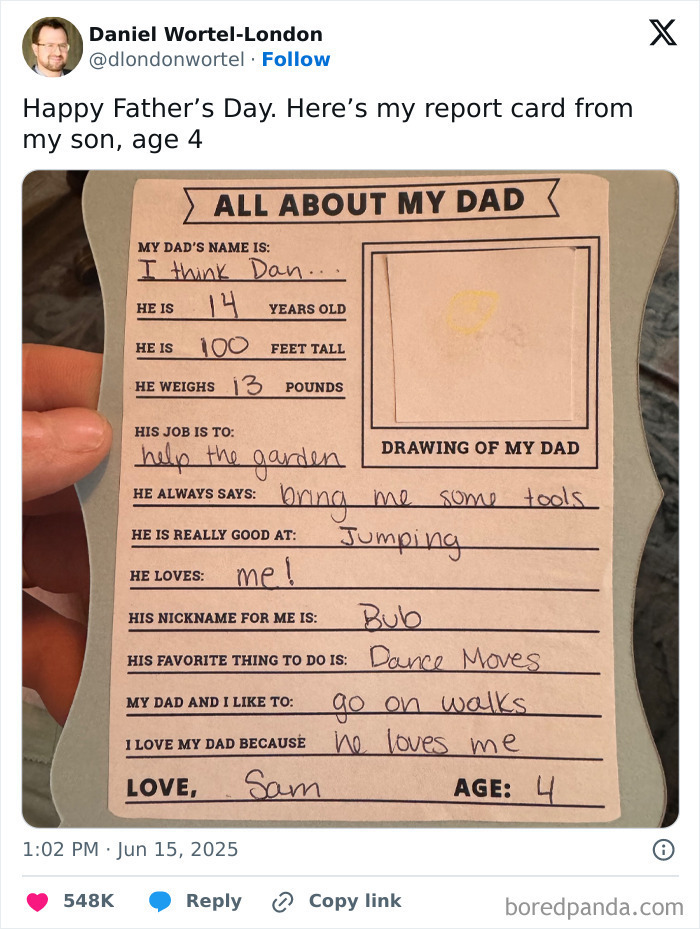
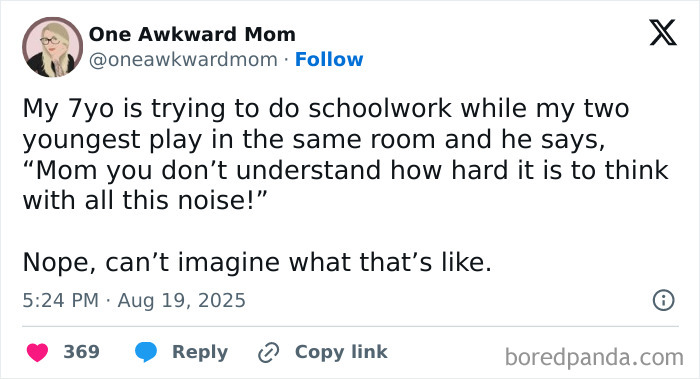
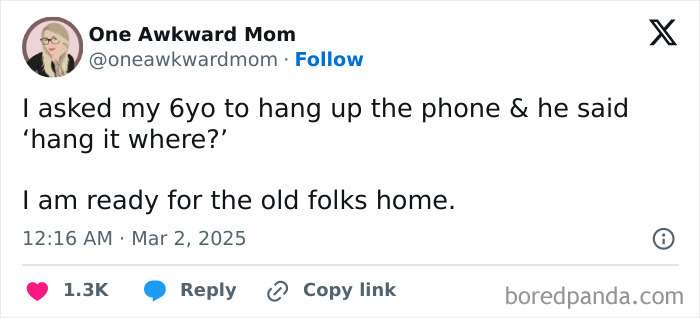
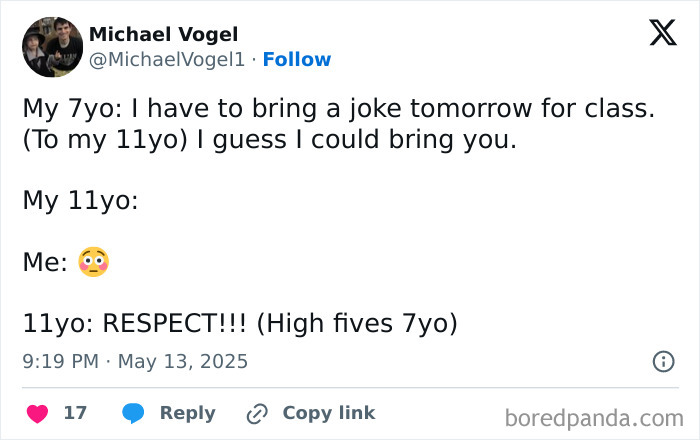
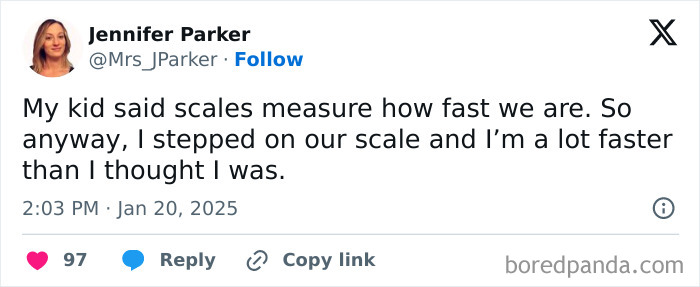
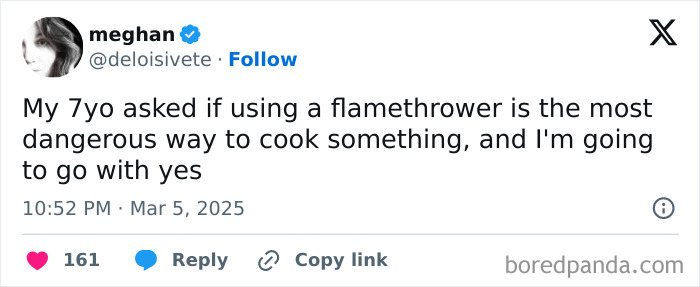
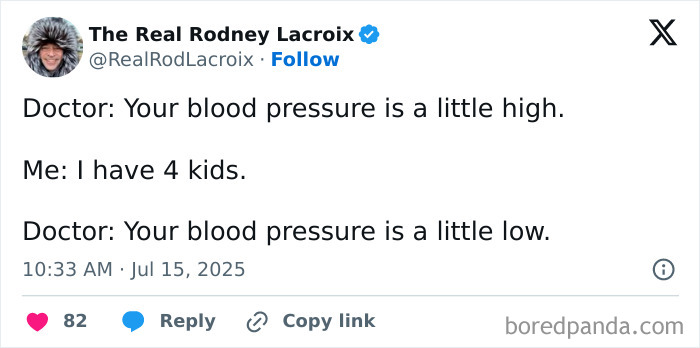
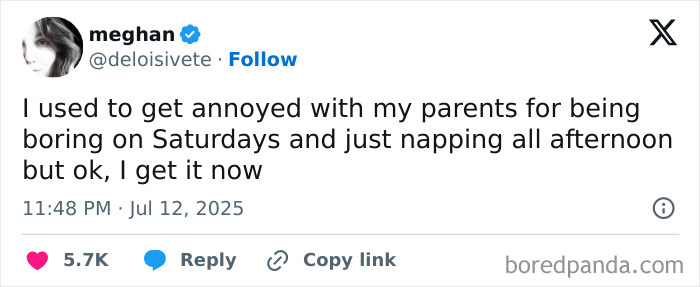
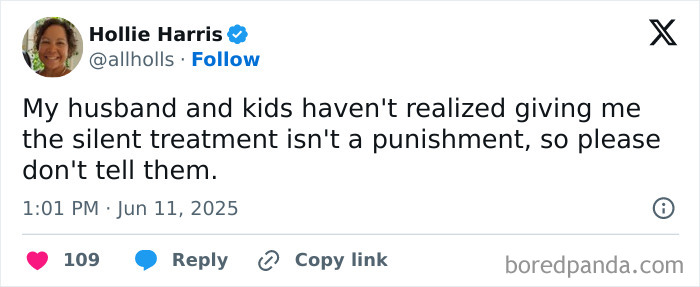
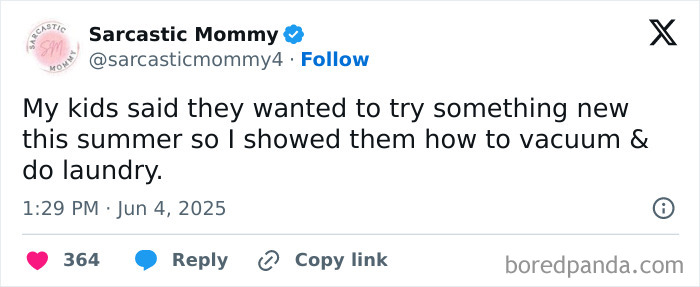
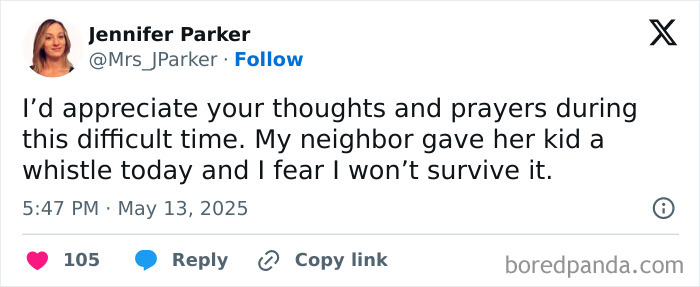
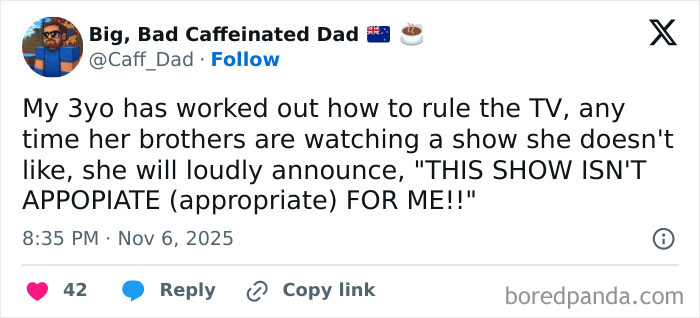
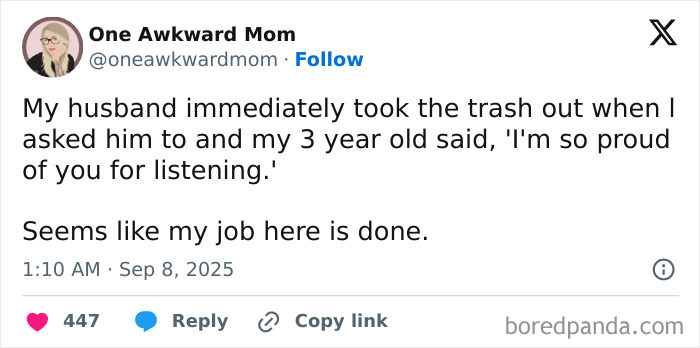
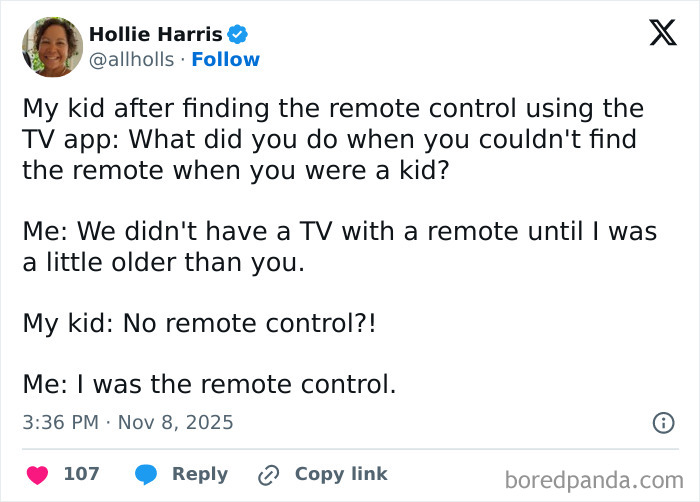
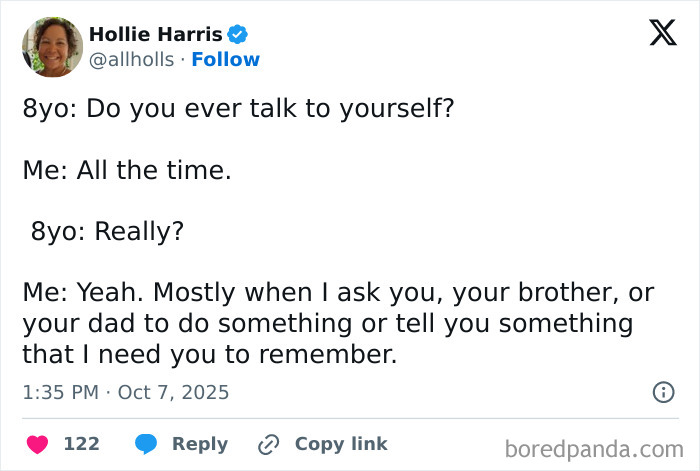
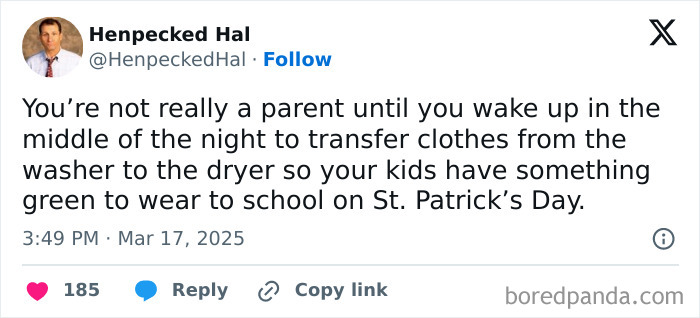
Here, you will find the best takes moms and dads shared on the platform in 2025. From relatable confessions on burnout to funny exchanges with the little ones—we've got it all. The perfect representation of what it's like to raise kids.
Discover more in 49 Funny Tweets That Perfectly Sum Up Parenting In 2025
Click here & follow us for more lists, facts, and stories.
This post may include affiliate links.
To give these tweets a little context, we can take a look at some numbers. A 2025 survey of 2,000 parents of kids ages 2–18 revealed that, on average, they find their child doing something funny or strange three times per day — or a little more than 1,000 funny moments per year.
However, those shenanigans are outweighed by an average of seven daily instances of chaos, with the most common forms being hiding things that don’t belong to them, such as car keys or the TV remote (31%), and going on adventures that take them out of their parents’ sight (30%).
But the challenges don’t stop there. When it comes to disagreements, the toughest issues for parents appear to be going to bed (46%), homework (38%), and getting out of bed (36%).
Arguments centered around food — such as what’s for dinner and clearing their plate — are also common for one in five parents (18%) and happen, on average, four times every week.
At the dinner table, the biggest “fight” parents encounter is over trying new foods (55%).
Parents estimate that they only win an average of 61% of their “battles” with their child, but they don’t sweat it too much — 83% say the most important thing is that their child is happy.
And at the end of a chaotic, shenanigan-filled day, 82% of parents believe there’s comedic relief in these imperfect moments.
Commenting on the survey’s results, licensed psychologist Nina Kaiser, PhD, said she was happy that parents are, more or less, rejecting the idyllic and embracing the real.
She explained, “When we isolate ourselves from other parents—or assume that we’re the only ones who are struggling with parenting—we’re much more likely to take parenting challenges personally and to experience feelings of shame and guilt, [which can lead to] difficulty regulating our emotions in our interactions with our kids.”
Kaiser added that when parents talk openly with others about how hard things can be, they often learn they’re not alone in their struggles.
"This allows us to take those moments of difficulty less personally and with more equanimity, in a way that allows us to feel less stressed and to actually parent more effectively," she said.
"If we feel confident in ourselves as parents, we're more likely to be consistent and effective with our kids. And we're also more likely to enjoy the parenting experience."
And if we were to finish off our reflections on 2025 with some thoughts about the next year, many experts would like it to be about artificial intelligence.
"Parents can use AI more responsibly by using it as a search engine, not a therapist or parenting coach," said Emily Guarnotta, PsyD, PMH-C, a licensed clinical psychologist, certified perinatal mental health specialist, and founder of Phoenix Health.
"Use it to define specific terms, like, 'What is a sleep regression?' but not to diagnose. And be sure to cross-reference with other reliable sources, like your child's pediatrician."



























 No fees, cancel anytime