Get Premium
Dark mode theme is available exclusively for premium users. Learn more about the benefits of subscribing.
No fees, cancel anytime.

 Dark Mode Ad-Free Browsing Unlimited Content
 Ad-Free Browsing Unlimited Content Dark Mode
Join 1.2 million Panda readers who get the best art, memes, and fun stories every week!
It is amazing how humanity evolved in the past centuries, decades and even years. Science is developing faster than ever, new inventions are introduced regularly. And we are thinking about what should be our next step to further improve our technologies.
But sometimes it is so interesting to dig a little bit in the past and discover what life was a hundred years ago, a thousand years ago or even before common era. Sure, the tools might have been different and not so sophisticated, yet some of the artifacts that survived to this day can easily leave us with our mouths open.
Here are some of the artifacts that are truly outstanding, that sparks a lot of questions and also marvel the contemporary human.
This post may include affiliate links.
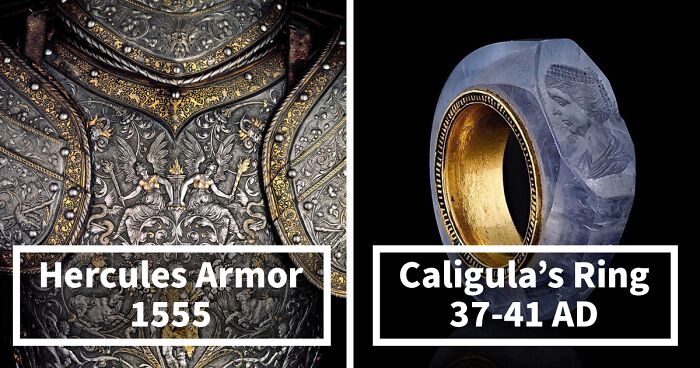
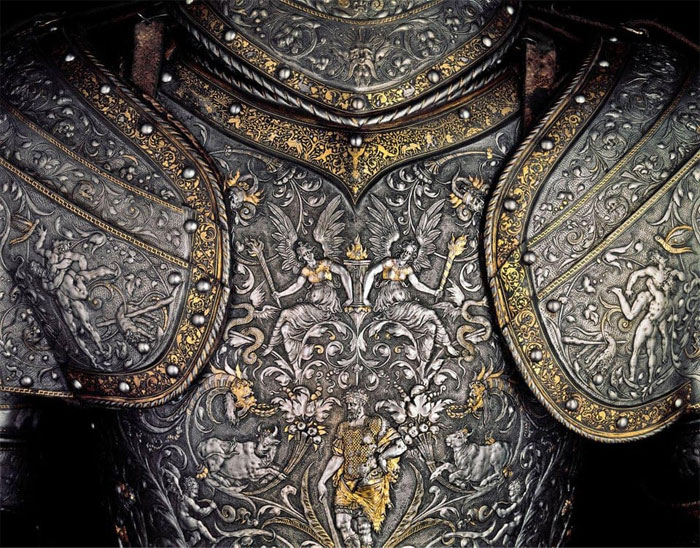
The armor, called Hercules Armor, was made in the middle of the 16th century for Archduke (later the Holy Emperor) Maximilian II. As it can very well be seen in the picture, the armor is covered in ornamentation and mythological scenes. The armor was made in France and it demonstrates the refined and sophisticated skills of armorers of that time. The intricate details tell us that this armor wasn't made to be worn in war. Its real purpose was to denote Maximilian's exalted rank in court or in similar settings. Never mind the remarkable art on the steel, the armor could also fulfill its protective function.

Ever since I was 10 years old I wanted to join the fighting knights league they didn’t let me in cause I’m a girl ☹️😠
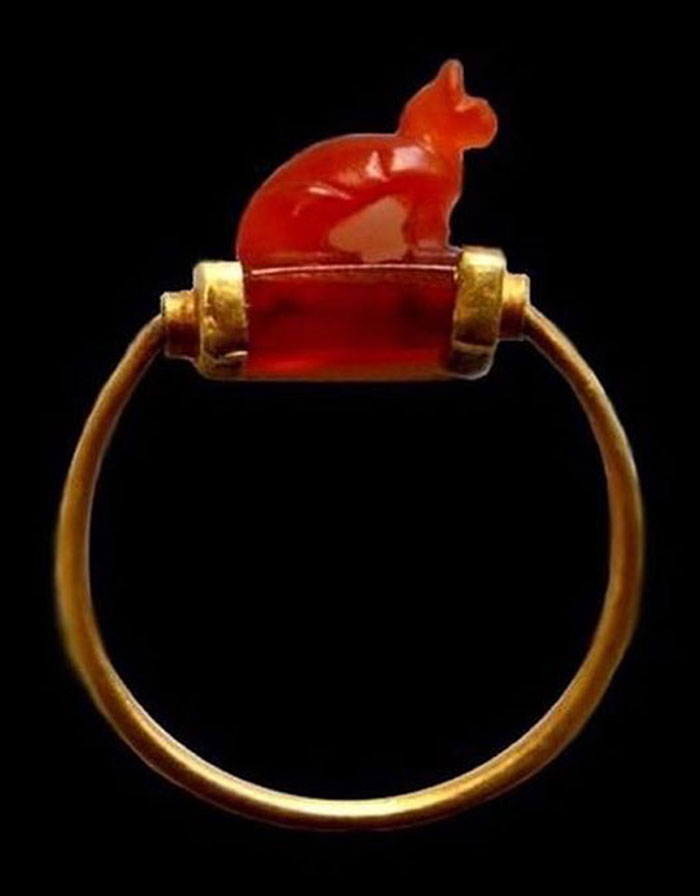
It is widely known that in ancient Egypt, cats were an important figure in people’s religious life as some of their deities were depicted having cat-like heads, so it is not surprising that they would be represented in jewelry too. This ring is made of gold and the cat figure is carved out of a semi-precious stone, carnelian. Its estimated to be at least 2,700 years old. On the bottom of the cat, in the inner part of the ring, there is a carved Wadjet eye or the Eye of Horus, used as a protective amulet.
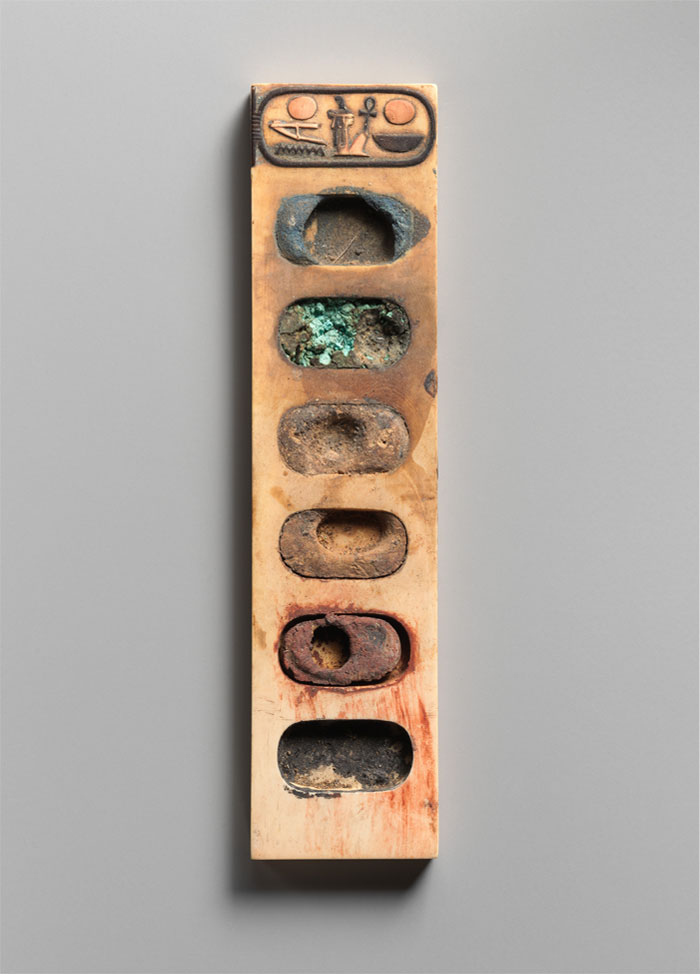
Very often, we learn about history through art, but this time, we can learn the history of making art. This is a painter’s palette, made from a single piece of ivory. This particular palette is really fascinating because it still contains the blue, green, brown, yellow, red, and black pigments in its wells, even though it was carved around 1390–1352 BCE. There is also an inscription of the pharaoh Amenhotep III in hieroglyphics as well as the epithet "beloved of Re." During the reign of the pharaoh Amenhotep III, Egypt was prospering in art and culture, and this piece of art history reminds us of an ancient civilization preceding even the Ancient Roman empire.
If you want to learn more here's another article about it on Bored Panda.

Can you imagine being an artist of the time and being told that one day, your palette would outlast you, everything else you owned, every other object in your village, and (perhaps) all of your descendants? What a weird thing to contemplate. I wonder what random object of mine will survive the longest.
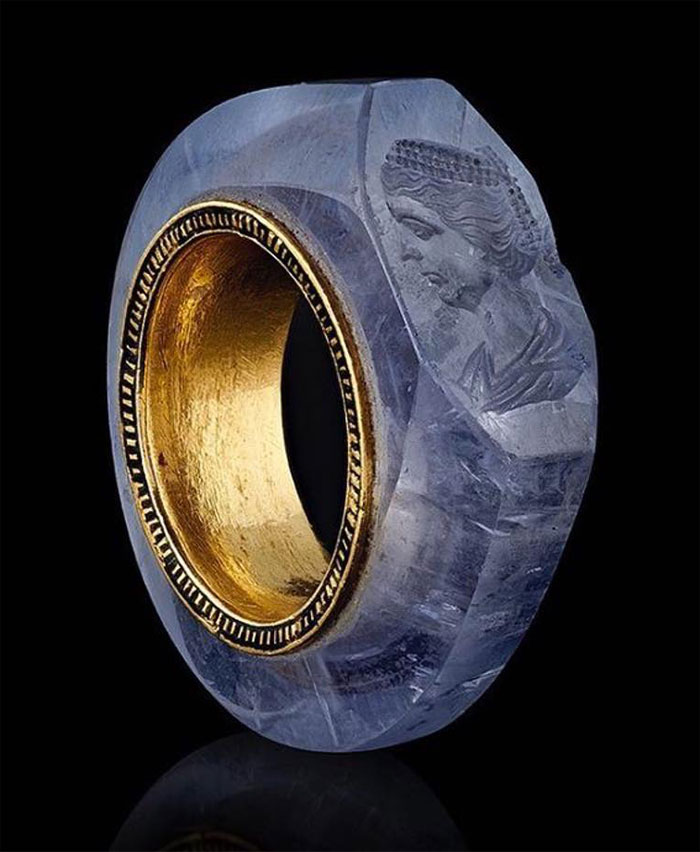
This stunning sky-blue ring is a hololith, meaning it is made from a single piece of stone; in this case, it is made from sapphire. If the precious stone is not enough to define the ring’s value, it is also believed that it once belonged to the Roman Emperor Caligula, who reigned from 37 to 41 AD. The woman engraved at the top of the ring is assumed to be Caesonia, Caligula's fourth and last wife.
The ring was on sale in 2019 and though the internet doesn't reveal who was the buyer or at what price it was sold, there are a few hints that it might have been close to $600,000. Isn't it wild to think that the same ring which was possibly owned by one of the rulers of the Classical antiquity period is now sitting on someone else's finger? What stories it could tell, if it could talk?

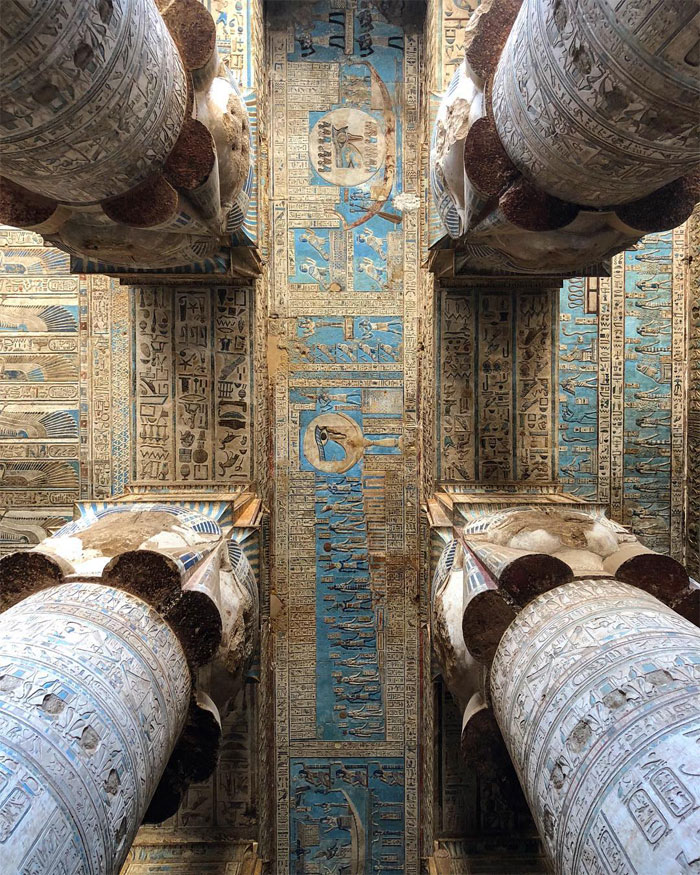
The Hathor Temple is one of the best-preserved temples in Egypt and it the main temple of the Dendera Temple complex. It is wonderful how the colors are still this vibrant as it is known the inside was once covered in soot, but it has been successfully restored. The good condition of the art is all the more surprising knowing that it was built more than 2,000 years ago. The main temple was completed by Queen Cleopatra VII, around 54 to 20 BCE.
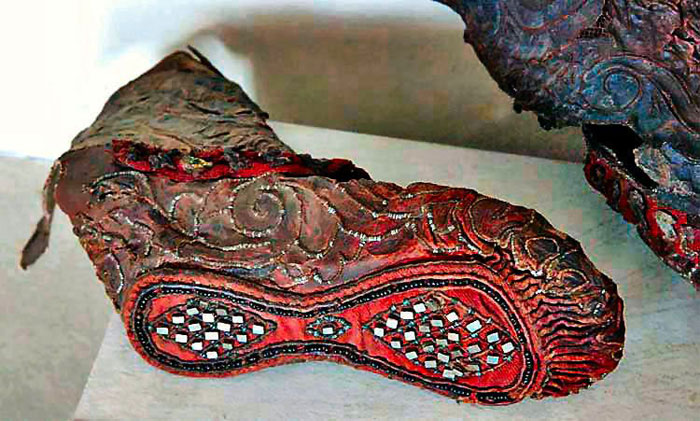
Romans weren't the only ones to wear fashionable shoes. Archeologists excavating graves in the Altai mountains found an even older, very well-preserved pair of shoes. These bedazzled boots were worn by a Scythian woman around 300–290 BCE. They are made of leather, textile, tin (or pewter), and gold. The shoes are in exceptionally good condition because of the low temperatures in the region, so the ground in which they were buried was frozen.
The condition of the sole sparked theories as to how the beads and the crystals are still perfectly in place. Some say that the shoes were made specifically for the burial; others speculate that it belonged to a high-ranking woman who didn't have to walk a lot, or it was just the Scythians' lifestyle to spend most of their time on a horse. A more interesting theory proposed by historians is that the soles of the Scythians' shoes were an important accent of their attire, as they were visible to others while sitting in front of a fire and socializing.
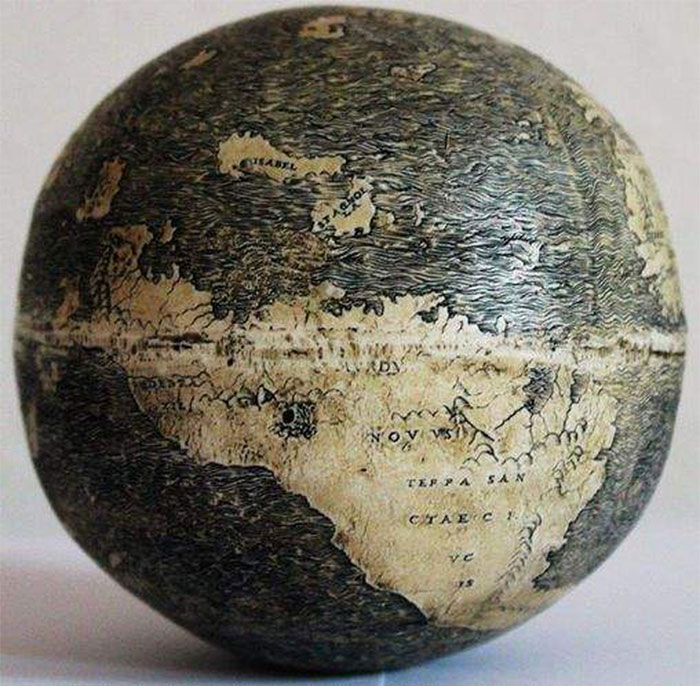
This globe is thought to have been created around 1510 and it would be the oldest map depicting the New World. The map is carved on an ostrich egg and is a size of a grapefruit. This unusual material makes the globe extremely special because more commonly, old maps were drawn on materials such as vellum (calfskin parchment), sealskin, or wood. It could be that the map was made for a noble Italian family, because at that time, it was fashionable to keep some ostrich eggs to show off a family's wealth.
It is even speculated that the globe could have a connection to the brilliant Renaissance figure Leonardo da Vinci. The author of the globe left an indication that the globe was made in Florence, also an Indian Ocean ship depicted on the globe is similar to one done by an artist associated with Leonardo, so it could be very possible that the engraver was influenced by or worked in the workshop of Leonardo da Vinci.
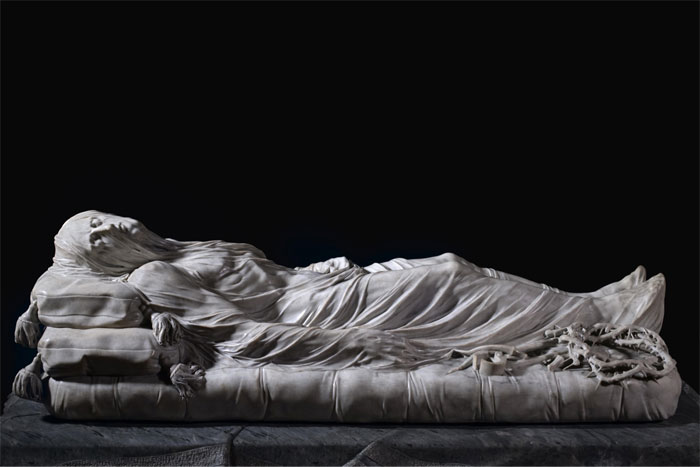
The "Veiled Christ" is one of the most famous and impressive works of art in the world. It was made by a young Neapolitan artist, Giuseppe Sanmartino, in 1753. What makes it so incredible is the veil. The sculpture is made out of stone, but the way the veil is sculpted makes it seem transparent. It is so realistic that over time, a legend spread around that originally, the sculpture was covered in a real veil, but after time, it was transformed into marble by a chemical process. Scientists who examined the piece are sure that the whole sculpture is made of marble. However, the creation of this legend just proves how much talent Giuseppe Sanmartino had.

Wow! I've seen some impressive veiled statues, but nothing like that.
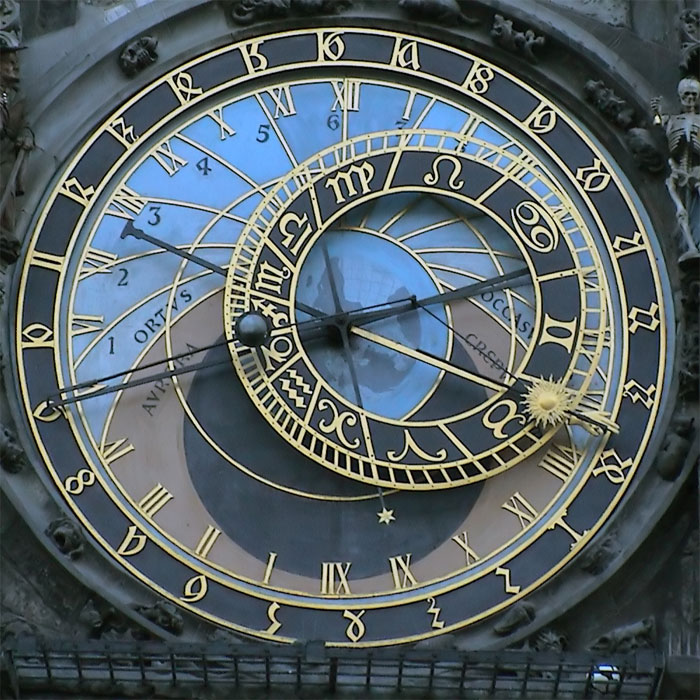
This cool-looking clock is located in Prague, Czech Republic. Can you guess how old it is? Well, it will be 611 on October 9 this year! That makes it the third-oldest astronomical clock in the world, but it is the oldest clock that is still fulfilling its function today. The clock is fully mechanized, showing the relative positions of the Sun, Moon, Zodiac constellations and, sometimes, other planets. It obviously shows the time as well as the date and astronomical and zodiacal information. Let's not forget the mini spectacle every hour on the hour, when Death shows up and turns its hourglass upside down. Then the 12 Apostles parade and nod to the crowd. In the end, the crow crows and the hour is rung. You could say that this clock is not merely a device to track time, but a piece of art.
A curious superstition is believed in Prague: it is said that if something happens to the clock or it is neglected, the skeleton on the side of the clock will nod its head and then the city of Prague will suffer. Maybe because of this superstition or because the clock is a piece of history and a true embellishment of the city, when the clock was damaged in 1945 by the Nazi uprising, people happily donated wood to repair the clock despite the shortage of the material in the country.
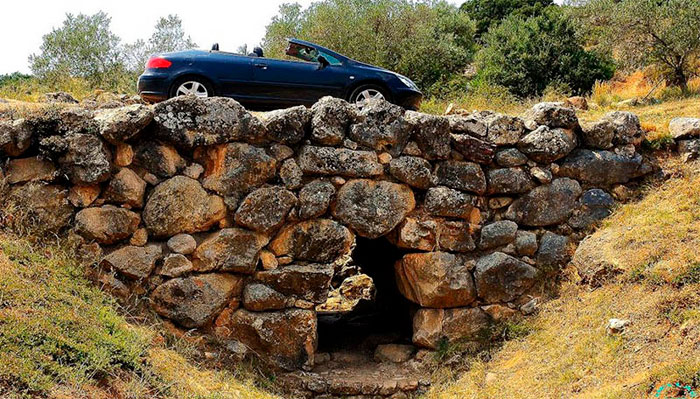
The Arkadiko bridge in Greece is more than 3,300 years old and that makes it one of the oldest bridges still in existence. Originally, this bridge was built specifically for chariots, but these days, it is used only by pedestrians. The bridge linked Tiryns to Epidaurus, two ancient Greek cities, that existed in the Bronze Age.
The structure is 72 feet long, 18.4 feet wide, and 13 feet high. It was built using Cyclopean masonry, with limestone boulders, smaller stones, and little pieces of tile assembled tightly together without mortar, which is typical stonework found in Mycenaean architecture.
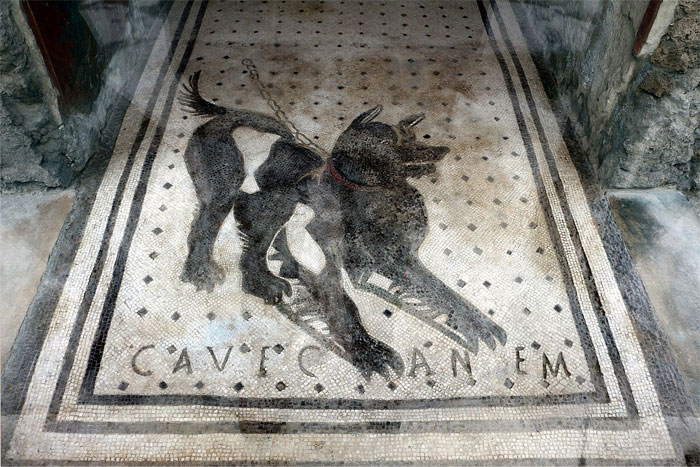
The sign "Beware of dog" is older than you think. Such writings were found in numerous ancient Roman buildings. Such signs could have been placed even if there weren't any dogs to scare off burglars or to warn guests about small dogs that could have been stepped on.
The sign in the image was discovered in the "House of the Tragic Poet" in Pompei. The house is dated around 2nd century BCE. The caption reads "cave canem," which means "Beware of dog." This mosaic is placed on the floor at the main entrance. If you think about it, in comparison, the “Beware of dog” signs today are quite underwhelming.
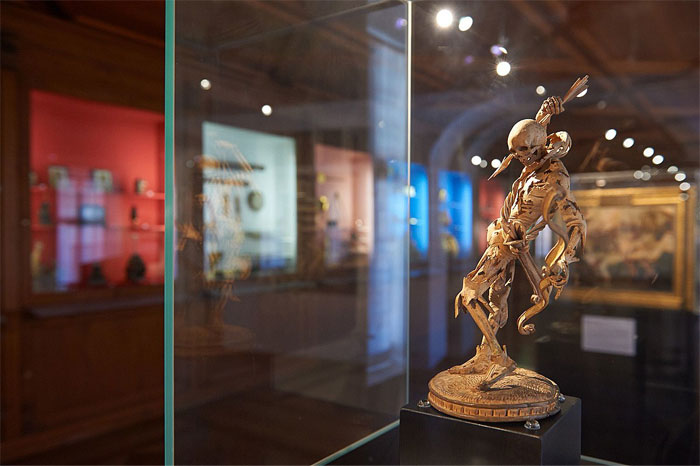
Death was often made the subject of art, personified, given a material shape. It is curious that in English and German culture, Death is seen as male and in French and Italian culture, it is represented as a female.
A 16th century sculptor, Hans Leinberger, interprets Death as a skeleton. It is a representation of what becomes of a person after they die. It has arrows in one hand and a bow in the other, standing in a twisted pose. The sculpture is made from a single piece of pear wood. The ability to carve the partially exposed ribs and bones, the tattered clothing and to create an image of a rotating body shows the extraordinary skills of the artist.

This is due to grammatical gender. In French and Italian we have La mort and La morte, while German and Old English (which had grammatical gender, unlike modern English, which has logical gender) it was Der Tod, and þe dēaþ, male. Consequently, the gender in the language influenced the perception of this abstraction and its depiction.
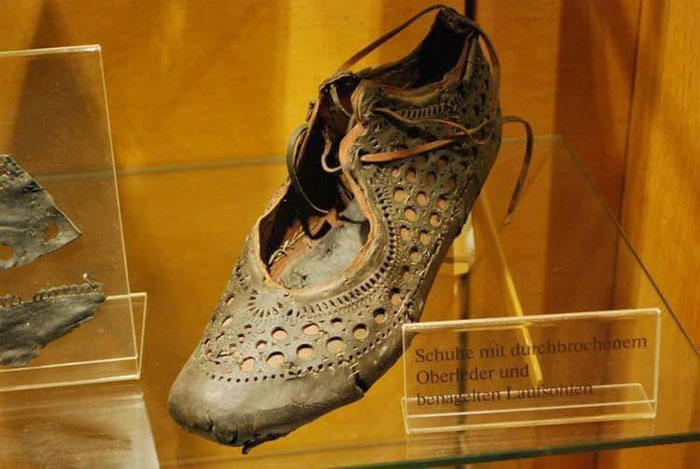
In contemporary times, Italy is undoubtedly considered one of the biggest fashion capitals in the world, but did you know that the Italians have been making good-quality footwear since ancient times? Don't let the appearance of the shoe deceive you: it was made in the first centuries of our era. The stylish shoe in the picture was found in a well in Saalburg, Germany. The fact that it was found in Germany proves how fashion and the craft of making shoes was spread in the Empire. It is a woman's shoe, as they were decorated with embroidery, motifs and often with lace. That not only showed the craftsmanship of the maker, but also the status and wealth of the wearer.

That's amazing. I guess 2000 years from now some type of being will be awestruck when viewing a pair of old Crocs.
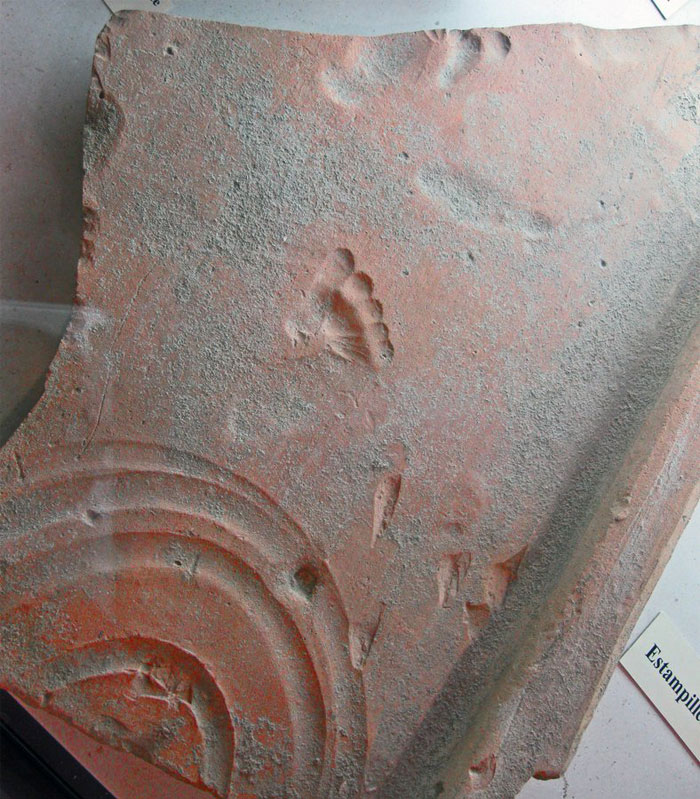
In a little French town called Vaison-la-Romaine, a piece of Roman clay tile was found with a toddler's footprint on it. The footprint was obviously made while the clay tile was drying, so this just shows that children 2,000 years ago weren’t that different: they are always curious to experience new things.
This was probably done on purpose. Up to recent times, tile makes often decorated the last tile they made that day, so called closing-time tiles. This was done for good luck and to mark how many tiles were made that day. This way it was easy to tell how many tiles lay out for drying how long. One of the workes probably lifted his kid over the wet clay and made her or him step on it.
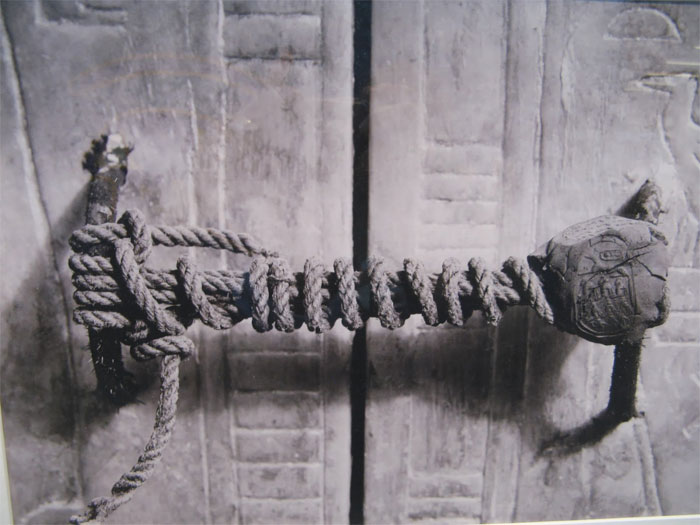
The tomb of the ancient Egyptian pharaoh Tutankhamun, also known as King Tut, was discovered in 1922. This discovery received worldwide press as the tomb was nearly intact and it was the first mummy to be discovered. The chamber was full of treasures: jewelry, statues, a chariot, weapons, clothing. It all was sitting there untouched for more than 3,000 years. You know what was also untouched? The seal to the fifth shrine of the sarcophagus. This simple cord was protecting the resting place of King Tut until it was broken in the past century.
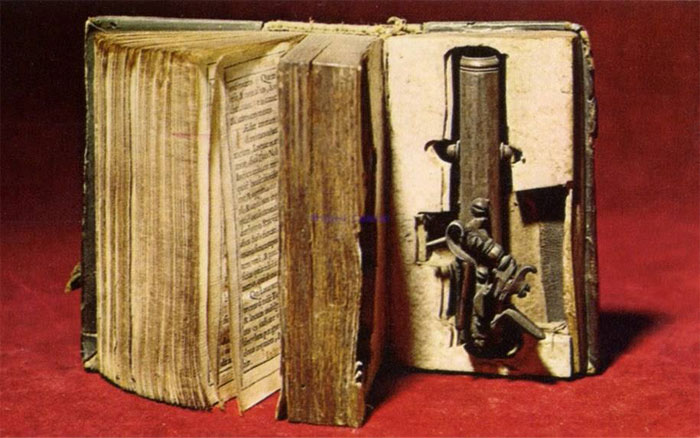
Do you know the Latin phrase "scientia potentia est," which means "knowledge is power"? Well, knowledge can be a weapon too! There is such a thing as a ‘prayer book pistol’ that was custom-made for Francesco Morosini, the Duke of Venice, who lived 1619–1694, so the fake prayer book was made some time in the 17th century. The mechanism was designed so that the gun was concealed and could only fire when the book was closed. It was most probably used for personal protection.
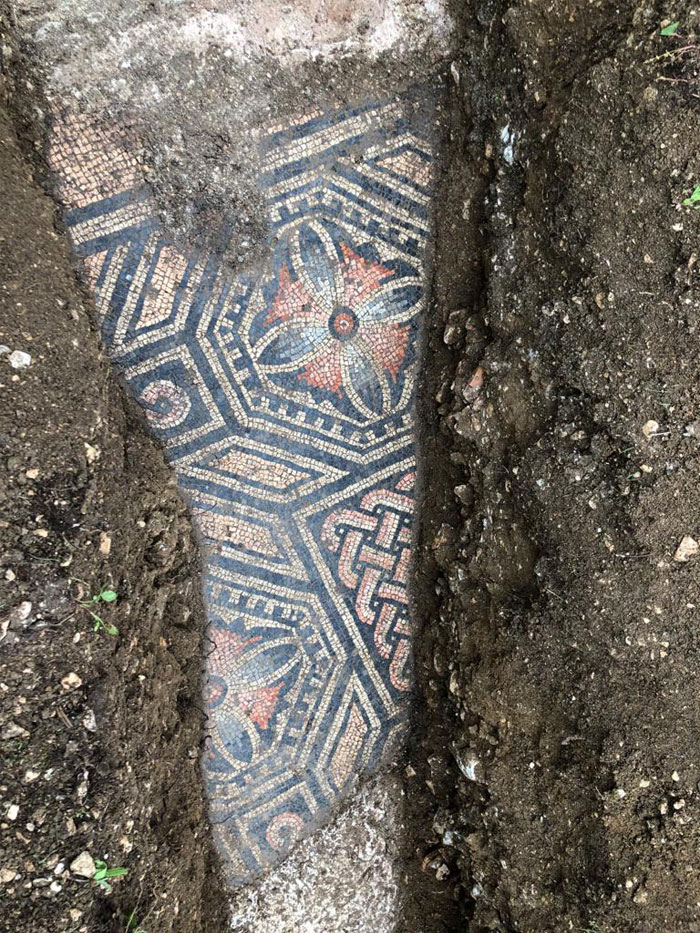
Doesn"t it seem that archeologists have already discovered everything there is to discover? Well, this is not true at all, because they surprised us again. More than a century ago scholars found evidence of a Roman villa not far from the Italian city Verona. And after decades of searching, the remains of the villa were found!
Archeologists discovered a 3rd-century mosaic in a private vineyard in the town of Negrar di Valpolicella. The mosaic is believed to be the floor of a Domus, a house inhabited by wealthy owners. The tiles are in pristine condition. You can see in the picture that the colors are vibrant and the pattern is easily recognizable. After the site is fully examined, it will be opened to the public to visit.
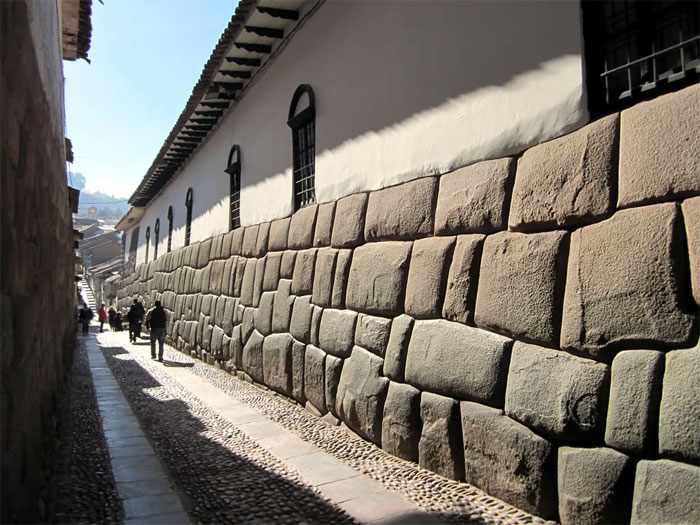
It is not exactly known when the wall was built, but it is agreed that the stone wall originally encircled a now-destroyed palace. Every stone used for this wall was cut to have twelve, five, six, and seven points, so it was really a tedious job to put them all together. The stones are combined very precisely, with no space between the stones. You couldn't even stick a piece of paper in between them even now, hundreds of years later. The structure was meant to be built stable because the area was prone to earthquakes and now we can really say that it stood the test of time. It is so amazing that it was declared Cultural Heritage of the Nation of Peru.
That construction is amazing! The *craftsmen* who built my house in 2018 wouldn't know a straight wall if it fell on them.
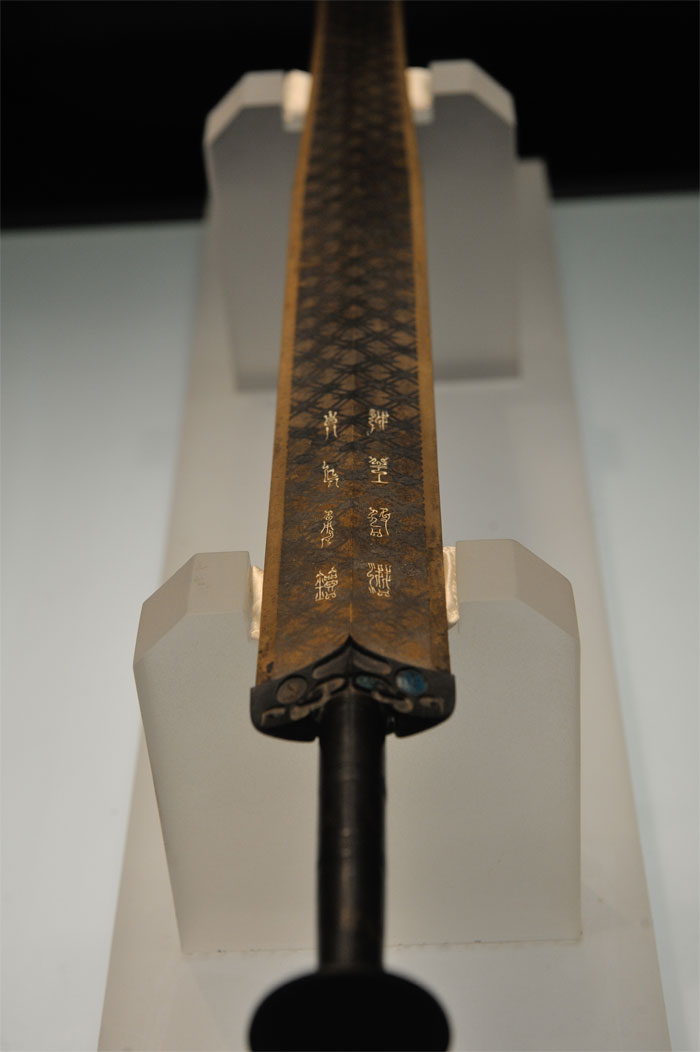
Surprisingly, there are a lot of famous swords, whether they are true historical swords or fictional, mythical. Perhaps they are so fascinating because they carried their owners to victory or maybe sometimes we tend to romanticize the years that past and get caught up in the tales of knights in shining armor with shining swords. The sword that I am about to introduce to you is one of those famous swords.
The sword belonged to Goujian, who ruled the Kingdom of Yue from 496 to 465 BCE. The characters on the sword read "King of Yue" and "made this sword for [his] personal use." The sword was found in a scabbard, so it is barely damaged. The blade was made mostly of copper, but the edges have a higher tin content and that can explain how the edge of the sword is still sharp. The blade has a golden hue and is decorated with a rhombi pattern; meanwhile, the guard is ornamented with blue crystals and turquoise.
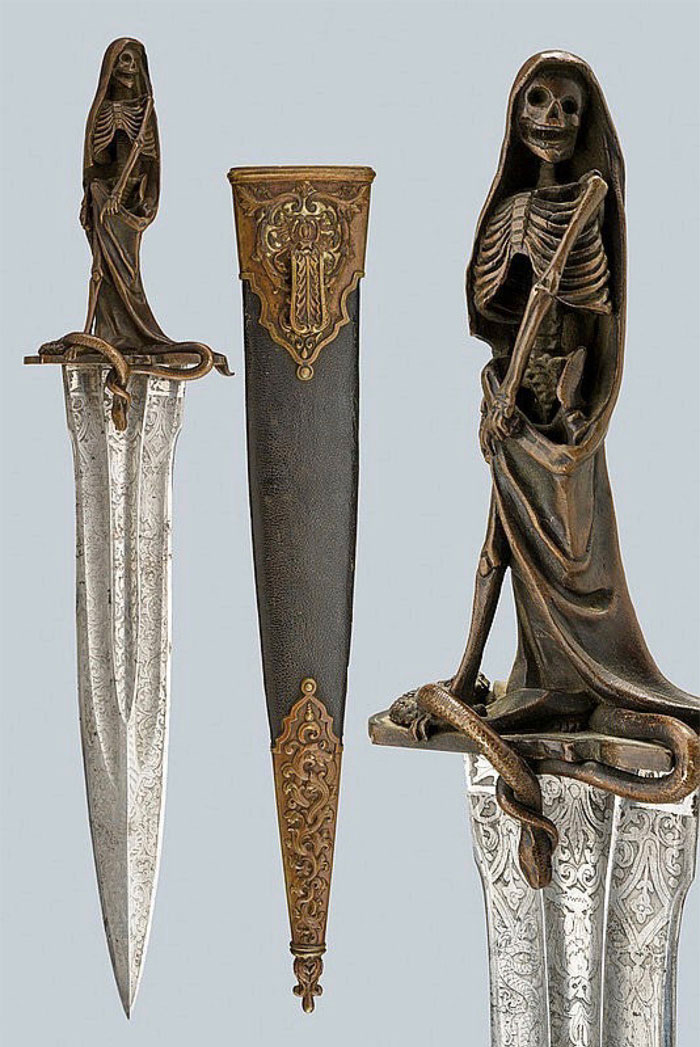
Sometimes you can find strange things at auctions. And this is one of them. This rare dagger, thought to be used for esoteric rituals, was sold for €4,700 (~$5,692). In the description, it is said to be from the 19th century and made in France. It is quite long, nearly 17 inches, and the grip is the impressive part. Made out of bronze, it depicts Death in a cloak and a twisted snake at its feet. The blade is detailed too: it is engraved with floral motifs, and a snake, an eagle, and an owl can also be made out. The floral motifs repeat on the brass quillons of the wooden scabbard, which was sold together with the dagger.
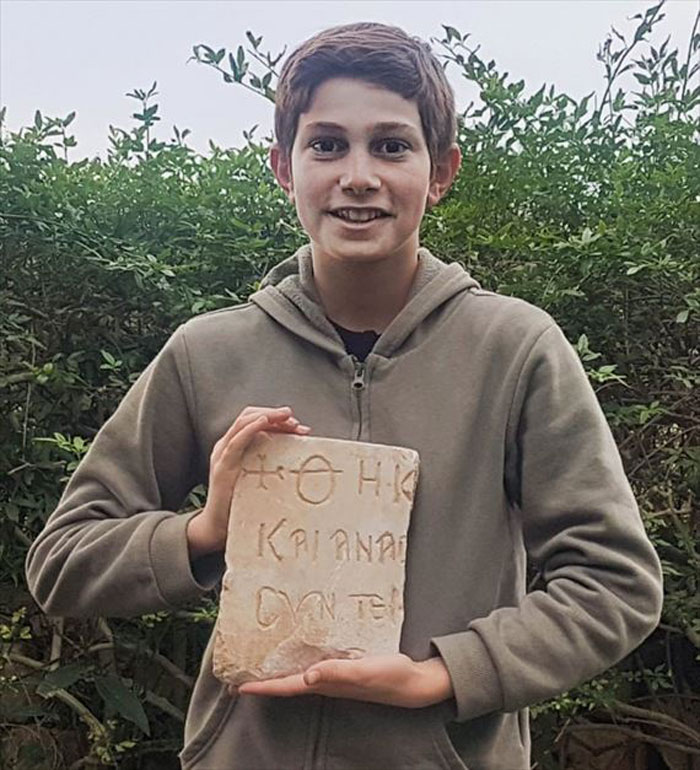
When people go to look for mushrooms, the last thing they expect to find is an ancient burial inscription. But this is exactly what happened when 13-year-old Stav Meir went out looking for mushrooms with his family. He saw a stone protruding out of the ground and the boy easily recognized that the stone had to be something very old.
Stav Meir is interested in archaeology and has been studying it with the Israel Antiquities Authority for about three years. His senses didn't deceive him, because the stone was a 1,500-year-old Byzantine-era Greek burial inscription. For his discovery, the boy was even awarded a Certificate of Appreciation for his good citizenship.
It is agreed among the Israel Antiquities Authority archeologists that the stone must have marked the grave of a wealthy person and the inscription on the stone identifies them as Anastasius, or Anastasia.
The Château de Chantilly is a historic castle in France, not far from Paris. Its construction began in the middle of the 14th century and was completed in the late 19th century. It took such a long time because there are two parts to the Château de Chantilly: le Petit Château and le Grand Château, which weren't built at the same time. Also, it suffered serious damage during the Revolution, which required rebuilding.
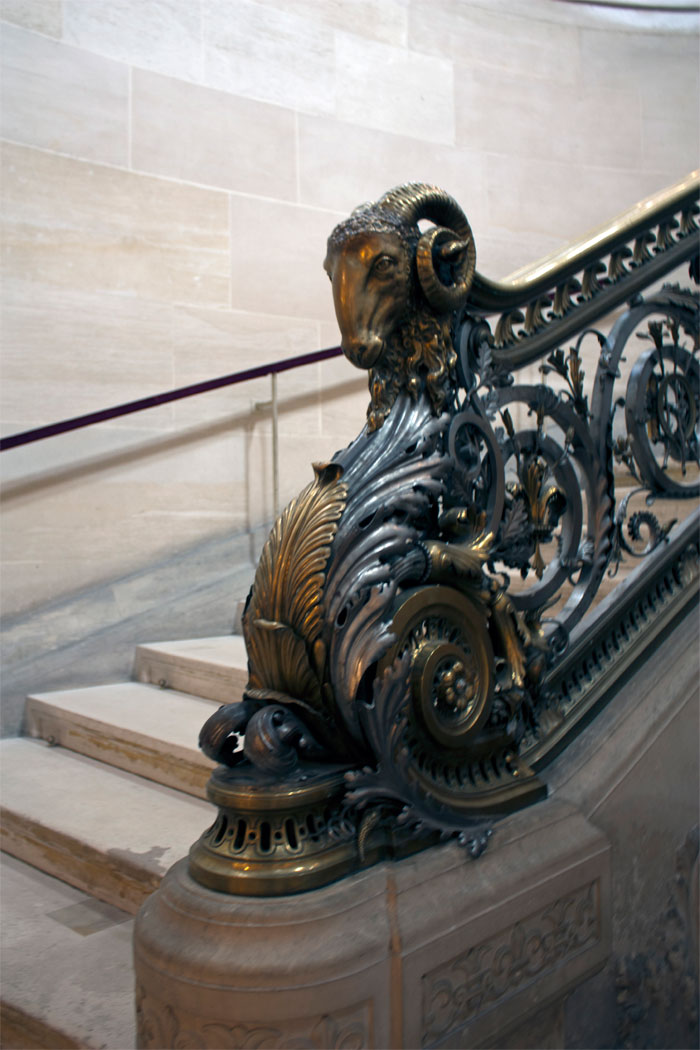
The staircase in the picture is in the vestibule of the Grand Château and leads to the small apartments. The stone vestibule and the iron banisters are similar to the staircase at the Palais-Royale in Paris. As mentioned, the castle was destroyed during the Revolution. It was later rebuilt to the designs of the architect Honore Daumet. Among his designs was the beautiful staircase. The architect's drawings were revived by the Moreau brothers some time between 1875 and 1882, when the rebuilding took place.
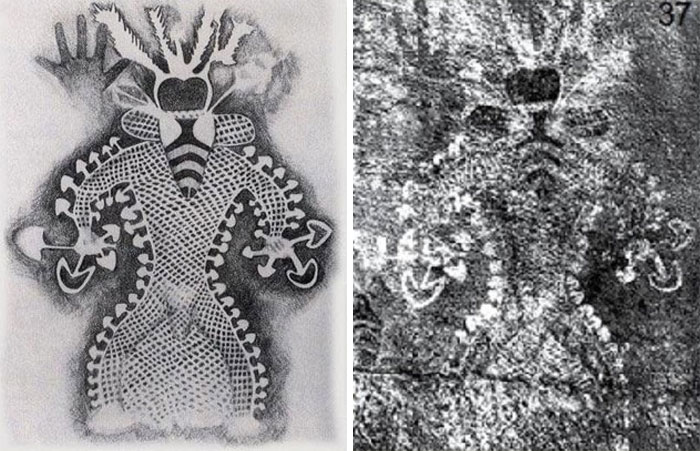
The national park in the Sahara desert Tassili n'Ajjer is an important site, because it hides some of the most important prehistoric art in its caves. The various carvings and engravings could have been done from between 9,000 years ago and 4,000 years ago, while some of the large animal carvings/engravings may date back to 12,000 years or more.
One particular cave painting from around 9,000 years ago caused curious interpretations. This drawing depicts a shaman with a human body and a head of a bee. The shaman holds a bunch of mushrooms in their hands and sprouting from their body. That leads the scientists to believe that the painting represents a psychedelic experience caused by the mushrooms. Other ancient history enthusiasts theorize that this is proof of our ancestors' communication with aliens. What do you make of this cave painting?
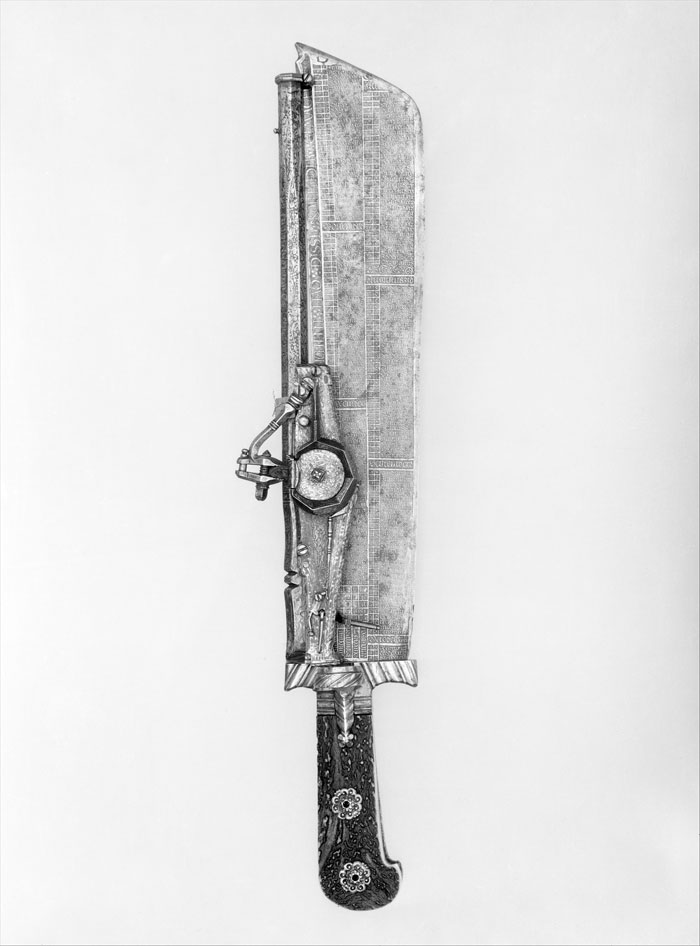
It is very useful and convenient to have a pencil with an eraser attached to it. But not everything is more useful if it has more than one purpose. In the 16th century, gun makers thought it would be a great idea to combine a pistol with a sword, a knife, an axe, or even a crossbow so that the owner of the gun would be able to still protect oneself if the gun misfired. Usually, these combined weapons were clumsy and impractical. The weapon in the picture is a hunting knife combined with a wheellock pistol. It was made by a German etcher, Ambrosius Gemlich, from two different pieces: the blade, dated around 1528–1529, etched with a calendar for the years 1529–34, and the barrel, dated 1540 or 1546.

imagine asking someone what day it is and they get a little too excited to whip this bad boy out and accidentally take someone's finger off
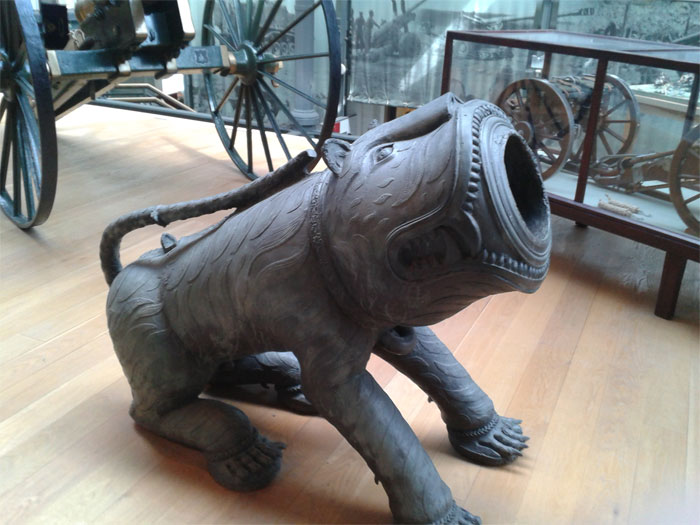
It is known that cows are considered sacred by Hindus, who make up about 80 percent of Indians, but it is surprising that the national animal of India is a tiger. Tigers are courageous and powerful; furthermore, some would consider them one of the most dangerous animals on the planet, so making a tiger-shaped weapon makes sense. This mortar was cast in India around 1770–1799. It could have possibly been made for Tipu Sultan, who was known as the Tiger of Mysore and he lived 1753–1799. It was not finished, however, and in its current state, it is not functional. But the intent was for the bombs to fly through the tiger‘s jaws, menacing even more the enemy.


I enjoyed immensely reading these tidbits about ancient times. They feed my soul.
Human ingenuity is an amazing thing. I greatly appreciate these types of articles.

I enjoyed immensely reading these tidbits about ancient times. They feed my soul.
Human ingenuity is an amazing thing. I greatly appreciate these types of articles.






































 No fees, cancel anytime