Get Premium
Dark mode theme is available exclusively for premium users. Learn more about the benefits of subscribing.
No fees, cancel anytime.

 Dark Mode Ad-Free Browsing Unlimited Content
 Ad-Free Browsing Unlimited Content Dark Mode
Join 1.2 million Panda readers who get the best art, memes, and fun stories every week!
46submissions
Finished

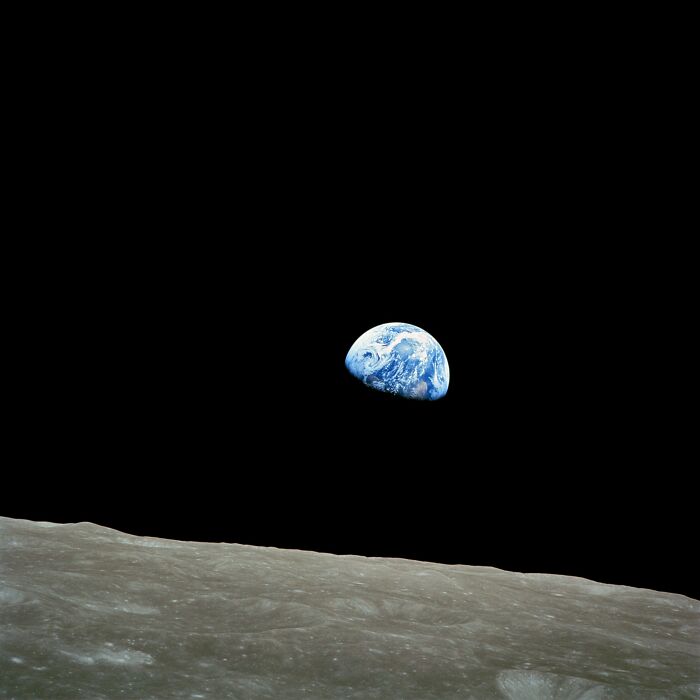
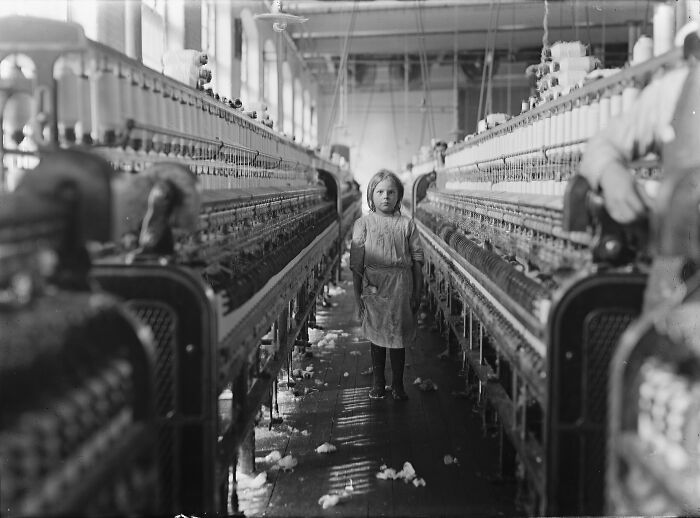
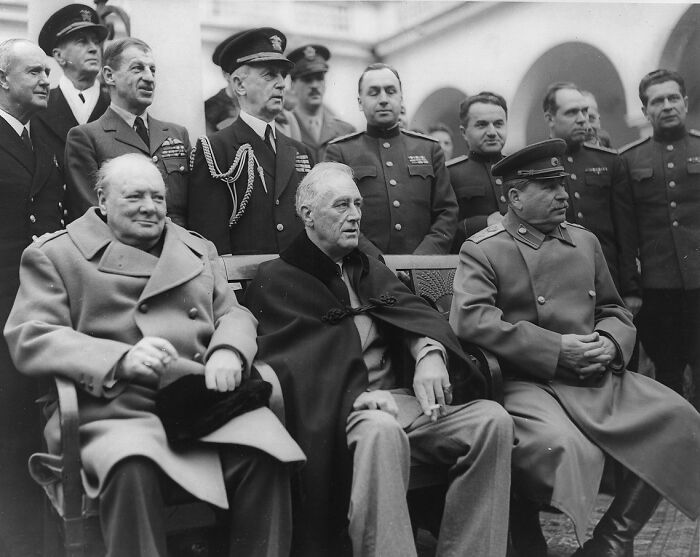
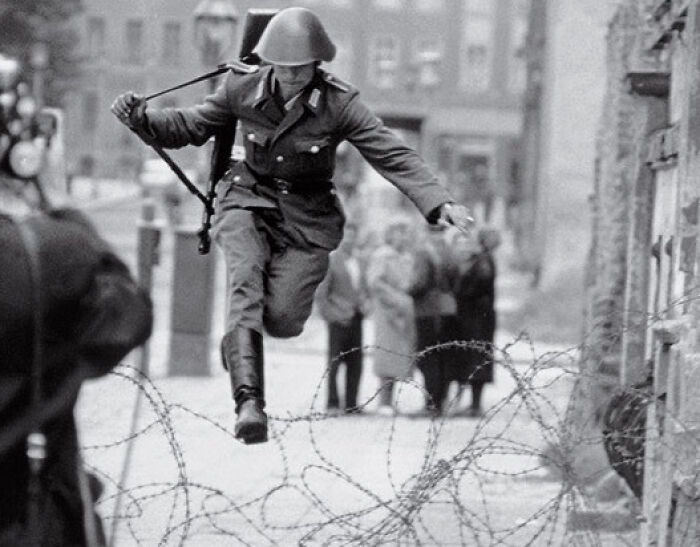
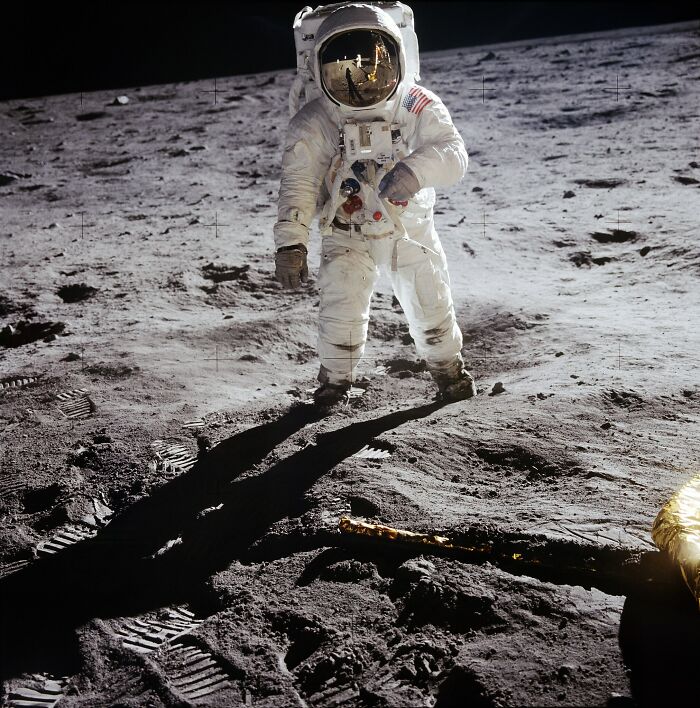
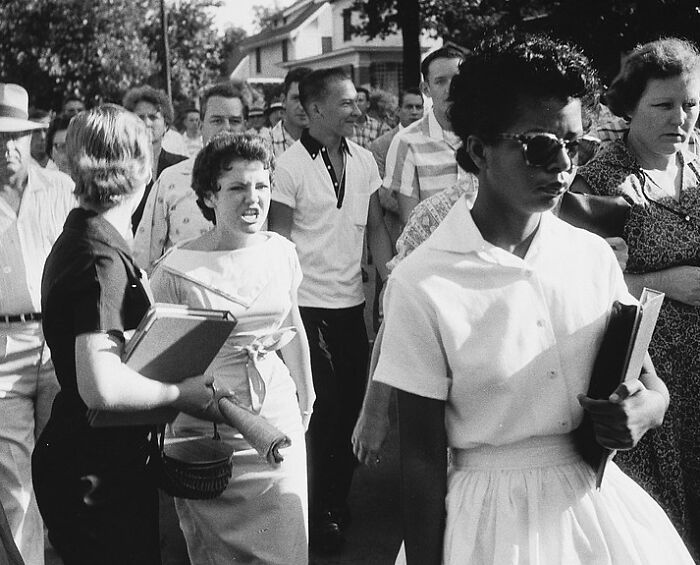
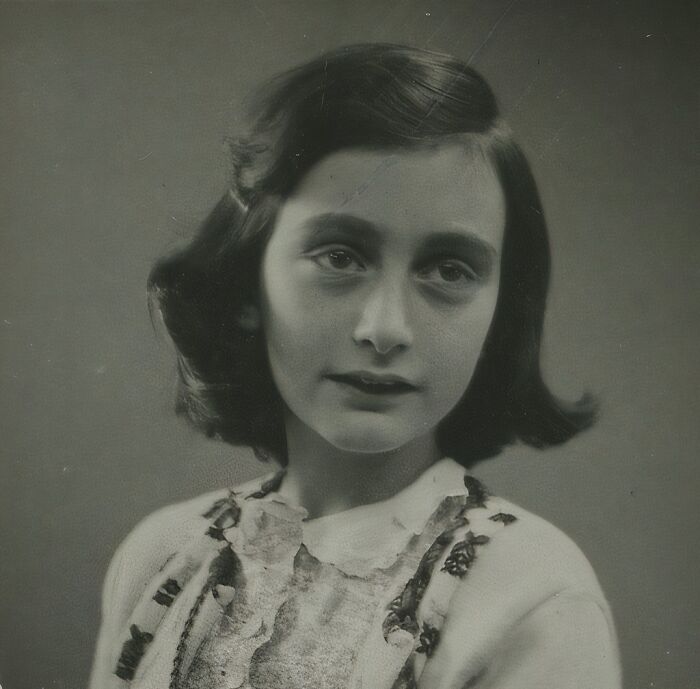
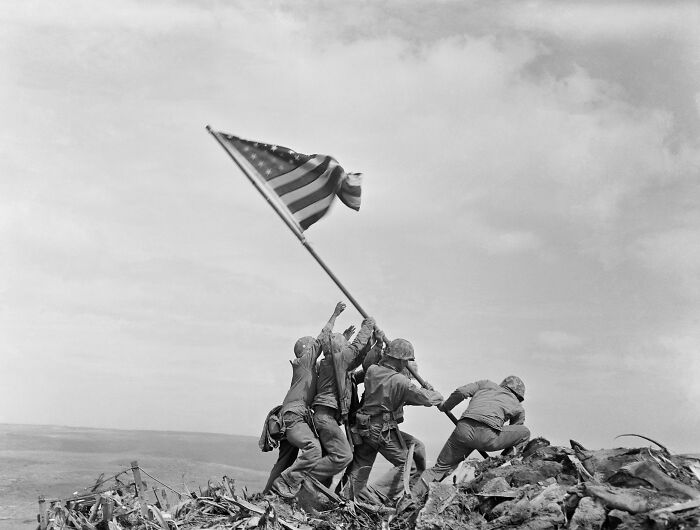
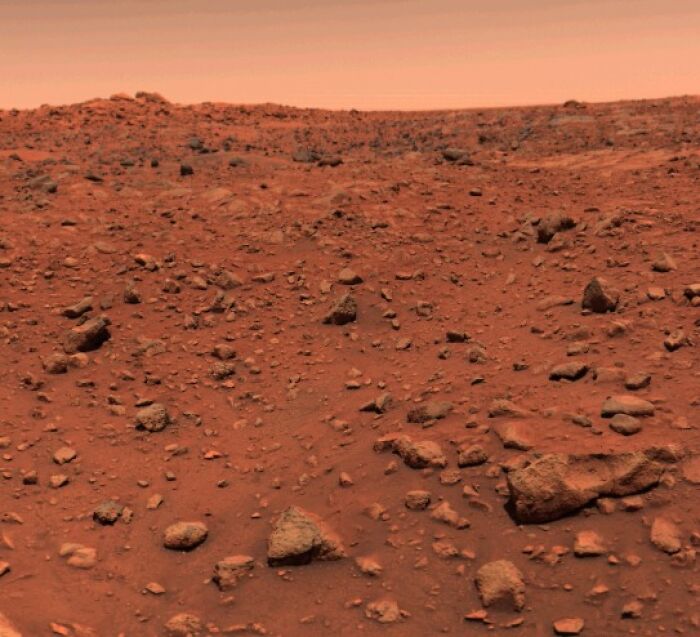
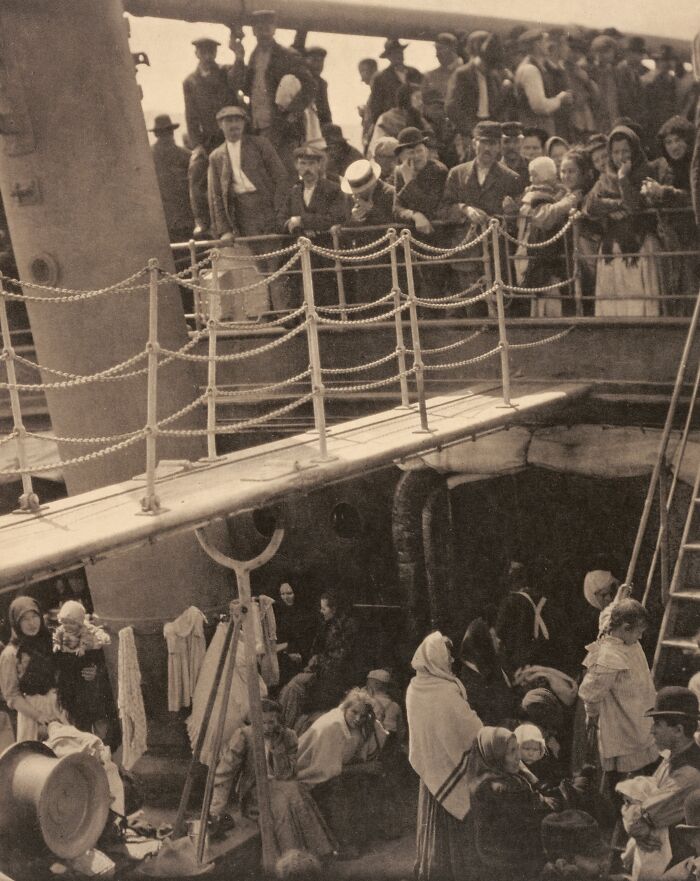
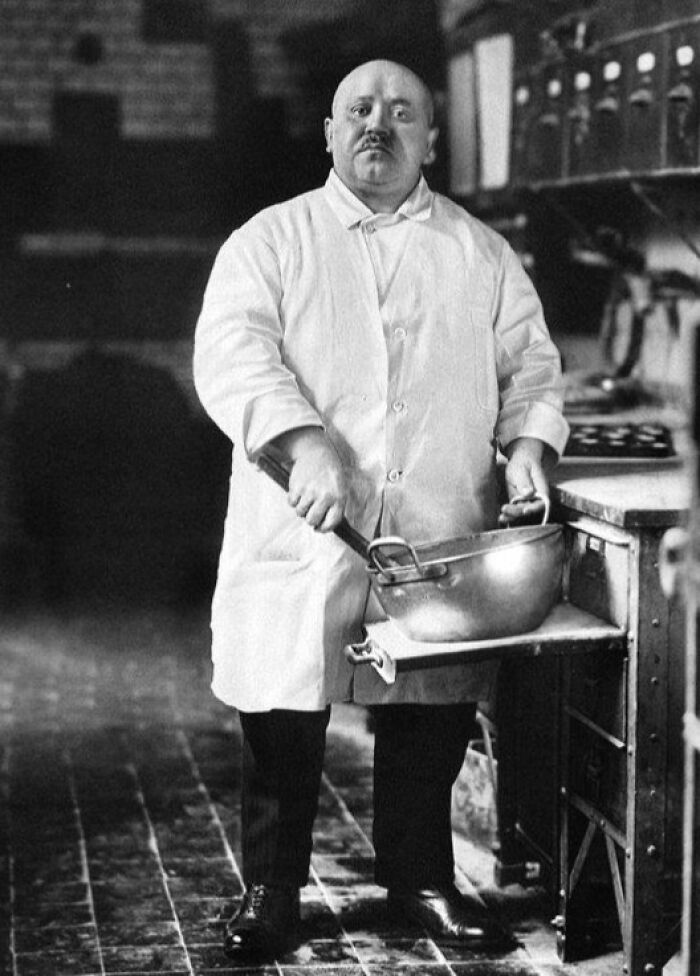
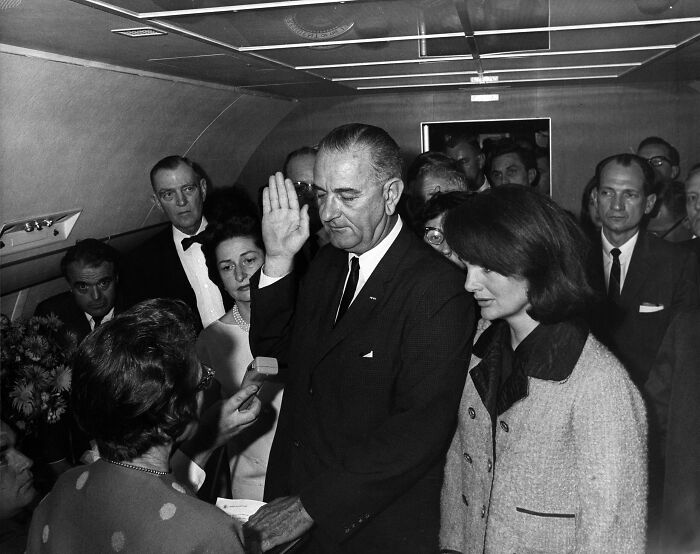
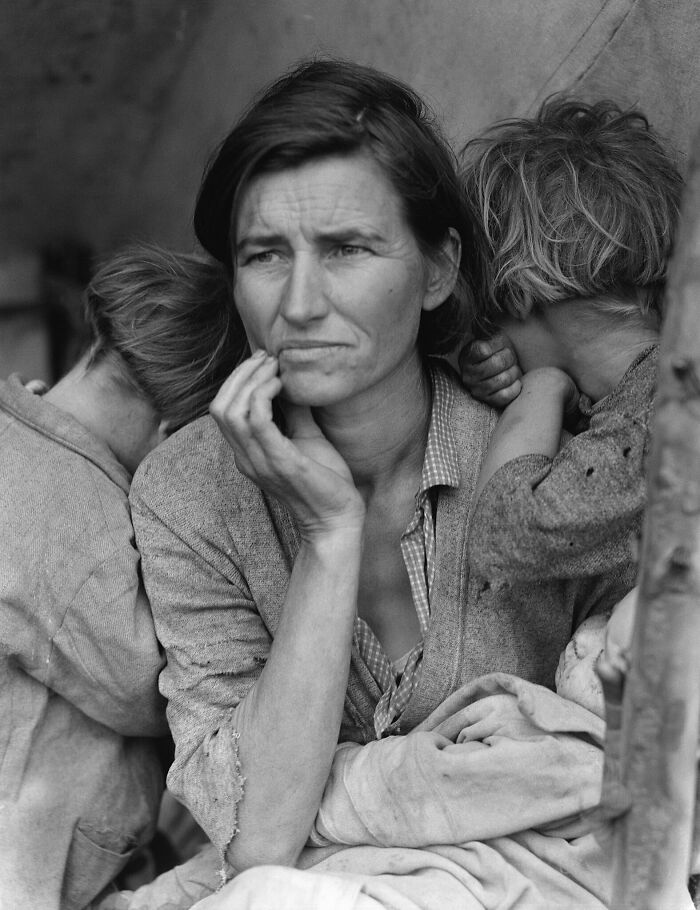
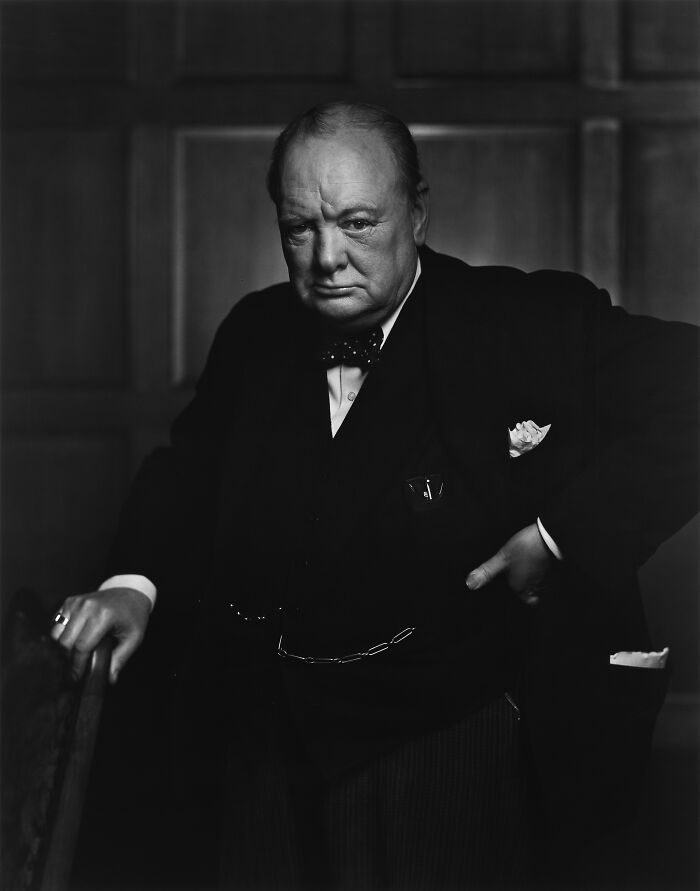
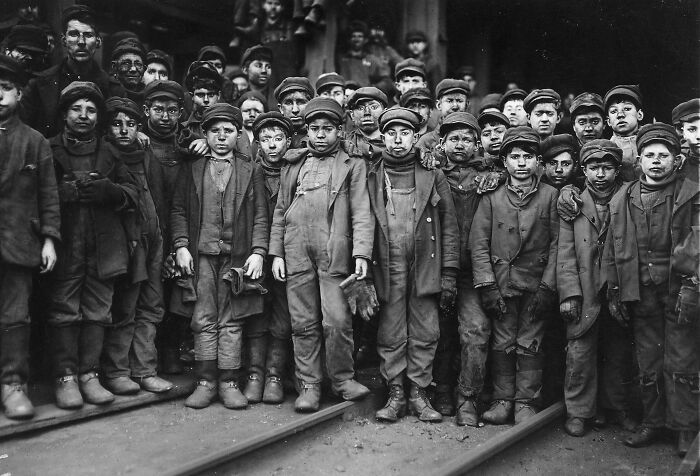
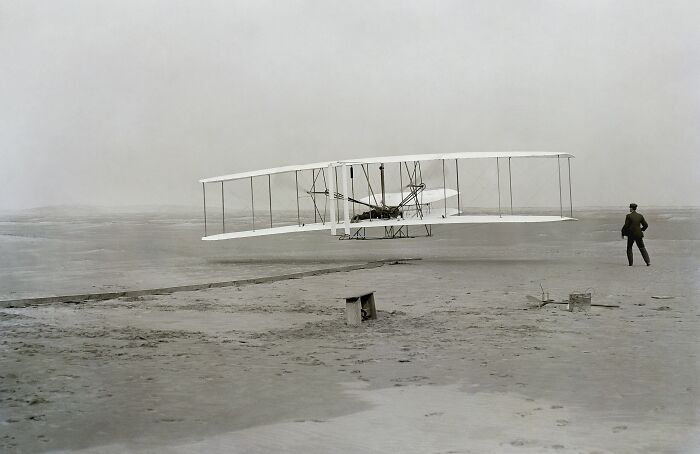
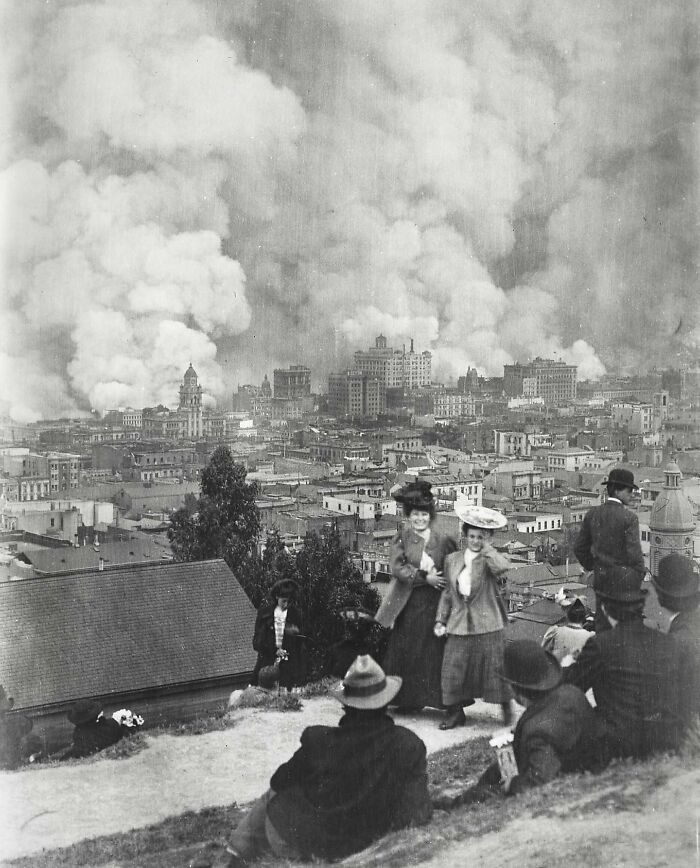
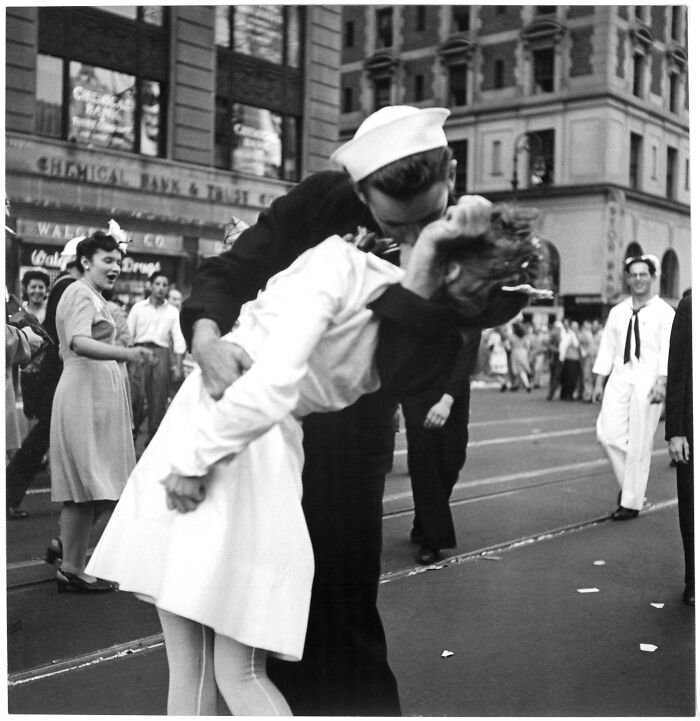
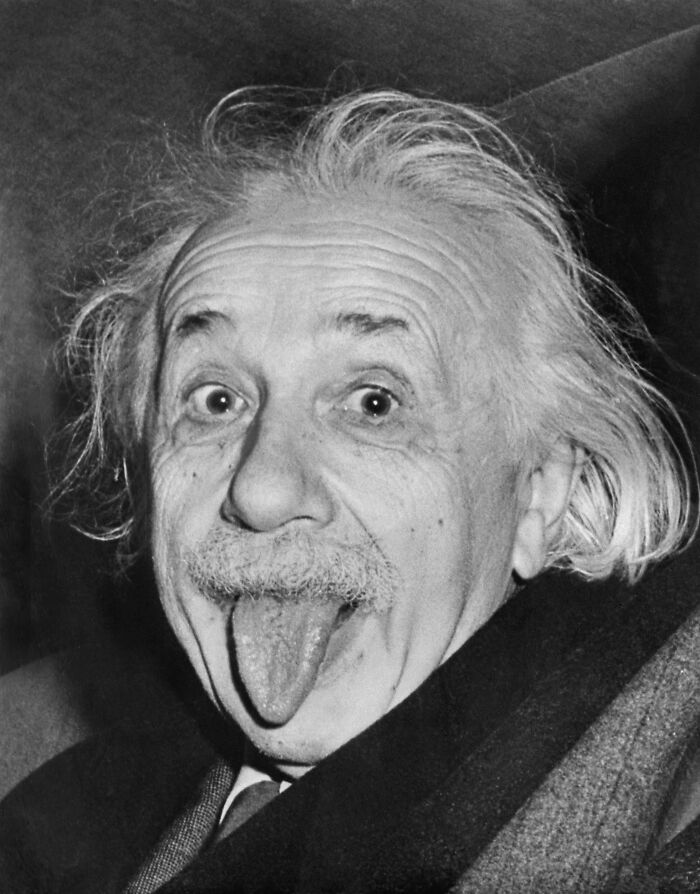
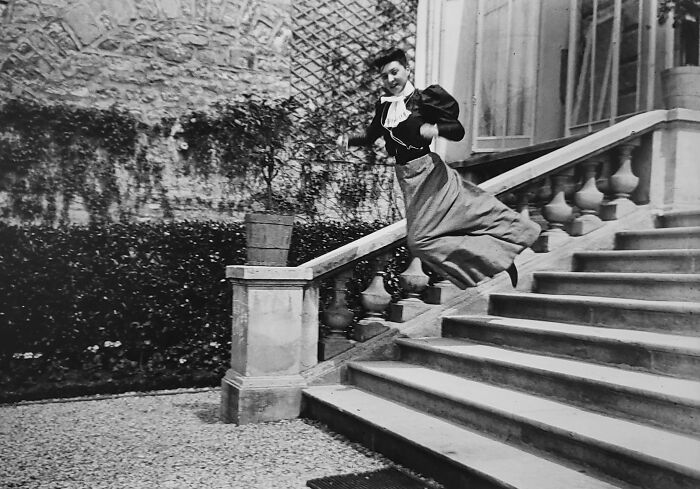
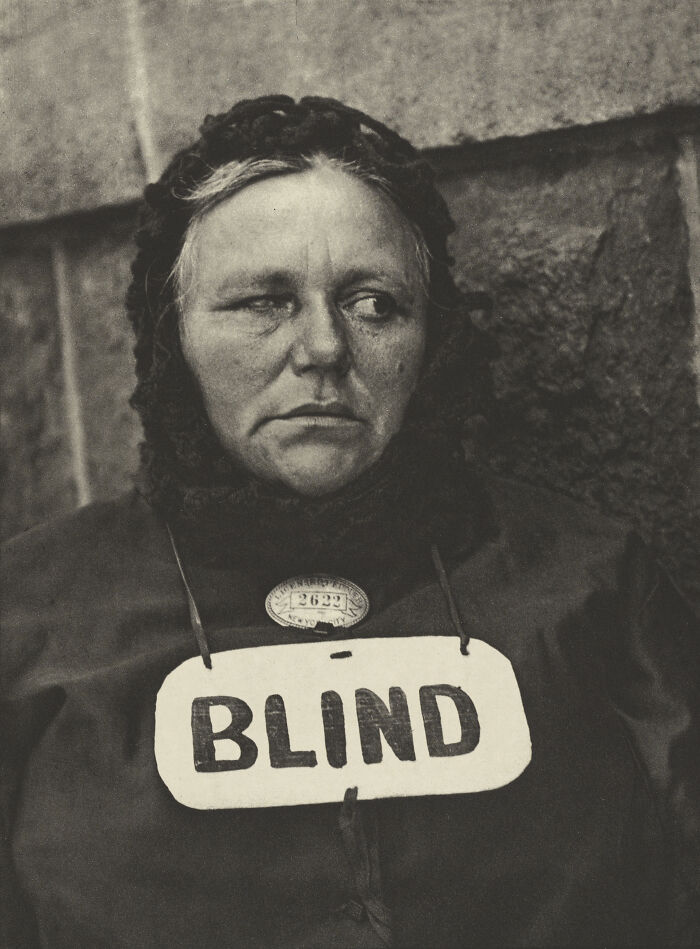
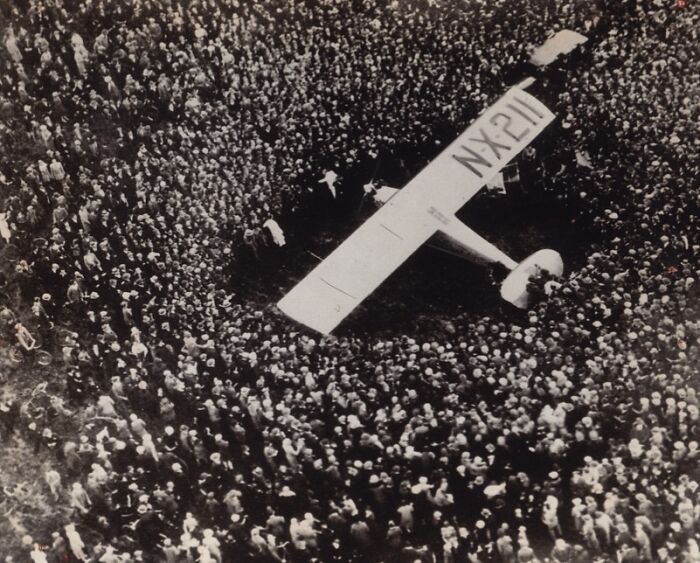
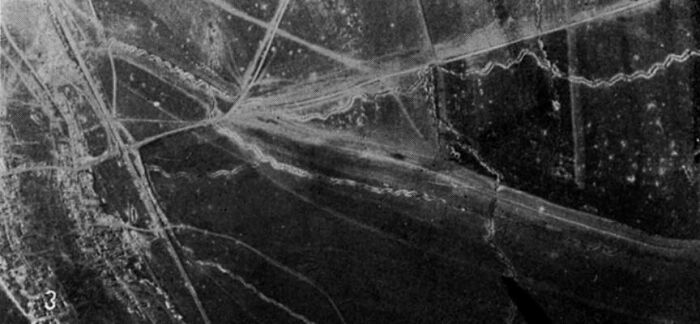
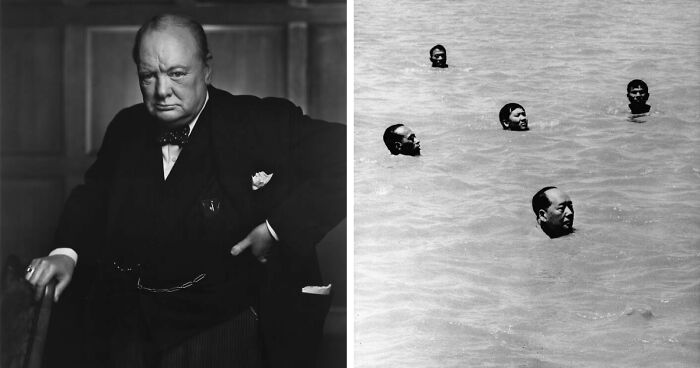
The 20th century was a tumultuous, revolutionary era, and for the first time in human history, its story was captured not just in words, but on film. These 46 images have become historical artefacts in their own right, after searing themselves into our collective memory. They transport us from the corridors of power where Churchill, Roosevelt, and Stalin redrew the world map, to the dusty fields of California where a migrant mother’s face became the symbol of a national struggle. In these frames, we witness humanity's greatest triumphs, like the first tentative flight at Kitty Hawk and the giant leap onto the moon, alongside its deepest shames; from the grim faces of child laborers to the ugly jeers of a hateful mob. Each picture is a pivotal moment, a turning point that shaped the world we inhabit today.
This post may include affiliate links.
The exhaustion in FDRs face and those emaciated legs hidden under expensive trousers. Really brings home how much his massive willpower overcame his physical limitations.
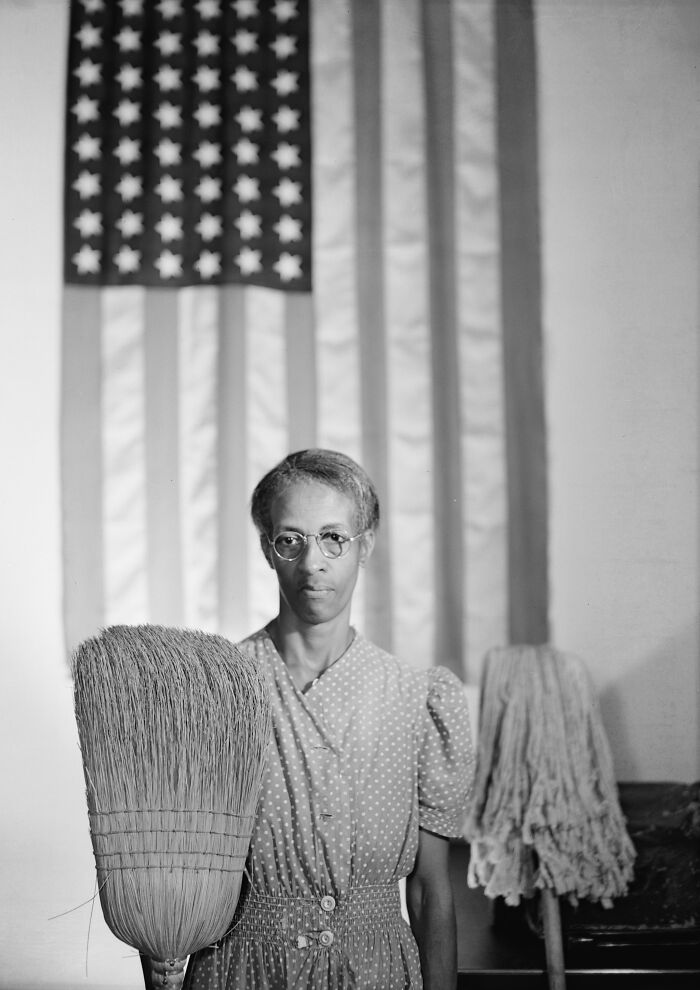
From Wikipedia: American Gothic is a photograph of Ella Watson, an American charwoman, taken by the photographer Gordon Parks in 1942. It is a reimagining of the 1930 painting American Gothic by Grant Wood.
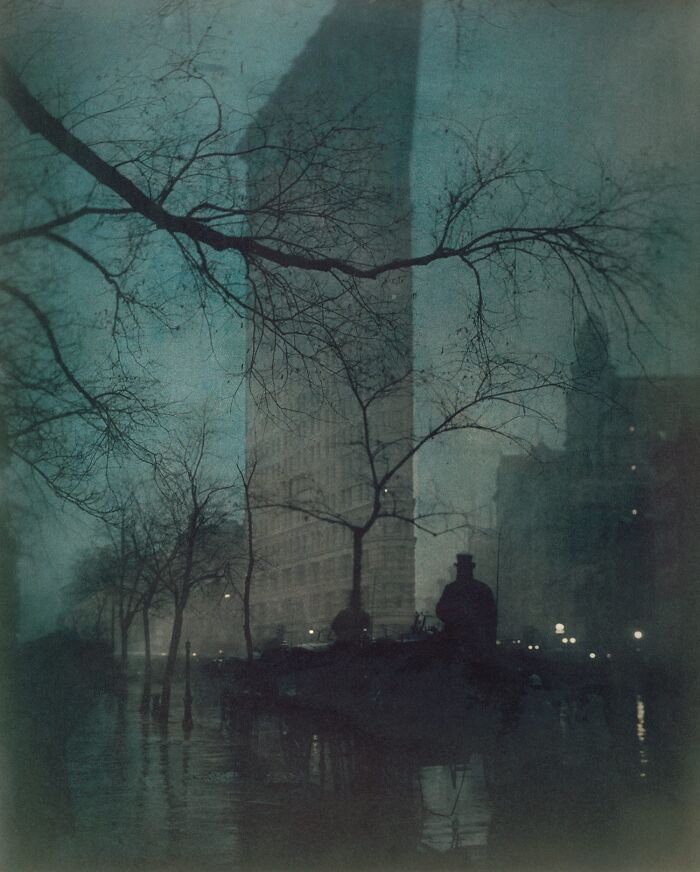
From Wikipedia: The Flatiron is a colored photograph made by Luxembourgish American photographer Edward Steichen. The photograph depicts the recently erected Flatiron Building in New York... The original negative was made in 1904 and spawned three platinum-gum exhibition prints in brown (1905), blue-green (1909), and yellow-green-black. Using different proportions of pigments in each gum process, Steichen was able to create these three unique platinum-gum prints.[1]: 187–188 The photograph's most notable variant is the blue-green version, which, according to Penelope Niven, became "widely reproduced from 1909 onward" because of its intense color contrasts.[1]: 187 The significance of the prints as a whole comes from how they showcase what Niven refers to as the "artistic potential" of photography.





























 No fees, cancel anytime