Get Premium
Dark mode theme is available exclusively for premium users. Learn more about the benefits of subscribing.
No fees, cancel anytime.

 Dark Mode Ad-Free Browsing Unlimited Content
 Ad-Free Browsing Unlimited Content Dark Mode
Join 1.2 million Panda readers who get the best art, memes, and fun stories every week!


Whether we like it or not, none of us are getting any younger. Days go by, seasons change, years pass and become history (this is a good thing when it comes to 2020), but most of us feel like things happened yesterday.
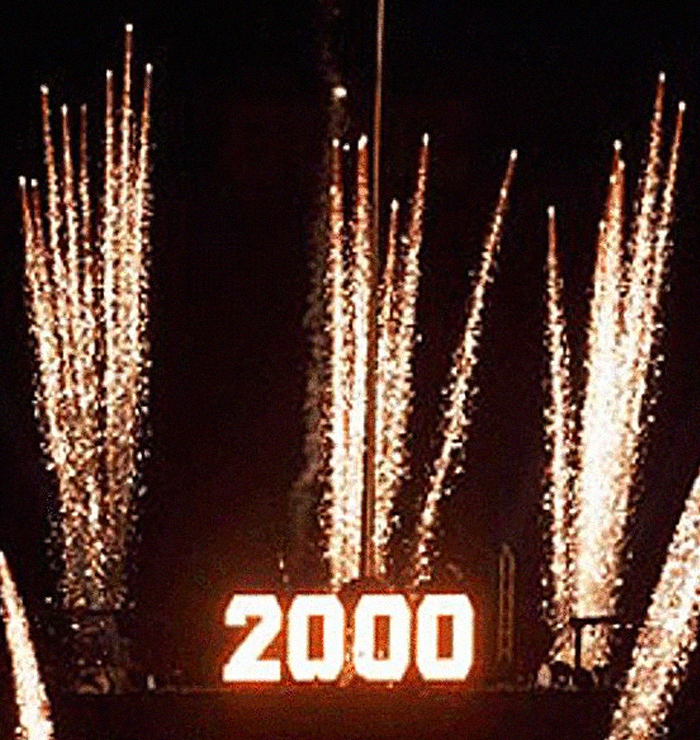
But to find out the real pace of time, one has to look at hard, cold facts. Like, Bart Simpson turning 41. Oops! Did I just ruin The Simpsons for you? Or the fact that we are closer to 2030 than we are to 2000, which feels like a winter ago.
This is just the tip of the iceberg and this time, we will be looking at some of the most age-defying, random, and, honestly, kinda useless facts. So let’s get our popcorn ready, ‘cause we’re all about to feel like a grandpa.
Discover more in 35 Random Facts That Show How Cruelly Fast Times Flies By
Click here & follow us for more lists, facts, and stories.
This post may include affiliate links.
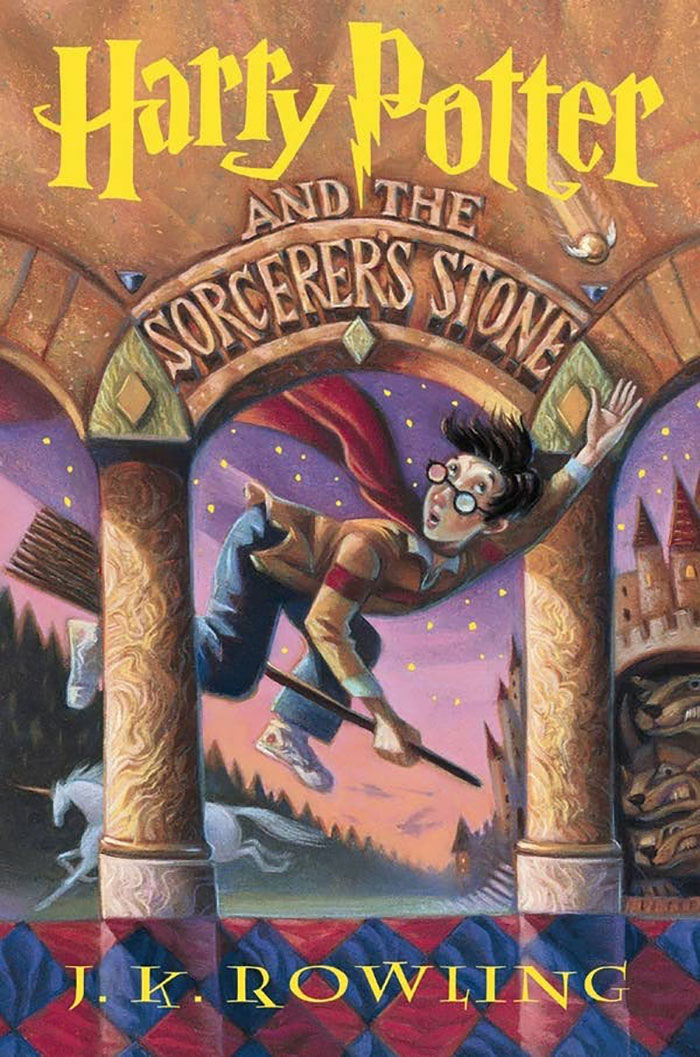
 Harry Potter and the Philosopher's Stone, Shrek, and Ocean’s Eleven were released in the same year. It’s been 19 years since
Time is one tricky nut to crack. Many songs have been written about it, and many philosophers throughout history have devoted their time and effort to explain it. And even if there’s a lot we don’t understand about it, we at least know that there’s a phenomenon about the passage of time that makes it feel like time is speeding up faster as you get older.
Scientists have different theories for this and Bored Panda reached out to author and lecturer Steve Taylor, who wrote the book “Making Time” dedicated to the subject matter. “Most experts on time perception believe that the speed of time relates to information processing—that is, the more information we process, the slower time seems to pass,” Steve told us.
For example, when you take in lots of information, perceptions, and experiences in a short space of time, it feels that this period of time is way longer than usual. This commonly happens when you travel abroad and find yourself in a completely new environment.“
As we become adults, we begin to ‘switch off’ to the wonder and is-ness of the world around us, gradually stop paying conscious attention to our surroundings and experiences.” As a result, we gradually take in less information, which means that time passes more quickly. Time becomes way less "stretched" with information.
Steve explained in line with the above that “the main reason why time seems to pass so slowly for children is because of the massive amount of perceptual information that they take in from the world around them.”
While young children live in a world that’s more intense, more real, and more fascinating and beautiful, adults lose this intensity of perception, and the world becomes a more familiar place.No wonder many people have fears related to the passage of time and getting older.
“A lot of people feel that time is the enemy, because we can't keep up with deadlines and appointments, and so we feel stressed. We also don't like the idea of getting older and moving closer to our death.” And Steve suggests that the key to overcoming them is rather simple—learning to live fully in the present.
“In a sense, the past and the future are illusions. They only exist as ideas. The future seems to exist because we imagine it, and the past seems to exist because we remember it. But neither of them are actually real.”
In the end, Steve assured us that all we have is the present. "If we give our whole attention to the present moment, paying full attention to our surroundings and experiences, lives become richer and more contented.”
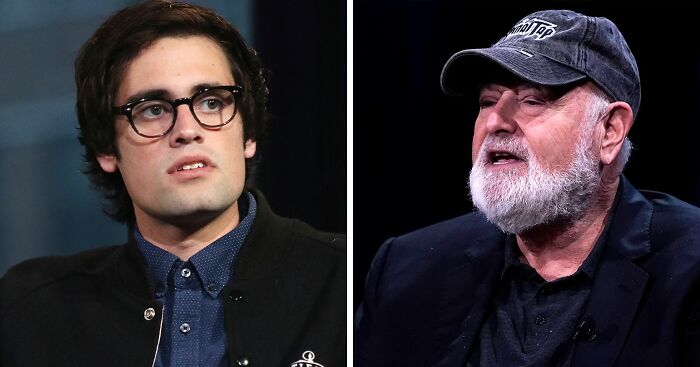
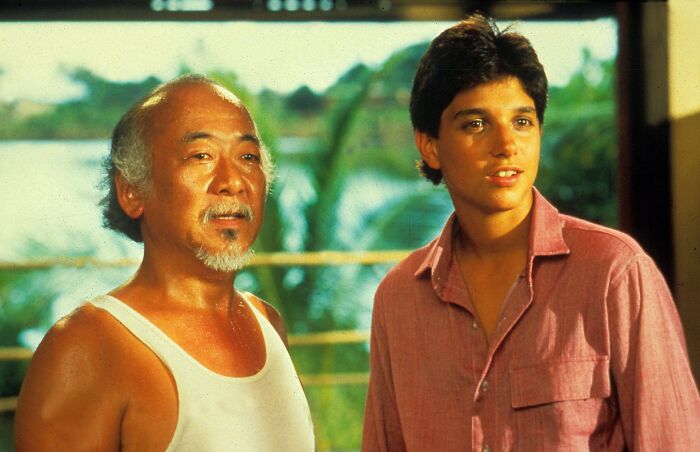 Ralph Macchio, the actor who played Daniel LaRusso, is now older than Mr. Miyagi was when Karate Kid came out
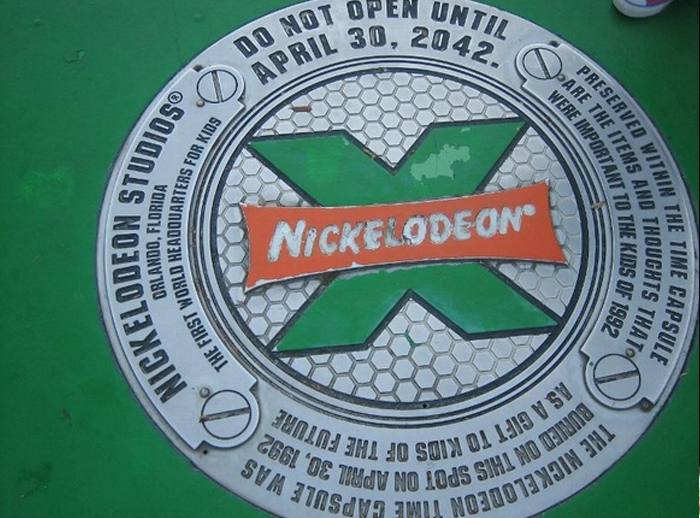 Today, we're closer to the opening of the Nickelodeon time capsule than to when it was buried
 While you were watching Hercules in movie theaters, Kylie Jenner was not even born yet











 No fees, cancel anytime
 then open in external browser


 and click "Open in External Browser"