Get Premium
Dark mode theme is available exclusively for premium users. Learn more about the benefits of subscribing.
No fees, cancel anytime.

 Dark Mode Ad-Free Browsing Unlimited Content
 Ad-Free Browsing Unlimited Content Dark Mode
Join 1.2 million Panda readers who get the best art, memes, and fun stories every week!
If we set aside elephants and blue whales for a moment and shift our focus to the other end of the size spectrum, the world of tiny animals is truly astonishing. Measured in millimeters, these miniature creatures still play crucial roles in their ecosystems.
There are frogs that can sit comfortably on your fingertip, reptiles no bigger than a peanut, and even animals invisible to the naked eye. Despite their size, they’ve evolved to thrive in extreme environments, often using their tininess to their advantage. They hide in plain sight from predators, endure harsh climates, and reproduce in large numbers.
The smallest animals on Earth aren’t just the bugs that might come to mind. Some mammals, vertebrates, and aquatic species have incredibly tiny relatives that defy expectations. Explore the world of these minuscule organisms and discover which ones truly deserve the title of the world’s smallest animal.
This post may include affiliate links.
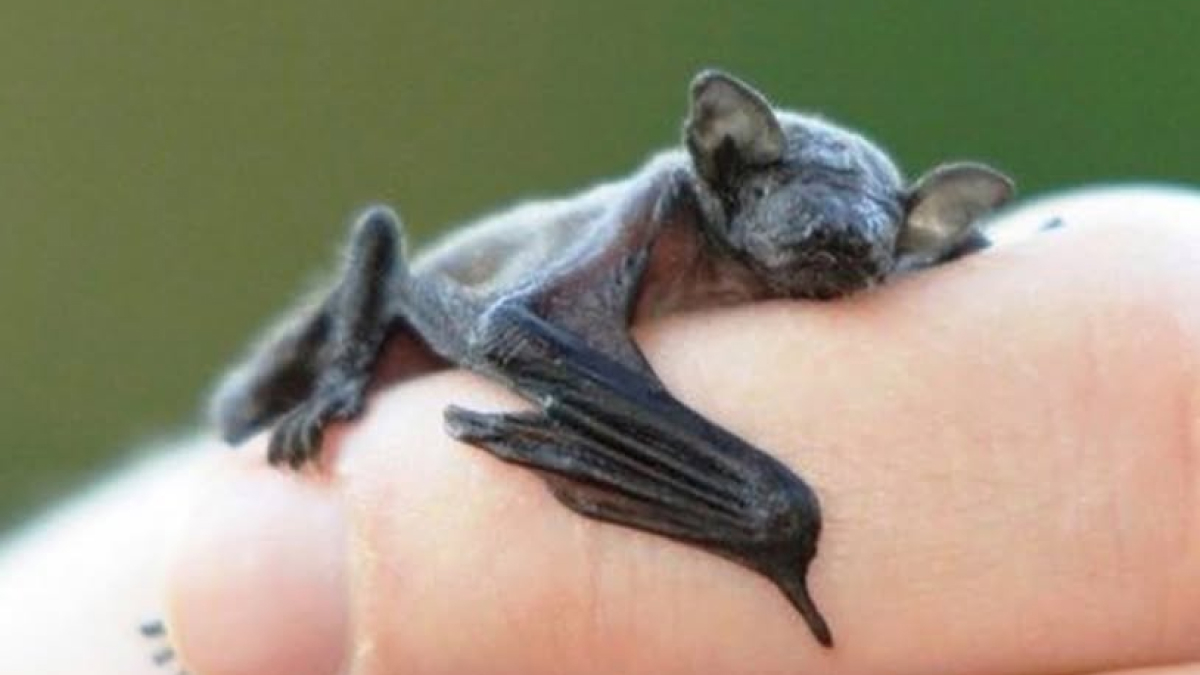
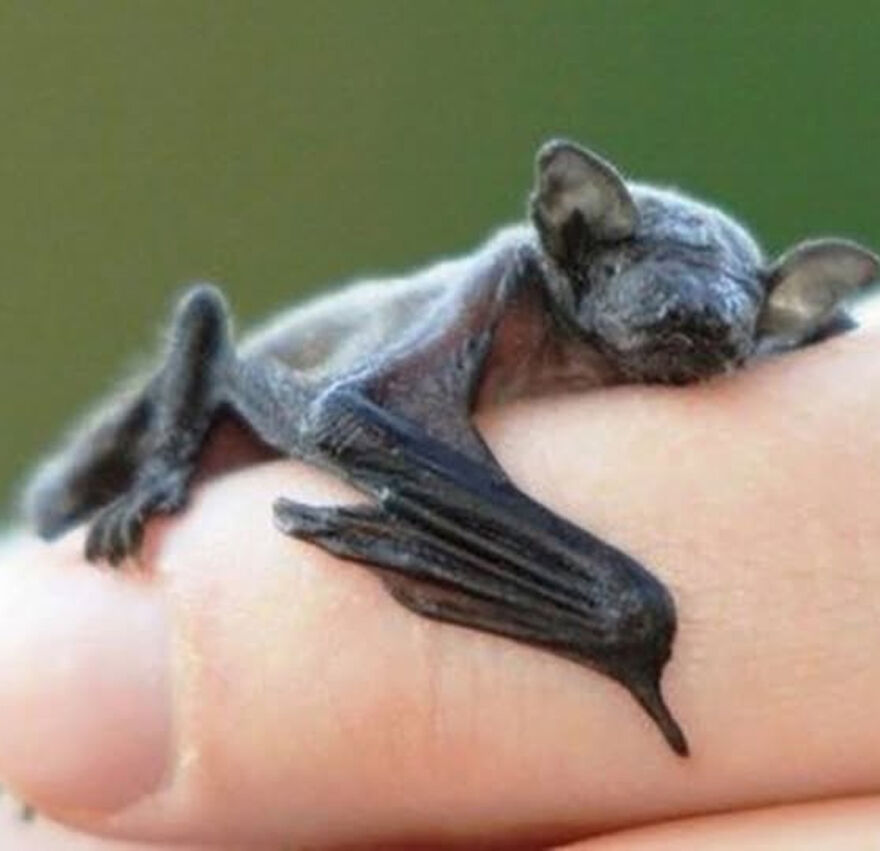
Also known as Kitti’s hog-nosed bat, the bumblebee bat is the world’s smallest bat and, by body size, the smallest mammal. It measures about one inch long, roughly the size of a paperclip. Its pig-like snout gives it the "hog-nosed" nickname.
These bats roost in caves and limestone hills, typically in small groups of ten to fifteen. Because of their tiny size, they conserve energy by limiting activity to brief bursts at dusk and dawn. They forage for only about thirty minutes each day, using echolocation to locate and snatch insects mid-air.
Bat Conservation International explains that the species uses echolocation to pinpoint its prey, even in total darkness. Sadly, the International Union for Conservation of Nature listed the bumblebee bat as near-threatened in 2019.
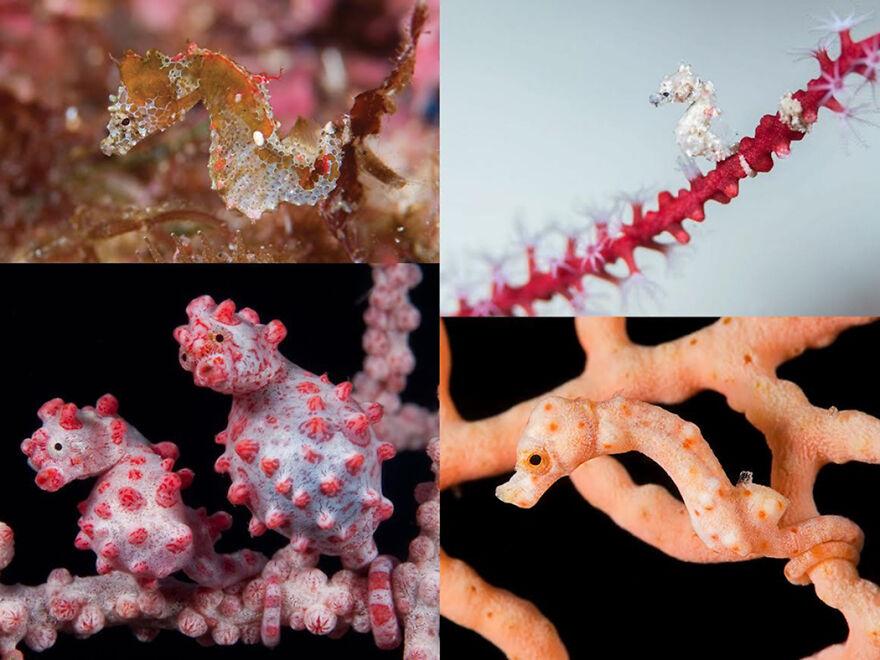
Denise’s pygmy seahorse, named after underwater photographer Denise Tackett, was first documented by her and her husband in its natural habitat.
This tiny fish reaches about 2.4 cm in length, roughly the size of a fingertip. Despite its size, it’s surprisingly skilled.
A 2003 study in Zoological Studies reported that the species lives at depths of 13 to 90 meters in coral reef environments. Its skin can range from yellow to orange, blending in perfectly with its surroundings. This camouflage helps it ambush prey and evade predators.
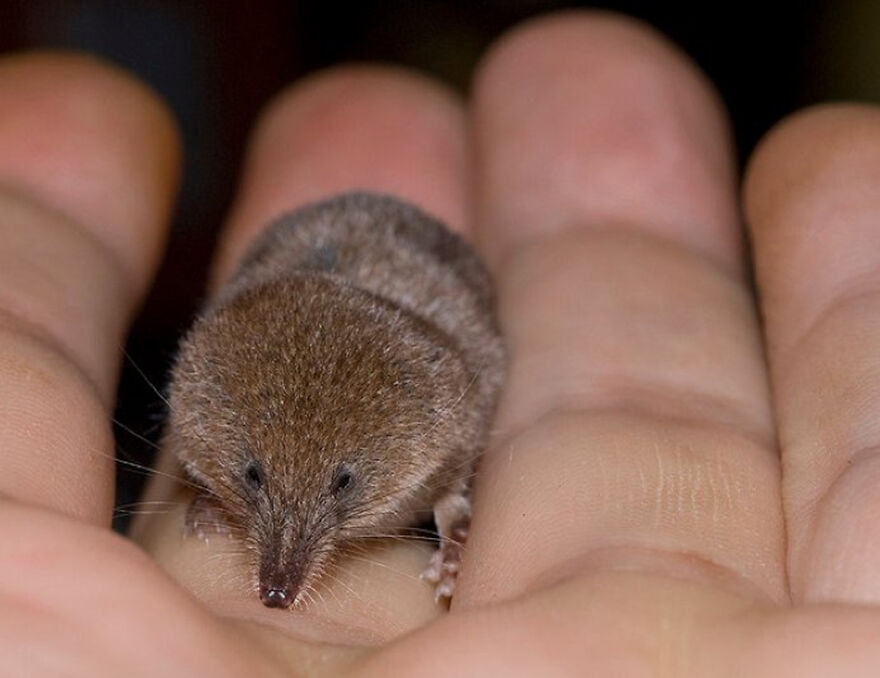
Suncus etruscus, the Etruscan pygmy shrew, is the smallest mammal by body weight. It weighs around 1.8 grams and measures just 4 cm long, according to Scholarpedia. Despite its size, this tiny mammal has a huge appetite, eating nearly twice its own weight in food daily.
A 2011 study in the Philosophical Transactions of the Royal Society notes that the shrew lacks slow muscle fibers. Instead, its muscles are built for speed, enabling fast, twitchy movements that make it an efficient predator. It mainly feeds on small invertebrates but has also been observed hunting lizards and rodents of its own size.
Because of its tiny body, the shrew loses heat rapidly and faces the risk of freezing. Its constant, rapid movement helps generate heat and maintain its body temperature.



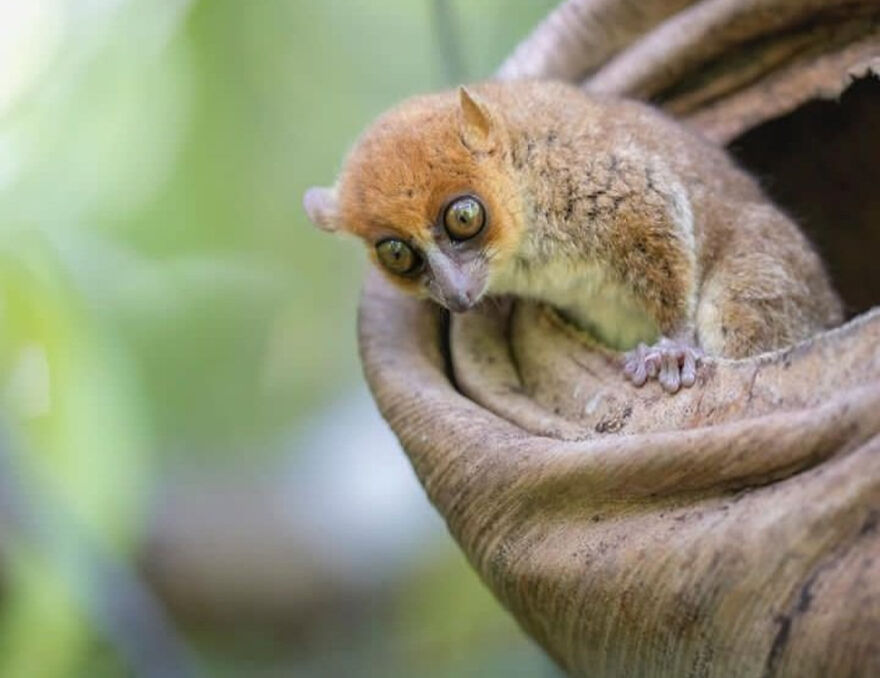
The mouse lemur is the world’s smallest primate, measuring just 20 to 30 centimeters in total length, including its tail. It weighs between 30 and 65 grams. A 2015 study in the American Journal of Physical Anthropology found that this species has the highest relative testes volume among primates, which may explain its rapid reproductive rate. These primates are abundant throughout Madagascar.
According to a 2003 study, mouse lemurs have a highly promiscuous breeding system. During mating season, male testicles enlarge significantly to boost sperm production and maximize reproductive success.
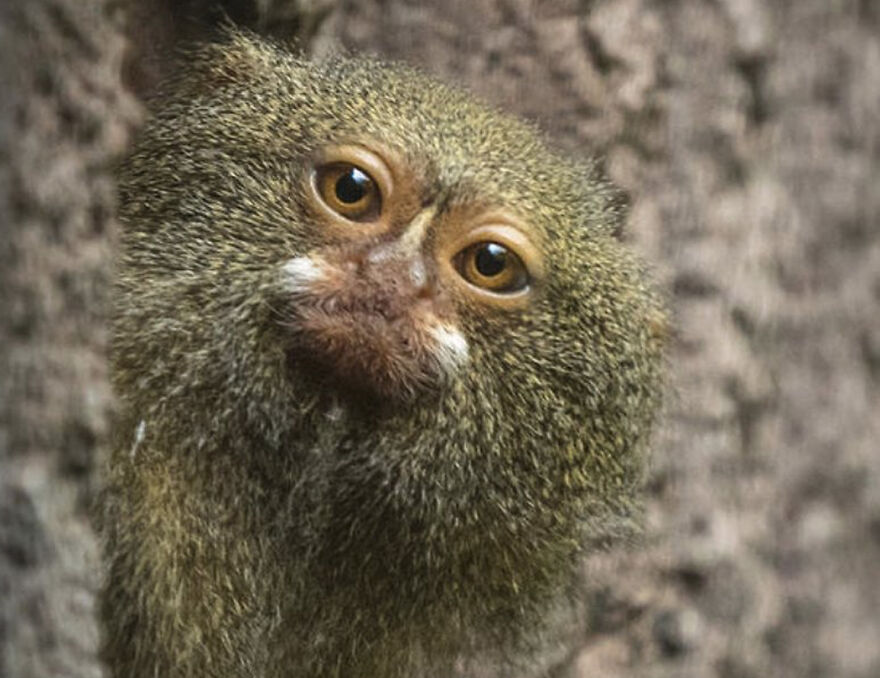
The pygmy marmoset, also known as the “finger monkey,” is the smallest actual monkey in the world. It lives in the forests near rivers in Brazil, Peru, and Bolivia. According to the New England Primate Conservancy, it stands just 4 to 6 inches tall and can easily fit in the palm of a hand.
Pygmy marmosets can rotate their heads 180 degrees, an ability that helps them navigate their treetop habitat. They primarily feed on tree sap and gum, using specially adapted teeth to dig into bark. These monkeys are also known for their sophisticated vocalizations, which they use to locate one another in the dense forest.
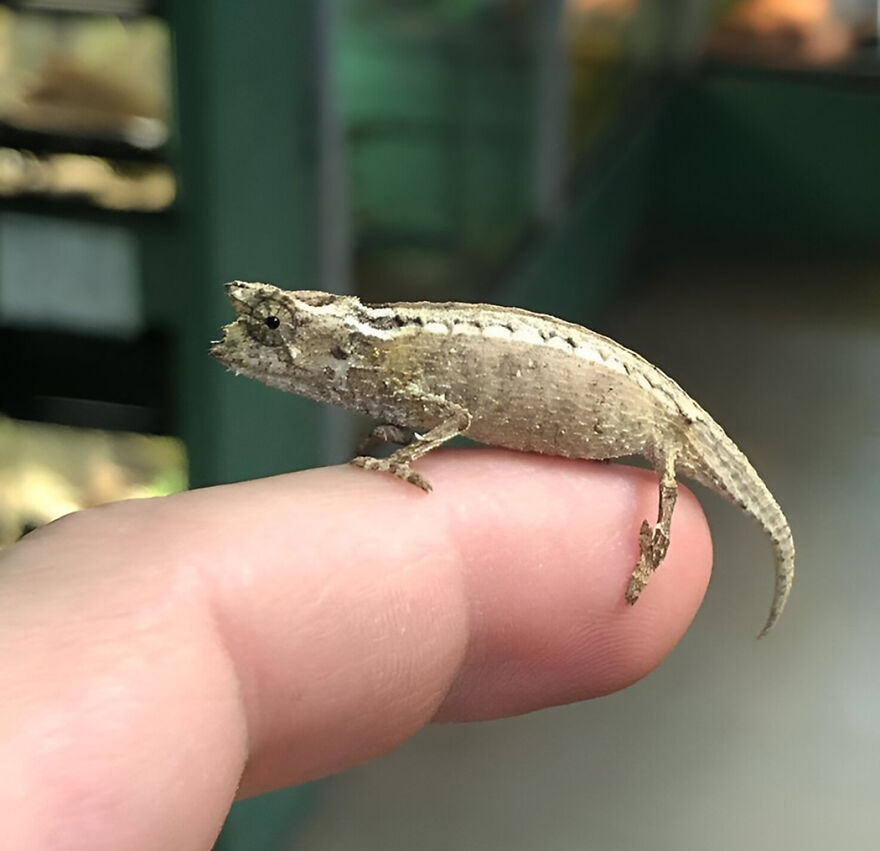
The male Brookesia nana, a species of chameleon, is about the size of a seed, measuring just 0.53 inches long. Females are slightly larger, growing roughly 0.3 inches longer, according to a 2021 study in Scientific Reports. Unlike other chameleons, this species does not change color.
Native to the rainforests of northern Madagascar, these reptiles are critically endangered due to ongoing deforestation in the region.
By day, they hunt invertebrates, such as mites, on the forest floor. At night, they hide beneath blades of grass to avoid predators, taking advantage of their tiny size.
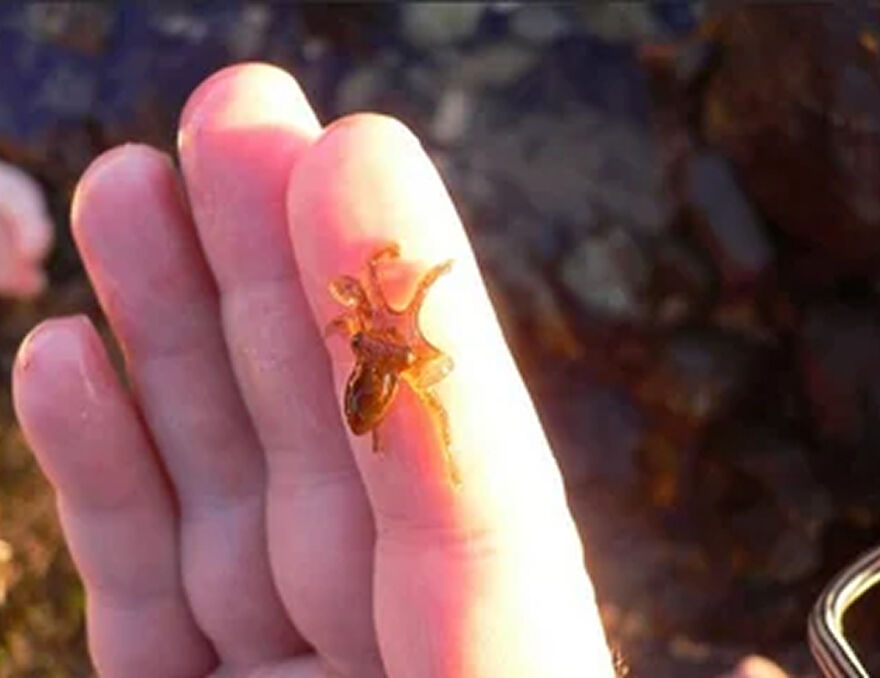
The star-sucker pygmy octopus, or Octopus wolfi, is the smallest known octopus species. It measures about one inch and weighs less than a gram. These rare creatures are found in the western Pacific Ocean, typically at depths of up to 30 meters, according to SeaLifeBase.
Octopus wolfi feeds on tiny marine organisms like crustaceans and plankton, using specially adapted suckers. Its semi-transparent skin helps it blend into its surroundings and avoid predators. Males have distinctive hair-like fringes around their suckers that resemble stars, which earned the species its nickname.
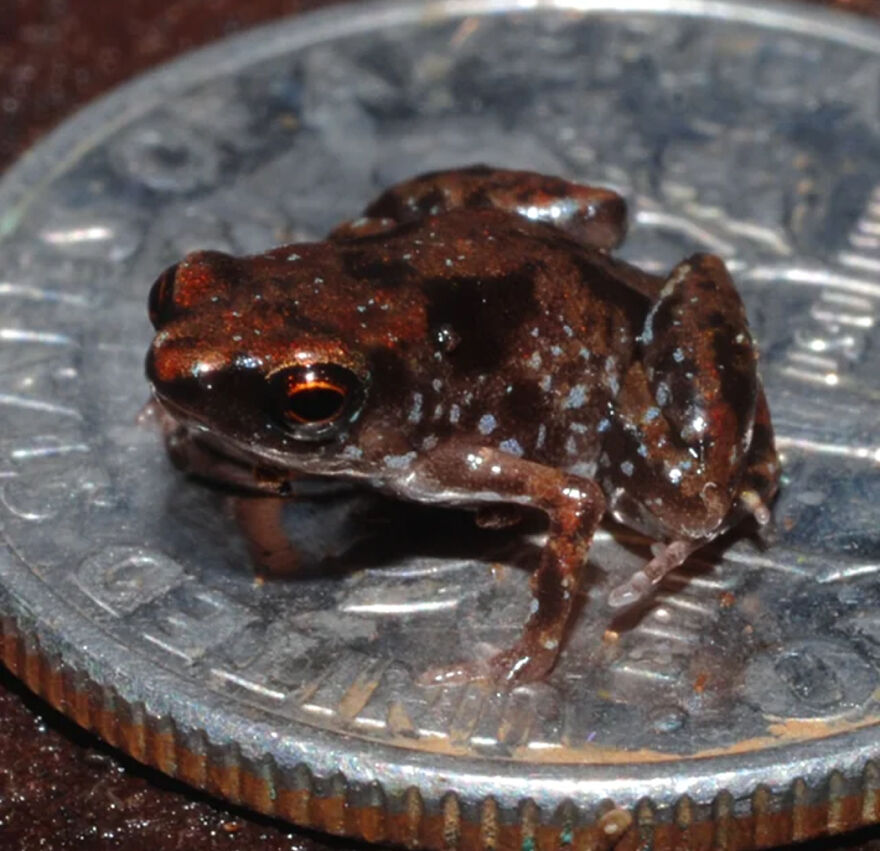
The New Guinea Amau frog, Paedophryne amauensis, is roughly the size of a pencil eraser. A 2012 study in PLOS One confirmed its length at just 7 to 8 millimeters, making it the smallest known vertebrate.
These tiny amphibians are so elusive that only males have been observed so far, limiting our understanding of their reproduction. Unlike most frogs, they skip the tadpole phase entirely. Their eggs hatch directly into miniature adults.
Due to their small size, they lose moisture quickly and can’t live in water where predators abound. Instead, they rely on camouflage and spend their lives hidden in leaf litter on the forest floors of tropical hills.
When threatened, they can leap more than thirty times their own height to escape danger.
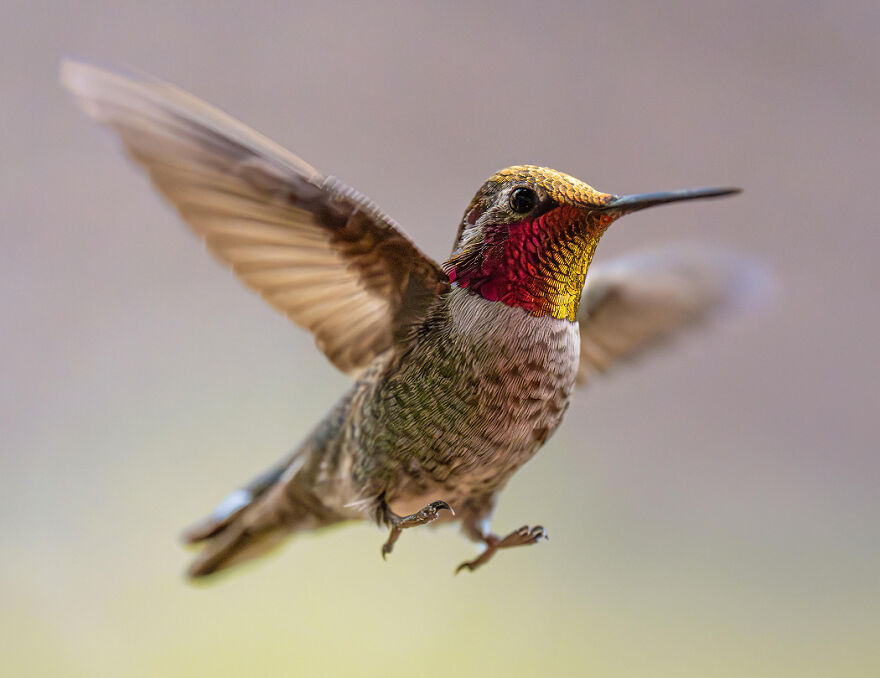
Native to Cuba, the bee hummingbird is the world’s smallest bird. A 2021 study in Ornitologia Neotropical reports that both males and females average about 2 inches in length, with females being slightly larger.
Despite their size, these birds are agile fliers. Like other hummingbirds, they have iridescent feathers that shimmer and change color with the light. This not only makes them visually striking but also helps with camouflage, attracting mates, and signaling.
As pollinators, bee hummingbirds play a key ecological role. While feeding on nectar, they collect pollen on their heads and bills, then transfer it as they move from flower to flower.

The last hummingbird at our feeder left about 2 weeks ago, heading south for the winter. Miss those little guys!
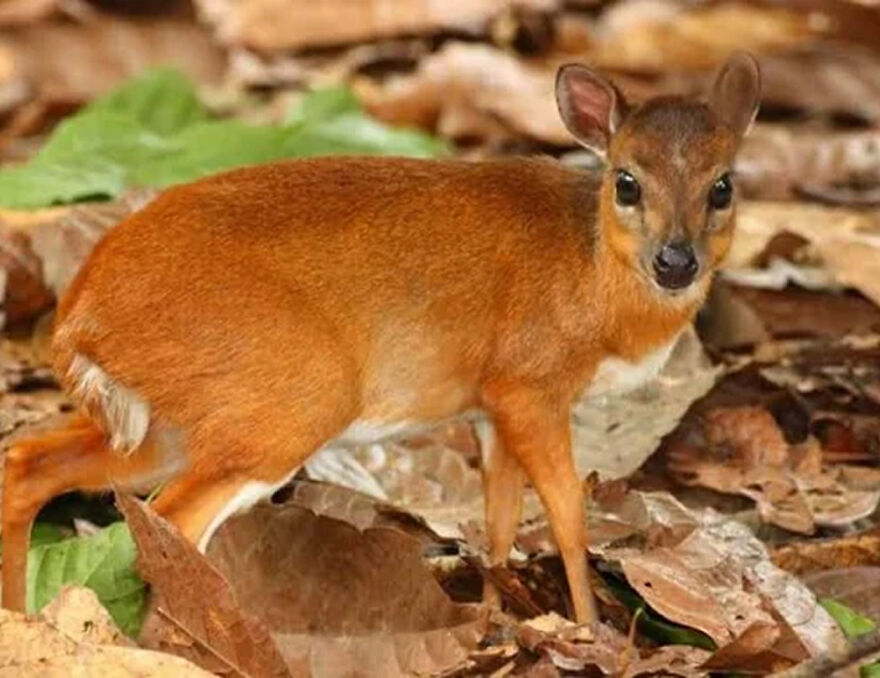
Neotragus pygmaeus, known as the royal antelope, is the smallest recognized member of the antelope family. It stands just 10 inches tall and weighs about 3 kilograms, as noted in a 2013 paper in Mammals of Africa. This species inhabits the warm forests of West Africa, including Ghana, Liberia, and Côte d’Ivoire.
A nocturnal herbivore, the royal antelope feeds on grass, leaves, and fruit at night and spends the day resting and digesting. Ultimate Ungulate describes it as shy and elusive, often hiding when disturbed.
Despite its small size, it can leap up to 8 feet in a single bound, according to the SCI Record Book.
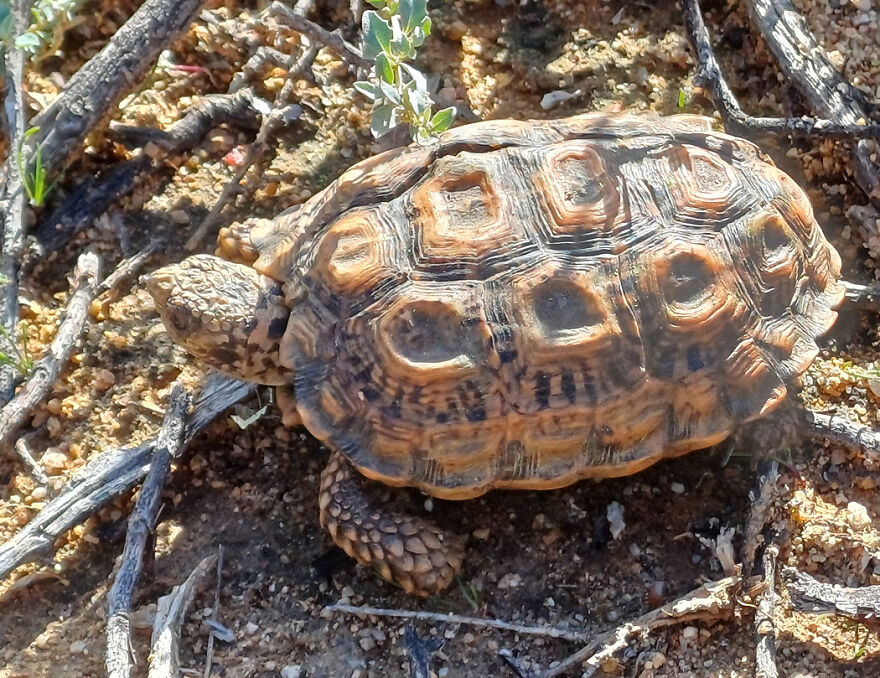
The speckled Cape tortoise, also known as the speckled padloper, is the smallest species of the tortoise family. Females are generally larger than males, measuring almost 5-11 cm in length, while males are about 5-9 cm, according to a 2018 study published in the IUCN. This tiny tortoise is mainly found in rocky areas in the western part of South Africa.
This species is easily distinguished from others in its genus by its speckles, which gave it its name. It also has an unusual five toes instead of four, as seen in other members of the group.
Living in rocky environments makes it a bit challenging to find food, so the speckled tortoise must eat the plants it can reach between the rocks.
The fairyfly holds the record as the smallest known adult insect. A 2018 paper in Current Biology reports that this parasitic wasp measures just 0.139 mm in length.
It’s even smaller than most single-celled organisms. The fairyfly lives nearly its entire life inside the egg of its host, the bark louse. At about the width of a human hair, it’s virtually invisible and undetectable by touch.
Male fairyflies are significantly smaller than females, who can grow up to 4 mm. The males are blind and wingless, using long legs to cling to females during mating. Females, by contrast, have compound eyes and long antennae to locate hosts and lay their eggs.
Although their lifespan is short, these insects remain safe from predators by hiding within their host's egg.
The adult form of Myxobolus shekel measures 8.5 micrometers, making it the smallest animal known, according to Guinness World Records. These animals are so small that they can only be seen through a microscope.
It belongs to the class Myxozoans, which are specialized marine organisms related to jellyfish and corals. A 2023 study published in Parasite found that this species lives as an endoparasite, with mullet, especially fans, as its primary host.









































 No fees, cancel anytime
 then open in external browser


 and click "Open in External Browser"