Get Premium
Dark mode theme is available exclusively for premium users. Learn more about the benefits of subscribing.
No fees, cancel anytime.

 Dark Mode Ad-Free Browsing Unlimited Content
 Ad-Free Browsing Unlimited Content Dark Mode
Join 1.2 million Panda readers who get the best art, memes, and fun stories every week!
Most often, quotation marks are used to show someone’s exact words. Sometimes, they also signal sarcasm or irony. In most cases, there is nothing especially unusual about this little punctuation mark.
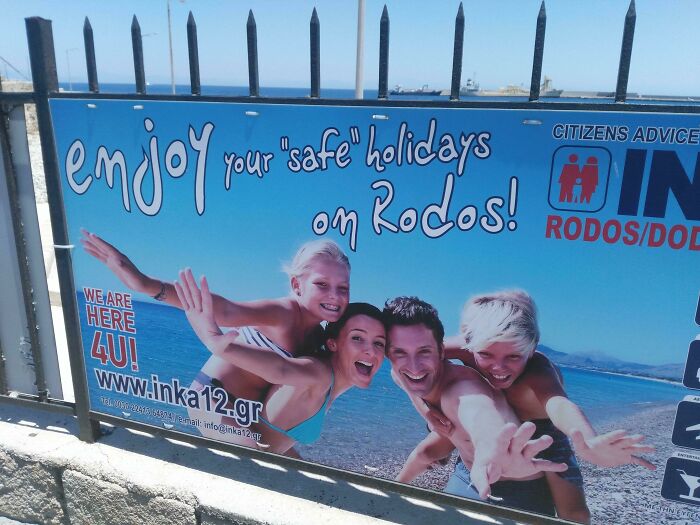
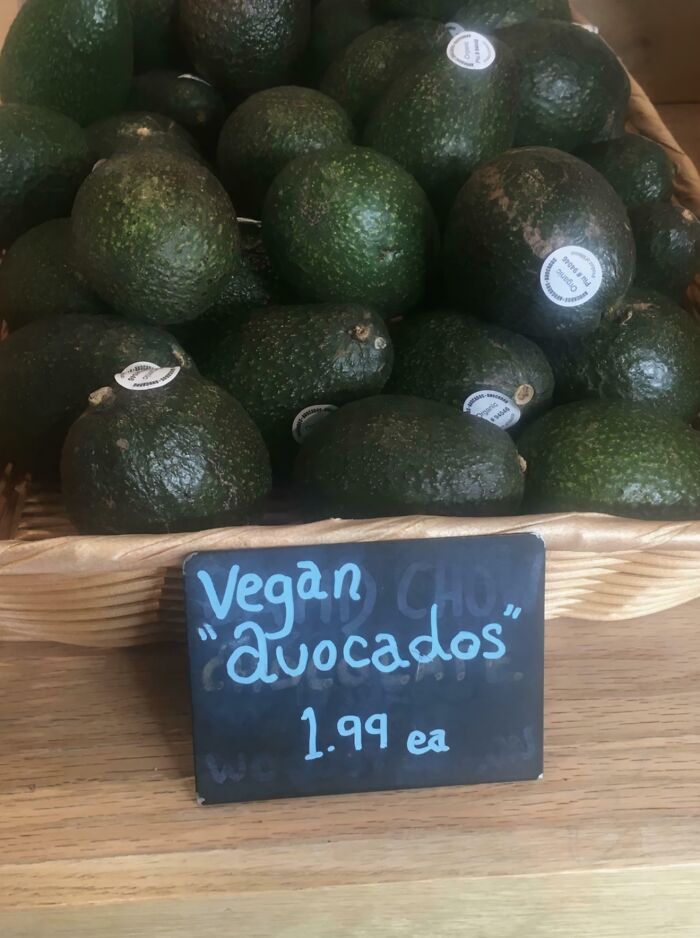
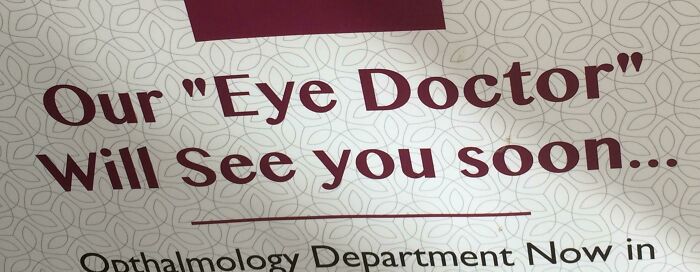
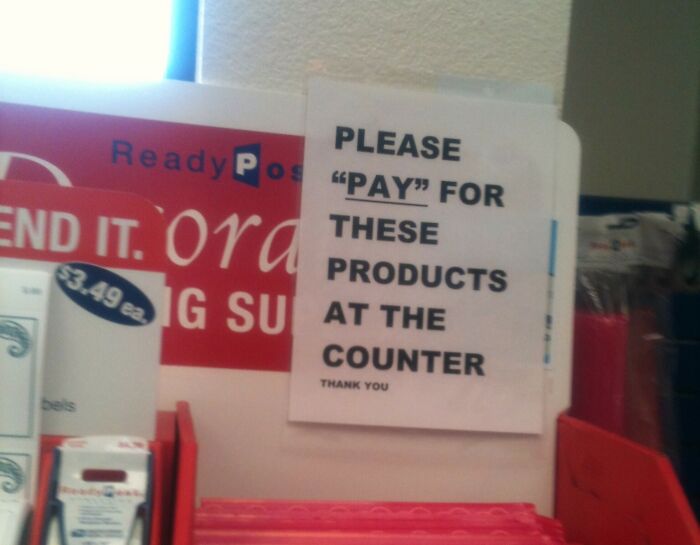
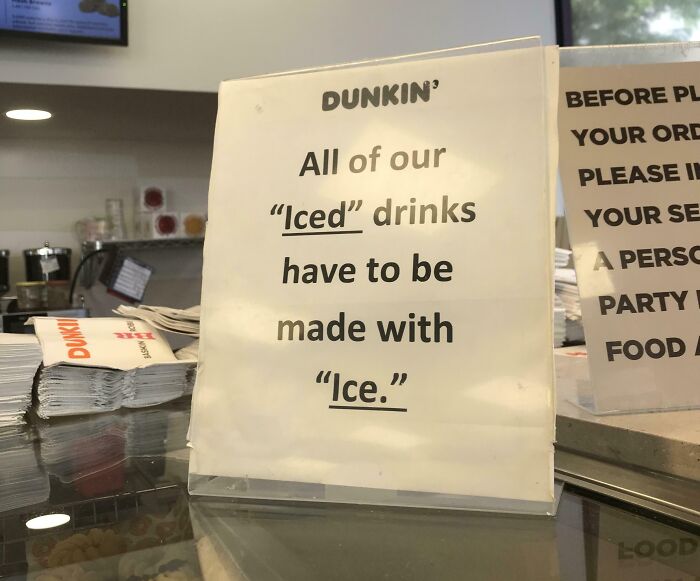
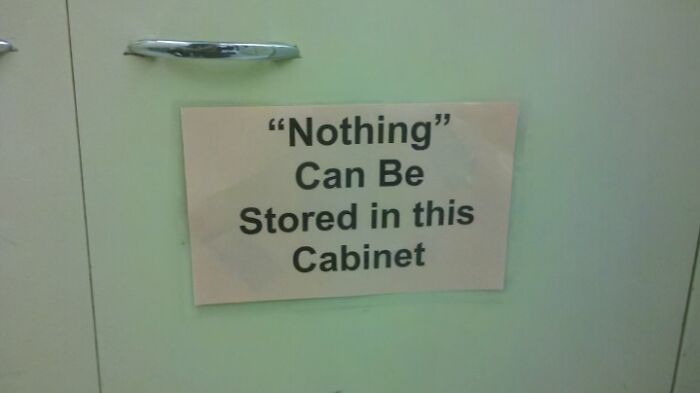
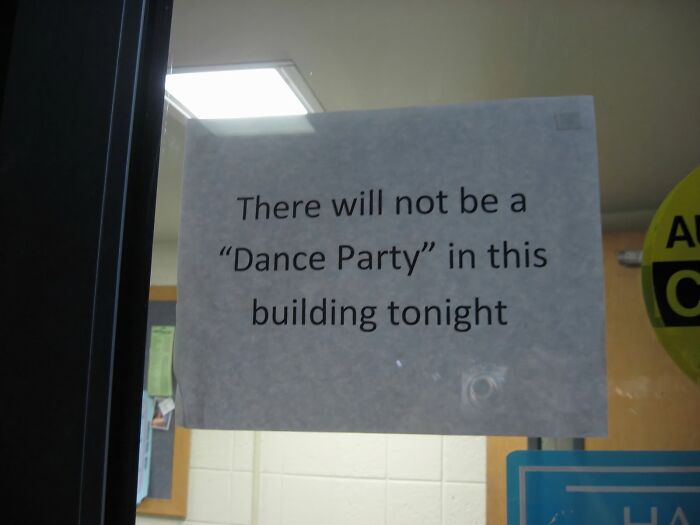
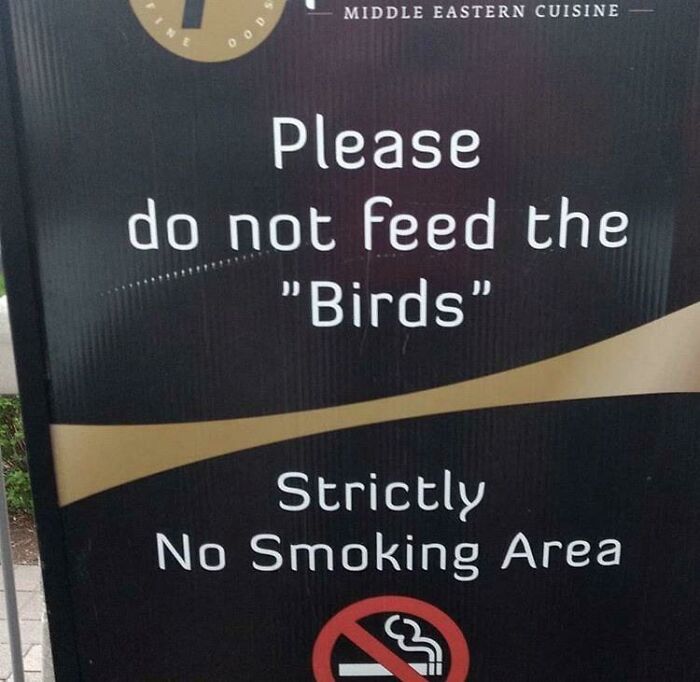
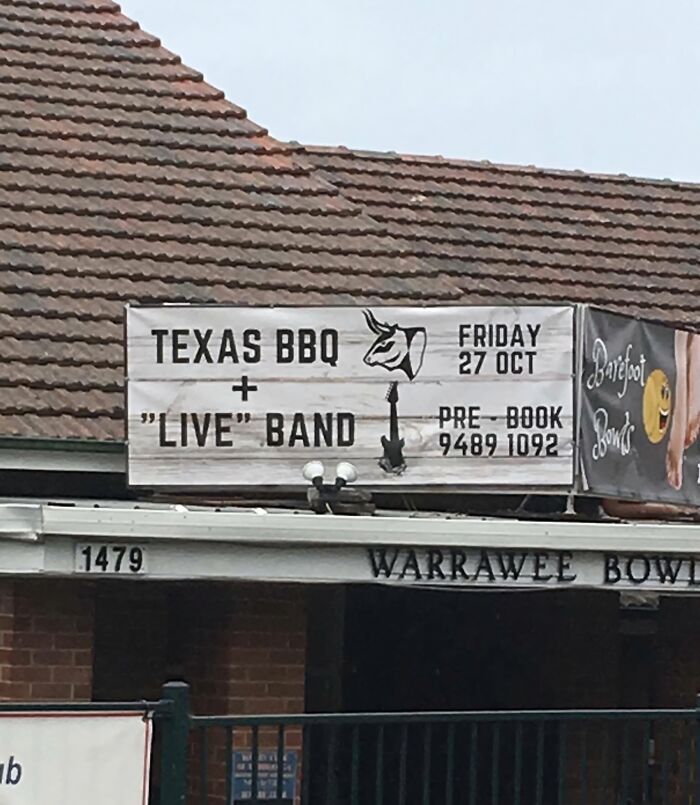
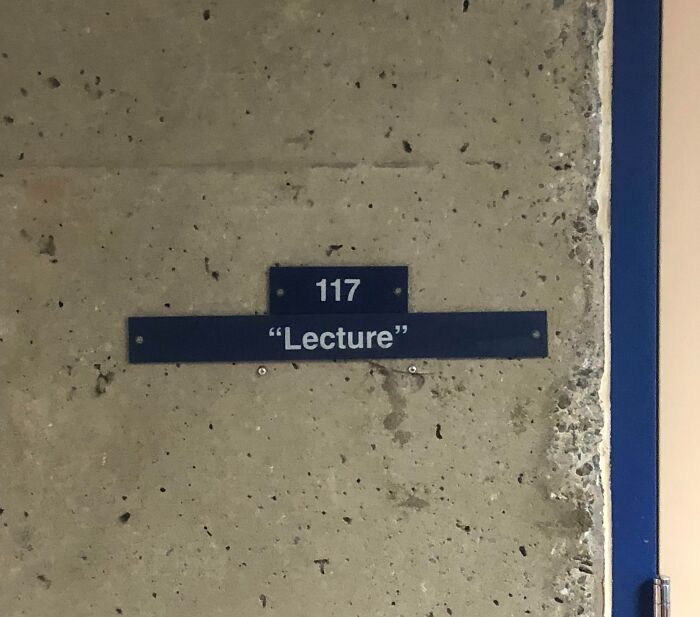
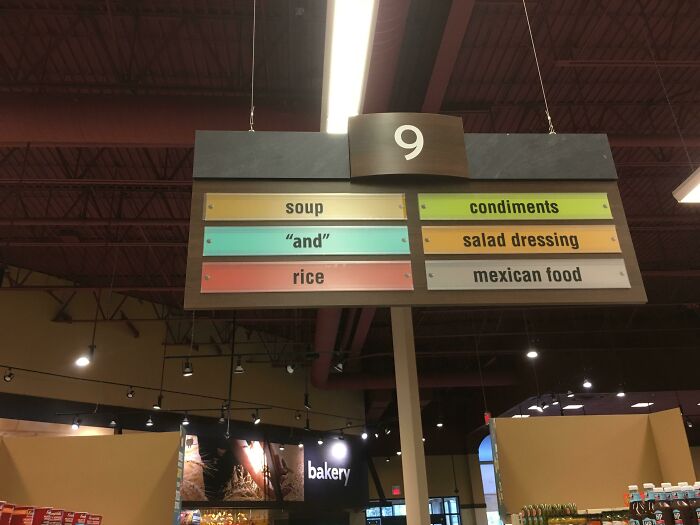
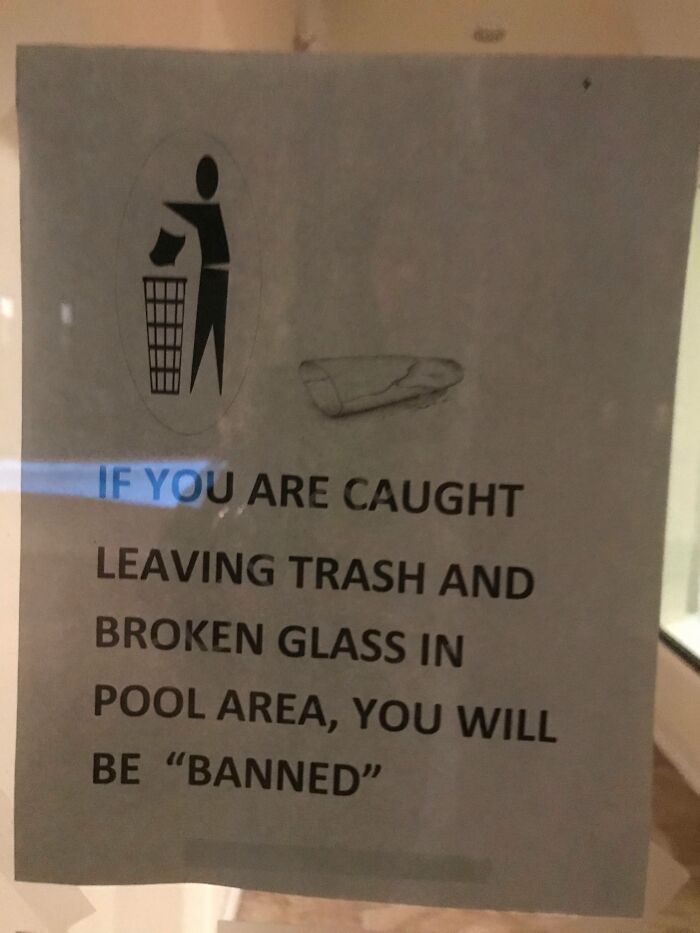
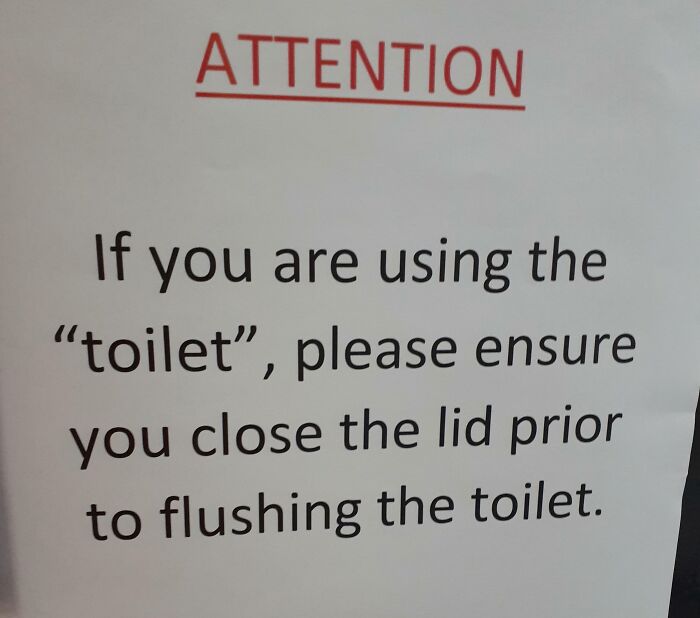
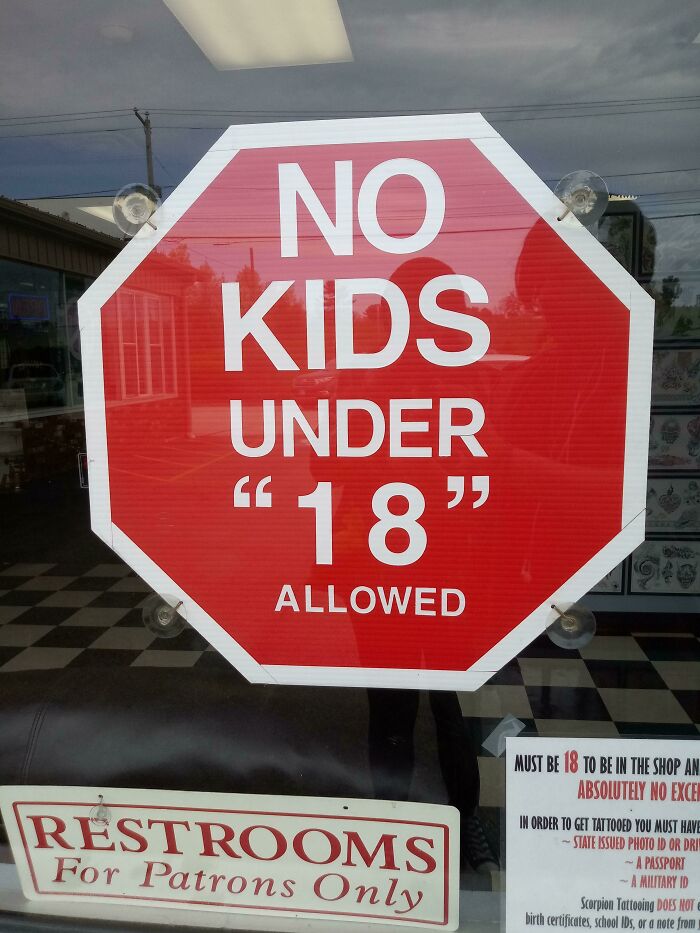
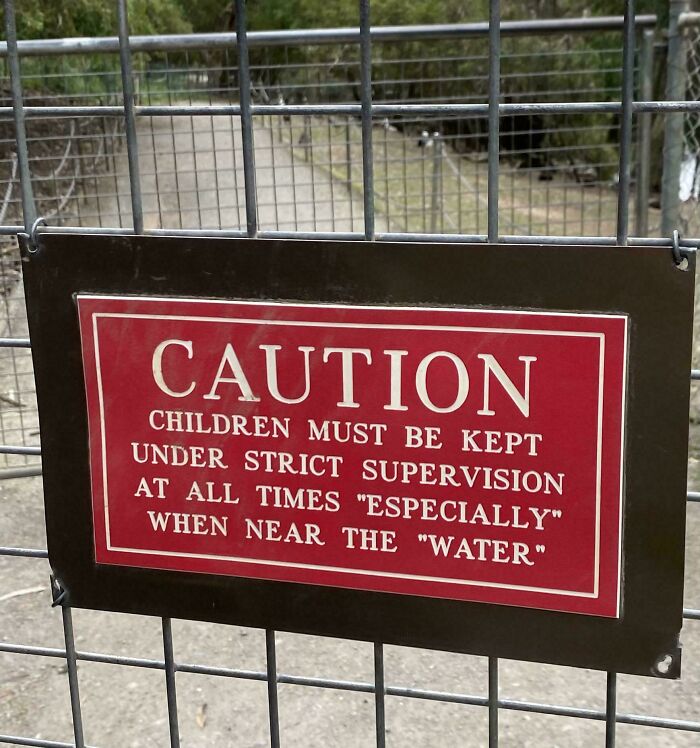
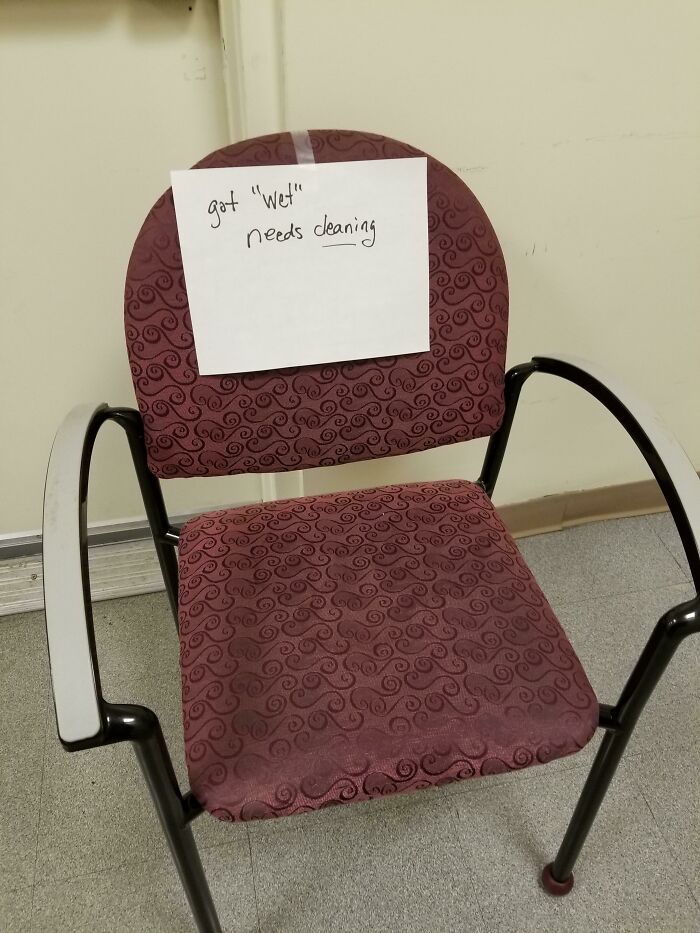
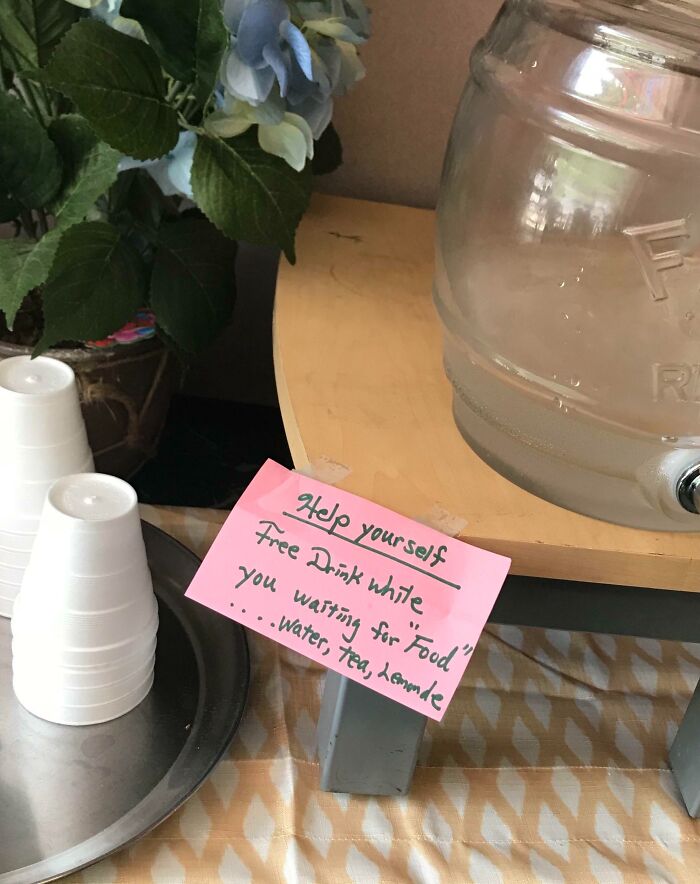
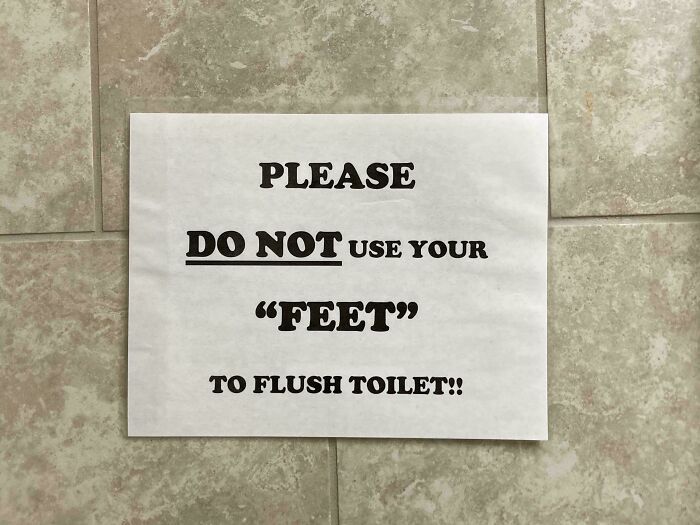
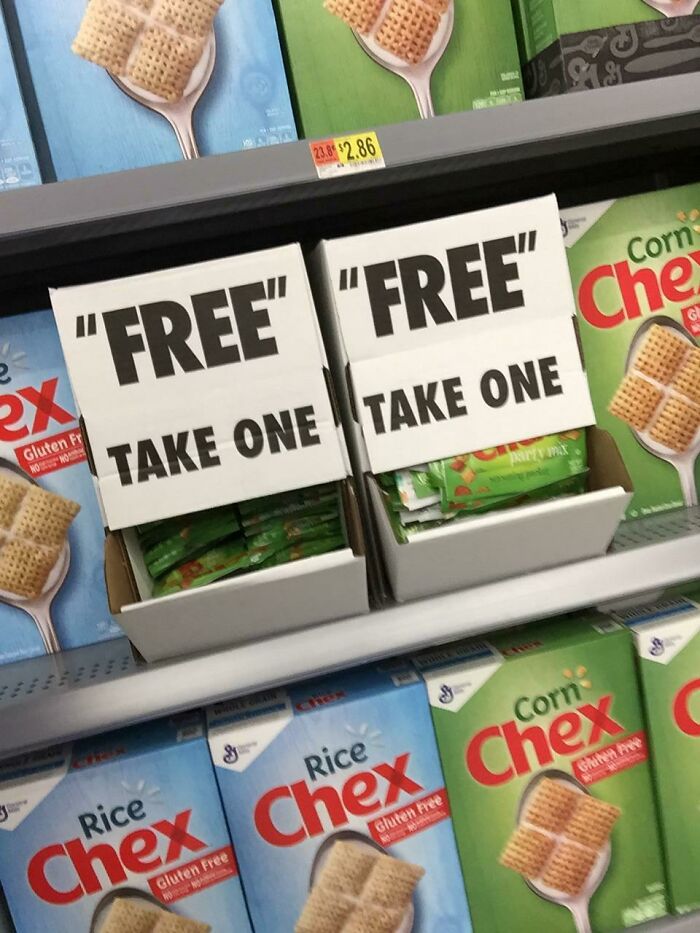
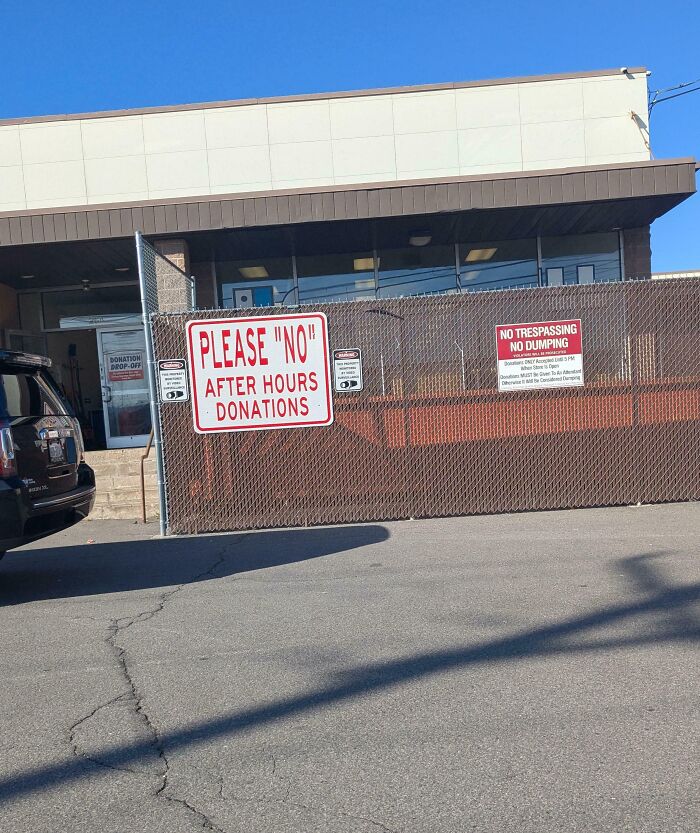
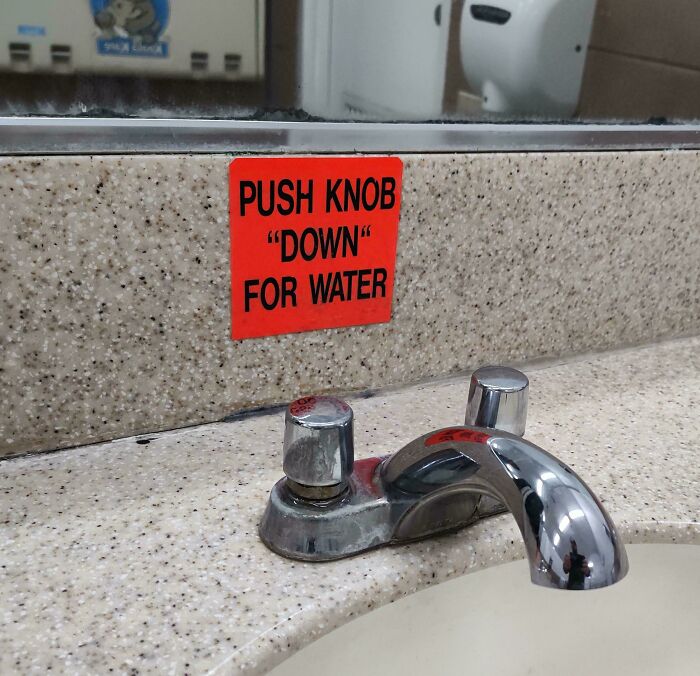
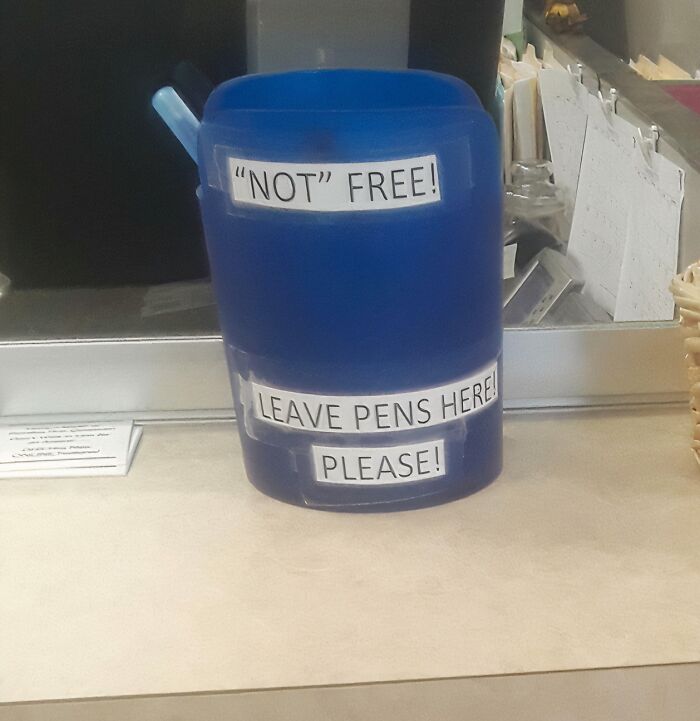
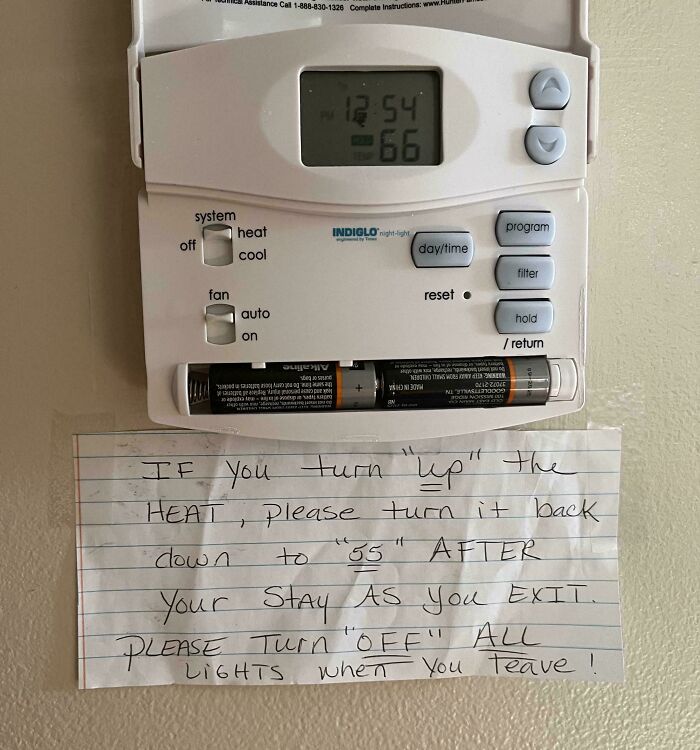
But place quotation marks where they do not belong, and they can completely change the meaning of a sentence, often in a way that sounds weird, funny, or even slightly suspicious. Telling someone to enjoy their safe holidays is perfectly fine. Wishing them “safe” holidays, on the other hand, raises a few questions.
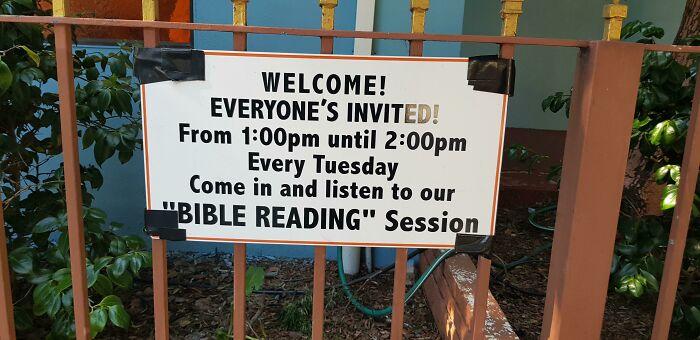
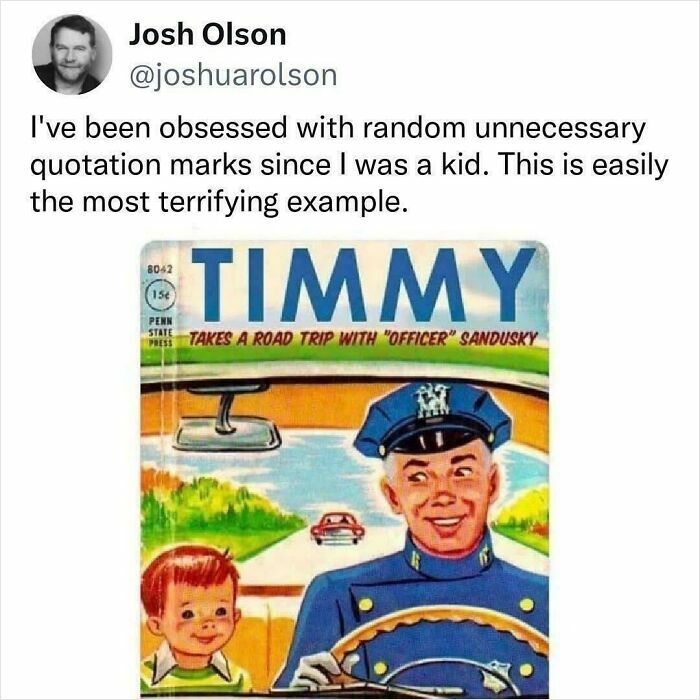
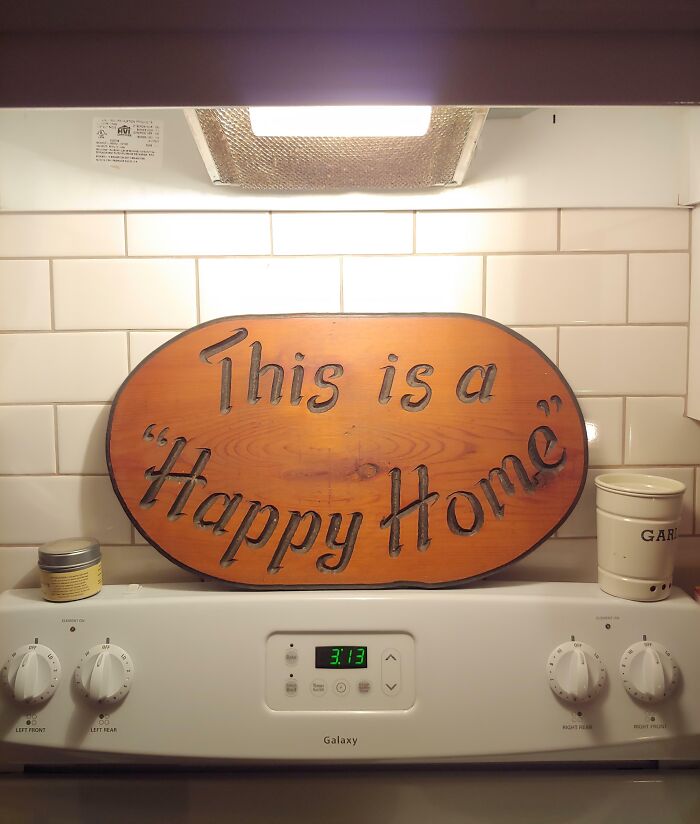
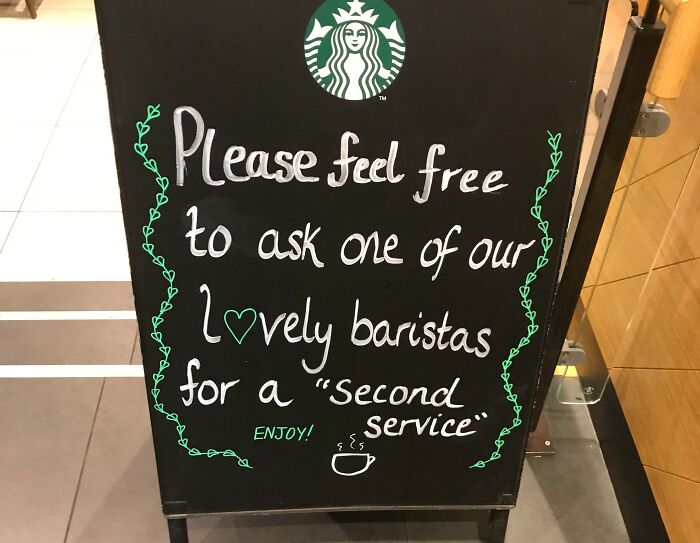
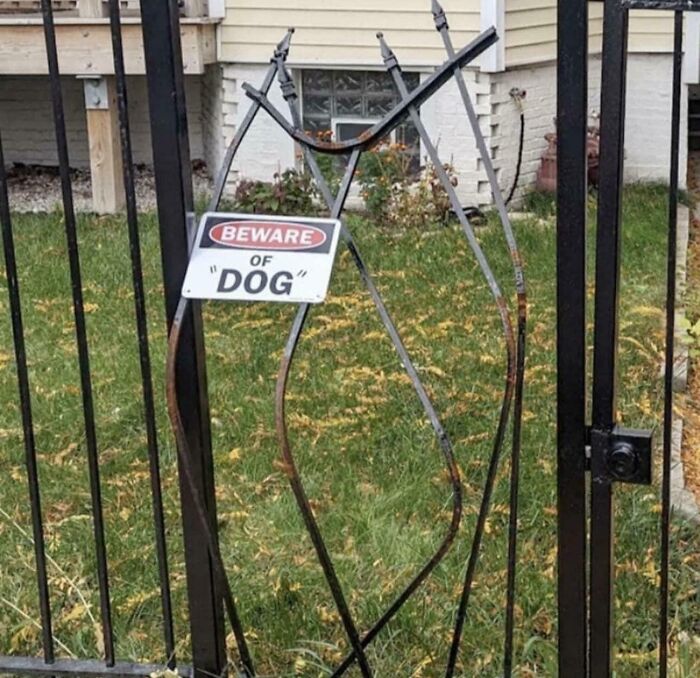
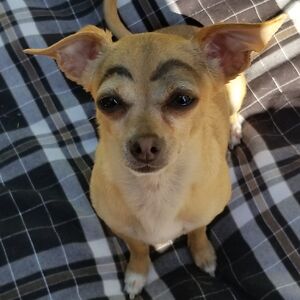
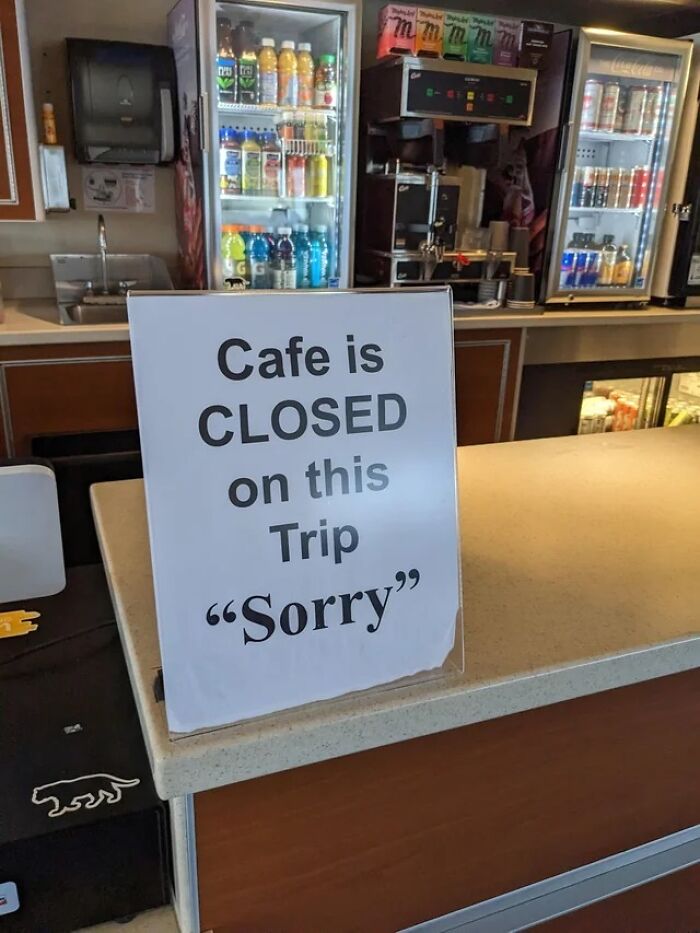
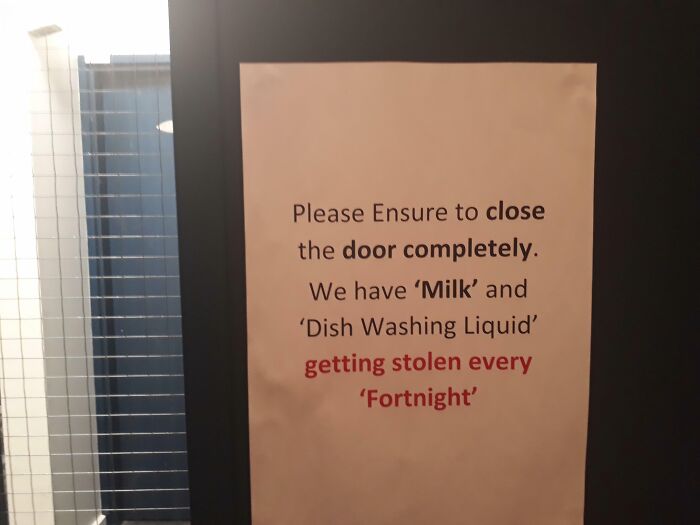
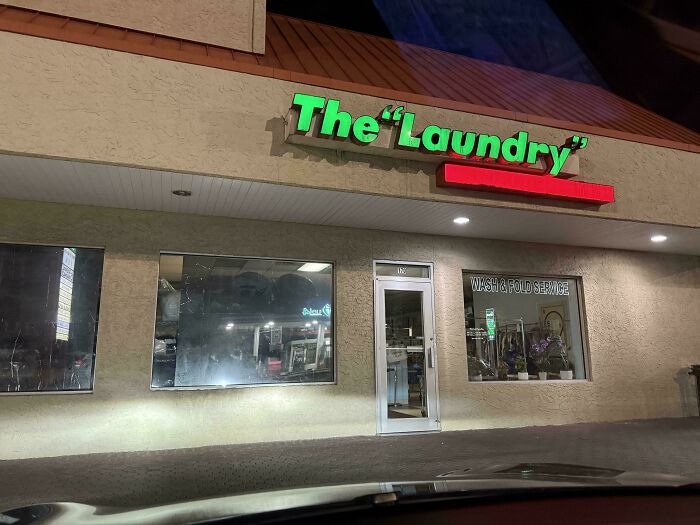
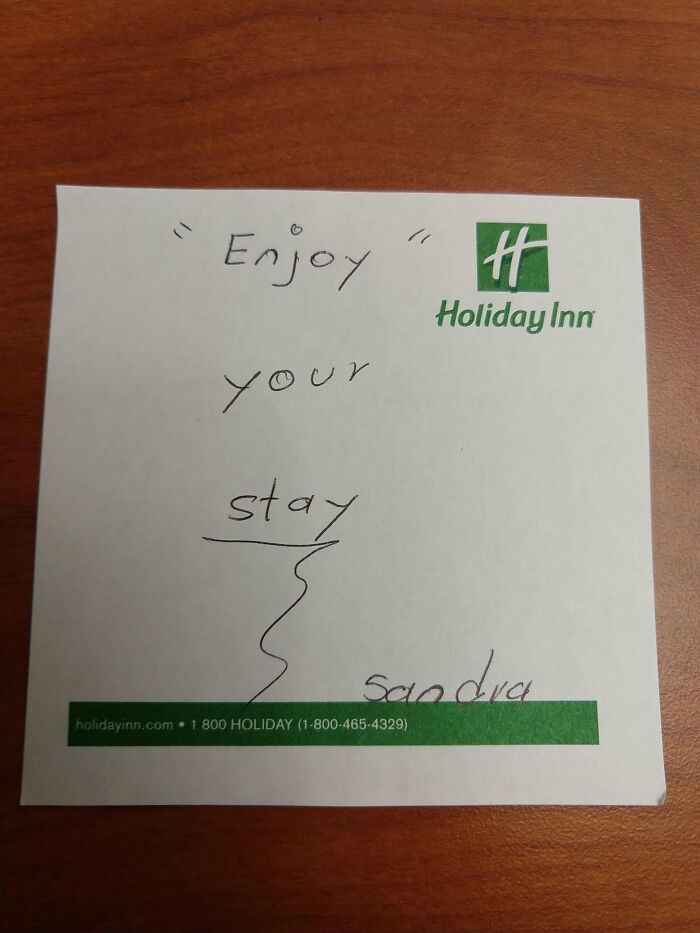
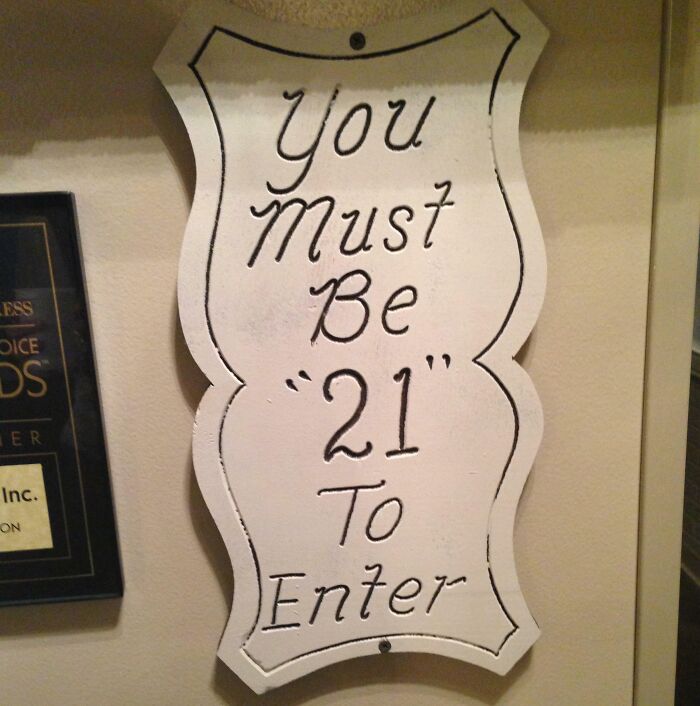
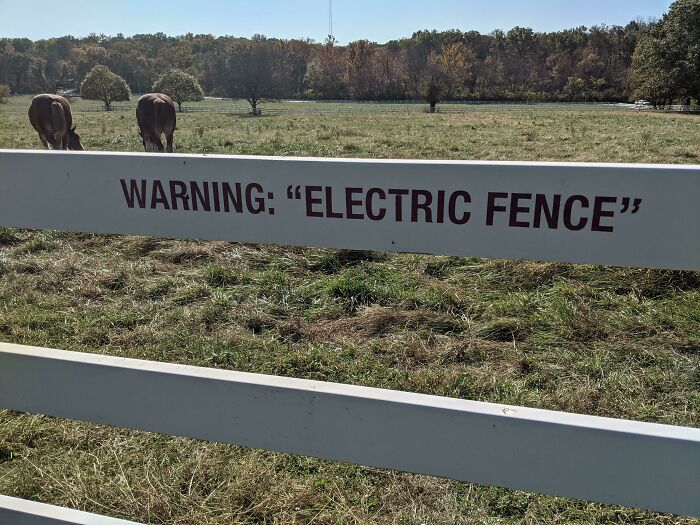
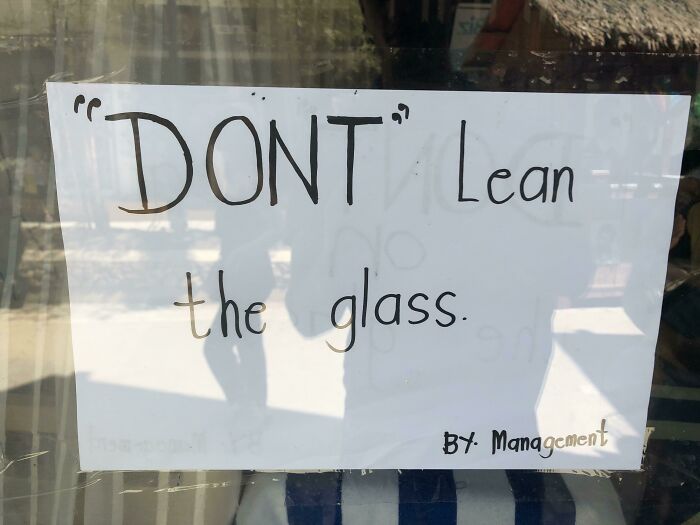
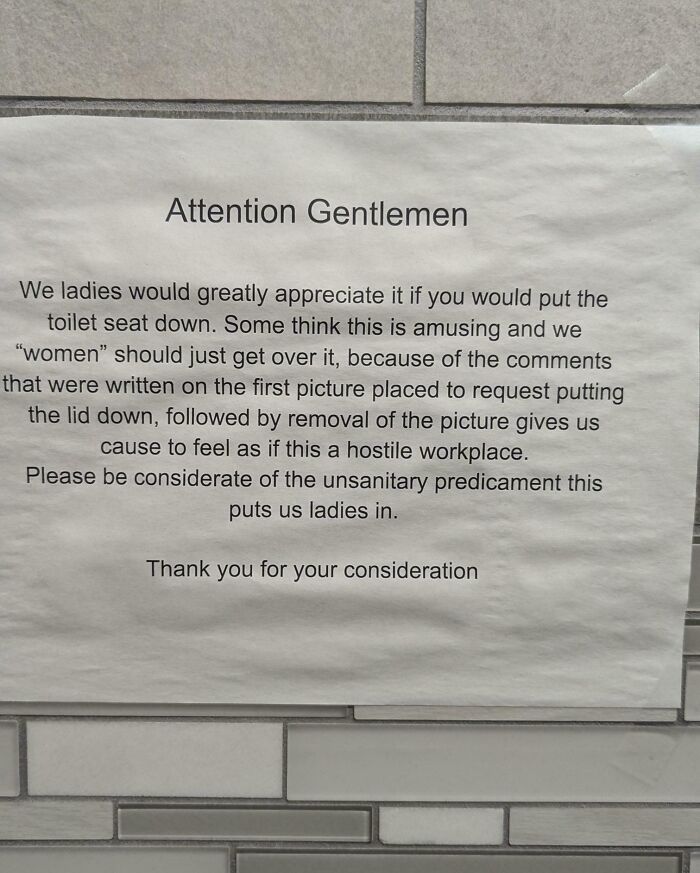
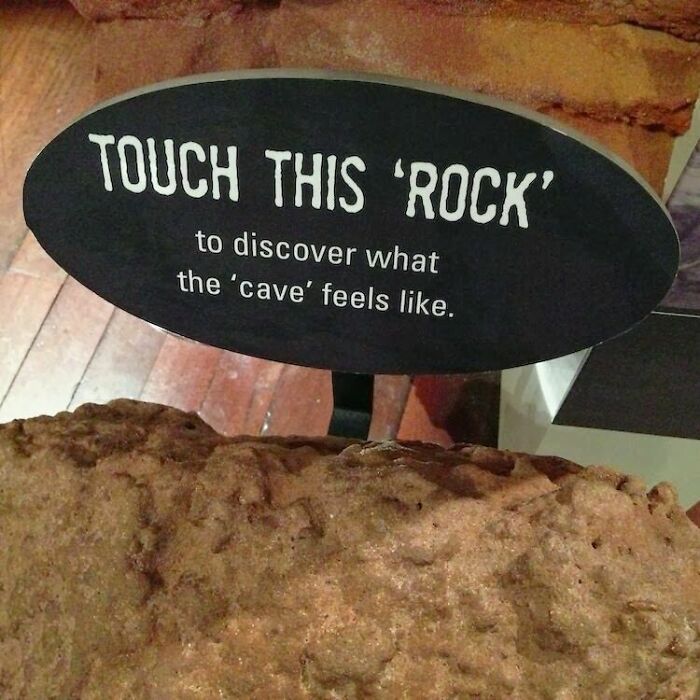
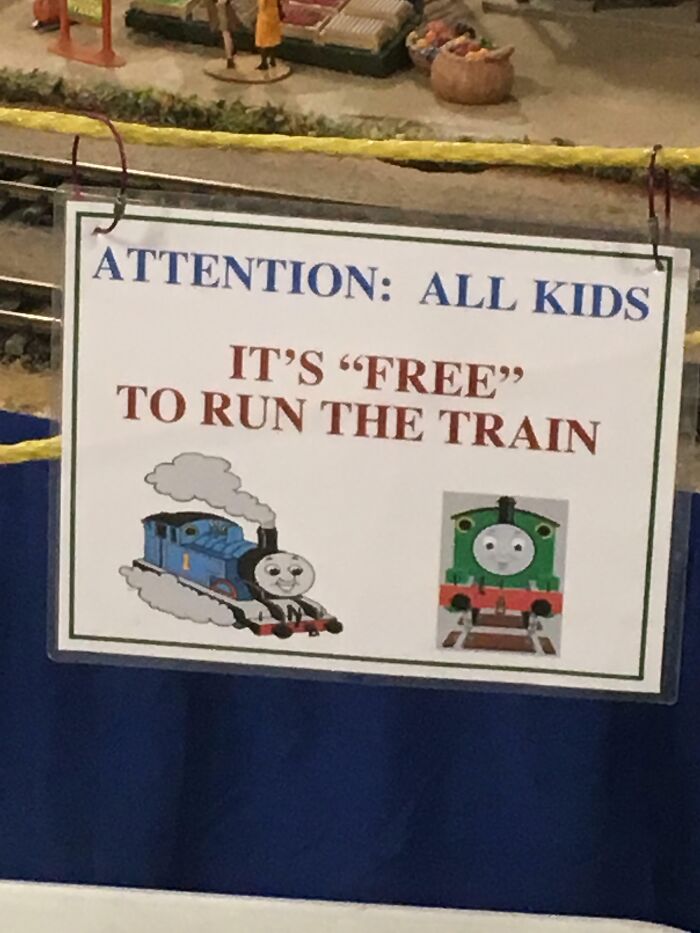
Below, we’ve rounded up some hilarious examples of signs that used quotation marks in ways they absolutely should not have. Scroll down to check them out.
This post may include affiliate links.
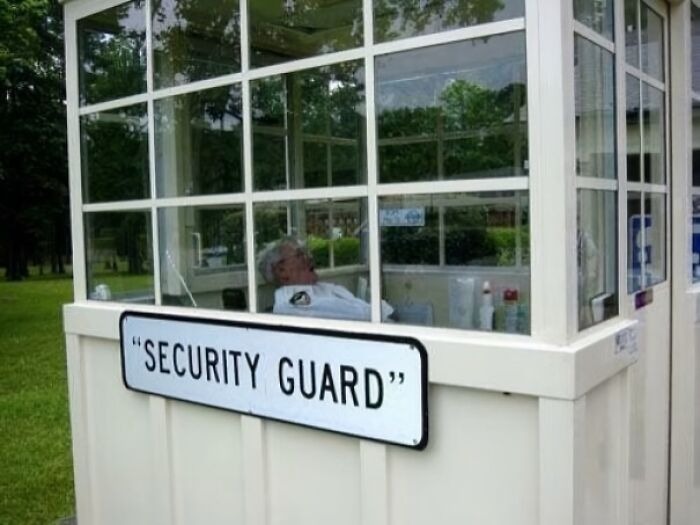
There is something faintly ominous about a quotation mark in the wrong place. A sign promising “fresh” fish or insisting you are “welcome” here does not exactly inspire confidence.
But when used correctly, quotation marks are one of the most common punctuation marks in everyday writing—found in books, articles, signs, and menus all over the world. Simple as they seem, they have a surprisingly long and interesting history behind them.
Their story begins in ancient Greece, where a librarian named Aristarchus at the Library of Alexandria invented a small arrow-shaped mark called the diple, named after the two pen strokes it took to draw it.
He wrote it in the margins of scrolls next to lines he thought were worth noting. At this stage, the mark had nothing to do with quoting someone’s words. It was simply a way of saying: something here is interesting.
That changed during the Middle Ages, when the spread of Christianity created a huge demand for copied texts. Writers quoted the Bible constantly to support their arguments, and the diple became the go-to symbol for marking those quotations.
Scribes wrote it in the margins next to the relevant lines, and over the centuries its shape kept changing, appearing as dots, squiggles, curves, horizontal strokes, crosses, and all kinds of other variations depending on who was copying the text and where.
The printing press, invented in the 1440s, put an end to all that variety. Gutenberg’s printers wanted to keep the number of characters they had to carve and cast to a minimum, and the diple was one of the first things to go.
From the 16th century on, printers used a pair of commas instead—nobody has ever quite worked out why—and later rotated them to create matching opening and closing marks. For the first time, there was a single, consistent system that everyone could follow.
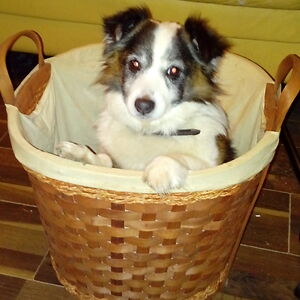
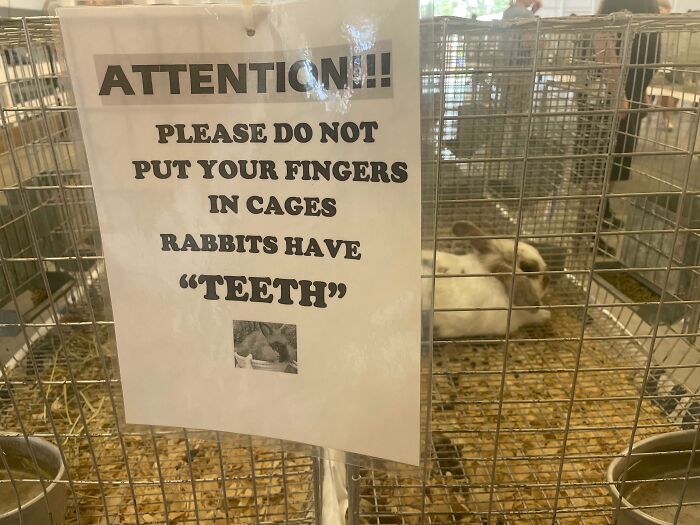
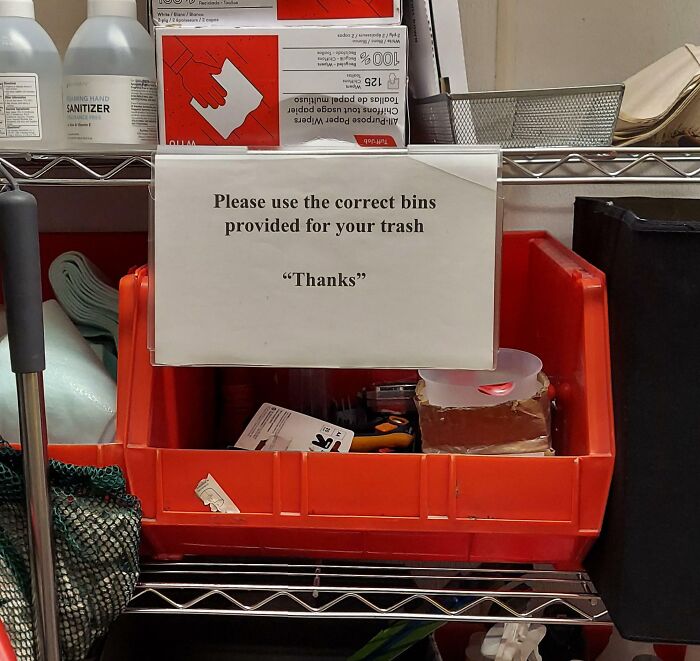
Those are terrible cages to keep rabbits in, irrespective of the "teeth" situation 😢

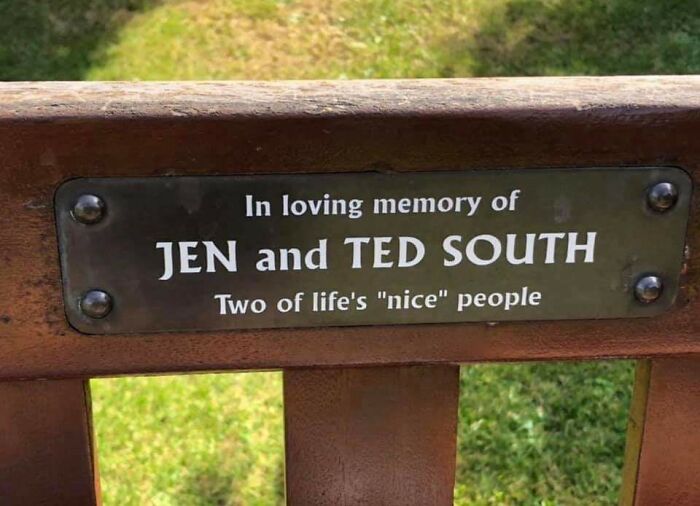
That sounds like those passive-aggressive people who phrase their rude comments in ways that superficially sound like they're being nice so that when you tell them off, you sound like the rude one.
By the 17th century, these marks had moved out of the margins and into the text itself, sitting at the start and end of a quoted passage.
The rise of the novel in the 18th century pushed things even further, as writers used quotation marks to capture characters’ dialogue, with all its accents and slang. What had started as a small mark in the margin had become an essential part of how stories were told.
By the 19th century, different parts of the world had settled into their own styles. In Western Europe it became standard to use paired marks with the curves facing outward; Britain raised them to the height of capital letters, while France developed angular marks by the end of the century—what we now call guillemets.
The quotation mark had become a normal, familiar part of written language almost everywhere.
Then technology complicated things again. When typewriters and early computers arrived, curved quotation marks were simplified into two straight characters (' and "), because early keyboards and character sets could not support the full range of shapes.
The curved versions only came back with modern word processors, which can automatically choose the right opening or closing form.
As you can tell, the quotation mark has come a long way. And most of the time it does its job perfectly and without any fuss.
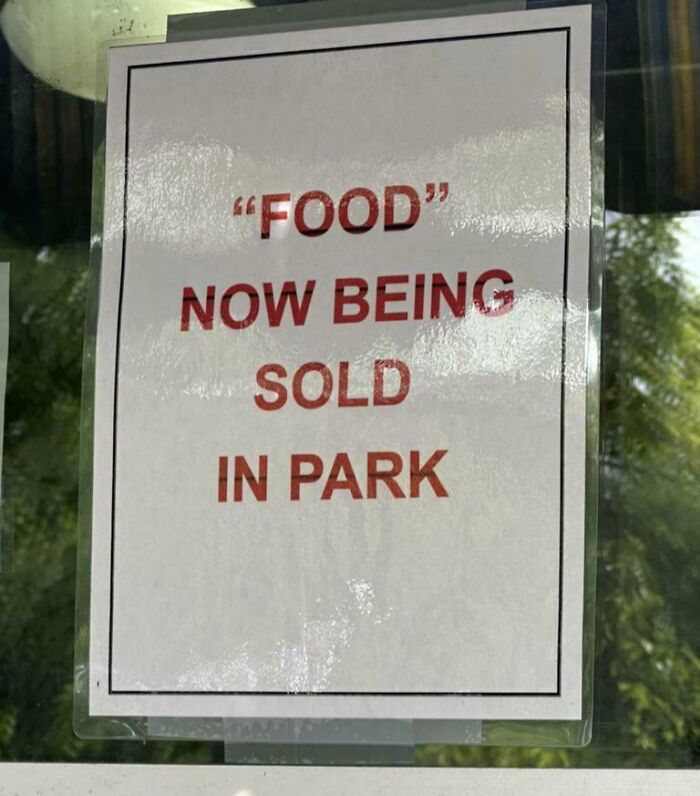
It is only when someone uses it without quite knowing why that it starts causing trouble, turning perfectly ordinary words into something that sounds a little suspicious, and making everyone wonder just what kind of “fresh” bread they are being sold.

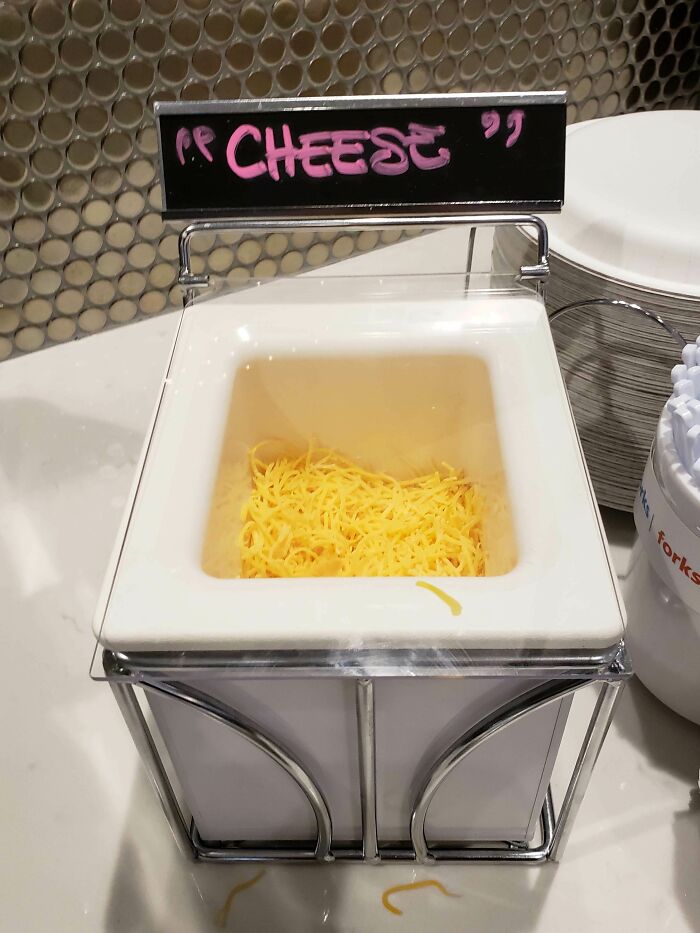
Good thing they didn't teach the cows to understant quotation marks
I like the passive aggressiveness, wish I had that sign for my store

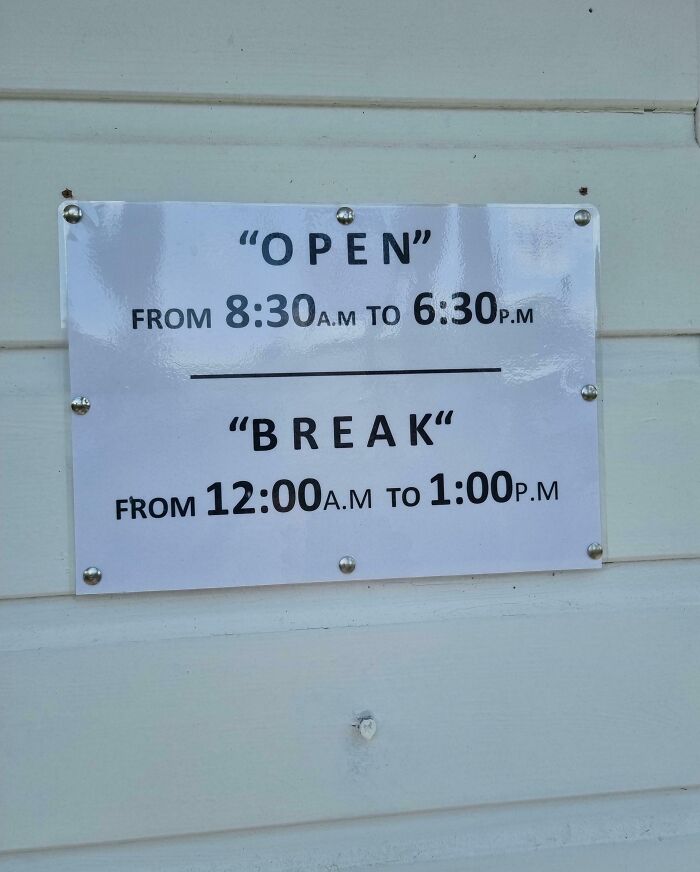
That's also a much longer break than they intended, I suspect.
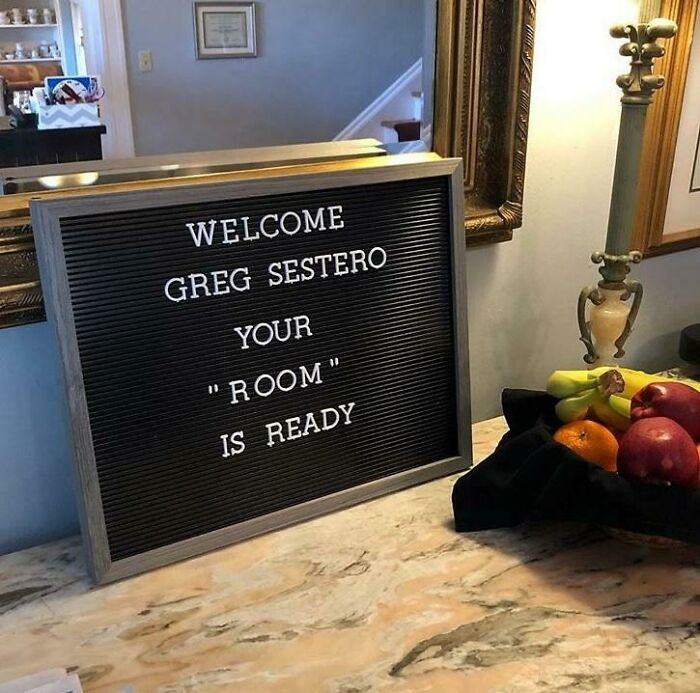
This one is intentional. It's referencing an actor in Tommy Wiseau's The Room.
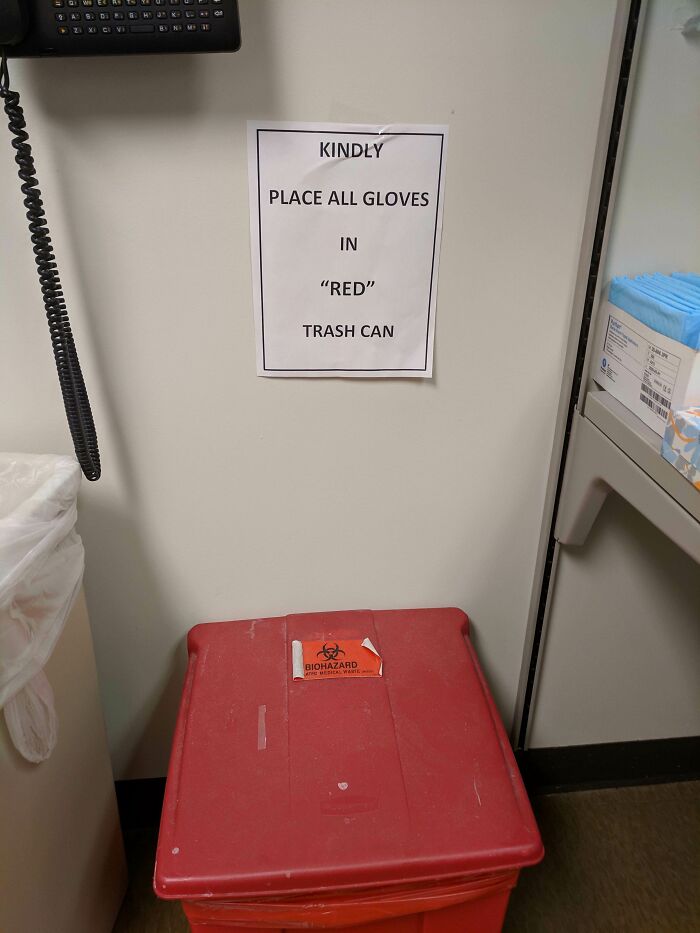
It's not red, it's more like scarlet (at least in the photo). So maybe "red" in quotes is for people like me? 😉

I think in this scenario, for some reason, the quotes were being (incorrectly) used for emphasis. I suspect that’s the case for most of these.






I feel like Italics, asterisks (*) or underlining would fix any of these

Or nothing at all. Most of them do NOT need any emphasis. (Capitalization also works.)
Load More Replies... Are people using quote marks for emphasis? Like underlining? Otherwise I really don't understand why they've dropped them into random sentences.

I feel like Italics, asterisks (*) or underlining would fix any of these
Or nothing at all. Most of them do NOT need any emphasis. (Capitalization also works.)
Load More Replies... Are people using quote marks for emphasis? Like underlining? Otherwise I really don't understand why they've dropped them into random sentences.












 No fees, cancel anytime