Get Premium
Dark mode theme is available exclusively for premium users. Learn more about the benefits of subscribing.
No fees, cancel anytime.

 Dark Mode Ad-Free Browsing Unlimited Content
 Ad-Free Browsing Unlimited Content Dark Mode
Join 1.2 million Panda readers who get the best art, memes, and fun stories every week!
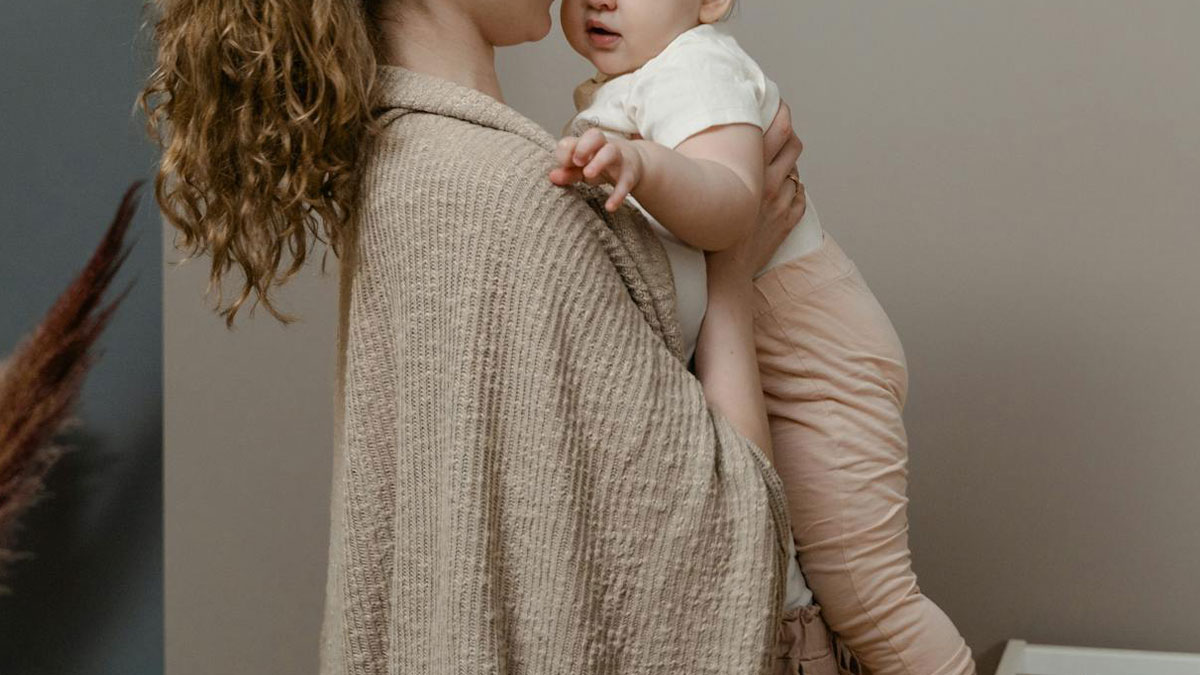
At 4 months, the development of a baby’s brain may cause sleep instability, leading to fussiness, multiple nighttime wakings, reduced napping, and appetite changes.
There is no single solution to fix these problems, and caregivers are encouraged to remember that sleep regressions are normal and, most importantly, temporary.
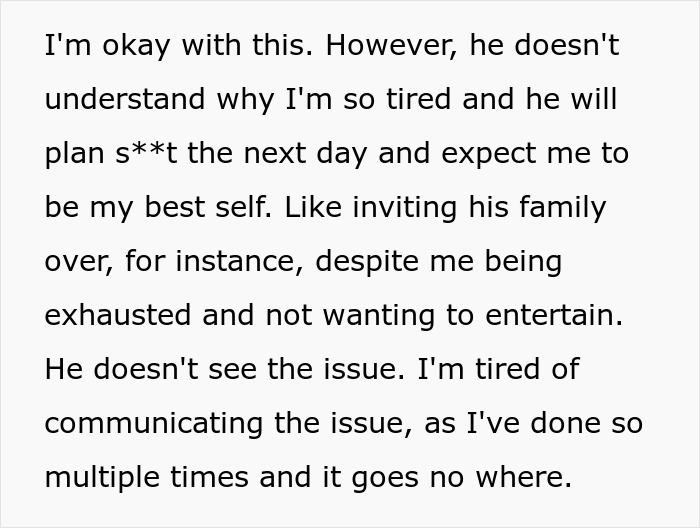
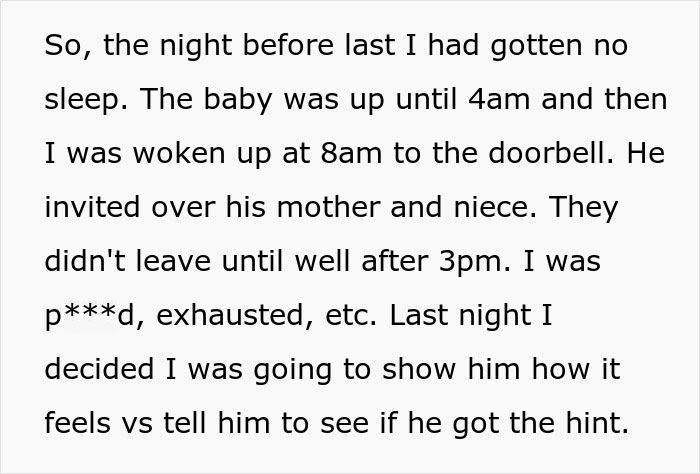
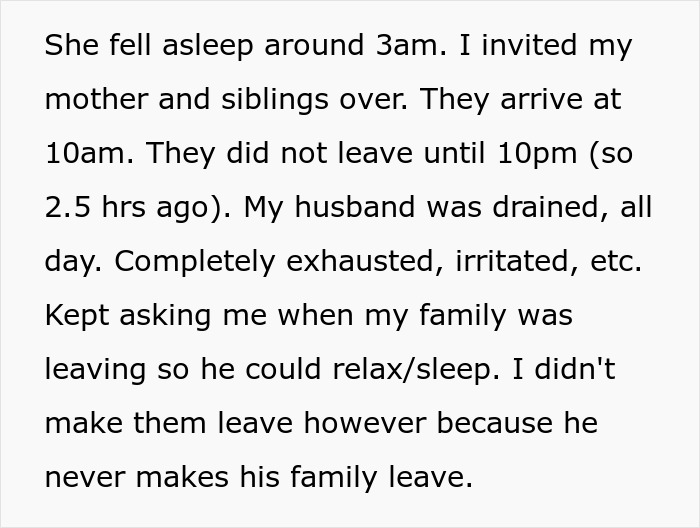
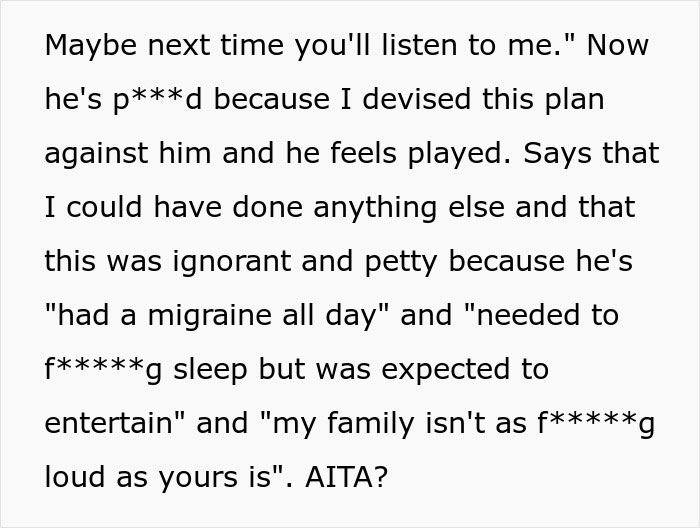
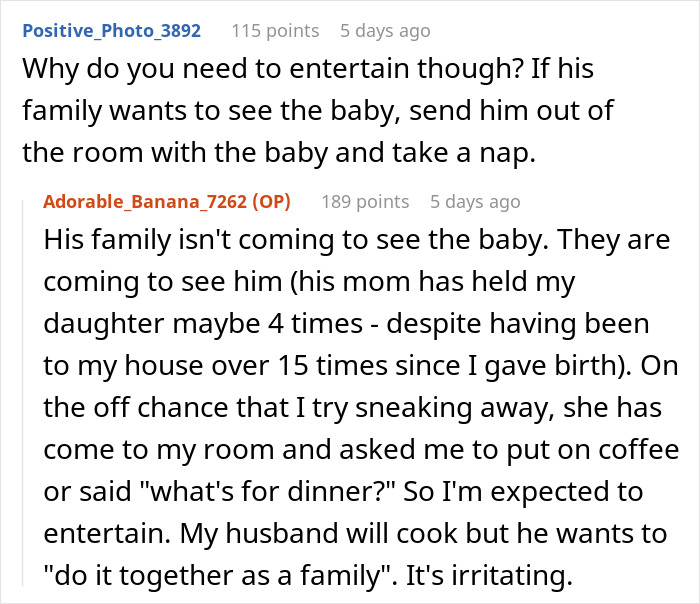
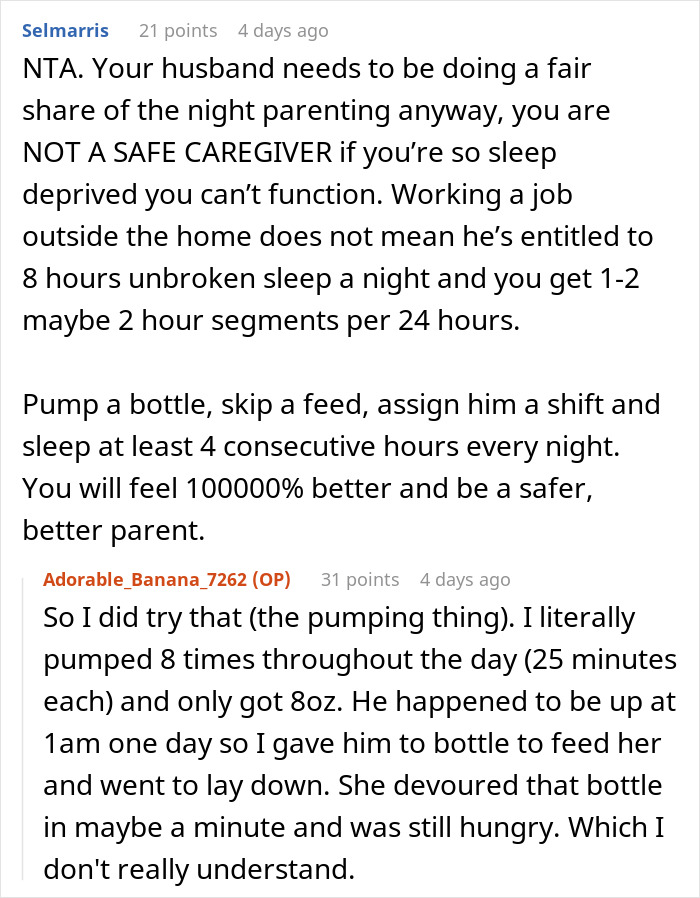
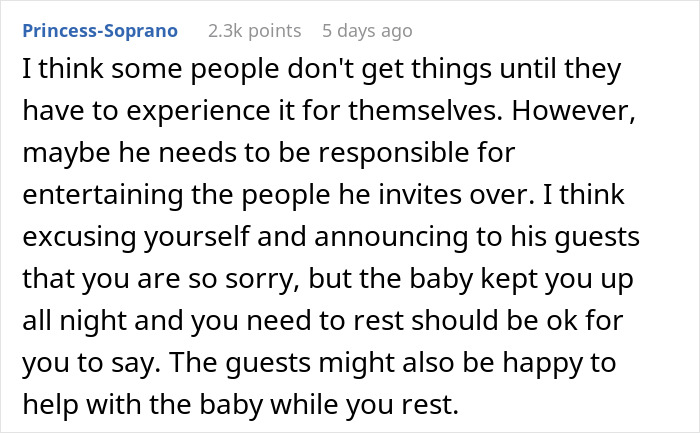
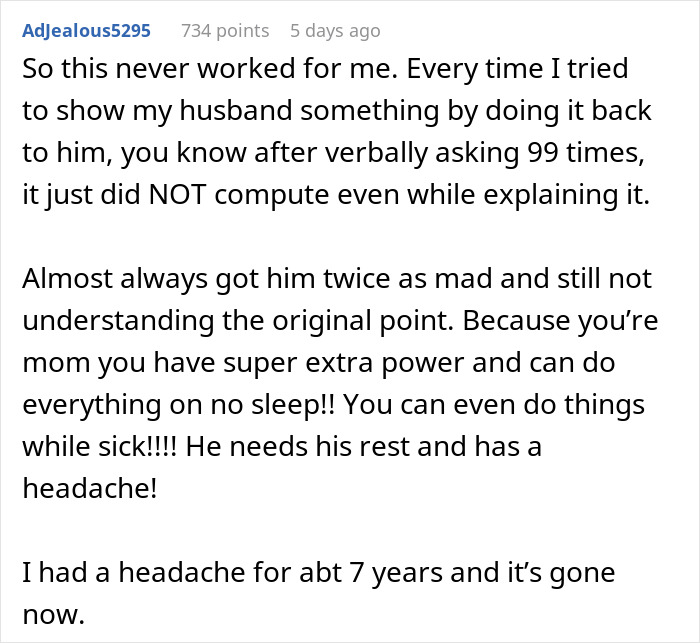
However, after Reddit user Adorable_Banana_7262’s daughter began experiencing these disruptions, her husband failed to recognize the toll they were taking on his wife as well. One time, he even invited his relatives to visit them early in the morning!
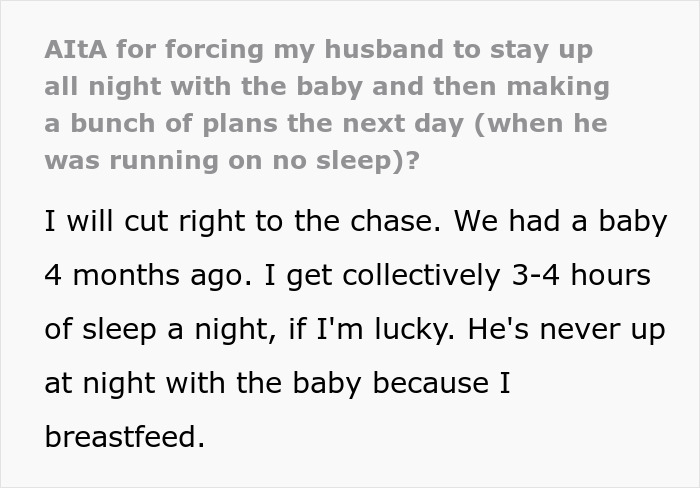
So the woman decided to give her partner a taste of his own medicine. Continue scrolling to read her post from the subreddit ‘AITAH,’ where the mom explains how she did it.
Image credits: MART PRODUCTION / Pexels (not the actual photo)
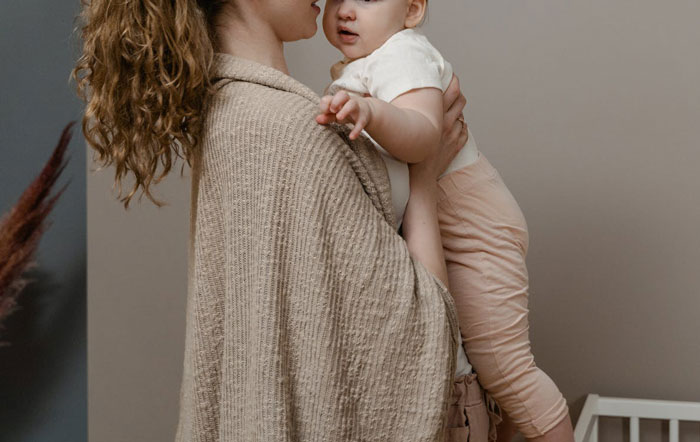
Image credits: Askar Abayev / Pexels (not the actual photo)
Image credits: Ron Lach / Pexels (not the actual photo)
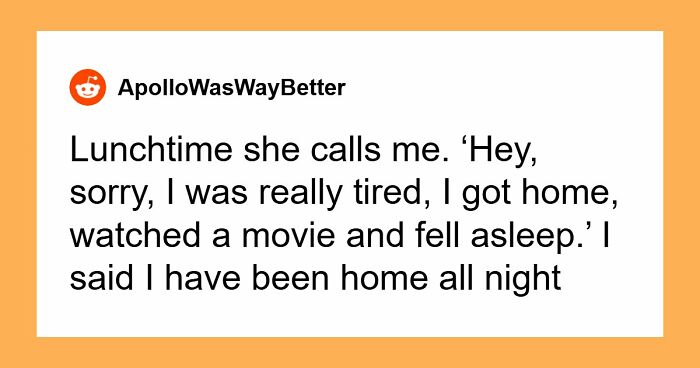
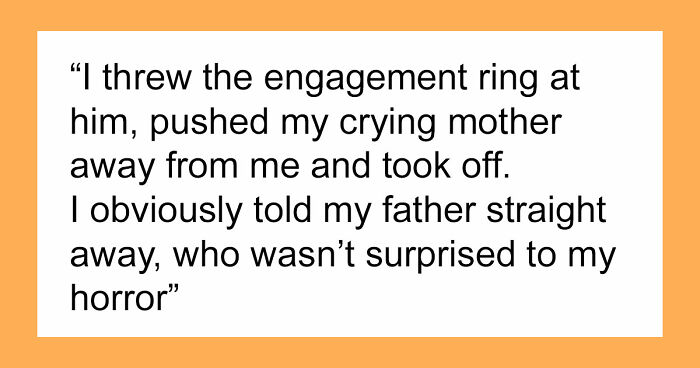
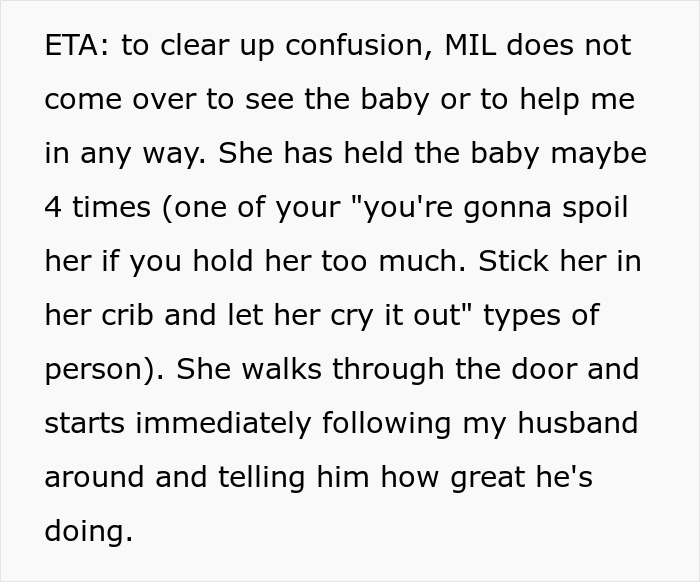
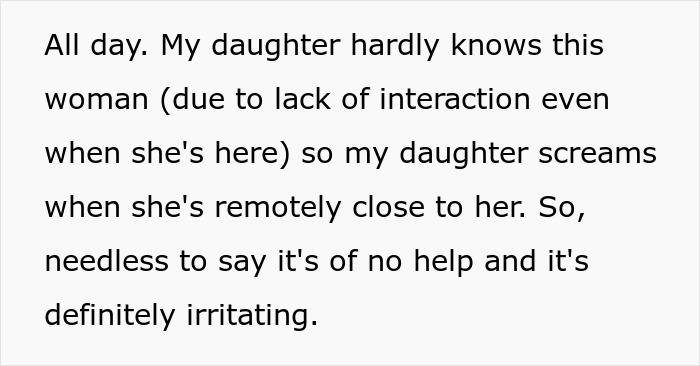
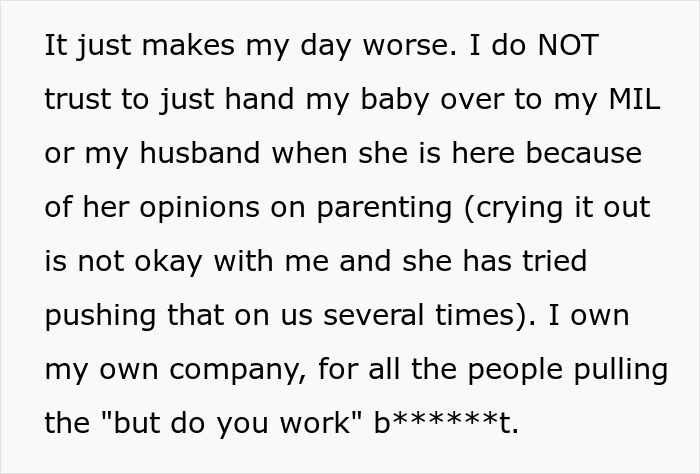
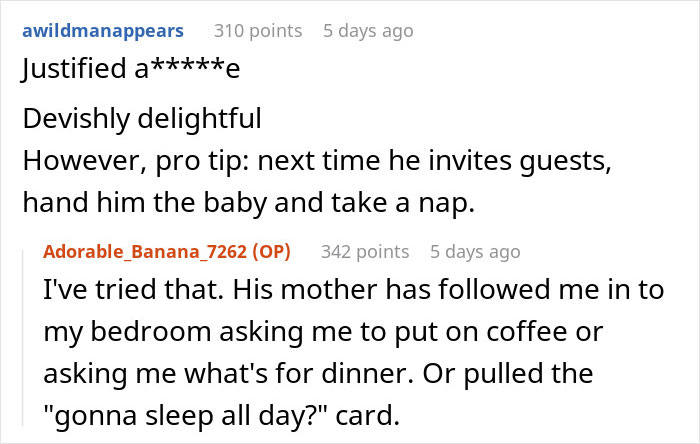
Image credits: Adorable_Banana_7262
Image credits: Dasha Halepova / Pexels (not the actual photo)
At this time, the Redditor and her husband must work together and help each other. Researchers tracking the sleep of thousands of men and women after their family size increased have discovered that shut-eye hits a low about three months after birth, with the effect strongest in women.
Interestingly, while parents gradually saw their sleep improve as their firstborn grew, it seems their nighttime rest was never quite the same again.
“We didn’t expect to find that, but we believe that there are certainly many changes in the responsibilities you have,” said Dr. Sakari Lemola, co-author of the research from the University of Warwick.
He added that while children may stop crying during the night as they age, they may still wake up, be sick, or have nightmares, while the stress and worries that go with parenthood can also affect mom and dad’s sleep.
Published in the journal Sleep, the study analyzed data collected from adults in Germany who were surveyed in face-to-face interviews conducted once a year between 2008 and 2015. Participants were asked to rate the quality of their sleep on a scale from 0 to 10 and to report how many hours of sleep they got on a normal weekday and a normal weekend day.
The researchers focused on responses from more than 2,500 women and almost 2,200 men who reported the birth of their first, second, or third child during the study, with participants followed for up to 6 years.
Perhaps unsurprisingly, the team found that women’s decline in sleep satisfaction in the first year after the birth of a child dropped by 1.7 points for the first child and by over 1 point for both the second and third child, compared with before their first pregnancy.
The mothers also lost about 40 minutes of sleep a night in the year after a baby arrived compared with pre-pregnancy levels, regardless of whether it was their first or a subsequent kid.
A deeper analysis of the data showed the first three months after the birth of a first child were particularly grueling, as women lost over an hour of sleep compared with before they became pregnant.
While similar trends were seen for fathers, the effects were less pronounced. Even three months after their first child’s birth, fathers lost only 13 minutes of sleep.
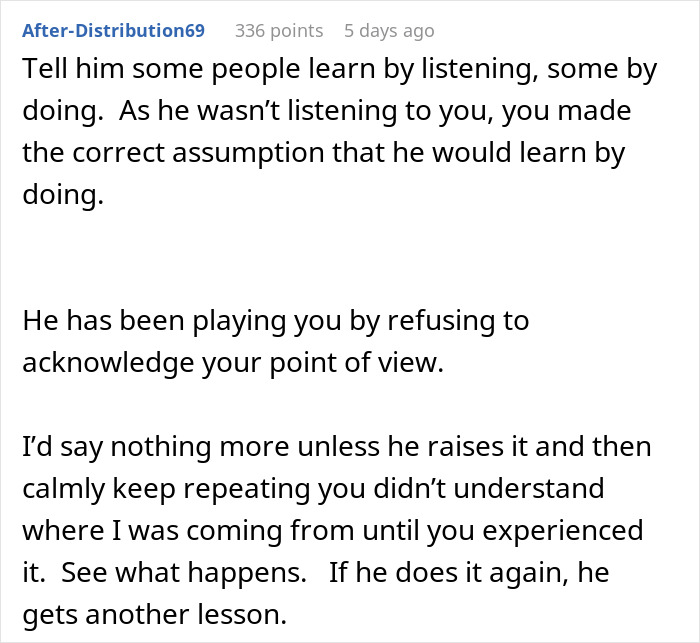
So maybe the husband might’ve very well needed the vivid illustration of what it’s like for his wife?


He should not "help" with the baby. He should be caring for his daughter.
But they really should have discussed the crying out vs soothing approach before having children. Its kinda important.
Load More Replies... He should not "help" with the baby. He should be caring for his daughter.
But they really should have discussed the crying out vs soothing approach before having children. Its kinda important.
Load More Replies...






























 No fees, cancel anytime















1
3