Get Premium
Dark mode theme is available exclusively for premium users. Learn more about the benefits of subscribing.
No fees, cancel anytime.

 Dark Mode Ad-Free Browsing Unlimited Content
 Ad-Free Browsing Unlimited Content Dark Mode
Join 1.2 million Panda readers who get the best art, memes, and fun stories every week!
Human history is long and complicated enough that things which end up affecting us every single day are sometimes wholly unknown to the vast majority of people. After all, so much of the world is made up of the results of choices and sometimes random chance, so it can be interesting to actually piece together some key episodes.
We’ve gathered some fascinating examples of sometimes overlooked events in history that ended up having a pretty sizable impact. So get comfortable as you scroll through, upvote your favorites and be sure to share your own thoughts and examples in the comments section below.
This post may include affiliate links.
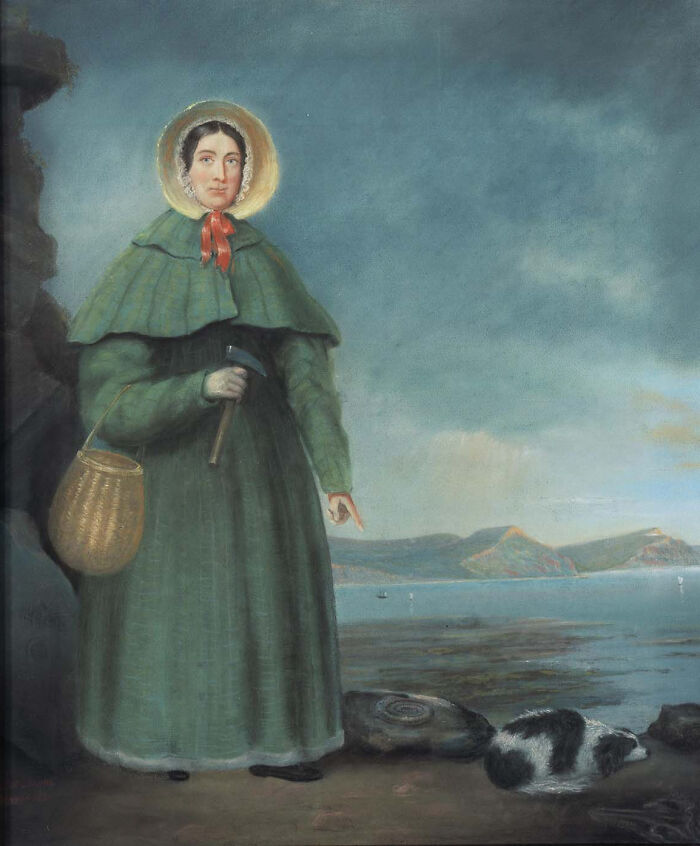
When Anning was 12 years old, her older brother Joseph found a peculiar fossilized skull. After that, Anning searched long and hard and eventually found the entire outline of an Ichthyosaur. The theory of extinction was still fairly recent, so many people were skeptical of Anning's discovery, thinking it was just a large crocodile.
But in 1823, Anning was the first person to discover a Plesiosaurus skeleton, which means "near to reptile." Because people were unfamiliar with discoveries like this, they quickly spread rumors saying the fossils were fake. And even those who did believe in her did not give her the recognition she deserved. Some scientists would buy fossils from her, but not credit her for her work. The Geological Society of London wouldn't even admit her until 1904 because women could not be admitted before then. She discovered many new creatures during her time on Earth.
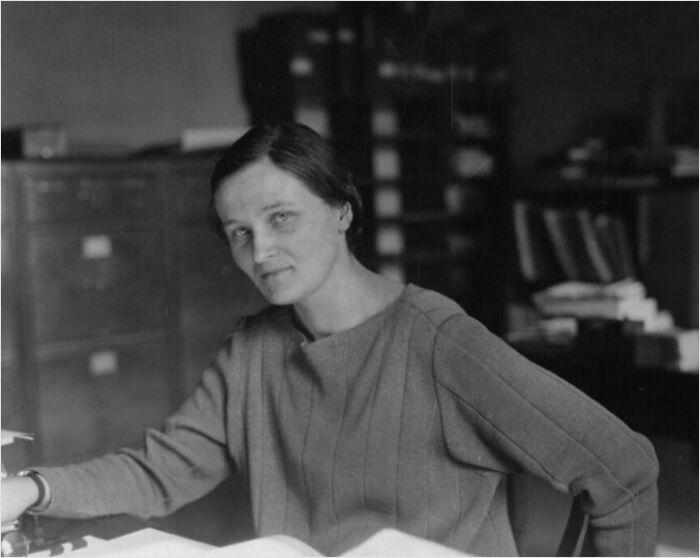
Cecilia Payne-Gaposchkin broke gender barriers in 1925 when she discovered what stars are really made of. While pursuing her Ph.D., she published a thesis titled Stella Atmospheres. Her thesis concluded that stars are made of hydrogen and helium. She also discovered that stars can be classified using their temperatures.
Despite her brilliant discovery, other astronomers were skeptical. Astronomer Henry Norris Russell was convinced that stars were built similarly to Earth, and he tried to correct Payne's discovery. But Payne stood her ground, and eventually Russell admitted that she was correct in 1929. Payne's thesis earned her the first Ph.D. in astronomy at Radcliffe College. This was an incredible achievement since universities like Harvard would not give doctorate degrees to women at the time.
Payne went on to further prove that women can be brilliant astronomers, too. She published a second book in 1930 titled Stars of High Luminosity and she eventually became a full professor at Harvard and chairman of their astronomy department.


Remember also Williamina Fleming. She was the housekeeper of some Harvard professor. The prof told his assistantd that his housekeeper could do a better job and Fleming went on to help develop cataloguing systems for stars catalogue nebulas etc including finding the horse head nebula.

um, 99.999...% of stars are made out of mainly Hydrogen and Helium.
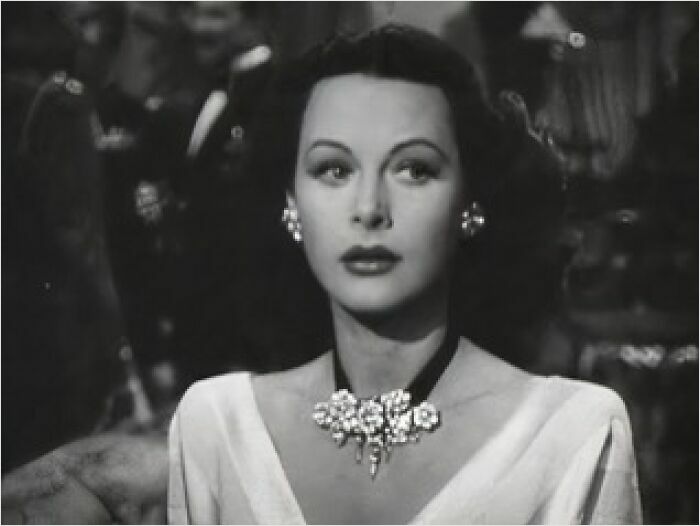
Load More Replies...Hedy Lamarr, born in Vienna in 1914, was an actress and inventor. In 1937, Lamarr escaped her controlling husband and Austria and moved around Europe before crossing over to the United States. While flourishing as a Hollywood starlet, Lamarr also exercised her passion for innovation. Working alongside George Antheil, Lamarr created the “Secret Communications System”, which was intended to switch radio frequencies amidst the chaos of World War II so that enemies could not decode messages. This technology was later adopted by the United States Navy, and serves as a building block behind the wireless communication of today’s cell phones, GPS navigators, and Wi-Fi.

Now known as DSSS (Direct Sequence Spread Spectrum), or FHSS (Frequency Hopping Spread Spectrum).
Henrietta Lacks’ legacy is eternal. Born in Virginia in 1920, Lacks worked as a tobacco farmer for most of her life until she was diagnosed with cervical cancer. Without her knowledge or consent, a sample of her cancer cells was taken by a doctor. Researchers who studied this sample found that her cells kept reproducing, ultimately making them immortal.
Lacks died in 1951, but to this day her cells – known as “HeLa” cells – continue to be studied around the world. Her cells have led to major scientific discoveries regarding the growth of cancer cells and the effects of [medication] on the human body. Her cells have also contributed to the development of the polio vaccine. Lacks’ story has brought into question the ethics of patient privacy and has exposed the mistreatment of people of color in healthcare.

The book "The immortal life of Henrietta Lacks" is an amazing read
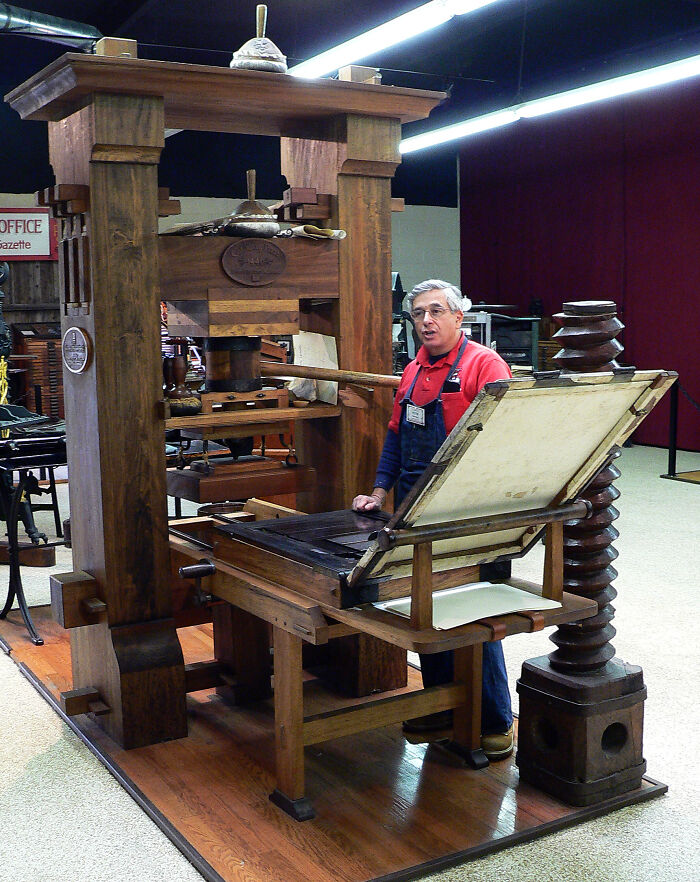
It allowed the proliferation and spread of ideas at an exponentially higher rate and it allowed books to become something the masses could afford. The Enlightenment and by extension the modern world never could have happened without it. It represented as big of an information revolution as the Internet does today.
Here is another interesting point. Johannes Gutenberg is commonly thought to be inventor of the printing press. He may have invented it on the European continent, but the movable-type printing press was already in use in China 400 years before Gutenberg had his first working prototype (1040 vs 1440). https://blog.thelabelprinters.com/brief-history-of-printing-presses-part-1-china
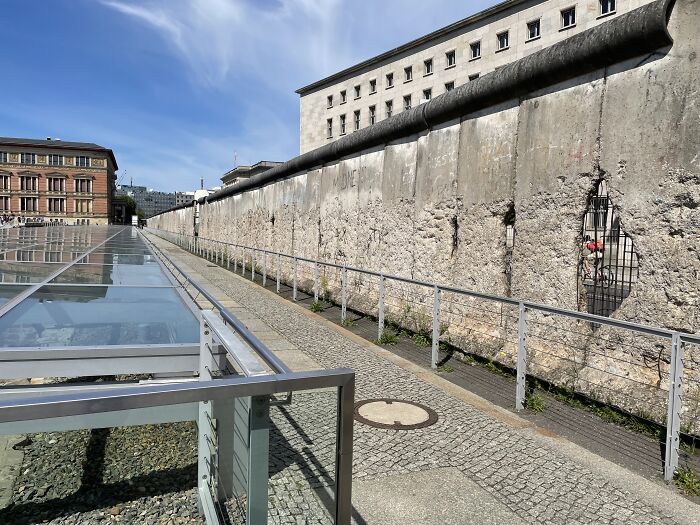
In 1989, a miscommunication during a press conference led East Germans to believe the Berlin Wall border was open. Crowds stormed the wall, forcing guards to let them through, ending decades of division.
Before Morgan's invention, traffic lights only had "stop" and "go" without any indication to slow down. It's likely that this caused many unnecessary accidents and difficult traffic flow. So, Morgan invented a third signal on the traffic light, which we now know as the yellow light that tells us to slow down.
He patented a T-shaped pole that had three traffic settings. If there wasn't much traffic, the middle light could be set to half-mast, which is similar to the blinking yellow lights of today, which can warn drivers to proceed with caution. While traffic lights are something most humans use on a daily basis, we often don't think much about them.

This is factually incorrect. He did not invent the yellow light, in fact the Yellow light was already in use before his invention on a three color traffic light. He invented a new type of 3 armed poll that would signal to traffic how to move. It was designed to be more flexible than the existing traffic light that would allow for controlling different types of traffic, as well as could be used on highways as well. It did not catch on, because it was not as simple as 3 colors. However the rail industry used a modified version of his invention. His real claim to fame was inventing the Smoke Hood for firefighters, saving lives for those rescuing people from fire. The traffic light claim is very recent and has caused his many other inventions to get ignored as a result. This is his exact patent https://patents.google.com/patent/US1475024A/en
Alexander Fleming’s discovery of penicillin in 1928 happened by chance. He left petri dishes out while on vacation, and mold contamination revealed the world’s first antibiotic.
This mistake revolutionized medicine, saving millions of lives.

He was a smart guy to recognise that he had found something interesting. Good thing it wasn’t me, I’d have just thrown out those mouldy Petri dishes.
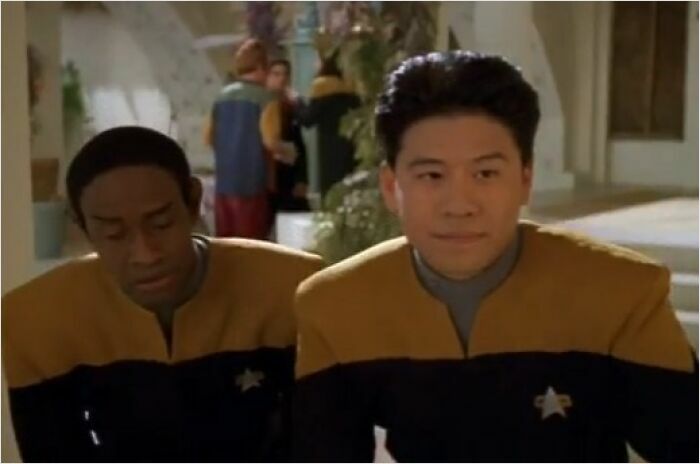
Not sure how much of this is apocryphal but the story is that after a few seasons of Voyager, the producers wanted to shake things up a bit. They decided to change the cast a bit but couldn't decide whether to end Kes, a female character, or Harry Kim.
The story was that some producer decided that Garrett Wang looked pretty good on a recent tv guide cover so the (fairly boring, imho) character might still have some life in him, so Kes was written out. Since they'd gotten rid of a female character they decided to add another, a sexy borg played by Jeri Ryan. She was a huge hit which raised her profile considerably, so when she divorced her husband Jack Ryan it was news. Jack then ran for the senate in Illinois, and details of his divorce went public. Because she was famous, this was big news, contributing to Ryan losing the primary to a little-known Barack Obama. All because Garrett Wang took a good picture one day.
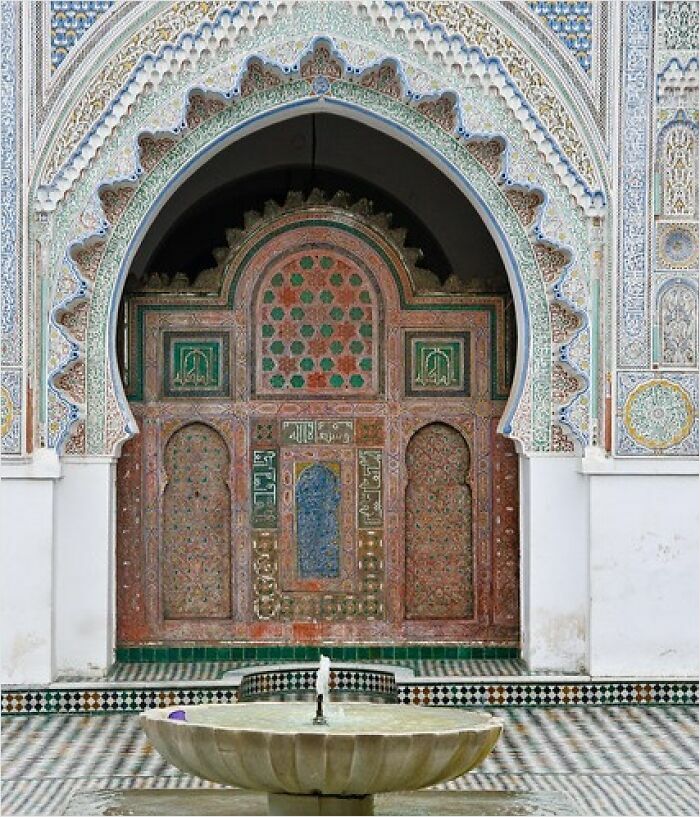
Today, we consider universities a regular life path to choose. But before Fatima al-Fihri, people didn't have the luxury of a more advanced education. She founded the university of al-Qarawiyyin in 859 AD, and it was considered the world's first university.
When al-Fihri's father passed, she inherited a large sum of money, so she chose to use it to build a mosque. She built it large enough to be able to include new believers, and it eventually became a religious institute that appealed to many students and scientists. While there were similar mosques during that time, it came before others like the Sankore Mosque in Timbuktu (989 AD) and the University of Bologna (1088 AD).
In fact, the al-Qarawiyyin University still runs to this day. While not many know that it started the concept of universities, the people who attend it are familiar with al-Fihri's great success. She is now considered a saint who is respected by many citizens of Fez, Morocco.
Yet the Taliban refuse to allow the education of women. When did Islam turn so neo-conservative? Ironically, so-called Christians are now following the same route ...
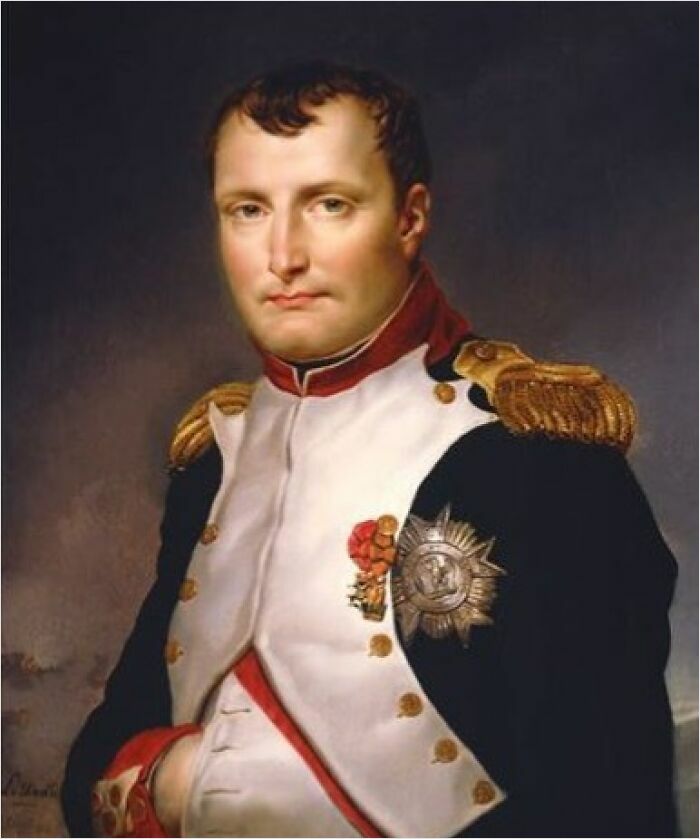
Napoleon’s campaign in Egypt failed militarily, but his fascination led to the discovery of the Rosetta Stone. This find unlocked the secrets of ancient Egyptian hieroglyphs, revolutionizing archaeology and our understanding of history.
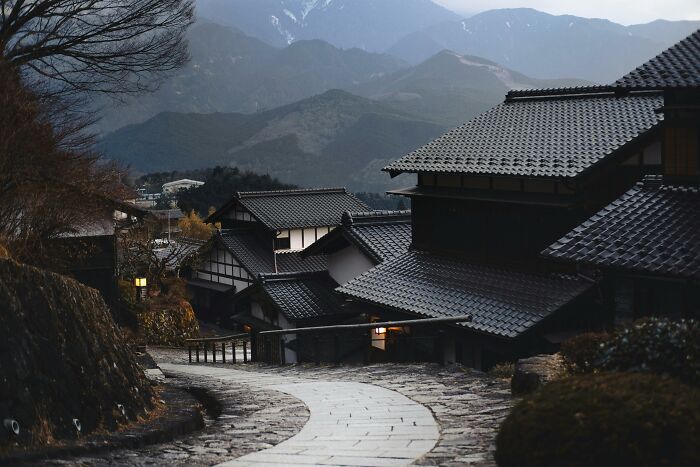
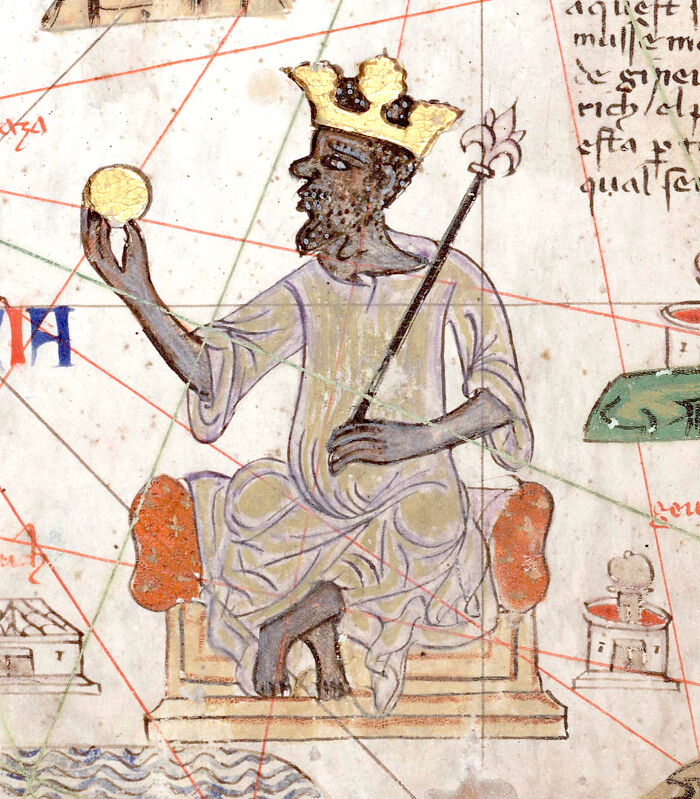
In 1274 and 1281, Kublai Khan’s fleets were destroyed by typhoons while attempting to invade Japan. The Japanese named these storms “kamikaze,” or divine winds.
The survival of Japan’s independence hinged on nature’s fury.
Kublai Kahn losing so many troops and ships and resources meant his advancement to Europe slowed down and stopped. So Japan being good at defense and all around "nope, get winded" probably saved a lot of Europe
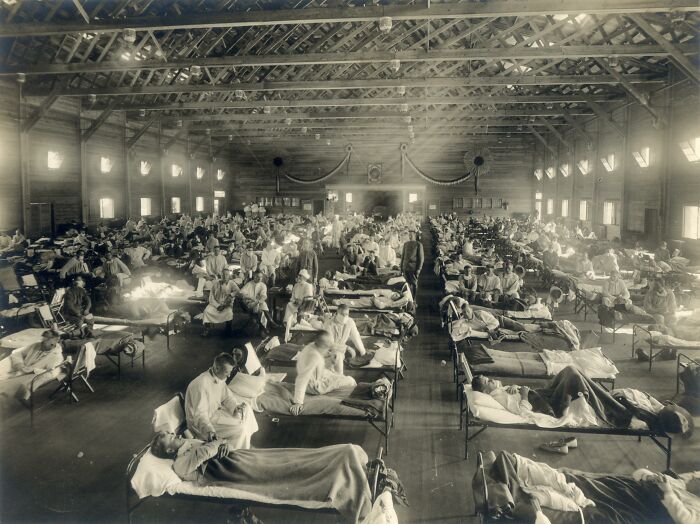
Though the Spanish Flu claimed millions of lives globally, its long-term societal and political impacts are often understated.
The pandemic weakened economies, disrupted trade, and left a generation grappling with loss in the aftermath of World War I. It also highlighted the vulnerabilities in global health systems, influencing later public health policies.
Additionally, the spread of the virus exposed the dangers of wartime propaganda, as governments often downplayed the severity of the outbreak.
The pandemic also set the stage for advancements in medical research. Its lessons on global health cooperation resonate to this day, especially in light of modern pandemics.
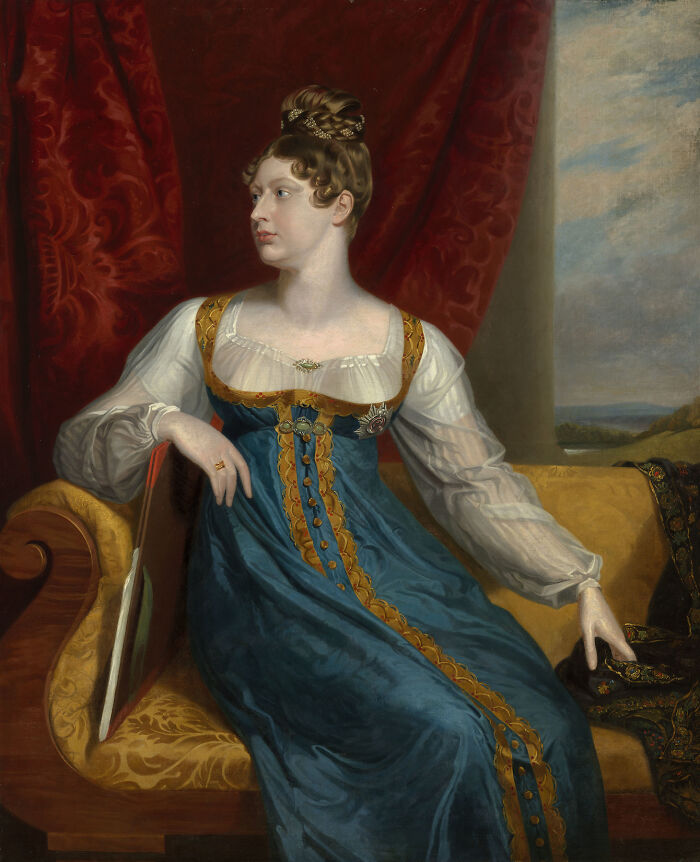
Charlotte was the daughter of George IV and was the last hope for the Hanoverian line and was very popular. After she died in childbirth in 1818, she and her stillborn son were greatly mourned. Her death made George IV’s brothers dump their mistresses and many illegitimate children and marry princesses and father legitimate children, this lead to a baby being born who would become Queen Victoria, also known as the Grandmother of Europe.
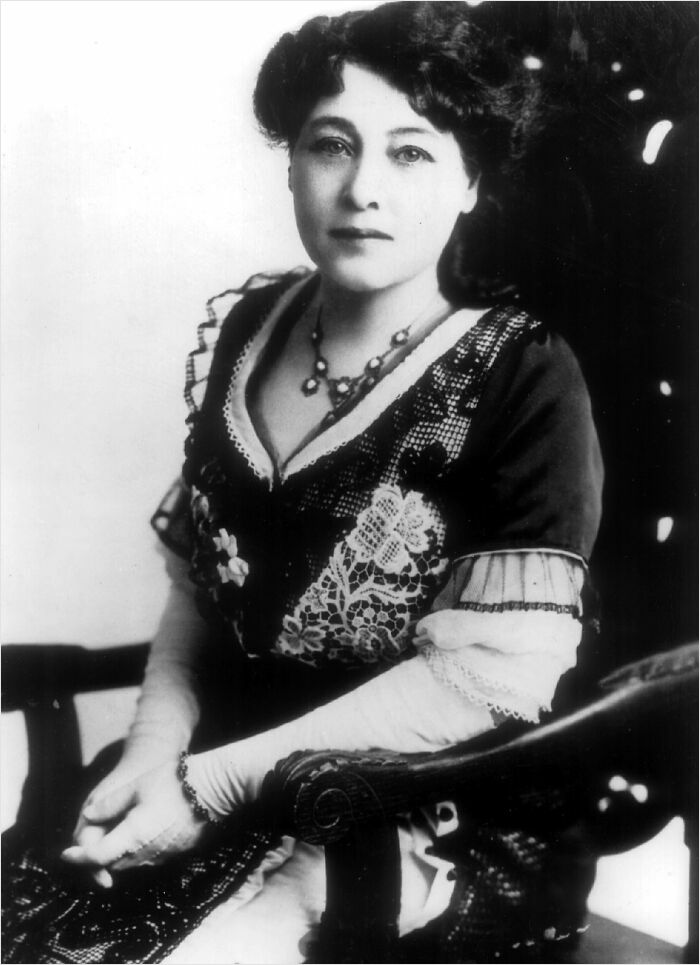
She directed her first film in 1896, titled La fée aux choux (“The Cabbage Fairy”). Soon after, she became Gaumont film company's head of production, meaning she directed nearly all their films for the next few years. In total, she directed over 1,000 films. Many of them were shorter stories, which was the norm back then.
Guy's early films only ran for a minute or two, but as the film industry progressed, she worked on more notable projects. Her works included La vie du Christ in 1906. Despite her huge success, she was disappointed for not always getting the credit she deserved. “It is a failure; is it a success? I don’t know," wrote Guy.
She was her own PR, particularly in later life. She noticed the history of film repeatedly left her out in favor of Georges Méliès and the Lumière brothers, so spent countless time correcting records, making lists, and talking with the various influential filmmakers to ensure she got proper credit. Most of what we know about her is because she made meticulous notes & made sure everyone remembered her influence.
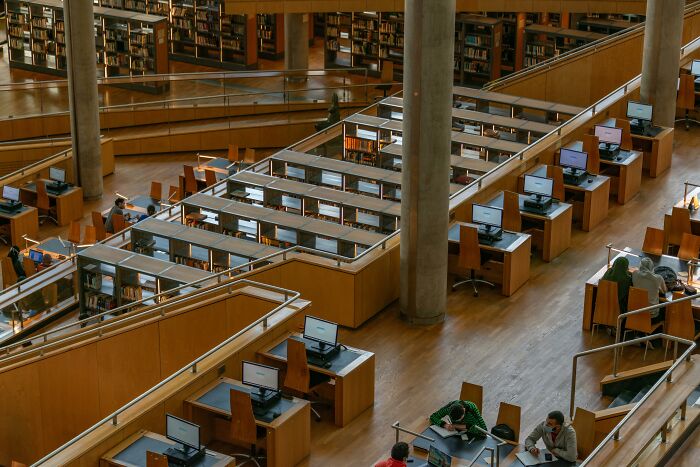
The Library of Alexandria wasn’t destroyed in one fiery event as often portrayed. Instead, it faced a gradual decline due to neglect and political instability. This loss of knowledge stunted intellectual progress for centuries, setting back science, philosophy, and cultural exchange.
John Landis Mason's invention might not have saved lives, but it helped save a lot of food. As you may have guessed from his name, he created Mason jars. Before his invention, the popular way to can food was to use wax to make an airtight seal. Needless to say, it was far too messy and tedious. Canning was a vital part of home life in rural areas or when trips to a grocery store were few and far between. Canning and preserving food may extend its shelf life for several years.
In 1858, Mason created jars that were made of transparent glass with a screw-on top. Inside the flat metal lids, he placed a rubber ring, which was crucial to making the container airtight. Sadly, he forgot to patent that part of his invention until Mason jars had already become widely popular. He slowly lost control over his invention and perished without being rich from success. It's amazing how such a simple product for us today could've been so revolutionary in its day.
"Mason jars are still popular because they're both useful and beautiful," said Marisa McClellan, a food canning expert. "Whether you use them for canning, dry good storage, drinking glasses, or just to hold pens on your desk, they are functional and pleasing."

His invention did save lives It helped preserve food safer and cut down on food borne illnesses
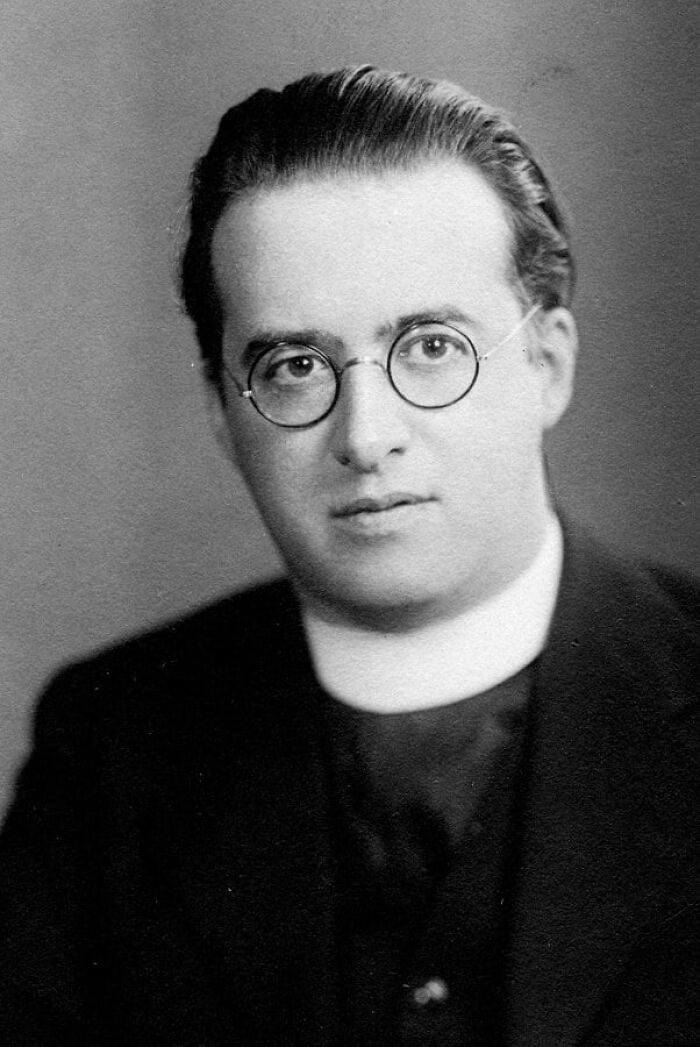
In 1927, Georges Lemaître, a Belgian priest-scientist, theorized the universe’s expansion after pondering Einstein’s equations during a train ride. His musings became the foundation for the Big Bang Theory, altering our understanding of the cosmos.
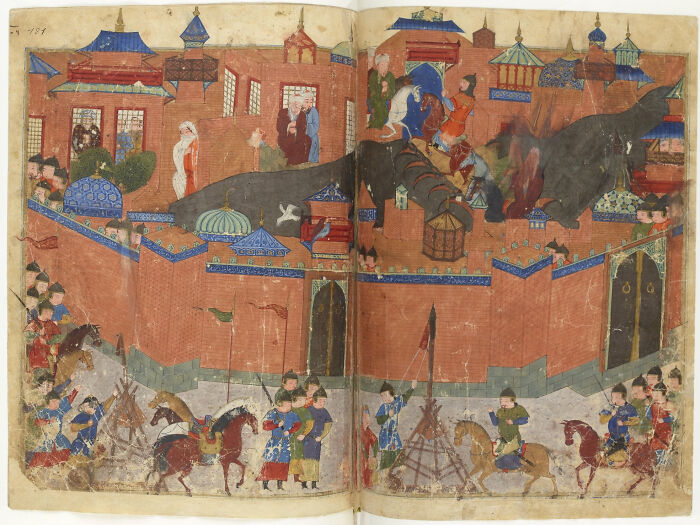
When the Mongols, led by Hulagu Khan, sacked Baghdad in 1258, it marked the end of the Islamic Golden Age. Baghdad was a major center of learning, culture, and commerce, but the invasion resulted in mass destruction.
Thousands of scholars died, and invaluable knowledge was lost. This event not only decimated the Abbasid Caliphate but also crippled the intellectual and cultural heart of the Islamic world. The power vacuum created in the region would later be filled by other empires, altering the balance of power in the Middle East. The Sack of Baghdad reshaped Islamic civilization for centuries to come.
Sad that Islam, that fount of knowledge back then, has become the face of repression today. Sadly mirrored today by so-called Christians, parading as evangelicals & neo-cons etc.
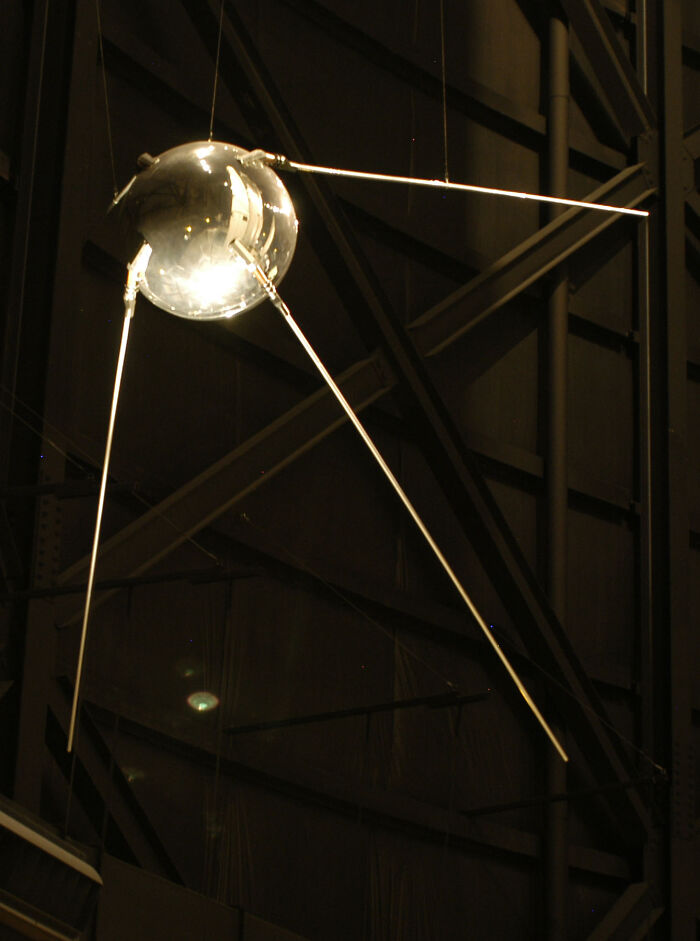
When the Soviets launched Sputnik 1, a loose screw shortened its operational life. Despite its brief transmission, the satellite’s launch ignited the space race, propelling humanity toward the moon and beyond.
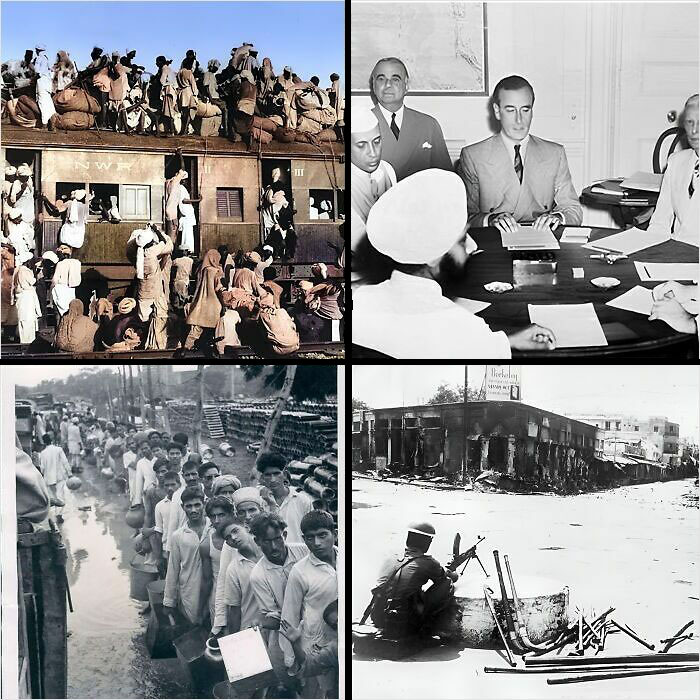
The partition of India in 1947 led to one of the largest mass migrations in history, yet its broader implications are often overlooked.
Britain’s hasty withdrawal left behind deep religious divisions, splitting India into two nations: Hindu-majority India and Muslim-majority Pakistan. This division ignited widespread violence, displacing millions and leaving deep scars on both nations.
The effects of partition continue to influence Indo-Pak relations, particularly over the Kashmir conflict. Additionally, it set a precedent for post-colonial struggles in other regions. The ripple effects of partition are still evident in South Asia’s geopolitical tensions today.

The idea of segregating and classifying people by "race" hasn't really gone well anywhere, even today.
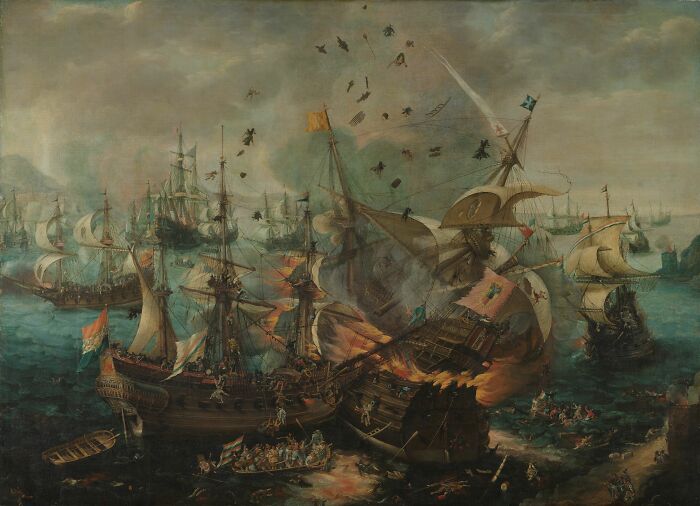
The Dutch Revolt is often overshadowed by larger European conflicts but had profound long-term consequences. It led to the independence of the Dutch Republic from Spanish rule and the establishment of a powerful maritime empire. This revolt also inspired other nations seeking independence from European monarchies. The Republic’s eventual dominance in global trade fostered a golden age of science, culture, and art. Moreover, it weakened Spain’s dominance and contributed to the shifting balance of power in Europe. The Dutch Revolt laid the foundation for the modern Netherlands and influenced global trade routes for centuries.
I live in a little village next to the Belgian border, at the coast in the southwest. The old forts and defense lines are still visible, even after the violent WWI and WWII left their traces, too. this region being Dutch is part of the bargain that enabled Belgium to separate. Look at the map and the location of their most important harbour, Antwerp. Our old church has a bolt high up in the door frame - as last resort to get the Spains out, the dikes were opened and the entire area was flooded.
During negotiations after World War I, a clerk’s error placed the Saar Basin under League of Nations control for 15 years instead of the intended 5. This minor mistake escalated tensions in Germany, fueling discontent that was later exploited.
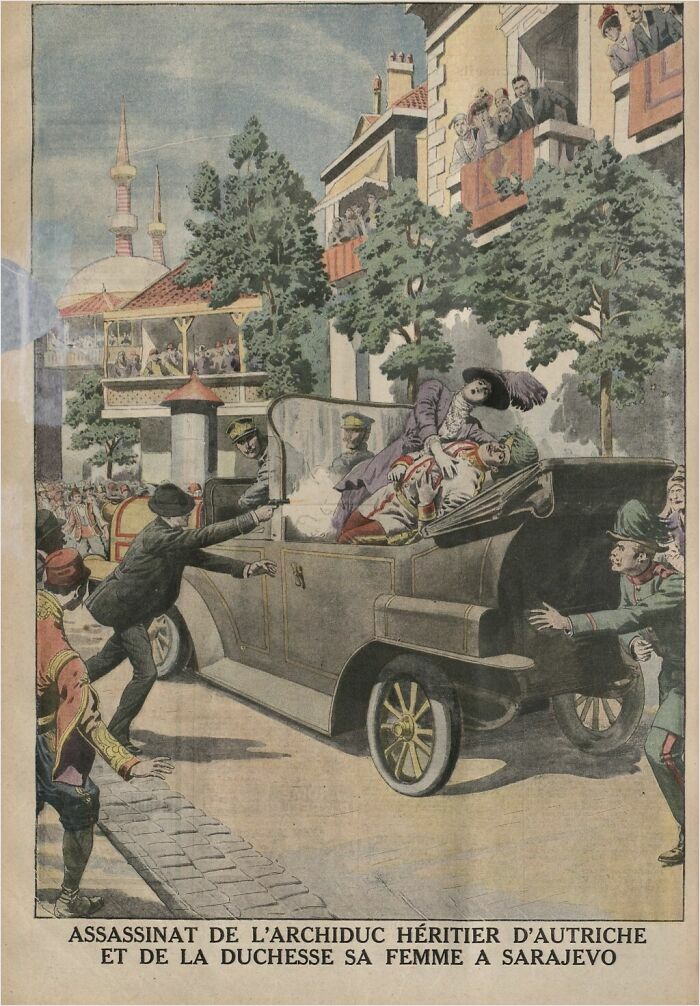
Before the infamous successful shot that sparked World War I, one assassin’s bomb missed Archduke Franz Ferdinand’s car entirely. That failed attempt rerouted his vehicle, placing him in the path of another assassin.
A single mishap set a global war in motion.
The whole thing was a comedic mess worthy of Benny Hill. First, due to a mixup with the local police, he ended up in the wrong car & without his normal personal security. Then for the first attempt there were a half dozen "assassins" stretched down the planned street. The first one had a bomb but didn't do anything. The second had a gun & didn't do anything. The 3rd threw his bomb but it bounced off the back of the car. That dude took his cyanide pill & jumped in the river, but the cyanide was old so just made him violently sick, and the river was low from drought & only 5" deep. Crowd got hold of him who beat him badly but not to death. After an unscheduled stop to visit the hospital treating the people wounded from the bomb, the police organized a different, protected route back, but failed to tell the drivers. When the drivers were notified of the mistake, they stopped to reverse & just happened to stop near one of the assassins, who was trying to get to the new route.
In 1588, the Spanish Armada’s defeat was due largely to poor planning and bad weather. The outcome preserved England’s independence and helped establish it as a future global power.
It was a crazy war. The armada left Spain with 141 ships, 10k sailors, and 20k soldiers, with plans to meet up with another 30k soldiers at England. Through weather & such, they arrived with 122ish ships but the majority were either supply or armed merchant ships. Plan was to sail up the channel, drop the soldiers off, & engage in naval battle. Instead they met 226 vessels, commanded by Sir Francis Drake, which also blocked their attempt at landing men. The English had more ships, but the Spanish had vastly superior firepower up close. English used that to their advantage by keeping them at distance. One of the hilarious battles, Drake captured a lead vessel at night and snuffed out their lantern. That lantern was the only thing guiding the other ships & they blundered around, some wrecking, most losing any kind of formation. It goes on, but it wasn't just bad planning & weather that hamstrung them. They were facing a brilliant tactician & commander, with superior numbers.
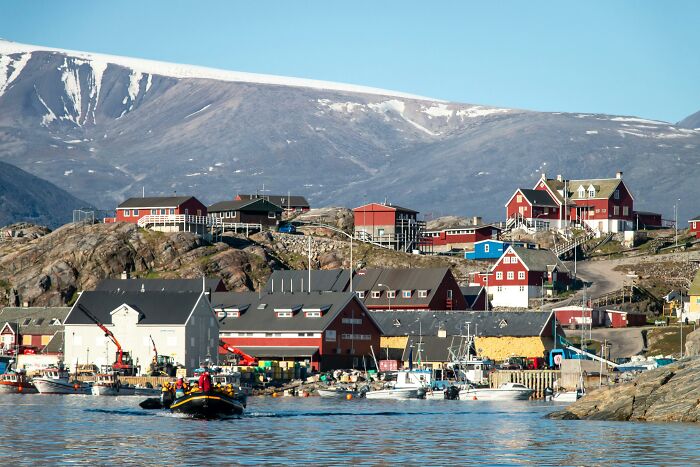
In 1000 CE, a meteorite struck Greenland, leaving locals awestruck. Norse missionaries interpreted it as a divine sign, facilitating the Christianization of Greenland and altering the region’s cultural trajectory.
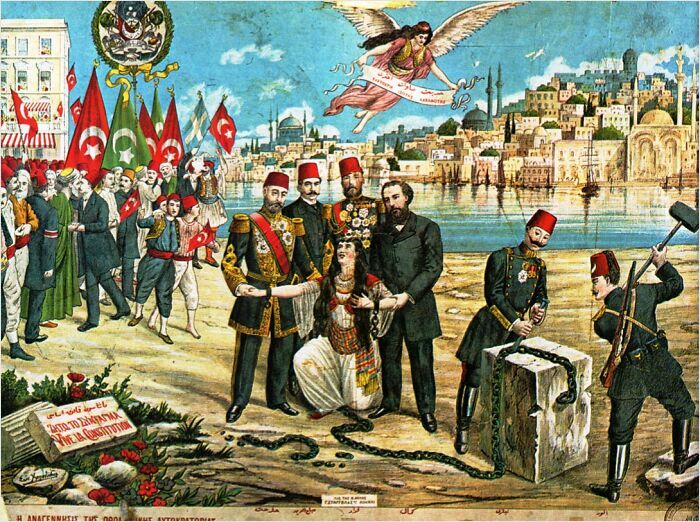
During the Ottoman Empire’s decline, the Tanzimat Reforms sought to modernize and centralize the empire. This ambitious set of laws included religious equality, improved education, and modernized military structures.
Despite initial optimism, many reforms were met with resistance, particularly from conservative factions. The long-term effects rippled through the Middle East, laying the groundwork for future nationalist movements. Additionally, the weakening of the Ottoman Empire increased European intervention in the region. These reforms, while partially successful, contributed to the eventual collapse of the empire after World War I.
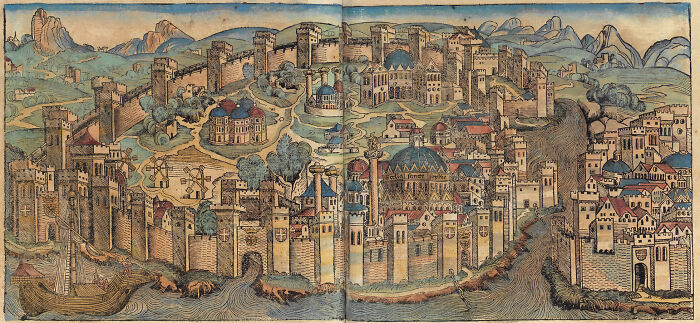
European powers lost their access to the Near & Far East trade routes, and importantly, their spices. So many powers, starting with the Portuguese decided to find another access route, spurring the start of European exploration in earnest and ultimately the Age of Exploration and later Colonialism.

The "Fall of Constantinople" did not cause European powers to lose their access to the Near & Far East trade routes. Those fell under Ottoman control with the conquest of the Balkans in the 1300s. By the time it was finally taken in 1453, Constantinople was a tiny multicultural "island" in a vast Ottoman "sea". (Think the "last days" of Hong Kong, Goa, and Macau.)
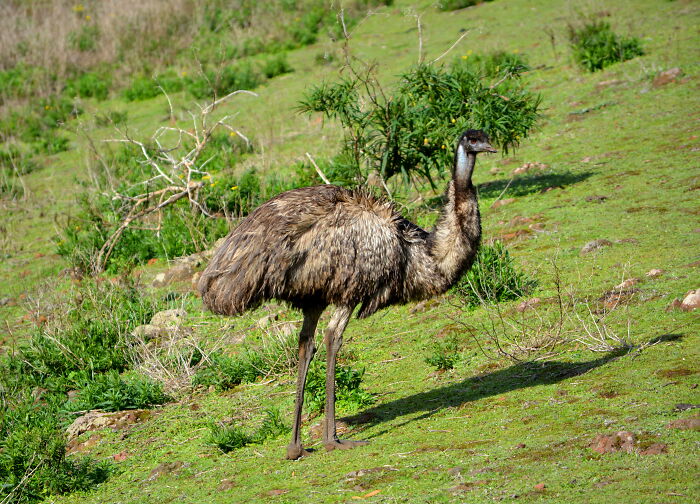
In a bizarre chapter of Australian history, farmers in Western Australia found themselves secured an useless resist an unexpected for: emus. Confronted with an increase of emus damaging their crops, the Australian military was deployed to fight the birds in what came to be called the Great Emu Battle. Despite their best efforts, the soldiers showed no suit for the nimble birds, causing a farcical defeat. While the event may seem funny in retrospection, it highlights the intricacies of human-wildlife disputes and the unexpected consequences of environmental disturbance.
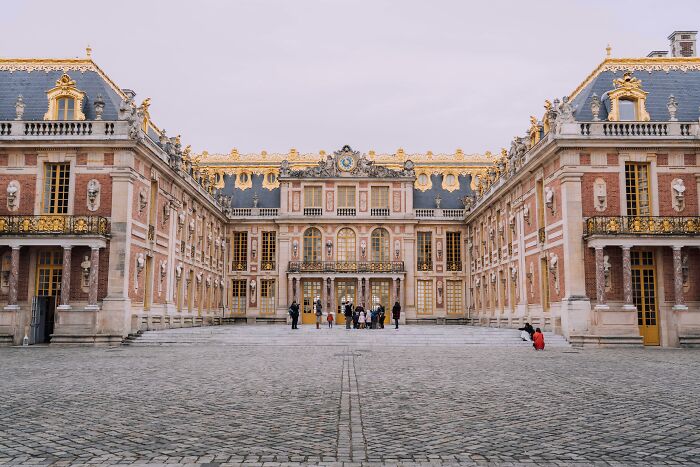
In 1944, with World War Two beginning to wind down, 730 delegates from all forty-four Allied nations met at a large hotel in New Hampshire. The meeting was held in an attempt to “outlaw practices which are agreed to be harmful to world prosperity”. In short, an international banking system was to be established.
Following this meeting, the International Monetary Fund was founded, all currencies were required to be convertible for trade, and exchange rates were modified so that one nation would not be favored over another. The ideas founded at this conference led to the development of the World Bank.
In short, the international economy we now reside in and (occasionally) enjoy can be traced back to a meeting in the backwaters of rural New Hampshire.

Except in 1971 the gold standard was abandoned and the debt-driven economies of today started to arise.
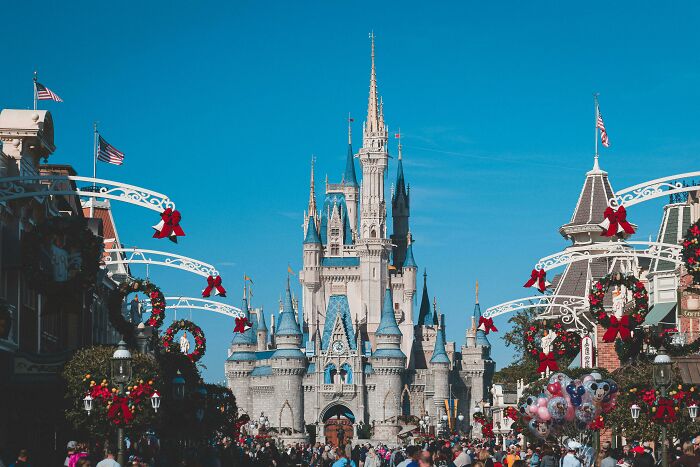
In the 1950s, Walt Disney faced a lawsuit over unpaid wages. Settling the case left him with little cash but inspired him to diversify into theme parks. The result? Disneyland, a cultural icon.
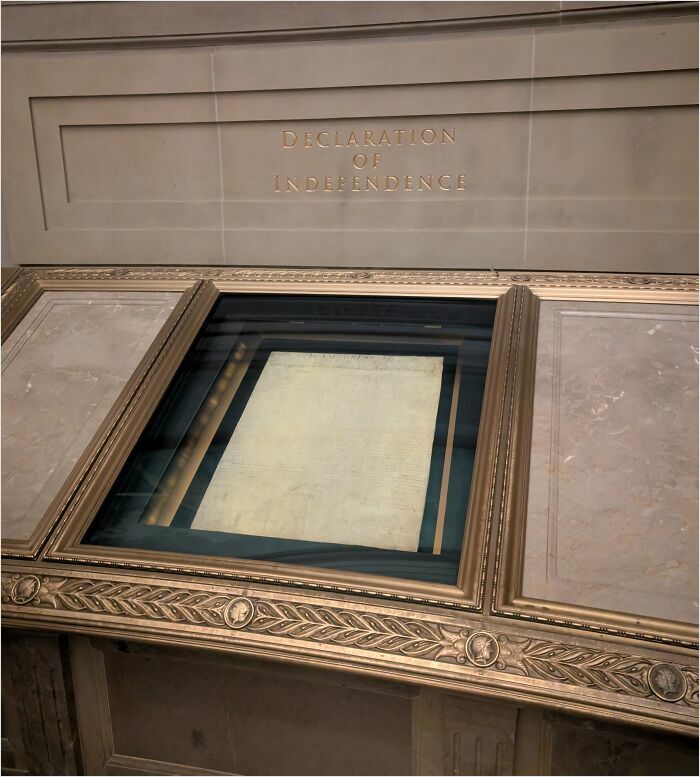
During the War of 1812, British forces burned Washington, D.C. A quick-thinking priest, John Notman, smuggled the Declaration of Independence to safety in a flour sack. Without his actions, America’s founding document might have been lost forever.
There were 200 copies of the Declaration printed. 29 exist today. The one in the National Archives has all the signatures, but the D of I was in little danger of total obliteration, as long as America remained independent, and protected the remaining copies. What threatens it more today is the Washington D.C. oligarchy.
Now nearly every object brought and sold on the planet is delivered in containers that are interchangeable and movable because of this system.
This is also why I think April 26th, 1956 was the most significant day of the 20th century, and possibly the 21st century as well.
It was on purpose, as it flooded the supply, which ruined the price of old there.
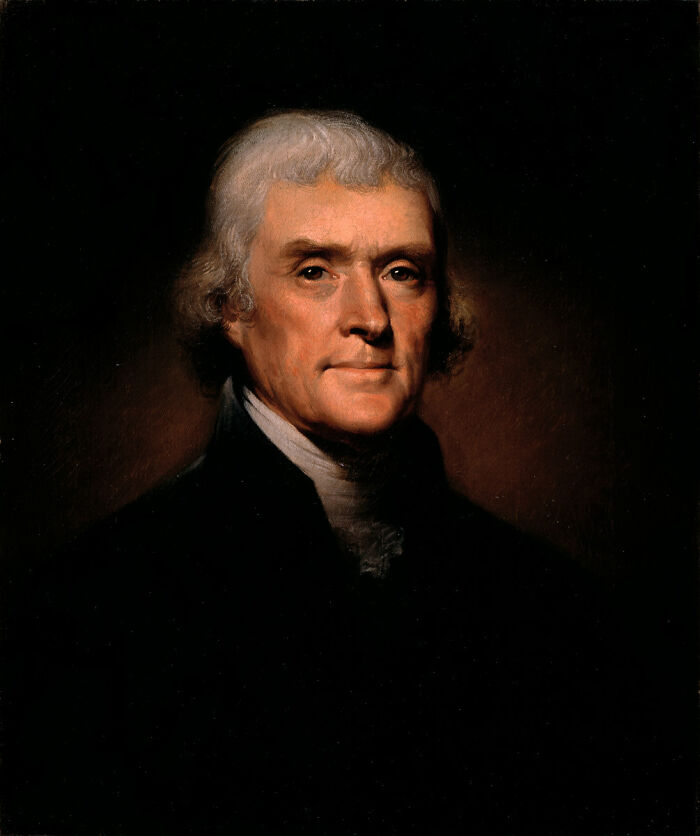
In the early years of the United States, there was a strong desire to replace the British units of measurement, and Jefferson sought French assistance to introduce the metric system.
Unfortunately, the plan took a tragic turn. In 1794, scientist Joseph Dombey, sent by France, faced misfortune as his ship was blown off-course by a storm and captured by British privateers. Despite his attempts to disguise himself, Dombey was taken hostage and imprisoned in Montserrat. Tragically, he died in captivity before a ransom could be paid, leaving Jefferson’s efforts to implement the metric system in America in vain.
The nation continued with its traditional measurement system, and the metric system remained unadopted. The ill-fated voyage of Joseph Dombey sealed the metric system’s fate in America.
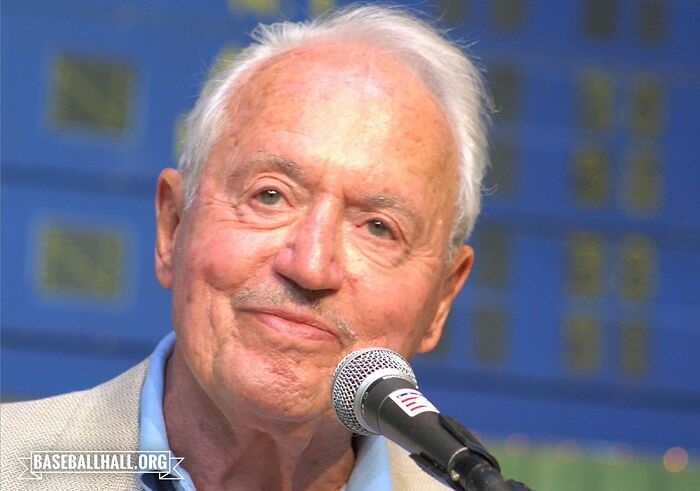
Marvin Miller only made it into the Baseball Hall of Fame in 2019, despite being the executive director of the Major League Baseball Players Association from 1966 to 1982 and establishing the first collective bargaining agreement in professional sports. This opened the door to free agency and shaped the way players, teams, owners, and leagues do business today. Before Miller, sports players had no room to negotiate in their roles. Their contracts were either take it or leave it, and that was it.
But Miller didn't see that as a fair way to handle these talented players. Baseball players used to be tethered to their own teams, and their contracts only lasted a year. Before each season, players could take the contract or do something else with their lives. There were no opportunities to grow or move around if needed. On top of everything else, players got no insurance, pensions, or quality medical care.
“People today don’t understand how beaten down the players were back then,” Miller said. “The players had low self-esteem, as any people in their position would have - like baggage owned by the clubs.”
So, Miller fought for the players when no one else would and he taught them to stand up for themselves, negotiating the first collective-bargaining agreement for professional sports. From there, minimum salaries were increased and the players were treated more fairly and equally.
This ended up spawning an entire class of peasants that were literate and this eventually snowballed into England becoming the world's superpower until the 20th century where the US took over.
Handing someone a book does not give them the ability to read it. Literacy had to come from something else.
In 1971, a Xerox employee leaked information about its graphical user interface. This technology inspired Steve Jobs and Apple, revolutionizing personal computing and shaping today’s tech-driven world.
During the Cuban Missile Crisis, this incident was interpreted as an act of aggression, but it was quickly resolved thanks to personal diplomacy between Kennedy and Khrushchev. A small error in this case could have led to catastrophic consequences for the entire world.
His name was "Francis Gary Powers" and he never "accidentally" flew in Soviet airspace. He was specifically sent there on spying missions. His U-2 aircraft did get shot down. He survived and was captured. The situation was not "quickly resolved" as he was held prisoner for 21 months. Also, the incident happened about two years before the Cuban Missile Crisis. So basically, this post is complete nonsense.
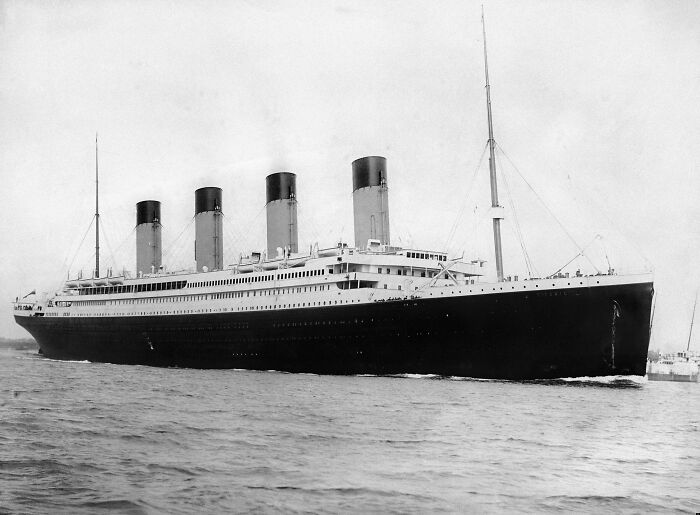
That key belonged to the crow’s nest locker, where the binoculars were stored for the lookouts and was in the possession of a man named David Blair. Initially, Blair had been named Second Officer of the Titanic, responsible for all the navigation equipment. He was aboard the liner during its short voyage from Belfast, where it was built, to Southhampton, where it was due to depart on its maiden voyage. In Southhampton, however, he was replaced with a more experienced officer and, when he left the ship, he accidentally took the key with him.
With the crow’s nest locker locked, the lookouts relied on their naked eyes which, as we know by now, proved insufficient. Of course, we don’t know if, ultimately, the binoculars would have made the crucial difference, but at least one of the lookouts thought so and testified during the inquiry that with binoculars they would have spotted the iceberg in time to move out of the way.

This is false, the glasses weren't used for iceberg spotting but for identification. The iceberg was simply spotted too late.
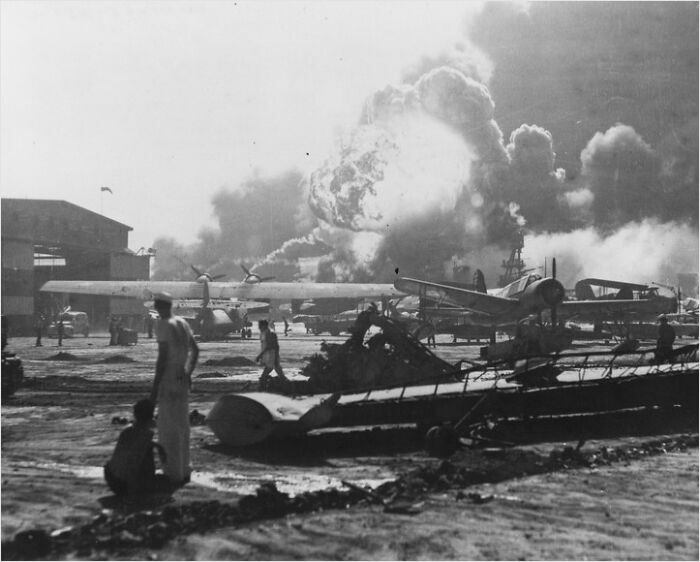
On December 7, 1941, a radar operator in Hawaii spotted incoming planes but dismissed them as American bombers. The ignored report allowed Japan to carry out its devastating attack, dragging the U.S. into World War II.
Wrong. A radar operator called it in. He was told not to worry about it because the Japanese were taken for a flight of Flying Fortresses coming in from California.


Again, many factually incorrect posts scraped from Reddit. A little fact checking for the Premium, BP?
If you get your history lessons from Reddit, I've got some bad news for you....
There's a better video for it on youtube? The history of the entire world I guess
Load More Replies...
The invention of the needle allowed people to make insulated, form-fitting clothes, and that allowed widespread migration into the northern hemisphere. "Here put these pants on. Those animal skins you have draped over you make you look like a twat and I can see your d**k!"

And let's not forget the invention of the washer and the vacuum, which allowed millions (of women) to join the work force.

Yeah, my New Year's resolution was to stop posting things on BP so much because I realised it was getting out of hand. The introduction of Panda premium has instantly cured my of my only social media dependency! I only post about once a week now and don't even bother checking it most days.
Load More Replies... Again, many factually incorrect posts scraped from Reddit. A little fact checking for the Premium, BP?
If you get your history lessons from Reddit, I've got some bad news for you....
There's a better video for it on youtube? The history of the entire world I guess
Load More Replies... The invention of the needle allowed people to make insulated, form-fitting clothes, and that allowed widespread migration into the northern hemisphere. "Here put these pants on. Those animal skins you have draped over you make you look like a twat and I can see your d**k!"
And let's not forget the invention of the washer and the vacuum, which allowed millions (of women) to join the work force.
Yeah, my New Year's resolution was to stop posting things on BP so much because I realised it was getting out of hand. The introduction of Panda premium has instantly cured my of my only social media dependency! I only post about once a week now and don't even bother checking it most days.
Load More Replies...






















 No fees, cancel anytime