Get Premium
Dark mode theme is available exclusively for premium users. Learn more about the benefits of subscribing.
No fees, cancel anytime.

 Dark Mode Ad-Free Browsing Unlimited Content
 Ad-Free Browsing Unlimited Content Dark Mode
Join 1.2 million Panda readers who get the best art, memes, and fun stories every week!





Even if you only think about some of those sports every four years, there's no denying that the Olympic games have a special kind of romance attached to them. Athletes spend years honing their skills, practicing again and again to reach the peak of their abilities. But at the end of the day, they’re still people.
So we’ve gathered some fascinating stories of Olympic athletes, past and present, and what they’re up to when they aren’t competing for medals. Get comfortable as you scroll through, upvote your favorite examples and be sure to share your own thoughts in the comments section down below.
This post may include affiliate links.
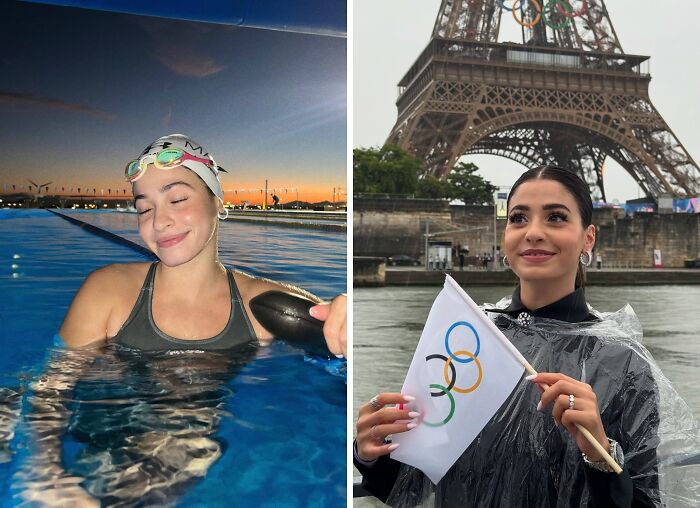
Before Yusra Mardini was swimming for medals, she was quite literally swimming for survival. In August 2015, while fleeing the Syrian Civil War at just seventeen, she found herself stranded in the middle of the Aegean Sea when the motor on her dinghy failed during a crossing from Turkey to Greece.
Rather than letting the boat drift, she, her sister Sara, and two others jumped into the water and pushed the vessel for hours, saving the lives of all eighteen people on board. That harrowing journey transformed her into a global symbol of resilience and by April 2017, at the age of nineteen, she was appointed as the youngest Goodwill Ambassador in the history of the UNHCR, using her platform to champion the cause of displaced people everywhere.
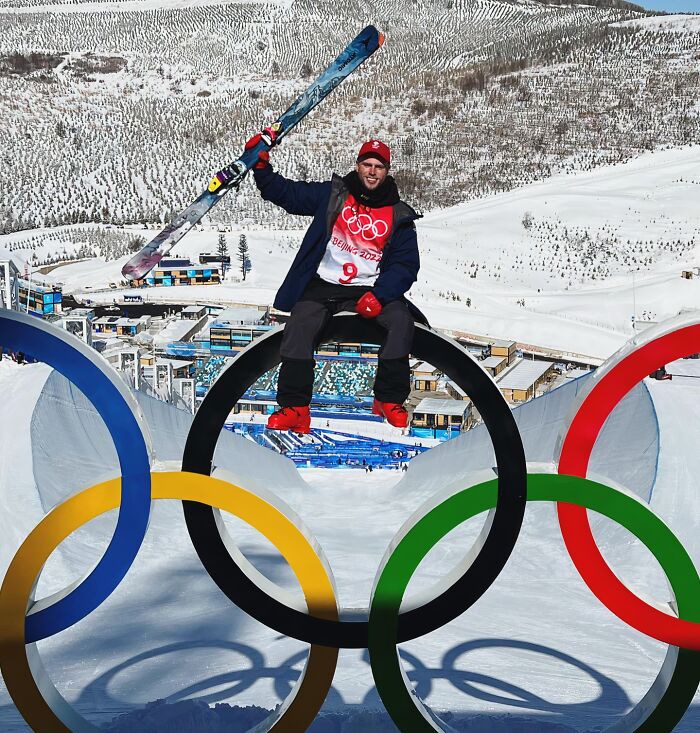
Heading into the 2014 Sochi Winter Games, the hype around Gus Kenworthy was real, thanks to a three-year streak of dominating the AFP World Championships. The British-born skier lived up to the pressure on the mountain, grabbing silver in slopestyle during a historic clean sweep for the Americans, but he actually made just as many headlines for his compassion off the snow.
He famously rescued a family of stray dogs he discovered in Russia, a move that instantly endeared him to fans worldwide. His impact deepened in October 2015 when he came out as gay in a national interview, becoming a trailblazer for LGBTQ+ visibility in action sports. While injuries limited him to a 12th-place finish when he returned for the 2018 PyeongChang Games, his status as both a top-tier athlete and a cultural icon was already cemented.
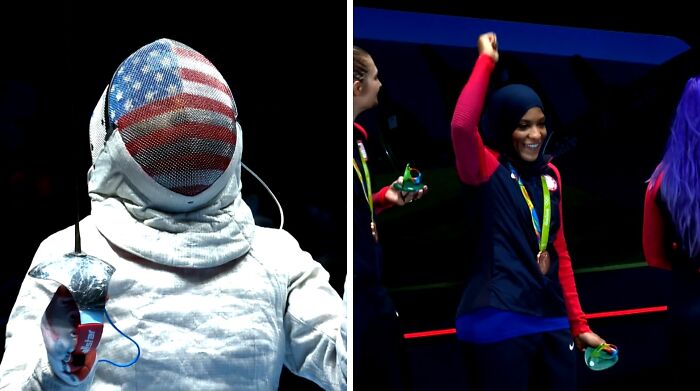
New Jersey native Ibtihaj Muhammad competed at the Rio 2016 Games, and she changed the face of Team USA forever. By stepping onto the piste wearing a hijab, she became the first American Olympian to do so, eventually slashing her way to a team bronze medal. "I wanted to find a sport where I could be fully covered and I didn't have to look different," she explains. She dabbled in various sports, including softball, track, and volleyball, but fencing was the one that really struck a chord with her, especially because the focus was on her talent and not on her modest clothing.
That podium finish was the cherry on top of a stellar fencing career that kicked off internationally with a bronze at the 2011 World Championships and eventually included a World title among her six total medals. Her impact went way beyond the scoreboard, though, landing her a spot on TIME’s 100 Most Influential People list. She openly aimed to use her platform to challenge and reshape the way the world viewed the Muslim community.
The story of the modern Olympics begins not with a race but with a dream held by a French educator named Pierre de Coubertin. He believed that sport could bring a fractured world together and his persistence led to the founding of the International Olympic Committee in 1894. Just two years later the first modern games took place in Athens as a tribute to the ancient origins of the competition.
While only fourteen nations participated in that inaugural event it set the stage for a global phenomenon that would eventually capture the imagination of billions. The early years of the movement were admittedly a bit chaotic and experimental. For example the 1900 Paris Games featured unusual events like tug of war while the 1896 Athens Games paved the way for more organized structures.
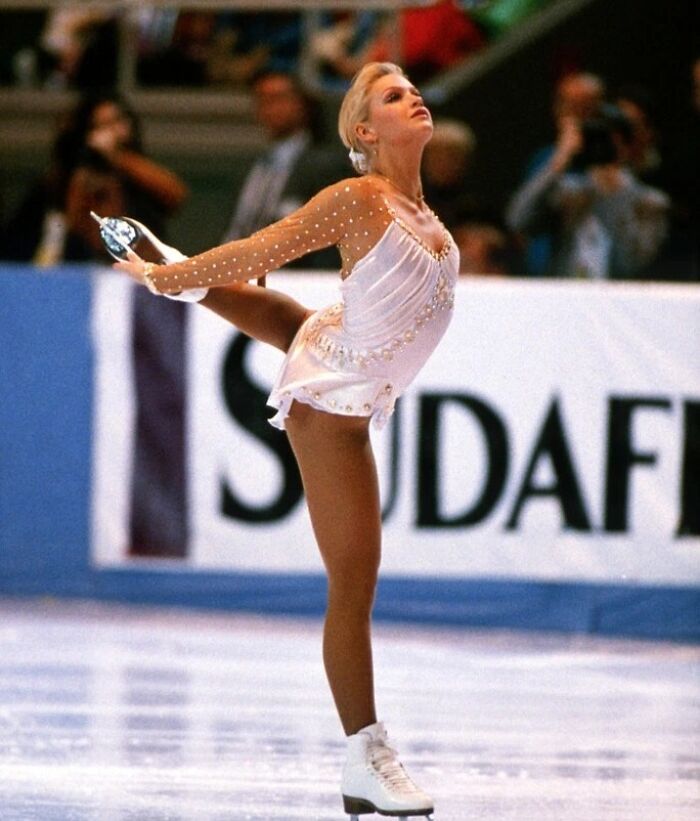
Back in the mid-90s, Nicole Bobek was the wild card of American figure skating, possessing a raw, natural talent that propelled her to a National Championship in 1995 and a bronze medal at the World Championships that same year. However, her career was often defined by a "what could have been" energy. She was notorious for inconsistent training habits and a revolving door of coaches, which likely cost her even more hardware before she made her Olympic appearance in 1998.
After hanging up her competitive skates in 1999, she spent time touring with Champions on Ice, but her post-skating life hit some serious turbulence. Bobek eventually opened up about her battles with dependency, a struggle that culminated in 2010 when she pled guilty to conspiracy to distribute illegal substances, serving five years of probation and completing community service to resolve the case.
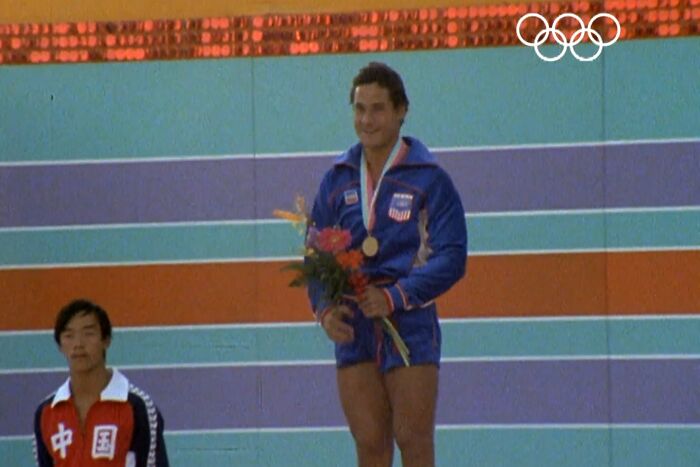
The 1988 Seoul Games are often remembered for that heart-stopping moment when Greg Louganis struck his head on the diving board, but the real drama was happening inside his own head. At the time, the champion diver was secretly living with HIV, a fact his coach, Ron O'Brien, had urged him to keep from the U.S. Olympic Committee to ensure he wouldn't be barred from competing.
In an era where fear and misinformation about the virus were rampant, Louganis was terrified that his blood in the water might endanger others, even though diving is a non-contact sport. He managed to finish the competition, but he didn't feel safe enough to reveal his diagnosis to the world until 1995, later admitting that if he had been open about it back in '88, he never would have been allowed near the pool.
Most sports fans remember Dominique Moceanu as the baby of the "Magnificent Seven," the historic squad that secured the first-ever team gold for U.S. women's gymnastics at the 1996 Atlanta Games. She was a dominant force in the mid-90s, picking up medals at the '95 World Championships and winning the all-around title at the 1998 Goodwill Games.
But her most incredible story actually happened off the mat, as revealed in her memoir Off Balance. She discovered she had a younger sister, Jennifer Bricker, who had been born without legs and placed for adoption at birth. In a twist that has since been covered in documentaries like She Looks Like Me, Bricker grew up to be an accomplished aerialist who actually idolized Moceanu, never realizing she was watching her own biological sister making history on TV.
One of the most bizarre moments occurred during the 1904 St. Louis marathon which involved dusty roads and competitors hitching rides in cars or being chased by wild dogs. As the games grew they began to adopt the symbols we recognize today. The iconic five rings were designed in 1913 to represent the five inhabited continents joined together by a common goal.
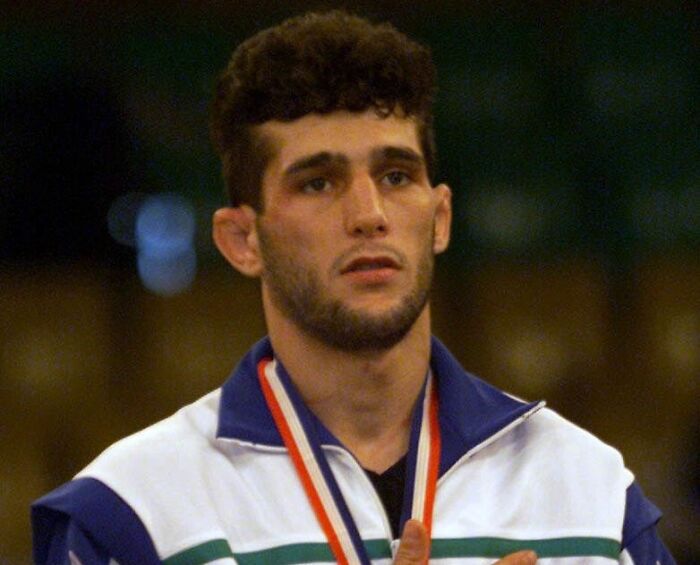
Heading into the 2004 Athens Games, Arash Miresmaeili was a favorite to grab a medal, having already proved himself as a world champion. However, his Olympic run ended in a cloud of controversy before he even stepped onto the mat. Scheduled to fight Ehud Vaks of Israel in the opening round, the Iranian judoka showed up to the weigh-in nearly two kilograms over the 66kg limit.
While the International Judo Federation was baffled that a pro could miss weight so drastically, it turned out to be a calculated move. Miresmaeili had reportedly binge-eaten to force a disqualification, avoiding the match against an Israeli opponent as a political statement of support for Palestine. The decision made him a hero back home, and that popularity eventually helped him secure the presidency of the Iranian Judo Federation in 2019.
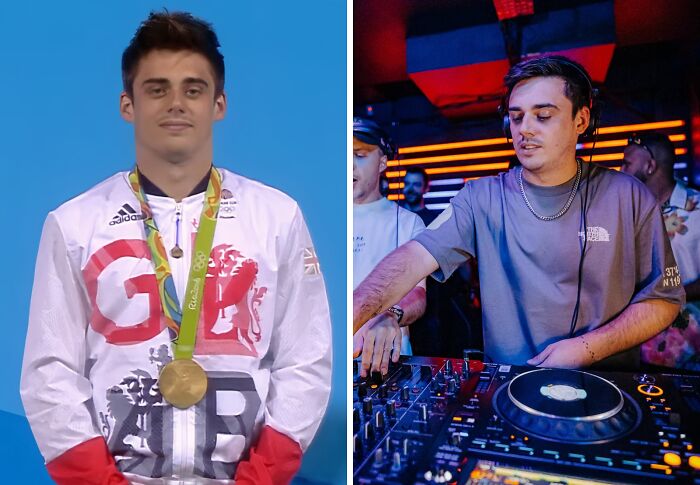
It is pretty rare to find a world-class athlete who can spin a deck as well as he can dive, but Chris Mears manages to pull double duty as a DJ and a competitive diver. By the time he was twenty-two, he was already eyeing a spot at the Rio 2016 Games, building on a resume that included a gold medal at the 2014 Commonwealth Games and an appearance at London 2012.
What makes his rise even more impressive is that he nearly lost his life in 2009, battling back from a ruptured spleen and glandular fever, which almost ended him. Off the diving board, he followed his passion for electronic and dance music by releasing his debut single, "Mexico," specifically targeting the Latin American market.
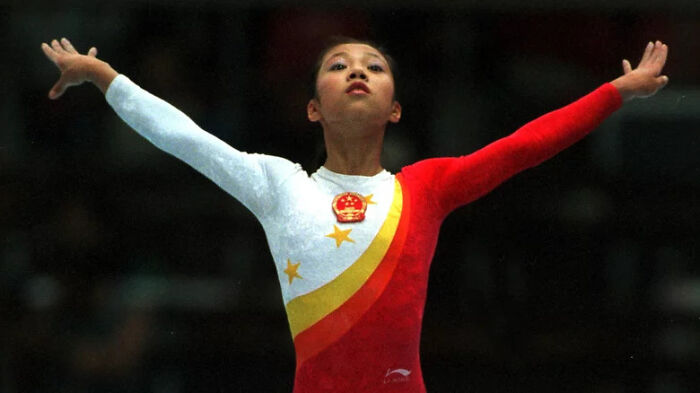
It turns out that the bronze medal Dong Fangxiao helped the Chinese gymnastics team secure at the 2000 Sydney Olympics was built on a falsified birth date. While she originally competed with a passport claiming she was born in January 1983, the truth eventually slipped out years later when she registered to work as a technical official for the 2008 Beijing Games.
Her paperwork at that time, along with her CV, listed her actual birthday as January 23, 1986. That meant she was only fourteen years old during the Olympics and just thirteen at the 1999 World Championships, placing her well below the International Federation of Gymnastics' minimum age requirement. As a result, the record books were corrected, and she and her teammates were stripped of their hard-won medals from both events.
This visual reminder of unity became even more poignant after the first world war when the games returned in 1920 to help heal a scarred Europe. The introduction of the winter games in 1924 further expanded the reach of the Olympic brand allowing nations with colder climates to showcase their prowess in sports like skiing and ice hockey.
One of the most brazen scandals in sports history went down at the 2000 Sydney Paralympics, and it hit Spain. The national basketball team competing in the intellectual disability category took home the gold, but the victory was a total sham. It turned out that one of the players, Carlos Ribagorda, was actually a journalist writing for the business magazine Capital, and he blew the whistle on the whole operation.
He revealed that the Spanish Paralympic Committee hadn't bothered with the required medical exams to verify that the athletes had IQs below 75; in fact, most of the team had no disability at all. The gold medals were quickly revoked, and the investigation suggested the fraud wasn't limited to the court, with allegations that fake competitors had also infiltrated the swimming, track, and table tennis squads.
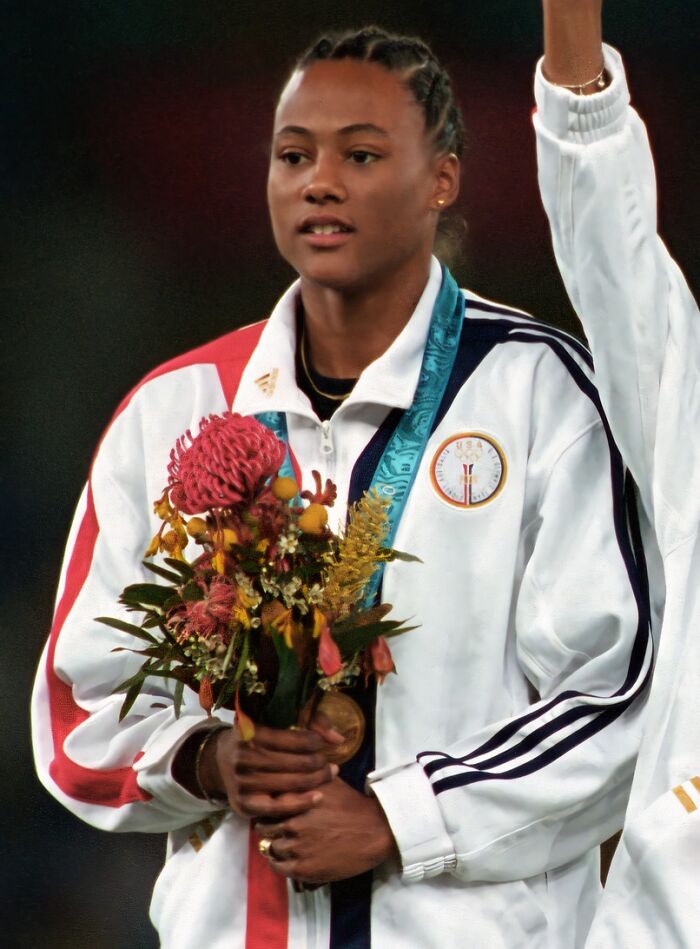
At the turn of the millennium, Marion Jones was the undisputed face of the Sydney Olympic Games, where she chased an incredibly ambitious goal of winning five gold medals. She came impressively close, dominating the track to secure gold in the 100m, 200m, and 4x400m relay, while adding bronzes in the long jump and 4x100m to her haul.
However, despite passing every test at the time, she couldn't shake the persistent rumors of doping, which were only amplified by her relationships with athletes C.J. Hunter and Tim Montgomery, both of whom tested positive for banned substances. The truth finally caught up with her in October 2007 during the fallout from the BALCO scandal. Jones admitted she had lied to a grand jury about her own use of performance-enhancing subtances.
The confession dismantled her legacy overnight when the IOC stripped her of every single medal, vacated her records, and by March 2008, she was serving a six-month prison sentence for perjury.
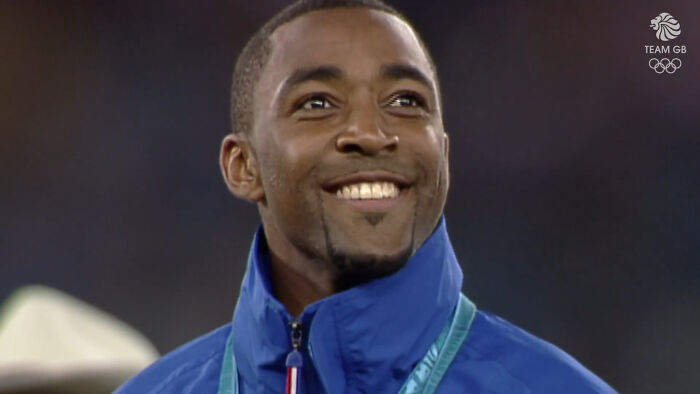
Before he became a staple of British athletics, Darren Campbell actually quit the sport entirely at the age of twenty-one. Despite being a dominant force on the European junior circuit in the early '90s he grew disillusioned with track and field due to nagging injuries and a shady proposition from a peer to start using performance-enhancing substances.
He spent the next three years playing semi-pro football in the lower English leagues and the League of Wales, but the track eventually called him back. He resumed training in 1995, and in a massive turnaround, managed to secure a spot on the sprint relay team for the Atlanta Olympics just eighteen months later.
By the time the 1936 Berlin Games arrived the event had become a massive spectacle and it was during this period that the tradition of the torch relay was first introduced. This relay connects the ancient site of Olympia to the current host city through a continuous flame that symbolizes the light of spirit and knowledge. This flame has since traveled across oceans and through space as a beacon of international cooperation and athletic achievement.
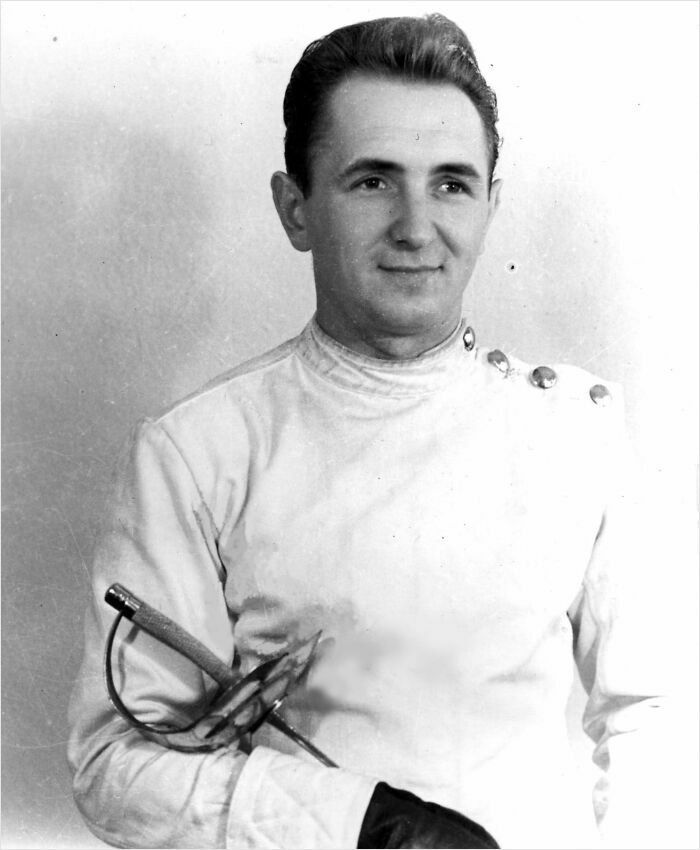
Jerzy Pawlowski was a national icon in Poland who famously broke a forty-eight-year streak of Hungarian gold medals by winning the individual sabre at the 1968 Games. After defeating Soviet champion Mark Rakita with a stunning 16-2 record, he solidified his status as a celebrity and a three-time world champion.
However, his life took a cinematic turn in 1975 when authorities arrested him for spying for the CIA, slapping him with a twenty-five-year prison sentence. Although he was eventually freed ten years later in a prisoner exchange for three Communist agents, he surprisingly turned down the chance to leave the country. Instead, he stayed in Poland and pivoted to a truly eclectic mix of careers, spending his remaining years as a painter, a faith healer, and the co-owner of a restaurant and sheep farm.
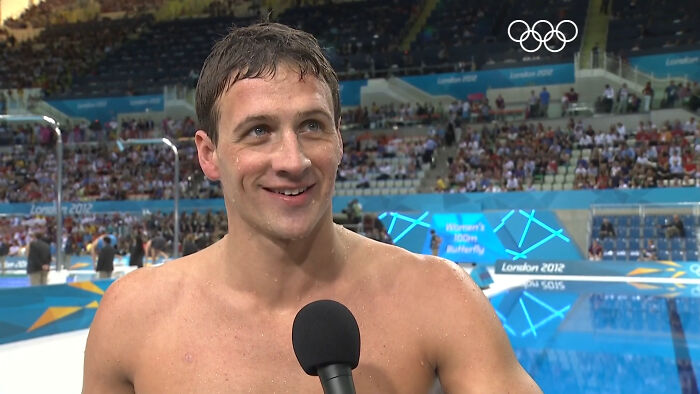
With twelve Olympic medals to his name, Ryan Lochte stands as the third-most decorated swimmer in history, trailing only the legendary Michael Phelps in individual accolades. However, his reputation took a massive hit outside the pool during the 2016 Rio Games. Lochte sparked a global media storm when he claimed that he and three teammates had been pulled over and robbed at gunpoint by men posing as police officers.
As it turned out, the "robbery" was actually a drunken dispute at a gas station where the swimmers had urinated in public and damaged a poster, prompting armed security guards to demand payment. Although Lochte eventually apologized for spinning a tale that wasn't exactly "candid," the fallout was swift, costing him four major sponsorships.
Back in 2002, Ryan James Wedding was carving up the slopes for Team Canada, competing in the parallel giant slalom at the Winter Olympics in Salt Lake City. It is a stark contrast to where he ended up, as his retirement from snowboarding allegedly segued into running a massive international illegal substances trafficking operation.
That criminal pivot eventually landed him on the FBI's Ten Most Wanted Fugitives list in 2025. His run from the law finally came to a halt when authorities arrested him in Mexico City on January 22, 2026.
The middle of the twentieth century brought about significant challenges as the games became a stage for global politics. During the Cold War the rivalry between the United States and the Soviet Union played out on tracks and in swimming pools with each nation using athletic success as a proof of ideological superiority. These games highlight the incredible resilience of the human spirit and ensure that the Olympic ideal of excellence is open to everyone regardless of their physical circumstances. A major turning point for the modern history of the games occurred in the late 1980s and early 1990s when officials decided to allow professional athletes to compete.
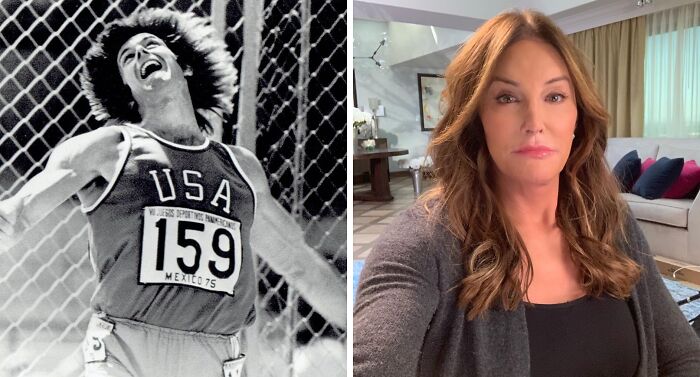
Long before she became a fixture of modern pop culture through Keeping Up with the Kardashians and her marriage to Kris Kardashian, Caitlyn Jenner was busy dominating the 1976 Montreal Olympics. She smashed the decathlon world record to take home the gold, achieving global fame as an athletic powerhouse, yet the public had no idea she was privately grappling with her gender identity the entire time.
In fact, she had been secretly dressing as a woman for years before that victory, a part of her life she finally shared with the world in 2015 when she completed her transition and publicly introduced herself as Caitlyn.

Caitlyn Jenner didn't dominate the 1976 Montreal Olympics. The year 1976 was many years before she became Caitlyn, so it is completely accurate to state it was Bruce Jenner who won gold in the Decathlon. It seems bizarre the written description does not even use her previous name in the article when it was him, then, who did this accomplishment.
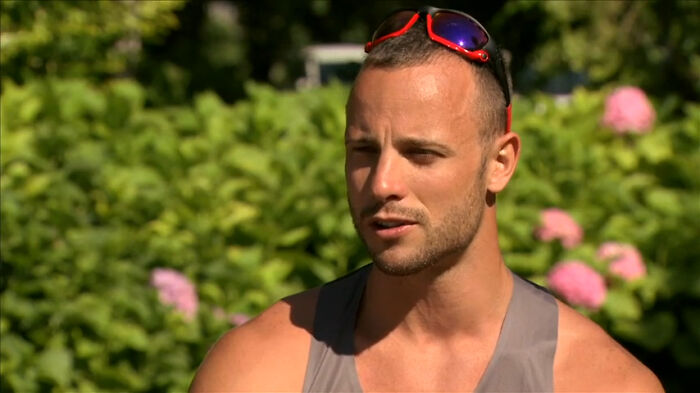
History will likely remember Oscar Pistorius for two violently conflicting chapters of his life. On the track, the South African sprinter shattered barriers at the 2012 London Games, running on prosthetics to become the first bilateral amputee to compete in an Olympic track event.
However, that athletic milestone now sits in the shadow of a grim crime. In 2015, authorities convicted him of ending the life of his girlfriend, Reeva Steenkamp, a South African model, a verdict that traded his life as a sports icon for a prison sentence stretching more than thirteen years.

Some people have argued that his prosthetics actually had given him an unfair advantage; they were designed to transfer kinetic energy far more efficiently than a human ankle ever could. Sounds plausible, but I don't see anyone else successfully taking advantage of that.
In the twenty-first century the Olympics have continued to evolve to reflect changing cultural values and technological advancements. There is now a much stronger focus on gender equality with nearly equal numbers of male and female athletes participating in every discipline. The games have also embraced youth culture by adding contemporary sports such as skateboarding and sport climbing to the official program to reach younger audiences. Sustainability has become another key priority as organizers look for ways to reduce the environmental footprint of such a massive undertaking.
One of the people I always thought deserved a re-evaluation was Tonya Harding whose career was ended by an a*****e ex-husband's attack on her rival. There was "I, Tonya," but that was mostly played for laughs. I also feel the sporting world let the US Gymnastics scandal get swept under the rug awfully quickly.
One of the people I always thought deserved a re-evaluation was Tonya Harding whose career was ended by an a*****e ex-husband's attack on her rival. There was "I, Tonya," but that was mostly played for laughs. I also feel the sporting world let the US Gymnastics scandal get swept under the rug awfully quickly.































 No fees, cancel anytime