Get Premium
Dark mode theme is available exclusively for premium users. Learn more about the benefits of subscribing.
No fees, cancel anytime.

 Dark Mode Ad-Free Browsing Unlimited Content
 Ad-Free Browsing Unlimited Content Dark Mode
Join 1.2 million Panda readers who get the best art, memes, and fun stories every week!
24submissions
Finished

Redditors have recently been discussing some of the biggest corporate blunders they can recall, so we’ve gathered their most popular responses below. Enjoy reading through and cringing at these decisions that were horrible in hindsight, and be sure to upvote the situations companies probably hope we’ll forget!
This post may include affiliate links.
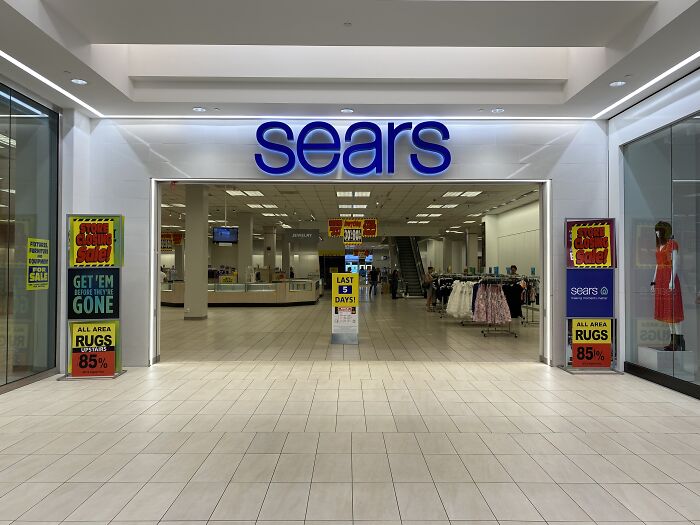 Sears was practically built on catalog sales and shipping items to customers. They had the infrastructure in place yet somehow missed out on internet shopping.
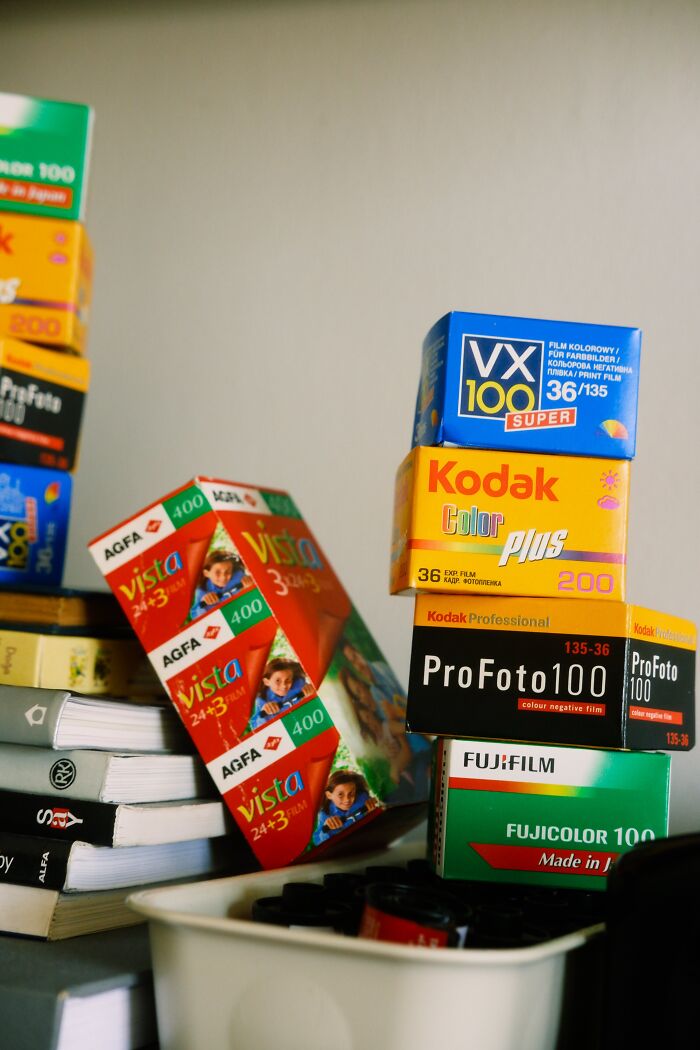 I worked for Kodak (Qualex) and I will never forget the meeting we had talking about 35mm film. A person said he’s noticing an influx of people looking to print digital photos.
This was a senior Vice President of Kodak saying, and I quote “this whole digital think is just a fad, it will blow over soon”
I worked for Kodak (Qualex) and I will never forget the meeting we had talking about 35mm film. A person said he’s noticing an influx of people looking to print digital photos.
This was a senior Vice President of Kodak saying, and I quote “this whole digital think is just a fad, it will blow over soon”
 I don't know if this counts as failure, but Skype had a 10-15 year head start only for zoom to swipe in during the pandemic.
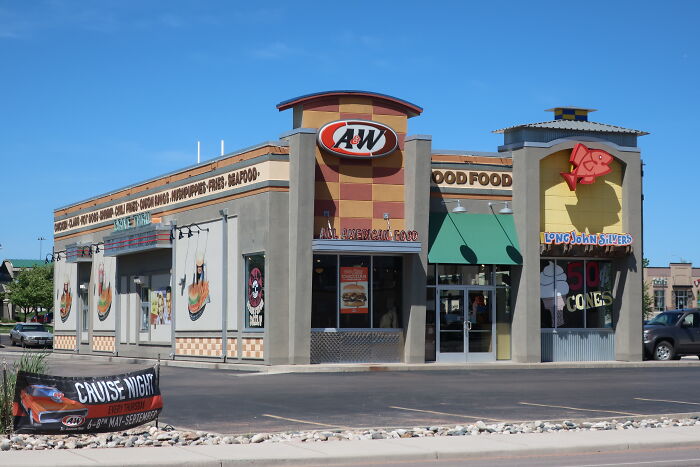 My favorite is when A&W promoted a 1/3lb burger to compete with the quarter pounder. It failed because most people thought 1/3lb was less meat than a quarter pounder
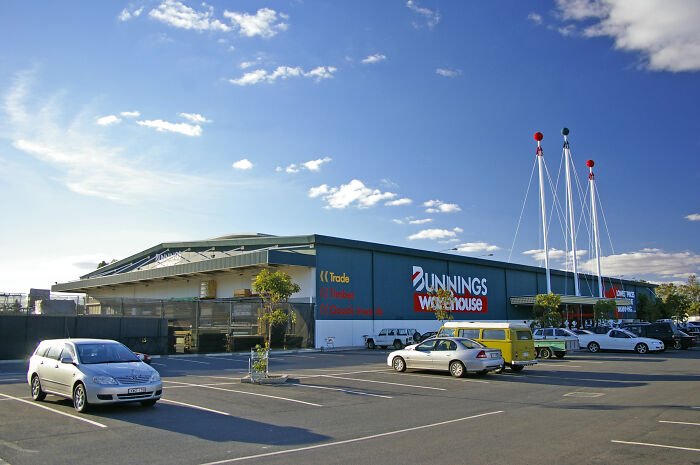 Australian DIY chain Bunnings acquisition of UK-based chain Homebase. They came in guns blazing, fired the entire management team, and tried to remake Homebase in their image. Got rid of the Habitat and Laura Ashley franchises, the cycle service shops, cut down the plants and garden sections, and replaced all of this with a load of grim, cut-rate power tools.
Most critically of all, they brought in a huge - GINORMOUS - selection of barbecues and outdoor kitchens and the like. In a country where no one has a garden bigger than a bin store and it's too rainy to barbecue nine months of the year. They devoted literally a quarter of the (very large) shop floor space to these items which absolutely nobody wanted.
It lasted three years before they sold the chain for £1 to a retail recovery specialist and walked off from a £230 million loss.
Absolutely epic fail.
Australian DIY chain Bunnings acquisition of UK-based chain Homebase. They came in guns blazing, fired the entire management team, and tried to remake Homebase in their image. Got rid of the Habitat and Laura Ashley franchises, the cycle service shops, cut down the plants and garden sections, and replaced all of this with a load of grim, cut-rate power tools.
Most critically of all, they brought in a huge - GINORMOUS - selection of barbecues and outdoor kitchens and the like. In a country where no one has a garden bigger than a bin store and it's too rainy to barbecue nine months of the year. They devoted literally a quarter of the (very large) shop floor space to these items which absolutely nobody wanted.
It lasted three years before they sold the chain for £1 to a retail recovery specialist and walked off from a £230 million loss.
Absolutely epic fail.
 George Lucas offered to sell his computer animation company to Disney for $8 Million in the 1980s. Disney balked so he sold it to Steve Jobs instead and it became Pixar.
 Adidas and Puma focusing on a sibling rivalry so much that they failed to notice when a relatively small newcomer called Nike overtook them to become #1 in the world
 The Walmart expansion into Germany was a total disaster. They blindly tried to force their way onto an extremely competitive market with a completely different work and shopping culture. Most Germans don't even know that Walmart ever existed in Germany and they have since completely left the country at a massive financial loss.
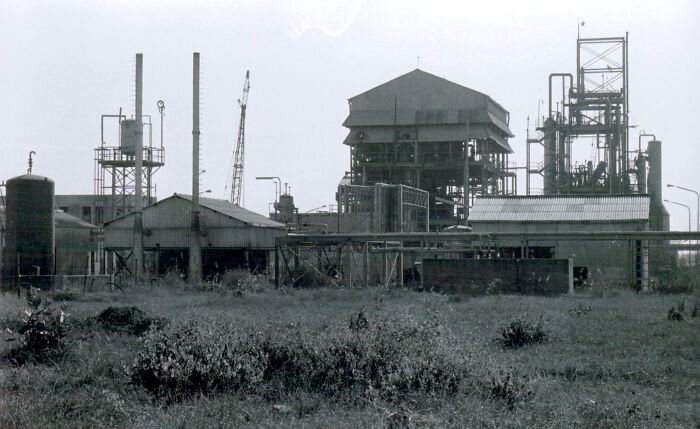 It's my "Favourite" in that it's the worst one I can think of and an excellent example about how a profit motive unrestrained by safety regulations is a ticking time bomb: The Bhopal Disaster. A pesticide plant in Bhopal, India owned by a subsidiary of Union Carbide Corporation, an American company, was expected to close in the near future due to anticipated unprofitability. To squeeze every last penny out of it possible, the company all but stopped training their employees and performing preventative maintenance, with the knowledge and approval of the American owners. On the night of 2 December 1984 the plant suffered a massive (preventable) gas leak, enveleoping the surrounding area with ethyl isocyanate, a highly toxic gas. The plant was situated in a highly populated urban area, leading to the immediate deaths of over 2000 people and the eventual deaths of nearly another 2000, and over 500,000 injuries which resulted in tens of thousands of people being permanently disabled. The company was forced to pay a fine to the Indian government. Seven Indian employees who were at the plant and survived received two years in jail, but the owners, specifically The CEO at the time Warren Anderson despite it being documented that he was aware of the risk of a disaster and ordered the procedural changes, never faced punishment.
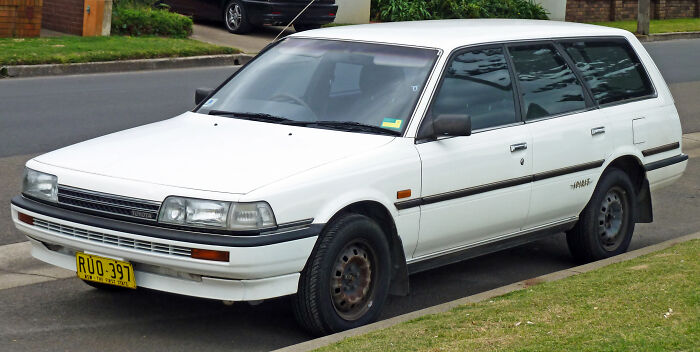 American car manufacturers in the 80s. I was buying my first family car and it was between a Ford Taurus wagon and a Toyota camry wagon. The Ford sales guy said "Yeah, the Japs have to learn they can't make cars that last 15 years!" and then laughed. We got the Camry. No wonder the American car manufacturers all had to be bailed out.
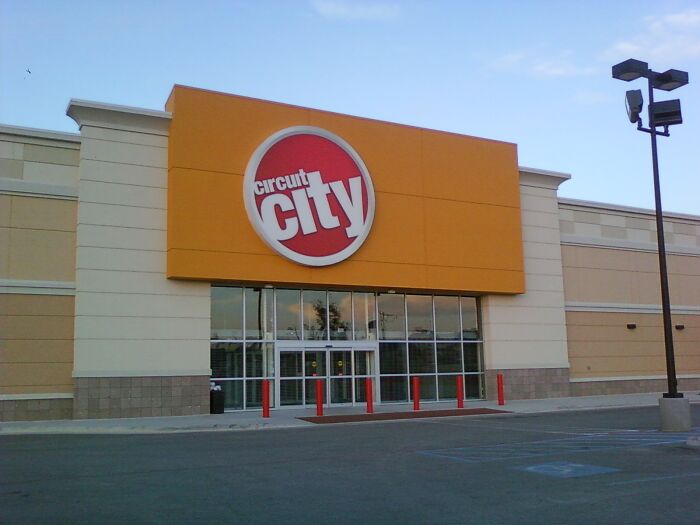 Circuit City “cutting costs” by firing their most experienced salespeople.
The chain was bankrupt in less than two years.
Circuit City “cutting costs” by firing their most experienced salespeople.
The chain was bankrupt in less than two years.
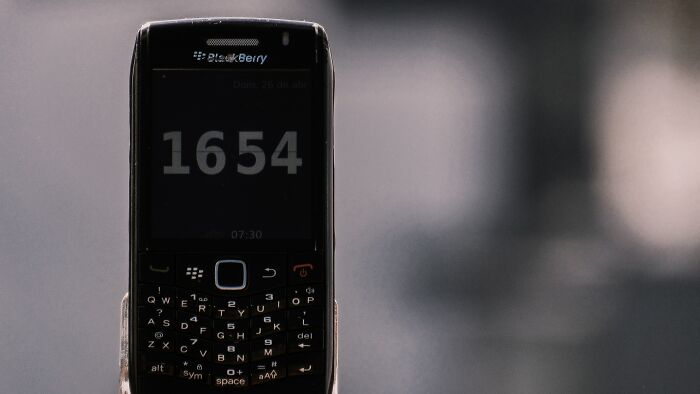 Probably Blackberry, they're an interesting case study in a company being sniped off of what ten years ago had been an undisputed market-leading position by failing to account for changing technology.
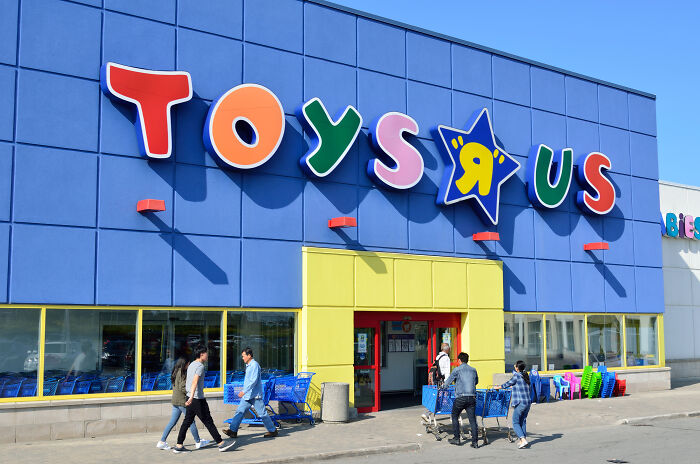 Toys R Us expansion into Sweden in the mid 90s. They refused to follow Swedish labour market practice by not signing a collectiva bargainaing agreement (cba) with the storeworkers union (Handels). The union took its memebers out on strike while non-union members continued to work. Eventually more unions joined in sympathy strikes which stopped deliveries, cleaning, mail and finally even financial transactions for Toys R Us in Sweden. It is briefly described in this article: https://www.huffpost.com/archive/ca/entry/what-canada-can-learn-from-swedens-unionized-retail-workers_n_6888328 It's one of the most famous labour market actions in Sweden in modern time, where there are extremely few strikes otherwise. However the exact same scenario is happening right now with Tesla this time. I should also note that unions work very differently in Sweden compared to the U.S. In Sweden workplaces do not vote on "unionization", the union membership is personal and no one is forced to join a union. If a workplace is big enough and have enough union members the union, which is industry wide, will negotiate a standard industry wide cba with the company. The cba covers all workers even those not in a union. The cba only sets a floor with regards to wages, wage increases, insurances, pension pay etc. There are no fees to the union from non members or the company.
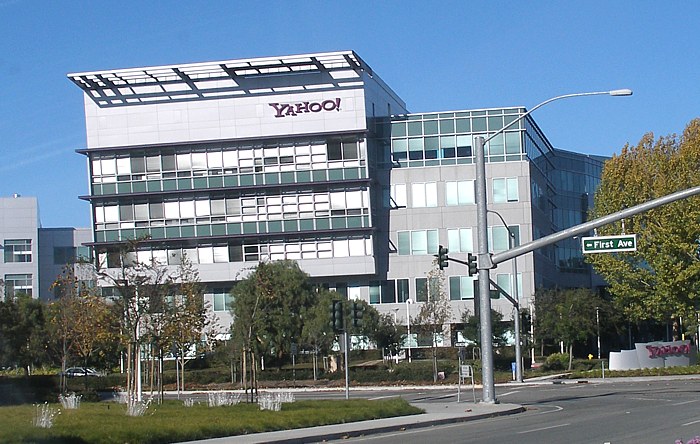 Yahoo was offered Google for a million dollars , three times and they turned them down.
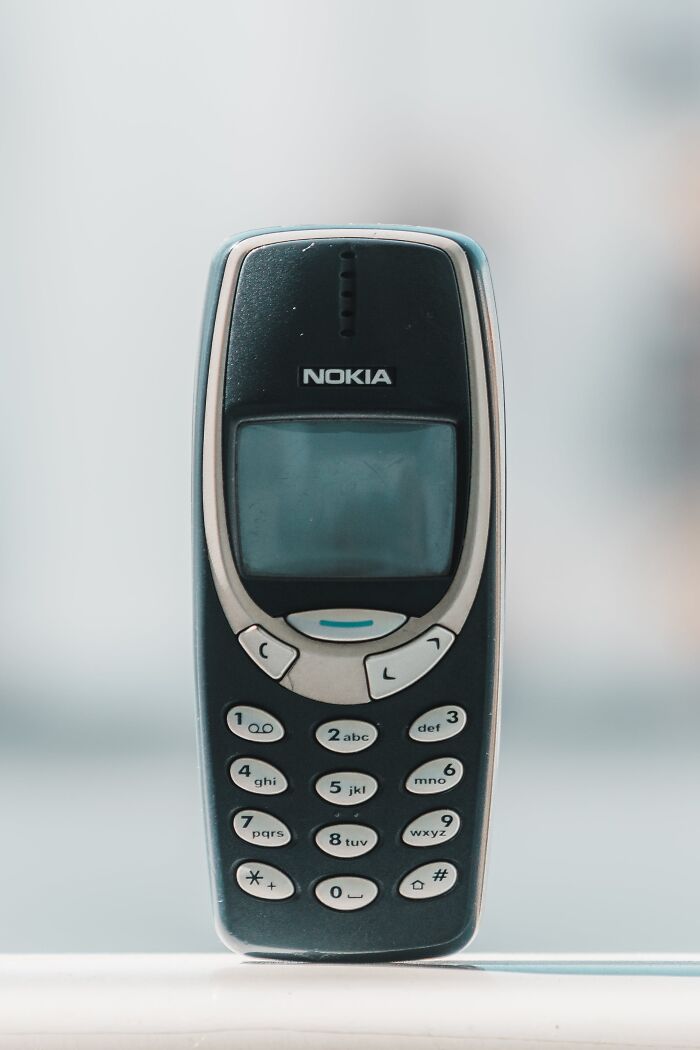 NOKIA
They were not that big in the US but they dominated the mobile phone market in most of the rest of the world at one point.
When the first iPhone came out they were very dismissive of it, we all know how that turned out.
NOKIA
They were not that big in the US but they dominated the mobile phone market in most of the rest of the world at one point.
When the first iPhone came out they were very dismissive of it, we all know how that turned out.
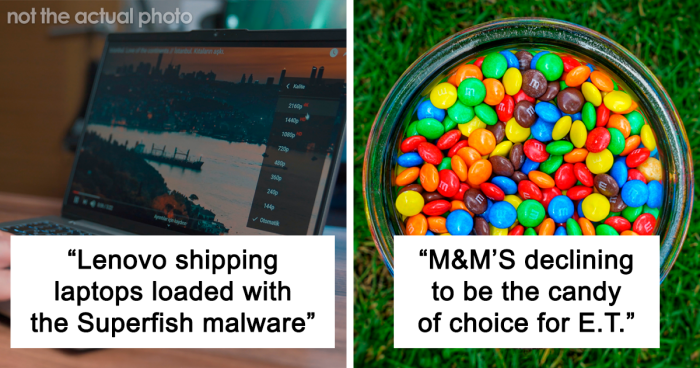
 M and M’s declining to be the candy of choice for E.T. I remember watching the movie in the theaters thinking, “Oh, Reece’s Pieces, that’s cute.” Huge mistake.
 One of my favorite examples of a massive corporate failure is the bankruptcy of Blockbuster, which failed to adapt to the digital revolution led by competitors like Netflix.
 Pepsi ran a lottery in the Philippines but when there were more winners than expected they refused to pay out the cash prizes. There were actual riots, a few people died.
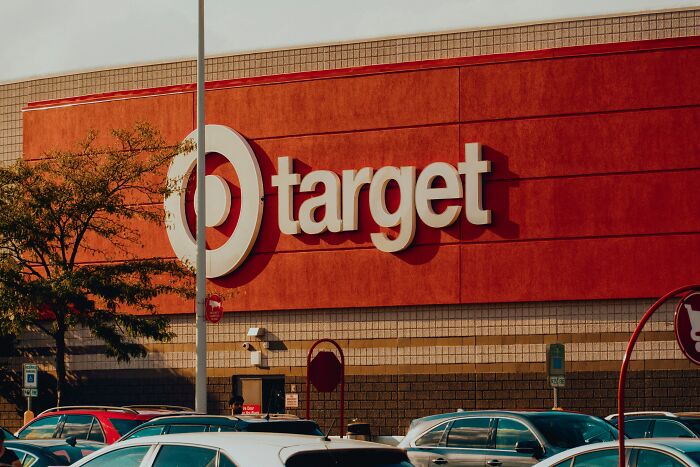 Target's expansion to Canada was a disaster.
They spent billions purchasing existing Zellers (Canadian department store) locations from Hudsons Bay Company (HBC). Then they spent 100s of millions more renovating them. They leased more locations to open stores. 133 in total. Due to a variety of issues, mainly distribution problems -they tanked, Target Canada declared bankruptcy and had to pay more millions to get out of leases and sell their owned real estate. This all happened in about 5 years.
My favourite part of the story is the HBC took some of the proceeds from the sale of Zellers and bought Saks Fifth Avenue with it. They're recently begun re-opening Zellers
Target's expansion to Canada was a disaster.
They spent billions purchasing existing Zellers (Canadian department store) locations from Hudsons Bay Company (HBC). Then they spent 100s of millions more renovating them. They leased more locations to open stores. 133 in total. Due to a variety of issues, mainly distribution problems -they tanked, Target Canada declared bankruptcy and had to pay more millions to get out of leases and sell their owned real estate. This all happened in about 5 years.
My favourite part of the story is the HBC took some of the proceeds from the sale of Zellers and bought Saks Fifth Avenue with it. They're recently begun re-opening Zellers
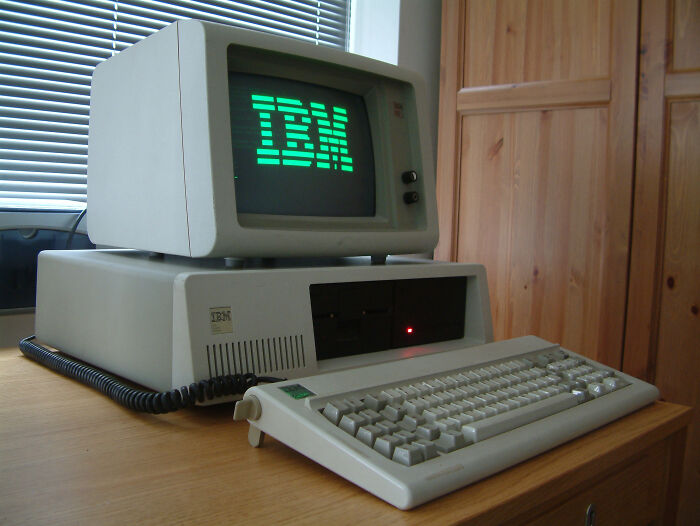 IBM. They let Microsoft retain the rights to the PC operating system they put on the IBM PC.
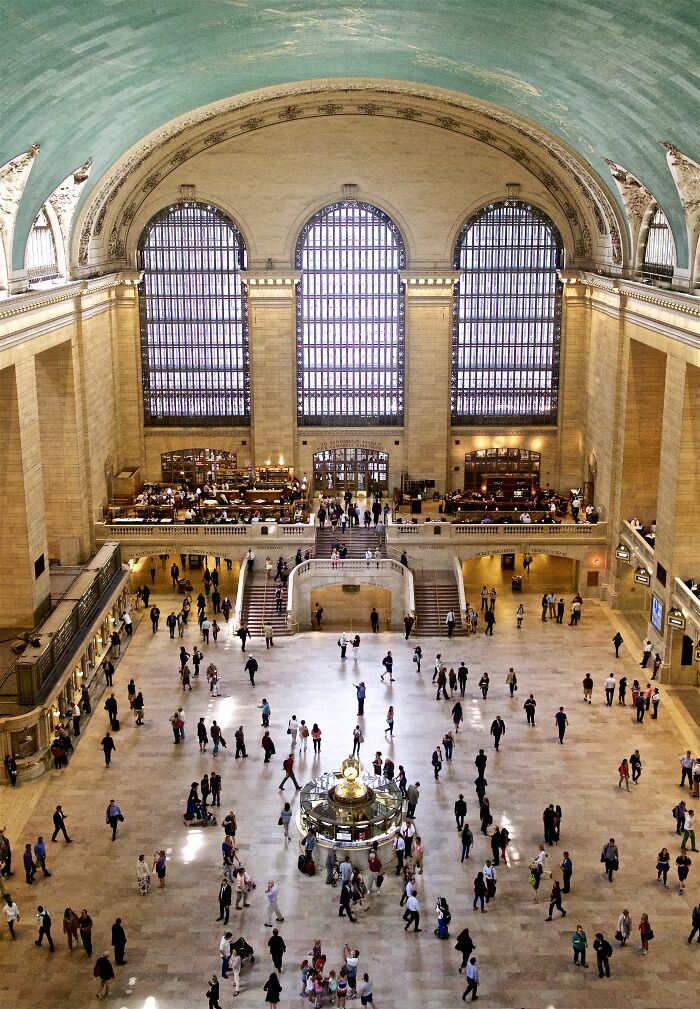 The entire Penn Central disaster. The railroad was massive but terribly managed and lasted less than 3 years before becoming the biggest bankruptcy in US history at the time
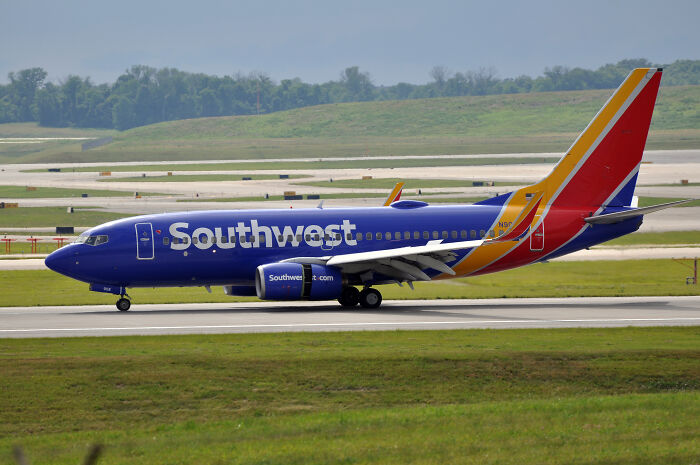 Southwest airlines last Christmas
















 No fees, cancel anytime