Get Premium
Dark mode theme is available exclusively for premium users. Learn more about the benefits of subscribing.
No fees, cancel anytime.

 Dark Mode Ad-Free Browsing Unlimited Content
 Ad-Free Browsing Unlimited Content Dark Mode
Join 1.2 million Panda readers who get the best art, memes, and fun stories every week!



Old photos are like mini time machines that can transport us back in time. Even though they only allow us to go 200 years back (as the first photograph dates back to 1826), nothing brings the past back to life like them, and there’s something very special and incredible about it.
To remind us of this magic we often forget about, the Bored Panda team compiled a whole list of historical photos. Scroll down to find them below, and as always, don’t forget to upvote your favorites!
While you're at it, make sure to check out a conversation with Emily Murdoch Perkins, historian and USA Today bestselling author, Danielle Burton, history blogger at Voyager of History, and Jessica Storoschuk, historian and founder of An Historian About Town, who kindly agreed to chat with us more about history and the past.
This post may include affiliate links.

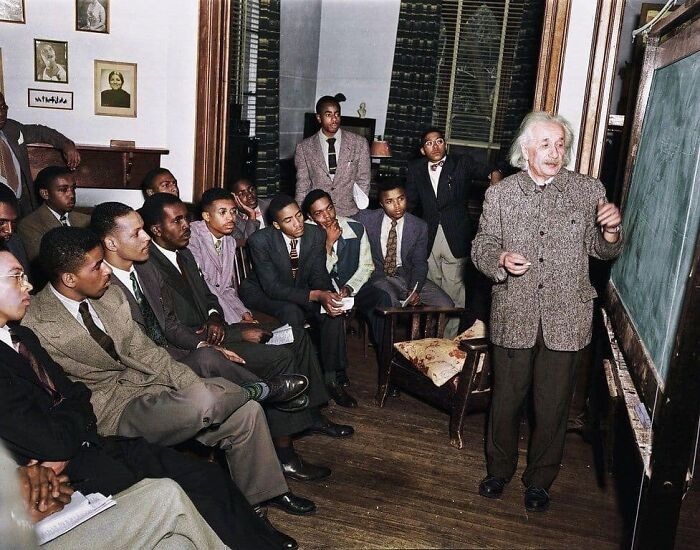
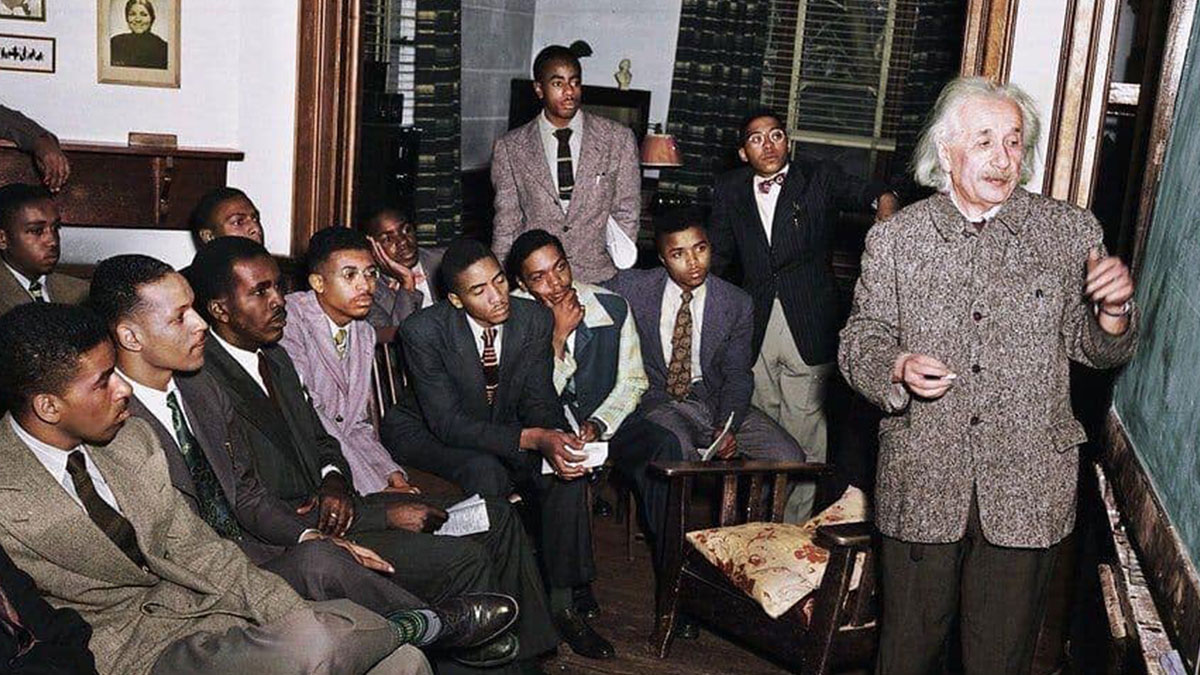
I've always liked this photo. And it always strikes me that the students are all male, and all wearing jackets and ties.
Naturally, we were first curious to know what sparked these experts' interest in history.
"I was always fascinated by stories of the past, and it’s those stories - myths, legends, and true stories that sound fantastical - that I adored hearing about. My parents really encouraged my reading, and as I grew up in a very historic city (Canterbury, England), I was always surrounded by physical reminders of multiple cultures," shares Emily Murdoch Perkins, historian and USA Today bestselling author.
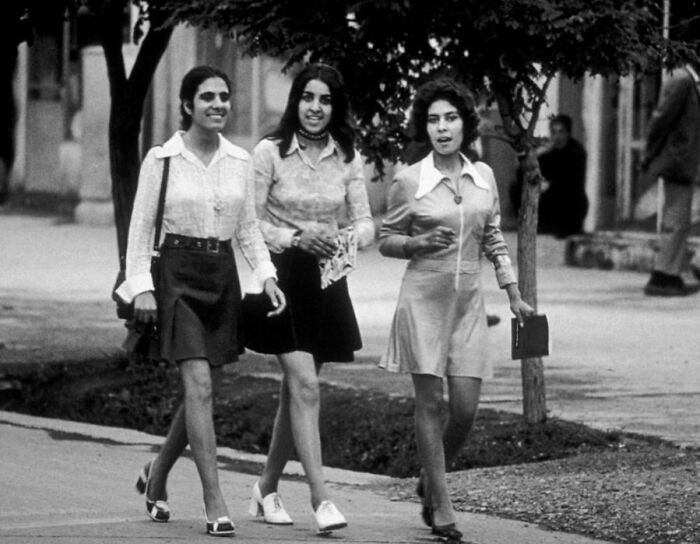
It still amazes me how much a country could change in, what in the overall scheme of things, was a very short period of time.
"I inherited my love of history from my parents, who took me to castles, country houses and battle re-enactments as a child," Danielle Burton, history blogger at Voyager of History, tells Bored Panda. "Whilst I still love those things, I have since developed my own love of history, which has expanded from that introduction."
Meanwhile, Jessica Storoschuk, historian and founder of An Historian About Town, tells us that what sparked her interest in history was a specific book.
"I was 10 when I read my first Royal Diary book, the Anastasia diary—it was a series that created fictional diaries for different teen royals and I loved them. It made me realize at a young age that history isn't these aliens that we can't understand but rather just people like you and I.
I also read it right around the time when the animated Anastasia movie came out, which only further cemented my interest in history. (A lot of people focus on military history and political history, larger movements, but I tend to focus on individuals in history- it's so easy to forget that these people were... just people.)"
Since history is so dear to these experts' hearts, we also asked them why they think it's important for people today to understand our history.
"History doesn’t just ask the question ‘what,’ it asks ‘why.’ Understanding how things happen, why individual choices matter, and spotting the patterns means that we start to not only understand each other better but also try to purposefully and consciously shape the world of tomorrow," Perkins explains.
"It’s important to remember and understand our past to understand how we got to where we are now," says Burton. "It is also important to remember it is both good and bad as a tribute to those who have come before us."
"To quote one of my profs, 'History doesn't repeat itself perfectly, but it comes fairly close,'" adds Storoschuk.
"We are seeing an eerie trend of extreme movements and ideas from a century or more ago making a return, and we know how those played out. There were often huge amounts of loss—in human life, in the economy, in the arts, in knowledge, the list goes on. It is bad news for everyone, and it is frustrating that so many people seem to know so little of the world's recent history. Knowing the history would not prevent everything but I think more people would at least pause to think."
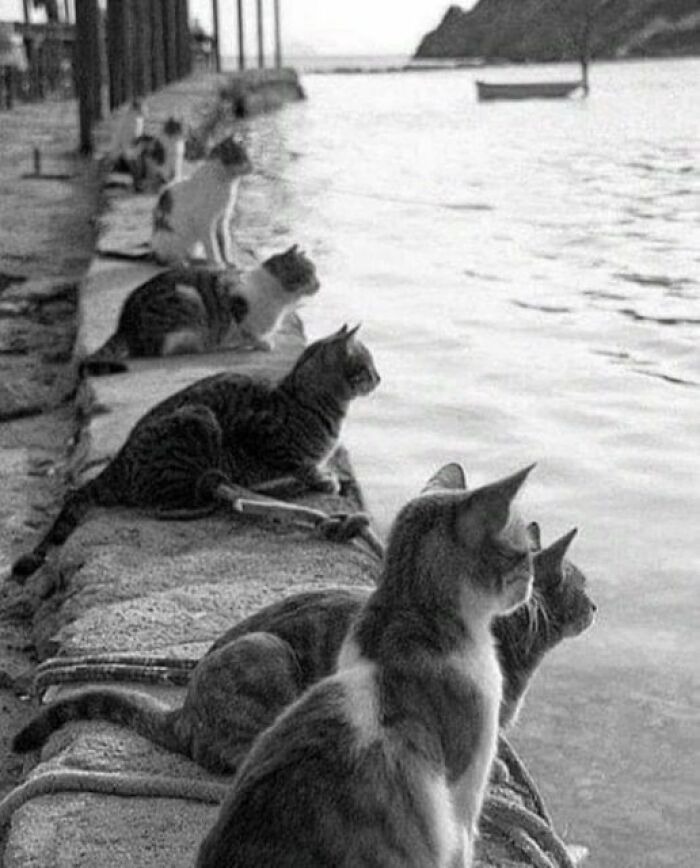
Give a man a fish and cats will plague him for a day. Teach a man to fish and cats will plague him for a lifetime.
Of course, we couldn't let the history experts go without them sharing the most interesting history facts they know.
"I think the fact that always astonishes people is that the invention of the spectacles, or reading glasses, can be traced back to the thirteenth century," shares Perkins.
"One of the earliest examples we have is from 1284. But the fork, a piece of cutlery many of us can’t imagine our lives without, didn’t reach England until the early 1600s. For around three hundred years, people in England who could afford spectacles could see their food clearly, but didn’t eat it with a fork. Mind blowing!"
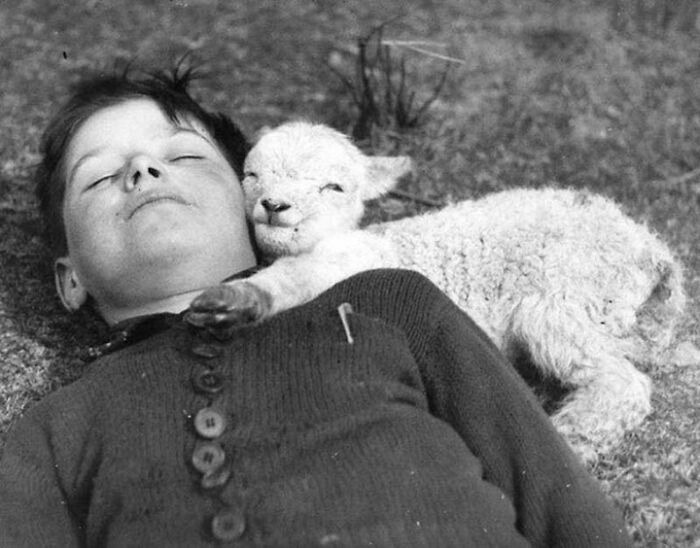
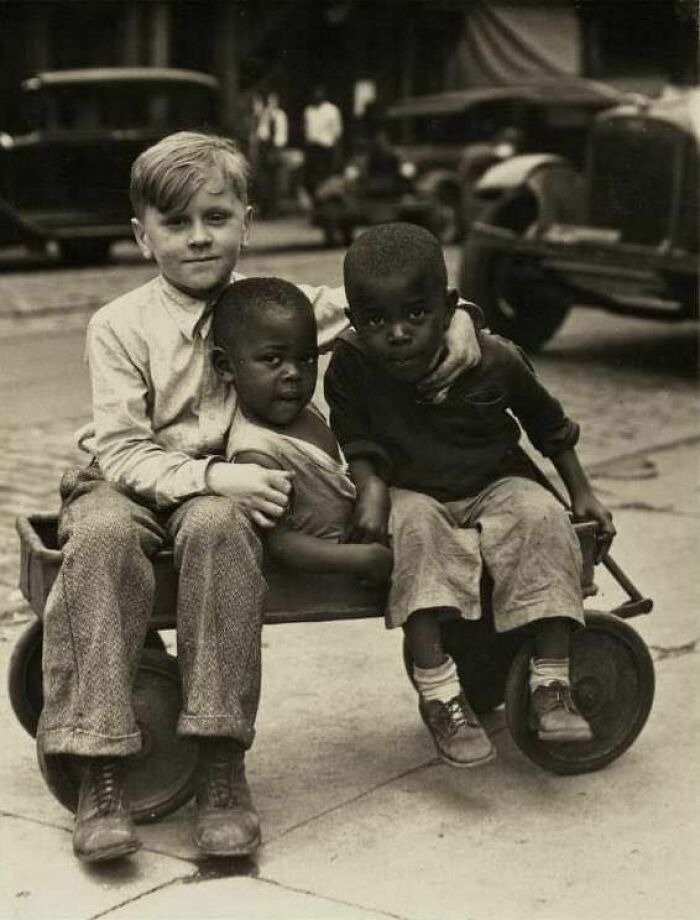
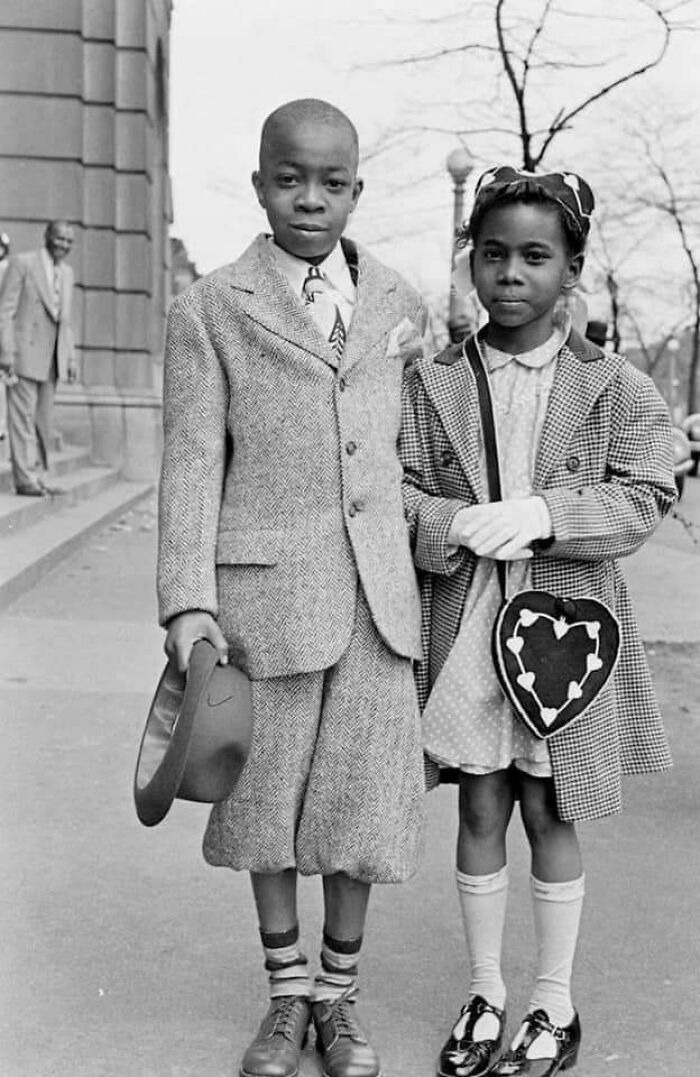
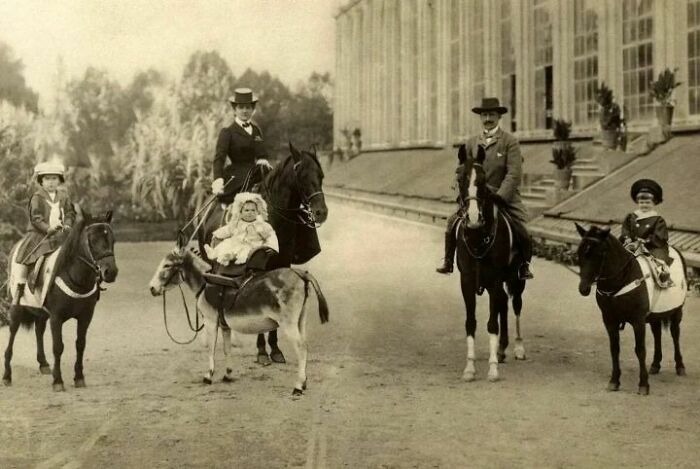
We need to bring back this kind of class. These siblings look classy and eloquent. Beautiful faces as well. ❤️❤️❤️

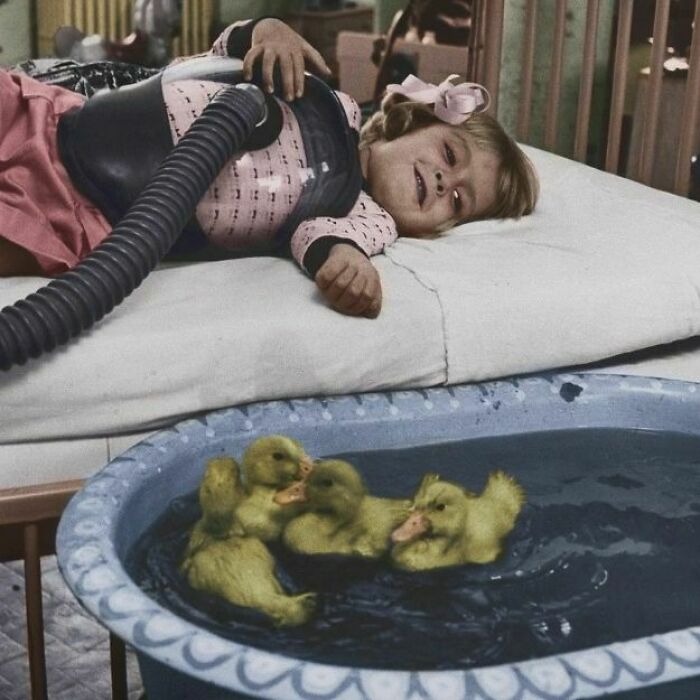
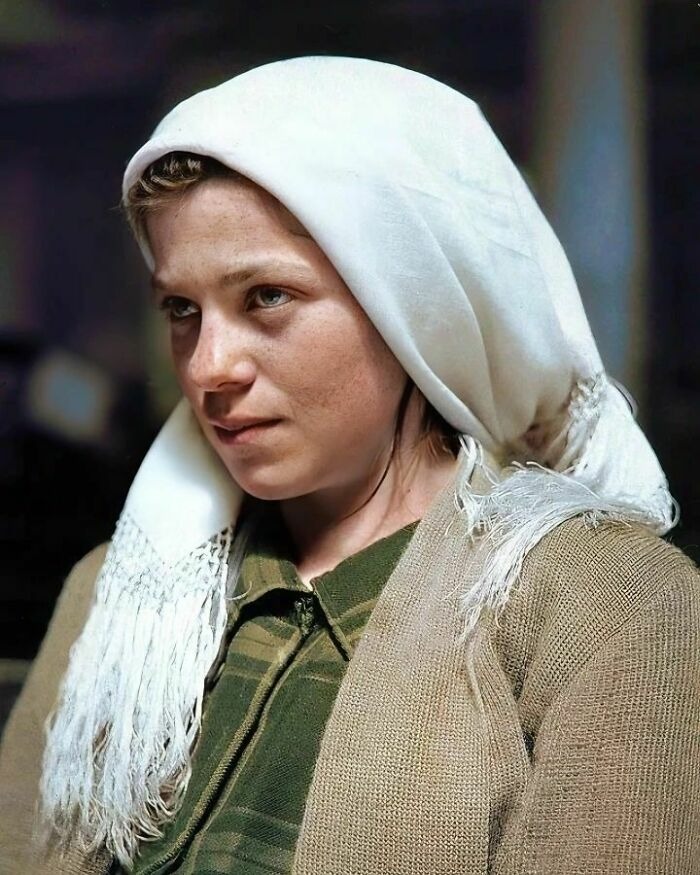
This is the face of polio, kids. Remember that. She's cute, but much was stolen from her.
"Captain Bartholomew Roberts not only wrote down the Pirate Code, but also only allowed to be drunk on board his ship," Burton says.
"Princess of Wales, Alexandra of Denmark was so popular that women across Britain copied her limp that she was left with after being ill. She also wore chokers regularly, most likely to hide a scar from a surgery, and chokers became incredibly fashionable," Storoschuk adds.
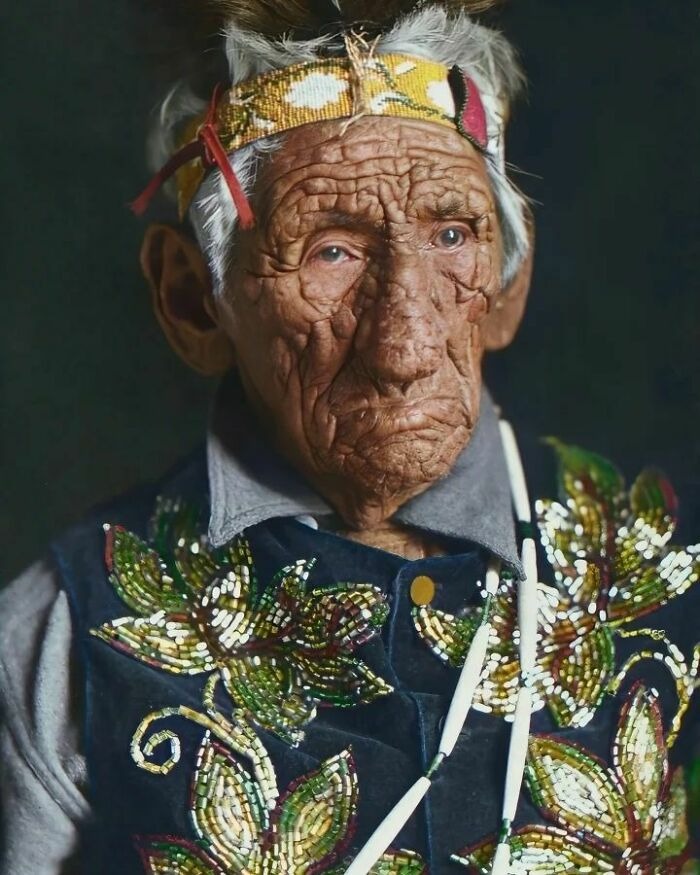
(Probably born between 1822 and 1826, although presumably as early as 1784; passed in February 6, 1922)
With so many events that happened in our past, people inevitably can get things mixed up. So we asked the history experts if there are any misconceptions that they find themselves often correcting.
"Much of my historical focus is on untold women’s stories, and it’s astonishing how often people assume that women had absolutely no power, agency, or opportunity in the past," said Perkins.
"Yes, access to those things has evolved over time, but there have always been women determined to make their own way in the world. For example, take Æthelflæd in England. She designed towns, led armies, negotiated treaties, signed contracts, raised her daughter to rule after her…all before the year 1000."

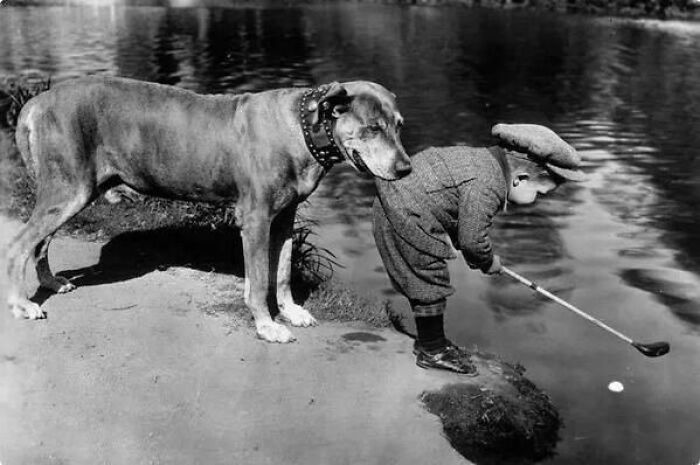
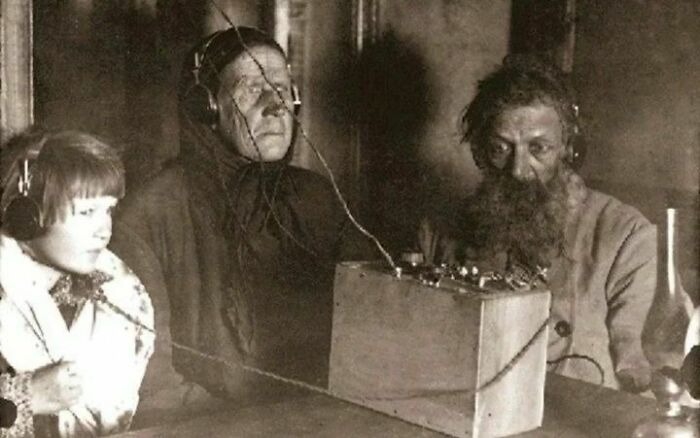
Trying to figure out if they are sad or kind eyes. Seen a lot though.
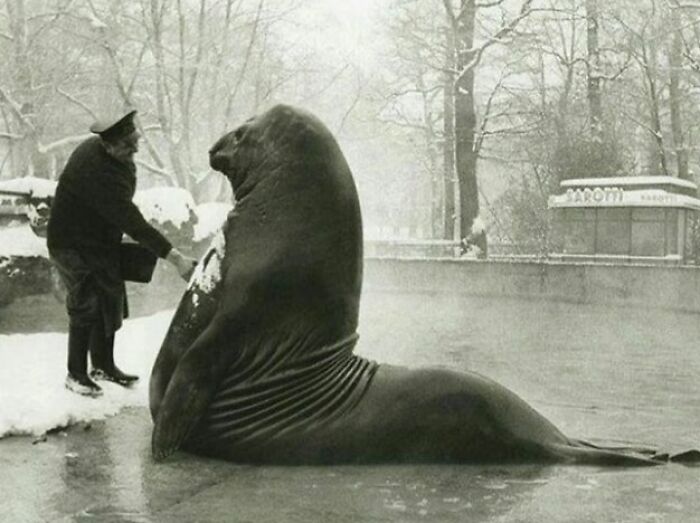
Unlike my dog. Who would push me in, then doggie laugh at me for being a silly biped.
The misconception that Burton wanted to squash about history is that the medieval period was colorful and not just full of browns.
Lastly, Storoschuk shared some myths surrounding the British royals that more people should know aren't really accurate.
"Firstly, Queen Mary I—often referred to as "Bloody Mary"—was no more "bloody" than her father, King Henry VIII, or her sister, Queen Elizabeth I. Mary's executions were often carried out for religious reasons, but because Elizabeth chose to execute people for political reasons, people tend to give her a pass. Henry's execution numbers surpass both of his daughters', though."
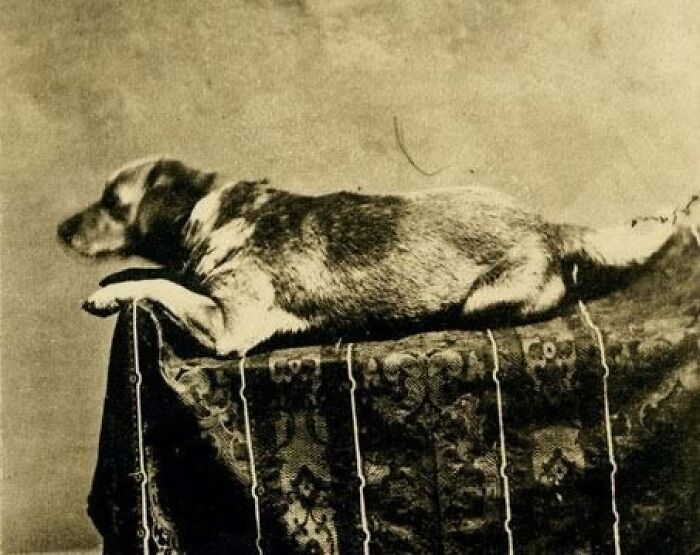
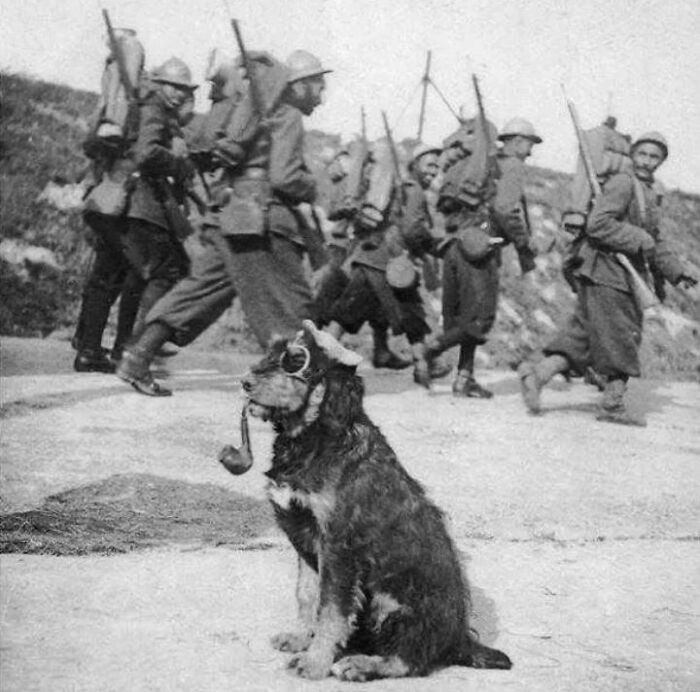
What sort of a person gives pipes to dogs? Everyone knows they prefer cigars!
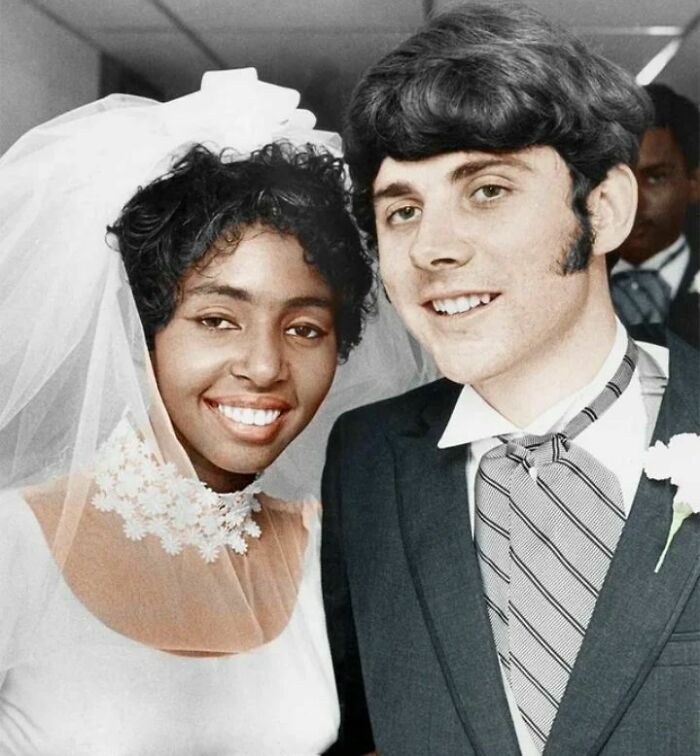
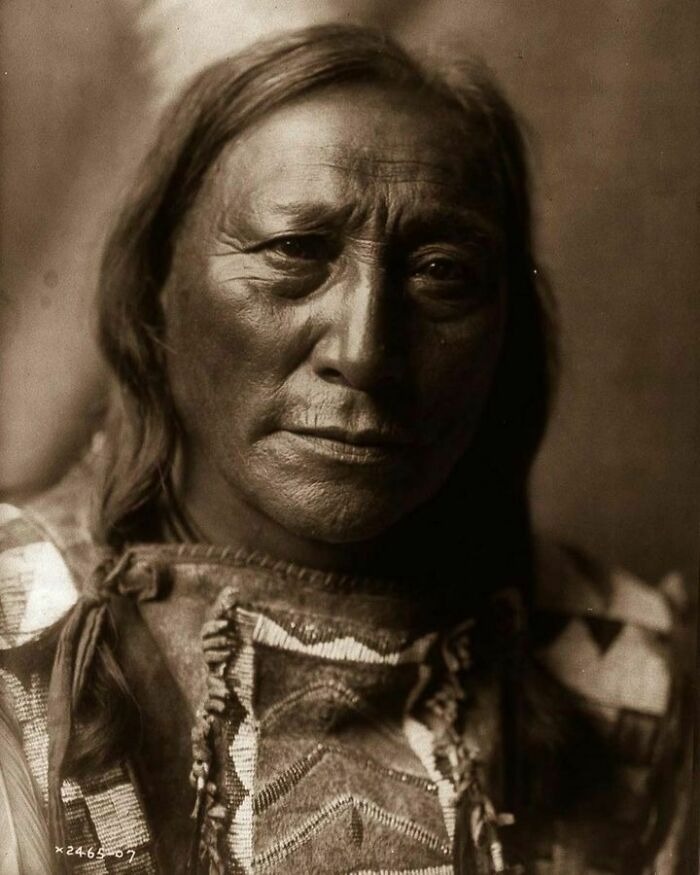
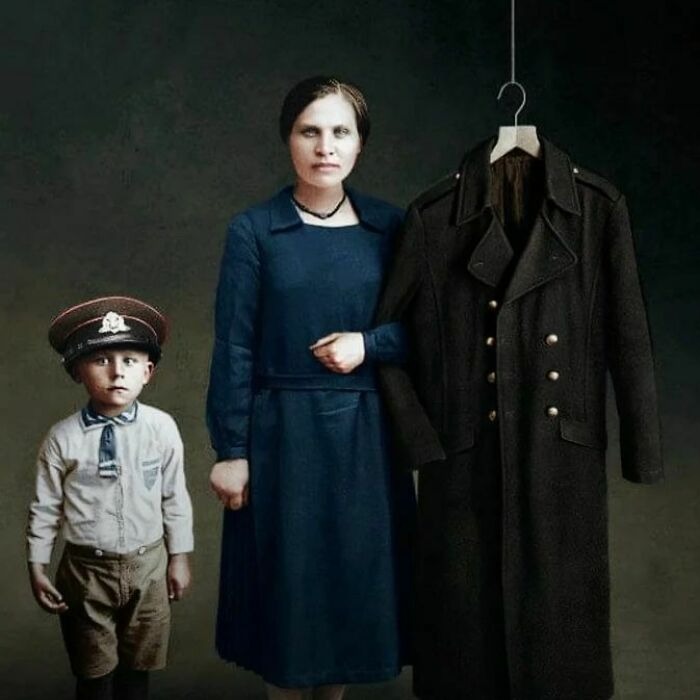
What a beautiful photo. Colourised, I'm guessing. But still beautiful.
"Secondly, Queen Victoria and Prince Albert are not the ultimate "couple goals" that many people like to portray them as. They both had a lot of issues stemming from their childhoods and families, and those manifested in some very problematic and difficult ways. For instance, Albert would often infantilise Victoria to wear her down and would capitilise on her suffering from postpartum depression to seize more control."
Because it will come up, as it does every single time this picture appears. This building was DANGEROUS. The building was too small, books would fall on people, the railings were unsafe, people weren't allowed in the stacks for safety reasons, there was zero ventilation, and the air was full of coal dust from the fires. The building was replaced by a bigger, cleaner library with adequate space, ventilation, safey, and not being chock full of fine choking coal dust.

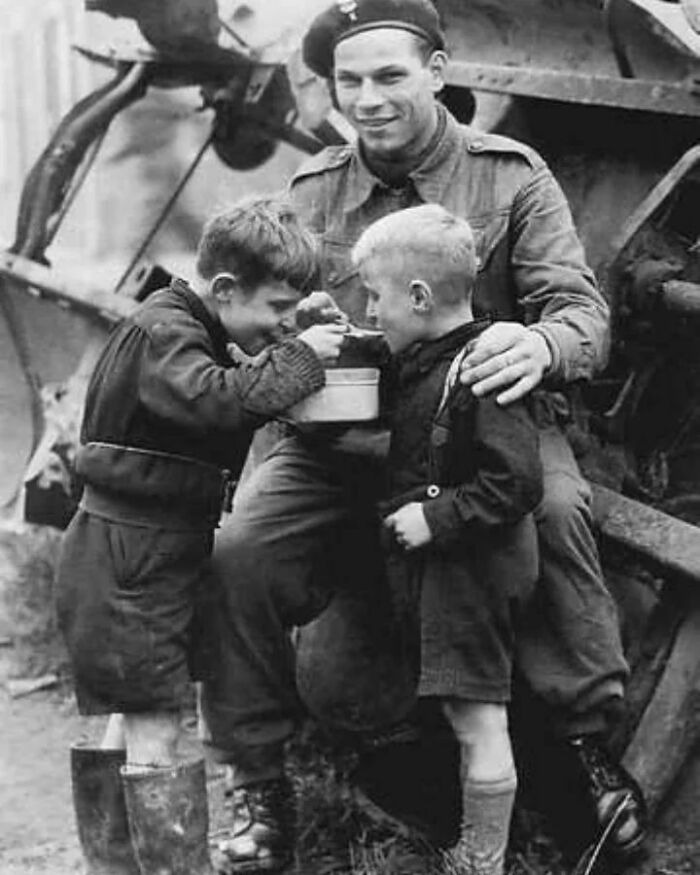
The Dutch were starving during the war. They were so thankful to the Canadian armed forces that liberated them that they still send hundreds of tulips to Canada every year.
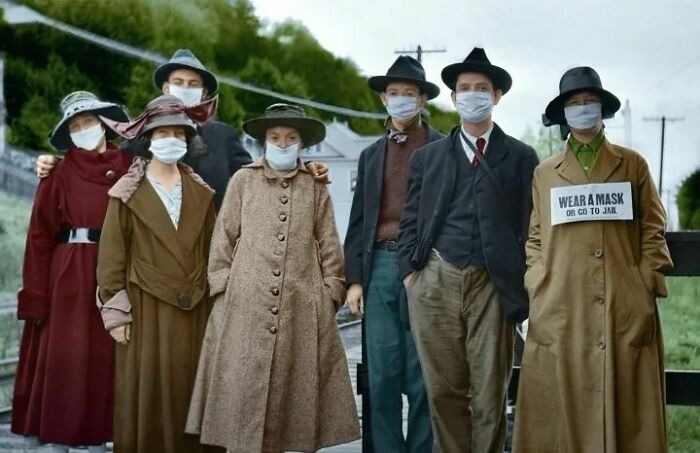
Then as now... the woman in the center, with the mulitbutton coat, is doing it wrong.
Bored Panda Staff: "Let's repost this photo series every week. It is easier than finding new content. And there are gullible people who will pay for Premium subscription regardless of what we post."
These photos are great. But so many of them are also very familiar from several other BP historic photo posts. BP editors should keep a better eye on content. It is pointless to keep regurgitating so many of the same photos.

I've seen all of these on pb before so the title is definitely wrong
Load More Replies... 

Bored Panda Staff: "Let's repost this photo series every week. It is easier than finding new content. And there are gullible people who will pay for Premium subscription regardless of what we post."
These photos are great. But so many of them are also very familiar from several other BP historic photo posts. BP editors should keep a better eye on content. It is pointless to keep regurgitating so many of the same photos.
I've seen all of these on pb before so the title is definitely wrong
Load More Replies... 























 No fees, cancel anytime