Get Premium
Dark mode theme is available exclusively for premium users. Learn more about the benefits of subscribing.
No fees, cancel anytime.

 Dark Mode Ad-Free Browsing Unlimited Content
 Ad-Free Browsing Unlimited Content Dark Mode
Join 1.2 million Panda readers who get the best art, memes, and fun stories every week!
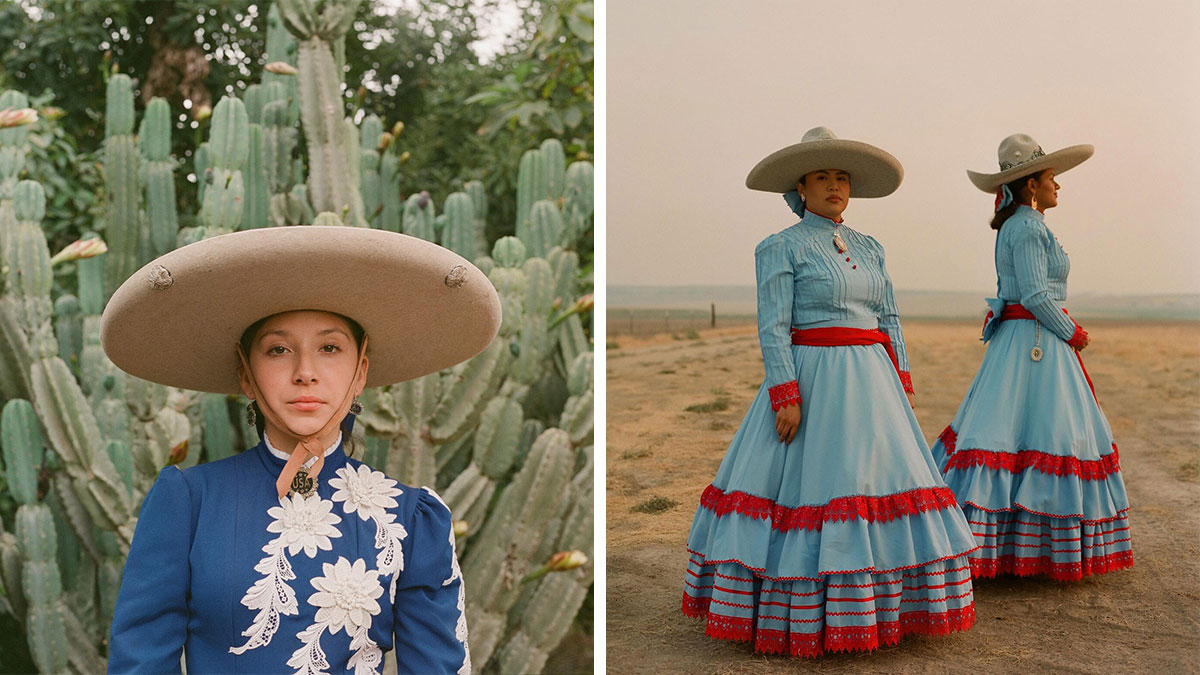

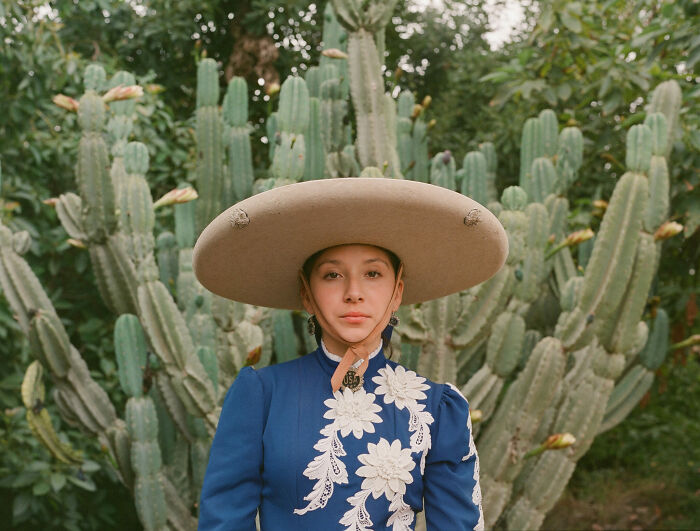
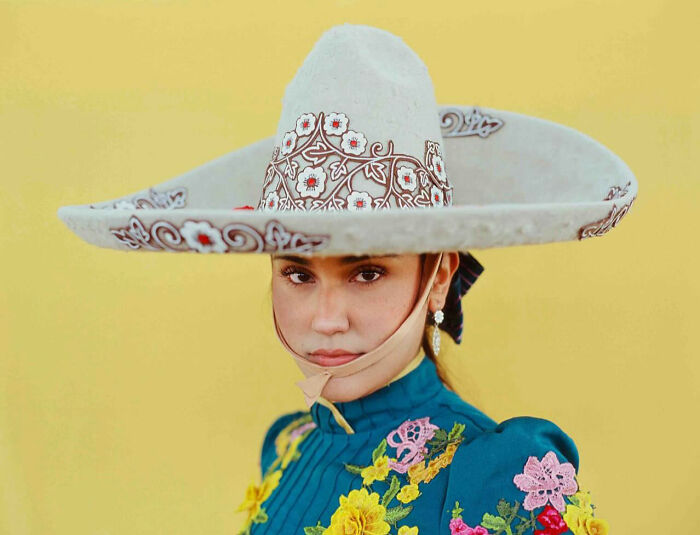
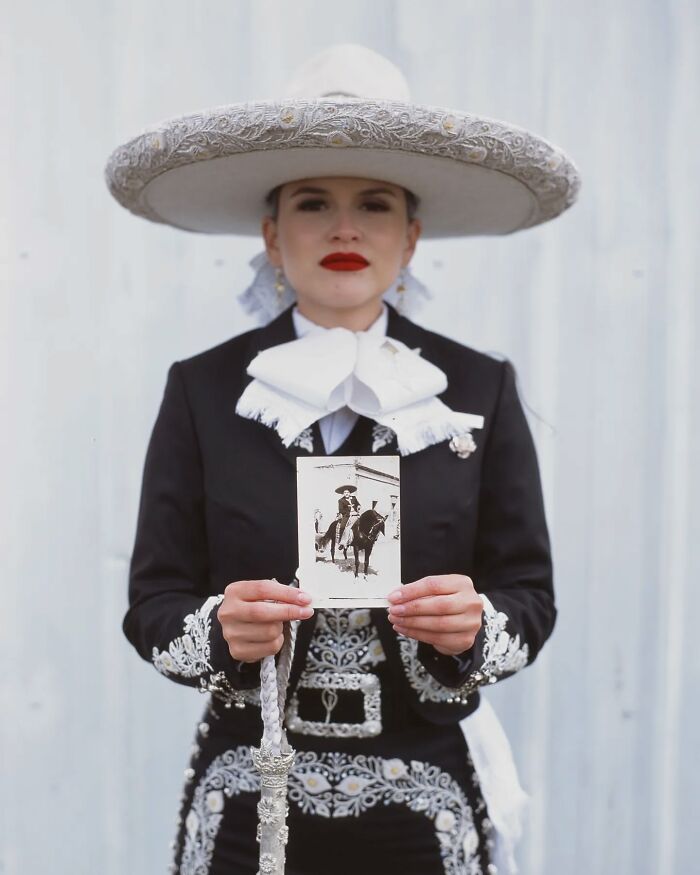
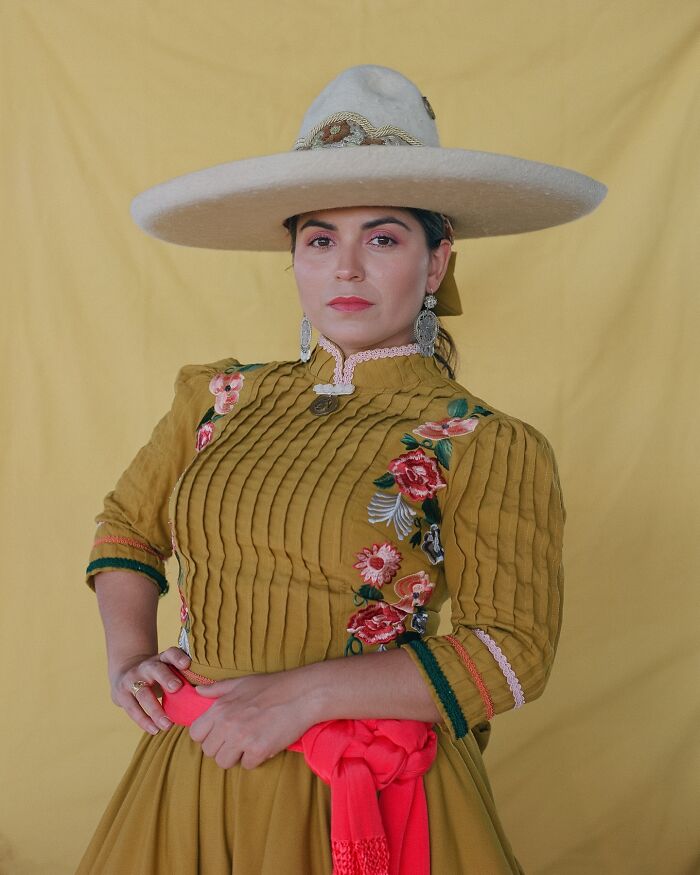
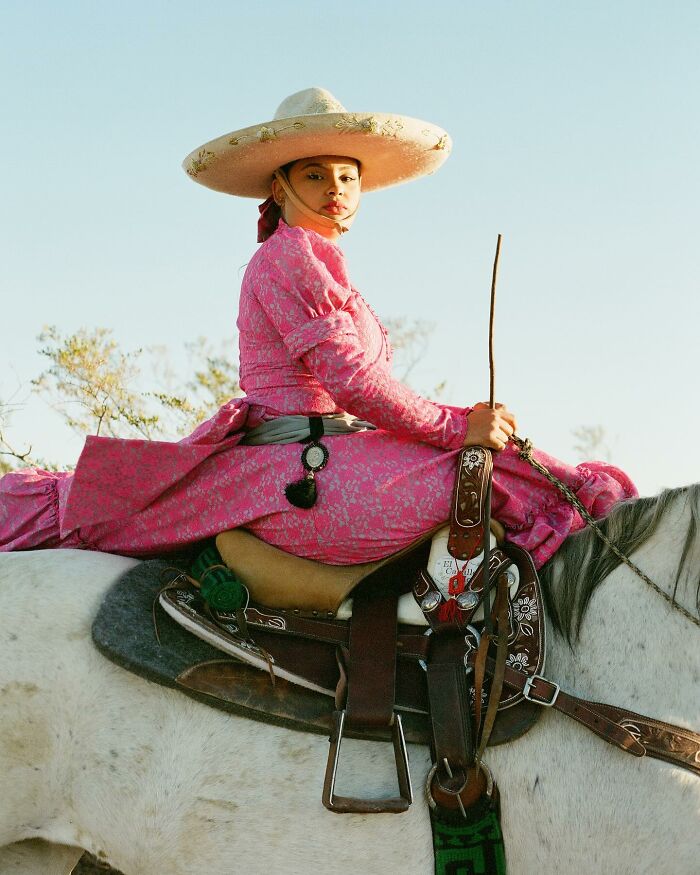
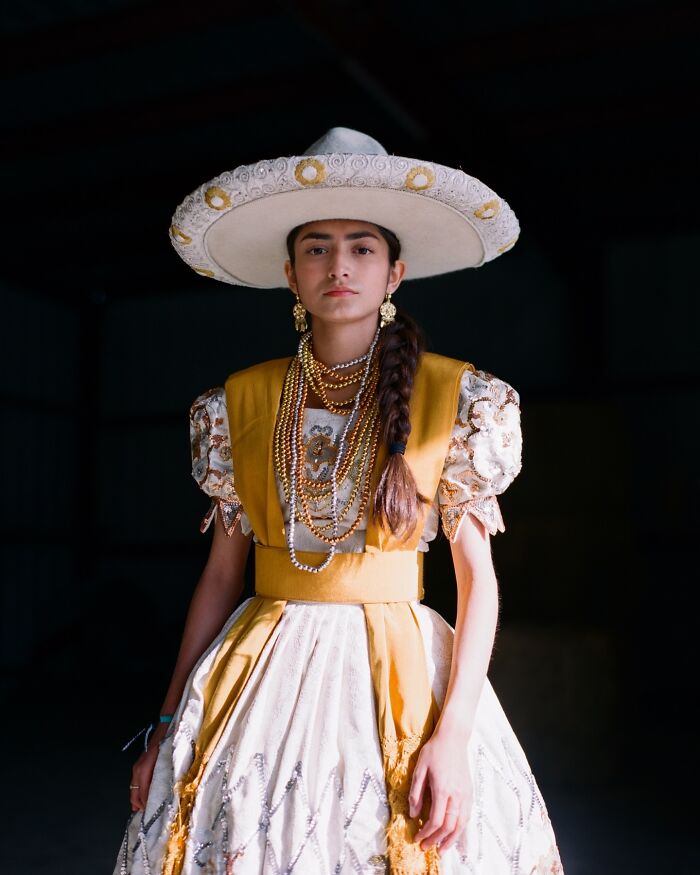
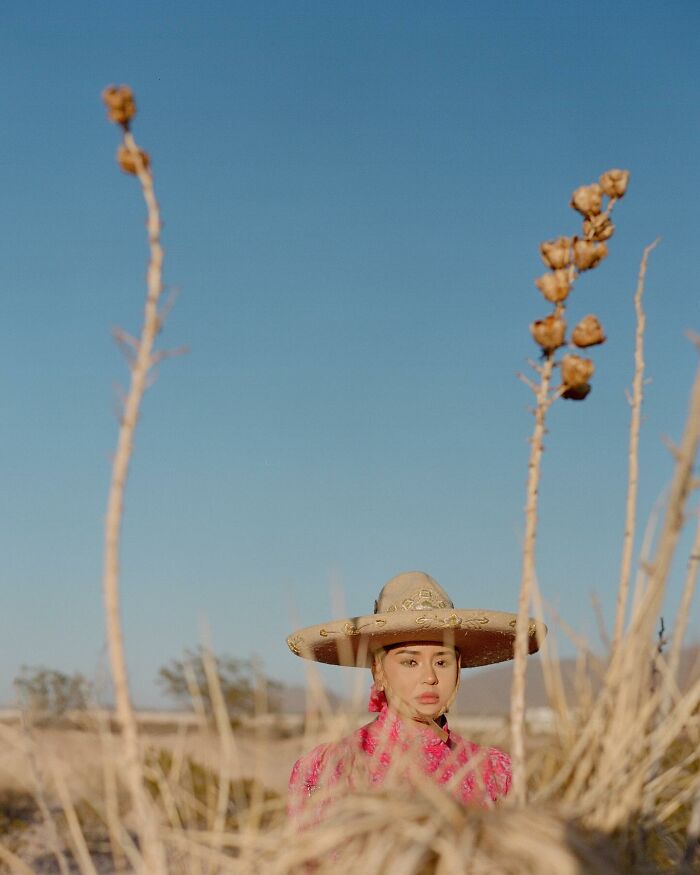
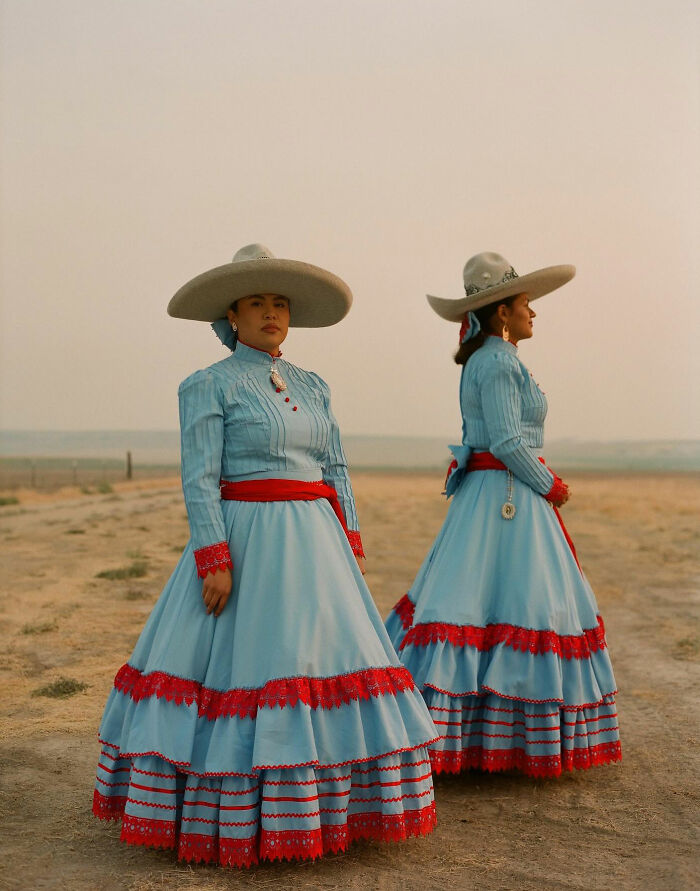
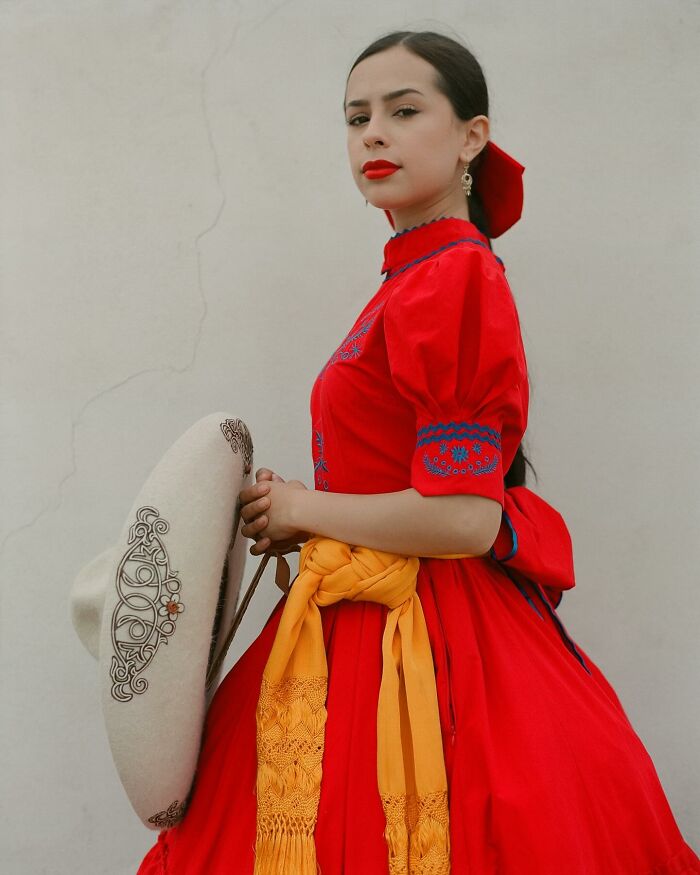
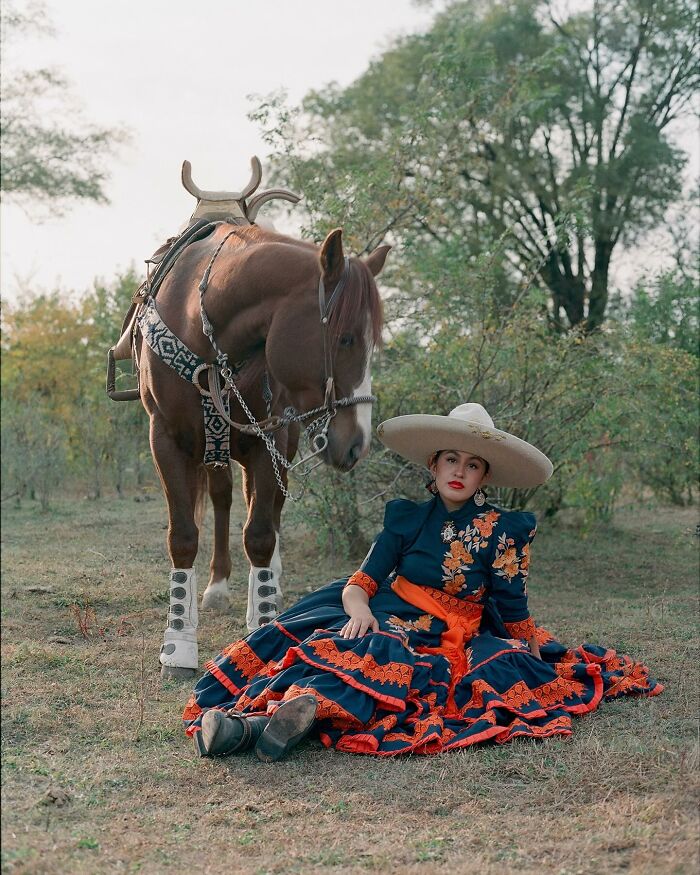
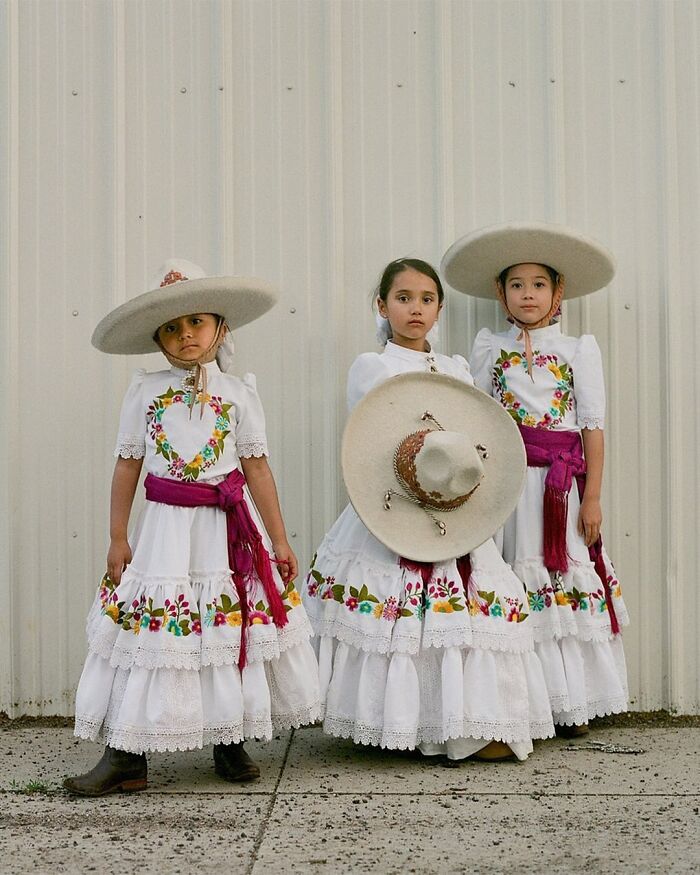
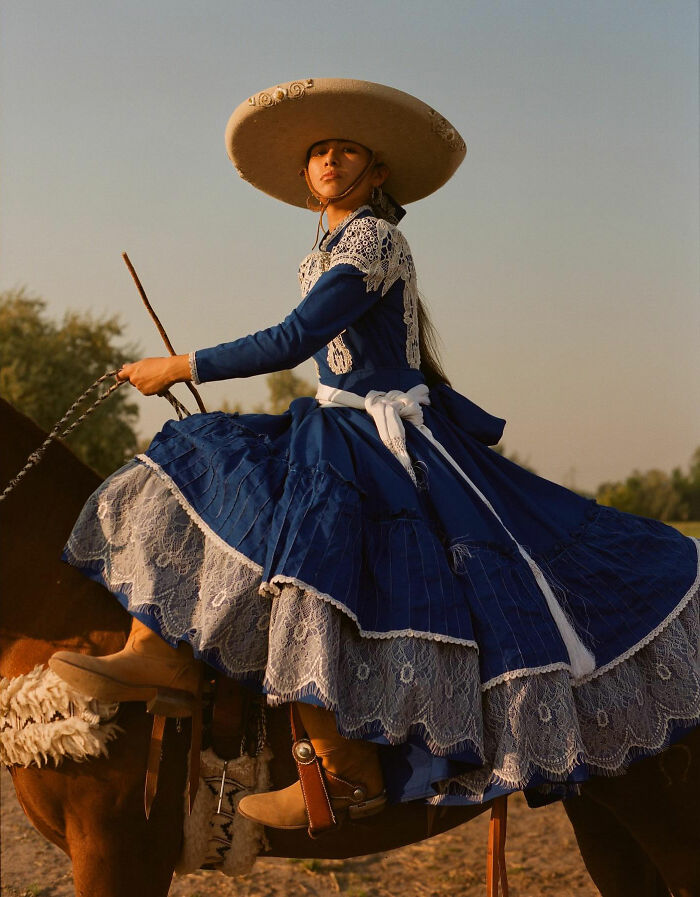
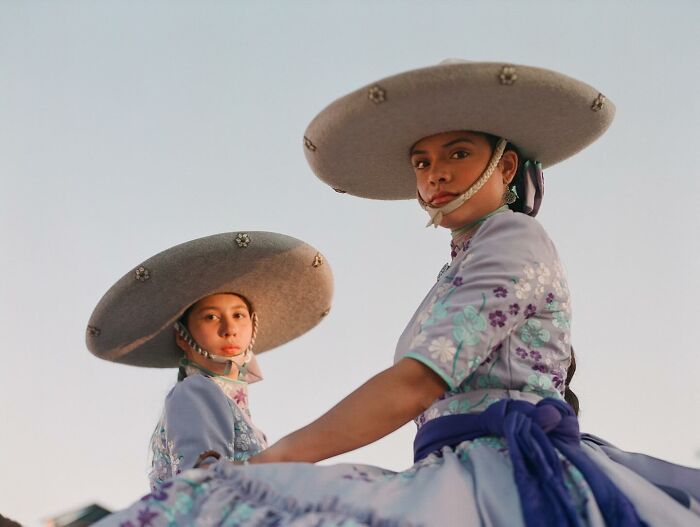
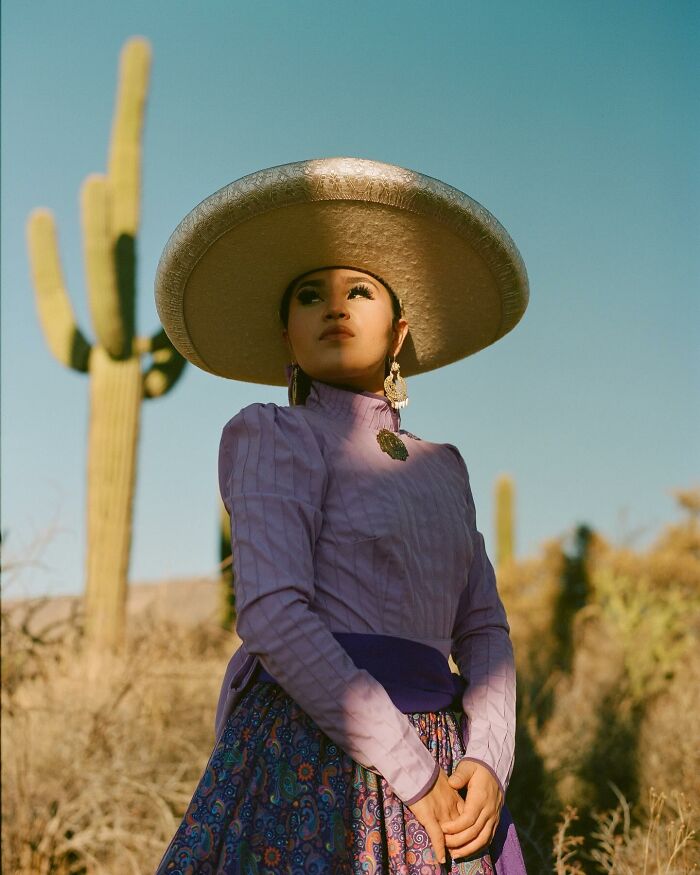
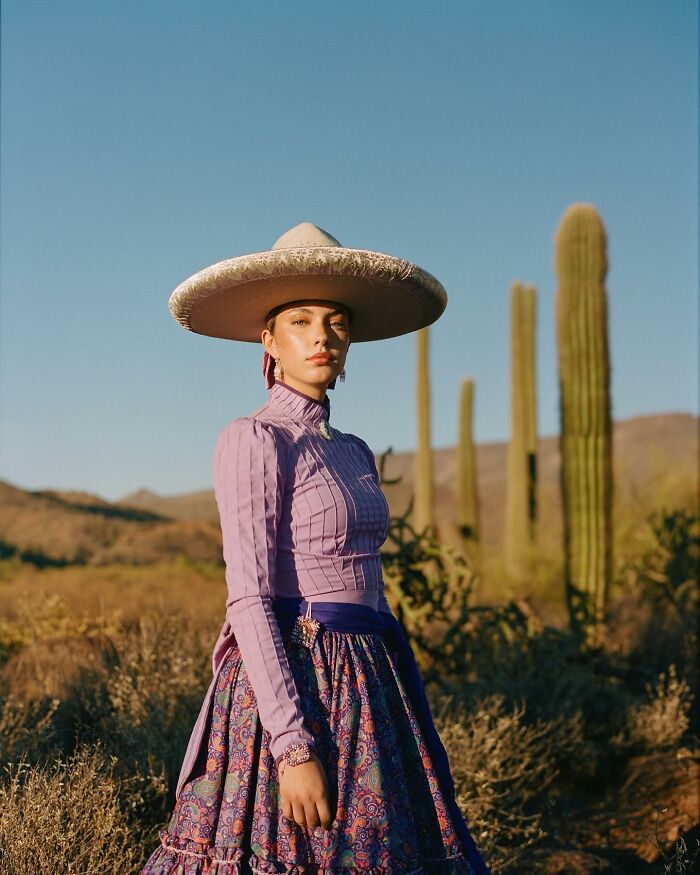
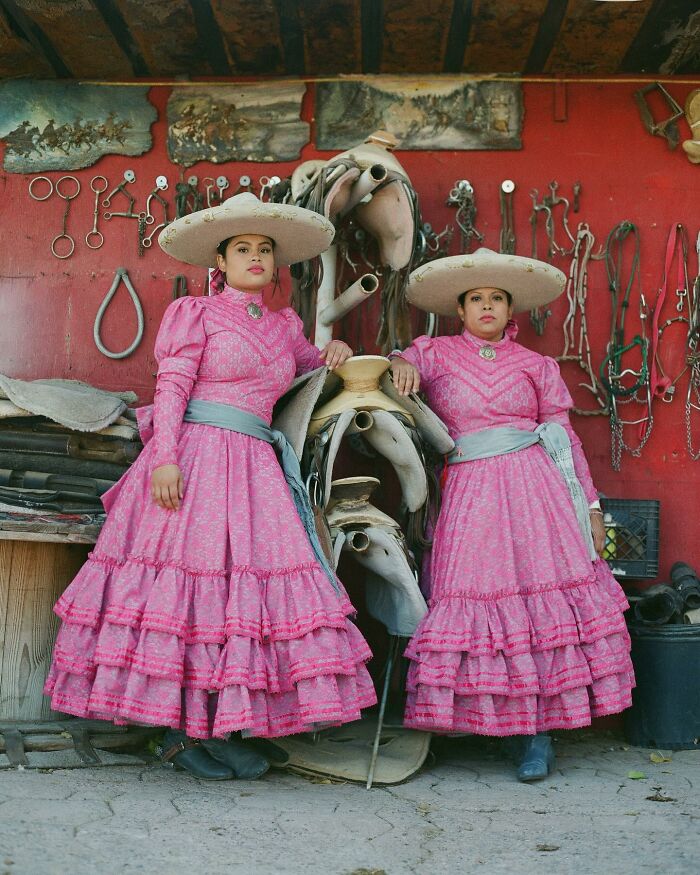
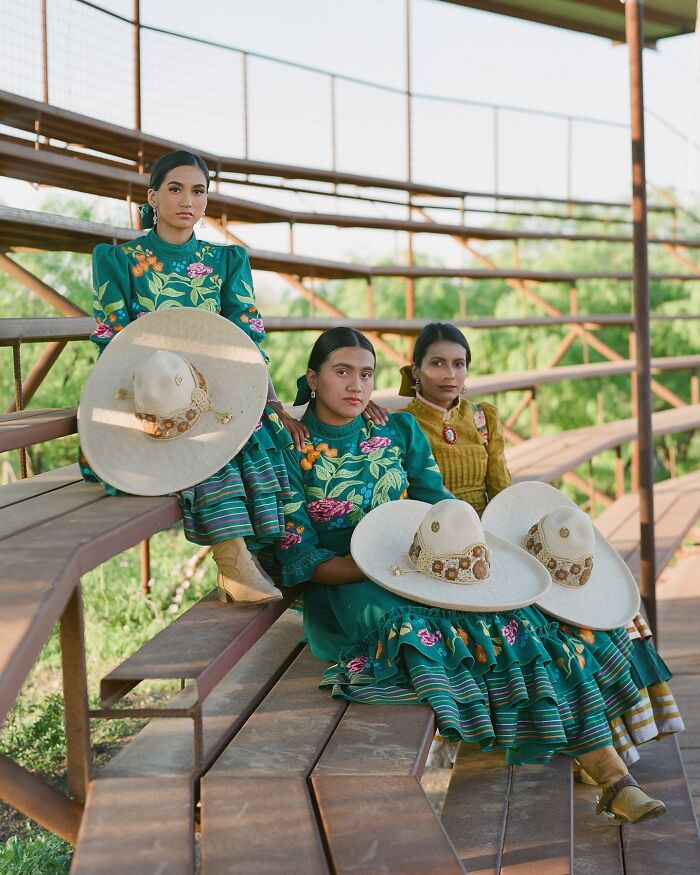
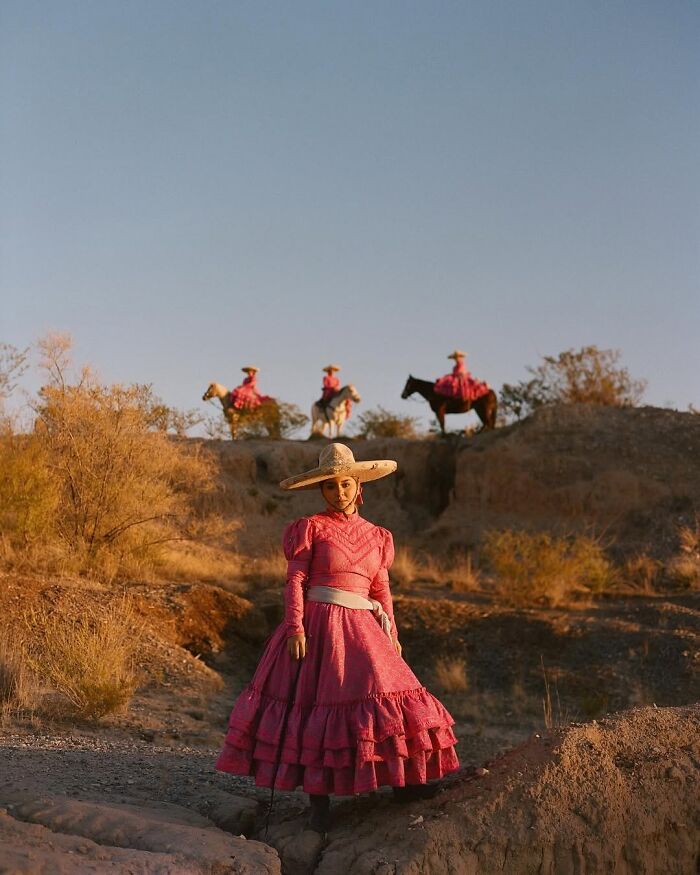
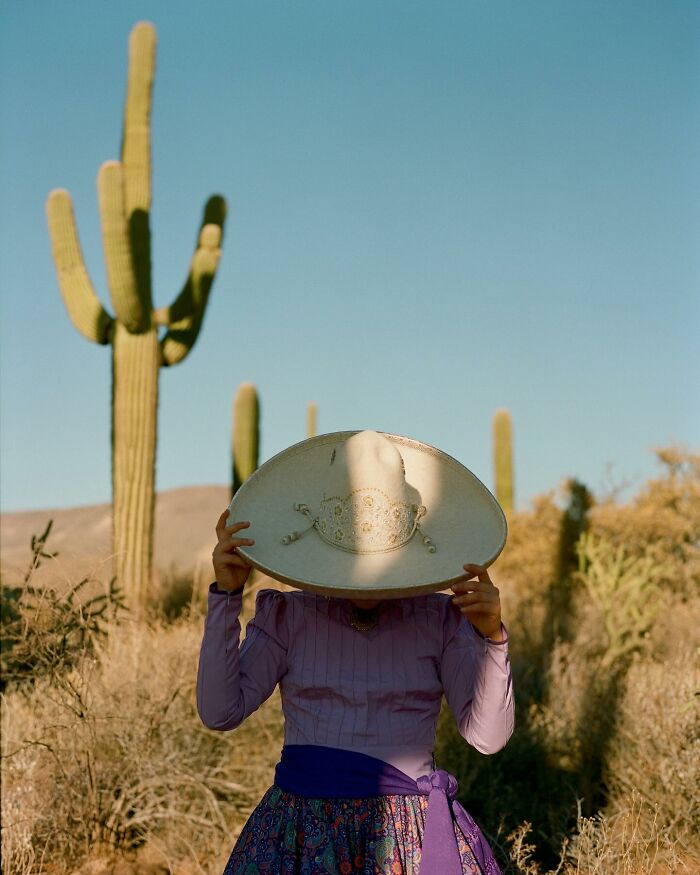
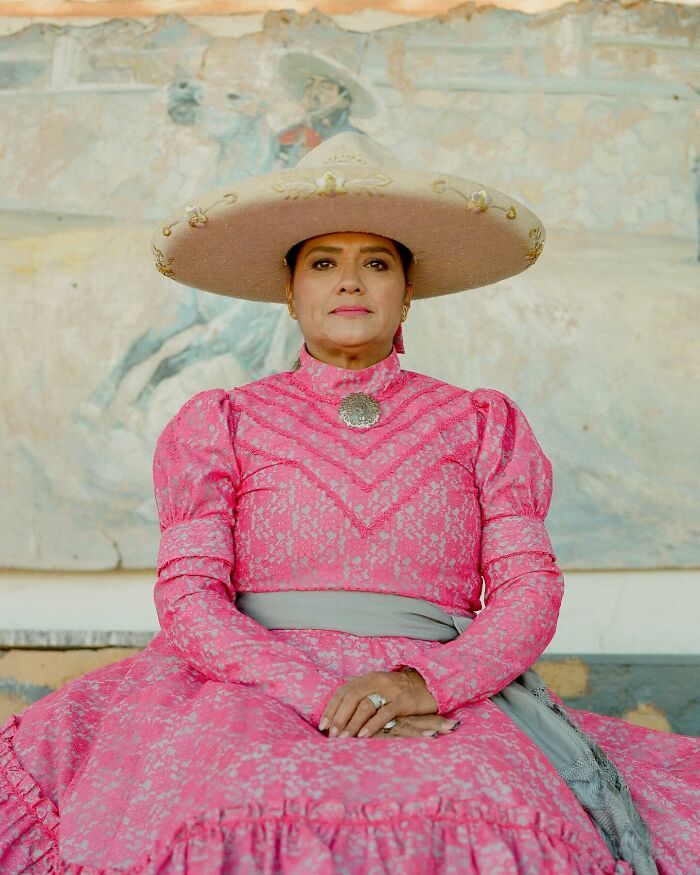
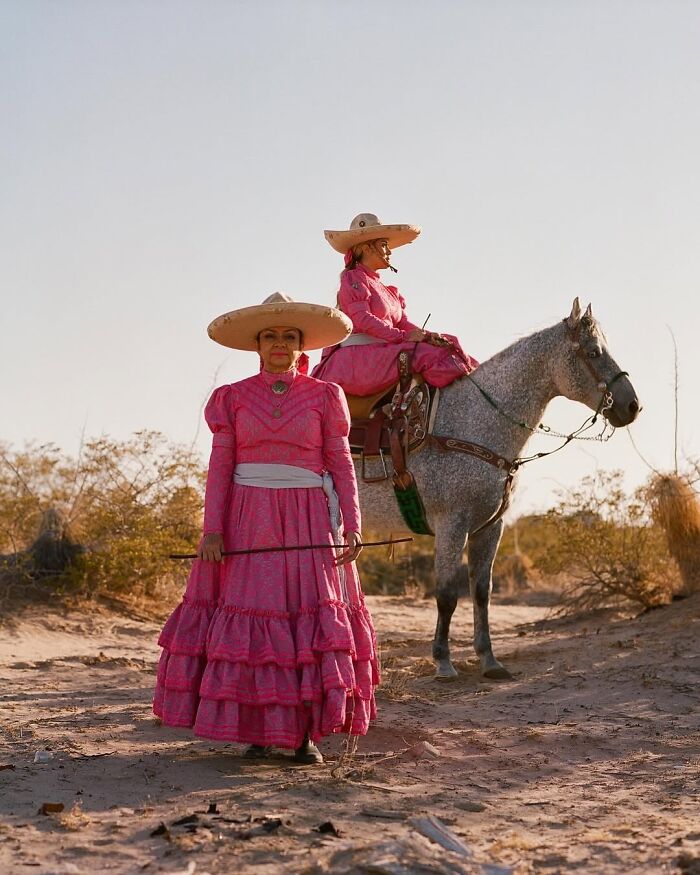
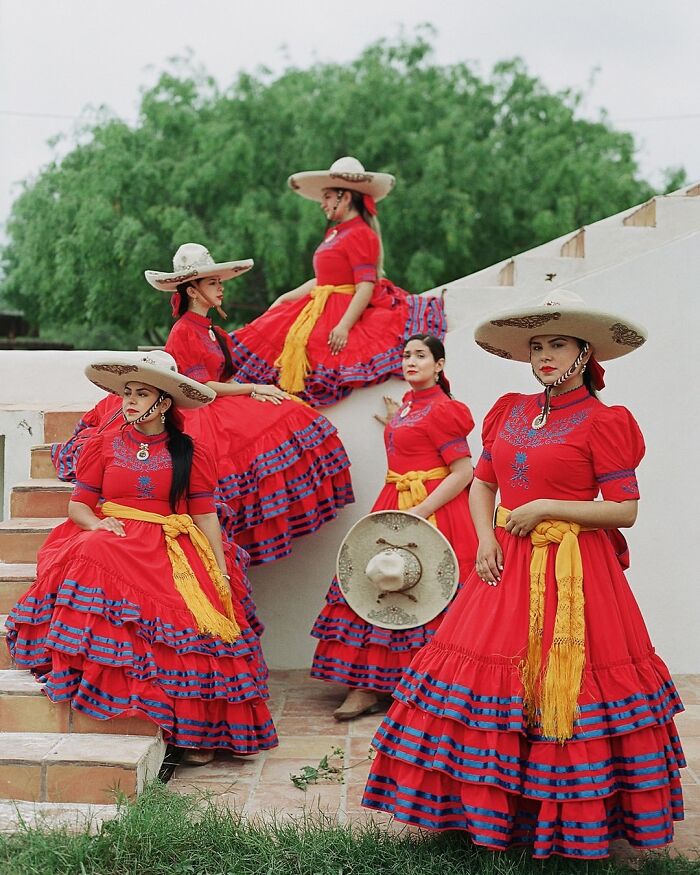
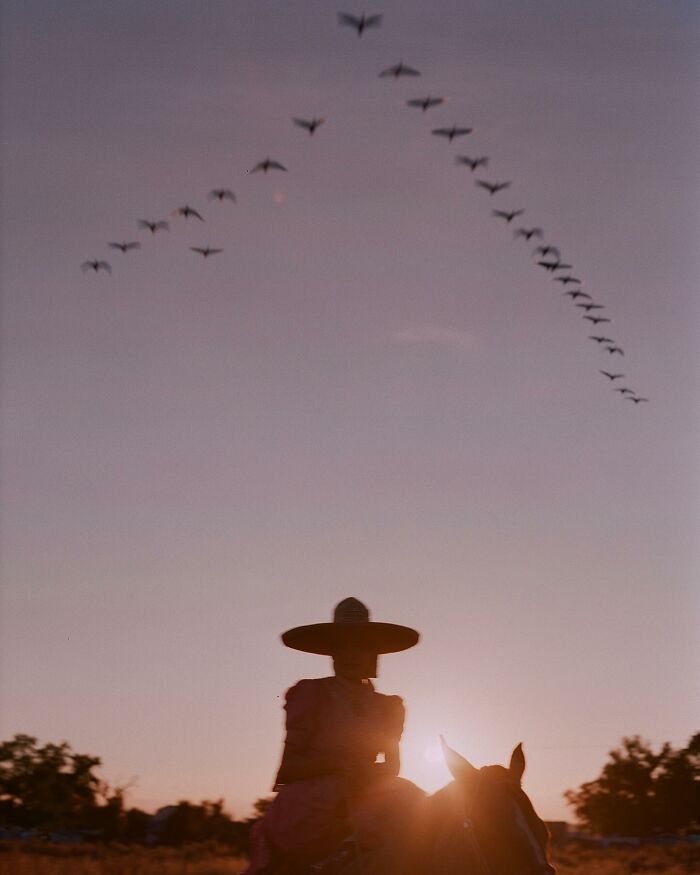
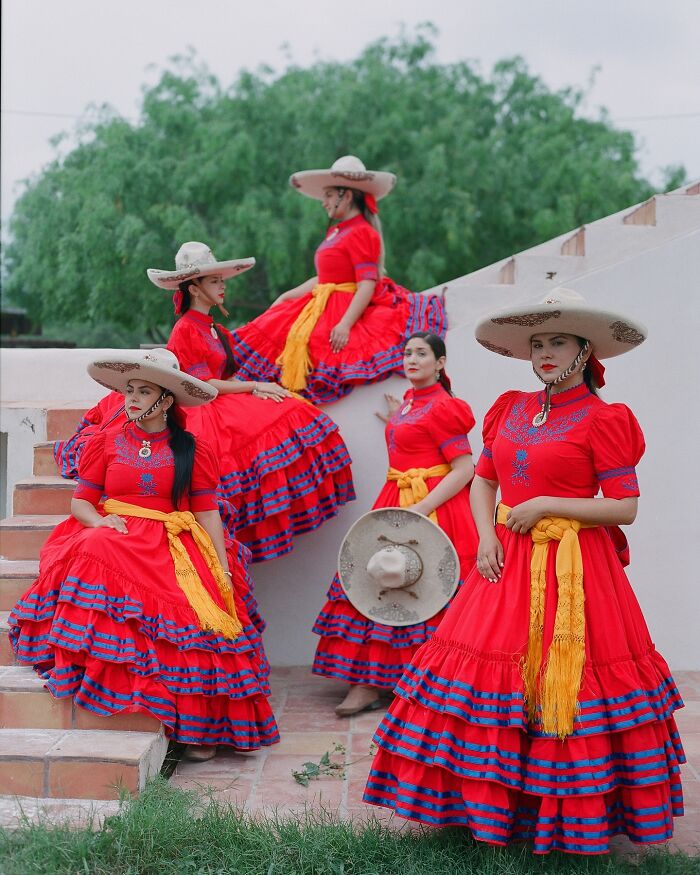
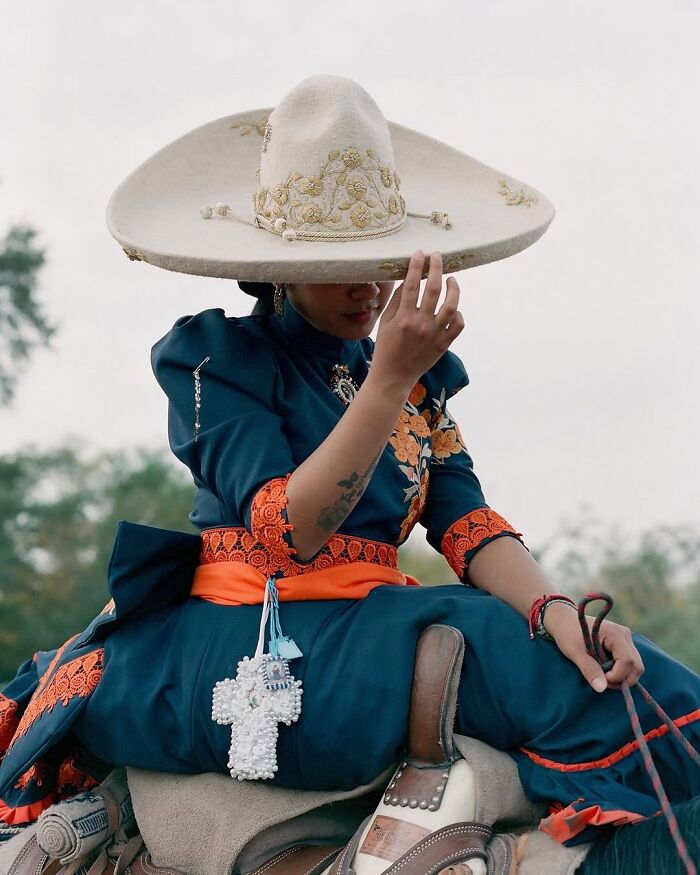
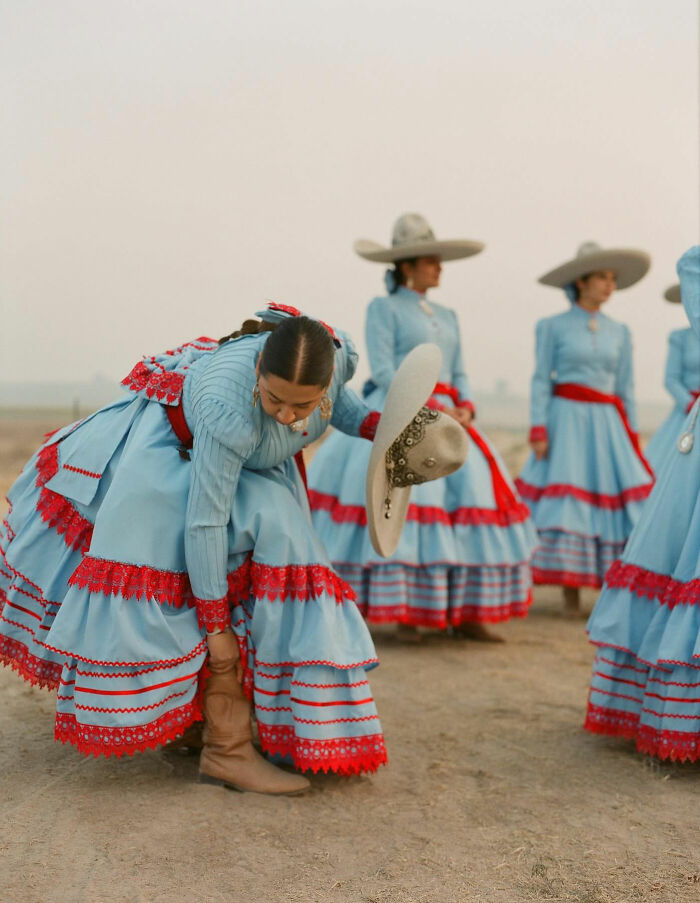
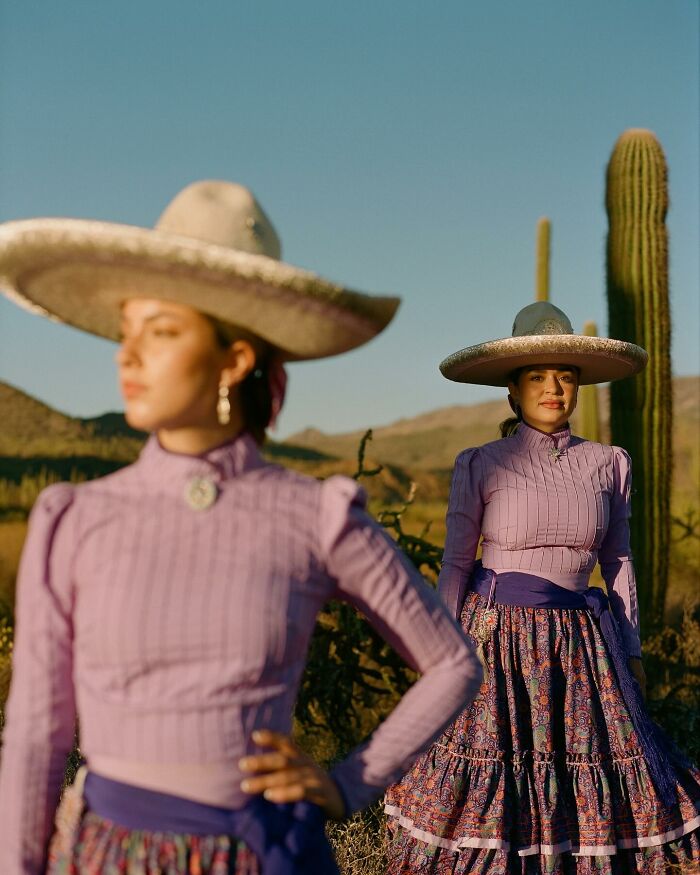
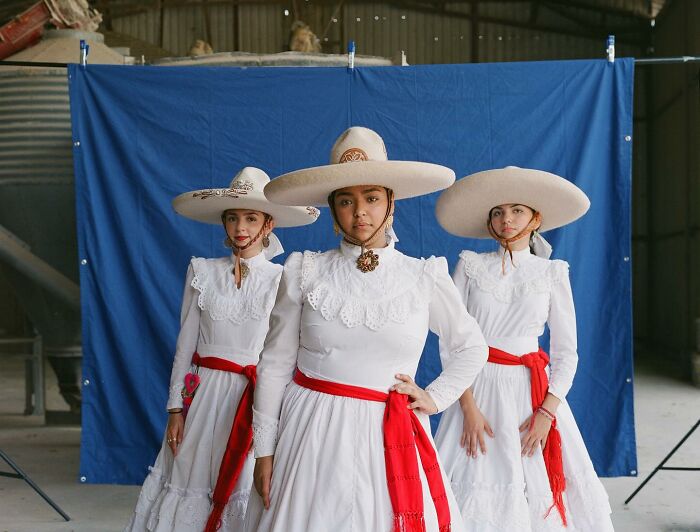
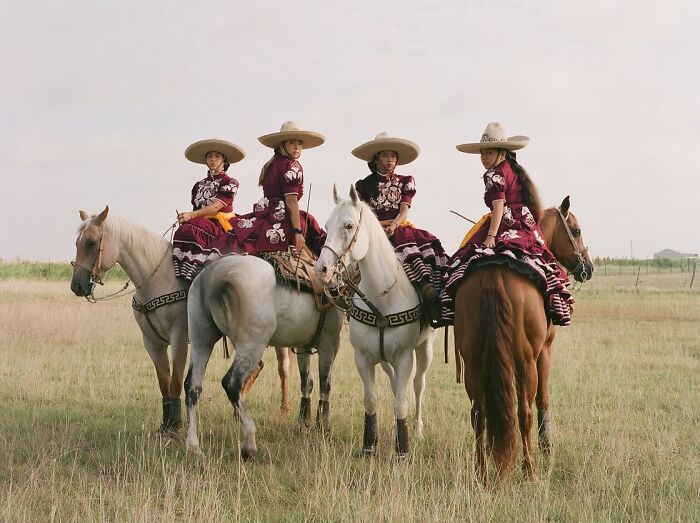
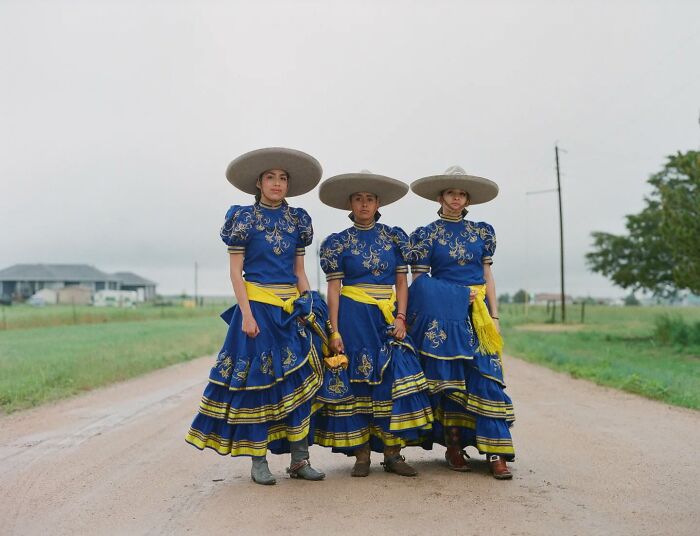
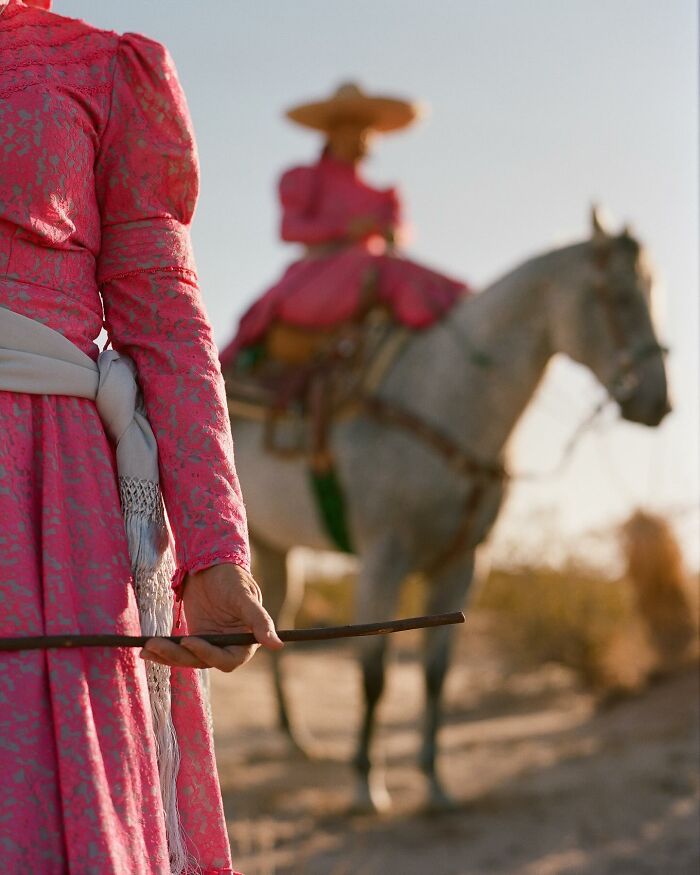
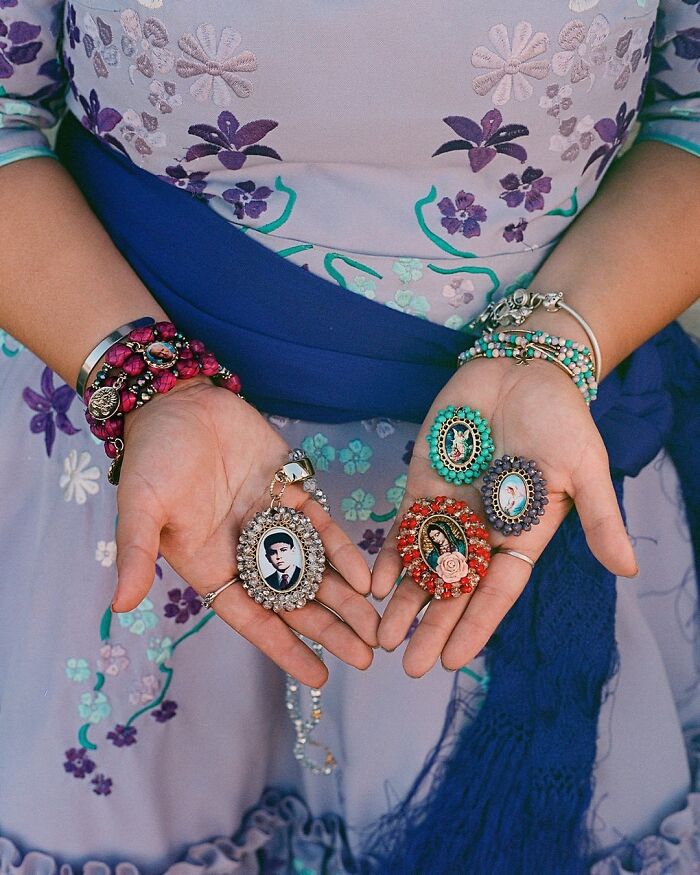
Constance Jaeggi is a Swiss photographic artist based in Texas and Colorado, known for capturing the powerful connection between women and horses. Her internationally exhibited work explores themes of identity, intimacy, and strength, culminating in her latest series, ‘Escaramuza, the Poetics of Home.’
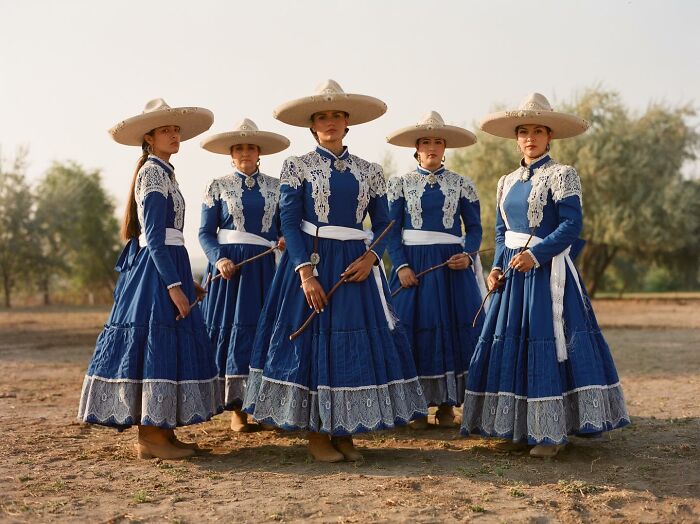
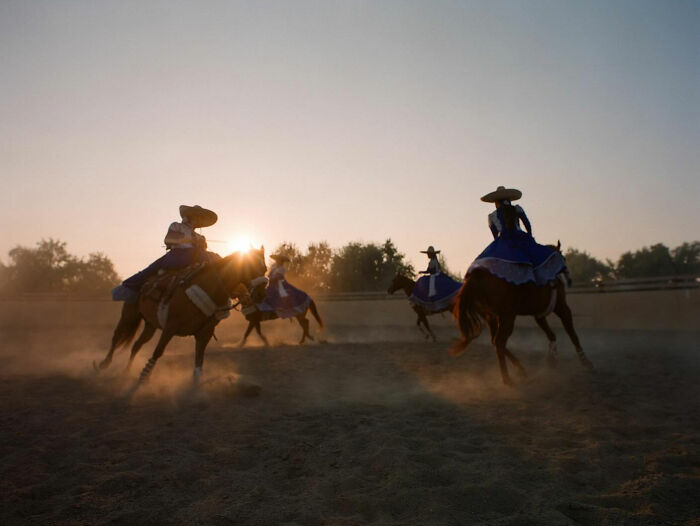
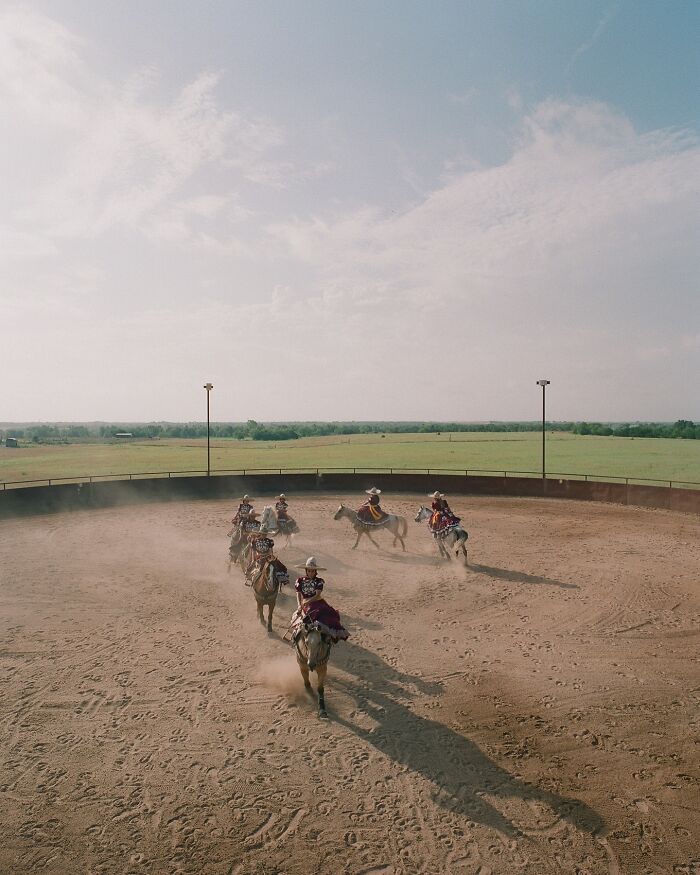
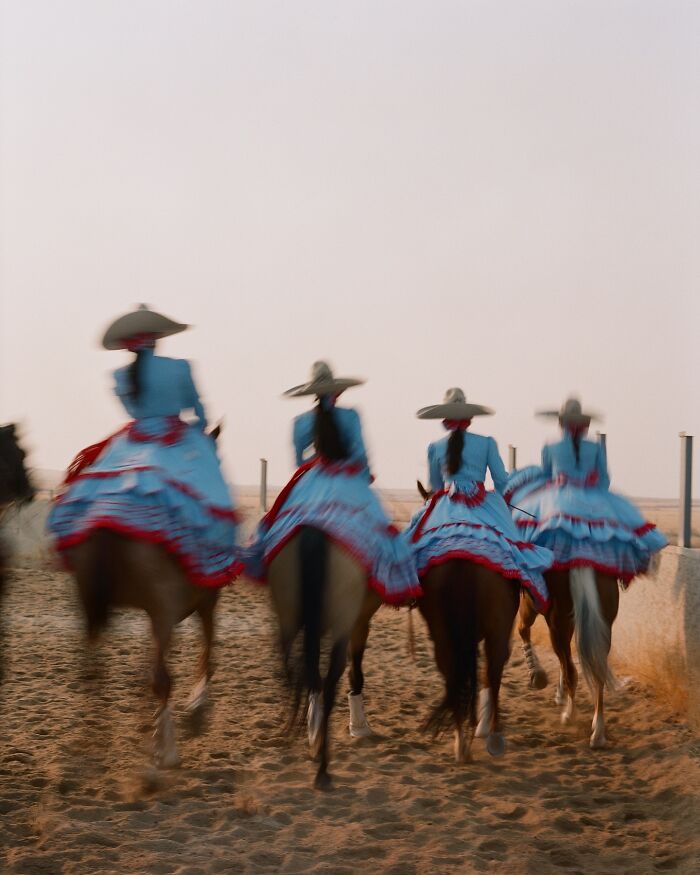
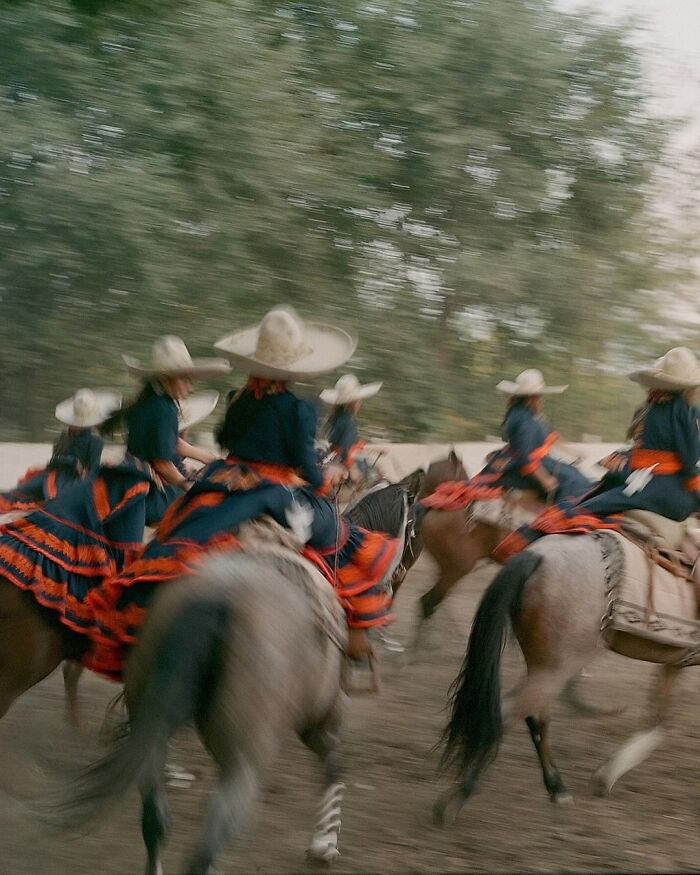
The photographer shared what drew her to the Escaramuza tradition and how she first discovered the incredible world of all-female rodeo riders: “As a competitive rider myself, but one who rides astride, I watched the charras control their horses at high speed sitting side-saddle and I was amazed. I’ve heard Escaramuza be described as a ballet on horseback, but I think there’s something also very warrior-like about it. Fierce. And that’s probably what initially drew me in.”
Stay with us for more of our interview with Constance and to explore a selection of captivating images from her project.
More info: Instagram | constancejaeggi.com | Facebook
This post may include affiliate links.
Jaeggi continued, telling us more about the initial inspiration behind the series: “I’ve spent the last 15 years immersed in the Western world, riding competitively. I suppose I think of myself as a cowgirl. I was very familiar with the ‘lone cowboy’ archetype of the American West that is still so prominent. So, when I realized that, historically speaking, Charreria is a forerunner to the North American Rodeo, that felt important to explore. The nature of the American West’s history is multifaceted and complex and while the portrayal of the ‘lone ranger’ cowboy centers on a rugged, solitary figure battling for good against outlaws, it simplifies the diverse experiences of the American West. I felt that Escaramuza had the power to shift that narrative by focusing on the experiences and contributions of women in Mexican charro culture and emphasizing community, family, and cultural heritage.
“I was also fascinated by the gender dynamics within charreria. Charreria historically was always a male-only sport until Escaramuza was invented in the 1950’s and although there has been a lot of progress for women in charreria, it is still very gender-segregated. Women only really participate in that one event (the Escaramuza event), which may take up to five minutes or so of time during a charreria, which typically lasts up to three hours… Many of the Escaramuzas I met were frustrated by the gender dynamics and are pushing back, hoping for change.”

Stunning photo … along with a great history. Keep fighting for your opportunities ladies.
When asked about the biggest challenges she faced while photographing these fast-paced, dynamic moments, Constance responded: “From the beginning of taking this work on, I was preoccupied with one question. How do I photograph these women and this tradition in a way that honors this complete and layered story rather than just glorifies their beauty? I was hoping to show, in addition to the beauty of the tradition, some of the complex underlying themes and also bring the women’s voices back into the work. The interviews I conducted with the riders, their pride and talent, as well as their frustrations with the machismo in their sport, influenced how I photographed them. But I felt that poetry was another way to address these themes. I collaborated with the two incredible poets, Ire’ne Lara Silva and Angelina Sáenz, who created a collection of poems based on the interviews I conducted with the riders I photographed.”
Curious … is this community/members concentrated in a specific location in Mexico?
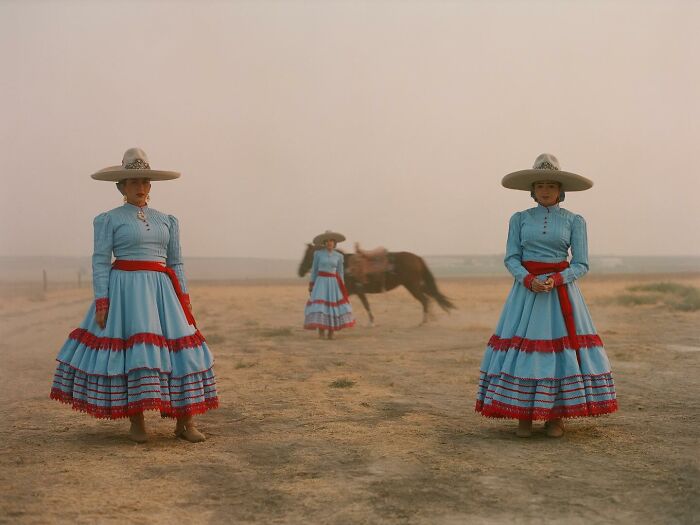
The Swiss photographer shared what she hopes viewers take away from ‘Escaramuza, the Poetics of Home,’ saying: “I hope this work helps viewers see beyond the beauty of the riders and their dresses — that they see the strength and determination, and hear the stories. I hope this work helps viewers see beyond the beauty of the riders and their dresses, that they see the strength and determination and hear the stories.”
The Swiss photographer shared what she hopes viewers take away from ‘Escaramuza, the Poetics of Home,’ saying: “I hope this work helps viewers see beyond the beauty of the riders and their dresses — that they see the strength and determination, and hear the stories.”
Lastly, the photographer kindly revealed her future plans to further expand the project, exploring heritage, identity, and power through her lens, and said: “This work is still ongoing, and I am expanding it for an upcoming exhibition in 2028, diving into the historical connection between the contemporary Escaramuzas and the soldaderas who fought in the Mexican revolution between 1910 and 1920. I am exploring this connection through archival photographs of soldaderas and creating mixed media works from these.”
What role do these portraits ‘play’ in this culture? This is so fascinating!






























 No fees, cancel anytime