Get Premium
Dark mode theme is available exclusively for premium users. Learn more about the benefits of subscribing.
No fees, cancel anytime.

 Dark Mode Ad-Free Browsing Unlimited Content
 Ad-Free Browsing Unlimited Content Dark Mode
Join 1.2 million Panda readers who get the best art, memes, and fun stories every week!
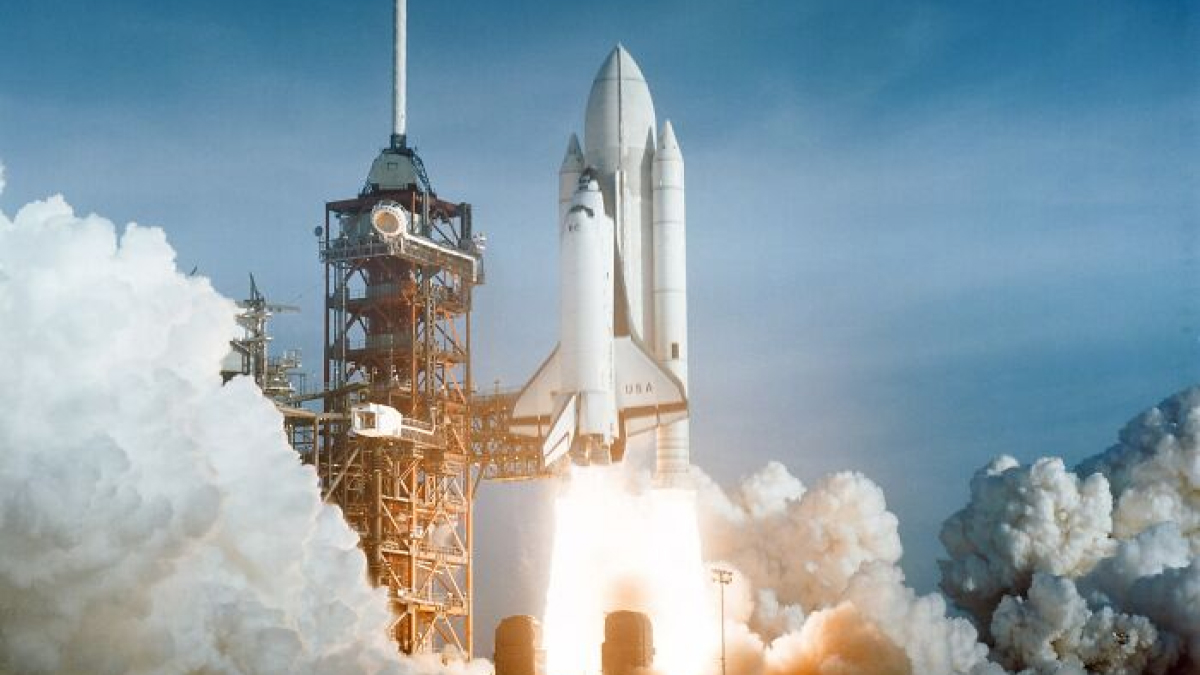
From the moment our ancestors first learned to run, humanity has been locked in a relentless pursuit of one thing: more speed. It’s a primal drive that has shaped our history, pushing us to innovate, explore, and shatter boundaries that once seemed impossible. This obsession isn't just about getting from A to B faster, though, it is driven by the need for progress. It’s in the race to communicate ideas across the globe in an instant, to process information at mind-boggling rates, and to propel ourselves beyond the confines of our own atmosphere. We’ve gone from the speed of a horse to breaking the sound barrier and beyond. This list is a celebration of the ingenuity behind the fastest things on earth. A look at the most incredible, record-shattering, and downright astonishingly fast things our species has ever managed to create. Get ready to explore the pinnacle of human velocity.
This post may include affiliate links.
Each one of these breakthroughs represents countless hours of trial and error, complex mathematics, and the development of entirely new materials. Pushing the boundaries of velocity forces engineers and scientists to solve problems that have never been encountered before, from managing extreme heat and friction to ensuring stability at unthinkable speeds. This relentless problem-solving often creates a domino effect, leading to advancements in completely unrelated fields, from medicine to consumer electronics.
The quest for speed is ultimately a story about overcoming limitations. Whether the challenge is air resistance, the friction of a surface, or even the fundamental processing limits of a silicon chip, the goal remains the same: to do something more efficiently than it was ever done before. This drive for efficiency is what propels society forward. It allows us to connect, create, and compute on a global scale, shrinking the world and expanding our potential in ways our ancestors could have only dreamed of. Every record broken is another barrier removed from what is considered possible.







































 No fees, cancel anytime