Get Premium
Dark mode theme is available exclusively for premium users. Learn more about the benefits of subscribing.
No fees, cancel anytime.

 Dark Mode Ad-Free Browsing Unlimited Content
 Ad-Free Browsing Unlimited Content Dark Mode
Join 1.2 million Panda readers who get the best art, memes, and fun stories every week!
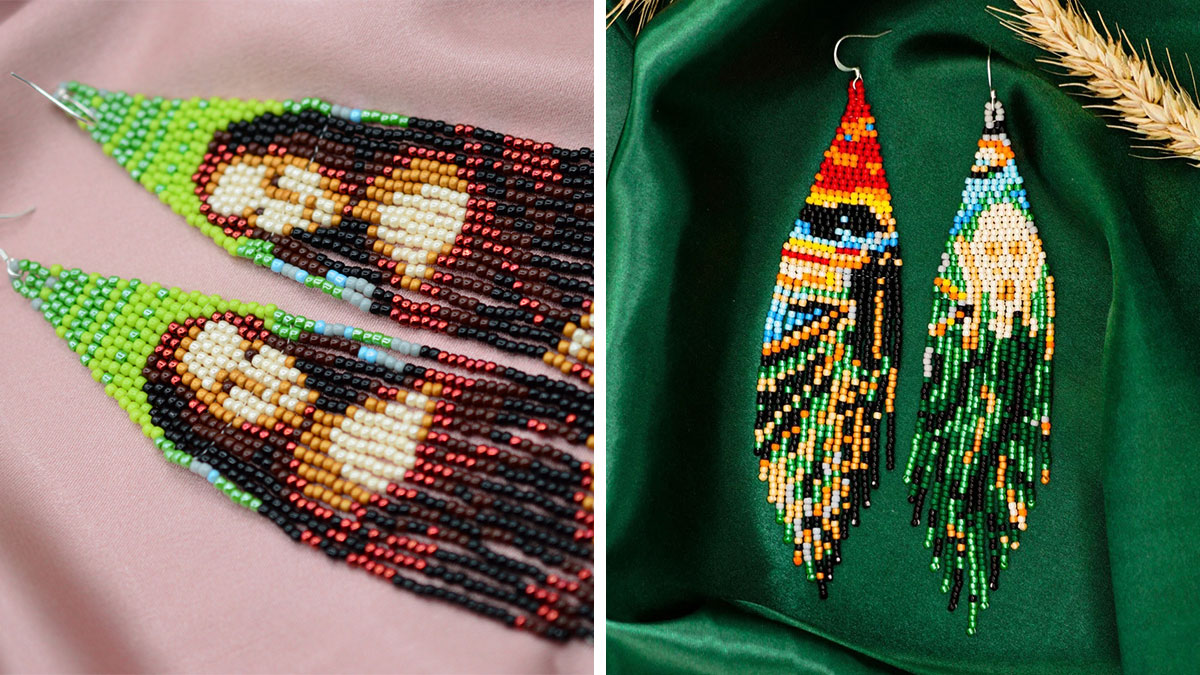

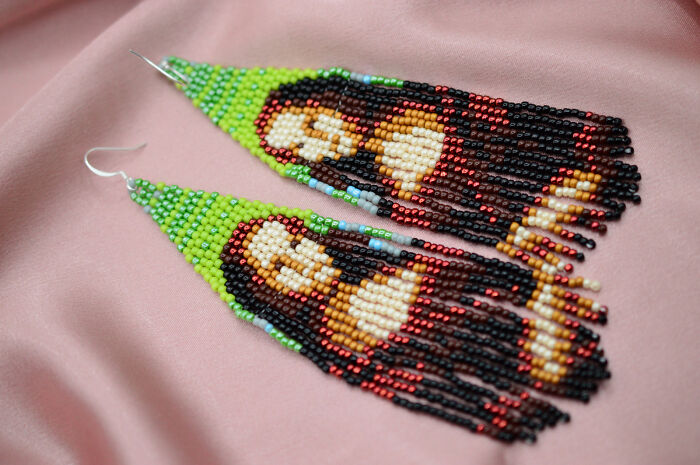
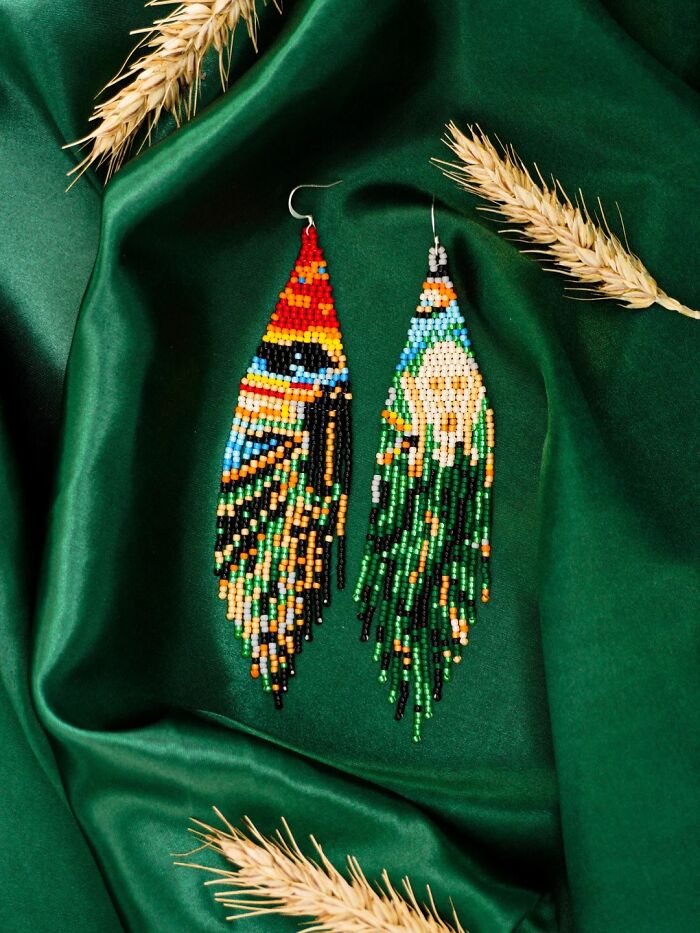
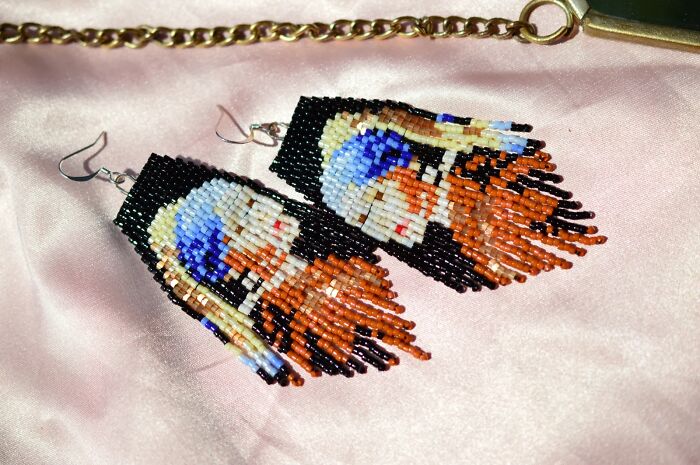
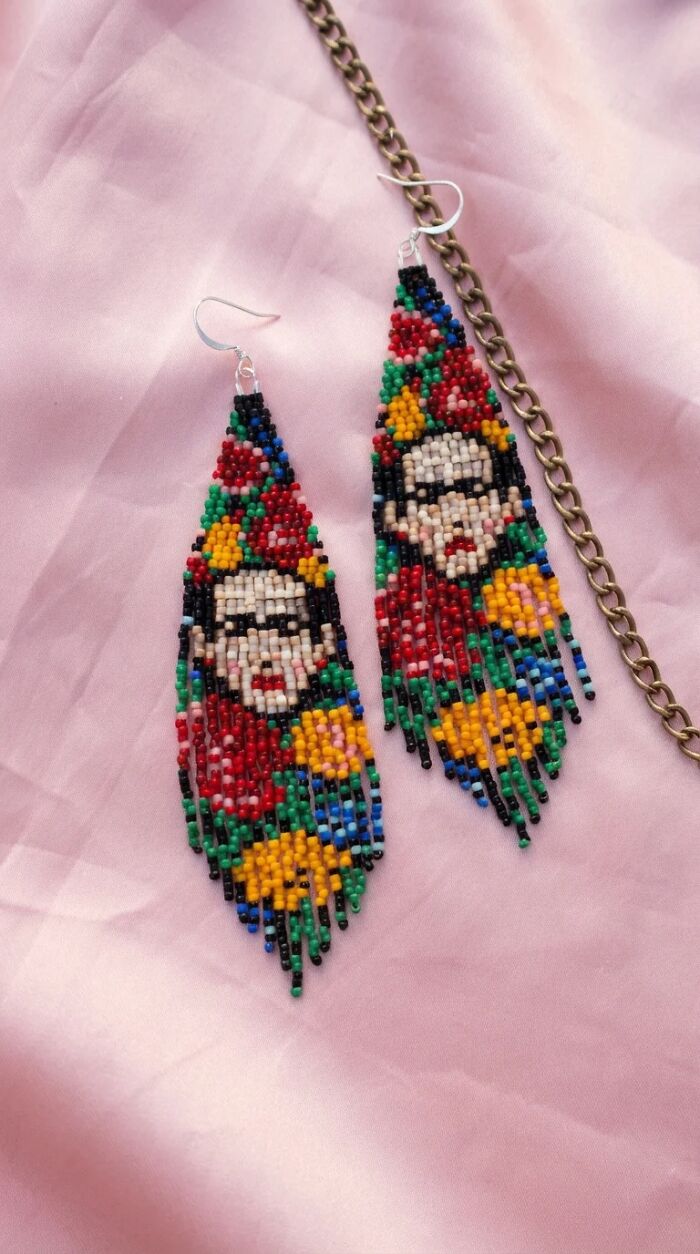
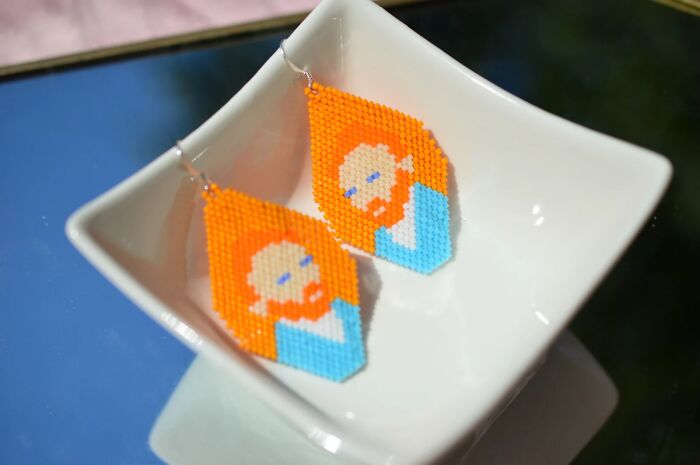
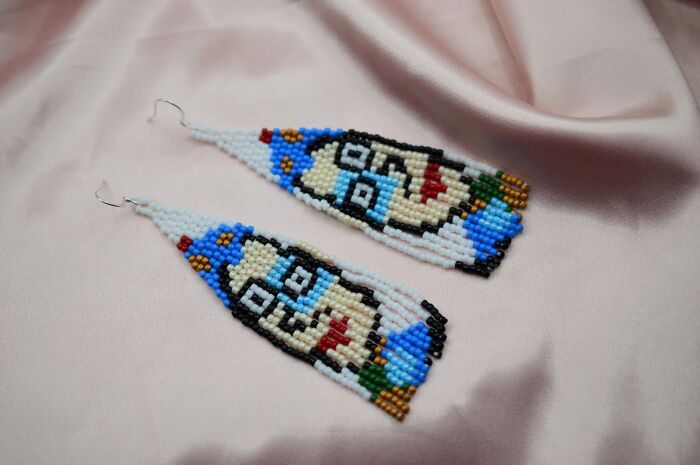
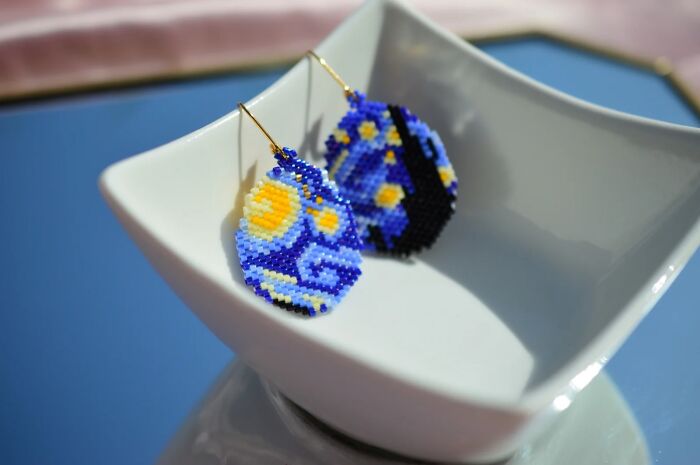
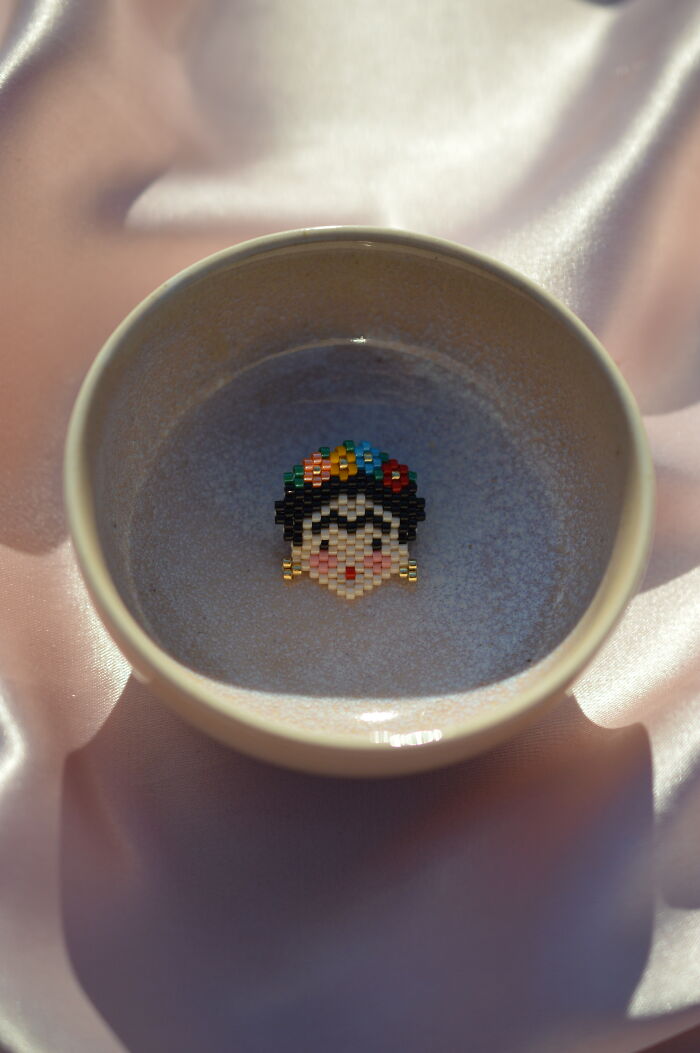
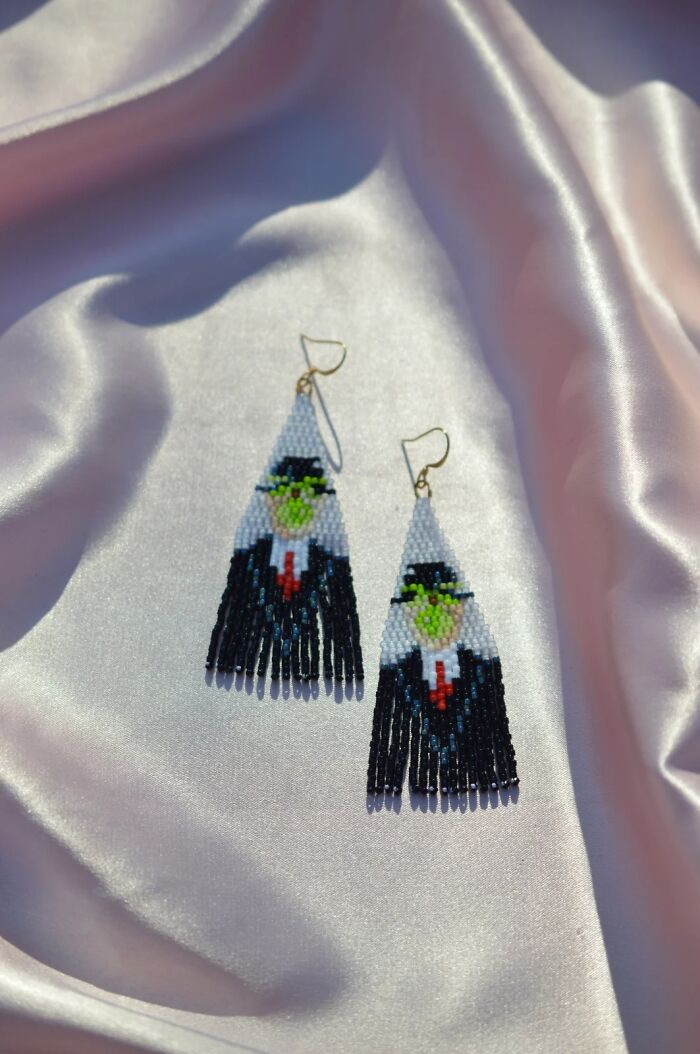
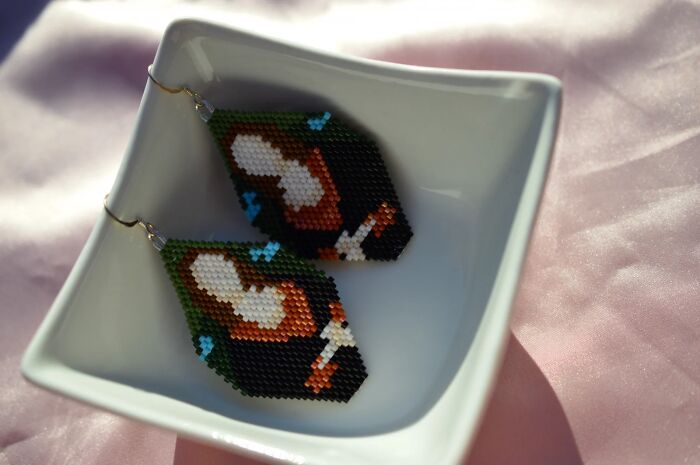
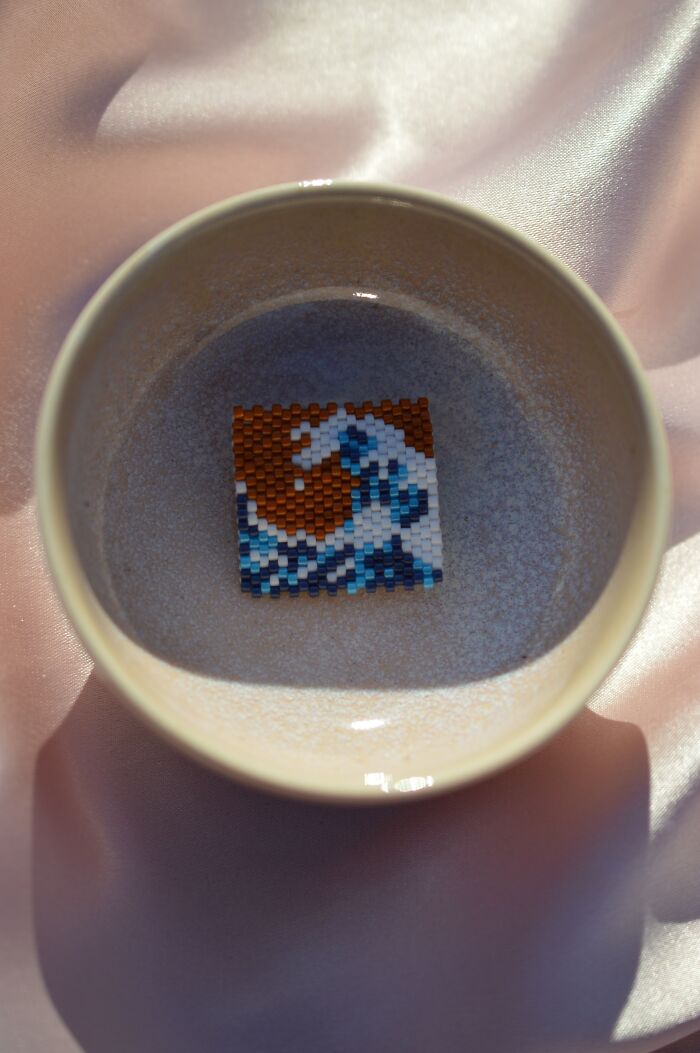
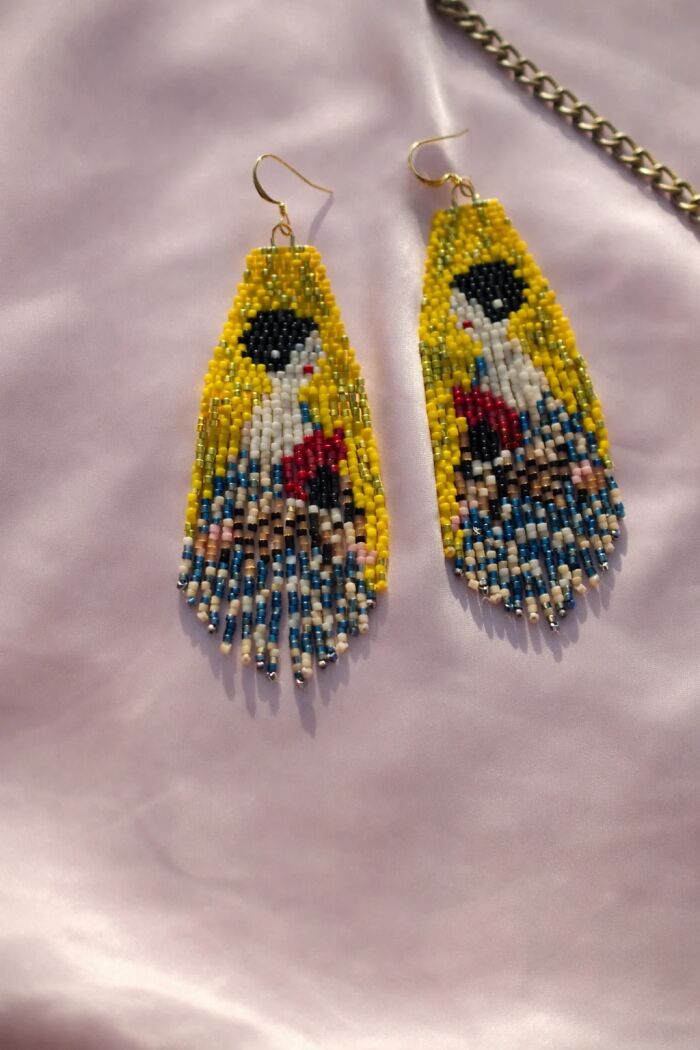
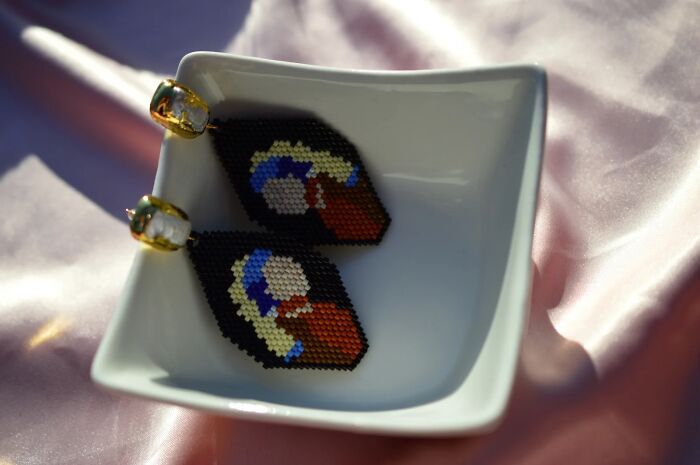
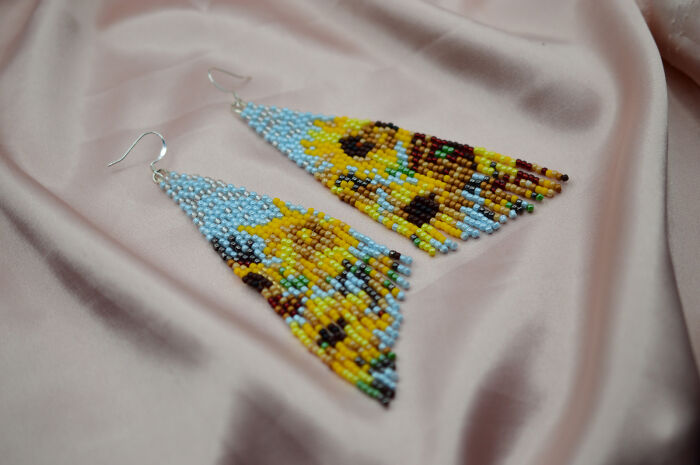
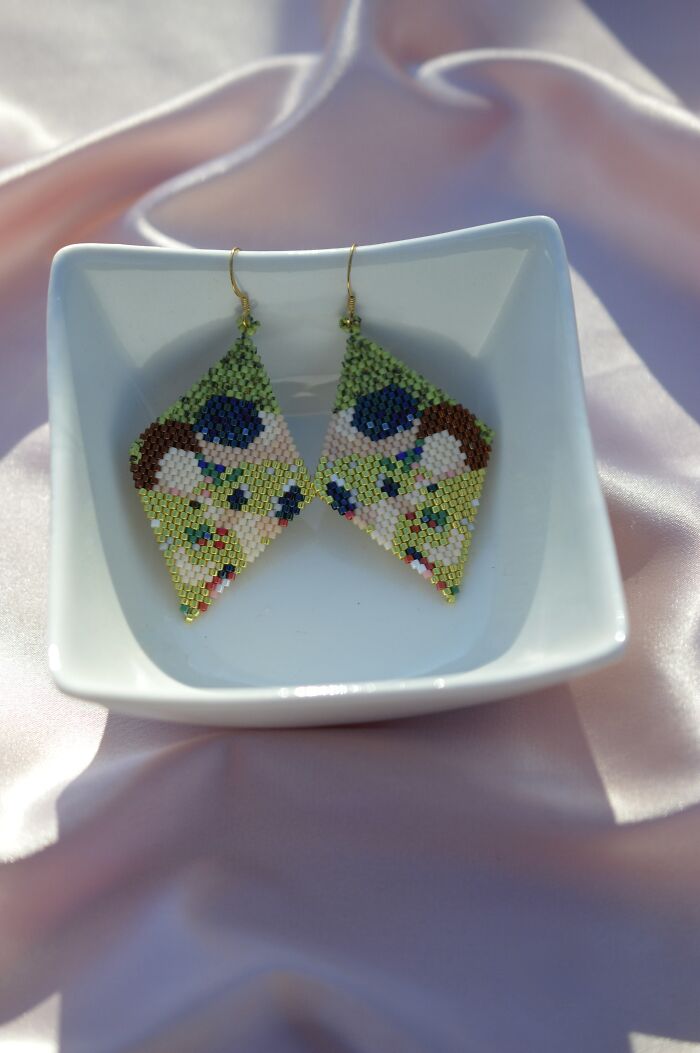
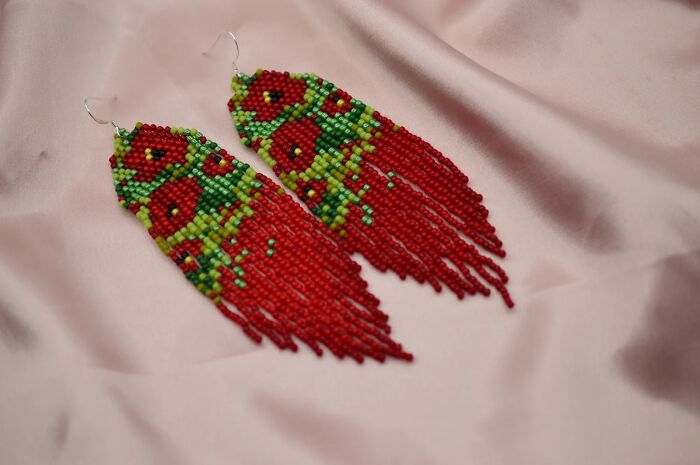
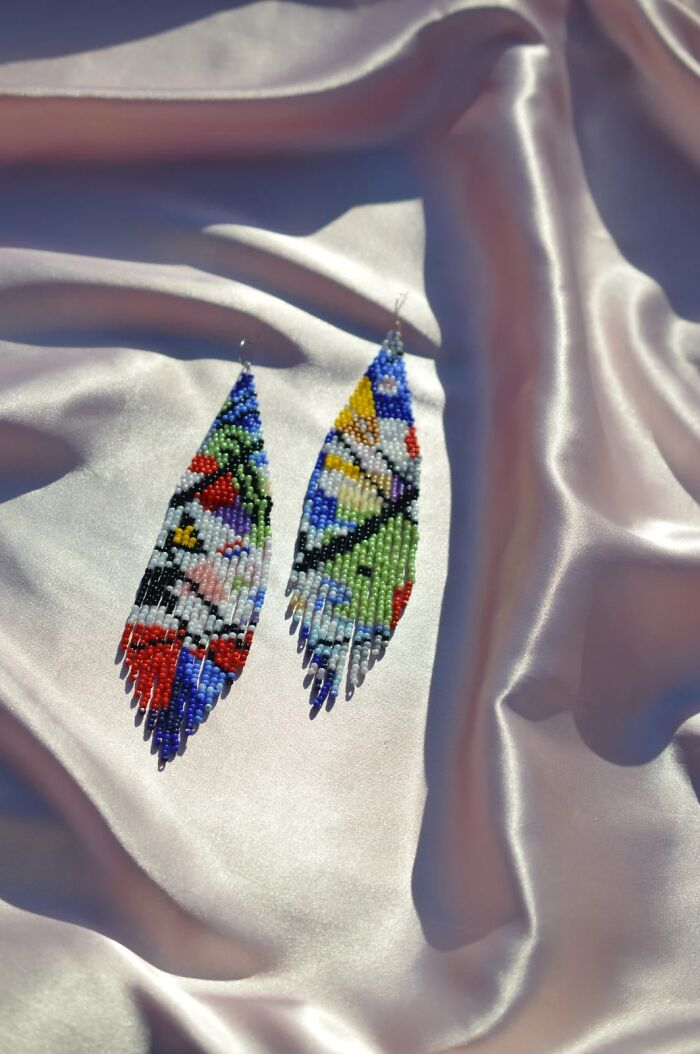
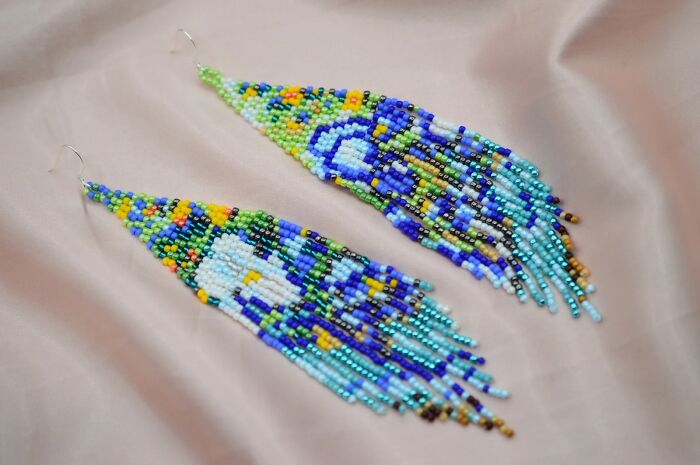
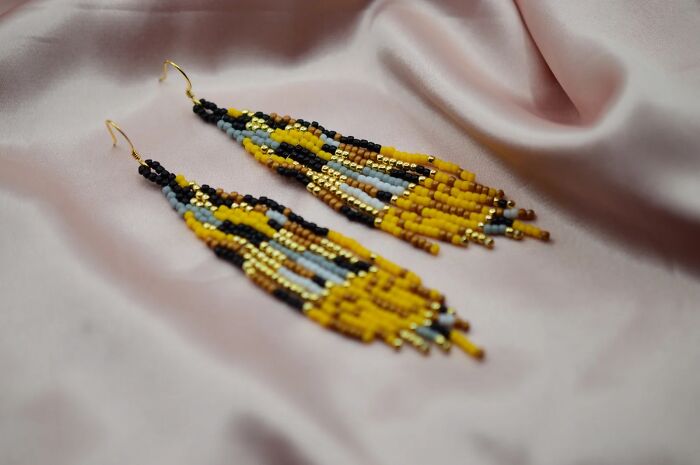
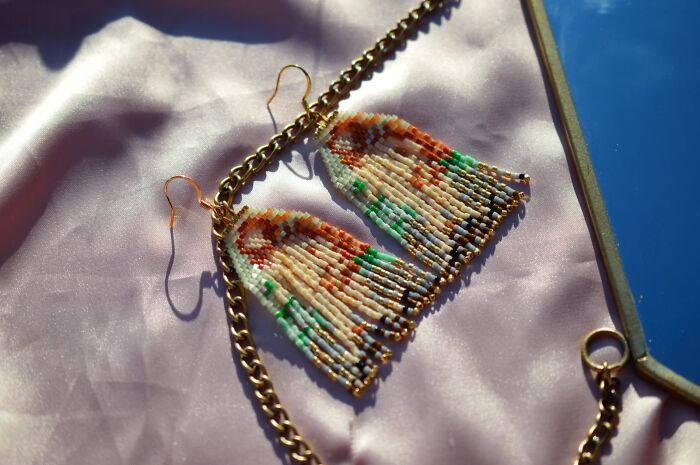
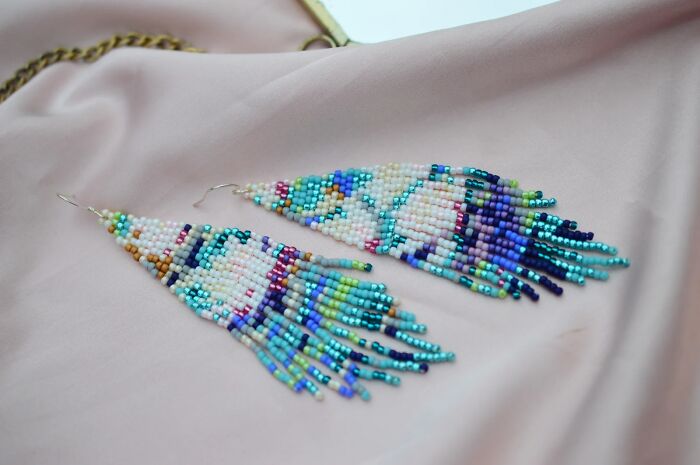
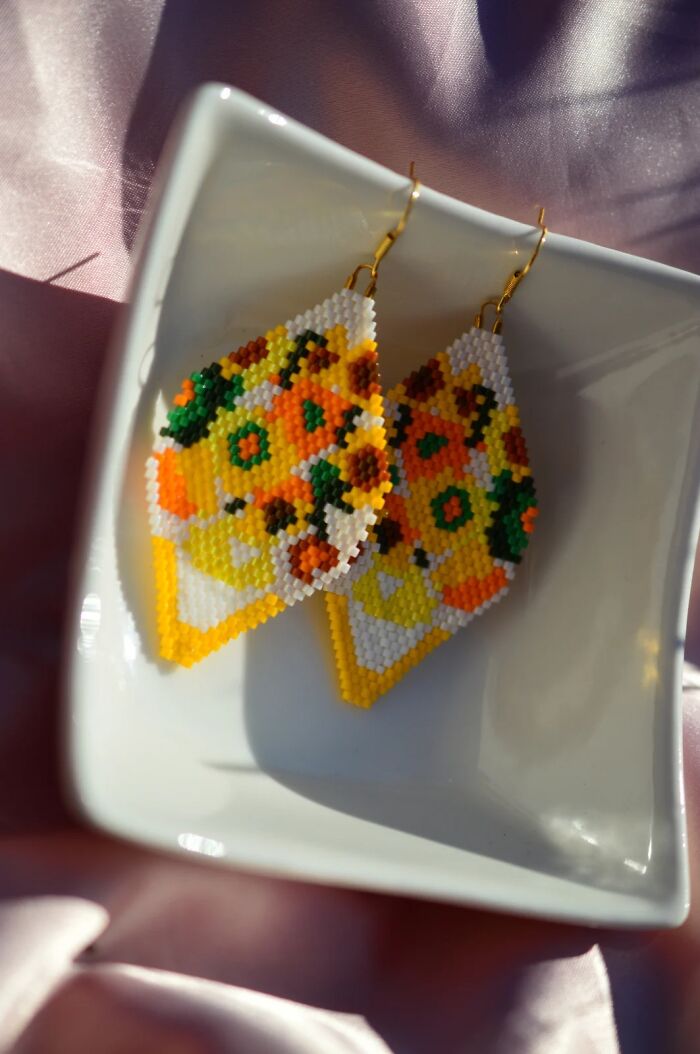
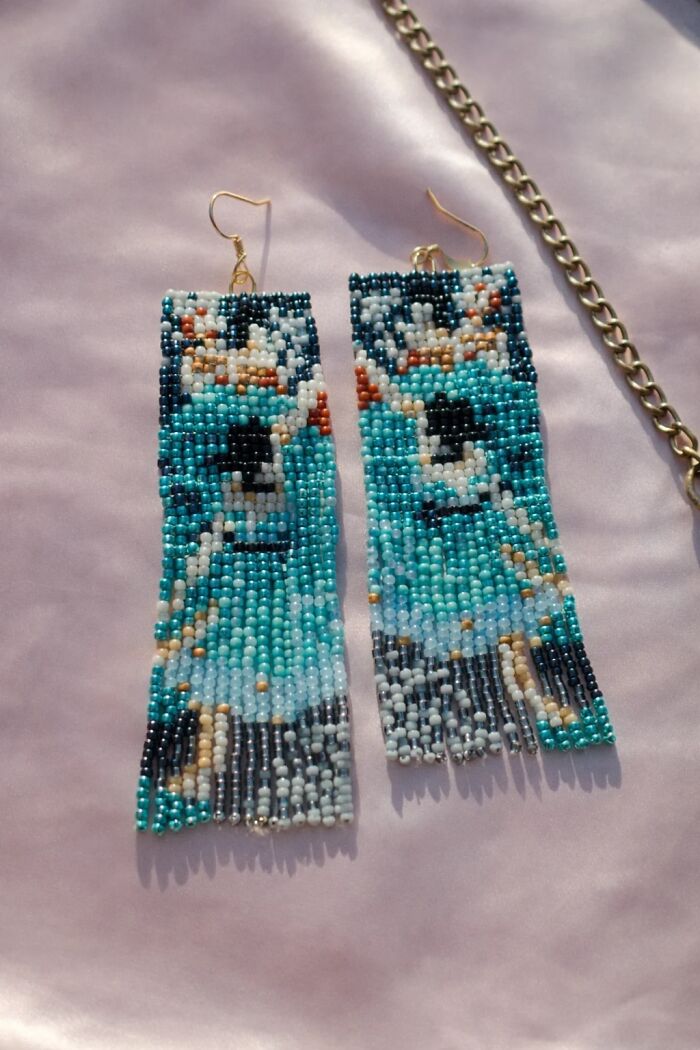
Art history usually lives in museums, books, and classroom slideshows, but Stefania Pascov found a way to make it part of everyday life. Through her handmade jewelry project, A Museum You Can Wear, or Muzeul de la Ureche in Romanian, she transforms iconic paintings into miniature beadwork pieces that people can actually wear. From famous masterpieces by Van Gogh, Klimt, Vermeer, and Hokusai to many others, her designs turn recognizable works of art into something playful, detailed, and deeply personal.
What makes Stefania’s creations especially fascinating is the amount of thought and precision that goes into each one. Every design begins as a digital pattern, carefully planned bead by bead to capture the composition, colors, and spirit of the original painting within the limits of tiny glass beads.
Curious to learn more about the idea behind the project and the process of recreating famous paintings in wearable form, we asked Stefania to share more about her work.
More info: Instagram | muzeuldelaureche.ro
This post may include affiliate links.
Speaking about what inspired the idea, she said: “I have always been passionate about art, and I wanted to find a way to bring famous paintings into everyday life in a new and playful form. Instead of existing only on museum walls or in books, these artworks become small pieces people can actually wear.”
Describing how the creative process begins, Stefania explained: “The process behind each design starts digitally. I design the patterns on a tablet, although in my earlier years I worked entirely with pen and paper. Digital tools allow me to experiment much faster with composition, proportions, and color.”
She also explained how she recreates a painting: “First, I decide the final shape and size of the piece. Then I place the original painting into my design workspace and begin recreating it bead by bead using a digital bead library. I carefully select colors that match the painting while also working within the palette available for glass beads. This stage is actually the most time-consuming part of the process, because the design can make or break the final piece.”
Talking about the materials she uses, Stefania noted: “Once the pattern looks right, I gather the beads needed for the piece. Depending on the level of detail and the size of the design, I choose different types of high quality Japanese glass beads. For larger designs, I often use Toho 11/0 beads - 2.2 millimeters, while for smaller and more detailed pieces I prefer Miyuki Delica 11/0 - 1.5 millimeters beads because of their uniform shape and precision.”
Describing the making process itself, she shared: “After that, I start sewing the piece bead by bead according to the digital pattern. Each bead represents a small fragment of the original painting, so the image slowly appears as the work progresses.”
Explaining how the finished jewelry comes together, she added: “Once the beadwork is finished, I add the metal components such as hooks or connectors, and the piece becomes a finished pair of earrings.”
Reflecting on the range of works she has created so far, Stefania said: “Over time, this process allowed me to create hundreds of designs inspired by artists such as Van Gogh, Klimt, Vermeer, or Hokusai.”
Summing up the goal behind the project, she shared: “The goal of this project is to make art feel more personal and accessible, by turning well-known masterpieces into objects people can carry with them every day.”




































 No fees, cancel anytime