Get Premium
Dark mode theme is available exclusively for premium users. Learn more about the benefits of subscribing.
No fees, cancel anytime.

 Dark Mode Ad-Free Browsing Unlimited Content
 Ad-Free Browsing Unlimited Content Dark Mode
Join 1.2 million Panda readers who get the best art, memes, and fun stories every week!


Some of us didn’t choose to become doctors for a reason. Because not everyone enjoys staring at organs in jars, or flipping through coroners’ reports.
Medicine, after all, deals with the real human body. And the real human body isn’t always pretty. Some injuries, conditions, and treatments can look like they come straight out of a horror movie — except they’re very real.
However, if you belong to the group that is drawn toward medical images for some reason, then dare to scroll till the end.
One Instagram page, called Creepy Medical, has nearly 170,000 followers who show up for exactly this kind of content.
We’ve rounded up some of the most unsettling pics from their account. And perhaps, we don’t need to repeat it, but we will — the pics below may be disturbing to some viewers.
This post may include affiliate links.
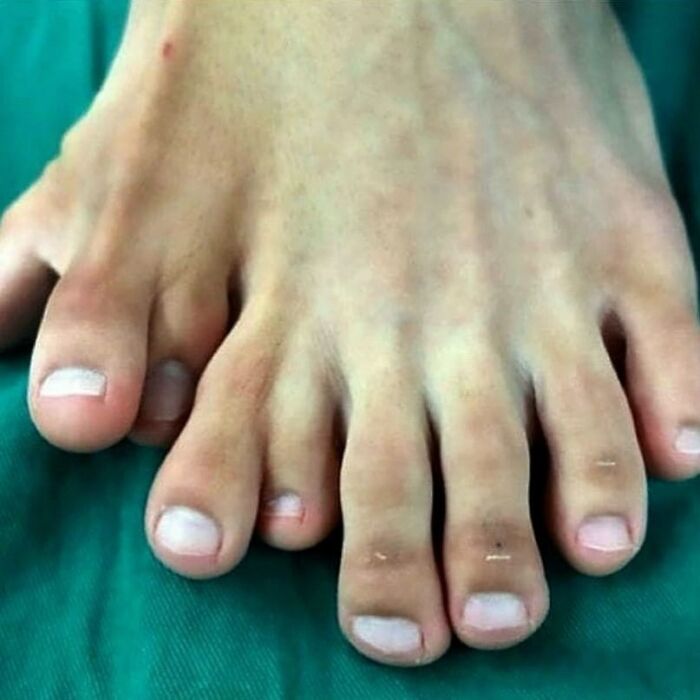
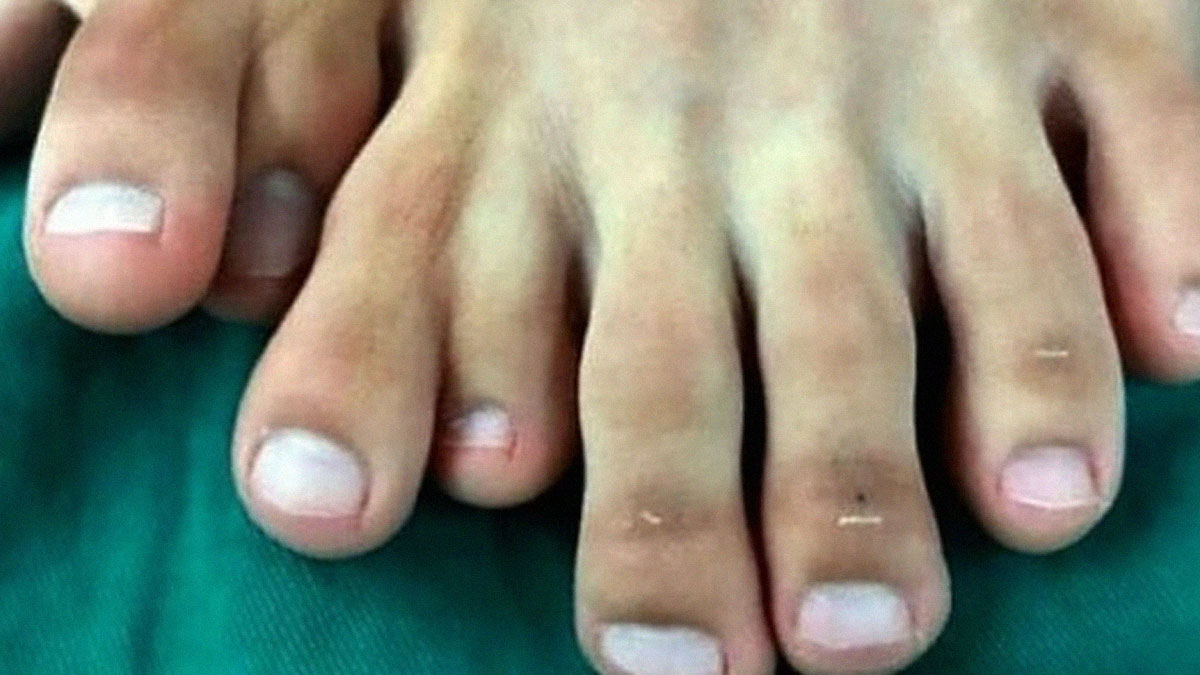
Man born with 9 toes
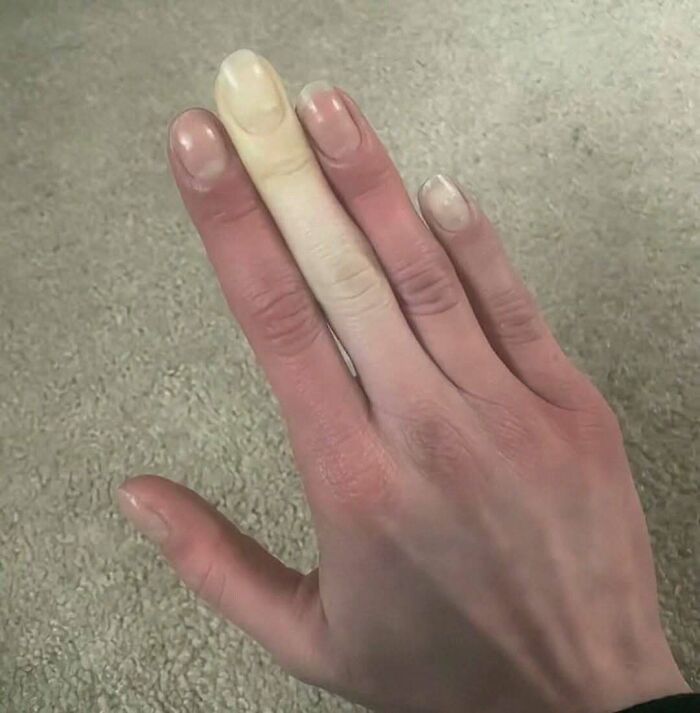
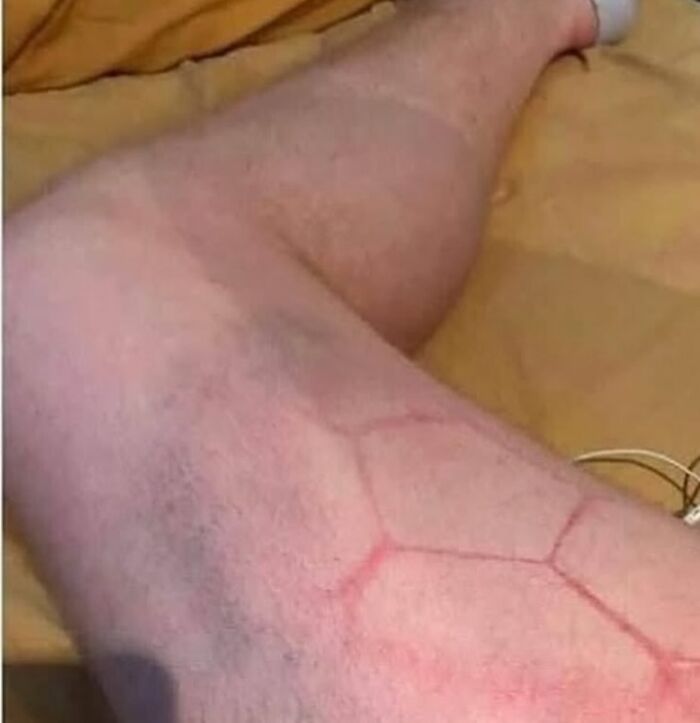
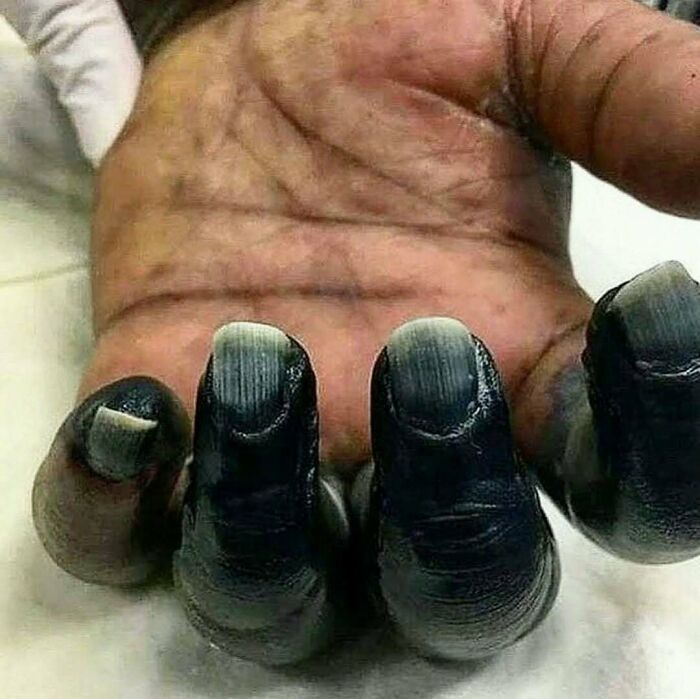
Usually Reynaud's phenomenon it's kinda blue/white/red and it's not focus on a specific finger (in general)
The curiosity to look at medical procedures or conditions isn’t new.
Long before the internet existed, crowds gathered to watch public surgeries in the anatomical amphitheaters of the Renaissance. Here, public dissections took place several times a year to see what many believed were the “secrets of nature revealed by God.”
For an entrance fee, people could watch doctors conducting an autopsy on the body of an executed criminal. Surgery was pure theatre, literally.
As Julie V Hansen describes, “In the anatomical theater, which was lit by scented candles to augment the dim light drawn from windows and sometimes featured music played by a flutist…they took on a festive and theatrical atmosphere.”
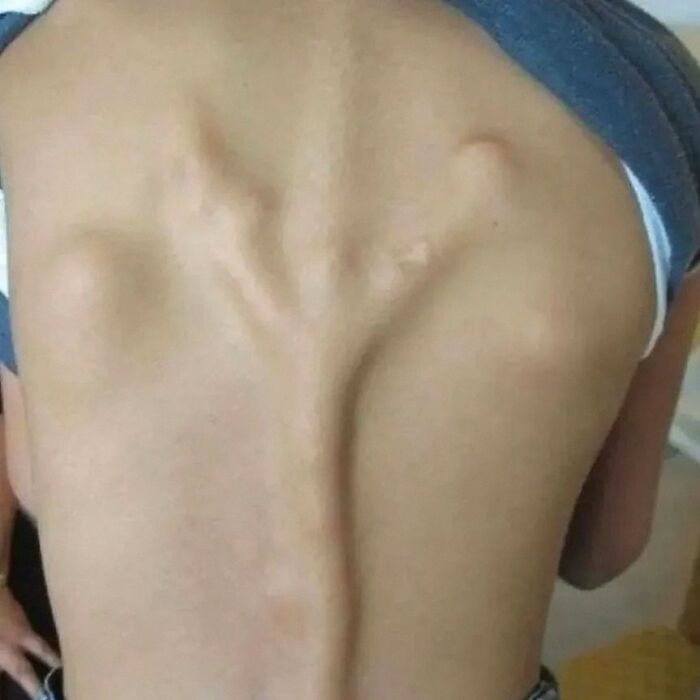
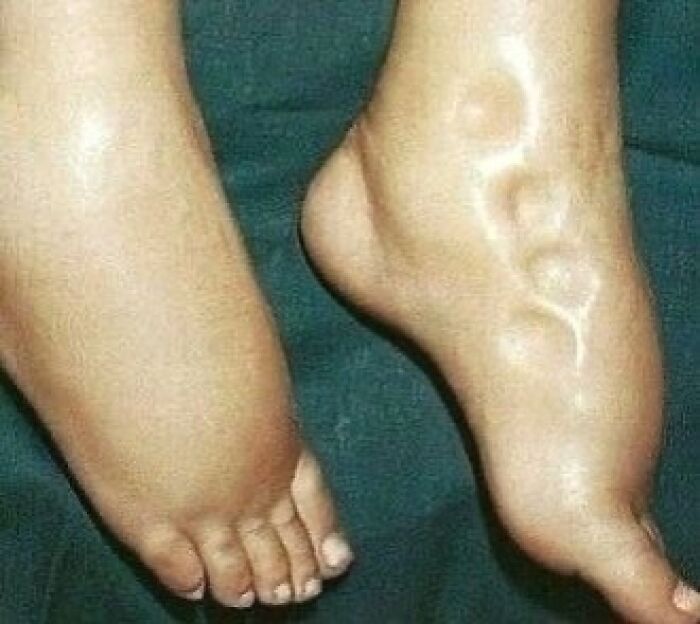
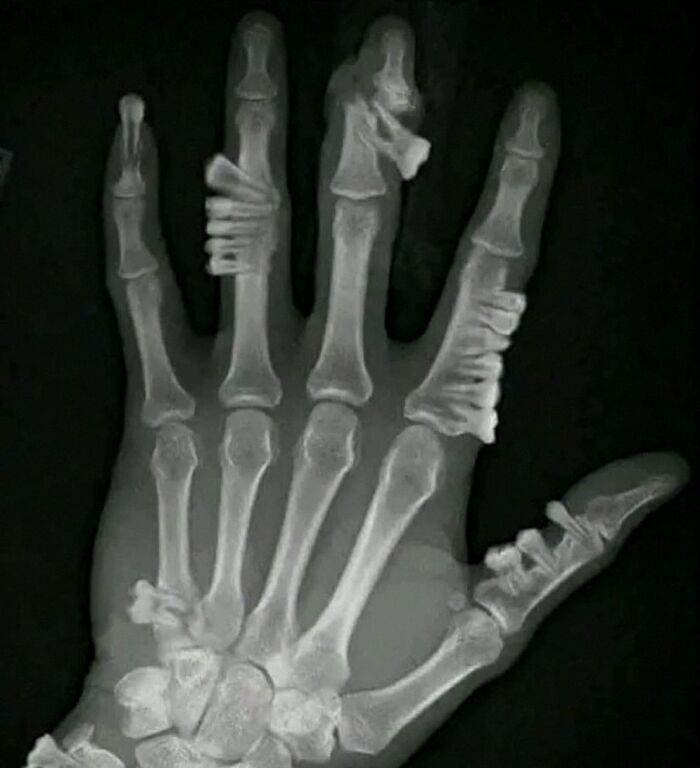
Fibrodysplasia ossificans progressiva is a disorder in which muscle tissue and connective tissue such as tendons and ligaments are gradually replaced by bone (ossified), forming bone outside the skeleton (extra-skeletal or heterotopic bone) that limits movement.
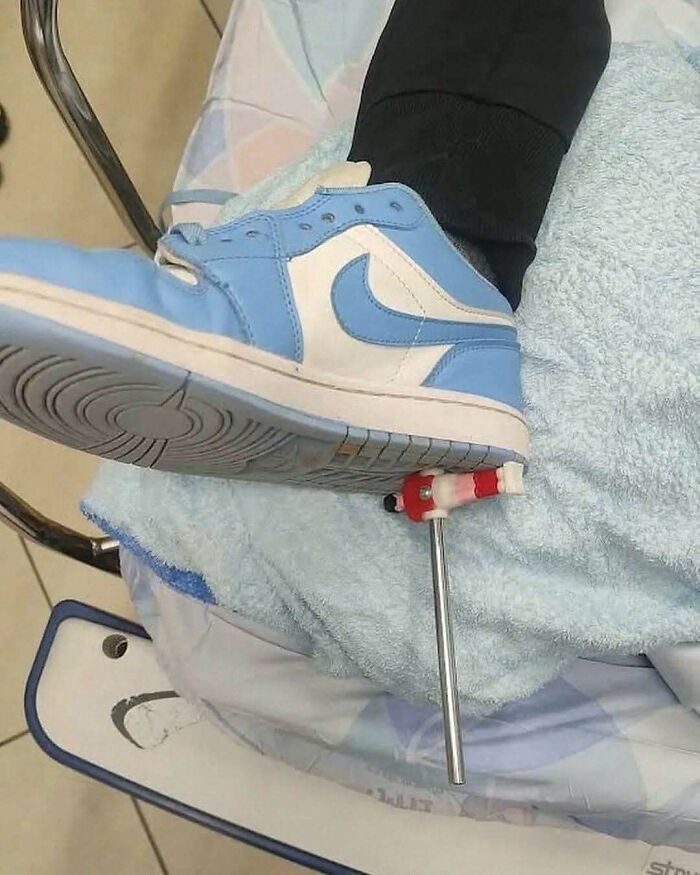
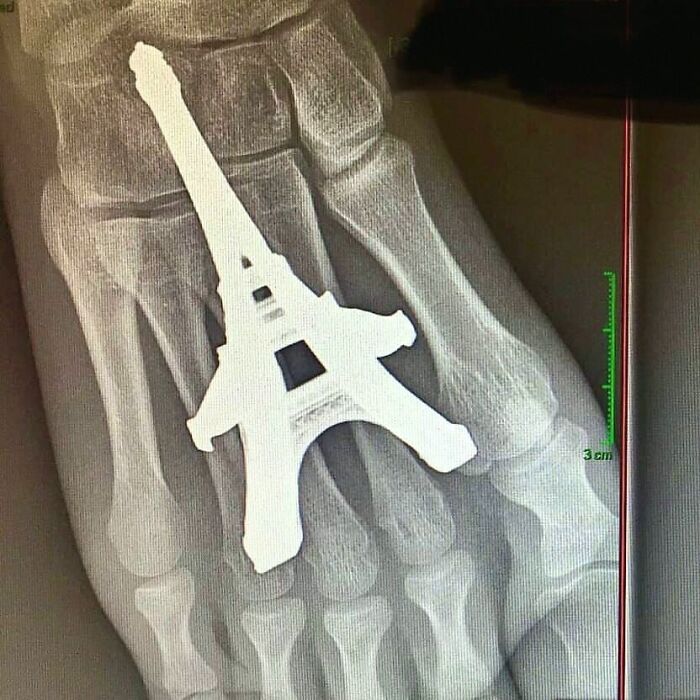
Table football can be a dangerous game! This young patient stepped on a football table pole, the pole penetrated the sole of his foot going through the shoe and sock. Surprisingly, the plastic player was the one stopping the pole from impaling further.
The patient was quickly taken to the emergency room and underwent surgery while under general anesthesia to remove the impaled rod. Although their foot healed completely, their Nike Jordan shoes did not survive. It is possible that the patient was enraged due to one of their football players receiving a red card, but this is only speculative.

Guessing they threw the table over after losing, and tried to break it by stomping on it.
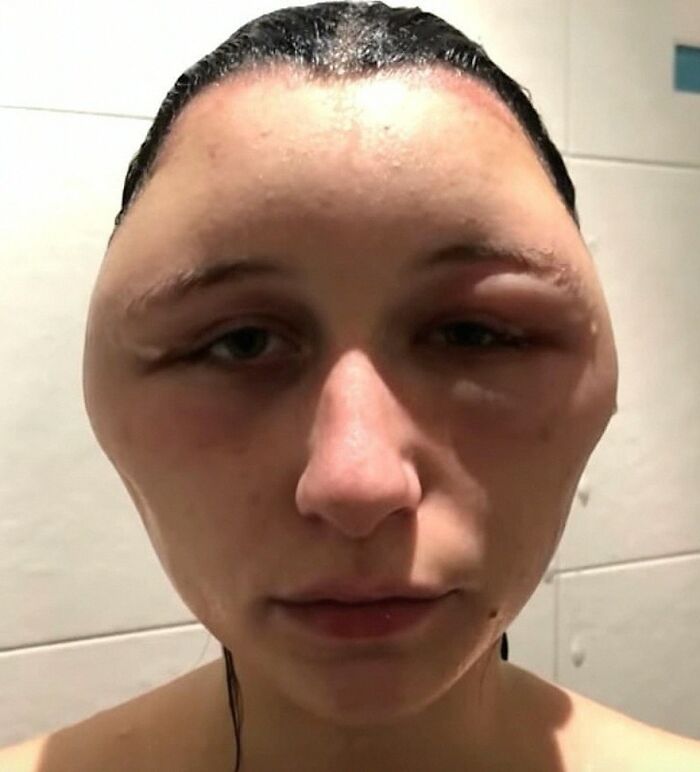
Extensive head swelling due to an allergic reation to hair dye!
A university student says she thought she might die after she had a severe allergic reaction to a hair dye that caused her head to swell enormously. She bought a hair color dye in a supermarket so she could change the color from blonde to brunette. She got concerned a few hours after she applied the dye to her scalp, when it started to itch. Not thinking too much about it, she went to the pharmacist to get some cream to deal with the irritation—but the worst was yet to come.
Two days later, she looked in the mirror and was shocked by what she saw. Her head had swollen beyond recognition.
She was rushed to the hospital where doctors found she had an allergic reaction to paraphenylenediamine (PPD,) a compound found in 90 percent of hair dyes and known to carry allergic risks. After treatment the swelling eventually went down and her face went back to normal.
Around the 18th century, the operating theater at Jefferson Medical College in Philadelphia was famously nicknamed “the pit,” a reference to the space where orchestra musicians typically sit during performances.
Surgery turned certain doctors into public attractions. Scottish surgeon Robert Liston was nicknamed “the fastest knife in the West End,” and it was rumored that he operated with a blade gripped between his teeth.
However, by the 20th century, operating theatres with audiences had all but disappeared.
Once anesthesia started being used, doctors no longer had to rush through operations as fast as possible, and the dramatic atmosphere faded. Doctors also began to realize that big crowds were bringing germs with them which was not so ideal for the patients.
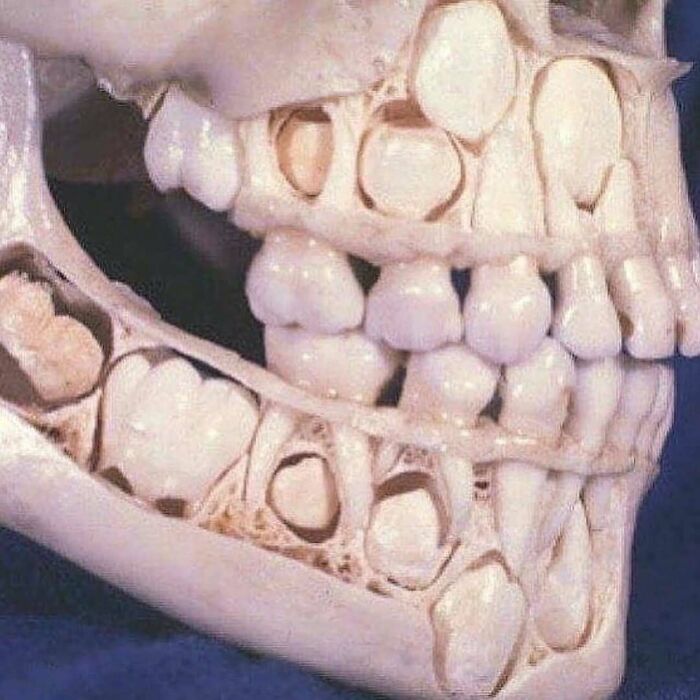
A child’s skull before losing baby teeth

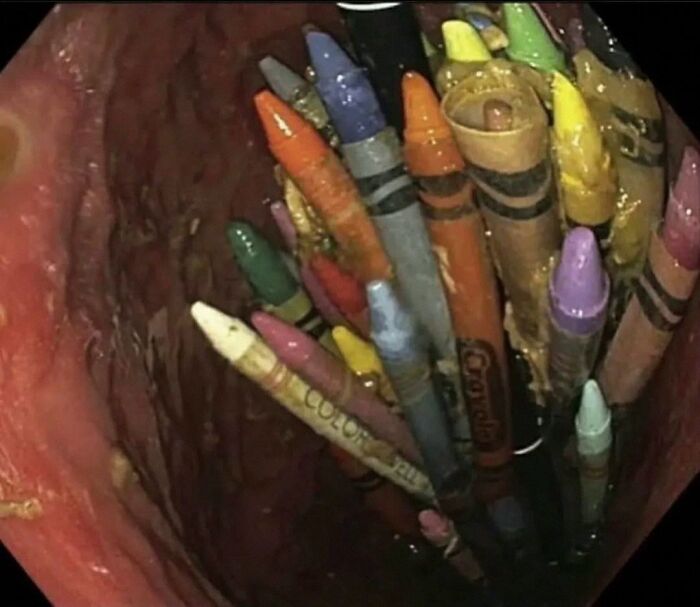
The 27-year-old woman with a history of schizoaffective disorder presented from an inpatient psychiatric facility with an acute onset of nausea, vomiting, abdominal pain and early satiety.
On examination, vital signs were stable. Abdomen was distended and diffusely tender to palpation but without peritoneal signs. CT scan showed multiple, well-circumscribed lesions of varying density within the gastric body but no evidence of perforation or obstruction.
In upper endoscopy, upon entering the stomach, there were numerous crayons layered in the gastric fundus and gastric body, as shown above. An overtube was placed into the stomach under endoscopic guidance, and a total of 81 full-size and intact crayons, crayon wrappers and a pen were removed with a snare.
The patient did well after the procedure and was discharged back to inpatient psychiatric facility.
Today, the setting is different, but the curiosity is still there.
People visit museums to see preserved specimens or detailed wax models showing diseases and injuries.
They scroll through online archives of historical medical photos, follow pages dedicated to unusual cases, or watch doctors explain procedures online.
A recent survey found that 58.5% of US adults used the internet to look for health or medical information.
In another survey of medical students, 39.2% said they watch cadaver dissection videos, while 85% said they use YouTube to study human anatomy.
Can you imagine having no fingernails?
Anonychia, also known as congenital anonychia or congenital nail absence, is a rare condition characterized by the absence of nails at birth or a severe reduction in nail size. While it affects a small percentage of the population, its impact on physical appearance and function can be significant.
Causes:
Anonychia can be inherited as a genetic trait or occur sporadically. It may result from mutations in various genes involved in nail development during embryogenesis. Additionally, certain environmental factors or underlying medical conditions, such as ectodermal dysplasias, may contribute to its development.
Symptoms:
The primary symptom of anonychia is the absence of one or more nails on the fingers or toes. In some cases, the nails may be present but severely underdeveloped, thin, or misshapen. Other associated features may include abnormalities in the skin, hair, and teeth, depending on the underlying cause.
Management:
Treatment for anonychia focuses on addressing cosmetic concerns and optimizing nail function, if possible. While there is no cure for the condition, individuals may explore various options such as prosthetic nails, nail wraps, or cosmetic tattooing to improve the appearance of affected nails. Additionally, regular care of the remaining nails and surrounding skin can help prevent complications such as infections or ingrown nails.

Is there something strange about this picture? You’re right, the hand shouldn’t normally bend this way!
Often referred to as „double jointed“ people who can move their joints beyond its normal range have what are called hypermobility. What the gentleman’s have in this picture is called Ehlers-Danlos Syndrome, the hyper-mobility form, an inherited connective tissue disorder that is caused by defects in a protein called collagen. Symptoms include varying degrees of hyperextensive skin, joint hypermobility, and tissue fragility (including that of vasculature - leading to risk of aortic dilation, aneurysms, or dissection in the severe form).
Most babies and children are naturally very flexible. Many people become less flexible as they grow, but hypermobility continues into adulthood for some, up to about 20% of people. Being „flexible,“ „bendy,“ or „double-jointed“ is not usually a problem, and for some, like dancers or gymnasts, it is an advantage. Hypermobility that does not cause pain or other symptoms is referred to as „asymptomatic joint hypermobility“ and does not need to be treated. The problem occurs when joints are not just hypermobile but are also unstable. Joint instability occurs when the bones of a joint aren’t held in place securely. This can lead to joint subluxations, dislocations, sprains, and other injuries. Joint instability can cause both acute and chronic pain and interfere with daily life.
It’s easy to understand why medical students end up watching anatomy videos or surgical clips online. But that still makes us wonder why people with zero medical background scroll through unusual medical photos, especially when they are not suffering from any illnesses.
Part of it is simple curiosity. The human body can do some pretty strange things, and people want to know what’s possible.
Sometimes, it’s also about awareness — seeing a rare condition online might help someone recognize it later in real life.
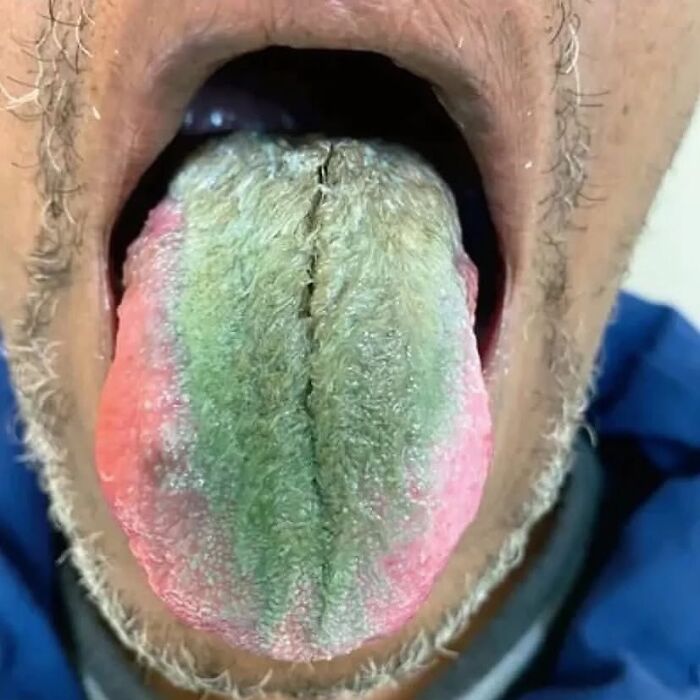
Take something like a green hairy tongue. It sounds made up, but it’s a real condition often linked to things like antibiotic use or smoking.
Then there’s anonychia, a rare condition where someone is born without fingernails. It doesn’t affect many people, but when it does, it can change both appearance and everyday function.
Stories and images like these are exactly why people keep scrolling.
Some are fascinating, some are a little gross… but they all show just how strange and unpredictable the human body can be.
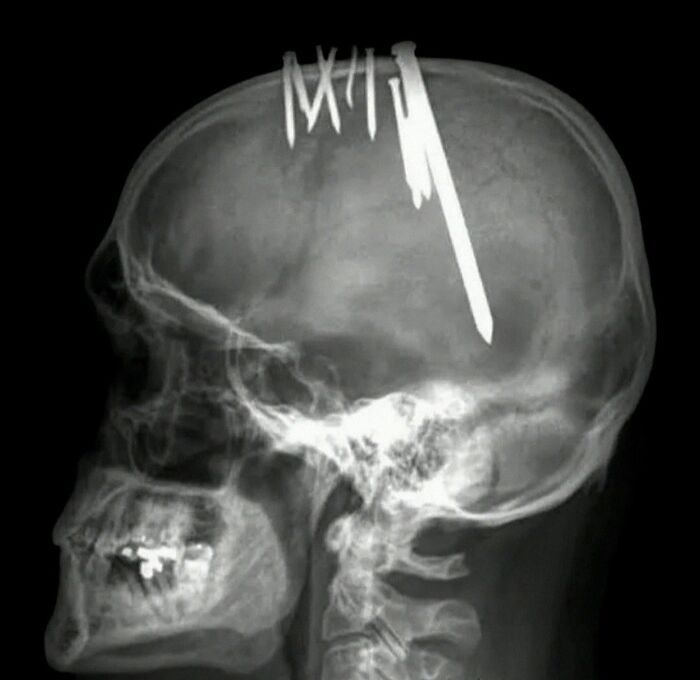
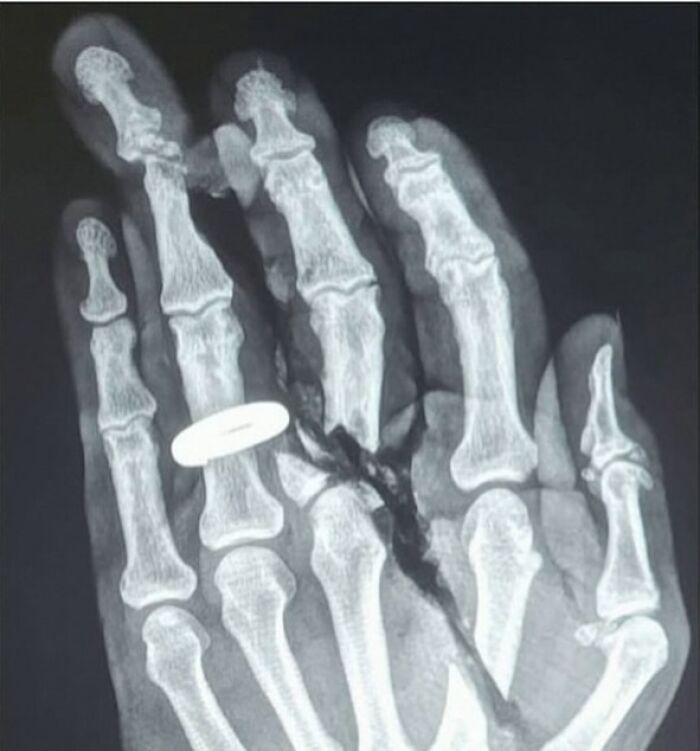
44-year-old man came to the emergency department wearing a baseball cap and complaining of severe headaches that had progressively worsened over the preceding 11 weeks. when the patient removed his cap to it was revealed that an assortment of metallic objects are embedded in his scalp.
.
Plain radiographs showed 11 nails penetrating into his brain. His detailed history presented a diagnosis of PARAN0ID SCHlZ0PHRENlA, and the patient confirmed that he had hammered a nail into his head each week for the past 11 weeks in order to rid him of evil.
.
The nails were removed with the patient under general anesthesia, and he made an uncomplicated recovery with no neurological deficits.
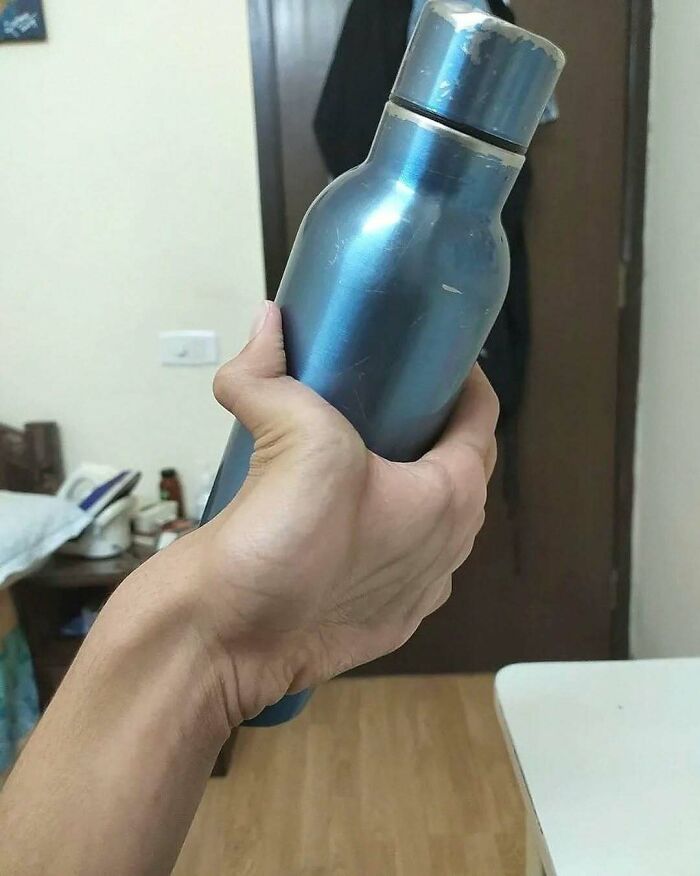
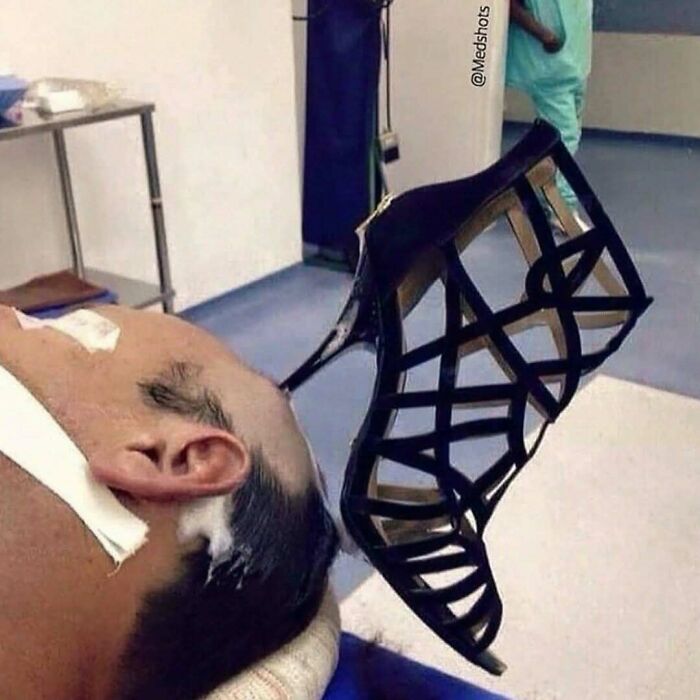
"Pretty sure I blocked the worlds hardest shot yesterday"
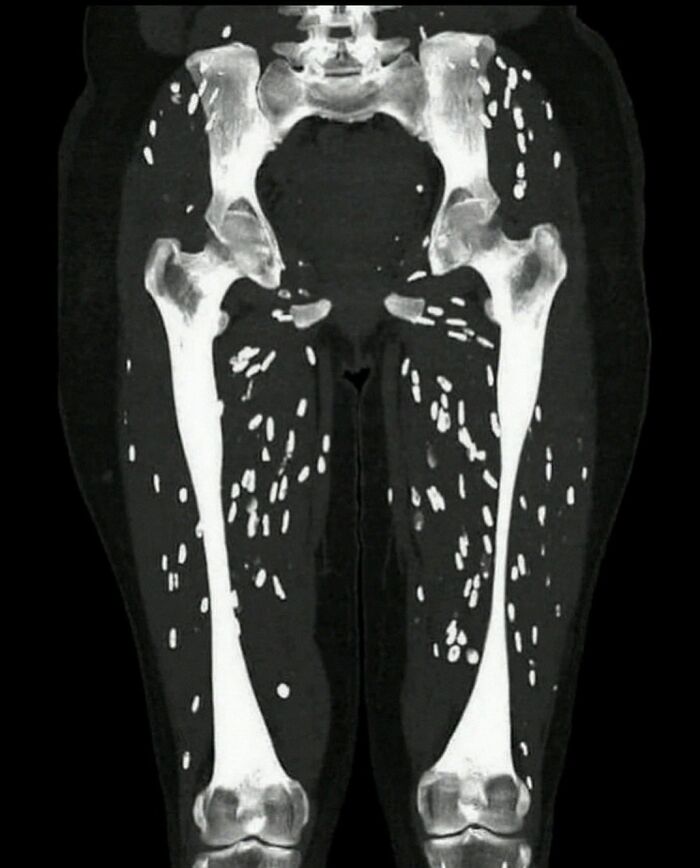
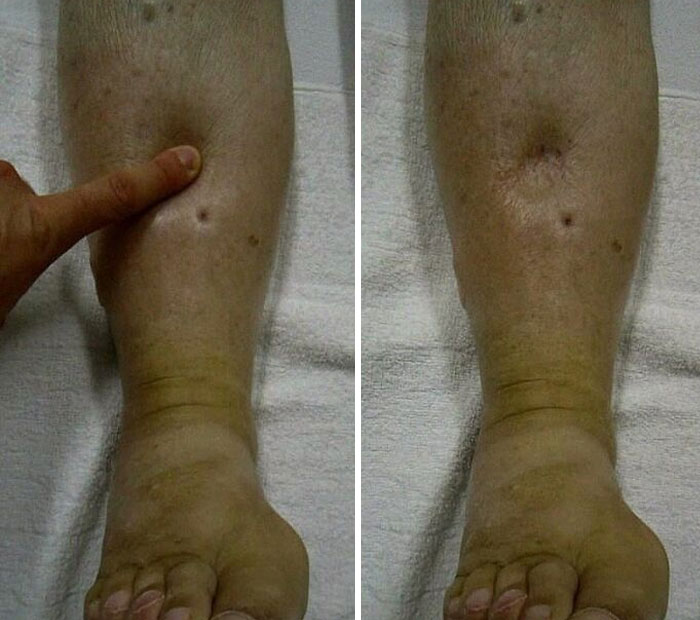
Patient presents with muscle weakness and pain
It's called muscular cysticercosis. Those are from tapeworm larvae in the muscle tissue. 😫😫
Science actually has a pretty simple explanation about why some people are so drawn to things that should normally make them look away.
Our brains to tend to lock onto things that seem unpleasant or risky, and that’s why gross or disturbing things grab attention much faster than neutral ones.
This feeling likely comes from evolution.
Our ancestors developed a natural tendency to notice disgusting things because it helped them avoid danger such as spoiled food, or diseases.
Even though disgust feels unpleasant, it also forces us to pay closer attention.
But people don’t just notice, they sometimes also enjoy looking at gross and scary things.
Psychologists link this to something called “benign masochism.” It’s the idea that people sometimes like experiences that feel a little negative, as long as they know they’re safe.
For example, riding a roller coaster, watching a scary movie, or eating extremely spicy food.
“It seems possible that any negative feeling has the potential to be enjoyable when it is stripped of the belief that what is happening is actually bad, leaving behind physiological arousal that is, in itself, exhilarating or interesting,” writes Psychologist Nina Strohminger.
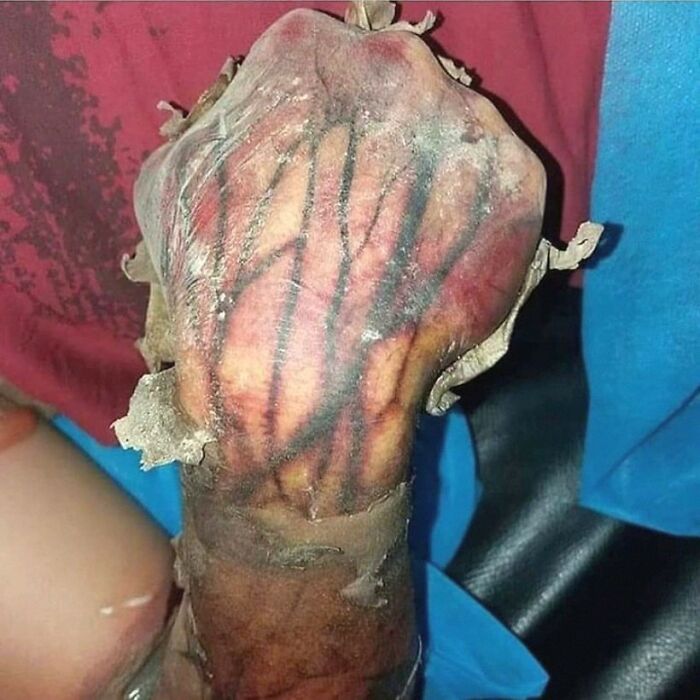
Dangerous gangrene

I think dangerous is already gone, and we're looking at amputation level...
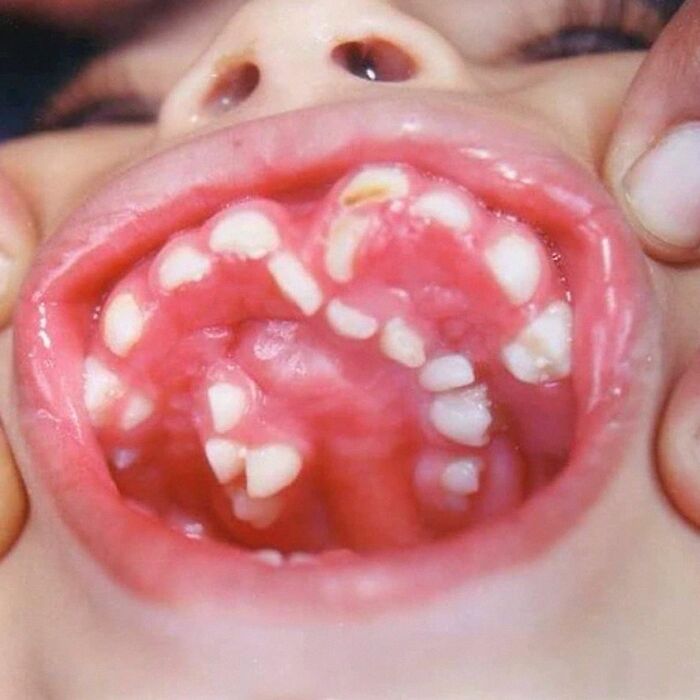
Rare case of a child suffering from a condition called hyperdontia.
Hyperdontia is a condition where an individual have supernumerary teeth or more teeth than regular that can appear in any area of the dental arch and can affect any dental organ.
According to the Canadian Dental Association (CDA), the cause of supernumerary teeth remains to be incompletely understood. But, one theory suggests that supernumerary teeth may be a result of the dichotomy of the tooth bud. Another theory proposes the hyperactivity theory which states that supernumerary teeth are formed because of local, independent, conditioned hyperactivity of the dental lamina. Heredity may also be a factor in the occurrence of these teeth particularly certain hereditary conditions like Gardner’s syndrome, Ehlers-Danlos syndrome, Fabry disease, cleft palate and lip, cleidocranial dysplasia.
The treatment for hyperdontia is dependent on the type and position of the supernumerary tooth and how it affects the adjacent teeth and may require removal.
This fascination with the human body doesn’t stop at medical procedures though.
Early apothecaries and medical shops used to display unusual specimens like bones, or organs to attract curious visitors.
In medieval and early modern Europe, public executions drew thousands of people.
For example, in London, people would gather at places like Tyburn or outside Newgate Prison to watch criminals being executed.
Estimates say crowds could reach up to 50,000, with vendors selling food and people even paying for better viewing spots.
In some cases, the bodies of criminals were also displayed in public places, or their heads were mounted on city gates and bridges so passers-by could see them.
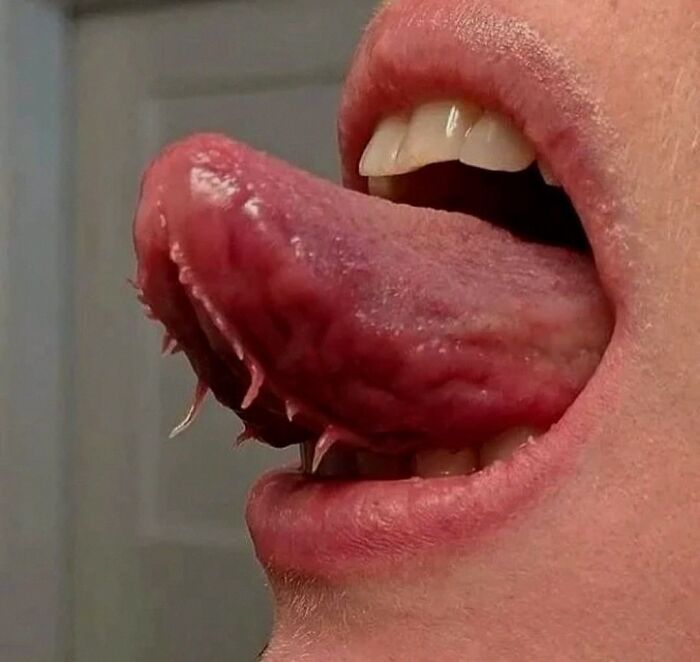
Plicae fimbriate- ever heard of this condition?
Plica fimbriata refers to the small folds in the membrane on the underside of your tongue. The folds tend to run parallel to, and on either side of your frenulum. The frenulum is the web of tissue that connects your tongue to the bottom of your mouth. These growths are harmless. They are normal residual tissue not completely reabsorbed by the body during the development and growth of the tongue.
Sometimes they can get caught in your teeth. If one of these bumps comes off, it can leave an open sore that’s vulnerable to infection. For most infections you may just need to use an antieptic mouthwash for a few days to keep the area clean.
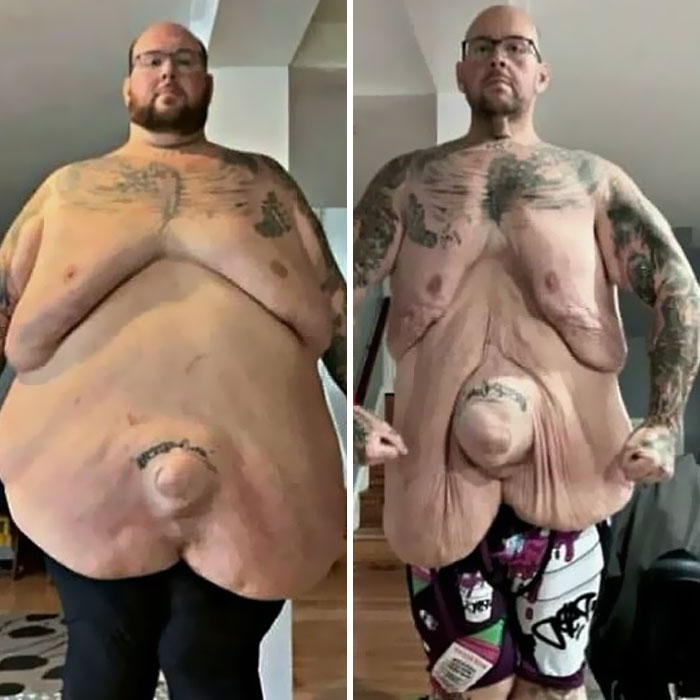
This is what 340 lbs of weight loss looks like

He also has a massive hernia which is common with this much weight.
In the end, this strange curiosity isn’t necessarily a bad thing. It’s simply part of being human.
These medical images remind us how complex, and sometimes fragile, the human body can be.
And who knows… seeing a rare condition or unusual symptom here might even help you catch a serious health issue around you.
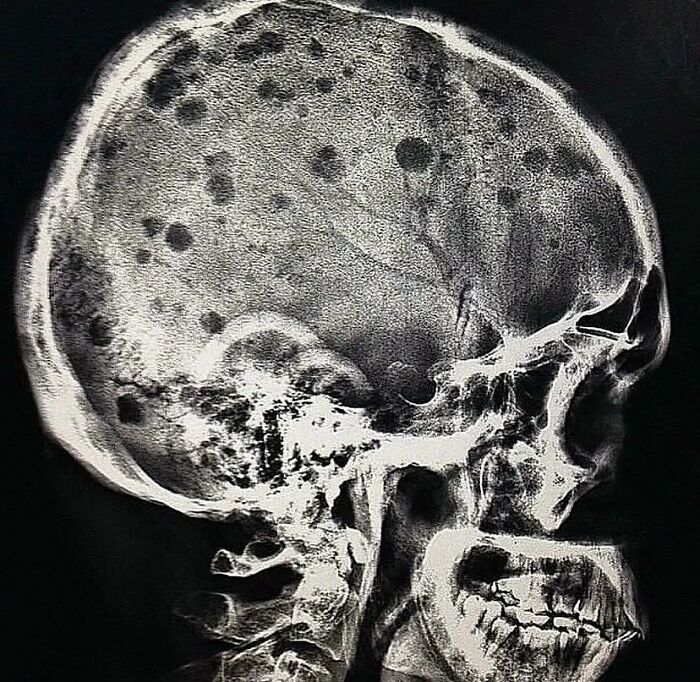
Lateral view skull radiograph of a patient with multiple myeloma
The classic radiographic appearance of multiple myeloma is that of multiple, small, well-circumscribed, lytic, punched-out, round lesions within the skull, spine, and pelvis. The pattern of lytic or punched-out radiolucent lesions on the skull have been described as resembling raindrops hitting a surface and splashing
Man develops rare case of green hairy tongue!
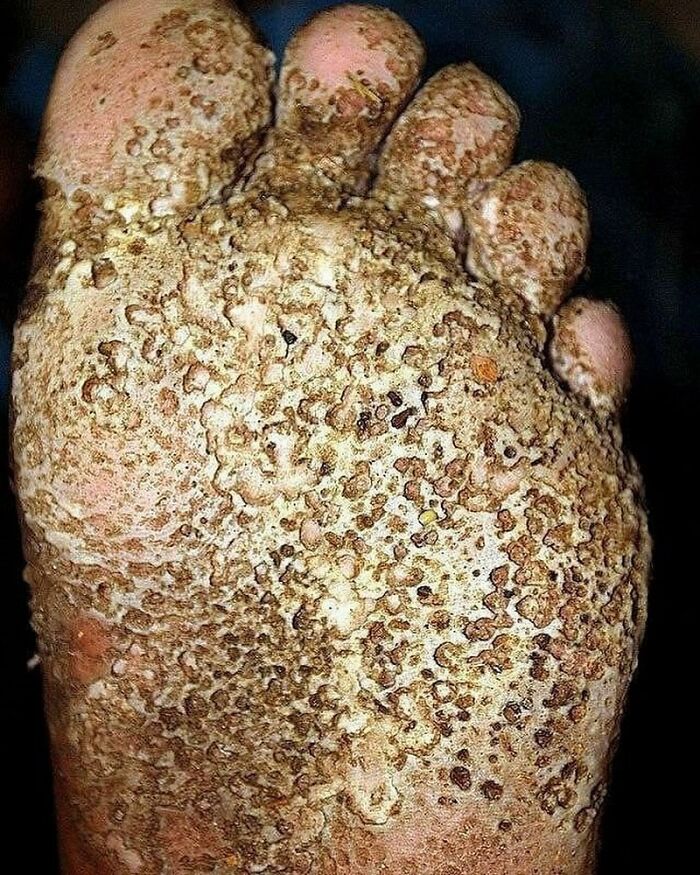
Severe case of a condition called pitted keratolysis! Pitted keratolysis is a superficial bacterial skin
infection that affects the soles of the feet, and less often, the palms of the hands. It is one of the causes of smelly feet. It is characterised by whitish skin and clusters of punched-out pits.
Pitted keratolysis is caused by several bacterial species, including corynebacteria, Dermatophilus congolensis, Kytococcus sedentarius, actinomyces and streptomyces.
The bacteria proliferate in moist conditions. The pitting is due to destruction of the corny cells (stratum corneum) by protease enzymes produced by the bacteria. The bad smell is due to sulfur compounds produced by the bacteria: thiols, sulfides and thioesters.
Treatment of pitted keratolysis requires the application of antibiotics to the skin such as benzoyl peroxide, clindamycin, erythromycin, fusidic acid, or mupirocin. Prevention efforts aim to keep the feet dry by using moisture-wicking shoes and socks as well as antiperspirants.
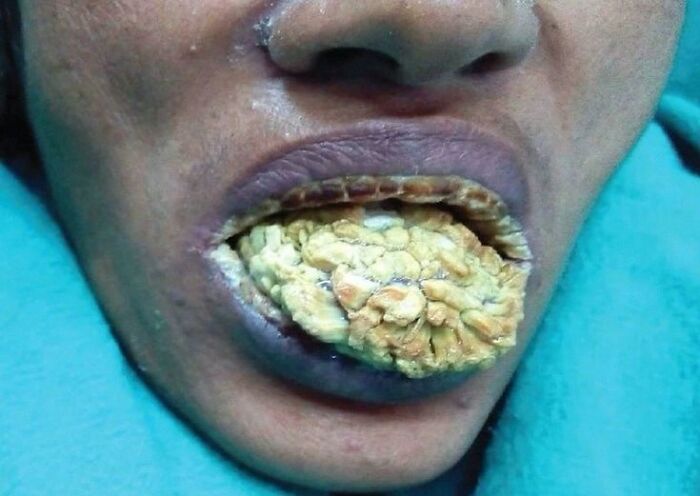
Severe hyperplastic oral candidiasis in a patient with HIV.Oral candidiasis, commonly known as thrush, poses a significant challenge for individuals living with HIV. This condition, caused by the Candida fungus, often manifests in the mouth, leading to uncomfortable symptoms and affecting overall oral health.In HIV patients, oral candidiasis is prevalent due to the weakened immune system, making them more susceptible to fungal infections. The decrease in CD4 cell count, a key marker of immune health, provides an opportunity for Candida to thrive and cause an overgrowth in the oral cavity.The symptoms of oral candidiasis can vary but typically include white, creamy patches on the tongue, inner cheeks, or roof of the mouth. These patches may be accompanied by pain, difficulty swallowing, and a cotton-like sensation in the mouth. If left untreated, the infection can spread to the throat, causing further discomfort and complications.Managing oral candidiasis in HIV patients requires a multi-faceted approach. Antifungal medications, such as oral or topical antifungal agents, are commonly prescribed to combat the fungal overgrowth. Additionally, maintaining good oral hygiene practices, such as regular brushing and flossing, can help control the infection and prevent its recurrence.It is essential for HIV patients to work closely with their healthcare providers to address oral candidiasis effectively. Monitoring the patient’s CD4 cell count and viral load is crucial in managing the infection and evaluating the overall immune system response.Furthermore, proper education and awareness play a vital role in preventing and managing oral candidiasis in HIV patients. Understanding the importance of consistent antiretroviral therapy (ART) adherence and the impact of a Let’s work together to combat HIV/AIDS! #HIVAwareness #GlobalHealth#hiv #aidsCredit: Mahajan VK, Gupta M, Sharma R, Shiny T N, Gupta S, Rashpa RS. Clinico-epidemiologic attributes of 515 persons living with human immunodeficiency virus infection/acquired immunodeficiency syndrome on antiretroviral therapy

Don't bite the hand that feeds you. Also, don't grow teethy palms. Or v****a dentata
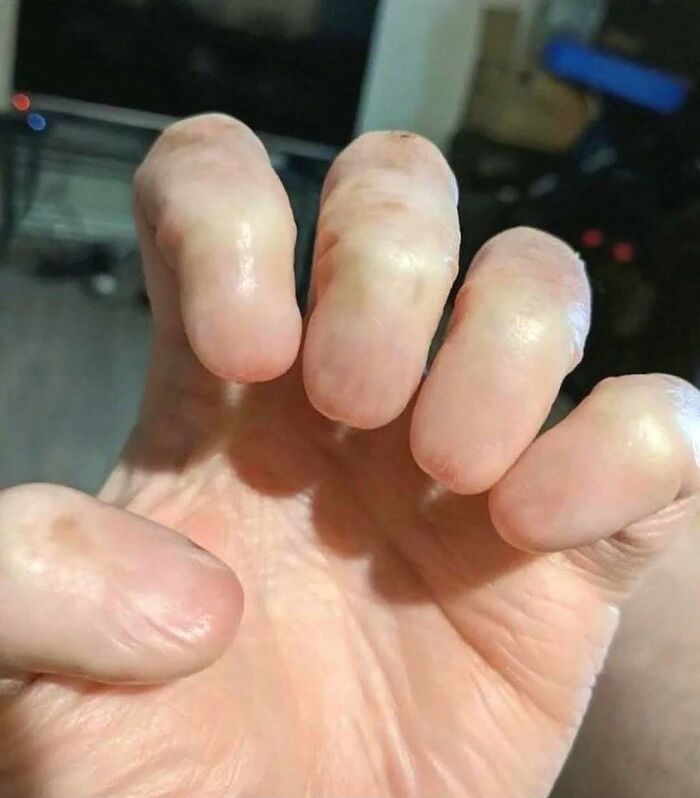
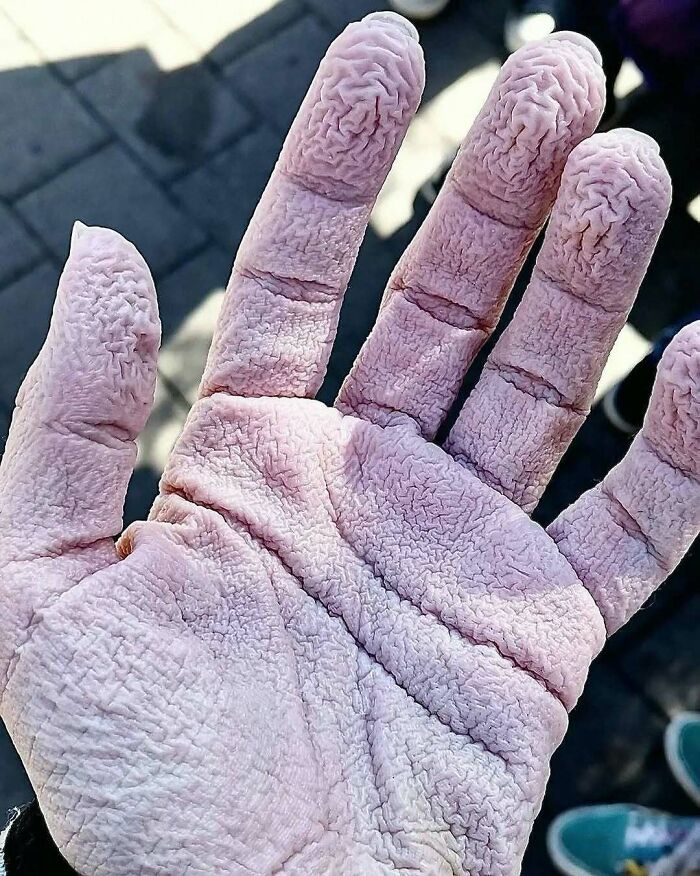
Super Pruney Fingers From Swimming!
The skin on the fingers can become wrinkly or “pruney” when in water for too long. Wrinkly fingers can also be a sign of a medical problem, such as dehydration, Raynaud’s disease, or diabetes.
The skin on human fingers and toes is known as glabrous, meaning it is smooth and hairless. When it has been in contact with water for a long time, the glabrous skin on the fingers can look like a prune.
This change serves an evolutionary role, helping people grip wet objects or objects in water.
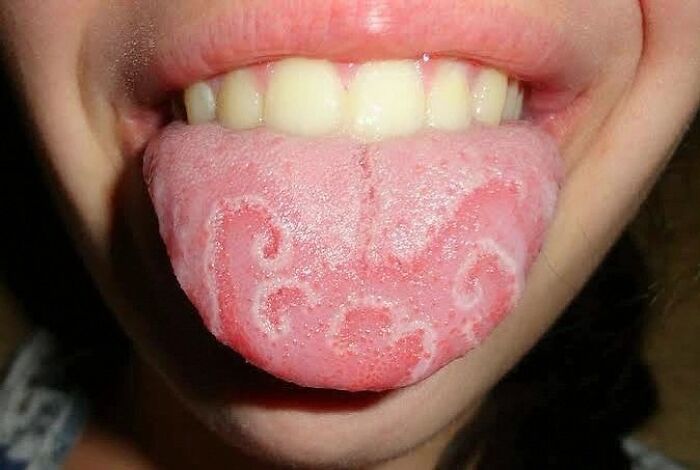
Lingua Geografica. Two of my kids habe it. It shows when the tounge is irritated by spicy food or you touch it to rought. They say it burns and hurt, and sometime cause them to vomit.
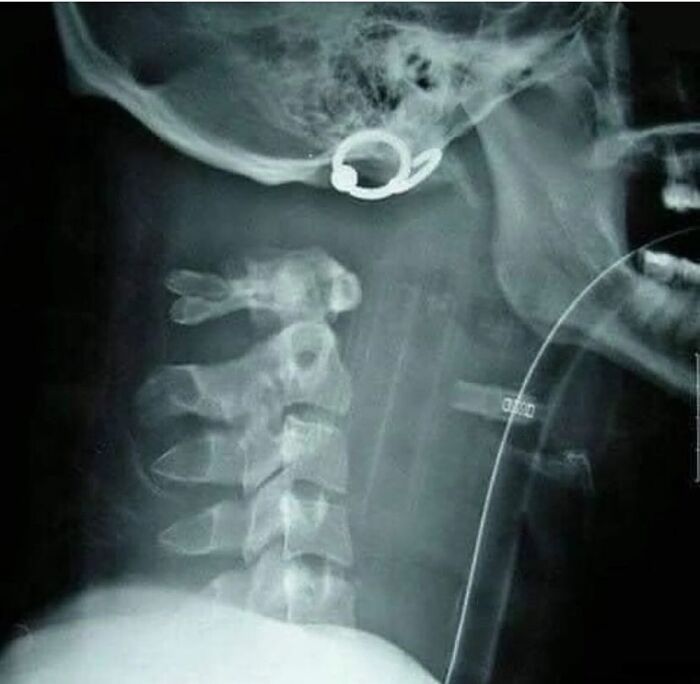
This is called internal decapitation. This person most likely received an impact to the lower jaw resulting in separation of the spine to the skull or was hung by the neck from a height. Internal decapitation is instantaneous death
No. No it's not instant death. There are numerous survivors of it. Usually as a result of a severe car accident. It's not hard to verify facts - why post false ones?
It was annoying, with the ai crud between each picture too
Load More Replies...
It was annoying, with the ai crud between each picture too
Load More Replies... 

































 No fees, cancel anytime