Get Premium
Dark mode theme is available exclusively for premium users. Learn more about the benefits of subscribing.
No fees, cancel anytime.

 Dark Mode Ad-Free Browsing Unlimited Content
 Ad-Free Browsing Unlimited Content Dark Mode
Join 1.2 million Panda readers who get the best art, memes, and fun stories every week!
Any activity feels better when done with knowledge and cooking is no exception. A good cooking tip may contribute to one’s sense of clarity and efficiency, in turn allowing more control and creativity. Similarly, one can learn from example, catching some inspiration as the author of this online thread did when participating in a hostess’s spontaneous “workshop” where guests took fifteen minutes to wrap “grab and go” sandwiches and were made to look at salad differently. People shared more of their cooking tips and tricks answering this Redditor’s question: “What was a lesson from the kitchen you learned that you wish someone had told you years ago?”
Do you have something to add? Please, share your thoughts and experiences in the comment section below!
More info: Reddit
This post may include affiliate links.
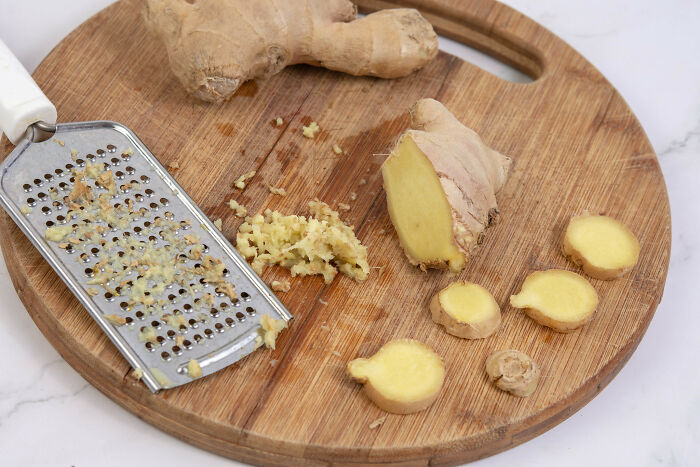 This sub taught me to keep fresh ginger root in my freezer and just grate it with a microplane whenever I need some. Lasts longer, and I haven't peeled or minced a piece of ginger in years.
Edit: omg this is my most-upvoted comment ever lol. To answer the most common questions, no, I never peel it. I throw the whole root in there with no packaging whatsoever. Idk how long it stays good, but based on my experience so far, at least 6 months.
This sub taught me to keep fresh ginger root in my freezer and just grate it with a microplane whenever I need some. Lasts longer, and I haven't peeled or minced a piece of ginger in years.
Edit: omg this is my most-upvoted comment ever lol. To answer the most common questions, no, I never peel it. I throw the whole root in there with no packaging whatsoever. Idk how long it stays good, but based on my experience so far, at least 6 months.
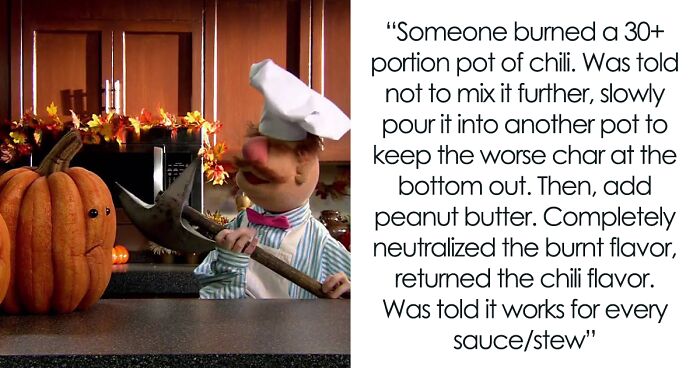
 Someone burned a 30+ portion pot of chili. Nasty char.
Was told not to mix it further, slowly pour it into another pot to keep the worse char at the bottom out. Then, add peanut butter. Completely neutralized the burnt flavor, returned the chili flavor. Was told it pretty much works for every sauce/stew.
Someone burned a 30+ portion pot of chili. Nasty char.
Was told not to mix it further, slowly pour it into another pot to keep the worse char at the bottom out. Then, add peanut butter. Completely neutralized the burnt flavor, returned the chili flavor. Was told it pretty much works for every sauce/stew.
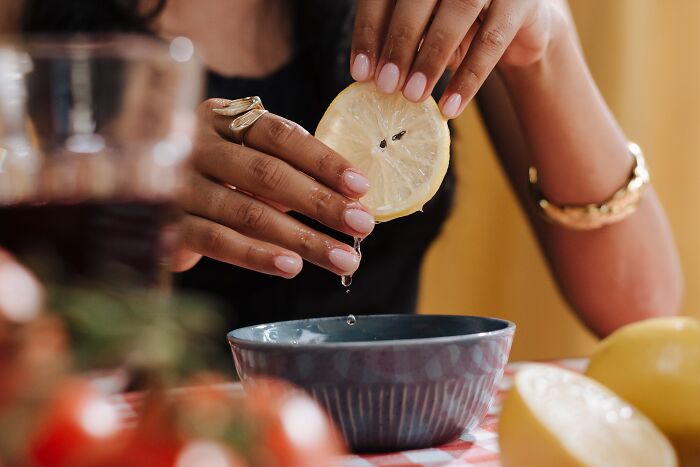 if something tastes good but feels like it's missing something you can't put your finger on, add acidity. i can't count how many times a squeeze of lemon or a splash of vinegar rounded out a dish perfectly. sometimes this also applies to sugar. just a dash. also, msg is a beautiful thing.
 How to catch a falling knife. You don't. Let it go.
 I was early in my cooking career when my chef asked me to make the Crew Meal. He walked me through what ingredients were available and suggested I make soup. I got flustered; I had never heard of a soup with those specific ingredients so I asked him a bunch of questions.
He cut me off and said "look, it's f****n soup. throw a bunch of s**t in a pot and it's gonna be delicious. Just think about when to add what and everything else will take care of itself." Since then, thanks to his advice I have made hundreds of delightful soups and zero s****y soups.
I was early in my cooking career when my chef asked me to make the Crew Meal. He walked me through what ingredients were available and suggested I make soup. I got flustered; I had never heard of a soup with those specific ingredients so I asked him a bunch of questions.
He cut me off and said "look, it's f****n soup. throw a bunch of s**t in a pot and it's gonna be delicious. Just think about when to add what and everything else will take care of itself." Since then, thanks to his advice I have made hundreds of delightful soups and zero s****y soups.
 If you toast rustic bread on one side and make the toasted side inward facing on a sandwich, you still get all the crunch from the sandwich being toasted without it cutting the inside of your mouth.
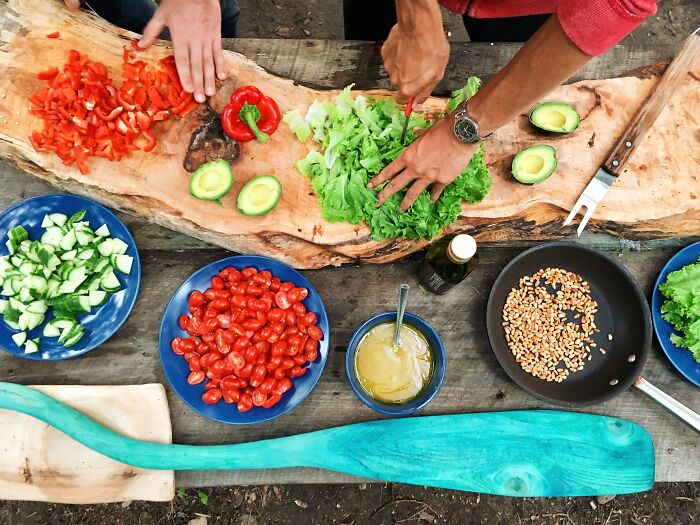 You don’t have to prepare the entire meal in one go. I always underestimate the time it takes to chop vegetables, so these days if I’m making a soup on Sunday for instance and I find myself with a free thirty minutes on Friday, I’ll wash, peel and chop all the vegetables on the Friday and keep them in the fridge in easy-to-clean leftover yogurt tubs until I need them. Then when I’m ready to cook on Sunday I can just start tossing veggies into the pan right away. It saves me from having to find an uninterrupted 2-hour period to do the entire process at once. I started doing a similar thing with spices — if I need a half teaspoon each of five different spices that need to get added to a recipe at or around the same time, I’ll put them all in a little teacup together whenever I find a free moment. Saves me having to root around in the cupboard for five different spice containers in the middle of cooking. I call this strategy “meal prep prep.” (I know there’s some overlap with mise en place too.)

"Mise en place." Everything ready and in it's place. Cooking is easier. Cleaning is easier. Experimenting is more fun.
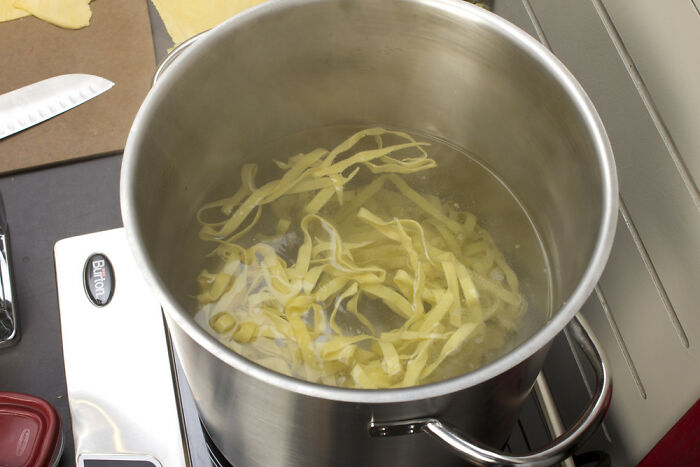 Salting the pasta water. I always thought it couldn't make that big a difference. I finally tried it. OMG. Pasta is like an entirely different food when boiled in salted water.
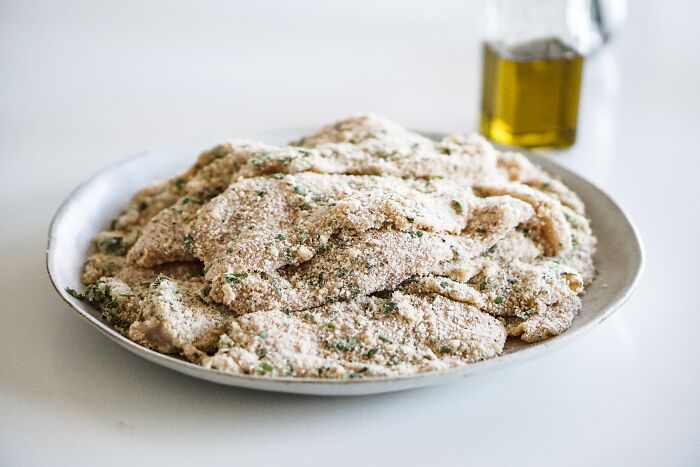 I would worry that the bread would be soggy next day. What I learned is that after egging and breadcrumbing chicken cutlets, to let them stay in fridge for at least a half an hour so the breading stays on more easily when frying. Twenty years too late.
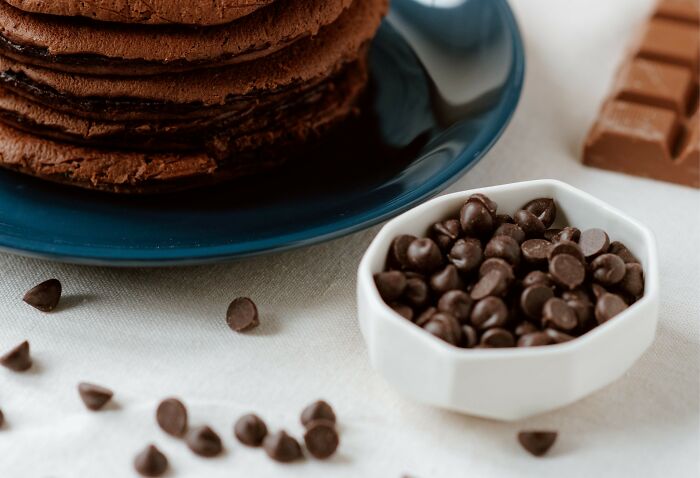 When I make chocolate chip cookies, I keep the chocolate chips in the freezer and add them last in the dough. They don’t melt as fast in the oven and taste so good!
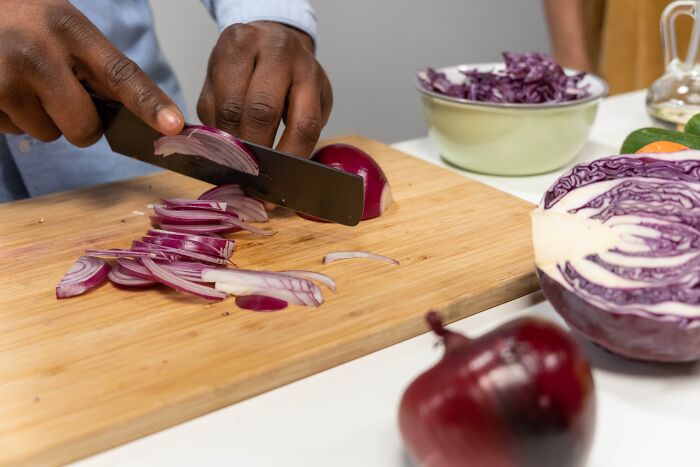 Salt and cold water to clean a cutting board used for onions. Learned it from Julia herself, watching an old episode of the French Chef on YouTube.

Salt and water or salt lemon juice and water is how you should be cleaning a cutting board
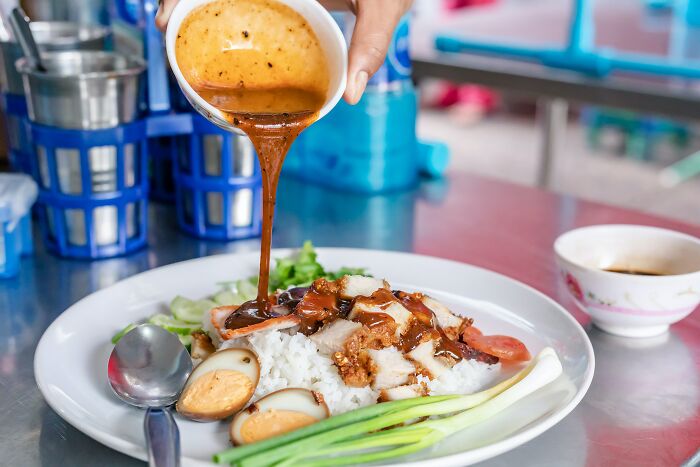 That you have to mix corn starch in cold water then add that to the boiling water/broth to make gravy.
 Bring eggs, butter, and other dairy to room temp before using. I don’t understand why it improves baked goods, but it does.
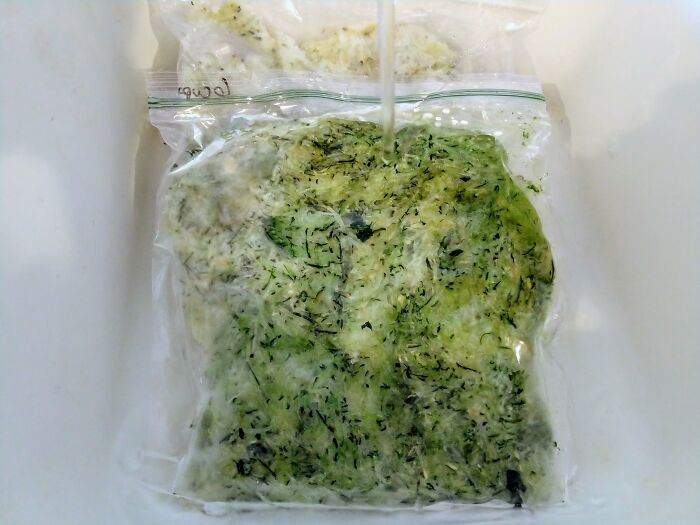 I purée a can of chiles in adobo, then put the paste in a quart ziploc, spread it all out in a thin flat layer in the bag, and keep it in my freezer. Whenever I need some, just break a chunk off.
Editing to say: same thing for opening a can of tomato paste. Ziploc in the freezer. Break off what I need.
I purée a can of chiles in adobo, then put the paste in a quart ziploc, spread it all out in a thin flat layer in the bag, and keep it in my freezer. Whenever I need some, just break a chunk off.
Editing to say: same thing for opening a can of tomato paste. Ziploc in the freezer. Break off what I need.
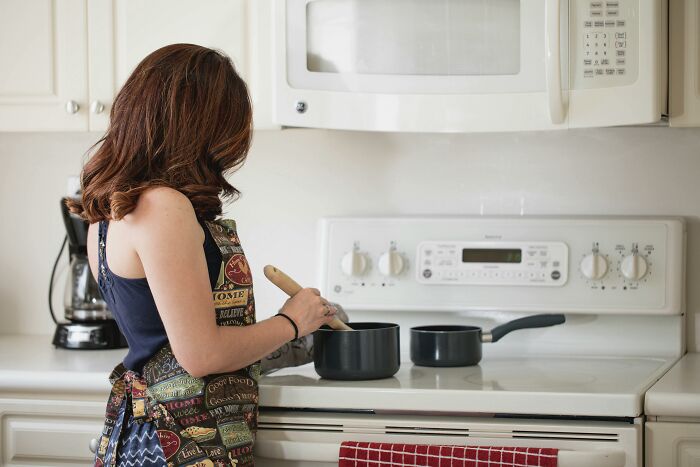 food continues cooking even after you’ve removed it from from the heat source, and this is especially noticeable with eggs. when boiling them you can put them in an ice bath to stop the cooking, but for scrambled/omelettes/etc you should remove from the pan when they still look a little underdone
add a little instant coffee to any chocolate thing you make for increased depth of flavor
add bacon to beef stews—i usually use a slow cooker for the stew itself but will sear the beef first. so i’ll fry the bacon, then sear the beef in the bacon fat, before assembling the rest of the stew in the slow cooker. learned this one from julia child’s beef bourguignon recipe
food continues cooking even after you’ve removed it from from the heat source, and this is especially noticeable with eggs. when boiling them you can put them in an ice bath to stop the cooking, but for scrambled/omelettes/etc you should remove from the pan when they still look a little underdone
add a little instant coffee to any chocolate thing you make for increased depth of flavor
add bacon to beef stews—i usually use a slow cooker for the stew itself but will sear the beef first. so i’ll fry the bacon, then sear the beef in the bacon fat, before assembling the rest of the stew in the slow cooker. learned this one from julia child’s beef bourguignon recipe

Please do not add coffee to chocolate things, unless you plan on telling people you have added it. So many people say "You can't taste it." - yes, yes I can! And I hate the taste of coffee. It totally ruins any chocolate cake for me. If you are going to add it to your cake, warn people who don't like coffee.
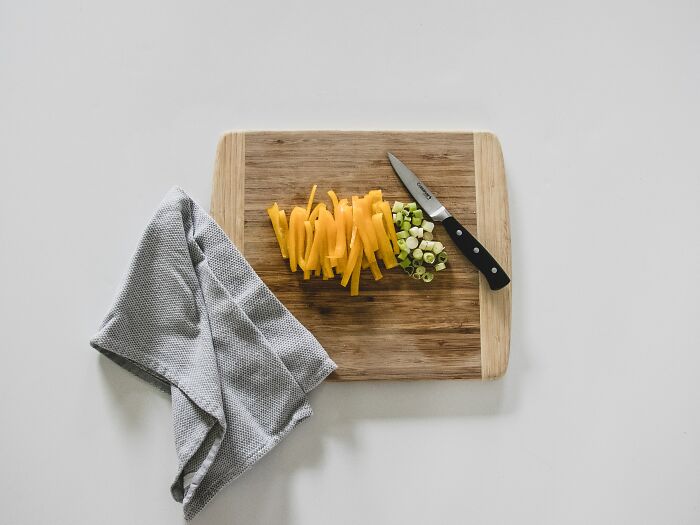 I once had a buddy tell me to put a tea towel under my cutting board to keep it from slipping. I've never looked back.
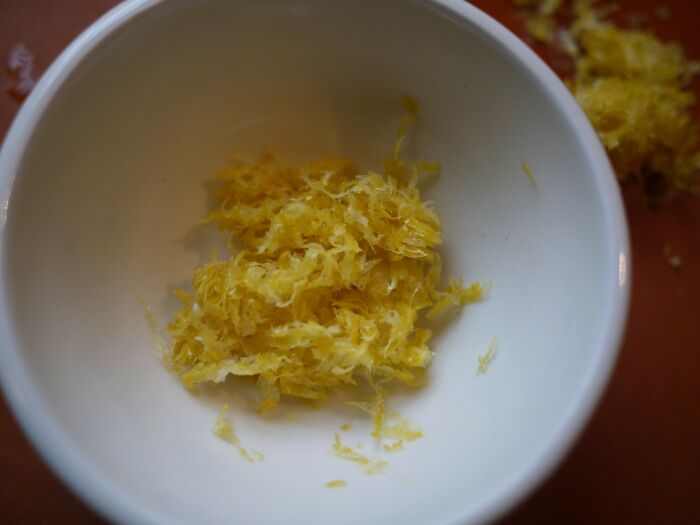 In a baking class one day, the teacher showed us that you can actually see how much lemon zest you have (instead of guessing and making a mess) if you flip the Microplane upside down and hold it above the lemon, rubbing the lemon against it from below. The zest just piles up into a tiny, tidy little heap neatly contained in the back of the blade instead of sprinkling all over a plate/cutting board/countertop. Blew my mind. It had honestly never even occurred to me that you could do it that way.

This only works if you already know how much a TB or tspn looks like. But this is exactly how I grate everything, besides garlic
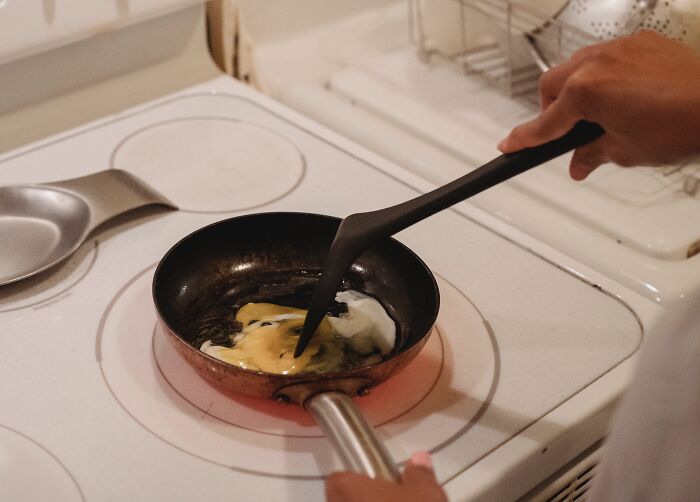 Using gelatin to clean cooking oil. I fry at home for like a week every few months. Trying to get the most out of that amount of oil before I gotta deal with it cuz we need the Dutch oven back.
Using gelatin to magically clean oil is some science experiment awesome stuff.
Remember, oil floats on water, so you mix in a bunch of jello (unflavored) and water to your frying oil, pop it in the fridge to make jello. By the time the gel has formed next day, everything nasty has settled to the bottom, into the water portion. And that water is now a gross puck of jello and burnt crud that you can just compost after pouring off your pristine cooking oil that you can use all over again another half dozen fries. It doesn't just clean the particulates, the way the jello forms acts as a filter as the oil slowly separates. It will even kinda take the taste of fish out of oil.
Look it up so you do the right ratio and do it safely, there are a few tricks to it.
Using gelatin to clean cooking oil. I fry at home for like a week every few months. Trying to get the most out of that amount of oil before I gotta deal with it cuz we need the Dutch oven back.
Using gelatin to magically clean oil is some science experiment awesome stuff.
Remember, oil floats on water, so you mix in a bunch of jello (unflavored) and water to your frying oil, pop it in the fridge to make jello. By the time the gel has formed next day, everything nasty has settled to the bottom, into the water portion. And that water is now a gross puck of jello and burnt crud that you can just compost after pouring off your pristine cooking oil that you can use all over again another half dozen fries. It doesn't just clean the particulates, the way the jello forms acts as a filter as the oil slowly separates. It will even kinda take the taste of fish out of oil.
Look it up so you do the right ratio and do it safely, there are a few tricks to it.
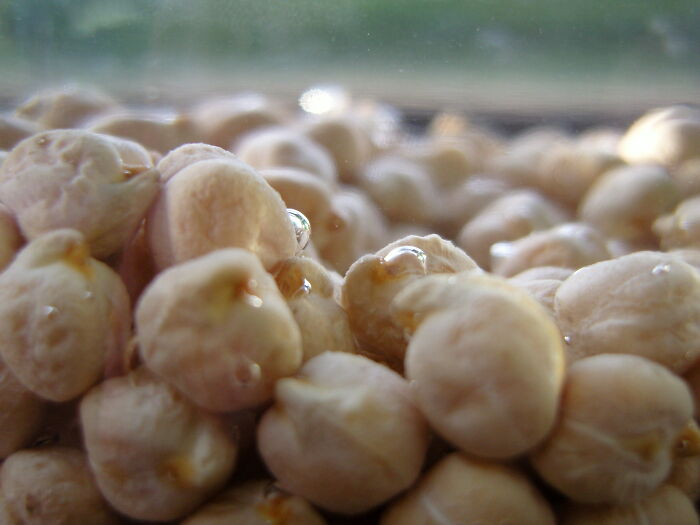 That a big bowl of cold water is the trick to prepping both chickpeas and pomegranates in two minutes or less.
Chickpeas: rub them vigorously between your hands in the cold water and all the skins will come off and float to the top and can be poured off, leaving you with a bowl of peeled chickpeas.
Pomegranates: a circle scored around the crown and a couple of thin lines scored all the way around the fruit will allow you to rip it into 3-4 pieces. Hold the pieces underwater and scrape the arils free with your fingers. Any pith will float to the top and can be poured off, leaving you with a bowl of pomegranate arils.
That a big bowl of cold water is the trick to prepping both chickpeas and pomegranates in two minutes or less.
Chickpeas: rub them vigorously between your hands in the cold water and all the skins will come off and float to the top and can be poured off, leaving you with a bowl of peeled chickpeas.
Pomegranates: a circle scored around the crown and a couple of thin lines scored all the way around the fruit will allow you to rip it into 3-4 pieces. Hold the pieces underwater and scrape the arils free with your fingers. Any pith will float to the top and can be poured off, leaving you with a bowl of pomegranate arils.

I'm assuming OP is talking about chickpeas that were raw, unprocessed and soaked overnight then needing to be peeled, otherwise any chickpeas you buy are typically canned/jarred and already processed and ready to use once you've drained the liquid.
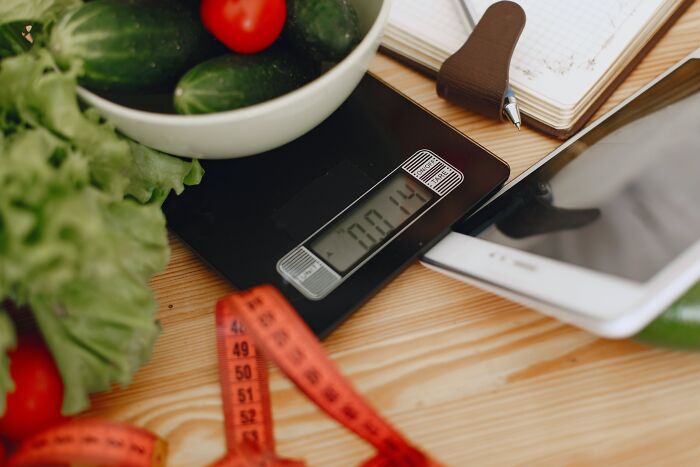 Probably the biggest "why haven't I known this all along" was a kitchen scale. What is one large potato? How many ounces in a cup of grated cheese? So, the secret to biscuits is *weighing* the flour? How do I know when I have one pound of diced chicken?

When I was learning, I was told to measure when baking, but to be creative when cooking. However, now that I've been doing both for 25+years, I can be creative with both. I measure cups, but I never use teaspoons or tablespoons. And I only stay strict to a recipe if I made it myself, anything I find online I need to meddle with.
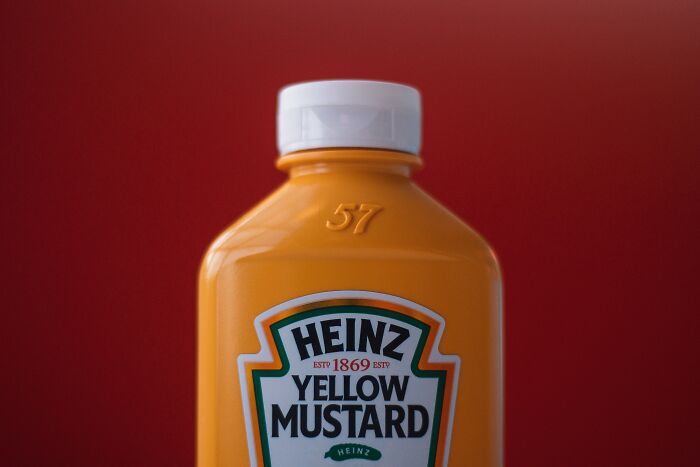 Mustard is what is missing. Few savory foods can't be improved with mustard. Ramen, egg salad, grilled cheese, soup, grilled chicken, meatloaf, Mac and cheese, potato salad

I have been surprised at times. Another one is adding some chili pepper to non-hot dishes like New England clam chowder. Not enough to make it into a spicy dish. Just a hint adds - something. Makes it 'brighter' or whatever word. I lack the right words but I have taste compared and is true. Was taught this by a friend who used to own a restaurant.
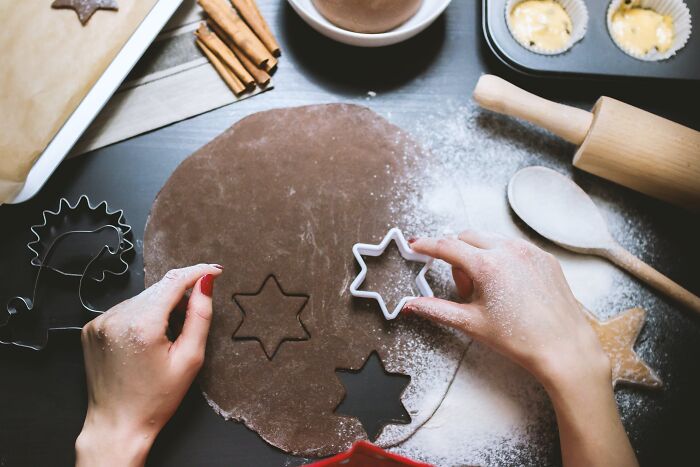 I just discovered rolling out cookie dough on parchment paper before using cookie cutters. Total game changer
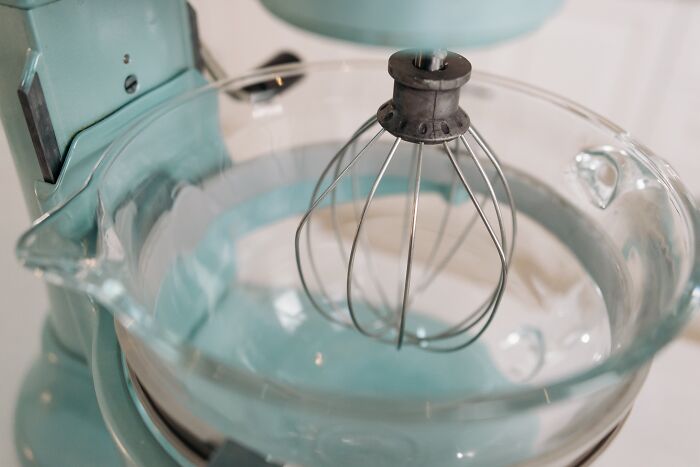 Shredding chicken in a kitchenaid mixer. Game changer and I can’t believe I didn’t know about it sooner.
You don't use the whisk attachment, you use the paddle. And yes, this works great for shredding cooked, boneless chicken for chicken salad, etc.
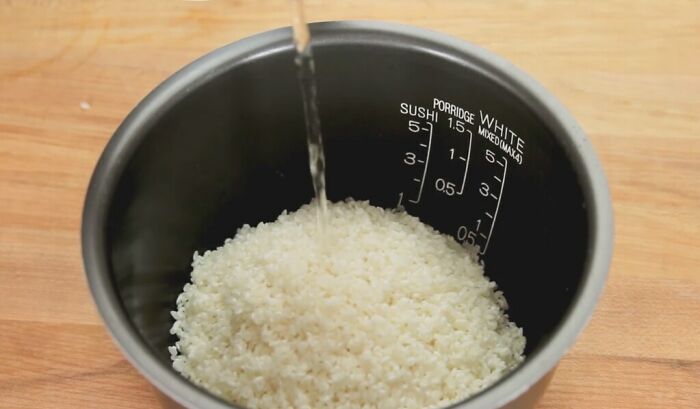 rinse rice, and let dairy stuff get room temperature before mixing.
ah, and the ice bath for hard-boiled eggs 🙂
rinse rice, and let dairy stuff get room temperature before mixing.
ah, and the ice bath for hard-boiled eggs 🙂
Rinsing rice reduces the starch but it also reduces the arsenic. Rice naturally has more arsenic in it than some vegetables. Most of it is in the outer hull which is why for the same rice, brown rice has more than white since with white the outer hull is buffed off. Rinsing it before cooking removes some more. Some advice says to also cook it in excess water and drain off to remove even more but I don't care for my rice that way.
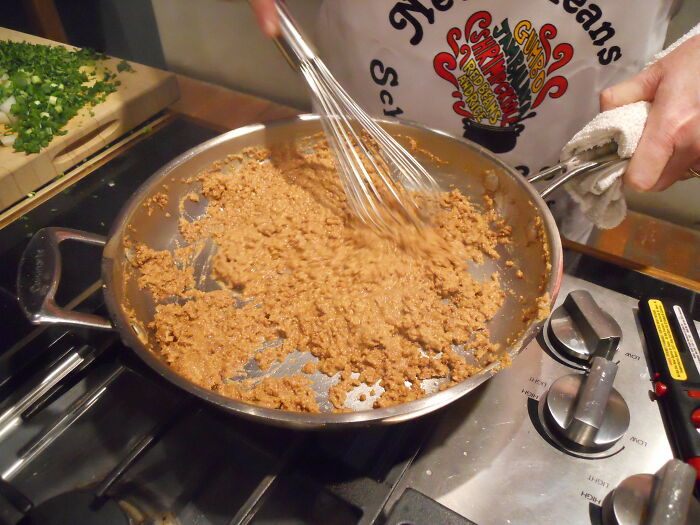 A roux could be made with others things then butter, bacon fat to my cheese sauces was stupidly mind opening
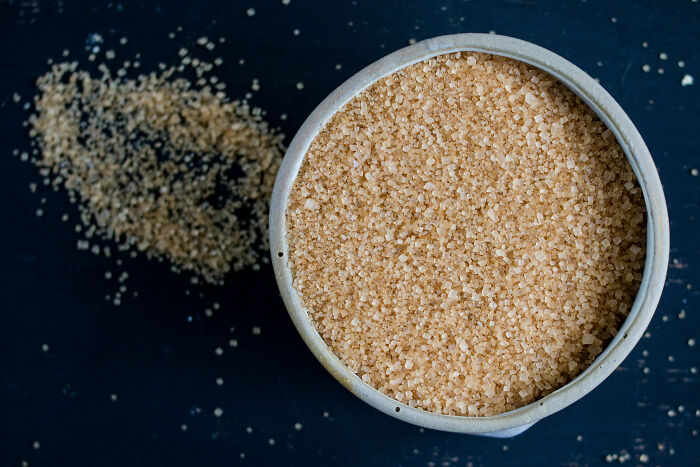 I’ve learned that brown sugar and/or all spice will cut the acidity in tomato based dishes. That’s been really helpful!
And a little bit of cinnamon in the coffee grounds when you’re making coffee will cut the acidity there as well! You won’t even taste the cinnamon if you don’t use too much, but I like the cinnamon taste, so I use about 1/4 tbs.
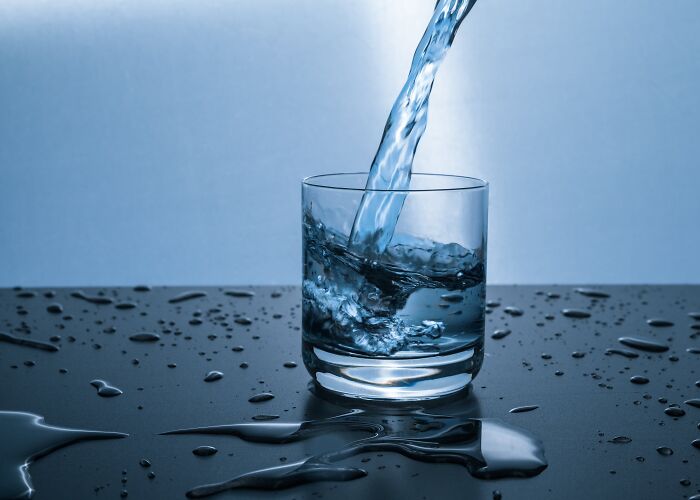 Add iced water to eggs being whipped for omelets. I learned that reading a James Beard cookbook. It makes the egg thinner, but still strong enough. Also, use a good amount of butter in the pan first, wait till it is bubbling at the edges, then add the eggs, wait a minute, then add your fillings.

Precook garlic, onions, almost everything but cheese. Then add to omelette or just make veggie scramble, unless you want to eat something pretty and french with raw garlic and onion. Learned that in 70's
Bacon on a sheet pan in the oven. 400 for 15-18 min Frees up time to prepare something else Less messy splatter /clean up Perfect everytime And bacon grease slides right off parchment paper
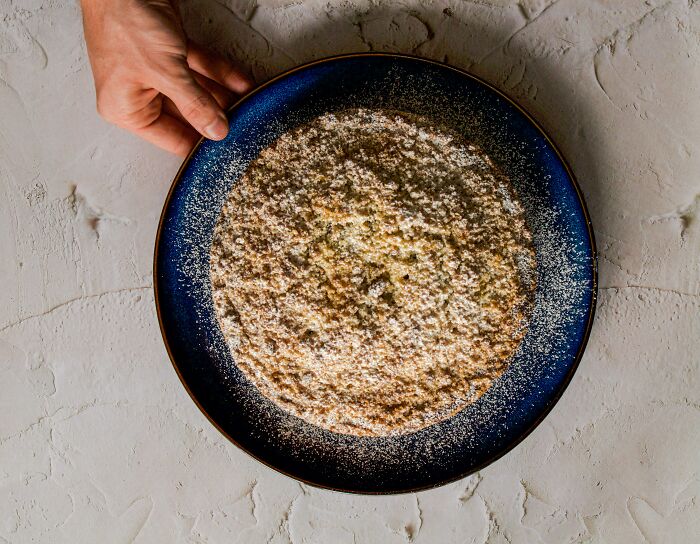 Crumb coat for beautiful cakes.

And make sure you sufficiently chill the cake after you've applied the crumb coat, before the decorative layer, otherwise you'll still get a mess
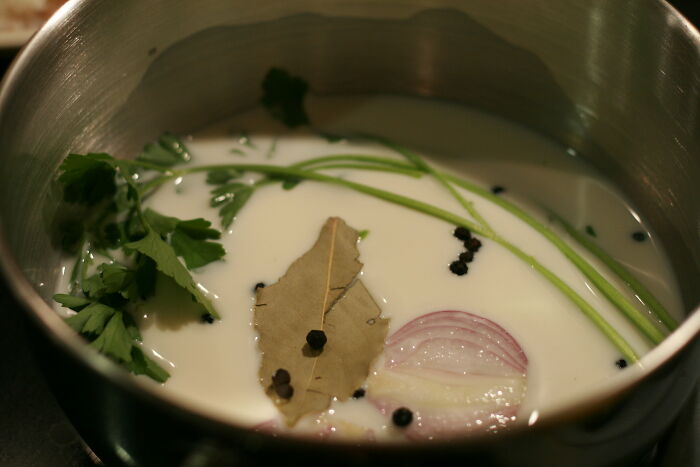 Reverse bechamel/sauce creme, and no more lumps.
Make a roux - but instead of adding cold milk to a hot roux - let it cool, and heat up your milk (and aromatics: onion, clove nutmeg etc) then add all of the hot milk to the cold roux and whisk. Transfer the pan to a low-med heat and continue whisking until the sauce thickens (then add your cream for the sauce creme) and you're done.
Reverse bechamel/sauce creme, and no more lumps.
Make a roux - but instead of adding cold milk to a hot roux - let it cool, and heat up your milk (and aromatics: onion, clove nutmeg etc) then add all of the hot milk to the cold roux and whisk. Transfer the pan to a low-med heat and continue whisking until the sauce thickens (then add your cream for the sauce creme) and you're done.

So many people make such a big deal of making a basic white sauce. I make them at least twice a week and never, never ever, use a whisk. Add a large amount of cold milk to your hot roux, mix well and return to a very gentle heat. Keep stirring for three or four minute - as the liquid slowly warms the butter-coated flour , by now in a spspension in the milk is released gentl, as the butter melts, into the liquid, thickening it evenly.
I make a recipe that calls for 3 ounces of chopped cream cheese. I slice put a couple slices on a plate and freeze until it’s firm enough to chop.
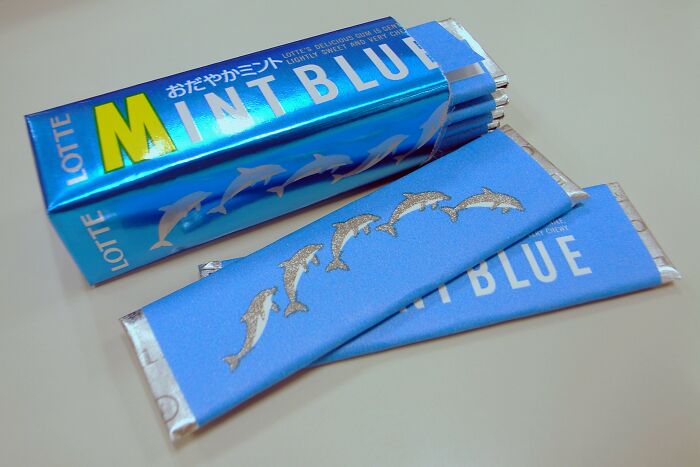 Chew mint gum while cutting onions and voila! No tears!
I've been cutting vast amounts of onions in commercial kitchens for most of my life and just learned this trick.
Chew mint gum while cutting onions and voila! No tears!
I've been cutting vast amounts of onions in commercial kitchens for most of my life and just learned this trick.
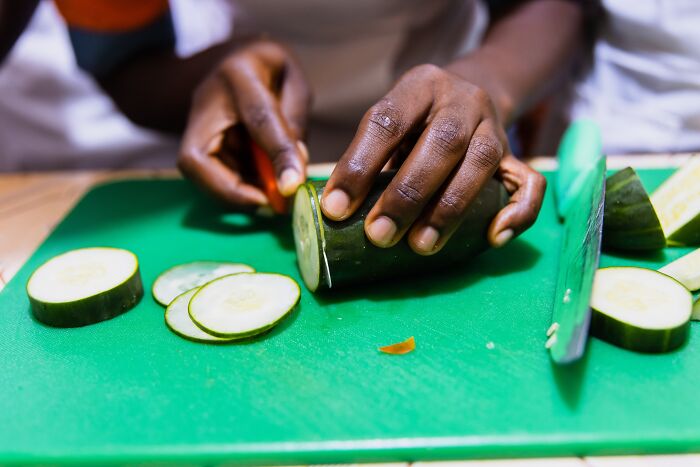 If you cut cucumbers or carrots or anything else round on the bias the pieces can’t roll away
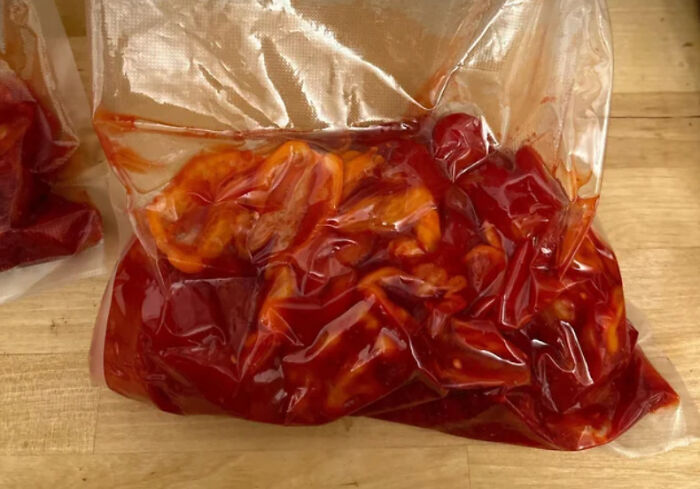 Add tomato paste to a ziploc bag, freeze a bit so it’s still flexible, use butter knife to make cross-hatched pattern on the bag, leave in freezer. Result is small ready-to-use portions of tomato paste that can be snapped off the bigger block.
I buy the small wine bottles and then freeze whatever I don't use since I don't drink wine. For large cuts of meat, sear on the stove, finish in the oven and use an alarm thermometer to know when it's done. Add acid to anything that smells good but doesn't taste good yet/taste flat. Particularly rich stuff. Don't need to add a lot but that and salt are why my soups are always good. Freeze stuff in usable portions for easier use. Instead of cutting up chocolate bars I just smash them in a ziploc to avoid a mesh. If I buy too much stuff for stock I won't use, I make stock kits. Herbs, onion products, carrots, celery, parm rinds, mushrooms all go in a bag in the freezer in portions I'd use for soup. Then I can make stock whenever I need it and nothing goes to waste.
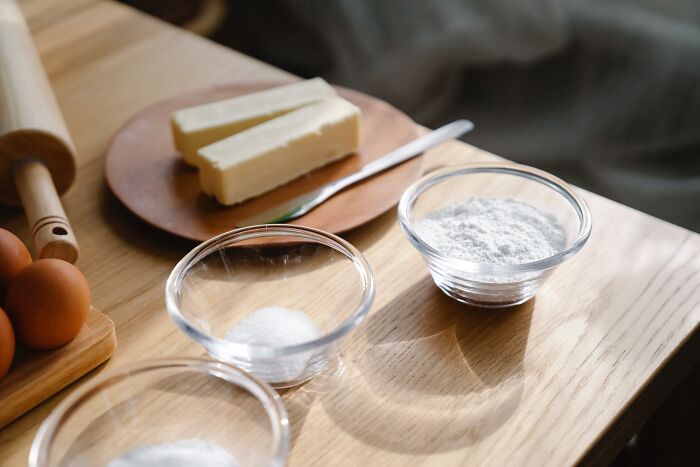 Sugar and Butter. If you want your cooking to taste as good as restaurant food, 90% of the time those the are cheat codes.
I roll my eyes at statements like this because it's more specific and dependent on what you're cooking to apply the use of sugar and butter than just generalizing that sugar and butter are the answer to making "90%" of things taste better.
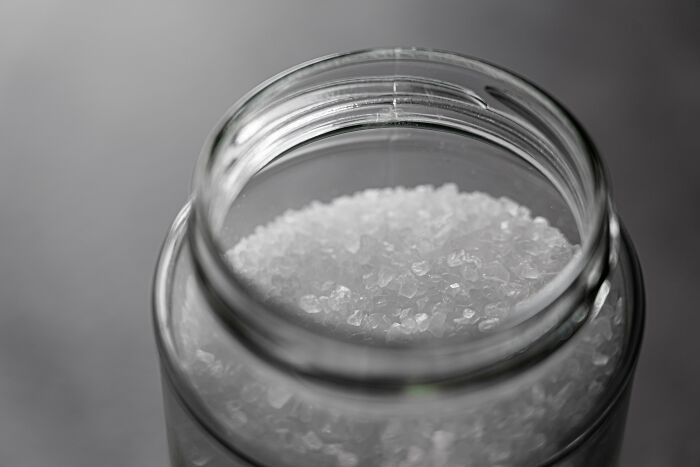 Switching to Diamond Kosher salt. The rhythm of using it is easy to learn as long as you taste along the way. A pinch gives a gentle nudge of salt. Even a good handful in a large pot won’t overdo it. I don’t like the taste of iodized salt, especially on green veg. And a pinch of Diamond Kosher in cocktails is magic.
You can ripen firm avocados in a little vinegar while you prepare the rest of the meal. I actually prefer to do this for things like sushi - the taste is slightly different, but not necessarily worse. Just slice and soak in vinegar.
Ferment your garlic and spices. I make a plain garlic ferment with lemon juice and salt and also a ferment of garlic, ginger, turmeric, and chillies. Fermentation makes the spices last up to a year in the fridge and saves so much time chopping on a daily basis.
Always take your beef roast out about 15°-20° cooler than you want it and it'll turn out perfect every time after resting

I feel that 75% of this page could be substituted with "Use commercial kitchen practices."
Ya, but if you never worked in one, you gotta learn elsewhere
Load More Replies...
Google 'Gordon Ramsay how to cut an onion.' It will change your life.
I feel that 75% of this page could be substituted with "Use commercial kitchen practices."
Ya, but if you never worked in one, you gotta learn elsewhere
Load More Replies... Google 'Gordon Ramsay how to cut an onion.' It will change your life.




































 No fees, cancel anytime