Get Premium
Dark mode theme is available exclusively for premium users. Learn more about the benefits of subscribing.
No fees, cancel anytime.

 Dark Mode Ad-Free Browsing Unlimited Content
 Ad-Free Browsing Unlimited Content Dark Mode
Join 1.2 million Panda readers who get the best art, memes, and fun stories every week!


30submissions
Finished

Long before "form follows function" became architecture's golden rule, the wealthy elite had a different idea altogether - building magnificent structures simply because they could! These architectural flights of fancy, known as "follies," stand as extravagant monuments to human whimsy and deep pockets. From Broadway Tower perched dramatically on an English hillside to the romantic ruins of Ireland's mysterious Jealous Wall, these structures were never meant to house families, store grain, or serve any practical purpose whatsoever.
Rather, they were built purely for decoration, to create picturesque views, or sometimes just to give the local stonemasons something to do between "real" jobs. We've gathered 30 of the world's most captivating architectural oddities—beautiful buildings that exist solely for show. These splendid structures remind us of a time when practicality took a back seat to beauty, and having a mock medieval tower in your garden was the ultimate status symbol!
This post may include affiliate links.
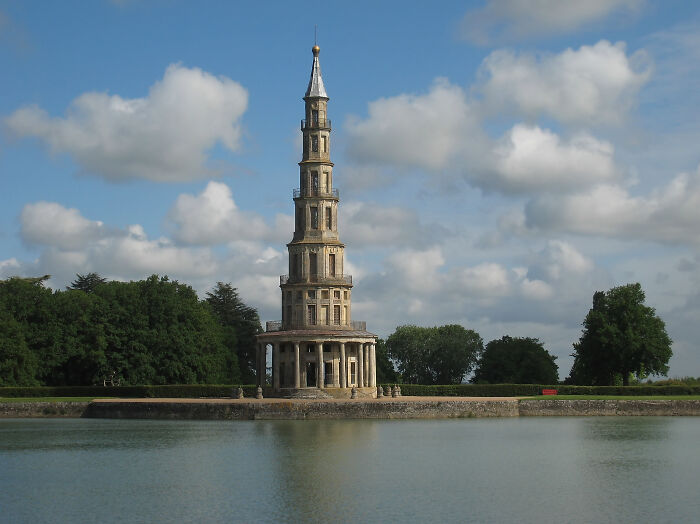
Rising above the forests near Amboise, the Chanteloup Pagoda is a rare example of 18th-century chinoiserie in France. Commissioned in 1775 by the Duke of Choiseul, it once stood within the gardens of his now-lost château. Inspired by Chinese architecture, the seven-tiered tower symbolized friendship and loyalty among his supporters. Though the château was later destroyed, the pagoda remains, offering sweeping views of the Loire Valley and a glimpse into the era’s fascination with the exotic.
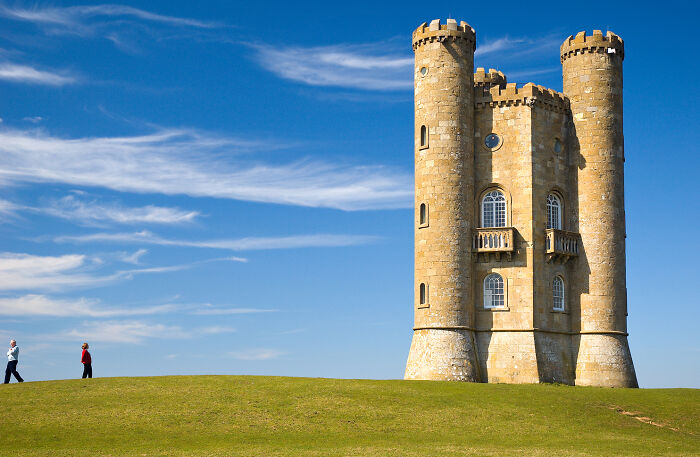
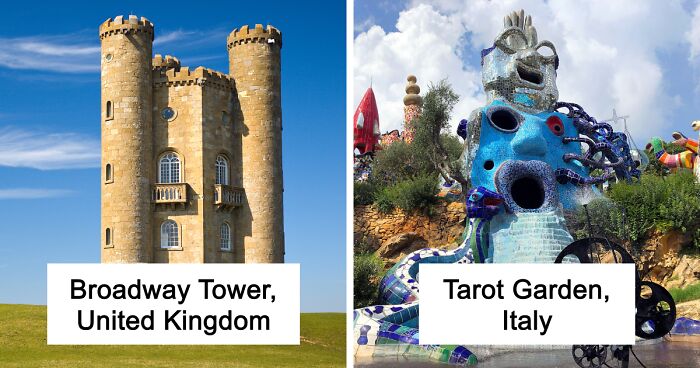
Broadway Tower may look like an ancient fortress, but it was never meant for war or royalty. Built in 1798 as an experiment to see if a tower could be spotted from afar, it has had many uses over the years—an artist’s retreat, a lookout post, even a Cold War monitoring station. Today, it’s mostly a scenic landmark, offering wide views of the countryside and surprising hikers who weren’t expecting to find a castle-like tower in the middle of nowhere.
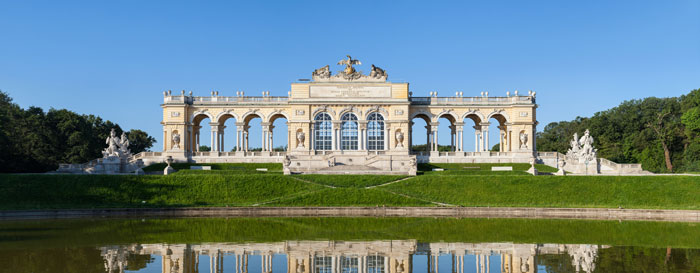
Built in 1775 at Schönbrunn Palace, the Gloriette was designed as a grand symbol of Habsburg power. Overlooking the gardens, its sweeping arches and ornate details served no practical purpose beyond impressing guests and enhancing the imperial landscape. Originally used for royal gatherings, it later became a scenic café, where visitors can admire Vienna from above. Though purely decorative, the Gloriette remains a striking reminder of the era’s love for grandeur and display.
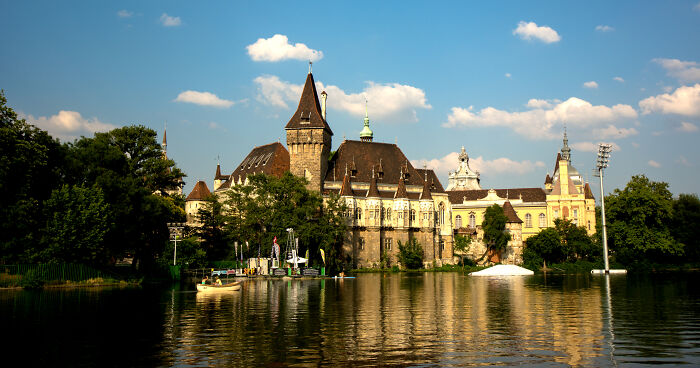
Vajdahunyad Castle, built in 1896 for Hungary's Millennial Exhibition, was designed to represent the country's diverse architectural styles. Combining elements of Romanesque, Gothic, and Renaissance architecture, it was initially constructed with temporary materials but proved so popular that it was rebuilt in stone. Today, the castle stands as a symbol of Hungary’s rich history and architectural creativity, housing the Hungarian Agricultural Museum and offering visitors a stunning glimpse of Budapest’s past.
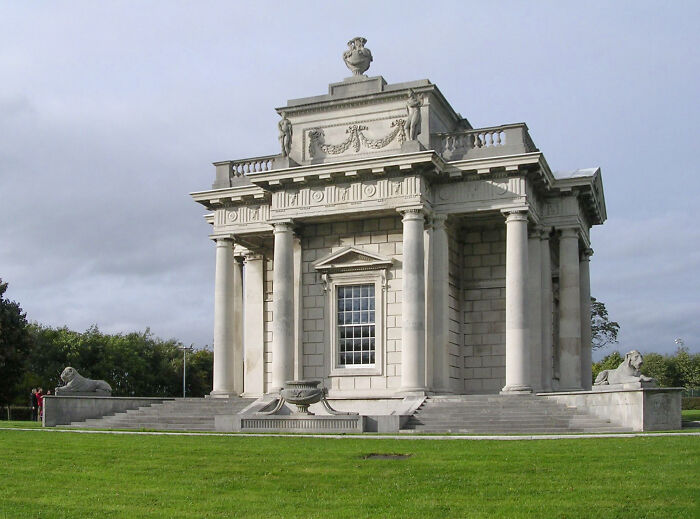
The Casino at Marino, built in 1775, is a unique example of Georgian architecture. Despite its name, it was never a place for gambling but a garden pavilion designed for the pleasure of Dublin’s elite. The building's intricate design hides clever optical illusions and secret rooms, reflecting the era’s love for sophistication and surprise. Today, it offers visitors a chance to explore an architectural gem, showcasing the creativity of 18th-century Ireland.
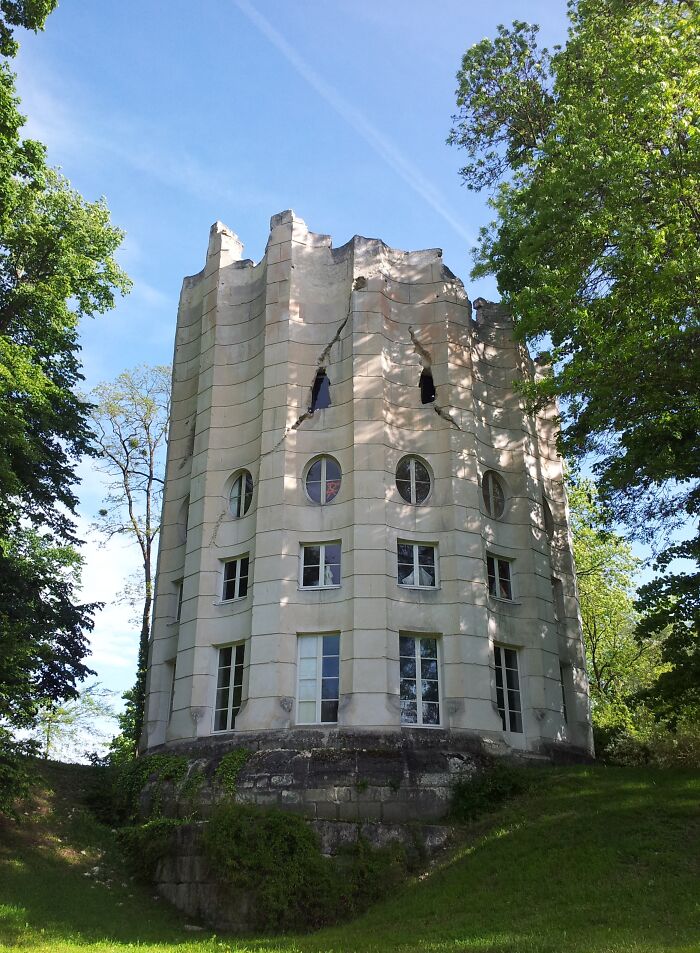
Hidden in the woods of Chambourcy, the Désert de Retz is an 18th-century garden filled with architectural curiosities. Created by François Racine de Monville in the 1770s, it was designed as a picturesque escape, blending nature with whimsical ruins. Its most famous structure, the Broken Column, resembles a giant shattered pillar, evoking the grandeur of a lost civilization. Once a retreat for philosophers and aristocrats, the garden remains a fascinating glimpse into the Romantic era’s love for the mysterious and surreal.
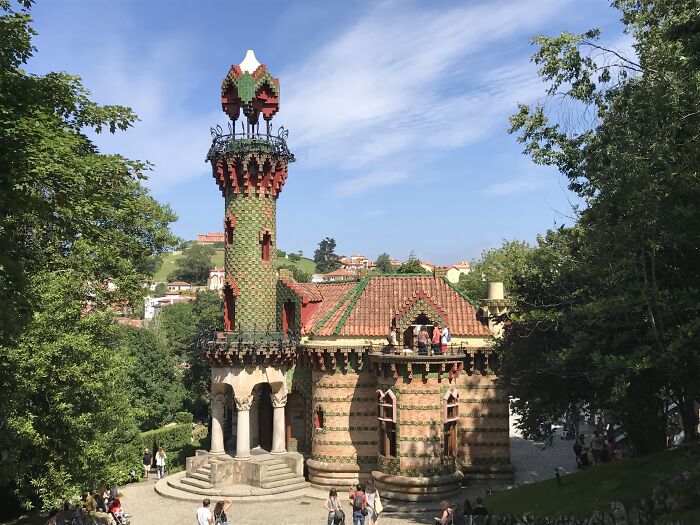
In the town of Comillas, El Capricho stands as one of Gaudí's early masterpieces, built in 1883. The structure, designed as a summer villa, mixes vibrant colors and nature-inspired forms, setting it apart from typical architectural styles of the time. With its distinct tilework and whimsical details, it reflects Gaudí's creativity before his rise to fame.
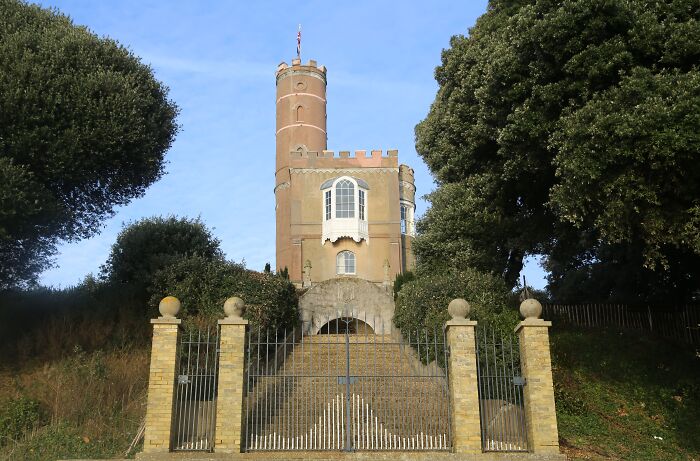
Freston Tower, located near Ipswich in Suffolk, was built in the early 16th century as a private folly. Its distinctive design, resembling a miniature castle, was created to impress visitors and show off the owner’s wealth. Standing tall on the hillside, it offers scenic views of the surrounding countryside. Though it has no real purpose beyond decoration, Freston Tower remains a striking landmark.
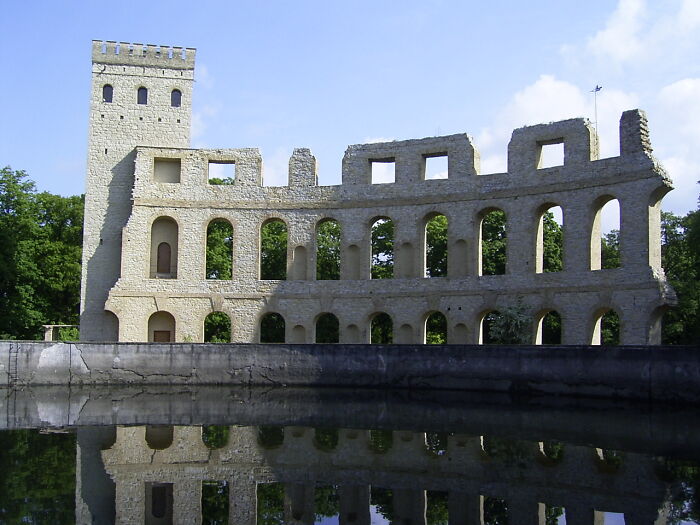
In the mid-18th century, Frederick the Great ordered the construction of Ruinenberg, an artificial ruin overlooking Sanssouci Park. Designed to resemble the remains of an ancient Roman structure, it served no purpose beyond adding a sense of history and grandeur to the landscape. Hidden among the crumbling arches was a reservoir supplying water to Sanssouci’s fountains. Though the water system never worked as planned, the ruins remain, blending artifice with nature in true 18th-century Romantic fashion.
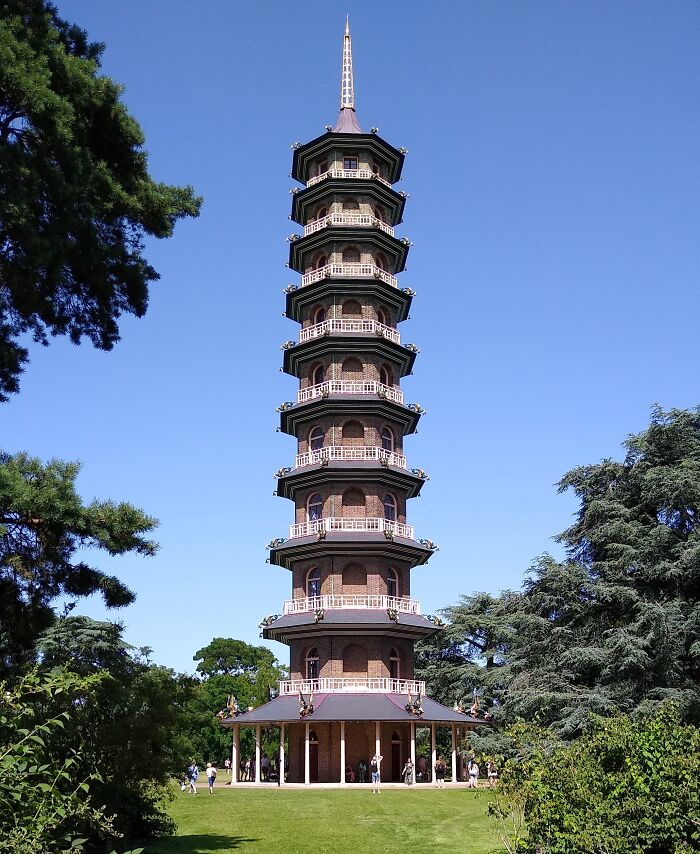
Standing tall in Kew Gardens, the Great Pagoda was built in the 1760s as a bold statement of the era's fascination with the East. Inspired by Chinese architectural style, it reaches a height of 163 feet, making it one of the most notable structures in the gardens. Over the centuries, the pagoda has been restored and maintained, and remaining a popular spot for visitors.
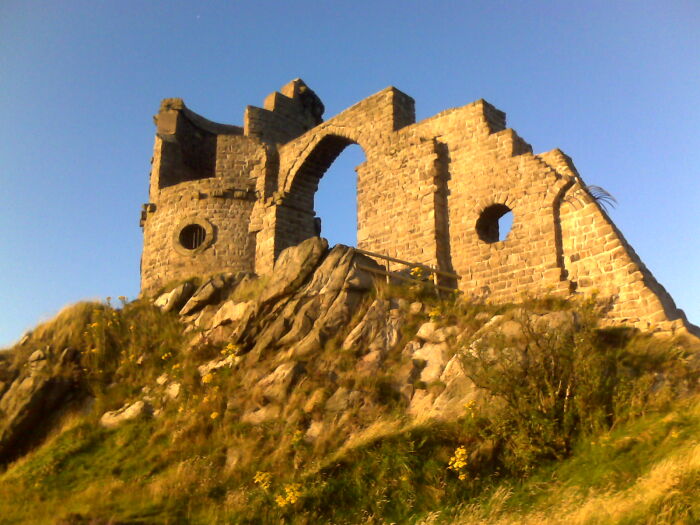
Mow Cop Castle is a late 18th-century folly perched on a hill in Staffordshire. Originally built by Ralph Ward as a visual landmark for his estate, it combines Gothic and medieval influences to create a charming, castle-like structure. While it has no military purpose, the tower served as a symbol of wealth and status.
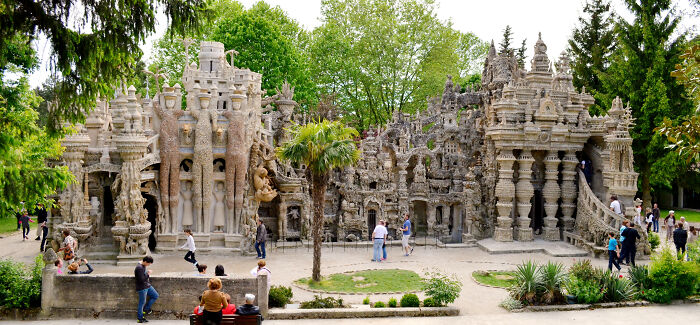
In the small village of Hauterives, a postman named Ferdinand Cheval spent 33 years building the Ideal Palace, a masterpiece of naïve architecture. Starting in 1879, he collected stones during his daily rounds, gradually assembling an elaborate structure inspired by nature, mythology, and distant lands. With no formal training, he created a dreamlike palace adorned with intricate carvings and sculptures. Once dismissed as eccentric, his work is now celebrated as a unique testament to determination and imagination.
Carved into the cliffs of Saint-Hippolyte, the Grottoes of Ferrand are a mysterious network of artificial caves dating back to the 17th century. Commissioned by local nobleman François Ferrand, these elaborate chambers were designed as a private retreat, blending natural rock formations with carved columns, archways, and decorative details. Intended to surprise and delight visitors, the grottoes reflect the Baroque era’s love for theatrical landscapes. Today, they stand as a curious remnant of a time when even caves were crafted for elegance and wonder.
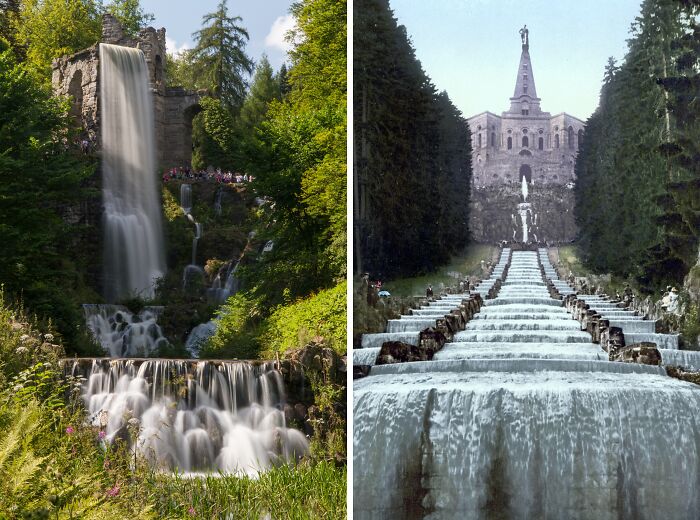
Built in the late 17th century, the water features of Bergpark Wilhelmshöhe were designed to showcase the power of nature and engineering. Commissioned by Landgrave Carl of Hesse-Kassel, the system uses gravity alone to send water rushing down terraces, through fountains, and into grand cascades. At the highest point stands the towering statue of Hercules, watching over the display. Still functioning today, these waterworks remain a remarkable example of Baroque landscape design.
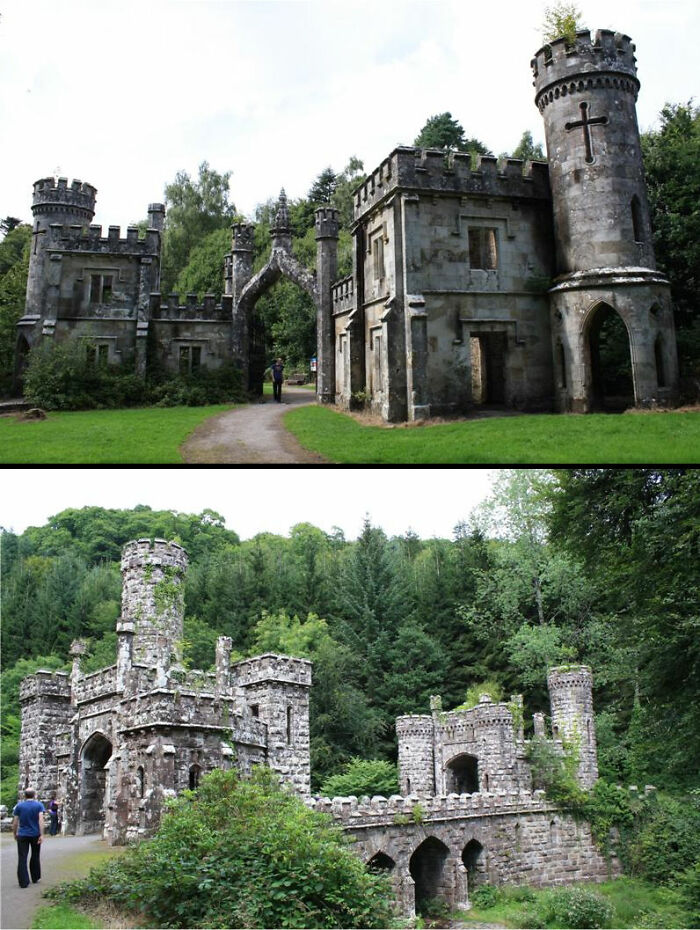
Ballysaggartmore Towers, built in the 19th century in County Waterford, were designed by the architect William Burges. The two gothic-style towers were part of a private estate, meant to add a touch of drama to the landscape. Although they never served any real purpose, they became a striking feature of the area. Today, the towers remain as a charming reminder of the past, offering visitors a glimpse of Victorian-era imagination.
The Waterloo Round Tower, built near Blarney in County Cork, was constructed in the early 19th century to commemorate the British victory at the Battle of Waterloo. Standing tall and simple, the tower’s design contrasts with more elaborate monuments of the time. It was a way for locals to honor the event, but over the years, it has become more of a quiet marker in the landscape, evoking both history and a time long passed.
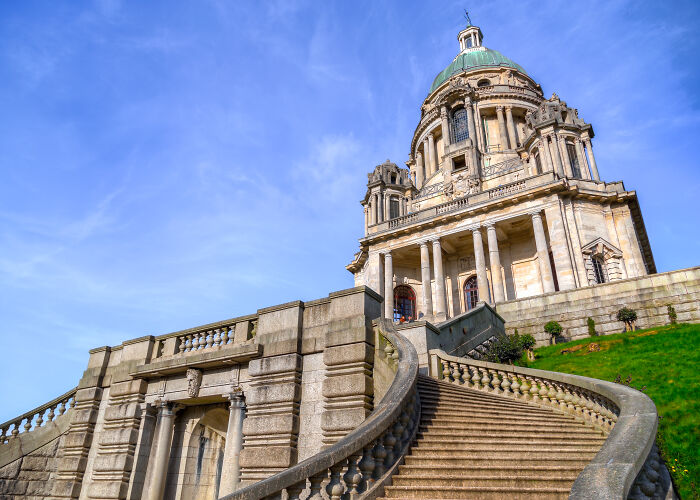
The Ashton Memorial, built in the early 20th century by wealthy industrialist Lord Ashton, is a monument that’s anything but understated. Towering above Lancaster, it features an enormous dome and intricate design that blends palace-like grandeur with the sweetness of a wedding cake. Lord Ashton’s tribute to his late wife is both a symbol of love and an impressive display of wealth, making it one of the most extravagant memorials in the UK. It's a bold gesture of remembrance that definitely doesn’t do things by halves.
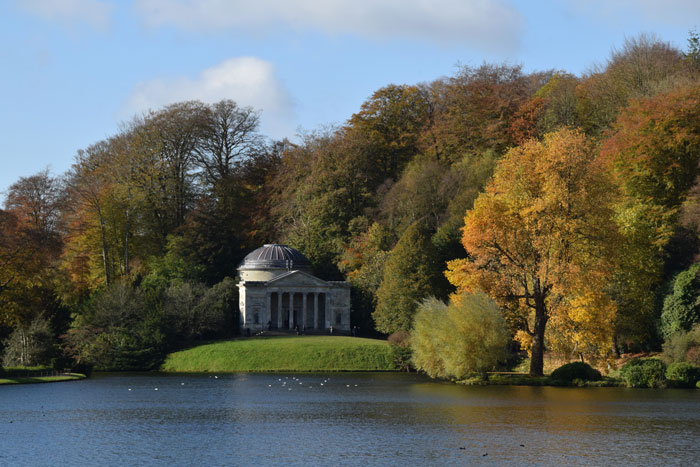
Built in the 1750s by Henry Flitcroft, the Pantheon at Stourhead reflects 18th-century admiration for classical antiquity. Inspired by Roman temples, it once housed statues of ancient gods, reinforcing themes of heroism and virtue. Overlooking the lake, its grand design enhances the garden’s picturesque beauty. More than a folly, it symbolized knowledge and culture, ideals embraced by Britain’s aristocracy. Today, it remains a highlight of Stourhead’s landscape.
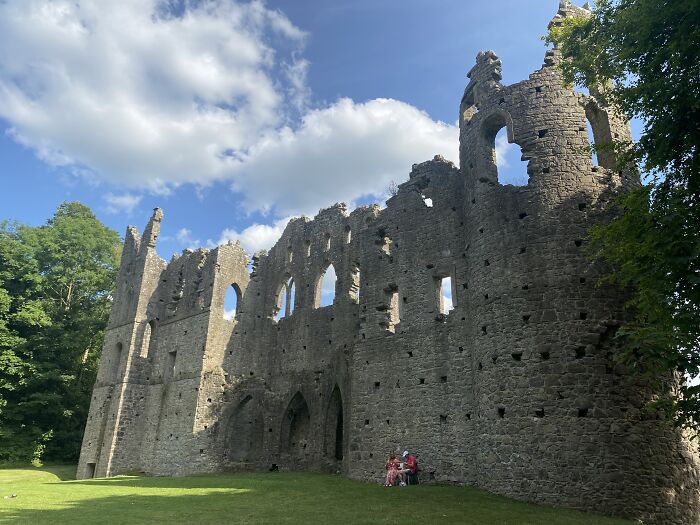
In County Westmeath, the Jealous Wall stands as a peculiar reminder of 18th-century pride. Built by the Gardiner family, it was meant to overshadow the nearby church, a bold statement of their wealth and influence. The wall, towering over the landscape, has no other function, making it a symbol of vanity rather than practicality. Today, it serves as an intriguing piece of history, showing the lengths some went to in displaying their status.
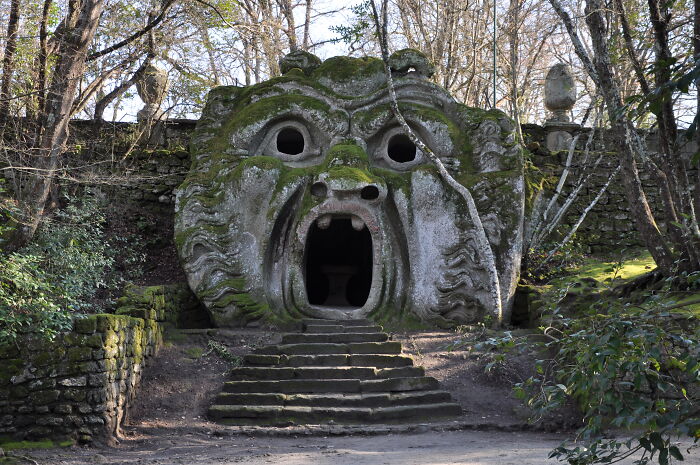
The Park of the Monsters, or Bomarzo Gardens, was created in the mid-16th century by Prince Pier Francesco Orsini in Italy. The garden features bizarre and enormous sculptures, including terrifying creatures, mythical figures, and strange structures, all designed to challenge conventional ideas of beauty and order. Intended as a place for reflection, it was filled with symbolism and personal meaning for Orsini. Today, it remains one of Italy's most unusual and thought-provoking gardens, drawing visitors who seek the surreal and the mysterious.
Built in the 17th century, Lija Belvedere Tower in Malta was originally used as a lookout to spot invading ships. Perched atop a hill, the tower offers panoramic views of the countryside and nearby towns. Its unique design blends military purpose with an elegant, almost decorative touch. Over time, it has become an iconic part of the Maltese landscape, offering visitors a glimpse into the island’s strategic past.
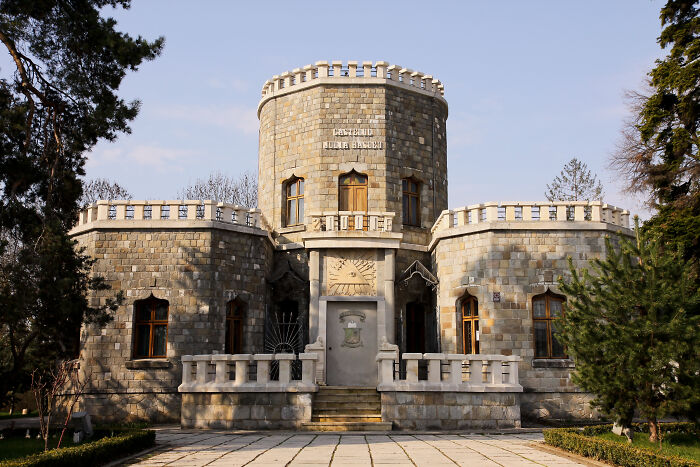
Iulia Hasdeu Castle is what happens when grief, mystery, and a touch of the supernatural get turned into architecture. Built by Romanian writer Bogdan Petriceicu Hasdeu after the death of his daughter Iulia, this eerie castle was designed based on spiritualist visions he believed came from her. Filled with hidden symbols, secret chambers, and an air of mystical sorrow, it’s less of a home and more of a monument to a father’s undying hope—and possibly, a ghost or two.
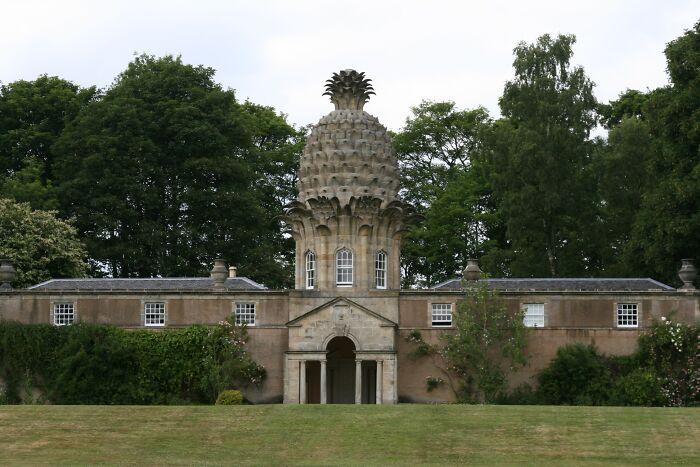
Built in 1761 by John Murray, 4th Earl of Dunmore, the Dunmore Pineapple is a remarkable example of 18th-century garden architecture. In an era when pineapples were a rare luxury, the fruit became a symbol of status and hospitality. To reflect this, Murray commissioned an ornate stone pineapple to crown his summer retreat, blending classical design with eccentric taste. Though never used for cultivation, the structure remains one of Britain’s most distinctive follies, a testament to the aristocracy’s fascination with the exotic.
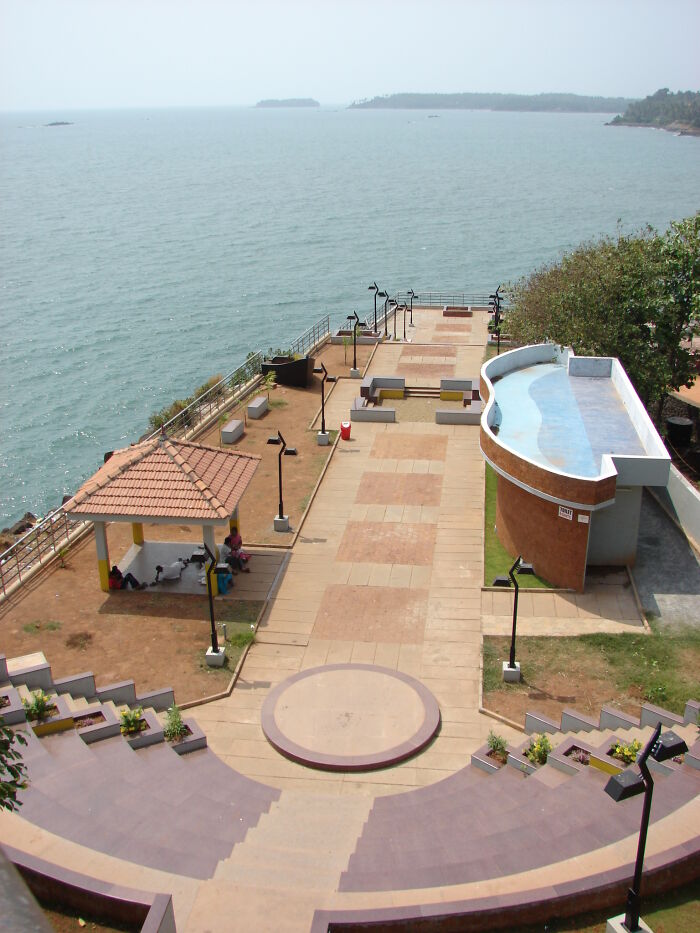
Overbury's Folly, built in the 19th century in Thalassery, was commissioned by Colonel John Overbury, a British official. The small tower was intended as a lookout point to keep watch over the area. Located on a hill, it offers wide views of the surrounding land. Today, it stands as a reminder of British rule and is a simple but interesting landmark in Kerala.
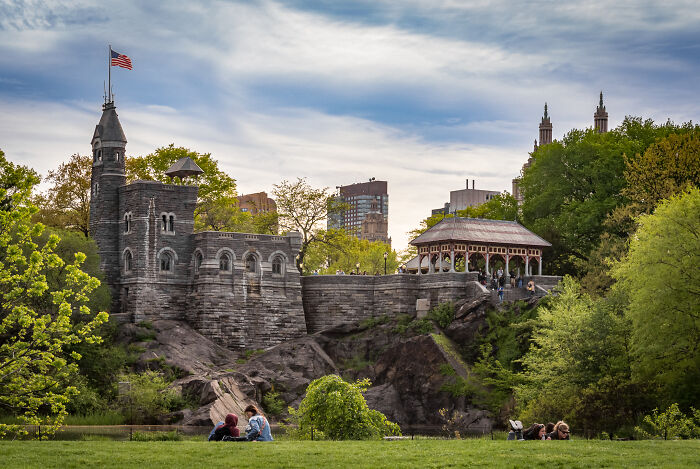
Belvedere Castle, nestled in Central Park, New York City, was built in the mid-19th century as a lookout point. Designed by Calvert Vaux, one of the park’s original architects, it offers panoramic views of the park and the city beyond. The castle’s design blends Gothic and Victorian styles, making it a charming and unique feature in the heart of Manhattan.
Luttrell's Tower, built in the 18th century at Fawley, stands as a striking folly on the Somerset landscape. Commissioned by the Luttrell family, it was designed to resemble a medieval tower and was never meant for practical use. The tower's purpose was more about adding character to the estate and offering a picturesque focal point.
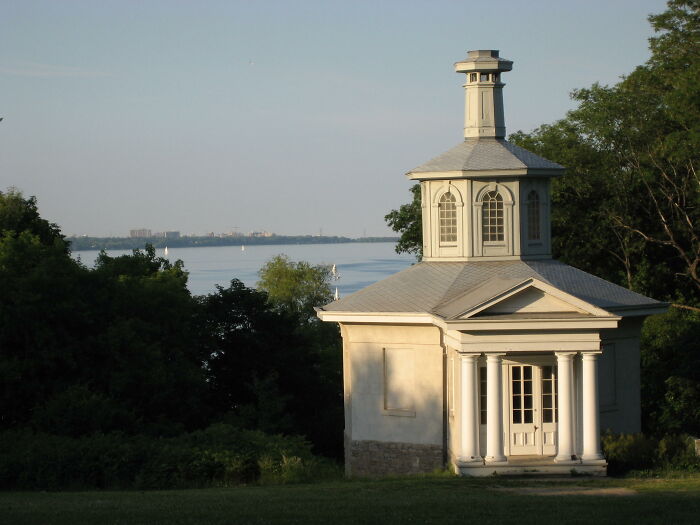
Built in the 1830s as part of Dundurn Castle’s estate, the Folly was designed to enhance the landscape with a touch of romantic ruin. Meant to resemble the remnants of an ancient structure, it reflected the 19th-century fascination with the past. Though purely decorative, it added to the estate’s grandeur, creating a dramatic contrast against the surrounding gardens. Today, it stands as a reminder of a time when even ruins were carefully planned.
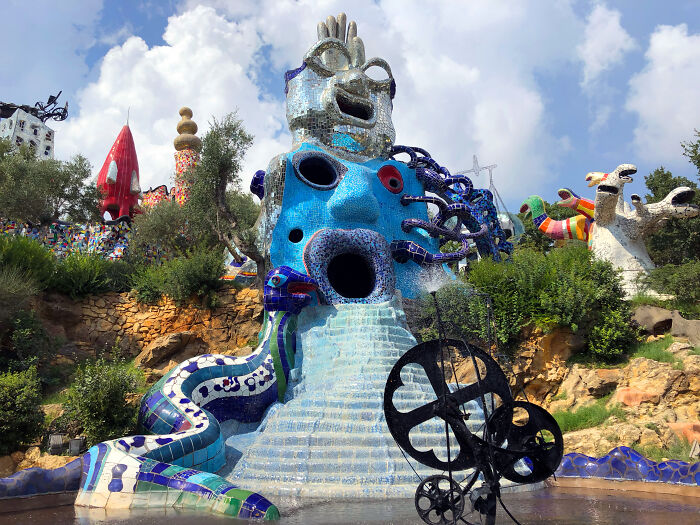
The Tarot Garden, located near Capalbio in Pescia Fiorentina, is a colorful and unique creation by artist Niki de Saint Phalle. Inspired by the symbols of the Tarot, the garden features larger-than-life sculptures, each representing a different card from the Tarot deck. Built between the 1970s and 2000, the garden blends art, nature, and spirituality, offering visitors a vibrant, otherworldly experience. Today, it stands as a tribute to de Saint Phalle's vision and creativity, attracting art lovers from around the world.
Rushton Triangular Lodge, built in the late 16th century near Rushton, Northamptonshire, is an architectural curiosity. Designed by Sir Thomas Tresham as a tribute to his Catholic faith, it features a unique triangular design, symbolizing the Holy Trinity. The lodge, though small, is adorned with intricate carvings and hidden meanings that reflect Tresham’s religious devotion.
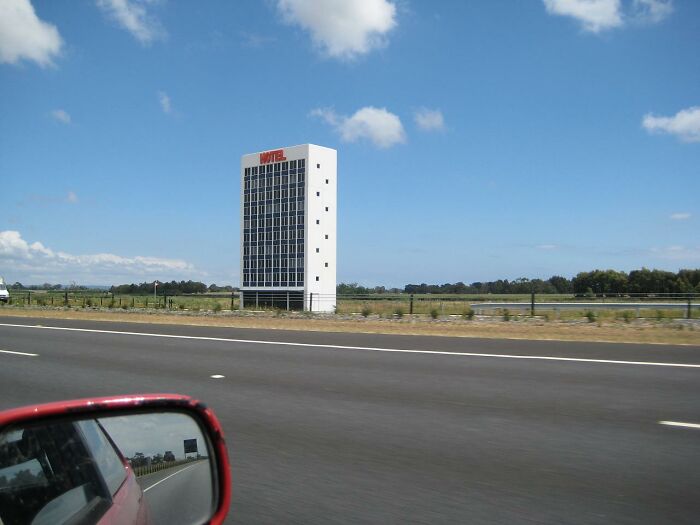
The Eastlink Hotel is the ultimate prank on Melbourne’s skyline—a grand-looking structure that was never meant to host a single guest. Perched alongside the Eastlink freeway, this "hotel" is actually an art installation, because nothing says modern creativity like a giant building with zero function. Drivers passing by have likely wondered if they could book a room, only to realize it’s just there to mess with their sense of reality.




































 No fees, cancel anytime
 then open in external browser


 and click "Open in External Browser"