Get Premium
Dark mode theme is available exclusively for premium users. Learn more about the benefits of subscribing.
No fees, cancel anytime.

 Dark Mode Ad-Free Browsing Unlimited Content
 Ad-Free Browsing Unlimited Content Dark Mode
Join 1.2 million Panda readers who get the best art, memes, and fun stories every week!

If you’re anything like us sci-fi geeks, you probably spent your childhood dreaming of becoming an astronaut when you grew up. And maybe you still kind of hope to turn that dream into reality someday. However, what you see about space in movies and what happens in reality are two very different things.
Our space-loving team at Bored Panda has curated a list of intriguing and bizarre astronaut facts to educate and entertain you. Scroll down to check them out! You never know, this might inspire you to switch careers and strive to become a NASA or ESA astronaut!
This post may include affiliate links.
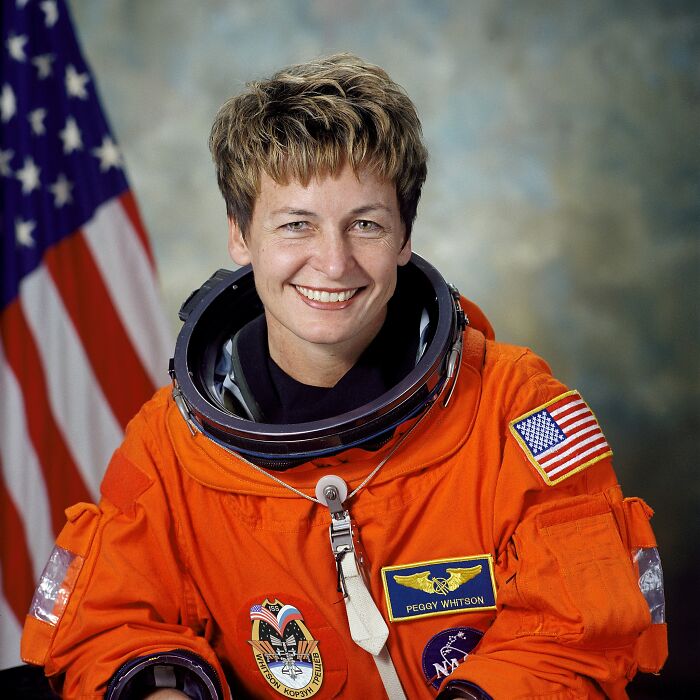
With a total of 665 days accumulated over several missions, American astronaut Peggy Whitson holds the NASA record for the most time spent in space. Her extensive experience and scientific work have established her as a notable figure in space exploration. This remarkable achievement highlights her dedication to the field.
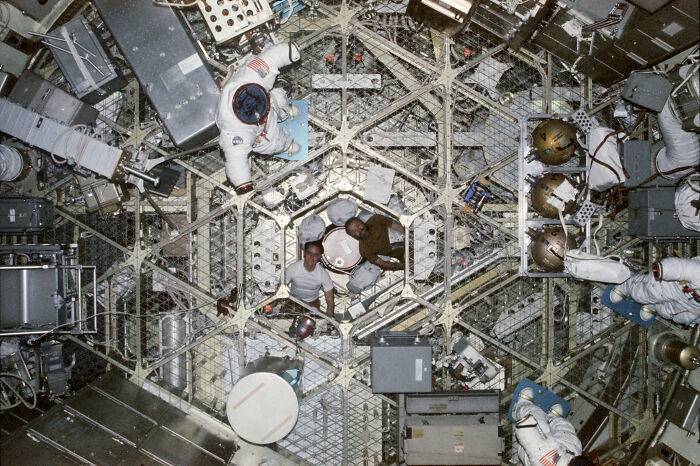
The astronauts aboard Skylab 4 went on “strike” for a day because they felt overwhelmed by the demands of Mission Control. They used the time to look out the window and think.
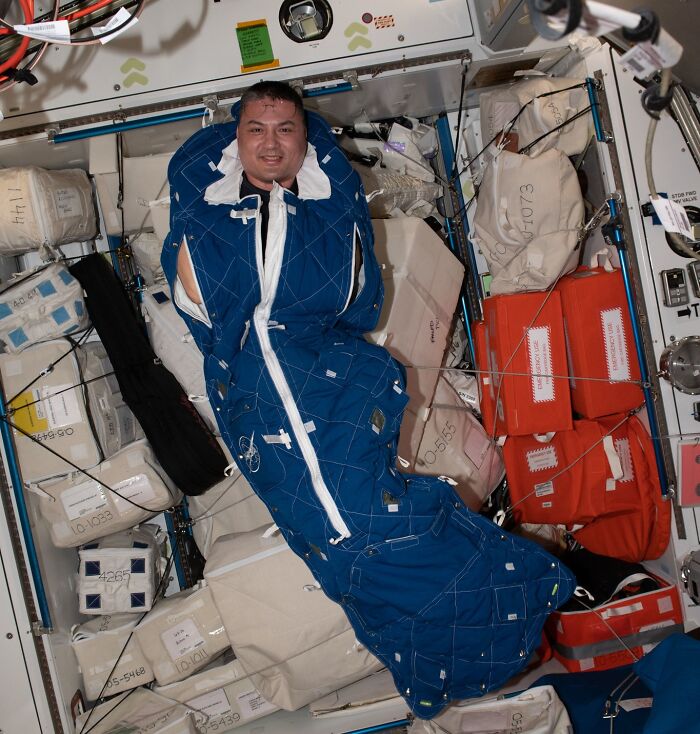
To prevent waking up oxygen-deprived and gasping for air, astronauts need good airflow around them as they sleep. Without sufficient ventilation, a bubble of their own exhaled carbon dioxide can accumulate around their heads. Ensuring proper air circulation is therefore important for astronaut safety during rest periods in space.
Proficiency in Russian is essential for astronauts assigned to the International Space Station (ISS) to ensure effective communication and operation of systems across its distinct US and Russian segments. Given that crews also travel to and from the station using the Russian Soyuz rocket, understanding the language is very practical.
While not every astronaut learns Russian, it is a key requirement for those undertaking ISS missions, and some astronauts opt to learn it even if not directly assigned to such a mission.
Astronauts can experience a temporary increase in height, sometimes up to 3%, while in space due to the microgravity environment. This phenomenon occurs because the spinal disks, which are compressed by gravity on Earth, expand when that gravitational force is significantly reduced. Upon returning to Earth, it typically takes a few months for an astronaut's height to revert to its original measurement as gravity reasserts its compressive effect.
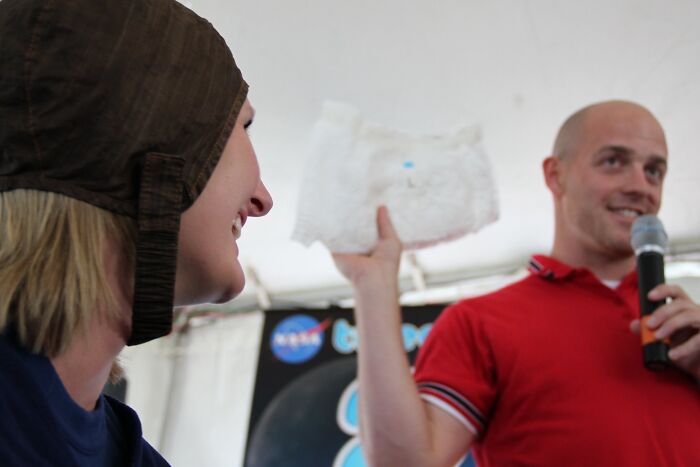
During space missions, individuals use what is officially termed a "Maximum Absorbency Garment" when access to standard toilet facilities is not possible. This absorbent undergarment, essentially an adult diaper, is a practical solution for managing bodily functions during unpredictable situations or lengthy delays. The inability to simply unbuckle for a restroom break at critical times makes such a garment necessary for astronauts.
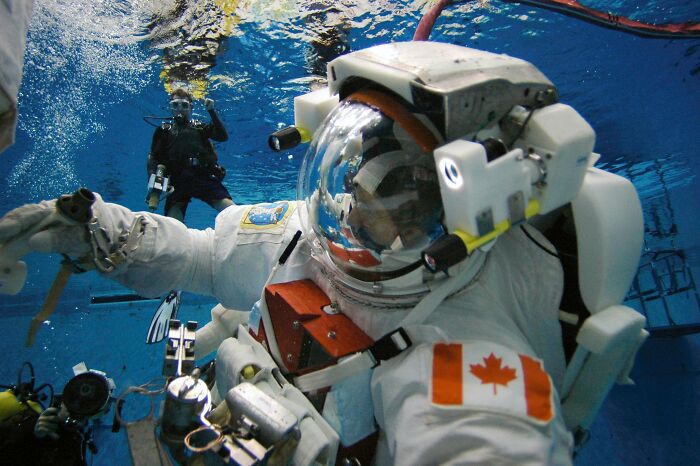
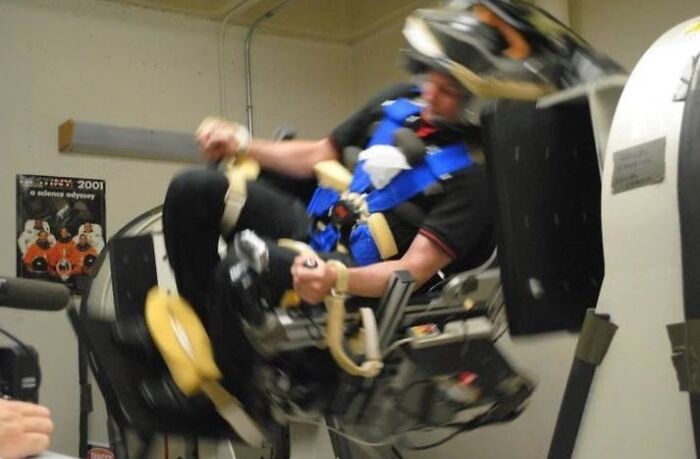
A key part of preparing for space involves extensive underwater training, which allows astronauts to experience simulated weightlessness; therefore, early scuba certification is essential. Within facilities like NASA's Neutral Buoyancy Laboratory, trainees don full spacesuits to practice mission-specific tasks, always under the watchful eyes of safety divers.
This aquatic work is a component of the demanding overall training regimen faced by the few candidates chosen from many hopefuls, which also includes initial water survival assessments.
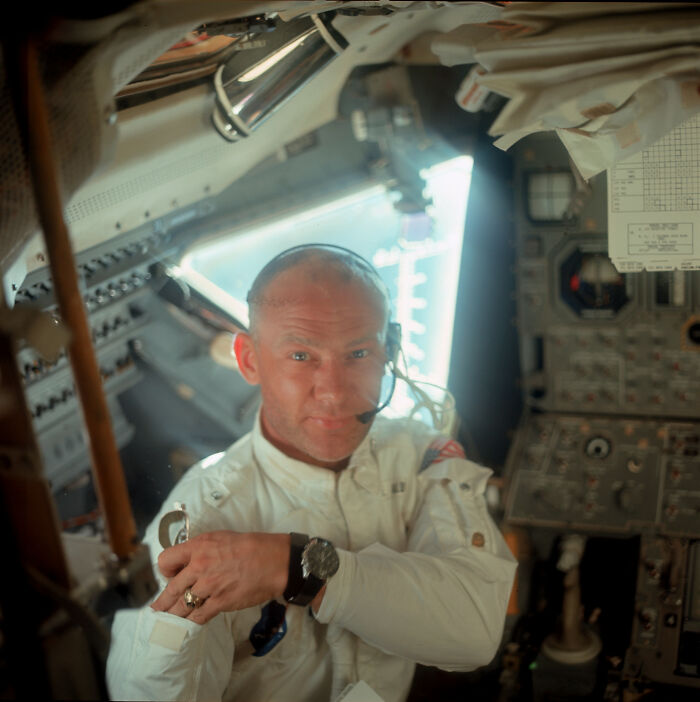
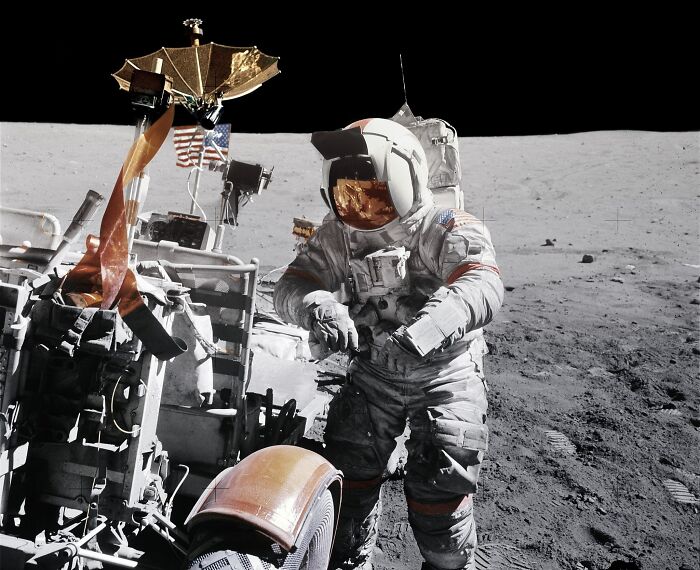
Following their historic moonwalk on July 21, 1969, Neil Armstrong and Buzz Aldrin partook in the first meal ever eaten on the Moon. To mark this momentous occasion, their menu consisted of bacon, peaches, and sugar cookie squares. They also enjoyed a pineapple-grapefruit drink and coffee as part of this unique lunar celebration.
Apparently space has a smell, and it's similar to burned meat.
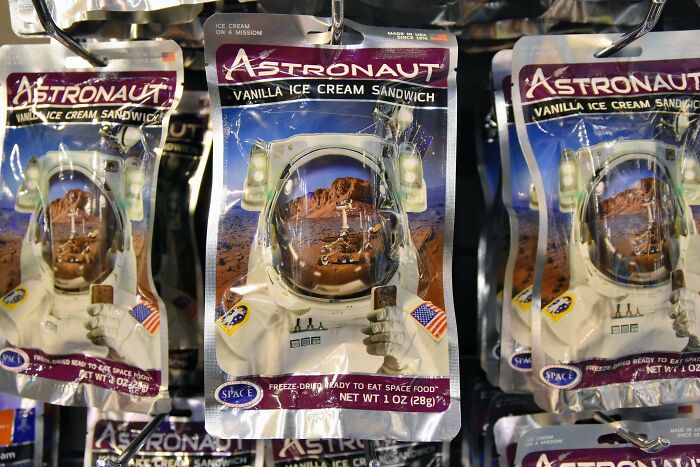
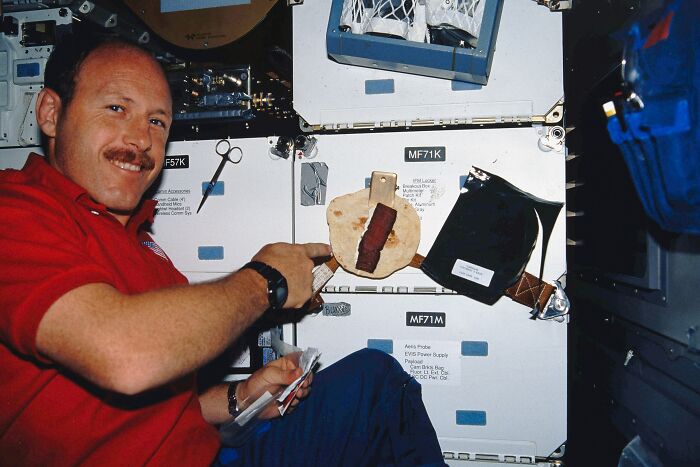
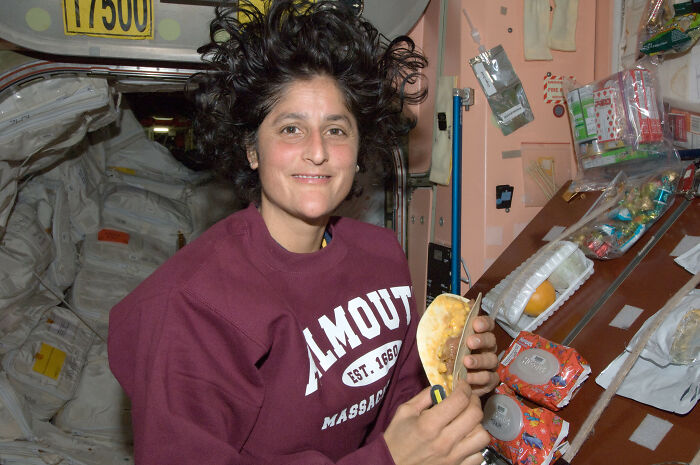
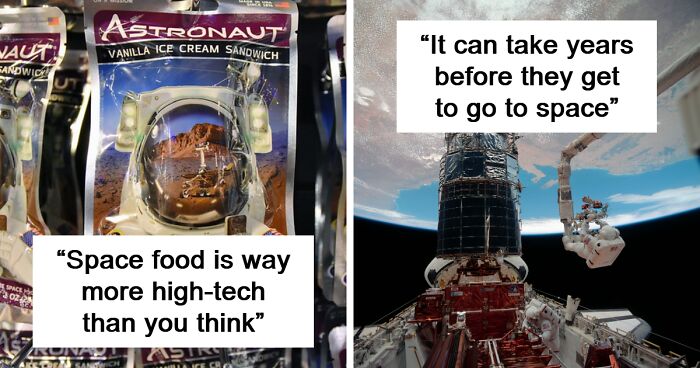
Food for astronauts in space includes many choices like fruits, meats, and desserts, which are often dried and sealed in special bags. This preparation ensures the food is nutritious and easy to eat without gravity, and astronauts just add water to it before meals. The packaging is also very important to stop small bits or liquids from floating around and causing trouble on the spacecraft.
Microgravity can cause an astronaut's heart to become more spherical, a temporary change that reverts after returning to Earth. This alteration in shape is thought to indicate that the heart operates less efficiently in space. Scientists monitor this because extended periods in microgravity, despite the heart returning to normal, may still lead to future heart issues.
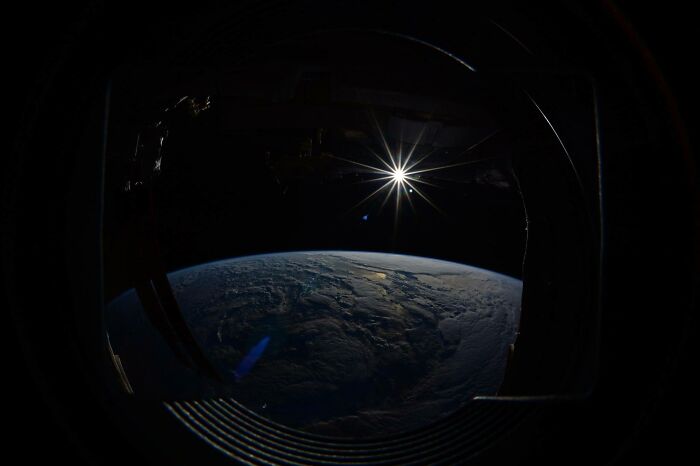
Due to the fact it only takes the ISS roughly 90 minutes to fully orbit the Earth, astronauts on board are treated to a sunrise and sunset every 45 minutes. As you can imagine, this can make trying to get a decent night's sleep quite difficult, especially with the sun frequently popping back into view.
An astronaut is expected to get between 6 and 8 hours of sleep, but when you have 45 minutes of light followed by 45 minutes of dark, this easily disrupts an astronaut's natural day and night cycle! To try and get around this, the ISS has its lights turned up to full brightness for roughly 15-16 hours and then those lights at dimmed for between 8-9 hours when it’s time to sleep and rest.
The design of an astronaut's space gloves, which are heavy and bulky, can unfortunately lead to their fingernails falling off over time. This happens because the gloves put a lot of pressure on the fingers and can reduce or even stop blood circulation, sometimes causing blisters first. As a preventative measure against this painful issue and potential infection, some astronauts have chosen to remove their fingernails before embarking on space missions.
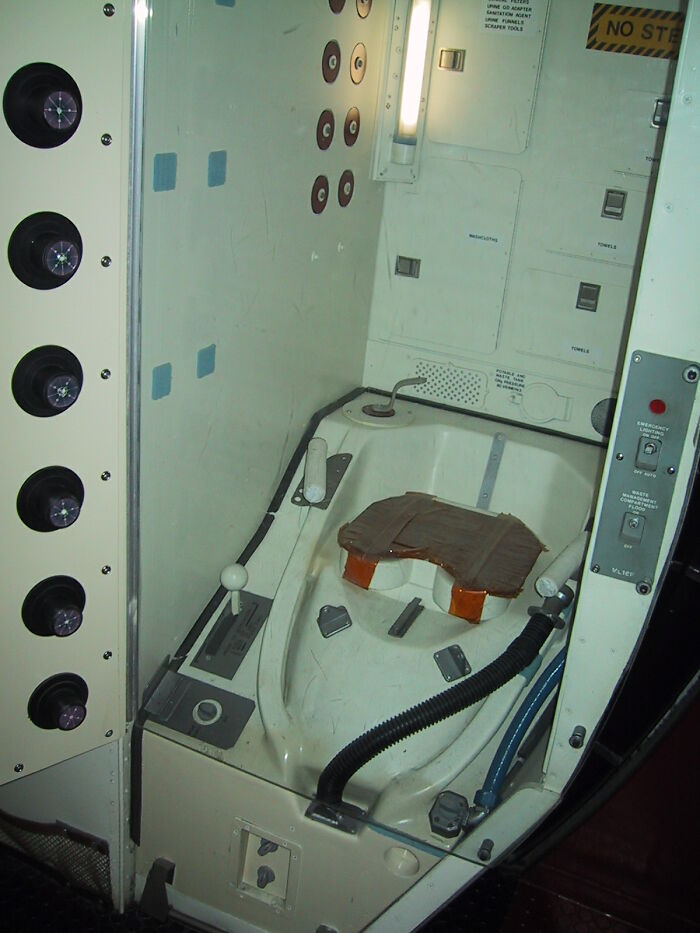
Using the toilet in space requires specific training because the system relies on vacuum suction rather than gravity. Astronauts use hoses with special funnels for urination, and an internal fan directs waste into a container. For solid waste, a very small opening, only about four inches wide, demands careful aim, making this an essential if unglamorous part of astronaut preparation.
The term "star sailor" directly reflects the meaning of "astronaut," a word constructed from ancient Greek. Its origins lie in "astron," which means "star," combined with "nautes," the Greek word for "sailor." These two components together describe those who journey among the stars.
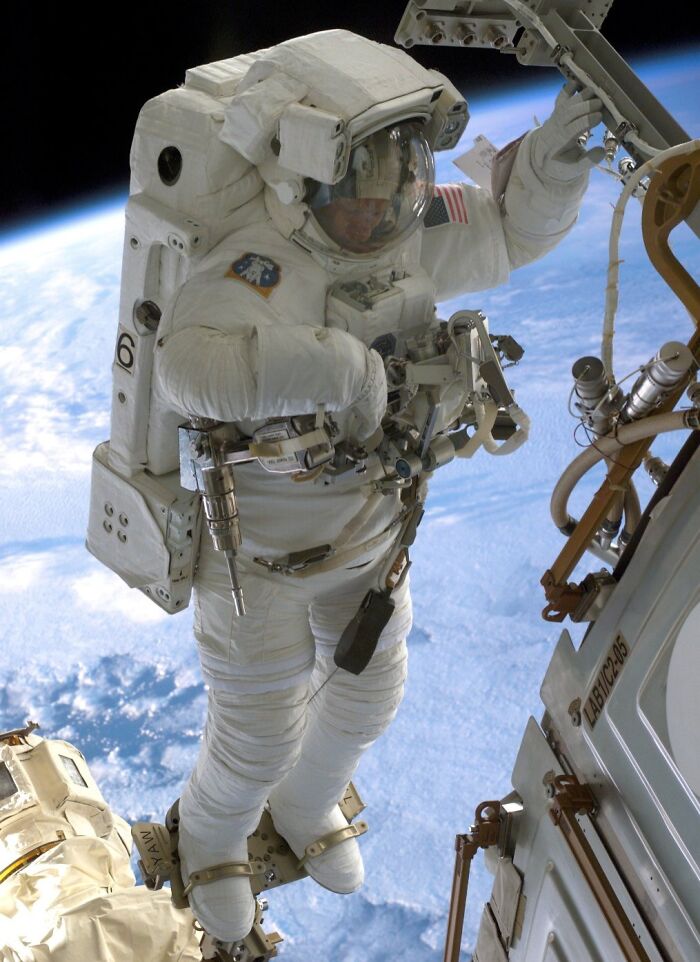
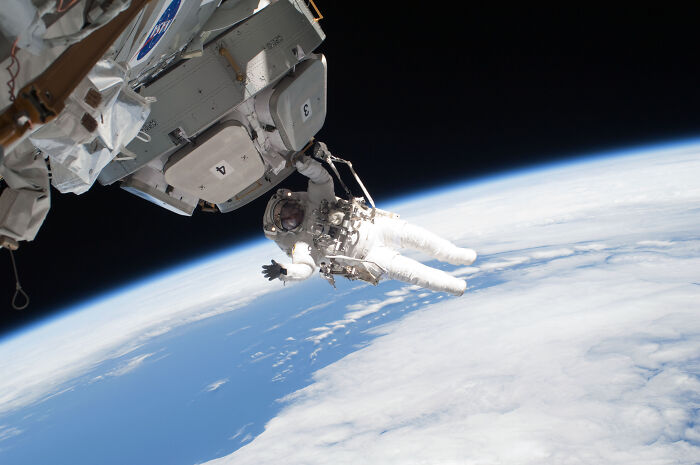
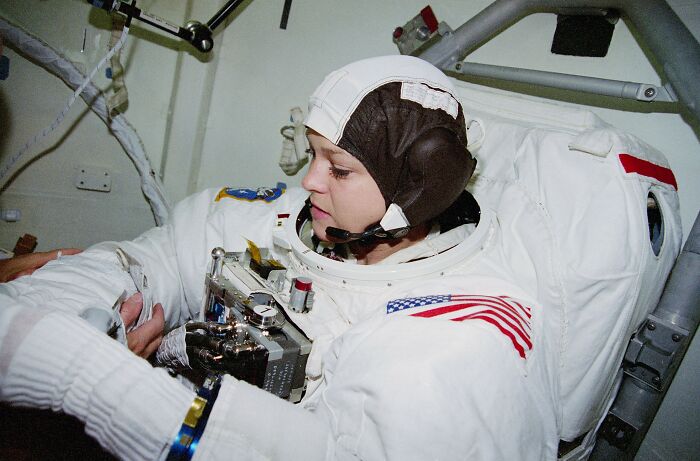
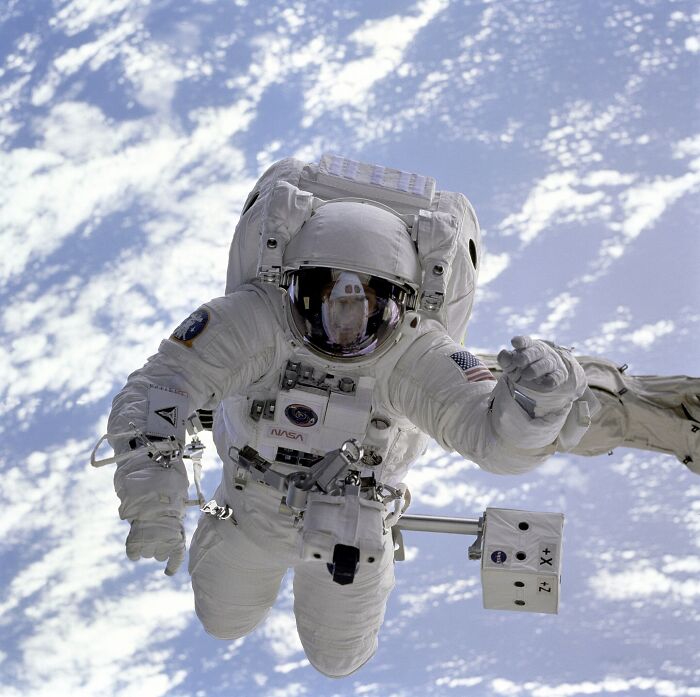
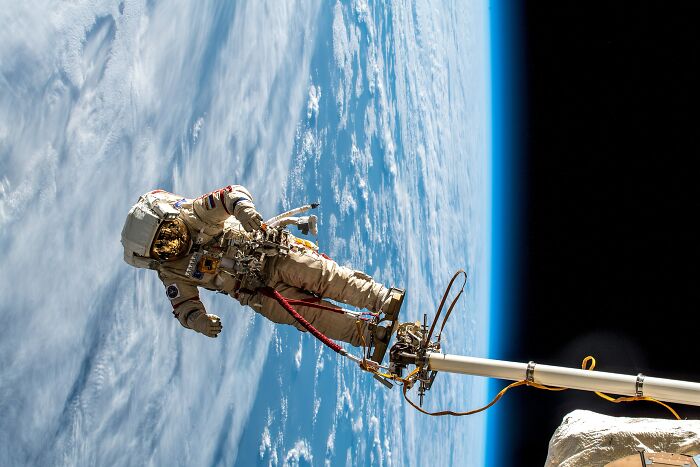
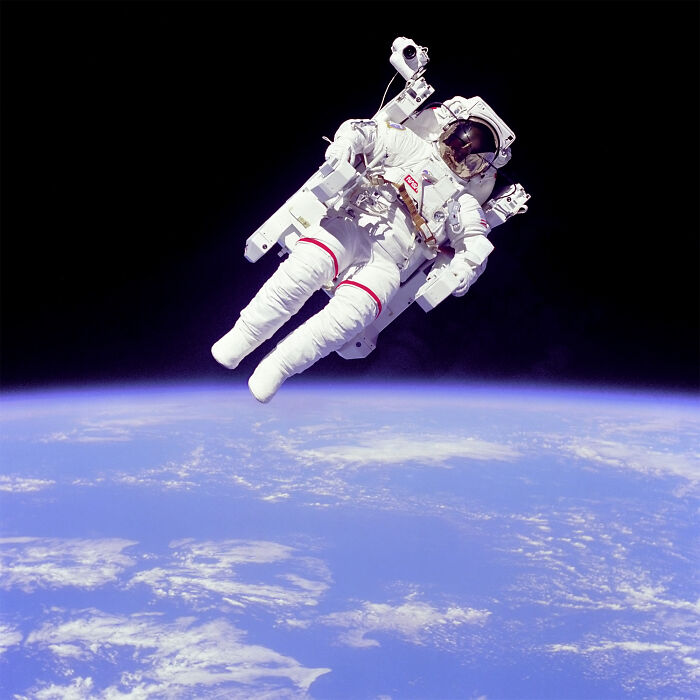
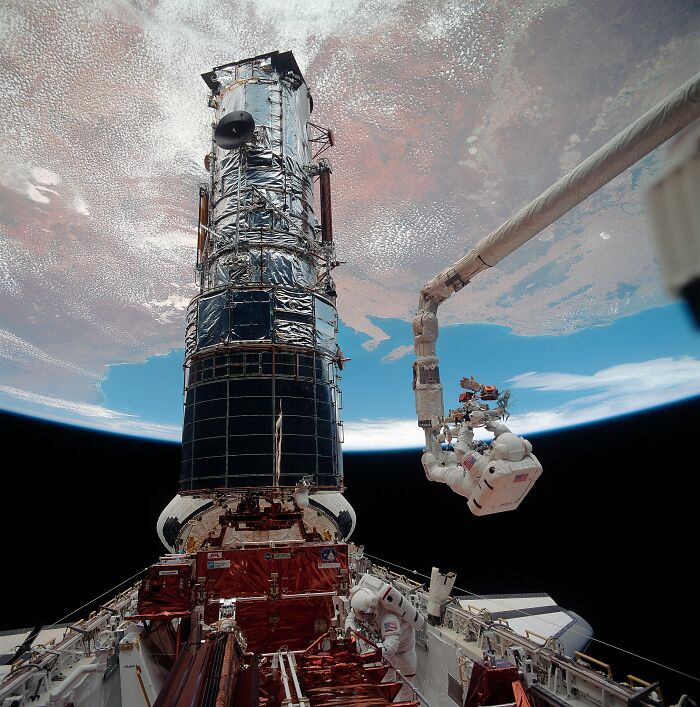
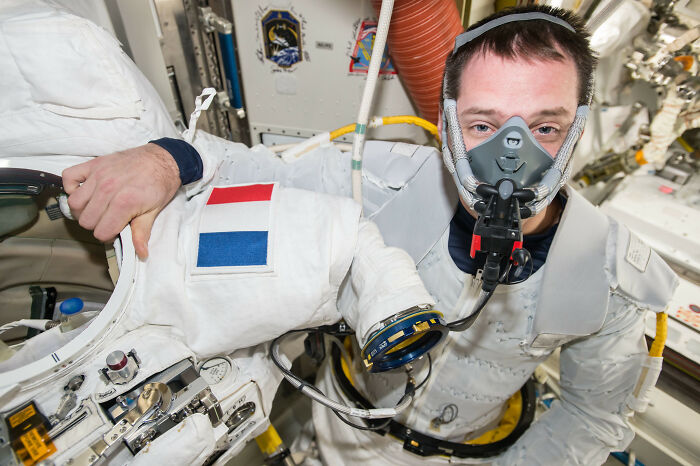
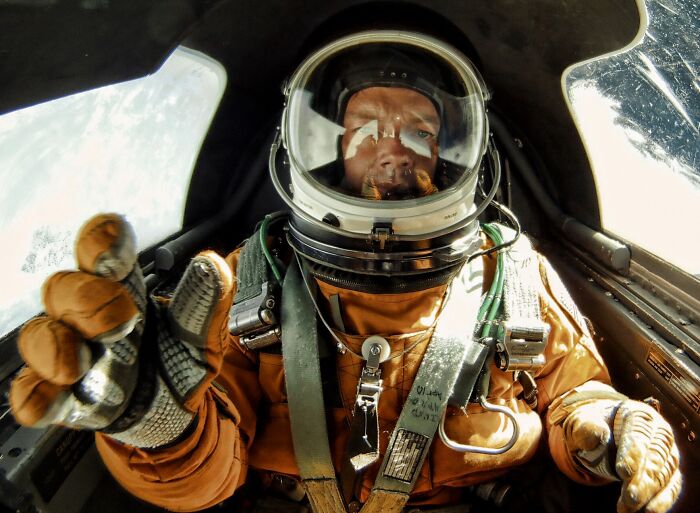
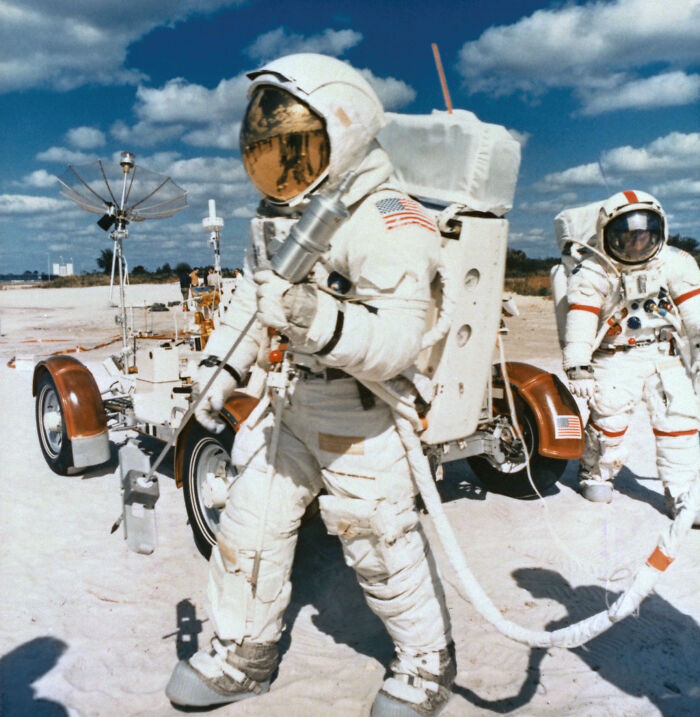
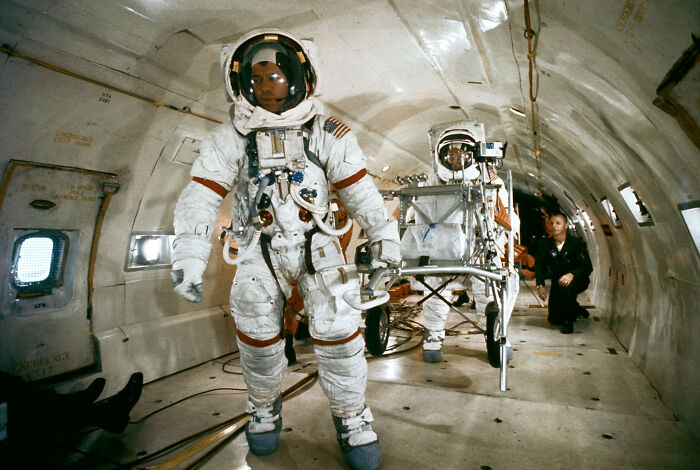
For safety, astronauts wear special suits (EMUs) and stay connected to their spacecraft with tethers when they work outside. These outings, crucial for tasks like repairs, maintenance, or conducting science experiments, help keep space stations and vehicles functioning. Officially known as Extravehicular Activities (EVAs), these spacewalks require significant planning and preparation.
Because astronauts might face off-course landings in challenging terrains after returning from space, or encounter equipment failures in orbit, extensive wilderness survival training is standard.
Space agencies worldwide ensure their crews are prepared by conducting this training in diverse environments, from deserts and jungles to frigid forests, sometimes with guidance from military survival experts. These programs involve practicing essential skills like first aid, using emergency supply kits, and responding to simulated emergencies, ensuring astronauts are ready for a variety of hazardous situations.
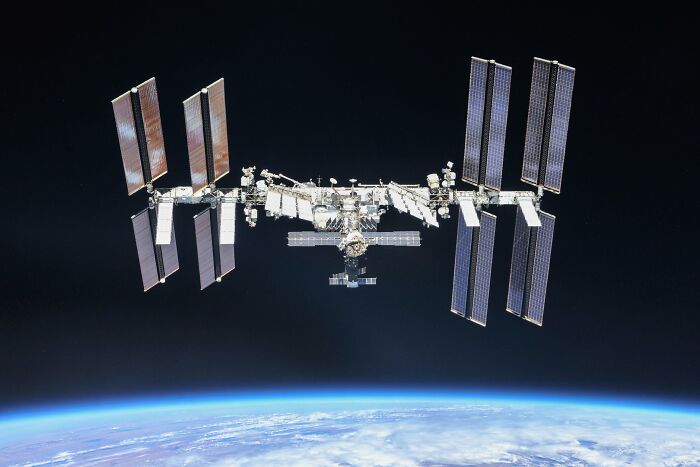
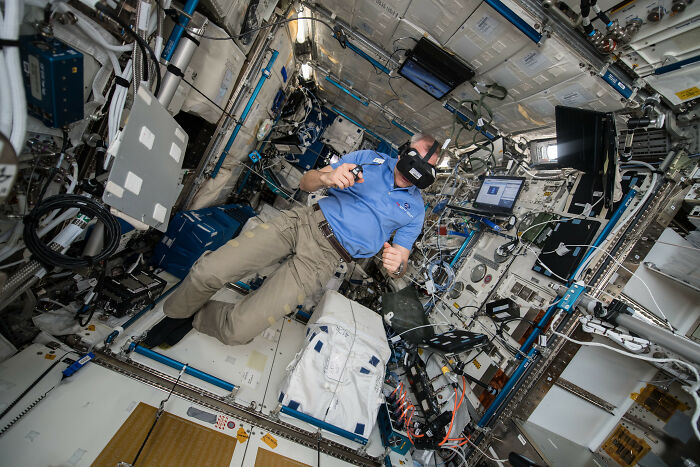
Representing a significant international partnership, the International Space Station (ISS) involves space agencies from the United States (NASA), Russia (Roscosmos), Europe (ESA), Japan (JAXA), and Canada (CSA). This orbiting laboratory allows astronauts from these diverse nations to conduct a wide array of scientific experiments in fields such as biology and physics. The ISS stands as a symbol of peaceful cooperation and shared scientific advancement in space exploration.
A consequence of Einstein's theory of relativity is that astronauts in space experience time, and therefore aging, slightly differently than people on Earth. This occurs because massive objects like planets warp space-time with their gravity, causing time to pass at different rates depending on proximity to that gravitational force. For those aboard the International Space Station, this means they age a tiny fraction of a second slower, illustrating how time is not absolute.
In space, astronauts often find their senses of smell and taste are dulled. This happens because the lack of strong gravity allows bodily fluids to shift upwards towards the head. This fluid redistribution can create a sensation similar to congestion, impacting their ability to fully perceive flavors and aromas.
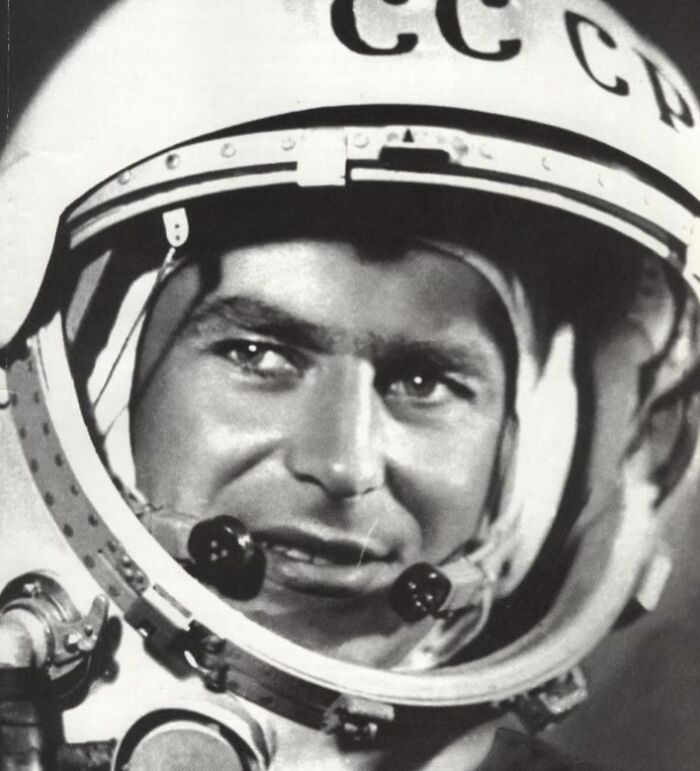
At the age of 25, Russian cosmonaut Gherman Titov became the youngest individual to venture into space. His historic flight aboard Vostok 2 took place on August 6, 1961, marking a significant early milestone in space exploration. The mission itself spanned just over 25 hours, solidifying Titov's place in history.
Even after completing extensive training, astronauts may not travel to space for several years, sometimes working on ground-based projects like engineering support during this waiting period.
For example, Dottie Metcalf-Lindenburger had a four-year gap and Christer Fuglesang waited 14 years for their first missions following their initial and specialized instruction. This pre-assignment phase ensures astronauts remain active in their space program while anticipating their flight.
During space missions, astronauts can experience changes to their eyesight. This phenomenon is often linked to increased pressure inside the skull, a condition known as intracranial pressure. These vision issues are a notable physiological effect observed in individuals working in microgravity.
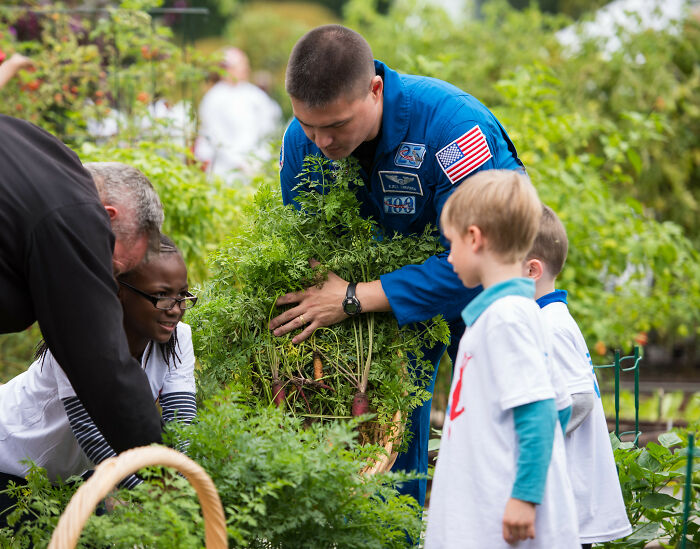
Gardening in space has become a reality, with astronauts successfully cultivating various plants such as zinnias, lettuce, and radishes. This ability to grow fresh food in the microgravity environment is an important development. These botanical experiments help scientists understand plant growth under unique conditions and support long-duration space missions.
The "Maximum Absorbency Garment" is crucial for astronauts conducting spacewalks or other activities outside their spacecraft, as it allows them to work for prolonged periods without needing to return inside. This specialized undergarment, effectively an adult diaper, addresses the challenge of managing bodily functions when toilet facilities are inaccessible. Its design ensures that missions can continue uninterrupted by basic human needs, especially during critical external operations.
Many astronauts, over half in fact, encounter Space Adaptation Syndrome, a form of motion sickness experienced in orbit. This condition, often called "space sickness," can bring on symptoms like headaches, nausea, and general unease as the body adjusts to microgravity. The severity of these symptoms can vary, with former senator Jake Garn's notable case leading to an informal "garn" scale used by astronauts.
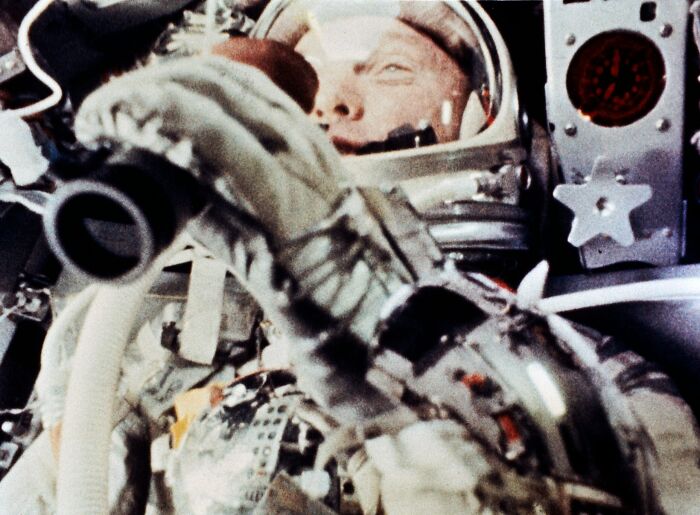
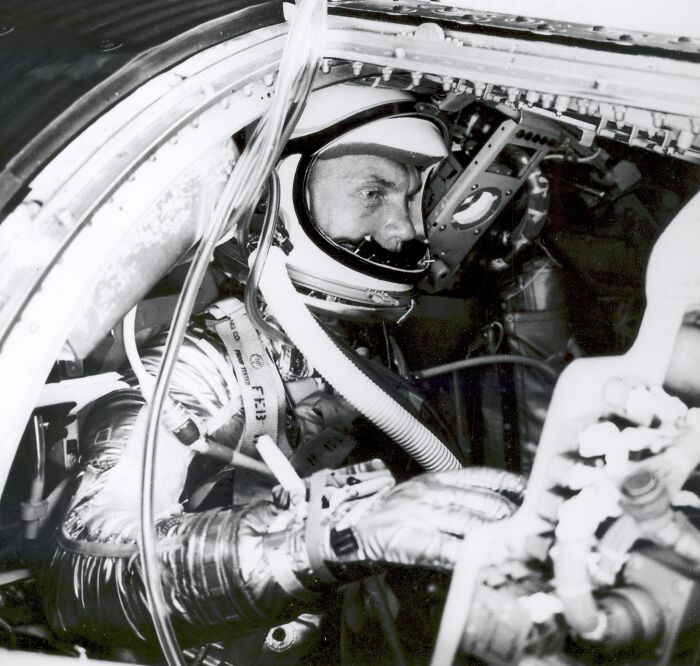
Special eyewear is used by astronauts to help with vision changes that can occur due to prolonged exposure to microgravity, a condition NASA calls Spaceflight-Associated Neuro-ocular Syndrome (SANS). Maintaining good eyesight is essential for the detailed work astronauts perform, and this space-related health issue is carefully studied for long missions. Even pioneering astronaut John Glenn carried "space anticipation glasses" to address potential visual challenges.
Daily exercise for at least two hours is essential for astronauts to combat the weakening of muscles and bones caused by the lack of gravity. Using equipment like treadmills and resistance devices, they work to prevent significant physical deterioration. This consistent activity also helps manage bodily fluid shifts, such as plasma loss, which can affect oxygen circulation.
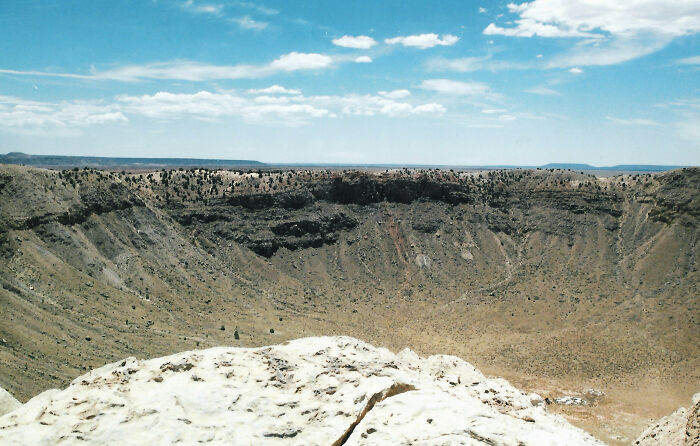
Northern Arizona is home to Meteor Crater, a significant landmark over 170 meters deep and more than a kilometer across, which NASA has used for astronaut training since the Apollo program. Formed by a meteorite impact roughly 50,000 years ago, this site allowed early astronauts to practice mapping and surveying. The crater continues to be a valuable training location for new NASA recruits preparing for space missions.
Beyond physical fitness, prospective astronauts undergo thorough psychological evaluations. These assessments are vital to determine if individuals possess the mental fortitude required for space travel. Dealing with high-stress situations, prolonged isolation, and close-quarters teamwork are all part of the job, making psychological stability a key selection criterion.
The invention of the Super Soaker can be traced back to NASA scientist Dr. Lonnie Johnson, though it was an accidental discovery. While he was experimenting with a new heat pump design that used water instead of Freon, a powerful jet of water shot across his lab. This unexpected event sparked the idea for the popular children's water toy.
Individuals who travel to space are known by different titles depending on the agency that trained them, such as Astronauts for NASA, ESA, CSA, or JAXA, Cosmonauts for the Russian Space Agency, and Taikonauts for China. Despite these varied names, which in some cases like "Astronaut" versus "Cosmonaut" stem from historical events like the Space Race, their fundamental job in space is the same. Essentially, these titles reflect the country or agency of origin rather than a difference in their core profession.
To become an astronaut, individuals must pass a demanding selection process implemented by space agencies like NASA, ESA, and Roscosmos. These organizations typically seek candidates with backgrounds in engineering, science, medicine, or aviation. The criteria for selection are notably strict, ensuring only highly qualified individuals are chosen.
Aspiring NASA astronauts do not face an age restriction, but they must meet several other key requirements. A bachelor's degree in a STEM field like engineering, biology, or computer science is necessary, as is US citizenship. Additionally, candidates need either 1,000 hours of jet piloting experience or three years of relevant professional work, along with excellent vision, though wearing glasses is permissible.
The absence of significant gravity in space causes several changes in an astronaut's body, including the weakening of muscles and a reduction in bone density. Bodily fluids also tend to shift towards the upper body, sometimes leading to facial puffiness. To help manage these effects of weightlessness, astronauts follow strict daily exercise routines and may use dietary supplements.



























 No fees, cancel anytime