Get Premium
Dark mode theme is available exclusively for premium users. Learn more about the benefits of subscribing.
No fees, cancel anytime.

 Dark Mode Ad-Free Browsing Unlimited Content
 Ad-Free Browsing Unlimited Content Dark Mode
Join 1.2 million Panda readers who get the best art, memes, and fun stories every week!
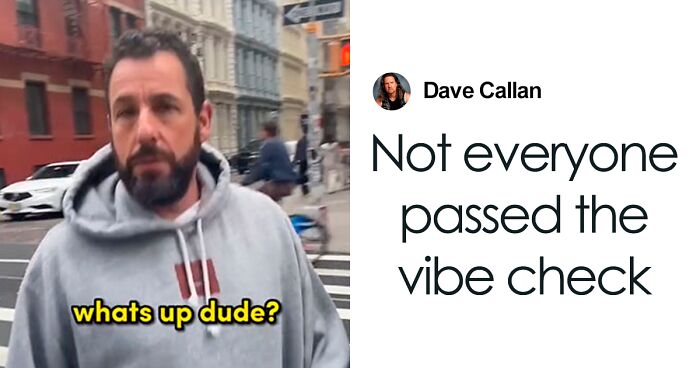
Edward Zharnitsky, better known online as Ted Zhar, has over one and a half million people following him across various social media platforms.
Zharnitsky made a mark on the internet in August 2020, after sharing a video in which he approached a Ferrari driver and asked him about his profession and how he had earned enough money to purchase the car.
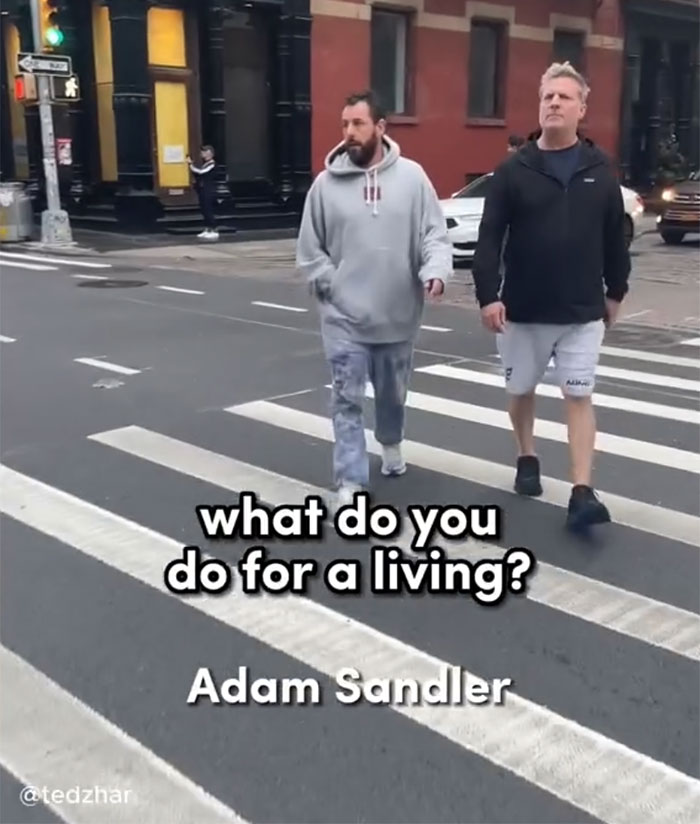
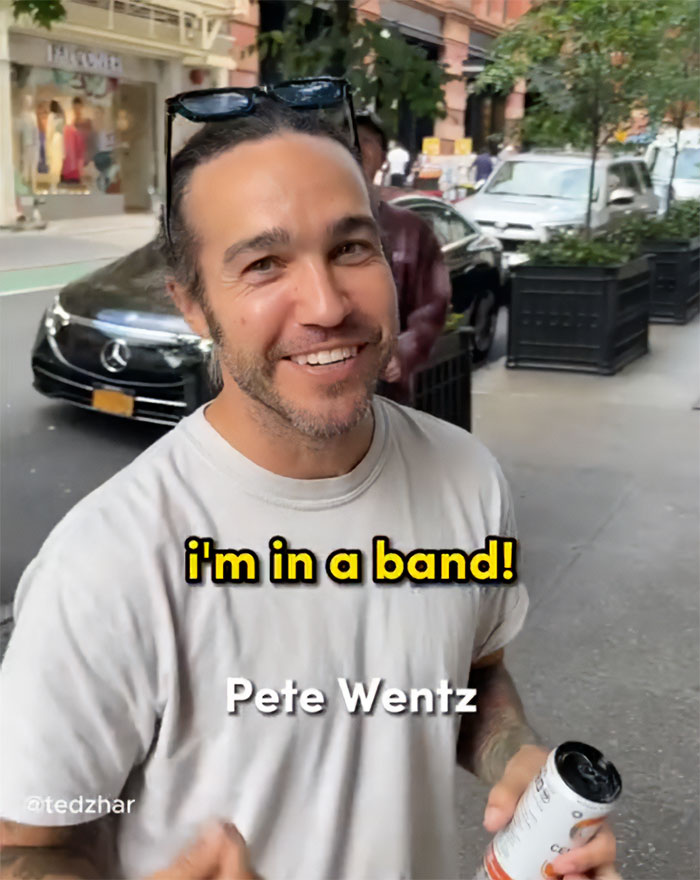
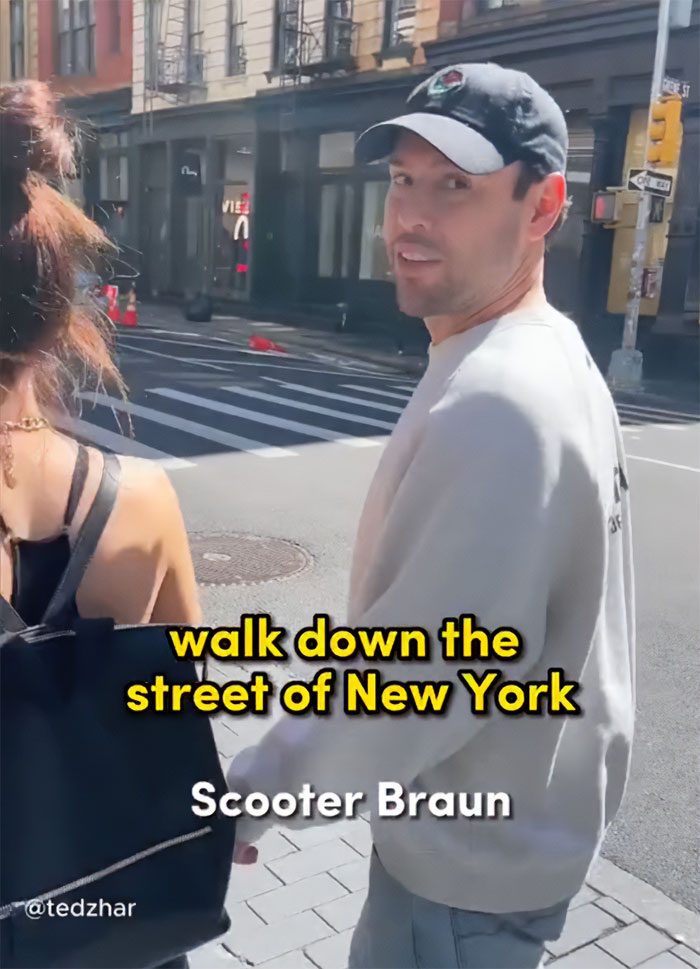
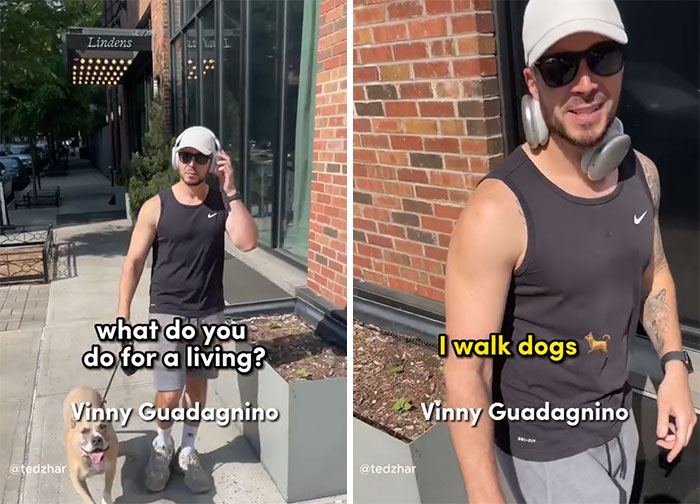
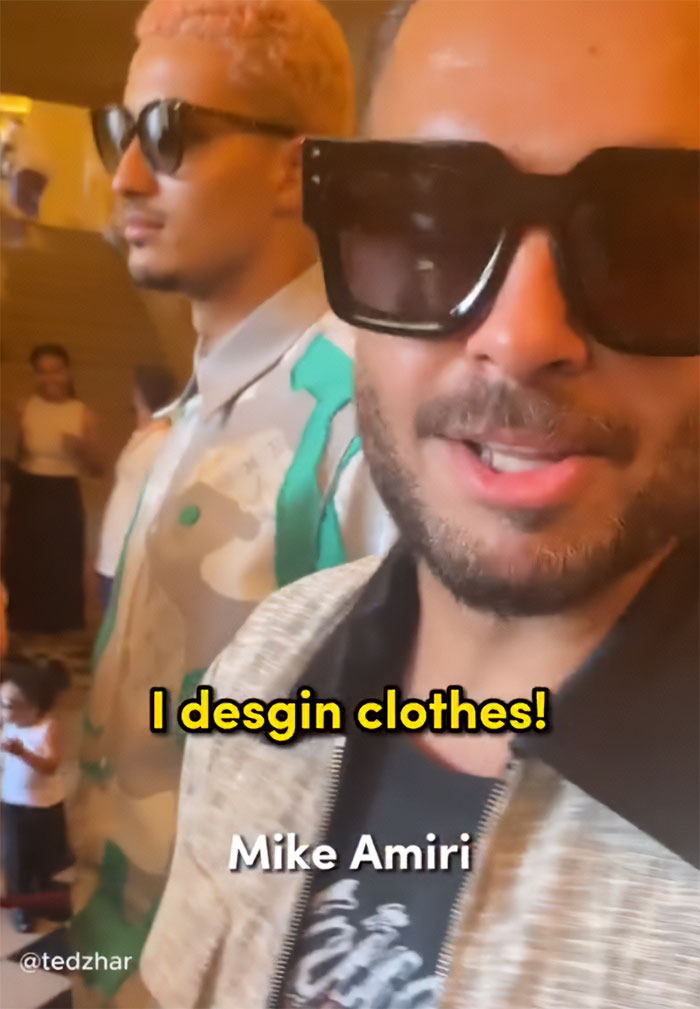
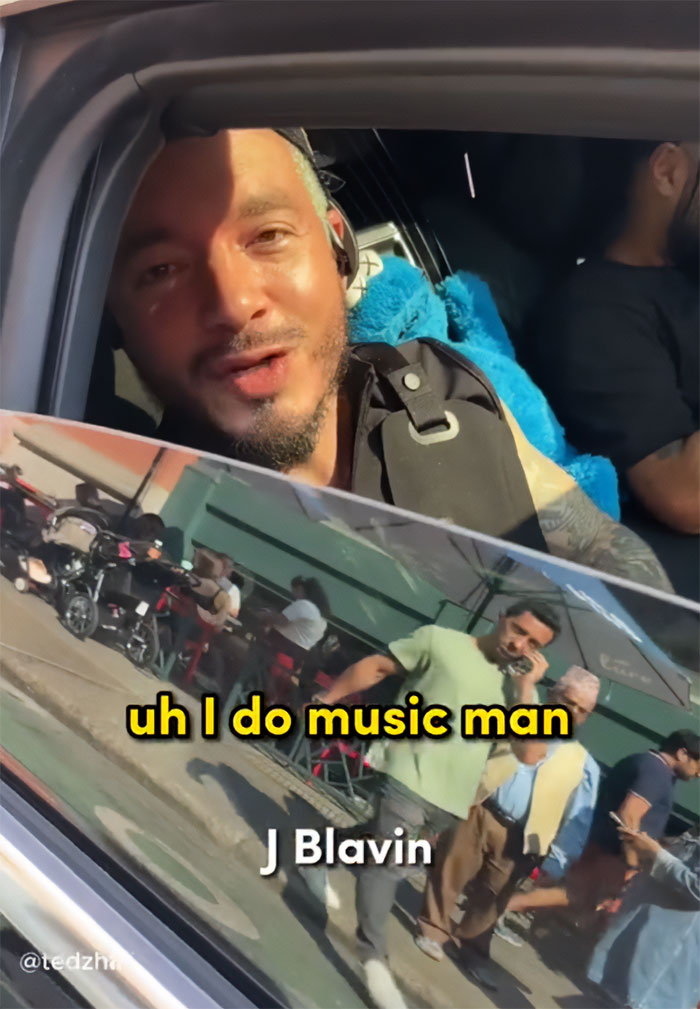
The clip went viral and Zharnitsky began a series where he stops people and asks them what they do for work.
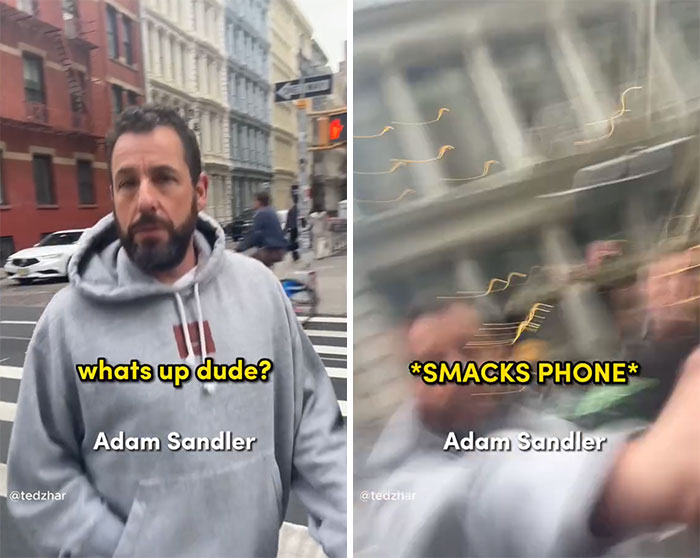
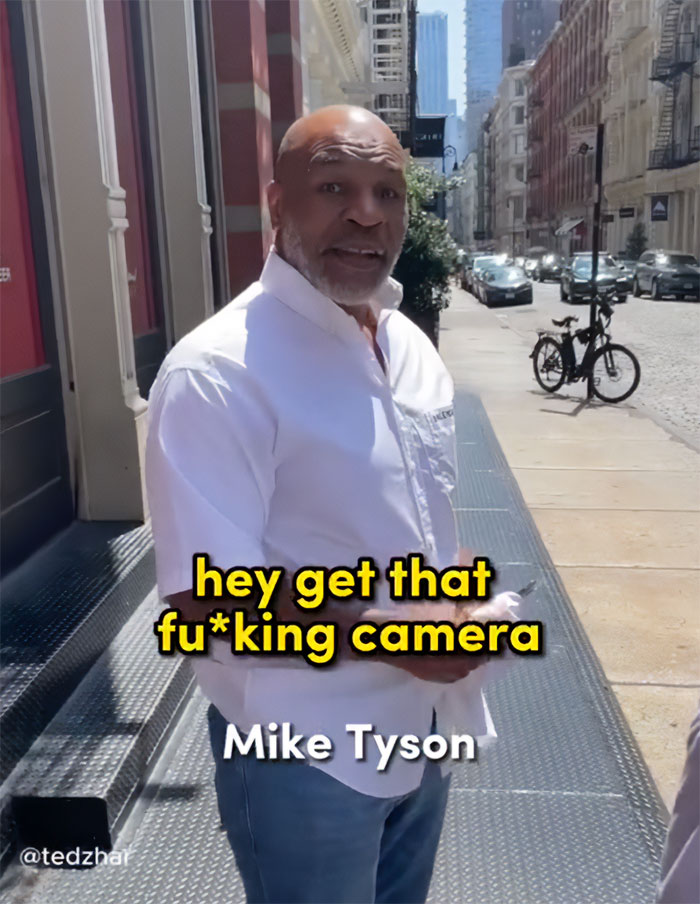
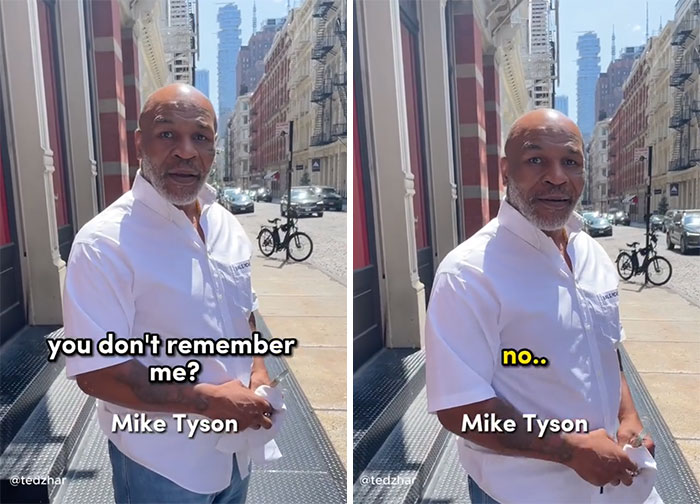
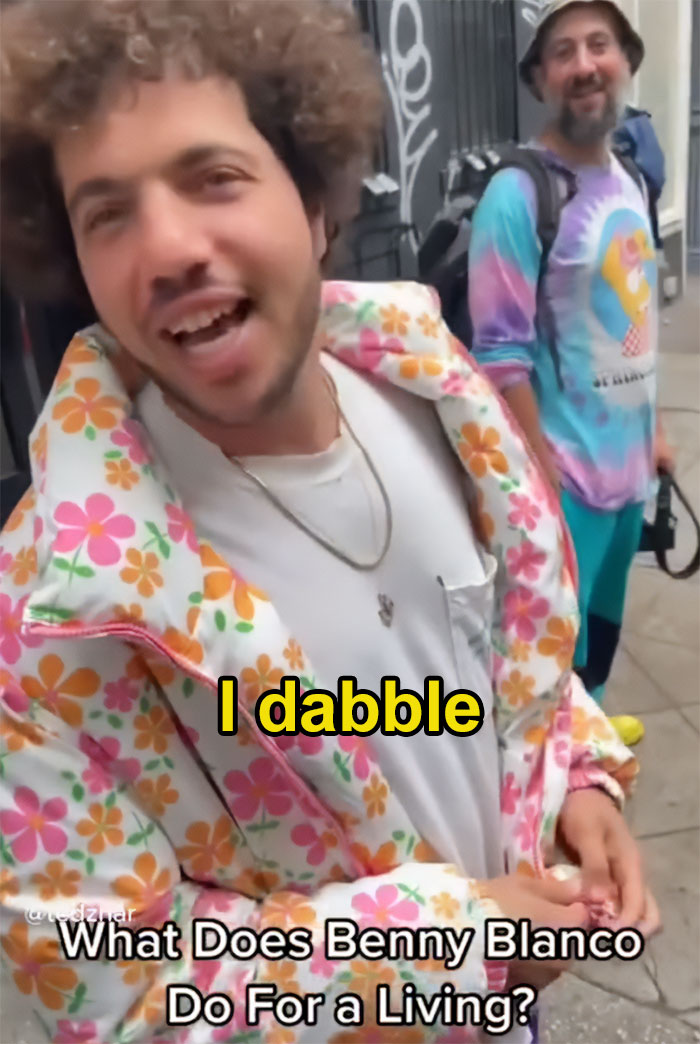
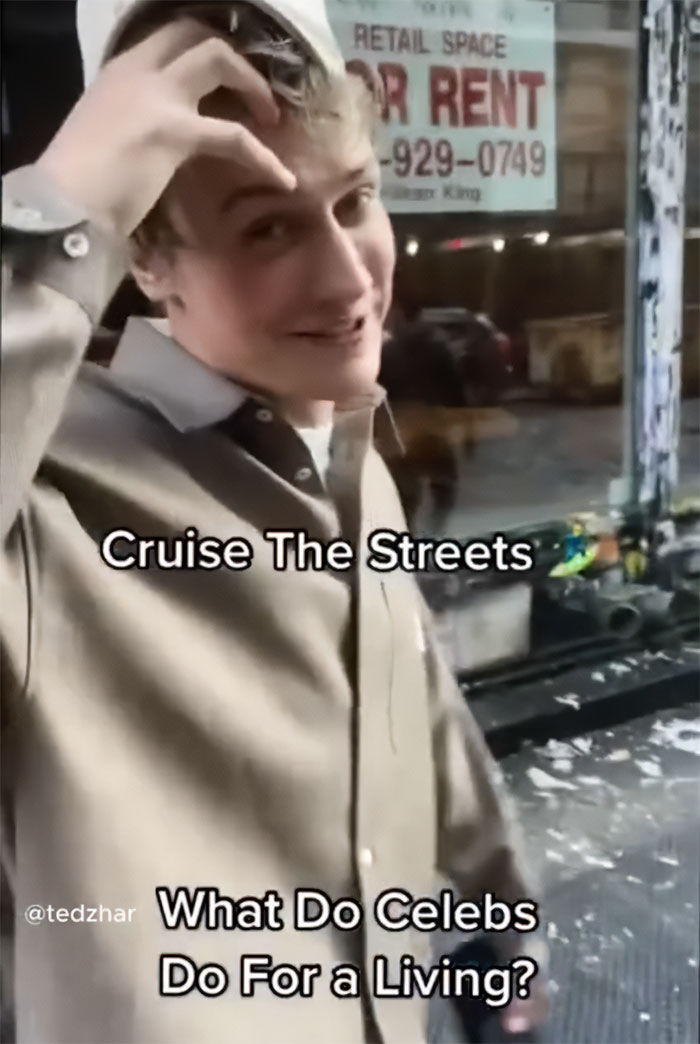
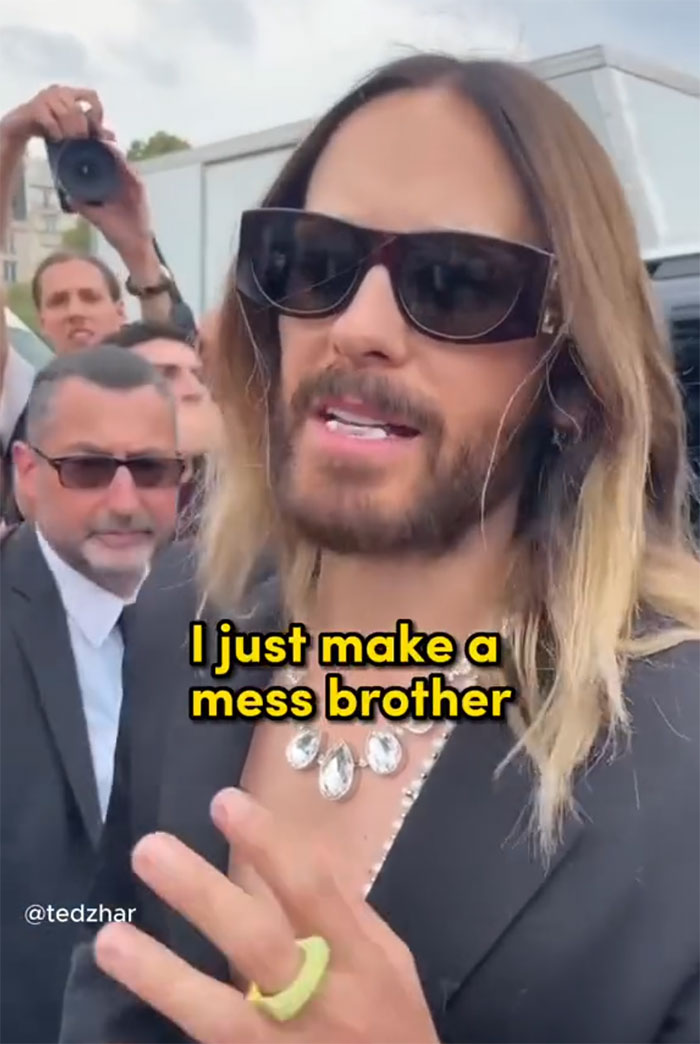
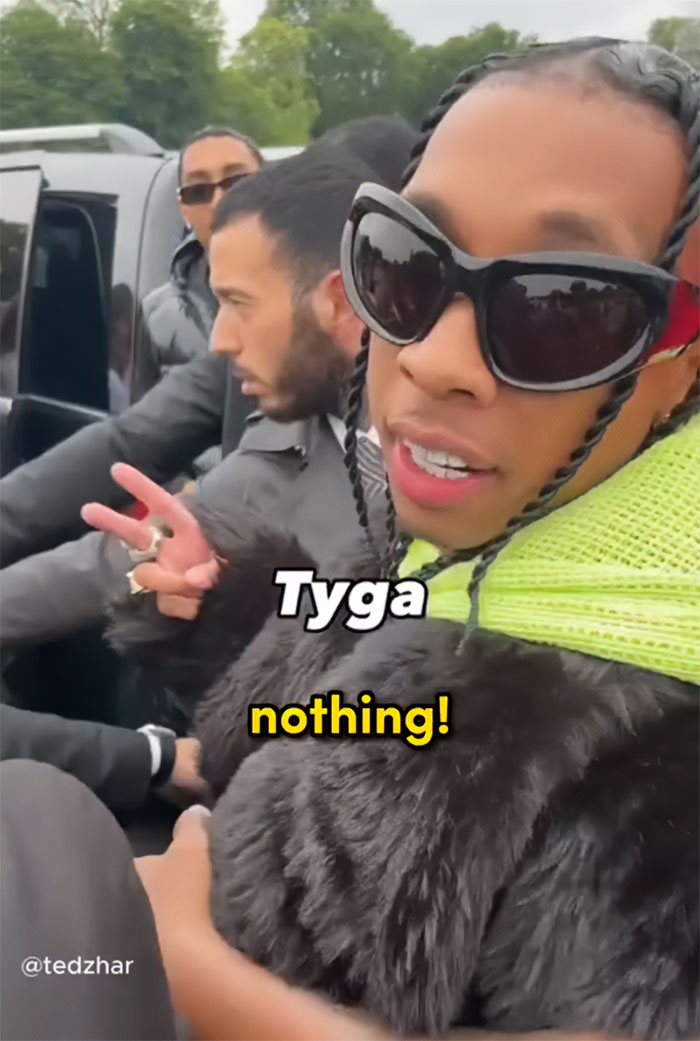
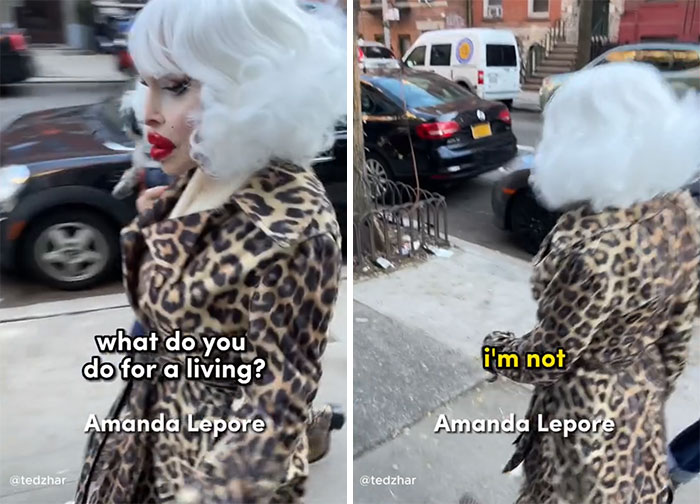
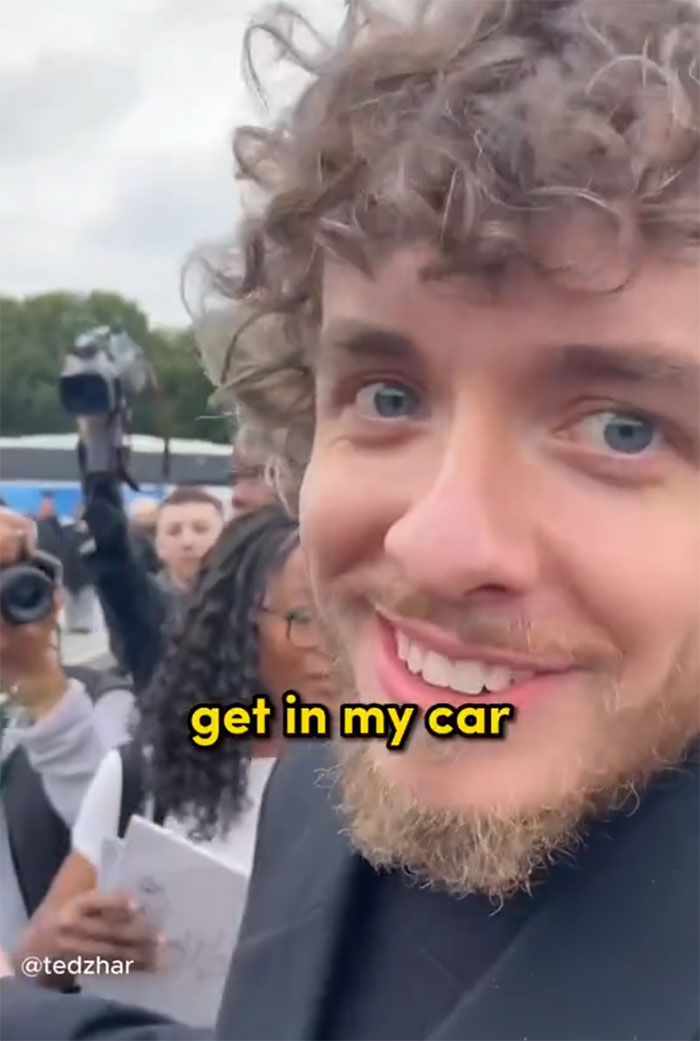
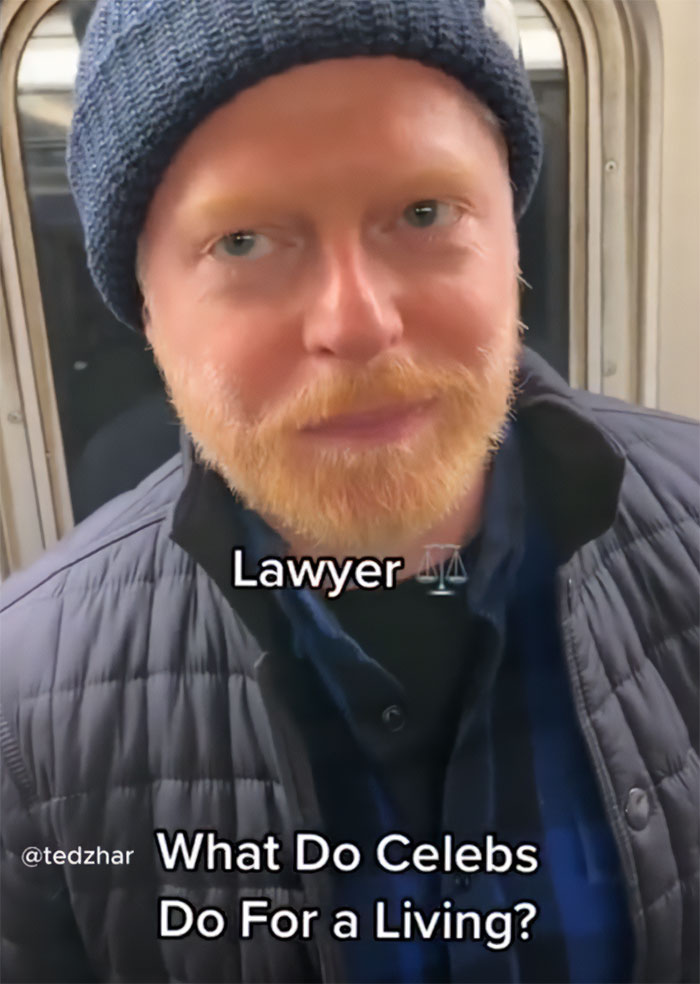
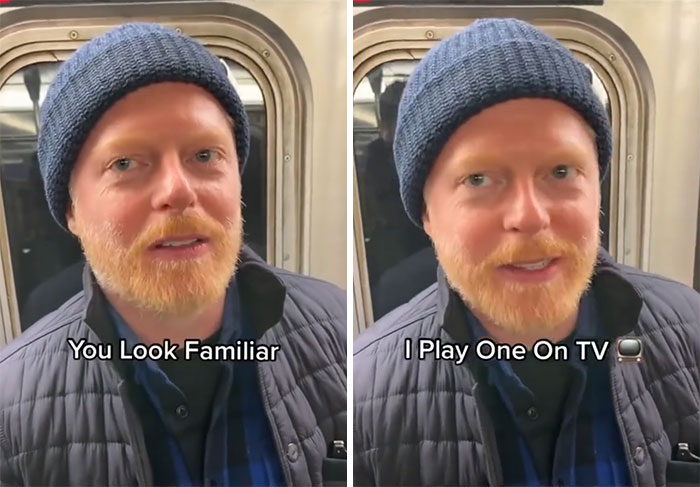
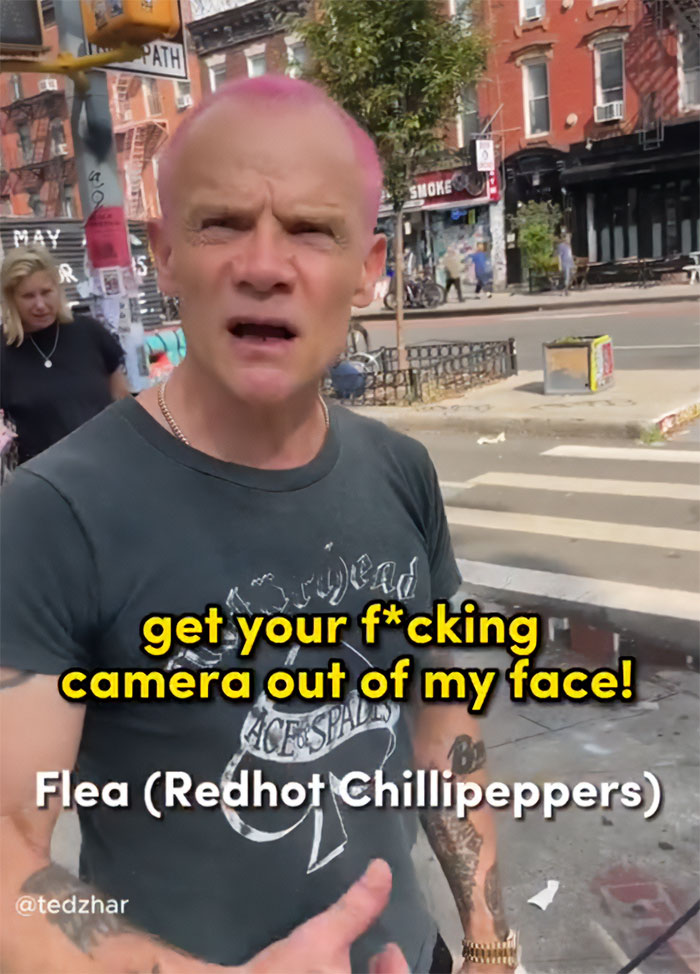
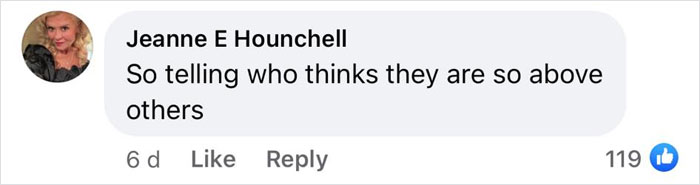
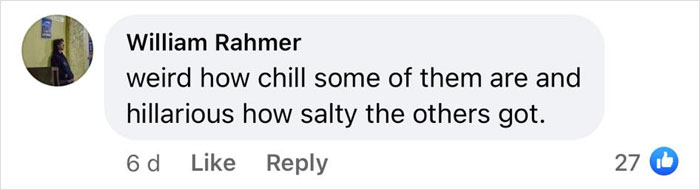
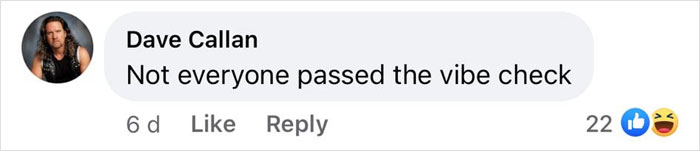
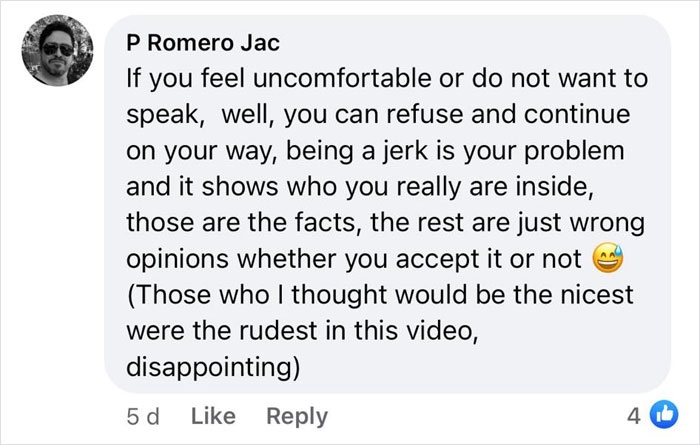
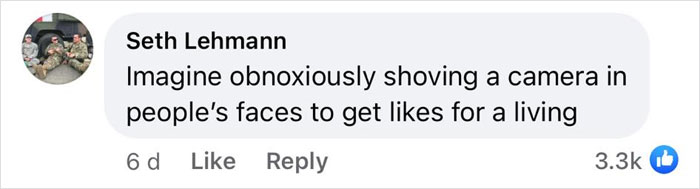
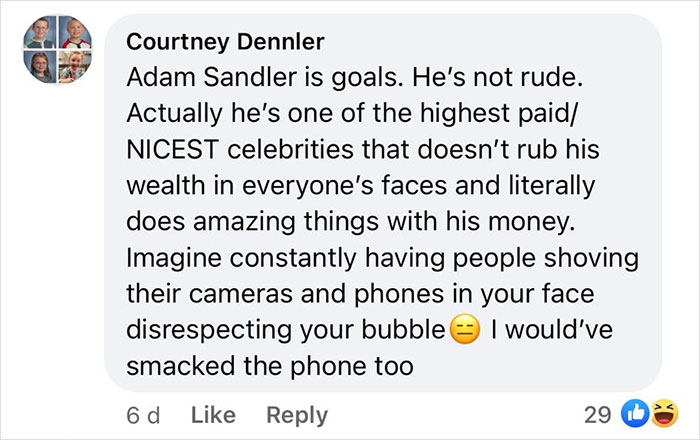
Every now and then, he also spots a celebrity and strikes up a conversation just as he would with a regular person. But these uploads often receive a mix of different reactions, prompting a discussion on entitlement as well as the blurred lines between fame and authenticity.
More info: Instagram | Facebook | TikTok | YouTube
@tedzhar What Does Every Celebrity I’ve Met Do For A Living? #celeb#famous#nyc#viral#interview#wdydfal#jobs#career♬ original sound – Ted Zhar
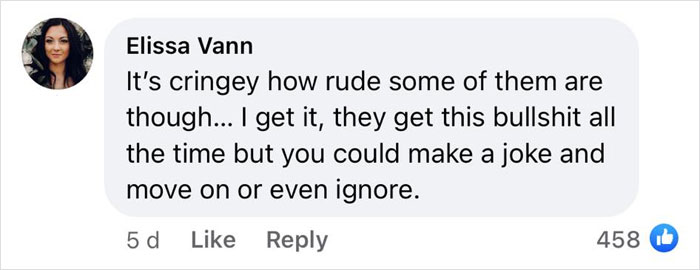
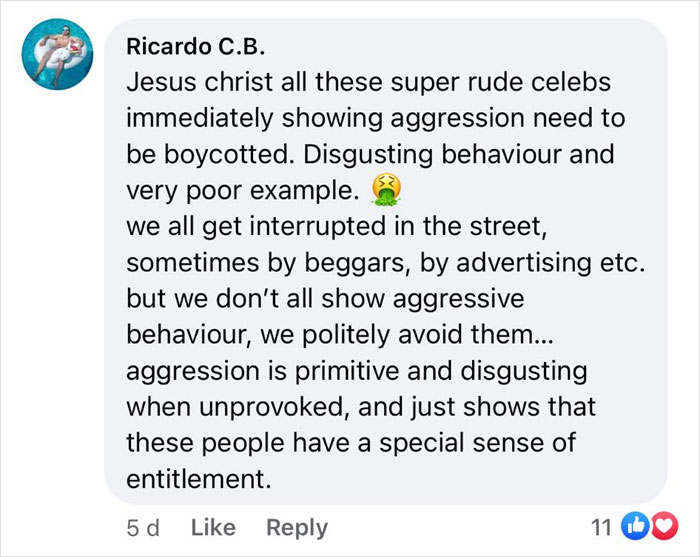
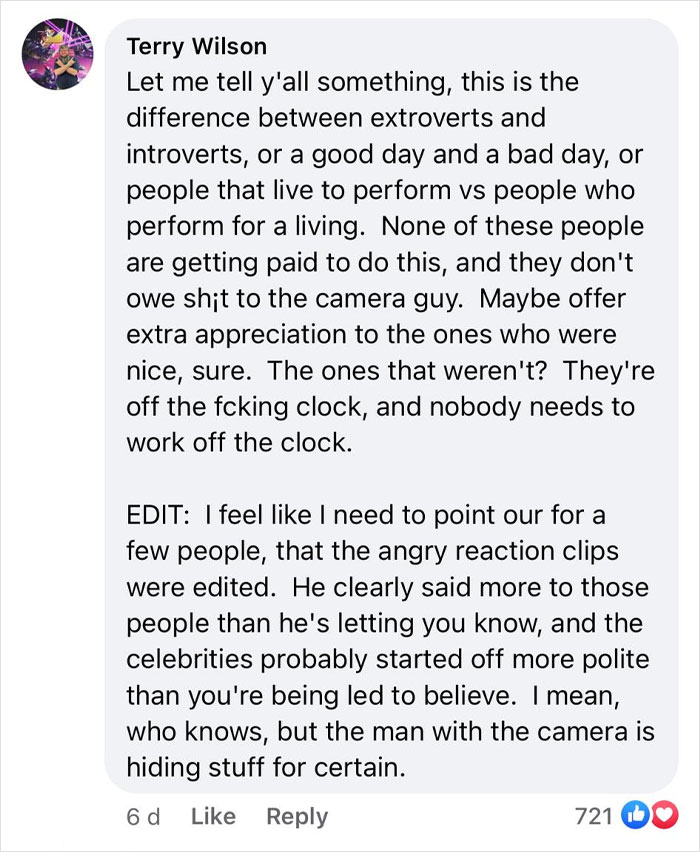
At first, some of the ruder reactions might seem ridiculous. “These people might have it all, but that doesn’t give them the right to behave so poorly.”
However, being a celebrity isn’t a walk in the park. Literally.
“The big house on a hill is isolating,” George Clooney once said. “There’s no other way to say it. There are restrictions to this kind of fame. I haven’t walked in Central Park for 15 years. I’d like to, you know?”
Who knows, maybe these people were already approached by a hundred people that day before Edward Zharnitsky came up. And it wasn’t like they had an interview set up or anything.
In her book, Outrageous Invasions: Celebrities’ Private Lives, Media, and the Law, professor Robin Barnes examined how the private lives of the rich and famous – on display for the public in the form of entertainment news shows, tabloid magazine headlines, and online Hollywood gossip blogs – are routinely invaded in what she calls our “tell-all society.”
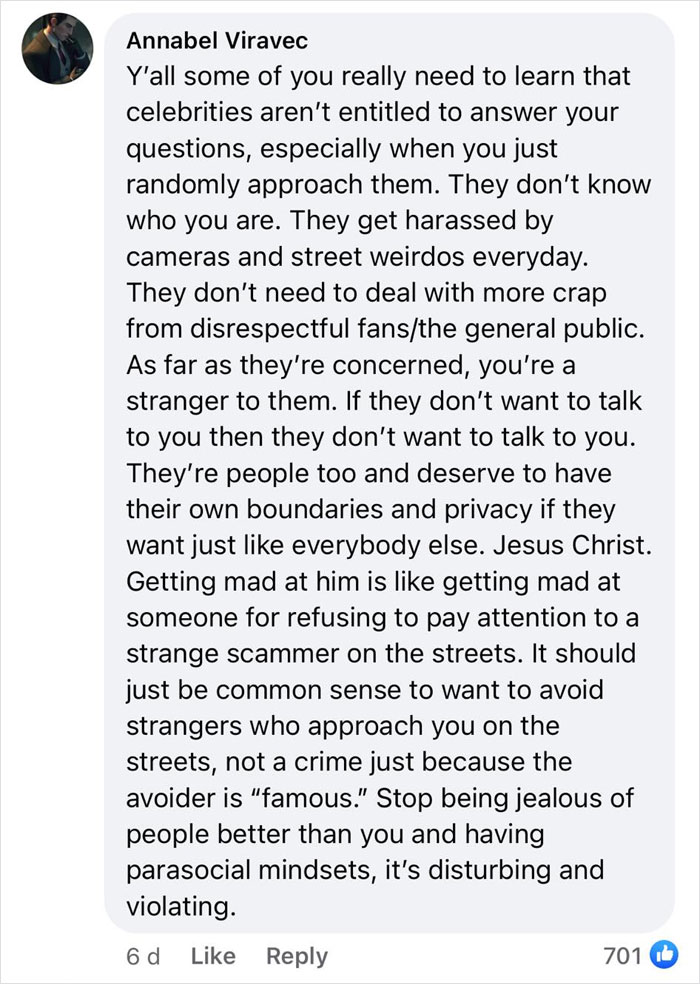
“Citizens of the United States [and] European Union are guaranteed constitutionally protected rights to safety, privacy, and freedom of self-expression,” Barnes wrote in her introduction to the book. And yet, she asserted, these rights are frequently violated in the case of celebrities.
According to Barnes – who has taught courses in constitutional law and has served as a national and international speaker on democracy, free speech, privacy, and human rights – not every celebrity should necessarily be regarded as a public figure, nor should their personal lives be considered “matters of public concern.”
“We know we have to keep an eye on public officials,” she said. “The question is, does that entitle us to know everything about Monica Lewinsky’s dress? Why throw every athlete, actor, and musician into the same pot? Celebrities are not public servants. They don’t wield that much influence.”
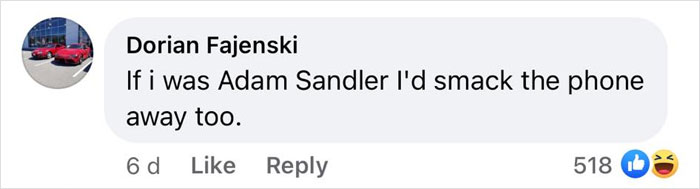
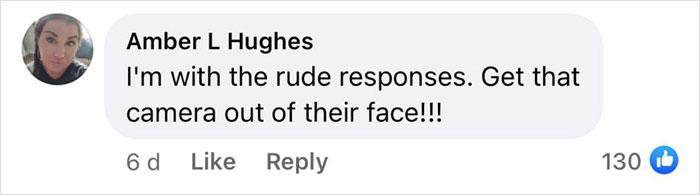
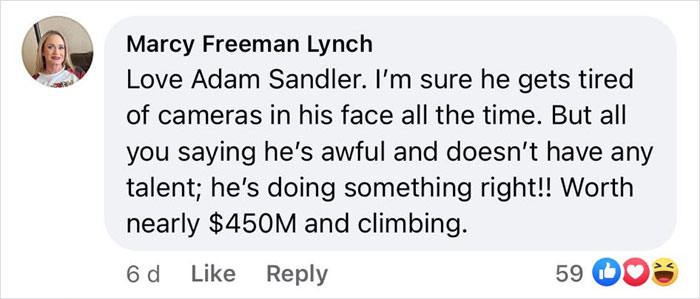
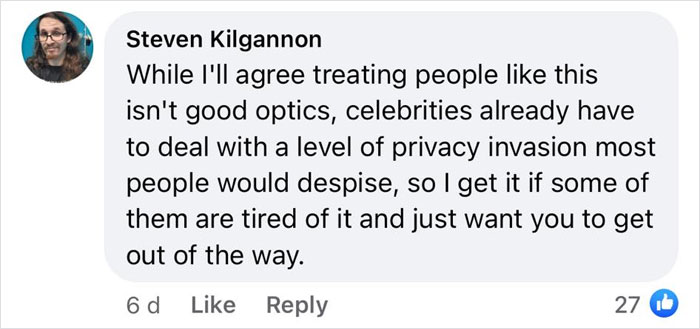
I’m not suggesting that Zharnitsky did something evil, too. This is a complex web of public fascination and personal boundaries we’re witnessing. It’s just maybe we shouldn’t condemn someone for a random exchange on the street.
91Kviews
Share on Facebook
If some rando stuck a camera in your face on your way to a Dr appointment or something you'd be annoyed so as "civil" as you think you are, if someone did that to you every single day of your life and you had to hire bodyguards and wear shades and hats just to prevent it you'd be pissed by now too!!!

If we get to see the full minute before the question, then maybe we can judge. Imagine you're walking on the street with your brother deciding something intense and personal (like how to keep thanksgiving civil in a family-at-war, or progress of a disease) and you get rudely interrupted like that "and you owe me, the public, a kind and/or funny remark" --- no, I don't.
Load More Replies...
I wouldn't judge the ones who got pissed off too hard. They probably have complete strangers getting into their space and being rude quite often and everyone has a bad day sometimes. If this were repeated behaviour though...

Yeah you never know if they just got some horrible news etc.
Load More Replies... If some rando stuck a camera in your face on your way to a Dr appointment or something you'd be annoyed so as "civil" as you think you are, if someone did that to you every single day of your life and you had to hire bodyguards and wear shades and hats just to prevent it you'd be pissed by now too!!!
If we get to see the full minute before the question, then maybe we can judge. Imagine you're walking on the street with your brother deciding something intense and personal (like how to keep thanksgiving civil in a family-at-war, or progress of a disease) and you get rudely interrupted like that "and you owe me, the public, a kind and/or funny remark" --- no, I don't.
Load More Replies... I wouldn't judge the ones who got pissed off too hard. They probably have complete strangers getting into their space and being rude quite often and everyone has a bad day sometimes. If this were repeated behaviour though...
Yeah you never know if they just got some horrible news etc.
Load More Replies... 








 No fees, cancel anytime











-32
43