43submissions
Finished
43 Archeological Wonders You Might Not Have Known Existed, As Shared On This Instagram Page
The lessons of the past aren’t just written in history books and brittle, yellowing scrolls—they’re also worked into the art and architecture we appreciate, whether it’s in our beloved museums, protected sites in the Great Outdoors, or splendidly photographed and posted on our favorite social network.
It’s vital to know the past of your country and humanity as a whole because it helps grow your appreciation for just how civilization has changed over the millennia and who we as a society are in that historic context. This very same link to the past also provides a ton of insights into how aesthetics, and our understanding of it, evolved.
The ‘Archeology and Art’ Instagram page provides the opportunity to take a closer look at some of the most impressive historical locations, works of art, jewelry, and artifacts that archeologists have uncovered. Scroll down to start your deep dive into history and all of its beauty, Pandas. Remember to upvote your fave photos, and be sure to let us know which ones impressed you the most.
Do we have any archeologists in the house today? We’d love to hear more about your job and your amazing finds, so drop by the comment section.
Bored Panda got in touch with financial expert Sam Dogen, the author of 'Buy This, Not That: How to Spend Your Way to Wealth and Freedom' and the founder of the 'Financial Samurai' blog, for a chat about art and other investments, as well as what people see as potential stores of value.
- Read More: 50 Archeological Wonders You Might Not Have Known Existed, As Shared On This Instagram Page
This post may include affiliate links.
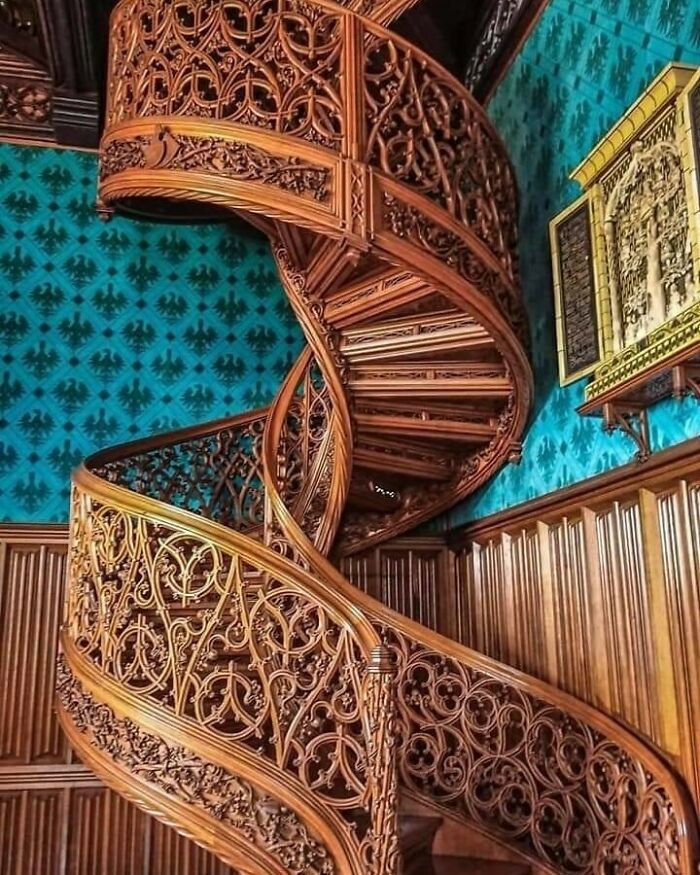
A Gothic-Styled Spiral Staircase Carved From A Single Tree In 1851, In Lednice Castle, Czech Republic, As A Symbol Of Progressing Toward The Ultimate Step, With Our Goals
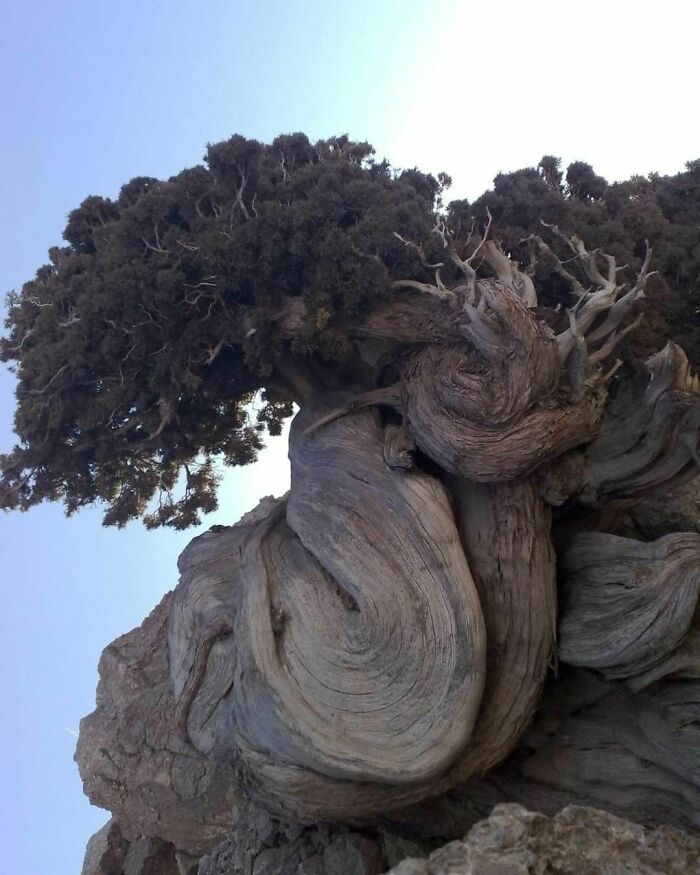
A 4852 Year Old Located Ancient Mountain Aras Cypress At Tandooreh National Park, Iran
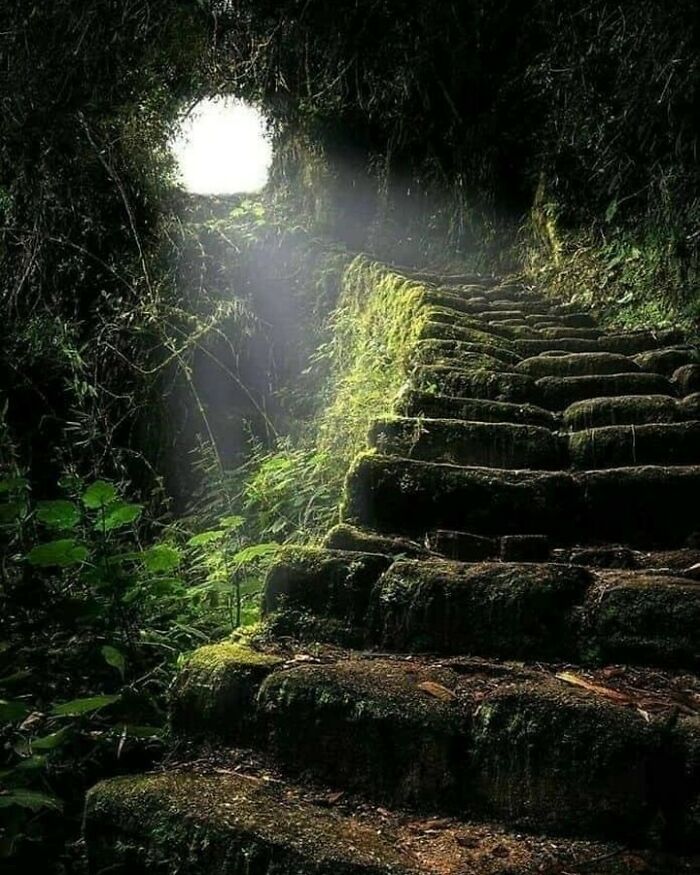
Stairway To Heaven, The Ancient Inca Road That Leads To Machu Picchu, In Peru
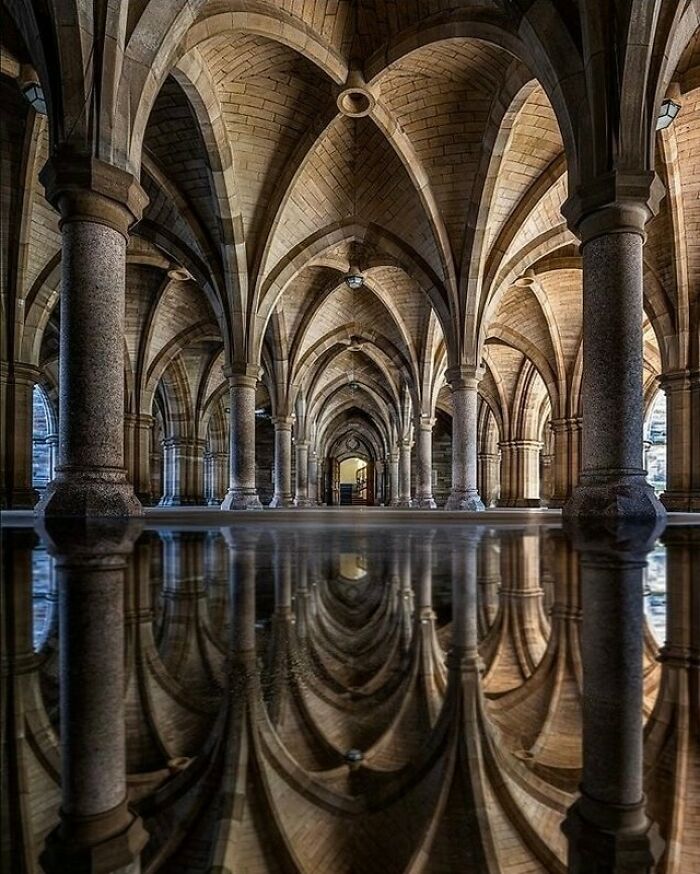
Cloister University Of Glasgow, Scotland
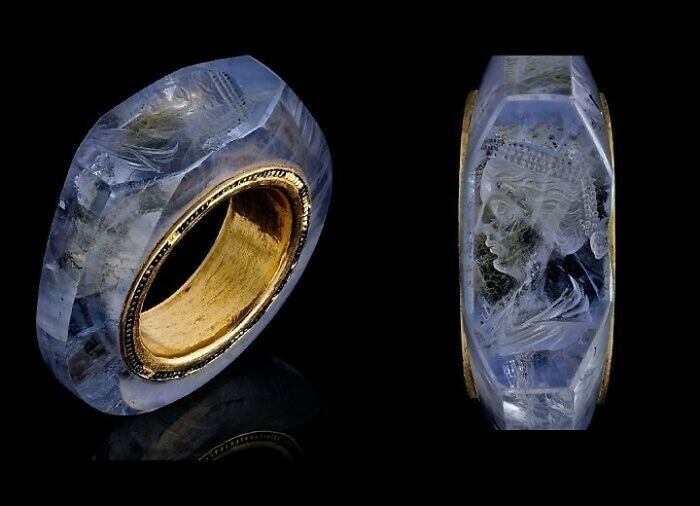
2000-Year-Old Sapphire Ring Presumably Belonging To Roman Emperor Caligula, Thought To Depict His Fourth Wife Caesonia
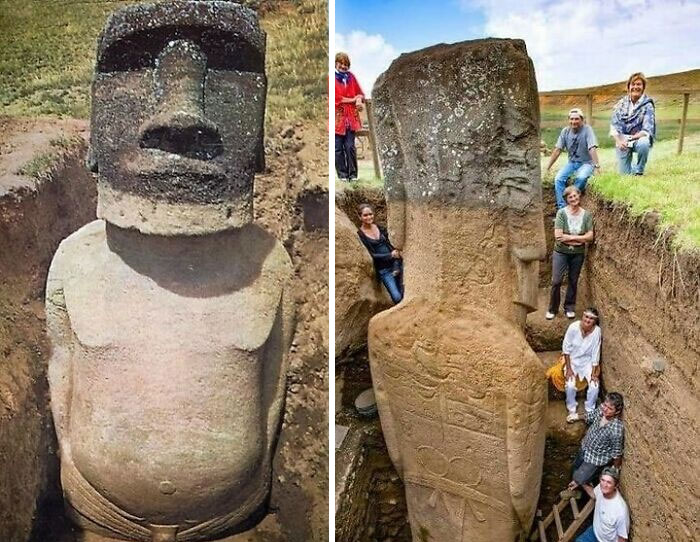
The Buried Bodies Of The Iconic Easter Island Moai Basalt Statues, Built By The Rapa Nui People Between 1250-1500 Ce, With Petroglyphs Carved On Their Back
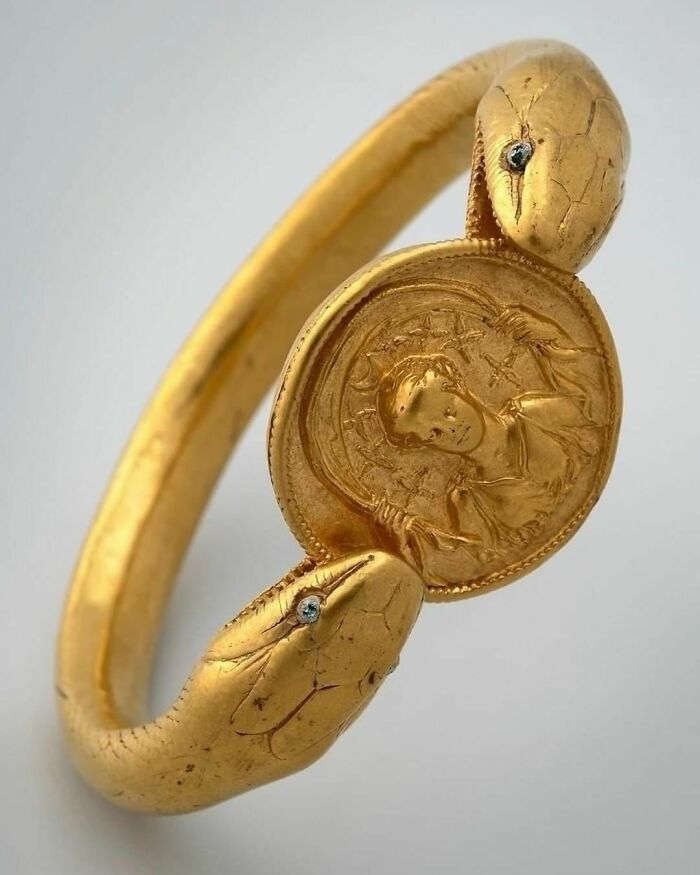
The Bracelet That Gave Its Name To A Famous House In Pompeii: “The House Of The Gold Bracelet”.two-Headed Snake, With Glass Eyes, Holding A Medallion With The Image Of Diana
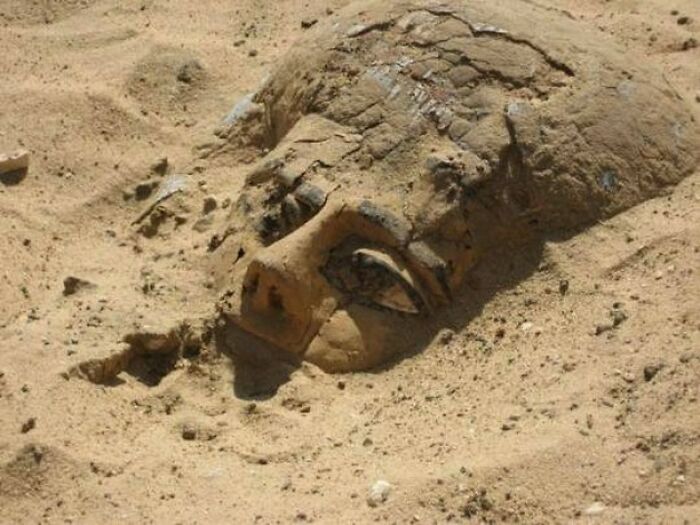
A Wooden Sarcophagus Rises From The Sand In Abydos After Thousands Of Years In Silence, Egypt
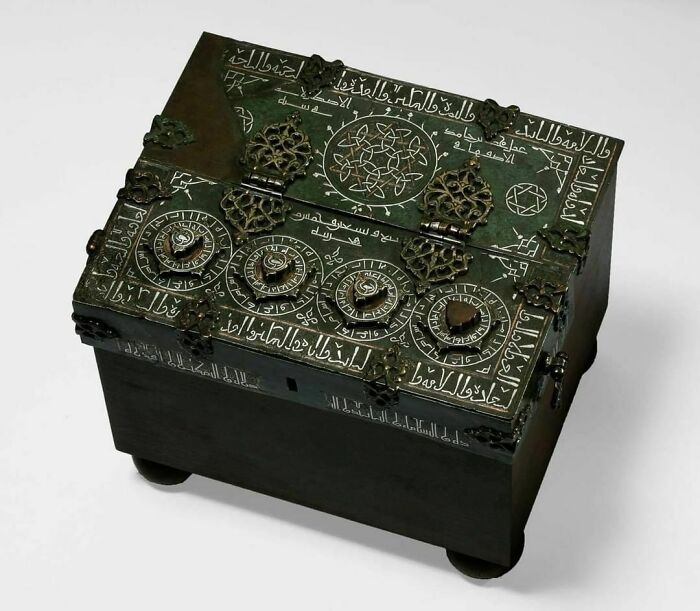
Seljuk Box With A Combination Lock, Cast And Hammered Brass, Inlaid With Silver And Copper. From Iran, 1200-1201
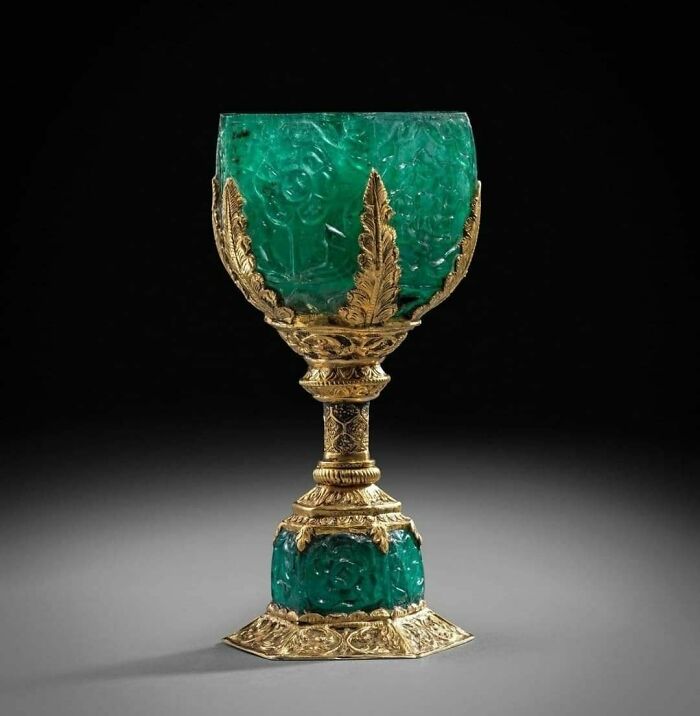
Emerald Wine Cup18th Century. India (Mughal) Carved Emeralds Set With Gold Mounts Dated
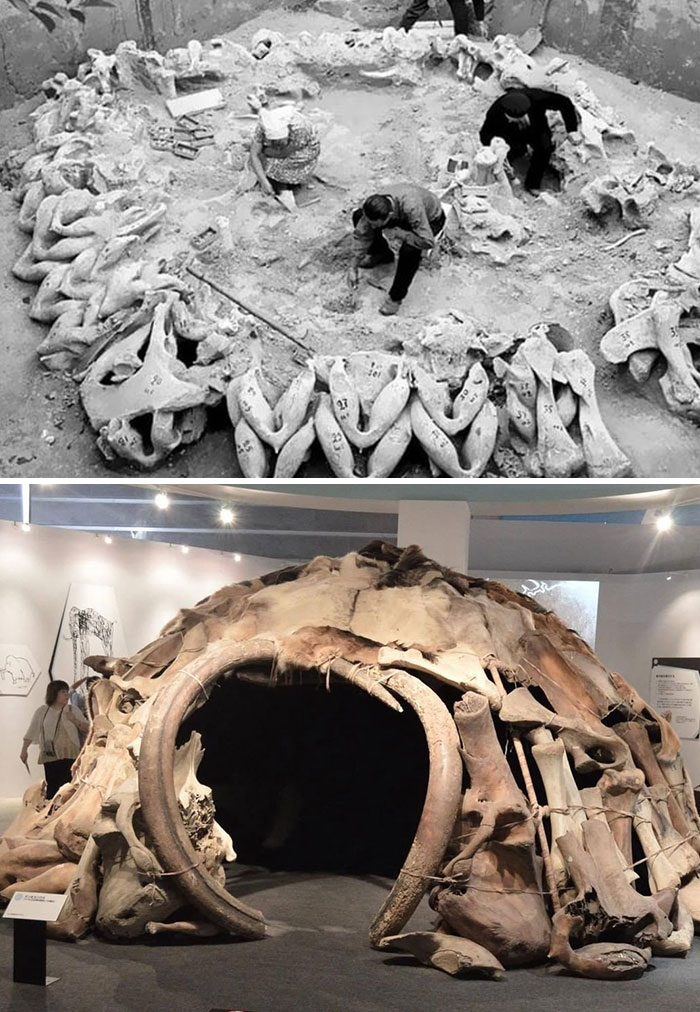
Hut Made Of Mammoth Bones, Cro-Magnon, Mezhirich, Ukraine, 15000 B.c
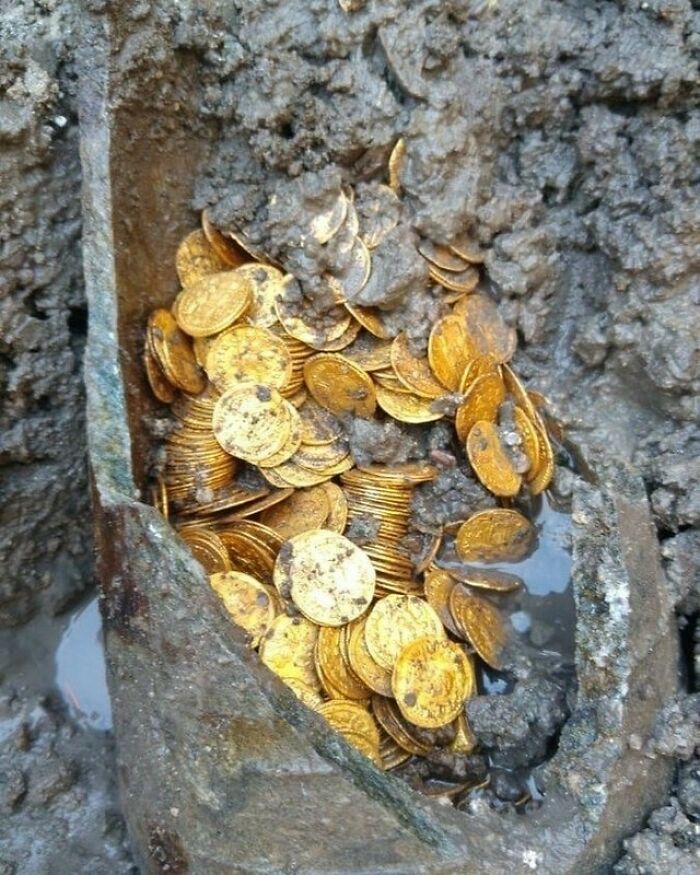
A Roman Amphora Filled With Gold Coins Discovered In Como, Italy
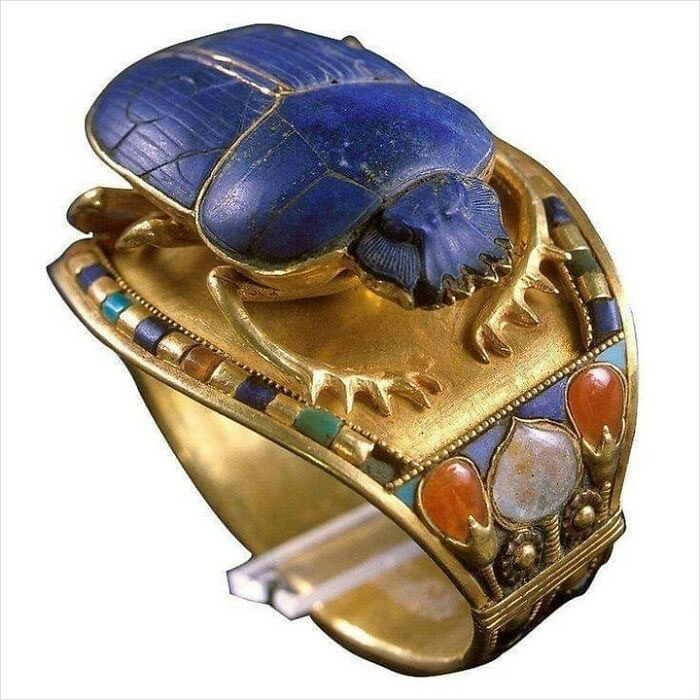
Bracelet Of Tutankhamun With Scarab. Gold, Lapiz Lazuli, Carnelian, Turquoise, Quartzite. New Kingdom: 18th Dynasty: Tutankhamun Resent Location: Egyptian Museum
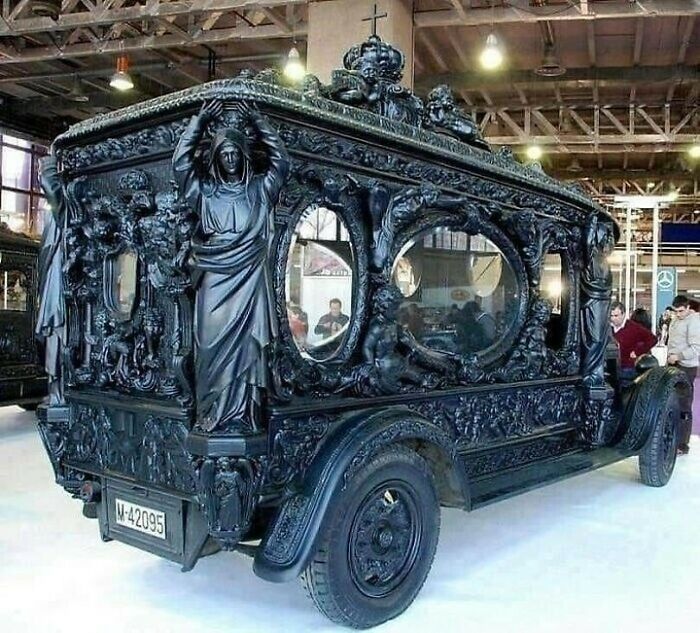
1920s Hearse
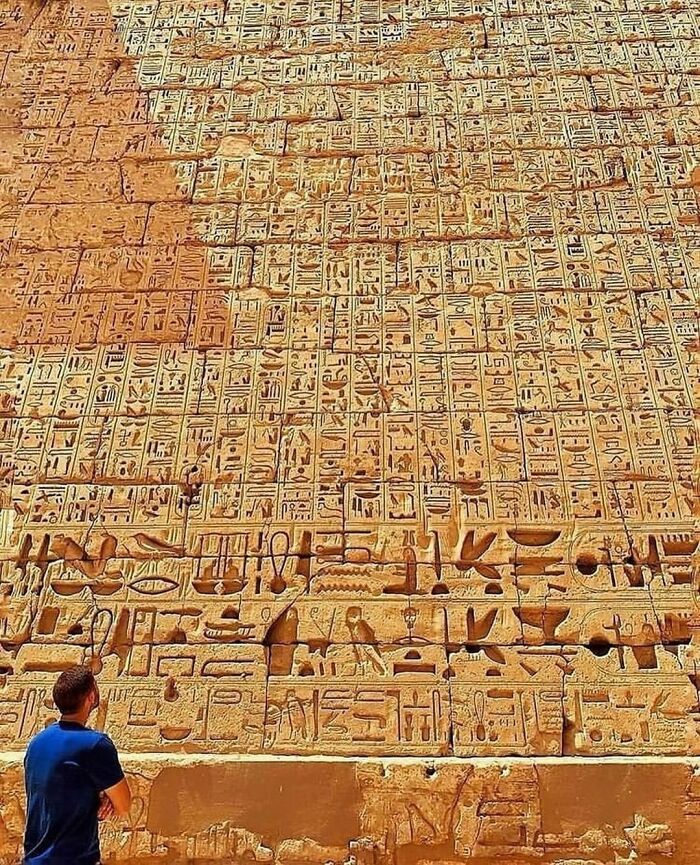
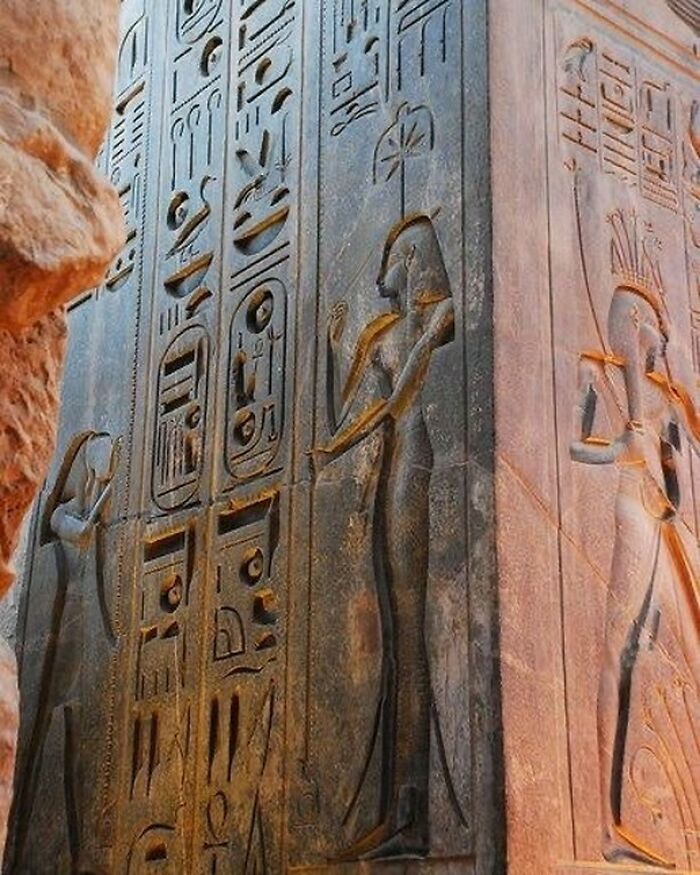
Hieroglyphic Writing On The Wall Of The Mortuary Temple Of Ramesses III At Medinet Habu On The Western Bank Of Luxor, Egypt, Built Around 1186-1156 Bce
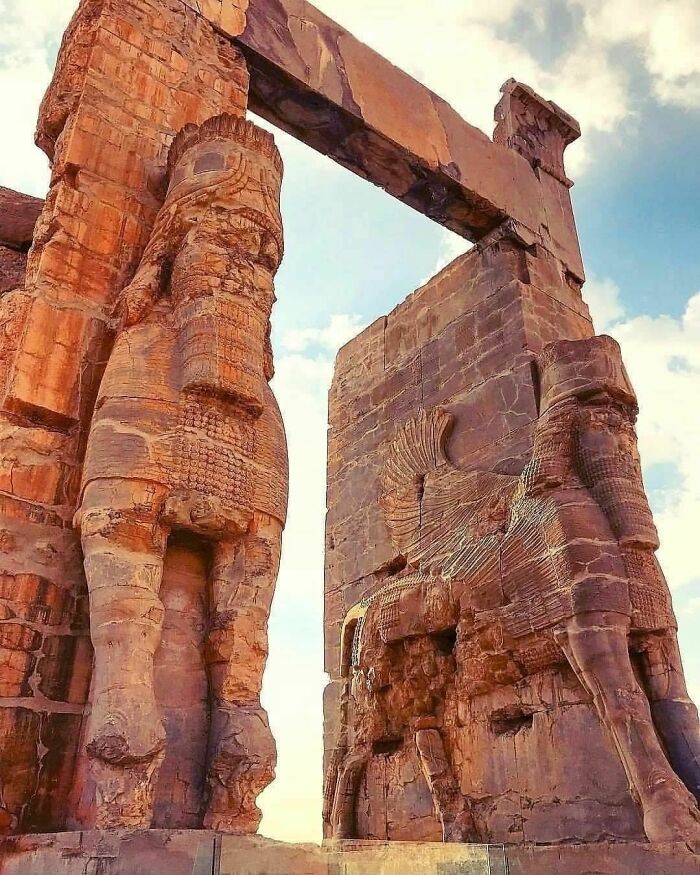
Gate Of All Nations Also Known As Gate Of Xerses At Persepolis, Iran 486-465 Bc
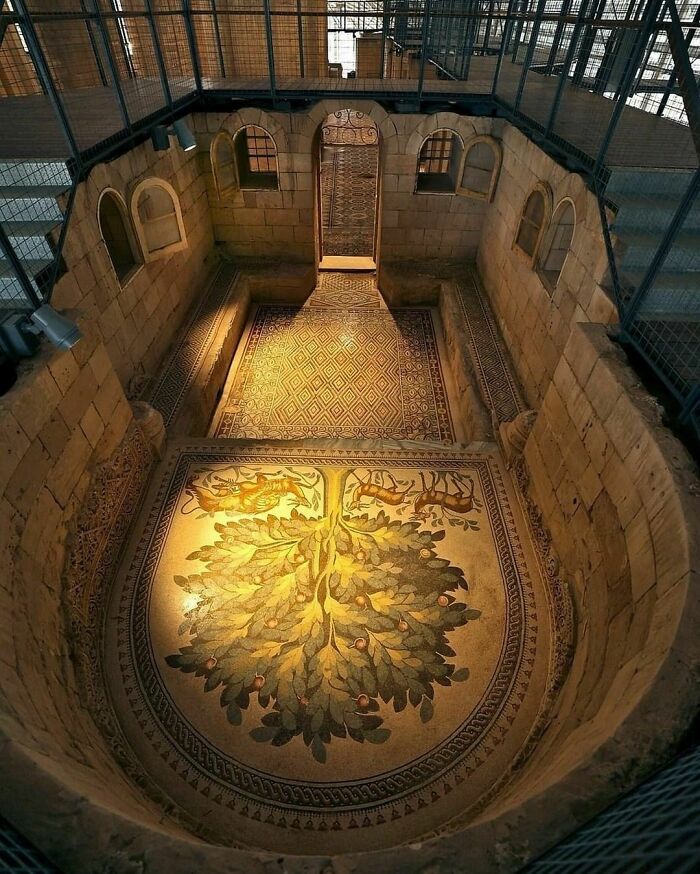
Carpet-Like Mosaic Located In Hisham's Palace, Built By One Of The Early Muslim Caliphates Between 724 And 743 Ad. In The West Bank City Of Jericho, It Is Made Up Of 38 Panels Depicting Geometric, Floral Designs
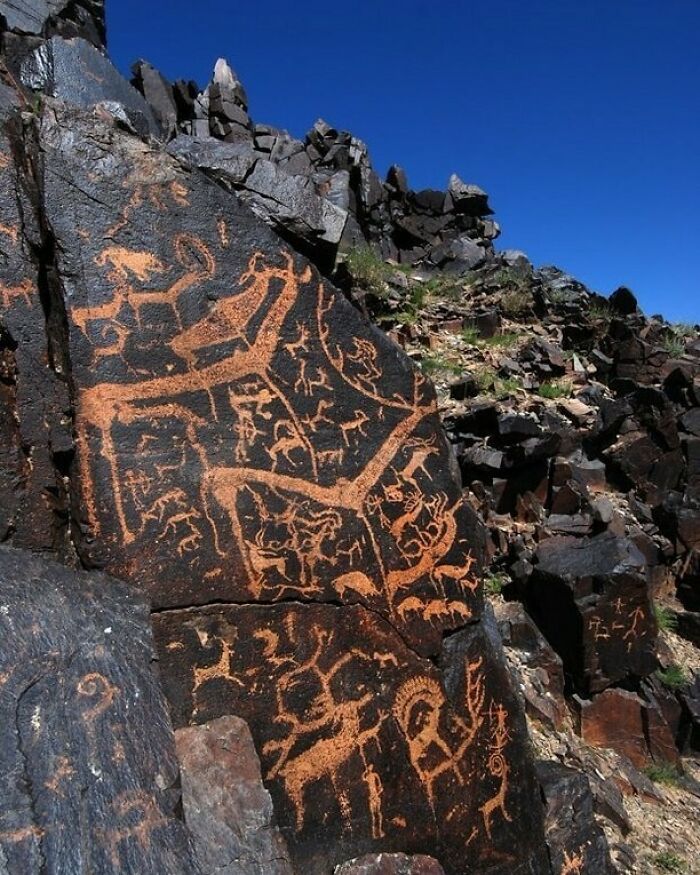
Prehistoric Rock Carving Of A Whole Bunch Of Deer. Bayankhongor, Mongolia
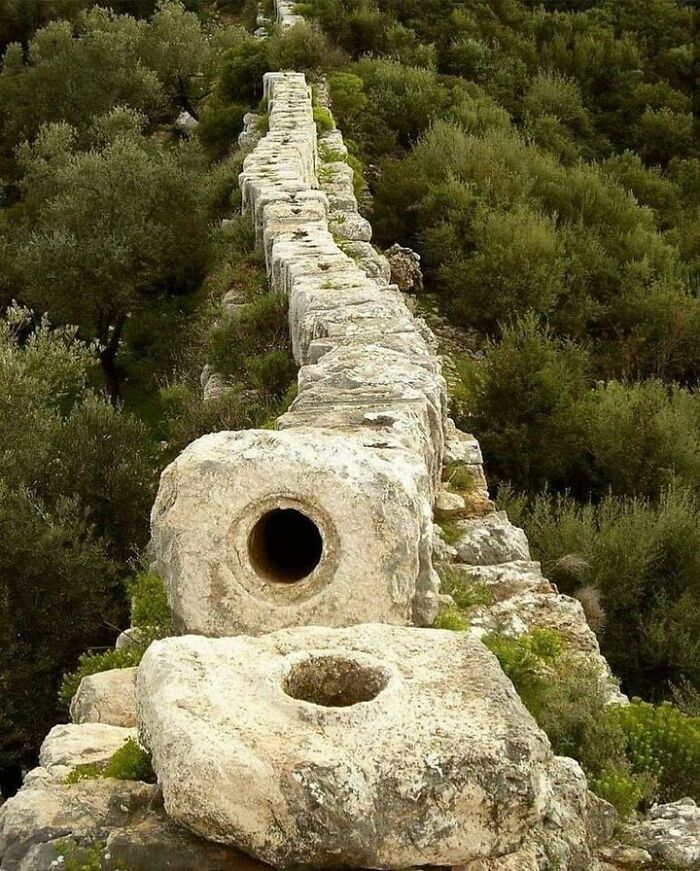
Delikkemer Is One Of The Original Roman Hydrology Engineering Works In Anatolia And It Was Built To Meet The Water Needs Of Patara, The Capital Of The Ancient Lycian Region
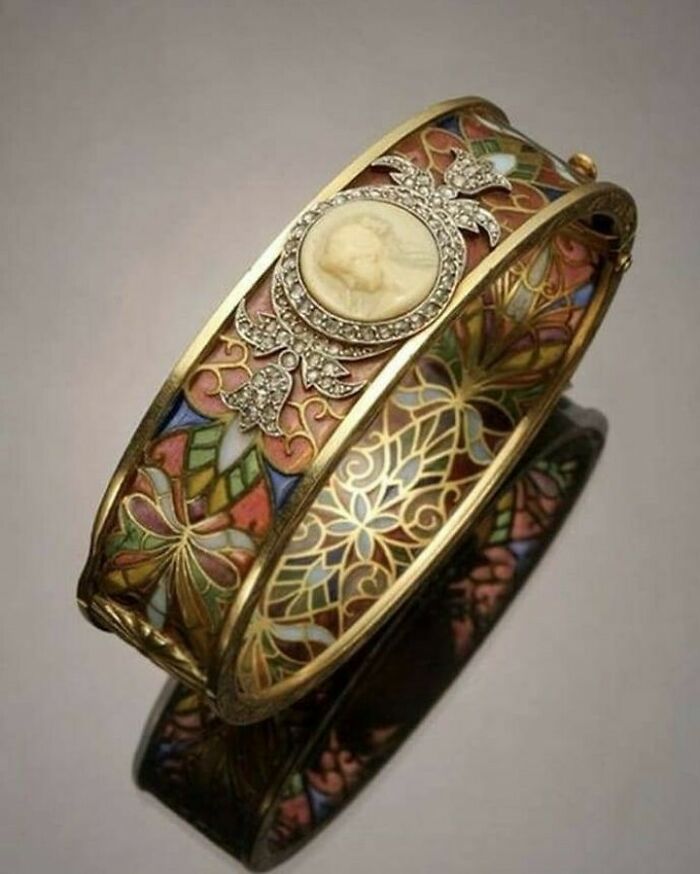
1920 C. This Is Perhaps The Most “Liked” Post I Ever Made! So Here It Is Again, Just In Case You Missed It! Bangle Bracelet Of Yellow Gold, Platinum, Diamond, Plique-Jour And Cameo. From Art Nouveau Around The World, Fb
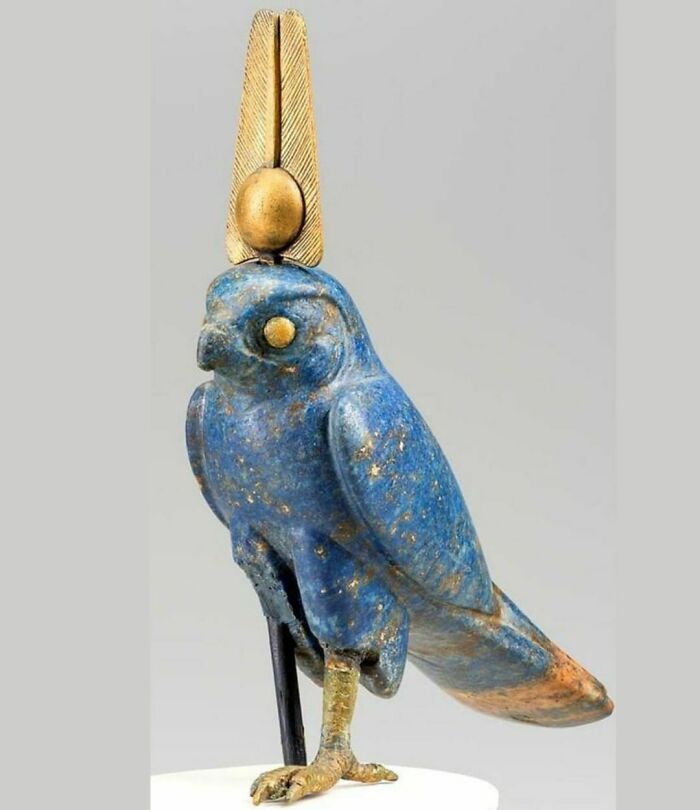
Lapis Lazuli And Gold Horus Falcon.egyptian, Late Period, Dynasty 27
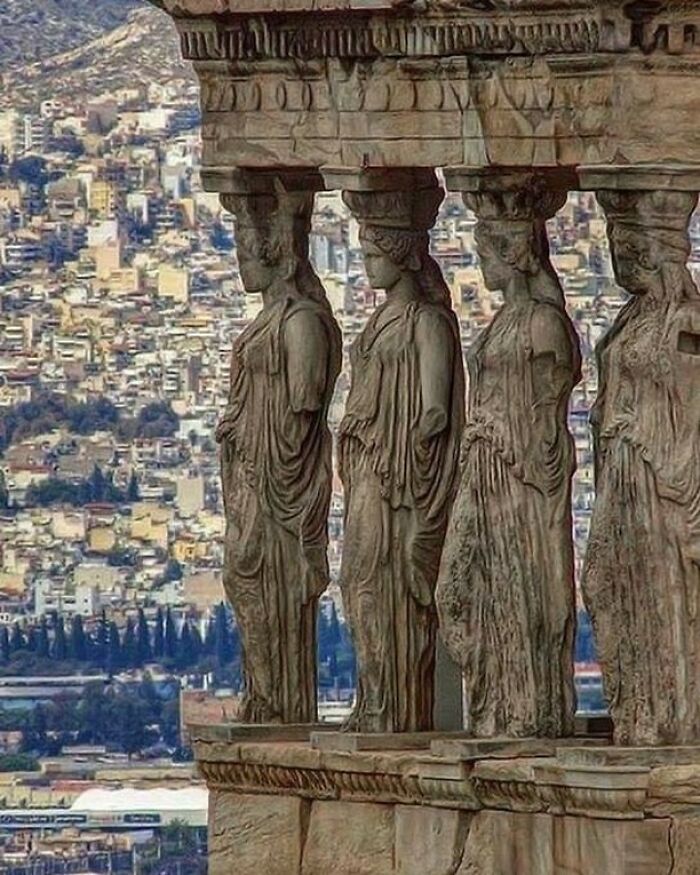
The Caryatids,erechtheion,acropolis Of Athens
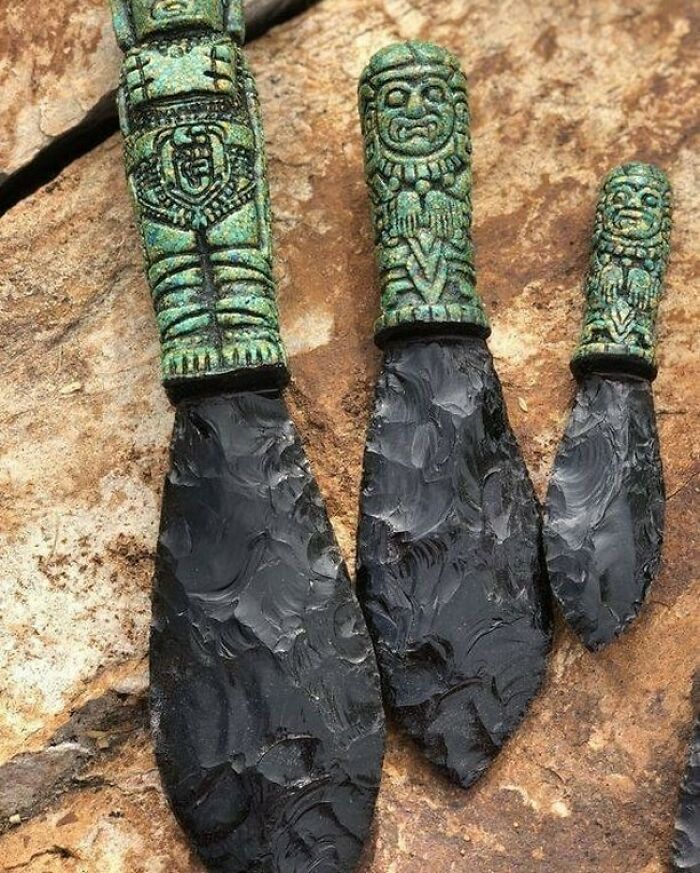
Azteec Tecpatl Obsidian Knives
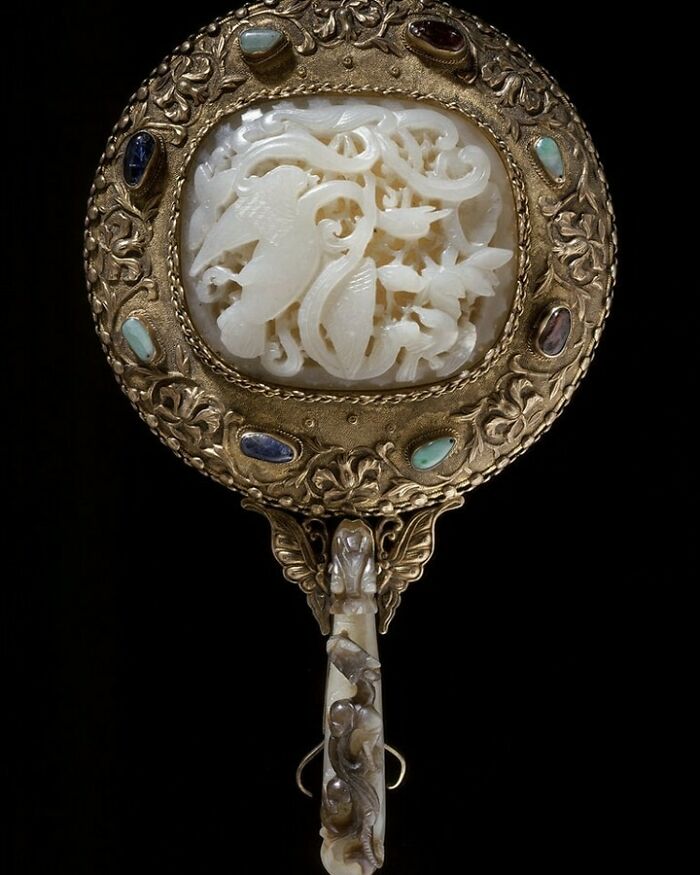
Jade Plaque With Carved Out Openwork Of Bird Motifs Mounted In A Frame Of Gold Adorned With Rubies, Sapphires And Jade. China, Late Jin Or Early Yuan Dynasty. 13th To 14th Century Ad
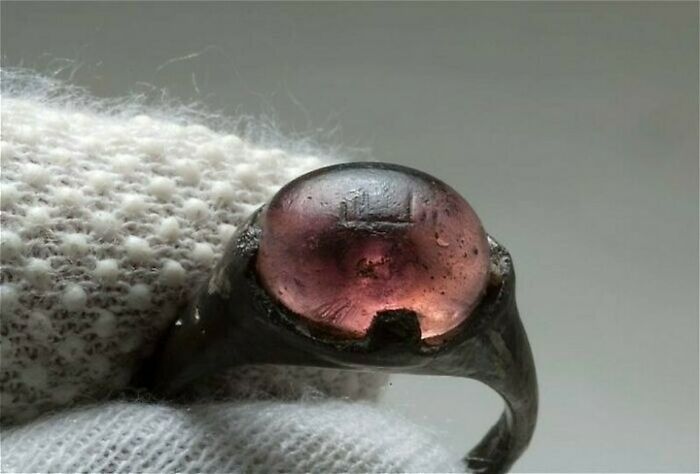
A Viking Era Ring Inscribed With The Words ‘For Allah’, Found In The Grave Of A Woman Who Was Buried 1200 Years Ago In Birka, 25 Km West Of Modern-Day Stockholm. The Ring Constitutes A Unique Material Evidence Of Direct Contact Between The Vikings And The Abbasid Caliphate
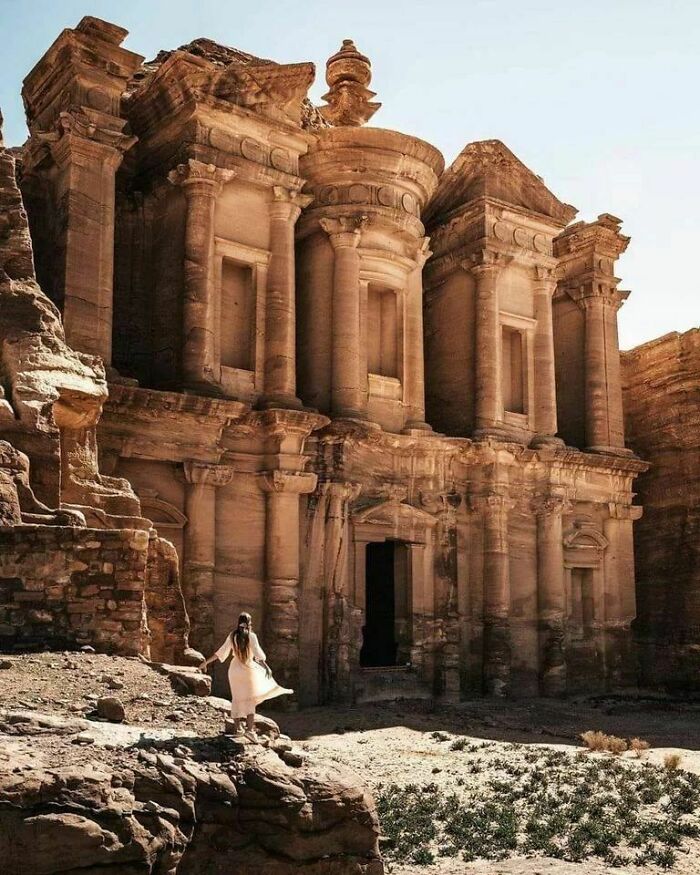
Petra-Jordan
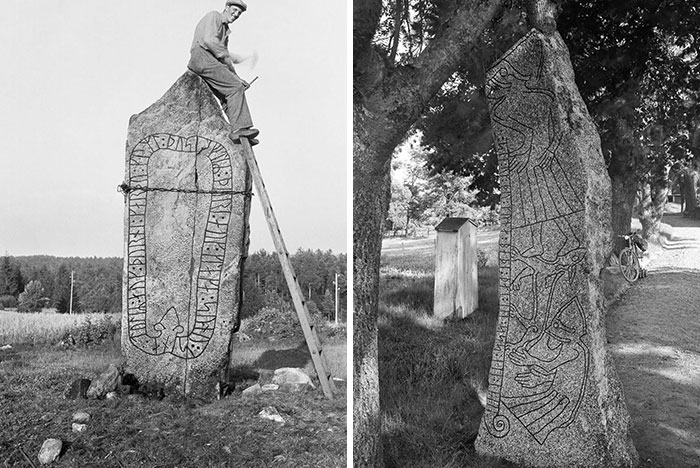
Viking Runestones Of The Swedish Countryside, 1899-1945
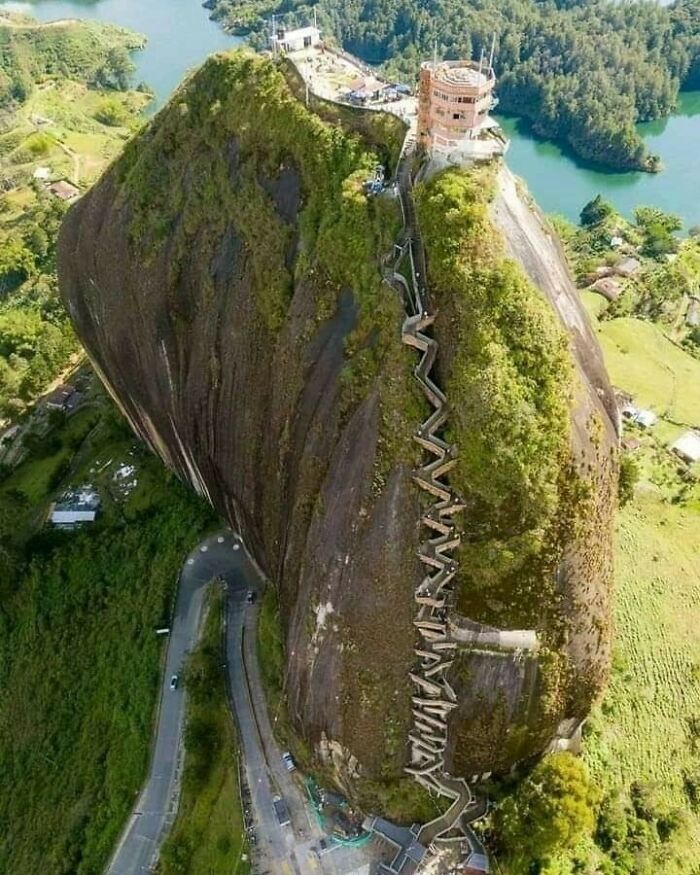
Colombia. El Peñón De Guatapé Is A Rock Formation Bordering A Lake
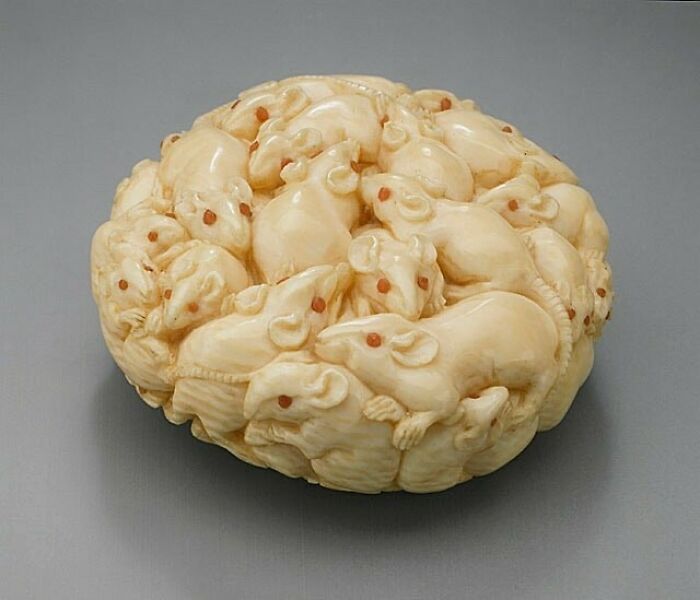
‘A Cluster Of Rats’, A Japanese Netsuke (Small Sculpture) Dated Late 19th Century
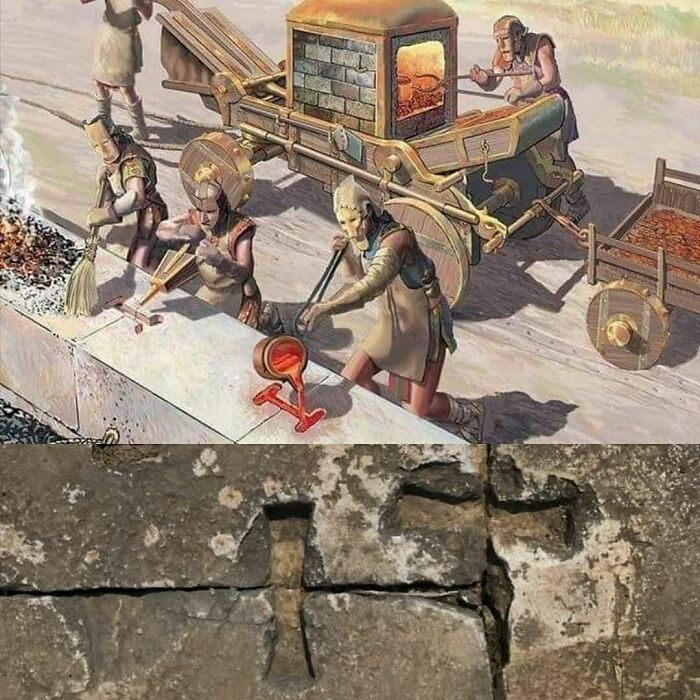
The Construction Of Metal Clamps That Hold Giant Stone Blocks Together. There Are Structures That Have Stood For Thousands Of Years Are Still Standing
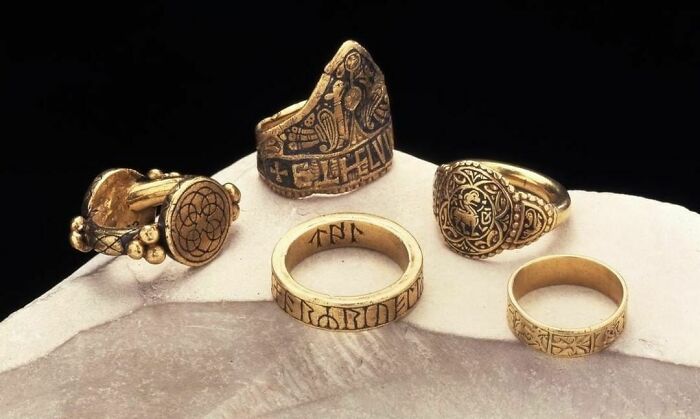
Gold Rings From Anglo-Saxon England, 8th-10th Century Ad
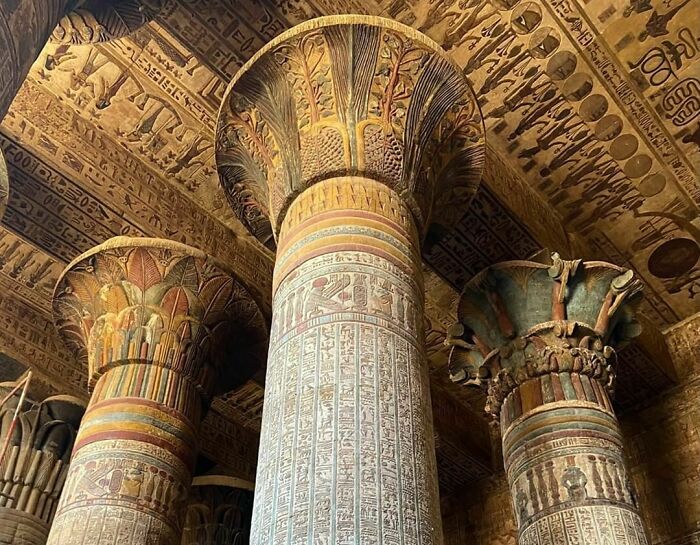
Temple Of Khnum, Esna, Egypt
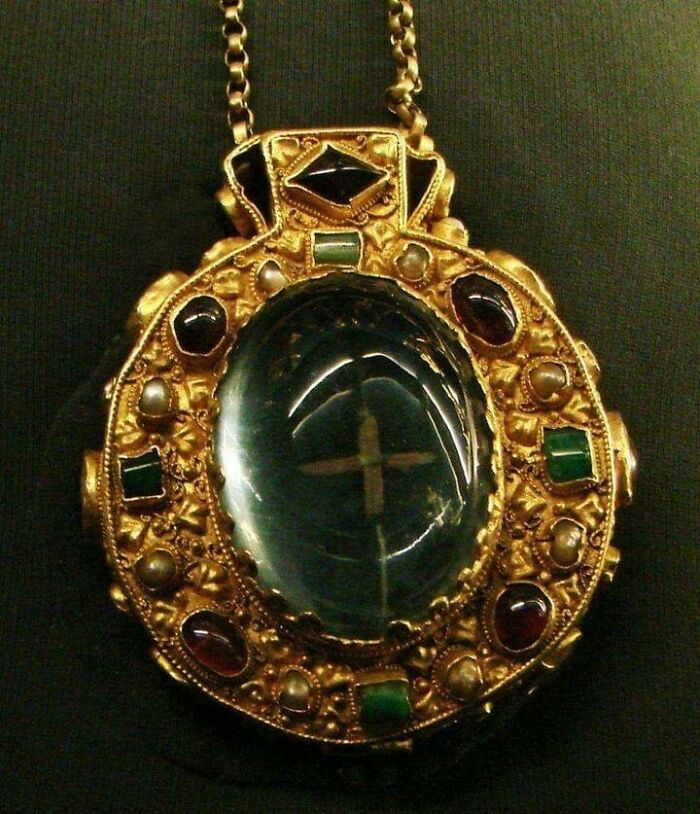
The Talisman Of Charlemagne, C. 768-814. Two Large Cabochon Sapphires - One Oval, One Square - Enclose Holy Relics (What Are Supposed To Be A Remnant Of The Holy Cross And A Small Piece Of The Virgin's Hair, Visible Only When Looking Through The Oval Sapphire At The Front Of The Medallion.) The Other Gemstones Are Garnets, Emeralds, And Pearls
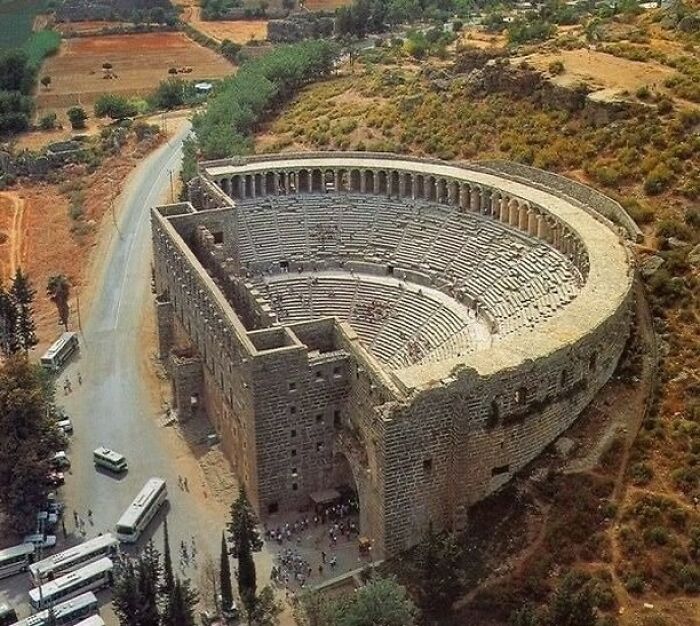
Aspendos , Antalya-Turkey
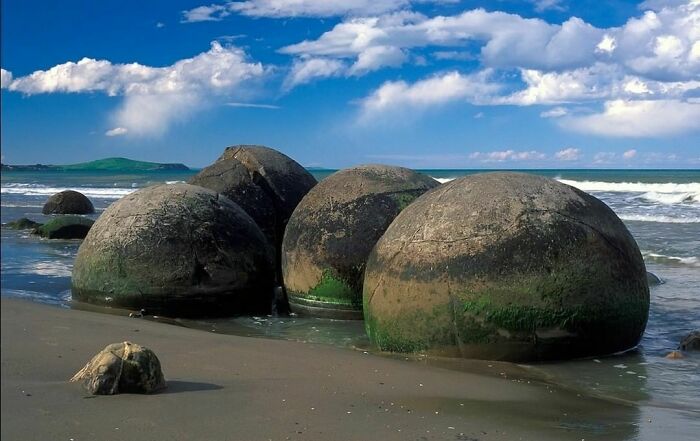
The Stone Spheres Of Costa Rica Are An Assortment Of Over 300 Petrospheres Located On The Diquis Delta On Isla Del Cano. They Are Sometimes Also Called The Diquis Stones, After Their Supposed Creators, The Diquis Culture
Egypt
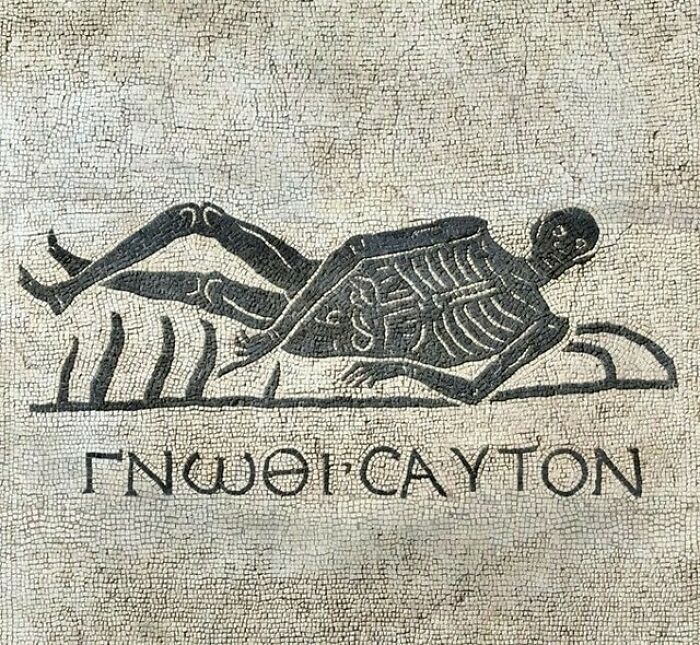
Roman Mosaic: Reclining Skeleton With The Caption 'Know Thyself', C. 4th Century Ad. Now On Display At The Baths Of Diocletian In Rome, Italy
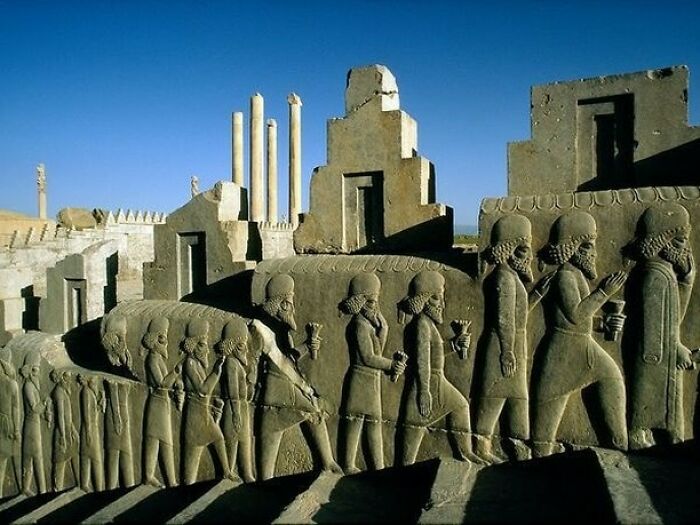
Persepolis, Iran
The ancient city of Persepolis in modern-day Iran was one of four capitals of the sprawling Persian Empire. Built beginning around 520 B.C., the city was a showcase for the empire’s staggering wealth, with grand architecture, extravagant works of silver and gold, and extensive relief sculptures such as this one portraying envoys with offerings for the king.The height of Persian rule lasted from about 550 B.C. until 330 B.C., when Alexander the Great overthrew the ruling Archaemenid dynasty and burned Persepolis to the ground