Get Premium
Dark mode theme is available exclusively for premium users. Learn more about the benefits of subscribing.
No fees, cancel anytime.

 Dark Mode Ad-Free Browsing Unlimited Content
 Ad-Free Browsing Unlimited Content Dark Mode
Join 1.2 million Panda readers who get the best art, memes, and fun stories every week!
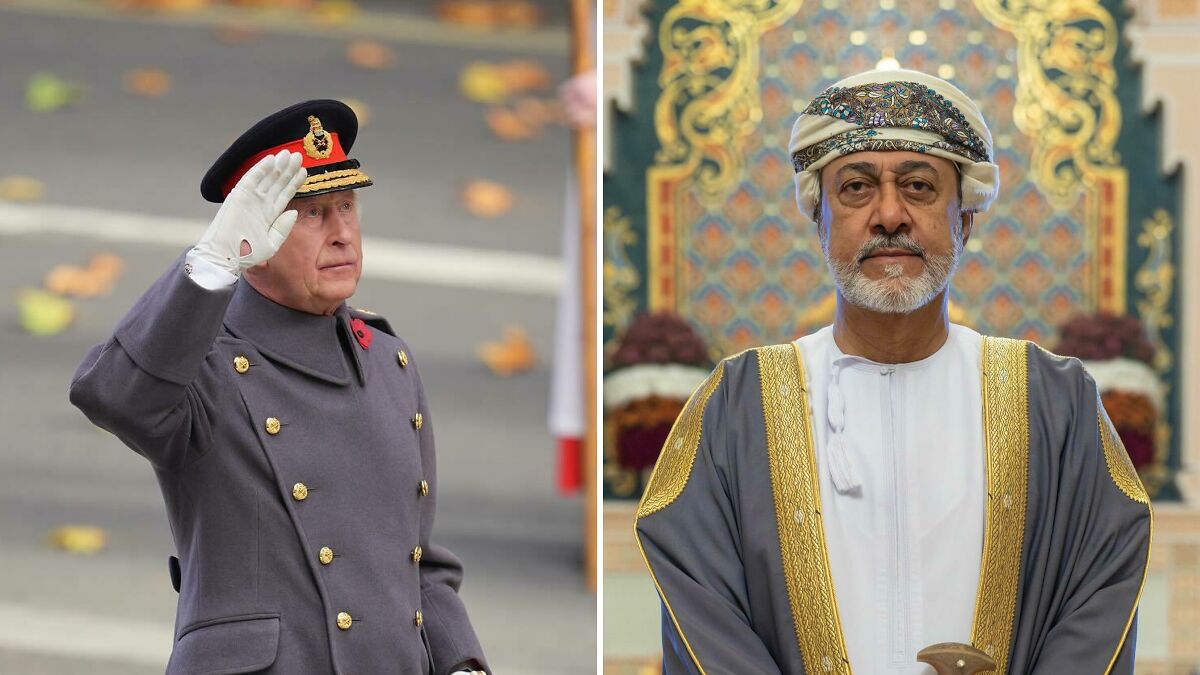
For thousands of years, monarchies have risen, collapsed, and vanished entirely. Yet a small number of royal families have survived wars, revolutions, colonial rule, and modern democracy without losing their thrones.
Some of these monarchies were already established long before the birth of Christ. Others have ruled continuously through centuries of political upheaval, adapting their power, traditions, and public roles to stay relevant.
Today, these royal houses no longer govern the way they once did, but they remain powerful symbols of national identity, history, and continuity.
This post may include affiliate links.
The English monarchy traces its early foundations to Alfred the Great, who ruled from 871 to 899 AD. The modern royal line, however, is generally dated to the Norman Conquest, when William the Conqueror took the throne on December 25, 1066.
The British Royal Family is widely regarded as the most globally recognisable monarchy, a status shaped in part by the scale of Britain’s former empire.
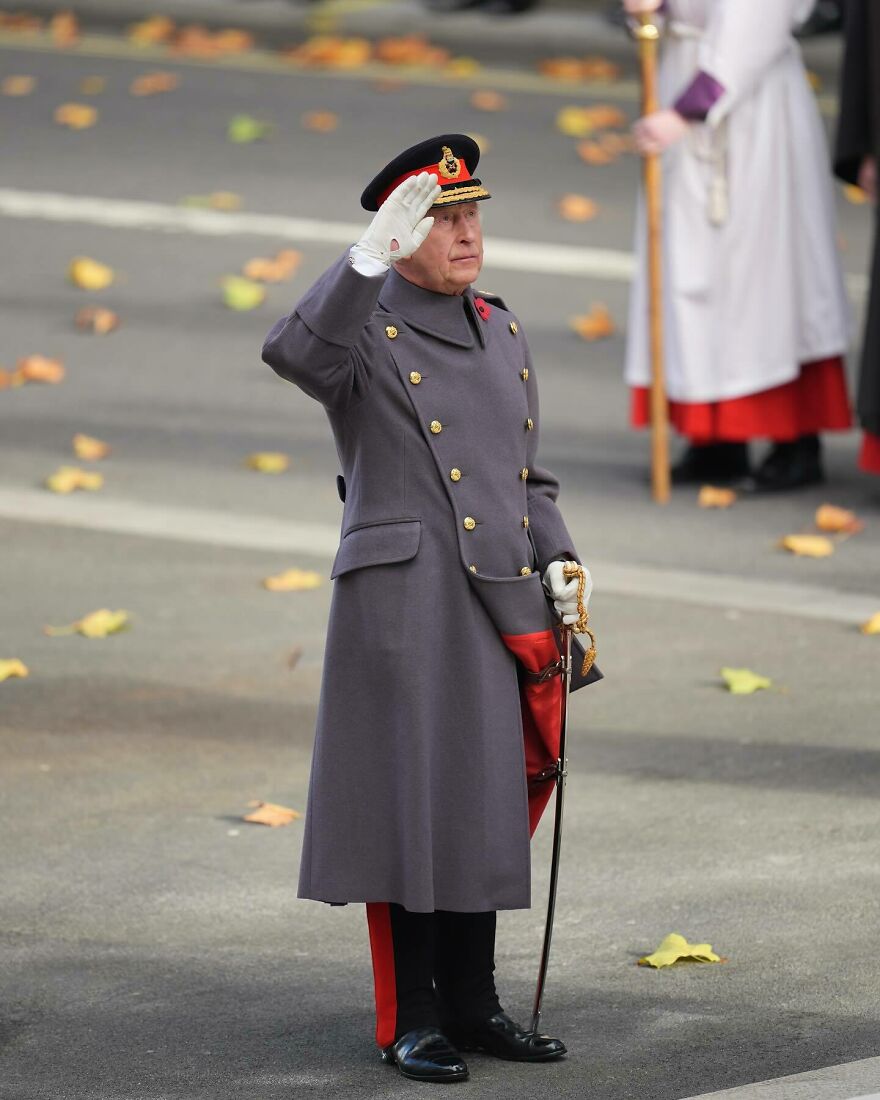
King Charles III currently serves as head of state in 14 countries, including Australia, Canada, New Zealand, Jamaica, Papua New Guinea, and several Caribbean nations.
Although the monarchy is constitutional, the royal family continues to play a significant role in diplomacy and symbolism.
Over centuries, the institution has influenced global culture while repeatedly adapting its traditions to changing public expectations, as seen in moments when royals redefine tradition.
The British monarchy has also left behind unusual historical footnotes. In 1562, Queen Elizabeth I reportedly used a mixture of white lead and vinegar, known as the ‘Venetian curse’, to conceal smallpox scars, a practice later copied by other women despite its dangers.
Centuries later, the death of Queen Elizabeth II dominated global media and online discourse, with the Harvard Crimson and Guardian UK examining how the moment reshaped internet traffic and news coverage.
The Norwegian monarchy dates back to 885 AD, making it the oldest of the Scandinavian royal houses. Its first recognised king was Harald Fairhair.
The modern dynasty belongs to the House of Glücksburg, the same German line that also produced the current royals of Britain and Denmark.
Norway’s monarchy has not ruled continuously. Between 1536 and 1814, the country was governed by Denmark, before the two states later forged a union that lasted until 1905.
That year marked the rise of King Haakon VII and the restoration of an independent Norwegian crown. Today, Norway operates as a constitutional monarchy, with the King serving primarily in ceremonial and representative roles.
Through strategic marriages, the Norwegian royal family is closely linked to several European dynasties, including the Greek royal house and the former Russian imperial family, as documented in royal family trees through marriages.
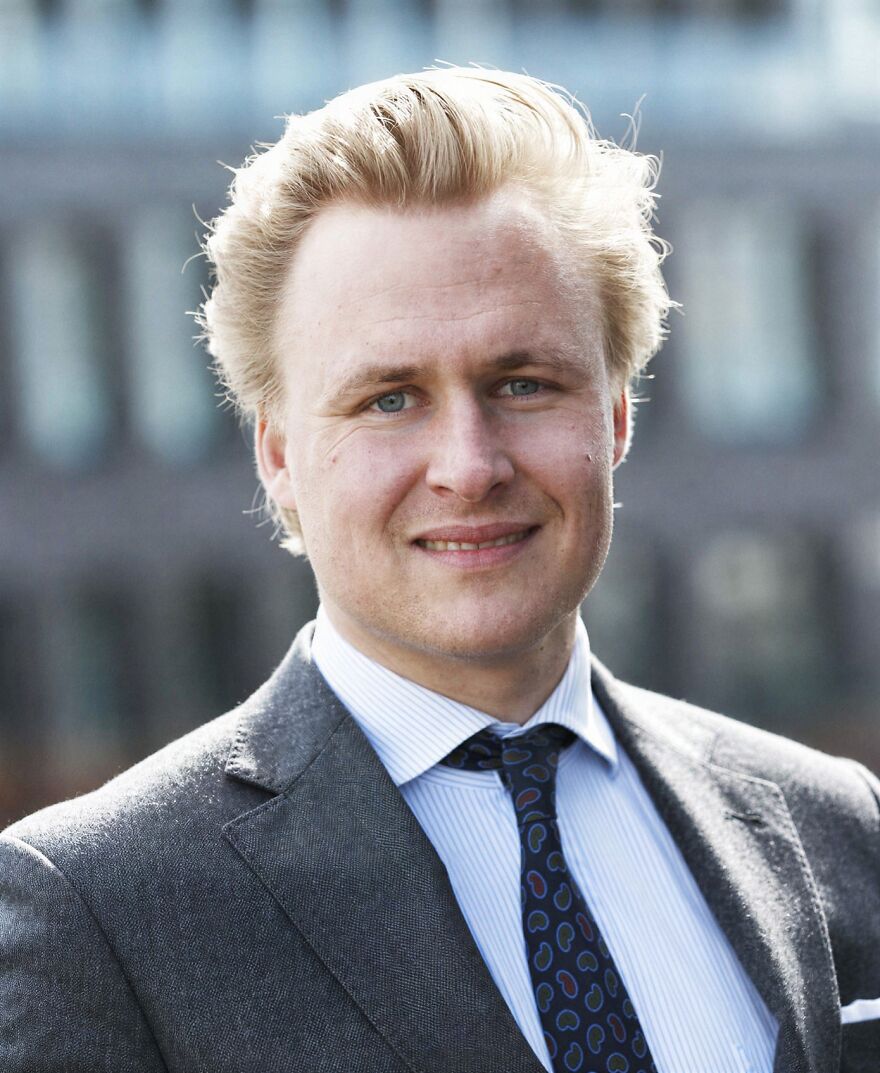
Despite its formal image, the modern Norwegian monarchy has shown a relaxed public side. The Daily Express UK reported that during the King and Queen’s joint 80th birthday celebration in 2017, Crown Prince Haakon entertained guests by shaving his beard halfway through the evening.
More recently, the royal family made headlines in 2022 when Princess Martha Louise officially relinquished her title, following sustained public scrutiny of her personal and commercial activities.
The Swedish monarchy dates back to around 970 AD, placing it among Europe’s oldest surviving royal institutions.
The current royal family belongs to the Bernadotte dynasty, founded by French general Jean Baptiste Bernadotte, who ascended the Swedish throne on April 21, 1810.
Over centuries, Sweden’s monarchy has repeatedly reshaped its role to survive political change. In 1719, Queen Ulrika Eleonora formally brought an end to absolute monarchy, even though the experiment proved brief.
The moment marked an early shift toward constitutional limits on royal power.
That transformation was completed in the modern era. In 1974, Sweden’s parliament stripped the monarchy of its remaining political authority, reducing it to a fully ceremonial institution.
The Independent reports that further reform followed in 1980, when King Carl XVI Gustaf approved changes to the succession law that allowed the firstborn child to inherit the throne regardless of gender.
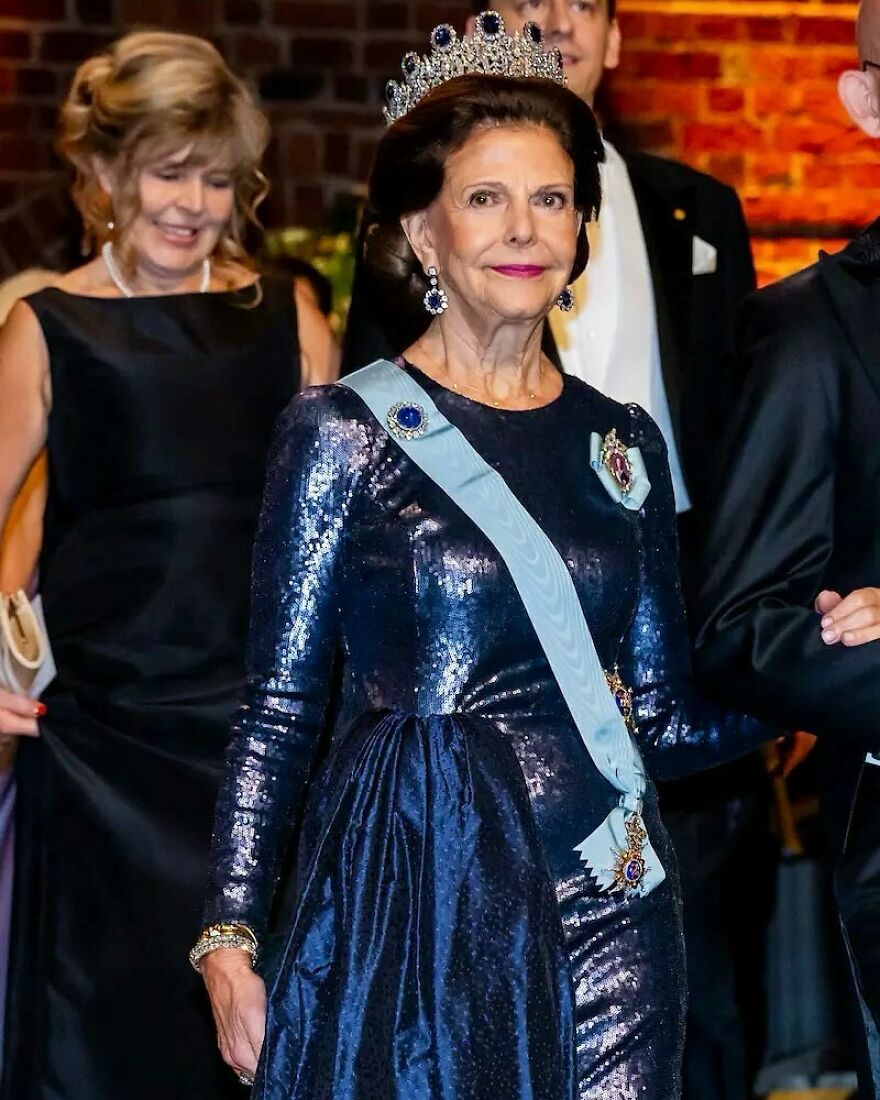
The royal family has continued to modernise its public role. In 2019, King Carl XVI Gustaf and Queen Silvia removed royal titles from five of their grandchildren, a move widely seen as an effort to streamline the monarchy.
Carl XVI Gustaf remains the longest-reigning monarch in Swedish history.
The Danish monarchy dates back more than 1,200 years, making it one of the oldest continuous royal institutions in Europe.
Its origins are commonly traced to Gorm the Old, who ruled until 985 AD. The present royal family belongs to the House of Glücksburg, which ascended the Danish throne in 1863 with Prince Christian.
Denmark’s monarchy has evolved significantly over time. Kings were originally elected, but that system ended with Frederick III’s rise to power in 1660, ushering in absolutist rule.
The 1849 constitution later transformed Denmark into a constitutional monarchy, a shift that helped preserve the crown as a lasting symbol of national pride.
During World War II, King Christian X became a defining figure of resistance. He is widely credited with helping protect 99% of Danish Jews from deportation. His famously terse reply to Adolf Hitler’s congratulatory telegram on his 72nd birthday later became known as the Telegram Crisis.
A new chapter began in 2023, when Queen Margrethe II stepped down after more than five decades on the throne.
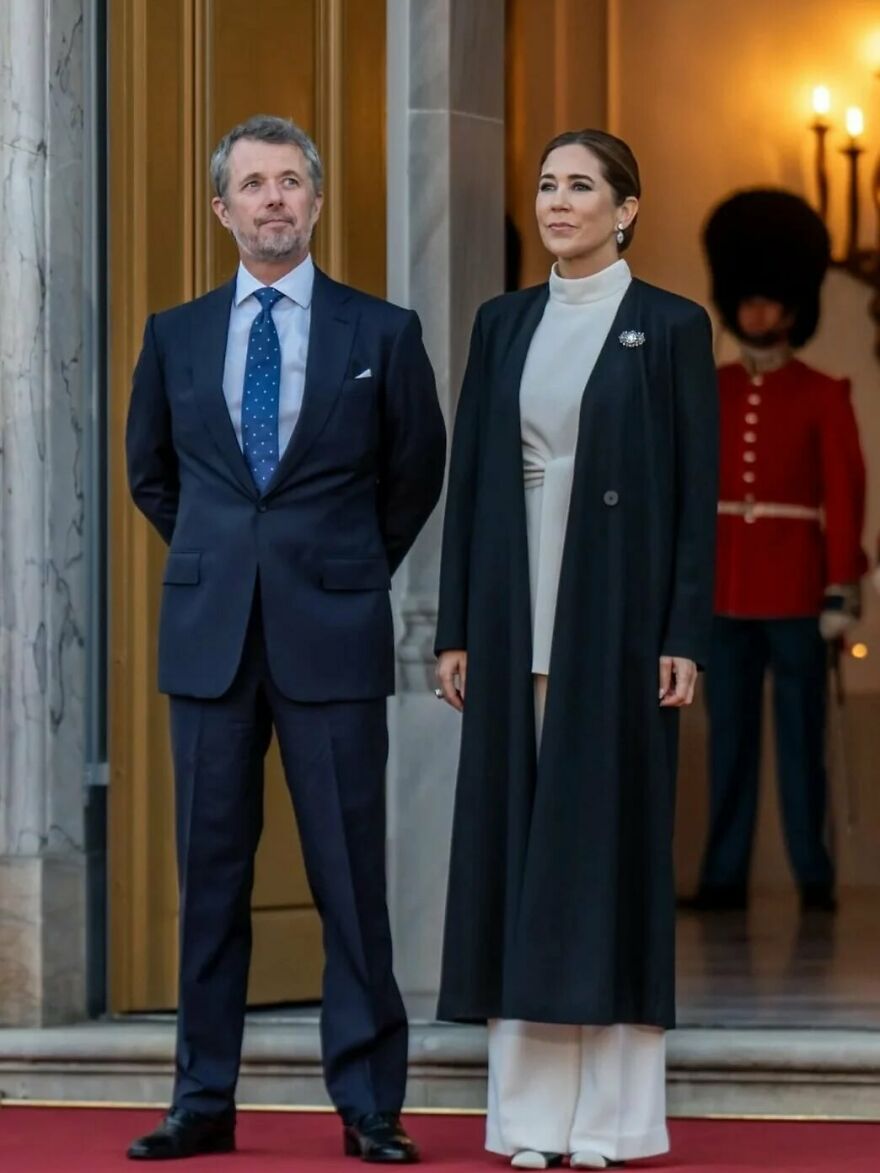
As documented in royal records and media coverage, her abdication paved the way for King Frederik X to succeed her, following a long Danish tradition in which the monarch doesn’t wear a ceremonial crown.
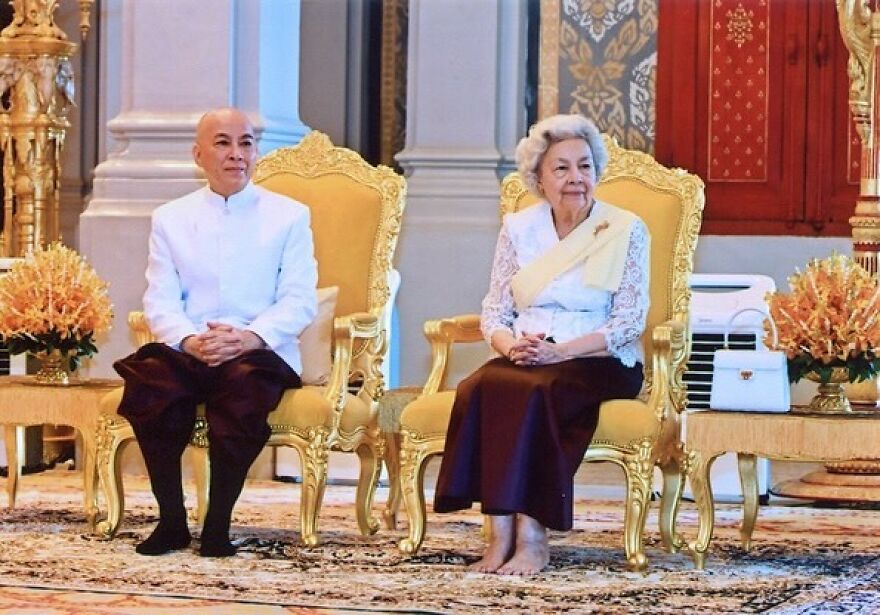
The Cambodian monarchy dates back to the 1st century AD, making it one of the oldest surviving royal institutions in the world. Its lineage is traditionally traced to Queen Soma of the Funan dynasty, one of the region’s earliest recorded kingdoms.
Historical records show that Cambodia’s monarchy persisted through multiple eras, including the Chenla period, the Khmer Empire, and later royal centres such as Longvek and Oudong, before entering the modern era in 1863.
Cambodia’s royal history has been shaped by conflict, colonisation, and reform. In 1993, constitutional changes reduced the monarch’s authority to a largely ceremonial role.
The same reforms also established Cambodia as one of the world’s few elective monarchies, in which the king is chosen by a royal council rather than inheriting the throne.
The country’s cultural legacy is closely tied to its monarchy. Angkor Wat, the largest religious monument in the world, was constructed in 1150 AD as a Hindu temple during the height of the Khmer Empire.
Archaeological surveys conducted in the 2010s later uncovered larger structures, including the ancient city of Mahendraparvata, revealing the scale of Cambodia’s early civilisation.
Today, King Norodom Sihamoni serves as head of state without a designated heir. NBC News has reported that he governs alongside Prime Minister Hun Sen, whose long tenure has drawn international criticism for the treatment of political opponents.
Bhutan’s monarchy is relatively young in its current form, but the kingdom itself existed for centuries before formal unification.
The modern hereditary monarchy was established on December 17, 1907, after a long period of fragmented rule under a dual theocratic system led by the deb raja, the temporal authority, and the dharma raja, the spiritual leader.
That earlier system was marked by internal power struggles between regional governors. In response, Bhutan’s leaders consolidated authority under a single royal line, resulting in a remarkably stable succession.
Since 1907, the country has been ruled by the Wangchuck dynasty, with peaceful transitions from one king to the next.
Bhutan’s path to modern statehood included careful diplomacy rather than conquest.
The country formalised its relationship with Britain through the Treaty of Punakha in 1910, then signed a similar agreement with India after independence in 1947, which was later revised in 2007.
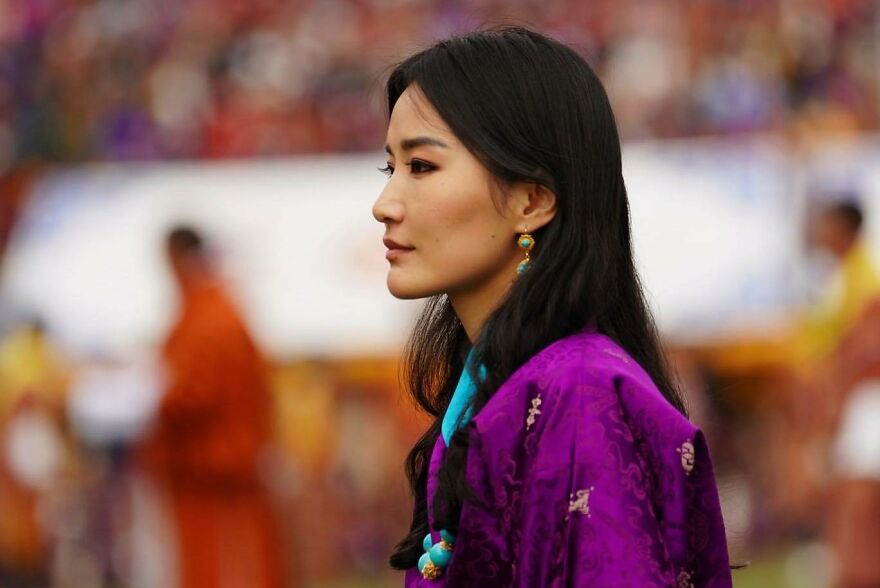
The current monarch, King Jigme Khesar Namgyel Wangchuck, ascended the throne in 2006 following his father's abdication.
Voice of America News reported that he became the world's youngest reigning monarch at the time, reinforcing Bhutan’s image as a monarchy shaped by continuity and reform rather than upheaval.
Tonga’s recorded history stretches back more than 3,000 years, but its monarchy formally emerged in the 10th century CE under the Tu’i Tonga line.
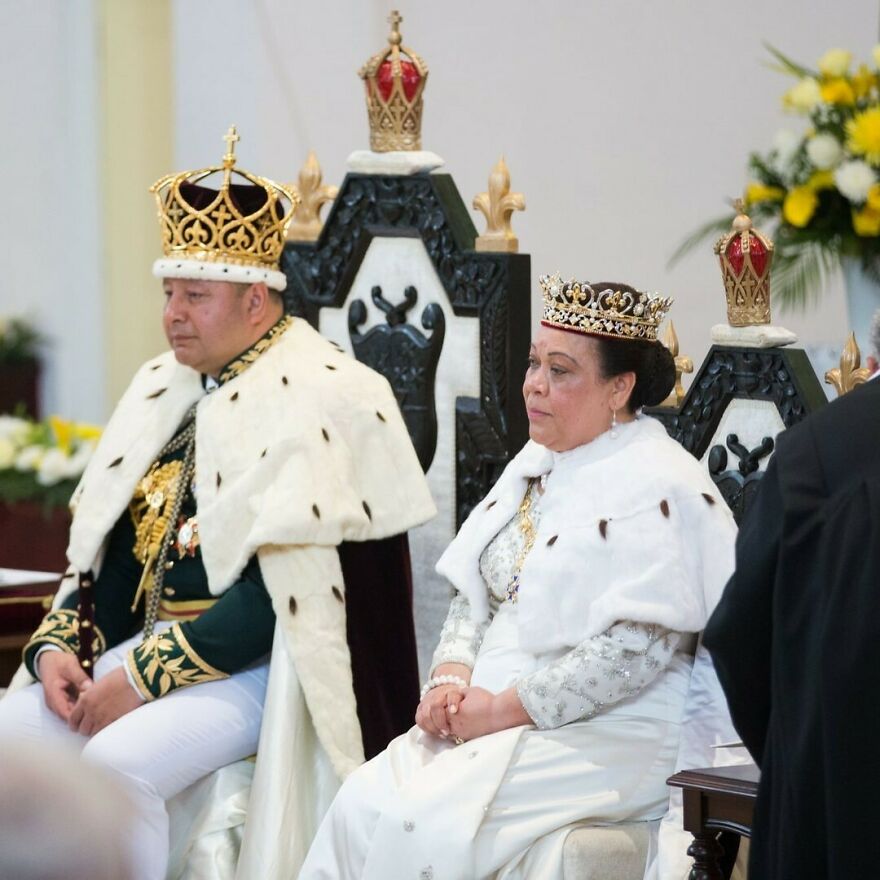
The modern Kingdom of Tonga took shape in 1845, when Taufa’ahau unified the islands, became Tu’i Kanokupolu, and assumed the title King George Tupou I.
Unlike much of the Pacific, Tonga was never fully colonised. Instead, it functioned as a British protectorate from 1900 to 1970, retaining internal self-rule.
That year, Tonga joined the Commonwealth and later became a member of the United Nations in 1999. Today, the country operates as a constitutional monarchy, with executive authority shared between the king and an elected parliament.
Religion plays a central role in Tongan society. Nearly 99% of the population identifies as Christian, and the nation is largely divided between two major ethnic groups, the Vava’u and the Ha’apai.
The modern monarchy has also produced its share of unusual trivia. The New York Times reported that King Taufa’ahau Tupou IV, who ruled from 1965 to 2006, was widely regarded as the world's heaviest monarch during his reign.

I once passed his car parked on the street I worked at in Sydney. It was a Rolls (iirc) with just a gold star on a pink registration plate. I had to look it up, it was so weird. I can't find a reference to it now, but did then, in 2002.
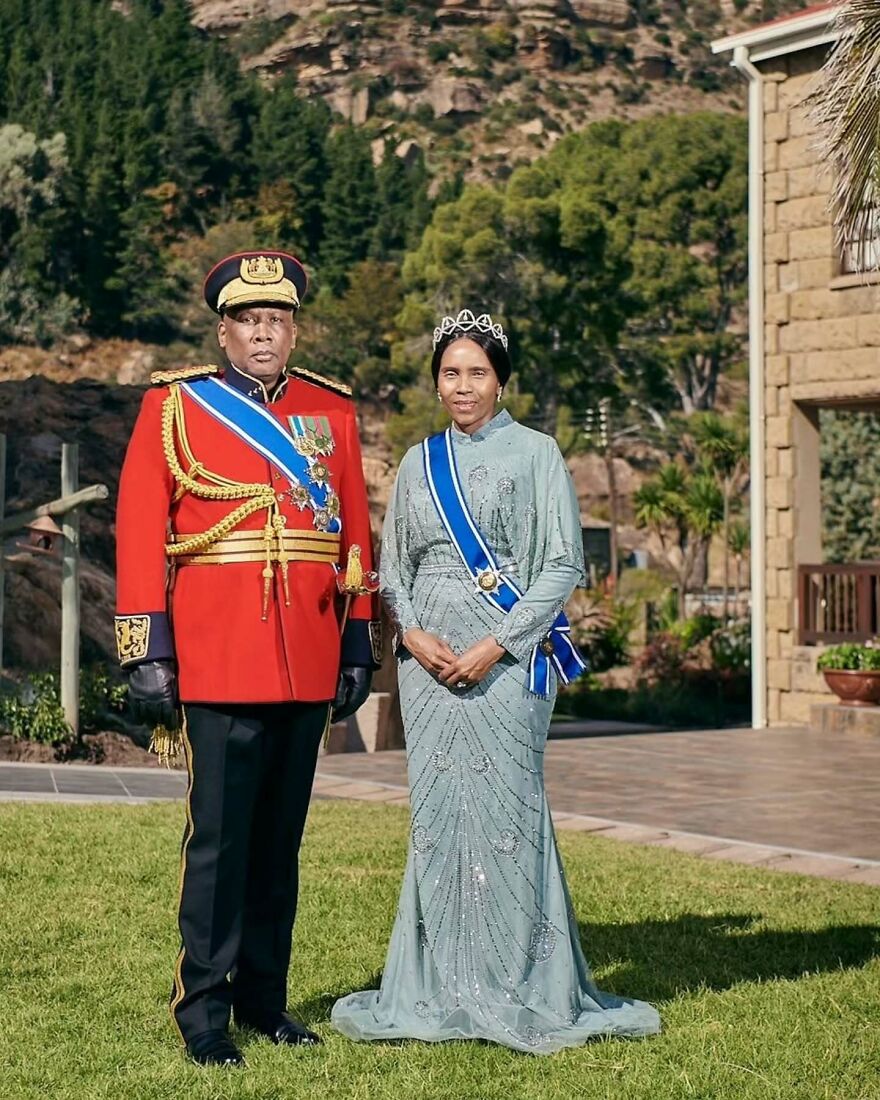
The modern Kingdom of Lesotho came into existence in 1966, when it gained independence under King Moshoeshoe II after decades of British colonial rule.
Although the country is a constitutional monarchy, the king’s role today is largely symbolic, with real political power resting in elected institutions.
Often referred to as the “Kingdom of the Sky”, Lesotho is the only nation in the world located entirely above 4,593 feet. Completely landlocked by South Africa, it plays a crucial regional role by exporting water to its neighbour.
The World Bank reports that water exports account for nearly 10% of Lesotho’s annual GDP.
Royal succession in Lesotho has generally been peaceful, and the country’s culture has gained international visibility in unexpected ways, including its influence on Marvel’s Black Panther.
The nation also briefly entered global headlines in 2024 after a widely circulated video showed former US President Donald Trump telling Congress that nobody had ever heard of Lesotho, via a publicly broadcast moment.
Beneath its low profile, Lesotho faces serious social challenges. The BBC has reported that the country has one of the world’s highest HIV prevalence rates alongside alarmingly high suicide figures, issues that continue to shape national policy and public health efforts.
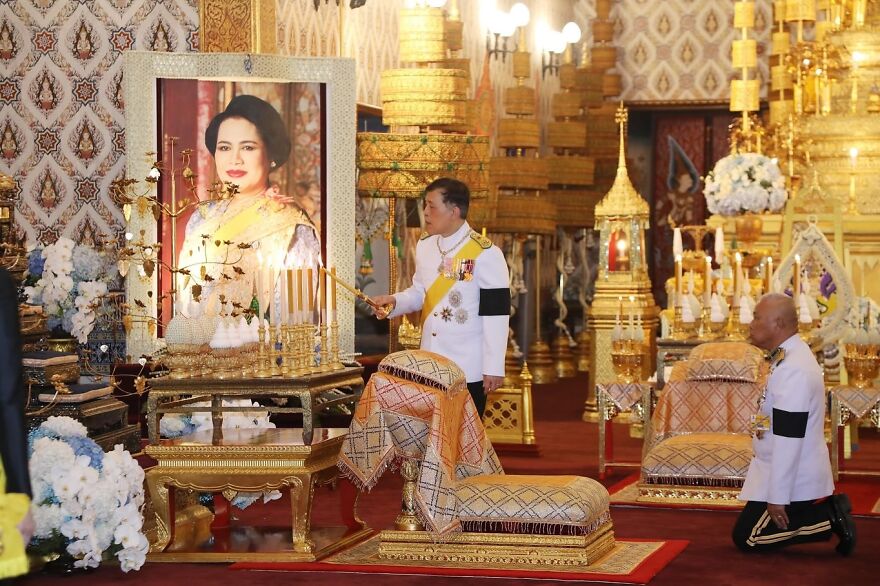
Thailand’s monarchy dates back to 1238 AD, when the kingdom of Sukhothai emerged as the first unified Thai state.
Historical records and royal archives show that the current ruling house, the Chakri dynasty, was established in the 18th century and has remained on the throne ever since. Chakri kings expanded Siam’s influence through conflicts with neighbouring states such as Cambodia, Vietnam, and Laos, while also navigating global pressures during both World Wars.
A decisive break came in 1932, when a bloodless coup led by a civilian and military group known as the Promoters ended the absolute monarchy. The crown was retained, but power shifted toward constitutional rule.
Thailand then experienced decades of political instability and military dominance, with limited democratic governance returning only in the late 20th century.
Today, the country operates under a constitutional framework. The government of Thailand follows a Westminster-style system, with the prime minister leading the executive branch, a bicameral legislature composed of the National Assembly and the Senate, and an independent judiciary composed of four courts, as outlined by the government of Thailand.
Although the monarchy holds no formal political authority, it continues to exert strong moral influence. The IPI Global Observatory has reported that many Thais regard the king as the guardian of Buddhism and national identity, giving royal opinions informal but significant weight in public life.
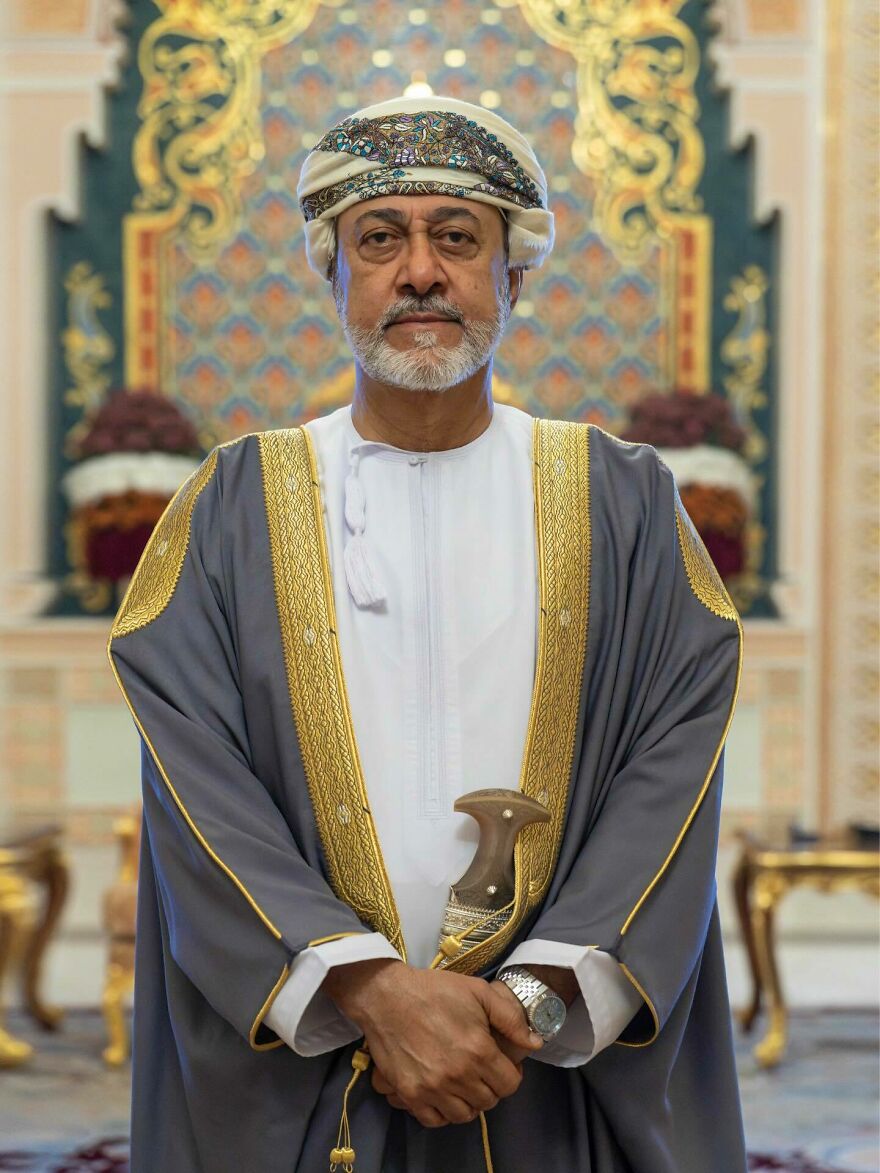
Oman’s political history stretches back to the 7th century, placing it among the oldest surviving monarchies in the Arab world.
While the region has existed under various names and systems for millennia, the rise of the Al Busaidi, also known as the Al Said dynasty, in 1744 marked the formal beginning of the modern Omani state.
Oman is the oldest continuously self-governing Arab country.
Over time, Oman has been known as Majan, Mazoon, Uman, the Imamate of Oman, and the Sultanate of Muscat and Oman.
The country adopted its current name in 1970 under Sultan Qaboos, who ruled for nearly 50 years until his death in January 2020, making him the Arab world's longest-serving leader at the time.
Oman’s strategic position along major Indian Ocean trade routes shaped its long history of foreign contact and conflict. The Royal Air Force Museum documents how Assyrians, Babylonians, Persians, and Portuguese powers all left their mark on the region.
Oman eventually gained independence from British influence in 1951 and remains an absolute monarchy, with the Sultan holding ultimate authority.
Cultural identity remains closely tied to the monarchy. Oman’s national emblem features crossed khanjars, a traditional ceremonial dagger.
Around 95% of the population is Muslim, practising Ibadism, a distinct and historically moderate branch of Islam that has influenced the country’s political stability.
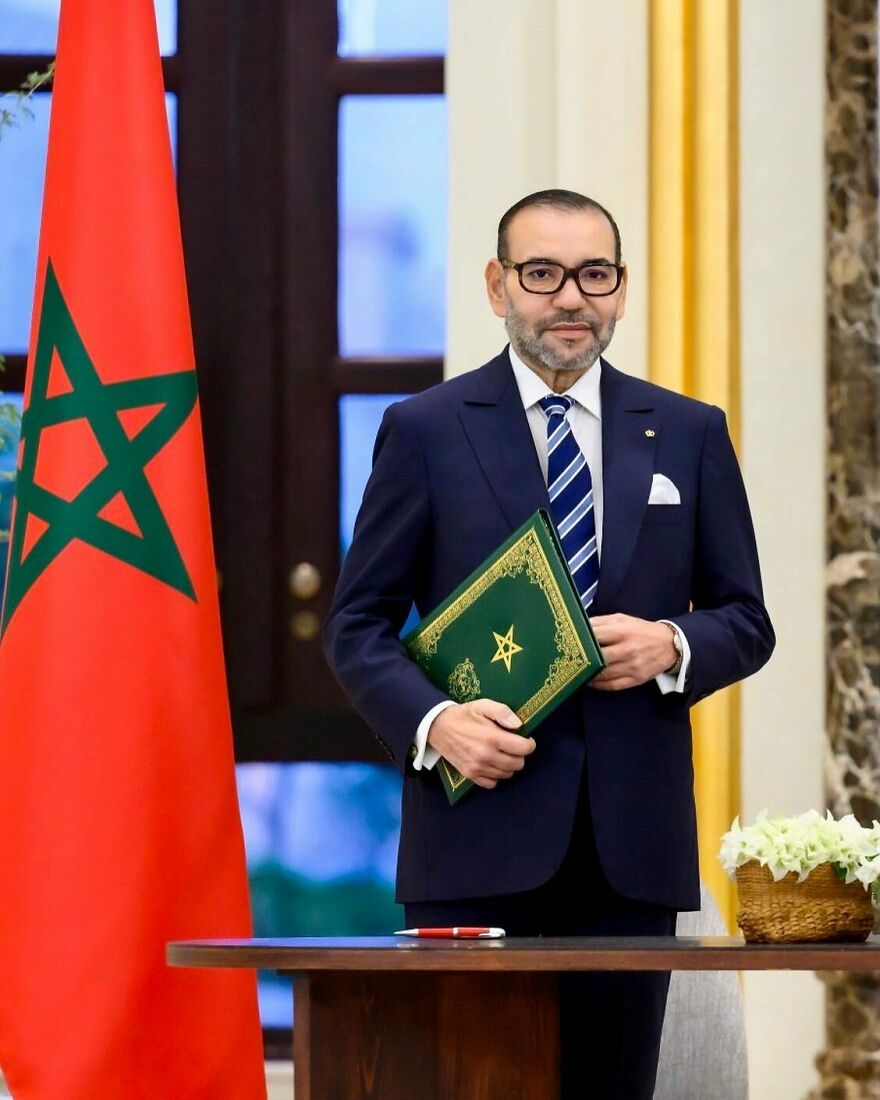
Morocco’s monarchy traces its roots to the late 8th century, when the Idrisid dynasty established the first Moroccan Islamic state in 789 AD.
While several dynasties have ruled since then, the modern royal line belongs to the Alaouite, also known as the Alawi dynasty, which rose to power in the 17th century and continues under King Mohammed VI.
Succession traditionally follows agnatic primogeniture, passing the throne to the eldest male heir.
Moroccan royal history has been shaped by centuries of warfare, diplomacy, and dynastic change. Power shifted across seven ruling houses, leading to formal relations with major foreign powers.
Historical records show that Sultan Moulay Ismail exchanged treaties with France under Louis XIV, while Sultan Mohammed III established early diplomatic ties with the United States.
One of the most enduring results of that diplomacy is the Moroccan-American Treaty of Friendship and Peace.
The National Archives documents the agreement as the longest unbroken friendship treaty in US history, which has remained in force for more than two centuries.
Today, Morocco operates as a constitutional monarchy. Political authority is shared with an elected government, but the king also holds religious leadership.
The Moroccan Constitution recognises the monarch as “Commander of the Faithful,” a title rooted in the royal family’s claimed descent from the Prophet Muhammad (according to Islamic tradition).
King Mohammed VI’s reign has been defined by gradual reform.
His most significant legal change came with the overhaul of family law through the Moudawana code, which raised the legal marriage age, strengthened protections against domestic violence, and expanded women’s rights in matters such as divorce.

While the Alawai's did not rule the country until the 17th Century, they were nobles, who ruled The Tafilalt region, which controlled the nexus of the Trans Sahara trade routes. They were rich and powerful, but in the 17th Century asserted their own Independence from the powers they served and became an independent Monarchy rather than vassals. When the French were colonizing North Africa, the King at the time worked out a deal that while made them a French Protectorate, he still had veto power over all laws, and kept them some level of independence, and why they have been very stable post-colonialism. The Dynasty was the first country to recognize an Independent USA in 1777, a special friendship that still exists today. They also protected their Jews during WW2 from the Vichy govt, and the only Axis controlled North African country without concentration camps or deportation of their Jews to death camps in Europe. He also helped the US invade Morocco to liberate it in 1942.
The Imperial House of Japan is widely recognised as the world's oldest continuous monarchy, with its origins traditionally dated to 660 BCE. Over that span, 126 emperors have ruled.
According to Motto Japan Media, the verifiable imperial line is usually traced to the 25th emperor, who reigned in 6 AD.
For centuries, Japanese emperors were regarded as divine figures. That status officially ended after World War II, when Emperor Hirohito renounced the throne’s divine authority in the Imperial Rescript.
This shift was later formalised by the 1947 constitution, marking the first time since Emperor Jinmu that the Chrysanthemum Throne was no longer considered sacred by law.
In 2019, Emperor Akihito became the first ruler to abdicate since 1817, passing the throne to his son, Naruhito. As the History Channel reports, Akihito had already broken with precedent decades earlier by marrying Michiko Shoda, a commoner, in 1959.
Fourteen years earlier, he also made history by delivering the first-ever public broadcast announcing Japan’s defeat in World War II.
Akihito’s reign is often cited as a turning point for the modern monarchy. His actions highlighted the family’s willingness to adapt to public expectations, though concerns about long-term sustainability persist, as noted by the Asahi Shimbun.
Japanese tradition holds that the imperial family descends from the Sun Goddess, Amaterasu.
This belief is symbolically reinforced during enthronement ceremonies through the presentation of the three sacred treasures, the sword Kusanagi, the jewel Yasakani no Magatama, and the mirror Yata no Kagami, which represent valour, benevolence, and wisdom.

Akihito did not deliver "the first-ever public broadcast announcing Japan’s defeat in World War II." That was his father, Hirohito. Also there are 8 verified Empresses (and 2 more maybes) who ruled in their own right in the Imperial line.

Ranked in terms of what, exactly? It doesn't appear to be age, territory or wealth, so, what?
They made the list in the format used for ranking things by vote of the readers... So whatever the original intent was, we won't know.
Load More Replies...

They're a big part of many counties culture and history. Most of them have no real power now and they're mostly ceremonial.
Load More Replies... Ranked in terms of what, exactly? It doesn't appear to be age, territory or wealth, so, what?
They made the list in the format used for ranking things by vote of the readers... So whatever the original intent was, we won't know.
Load More Replies... They're a big part of many counties culture and history. Most of them have no real power now and they're mostly ceremonial.
Load More Replies...





































 No fees, cancel anytime