Get Premium
Dark mode theme is available exclusively for premium users. Learn more about the benefits of subscribing.
No fees, cancel anytime.

 Dark Mode Ad-Free Browsing Unlimited Content
 Ad-Free Browsing Unlimited Content Dark Mode
Join 1.2 million Panda readers who get the best art, memes, and fun stories every week!
It probably doesn’t come as a surprise that most healthy relationships don’t fall to pieces in the blink of an eye. Instead, they gradually unravel through toxic habits you may not even realize are happening. While some of these traits are blatant and too obvious to ignore, others are so subtle that their true harmful nature often goes unnoticed. They show up as a remark that burns, an action that makes you feel unsafe, or even a pattern that leaves you questioning your own sanity. Whatever the form, dealing with these behaviors in a partner can be extremely challenging and emotionally draining. Because most toxic traits are low-key, we’ve compiled a list of 33 sneaky and unhealthy behaviors to watch out for in your relationship.
This post may include affiliate links.
While it’s normal for people in relationships to disagree at times, it’s a major red flag when your partner flat-out dismisses your opinion regularly. More often than not, this stems from your partner’s belief that they’re above others and that they’re opinion matters most. Interestingly enough, there’s a good chance they’re just masking their own insecurities by being arrogant.
Agressiveness is a pretty toxic trait to have in general, but it’s even more damaging when your partner uses it on you. When most people think of aggression, they picture physical anger or intimidation, but actually, it can take many forms, including repeated patterns of verbal, emotional, and even mental hostility. From yelling and throwing things to mocking and humiliating you in front of other people, no matter the type, these behaviors are never healthy.
Do you ever feel like your needs and desires are constantly on the back burner because your partner only focuses on themselves? Well, they may be inconsiderate. While this behavior may manifest in many ways, it often comes through as a refusal to compromise, a lack of empathy, and even taking you for granted.
If every interaction with your partner leaves you feeling anxious, drained, or uncertain of your own needs, you’re likely being emotionally manipulated. It might not be obvious at first, but your partner may be using guilt, pressure, or mind games to control or influence you in a way that will benefit them. At times, they might even use your vulnerabilities against you to get the upper hand.
If your partner has a short temper, you might feel like you constantly have to walk on eggshells to avoid making them upset. No matter how small the disagreement, intense anger is regularly directed towards you, leaving you feeling unsafe and unable to express yourself in the relationship.
Your partner being disrespectful is way more than them just being mean. In most cases, this appears as passive aggression, ineffective communication, manipulation, and even broken promises, often leaving you feeling undervalued and neglected. If this pattern continues, it can lead to resentment and cause irreparable harm to the relationship.
When your partner is being sneaky in the relationship, it usually means they’re hiding their actions, words, and intentions from you in a shady way. For instance, they might say they’re going one place but conveniently end up in another, or they may be vague and evasive over the smallest things. Sometimes this could be completely innocent, but more often than not, it’s a sign that they’re secretly up to something.
If your partner constantly prioritizes their own wants and needs while overlooking yours, chances are they’re pretty self-centered. It might not be immediately apparent, but this behavior often presents itself as your partner making big decisions without considering your feelings or frequently shifting blame whenever conflict arises.

The blame shift is a common trait. As soon as I notice a person doing it I know I can't trust them. TBH I used to, and I learned it from my mother unfortunately. I recognised it and now make an extra effort to accept that I could have made a mistake instead of trying to convince people I'm right .
Guilt-tripping doesn’t seem all that bad when it happens once in a while, but if you frequently feel responsible for your partner’s emotions or actions, then it’s probably a major warning sign. Along with this, you might feel pressured into doing things you don’t want to do out of fear you’ll hurt your partner by not letting them get their way. From sympathy-seeking to manipulation, guilt-tripping comes in many forms, much like other toxic traits.
While telling a white lie once in a blue moon is usually harmless, it becomes more sinister if it becomes a pattern. If your partner is frequently telling lies, twisting the truth, and purposefully omitting information, then they’ve likely shifted into true deception, which is a more serious form of dishonesty. Apart from being sketchy, your partner might even be capable of more troubling offences like gaslighting, or worse, infidelity.
Greed in a relationship goes far beyond your partner grabbing the last slice of pizza before you do. It tends to appear when they expect constant affection, attention, and understanding from you, without ever reciprocating or while offering you very little to nothing in return. What’s even more surprising is that they’ll resent you or treat you with disdain when you don’t meet their unreasonable expectations.
When your partner places too much focus on your imperfections, small flaws, or just trivial issues in general, there’s a good chance that they’re nitpicking. This behavior is toxic because it’s driven by unreasonable expectations or a need to control, and over time, you’ll start to feel like you’re constantly being criticized.
You should be supporting your partner in everything, and rarely if ever criticising the things you don't like.
Love is meant to be healthy, but if your partner is persistently restricting your independence and blocking your personal growth by demanding constant contact with you, then they’re actually obsessive. This behavior often stems from insecurity, jealousy, or paranoia, and more often than not, turns into more harmful actions like being controlling, demanding, and even manipulative.
Thoughtlessness can be described as a lack of awareness of how one’s words or actions may affect the people around them. In a relationship, it often shows up as your partner ignoring your needs at certain moments, forgetting special days, and even dismissing or invalidating your feelings. Being thoughtless can be unintentional at times, but once it becomes a pattern, it will negatively affect the relationship.
It probably doesn’t come as a surprise that rigidity makes the list as a toxic trait to watch out for. When your partner is rigid, it will appear in their refusal to accept your viewpoint or their unwillingness to adjust their mindset when you express your needs, making compromise extremely difficult.
If your partner frequently causes you to doubt your own reality and perceptions by twisting facts, denying events, or even shifting blame, there’s a good chance that they’re gaslighting you. By making you question your memories, judgment, and self-perception, they’re able to gain control over you and even avoid taking accountability in the relationship.
Instead of addressing issues as they arise, your conflict-avoidant partner probably sweeps them under the rug or ignores them completely to prevent engaging in an argument. While conflict avoidance doesn’t seem all that negative at first, it often leads to resentment and even bigger confrontations down the line, because realistically, problems don’t just disappear.
Common trait. Sometimes you need to work out ways to approach conflict more gently. You can't actually have zero conflicts in my experience, even though some may be subtle, they need to be acknowledged and addressed.
We’re all pretty familiar with jealousy since it’s an emotion we’ve probably all felt before, but when left unchecked, it’s arguably one of the most toxic traits around. When fueled by suspicion and insecurity, jealous behavior can easily transform into obsession, encouraging impulsivity, fear, and even constant worry in a relationship.
While being frugal sometimes isn’t necessarily a bad thing, it can grow into pathological frugality when it becomes excessive. In other words, what starts off as penny-pinching can escalate into emotional cheapness, where your partner not only withholds money, but also support, affection, and even kindness. This toxic trait often comes from a deep-rooted fear of losing control or resources.
If your partner struggles to understand their own thoughts and feelings, there’s a good chance that they lack self-awareness. As it turns out, self-reflection also affects how they communicate with you, how they express affection, how they interpret your behavior, and how they respond to conflict. Without it, misunderstandings often get blown out of proportion, and your feelings are frequently overlooked.
Struggling to see things from another person’s perspective is pretty normal sometimes. However, if your partner regularly leaves you feeling unseen, unheard, or like your feelings aren’t valid, it’s a major sign that they may lack empathy. While not always deliberate, this behavior is insensitive and reflects their inability to put themselves in your shoes or care about your inner experience.
Does having a conversation with your partner regularly feel more like an attack than an attempt to solve a problem? This is likely due to your partner’s hostility. Their negative behavior, often rooted in dissatisfaction and miscommunication, presents itself as frequent irritability, resentment, or a tendency to pick fights.

she yelled so loud the bookcase got knocked over
There’s a fine line between giving someone constructive criticism and belittling them, and sadly, sometimes we get the balance wrong. If you’re constantly feeling put down by a comment your partner makes, they’re probably being condescending. This behavior often presents itself as them making belittling remarks, using patronizing speech, or even brushing off your ideas and feelings.
I don't even make 'funny' disparaging remarks, even though I've always done it to all my friends. My partner is sometimes sensitive to this, so I've learned to just not do it all, however funny it seems to me. It makes her feel much better.
It probably isn’t surprising that negativity can be extremely damaging to a relationship. If your partner is regularly complaining, teasing, criticizing, or speaking poorly of you, it’s a major sign that they’re overly negative. If repeated over time, this behavior ruins all positive feelings and, more often than not, introduces contempt into the relationship.
If you’re frequently feeling overlooked or taken for granted by your partner, they may have stepped into lazy territory. Laziness in a relationship often goes deeper than just your partner forgetting to load the dishwasher when it’s their turn; it usually presents itself as a lack of initiative, them making important decisions alone, ignoring special occasions, and even emotionally checking out.
While having different opinions is perfectly normal, your partner struggling to accept yours and constantly imposing their standards on you isn’t. This behavior can be interpreted as them being judgmental and often stems from a deep-rooted superiority complex or their response to daily stress and anxiety. Over time, frequent judgment will eventually leave you feeling criticized and unsupported.
Spontaneous impulsivity isn’t a bad thing and can actually make a relationship more exciting. But when your partner frequently acts without thinking, especially when it comes to making major decisions, increased conflict and instability in the relationship are likely. Unfortunately, repeated impulsivity doesn’t just affect their decision-making but also negatively impacts their emotional regulation, spending, and even their communication.
If your partner disregards your safety by frequently engaging in risky behavior like unsafe actions, that’s a major sign that they’re reckless. This behavior not only ignores potential negative consequences but also disregards your concerns, leaving you feeling fearful and exposed. One example of such behavior is your partner driving at an unsafe speed with you in the car every time they feel upset.
It’s probably no shock that cynicism in a relationship can be very toxic. If your partner displays a deep-seated mistrust of you or constantly finds fault with you or your relationship, there’s a good chance that they’re a cynical person. Usually stemming from past hurts or trauma, this behavior will eventually harm intimacy, create more conflict, and possibly push you away from them.
I'm extremely cynical, but I often wonder if I'm cynical enough. Of my partner, however, I have NEVER been cynical!
A partner who tries to dictate what you should wear, how you behave, and even how you communicate with others is most likely engaging in controlling behavior. They will often use tactics like manipulation, gaslighting, or constant criticism to gain power over you, leading to you feeling insecure and unsafe.
Simply put, argumentativeness describes people who enjoy arguing just for the sake of it. So, if your partner habitually starts fights over the smallest issues and constantly appears defensive, there’s a good chance that they’re argumentative. While engaging in debate can be healthy sometimes, when it becomes a pattern, it can be a tense, frustrating, and even emotionally draining experience.

Grumpy, just say you don't love women. It's ok to come out as gay late in life.
A controlling partner may deliberately isolate you from your friends and family so they can gain greater power over you and the relationship. To do this, they’ll often dominate decisions, manipulate your emotions, monopolize your time, and ignore your boundaries, leaving you feeling alone and unsafe.
Having standards in a relationship is important and healthy. However, if your partner sets unrealistically high standards for you or your relationship, this is a major sign that they’re a perfectionist. Wanting the best in a relationship isn’t necessarily toxic, but constantly judging or criticizing your behavior will eventually lead to conflict and resentment.

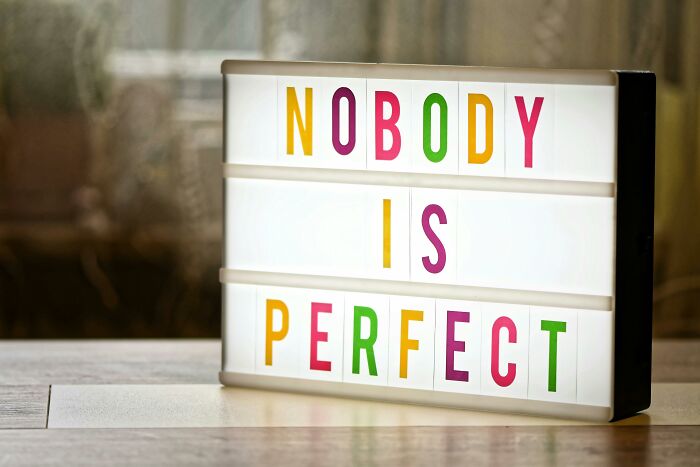
My High-School had a poster up in the main hall, beautifully painted, framed, lighted and noteworthy to all: "Pobody Is Nerfect."

Maybe I missed it in the fine print, but I'm surprised that hypocritical behavior wasn't on the list. I don't mean the little things, since everyone is a hypocrite at some point. I'm talking about the big ones—the "you can't do or say that, but if I do or say it, it's okay" kind. I've been married for 15 years, and this one still drives me up the wall.

It probably got pushed out by one of the many duplicates that were just worded differently.
Load More Replies...
Not going to lie, but this thread made me feel pretty 'meh'. To be fair, it's probably not the topic's fault. I've had clients come in this week who have lifetime IVOs on their ex partners (and do you want to guess how they've got those? I don't think you do.) and clients who have attempted to fix up associated problems only to have said other party set their documents on fire, physically assault them to the point they needed hospitalisation, etc. This week has been harsh on me, so I can't even begin to think of the hardship through which these women went. It's super depressing at times to see/hear what happens behind closed doors, but (and I'm not saying everyone else sucks if they can't deal with it in the same way, because *eff no* FV is not a small thing, if you're seeking help you're already doing more than others will/can (sadly. I wish somehow this could change.) and people like me are here to help, not judge you) the women I've seen that have fought their way out of there never cease to amaze me.


Most of these things are on a spectrum in everybody, and most have a, sort of, tolerable or actually positive range. Gaslighting, for example, does not have a positive lowkey range. Aggression, at times, may be justified and required - lacking the ability to kick the balls of somebody who is about to kiII someone else, isn't good for said somebody else ... caring for ones' own interest isn't always selfish, but a necessity. That, of course, needs to be levelled with others' interests, as none of them are generally and genuinely above the others.
Maybe I missed it in the fine print, but I'm surprised that hypocritical behavior wasn't on the list. I don't mean the little things, since everyone is a hypocrite at some point. I'm talking about the big ones—the "you can't do or say that, but if I do or say it, it's okay" kind. I've been married for 15 years, and this one still drives me up the wall.
It probably got pushed out by one of the many duplicates that were just worded differently.
Load More Replies... Not going to lie, but this thread made me feel pretty 'meh'. To be fair, it's probably not the topic's fault. I've had clients come in this week who have lifetime IVOs on their ex partners (and do you want to guess how they've got those? I don't think you do.) and clients who have attempted to fix up associated problems only to have said other party set their documents on fire, physically assault them to the point they needed hospitalisation, etc. This week has been harsh on me, so I can't even begin to think of the hardship through which these women went. It's super depressing at times to see/hear what happens behind closed doors, but (and I'm not saying everyone else sucks if they can't deal with it in the same way, because *eff no* FV is not a small thing, if you're seeking help you're already doing more than others will/can (sadly. I wish somehow this could change.) and people like me are here to help, not judge you) the women I've seen that have fought their way out of there never cease to amaze me.
Most of these things are on a spectrum in everybody, and most have a, sort of, tolerable or actually positive range. Gaslighting, for example, does not have a positive lowkey range. Aggression, at times, may be justified and required - lacking the ability to kick the balls of somebody who is about to kiII someone else, isn't good for said somebody else ... caring for ones' own interest isn't always selfish, but a necessity. That, of course, needs to be levelled with others' interests, as none of them are generally and genuinely above the others.




























 No fees, cancel anytime
 then open in external browser


 and click "Open in External Browser"