We and our trusted partners use technology such as cookies on our site to personalize content and ads, provide social media features, and analyze our traffic. You can read more about it and change your preferences here.
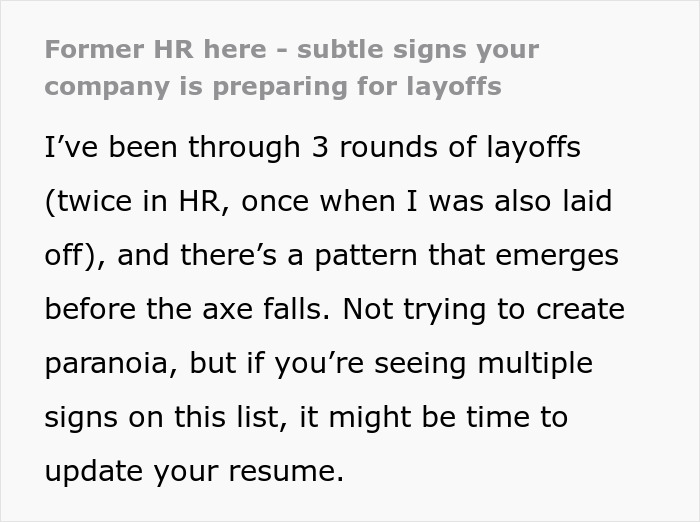
Being laid off is never easy. It brings uncertainty, stress, and a whirlwind of questions about the future. But wouldn’t it be just a little easier if you could spot the warning signs before it happens?
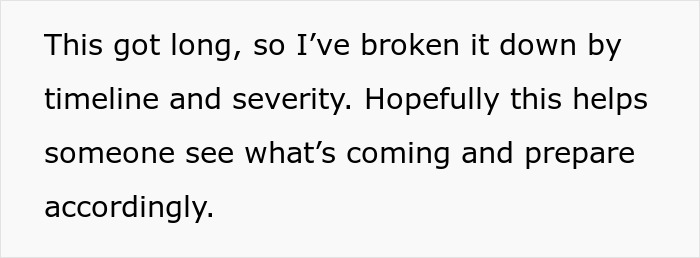
Thankfully, a former HR professional shared subtle indicators that your company might be preparing for layoffs. Their detailed insights have been widely praised online for being practical and eye-opening. Keep reading to learn the key signs and what you can do to prepare.
RELATED:
Being laid off without warning can be a stressful and frightening experience for anyone
Young professional leaving office with box of belongings, showing subtle red flags indicating job insecurity.
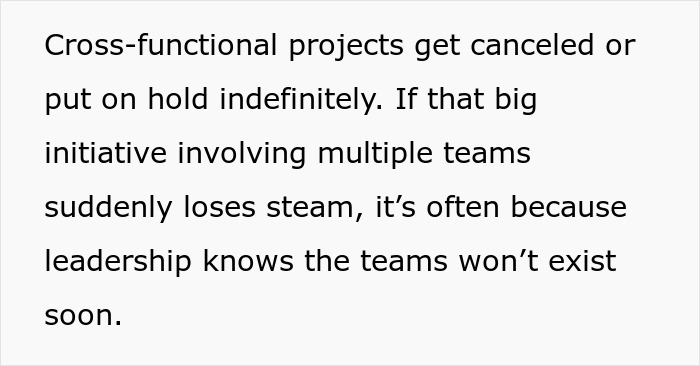
Text explaining cross-functional projects canceled or delayed, highlighting subtle red flags that mean job security is at risk.
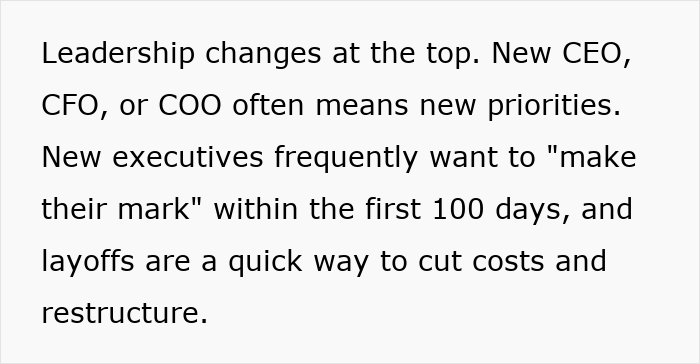
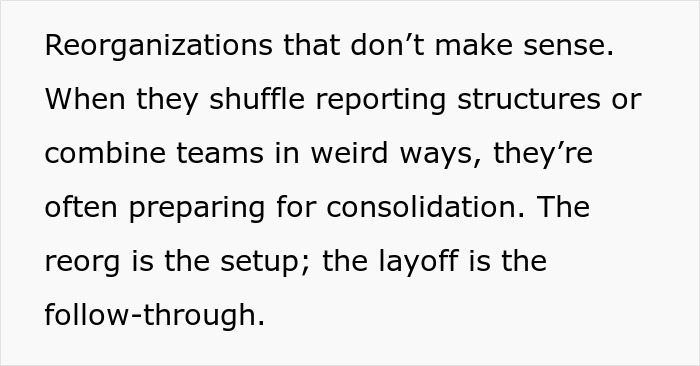
Text explaining how confusing reorganizations signal job insecurity, highlighting subtle red flags about job safety.
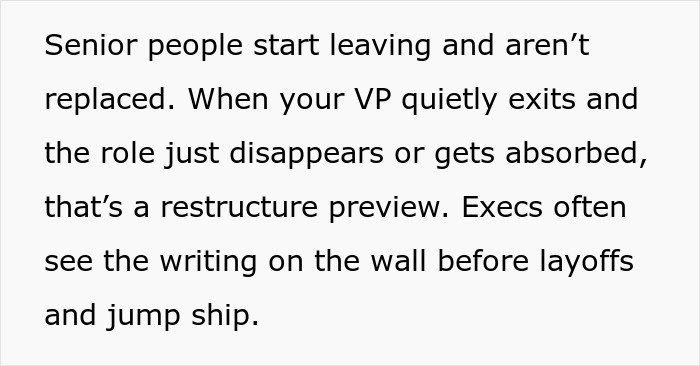
Alt text: Signs of job insecurity with senior leaders leaving and roles disappearing indicate subtle red flags in job safety.
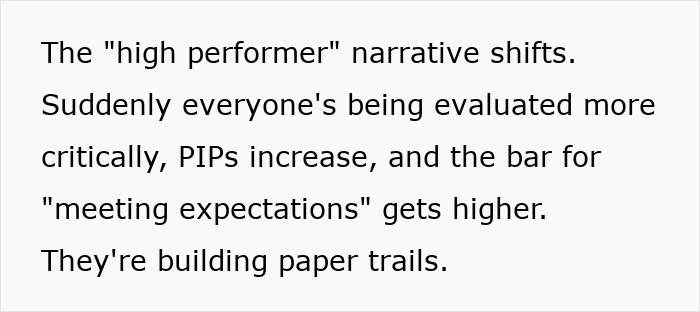
Text highlighting subtle red flags at work, such as stricter evaluations and rising performance expectations signaling job insecurity.
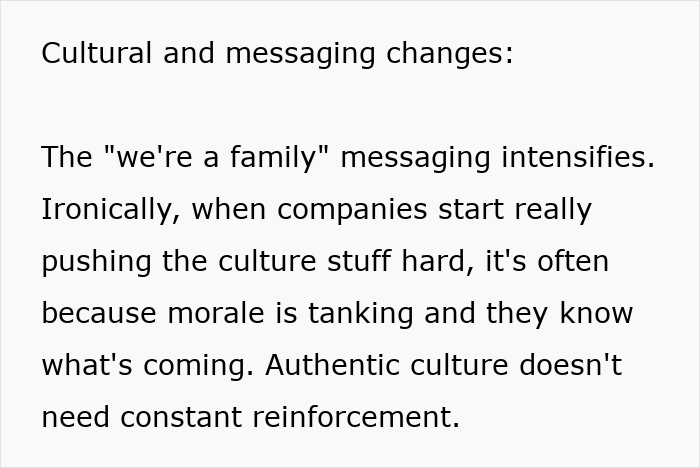
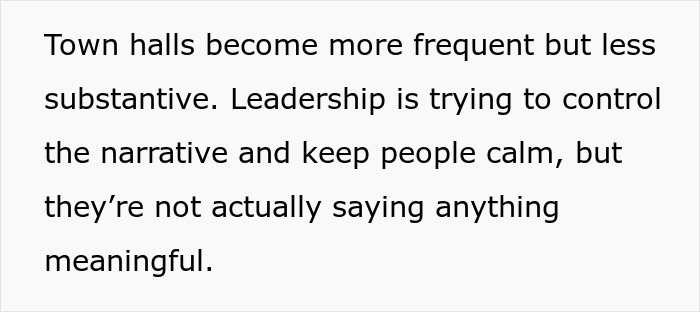
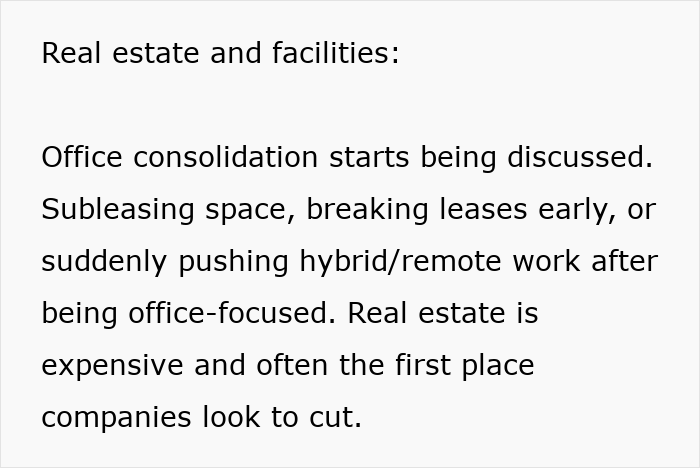
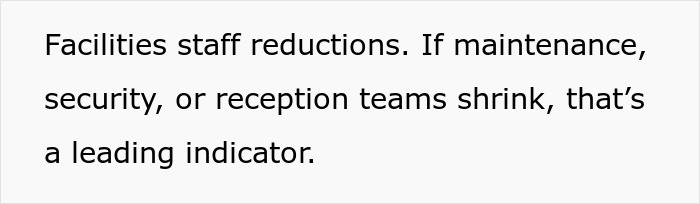
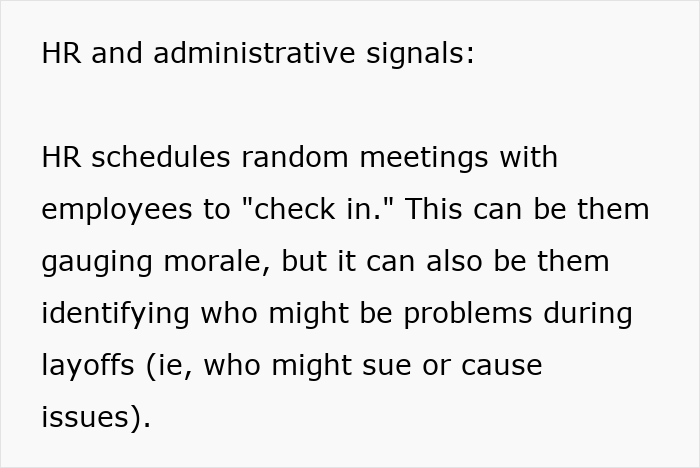
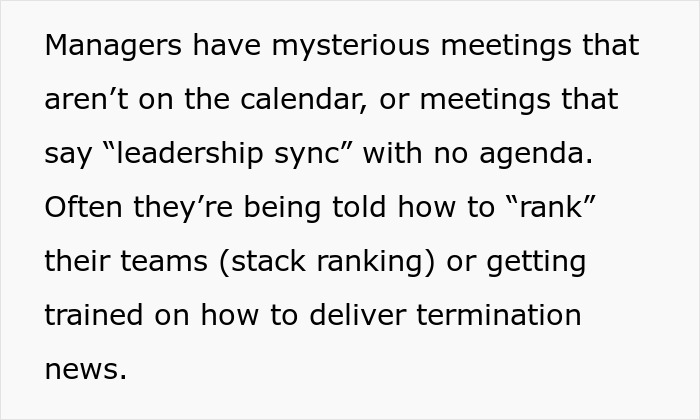
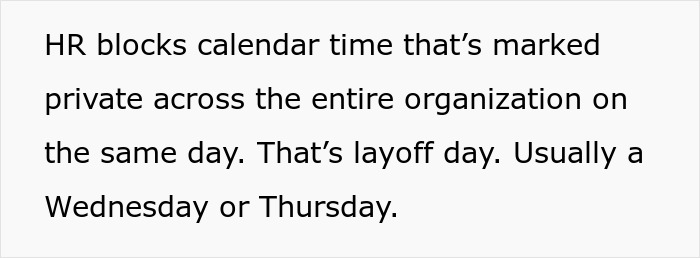
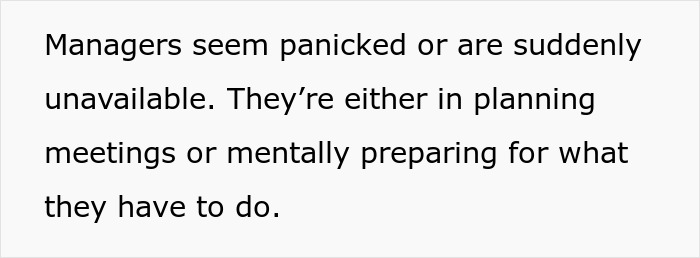
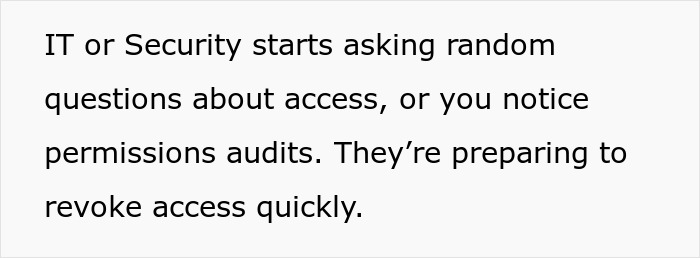
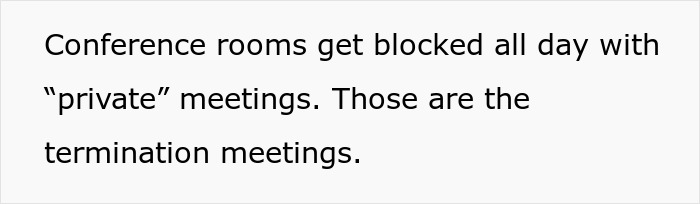
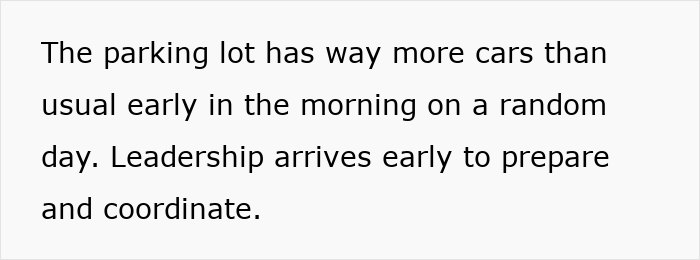
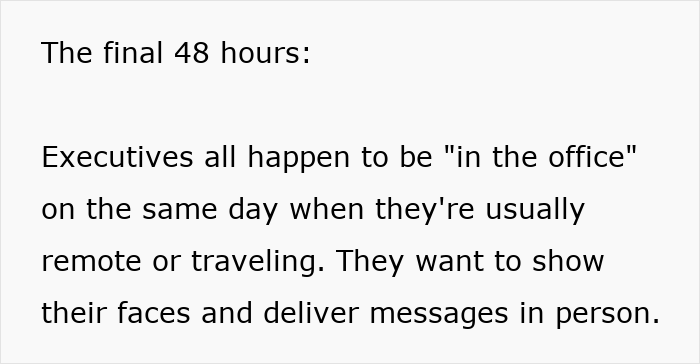
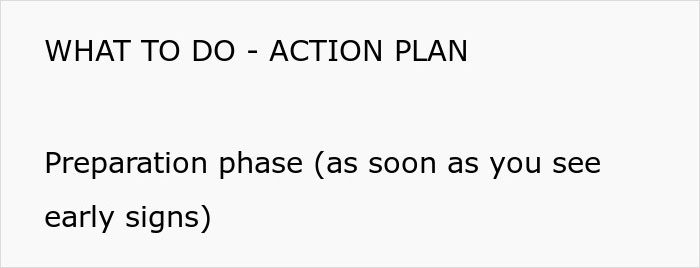
Text explaining HR and administrative signals indicating subtle red flags that mean your job may not be safe.
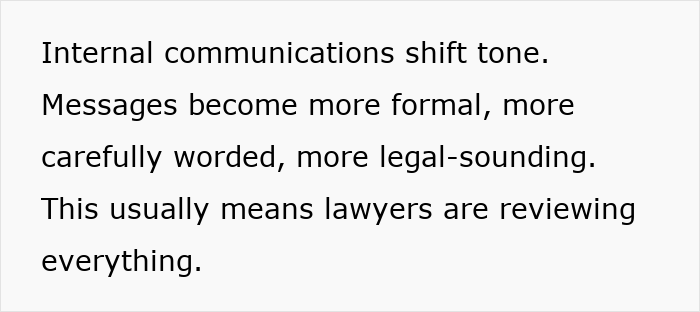
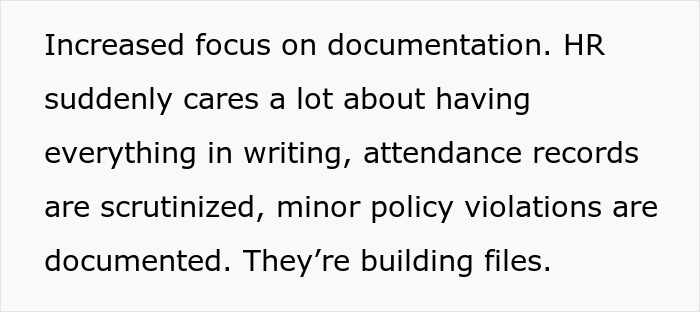
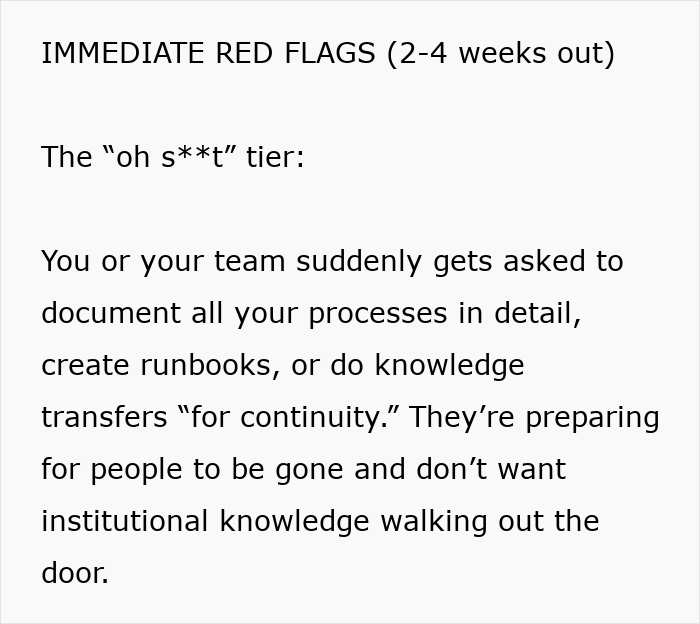
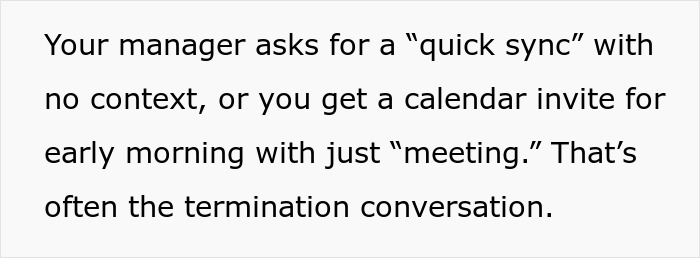
Text highlighting increased focus on documentation by HR as a subtle red flag that means job security is at risk.
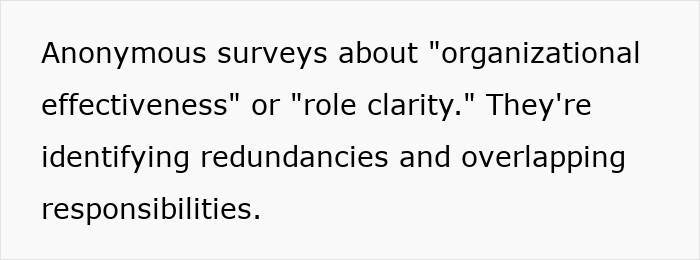
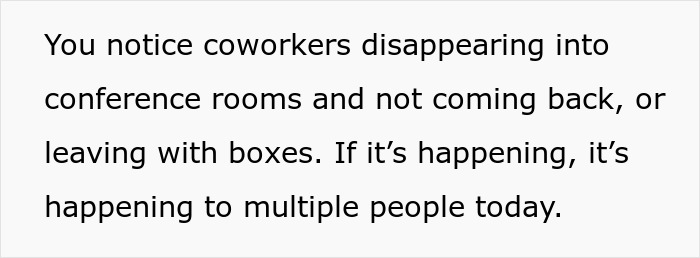
Text excerpt discussing anonymous surveys on organizational effectiveness and role clarity revealing redundancies and overlapping responsibilities as subtle red flags in job safety.
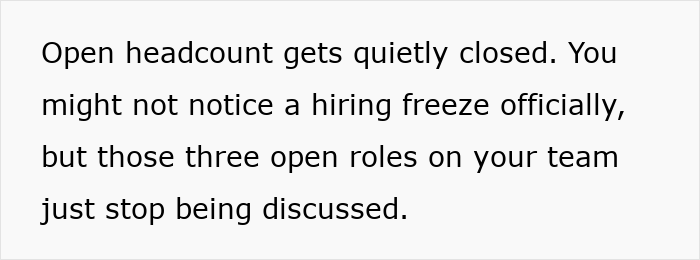
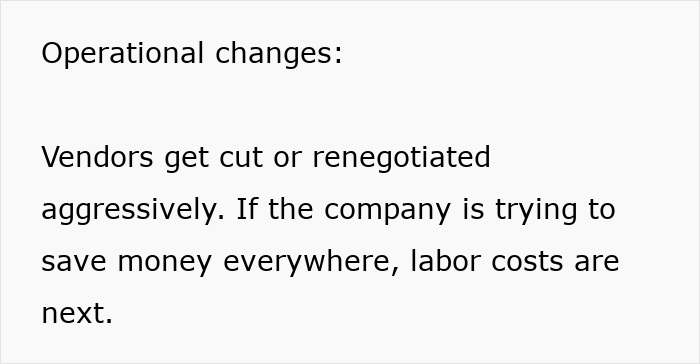
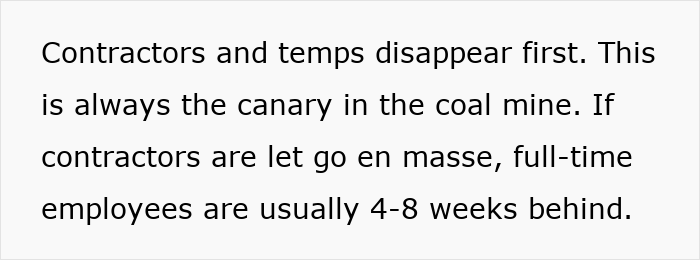
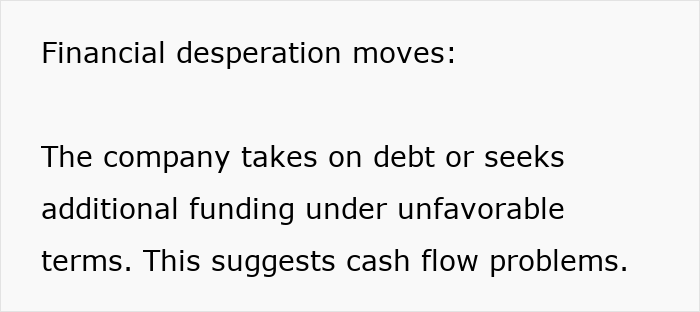
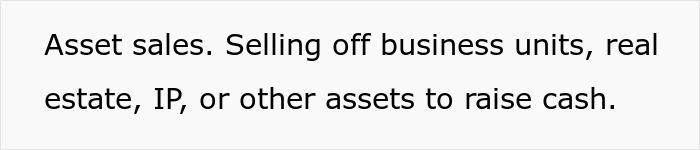
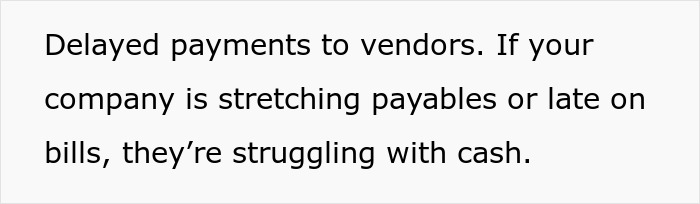
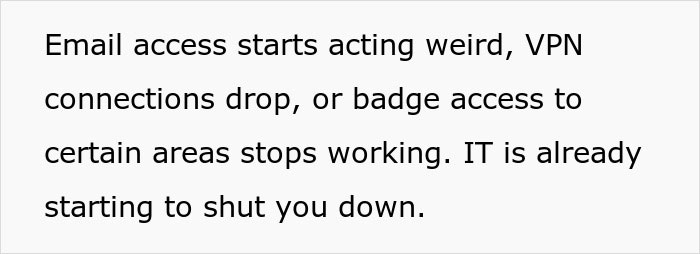
Text showing operational changes highlighting vendor cuts and aggressive renegotiations indicating job safety red flags.
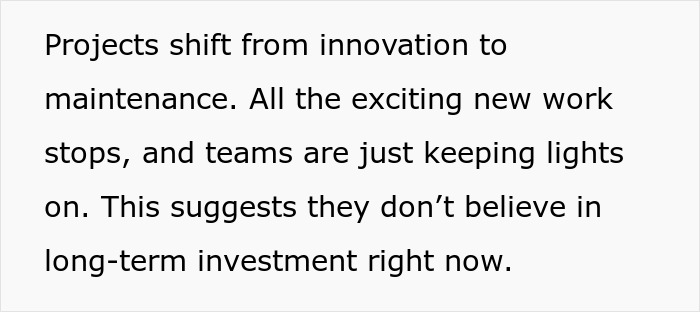
Shift from innovation to maintenance highlights subtle red flags that mean your job is actually not safe at all.
Man working on laptop and phone at desk, highlighting subtle red flags that indicate job insecurity risks.
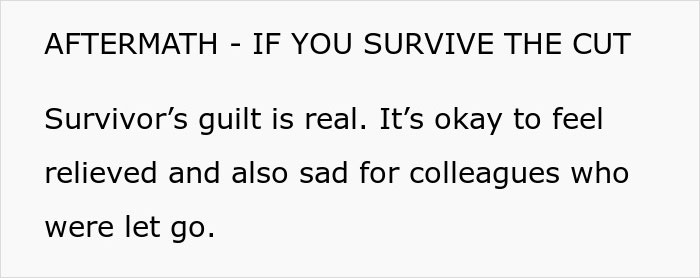
Survivor’s guilt can leave employees who didn’t lose their jobs feeling anxious, overwhelmed, and emotionally drained, even though they technically “survived” the layoffs
2025 has been a turbulent year for workers across industries. Massive layoffs have swept through major tech giants, retail chains, and service sectors. According to a report by Challenger, Gray & Christmas, U.S. employers cut more than 150,000 jobs in October alone—making it the largest October job reduction in over two decades. Tech companies led the wave, with retailers and service providers close behind.
A large part of this downsizing is being driven by rapid advances in AI, which has reshaped how companies operate and where they choose to invest their budgets. But that’s not the only factor. Slowing consumer demand, reduced corporate spending, and rising operational costs have all pushed businesses into cost-cutting mode, leading to hiring freezes and widespread workforce reductions.
Layoffs don’t just affect the people who lose their jobs, they ripple through entire workplaces. If you’re one of the employees who remained, you may feel relieved, but you may also struggle with a strange mix of guilt and discomfort. This “survivor’s guilt” is more common than people realize, and it can hit just as hard as the layoffs themselves.
Layoff survivor guilt is the heavy mix of emotions people feel when they keep their job while coworkers around them are let go. It’s an unsettling blend of relief, sadness, and a strange sense of unfairness. You’re glad you still have a paycheck, but you can’t shake the thought that someone else didn’t get as lucky. This emotional conflict can sit with you for weeks, sometimes months. It can make the workplace feel different, even if nothing changes on paper. Many people describe it as a sudden awareness of how fragile job security can be. And once you feel it, it becomes difficult to just “carry on” as if nothing happened.
Another big part of survivor guilt comes from empathy. You think about what they might be facing now: the anxiety, the job hunt, the financial pressure. Even if you weren’t best friends, you still feel a responsibility because you shared a workspace and a routine. And if it was someone close—a work bestie, lunch buddy, or teammate you relied on—the guilt can hit even harder. It hurts to watch someone else’s life change overnight while yours stays the same.
Alongside guilt is another powerful emotion: fear. After seeing others lose their jobs, it’s natural to worry that you might be next. Every new email notification feels suspicious, and every calendar invite from leadership raises your heart rate. The thought, “What if my turn is coming?” lives in the back of your mind. Even casual conversations with managers start to feel like assessments. This fear can drain your mental energy and make the work environment feel unpredictable. It’s a quiet pressure that follows you throughout the day.
There’s also the nagging thought that the process wasn’t entirely fair. Layoffs often feel random, even when companies insist they aren’t. You might wonder why you were kept instead of someone who worked longer, harder, or was more skilled. That internal questioning creates a sense of undeserved privilege. It blurs your confidence and makes you replay the decision in your head, even though it wasn’t yours to make. This moral discomfort can linger, making it hard to feel fully secure in your position. It becomes a constant mental tug-of-war between logic and emotion.
Employers should make an active effort to help their remaining staff feel supported, valued, and secure during transitions, so the workplace doesn’t become a source of constant stress
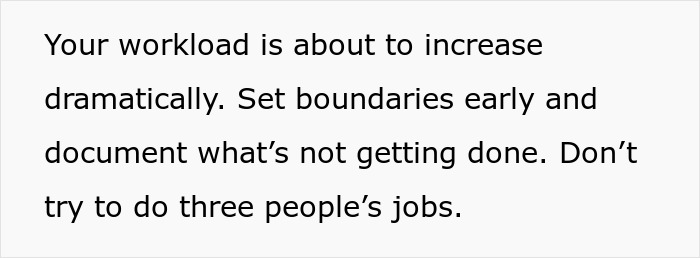
Surviving employees also tend to face bigger workloads once the dust settles. With fewer hands on deck, responsibilities increase almost overnight. Suddenly you’re doing the job of two people, maybe three, without a new title or salary bump. The company expects things to continue running smoothly, but the reality is far more exhausting. This extra pressure can lead to burnout—both physical and emotional. It’s hard to stay motivated when your effort skyrockets and your recognition stays exactly the same.
So what can someone do when they’re stuck with these emotions? One helpful step is having an open, honest conversation with your direct manager. Not to complain, but to gain clarity. Understanding expectations, workload adjustments, and future plans can ease a lot of anxiety. Transparency can help restore a sense of stability. It’s also a reminder that you’re not alone in navigating the changes.
Another meaningful way to cope is by investing in yourself. Upskilling, whether through online courses, certifications, or learning new tools, gives you back a sense of control. It prepares you emotionally and professionally in case future layoffs do happen. Plus, personal growth builds confidence, which can counterbalance survivor guilt. Knowing you’re expanding your abilities makes the uncertainties feel less intimidating. You’re not waiting helplessly; you’re preparing.
Companies share responsibility too. It’s not just up to employees to manage the emotional fallout. Thoughtful organizations check in with their remaining staff, offer resources, and communicate honestly. They focus on retention rather than squeezing extra work out of fewer people. Small gestures—like recognition, workload adjustments, or temporary bonuses—can make a massive difference. When companies support their workers, morale recovers faster.
At the end of the day, survivor guilt is a very human response to an unsettling situation. It reflects empathy, fairness, and the desire to see everyone treated well. While it takes time to work through, it does get easier when people feel heard, supported, and valued. With the right tools, transparency, and communication, employees can regain their footing and move forward with confidence.
Layoff discussions are never pleasant, yet posts like these can be genuinely useful in helping people prepare emotionally and professionally before the news arrives. They offer perspective, reduce the element of shock, and remind employees that subtle signs often appear long before announcements are made. As for your thoughts, do any of these warning signs feel familiar to you, or have you ever witnessed similar patterns in your workplace?
Readers praised the post, saying the tips and insights were highly accurate and practical
Employee looking worried during a meeting, highlighting subtle red flags that mean your job is not safe at all
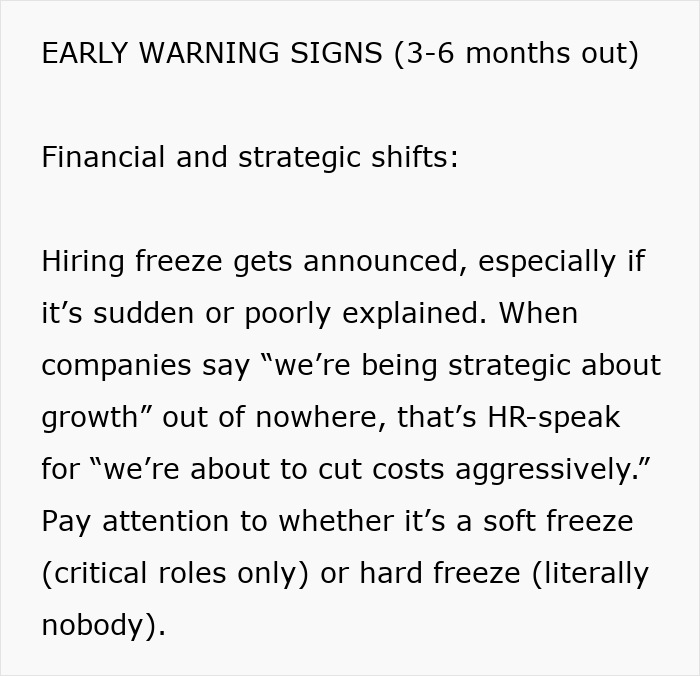
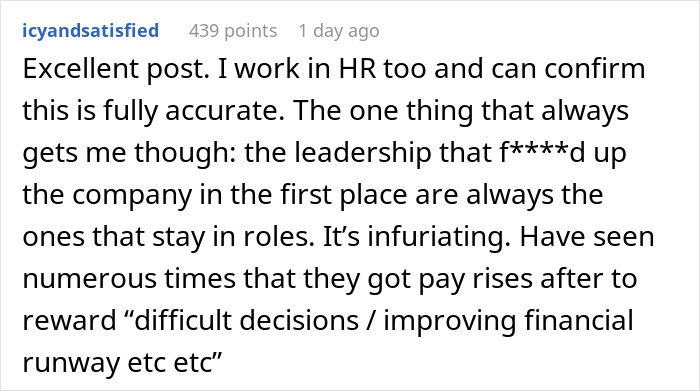
Screenshot of online comment discussing subtle red flags indicating job insecurity from an HR professional’s perspective.
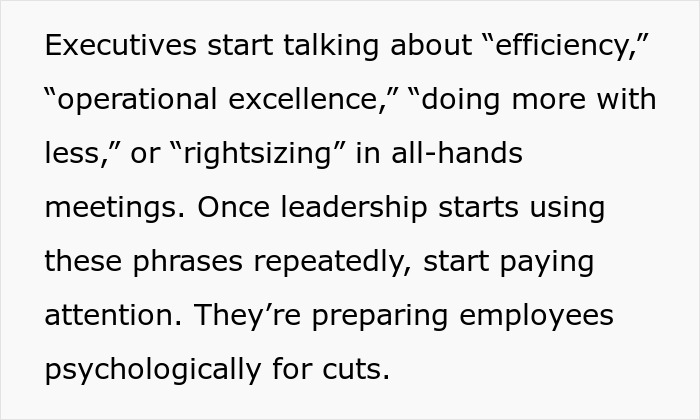
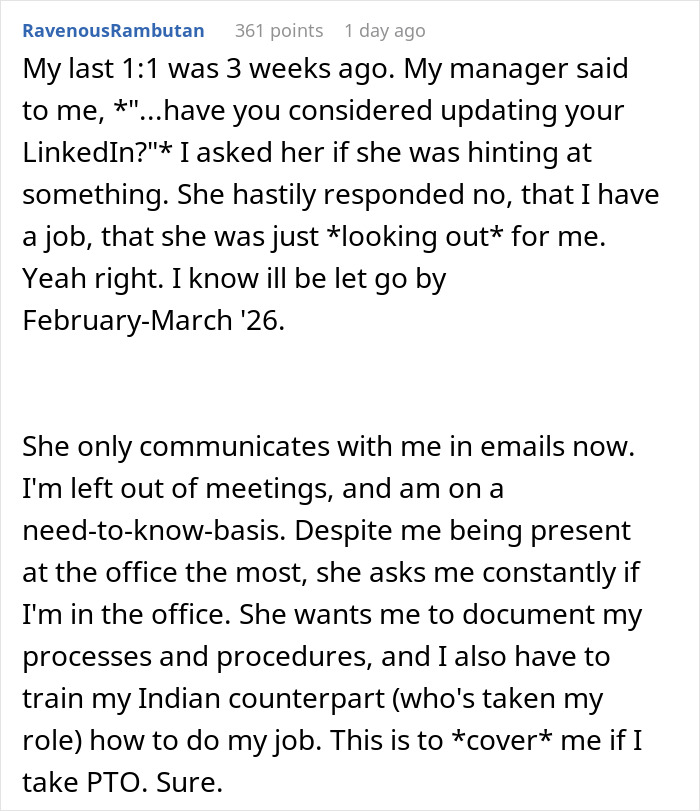
Screenshot of a discussion revealing subtle red flags that indicate a job may actually not be safe.
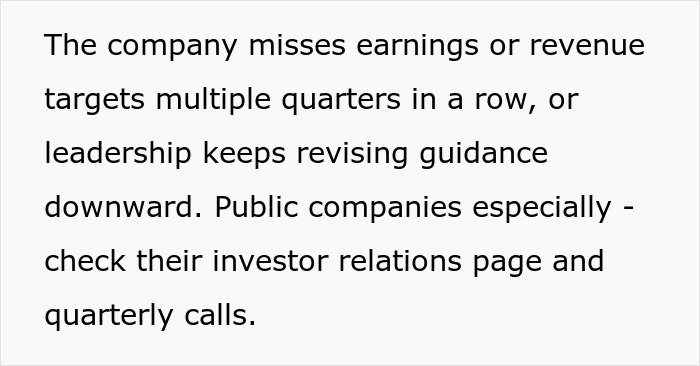
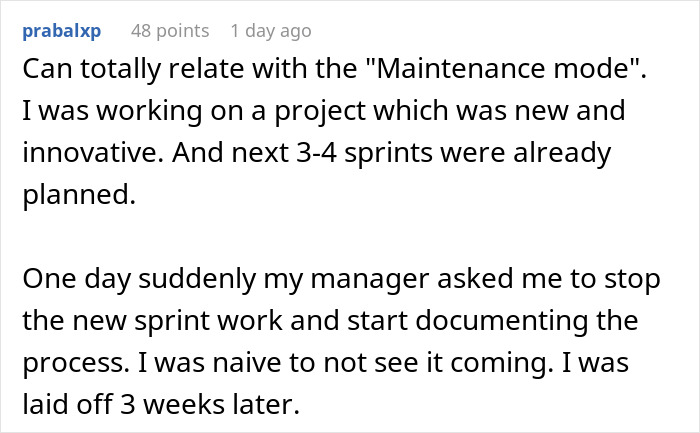
Screenshot of a forum comment warning about subtle red flags indicating job insecurity during economic changes.
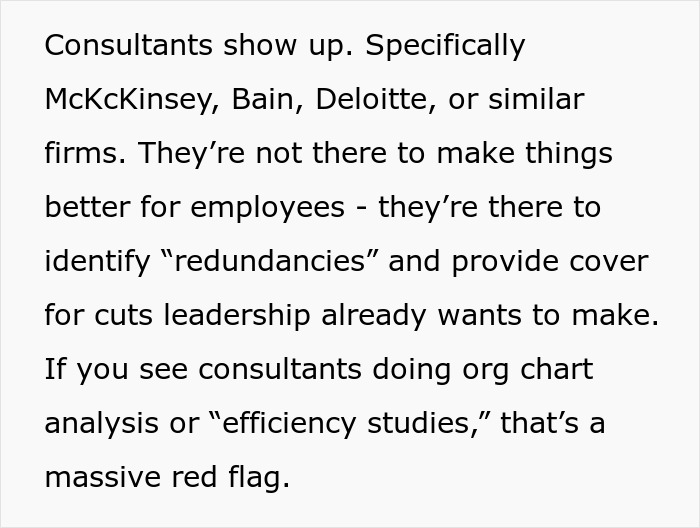
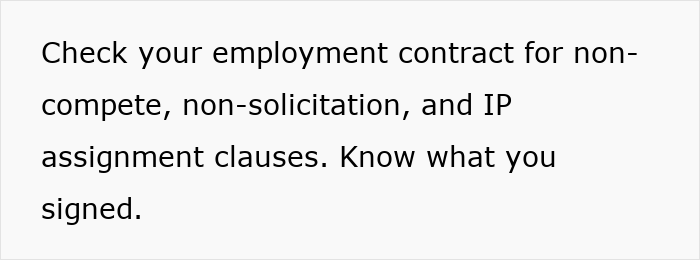
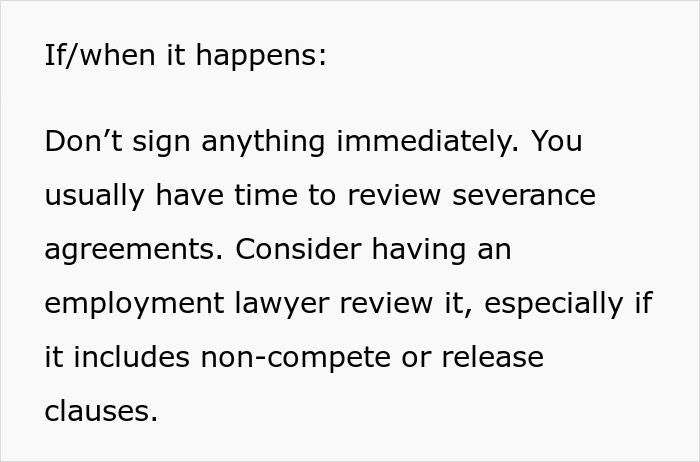
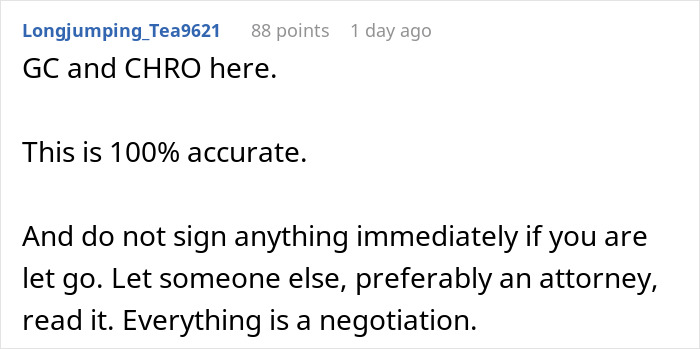
Comment warning about job security, advising caution and legal advice before signing documents after being let go.
Screenshot of a social media comment expressing fear about subtle red flags indicating job insecurity at work
Comment describing subtle red flags indicating job insecurity and unexpected layoffs shared on a discussion forum.
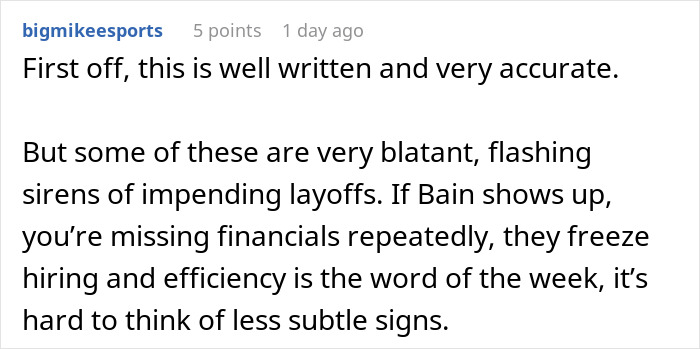
Screenshot of an online comment praising a well-written and insightful article about subtle red flags indicating job insecurity.
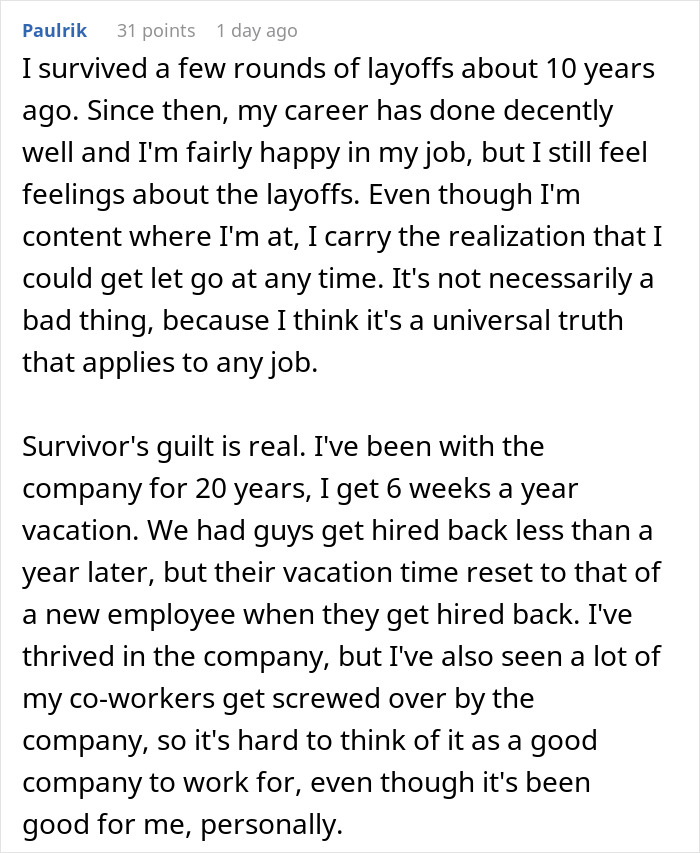
User comment reflecting on surviving layoffs and ongoing feelings about job security, highlighting subtle red flags of job safety.
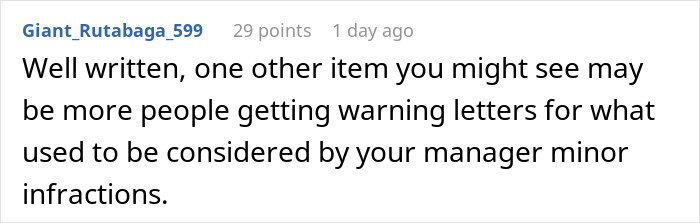
Screenshot of a Reddit comment discussing warning letters as subtle red flags indicating job insecurity.
Comment about CHRO departure indicating subtle red flags that mean your job is actually not safe at all in a work discussion.
Comment on job security discussing subtle red flags indicating your job might not be safe amid layoffs.
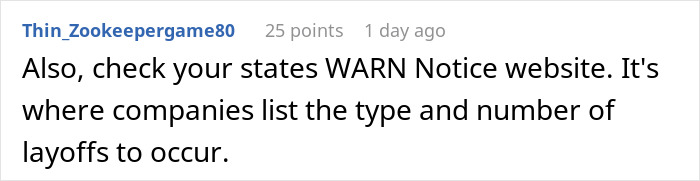
User comment about checking WARN Notice website, highlighting subtle red flags that indicate job insecurity.
Screenshot of an online comment thread discussing subtle red flags that indicate job insecurity or unsafe employment.
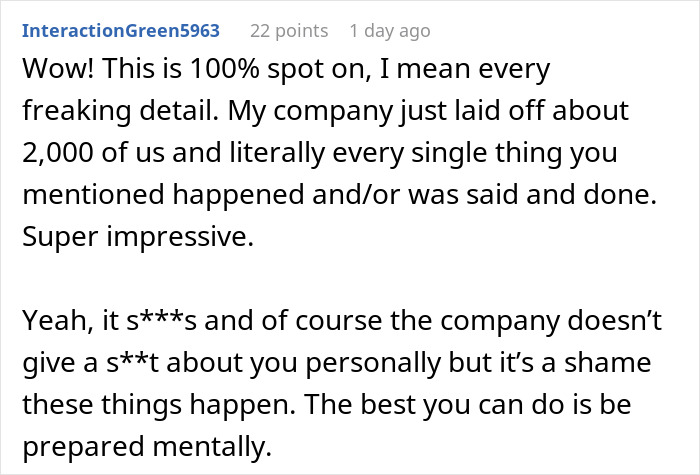
Comment discussing personal experience with subtle red flags indicating job insecurity after company layoffs.
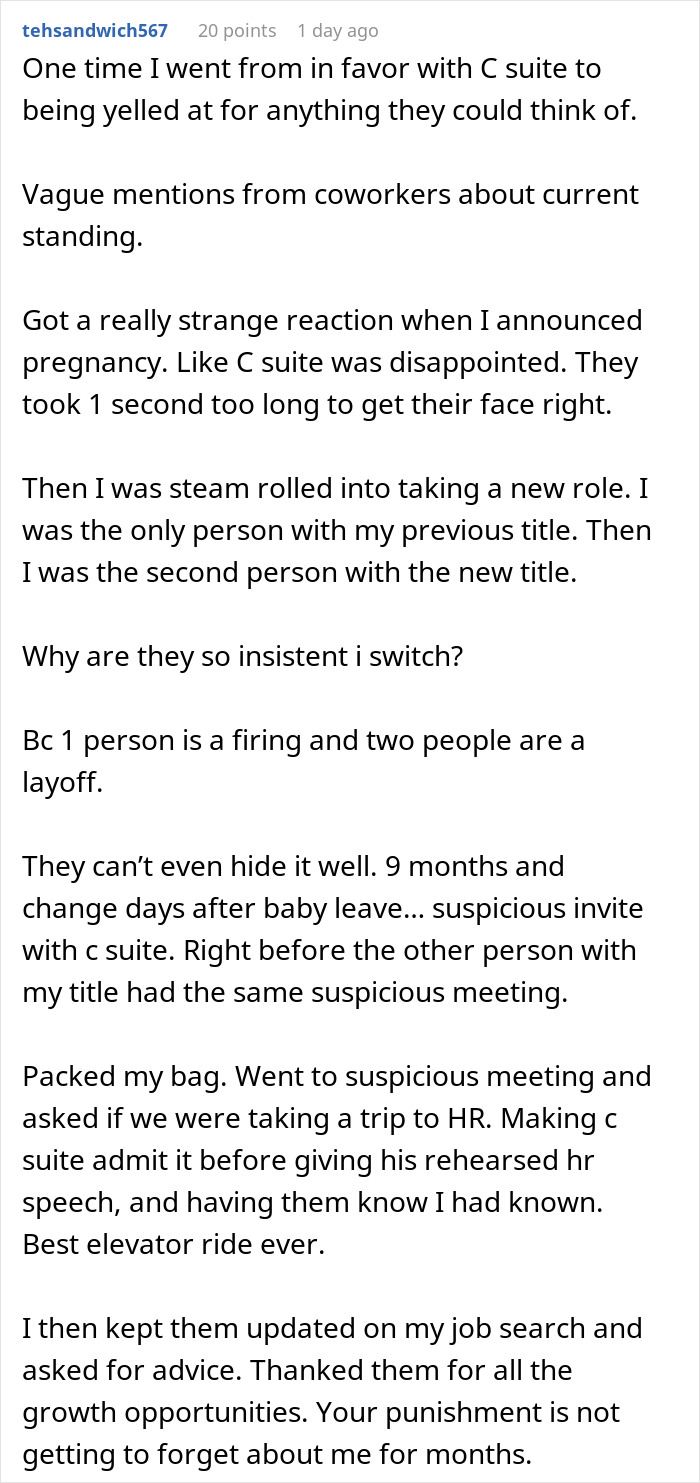
User sharing experience revealing subtle red flags that indicate their job is actually not safe through suspicious meetings and role changes.
User comment sharing red flags indicating job insecurity, highlighting subtle signs of an unsafe job situation.
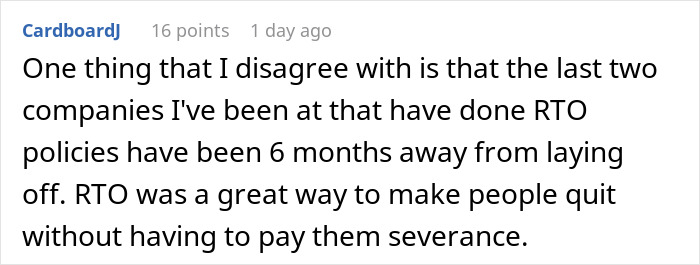
Commenter explaining how return-to-office policies can be subtle red flags indicating job safety risks and potential layoffs.
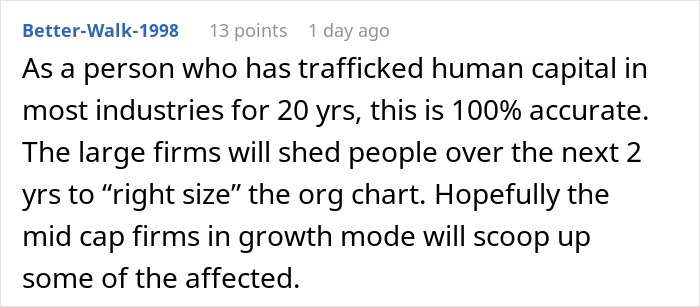
Comment discussing subtle red flags indicating job insecurity and organizational restructuring in various industries.
Screenshot of an online comment mentioning a favorite sign with the word December, highlighting subtle red flags in job safety.
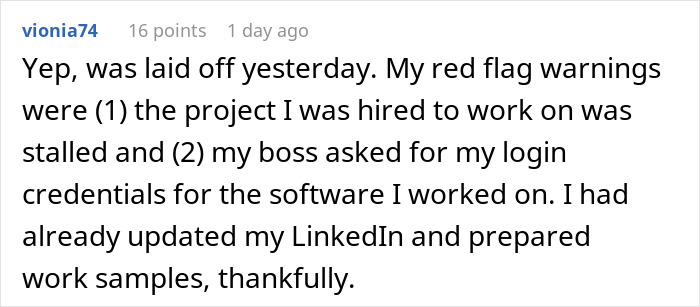
Comment about being laid off and waiting on a salary offer, highlighting subtle red flags that mean your job is not safe.
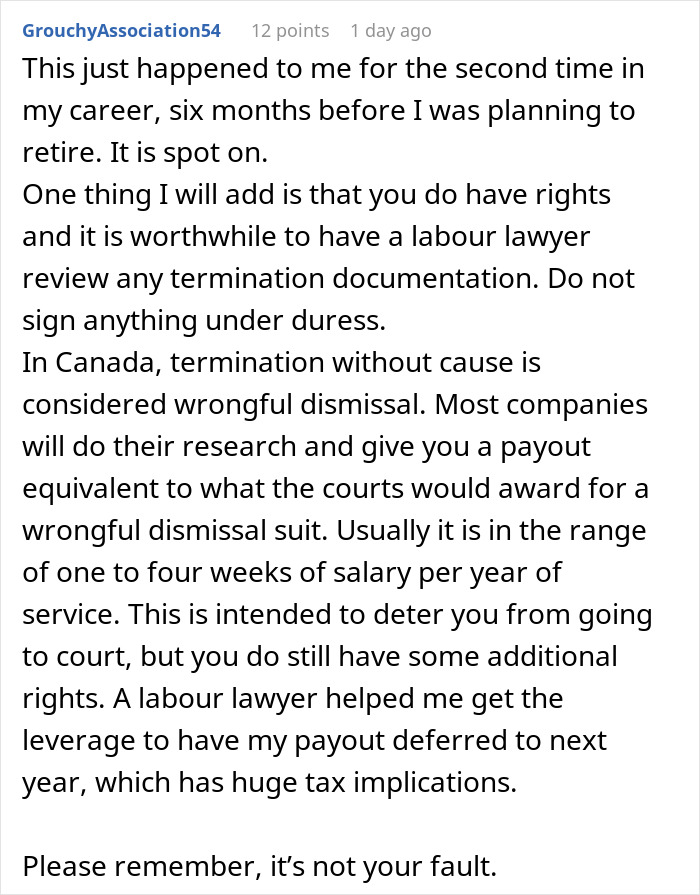
Comment discussing subtle red flags indicating job insecurity and advice on wrongful dismissal and legal rights.
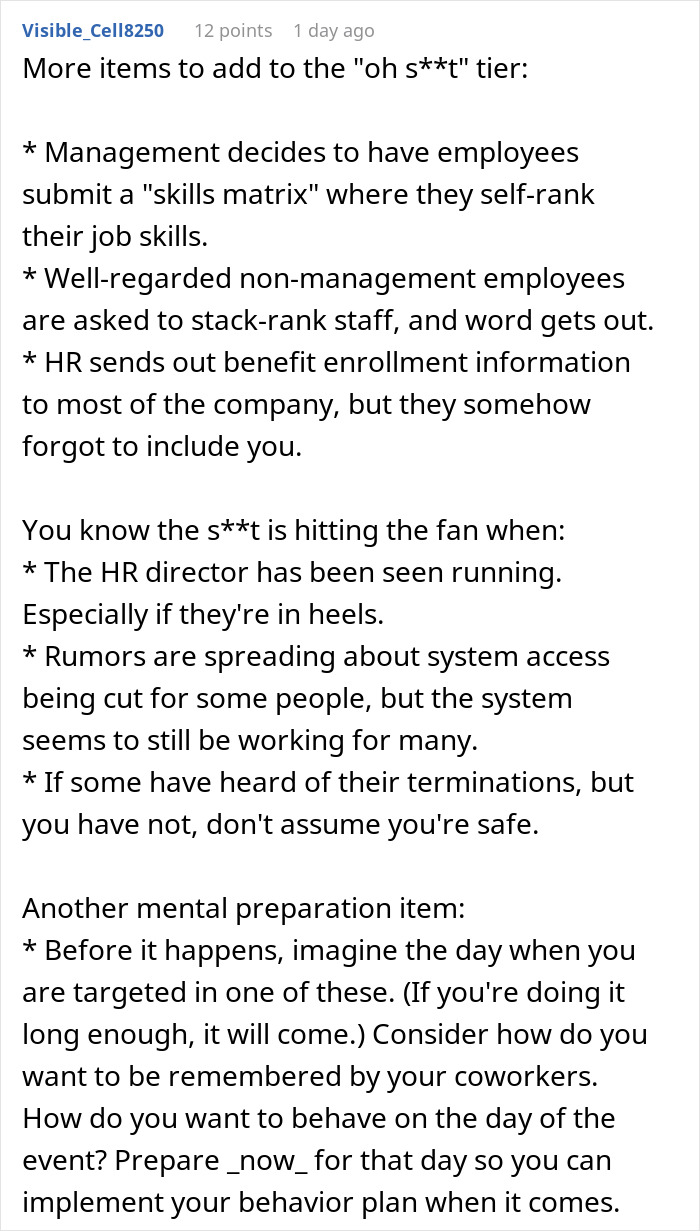
Workplace red flags indicating job insecurity, including management skill ranking and exclusion from benefit info.
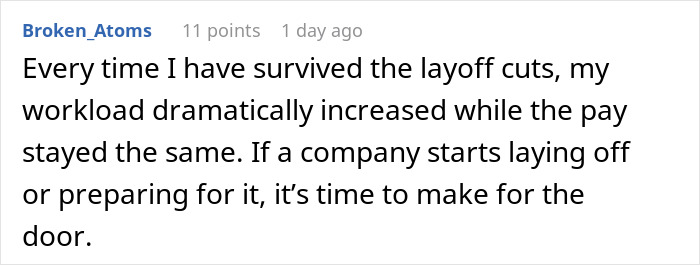
Red flags indicating job insecurity shown in a forum comment about layoffs and increased workload challenges.
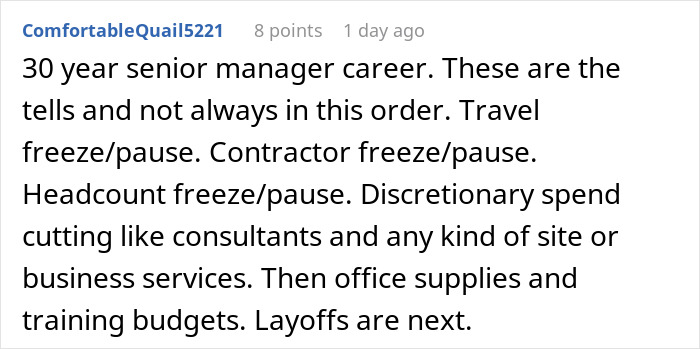
Comment highlighting subtle red flags like travel and headcount freezes indicating your job is actually not safe at all.
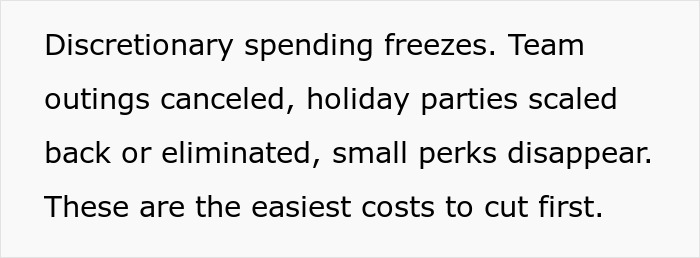
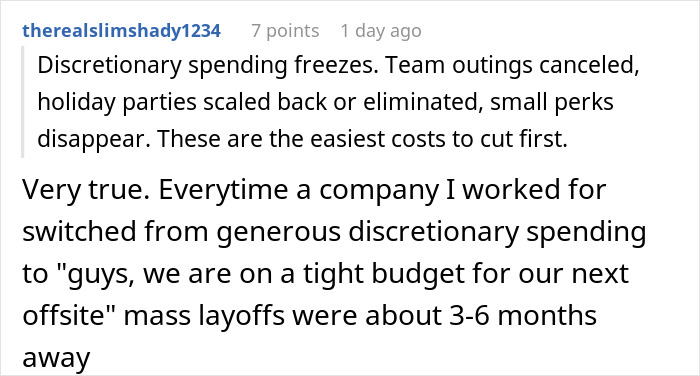
Comment about discretionary spending freezes as subtle red flags indicating job insecurity and potential layoffs in a company.
Screenshot of a Reddit comment suggesting changes to the employee handbook as a subtle red flag about job safety.
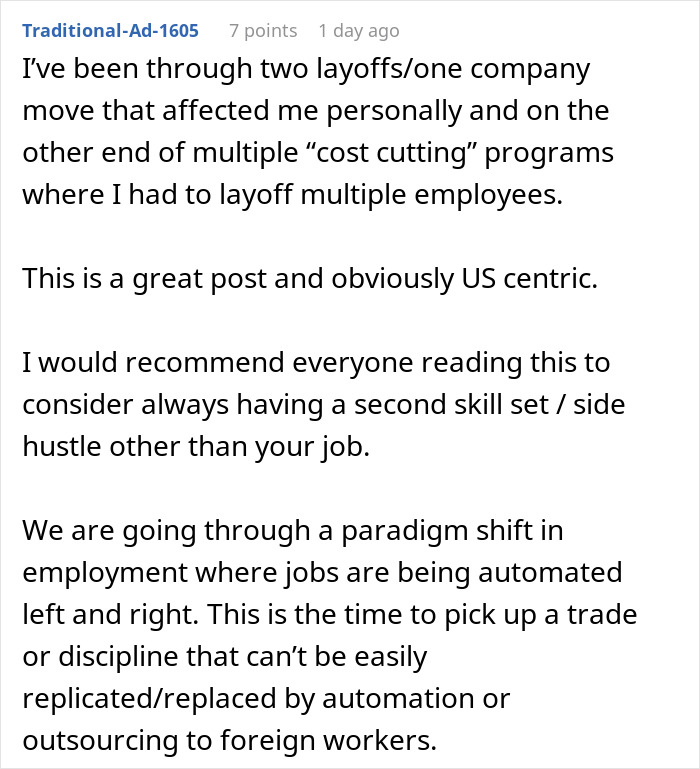
Comment about layoffs and cost cutting, highlighting subtle red flags that mean your job may not be safe.
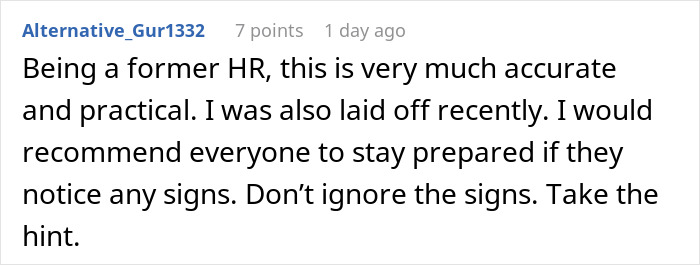
Comment about job insecurity and subtle red flags, urging workers to recognize signs and stay prepared for layoffs.
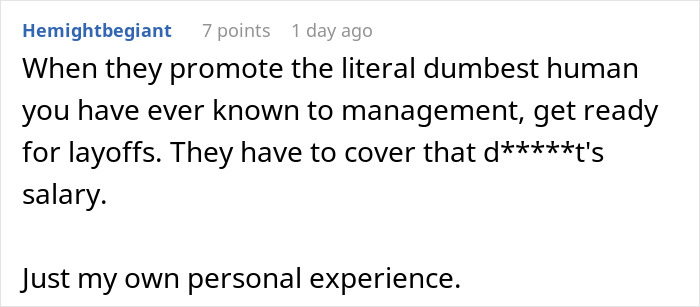
Comment about poor management promotions as subtle red flags indicating job insecurity and potential layoffs.
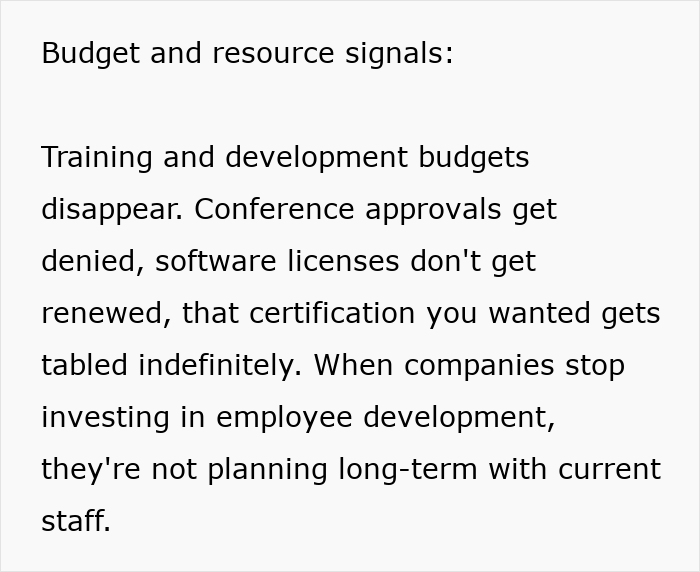
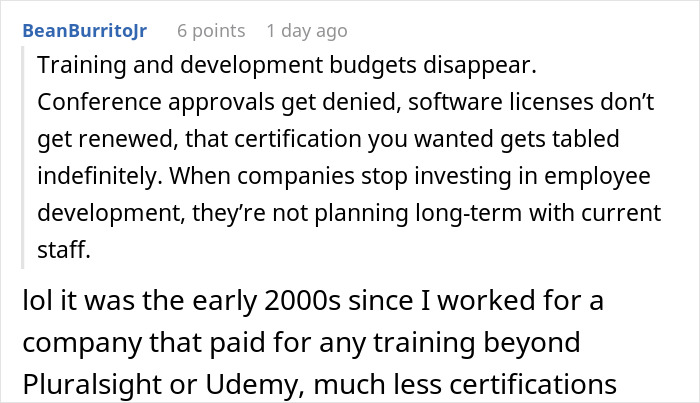
Screenshot of a discussion highlighting red flags like disappearing training budgets indicating job insecurity.
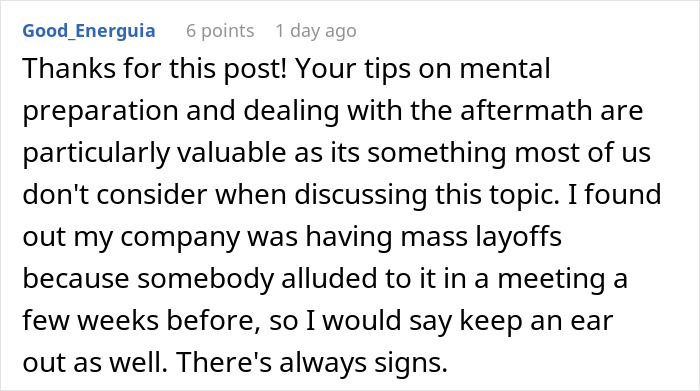
Comment highlighting subtle red flags indicating your job is not safe, mentioning mass layoffs and warning signs.
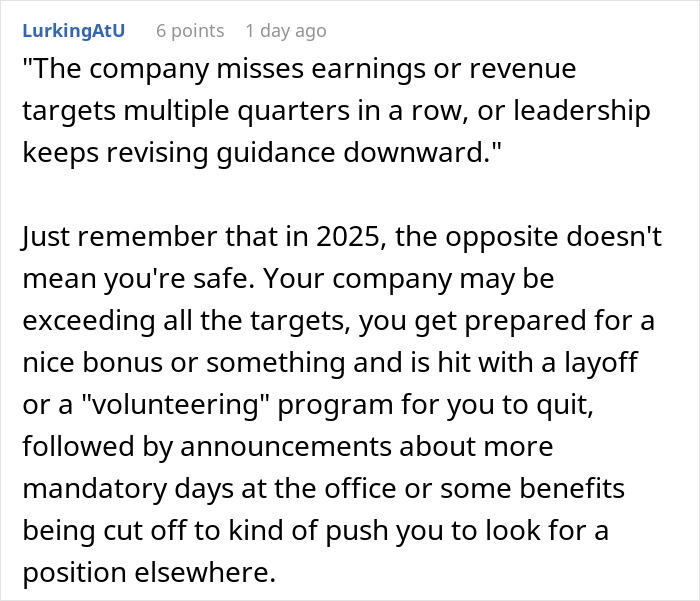
Comment highlighting subtle red flags that indicate a job may not be safe despite meeting company targets.
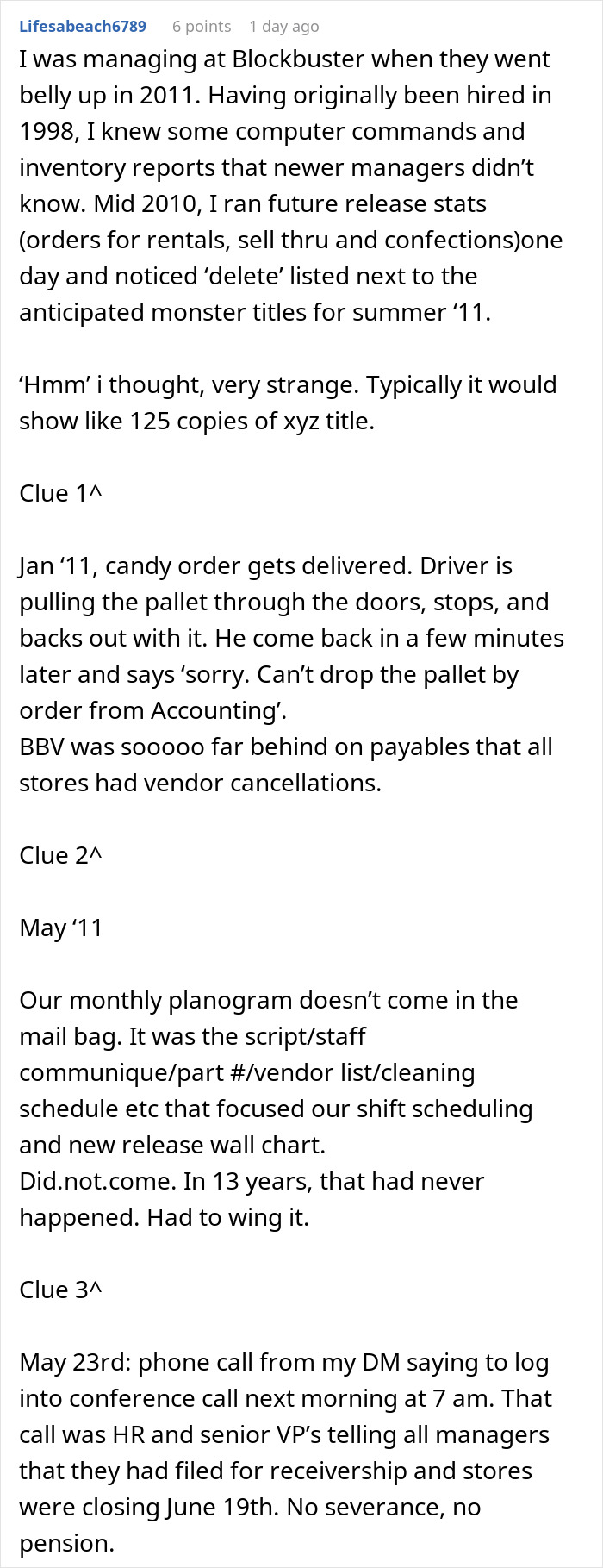
Text post sharing subtle red flags indicating job insecurity, including canceled orders and unexpected company closures.
Screenshot of a Reddit comment discussing subtle red flags indicating job insecurity and impending layoffs in a workplace.
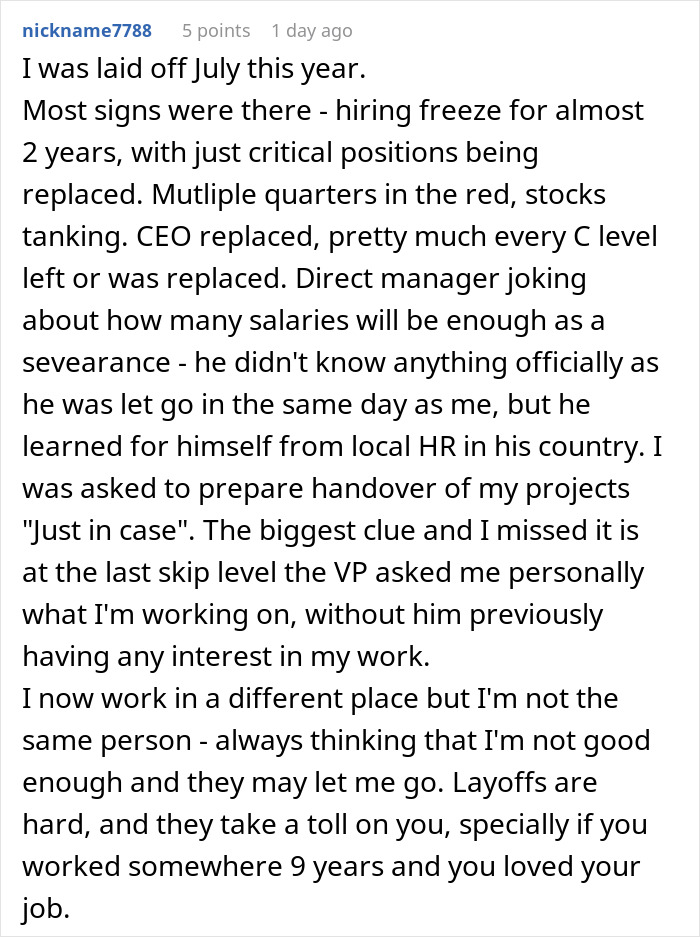
User comment describing subtle red flags and personal experiences indicating a job was not safe before layoffs occurred.
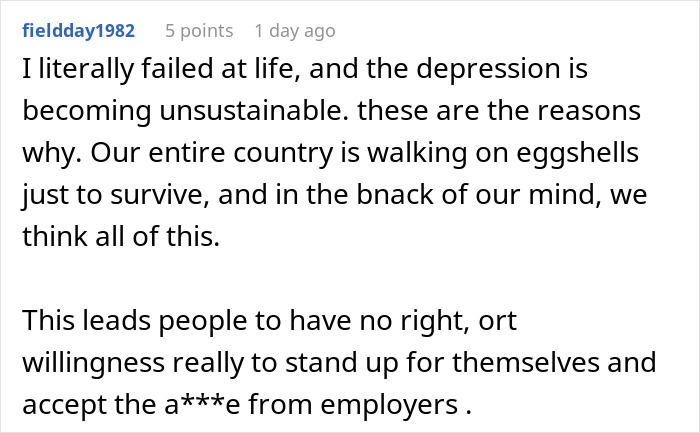
Red flags indicating job insecurity shown in a comment about depression and unfair treatment by employers.
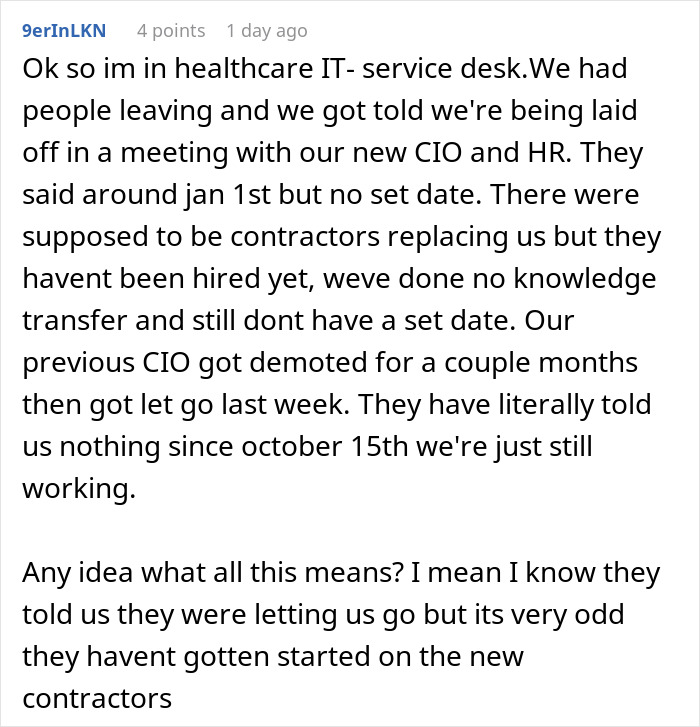
Screenshot of a user sharing subtle red flags indicating their healthcare IT job may not be safe, including layoffs and lack of communication.
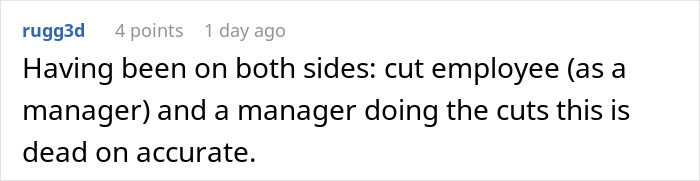
Comment about job cuts from both employee and manager perspective, highlighting subtle red flags of job insecurity.
Poll Question
Total votes ·
Thanks! Check out the results:
Total votes ·
Newsletter
Subscribe to Access Exclusive Polls
By entering your email and clicking Subscribe, you're agreeing to let us send you customized marketing messages about us and our advertising partners. You are also agreeing to our Privacy Policy.
Thank you! You've successfully subscribed to newsletters!
Nikita's knack for storytelling and creativity has led her into the world of writing. With a robust foundation in business studies, she crafts compelling narratives by seamlessly blending analytical insight with imaginative expression. At Bored Panda, she embarks on an exhilarating quest to explore diverse topics, fueled by curiosity and passion. During her leisure time, she savors life's simple pleasures, such as gardening, cooking homemade meals and hosting gatherings for loved ones.
Nikita's knack for storytelling and creativity has led her into the world of writing. With a robust foundation in business studies, she crafts compelling narratives by seamlessly blending analytical insight with imaginative expression. At Bored Panda, she embarks on an exhilarating quest to explore diverse topics, fueled by curiosity and passion. During her leisure time, she savors life's simple pleasures, such as gardening, cooking homemade meals and hosting gatherings for loved ones.
I'm a Visual Editor at Bored Panda, crafting captivating visual content to enhance every reader's experience. Sometimes my mornings are spent diving into juicy dramas, while afternoons are all about adding extra laughs to the world by editing the funniest memes around. My favorite part of the job? Choosing the perfect images to illustrate articles. It's like imagining a story as a movie in my mind and selecting the key shots to tell the story visually.
I'm a Visual Editor at Bored Panda, crafting captivating visual content to enhance every reader's experience. Sometimes my mornings are spent diving into juicy dramas, while afternoons are all about adding extra laughs to the world by editing the funniest memes around. My favorite part of the job? Choosing the perfect images to illustrate articles. It's like imagining a story as a movie in my mind and selecting the key shots to tell the story visually.
In my spare time, I enjoy creating art - both in traditional and digital form, mainly in the form of painting and animation. Other interests include gaming and music. Favorite bands include Swans, The Strokes, The Beatles.
In my spare time, I enjoy creating art - both in traditional and digital form, mainly in the form of painting and animation. Other interests include gaming and music. Favorite bands include Swans, The Strokes, The Beatles.
Sorry, but if you're choosing not to employ me any longer, do NOT expect me to sign a non-compete unless there's appropriate financial consideration included.
They tried that with me and I flat out refused with some colorful language. "We might not be able to give you a good reference" Brother, you need to be worried about what I tell my very small cohort of people who do what I do.
There are no more jobs for life, no-one should ever think about just "sticking" a job out. We all need to be strategic when working for an employer; if you're not being paid what your worth, please do not fall for the next time "we'll promote you" or "next payround you'll get an increase". Employers aren't loyal neither should we be. Don't play the character of Cinderlla in the toxic "we're a family here" scenario. If you're being overlooked; go to where you're going to be appreciated. Working extra hours, weekends and nights is for the person who owns the company.
You can't talk for countries with good work-laws, and not for all companies anywhere. Yes, I'm lucky to live in a country where laws are good, as well as work in a company that the workers themselves voted the best employee of my city/area. But many people work in the same employer for most of their adult life. You might manage to negotiate a small extra perk or a slight raise if you change workplace, but nothing life-changing as everyone gets fair wage and nornal perks. Living in a place where the whole work culture is filled with uncertainties and stress must be really hard, but still people shouldn't talk like their situation is a worldwide fact.
Not really true. I have been with my current employer for the last 18 years. Most other department heads started at entry level and have been with us for over 20 years. Our staff turnover is very low, as a side effect of this though our recruitment rates are also very low. It all depends on the sector you work in and also the country. I work for a French private healthcare company in the UK. This is a resilient and stable industry in a country with strong employment laws. Someone working in a more volatile industry such as finance in a country with almost non-existent employee protections such as the USA is likely to have much less job security. The USA is an outlier though and very few countries have such a volatile employment market and it is entirely possible to work for the same company for decades in most countries.
Some are better than others. I was at a company for 20 years...survived a few rounds of redundancy as they offshored themselves out of existence, but they got me eventually. There was a scoring system - marks out of 5 for 5 criteria. I was scoring 5 on the technical aspects but didn't play the corporate game; by the time I went, they were getting rid of people scoring 20 out of 25, so averaging 4 out of 5, with some perfect scores. It can happen to anyone.
Sorry, but if you're choosing not to employ me any longer, do NOT expect me to sign a non-compete unless there's appropriate financial consideration included.
They tried that with me and I flat out refused with some colorful language. "We might not be able to give you a good reference" Brother, you need to be worried about what I tell my very small cohort of people who do what I do.
There are no more jobs for life, no-one should ever think about just "sticking" a job out. We all need to be strategic when working for an employer; if you're not being paid what your worth, please do not fall for the next time "we'll promote you" or "next payround you'll get an increase". Employers aren't loyal neither should we be. Don't play the character of Cinderlla in the toxic "we're a family here" scenario. If you're being overlooked; go to where you're going to be appreciated. Working extra hours, weekends and nights is for the person who owns the company.
You can't talk for countries with good work-laws, and not for all companies anywhere. Yes, I'm lucky to live in a country where laws are good, as well as work in a company that the workers themselves voted the best employee of my city/area. But many people work in the same employer for most of their adult life. You might manage to negotiate a small extra perk or a slight raise if you change workplace, but nothing life-changing as everyone gets fair wage and nornal perks. Living in a place where the whole work culture is filled with uncertainties and stress must be really hard, but still people shouldn't talk like their situation is a worldwide fact.
Not really true. I have been with my current employer for the last 18 years. Most other department heads started at entry level and have been with us for over 20 years. Our staff turnover is very low, as a side effect of this though our recruitment rates are also very low. It all depends on the sector you work in and also the country. I work for a French private healthcare company in the UK. This is a resilient and stable industry in a country with strong employment laws. Someone working in a more volatile industry such as finance in a country with almost non-existent employee protections such as the USA is likely to have much less job security. The USA is an outlier though and very few countries have such a volatile employment market and it is entirely possible to work for the same company for decades in most countries.
Some are better than others. I was at a company for 20 years...survived a few rounds of redundancy as they offshored themselves out of existence, but they got me eventually. There was a scoring system - marks out of 5 for 5 criteria. I was scoring 5 on the technical aspects but didn't play the corporate game; by the time I went, they were getting rid of people scoring 20 out of 25, so averaging 4 out of 5, with some perfect scores. It can happen to anyone.

 Dark Mode









































 No fees, cancel anytime
































30
20