Get Premium
Dark mode theme is available exclusively for premium users. Learn more about the benefits of subscribing.
No fees, cancel anytime.

 Dark Mode Ad-Free Browsing Unlimited Content
 Ad-Free Browsing Unlimited Content Dark Mode
Join 1.2 million Panda readers who get the best art, memes, and fun stories every week!


50submissions
1week left

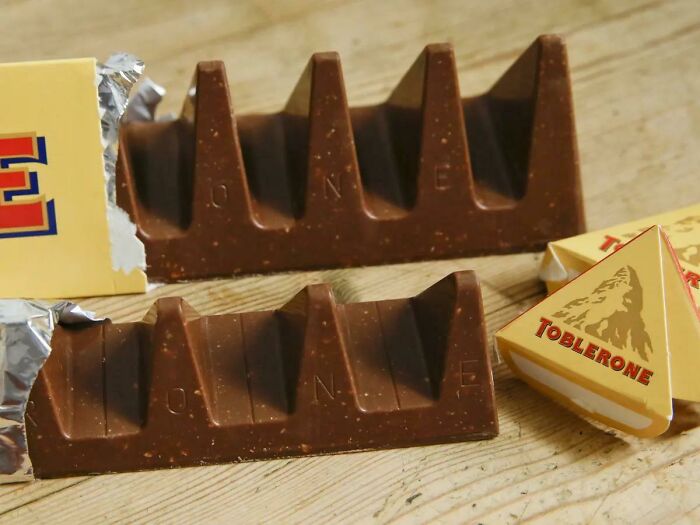
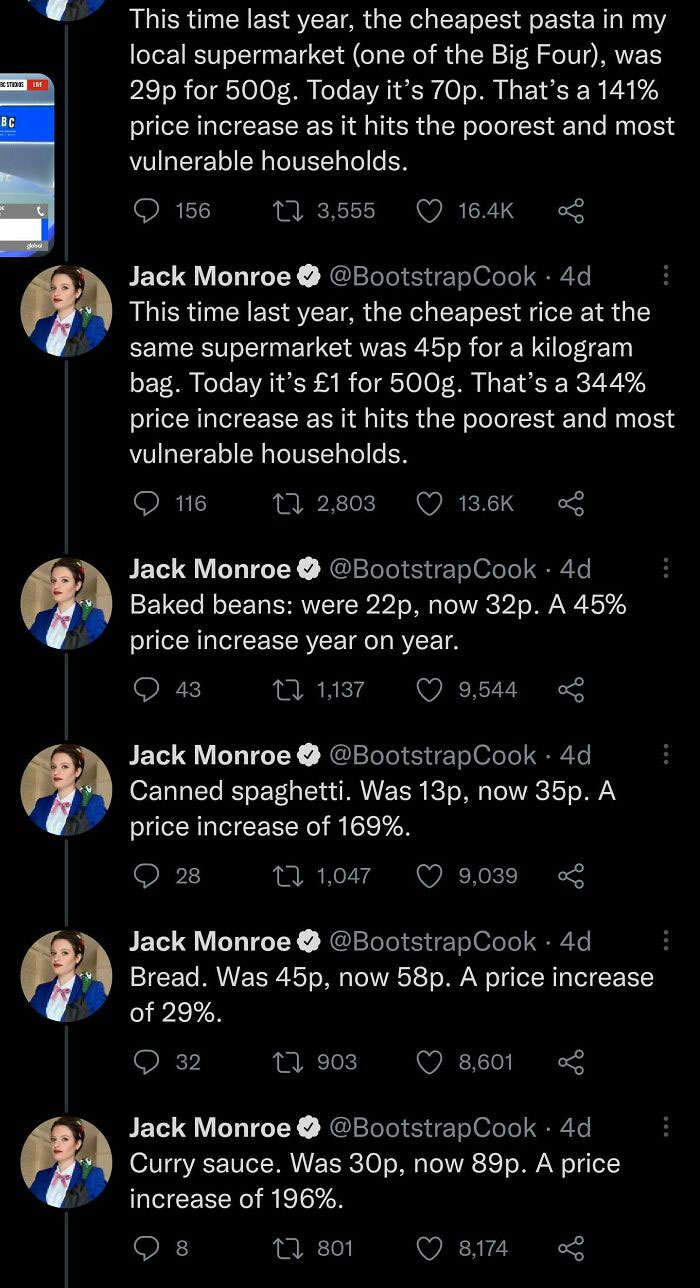
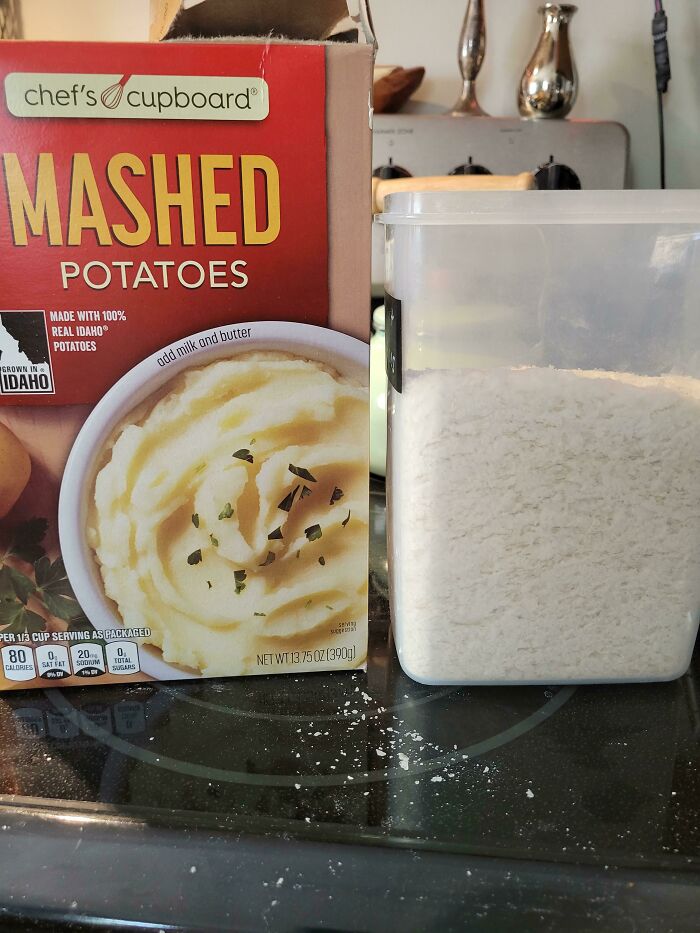
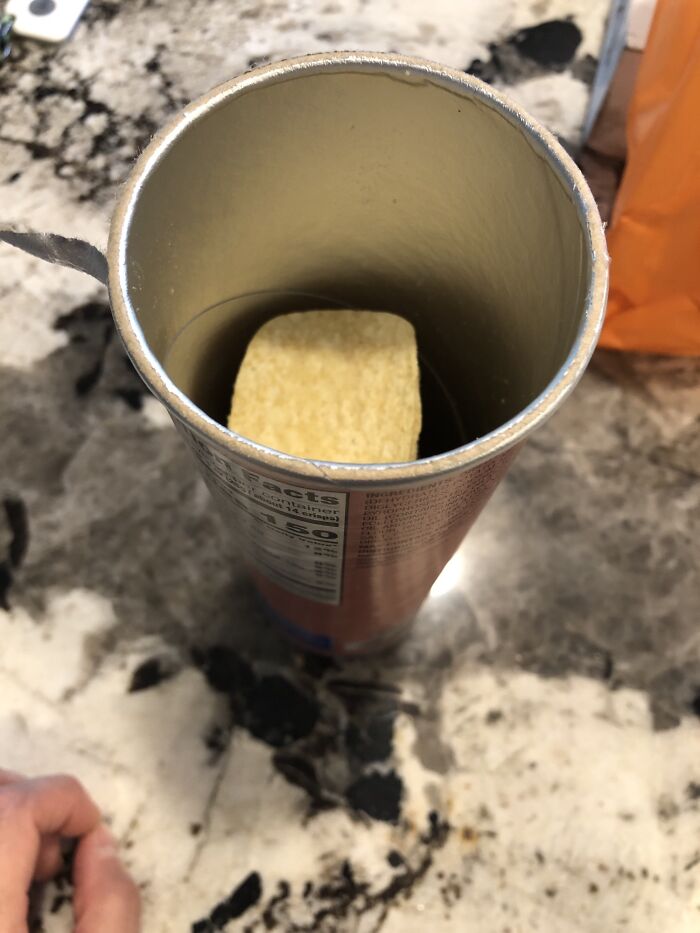
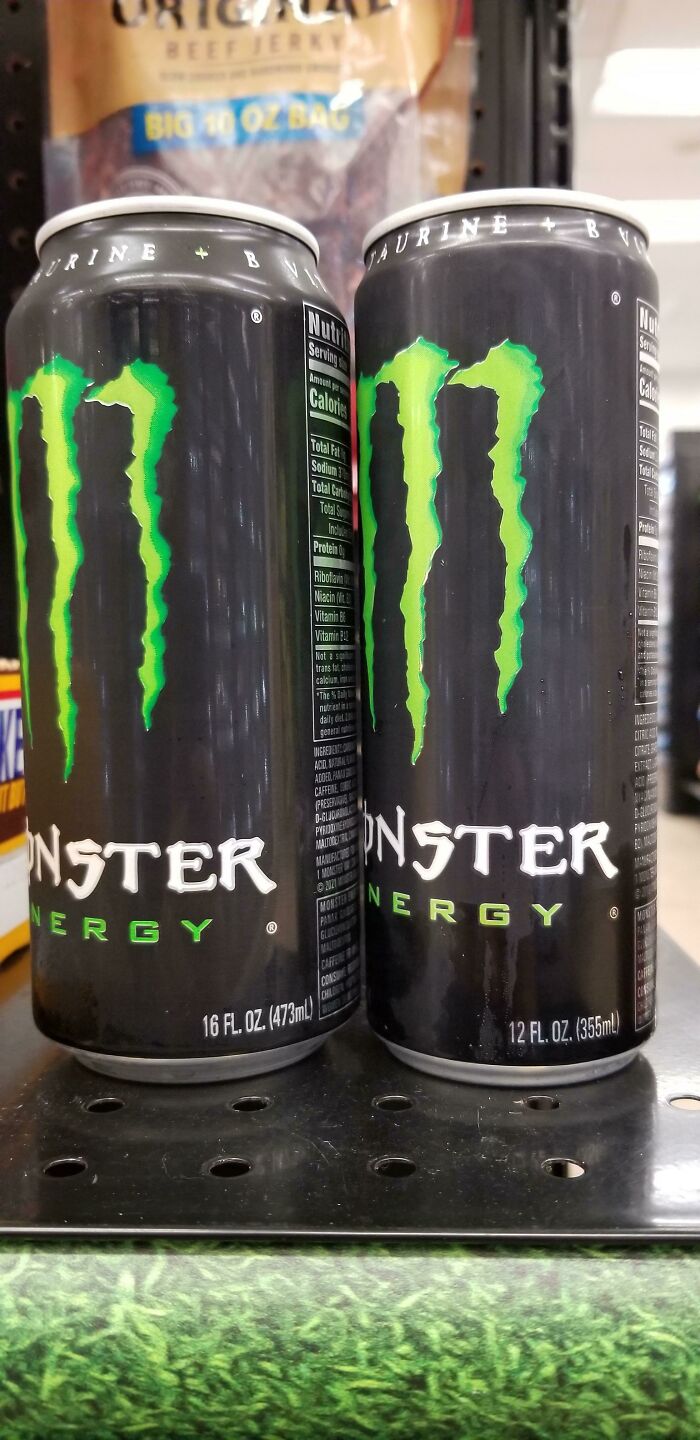
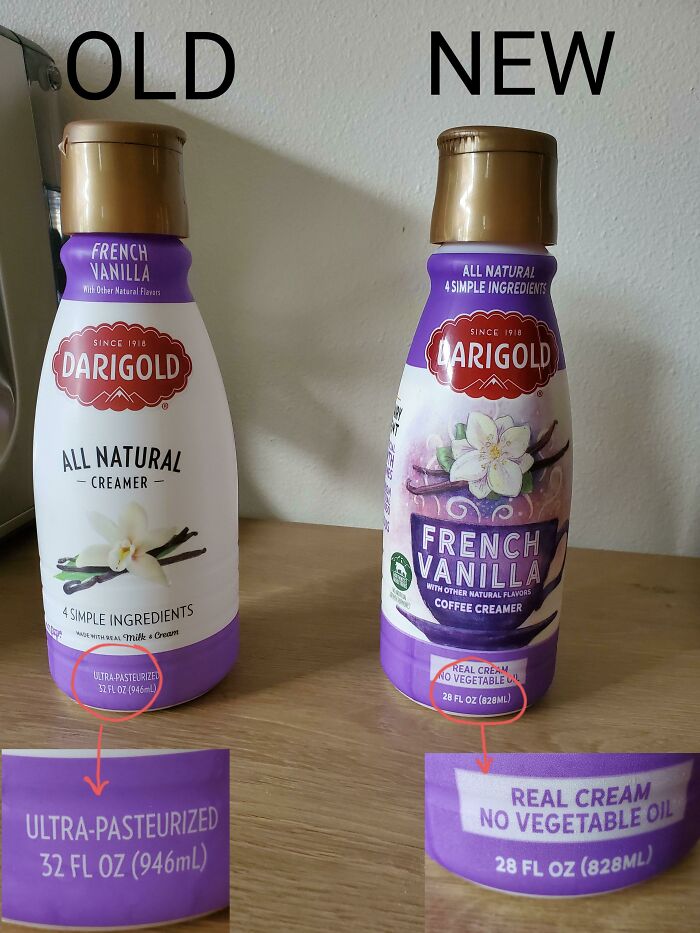
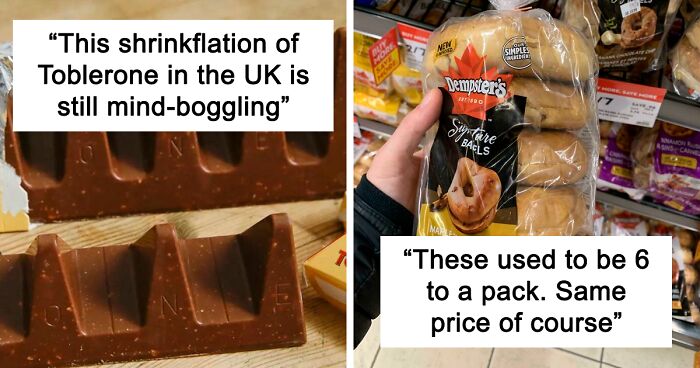
If you've noticed your bar of Toblerone looking rather small and a far cry from how you remember it in your childhood, rest assured, you’re not the only one. In fact, consumers around the world are increasingly paying more for a growing range of products in ways that don’t show up on receipts.
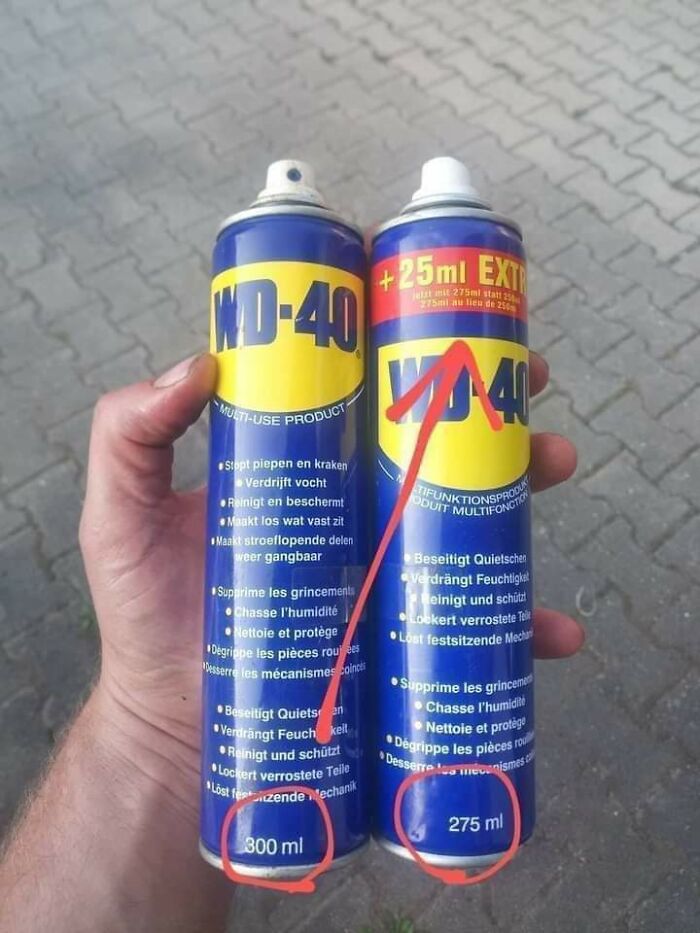
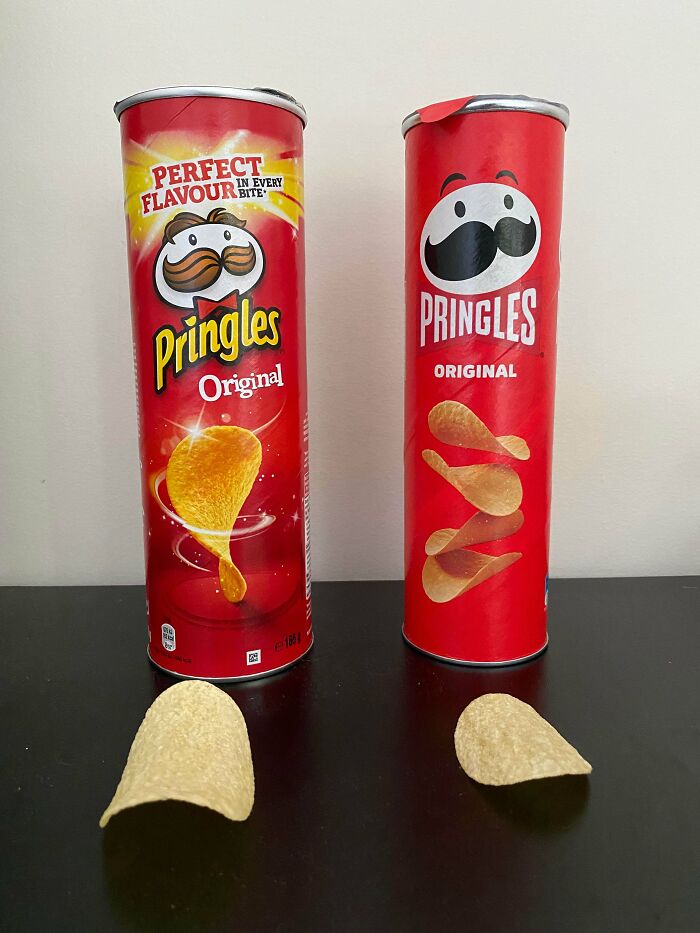
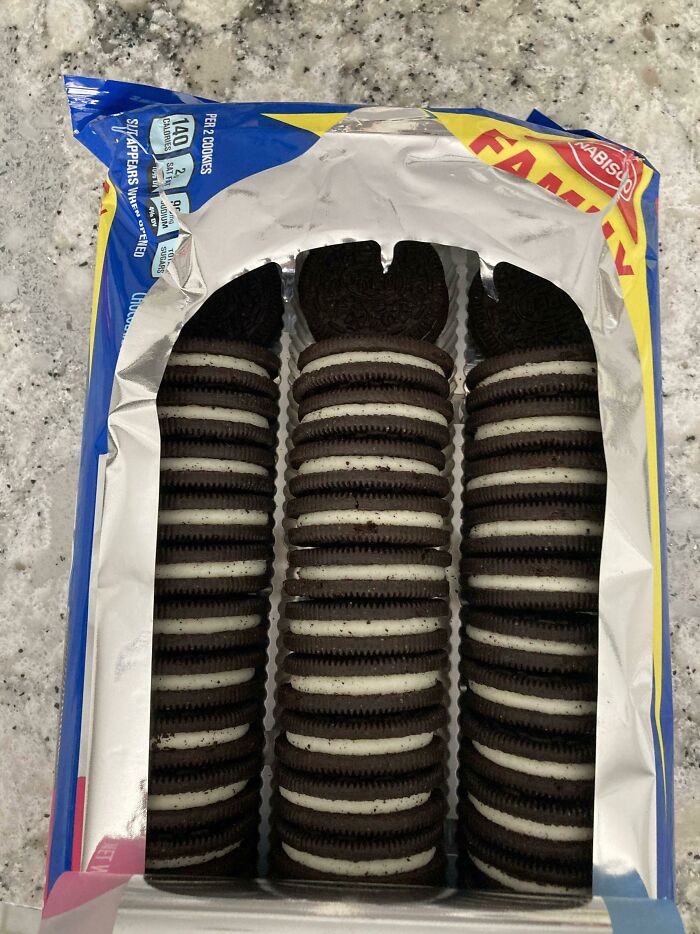
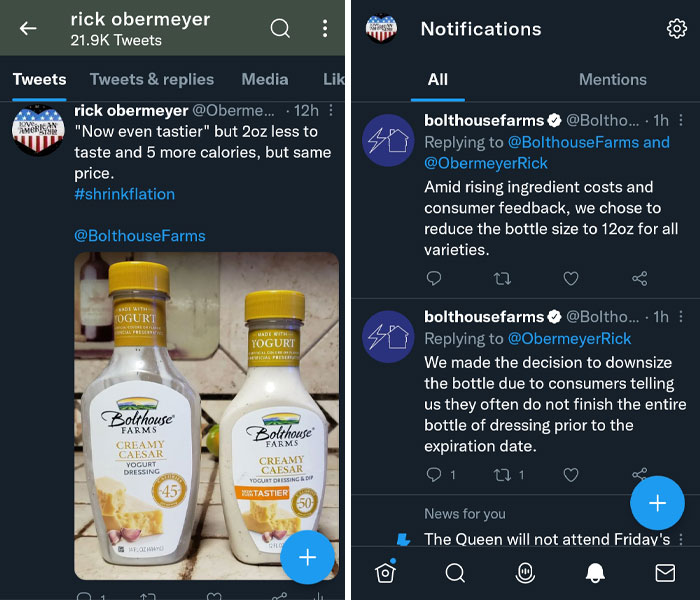
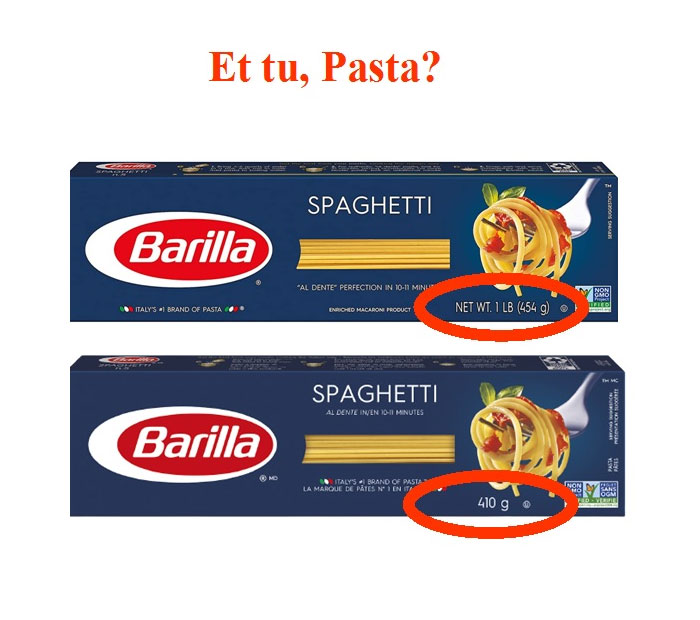
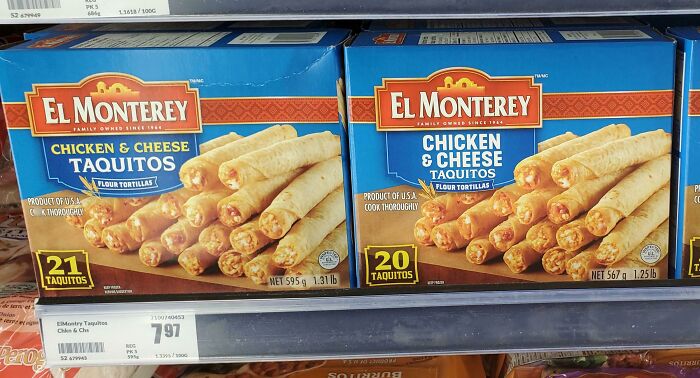
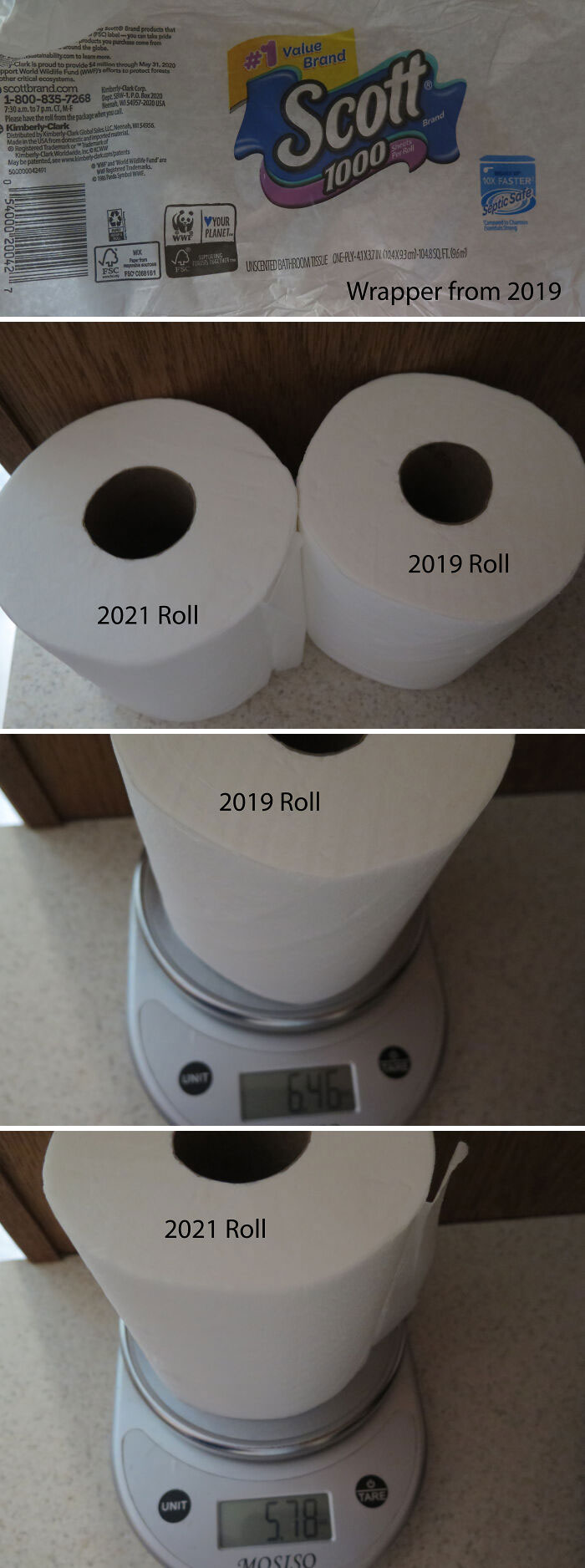
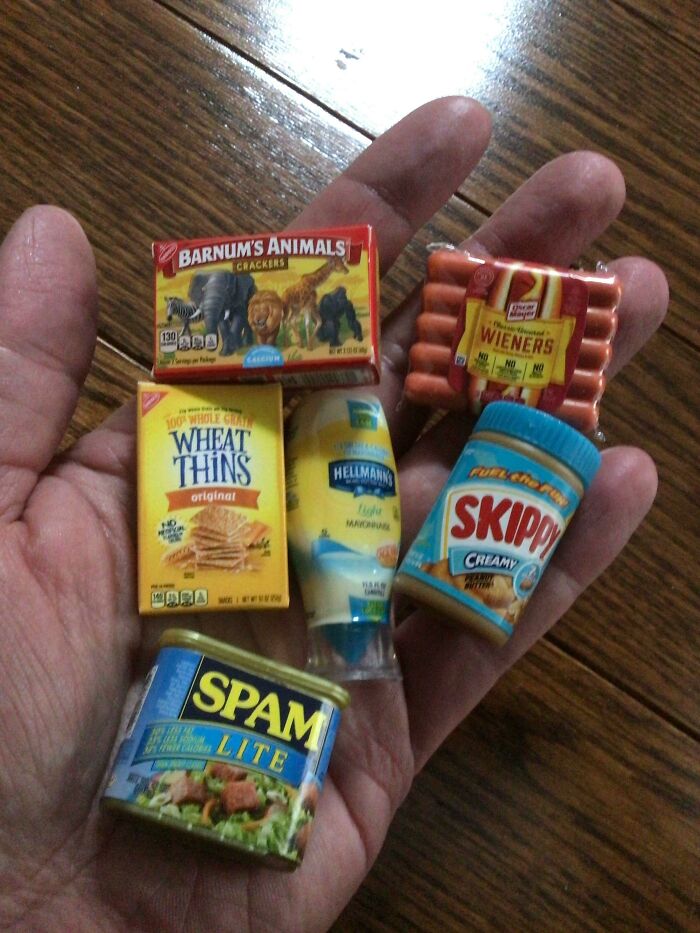
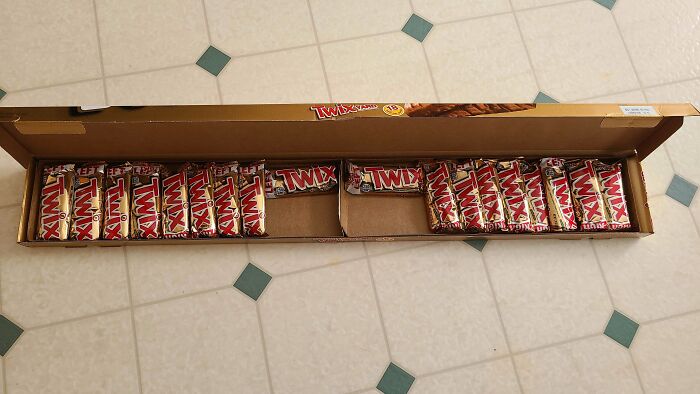
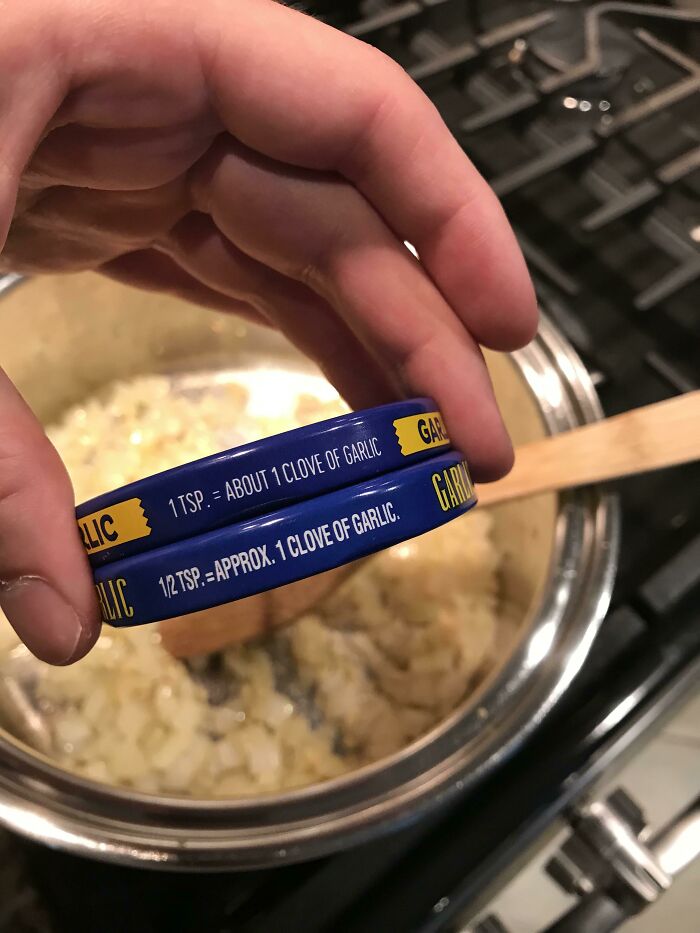
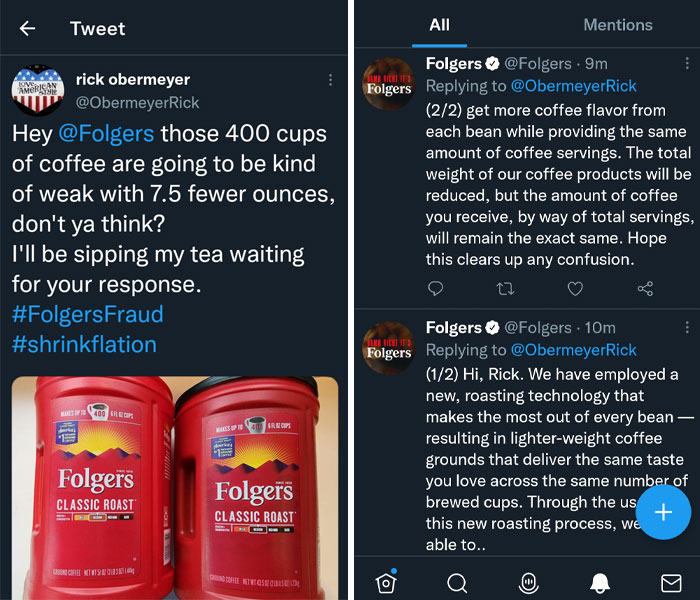
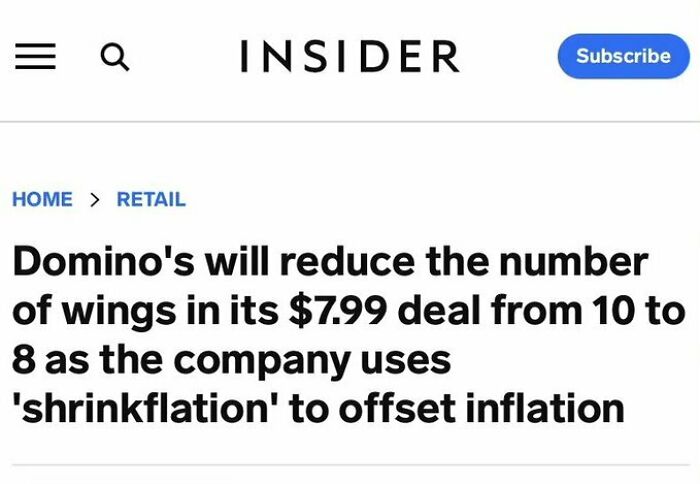
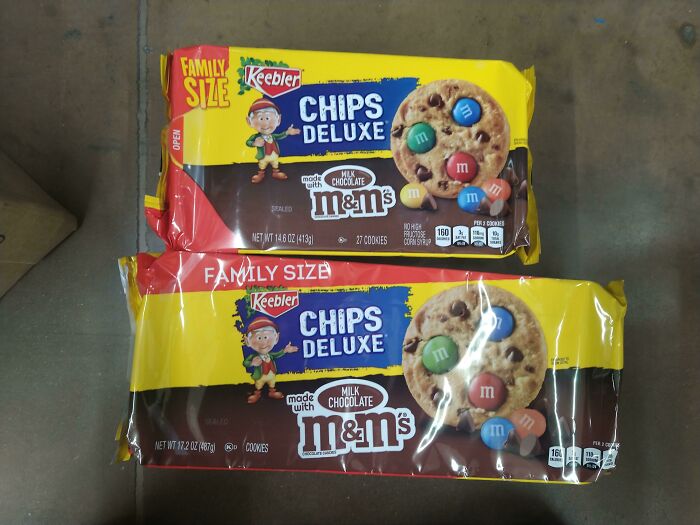
Think of shrunk portions, thinner rolls, lighter bags, smaller cans — in this way, companies try to offset rising labor and materials costs without scaring us all off. But are they really succeeding? Also known as shrinkflation, the phenomenon has surely been noticed and well documented by people don’t find it fair to pay the same for a lesser net weight.
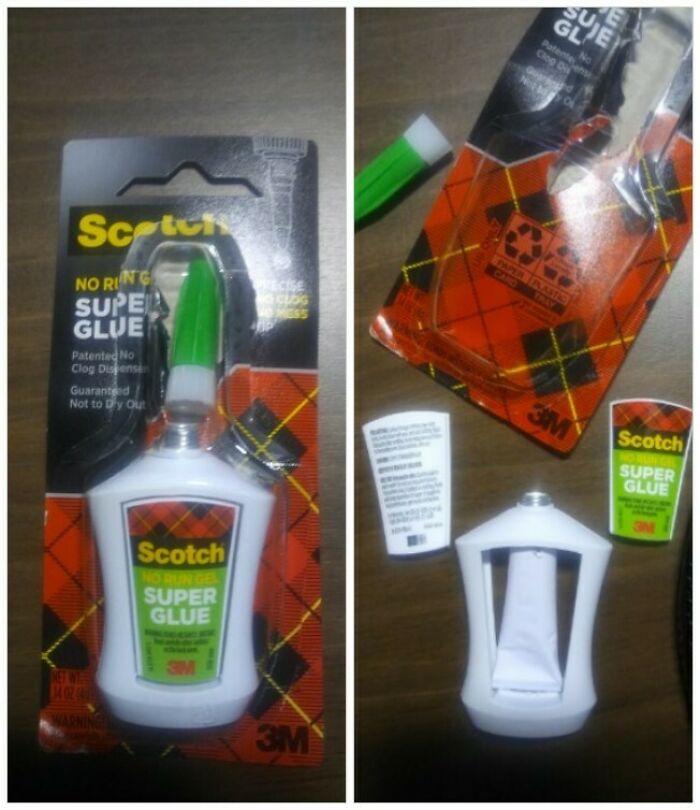
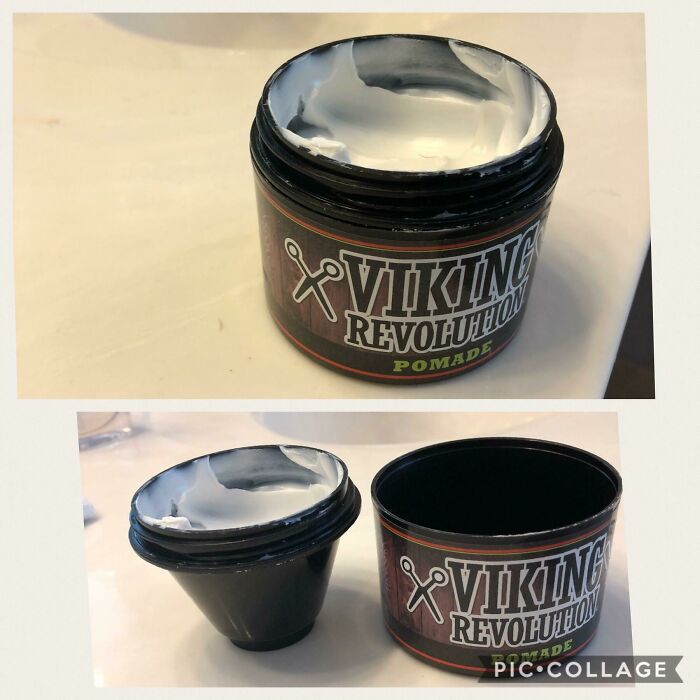
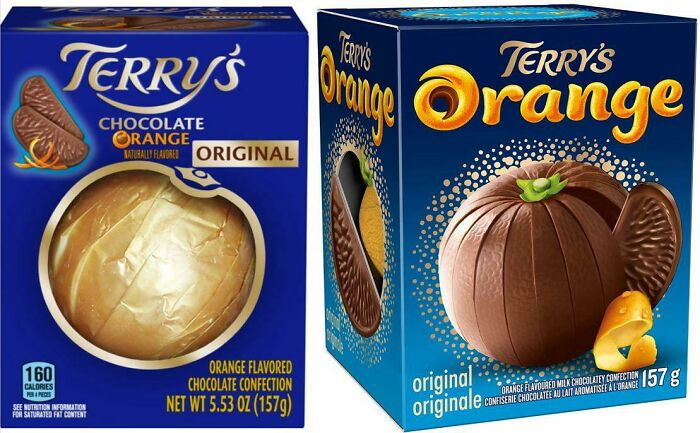
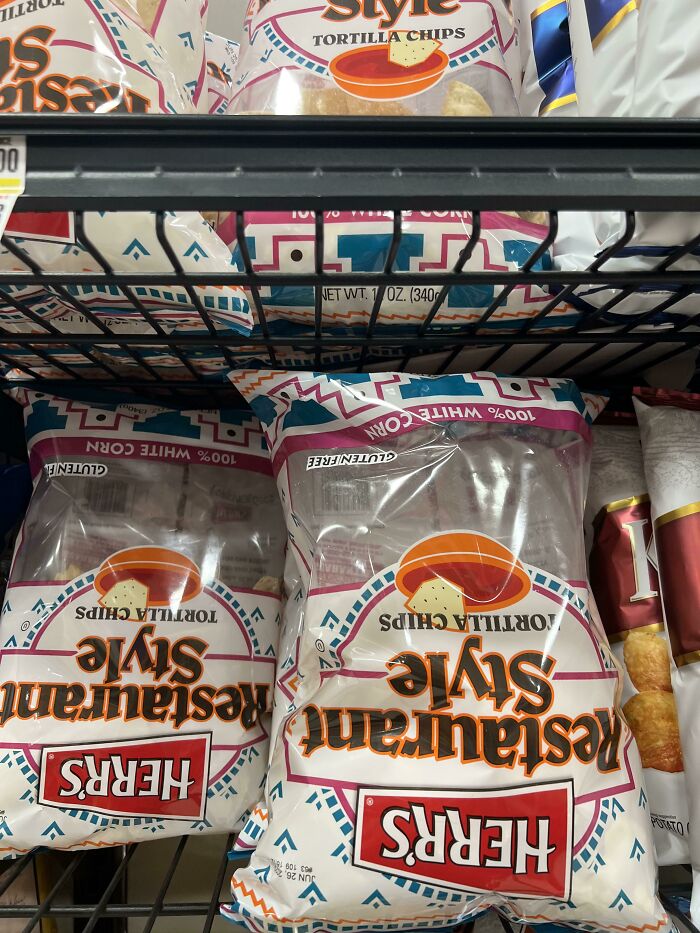
One such online destination, a subreddit called “Shrinkflation,” is dedicated to sharing some of the most deliberate and annoying examples of paying more for less spotted in practice. Below we wrapped up a collection of posts from there.
Discover more in 50 Times People Were So Appalled By "Shrinkflation", They Just Had To Share The Proof Online
Click here & follow us for more lists, facts, and stories.
This post may include affiliate links.
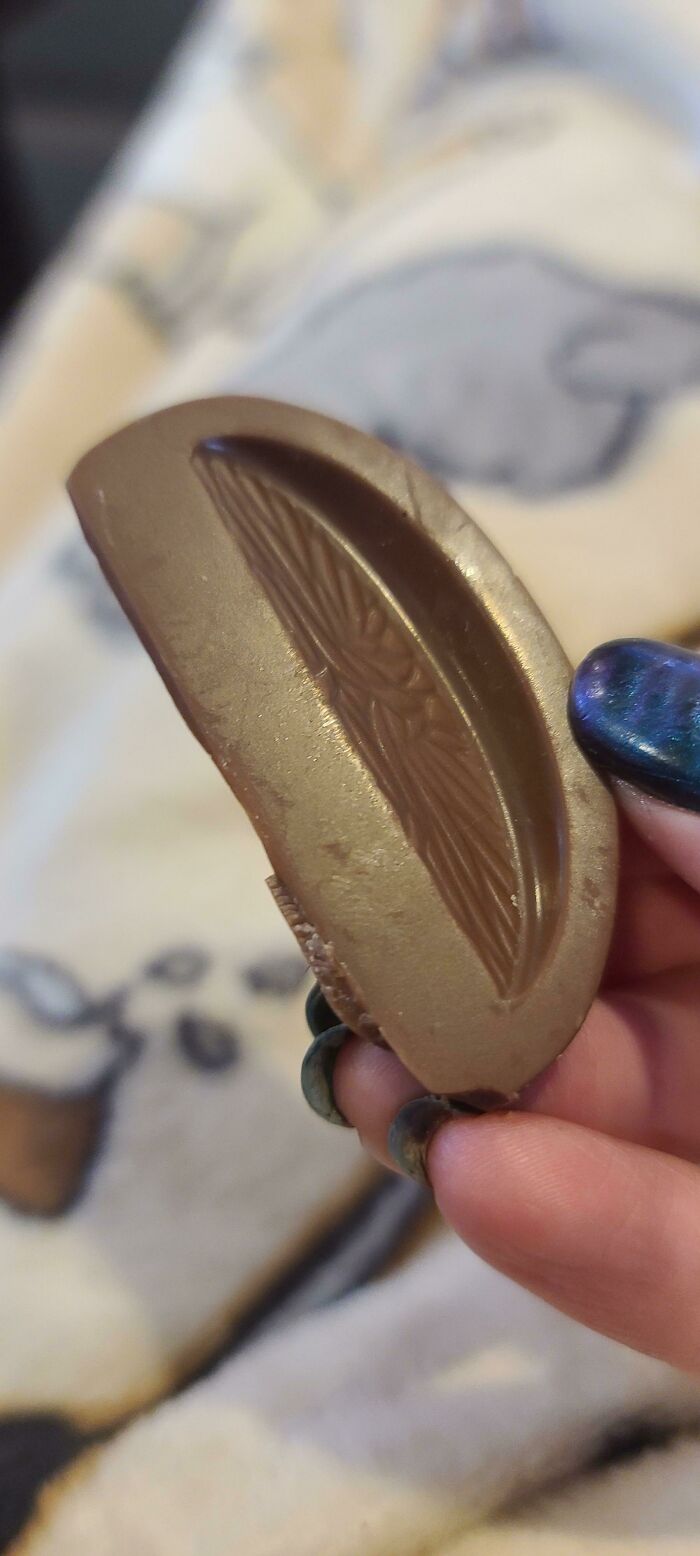
This indicates that the quality has been reduced to the point where they cannot legally call it chocolate anymore
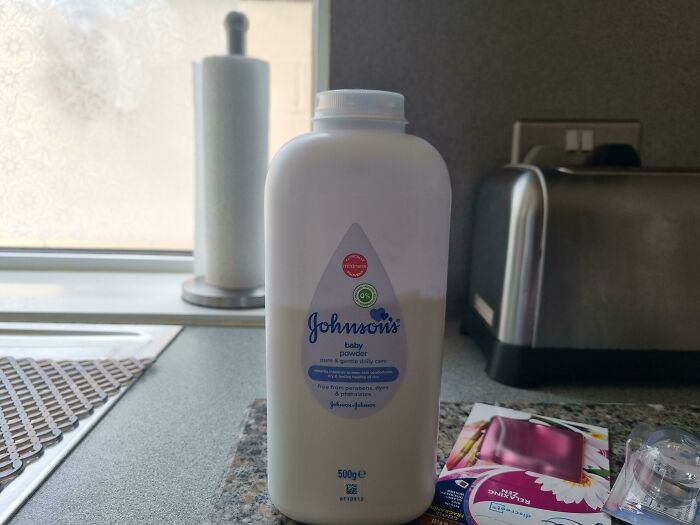
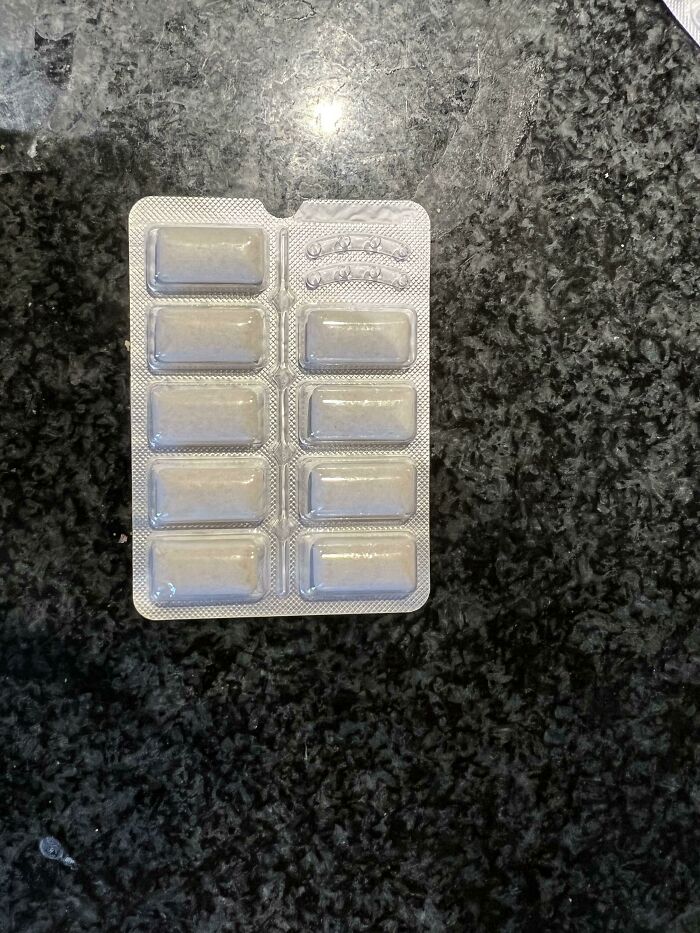
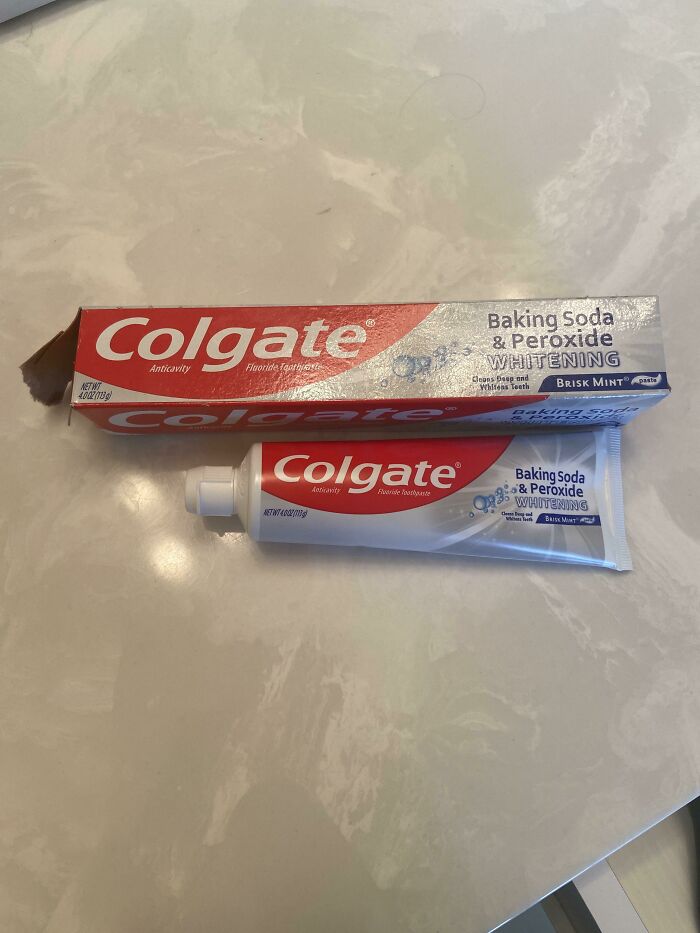
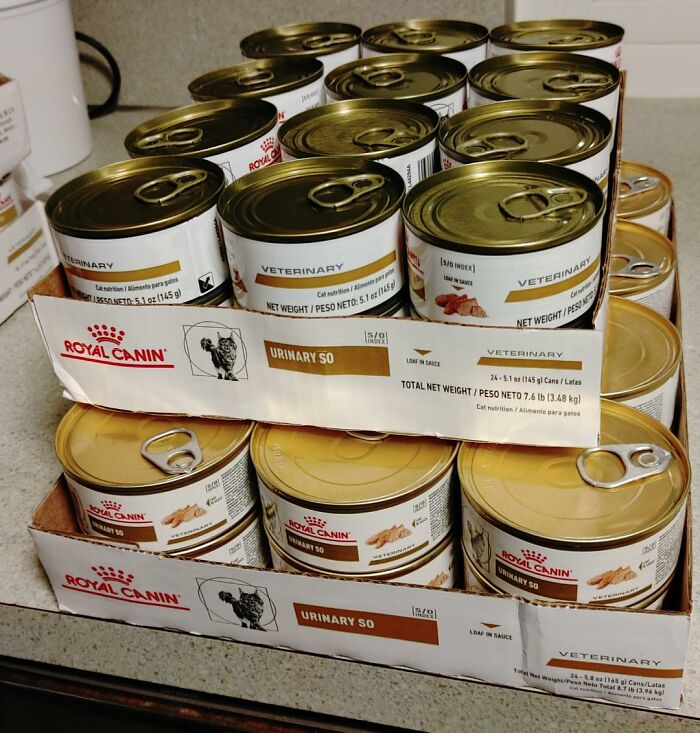
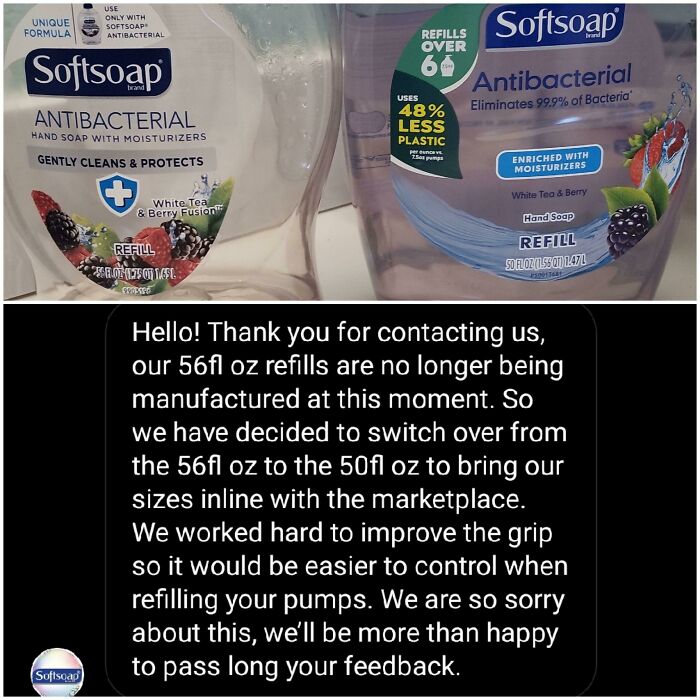
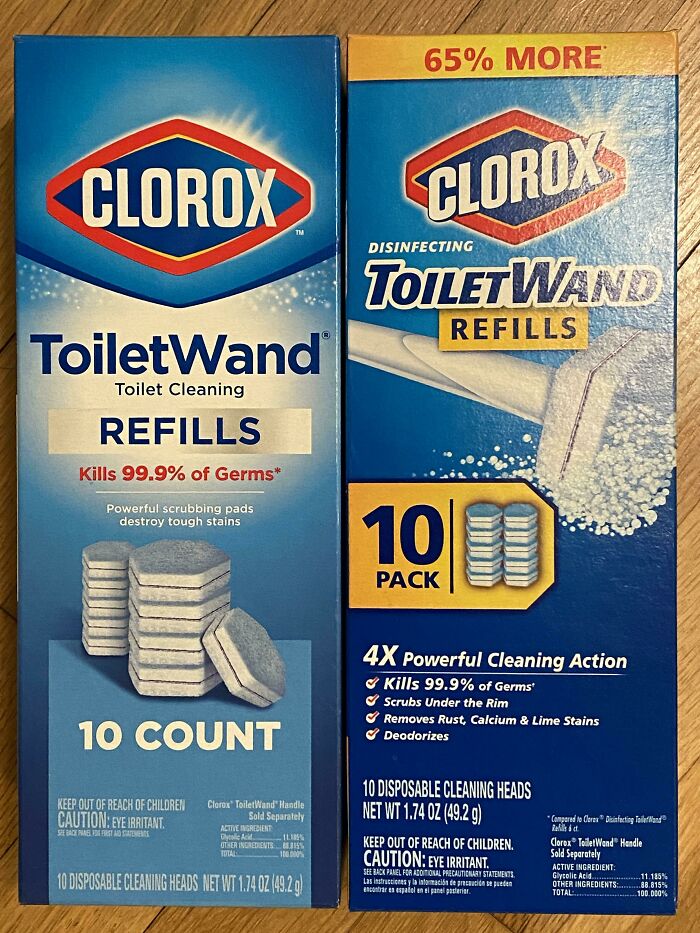
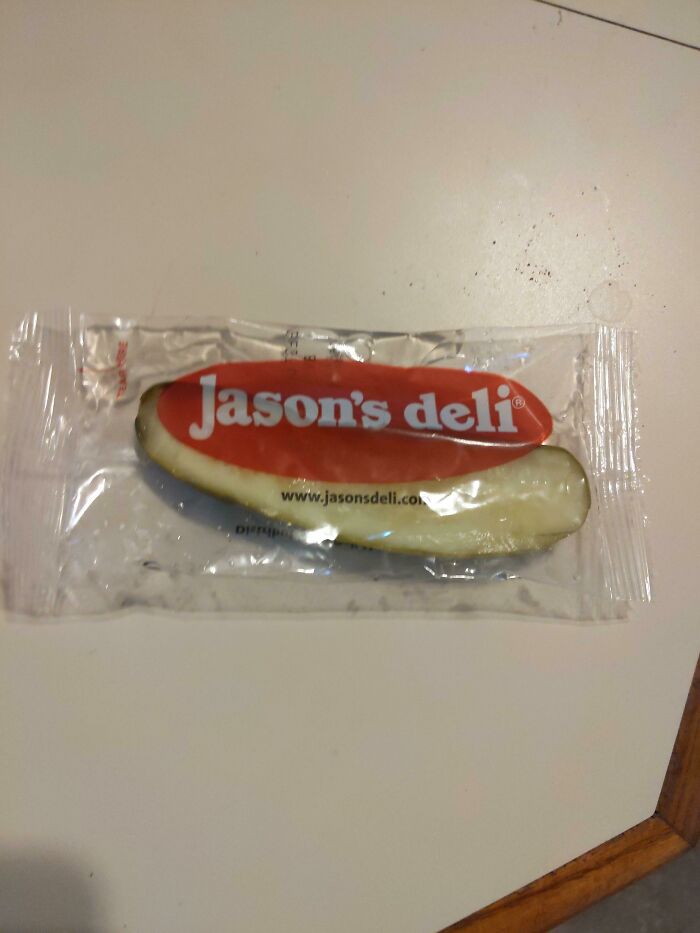
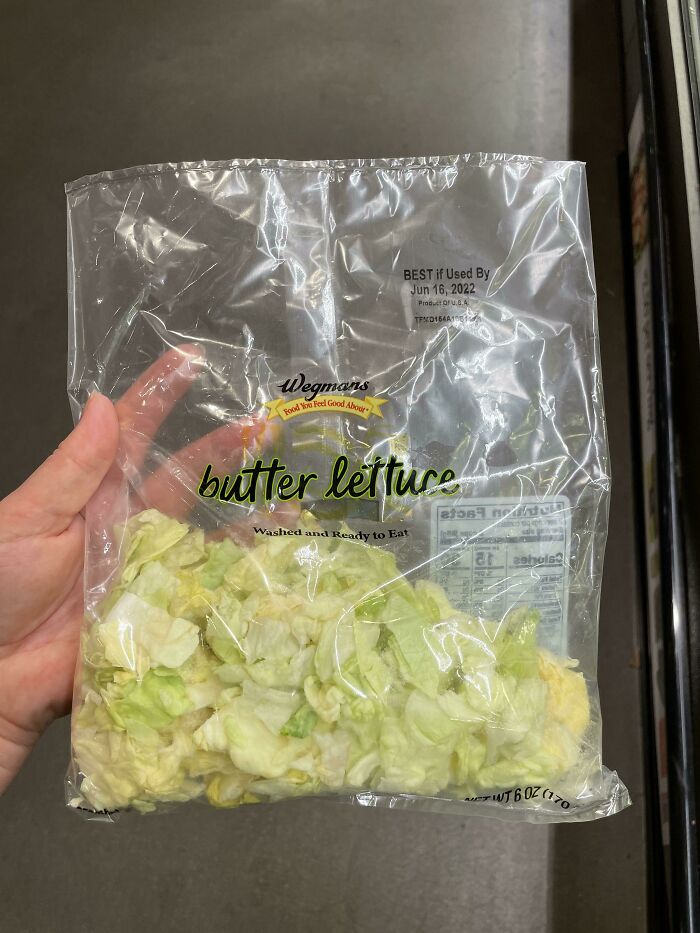
Shrinkflation is a form of retail camouflage in which consumers pay more for a growing range of products without actually realizing it. By shrinking usual product sizes and net weight, companies and businesses aim to cover rising labor and material costs without increasing the prices.
According to Edgar Dworsky, a consumer advocate and lawyer who has authored a number of consumer protection laws, including the regulations under which the Massachusetts Lemon Law operates, consumers check the price every time they buy, but they don’t check the net weight. Dworsky has been tracking shrinkflation for more than 30 years, and he shares the results on his website Consumer World.
“When the price of raw materials, like coffee beans or paper pulp goes up, manufacturers are faced with a choice: Do we raise the price knowing consumers will see it and grumble about it? Or do we give them a little bit less and accomplish the same thing? Often it’s easier to do the latter,” Dworsky told The Washington Post.
Dworsky also argues that when small bags of candy have been downsized, you are not likely to eat two bags instead. "But for orange juice, cereal, paper towels, toilet paper, peanut butter, whatever — consumers just have to buy it more often."
Although products don’t shrink by half and the changes are usually barely noticeable, these little differences add up to your pocketbook. If you're getting 10% to 12% less of a product, that's equivalent to a 10% price increase, and if you’re a regular consumer of that product, you will start feeling the difference pretty soon.
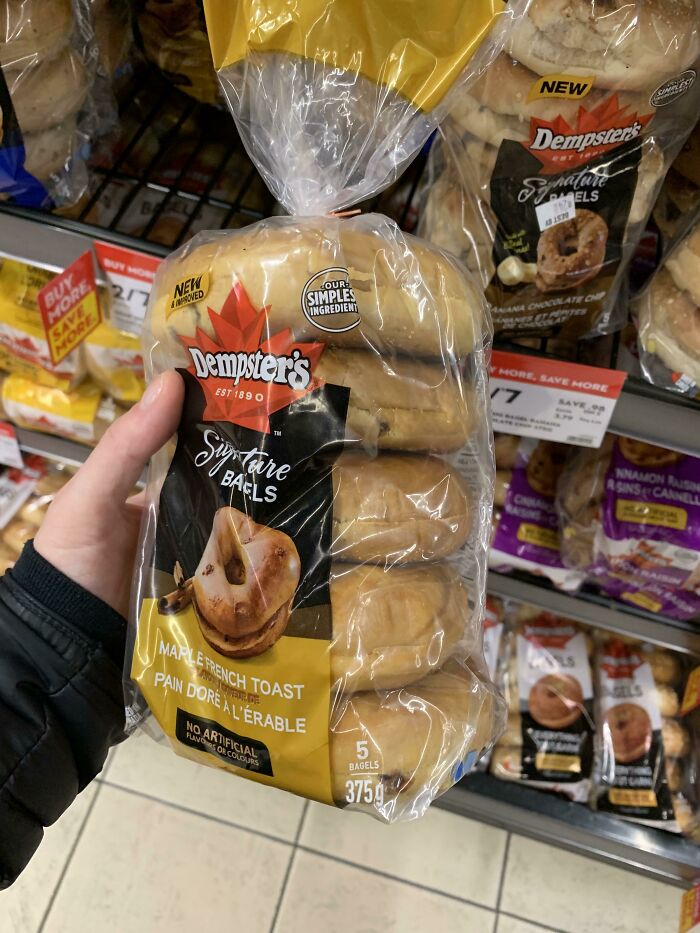
On the other hand, we can try to see the positive side of shrinkflation and argue that we may indeed be saving some calories. In the context of the obesity pandemic, this may be a small but important step. When six-packs of bagels go from 24 oz to 22 to 20 oz, the chances are you will still be buying the same number of packages but end up eating a lesser amount of food.



























 No fees, cancel anytime
 then open in external browser


 and click "Open in External Browser"