Get Premium
Dark mode theme is available exclusively for premium users. Learn more about the benefits of subscribing.
No fees, cancel anytime.

 Dark Mode Ad-Free Browsing Unlimited Content
 Ad-Free Browsing Unlimited Content Dark Mode
Join 1.2 million Panda readers who get the best art, memes, and fun stories every week!
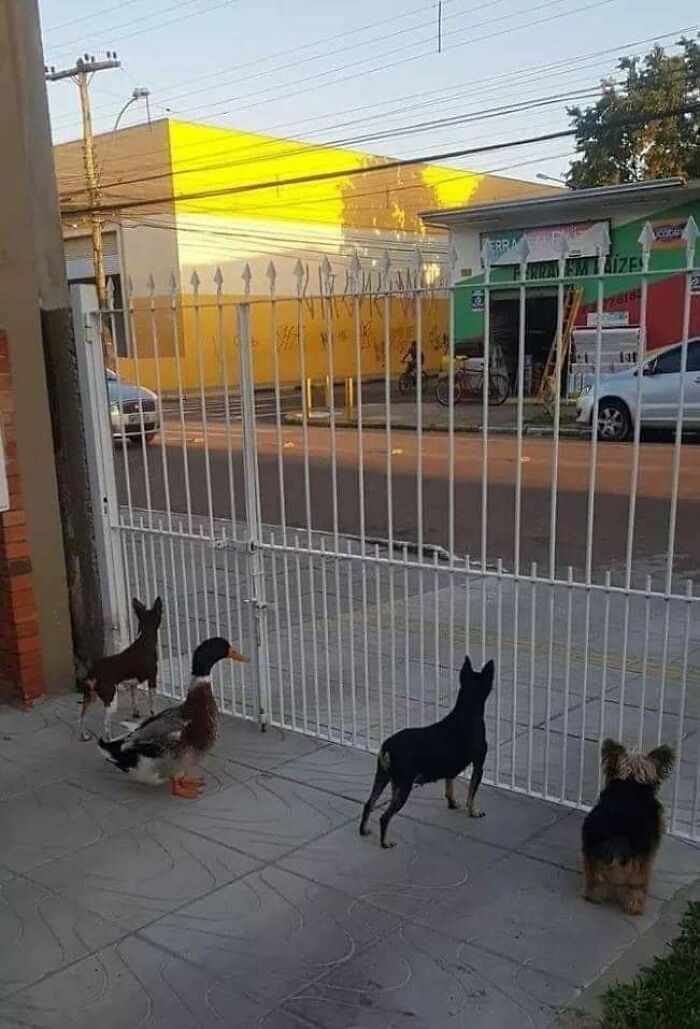
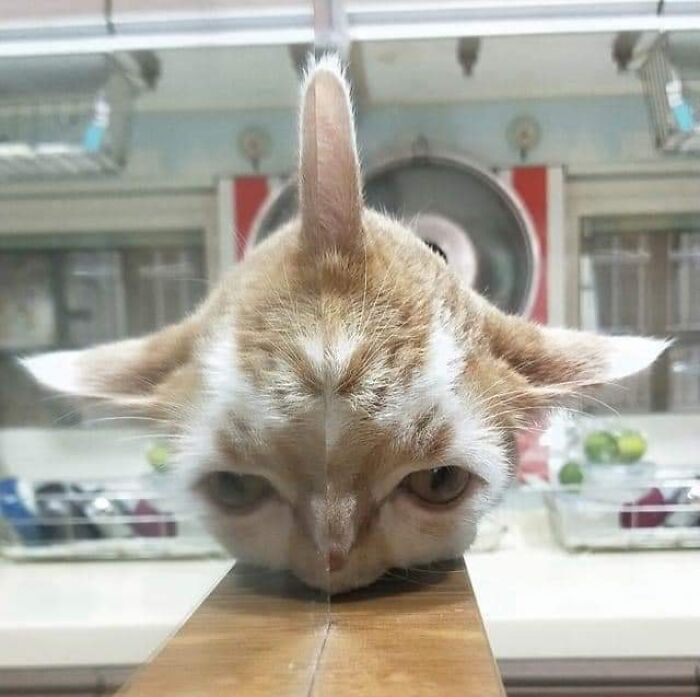
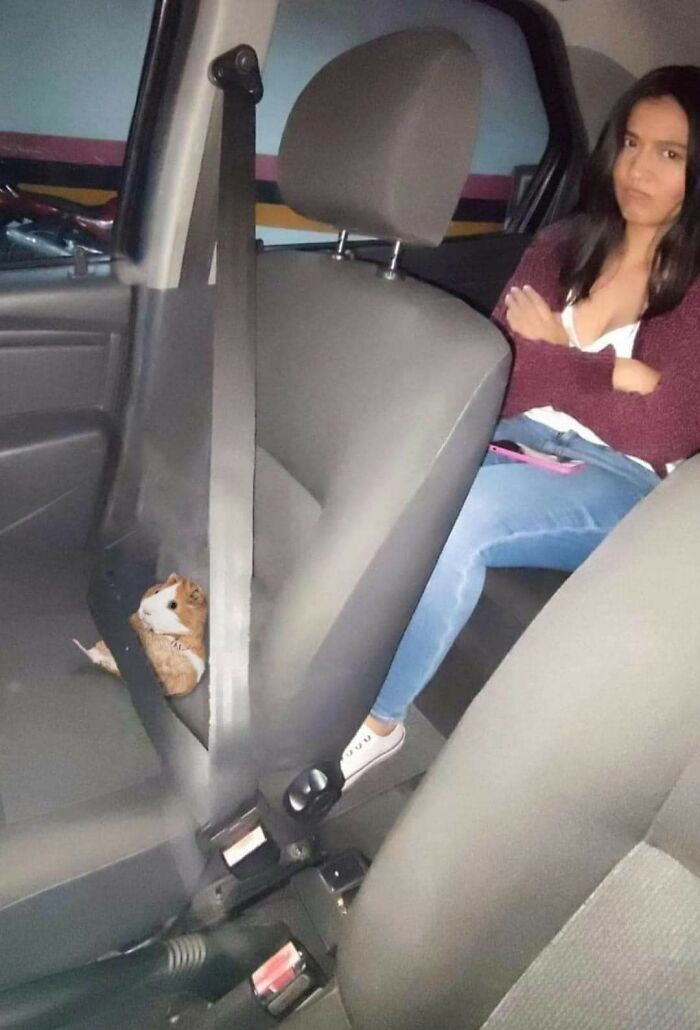
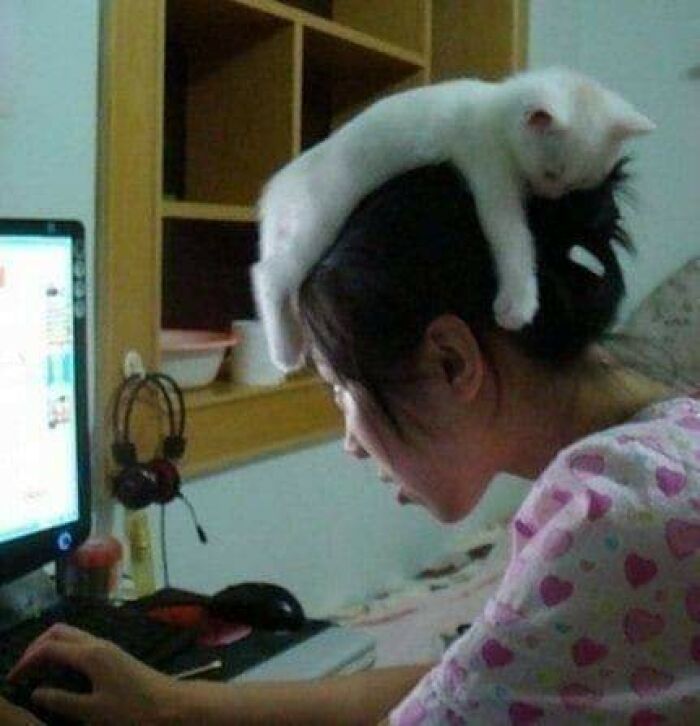
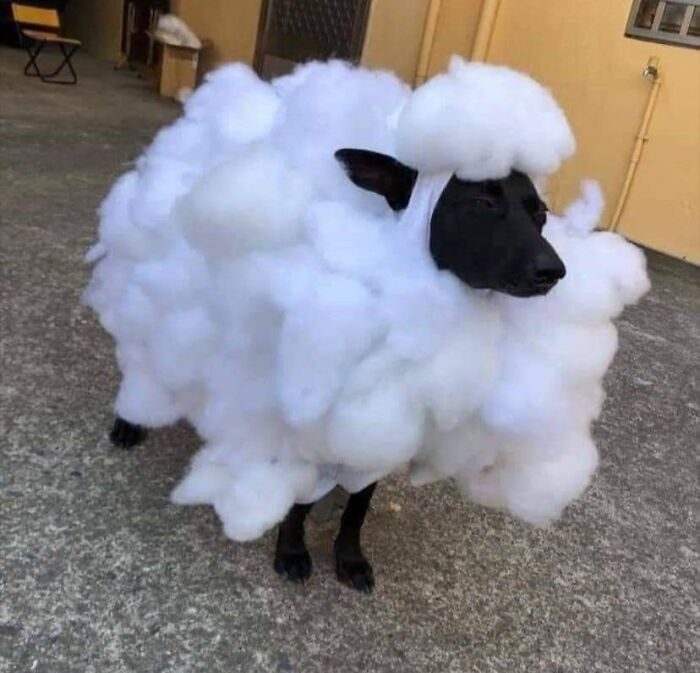
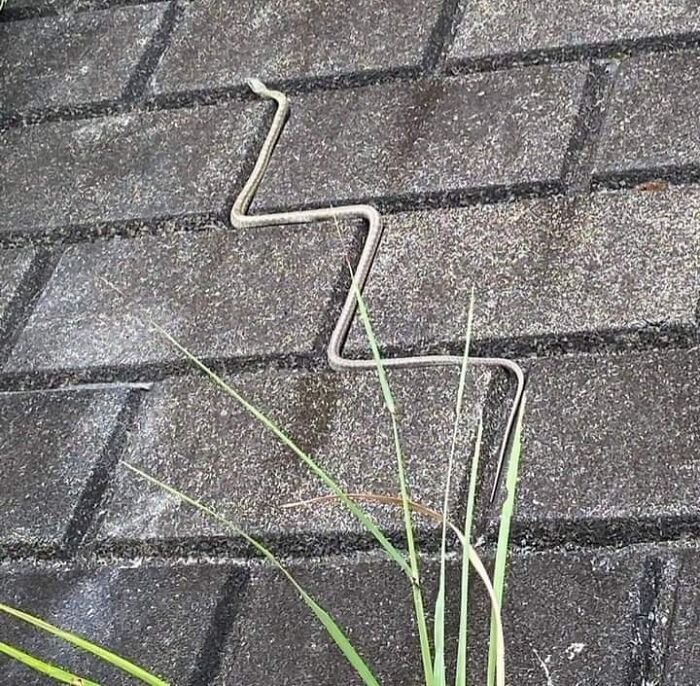
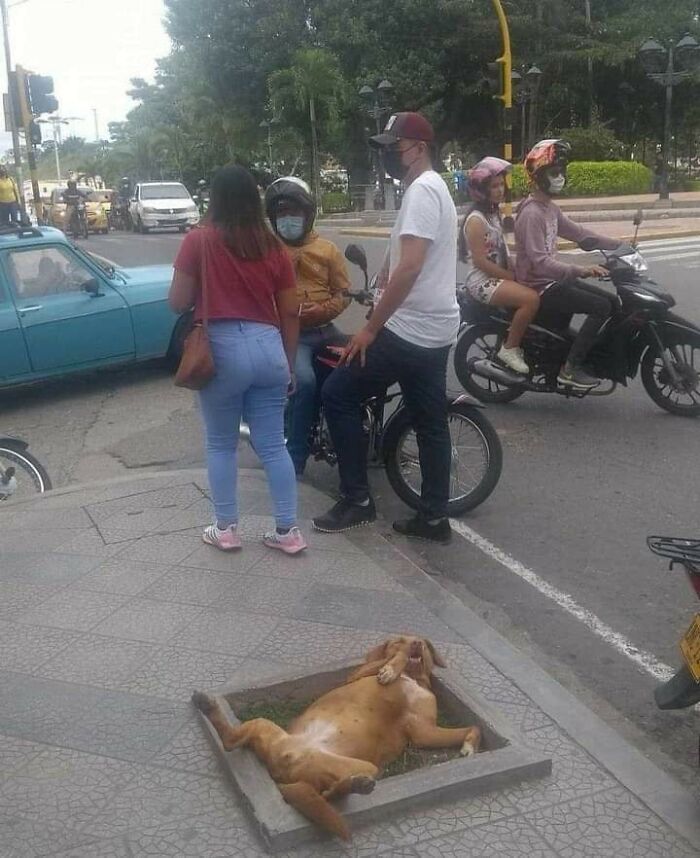
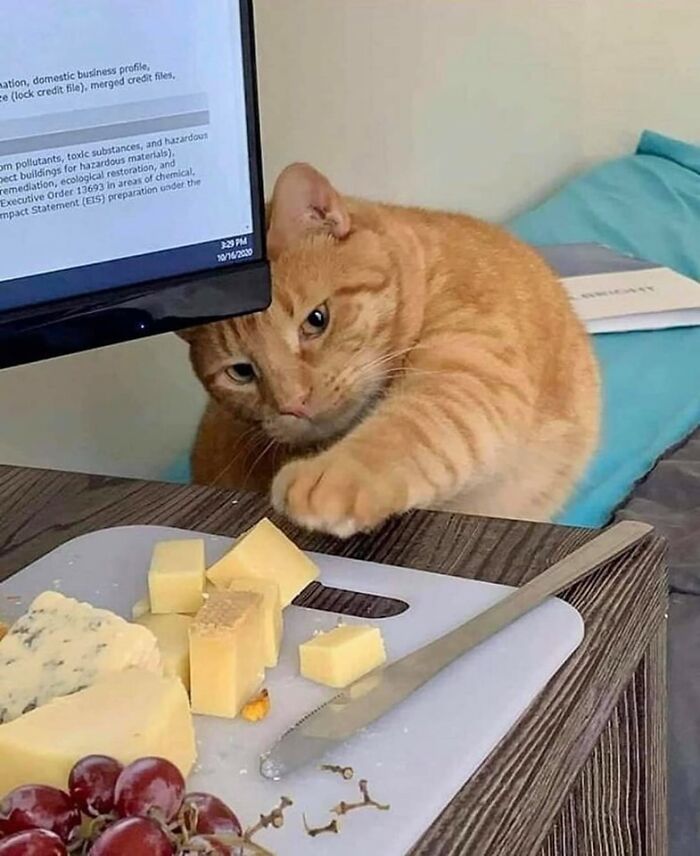
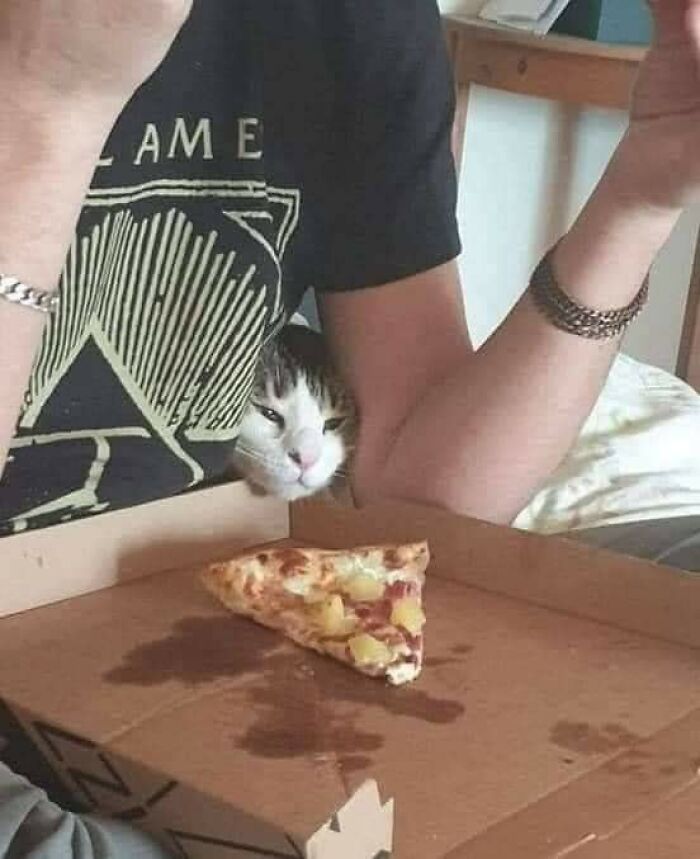
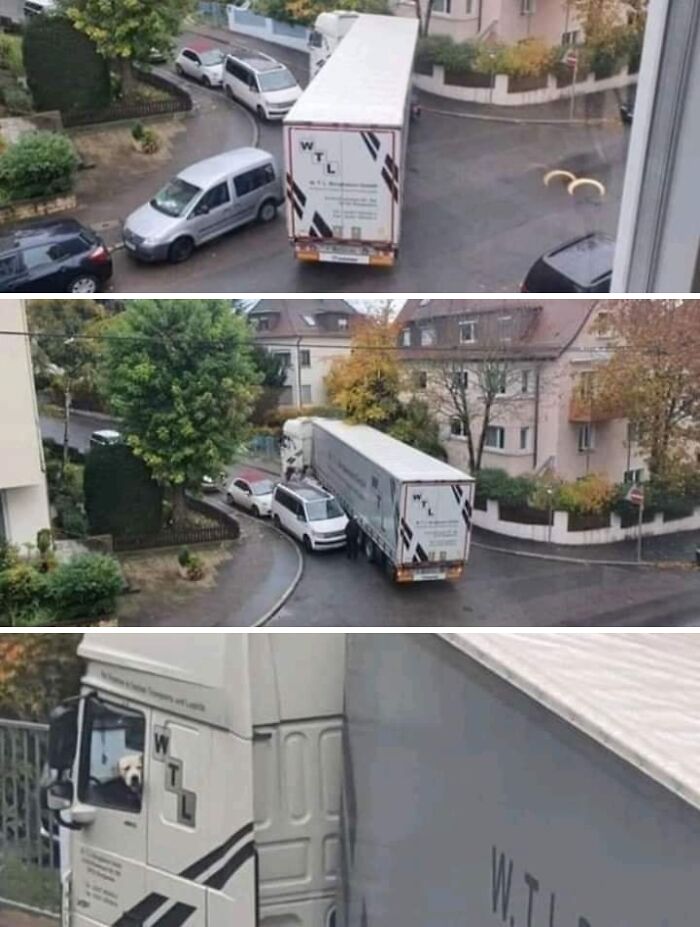
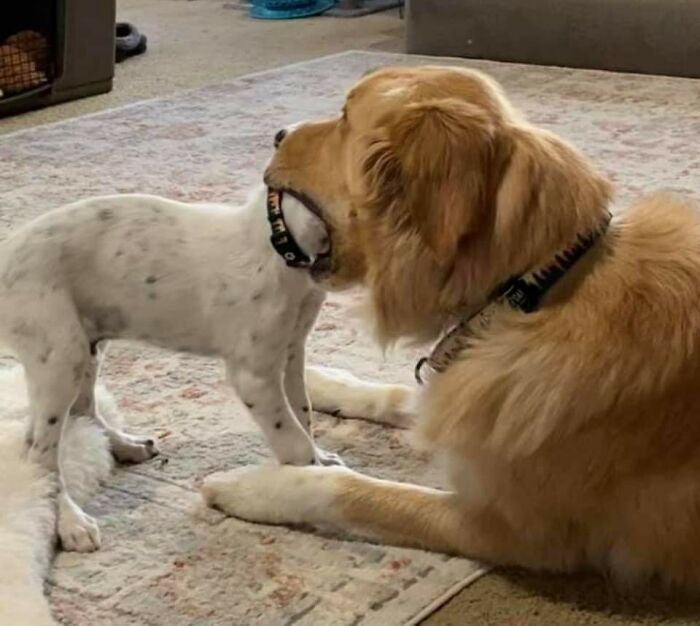
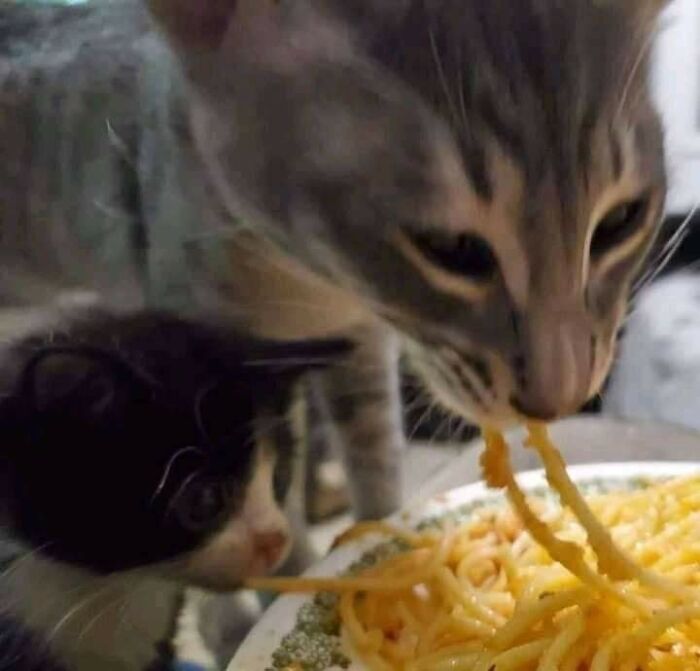
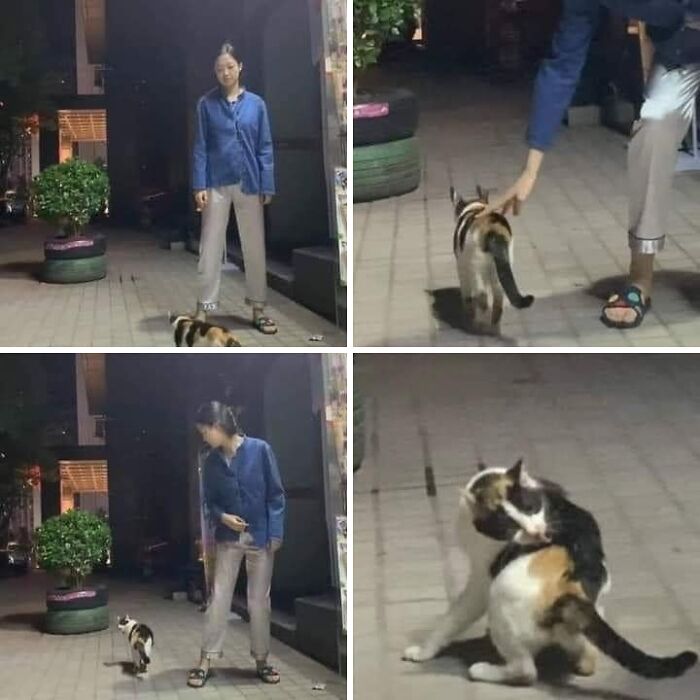
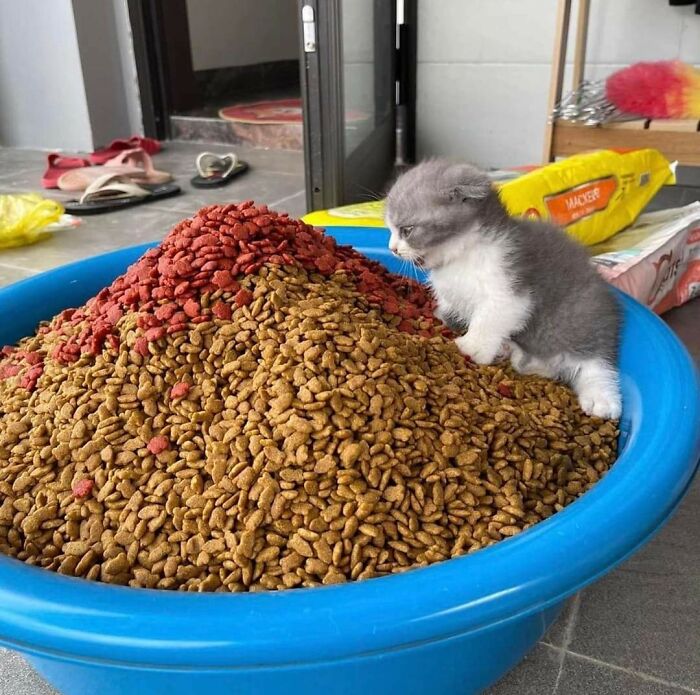
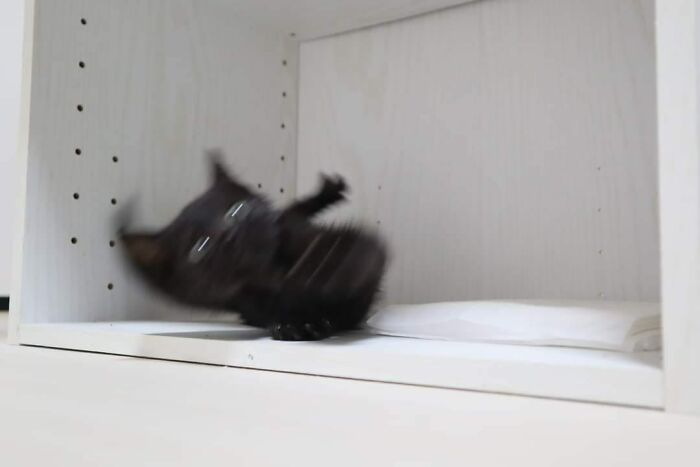
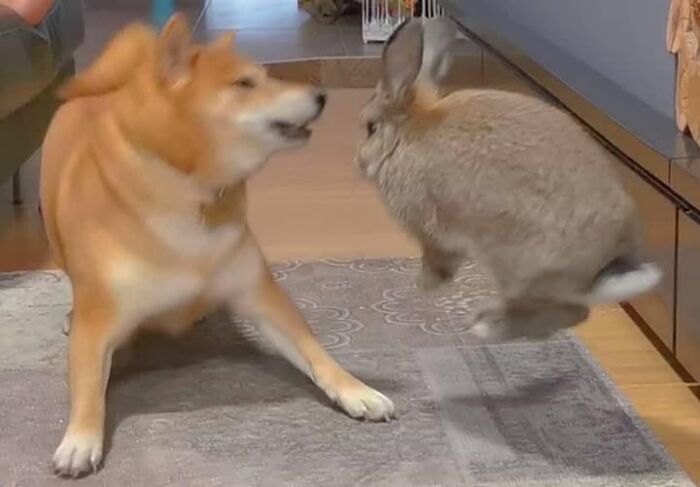
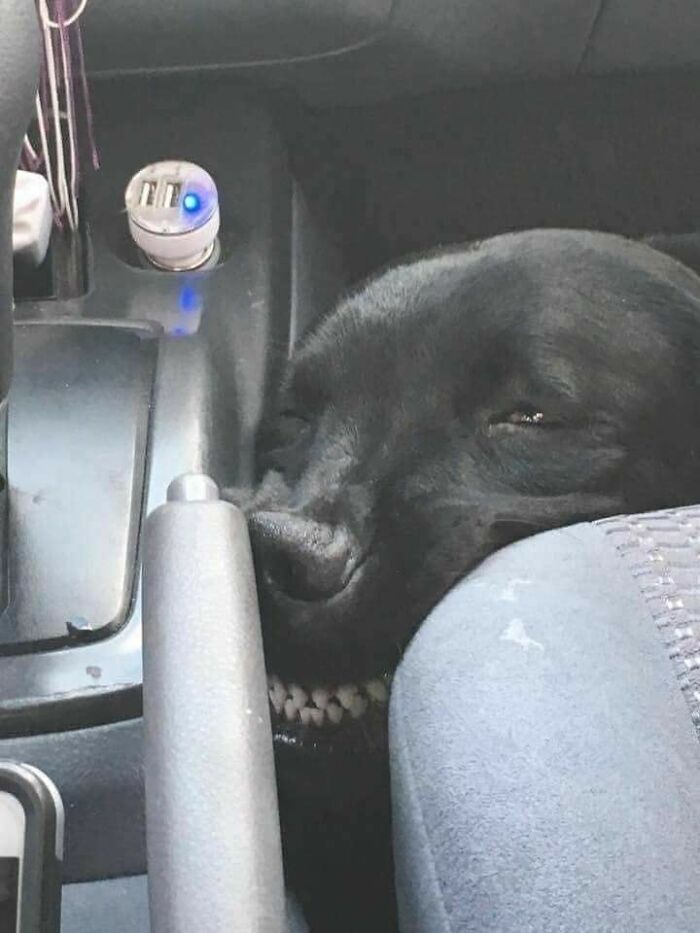
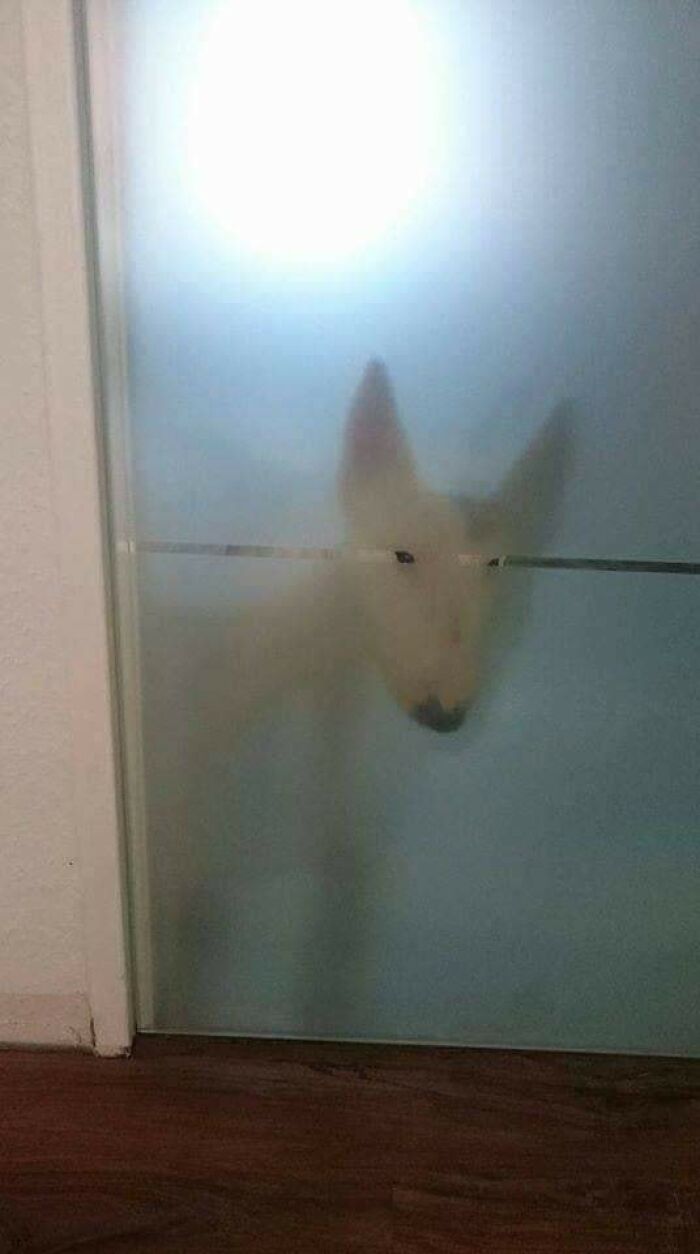
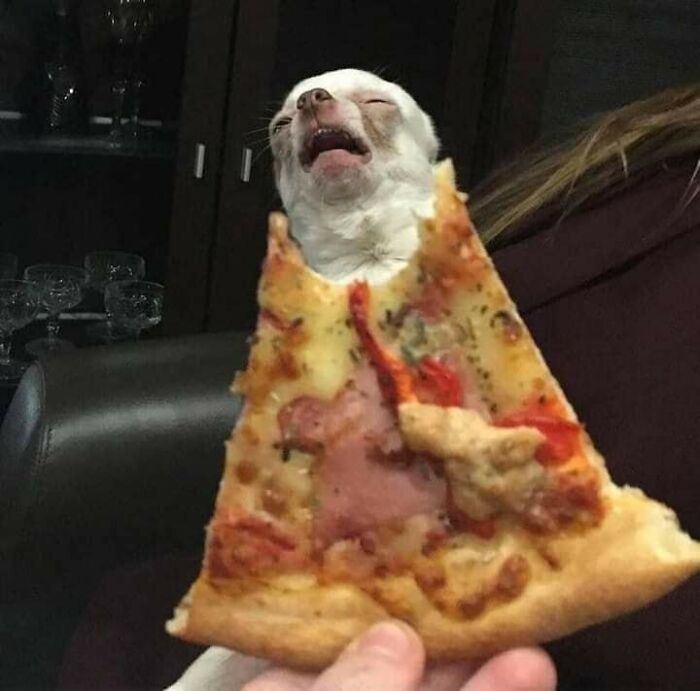
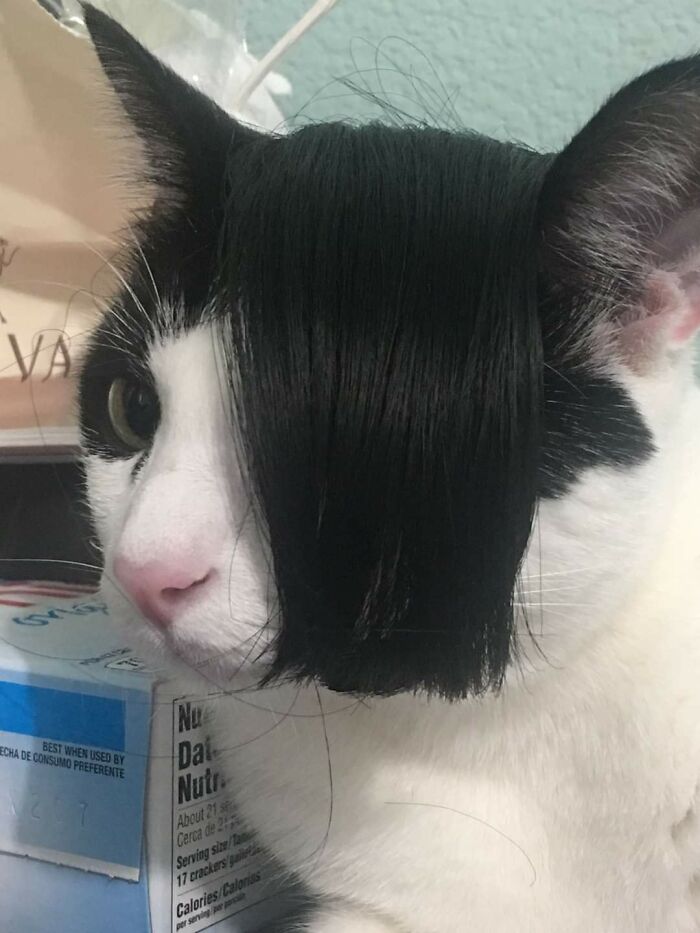
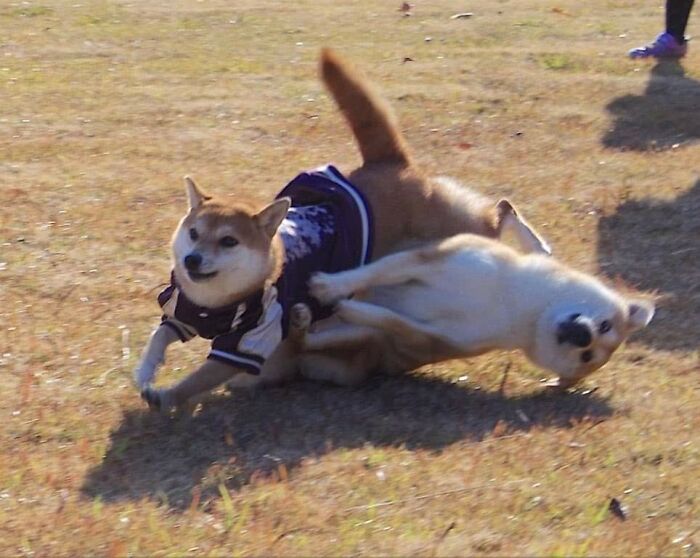
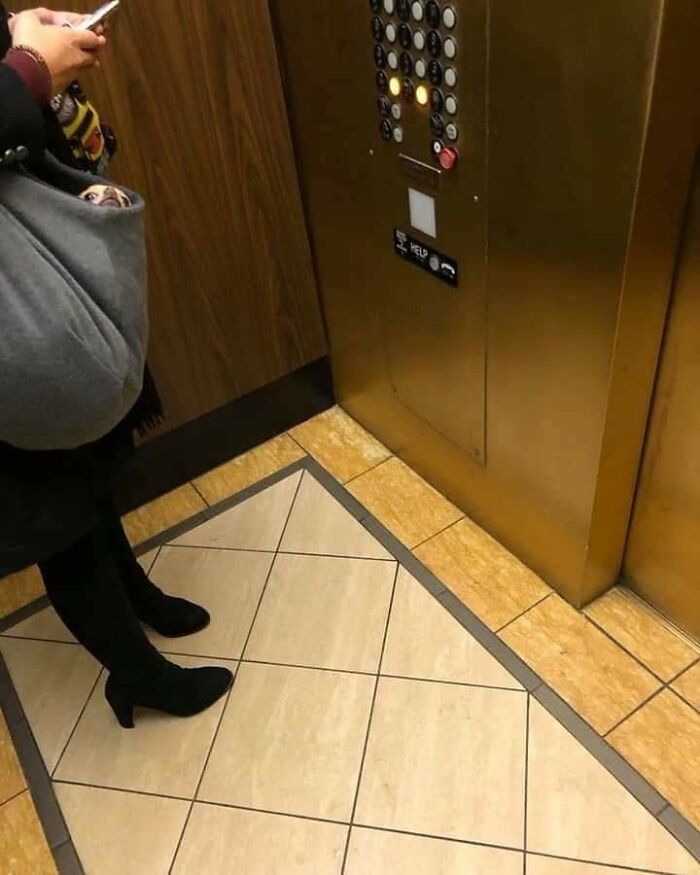
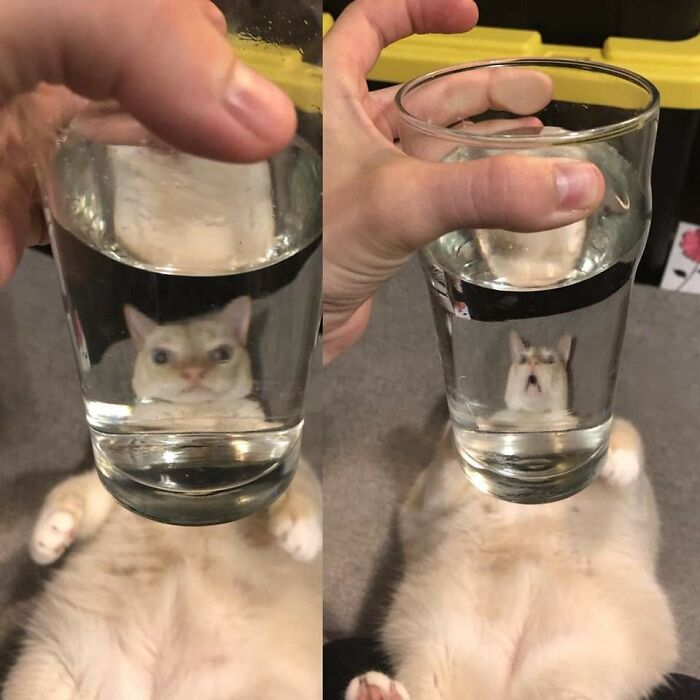
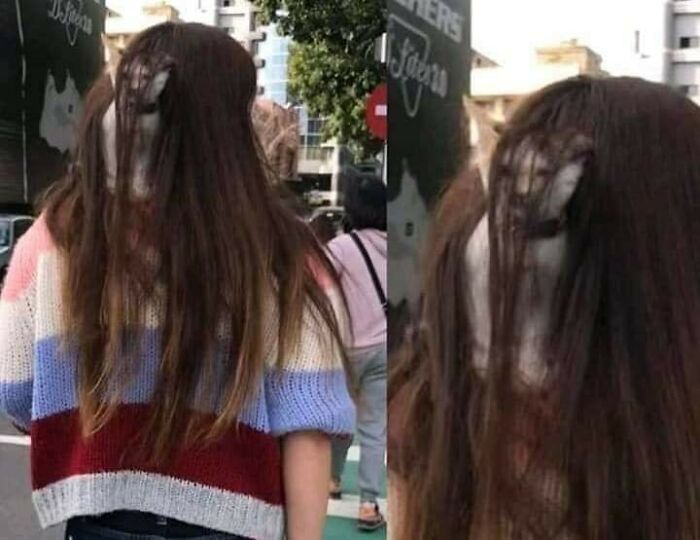
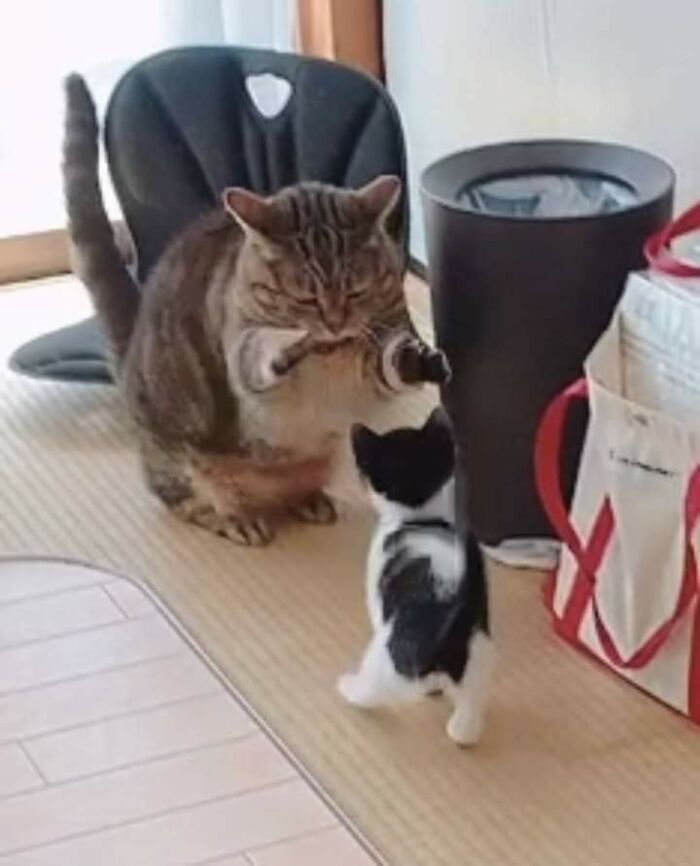
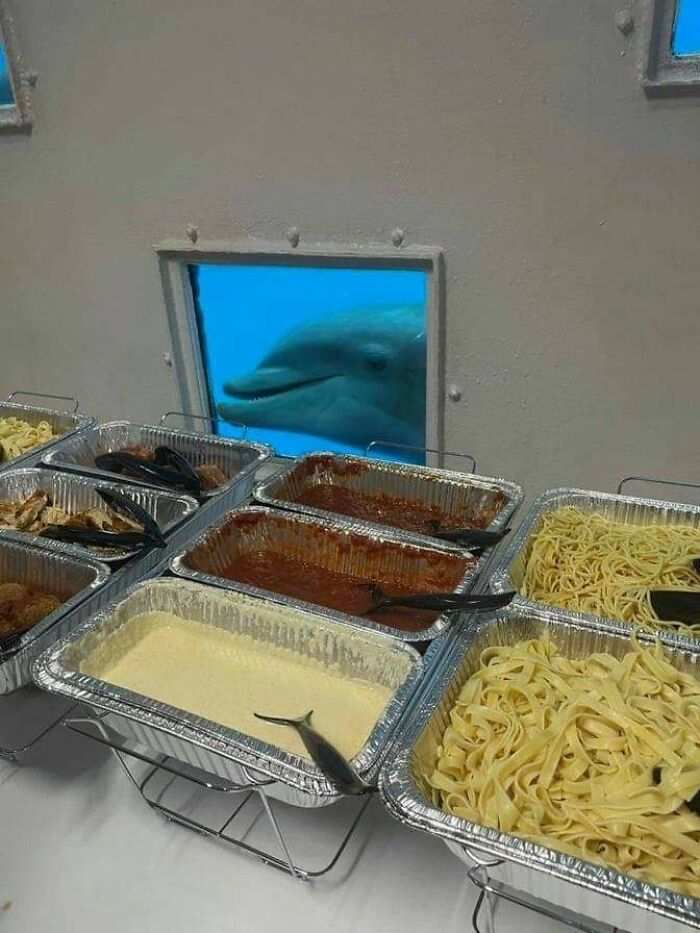
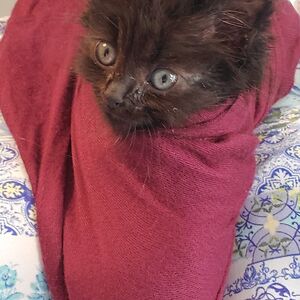
In the age of AI slop, give me animals. If anyone can restore the internet's reputation — which is going down the drain fast as social media bots, soulless automatically generated content, and malicious algorithmic curation become more prominent — it's the cute dogs, goofy cats, and all of their domestic and wild friends. So let's put aside the "important" stuff and take a look at what the Facebook page Nonsense Animal Images has to offer. No context, no distractions, just pure chaotic fun.
More info: Facebook
This post may include affiliate links.
If you feel closer to animals you meet online than some of the people you follow, don't worry. A new study by Strathclyde marketing academic Dr. Laura Lavertu and her team suggests that petfluencers may have a surprising edge over their human counterparts when it comes to trustworthiness.
The paper, published in The Journal of Advertising Research, explores how animals' endorsements of brands can affect consumer responses. Researchers compared petfluencers and human endorsers in fictional ads for products like wine and peanut butter, and the results were clear: petfluencers outperformed humans, especially when their message appealed to a consumer's focus on immediate pleasure and satisfaction.
The study also outlines that as the number of sponsored posts by social media influencers (SMIs) rises, their perceived sincerity is declining, partly due to "influencer fatigue." This is why petfluencers represent a viable alternative for more authentic endorsements.
Lead researcher Dr. Laura Lavertu, a lecturer in marketing at Strathclyde Business School whose research focuses on the impact of digital technologies (including social media and virtual reality) on consumer–brand interactions, said, “Petfluencers offer distinct advantages compared to human SMIs. While the persuasiveness of human influencers often stems from their relatability or aspirational appeal, petfluencers are seen as more genuine and sincere.”
“Because they are pets, they have no hidden agenda. They don’t come with the baggage or scandals that sometimes follow human influencers, which makes them seem more trustworthy.”
Plus, research suggests it might actually be possible to "aww" our troubles away.
A collaborative survey conducted by the University of Leeds and Tourism Western Australia found that indulging in animal content can significantly reduce stress and anxiety.
For the study, 19 participants watched videos of Western Australia's quokkas — a famously selfie-adept marsupial known for its smile-like facial structure — for 30 minutes.
The individuals had their blood pressure and heart rates measured before and after watching the animal clips, and researchers found both fell significantly during the videos. Additionally, a clinical psychological analysis found that anxiety levels were reduced on average by 35%, and in some cases by nearly half.

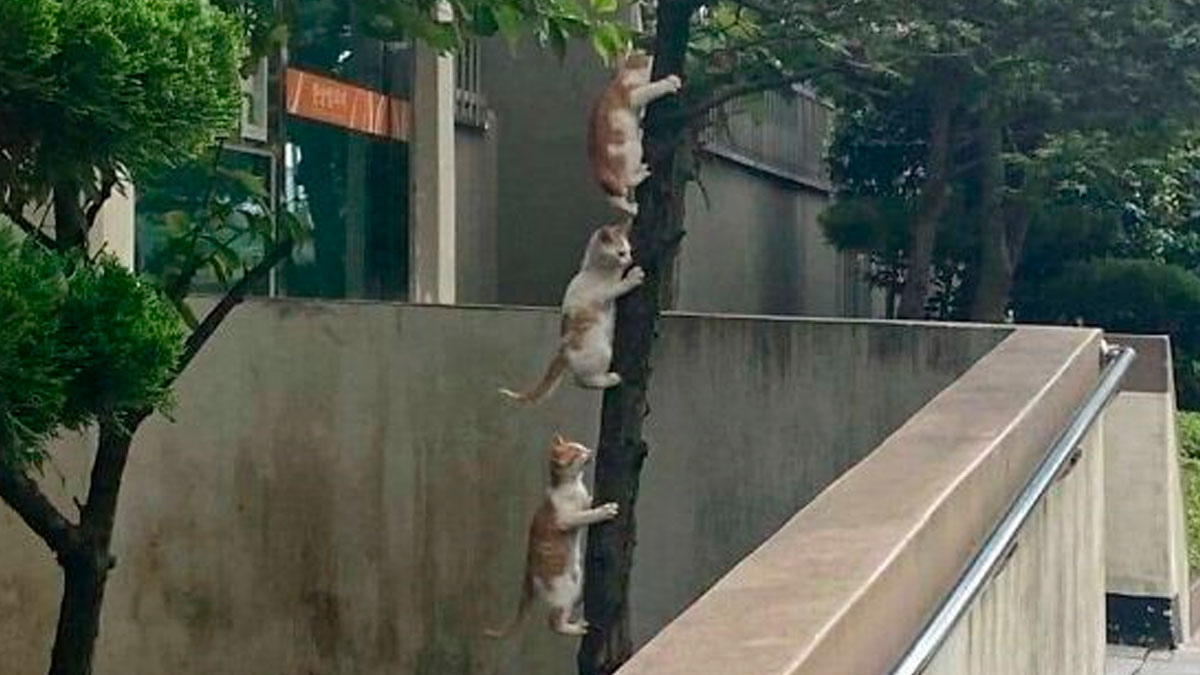
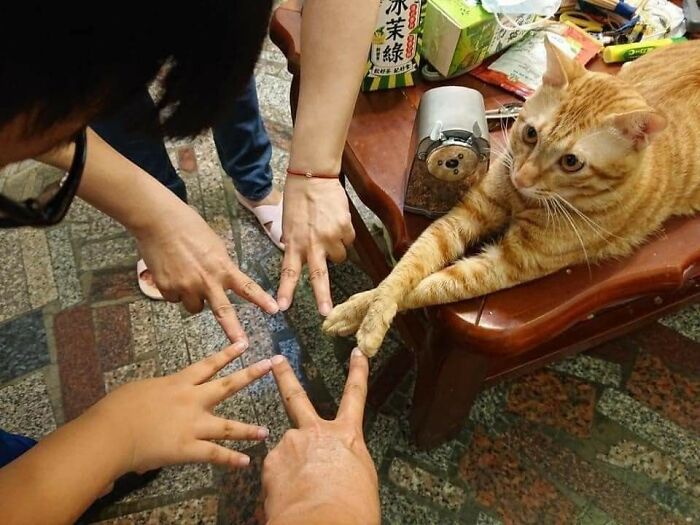
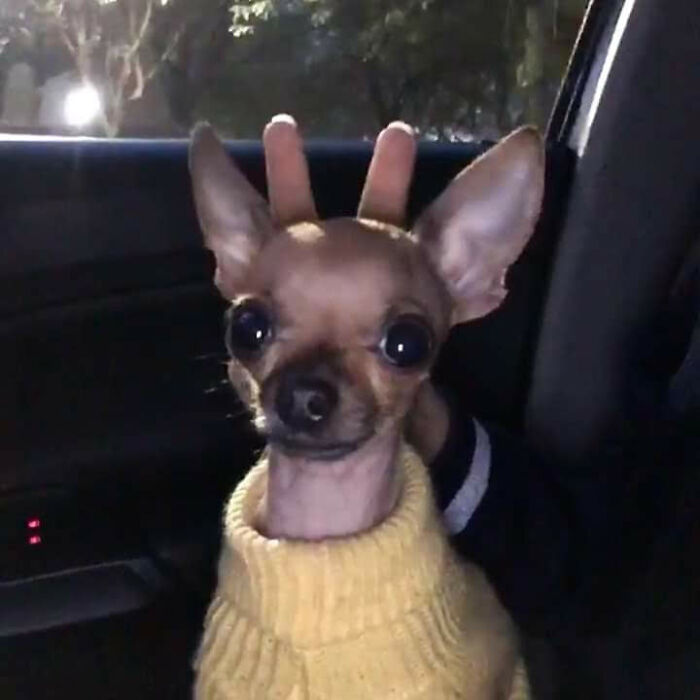
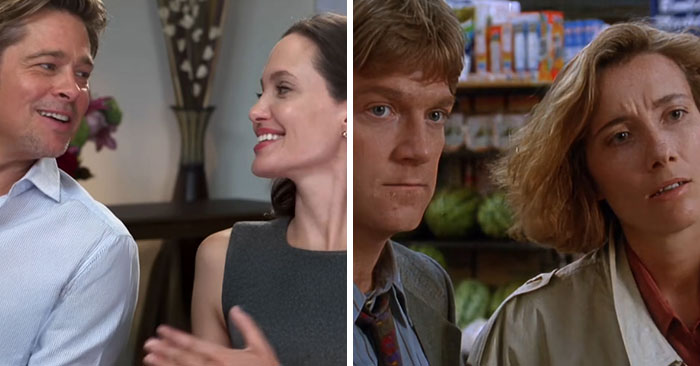
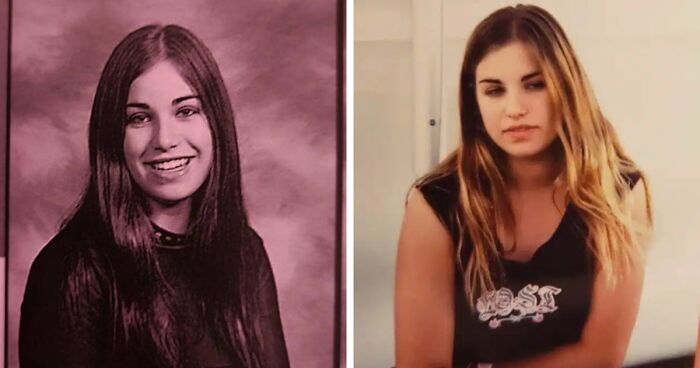
Hmmm... Is this a new cult? Or a group of kids in the 90s that are actually super heros? Either way, I want in.
The majority of participants were students scheduled to take an exam following the video-watching session, and the rest were employees who identified as feeling stressed at work.
"It was clear that students were anxious ahead of their exams, with heart rates and blood pressure for most participants mildly elevated before our session took place," study researcher Dr. Andrea Utley said. "Indeed, in some individuals, heart rate and blood pressure were even higher, indicating a higher level of stress for those participants."
"Throughout the course of the session, heart rates and blood pressure fell across all individuals to a level that would be considered healthy and indicative of limited stress or anxiety," Utley explained.
Author Jacob Silverman defines today's internet as "hostile internet."
"Through deliberate choices, and some unintended consequences, the architects of the current consumer internet have created a thoroughly commercialized, surveilled and authoritarian space where basic functions are seconded to the extractive appetites of the monopolies overseeing the system," he wrote.
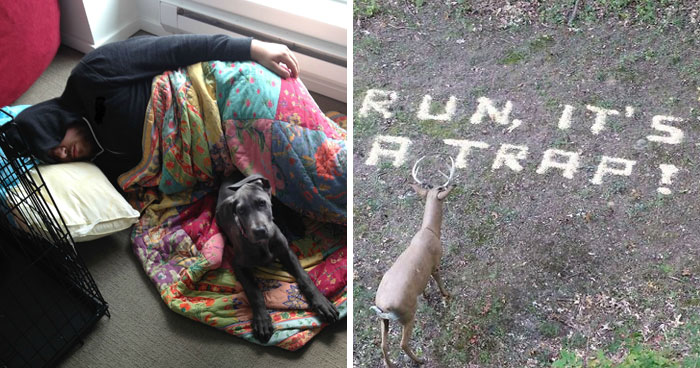
Luckily, places like the Facebook page Nonsense Animal Images still exist, reminding us that we can still scroll without expectations, explanations, or seriousness—just animals being animals.








 No fees, cancel anytime
 then open in external browser

 and click "Open in External Browser"