Get Premium
Dark mode theme is available exclusively for premium users. Learn more about the benefits of subscribing.
No fees, cancel anytime.

 Dark Mode Ad-Free Browsing Unlimited Content
 Ad-Free Browsing Unlimited Content Dark Mode
Join 1.2 million Panda readers who get the best art, memes, and fun stories every week!
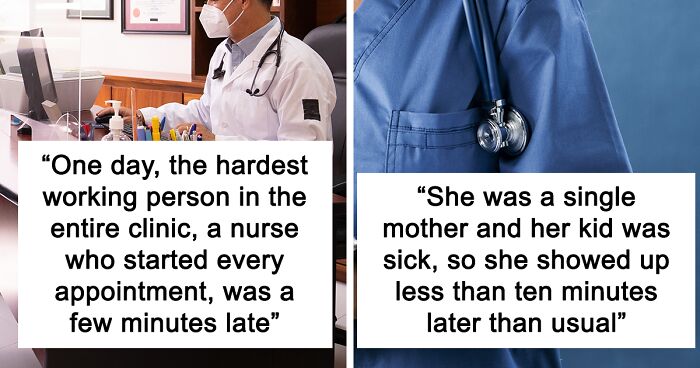
However you treat others, it always comes back like a boomerang at you. And this story from the Pro Revenge community on Reddit is an excellent example of karma restored.
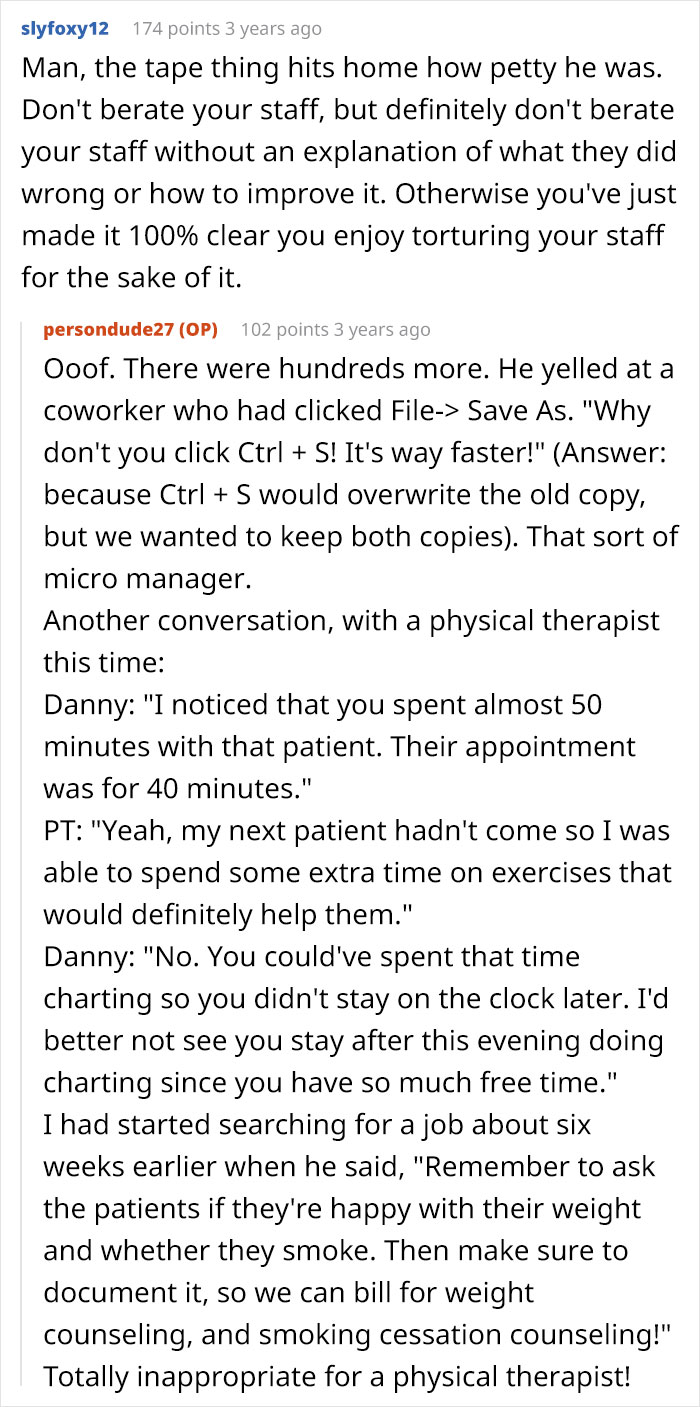
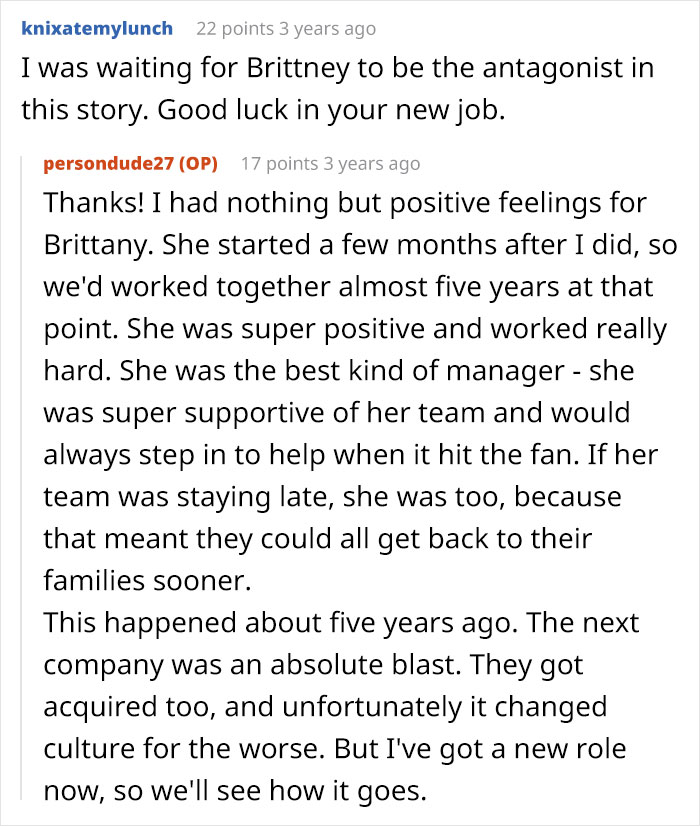
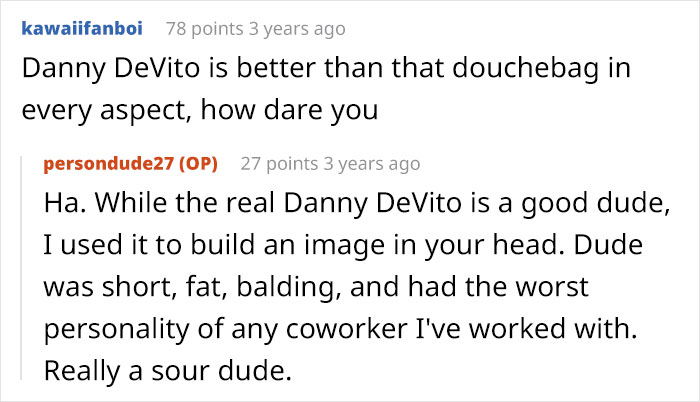
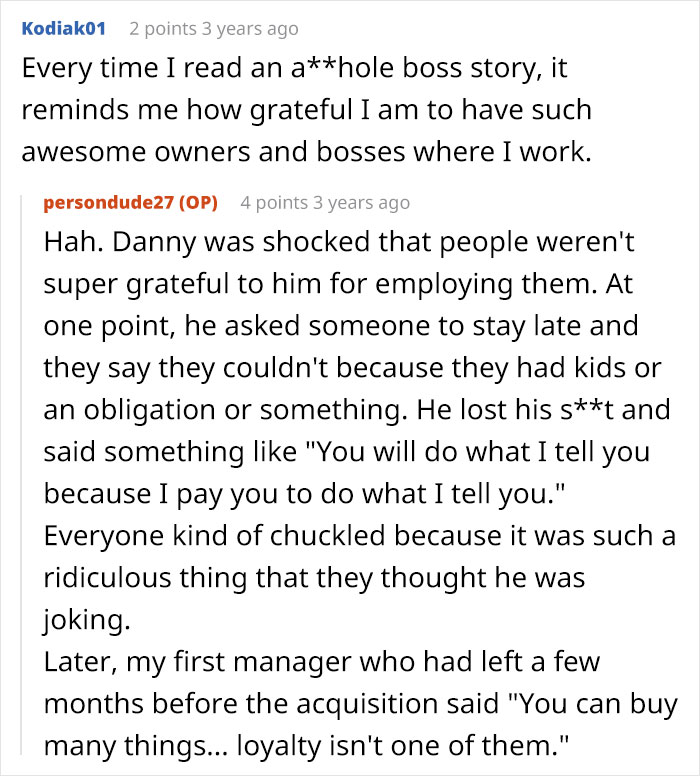
“The company got bought, and a new owner came in. He was like Danny DeVito in gold chains and a bad toupee,” wrote the author Persondude 27 who worked in a small doctor’s office. “He screamed constantly, about little things, at anyone. He micromanaged and didn’t bother to understand someone’s job before telling them how to do it better. He tried to streamline processes without knowing how they worked. But mostly, he yelled.”
As you can imagine, the vibe in the workplace was horrible, so no wonder the employees started organizing a joint resignation. One day like any other, the boss was yelling his lungs out at the staff not knowing he was seconds away from being left completely alone in that office.

Image credits: Los Muertos Crew (not an actual photo)
Image credits: RODNAE Productions (not an actual photo)
Image credits: Anna Shvets (not an actual photo)
“Micromanaging is a very common occurrence in both large and small businesses,” Dawn Moss, the career coach and founder of “Your Interview Coach” told Bored Panda in a previous interview. This kind of management demotivates staff members, increases absenteeism and staff turnover, creates lack of trust and creates an overall toxic workplace.
“It may be that the person is controlling and wants to know every little detail. After all, they are ultimately responsible for productivity and results. They may feel under pressure and want to know what’s going on at all times.”
So if you find yourself dealing with a controlling boss or management with micromanaging tendencies, Moss shared useful advice. According to her, it all comes back to trust and communication between the manager and employee. “Firstly, it’s best not to use the term micromanaged during those initial conversations with your manager because it often has negative connotations. However, you need to start the dialogue about expectations and quality standards of work,” she noted.
Moss also suggests reflecting and analyzing your own work ethic, patterns and styles; check that this hasn’t impacted on the trust between you and your manager. “For example, the quality of your work, missing deadlines, turning up late, lack of communication or updates, etc.”
“Try to understand your manager’s behavior and the potential pressures they may have (demands, deliverables, outputs, results, stakeholder and shareholder accountability, profitability, etc.) and get to know them as a person, their characteristics, their values, simply their likes and dislikes.”
The career coach said that it’s always a good idea to be prepared, organized and proactive: “Think ahead and be prepared to provide those detailed updates to reassure your manager that they can be confident you are in control and know what’s going on. Let them know ahead of time if a deadline is unrealistic, or a target is unlikely to be met. Let them know about issues before they find out about them from someone else.” Moreover, asking for feedback and regular 121s is also a great idea. “This will help improve communication between the manager and the employee. It will help build confidence and trust. Ask lots of questions about their expectations and concerns and how you can address or improve.”

I had a doctor-owner like this one. He tried to blindside-fire me and get me to sign a statement while I was in shock. Joke's on him though, I already had another job and just hadn't given my notice. As soon as he said I was fired, I cut off his little speech, said "Well then we're done here", got up and walked out. He got all huffy, didn't I want to hear his reasoning, I said "nope, and if you try to block my unemployment I'll sue you" (yes I had evidence), then I flipped him the bird. So satisfying.

LOL nice. I worked in a doctors office like this. The manager was from hell. We all quit pretty much at once and left her hanging. She tried to tell us part of our job was washing her dishes..... she told us to do unsanitary things like dumping pt urine down the kitchen sink, wanted staff to store their food in the fridge that held samples of feces etc
Good grief. Where on earth are these people coming from??
Load More Replies... I had a doctor-owner like this one. He tried to blindside-fire me and get me to sign a statement while I was in shock. Joke's on him though, I already had another job and just hadn't given my notice. As soon as he said I was fired, I cut off his little speech, said "Well then we're done here", got up and walked out. He got all huffy, didn't I want to hear his reasoning, I said "nope, and if you try to block my unemployment I'll sue you" (yes I had evidence), then I flipped him the bird. So satisfying.
LOL nice. I worked in a doctors office like this. The manager was from hell. We all quit pretty much at once and left her hanging. She tried to tell us part of our job was washing her dishes..... she told us to do unsanitary things like dumping pt urine down the kitchen sink, wanted staff to store their food in the fridge that held samples of feces etc
Good grief. Where on earth are these people coming from??
Load More Replies...






























 No fees, cancel anytime







134
13