Get Premium
Dark mode theme is available exclusively for premium users. Learn more about the benefits of subscribing.
No fees, cancel anytime.

 Dark Mode Ad-Free Browsing Unlimited Content
 Ad-Free Browsing Unlimited Content Dark Mode
Join 1.2 million Panda readers who get the best art, memes, and fun stories every week!

As time advances, science tends to progress, and medical technology improves. That’s probably no surprise to anyone. But it’s only when you physically see historical health-related contraptions that you can genuinely begin to appreciate modern developments.
We want to give you a unique glimpse into the recent past, so our team at Bored Panda has collected some of the most fascinating photos of old-school medical inventions.
They look so bizarre that they could easily be mistaken for something out of The Twilight Zone or a retrofuturistic movie. Scroll down to take a peek and to get even more appreciation for modern tech. Oh, and don’t forget to show these to your friends working in medicine!
This post may include affiliate links.
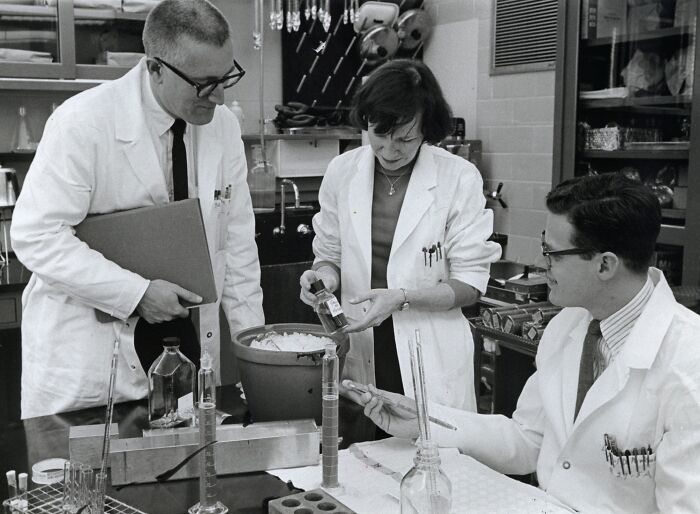
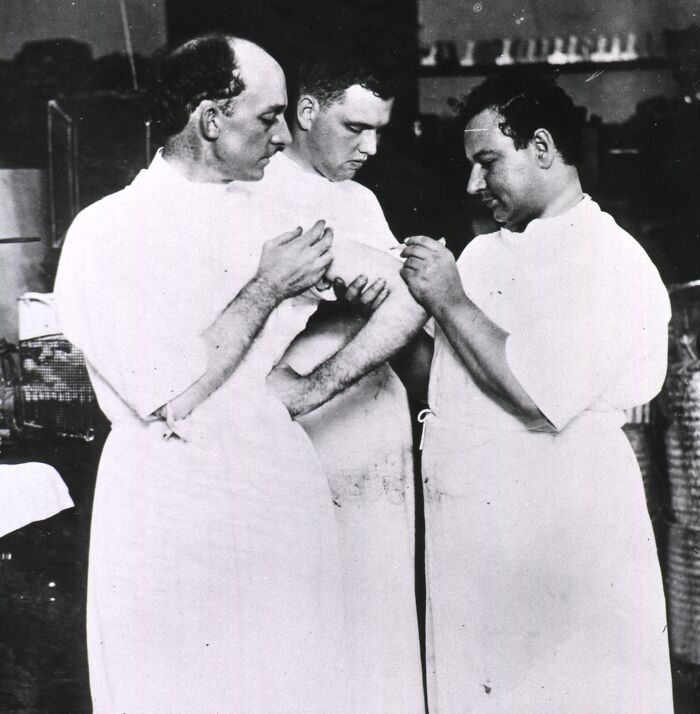
This photograph captures a pivotal moment in medical history, showing Drs. Harry Meyer Jr. and Paul Parkman with scientist Hope Hopps at the National Institutes of Health. In this lab, the team successfully isolated the rubella virus and developed a crucial blood test to determine immunity. Their groundbreaking work in the 1960s directly led to the creation of the rubella vaccine, which has since prevented millions of birth defects and virtually eliminated the disease in many parts of the world.

Vaccines! Help! Dirty word! Not in MY country you don't! says RFK, Jr. Besides, Tylenol (or, as we call it, "aceto - acilto - acyle - well, YOU know what I mean") causes autism. Or was that vaccines? Let's just call anything that is "science-y" BAD and claim it causes autism. Apparently the only thing that doesn't cause autism is an actual brain worm.
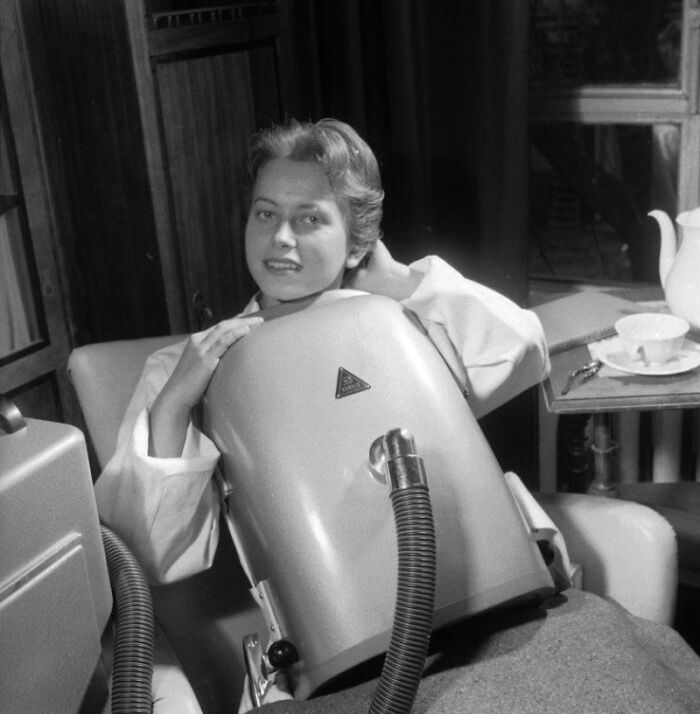
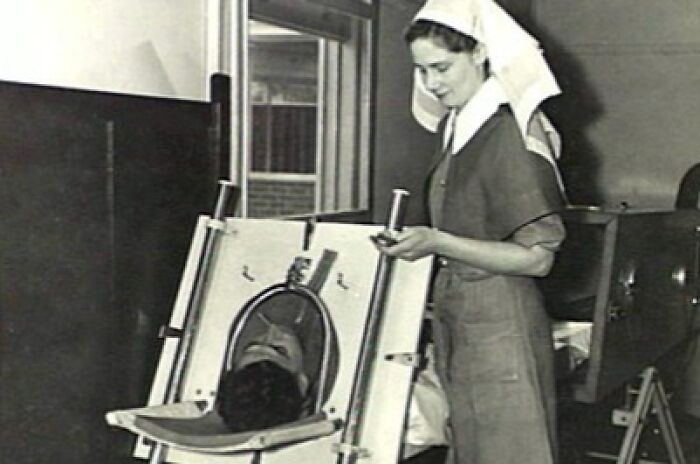
This 1955 photograph shows a patient using a portable respirator, a significant advancement from the massive "iron lung" chambers used during the polio epidemic. The device, consisting of a chest plate connected by a hose to a bedside pump, allowed patients with paralyzed respiratory muscles to breathe. This innovation offered a greater degree of freedom and the possibility of recuperating in the comfort of their own homes rather than being confined to a hospital ward.
The World Economic Forum notes that a jaw-dropping 4.5 billion people (just over half of the world population at the time of writing) lack vital access to essential healthcare services. Furthermore, there is expected to be a whopping 11 million health worker shortage by the year 2030.
However, the WEF posits that artificial intelligence may actually help to bridge that massive gap. Essentially, the hope is that AI may, over time, lead to a democratization in healthcare.
According to the WEF, AI technologies are already helping doctors in numerous ways. For instance, aiding them in triaging patients, detecting early signs of disease, and spotting fractures. Though that's just the tip of the iceberg.
That being said, healthcare is an industry that has “below average” adoption of rapidly developing AI tech.
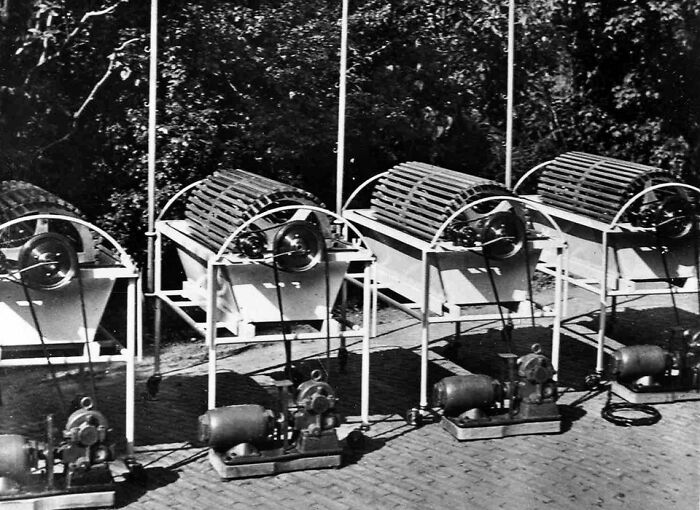
During the German occupation of the Netherlands, Dutch physician Willem Kolff invented the first functioning artificial kidney machine, a groundbreaking device for treating kidney failure. Fearing the German authorities would confiscate his life-saving invention, Kolff and his team famously hid the bulky, rotating-drum dialysis machines in the hospital garden at Kampen.

Dr. Kolff was part of the Dutch resistance during WWII, created the first dialysis machine and helped develop the first artificial heart.

Oftentimes, whatever worked, worked. Without those Doctors, Nurses and Scientists, many of us wouldn't be here today. Yet one country appears to be choosing to go backwards.
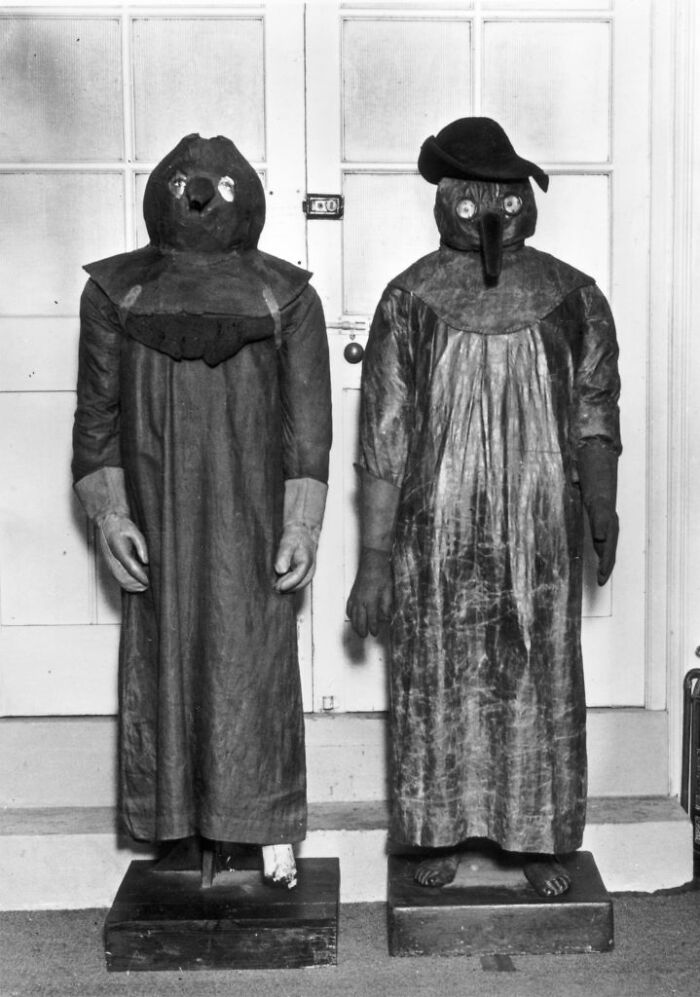
These are the bizarre and terrifying outfits worn by plague doctors during the 17th-century outbreaks. The most famous feature is the long, bird-like mask, which was stuffed with herbs and spices to purify the "bad air" thought to cause the disease. A long wax-covered gown, gloves, and a wide-brimmed hat were meant to protect the doctor from head to toe, creating a grim figure that became a symbol of the Black Death itself.

Look, look, they're wearing masks AND protective clothing. But, naturally, we know better now.
According to the recent WEF white paper, ‘The Future of AI-Enabled Health: Leading the Way,’ “AI digital health solutions hold the potential to enhance efficiency, reduce costs, and improve health outcomes globally.” But you don’t need to look into the far future to expect positive changes. Medical professionals are already getting results.
According to the WEF, there are many examples of AI tech already making a difference in medicine. For example, new AI software, trained by two British universities on a dataset of 800 brain scans of stroke patients, and trialed on 2,000 patients, was found to be twice as accurate as professionals in examining scans. Moreover, the software also identified the timescale within which the stroke happened.
“For the majority of strokes caused by a blood clot, if a patient is within 4.5 hours of the stroke happening, he or she is eligible for both medical and surgical treatments. Up to 6 hours, the patient is also eligible for surgical treatment, but after this time point, deciding whether these treatments might be beneficial becomes tricky, as more cases become irreversible. So it’s essential for doctors to know both the initial onset time, as well as whether a stroke could be reversed,” consultant neurologist Dr. Paul Bentley told the Health Tech Newspaper.
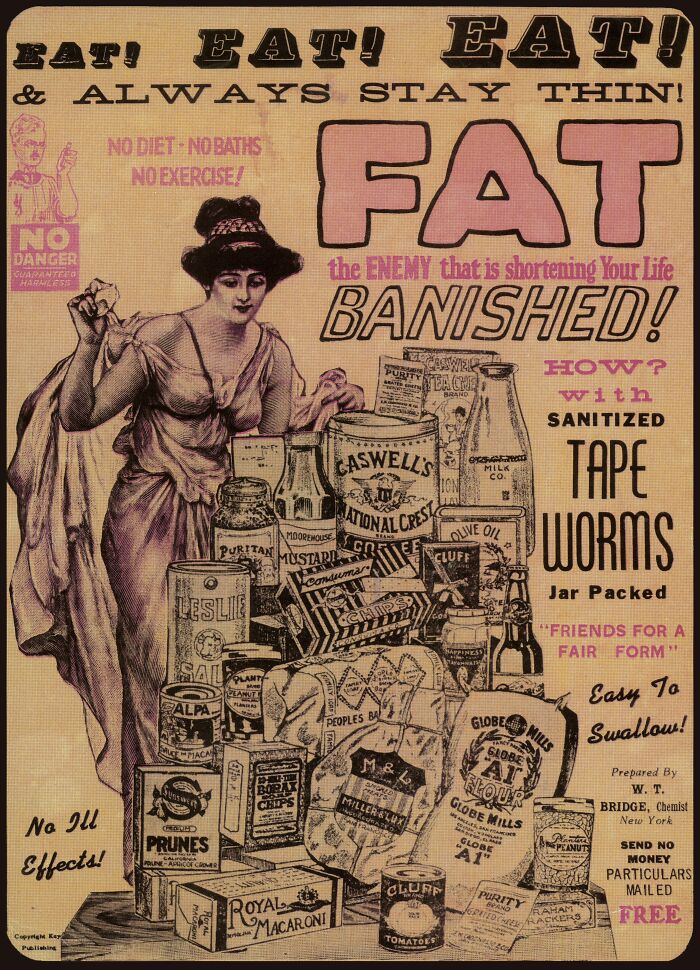
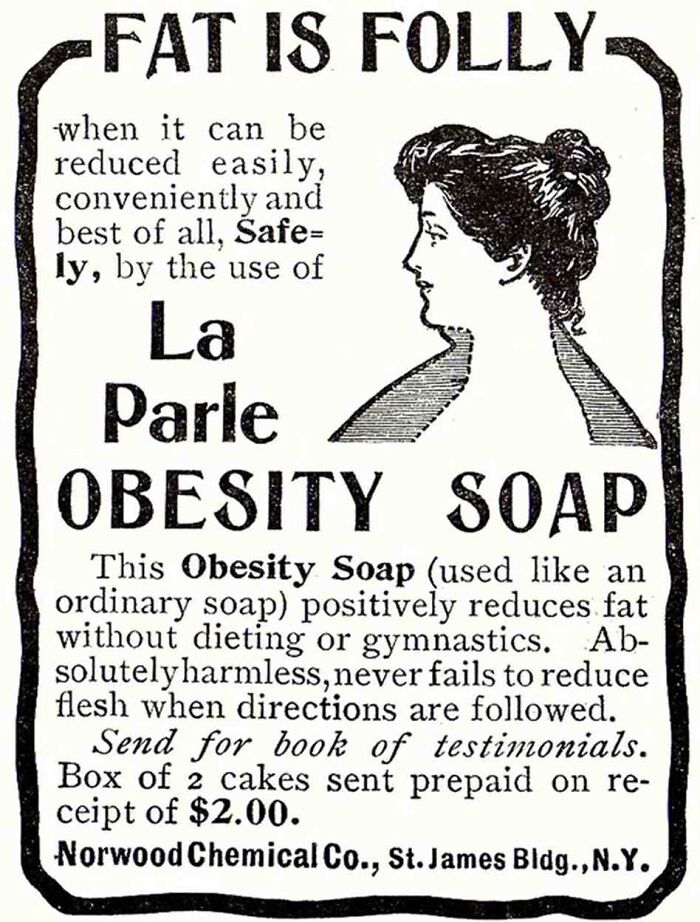
In the early 20th century, a bizarre and dangerous weight-loss trend involved intentionally ingesting tapeworms. People would swallow sanitized pills containing a tapeworm egg, hoping the parasite would hatch and consume the food in their intestines, leading to weight loss without dieting. The practice was incredibly risky, often causing severe malnutrition, abdominal pain, and other serious health complications instead of the desired results.
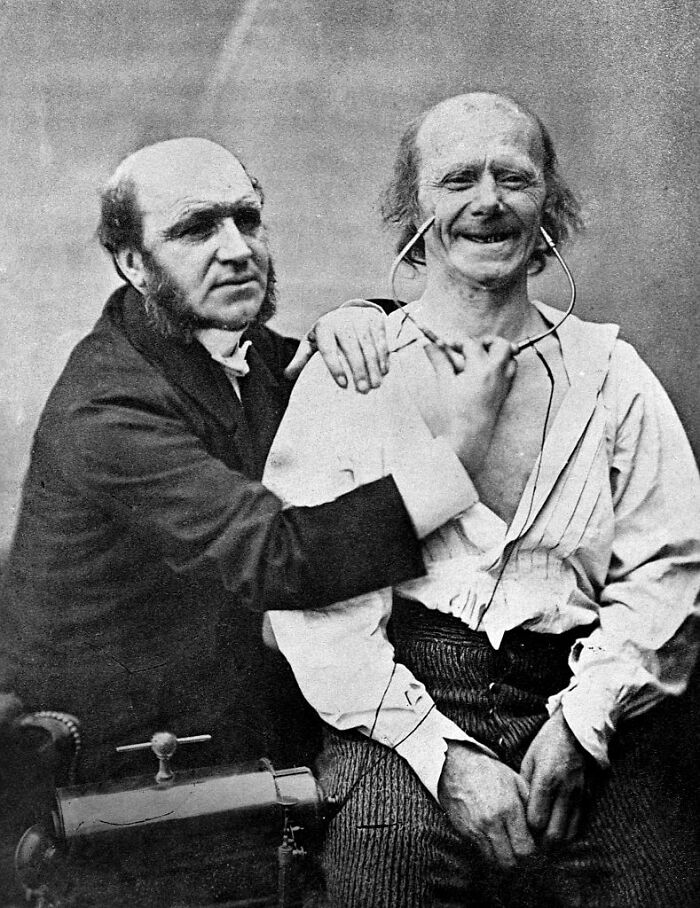
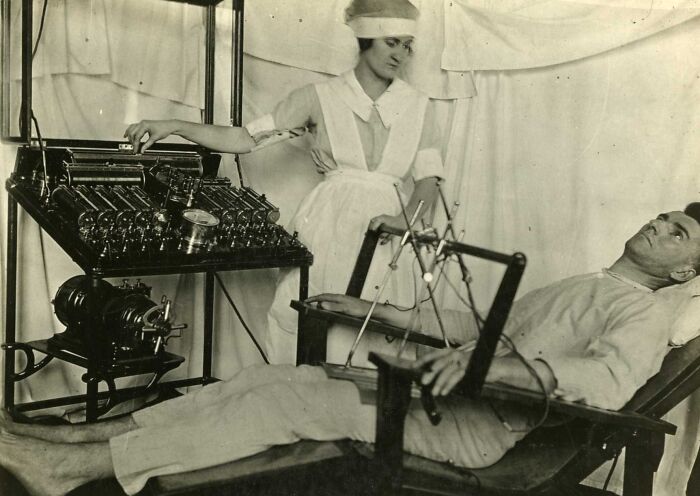
French neurologist Guillaume Duchenne is seen using electrical probes to stimulate the facial muscles of a patient. Duchenne believed that specific muscles were linked to distinct emotions, and by applying these currents, he could artificially induce expressions like joy, fear, and pain.

Looks like me when my boss cracks those awful jokes and we all gotta pretend...
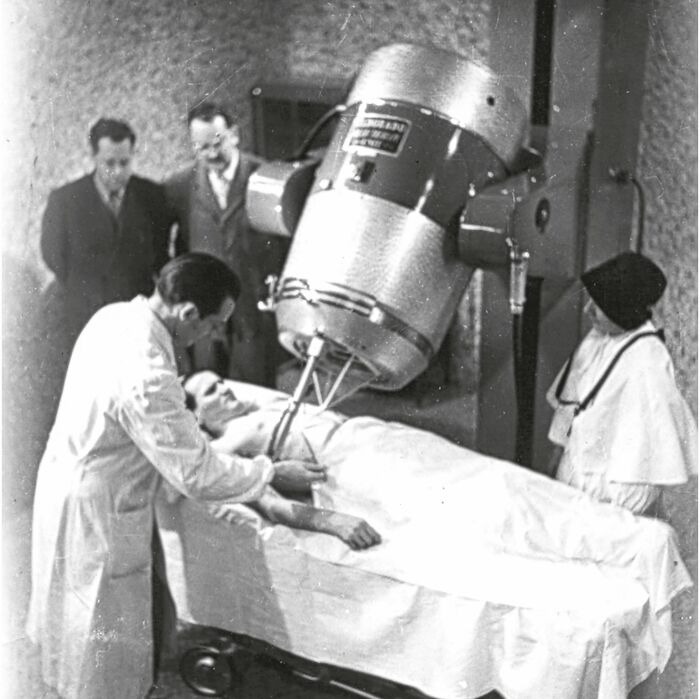
1950s radiation therapy for cancer treatment, it's still used for certain types of cancers
What’s more, the WEF explains that some of the other major breakthroughs in AI in the medical industry include tech that is able to:
Of course, it’s not just in AI where progress is being made.
For instance, Sermo points out that doctors and medical students “increasingly use” virtual reality for various purposes, such as simulation training, surgical rehearsals, pain management, and distraction mechanisms.
Furthermore, telemedicine has gone mainstream, making healthcare more accessible to patients who may be hard to reach.
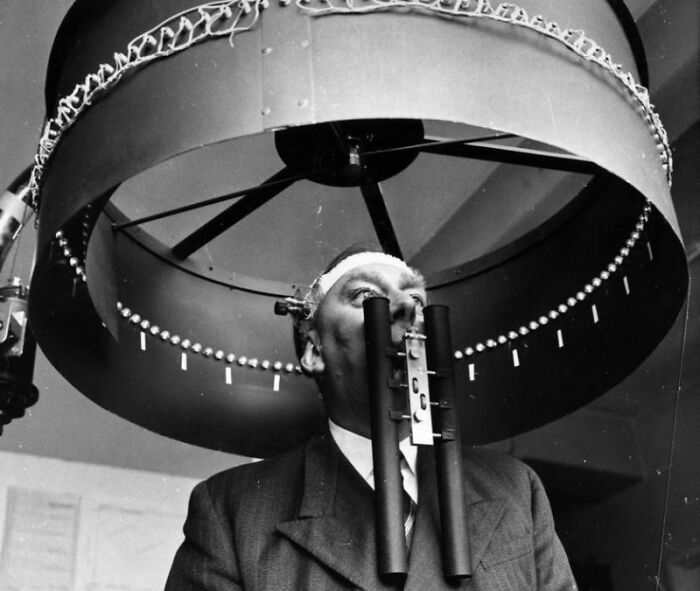
This 1960 photograph captures a strange experiment at the RAF Institute of Aviation Medicine. Dr. G. H. Byford is shown wearing a contact lens fitted with a miniature lamp while standing beneath a rotating optokinetic drum. The setup was designed to study the involuntary reflex movements of the eye and understand how visual illusions could affect a pilot's perception and stability during flight.

The original eye tracker by GT Buswell (1930s) attached to the eye with a tiny plaster disc with a hole in the center to let light through. The plaster contact directly drove a pencil on paper to record the eye movements.
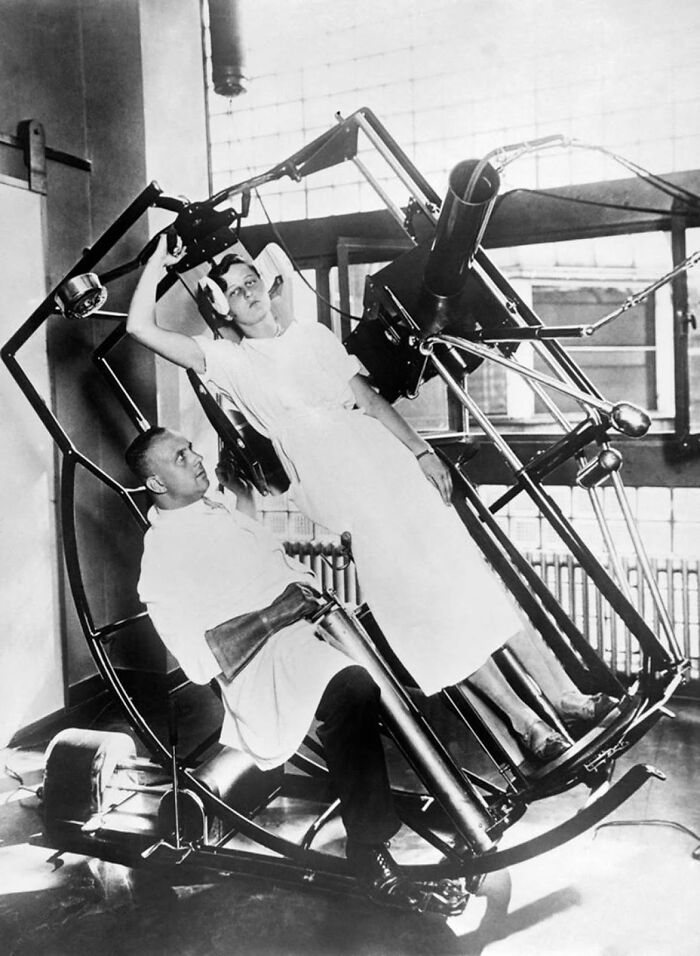
This photograph from around 1929 showcases an early Roentgen X-ray machine at a German institute. This cumbersome setup was a necessary precaution against the constant exposure to harmful radiation, a poorly understood but increasingly recognized threat in the pioneering days of medical imaging.

Actually wrong, the "cumbersome setup" was nothing to do with any sort of protection. Quite sad, really. They'd already by then seen a lot of damage to hands in x-ray technicians, so he's wearing thick protective gloves, but no protection at all for the rest of his body.
Other medical tech improvements include advances in wearable devices, usually smart wristwatches, that track important patient data. As an example, wearable devices that “continuously collect” electrocardiogram, skin impedance, temperature, and patient activity data can “predict heart failure exacerbations within a 10-day window, improving early intervention.”
Meanwhile, the field of regenerative medicine is expanding, especially in the areas of gene therapy, cell therapy, and tissue engineering. That’s on top of advances in 3D printing technology, for instance, used to create bone scaffolds, joint tissue implants, anatomical models, compound tablets, etc.
Sermo also notes that there have been advances in the CRISPR-Cas9 gene-editing technology, as well as robotics. The latter allows minimally invasive procedures with greater surgical precision. On top of that, other upsides include smaller incisions, as well as faster recovery times.
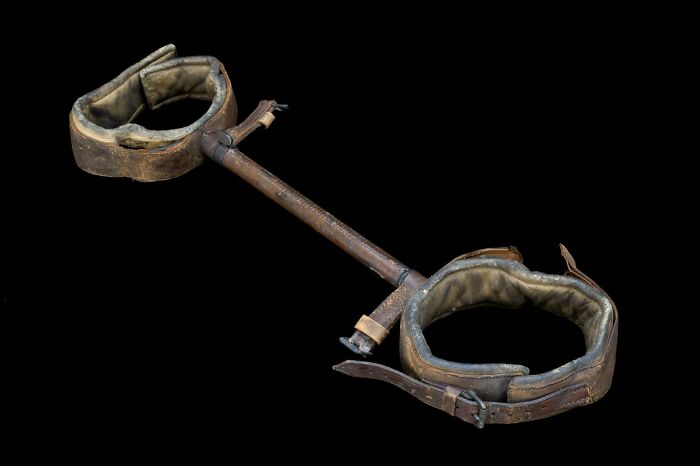
This strange-looking device is a 19th-century lithotomy crutch, used to hold a patient in a vulnerable and excruciating position for bladder stone surgery. Before the operation, a surgeon would strap the patient's ankles into the cuffs and hoist their legs up toward their ears to get the best access to the bladder. The invasive and unanesthetized procedure that followed was notoriously painful and had an incredibly high mortality rate.
We’d like to hear your thoughts, dear Pandas. Which of these old-timey photos impressed you the most and why? What recent advances in science are you most grateful for?
If you happen to work in medicine or any related fields, what progress in medical tech do you personally hope will happen in the near future?
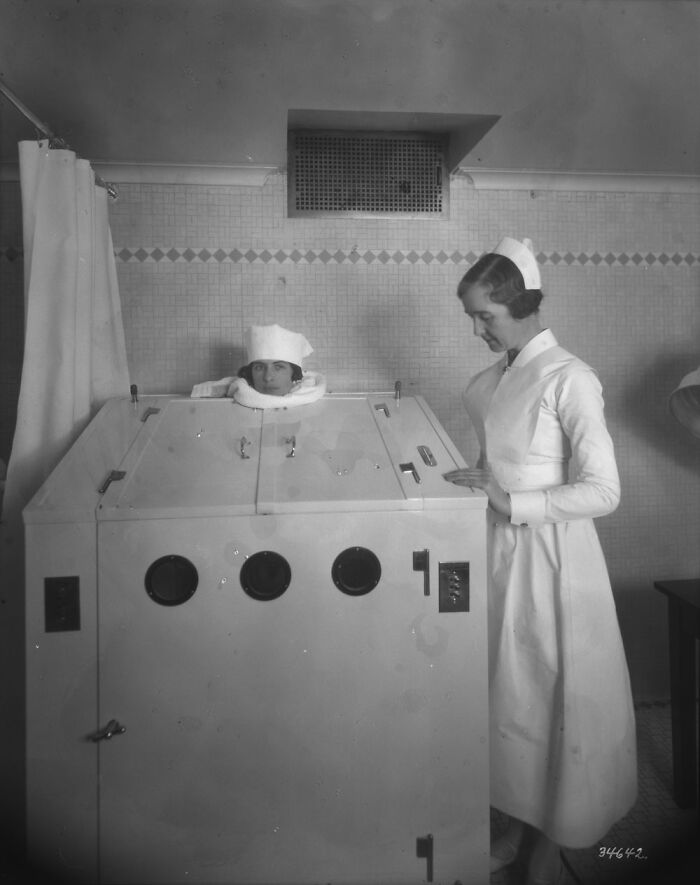
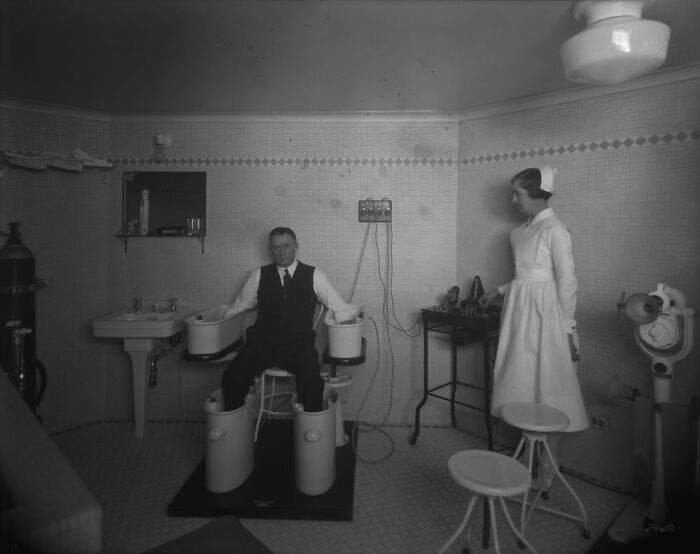
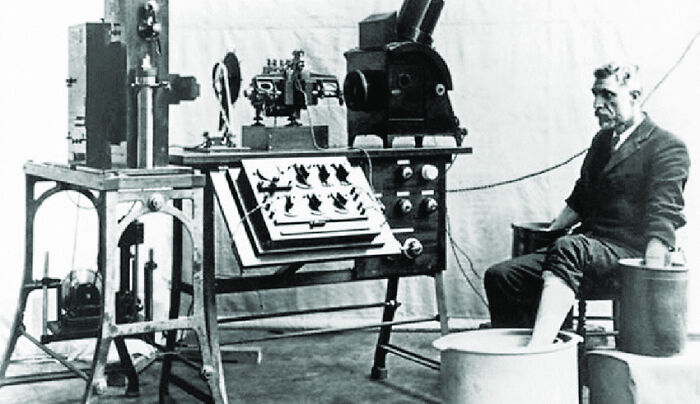
"Schnee baths were a type of electrified bath for treating rheumatism and joint pain. Popular in hospitals and spas from the late 1800s into the 1930s, patients would sit with each limb submerged in its own galvanised basin. A mild current was passed through the water, making these baths painless and free of shock or discomfort. However, by the early 20th century, Schnee baths were dismissed as quackery and abandoned by the medical community."
If the radiation doesn't kill him, the tobacco smoke from the doctor will.
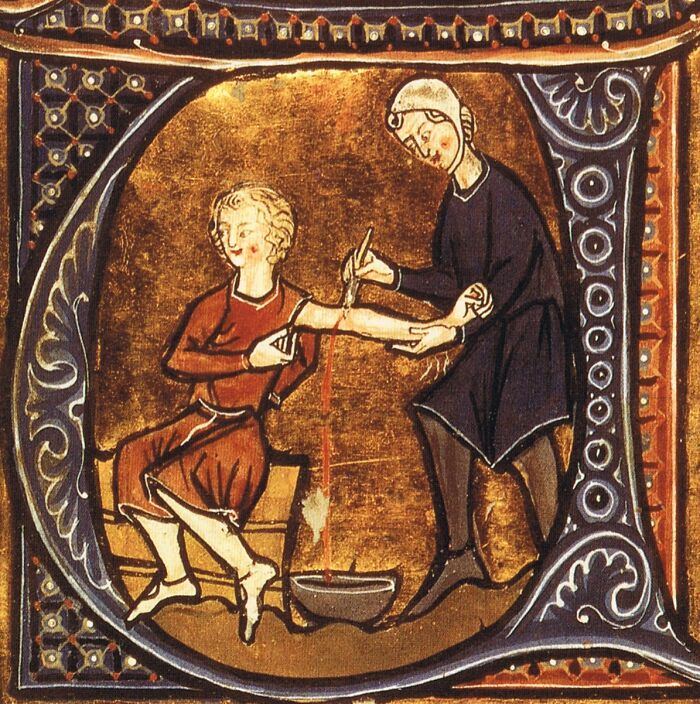
A common sight in medieval and early modern medicine was the practice of bloodletting, as seen in this historical illustration. Doctors believed that many illnesses were caused by an imbalance of the body's four "humors," and that sick people often had an excess of blood. The prescribed cure was to drain this surplus, either by making an incision with a fleam or by applying leeches to the patient's skin, a painful procedure intended to restore balance and health.
Bloodletting is still done today. There are certain conditions such as hemochromatosis (body creates too much iron) where the treatment is to remove the excess iron through bloodletting ... but we call it phlebotomy these days
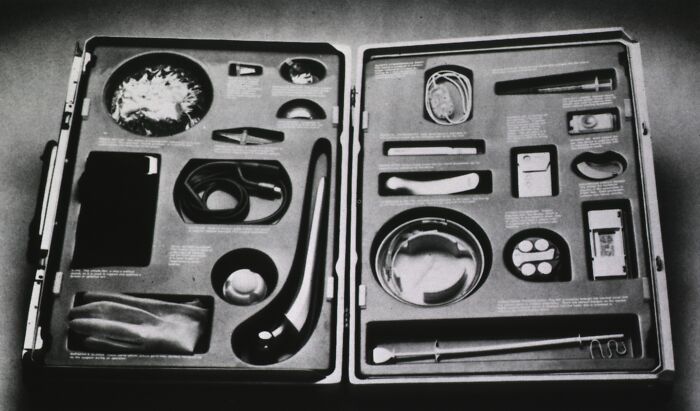
Judging by the contents, and the contents being in a handheld case, it's either a display case or it belongs to a dodgy "doctor".
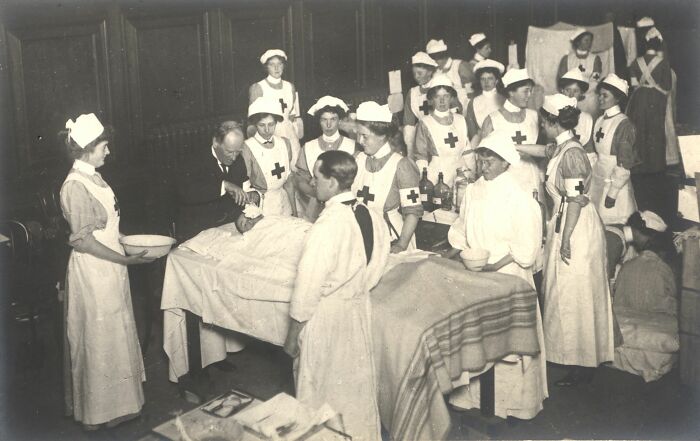
Sorry but the ladies in the back are actually having a lovely conversation that does not appear to involve anything at all going on with that patient.




Loved the historical pictures and glad the explanations were included.

These may seem funny or even bizarre but they got us to where we are now.
Loved the historical pictures and glad the explanations were included.
These may seem funny or even bizarre but they got us to where we are now.

































 No fees, cancel anytime