Get Premium
Dark mode theme is available exclusively for premium users. Learn more about the benefits of subscribing.
No fees, cancel anytime.

 Dark Mode Ad-Free Browsing Unlimited Content
 Ad-Free Browsing Unlimited Content Dark Mode
Join 1.2 million Panda readers who get the best art, memes, and fun stories every week!
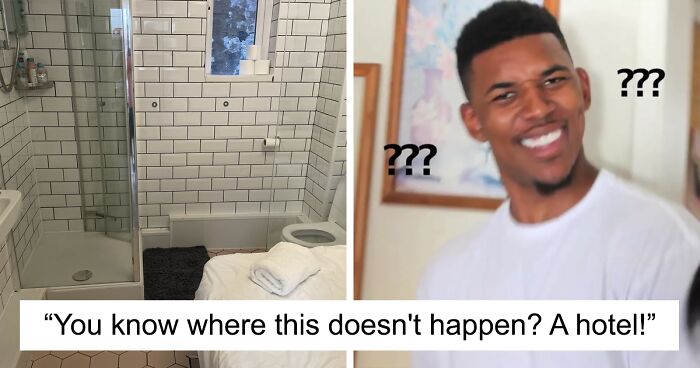
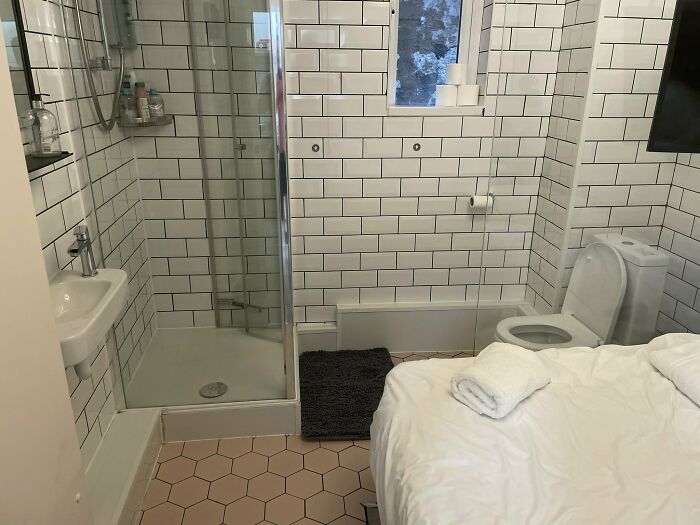
The housing market in some cities around the world has gotten so tight that realtors and property owners have simply started tuning down the standards. In London, netizens have shared images of listings where one can happily pay thousands of pounds to sleep next to a toilet.
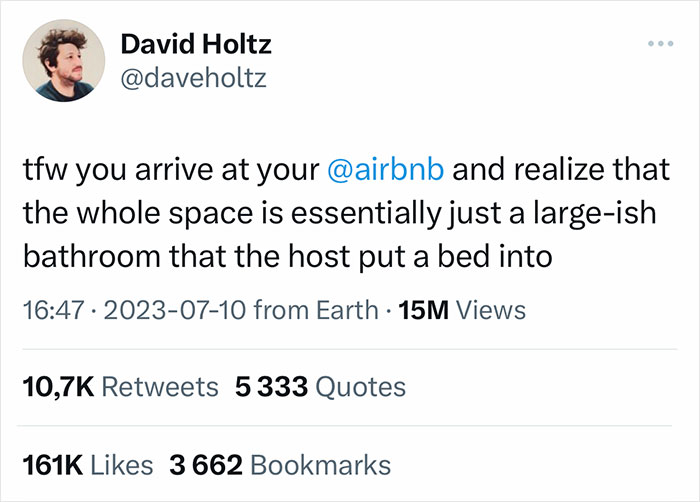
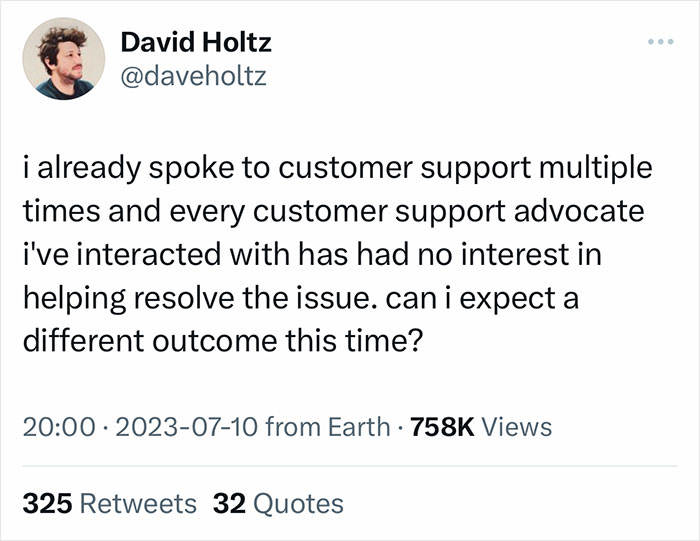
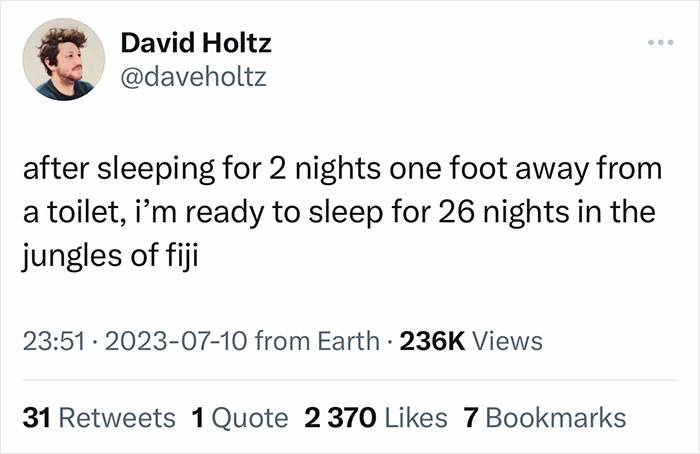
In an eerily similar vein, American professor David Holtz was visiting London and documented the Airbnb he rented that, as it turns out, was literally a large bathroom. Bored Panda has reached out to David Holtz via Twitter, and we’ll update the article once we hear back from him.
More info: Twitter
Image credits: freestocks-photos (not the actual photo)
Image credits: daveholtz
Image credits: daveholtz
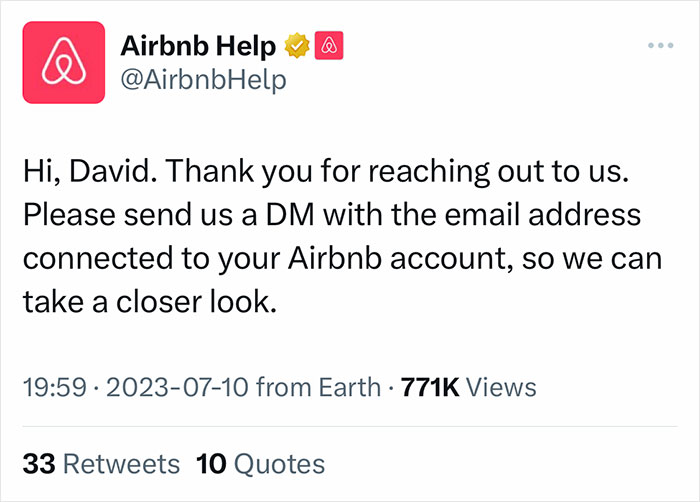
Image credits: AirbnbHelp
Image credits: daveholtz
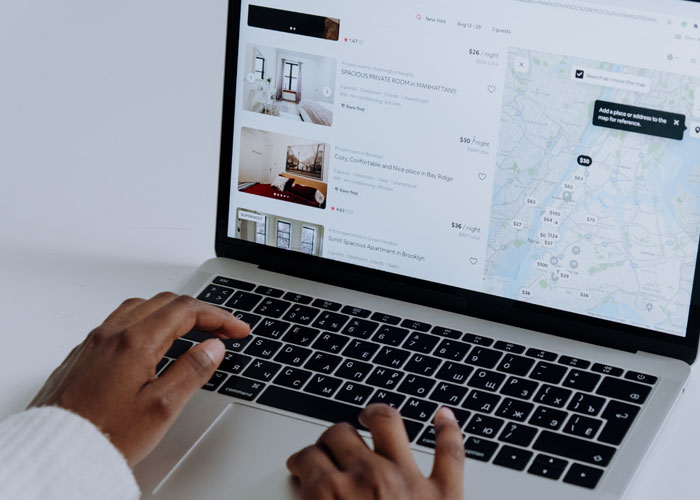
Setting aside the hilarity of someone seriously renting a bathroom as a whole property, there is an unfortunate trend in many larger cities where the demand for accommodation is abundant, but space is limited. There are an abundance of causes, but services like Airbnb are one of the parties to blame. For those who are not aware, Airbnb is a platform where people rent out properties in the short term for travelers, tourists, and digital nomads. The appeal used to be the lower costs, compared to a traditional hotel, and the ability to stay in what was often a real house, with amenities, space, and interesting locations. They would often be more convenient than a hotel, with flexible check-in and check-out times, privacy, or, on the flip side, the ability to interact with a host who might entertain, give advice, and so on.
It was a good alternative to hotels, as in many cities, travelers would be able to pick from a large number of varied options to cater to almost any need. Even locals might use them, perhaps suburban parents wanting a getaway date in the city or as a place for college students to host a party. Soon, it became the go-to method to find accommodation, and bit by bit the prices went up. Landowners quickly caught onto the fact that just a few days of short-stay guests, particularly during peak travel season, would often pay more than regular renters. Soon, one after another, property after property was converted to a short-stay location for tourists, removing them from the rental market.
Image credits: Aleksejs Bergmanis (not the actual photo)
Over time, this would lower the supply of space in many cities to such a degree that local lawmakers have started to regulate people turning residential buildings into a mass of tiny hotels. In London, where David Holtz encountered this particularly bizarre Airbnb, homeowners can only have 90 days of short-term rentals in a year, not that it has significantly limited the amount of larger apartments that are divided into tiny rooms for rent. Palma de Mallorca has outright banned home-sharing businesses in an attempt to curtail too much tourism. In other parts of Spain, for example, Barcelona, these sorts of apartments have the highest possible property tax applied to them. You might recognize all these cities as pretty common tourist destinations, nevertheless, the impact on the average resident is so significant that popular pressure forces politicians to take steps to curtail the proliferation of Airbnbs.
This isn’t just populism, studies have shown that a 10% increase in Airbnb listings has a direct, negative impact on rental and property prices for tenants and buyers. Still, for the owner, turning an apartment intended for long-term rent into an Airbnb still makes a lot of economic sense. In Manhattan, an average, full-time Airbnb could make twice or even three times as much income for its owner then it would have with steady rent from the same tenant. Now, Airbnb isn’t the sole reason why property prices have risen so much in recent years, but it is definitely one contributor. While David Holtz’s experience was equal parts shocking and somewhat comedic, the reality is that large cities with limited space will see landowners keep chopping up properties to get as much income as possible. The result is bad experiences for travelers, but even worse experiences for locals, who now have fewer apartments to compete over, all while rents continue to grow.
Image credits: cottonbro studio
(not the actual photo)
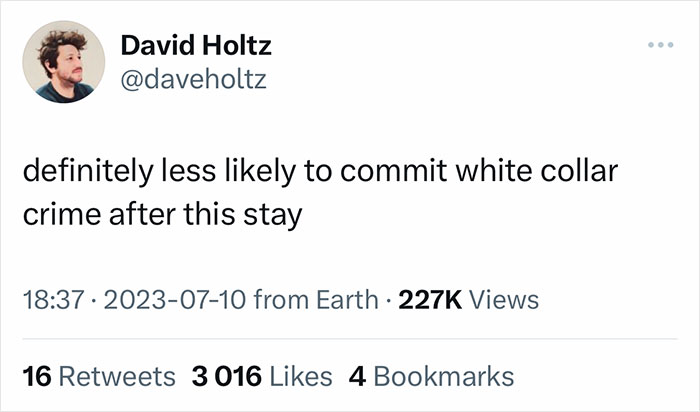
Image credits: daveholtz
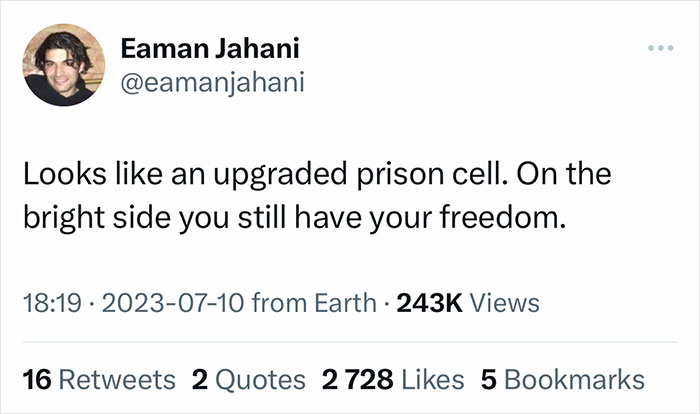
Image credits: eamanjahani
Image credits: daveholtz
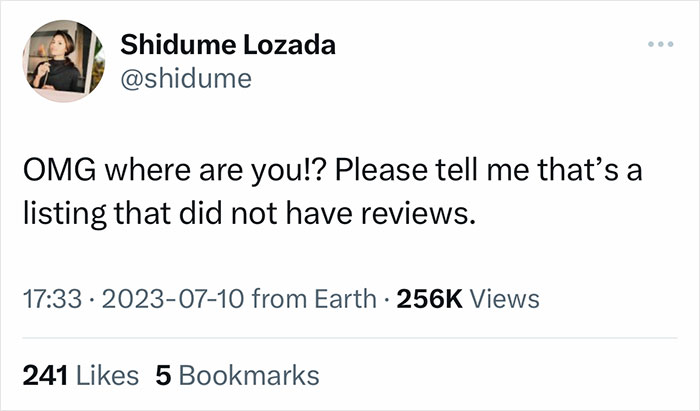
Image credits: shidume
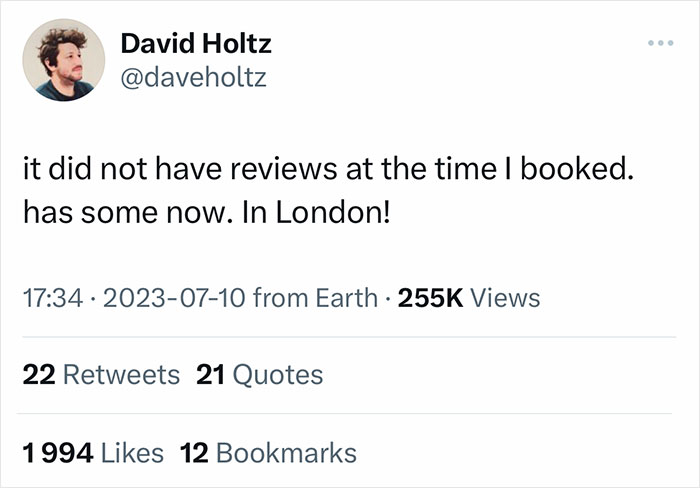
Image credits: daveholtz
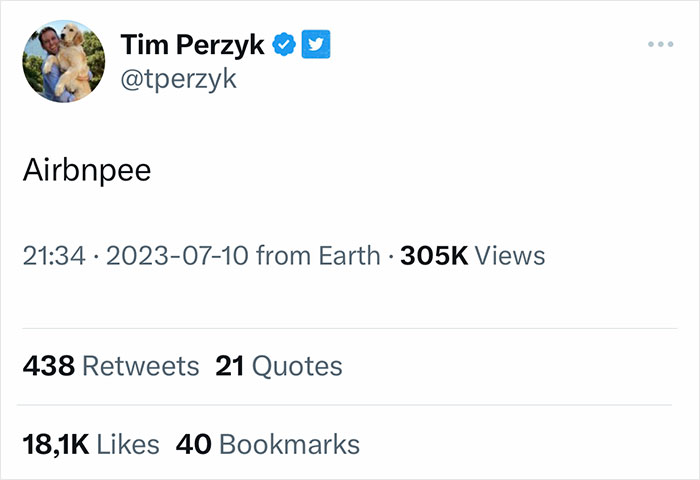
Image credits: tperzyk
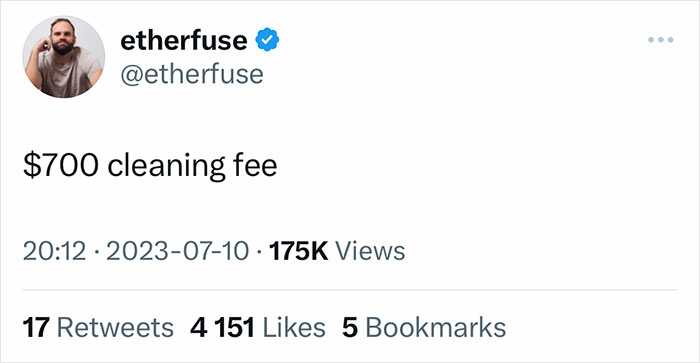
Image credits: etherfuse
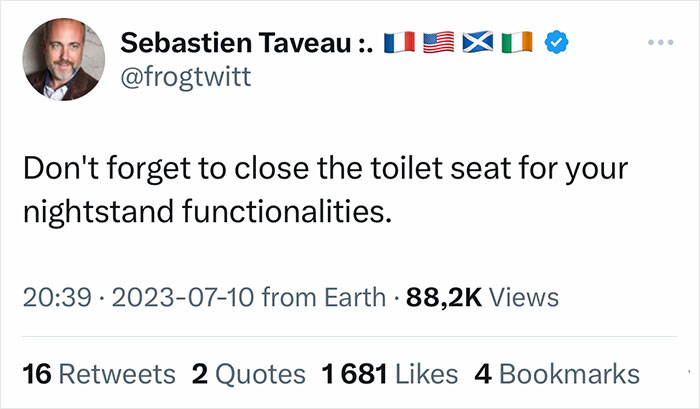
Image credits: frogtwitt
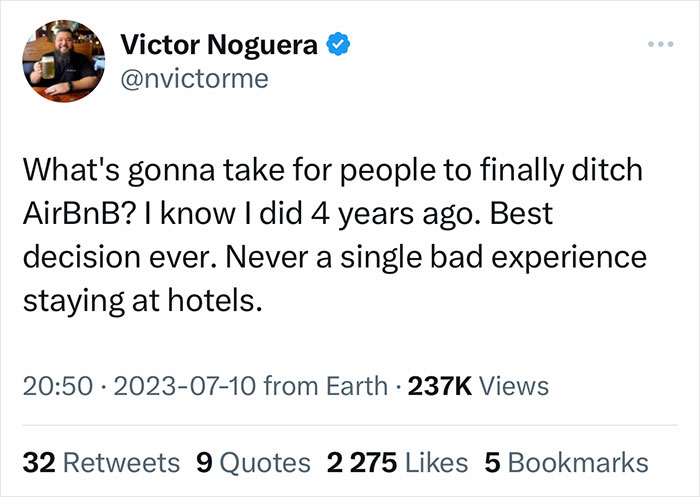
Image credits: nvictorme
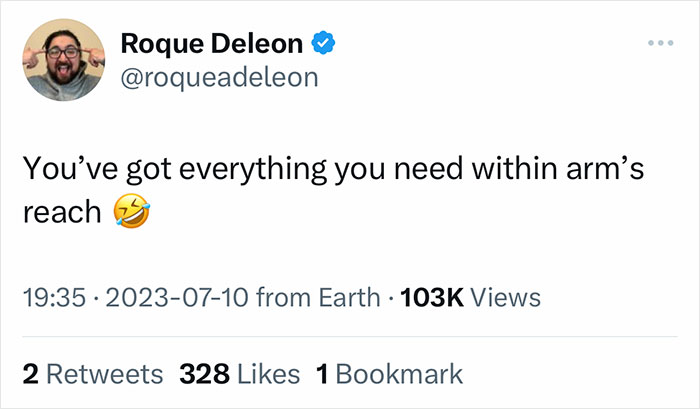
Image credits: roqueadeleon
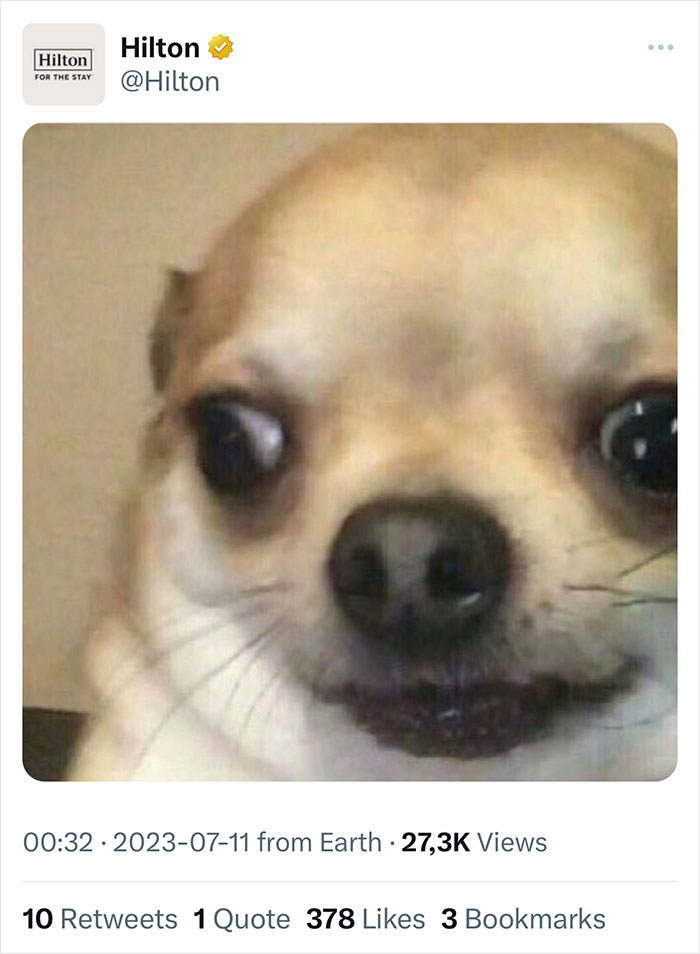
Image credits: Hilton
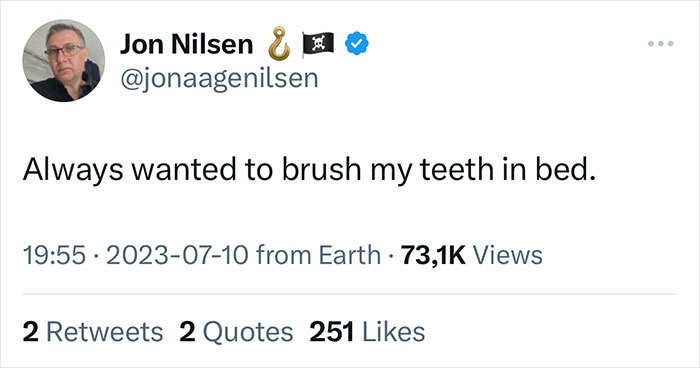
Image credits: jonaagenilsen
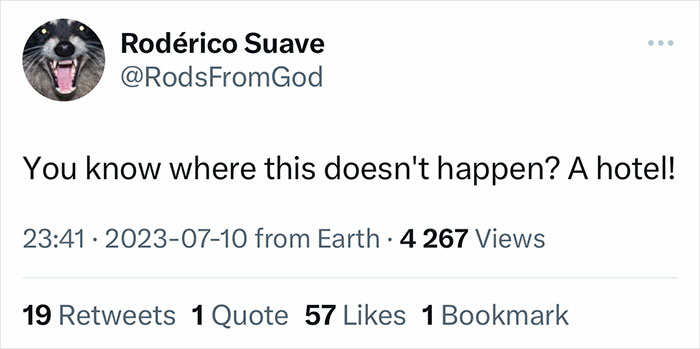
Image credits: RodsFromGod
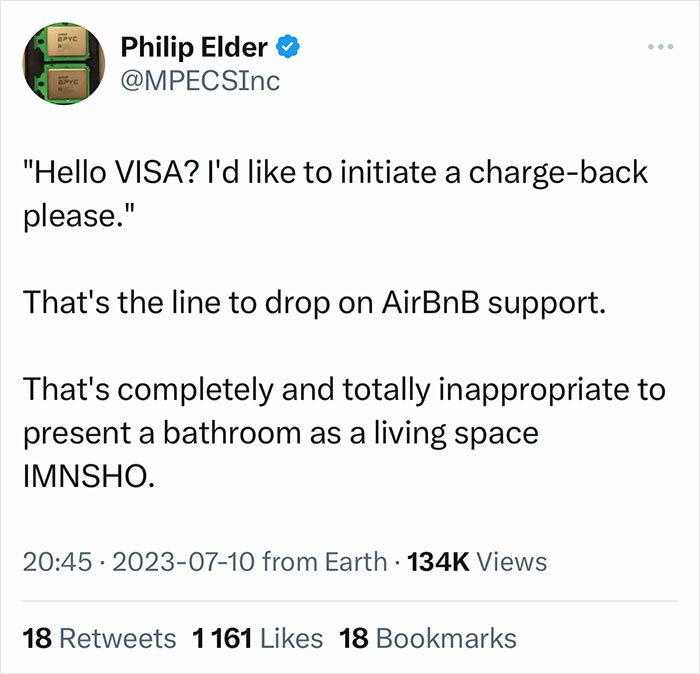
Image credits: MPECSInc
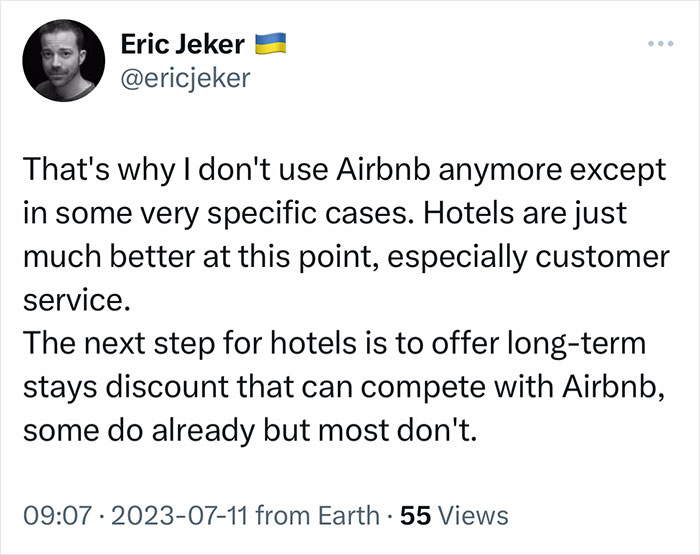
Image credits: ericjeker
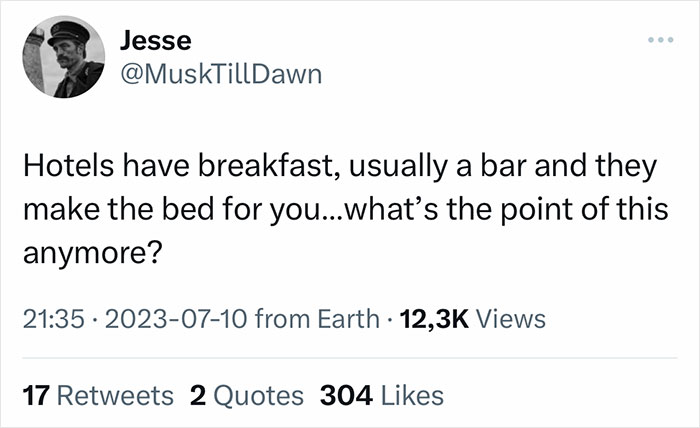
Image credits: MuskTillDawn
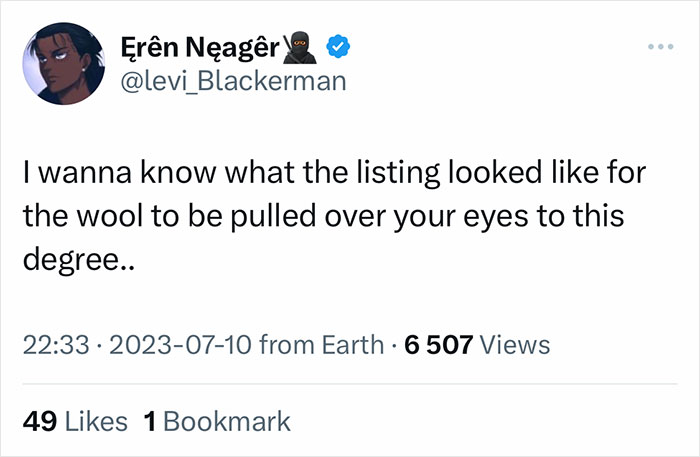
Image credits: levi_Blackerman
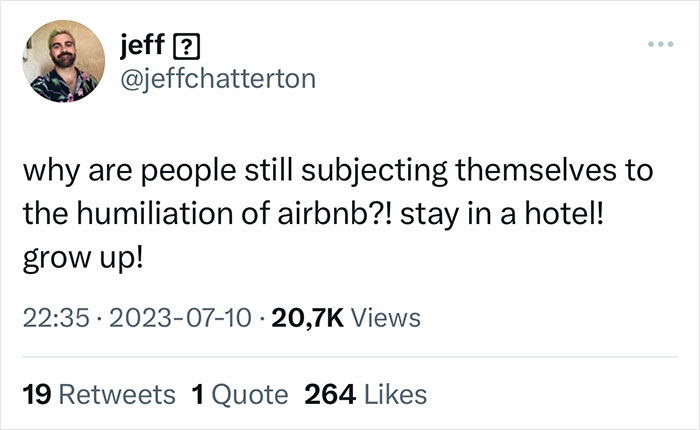
Image credits: jeffchatterton
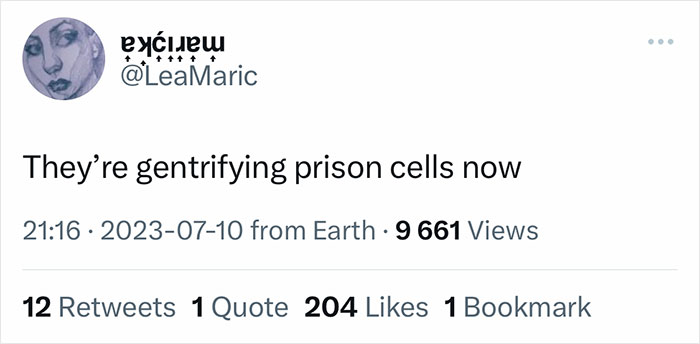
Image credits: LeaMaric
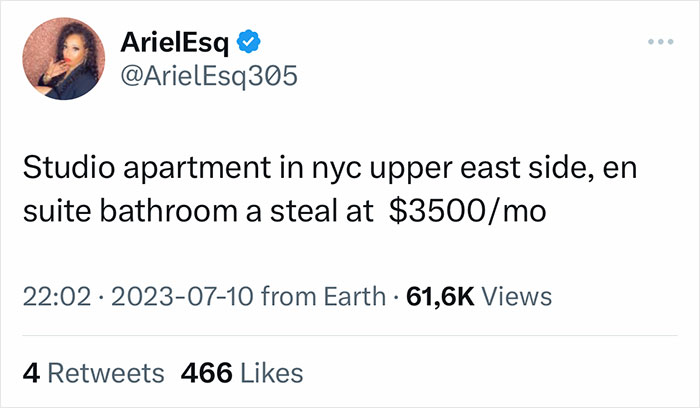
Image credits: ArielEsq305
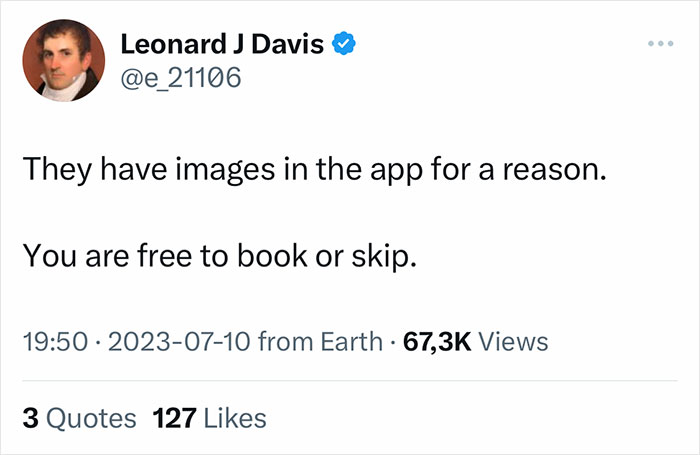
Image credits: e_21106
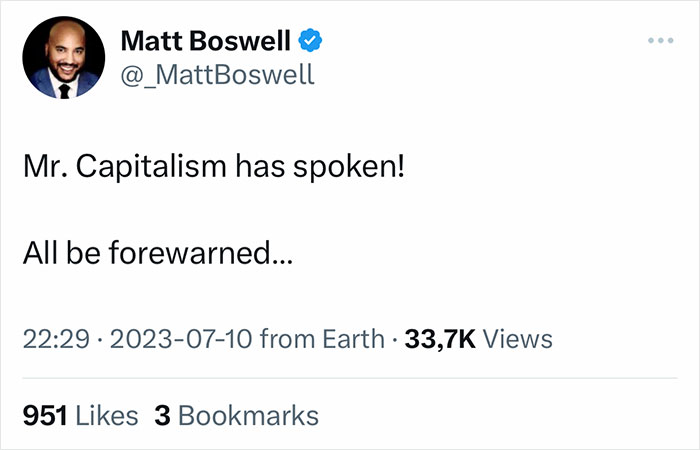
Image credits: _MattBoswell
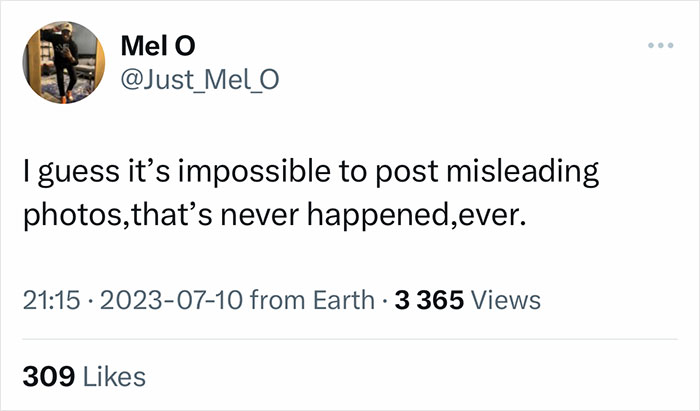
Image credits: Just_Mel_O
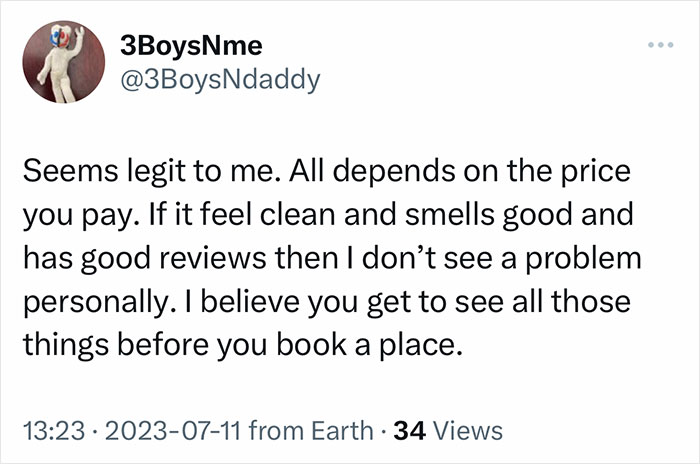
Image credits: 3BoysNdaddy
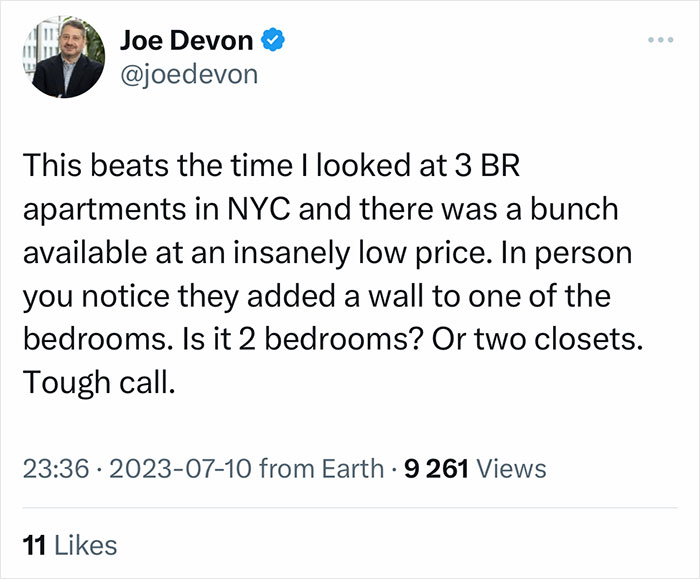
Image credits: joedevon
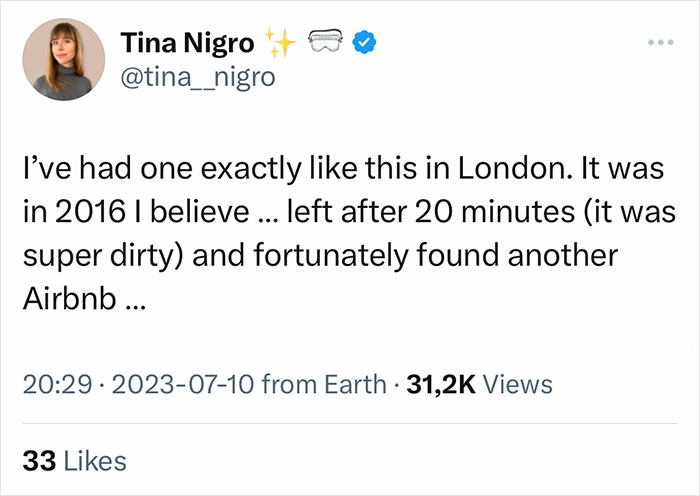
Image credits: tina__nigro
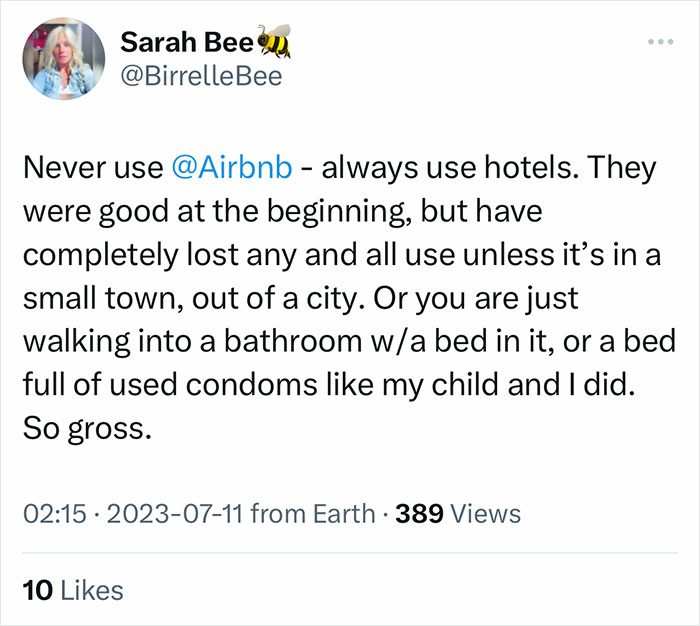
Image credits: BirrelleBee
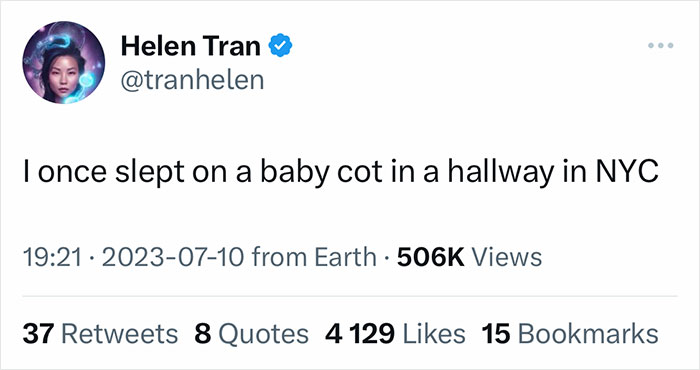
Image credits: tranhelen
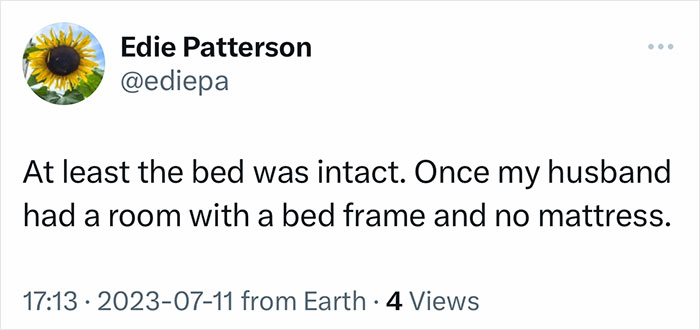
Image credits: ediepa
38Kviews
Share on Facebook
What's the point of AirBnB anyway? In my village at the coast it got banned, because people (amongst them nurses, firemen, supermarket staff, teachers, ...) living and working here cannot find a place they can afford. They are more important than tourists, and there are more than enough holiday parks and campings to be found in the region. A village is NOT a holiday resort. There people living who have to get up at 5 in the morning, noisy tourists partying till early morning don't match with hard working people.

I mean... some people are retired or work on the road. It's completely valid and understandable if a community decides they don't want those types there. But, there are people who travel and look to stay in places for longer than a week or two. In those cases, an Airbnb or vacation rental with a kitchen and more space would make sense. I'm with you about the issue with pricing out locals. I think a valid answer is to cap the rental rates of vacation rentals at +/- 5% over the average apartment rental cost in a certain locale. That said, many communities can benefit from visitors who plan to spend money at local shops/businesses in the area. It's a matter of finding the right level of regulation, imo.
Load More Replies...
Don't these people ever look at the listing and the total price before booking a room? Same is true for a hotel room, a holiday villa or whatever - if you haven't done your due-diligence beforehand you've only yourself to blame.
And there were no reviews when he booked. That is a red flag.
Load More Replies... What's the point of AirBnB anyway? In my village at the coast it got banned, because people (amongst them nurses, firemen, supermarket staff, teachers, ...) living and working here cannot find a place they can afford. They are more important than tourists, and there are more than enough holiday parks and campings to be found in the region. A village is NOT a holiday resort. There people living who have to get up at 5 in the morning, noisy tourists partying till early morning don't match with hard working people.
I mean... some people are retired or work on the road. It's completely valid and understandable if a community decides they don't want those types there. But, there are people who travel and look to stay in places for longer than a week or two. In those cases, an Airbnb or vacation rental with a kitchen and more space would make sense. I'm with you about the issue with pricing out locals. I think a valid answer is to cap the rental rates of vacation rentals at +/- 5% over the average apartment rental cost in a certain locale. That said, many communities can benefit from visitors who plan to spend money at local shops/businesses in the area. It's a matter of finding the right level of regulation, imo.
Load More Replies... Don't these people ever look at the listing and the total price before booking a room? Same is true for a hotel room, a holiday villa or whatever - if you haven't done your due-diligence beforehand you've only yourself to blame.
And there were no reviews when he booked. That is a red flag.
Load More Replies...
























 No fees, cancel anytime









69
29