Get Premium
Dark mode theme is available exclusively for premium users. Learn more about the benefits of subscribing.
No fees, cancel anytime.

 Dark Mode Ad-Free Browsing Unlimited Content
 Ad-Free Browsing Unlimited Content Dark Mode
Join 1.2 million Panda readers who get the best art, memes, and fun stories every week!

I tried the reversed macro lens way back in 2012 for the first time. Back then, I first photographed things that mostly weren't moving at all or just very little.
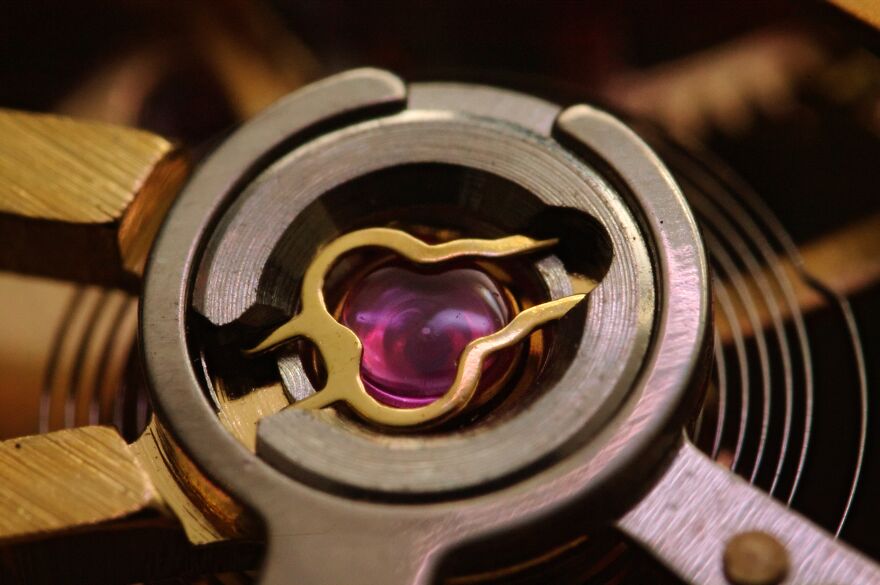
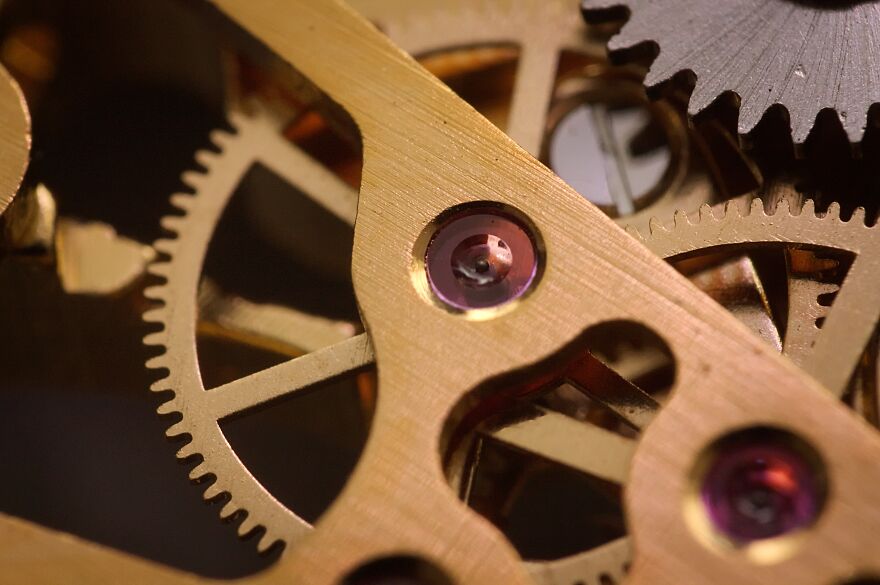
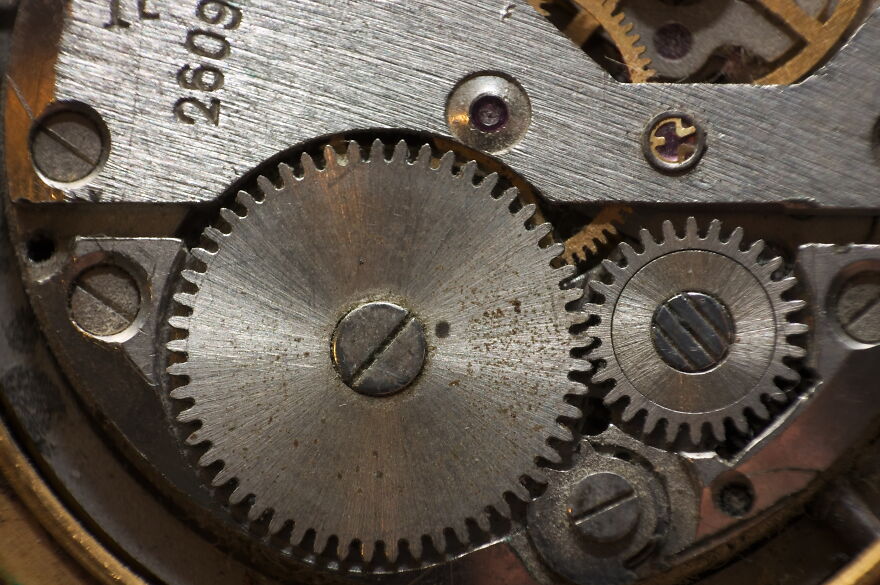
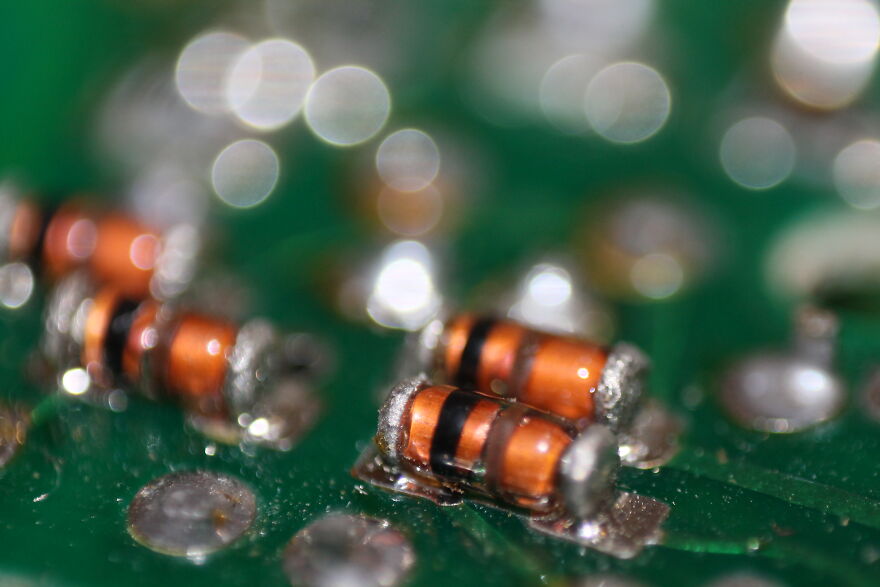
Turned out that the world is really interesting when you look at it from a close perspective, even the non-living things. Drops on a DVD disc, bubbles in a water bottle, concrete, electronic components, mechanical instruments... all of that can look very different from normal when you get closer. And a double ratio reversed lens is more than enough for this.
To be honest, I haven't stopped taking macro pictures entirely, especially when it came to colder months of the year when you couldn't find insects and plants alive in nature. Instead, I used artificial objects, which you can photograph anytime at home.
I collected some of the pictures from the last 7-8 years, and hope some of you will be surprised when looking at the details of how some everyday stuff can look from up close.
More info: Facebook | kilatasgaleria.blog.hu
This post may include affiliate links.
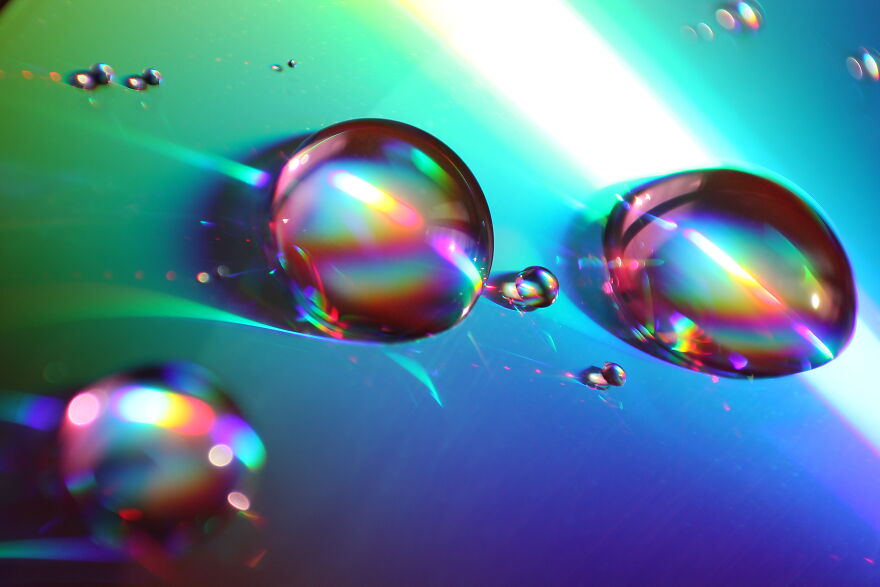
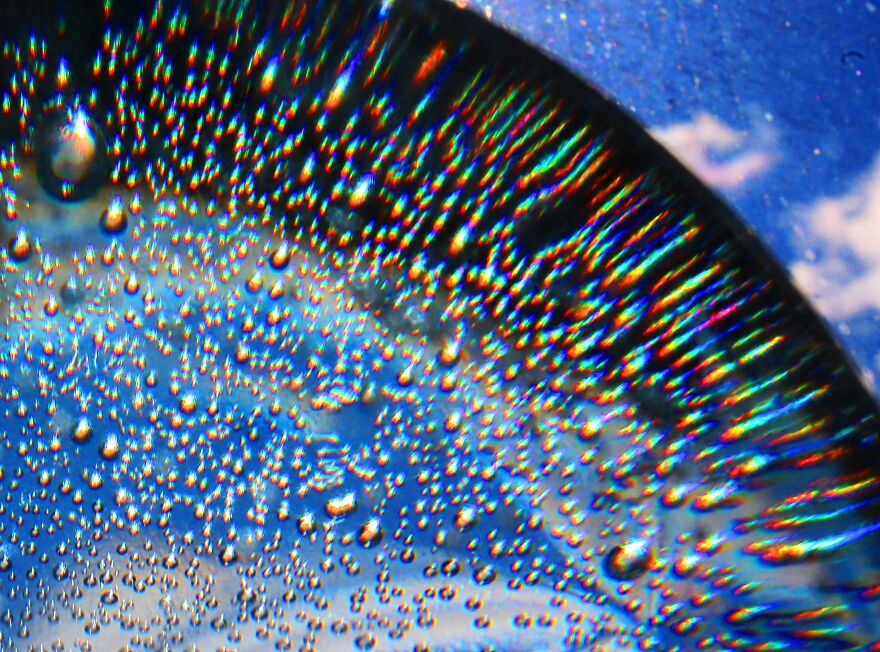
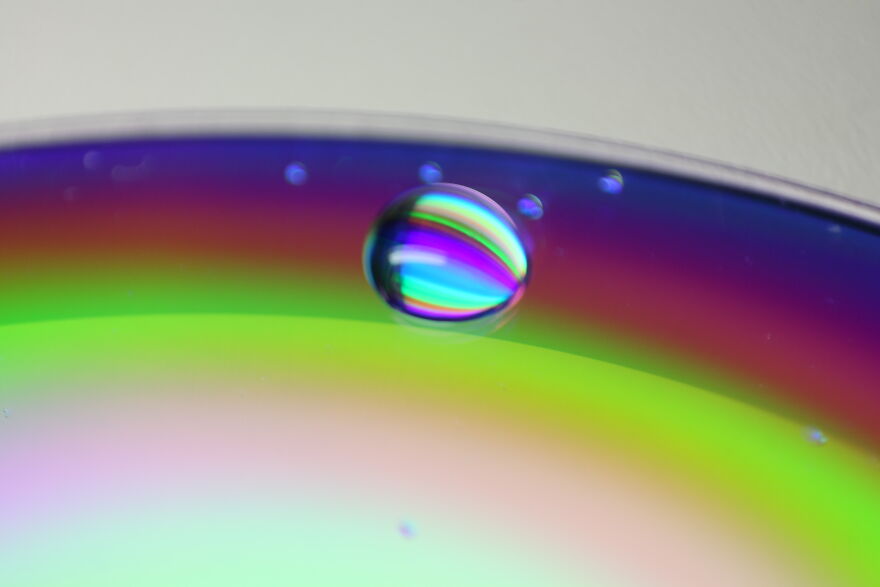
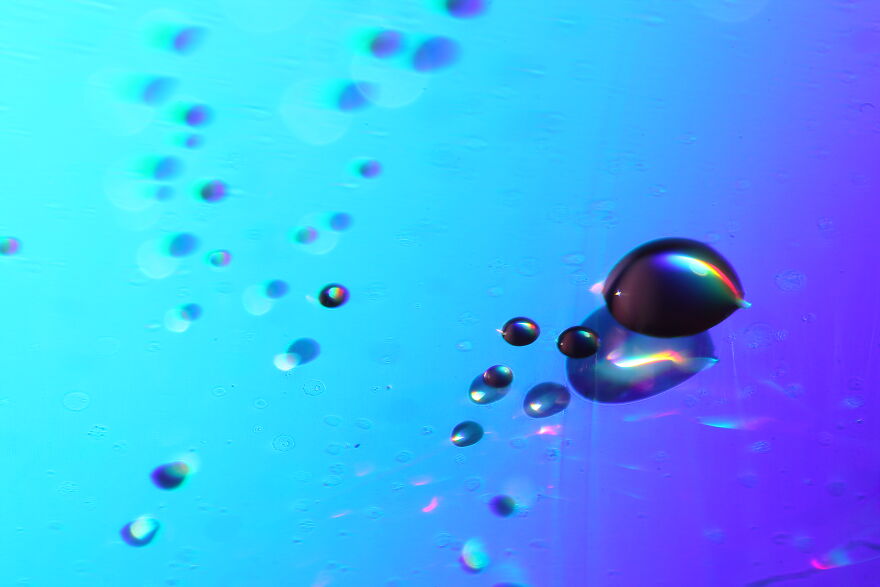
Water drops on a DVD disc, exposed to sunlight.
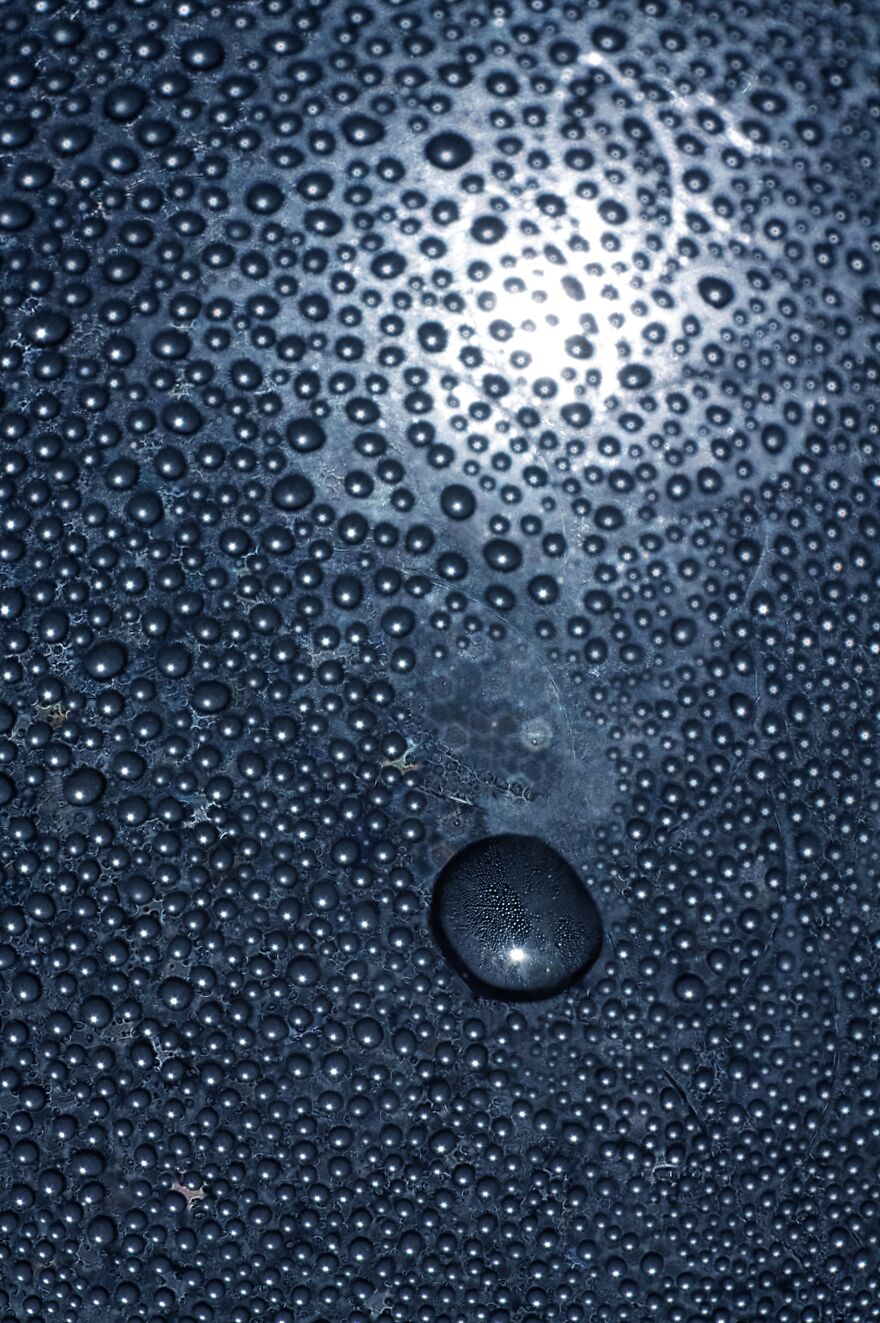
The mini-universe of a shampoo bottle.
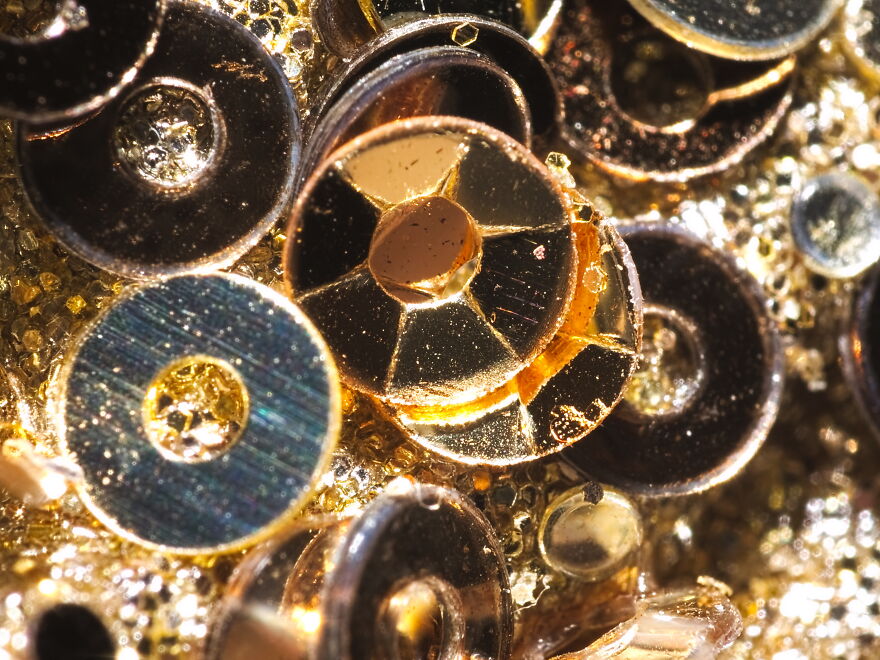
Plastic jewels on a Christmas decoration.
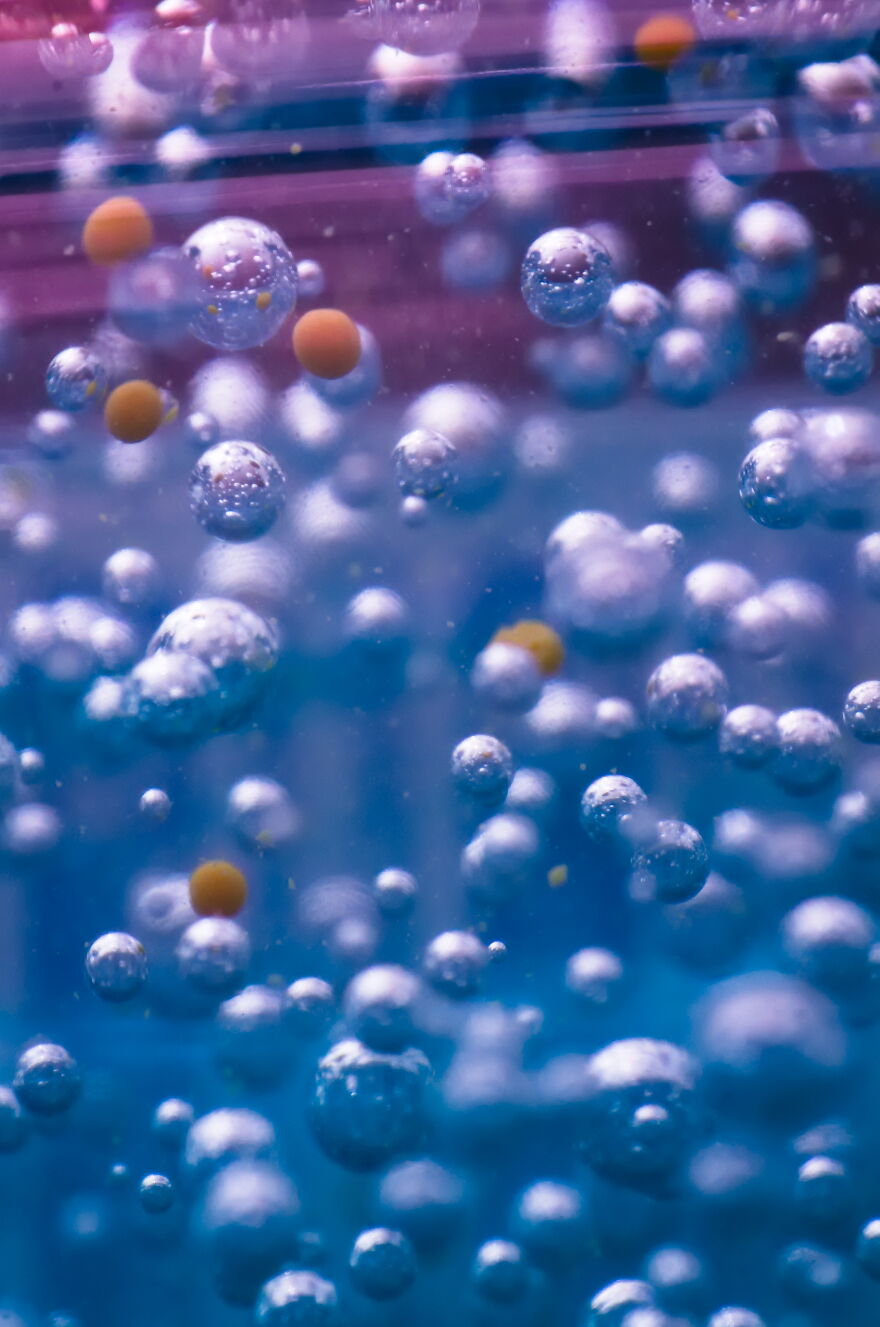
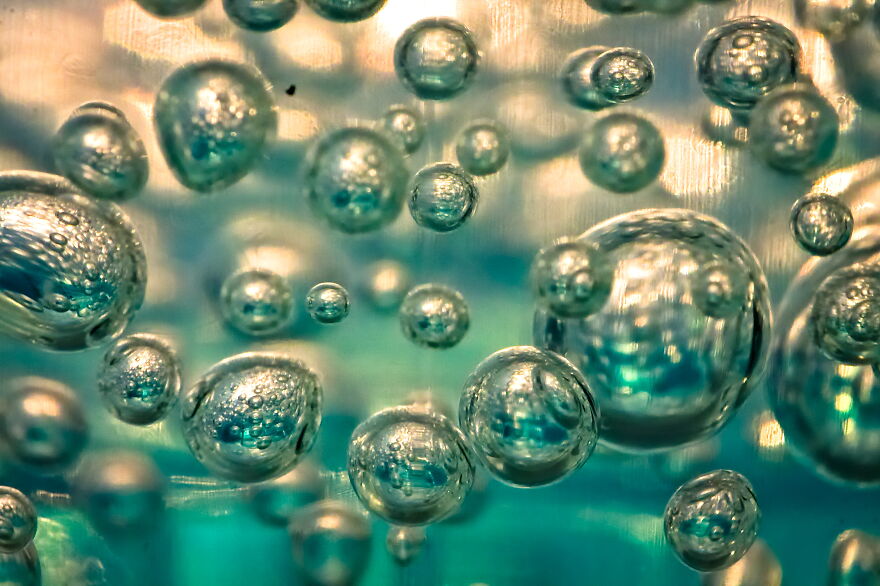
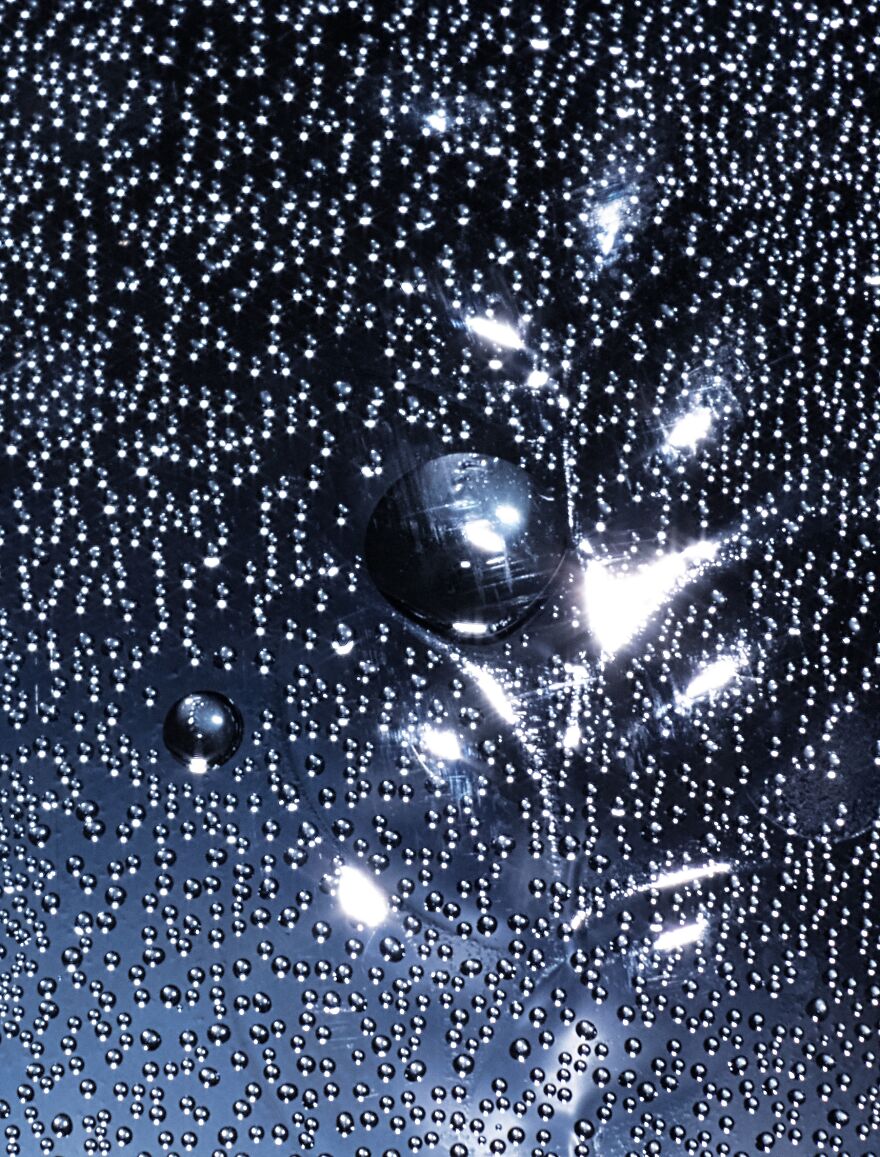
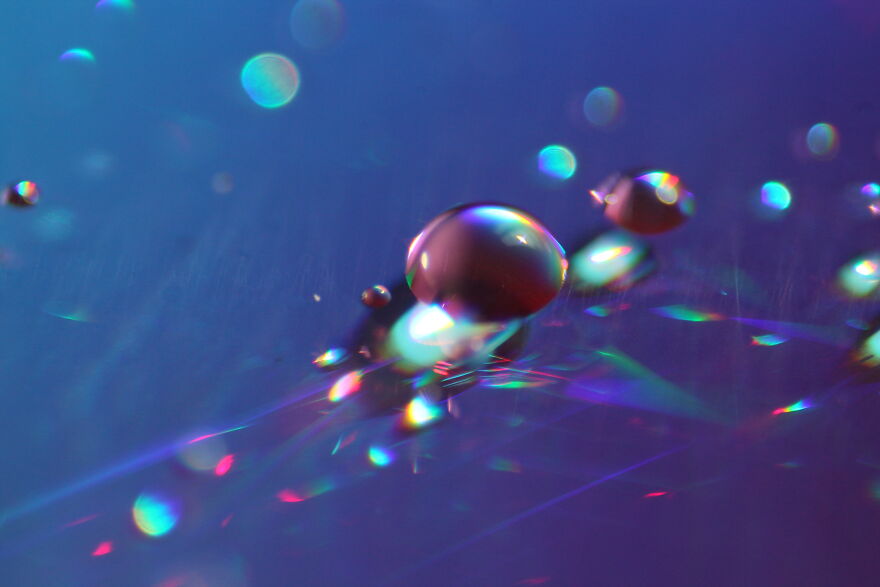
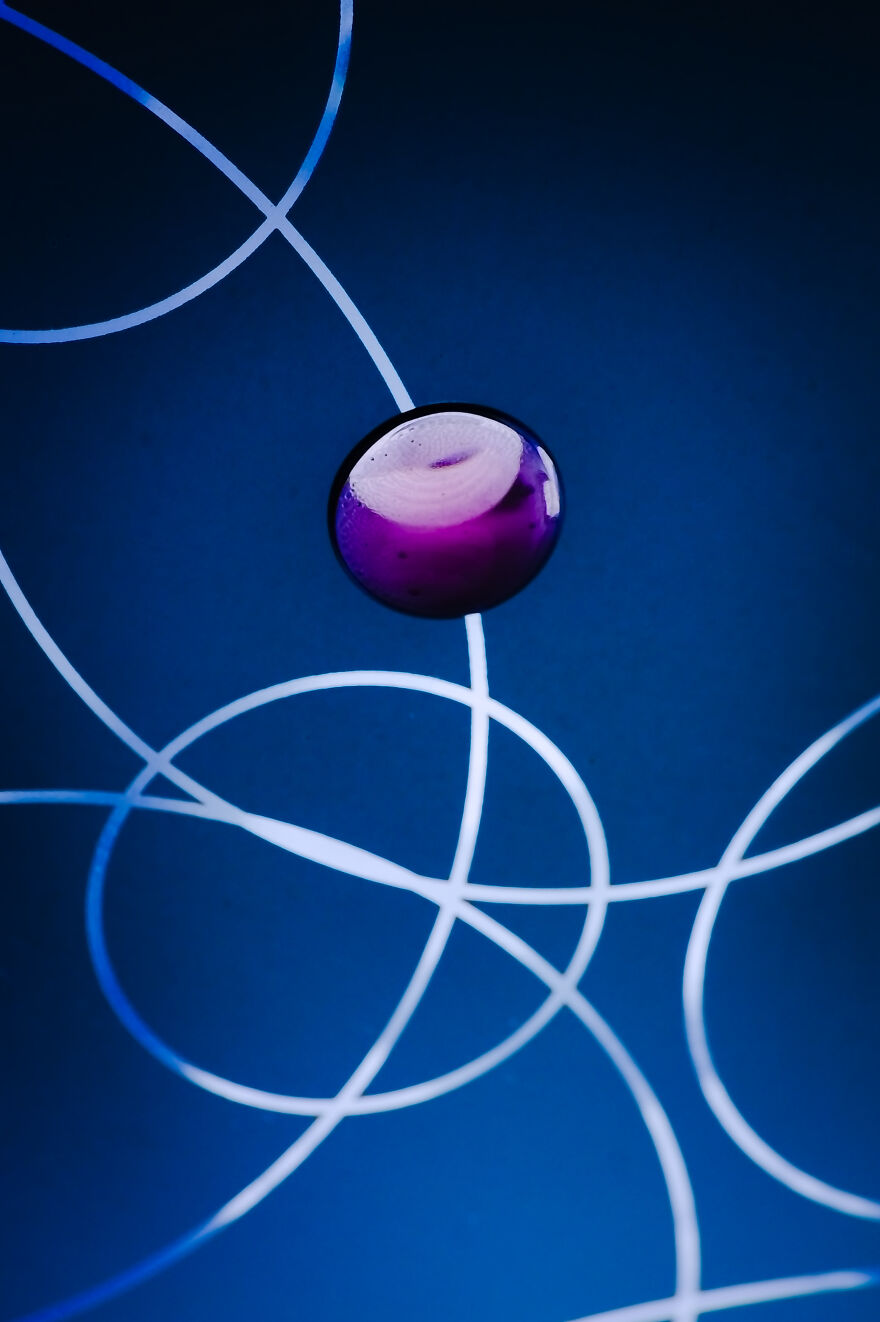
Drops in a water bottle, reversed lens, with the aperture wide open, and sunshine.
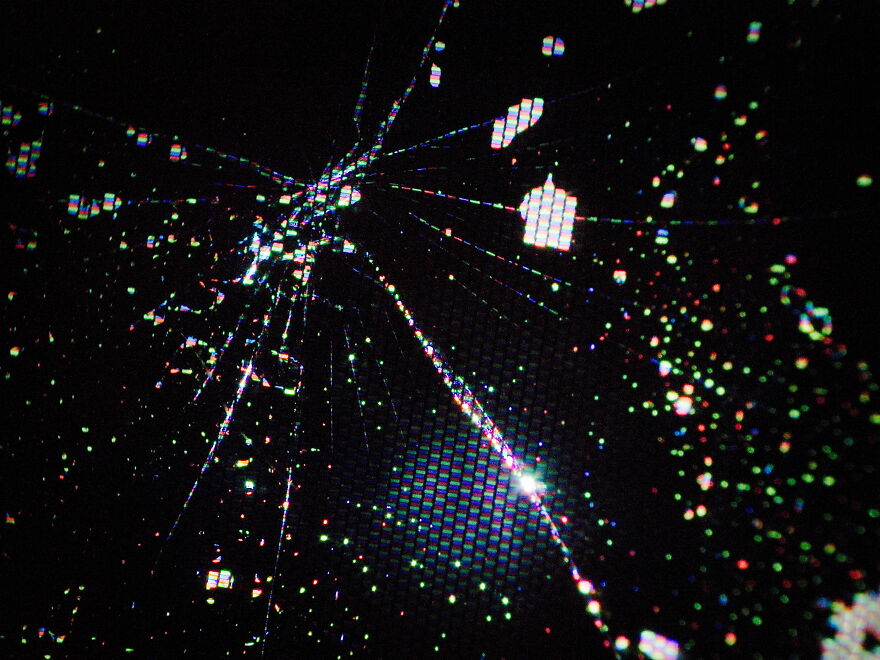
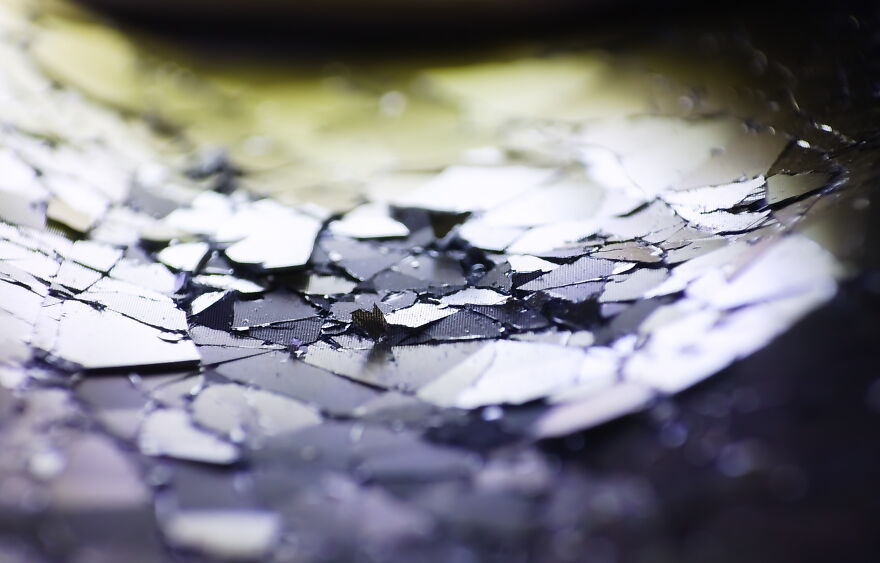
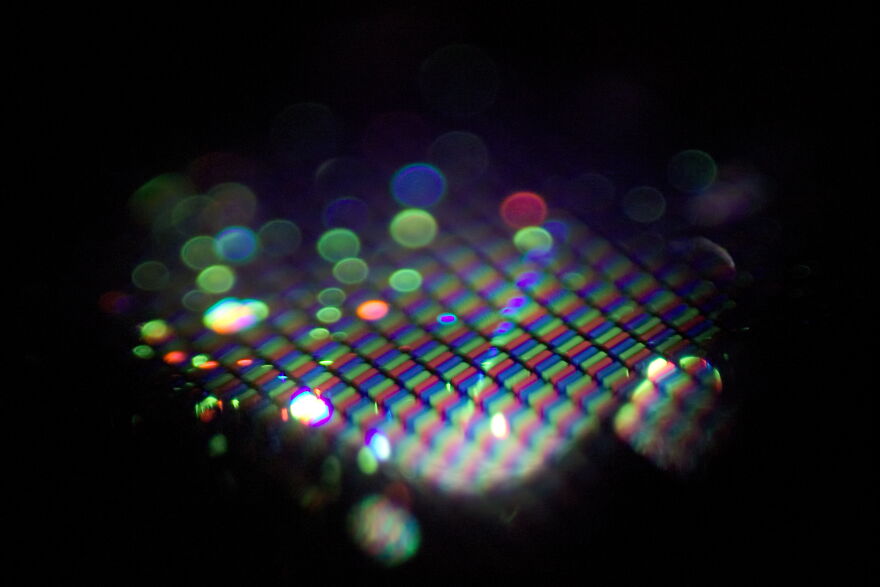
Miniature city of a broken LCD screen.
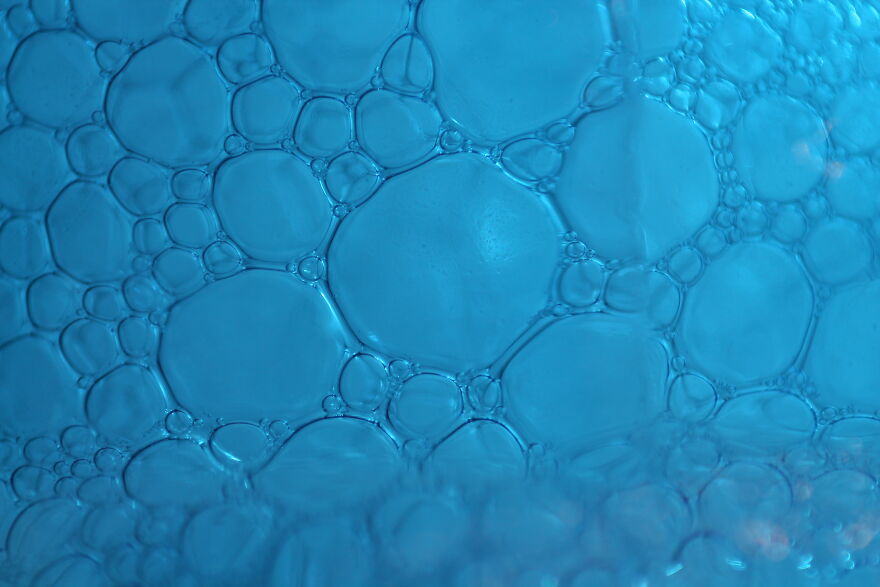
Bubbles in a hand sanitizer.
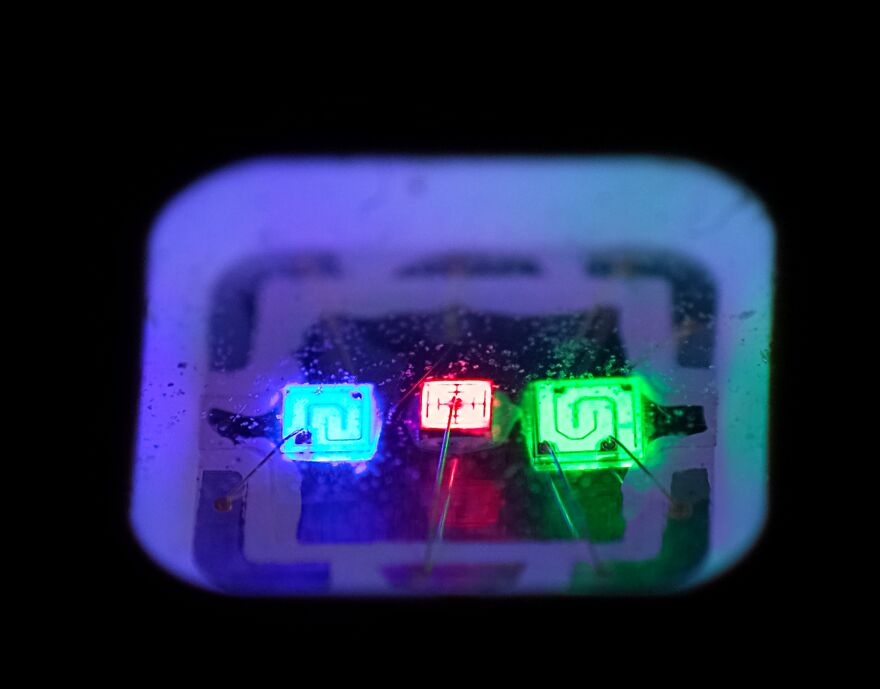
An RGB LED...but it's actually B-R-G.
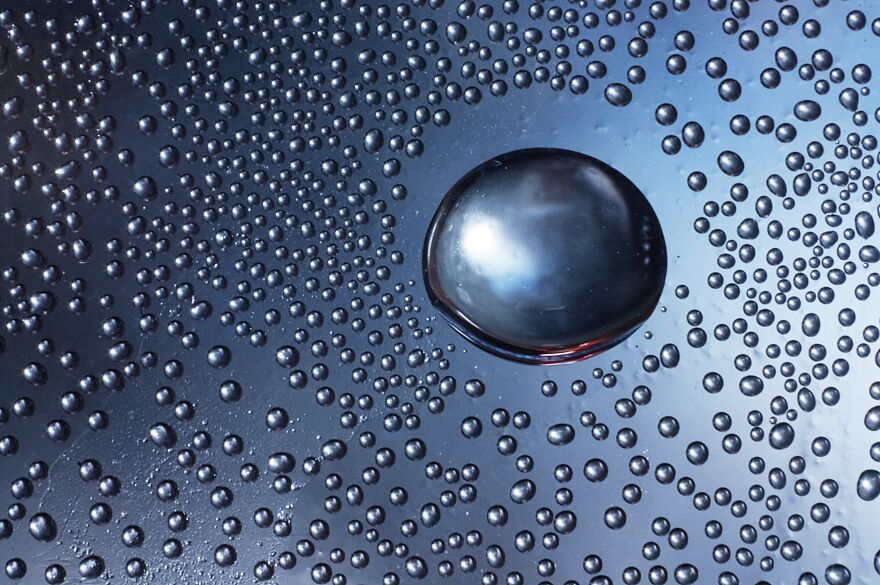
These are also drops in a water bottle.
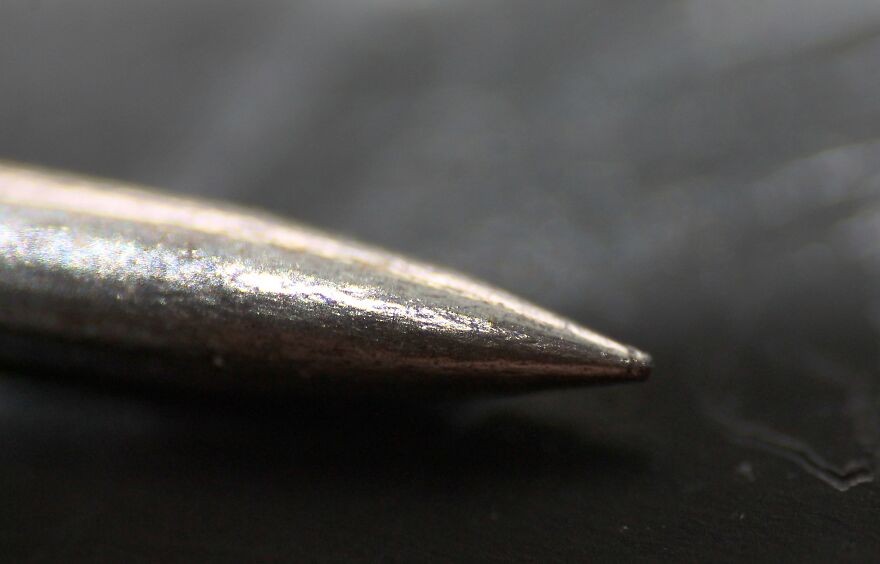
Tip of a sewing needle.

Broken phone screen.

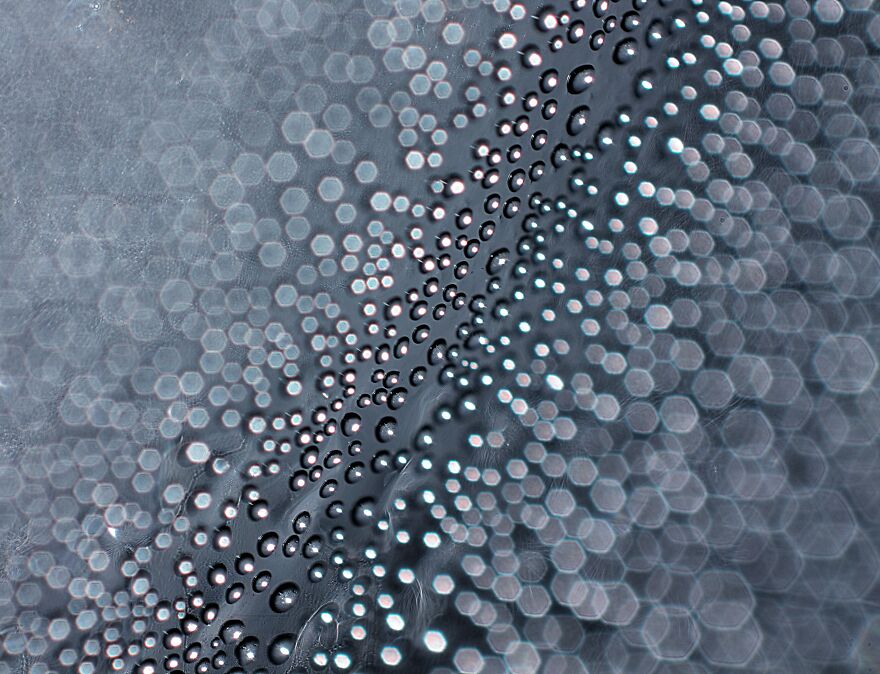
Not a real macro: water bottle on direct sunlight, photographed from up-close.
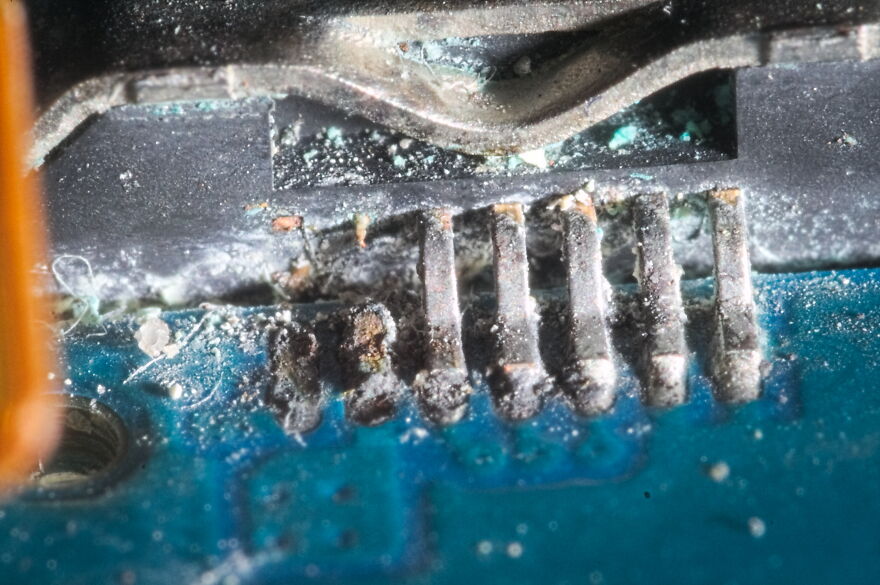
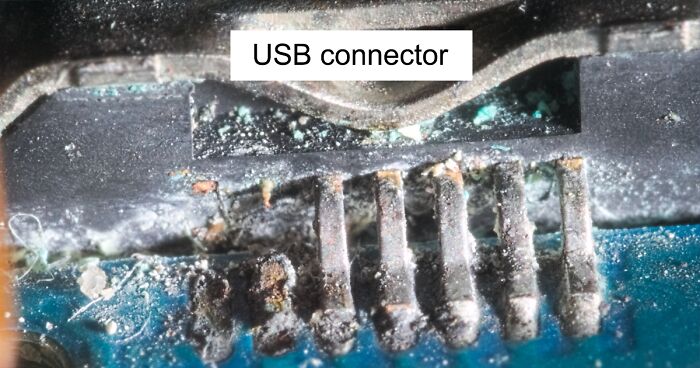
This happens if a drop of water gets into your phone's USB connector and simply dries out. It destroyed (oxidated) some of the connector's pins which were soldered to the phone's mainboard - this is the backside of the connector.
Macro can be very useful for documenting electronic repairs, I often use it when I'm repairing stuff.
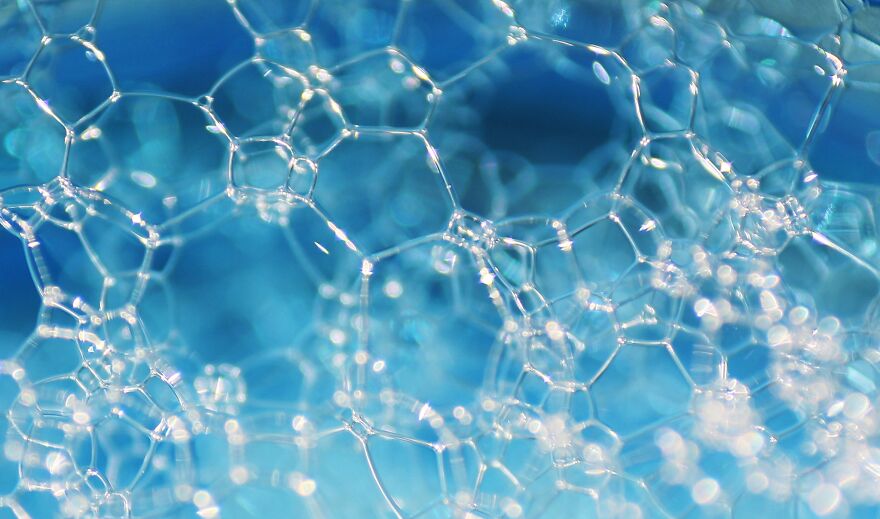
Network - bubbles in a soap bottle.
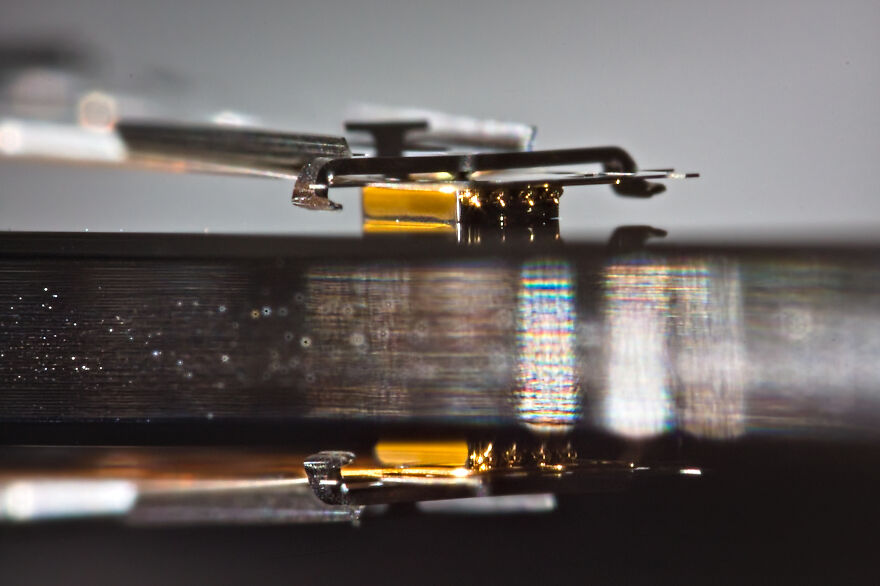
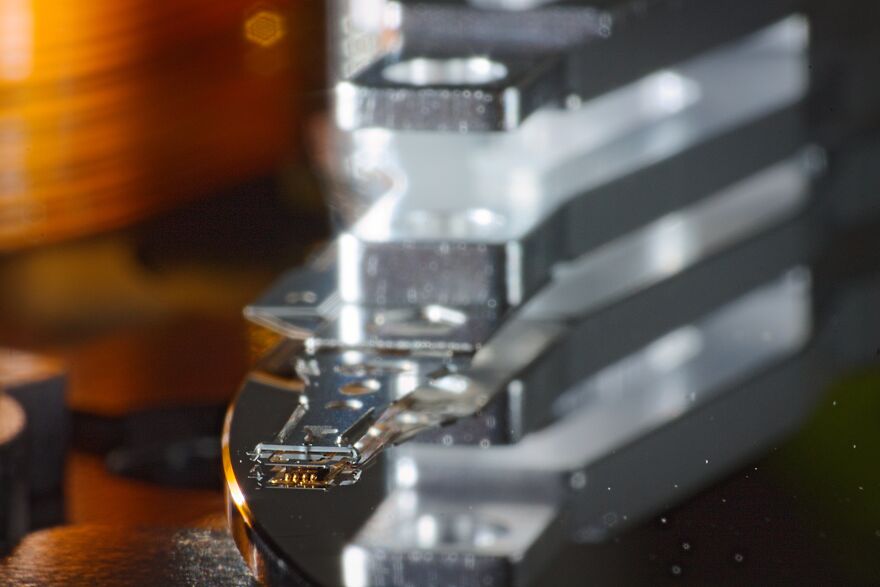
HDD heads on both sides of a disc.

Also drops in a bottle, but with flash... I really don't know how the flower pattern got there - can be the reflection of the manufacturer's logo.
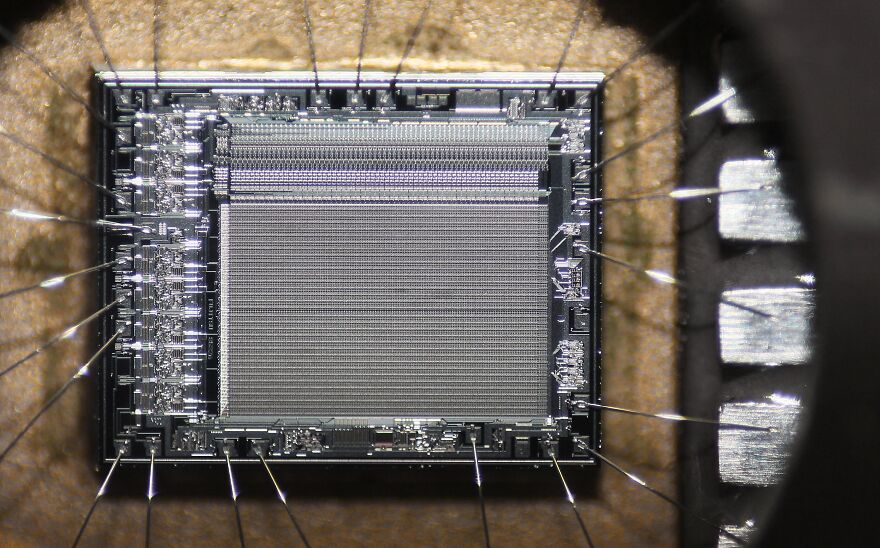
Fujitsu MBM27C32 EPROM chip. EPROMs are programmable, erasable ROM memories, widely used in the '70s and '80s. They can be erased with UV light, so they have a small glass over the chip itself...
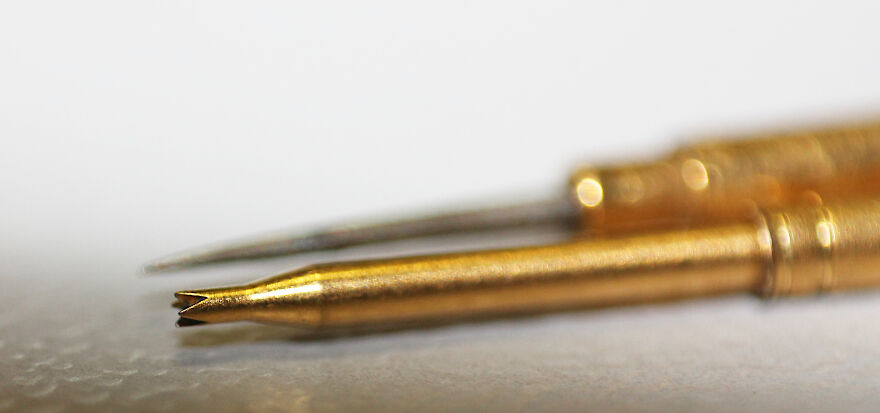
Tip of a needle used in electrical testing equipment. It's only a little broader than a sewing needle's head.
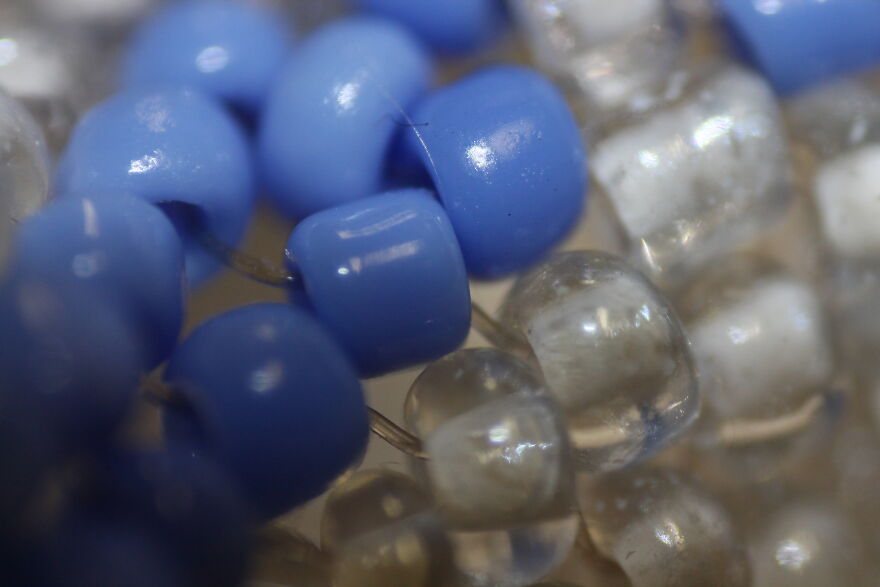
Beads up-close.
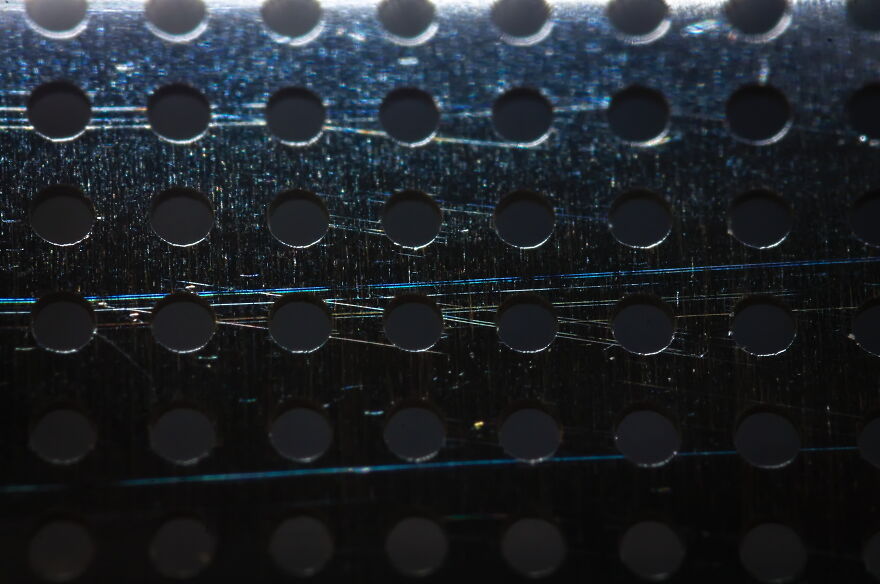
Metal tea filter.
Also not a real macro: just a close-up of a lamp with a telephoto lens.
I think it's macro. Macro is enlarged and close up. So it's still macro technically!
Broken LCD.
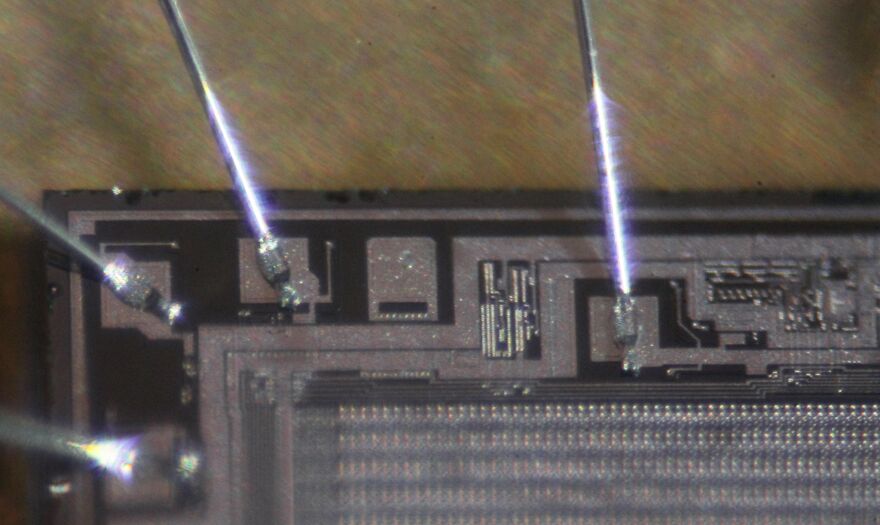
This image was taken with a tandem lens (Canon 18-55 and 70-300 together), which produces very high magnification, but it's very hard to use. Even the traces and components on the chip can be seen. The 4 long things are the wires which are connecting the chip to the output pins of the package.
Sooooooooooooooooooooooooooooooooooooooooooooooooooooo freakin cool!


These are captivating!! I've lost track of time staring at them ¿Can we see them in a larger format somewhere?
Why are these called "macro"? Would it not be more correct to call them "micro" as in "microscopic"?

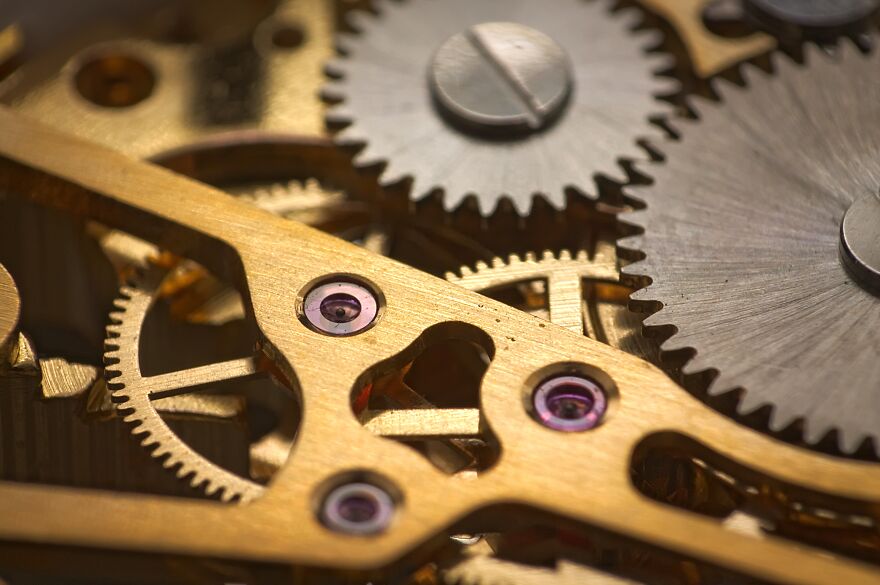
Less clocks and water/bubbles pls. More random things. Love the imperfections our eyes can’t see. Should exhibit and sell!


I take macro images so that I can show people what I'm seeing. People never see what I see.



This is so cool! I wish I could take photos like this with my phone camera, but alas they have not made it to this level of precision yet... Amazing though!


i love this, did you take them yourself? if so; (if you didn't already) Pls take photography as a job your so good at it
Sooooooooooooooooooooooooooooooooooooooooooooooooooooo freakin cool!
These are captivating!! I've lost track of time staring at them ¿Can we see them in a larger format somewhere?
Why are these called "macro"? Would it not be more correct to call them "micro" as in "microscopic"?
Less clocks and water/bubbles pls. More random things. Love the imperfections our eyes can’t see. Should exhibit and sell!
I take macro images so that I can show people what I'm seeing. People never see what I see.
This is so cool! I wish I could take photos like this with my phone camera, but alas they have not made it to this level of precision yet... Amazing though!
i love this, did you take them yourself? if so; (if you didn't already) Pls take photography as a job your so good at it



























 No fees, cancel anytime