Get Premium
Dark mode theme is available exclusively for premium users. Learn more about the benefits of subscribing.
No fees, cancel anytime.

 Dark Mode Ad-Free Browsing Unlimited Content
 Ad-Free Browsing Unlimited Content Dark Mode
Join 1.2 million Panda readers who get the best art, memes, and fun stories every week!

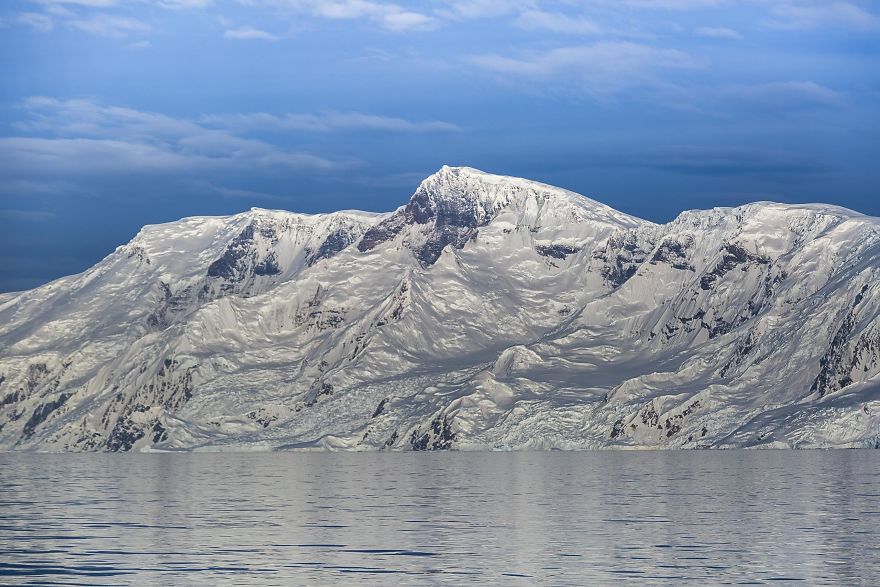
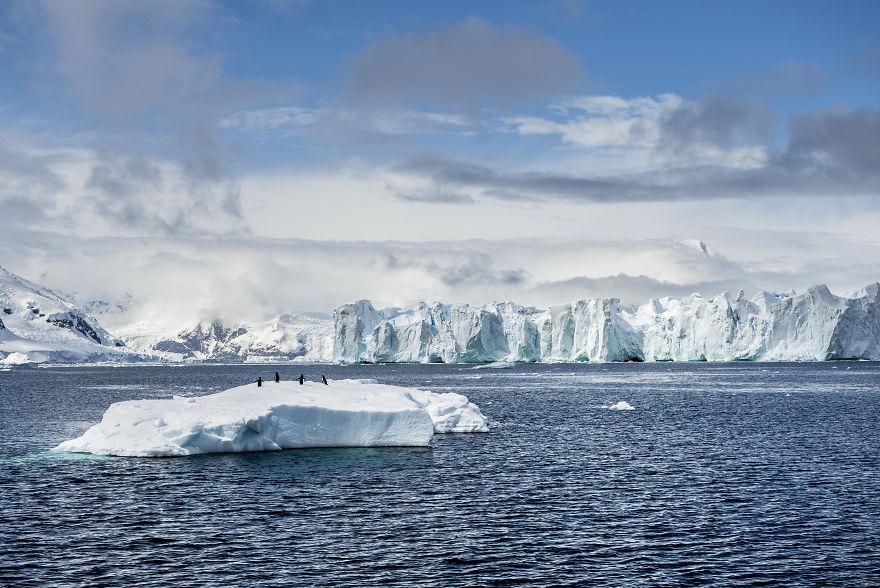
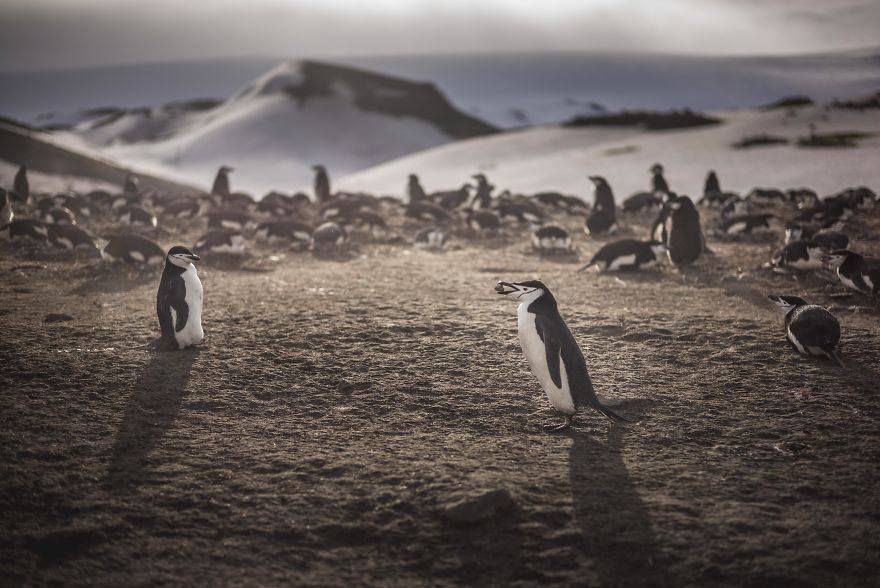
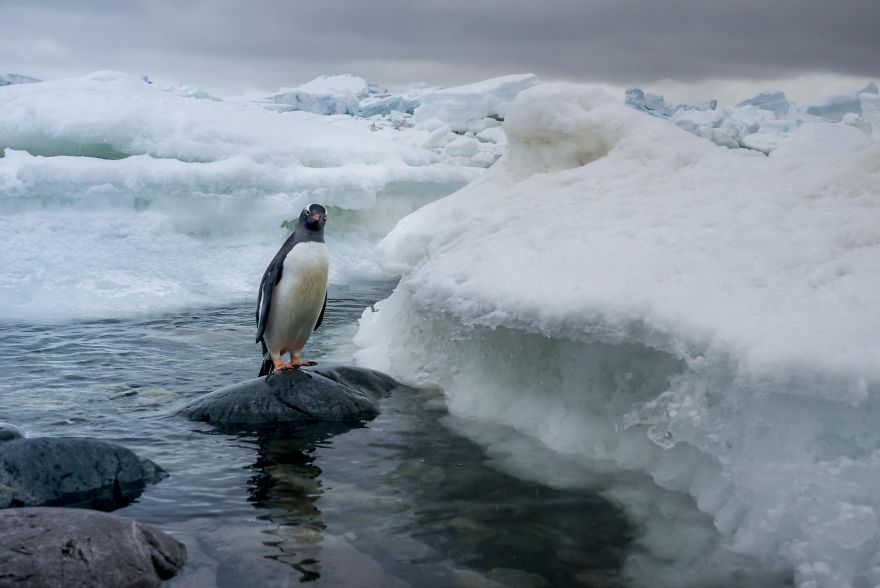
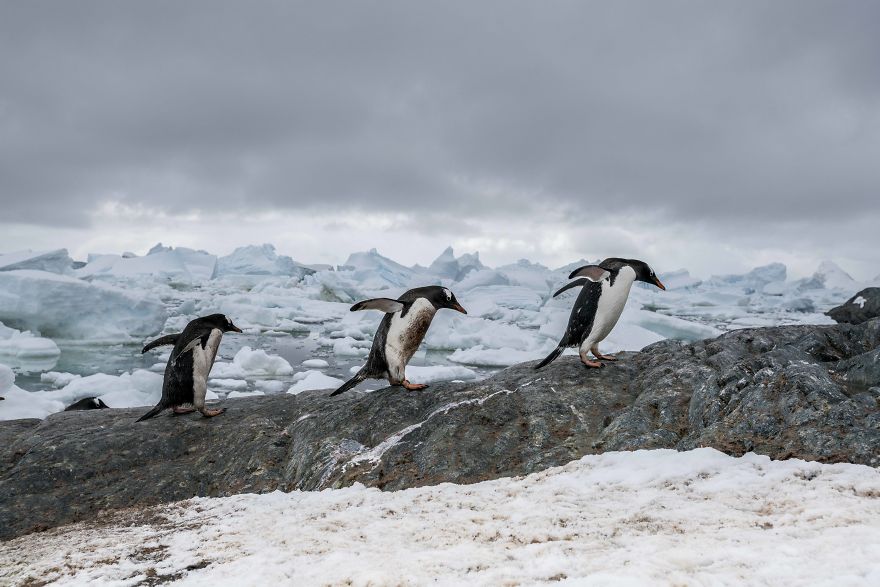
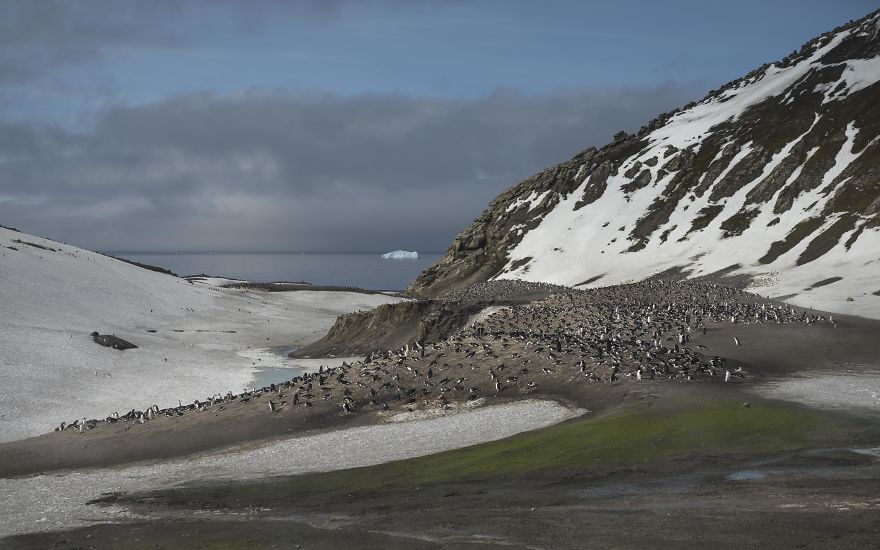
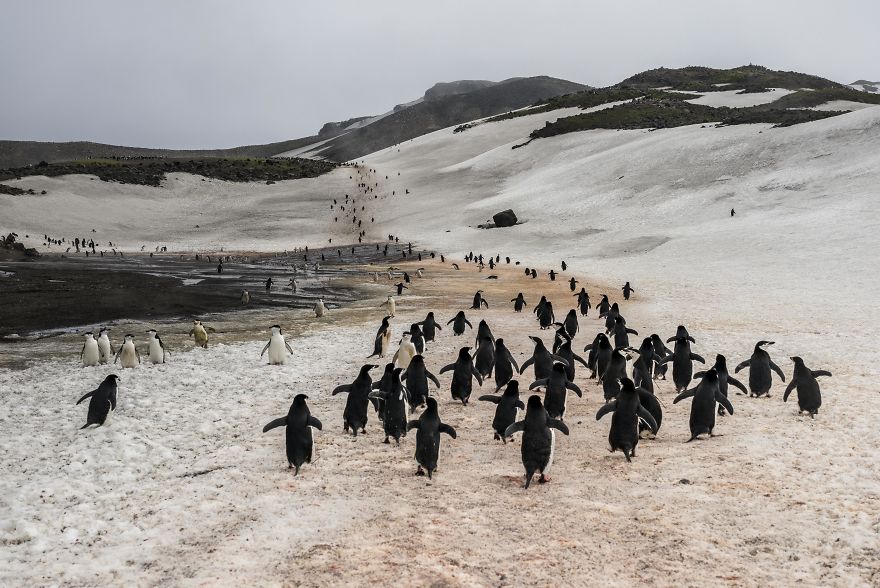
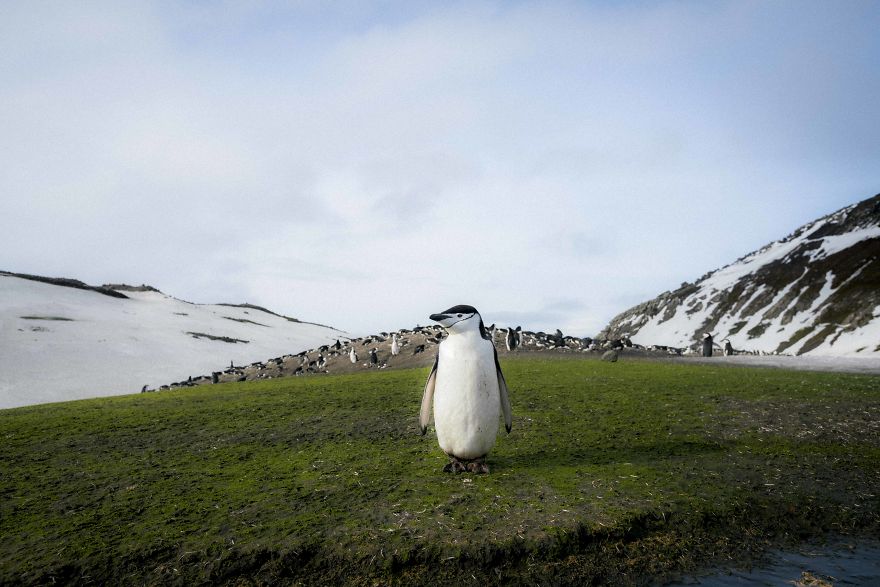
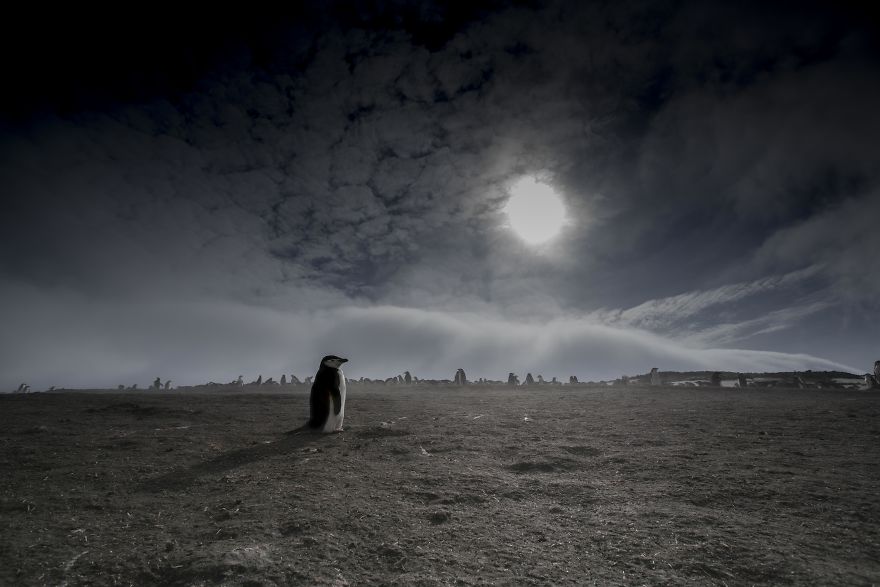
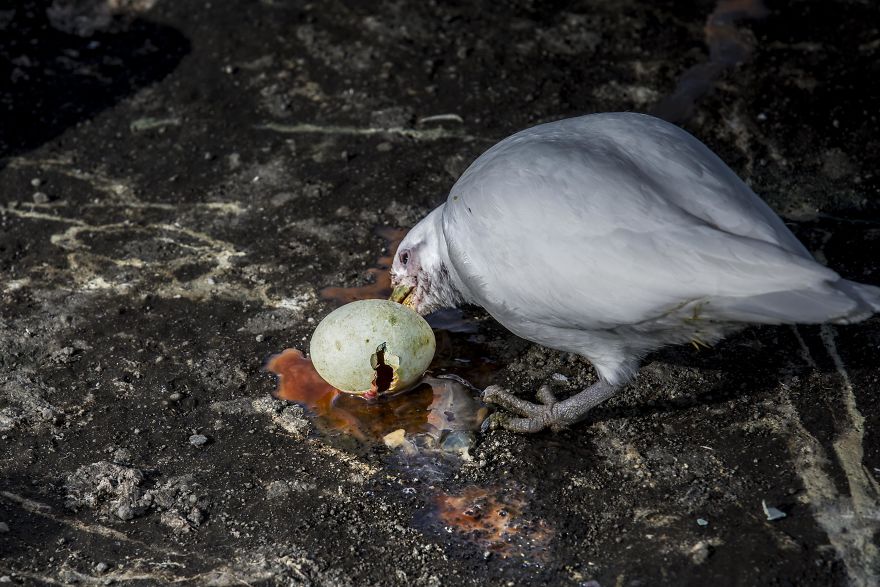
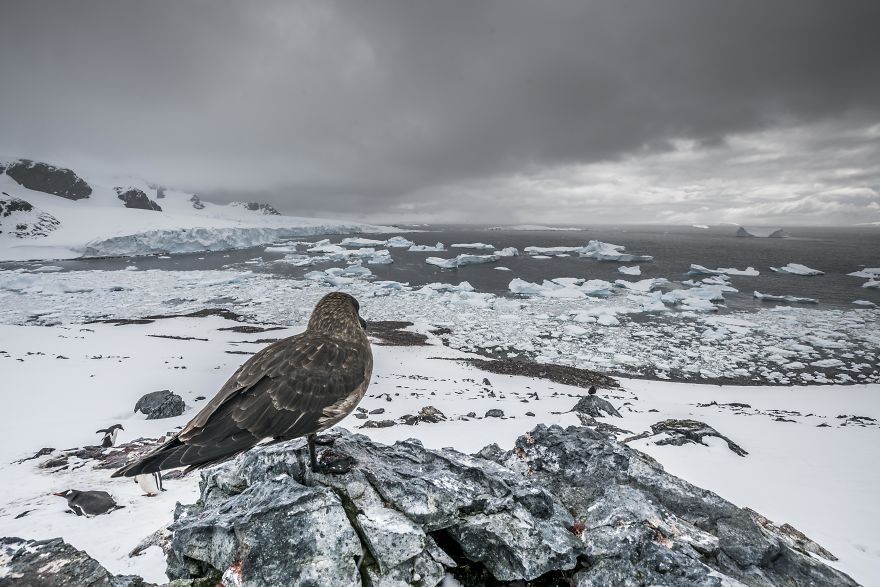
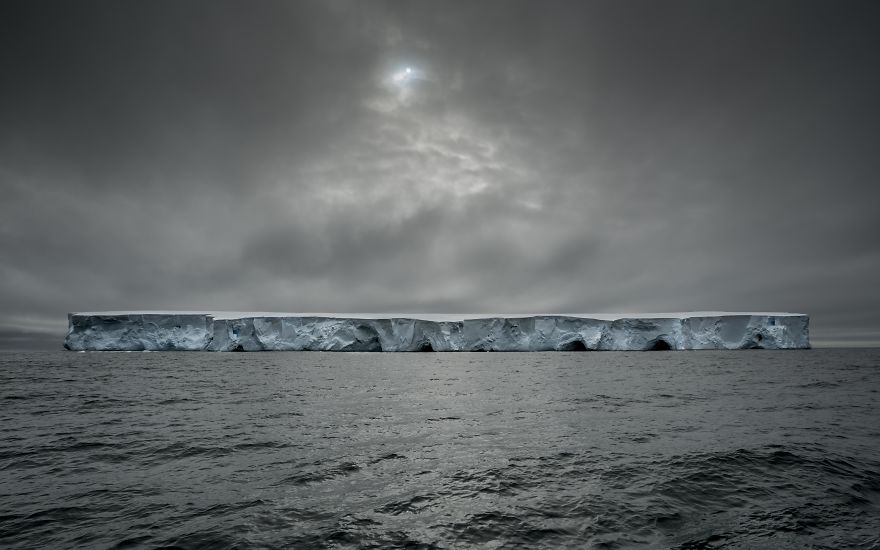
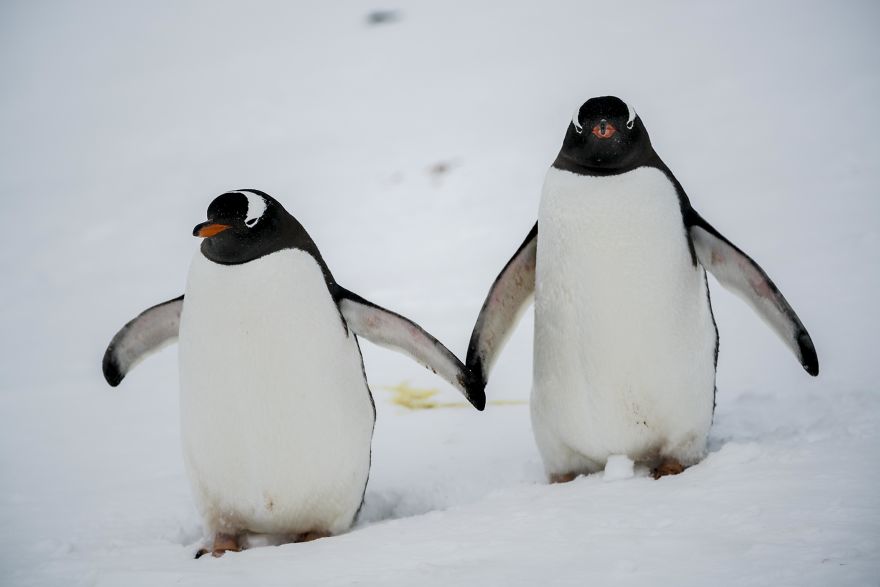
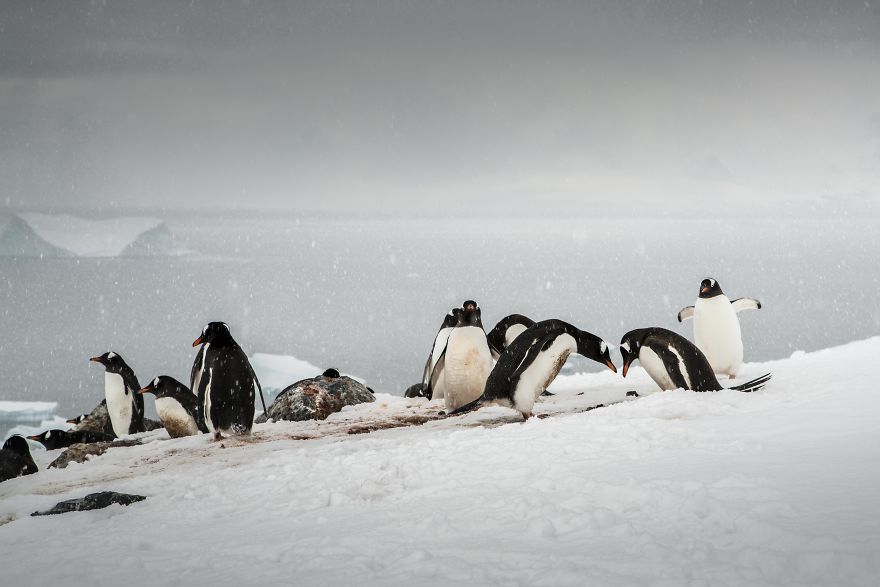
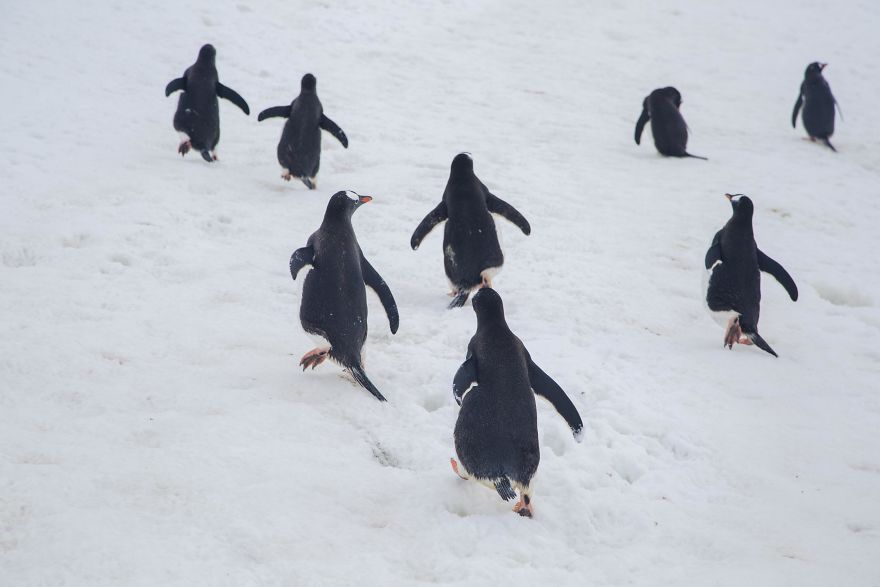
2016 is on pace to be the hottest year on record. Penguins of Antarctica don’t like it, especially certain species which are more sensitive than others to climate change.
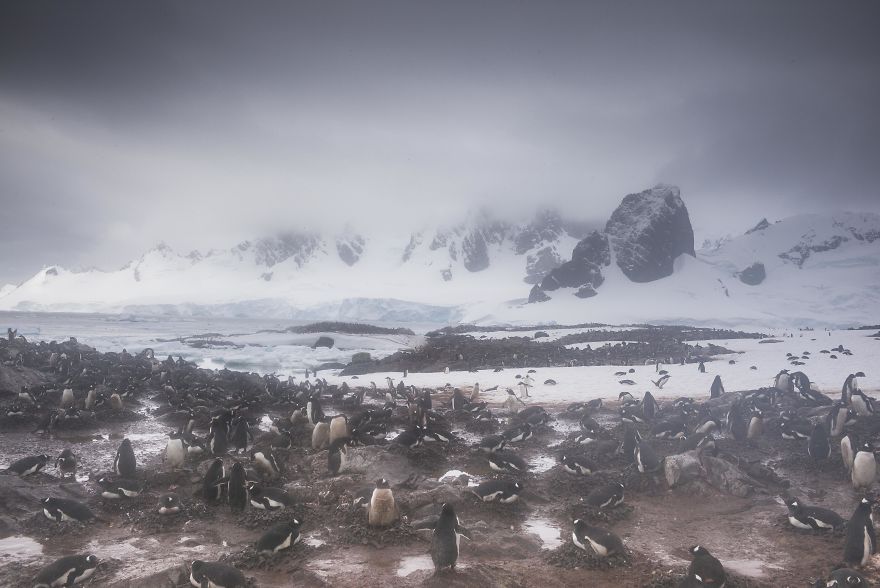
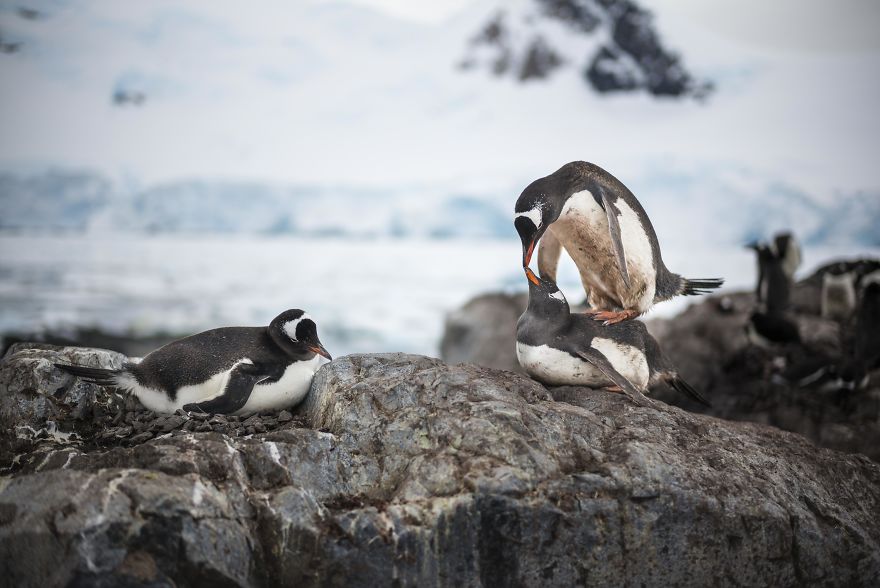
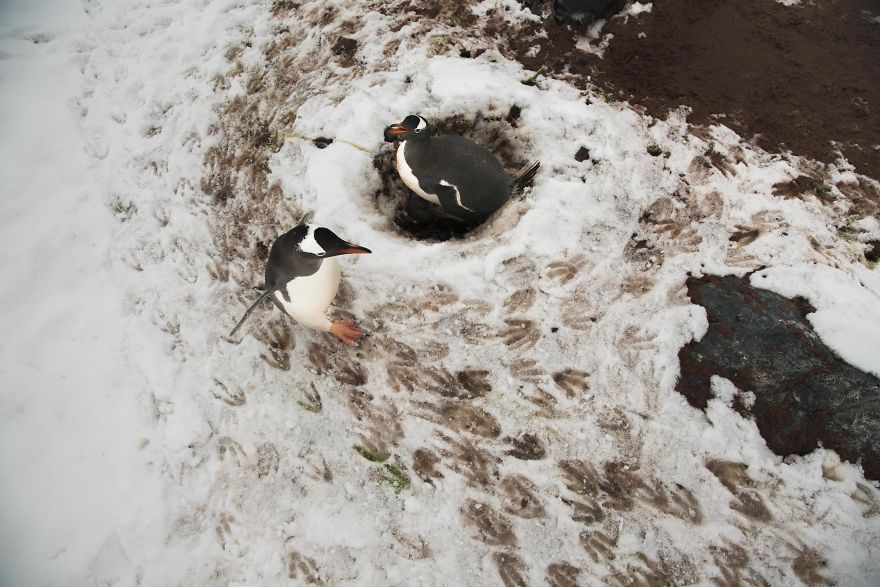
Adelie and Chinstraps penguins are more vulnerable then Gentoo penguins to the environmental change and their number is in decline. All species benefit from the melting of the Antarctic Peninsula’s sea ice, because it provides the penguins with more open land and, in turn, better breeding sites. The negative impact of warming climate is on the reduction of their main food source, krill, which has declined dramatically over the last 50 years.
Gentoo species have a more flexible diet than other two species, and can adapt to the shortage of krill, whilst Adelie and Chinstraps rely heavily on it for their survival . Climate change is not the only threat to the krill population as fishing companies catch krill and turn it into animal feed and lucrative omega-3 dietary supplements.
The delicate balance of this exceptional part of the world is therefore under serious threat because of human activities and the impact could be potentially irreversible.
More info: massimorumi.com
9Kviews
Share on Facebook

It really need to be said more often, that producing meat in todays industrial scale is one of the main contributers to global warming. Most people have no idea. (Me included until fairly recently. And, no I did not become a vegetarian but I eat a lot less of it, nowadays)

I agree. I am not vegetarian, but I still thinks it needs to be addressed.
Load More Replies...
More doomsaying from "scientists" whose job depends on scarring the people into wasting more tax dollars.


So, we need to fix the problem of too many animals on the planet, by not eating them, but their food sources instead?
It really need to be said more often, that producing meat in todays industrial scale is one of the main contributers to global warming. Most people have no idea. (Me included until fairly recently. And, no I did not become a vegetarian but I eat a lot less of it, nowadays)
I agree. I am not vegetarian, but I still thinks it needs to be addressed.
Load More Replies... More doomsaying from "scientists" whose job depends on scarring the people into wasting more tax dollars.
So, we need to fix the problem of too many animals on the planet, by not eating them, but their food sources instead?




































 No fees, cancel anytime





151
8