Get Premium
Dark mode theme is available exclusively for premium users. Learn more about the benefits of subscribing.
No fees, cancel anytime.

 Dark Mode Ad-Free Browsing Unlimited Content
 Ad-Free Browsing Unlimited Content Dark Mode
Join 1.2 million Panda readers who get the best art, memes, and fun stories every week!

109submissions
1week left

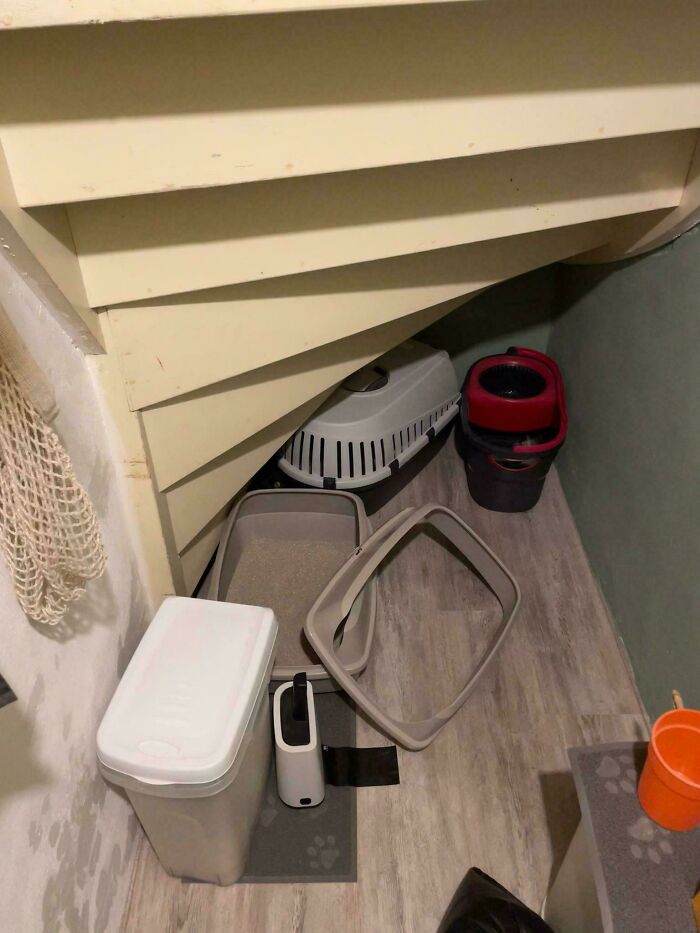
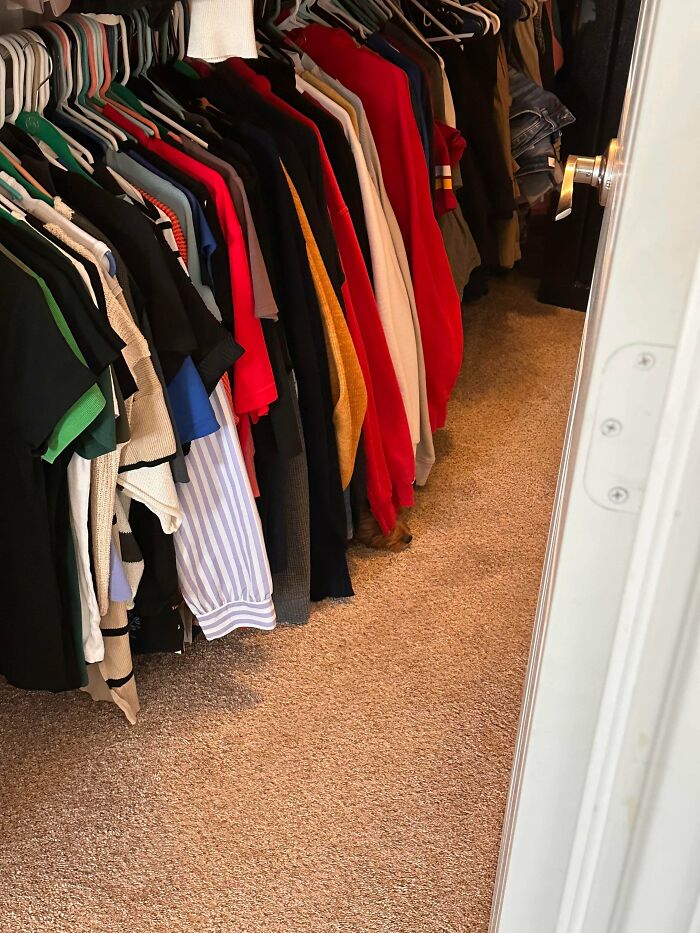
Just as the blade needs sharpening, so do our skills—and today, dear pandas, we invite you to work on your attention to detail.
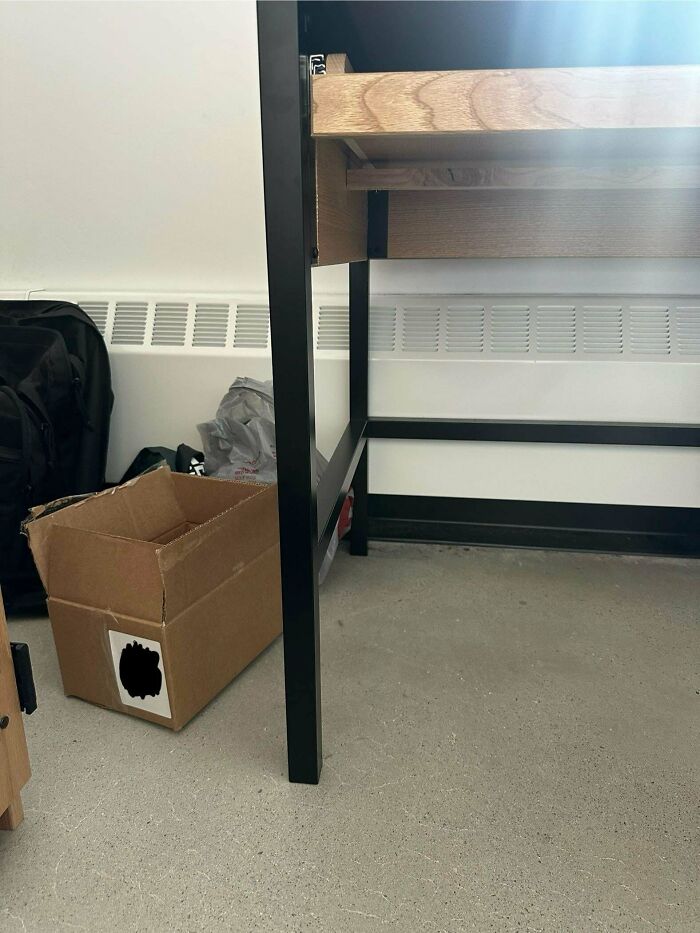
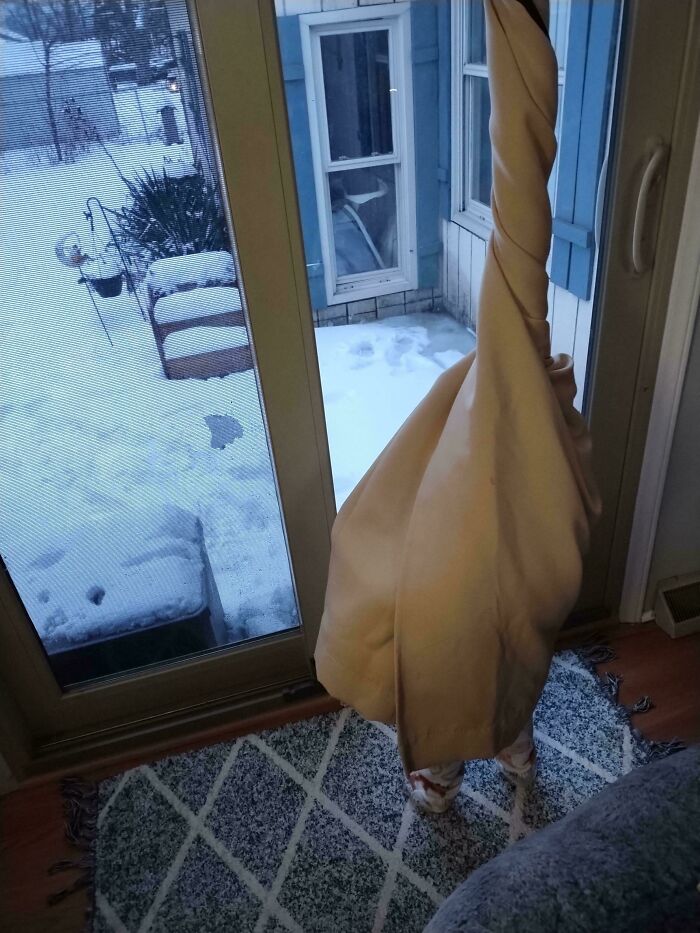
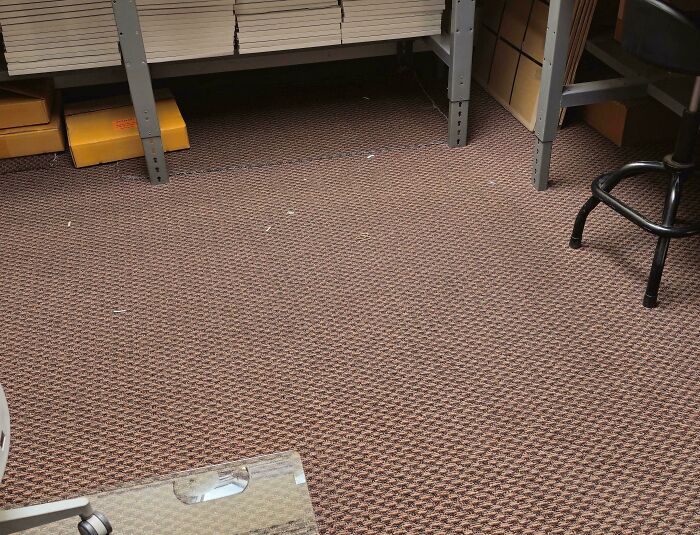
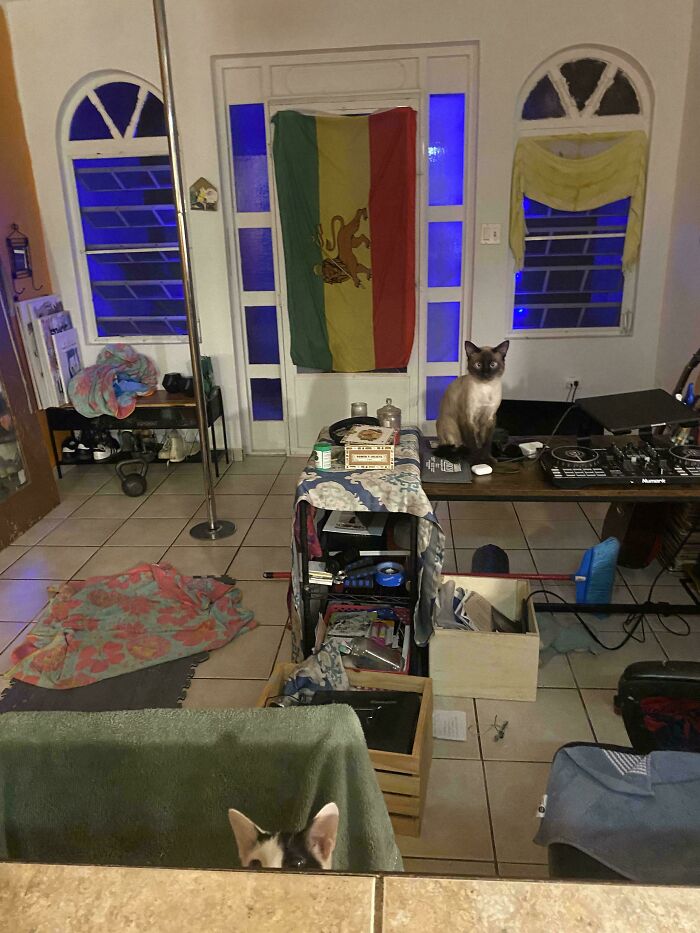
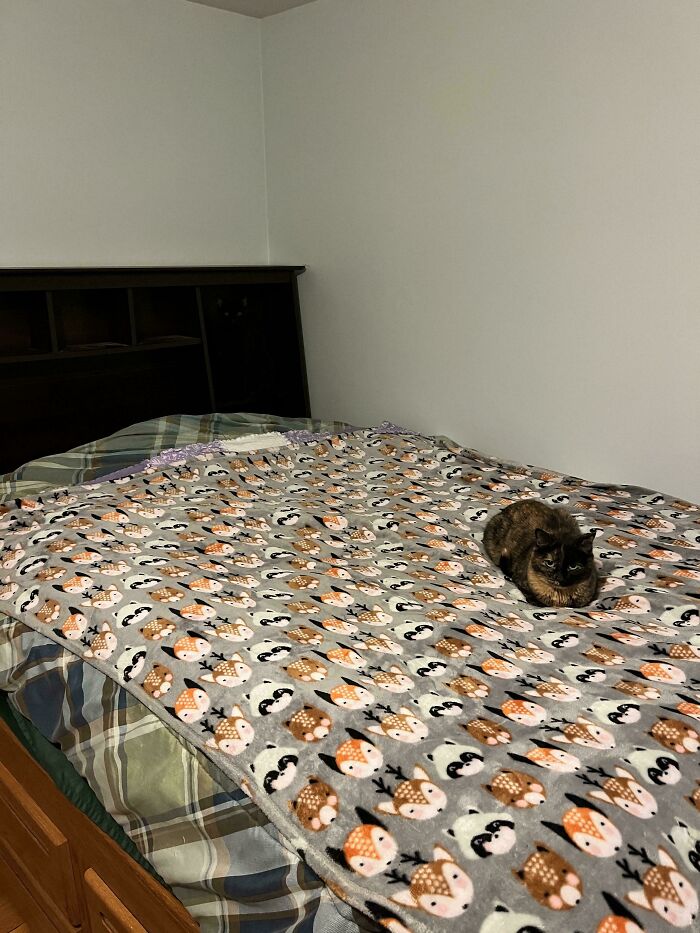
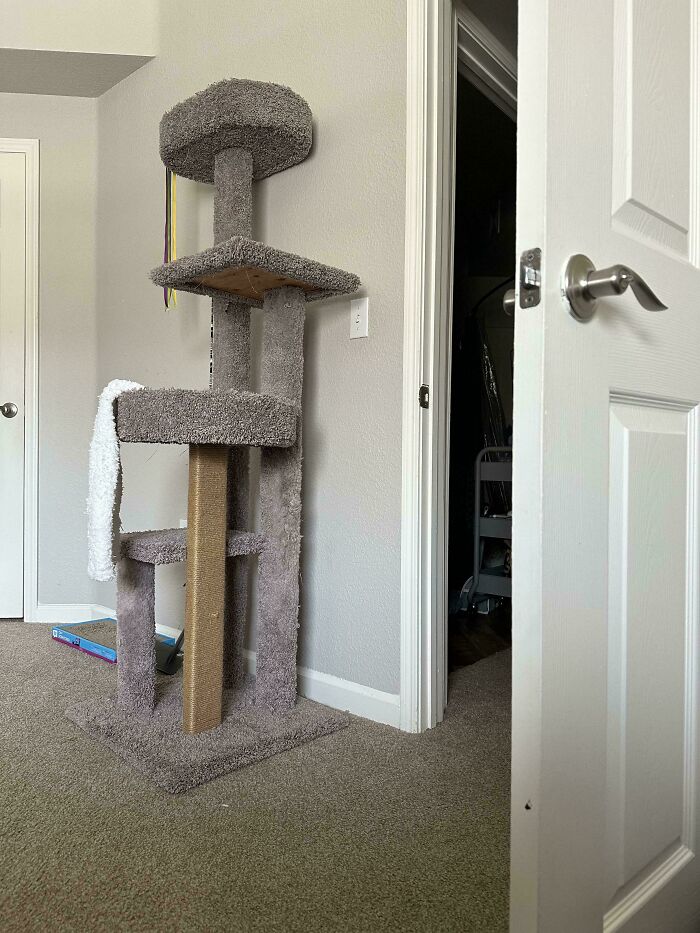
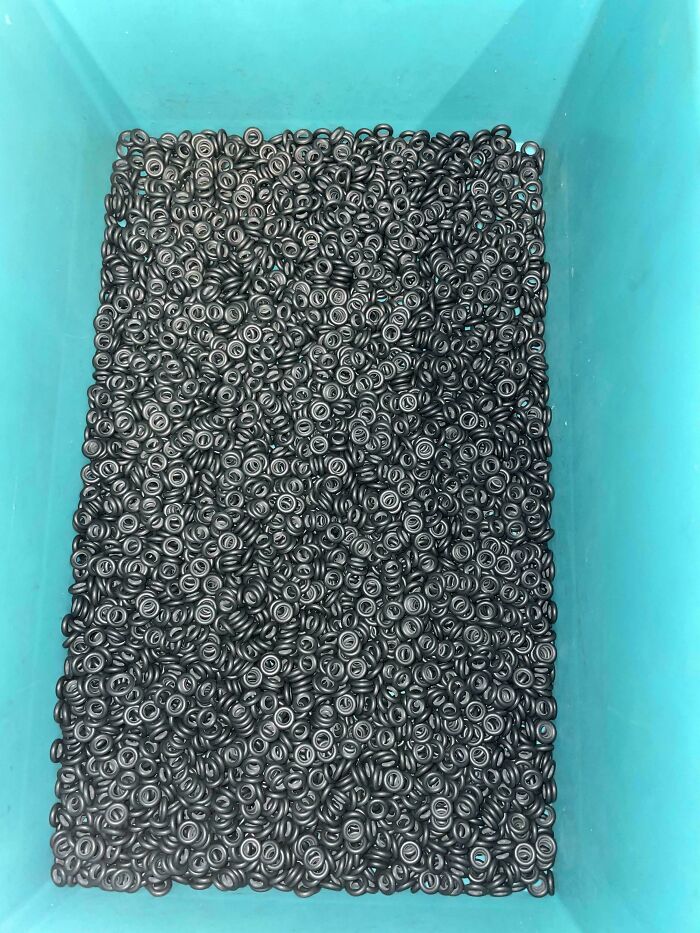
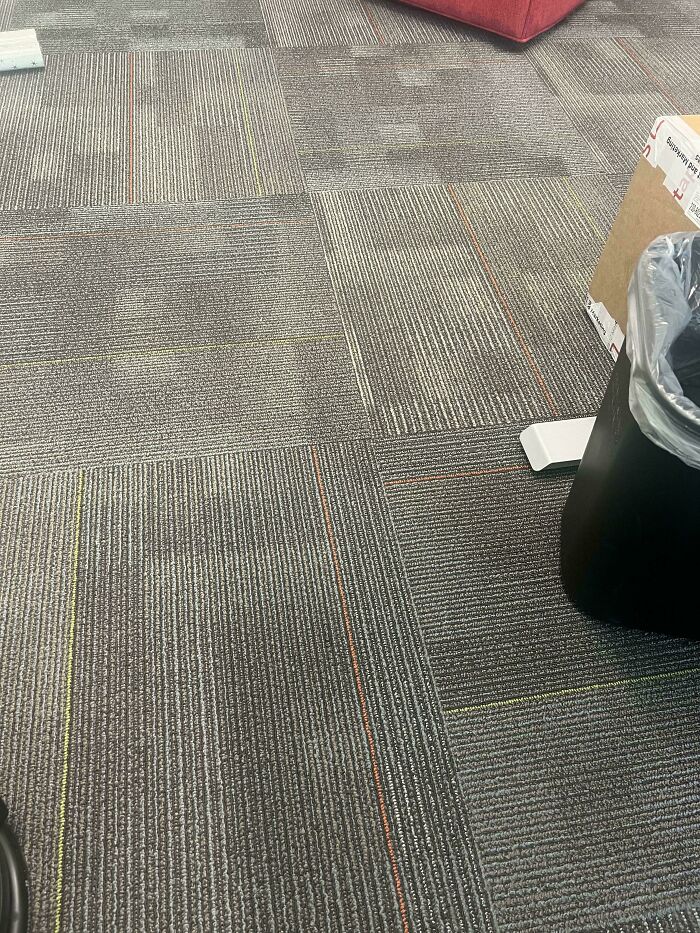
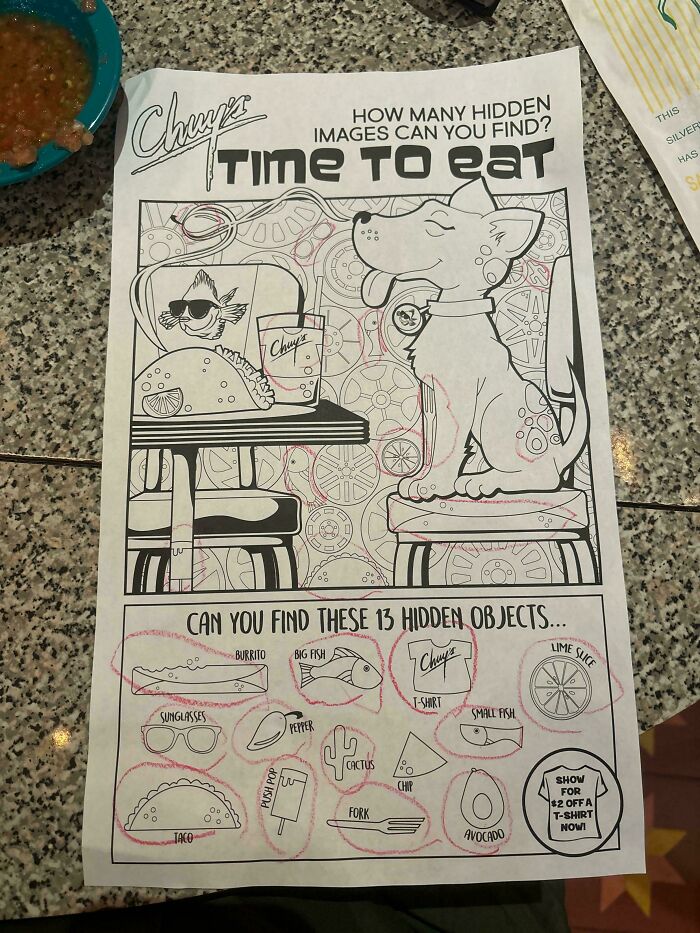
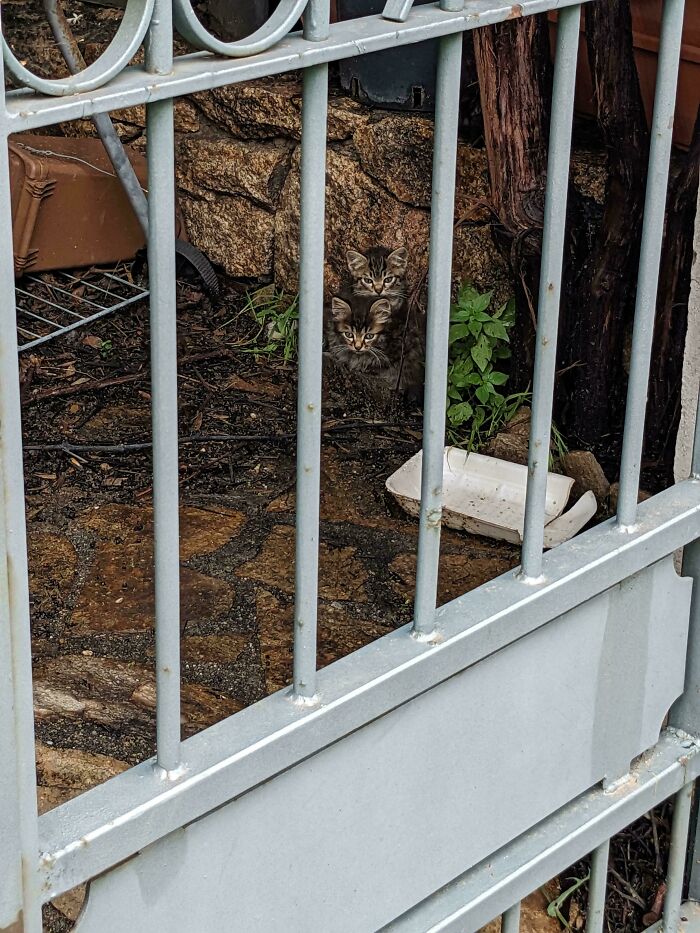
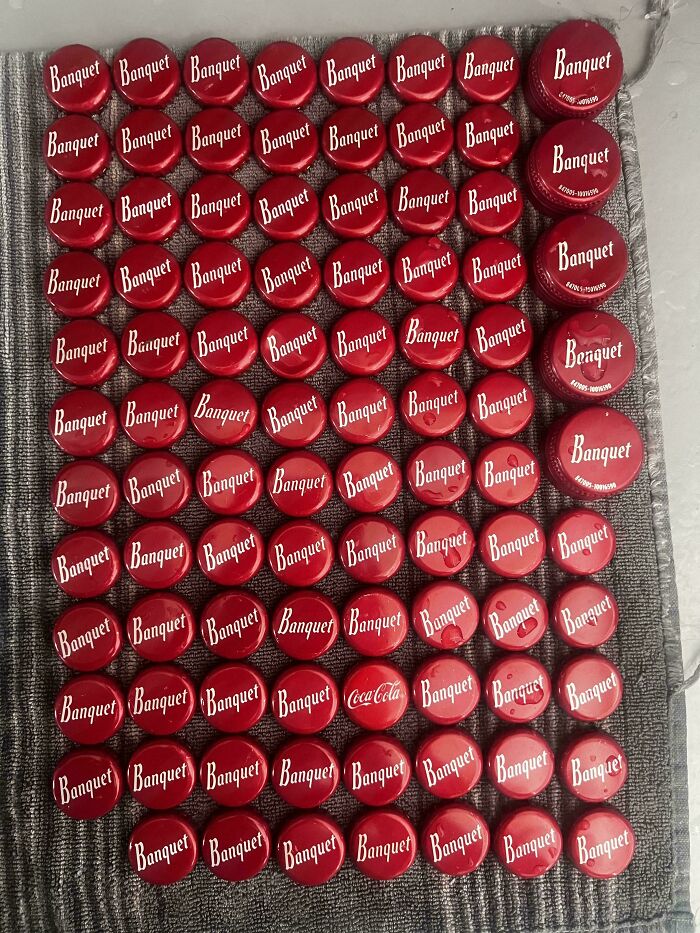
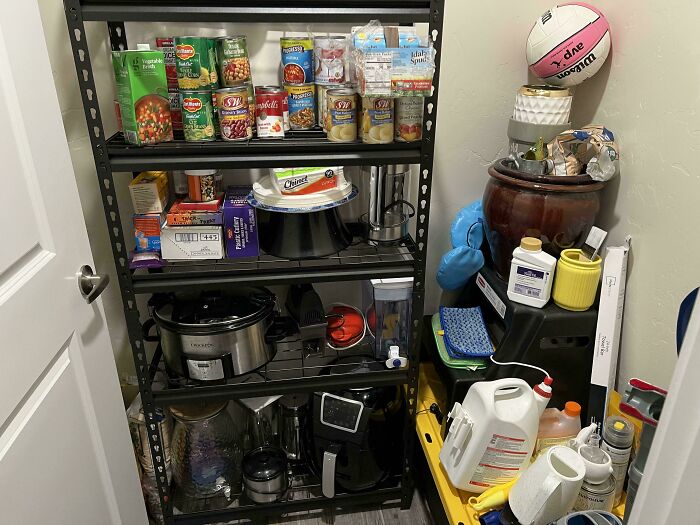
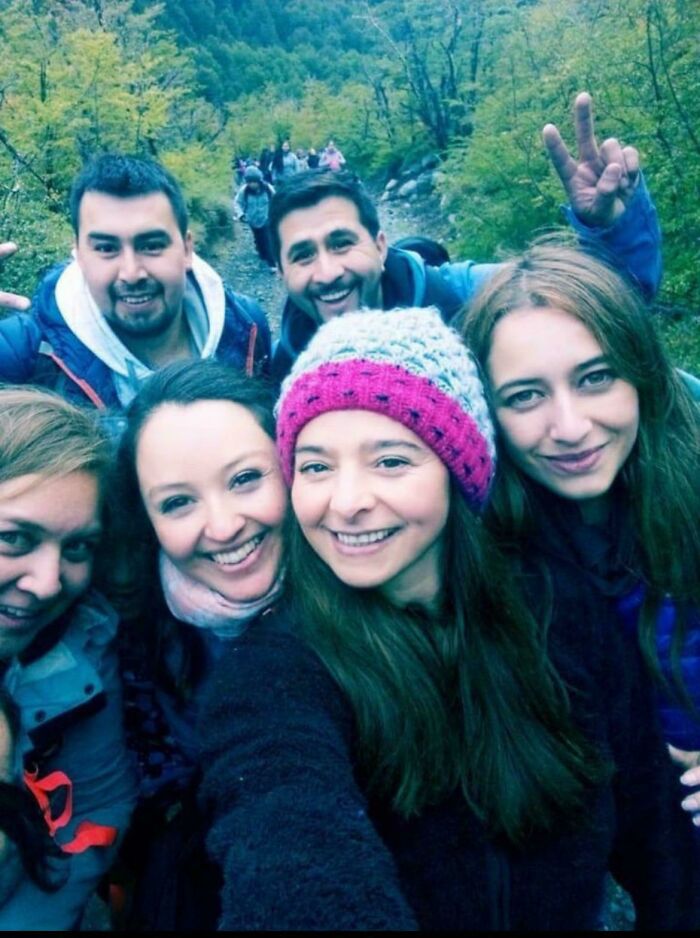
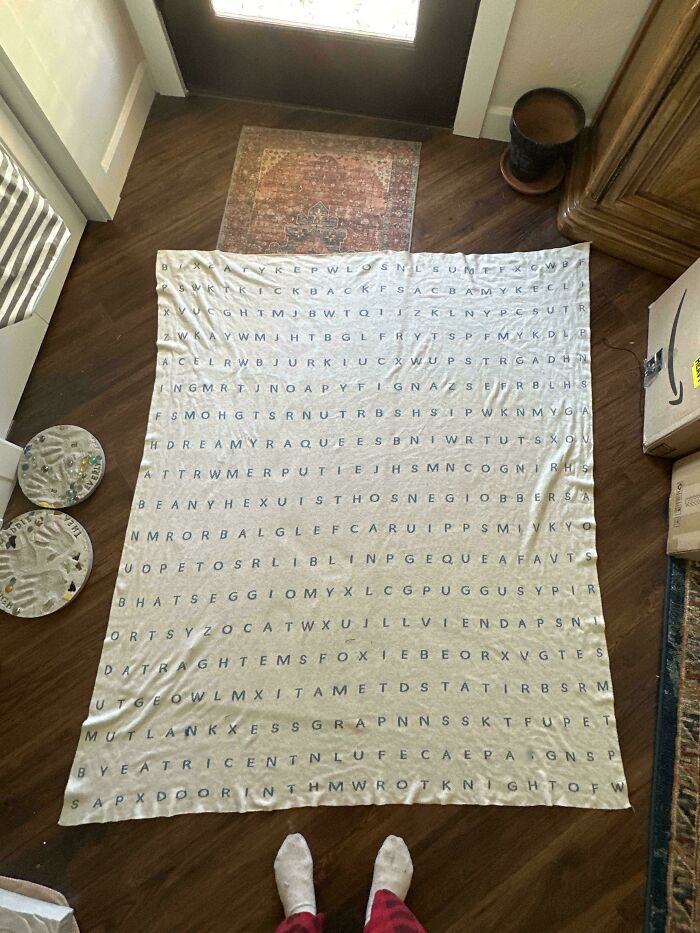
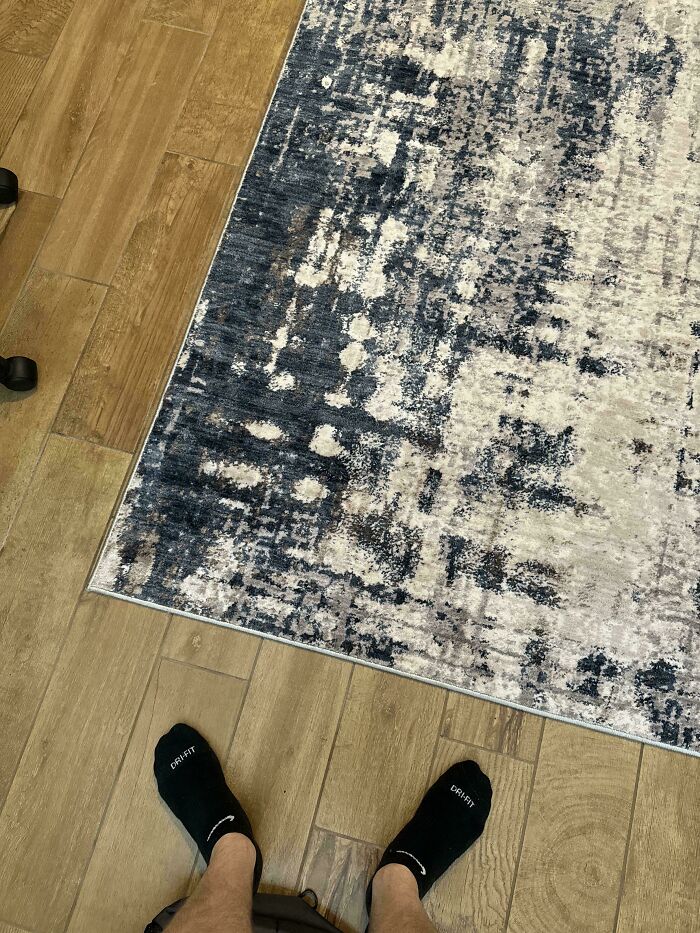
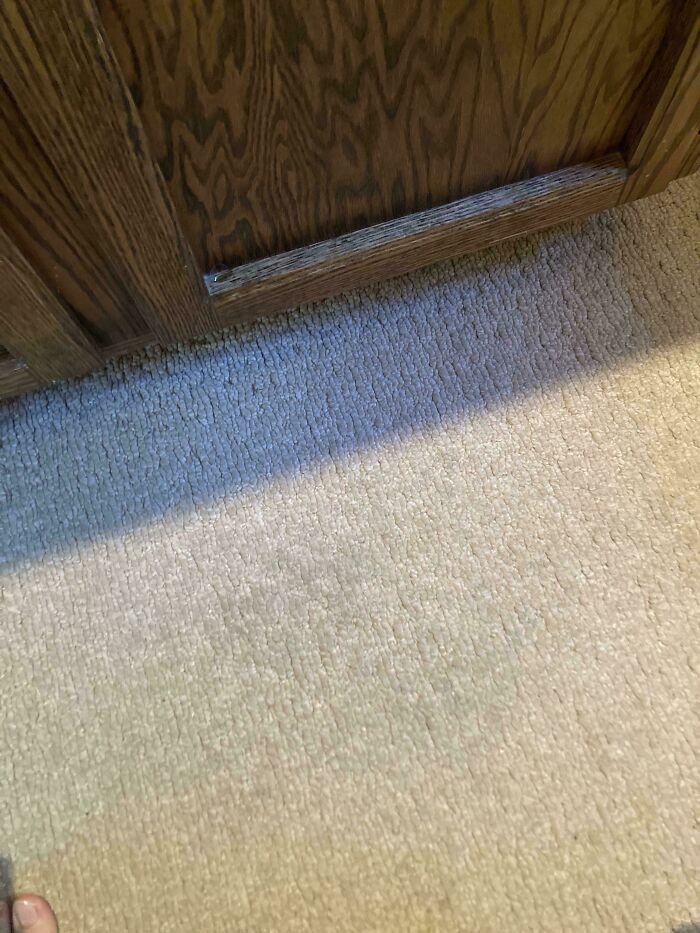
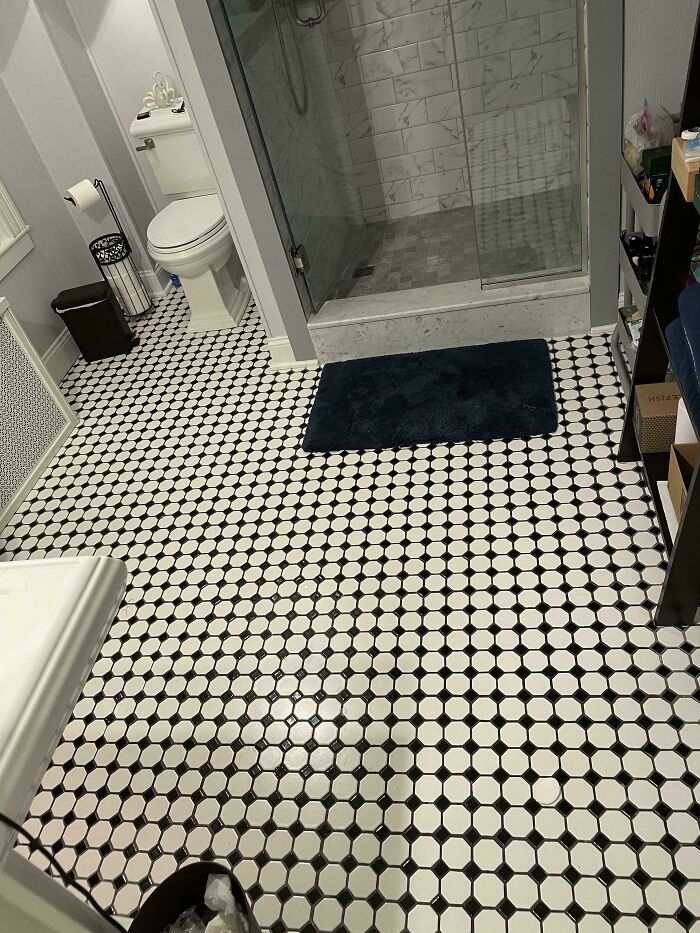
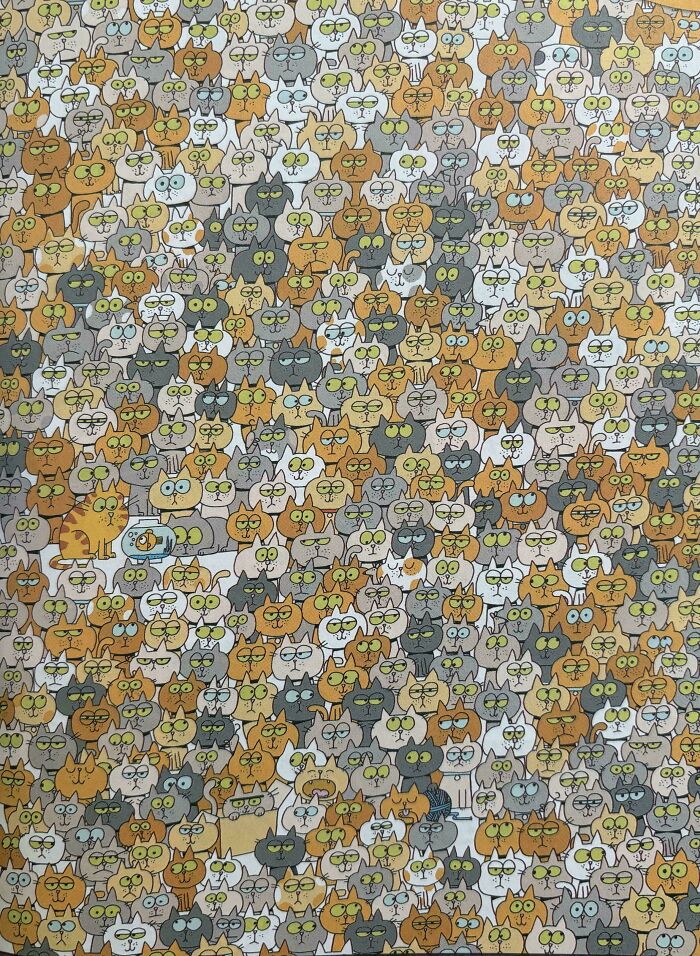
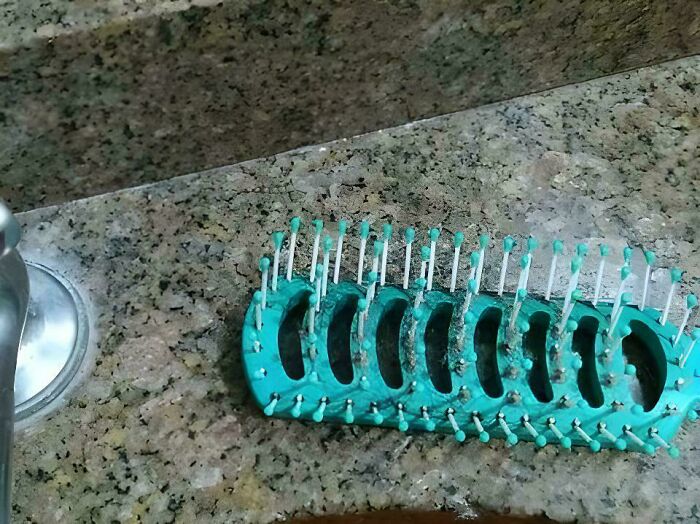
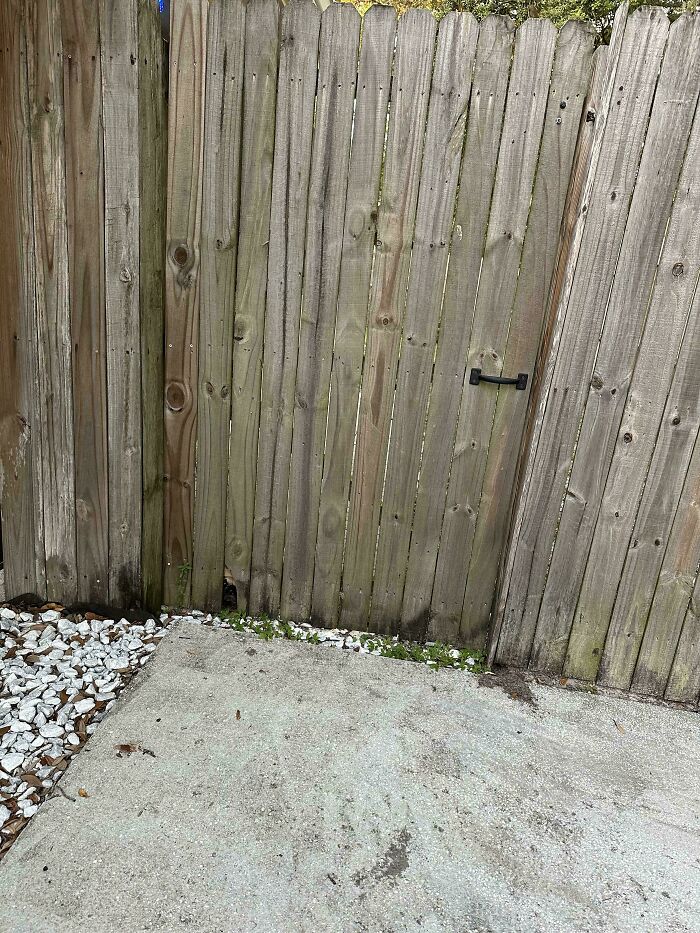
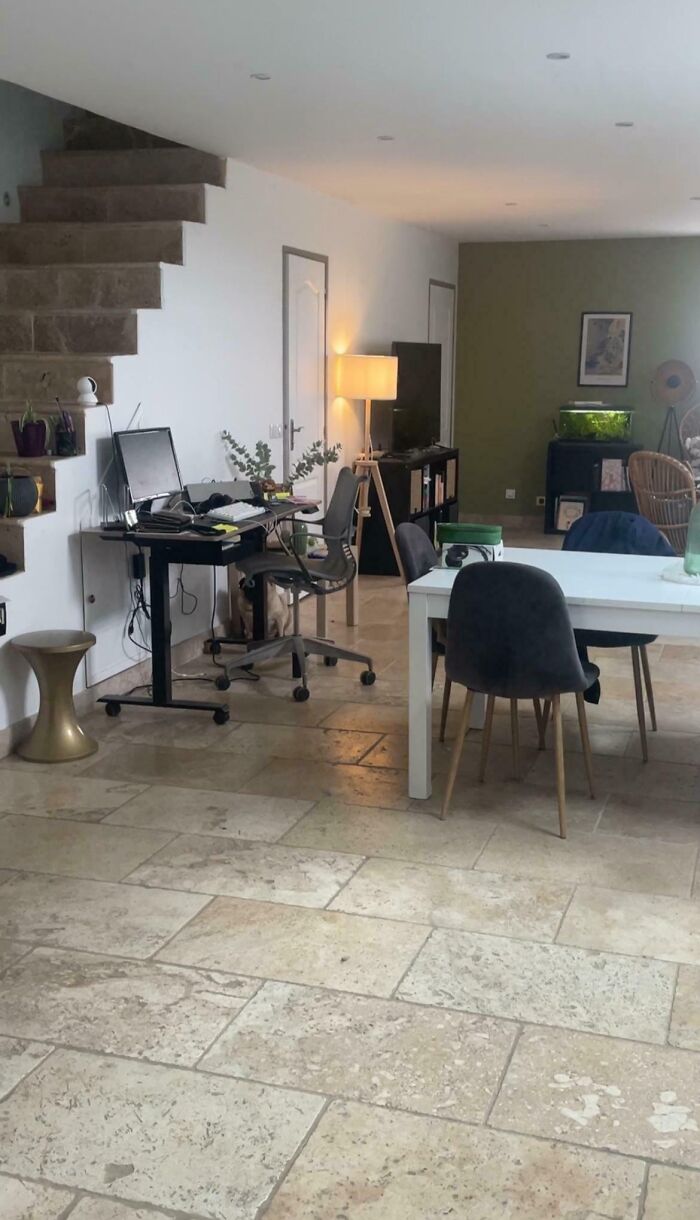
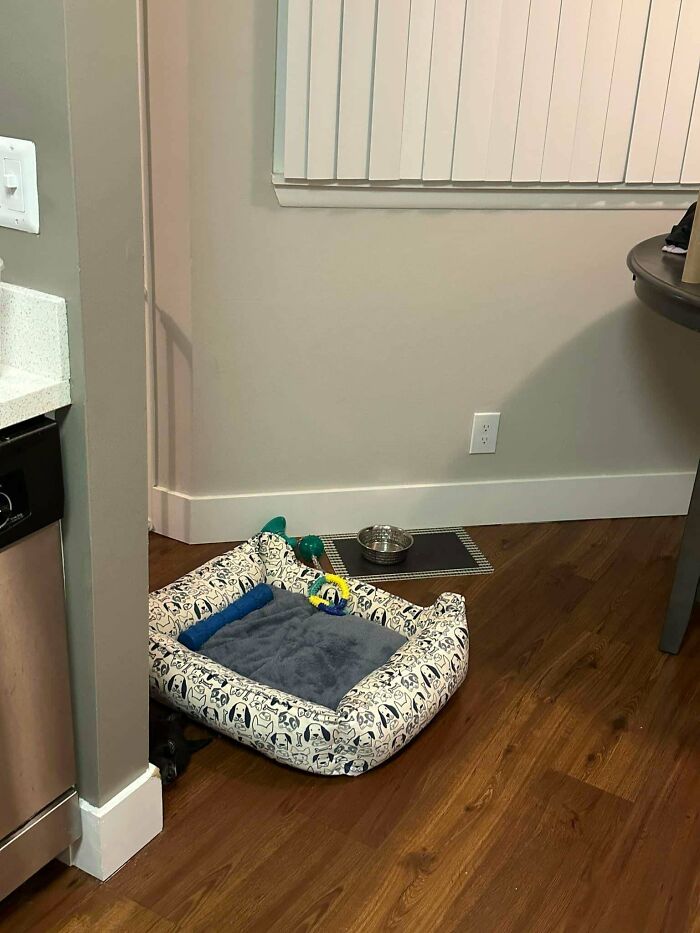
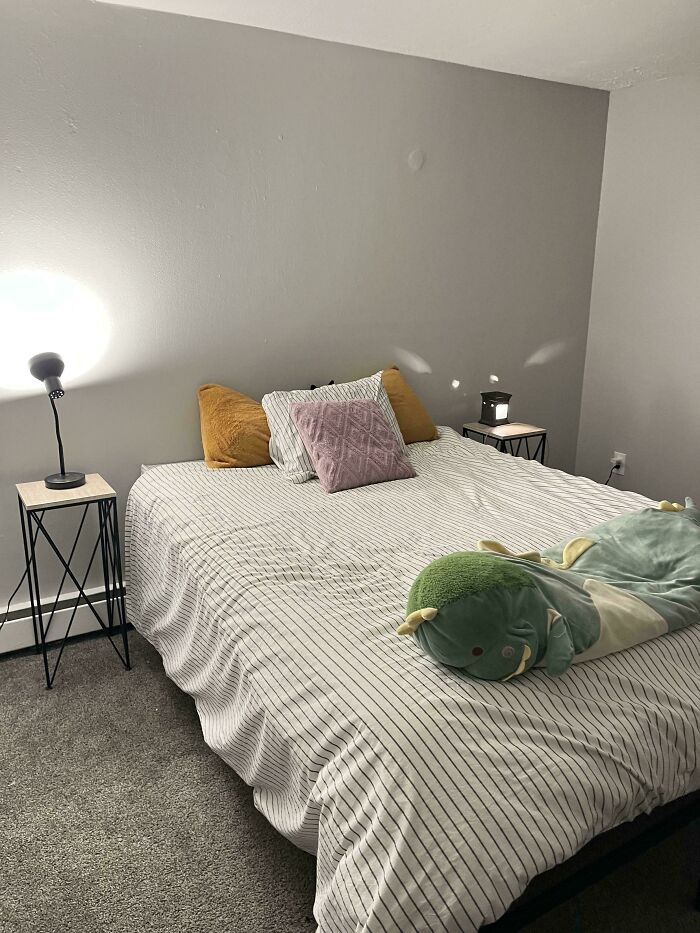
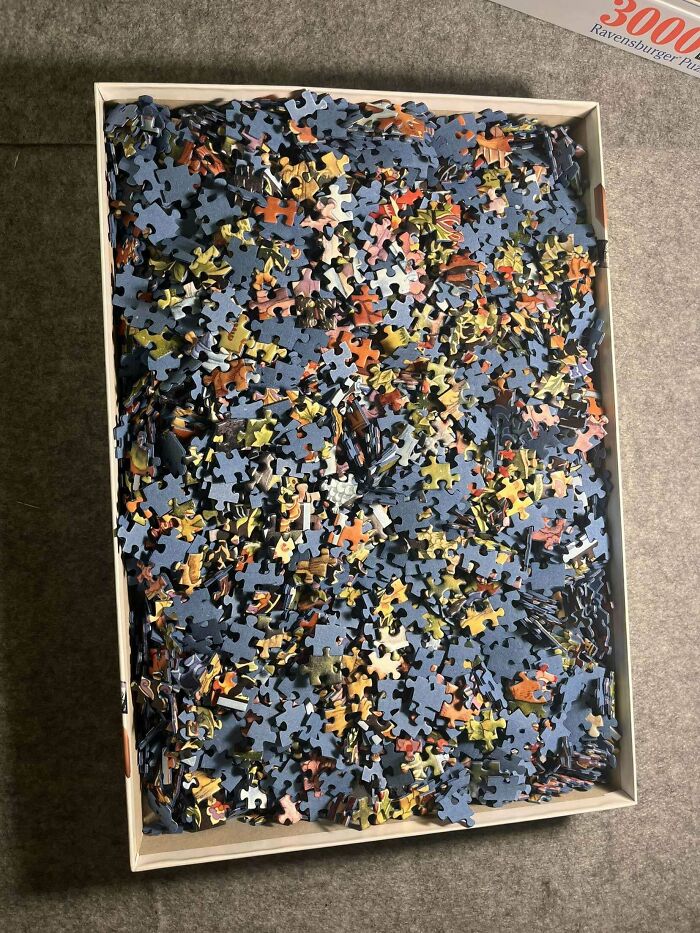
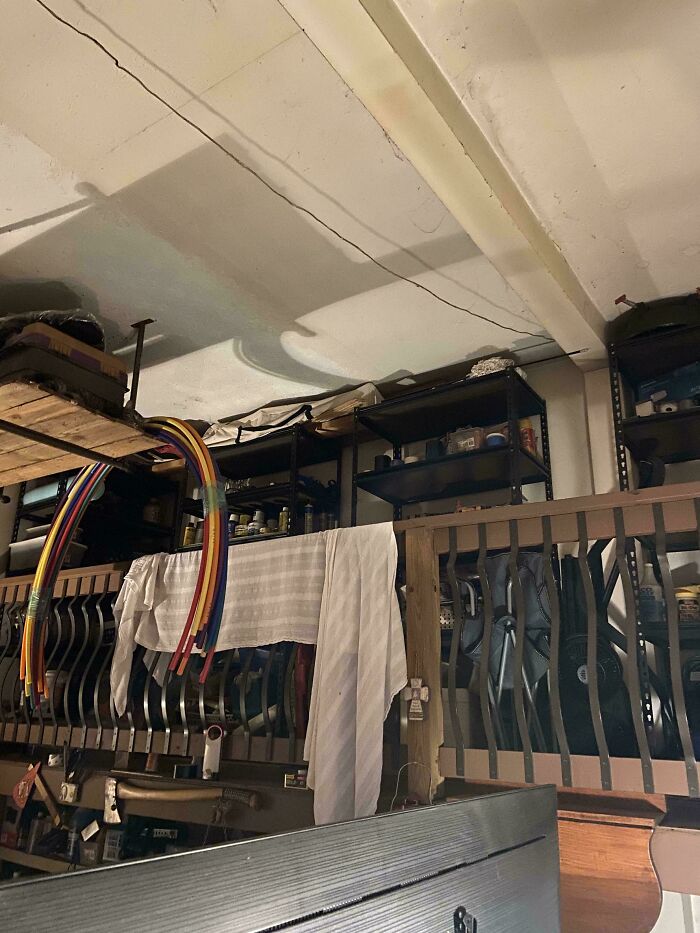
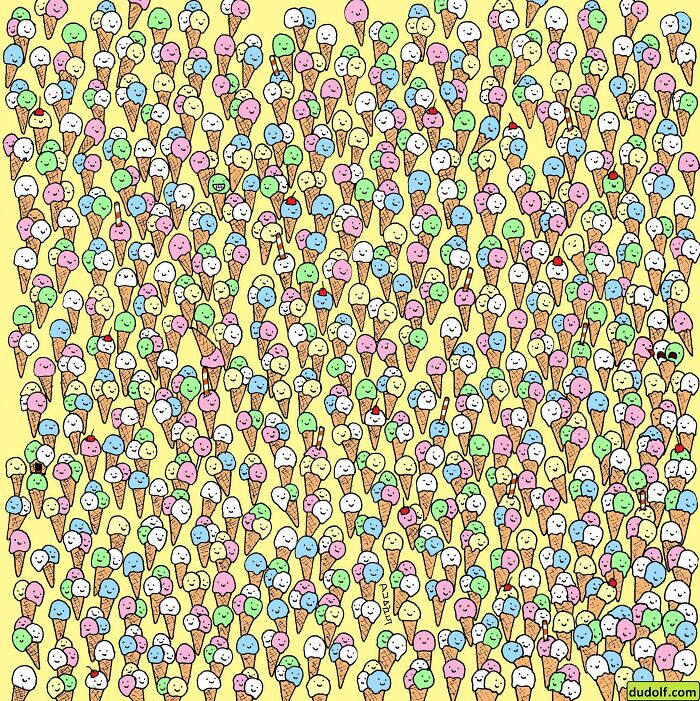
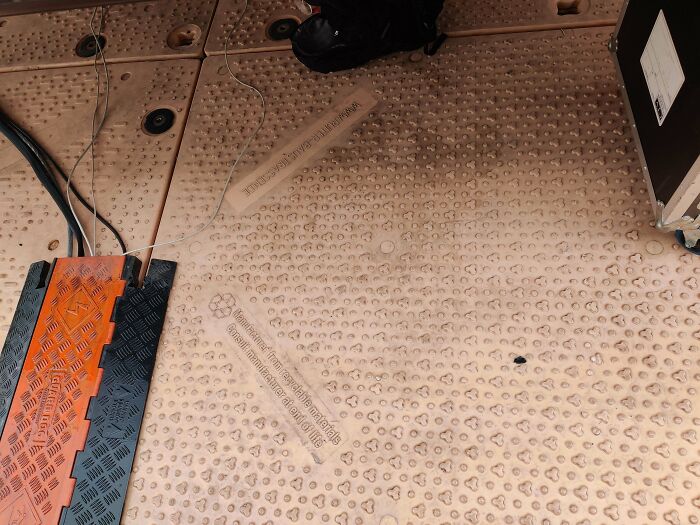
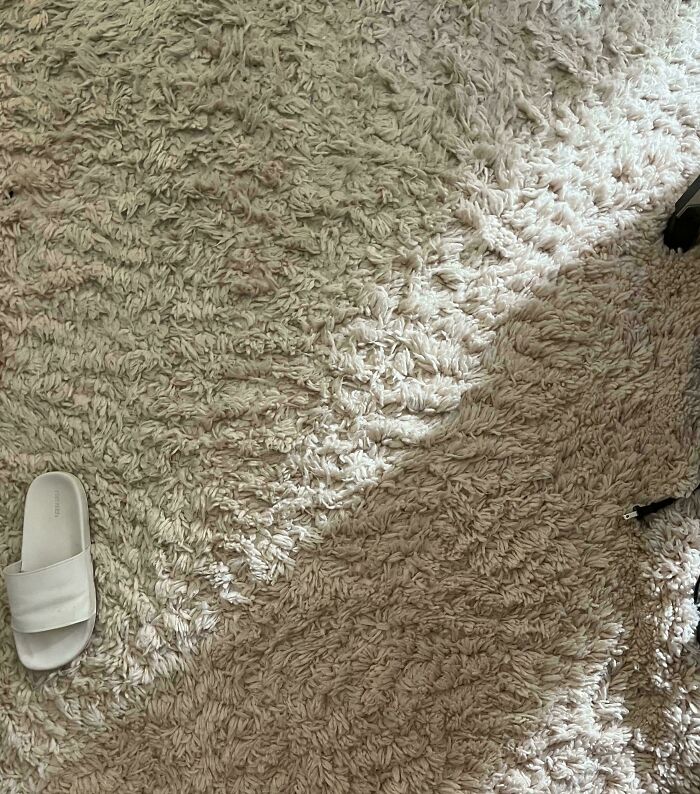
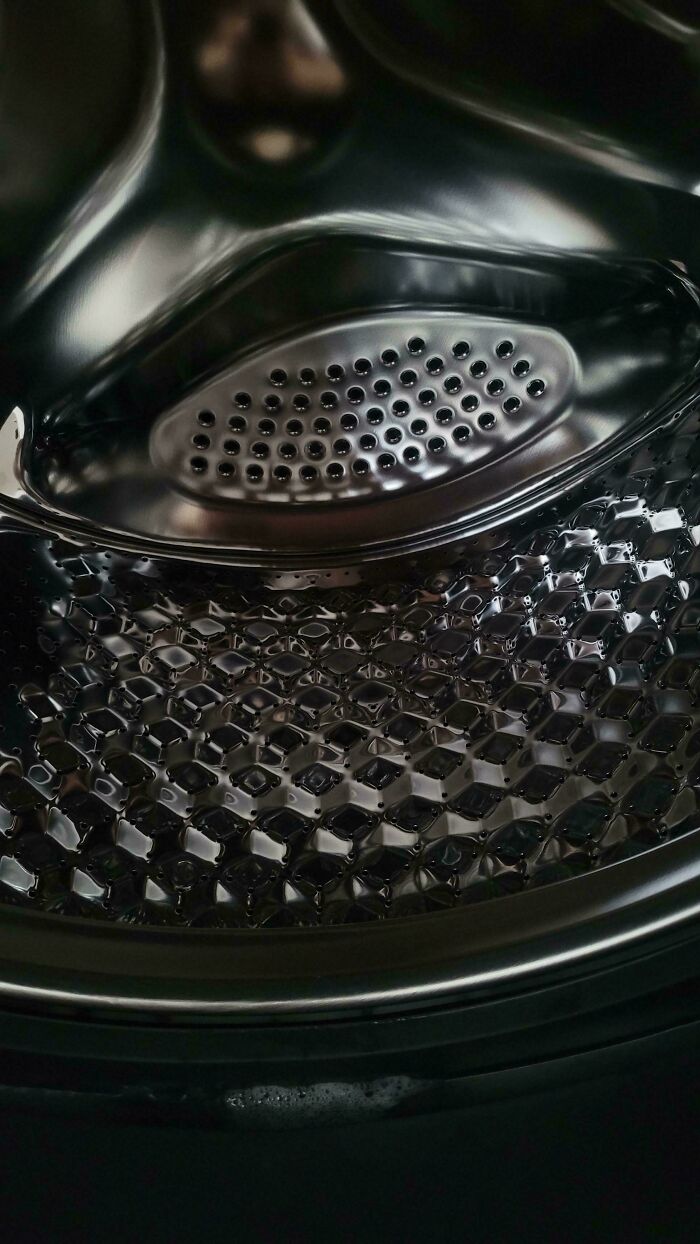
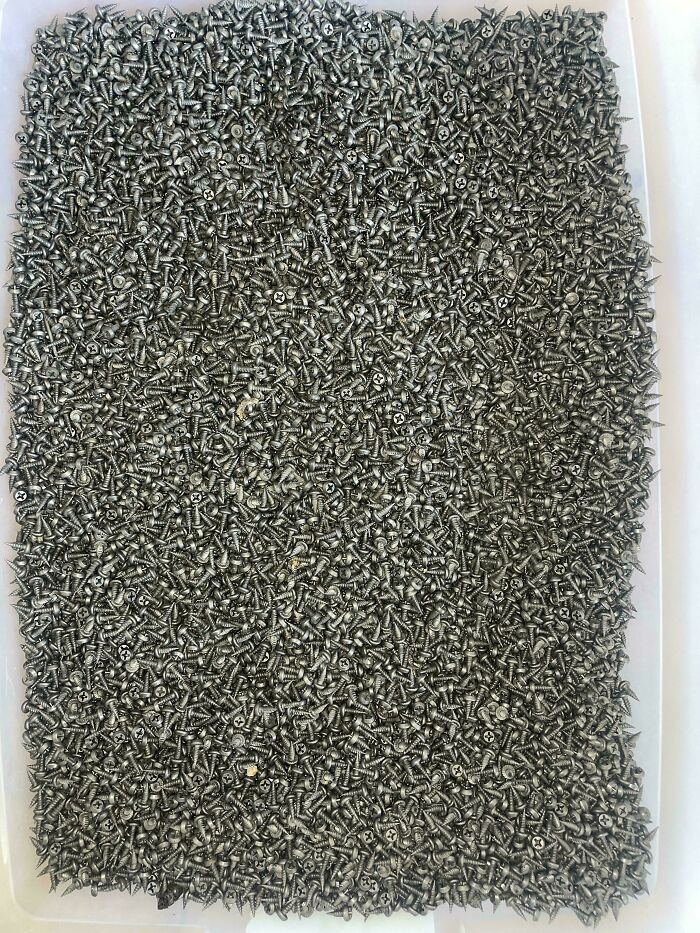
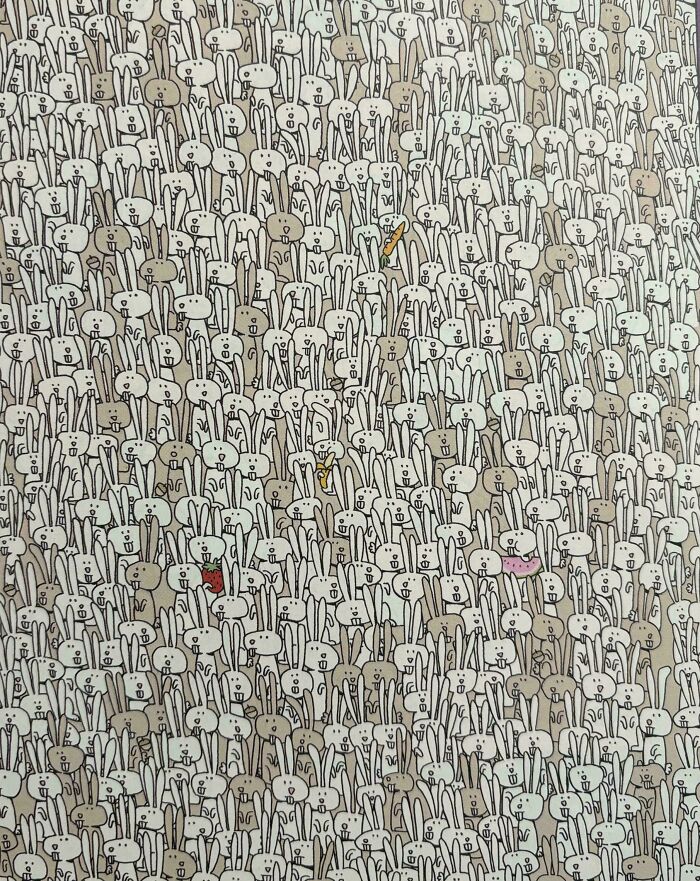
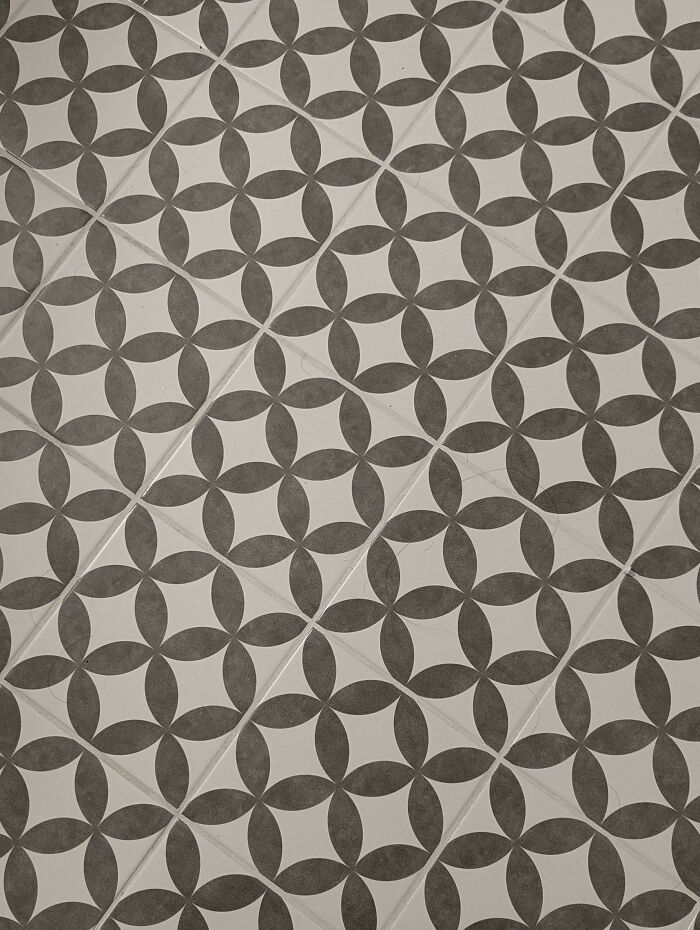
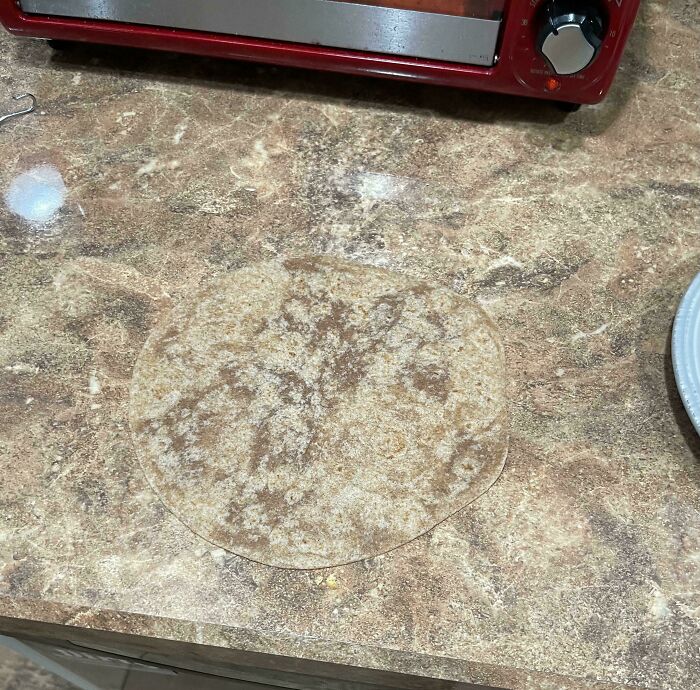
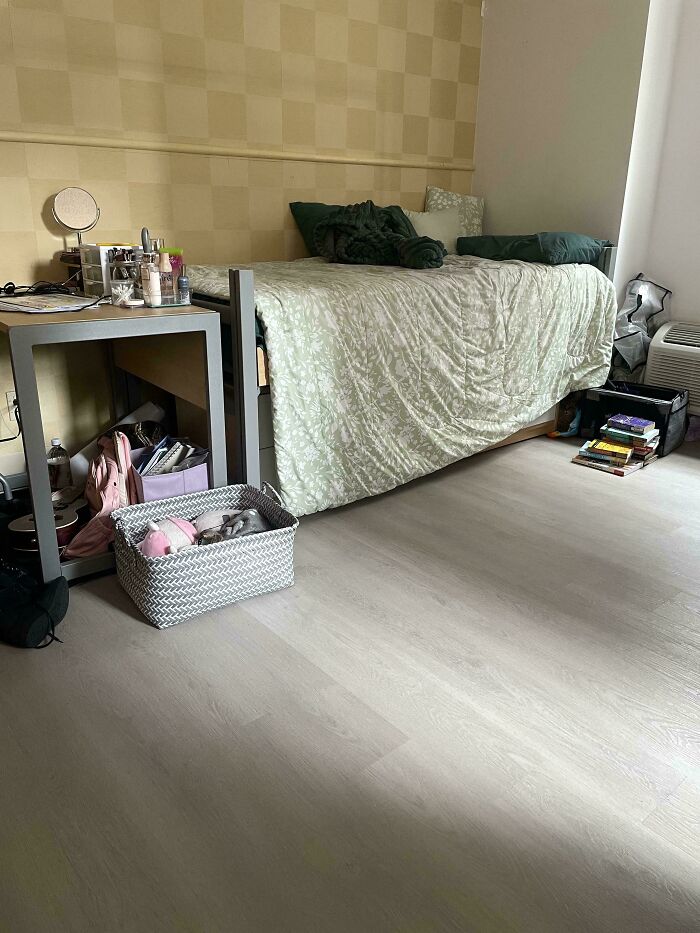
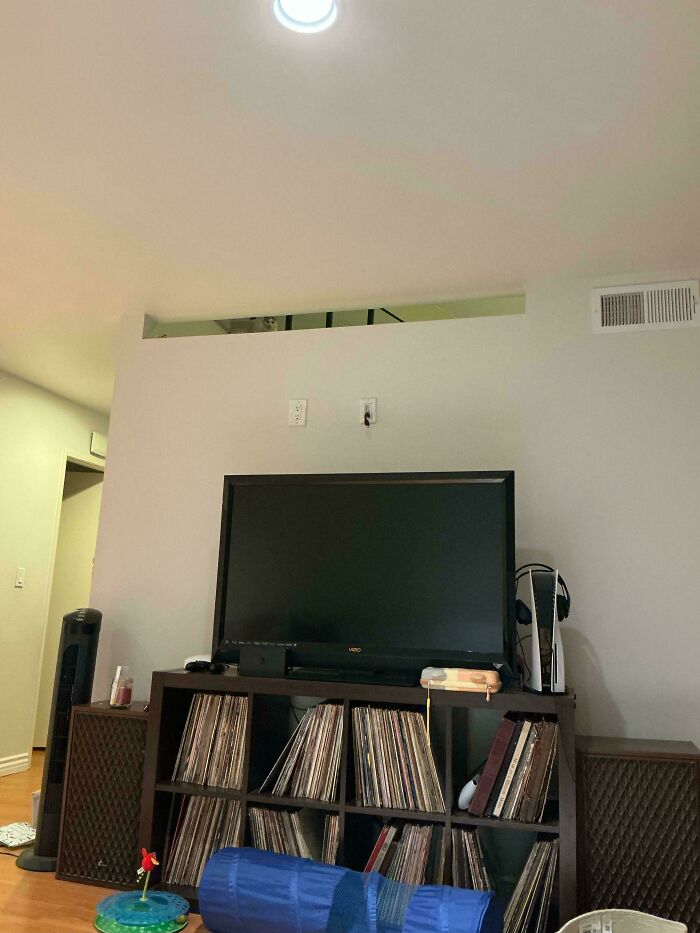
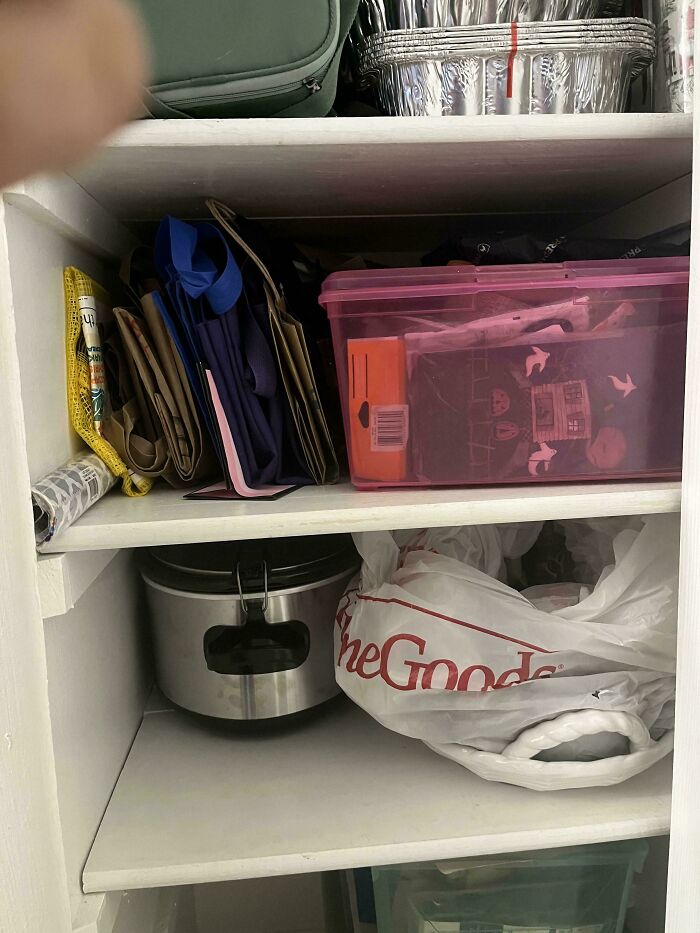
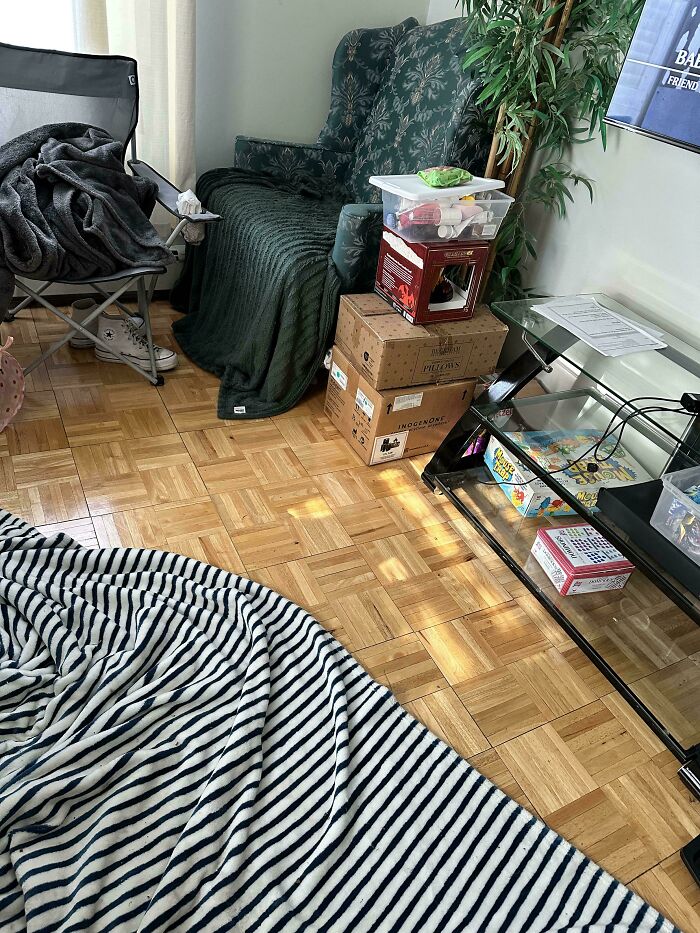
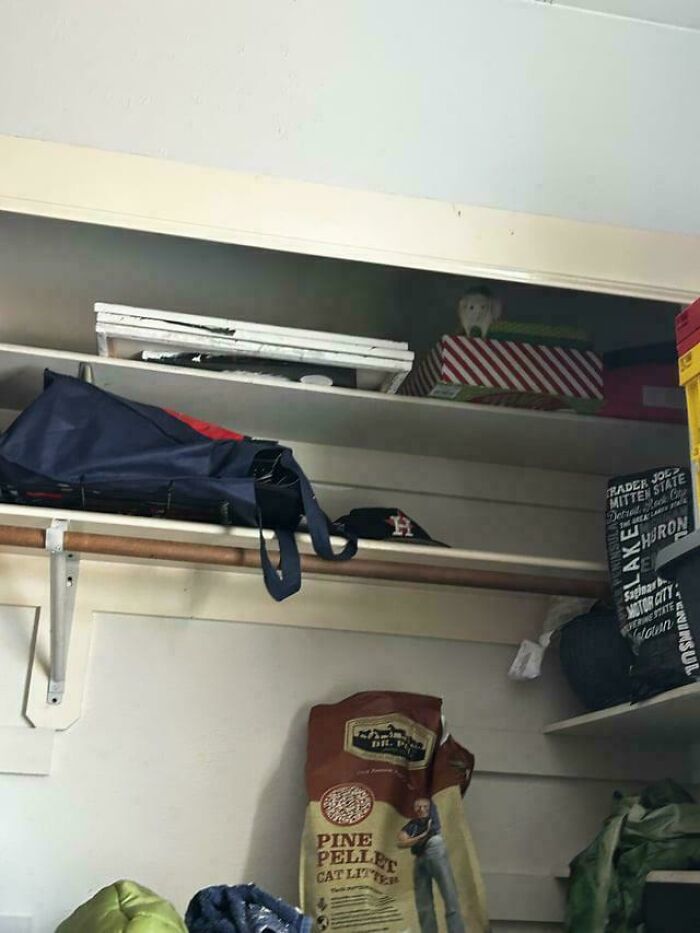
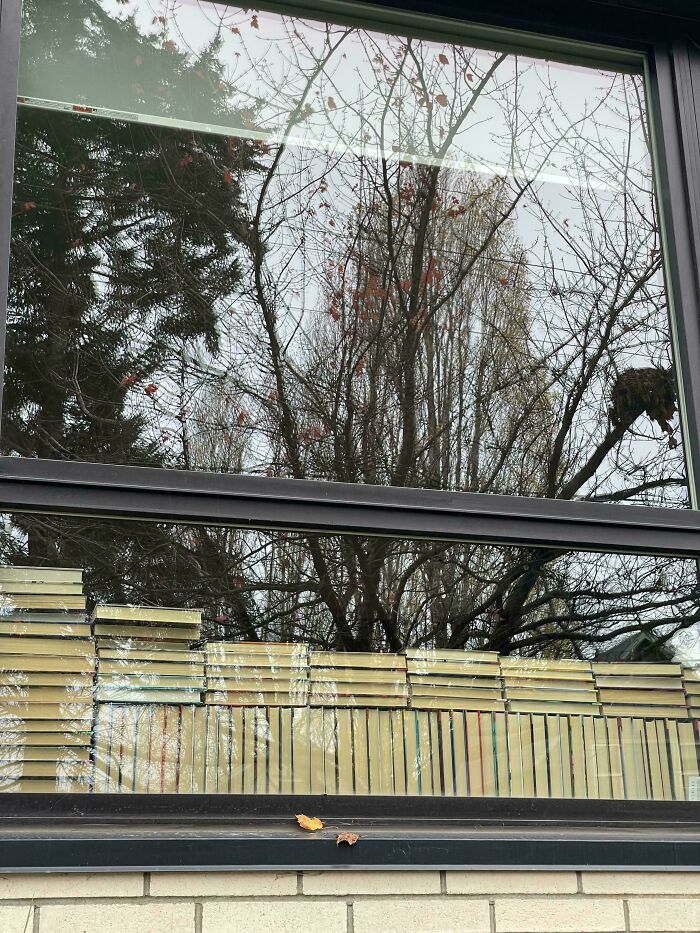
To do that, we’ve compiled a gallery of our favorite pictures from the subreddit r/FindTheSniper. It’s basically an online multiplayer version of Where’s Waldo?, inviting people to share images with things cleverly camouflaged in plain sight.
Don’t worry if you end up squinting for a minute or two before you finally "solve" a particular riddle. The struggle is part of the fun! So grab a cup of coffee, focus, and see if you can manage without anyone’s help.
Click here & follow us for more lists, facts, and stories.
This post may include affiliate links.
Don’t worry if it’s hard to concentrate on these silly little patience games at first. Our brains are having more and more difficulty locking in.
According to Dr. Gloria Mark, a professor of informatics at the University of California, Irvine, and author of the book Attention Span: A Groundbreaking Way to Restore Balance, Happiness and Productivity, there are decades of research on our declining ability to focus.
“In 2004, we measured the average attention on a screen to be 2½ minutes,” Mark said in an interview. “Some years later, we found attention spans to be about 75 seconds. Now we find people can only pay attention to one screen for an average of 47 seconds.”
Not only do people concentrate for less than a minute on any one screen, but Mark also said that when attention is diverted from an active work project, it takes 25 minutes to refocus on that task. Yes, you read that right.
“In fact, our research shows it takes 25 minutes, 26 seconds, before we go back to the original working sphere or project,” Mark explained.
“If we look at work in terms of switching projects, as opposed to the micro view of switching screens, we find people spend about 10½ minutes on any work project before being interrupted — internally or by someone else — and then switch to another work project,” Mark added.
When we are interrupted on project two, we switch yet again to a different task — call it project three. Unbelievably, Mark’s research has shown that we are also interrupted on project three and move on to project four.
“And then you go back and pick up the original interrupted project,” Mark said. “But it’s not like you’re interrupted and you do nothing. For over 25 minutes, you’re actually working on other things.”
According to Mark, the “switch cost” — the time it takes you to reorient back to your work: ‘Where was I? What was I doing?’ — can lead to mistakes and stress.
“With the exception of a few rare individuals, there is no such thing as multitasking,” Mark explained. “Unless one of the tasks is automatic, like chewing gum or walking, you cannot do two effortful things at the same time.”
That means you can’t read email while you’re in a video meeting. When you focus on one thing, you lose the other. “You’re actually switching your attention very quickly between the two,” Mark said. “And when you switch your attention fast, it’s correlated with stress.”
Then blood pressure rises and heart rate speeds up. You feel more fatigued, make more mistakes, and are less productive. “The more people multitask, the more errors they make,” Mark reiterated.
Regaining your focus requires you to stay mindful of how you are using technology. Of course, it’s a daunting task if you consider that the average American spends at least 10 hours a day in front of screens.
But paradoxically, you can use technology to help. Mark recommends scheduling rote work for the first part of the day when you’re not fully alert, then using technology to block distractions when you’re at your mental best. At night, offload tasks from your brain by writing them down and then putting the list away.
Distracted by social media sites? Hide them. “Take the icons off your desktop and bury the apps on your phone inside folders, where it takes an extra effort to find them. Leave your phone in another room or put it in a drawer and lock it,” Mark said.
And when you’re fresh again, fire up our earlier publication on r/FindTheSniper for more brain‑teasing challenges.






























 No fees, cancel anytime






































































![[oc] Find The Regular Square (Not Connected To Anything, Right Proportions). Good Luck](https://static.boredpanda.com/blog/wp-content/uploads/2026/02/699251daeb1a1_ee799itb6i2e1-jpeg__700.jpg "[oc] Find The Regular Square (Not Connected To Anything, Right Proportions). Good Luck")