Get Premium
Dark mode theme is available exclusively for premium users. Learn more about the benefits of subscribing.
No fees, cancel anytime.

 Dark Mode Ad-Free Browsing Unlimited Content
 Ad-Free Browsing Unlimited Content Dark Mode
Join 1.2 million Panda readers who get the best art, memes, and fun stories every week!
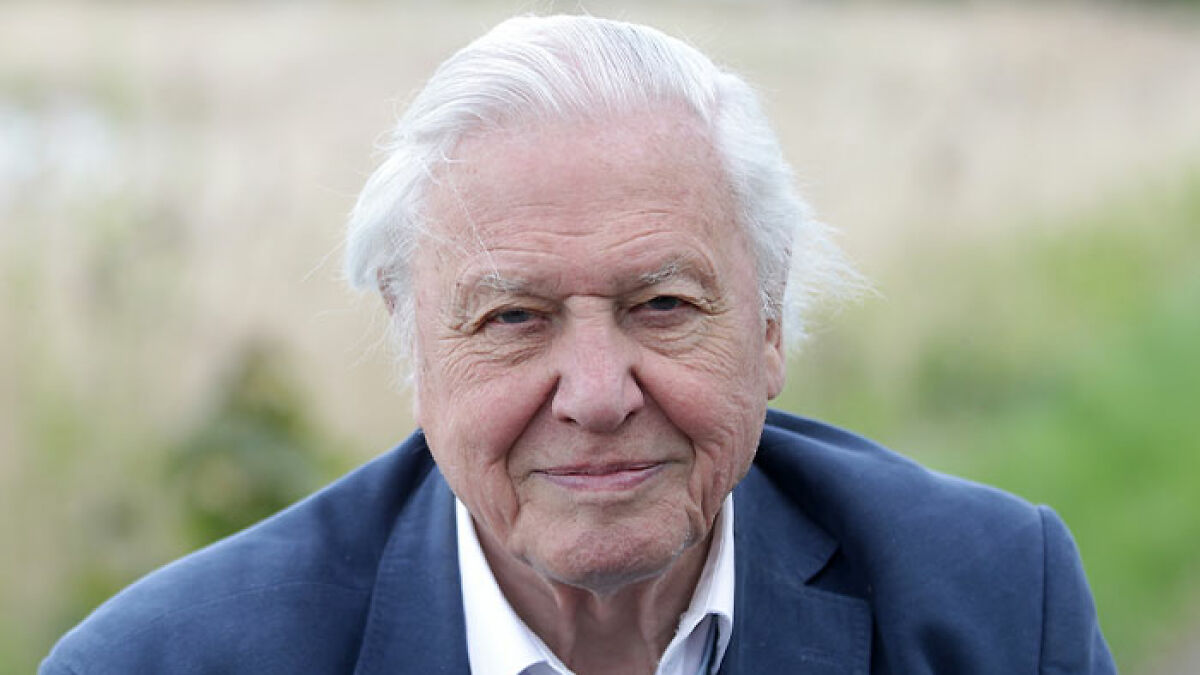
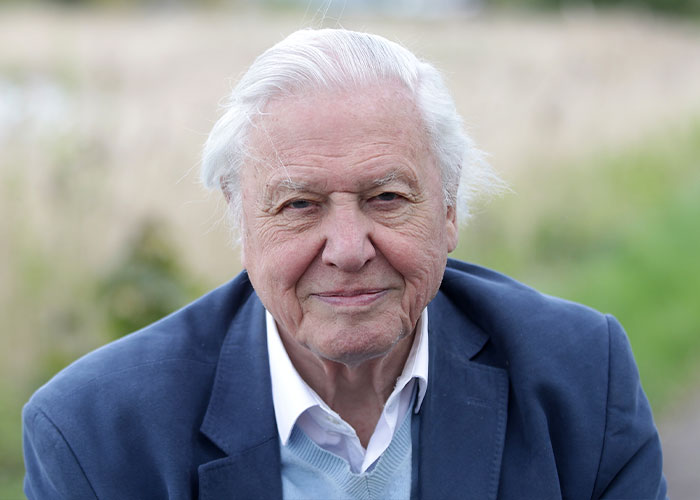
Sir David Attenborough, the legendary natural historian and narrator who has lent his voice to several award-winning wildlife documentaries, turned 100 on May 8, 2026.
The broadcasting icon previously opened up about the simple lifestyle and dietary choices he follows that contribute to his good health and allow him to continue working even at this age.
With Attenborough turning a centenarian, his eating habits — which align with what experts and medical studies suggest for longevity — went viral again.
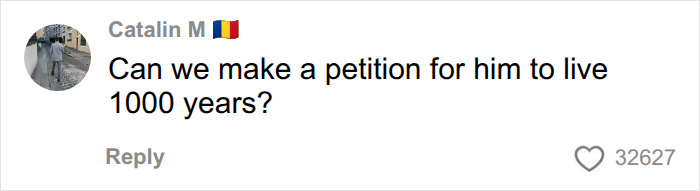
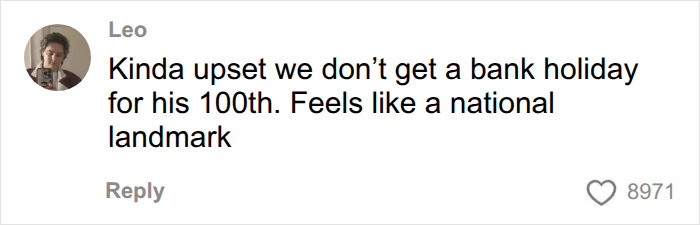
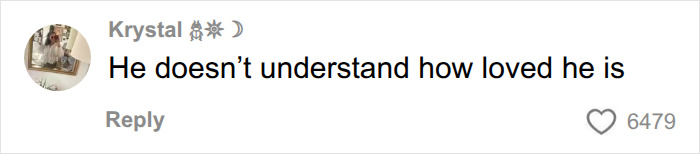
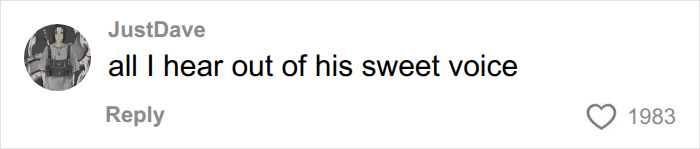
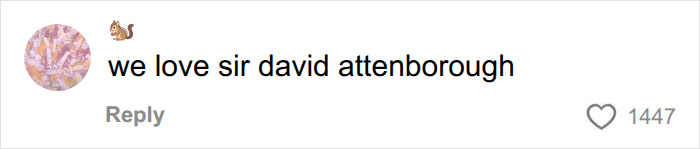
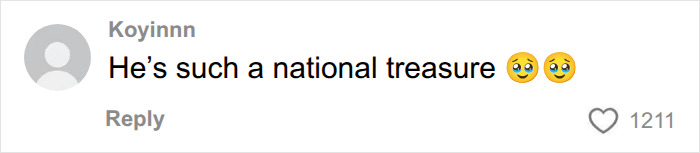
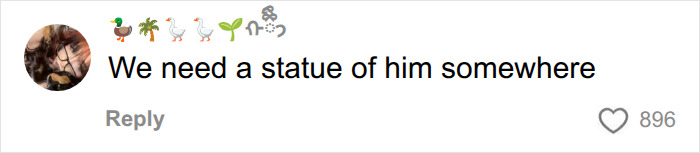
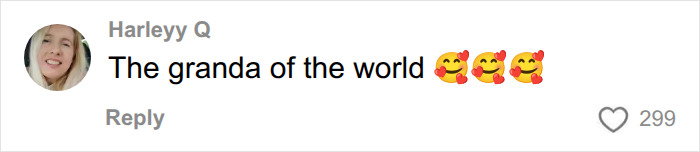
“I’m so happy he has lived to such a ripe age,” one user said on Attenborough’s 100th birthday. “He is a treasure.”
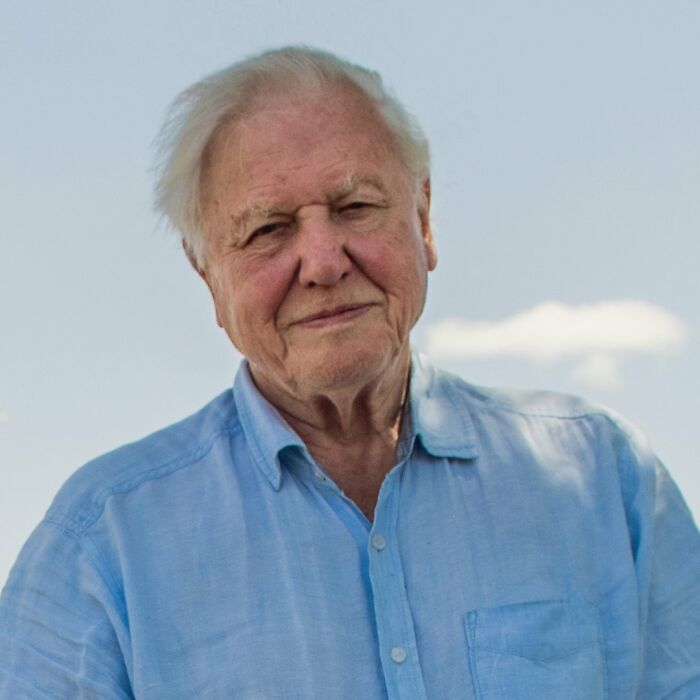
Image credits: Getty/Danny Martindale
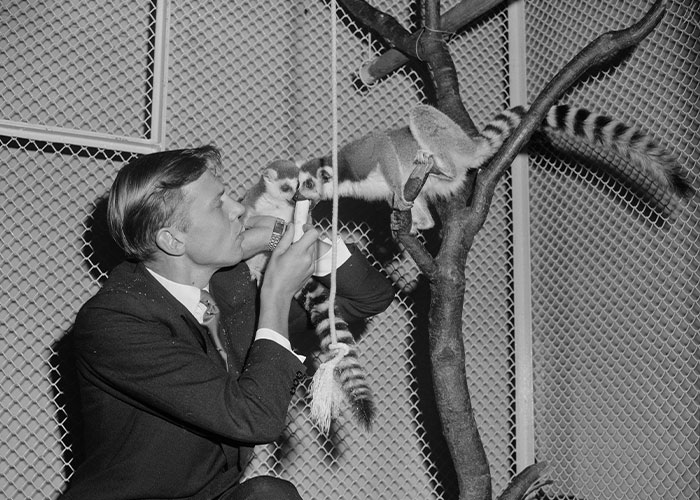
Throughout his eight-decade career, which began in 1954 with ZooQuest and earned him four Emmy Awards, Attenborough has often championed planet-focused principles.
In an October 2020 interview with Good Housekeeping, David Attenborough said that his diet at the time was much more plant-based than it had been previously, and that he preferred to avoid red meat.
“I have certainly changed my diet,” he told the magazine. “Not in a great sort of dramatic way. But I don’t think I’ve eaten red meat for months.”
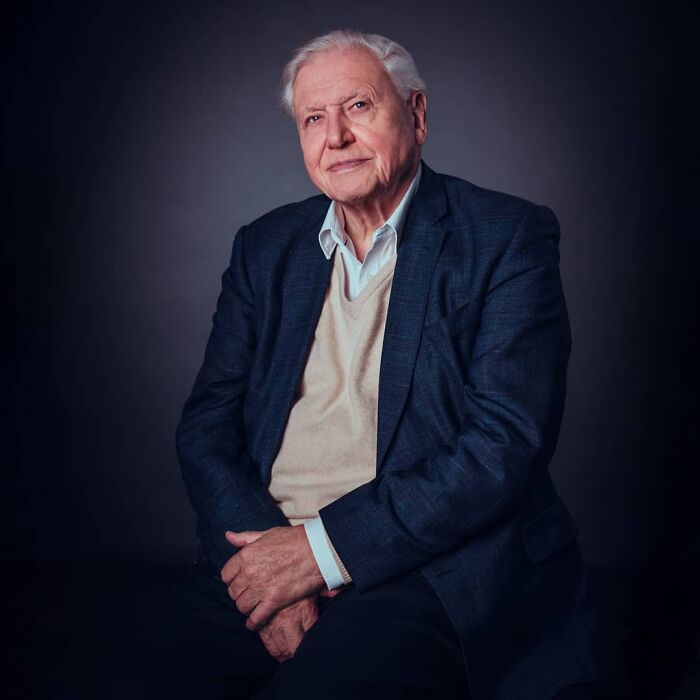
Image credits: Getty/Edward Miller
“I do eat cheese, I have to say, and I eat fish. But by and large, I’ve become much more vegetarian over the past few years than I thought I would ever be.”
In December 2023, Attenborough used his BBC One show Planet Earth III to criticize the animal agriculture industry, highlighting its pitfalls in the episode titled Human, and advocating for a vegetarian or vegan diet.
“If we shift away from eating meat and dairy and move towards a plant-based diet, then the sun’s energy goes directly into growing our food,” he narrated. “And because that’s so much more efficient, we could still produce enough to feed us, but do so using a quarter of the land.”
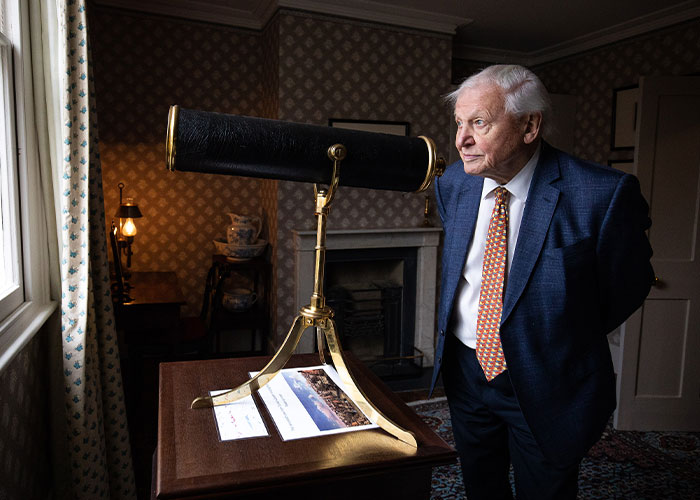
Image credits: Getty/Tim P. Whitby
Attenborough mirrored the sentiment in his 2020 book, A Life On Our Planet: My Witness Statement and a Vision for the Future.
He acknowledged the impact human civilization often has on the natural world and said that while a transition to a vegan culture would be difficult, it should be encouraged for the sake of a positive impact on the Earth.
Image credits: davidattenborough
Avoiding red meat, as David Attenborough does, is increasingly being supported by medical experts, many of whom warn that consuming large amounts of it may raise the risk of bowel and colorectal cancer.
According to Cancer Research UK, certain chemicals found in red meat when cooked at high temperatures can damage cells in the large intestine: haem, a red pigment; heterocyclic amines (HCAs); and polycyclic amines (PCAs).
A 2020 study published in the International Journal of Epidemiology found that people who ate more than 79 grams of red or processed meat a day, which is less than half of a grilled 8-ounce rump steak, were 32% more likely to develop bowel cancer than people who ate 11 grams daily.
View this post on Instagram
Red meat also contains high levels of saturated fat, which, when consumed frequently, can raise blood cholesterol and increase the risk of coronary heart disease.
“Eating more than 18 oz of red meat weekly can increase your cancer risk,” the American Institute of Cancer Research said. “If you eat red meat, limit the consumption to no more than 3 portions a week or about 12-18 ounces (cooked). Eat little, if any, processed meat.”
Harvard Health Publishing suggested fish, chicken, nuts, beans, whole grains, and low-fat dairy products as possible substitutes for red meat in a 2012 article. It said that replacing one serving of red meat a day with any of these alternatives could reduce mortality by 7% to 19%.
A recent study published in BMJ Medicine, which tracked more than 111,000 people for over 30 years, found that when it comes to physical activity, walking was the biggest contributor to a lower fatality risk.
Those who walked the most showed a 17% lesser chance of premature demise than those who did the least.
Image credits: davidattenborough
TV producer Alastair Fothergill, who worked with David Attenborough on the BBC’s The Blue Planet and Planet Earthdocumentaries, recently wrote a column in The Sunday Telegraph about their collaborations.
Fothergill, who first met Attenborough in 1988, said that “there’s a whole side of David that people don’t know,” which makes him great company and an even better storyteller.
“That was the thing that was special about being on location with David: his stories,” Fothergill said. “He always used to say: ‘Have you heard this one before?’ And sometimes some of us had because we’d worked with him a lot, but often people we were filming with never had, and we’d let him tell us again anyway, because he’s so good at it.”
@bbcnews Sir David Attenborough has said he is “completely overwhelmed” by the number of messages he has received ahead of his 100th birthday. #DavidAttenborough#HappyBirthday#TV#BBCNews♬ original sound – BBC News
“David doesn’t wear his emotions on his sleeve — in the tradition of most males of his generation — but we’ve had so many special nights around the campfire, just chatting.”
“We would play a bit of chess, and David has an amazing knowledge of music,” Fothergill continued. “In the old days, he used to bring Tupperware boxes full of CDs. He is a real Renaissance man.”
Fothergill, who is also the executive director of Netflix’s Silverback Films: A Gorilla Story, voiced by Attenborough, defended the broadcaster against criticisms of not being vocal enough about climate change.
View this post on Instagram
“When I first started working with David, he was criticized by some people for not speaking out overtly about the climate crisis,” Fothergill wrote.
“I remember asking him about that, and he said: ‘Well, first of all, there are better people with far greater expertise on this area than I, and also I still fundamentally believe that there is a new generation that doesn’t know about all these animals and plants, and if they don’t know about them, how can they possibly care?’”

By entering your email and clicking Subscribe, you're agreeing to let us send you customized marketing messages about us and our advertising partners. You are also agreeing to our Privacy Policy.
Thank you! You've successfully subscribed to newsletters!




Oh, come on, Anwesha. The centennial birthday of such a great figure; a man who has possibly had the most interesting life, travelled to more places, seen more of our natural world and its inhabitants, and educated more people on the beauty, wonders and fragility of our planet than anybody who ever lived, and you devote most of the article - including the poll - to a sodding lecture on vegetarianism? Anyway, a happy 100th. birthday to a genuinely decent human.
Oh, come on, Anwesha. The centennial birthday of such a great figure; a man who has possibly had the most interesting life, travelled to more places, seen more of our natural world and its inhabitants, and educated more people on the beauty, wonders and fragility of our planet than anybody who ever lived, and you devote most of the article - including the poll - to a sodding lecture on vegetarianism? Anyway, a happy 100th. birthday to a genuinely decent human.
























 No fees, cancel anytime







59
31