Get Premium
Dark mode theme is available exclusively for premium users. Learn more about the benefits of subscribing.
No fees, cancel anytime.

 Dark Mode Ad-Free Browsing Unlimited Content
 Ad-Free Browsing Unlimited Content Dark Mode
Join 1.2 million Panda readers who get the best art, memes, and fun stories every week!
Alpha Structural Inc. has been one of Southern California’s go-to companies for hillside and foundation repairs for the last three decades. They’ve also been a resource for funny yet unsettling images of physical deterioration in homes and buildings.
The Alpha Structural Imgur page is a gift that keeps on giving. So, we’ve compiled a new collection featuring cracked walls, foundation issues, and entire houses on the brink of toppling.
Scroll through this list and see how these photos compare to the previous ones we’ve published.
This post may include affiliate links.
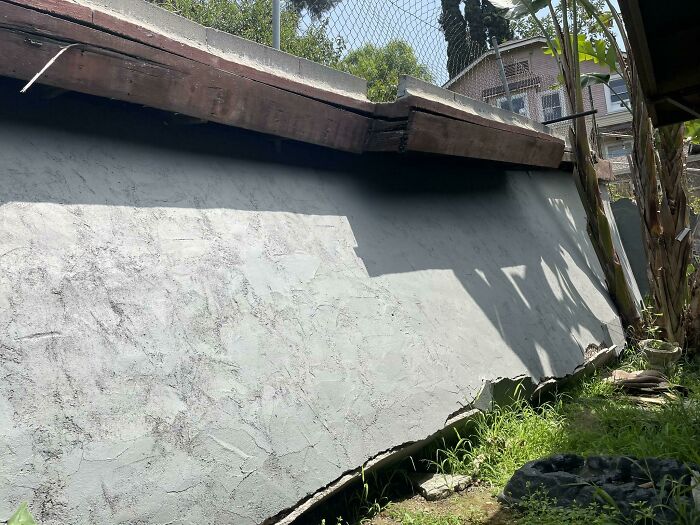
This wall, intended to retain the hillside, consists only of framing and stucco, lacking the necessary elements for a retaining wall such as rebar, a proper footing, and concrete to provide adequate support for retaining soil.
As a result, the wall is now failing.

How TF could anyone be this dumb? Someone take their Home Depot credit card away, QUICK!!!
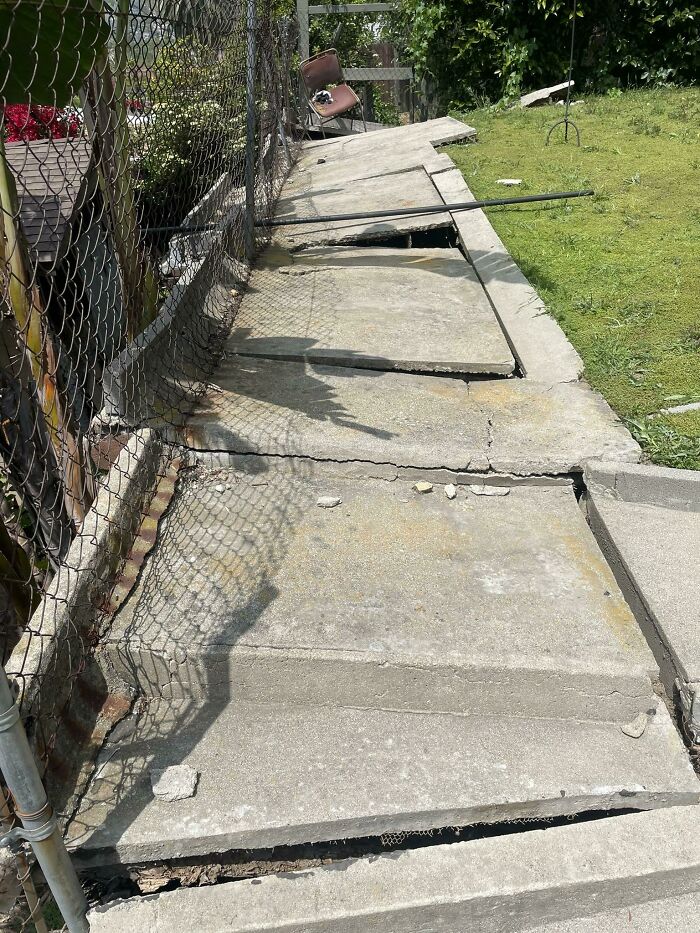
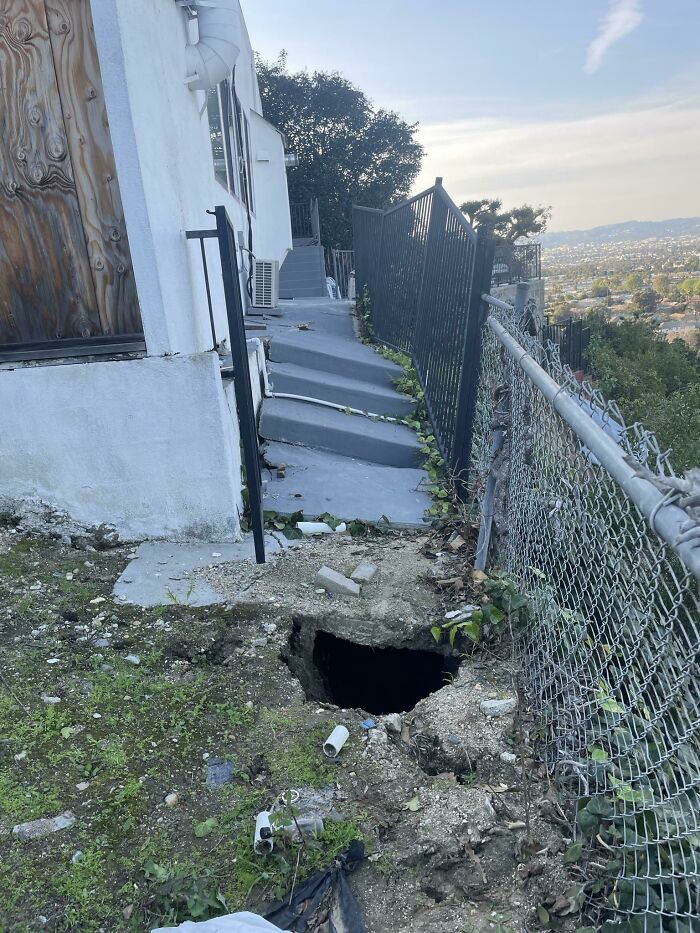
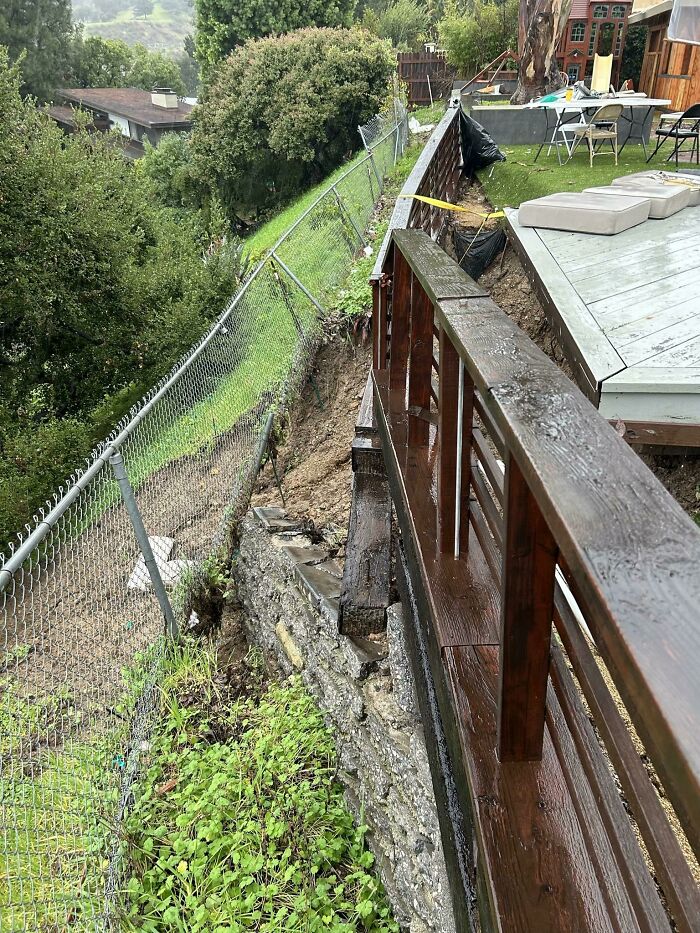
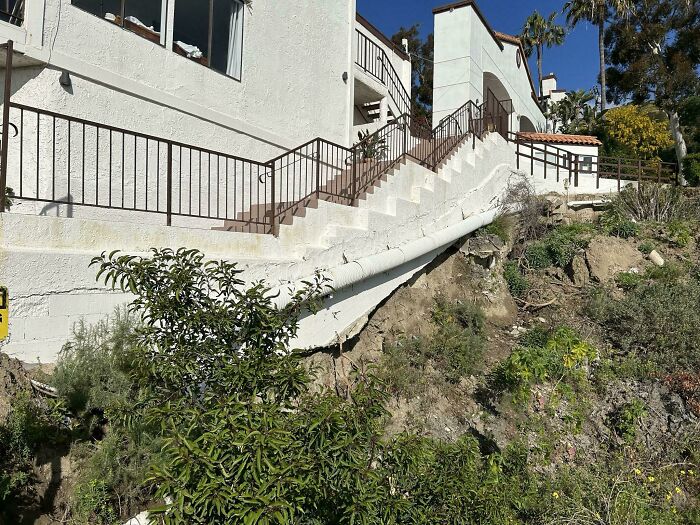
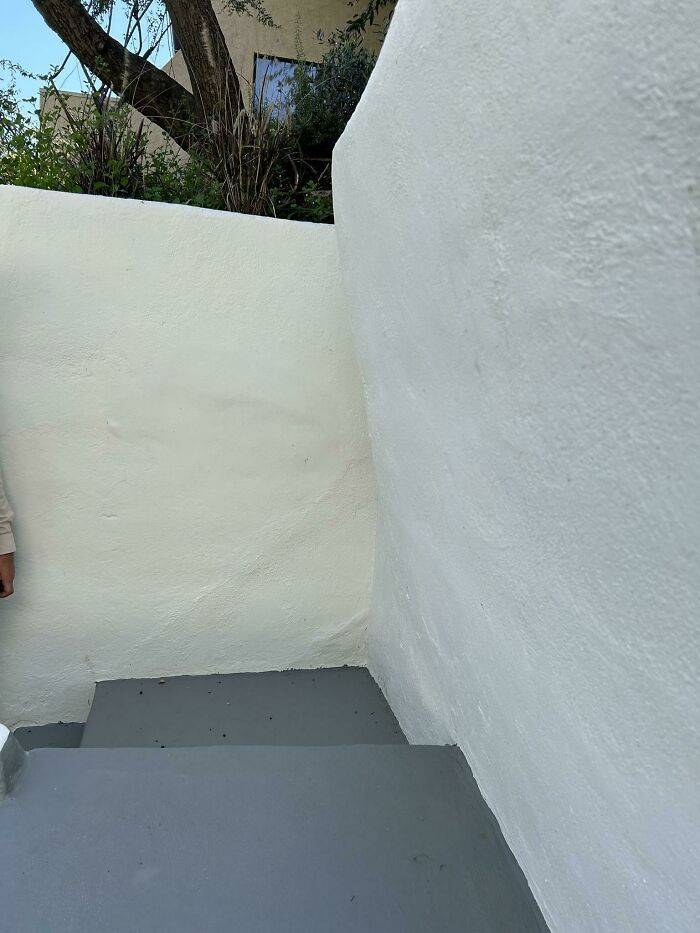
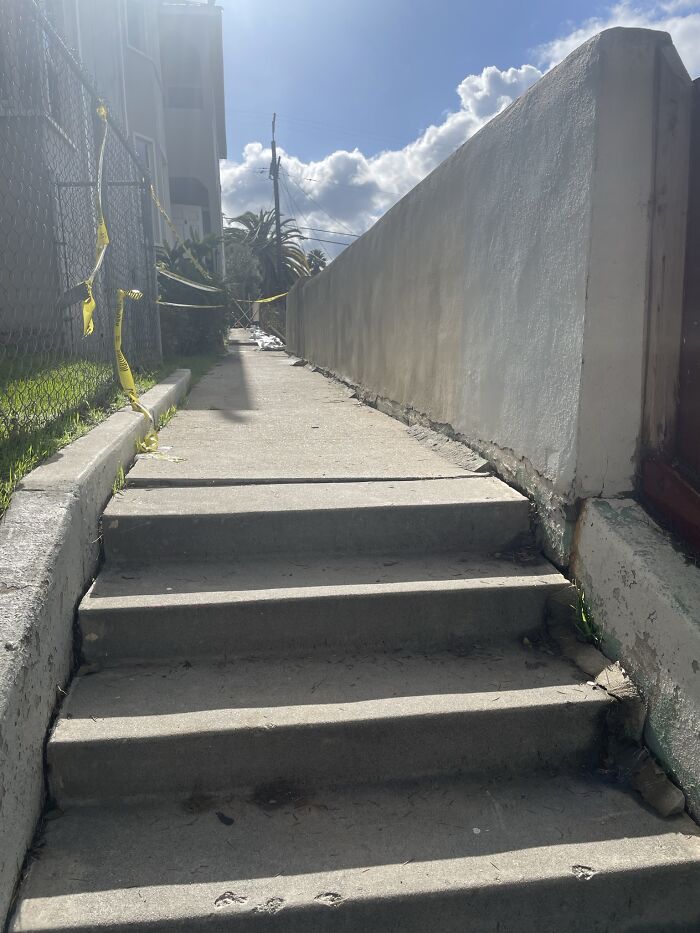
This photo from above the wall reveals the steps, which have also started to fail as they have lost the support they were resting on.
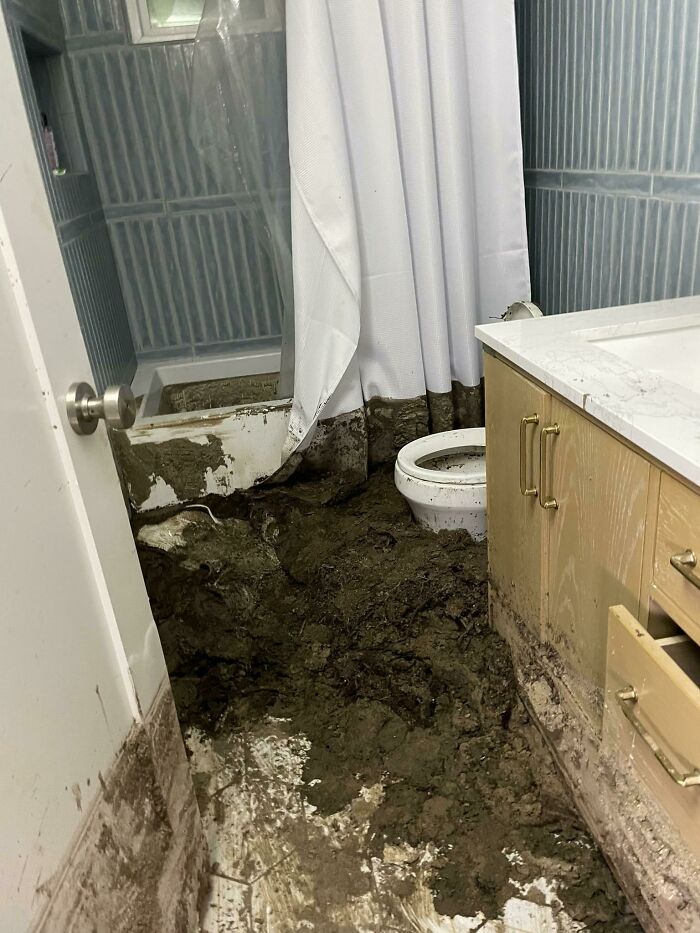
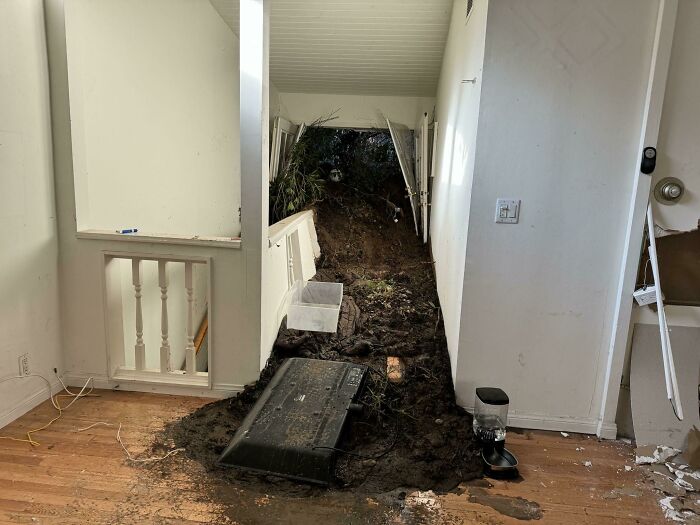
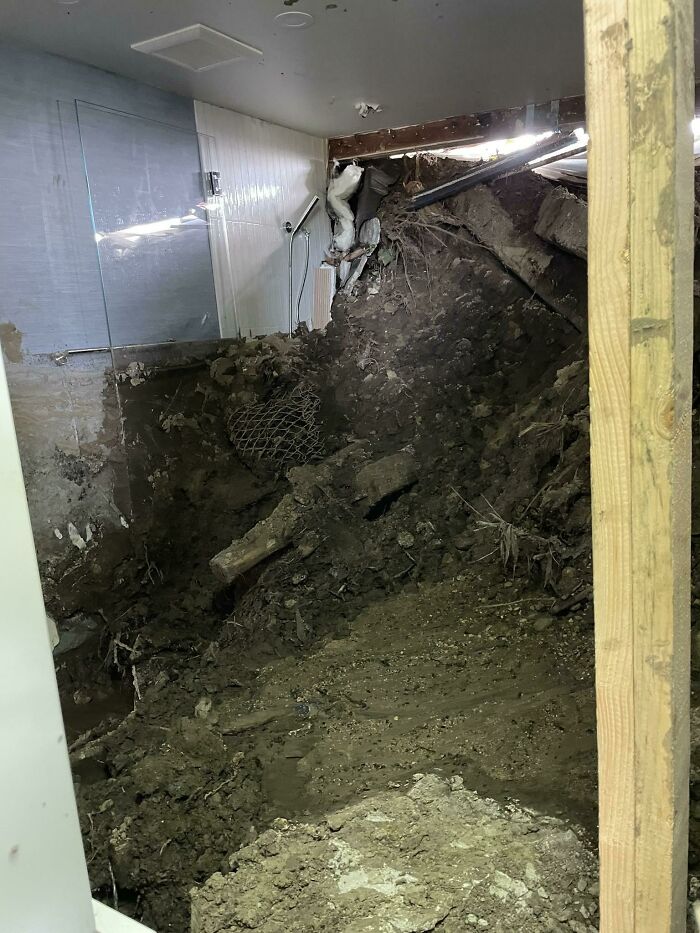
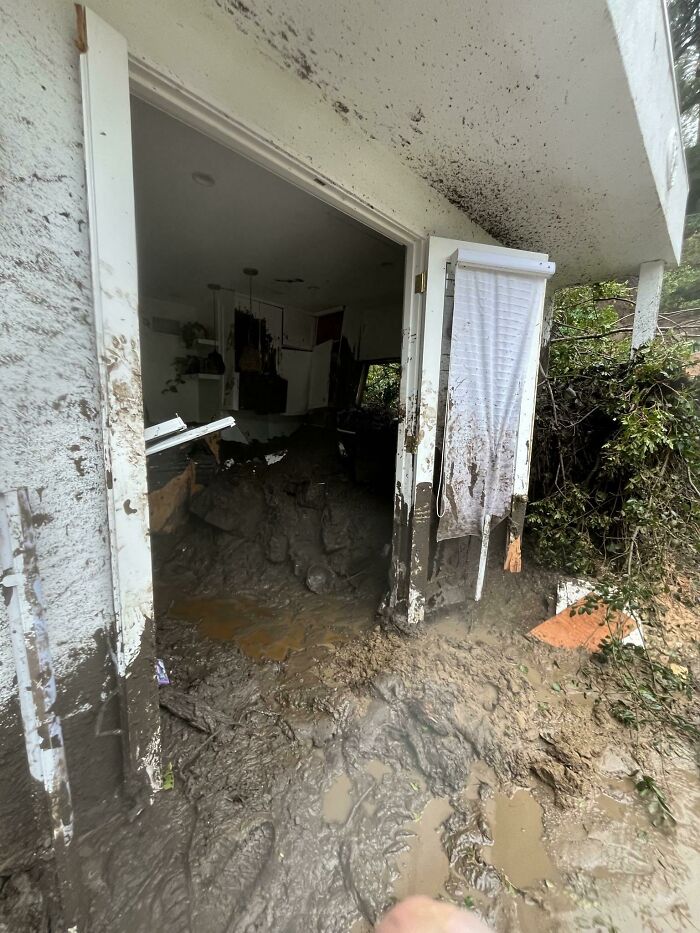
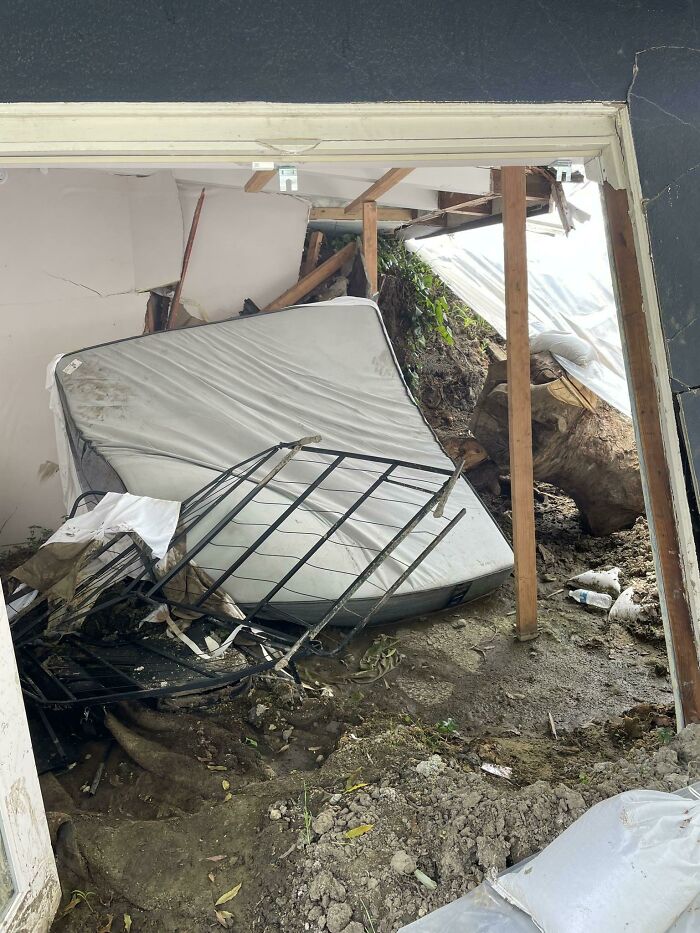
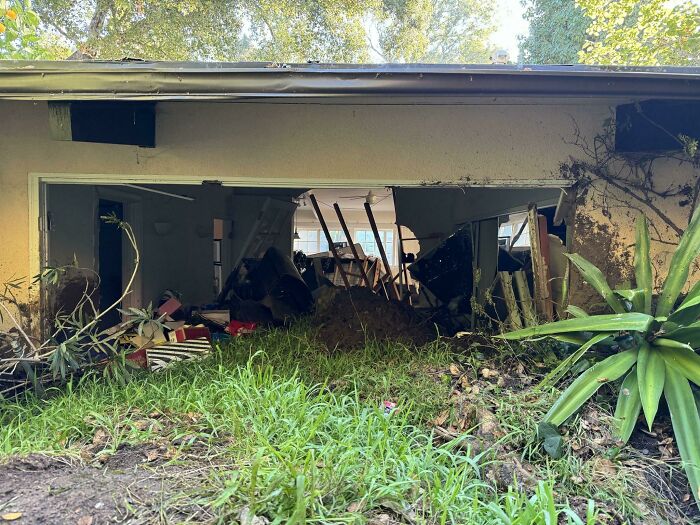
The force of the landslide destroyed a back wall, allowing mud to find its way into almost every room. Including the bathroom… yikes.
In our previous interview with the company, they explained the likely reason behind the crumbling houses. Apart from poor decisions during the building process, they also pinned some blame on the city’s land quality.
“They were often built with shallow footings that are prone to sink over time. Additionally, there is a lot of expansive soil in Los Angeles, which, due to its high clay content, expands and contracts. This leads to corners or sides of a home that sink."
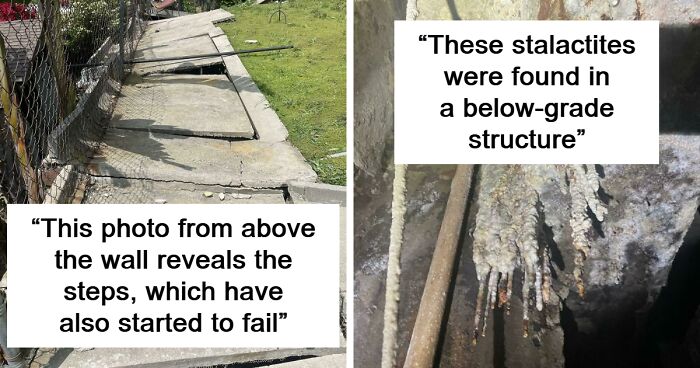
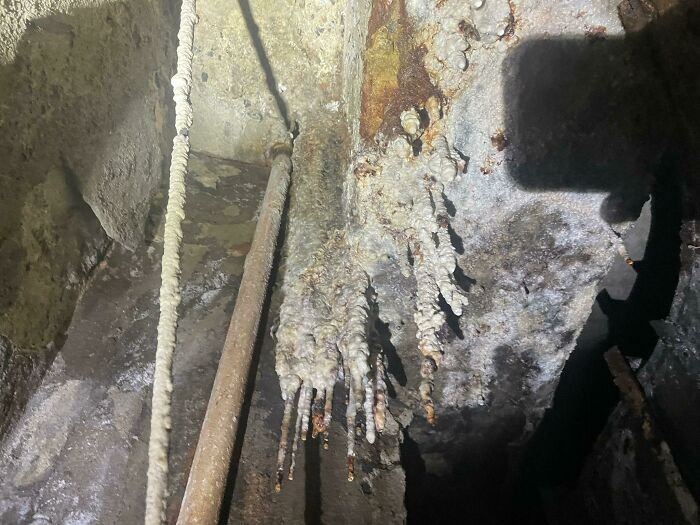
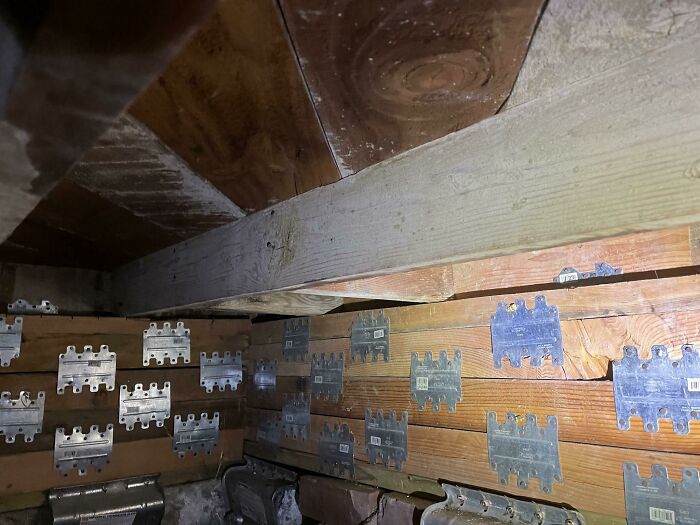
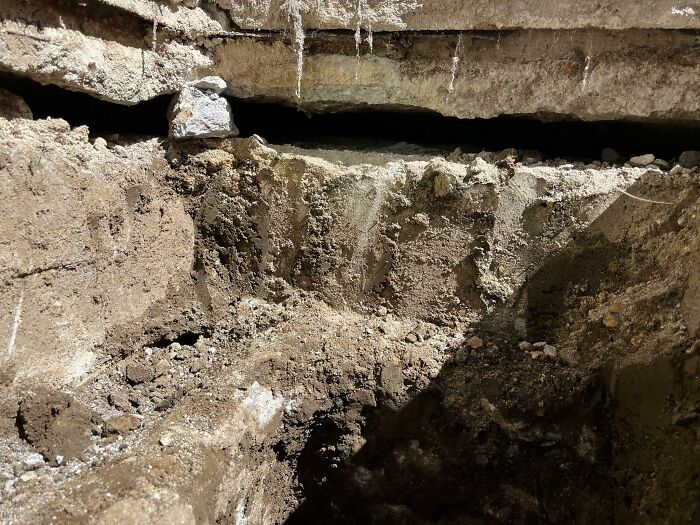
These stalactites were found in a below-grade structure. Stalactites form gradually over time as water seeps through cracks in the ceiling, carrying dissolved minerals that accumulate and create these formations.

Was taught that stalactites hsng on tightly to the ceiling and stalagmites might reach the ceiling
We also spoke with Alpha Structural representative Ben Reinhart, who detailed one of the worst homes they inspected in 1992. It was a three-story hillside home in the Playa del Rey neighborhood.
“The condition of the soil supporting the home was so bad that during our assessment, we found that the home was cracking and actually moving,” he revealed.
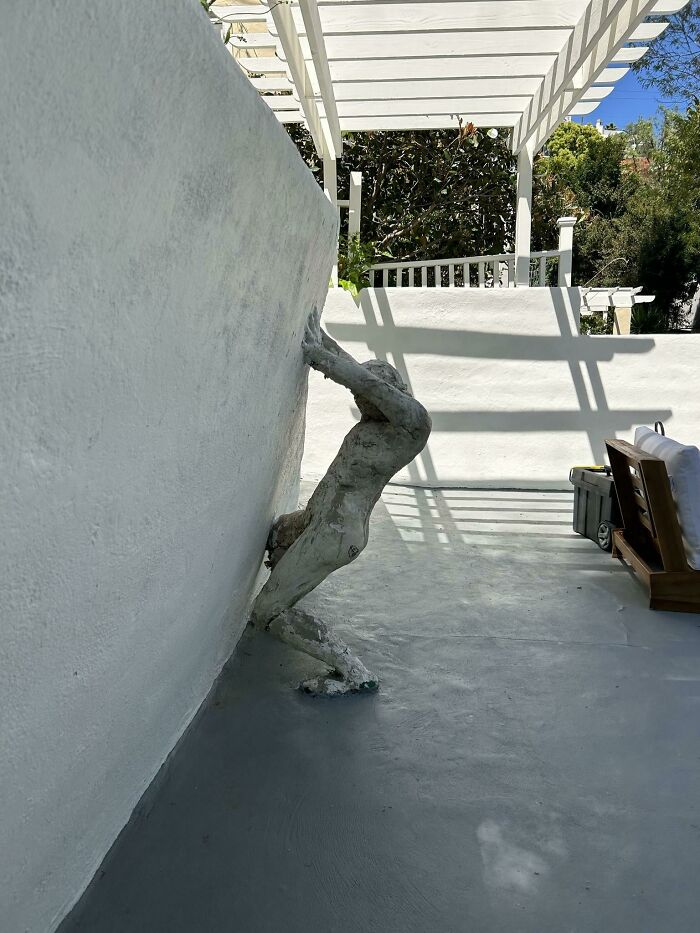
Well, at least that statue is there to save the day. All we can say is that’s definitely something you don’t see every day.
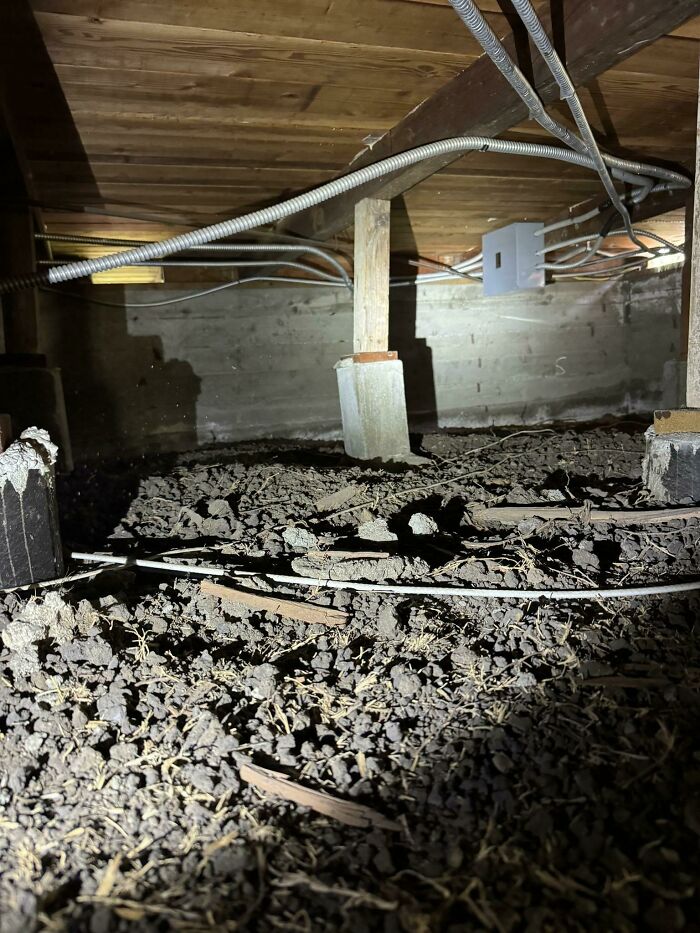
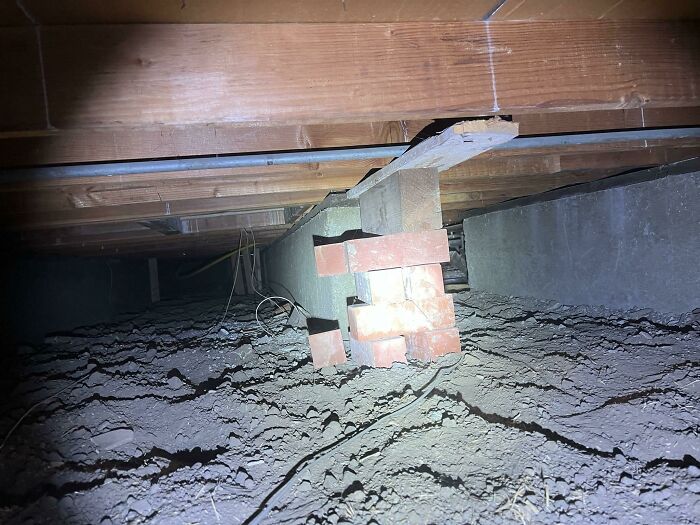
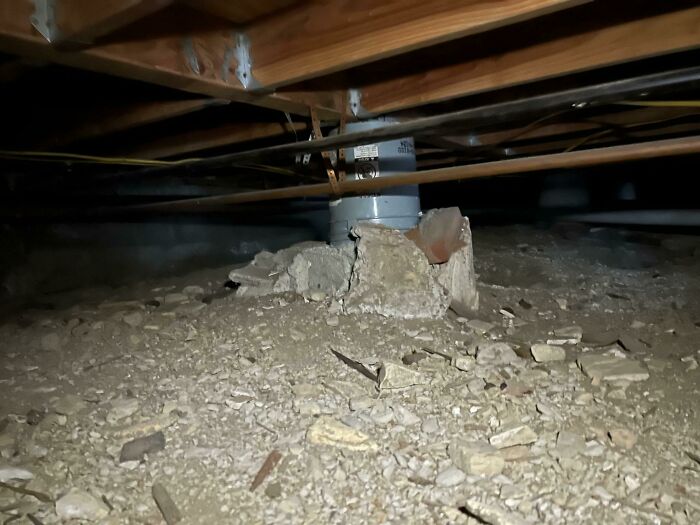
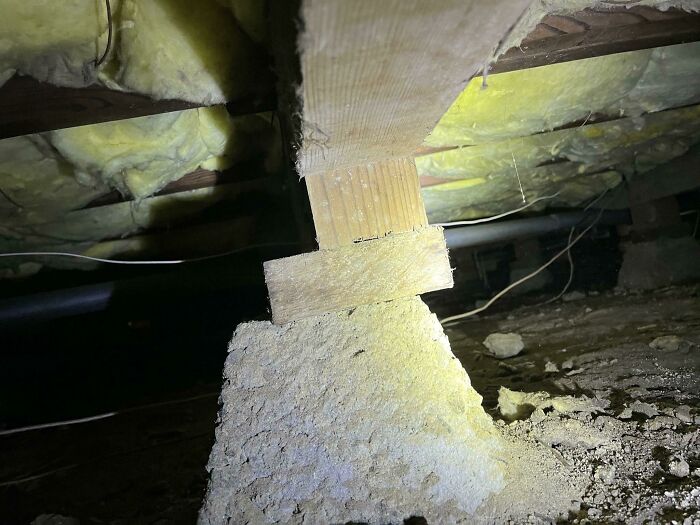
This is an unconventional approach to a post and pier. Using bricks in replacement of a post and pier is merely a remedial repair to fill the gap. It can temporarily hold things together, but it doesn’t address the core issue as it lacks the proper support for the home.
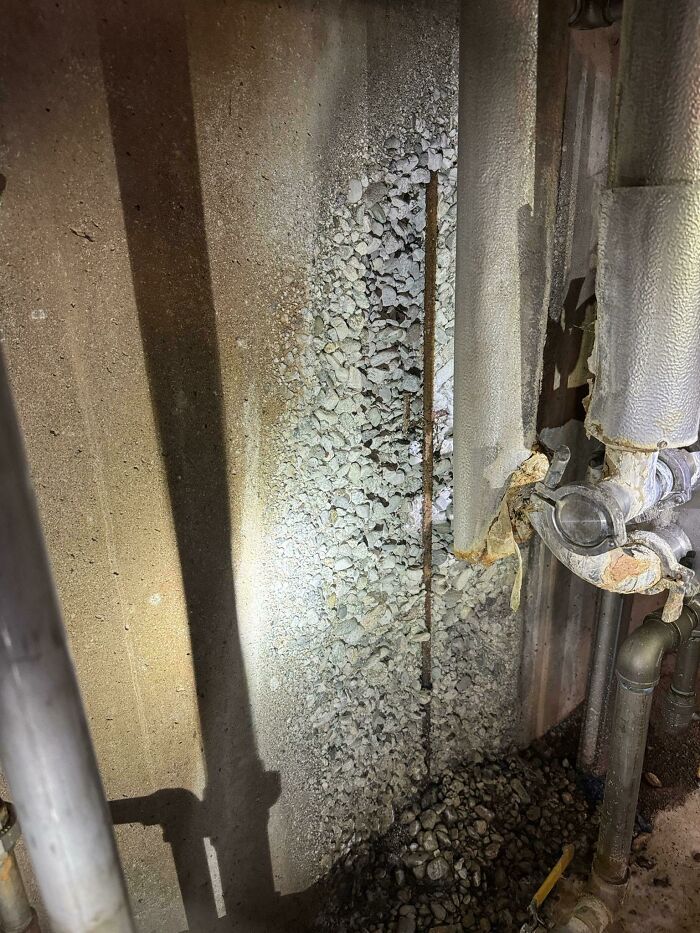
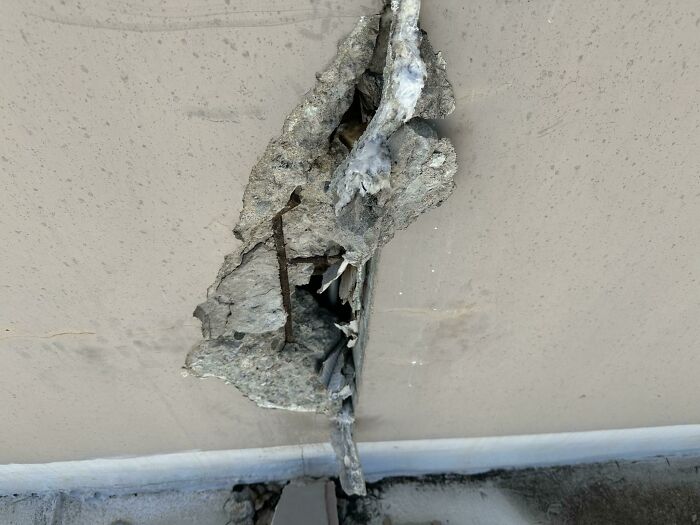
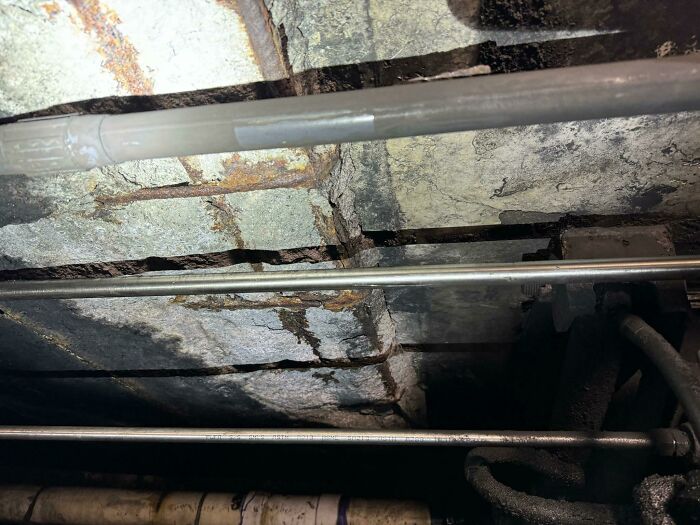
You can see this wall is suffering from spall damage and the rebar has been exposed.
Spalling refers to areas of concrete that have cracked and delaminated from the underlying layer.
Reinhart says it was the first time they had evacuated a home’s inhabitants due to the extent of structural damage. The following day, they immediately put temporary shoring in place to prevent a total collapse.
“The complexity of the repair required, getting a large rig on a steep hillside to excavate a 55’ deepened foundation, made this one of the worst and most challenging in our long history. Let’s just say if we were on a reality TV show, this episode would’ve been a season finale,” he explained.
The landslides in Portuguese Bend—an area in Rancho Palos Verdes—have been occurring for over 30 years now. The area is notorious for its significant land movement issues.

This is not a structural failure. This is a pathway or driveway that literally is being torn apart by land movement. This area is known for it and the rains of last winter have created a lot of damage, hillsides are coming down. Structures and roads have been destroyed, the most notable one Wayfarer's Chapel. Yes, I live in this general area.
Another day, another landslide.
The heavy rains triggered a series of landslides in our area, prompting numerous calls for assistance.
That TV…

Was there a TV randomly next to their front door or did they toss their TV on top of the mud after it settled so they could get a new one from the insurance company?
According to Sydney-based property inspector Fadi Keyrouz, not all cracks on a house’s walls are cause for concern. In an article published on LinkedIn, he identified three types of ruptures that could indicate structural failure.
“Interior wall cracks which occur in plasterboard or gyprock, exterior wall cracks such as cracks in the surface, brickwork, or in the rendering of external walls, and cracks in foundation walls.”
This retaining wall is suffering from significant hydrostatic pressure from the groundwater in the hillside that it's supporting.
This is going to be a massive cleanup effort.
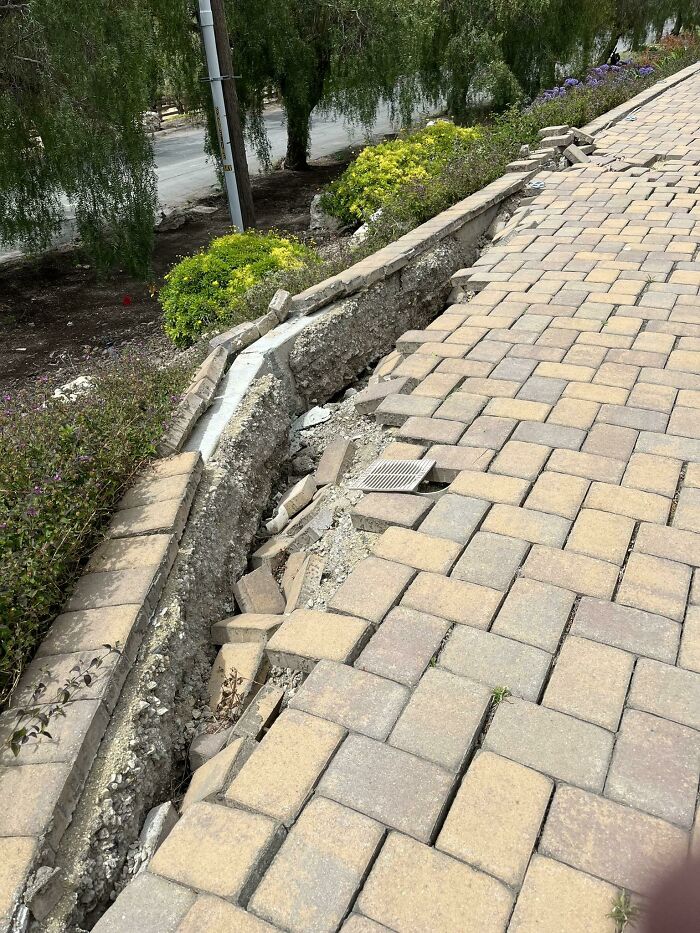
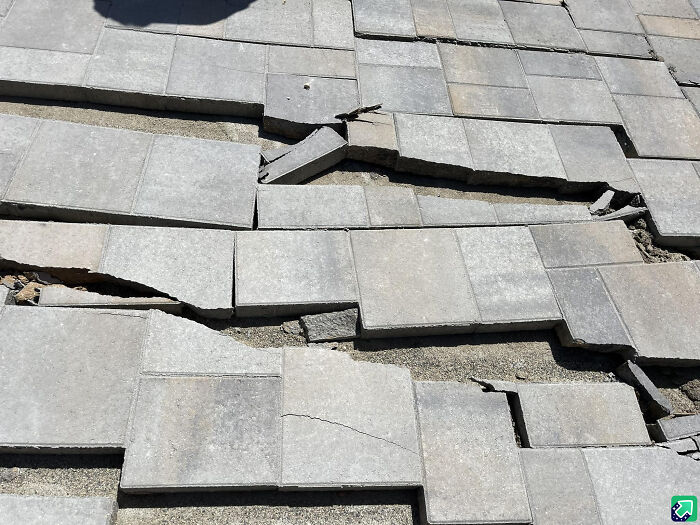
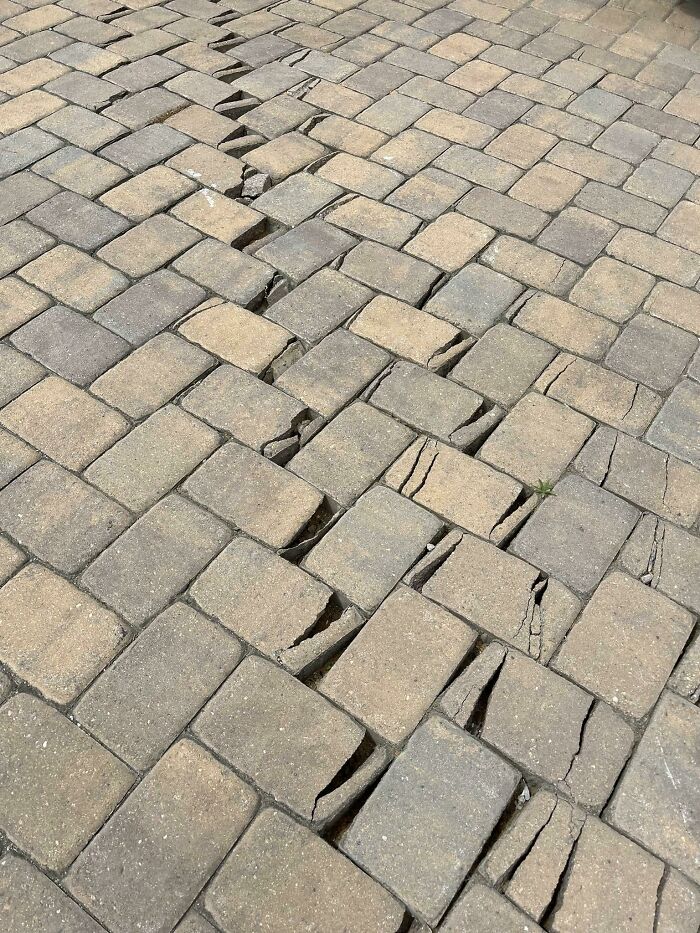
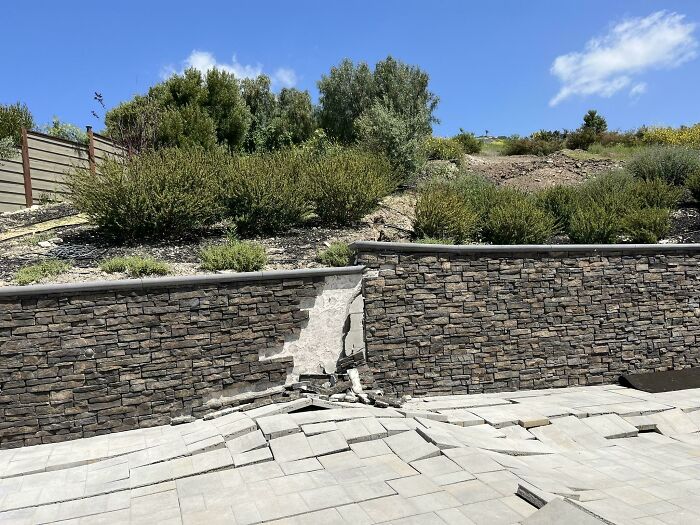
Last week we highlighted the significant land movement issues in Portuguese Bend. These thick concrete pavers that were ripped apart in the area are more proof of that.

If you Google that location you can see how the developers simply ignored the extensive faulting and ground movement in the area, graded over it all to smooth it out, then built houses. Either very stupid or very dishonest.
Keyrouz advises paying attention to the shapes of cracks, as well. Each one may suggest different problems.
“Stepped cracks tend to follow the lines of horizontal and vertical joints in buildings, such as beds of mortar between bricks or blocks, and may indicate structural movement.”
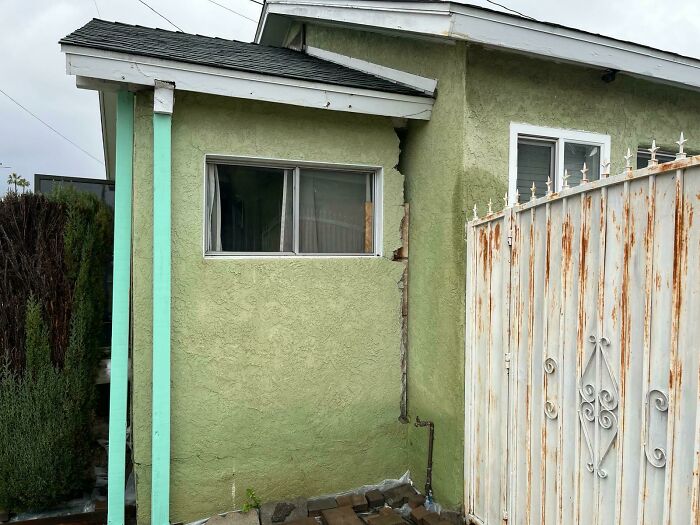
Here you can see the home is now showing other various signs of damage as well, such as misaligned doors and windows.
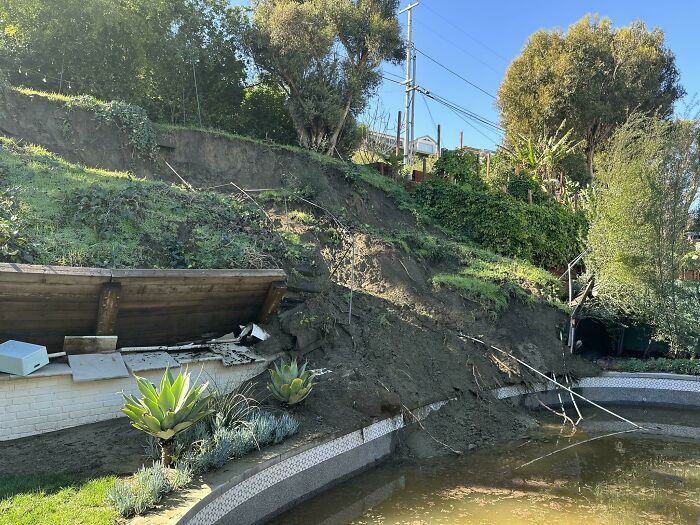
A landslide crashed into this home below.
Homes situated at the lower end of a hillside raise significant concerns due to their heightened vulnerability to various issues.
With the landslide coming down into the pool, all the pool water washed out and made a huge mess. It left not only the homeowners' backyard in disarray but also impacted neighboring properties.
Dealing with the aftermath of this rain has been horrifying for homeowners all over SoCal.

We once had a terraced hill garden above the pool landscaped. A few days later we had torrential rains and the entire thing washed in to the pool. It was completely brown and full of mulch. The landscapers took a few shortcuts and didn't do it correctly - obviously the entire terrace isn't supposed to wash away when it rains. So not only did they have to redo it, they had to pay to get our pool professionally cleaned/suctioned. Once they did the terracing right we can now have a hurricane here and nothing washes away or in to the pool. Imagine if they had only done it right the first time!
“Vertical cracks may indicate that structural components such as bricks or blocks have failed, and so can be a sign of significant stresses within the building structure,” he wrote.
“Cracks that are wider at the top or at the bottom may indicate that there has been foundation movement, with the direction of the widening giving an indication of the likely direction of the movement.”
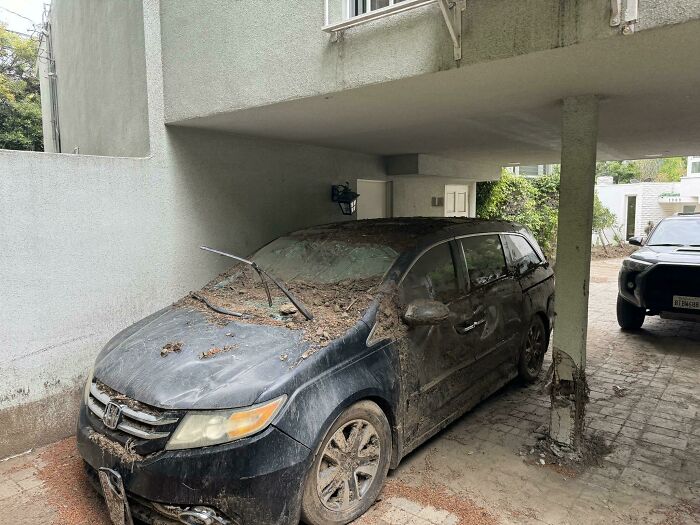
The bottom of the hillside reveals more of the aftermath from the landslide, which caused damage to this home. Despite some cleanup efforts, the car sustained severe damage.
Back in 1956, a road crew excavated sediment and dumped it on top of the ancient landslide zone. This rendered the area geologically unstable and has been causing issues to this day.
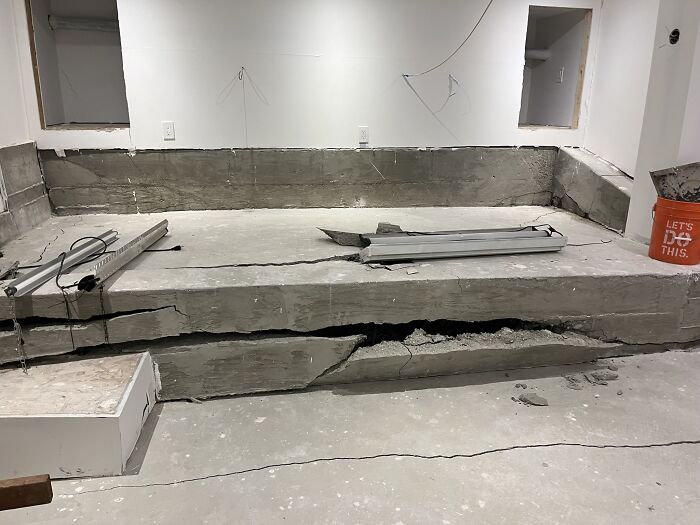
Here, we can see this concrete slab that is tearing apart due to the ongoing land shifts. As Portuguese Bend has experienced decades of extreme shifting, it has become one of the most studied landslide areas in the nation.
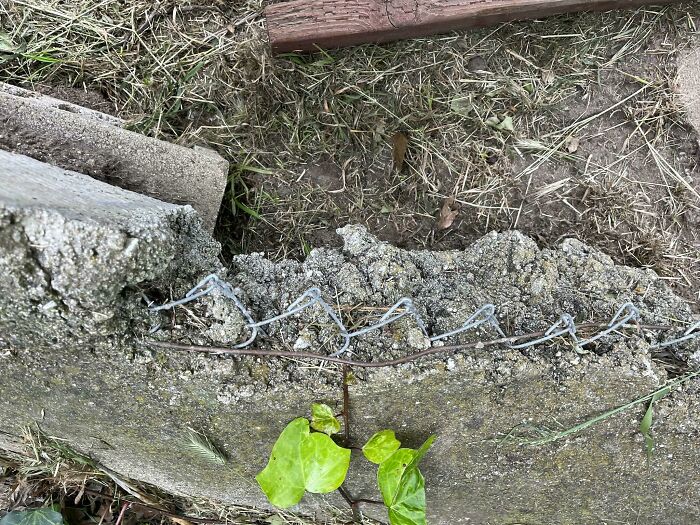
This homeowner was wondering why their retaining wall was failing. Looks like we figured it out…
Instead of utilizing rebar for reinforcement, a chain link fence was used.
Keyrouz classified these damages into three categories, depending on severity. Category three is the worst, which is likely what happened in many of these photos.
They involve breakages ranging between 5 mm to 25 mm. Some causes include footing issues, rusting, moisture buildup in the walls, and impact damage.
We're continuing to see numerous landslides stemming from the heavy rains earlier this year.
What if, instead of digging out a gaint cavity to put in a pool, and replacing the plant life with fake grass, you didn't do either of those things, what about that?
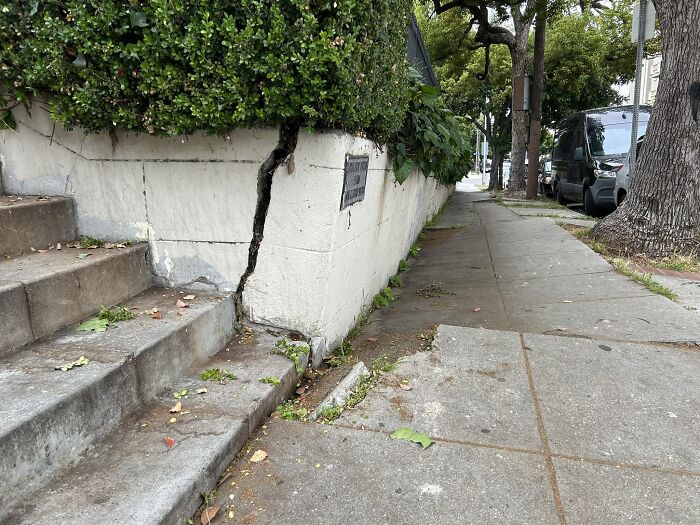
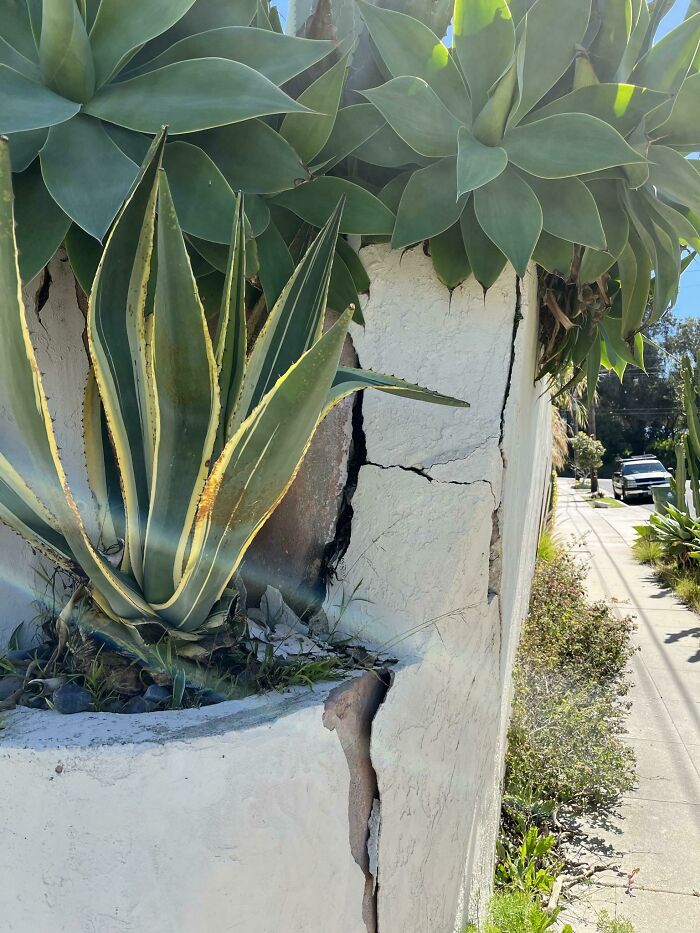
This retaining wall was built with the intention of supporting the hillside; however, it is visibly failing as it was not properly built to support the load.
The weight of the hill has caused the wall to split and lean, causing shifting in the sidewalk as well.

My parents’ house was built on a constructed hill that had a thick retaining wall (rough stone and mortar, so any internal reinforcement is unlikely) that leaned like this (without the big crack, though) for decades without further movement. They should have replaced it thirty years ago, but it would have cost far more than they had available (and with multiple repeatedly refinanced mortgages, they didn’t have enough equity to get a loan for that purpose). They finally sold the property about ten years ago, and the new owner hasn’t done anything with the wall either. (I still live in the same city and periodically drive through the neighborhood to see what’s changed.) So for thirty years, this wall has remained in the same questionable condition without change.
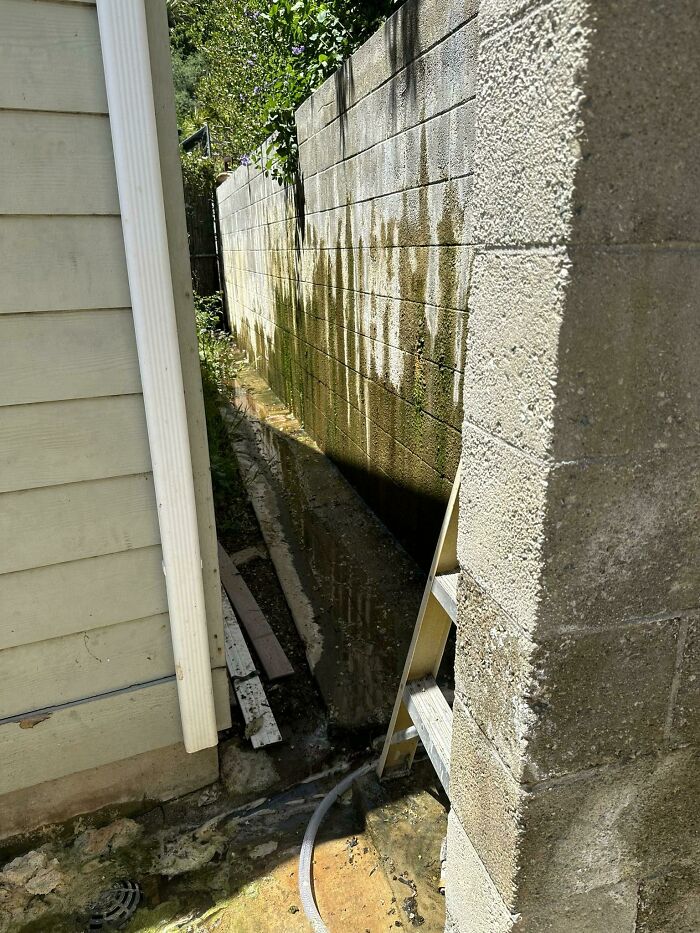
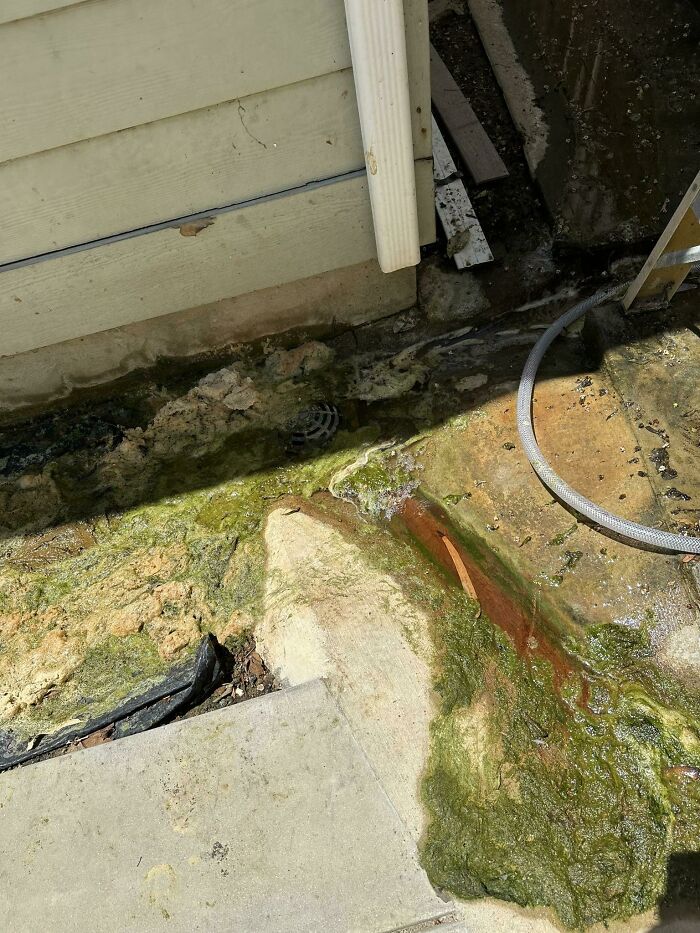
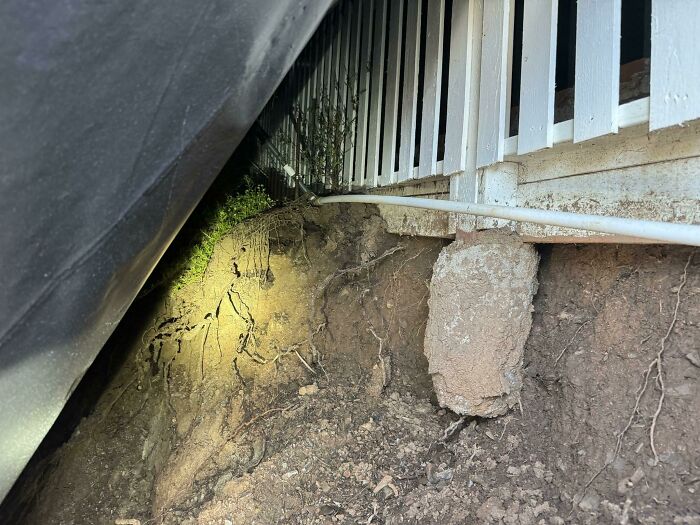
There is now moss covering a majority of the retaining wall and the ground. Moss grows in environments with excessive moisture and needs it to survive. Therefore, the poor drainage in this area is the perfect breeding ground for it to thrive.
When dealing with such problems, Keyrouz advises seeking immediate professional assistance.
“The wall may need to be inspected by a structural engineer to determine what remediation work is required. There is a possibility that a section of a wall needs to be rebuilt.
“At the very least, an inspection by a professional and a plan of action needs to be determined – and acted upon as soon as possible.”
The landslide left the house susceptible to collapse so the need for temporary shoring was imminent. This shoring was put in by another company to support the roof from total collapse.
Maybe this is OP's point, I don't know, but the added shoring is grossly inadequate even for a temporary fix.
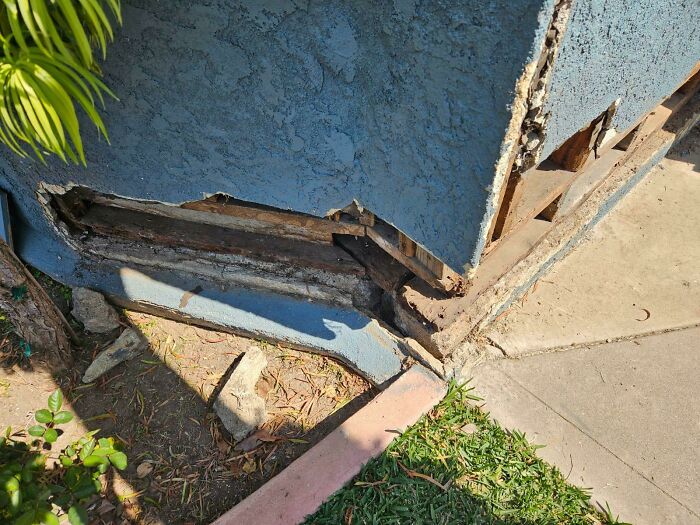
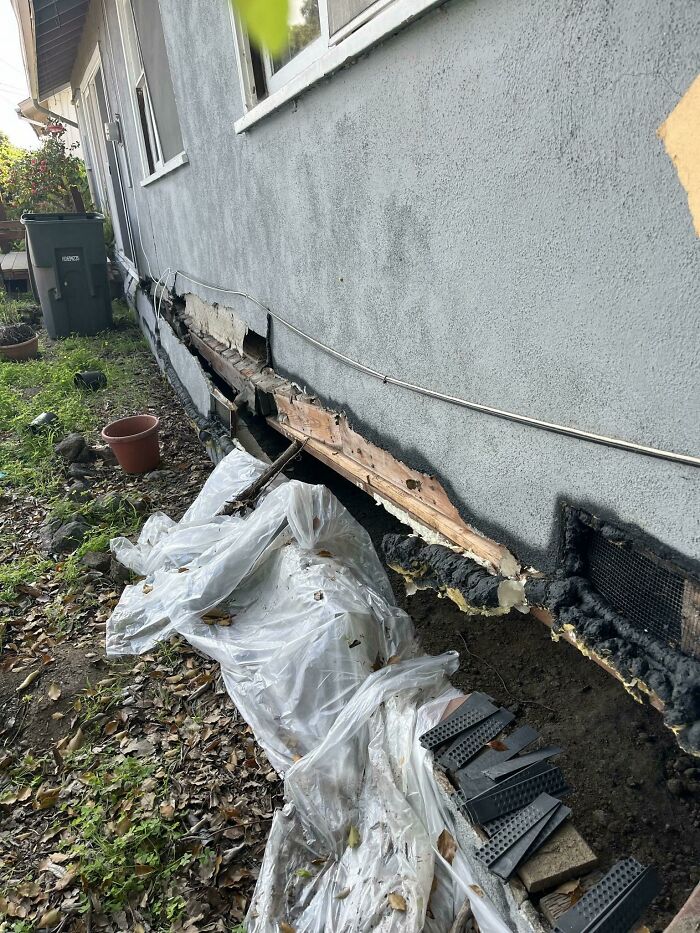
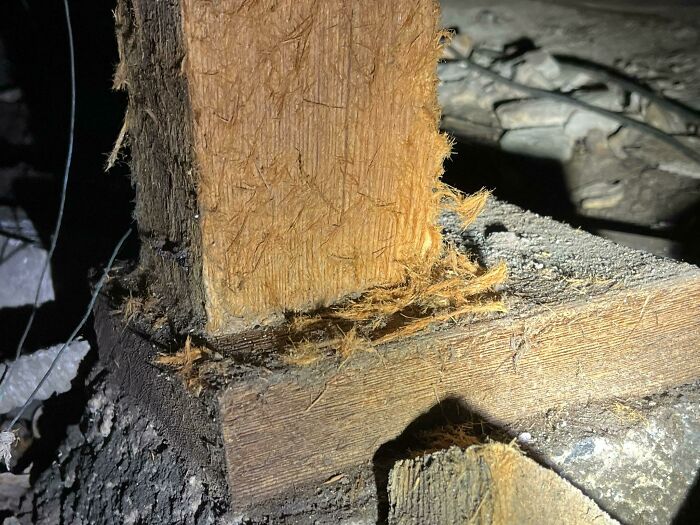
This home is suffering from wood rot.
Removing and replacing wood rot with new framing is crucial as it can quickly spread and compromise the structural integrity of the building.
The failure of this wall can be attributed to improper drainage and the absence of weep holes to relieve the hydrostatic pressure.
Hydrostatic pressure refers to the force exerted by standing water against a surface. When soil surrounding an area becomes saturated with water, hydrostatic pressure builds up against the walls. This pressure can lead to cracks, bowing, and other forms of damage to structures over time.
Problems within the structure’s foundation are also common in these photos. As John King of Illinois-based King Waterproofing & Foundation Solutions points out, usual signs include doors and windows that stick and don’t close properly. Uneven flooring and gaps between walls and ceilings are also key indicators.
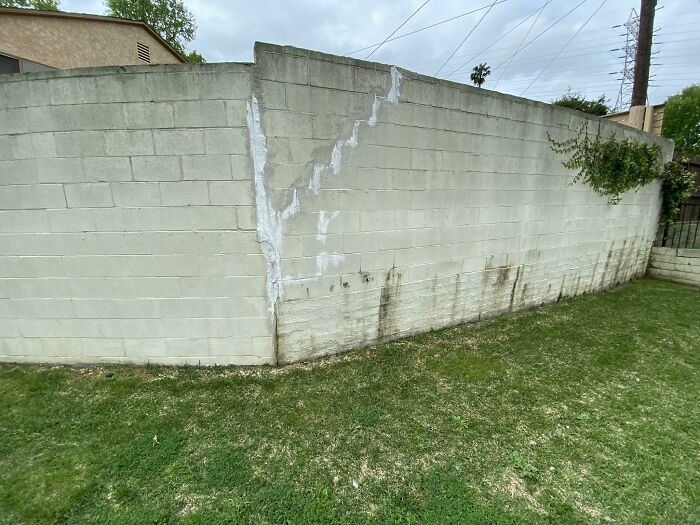
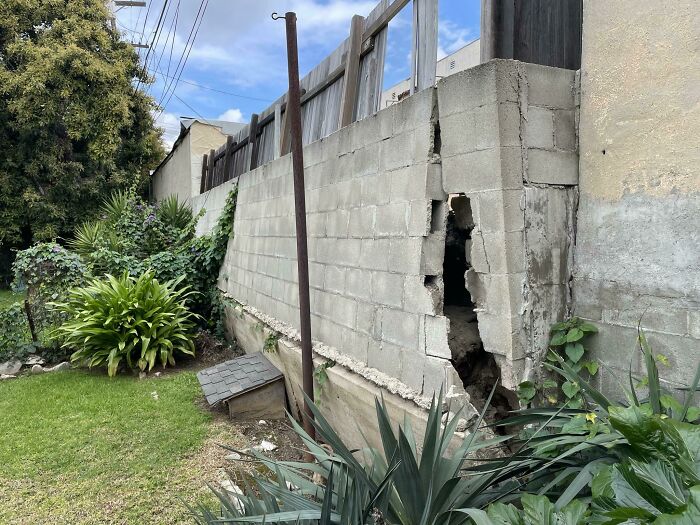
The failure of this block wall is due to a combination of factors, including excessive moisture in the soil and an improper footing. Proper footings are essential as they distribute the weight of a structure evenly to prevent failure.
It's imperative to take proactive steps, such as building a retaining wall for example, to mitigate the risk of potential landslides before they occur.
A hillside that steep is never going to support itself unless it's solid rock.
Besides water issues and poor construction, root systems from large trees can damage a house’s foundation. For this, King offered a valuable tip.
“It’s recommended to maintain a safe distance between trees and the foundation, and to regularly inspect and trim tree roots as necessary.”
Excessive moisture in the soil caused the failure of this pipe and board.
Additionally, the pipes were not embedded deep enough into the ground to adequately support the weight of the hillside and withstand the moisture.
The failure of this unpermitted hillside retaining wall was triggered by the collapse of a tree in this location, which undermined the surrounding area. The remnants of the roots provide clear evidence of the tree's considerable size and its impact on the landscape.
Although the retaining wall was unpermitted and clearly not built to last, this picture shows us how plants and trees help stabilize hillsides by anchoring soil with their root systems, absorbing water to prevent saturation.
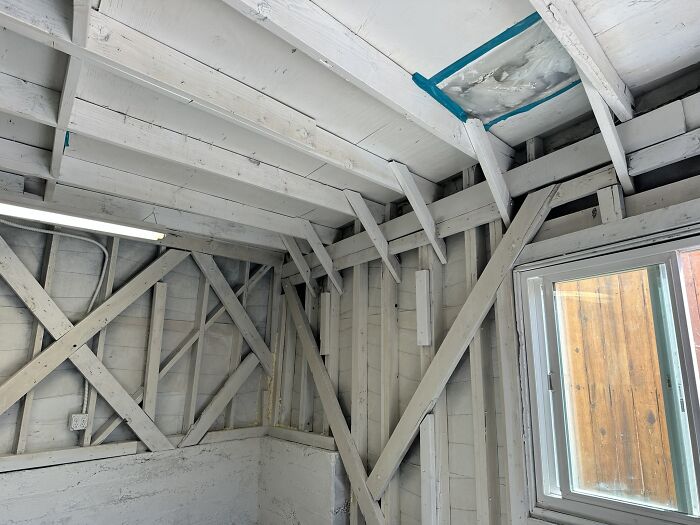
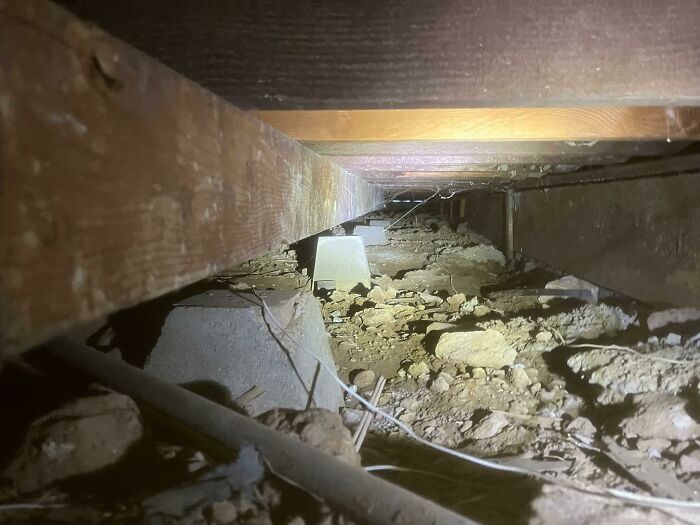
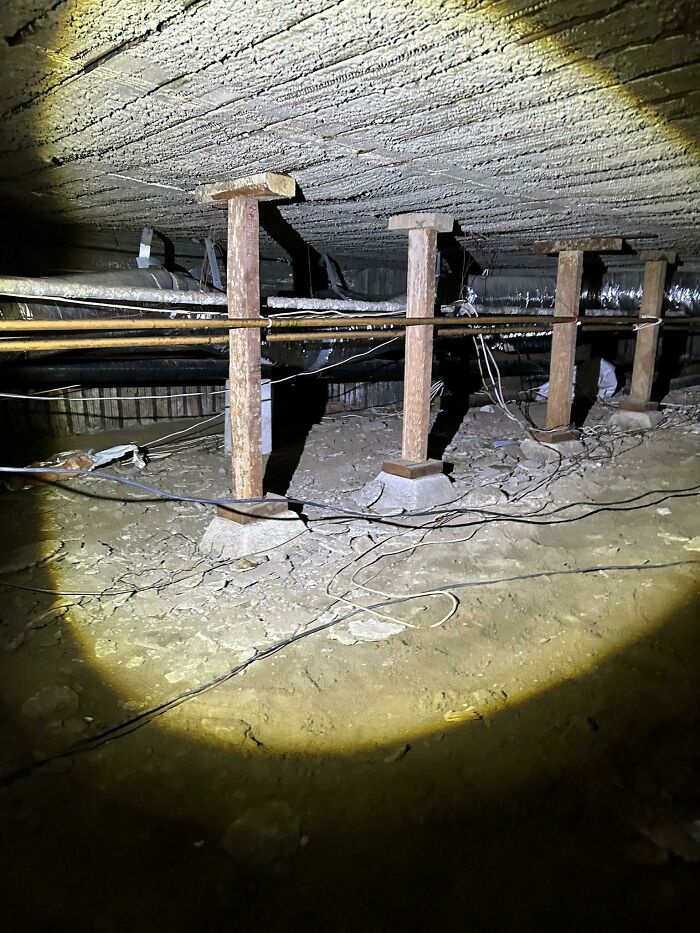
Not a single post in sight.
Post and piers are essential structural elements in a building's foundation, providing support to a structure and distributing the weight evenly to the ground below.
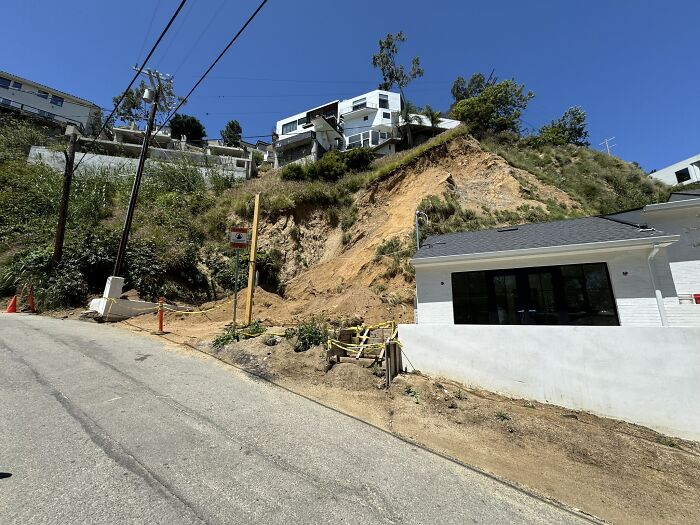
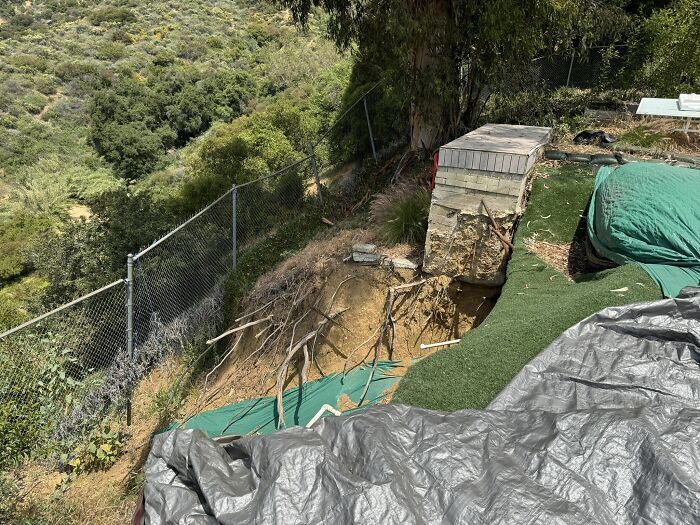
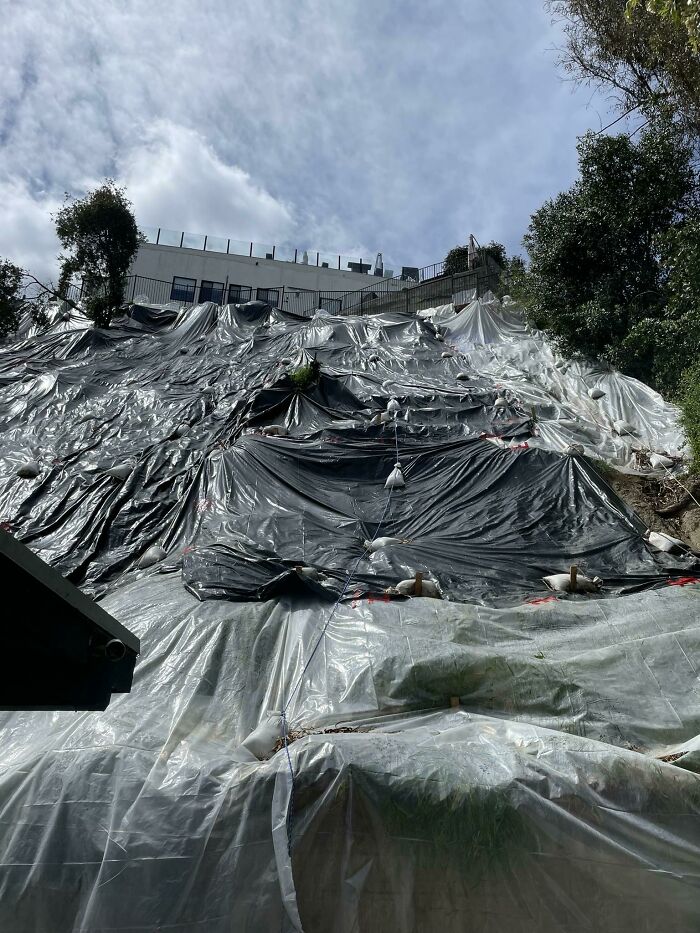
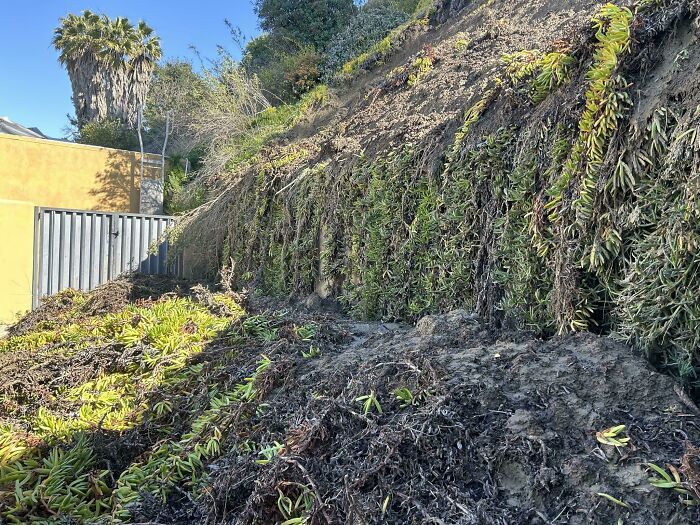
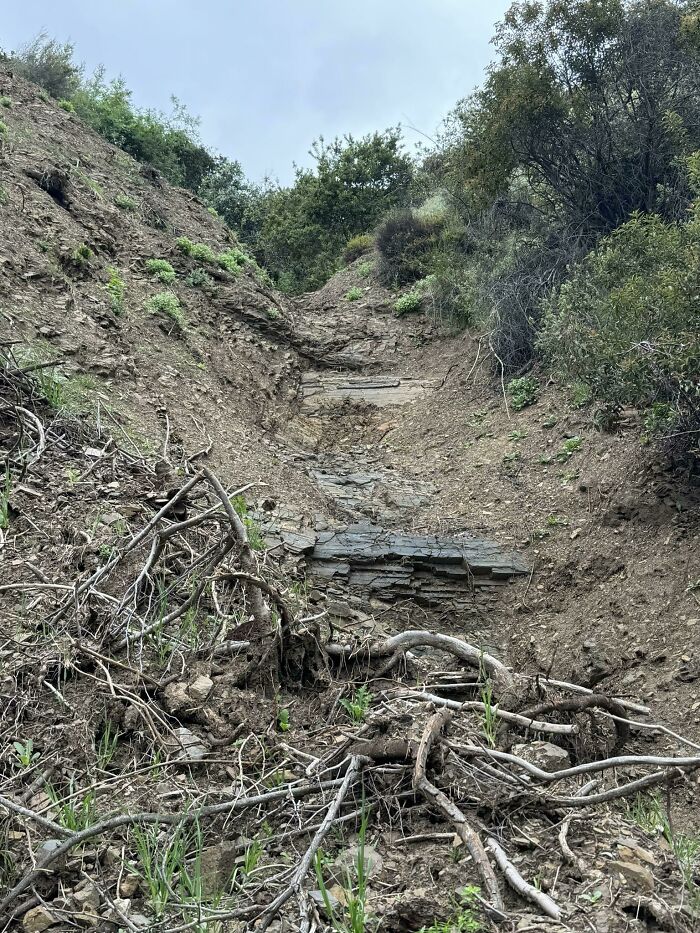
You can really see how steep this hillside is in this photo. It is important to properly mitigate hillsides as they are prone to landslides and can cause significant risks to people and properties, as seen in the photos above.
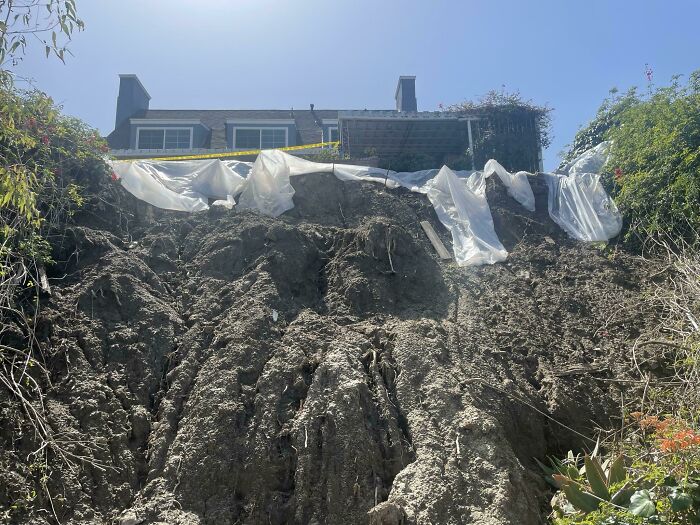
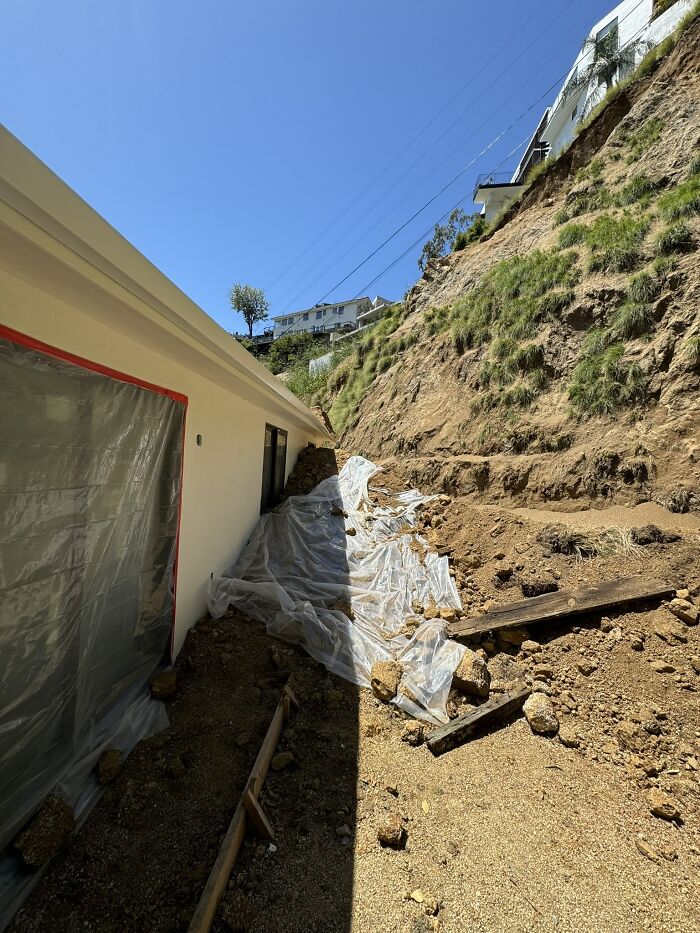
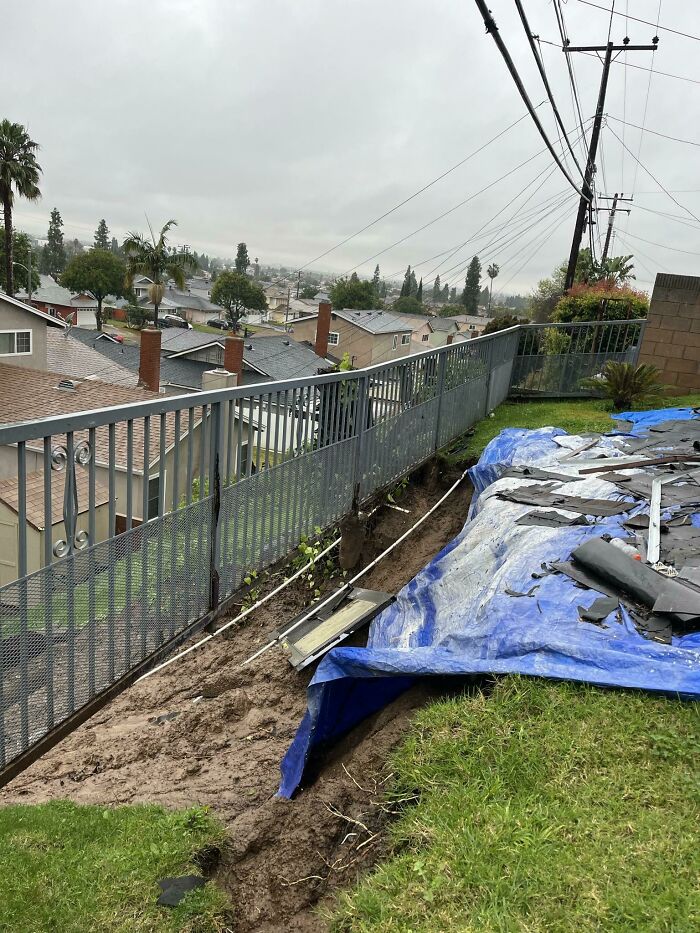
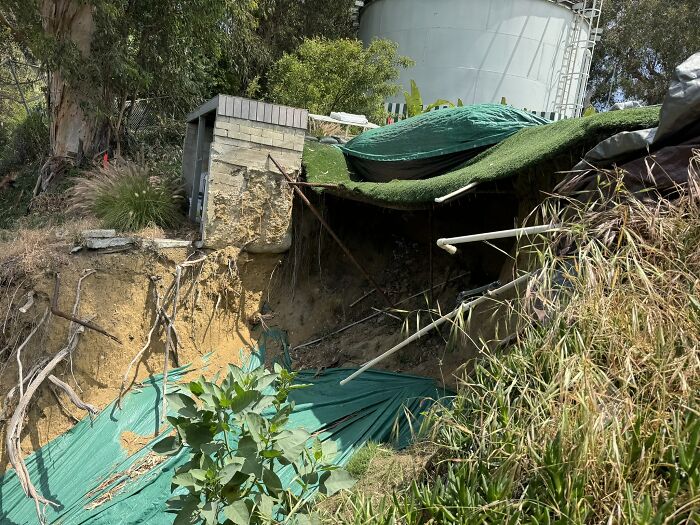
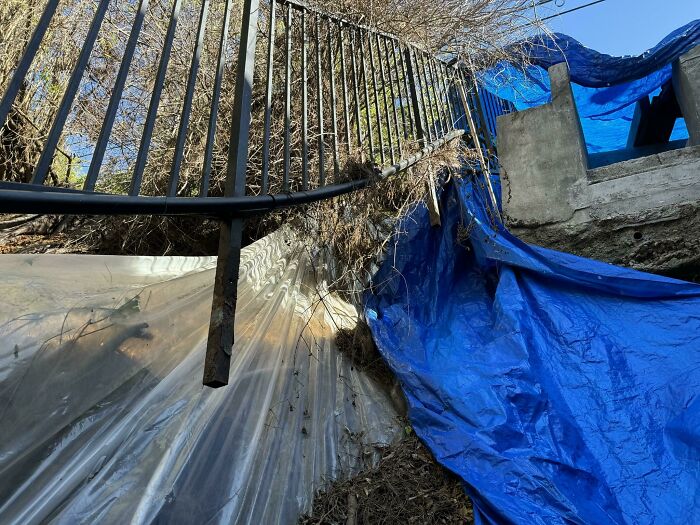
Following the landslide, the hillside was tarped up for stabilization. This tarping was not done by us.
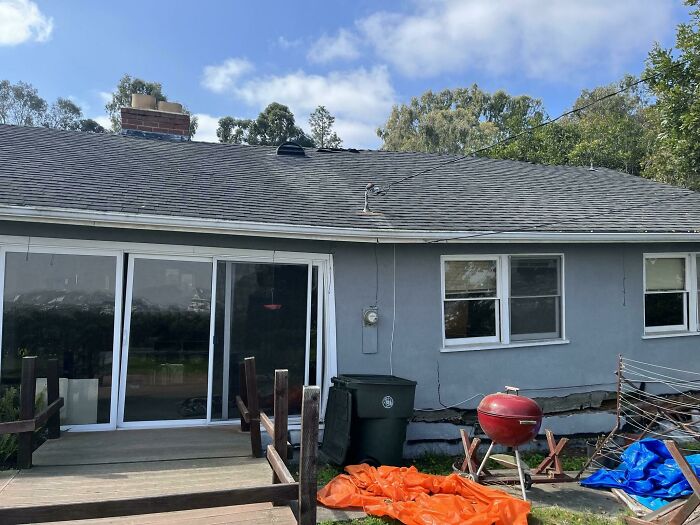
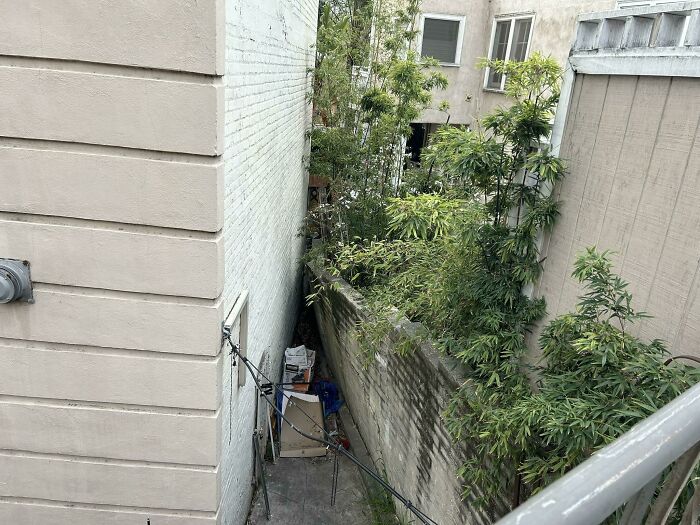
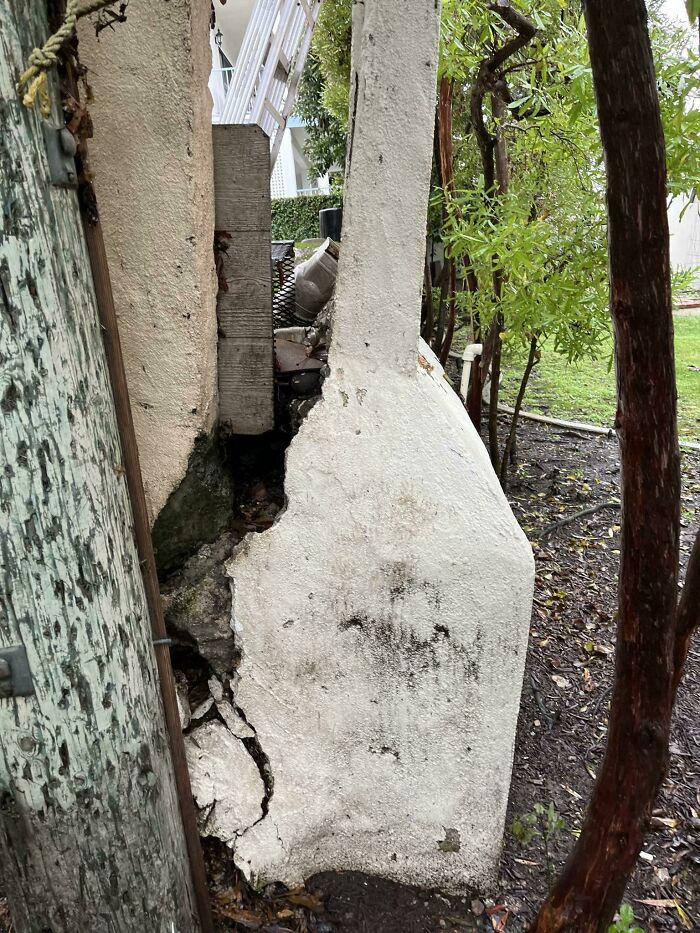
The failure of this retaining wall is likely due to inadequate footing embedments. It is leaning by over 12 inches and is nearly touching the adjacent building.
Tag you’re it.
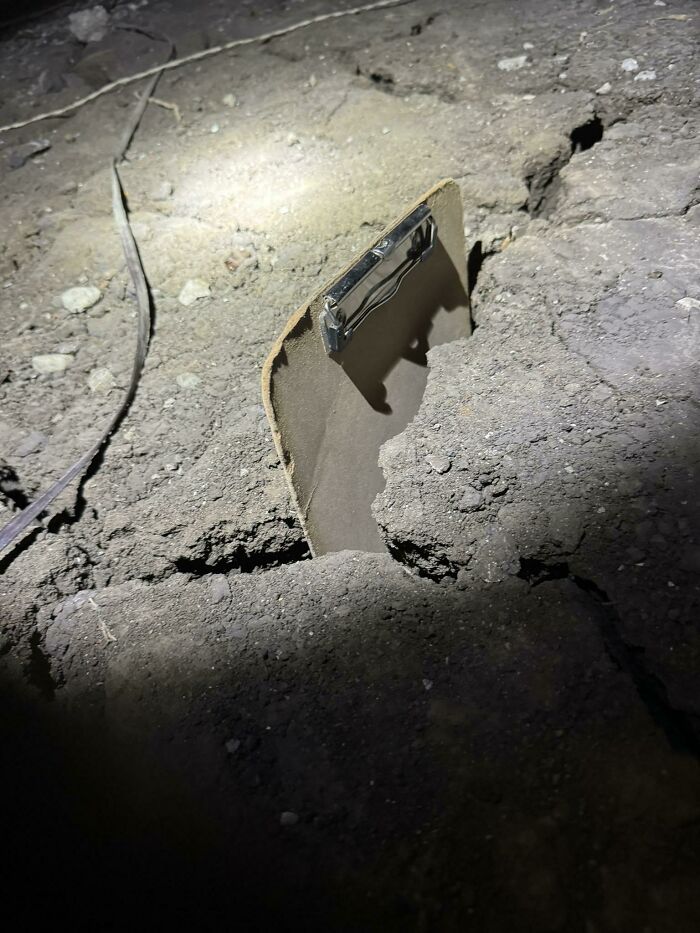
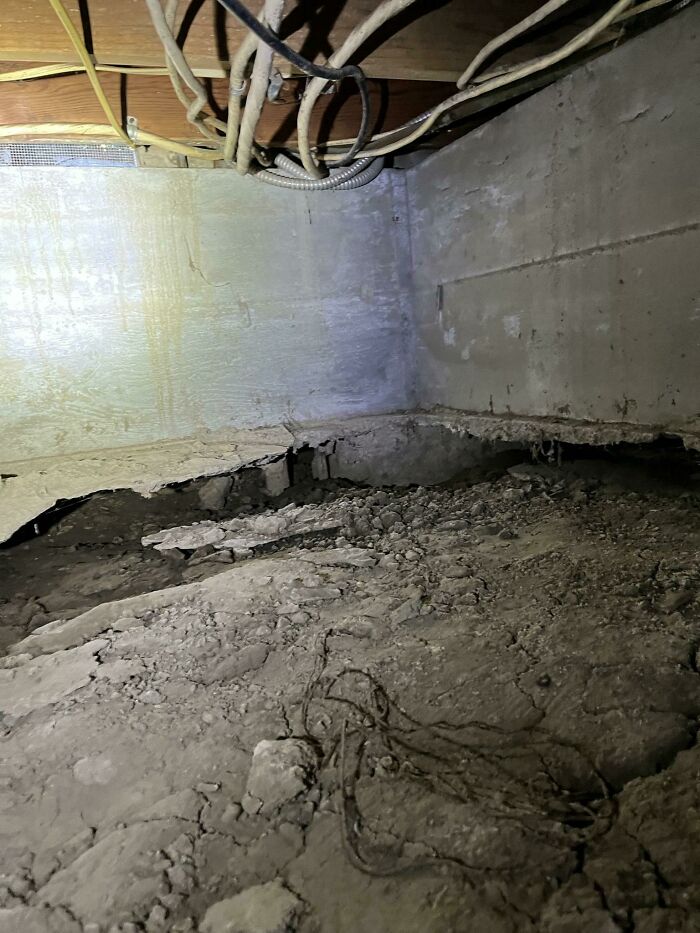
This substantial crack in the crawlspace was wide enough to fit this entire clipboard.
This huge crack was caused by clay soil. This type of soil can lead to significant cracking due to its tendency to expand when wet and contract when dry, causing substantial movement to occur.
Typically, a slab foundation rests directly on the earth with footings around the perimeter for support. Meanwhile, a post and pier foundation consists of concrete piers and wooden posts that provide support for the joists and girders.
This specific situation is uncommon as these are different types of foundations and can function effectively on their own if done properly.
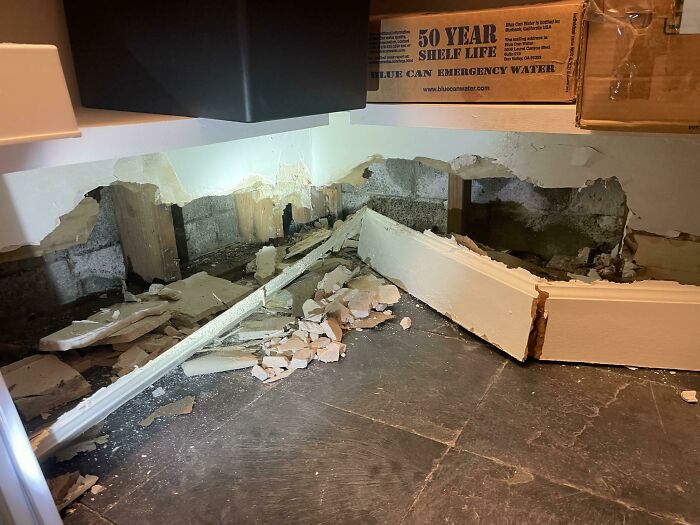
This homeowner was having issues with water intrusion.
Water intrusion can cause significant damage as well as pose risks to both the structural integrity of the building and the health of its occupants.

Wonder if they got that shelf-stable water from Jim Bakker's religious organization--the new one he formed and televised after his prison sentence was served? He and the wife--who looks a lot like Tammy Faye, BTW--sell water and RTE foods that are also shelf-stable. Just call their 1-800 number for tasty food and desserts.../s
It must have been “Bring Your Own Post and Pier to Work Day” that day.
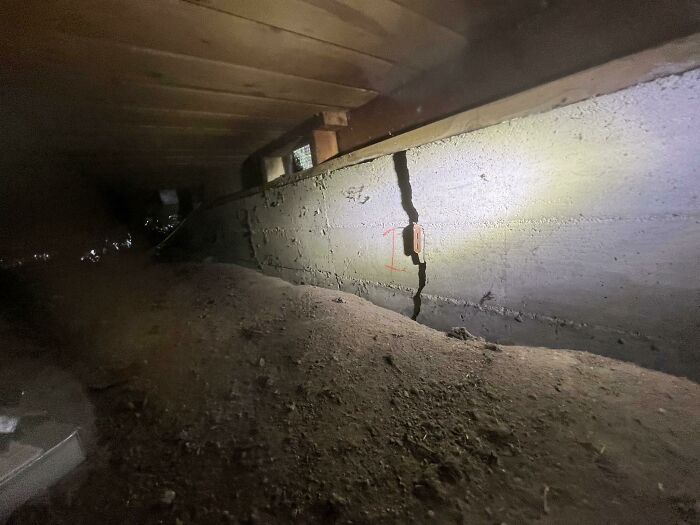
The interior stem wall exhibits a crack approximately half an inch wide, accompanied by a rotation of 5/8 to 3/4 of an inch, indicating significant structural movement.
Thank you for joining us, we hope you enjoyed, we'll see you next Tuesday at 2 pm!
For over 30 years now, Alpha Structural, Inc. has developed a powerful reputation as the #1 Foundation Repair, Landslide Repair and Earthquake Retrofitting Contractor in Los Angeles and Orange County.
This landslide in the 80's was moving 40 feet per year. Recently heavy rains have caused renewed rapid movement despite an ongoing stabilization effort. Apparently there have been homes in the area since the 50's, though many are obviously newer than that. Movement on the faults was accelerated by a poorly conceived and designed road extension in the 50's.
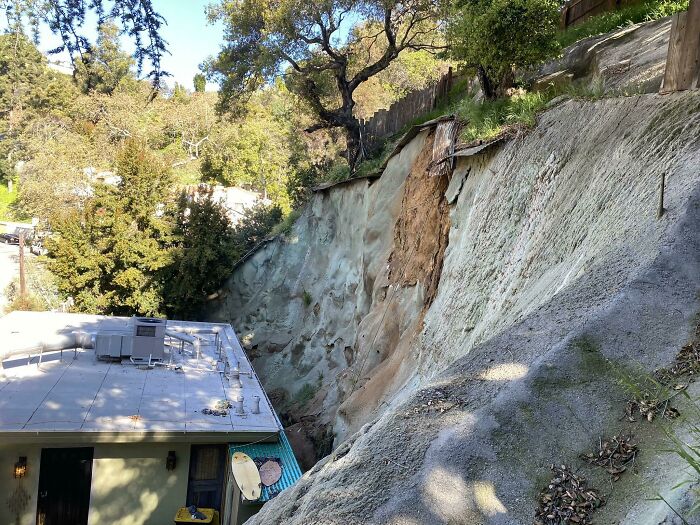
The steep vertical slope of the wall adds to the safety concerns, even more so now that it's failing, potentially leading to issues for the homes that are downslope.
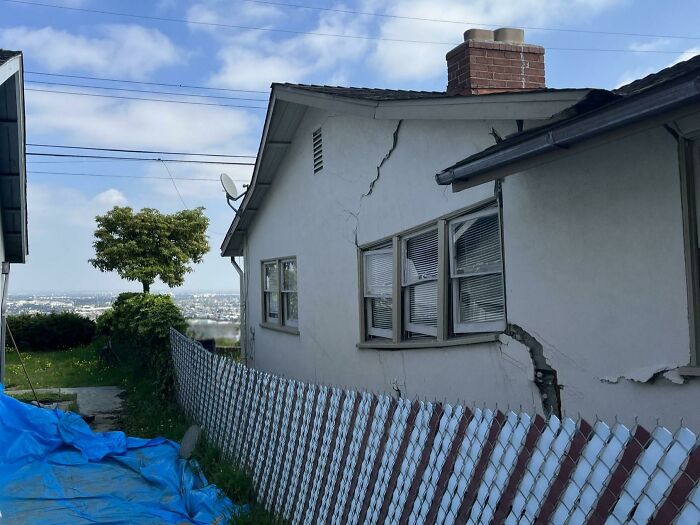
The impact of the landslide has resulted in significant damage to all the homes in the area. This is the neighboring home. There are big cracks, huge separations in the structure, slanted windows, and more, all indicating extensive soil movement from the landslide.
Mud bath anyone?
We often get called out to assess homes in the area and are met with the most disastrous structural damage.
When you really put it into perspective, the force needed to break apart these thick concrete pavers is extreme.
Interesting photo. The unbroken line of bricks down the center is directly over a plane of movement. A torque is being applied to them that is causing them to twist clockwise breaking bricks on both sides of them.
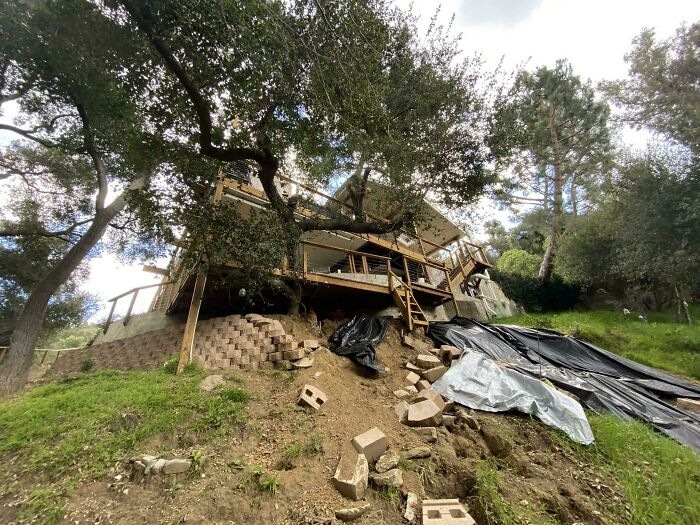
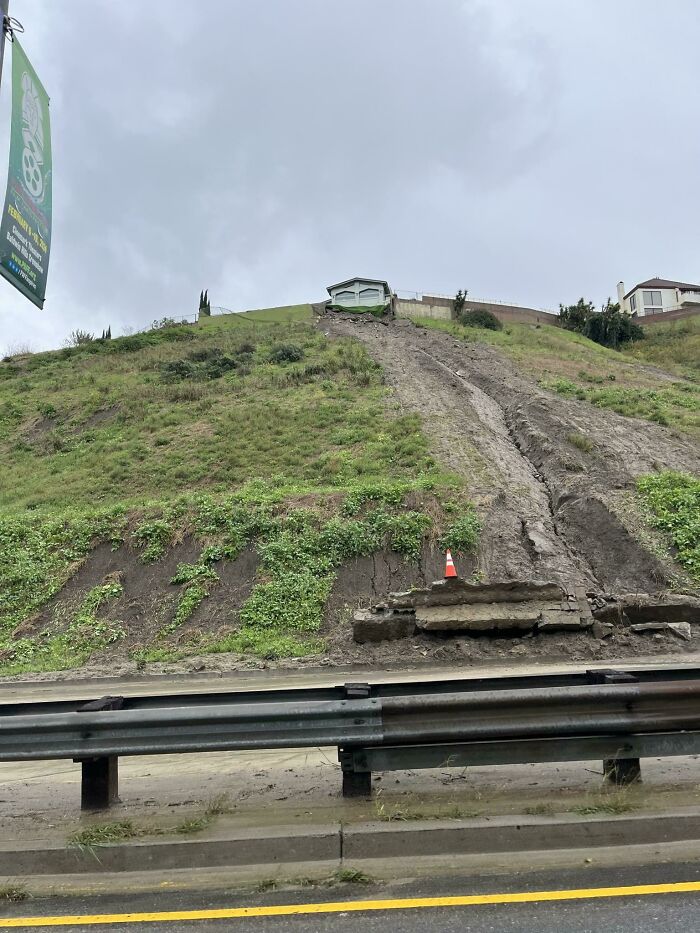
The recent heavy rains triggered a massive landslide on this extremely steep hillside, causing significant damage to this home.
Different assessment, more spall damage.
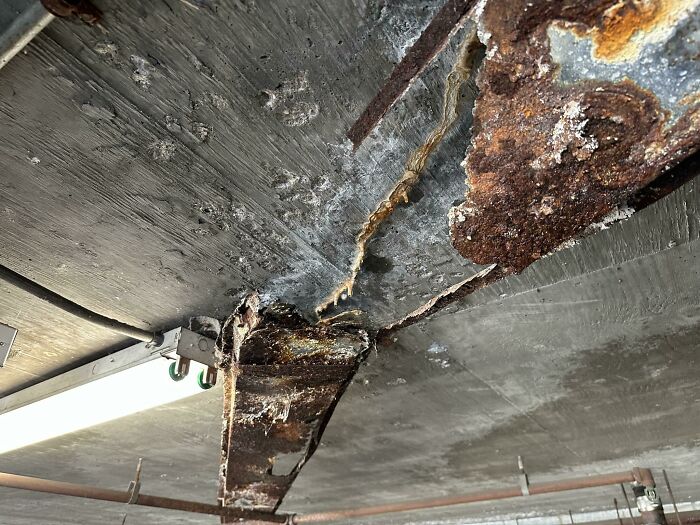
Spalling is commonly caused by the corrosion of embedded steel reinforcement bars or steel sections, which weakens the concrete and leads to it breaking apart.
Retaining walls are designed to retain soil, but when heavy rainfall adds extreme amounts of water weight to the equation, it can exert significant stress on the wall.
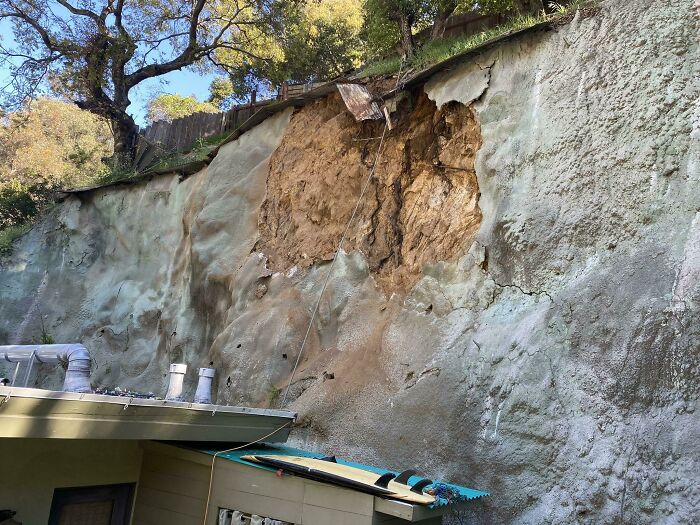
This gunite wall, meant as a remedial repair to mitigate debris, has aged and begun to fail.
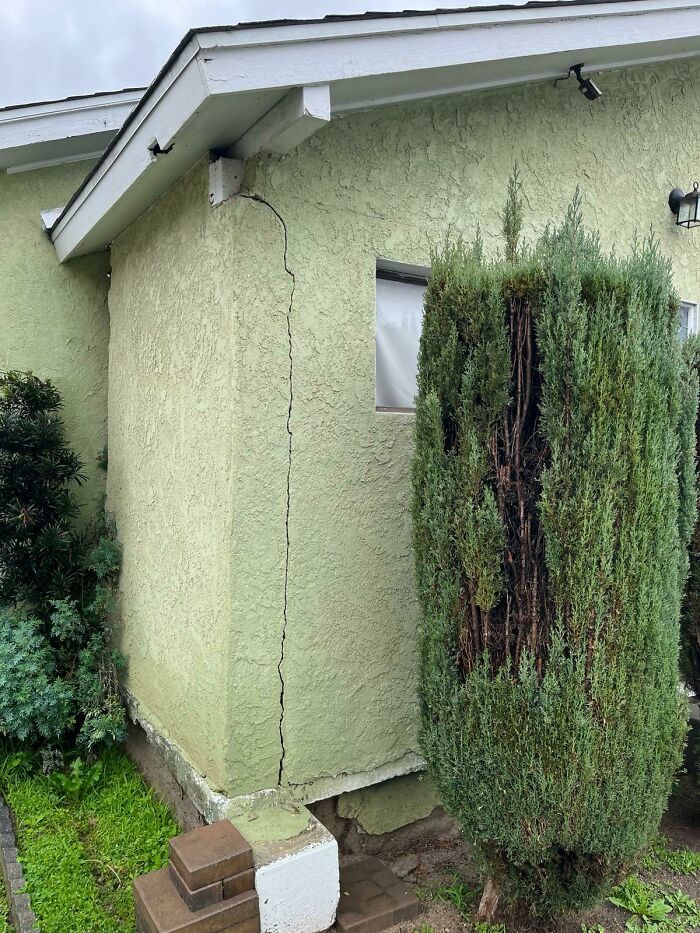
This huge crack is a result of an exorbitant amount of stress pulling the house apart due to land movement in the area.
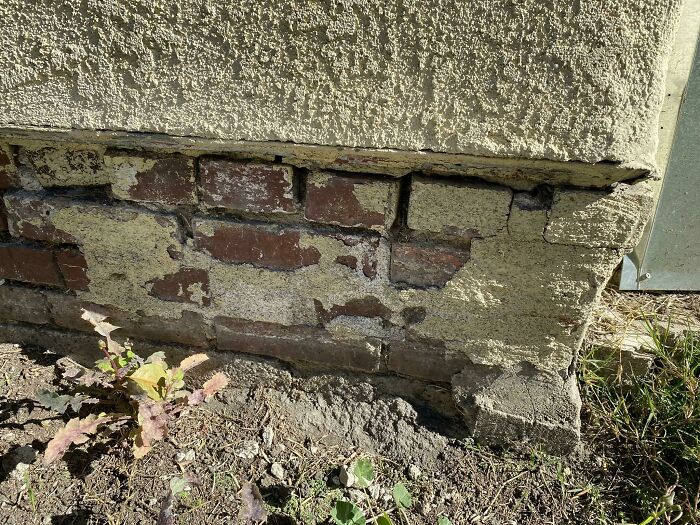
The severe spall damage in this building has been accumulating and progressively worsening over the past few years, posing significant structural concerns.
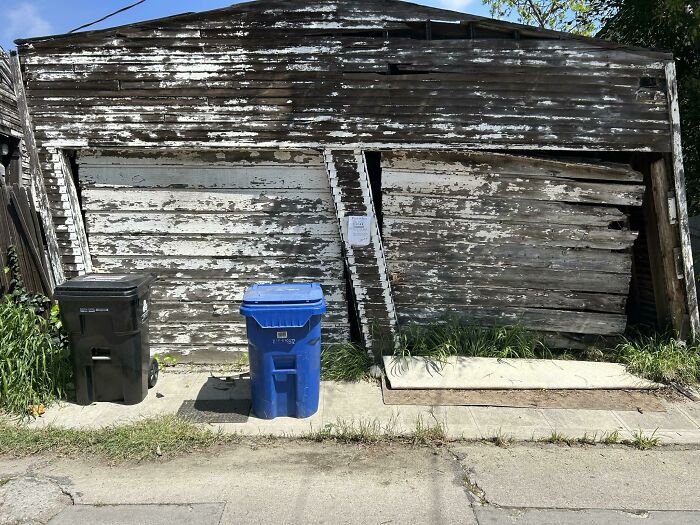
The framing of this detached garage is completely rotted, and the foundation supports are rotating out of square, possibly due to inadequately embedded footings on a steep slope.
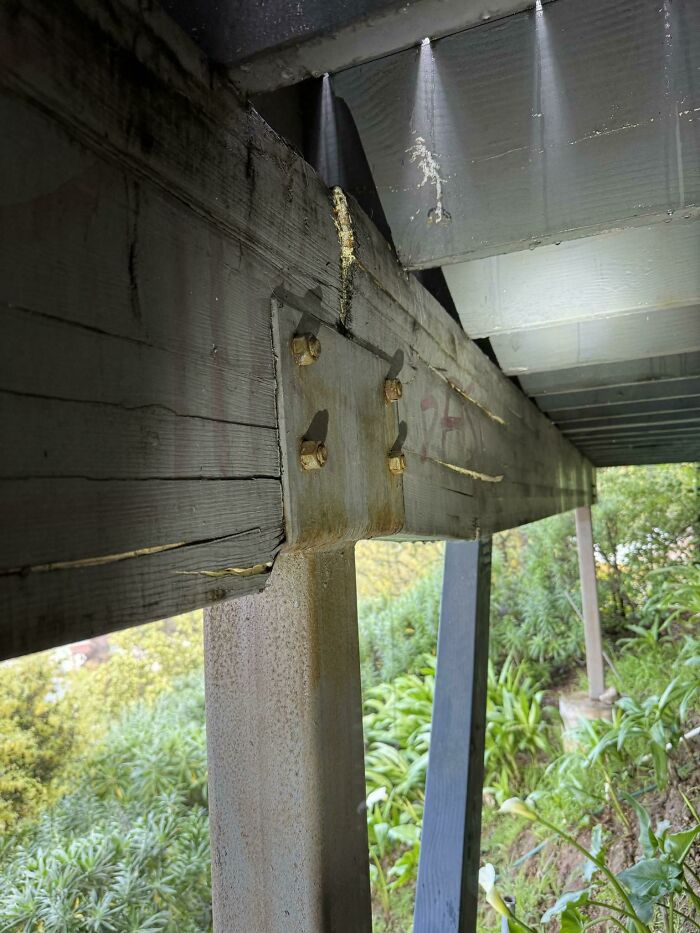
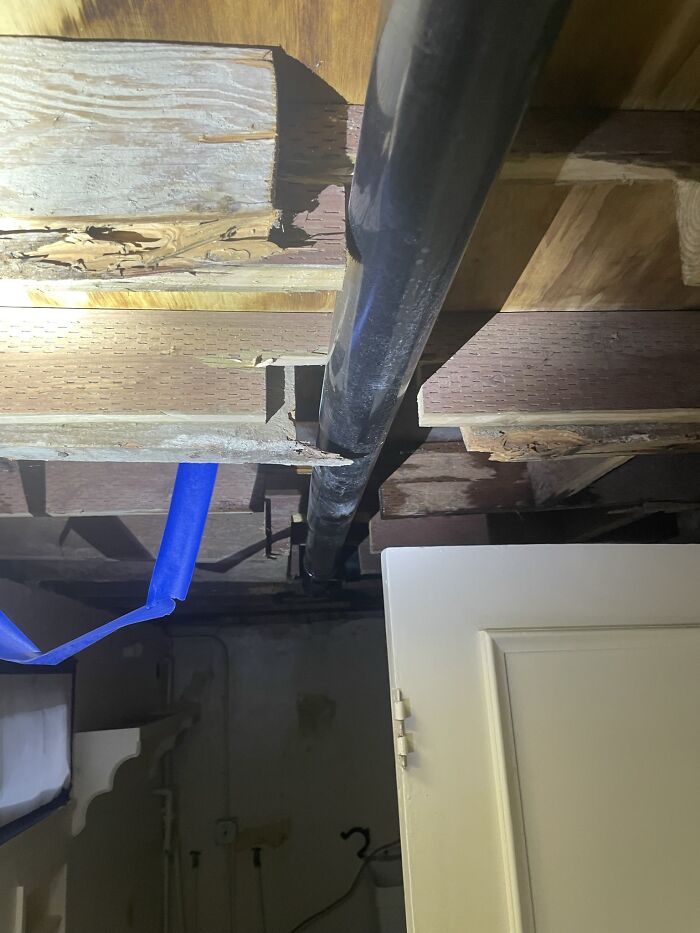
This sagging beam was crushed due to water seepage that resulted in wood rot, leaving the beam to no longer provide the proper support needed for the structure.
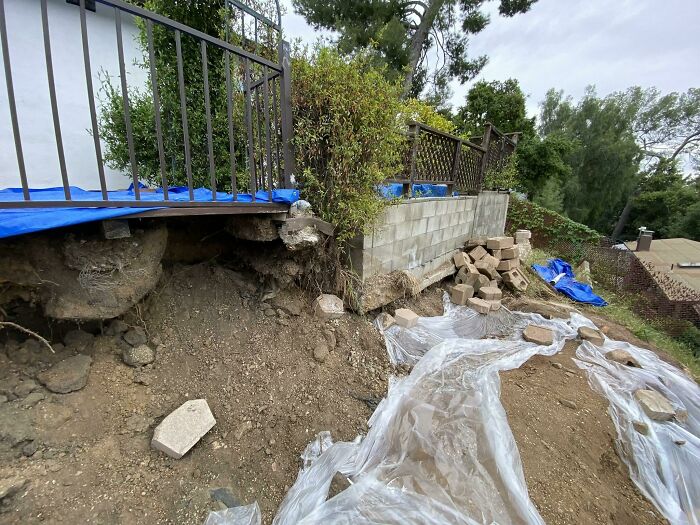
Poor drainage from the street above led to slope failure in this area. Additionally, the deck and block wall were constructed without proper permits and lacked the footings capable of withstanding the elements.
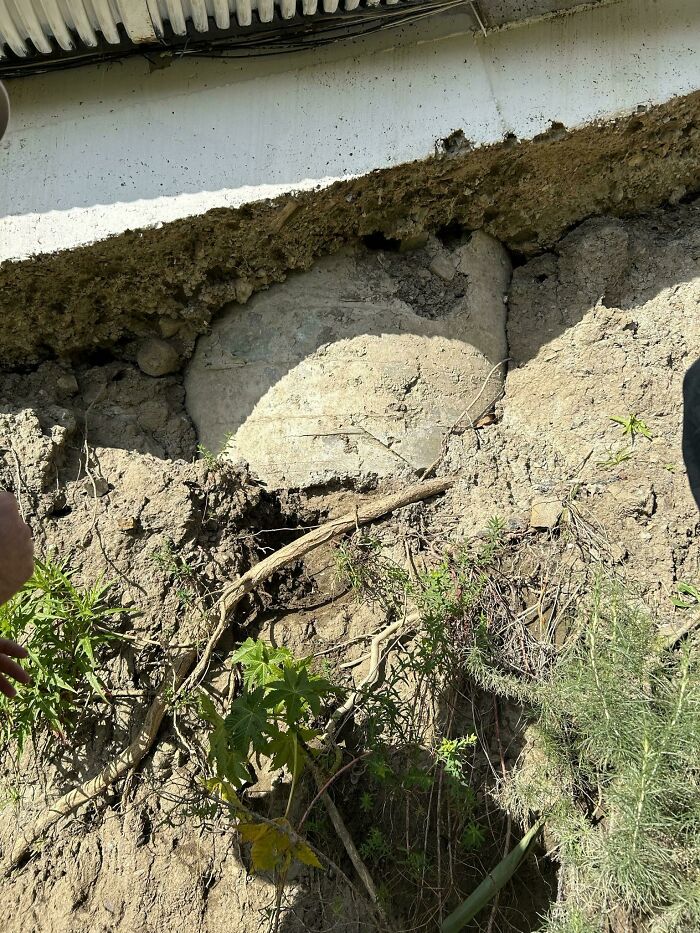
The caisson is now exposed and is beginning to be undermined as well, emphasizing the structural issues of the building.
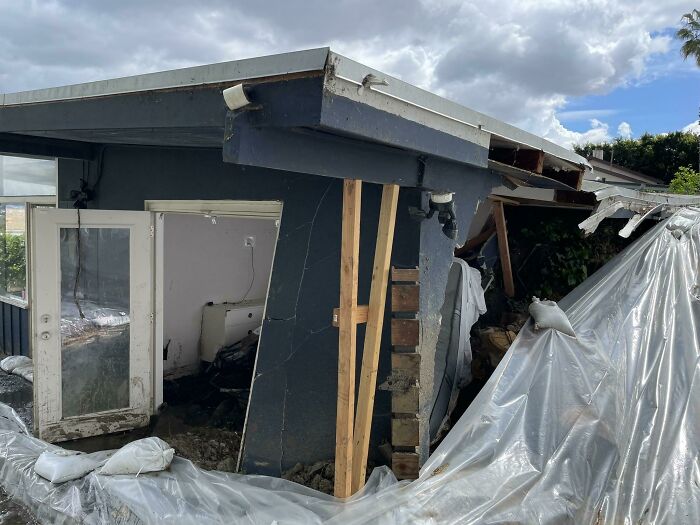
A landslide caused this foundation to completely fail and become unattached from the home. Currently, the foundation is sitting under the plastic tarping.
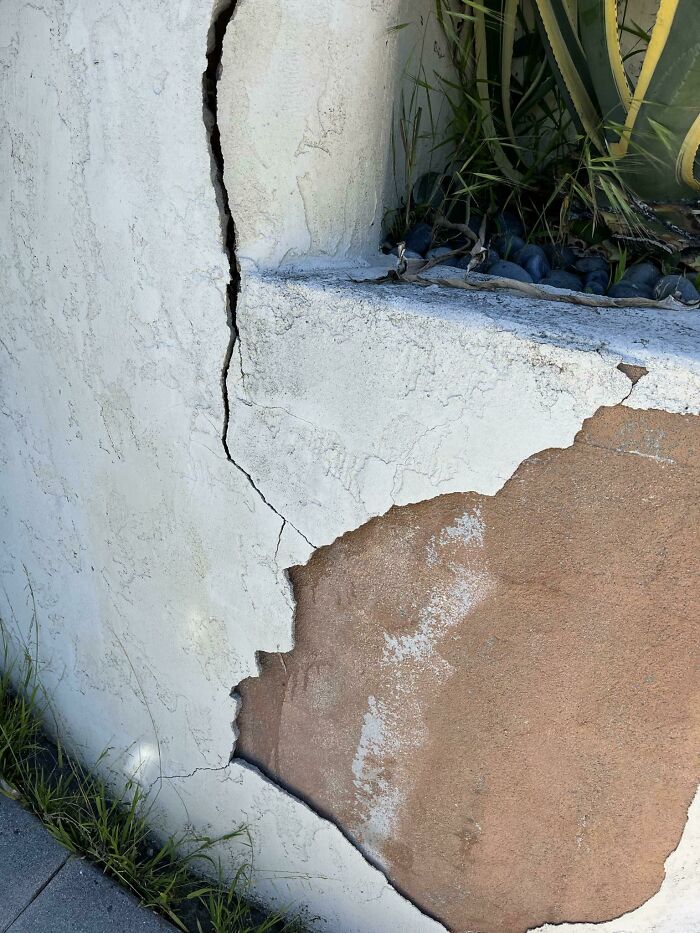
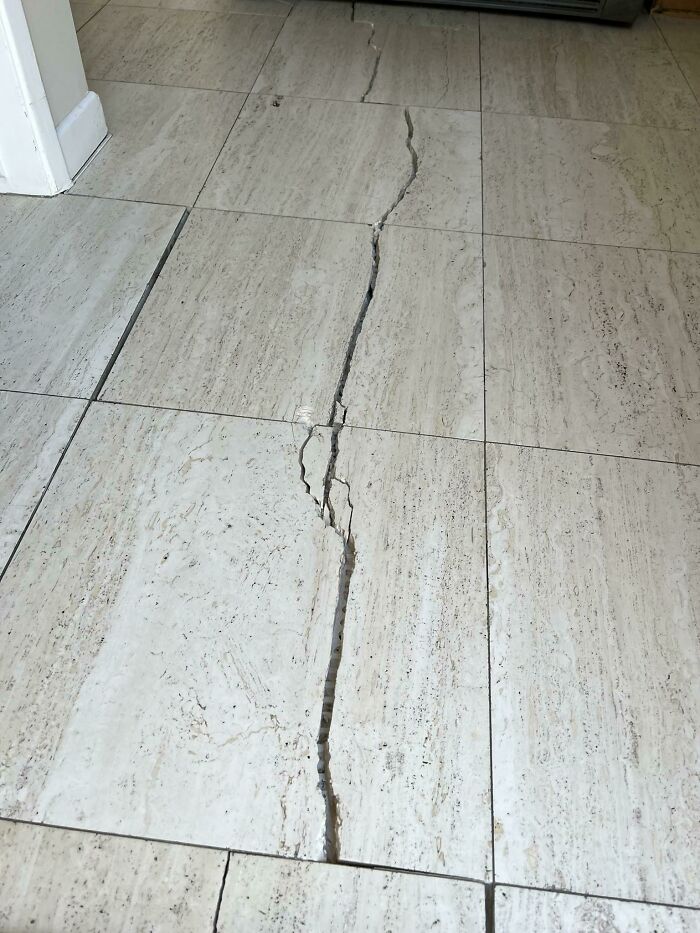
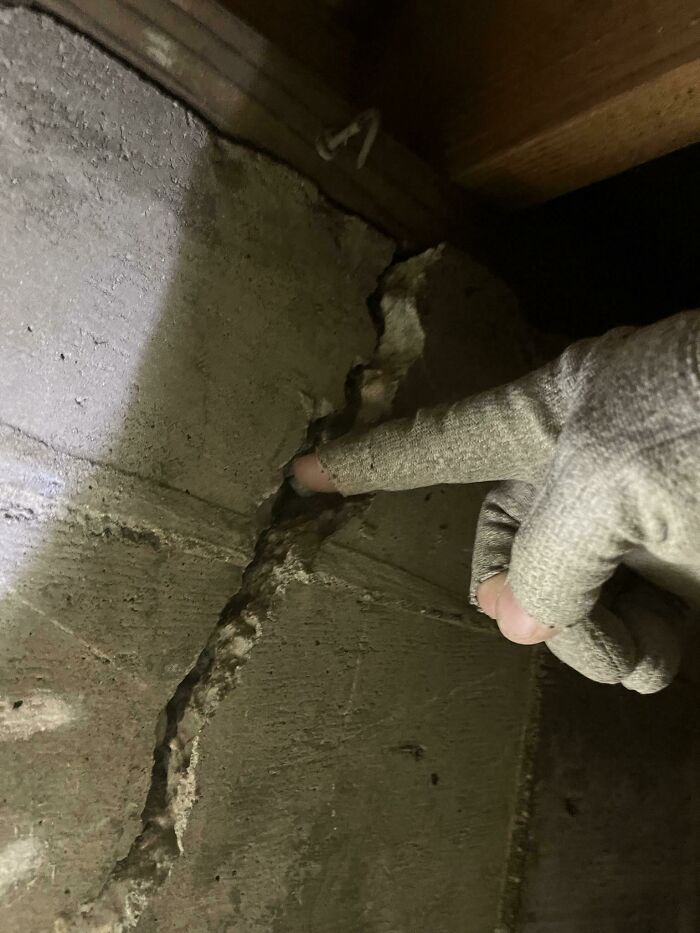
Hairline cracks are generally considered normal wear and tear. However, cracks measuring a quarter of an inch or larger, such as this one, can indicate structural issues.
Basically, a finger should not be able to fit inside a crack.
Some debris that was left behind from a landslide. Implementing effective slope stabilization measures is recommended to minimize the impact of natural disasters and prevent potential damage.
Due to a landslide, this home is now severely undermined. The landslide spanned across three properties, causing extensive damage and posing safety risks to the affected area.
Differential settlement is where one part of the foundation settles more than another due to soil conditions or other factors.
The scale of this landslide was immense, affecting two commercial buildings.
SoCal showed us a great example of, "When it rains, it pours."
Getting proper support, such as an engineered retaining wall, can help prevent incidents like these. Retaining walls are engineered and built to support and hold back hills, which provides structural stability and reduces the risk of mudslides and soil runoff.
Due to the rains, landslides have been occurring all across Southern California, posing significant challenges for homeowners.
The force of this landslide was strong, bringing down a railroad-tie wall and leaving the backyard unsupported, giving it a cantilevered look.
This retaining wall originally sat at the top of the hill. The heavy rains triggered a landslide and sent it tumbling downhill.
Thankfully, the house didn’t follow.
An outside view of the home vividly showcases the magnitude of the landslide's impact as it found its way into the residence, leaving a trail of destruction.
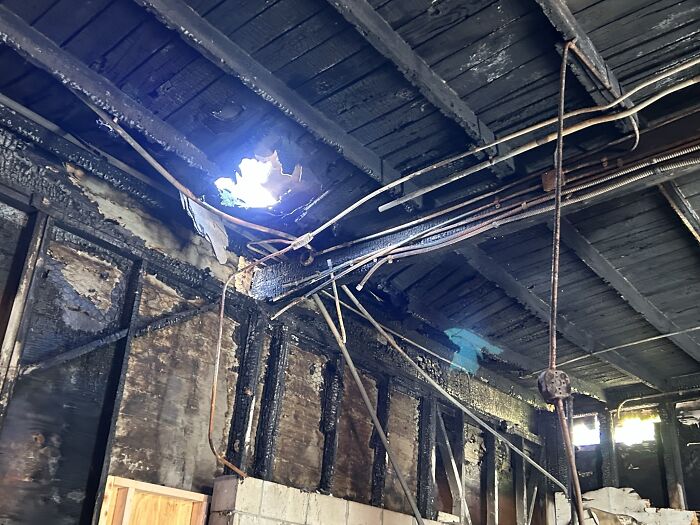
This building has suffered from a fire incident that will require extensive restoration work.
Poor construction practices have resulted in multiple breaks and a garage wall that is bowing.
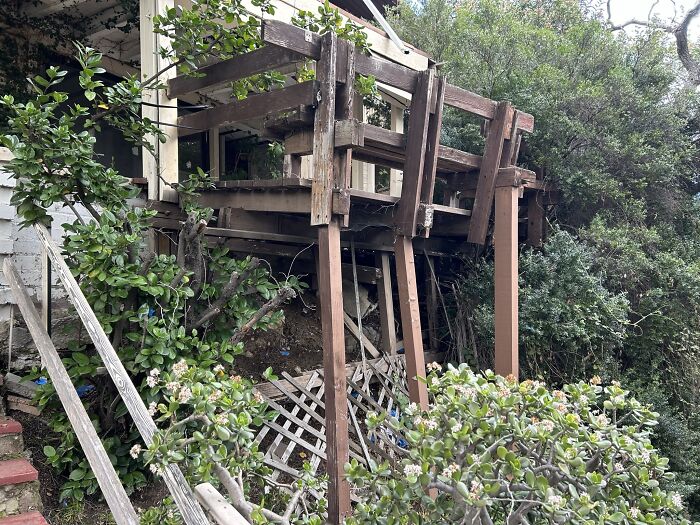
These homeowners tried to build a deck themselves without proper permits, resulting in a major safety hazard.
Please do not attempt a DIY approach for a deck.
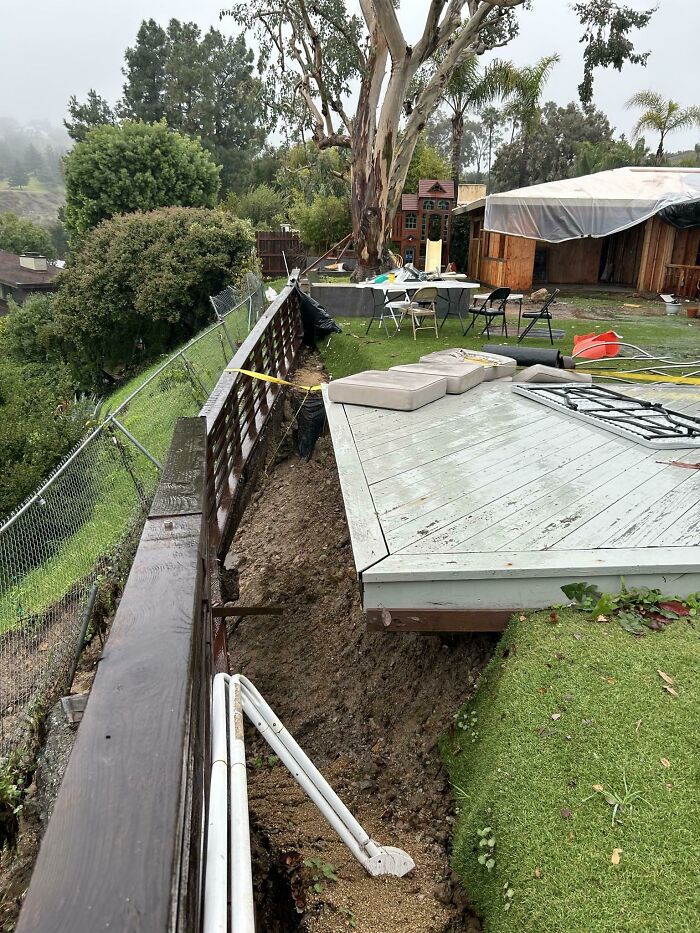
This landslide severely undermined this backyard, making it extremely unsafe. To make matters worse, the homeowner’s pool is dangerously close to the eroded area, increasing the risk of more failure.
Another home in RPV that is experiencing the consequences of the area's active landslides had its retaining wall ripped in half.
The recent scale and rate of movement has been monumental over the past few months, partly due to the unprecedented rains we've had.
Prior to our assessment, this crawlspace endured flooding. The prolonged exposure to moisture caused this wooden post to decay and absorb a ton of water that still remains inside.
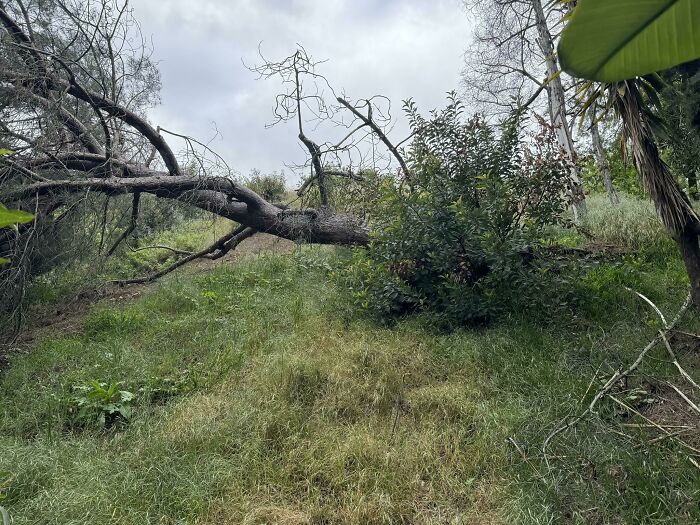
An uprooted tree along the hillside. These pictures hardly capture the extent of the damage caused by the slide.
This retaining wall is failing with severe cracks and signs of spall damage.
Spall damage refers to the deterioration or chipping away of concrete or masonry surfaces, often caused by factors such as water infiltration, freeze-thaw cycles, or corrosion of embedded steel reinforcement.
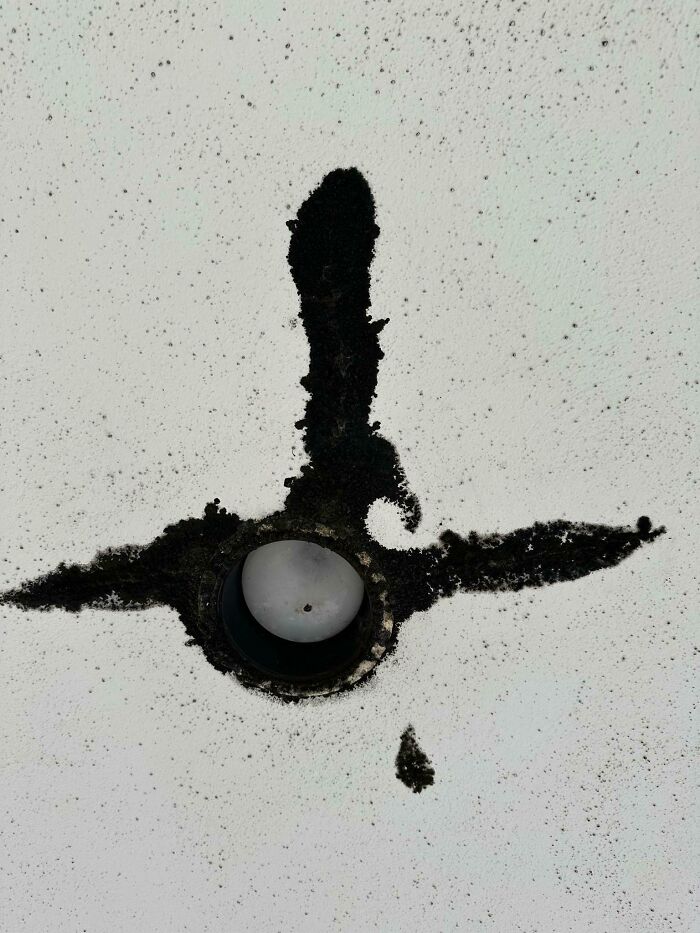
We found mold growth in this home.
Dealing with mold can be a frustrating issue, as its damage extends beyond the structure itself to the health of the occupants. It's important to identify the source causing the mold and take appropriate steps to remediate it.
The footings of this patio have been exposed due to being undermined, which occurs when the soil beneath the structure is washed away or removed, weakening the area, and leaving it unsupported.
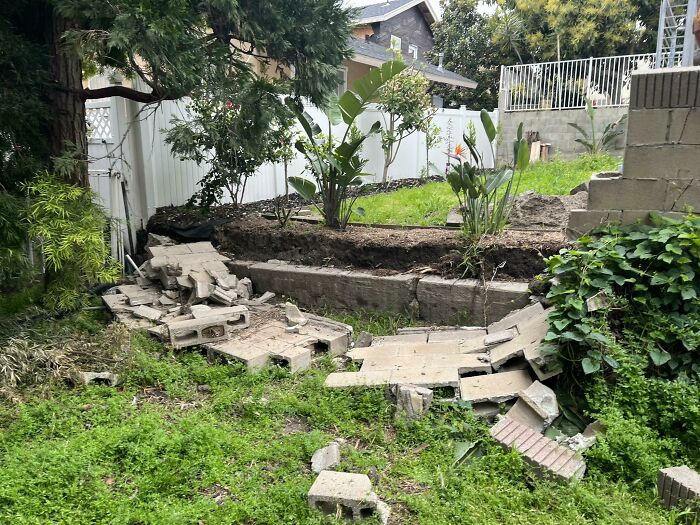
This retaining wall has split in several areas and is now bowing out. This is likely due to poor construction methods or inadequate materials used during its construction.
The foundation of this home is sinking, resulting in a gap between the foundation and the building above. This disconnect can lead to serious structural issues if not addressed promptly.
That rock is trying its best.
The backyard that was previously supported by the failed retaining wall is now beginning to collapse, posing significant safety risks for the homeowners.
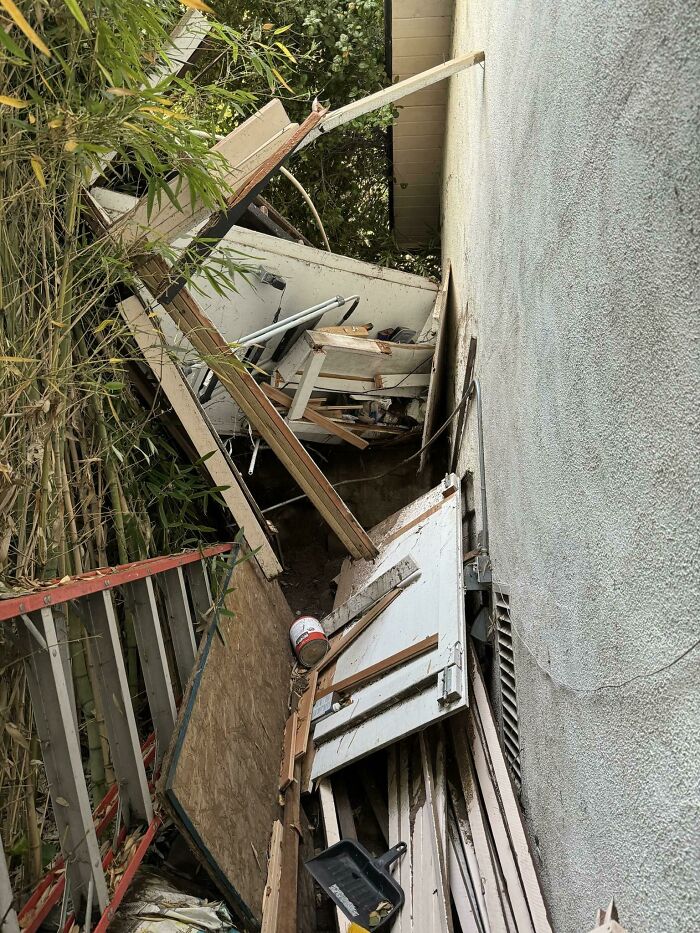
There used to be a staircase here, however, due to its substandard construction, it collapsed. This highlights the importance of adhering to proper building standards and ensuring structural integrity in projects of all scales.
This building exhibits severe spall damage caused by water deterioration of the concrete. It's imperative that all damaged areas are promptly removed and replaced to prevent further spread.
The impact of hydrostatic pressure on retaining walls highlights the importance of proper design and drainage systems to prevent such failures.
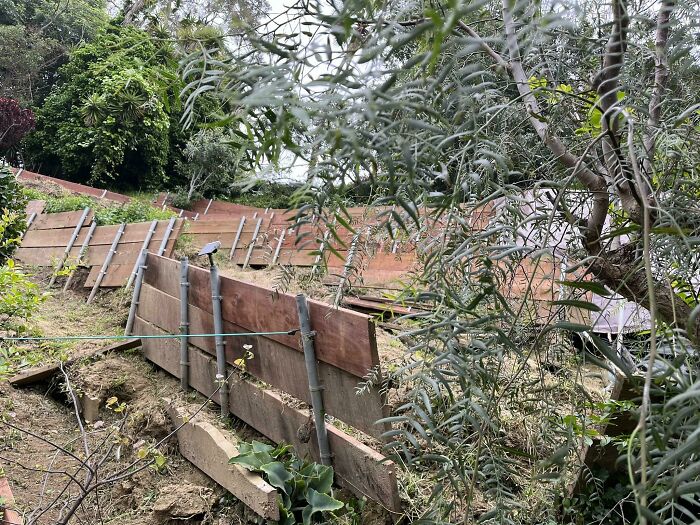
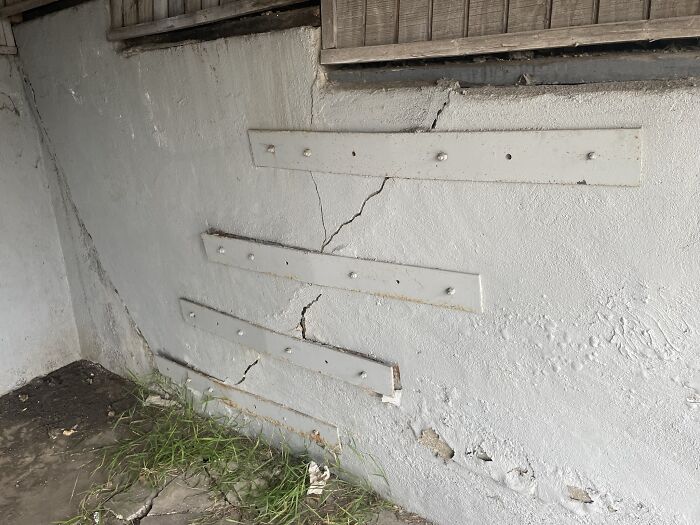
In an attempt to reinforce the wall, steel straps were added, but their effectiveness is questionable. The underlying issues will definitely require a more comprehensive solution to ensure long-term stability.
Hmmm…. I guess they must have been in the way?
Seriously though, floor joists are a crucial component of a building's structure as they provide support and stability to the flooring above. Ripping through them like this removes the support they were providing.
A huge landslide swept through this hillside, resulting in damage to the area and the homes below.
This retaining wall has begun to fail and is leaning with a 17-inch rotation.
The extensive rotation indicates severe structural instability, posing risks to the surrounding area.
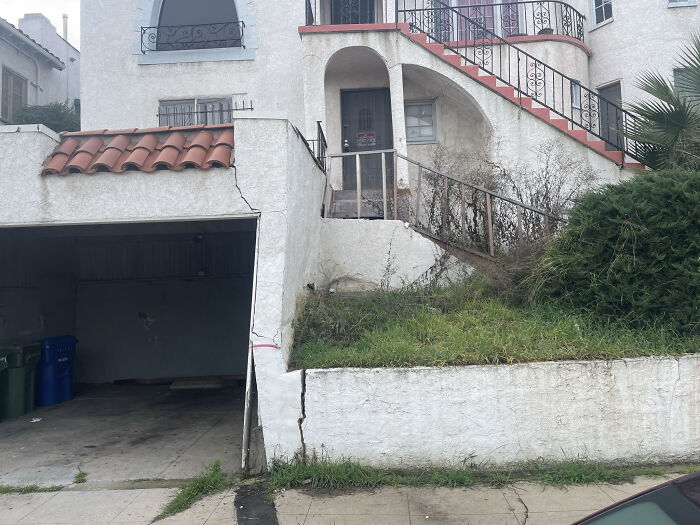
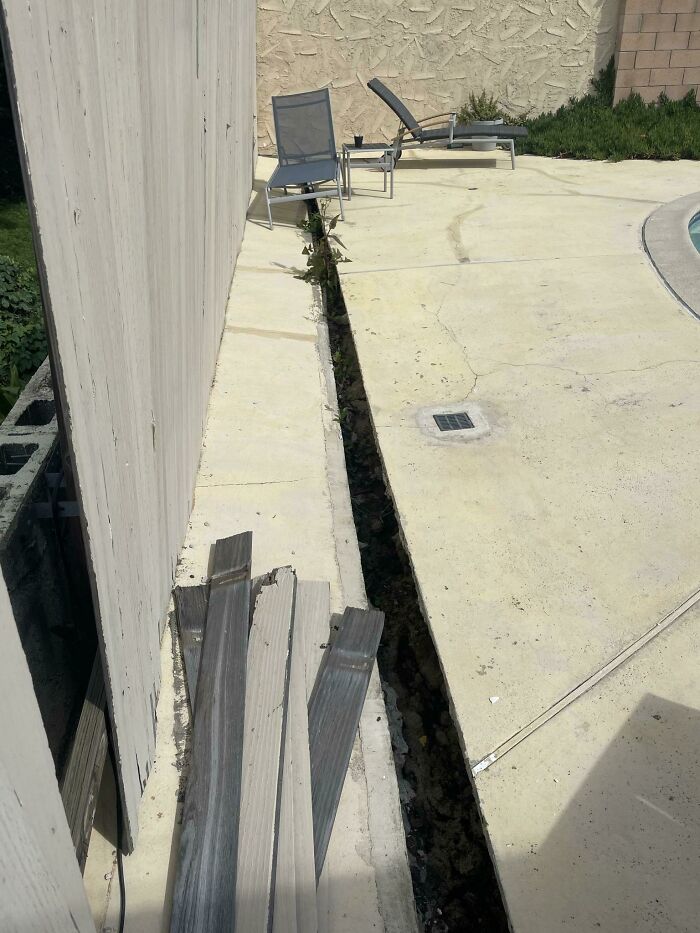
A noticeable separation has developed between this wall and the adjacent walkway.
Guess it could be worse?
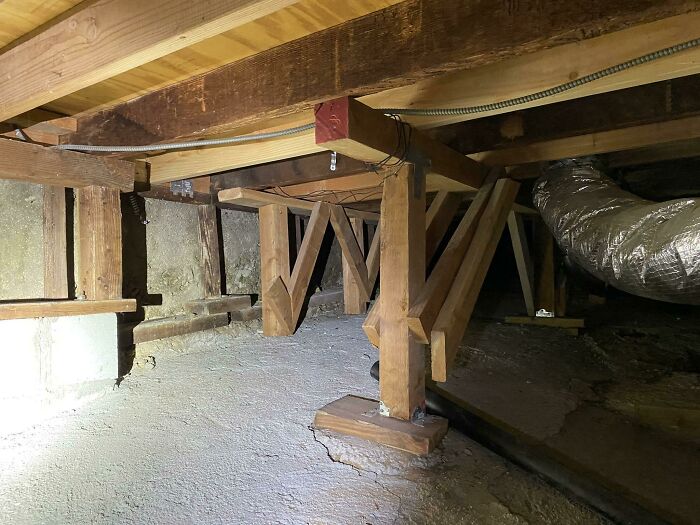
The repairs in this crawlspace appear makeshift and mickey mouse, lacking the proper work needed to maintain the structural integrity of the home.
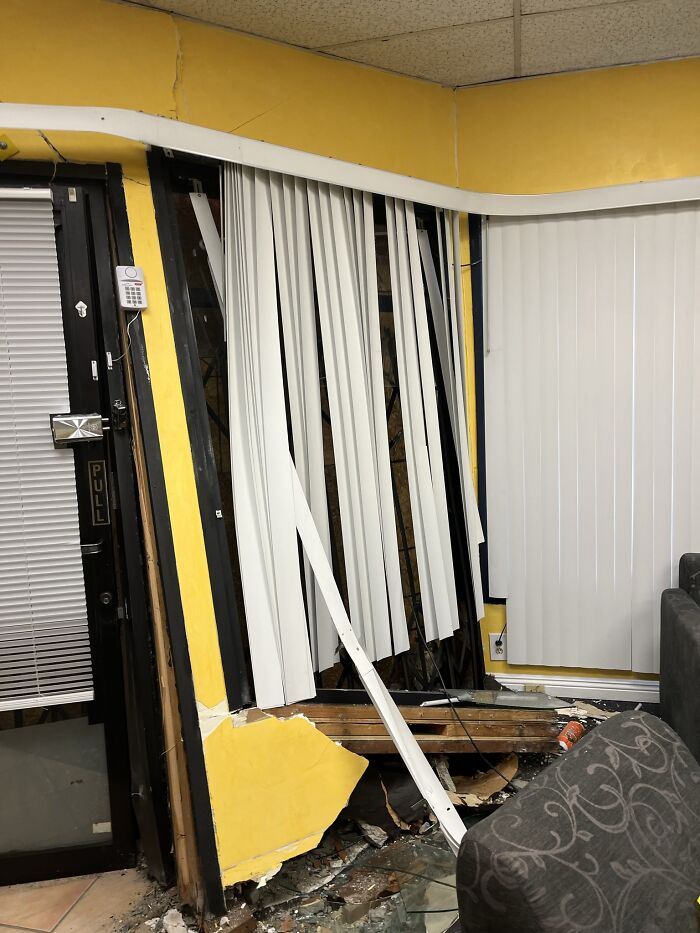
A car crashed into this storefront, causing significant damage. This happens way more than you think it would.


Is it just me or are all these photos from the same place after one landslide?

Alpha Structural does all the fancy hillside homes in Los Angeles, which has this happen a lot
Load More Replies...
Just me, over here in my 46 year old ranch house that was built on a concrete slab, in flat desert, that I only purchased after looking at historical satellite views so I knew it wasn't old farm land or manipulated landscape or a former natural pool. This is so scary and, probably even more devastating for those poor homeowners!


Is it just me or are all these photos from the same place after one landslide?
Alpha Structural does all the fancy hillside homes in Los Angeles, which has this happen a lot
Load More Replies... Just me, over here in my 46 year old ranch house that was built on a concrete slab, in flat desert, that I only purchased after looking at historical satellite views so I knew it wasn't old farm land or manipulated landscape or a former natural pool. This is so scary and, probably even more devastating for those poor homeowners!



































 No fees, cancel anytime