Get Premium
Dark mode theme is available exclusively for premium users. Learn more about the benefits of subscribing.
No fees, cancel anytime.

 Dark Mode Ad-Free Browsing Unlimited Content
 Ad-Free Browsing Unlimited Content Dark Mode
Join 1.2 million Panda readers who get the best art, memes, and fun stories every week!
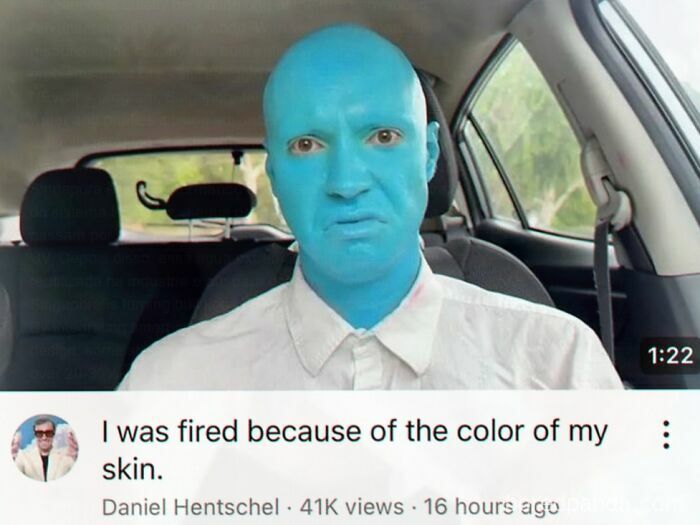
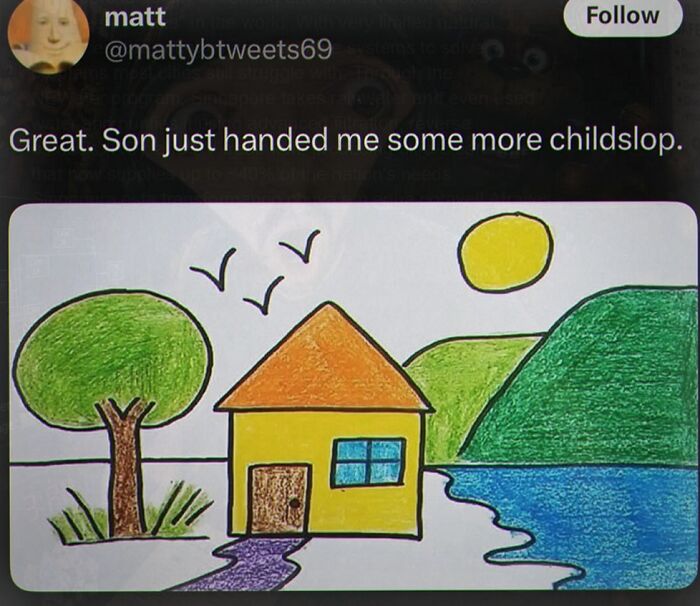
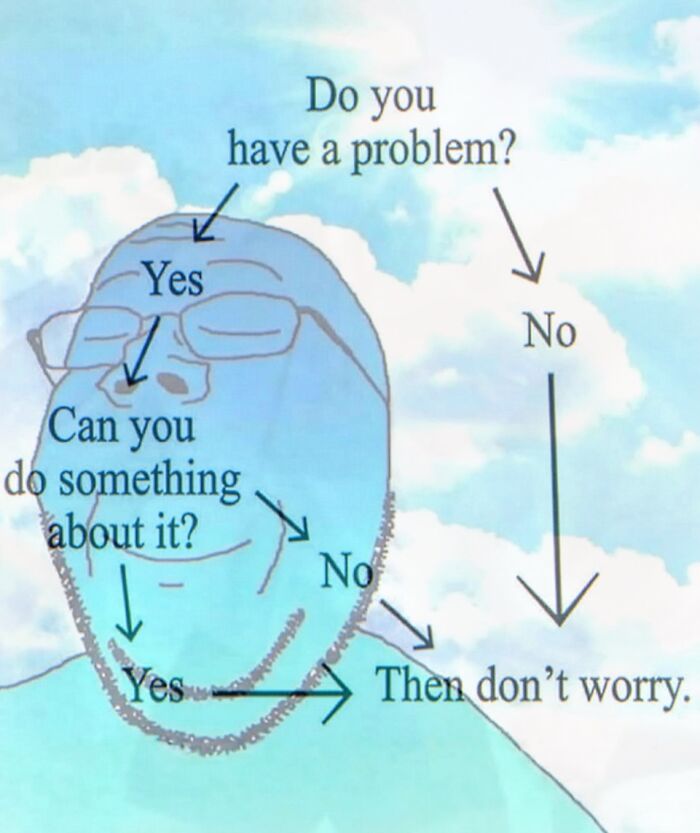
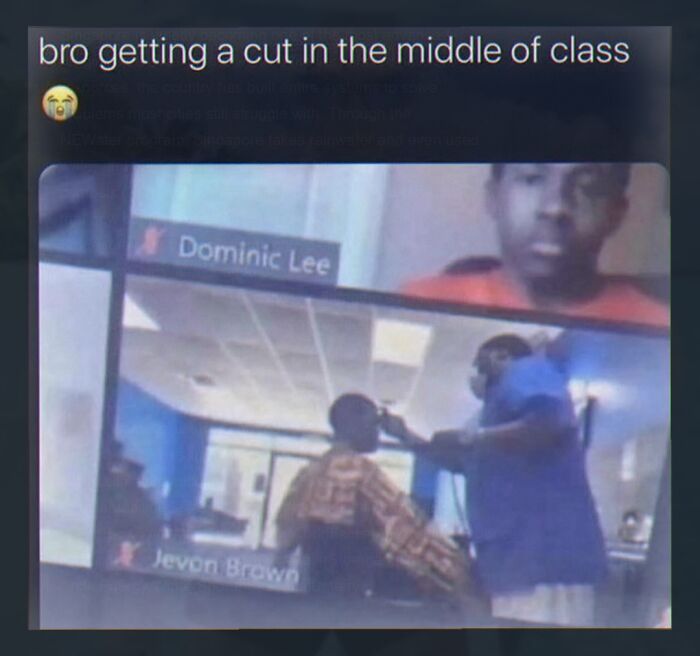
As social media becomes increasingly omnipresent in people’s lives, cringe content has also grown in popularity. There appears to be a liking for photos, videos, and memes that induce secondhand embarrassment and awkward feelings.
It’s also likely why Instagram accounts like this one are getting traction. While the page isn’t mostly about cringe posts, many of its memes carry that central theme. We’ve even compiled enough to create this lengthy list.
If you’re into this type of content, here’s your free entertainment for today.
This post may include affiliate links.


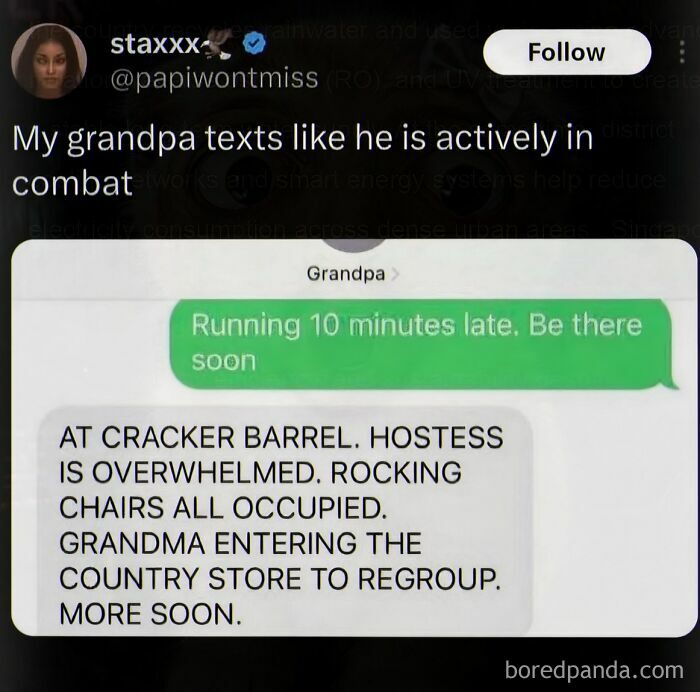
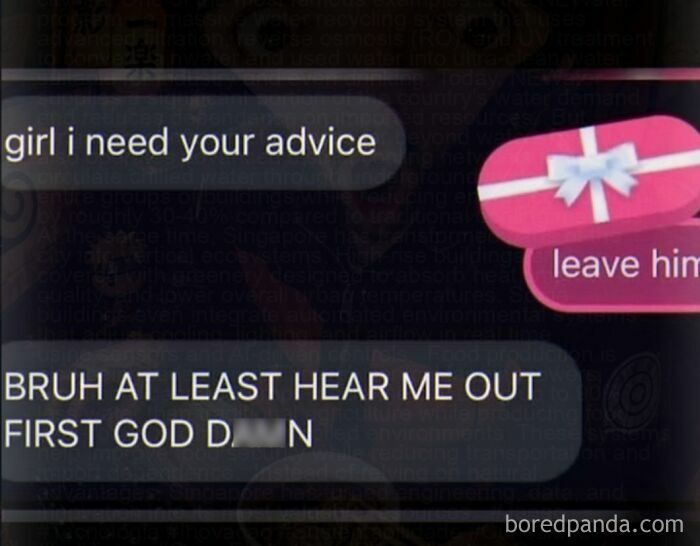
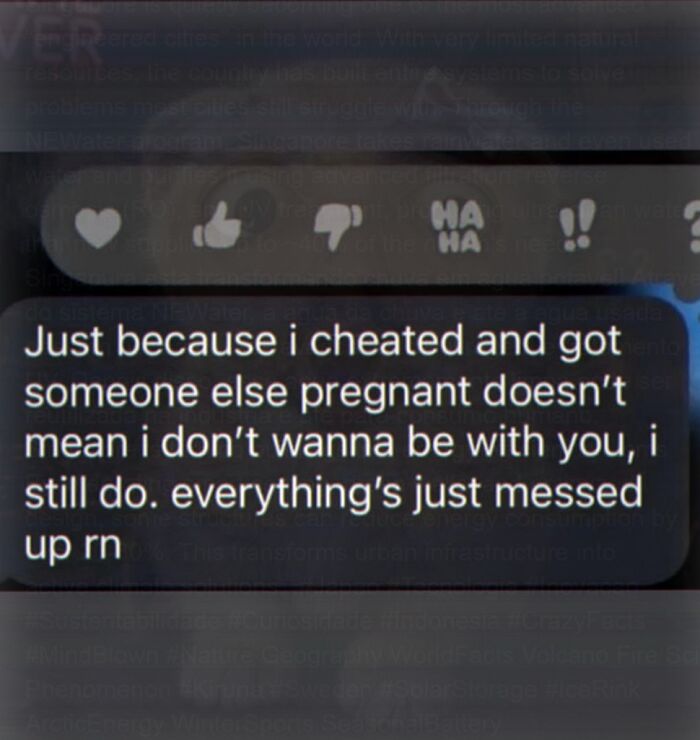
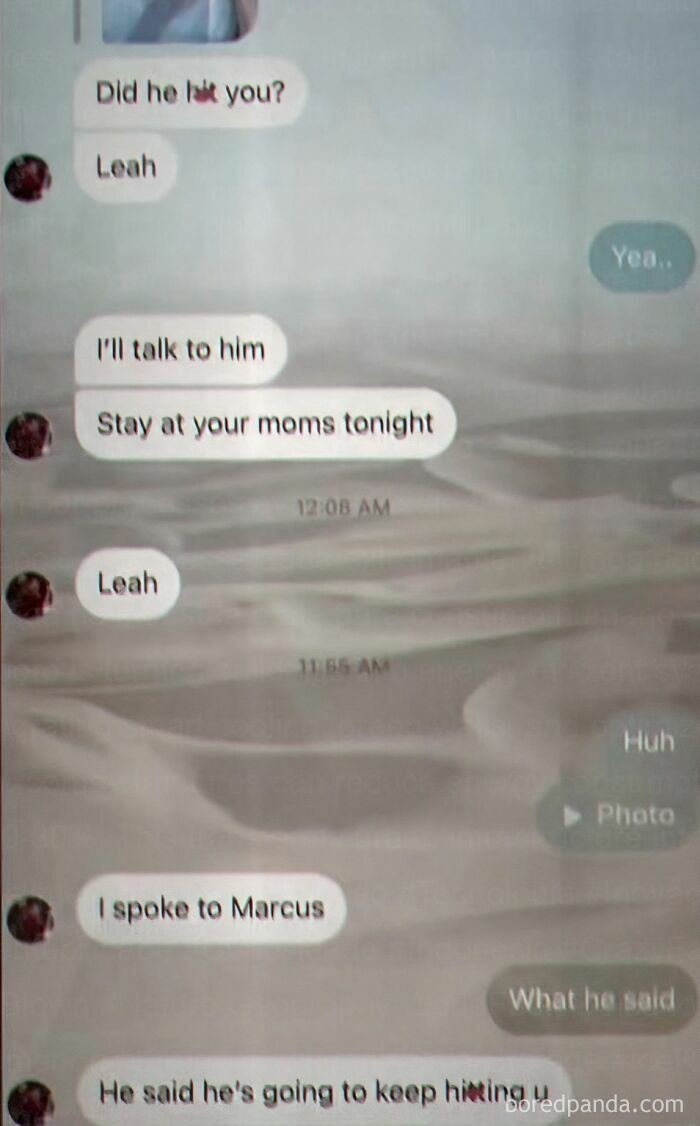
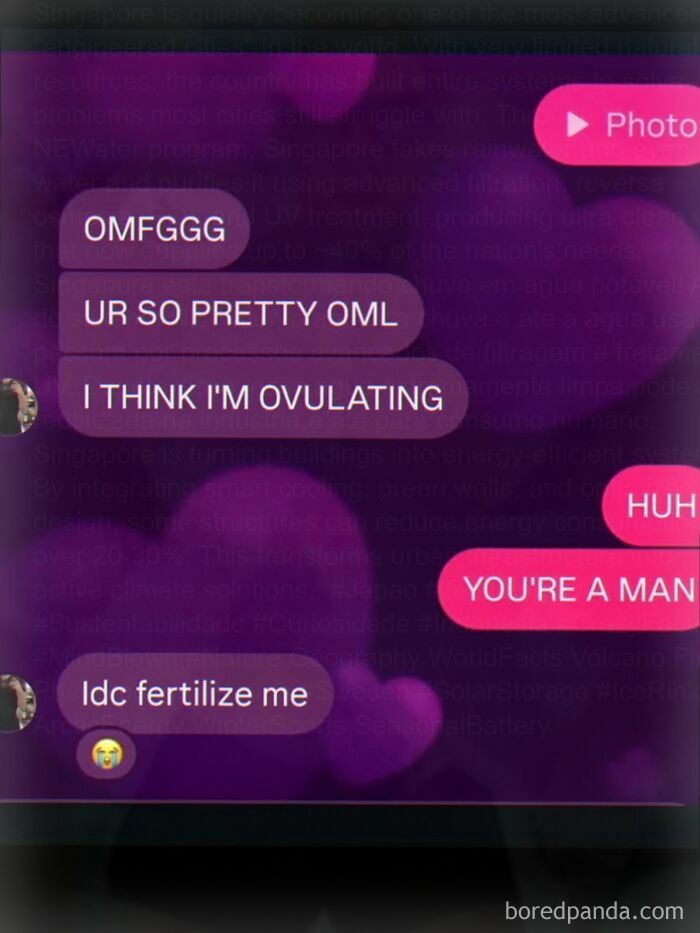
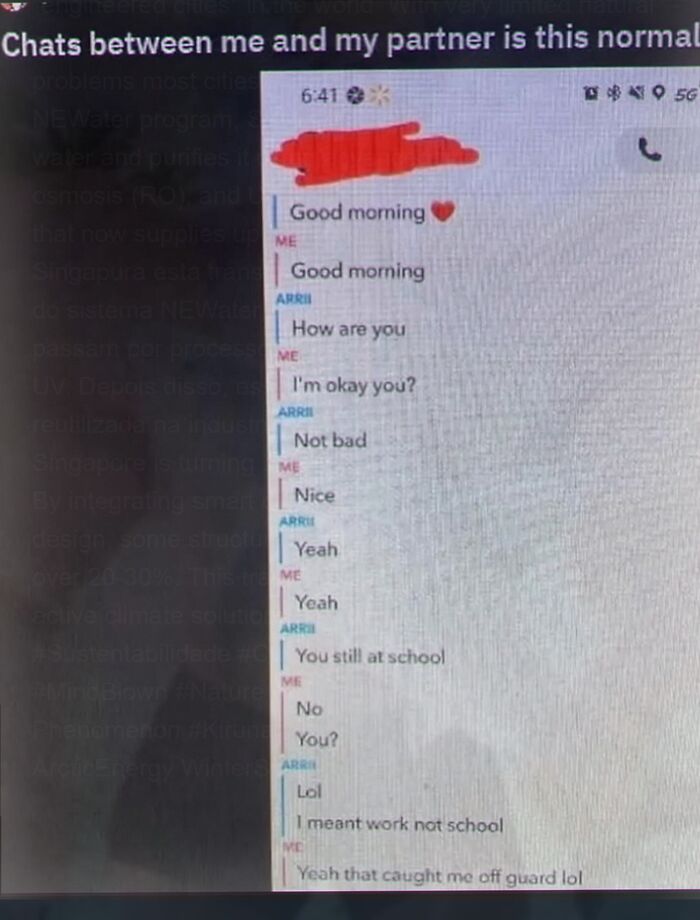
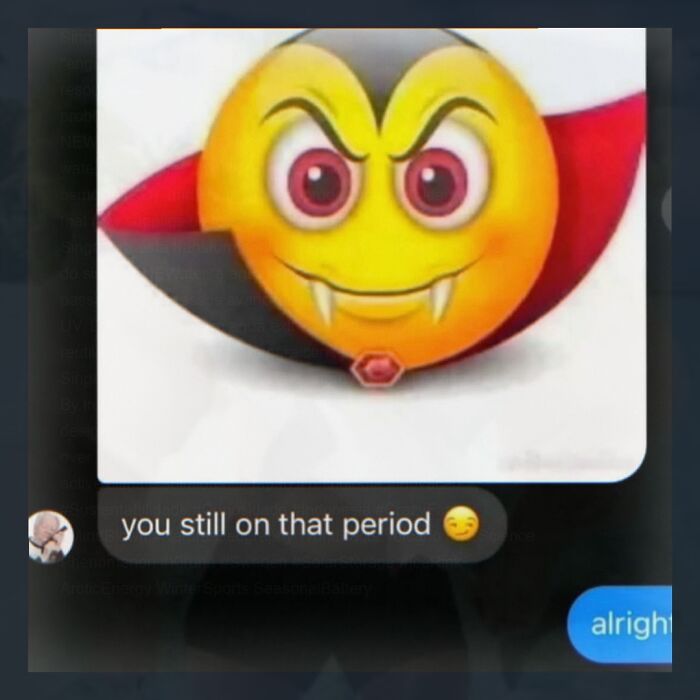
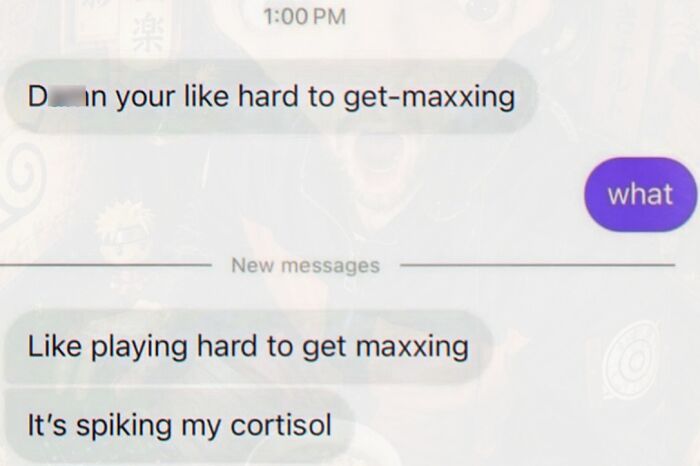
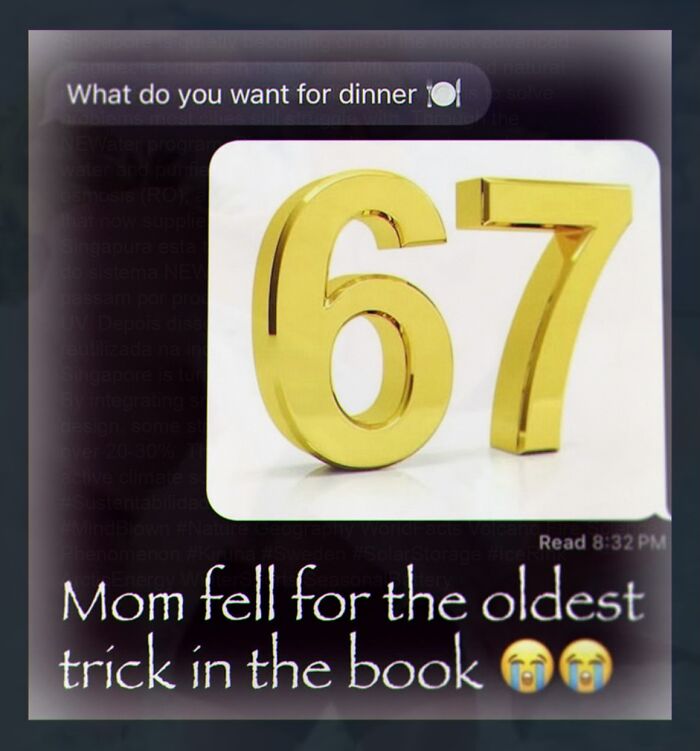
I sense the friend has had these kinds of texts before and recognises a pattern.

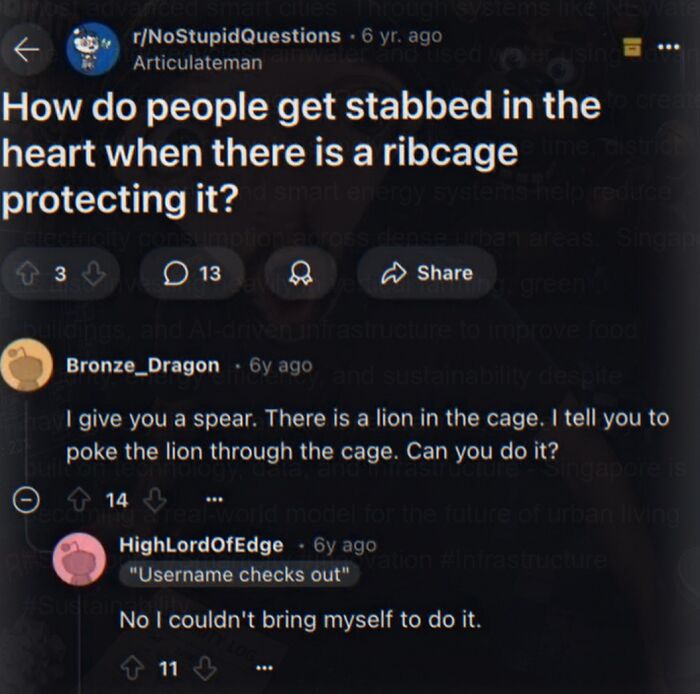
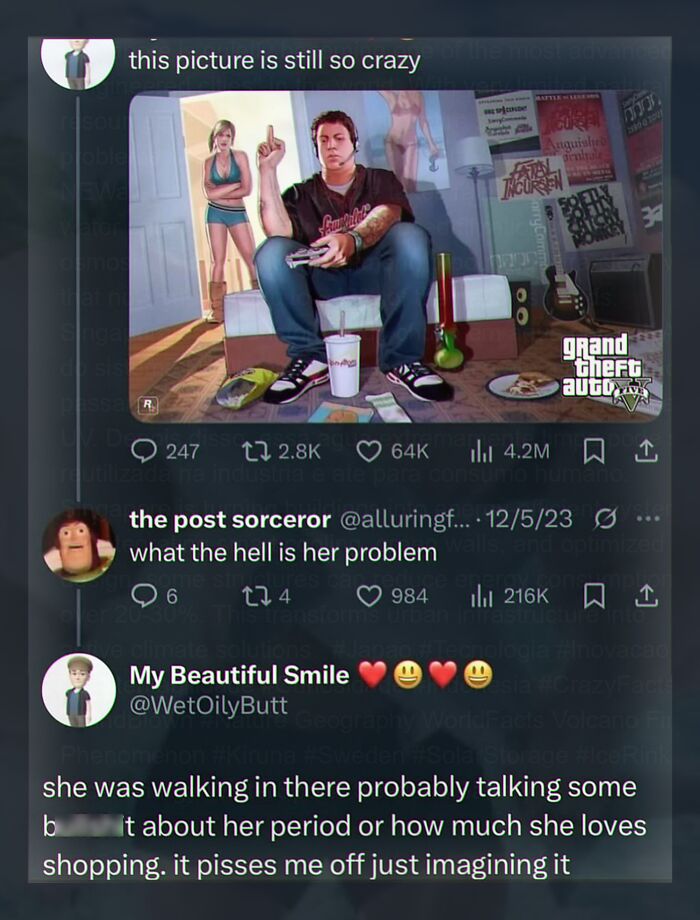
The way to a man's heart is through his stomach,,,, then up through the diaphragm behind the sternum. No stabby stabby ribcage unless you can align with the slots
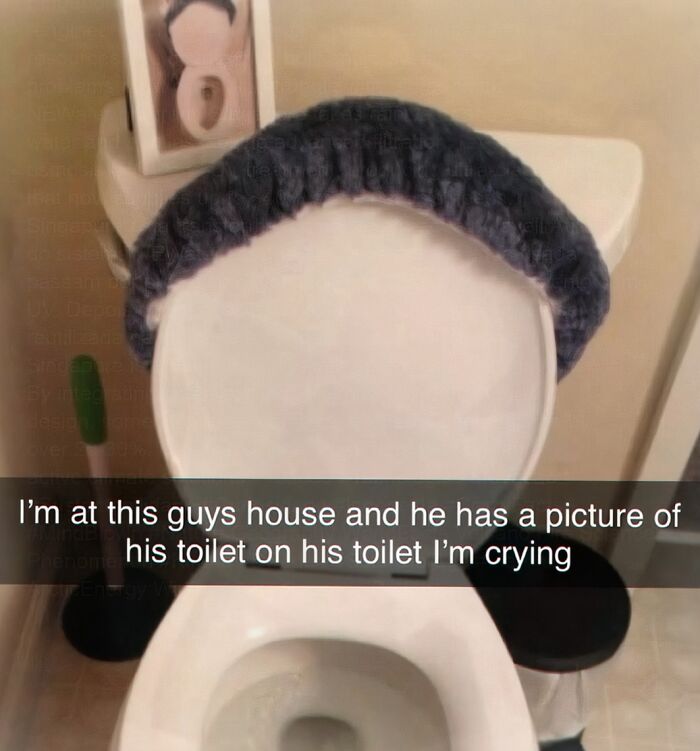
The only cringe thing here is that furry thing on his toilet


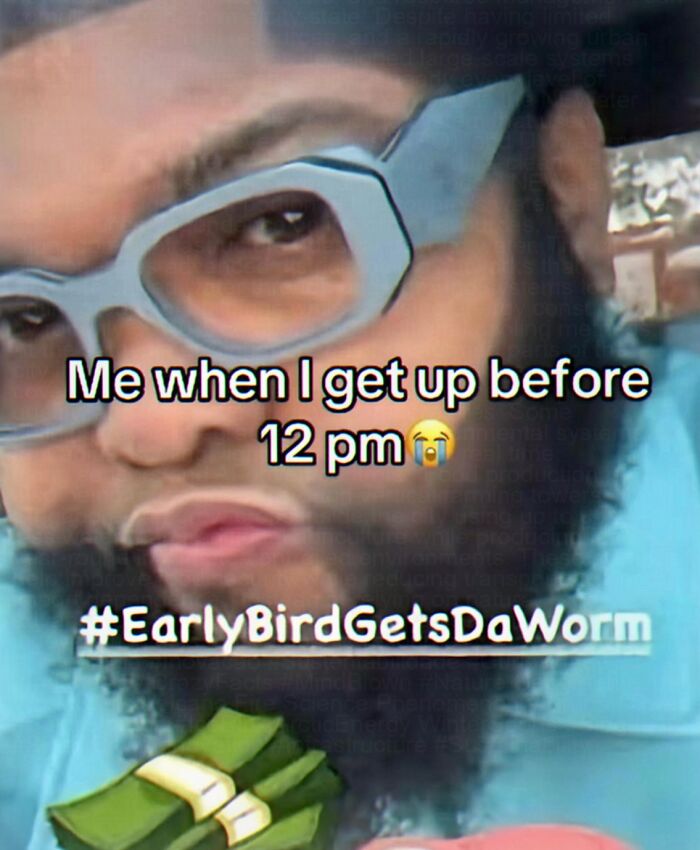
Those glasses look like you'd get a pair of them if you purchase a Cybertruck. But only today. And only in the online shop.

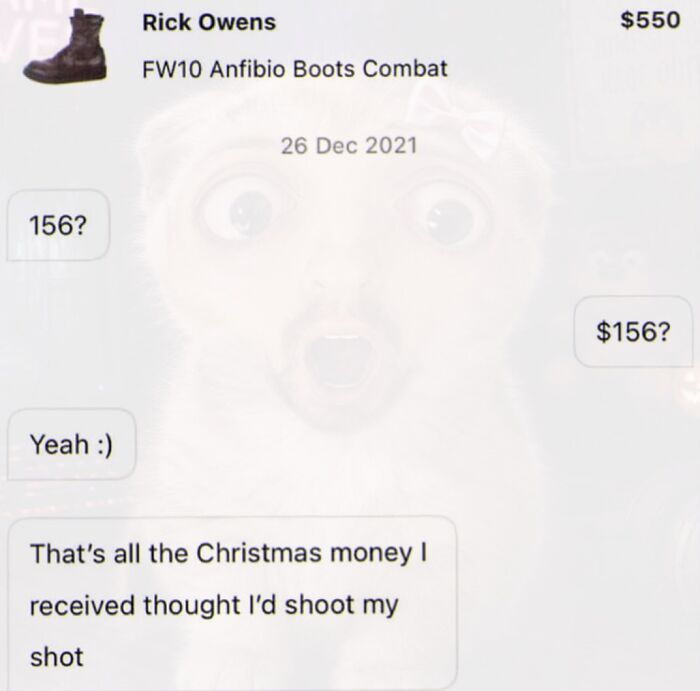
If you don't ask, you don't get. As he said, he thought he'd take a shot. If it didn't work, I don't see that that is cringe.


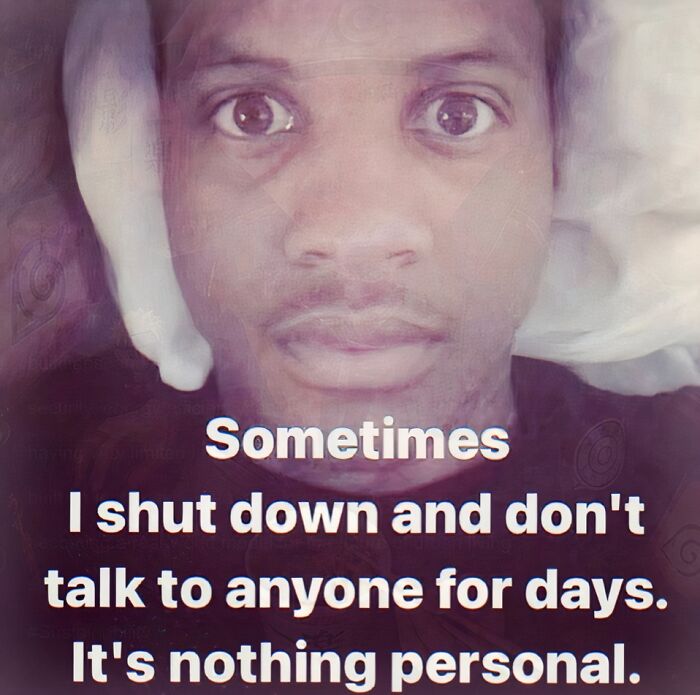
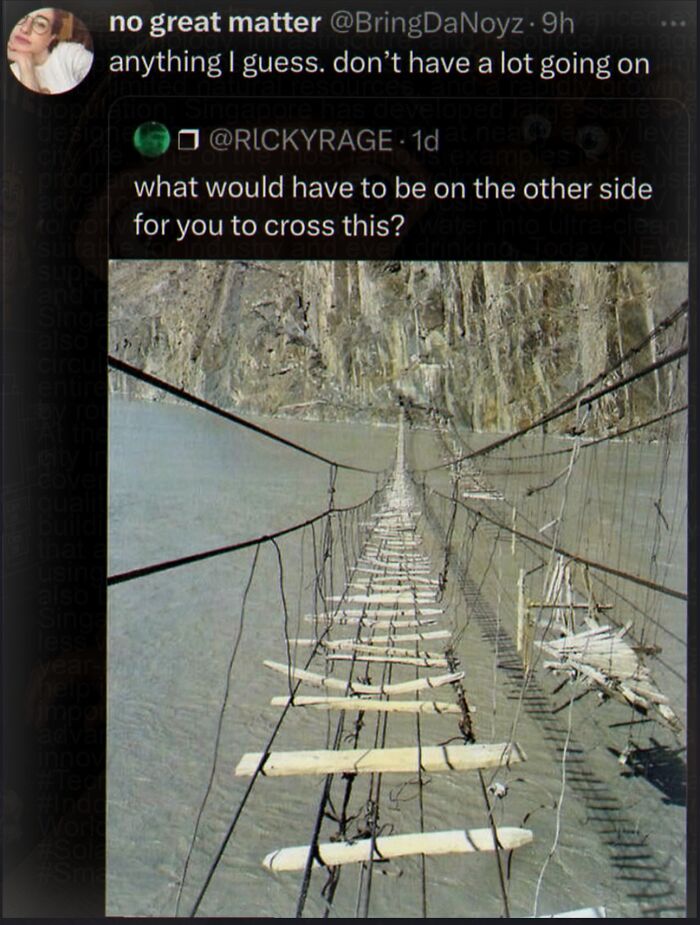
I discovered something interesting about myself when I was in the hospital with non-functioning kidneys. Apparently, my anxiety disorder fades away when there is absolutely zilch that can be affected by my actions. I will stress for hours all the time about little things. But when my fate is 100% in the hands of other people, I can relax. My husband was falling apart. My family was freaking out. Apparently my brother had discussed with his wife about naming their unborn child after me if I died (they told me that much much later). But for the first time in a decade I was totally calm.

This isn't cringe, it's sad. People in ábusive relationships often cannot accept or see how ábusive the relationship is, and will refuse to leave/escape because of that. It took me 25 years to escape from mine.

I see this as a sort of tongue in cheek joke. Tacky, but not deliberately sexist?


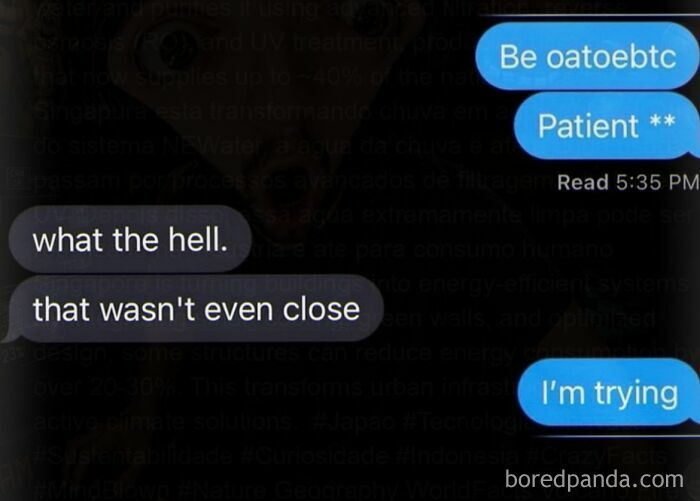
On a QWERTY keyboard, that's a plausible error if you assume three things. First, that the left hand was positioned properly, correctly hitting the a, t e, and t. Second, that the right hand was not positioned properly, hitting o for p, o for i, and b for n - all of those are next to the desired keys. Finally, that the c at the end was an accident. I used to have to interpret messages from some incredibly bad typists.

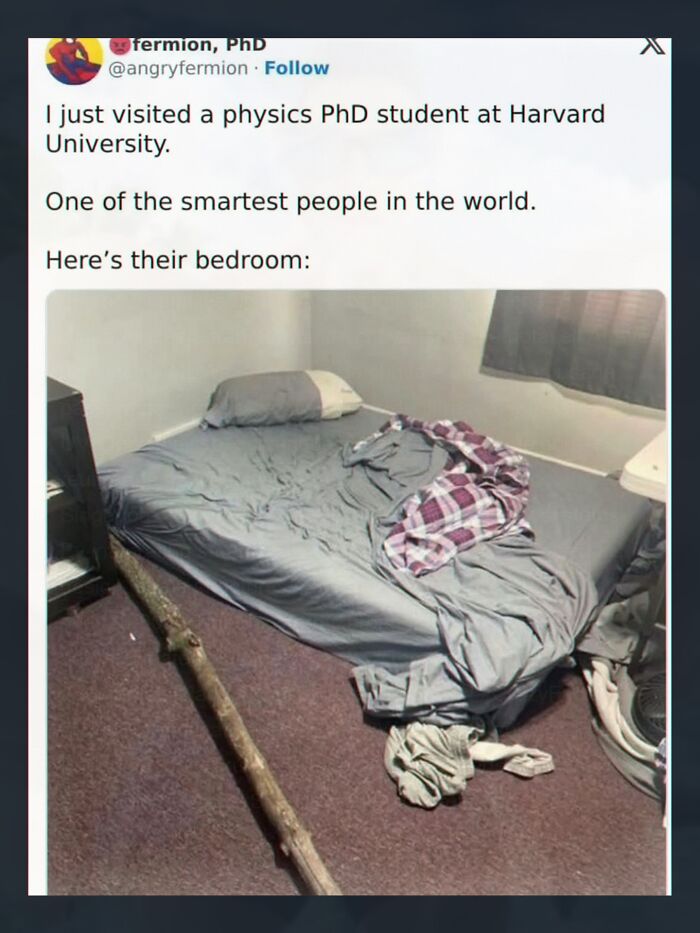
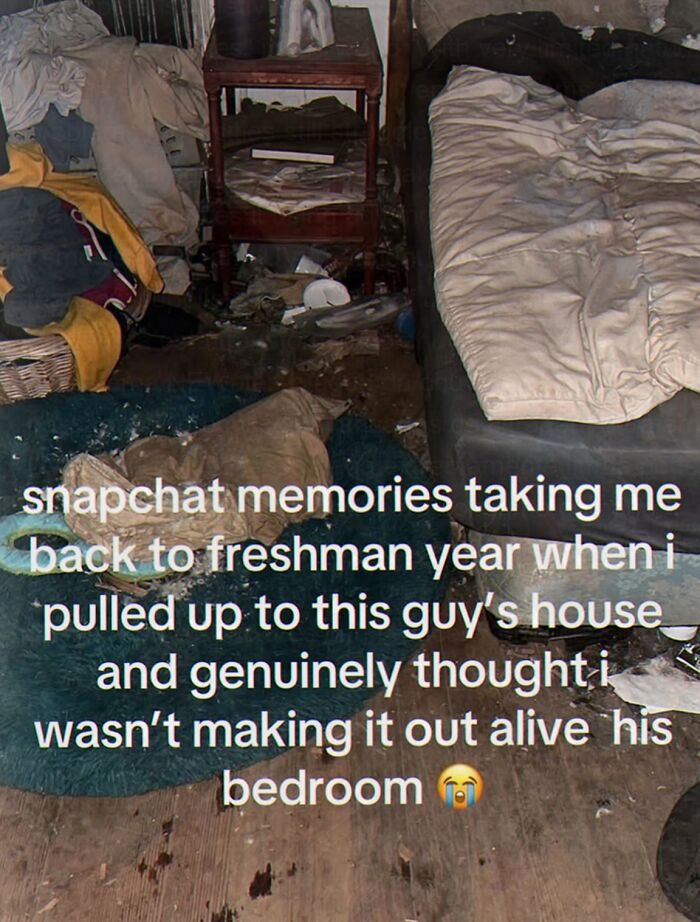
OK, not the greatest of bedrooms... But he has a really cool big stick!

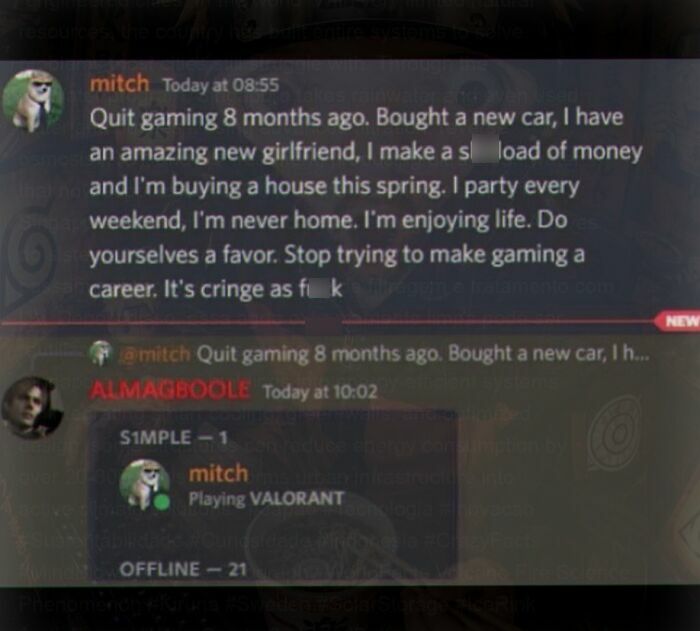
Why buy a house if you're never home, maybe a truck camper would be something smaller you could ignore
How I imagine my nonexistent partner would look at my skinny a*s and think im stunning as f**k
I think there need to be a few less people. Maybe just two. Or one. And a dog.
Dam I expected this to be an insult but it actually turned out wholesome

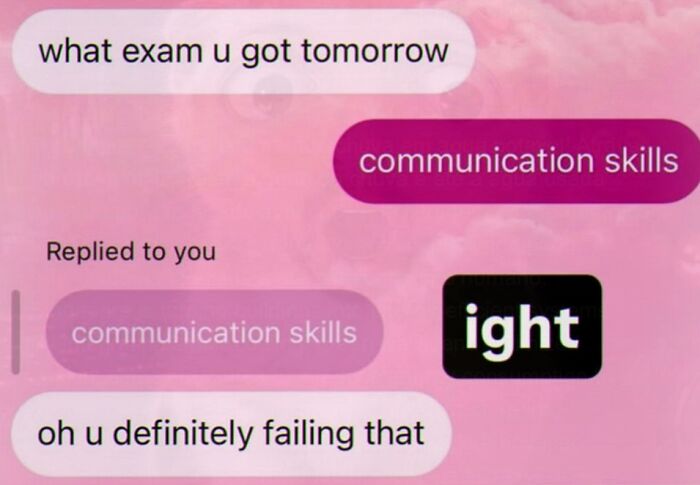
Hearing and listening are quite different. Believe me - I taught teenagers.

Yeah... You are definitely a Cringey Muck Fuppet. Hopefully she obtained a No Contact Order against you.


And to think that two people were paid to put this load of dross together.
Funded by the JobAtHome (and similar) scams, which is why BP does nothing to stop them.
Load More Replies... Do they understand that most of these are joke posts and are **meant** to be cringy?
And to think that two people were paid to put this load of dross together.
Funded by the JobAtHome (and similar) scams, which is why BP does nothing to stop them.
Load More Replies... Do they understand that most of these are joke posts and are **meant** to be cringy?
























 No fees, cancel anytime