Get Premium
Dark mode theme is available exclusively for premium users. Learn more about the benefits of subscribing.
No fees, cancel anytime.

 Dark Mode Ad-Free Browsing Unlimited Content
 Ad-Free Browsing Unlimited Content Dark Mode
Join 1.2 million Panda readers who get the best art, memes, and fun stories every week!
I got my first impression of Japanese culture through real-time strategy games, where choosing to play with the civilization meant getting disciplined units and sleek pagodas, and I've been a fan of them ever since.
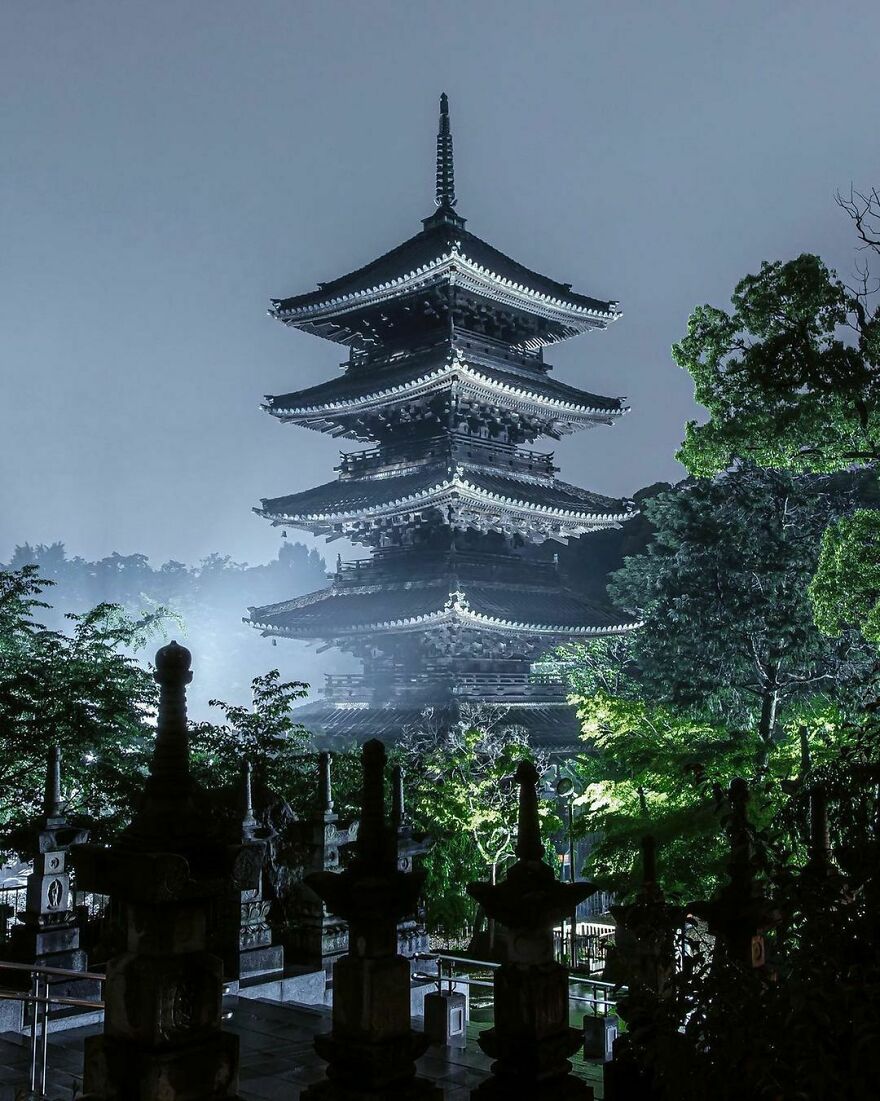
Maybe it's my European tendency to romanticize far away places, but if you’re anything like me, the subreddit r/JapaneseArchitecture is a perfect stepping stone into that world, serving up everything from old temples to modern homes that feel very human, in the best sense of that word.
This post may include affiliate links.
A prevalent characteristic of Japanese architecture—and, indeed, of all the visual arts of Japan—is an understanding of the natural world as a source of spiritual insight.
An indigenous religious sensibility that long preceded Buddhism perceived the spiritual realm as manifesting in nature. Rock outcroppings, waterfalls, and gnarled old trees were viewed as the homes of spirits and were seen as their personification.
This belief system endowed much of nature with numinous qualities. It nurtured, in turn, a sense of proximity to and intimacy with the world of the spirit, as well as a trust in nature’s general benevolence. The cycle of the seasons was deeply instructive and revealed, for example, that immutability and transcendent perfection were not “natural.” Everything was understood as subject to a cycle of birth, fruition, death, and decay. Imported Buddhist notions of transience were thus merged with the indigenous tendency to seek instruction from nature.
Close attention to nature helped shape an aesthetic that generally avoided artificial effects. When it came to creating art, the natural qualities of the materials were highlighted and seen as essential to the overall meaning of the work.
For example, in 9th-century Japanese Buddhist sculpture, artists moved away from the stucco or bronze models of the Tang dynasty and began using natural, unpainted wood. In doing so, established iconographic forms were combined with a long-standing respect for the material itself.
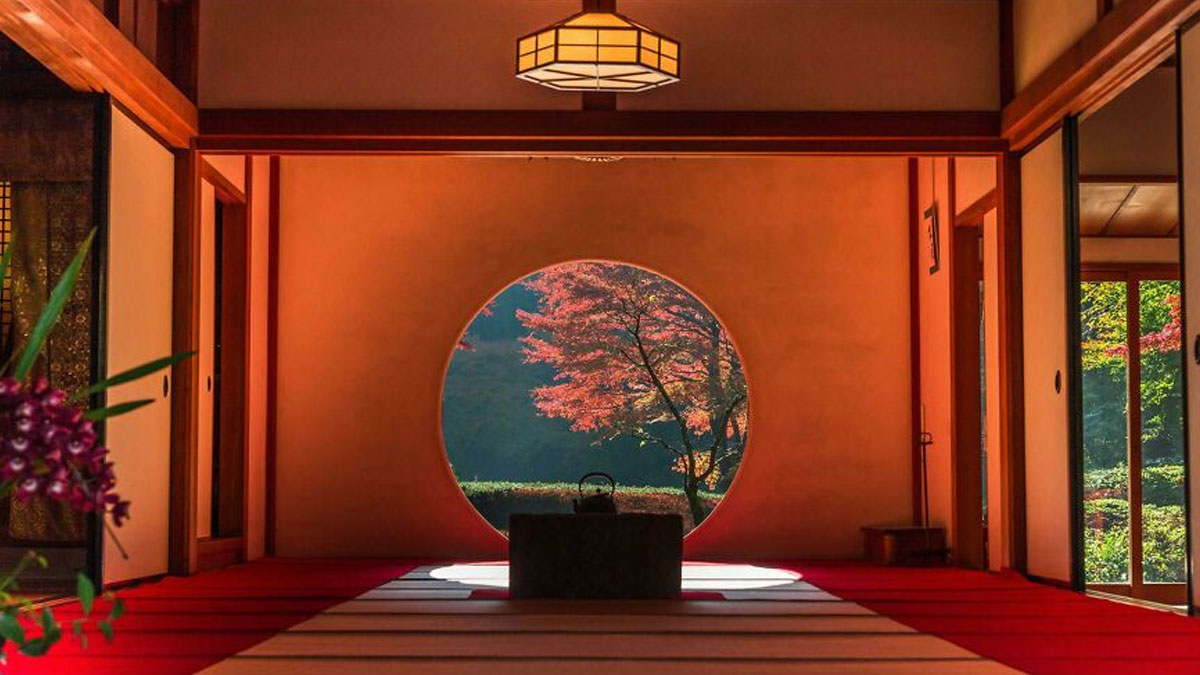
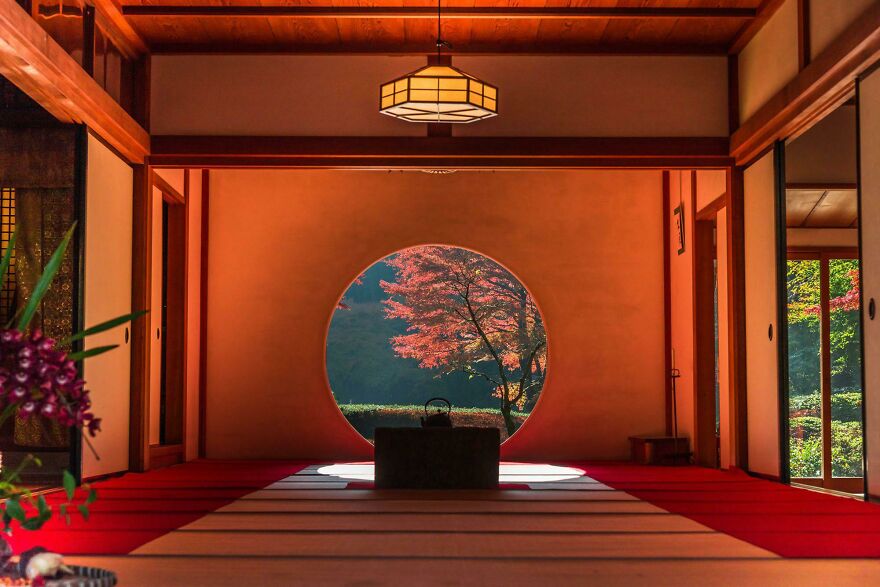
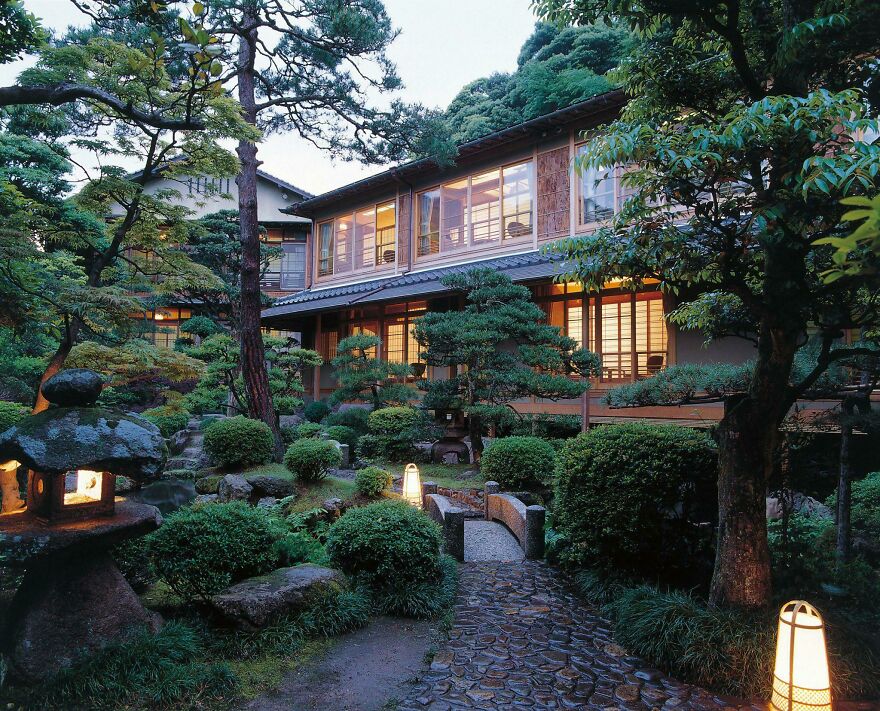
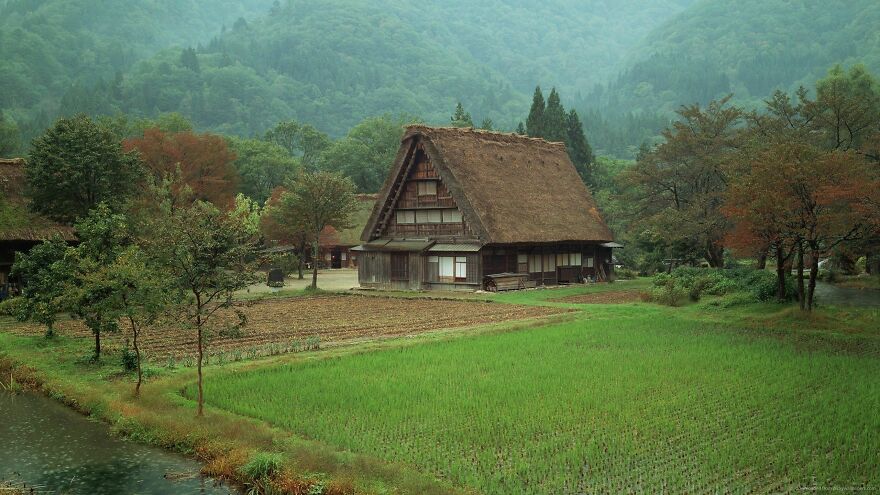
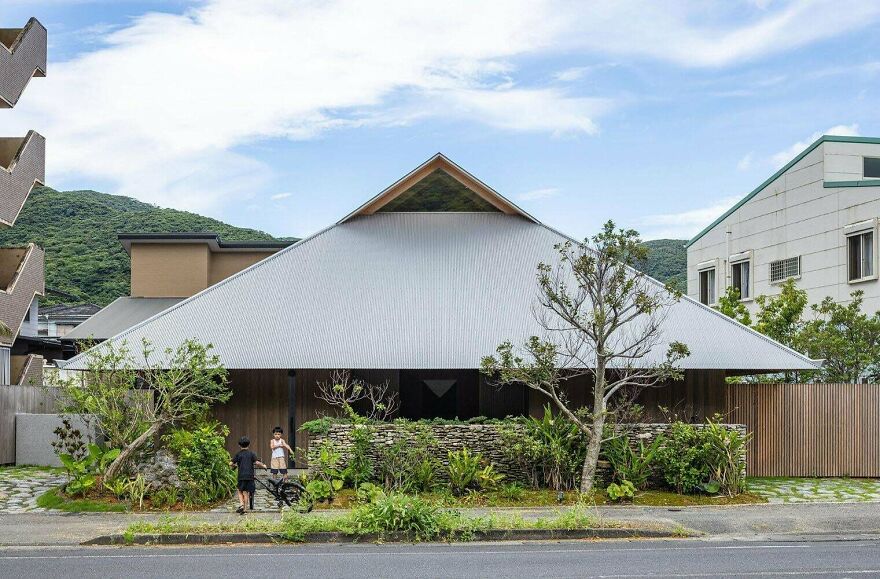
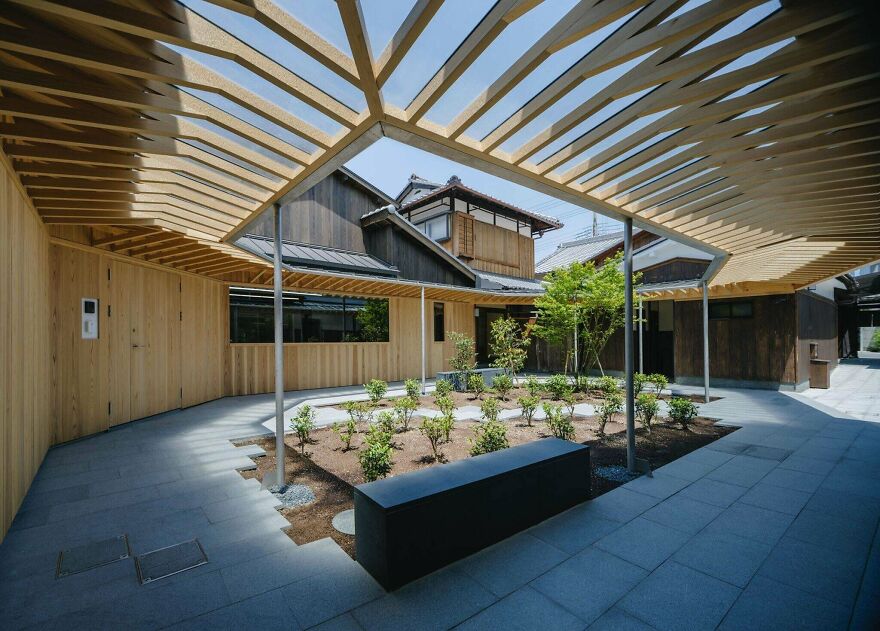
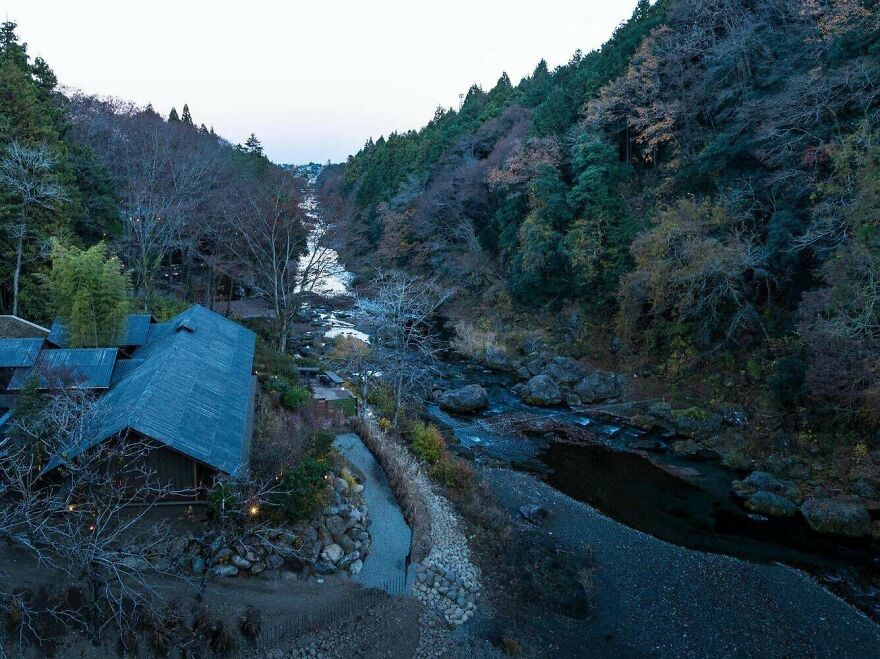
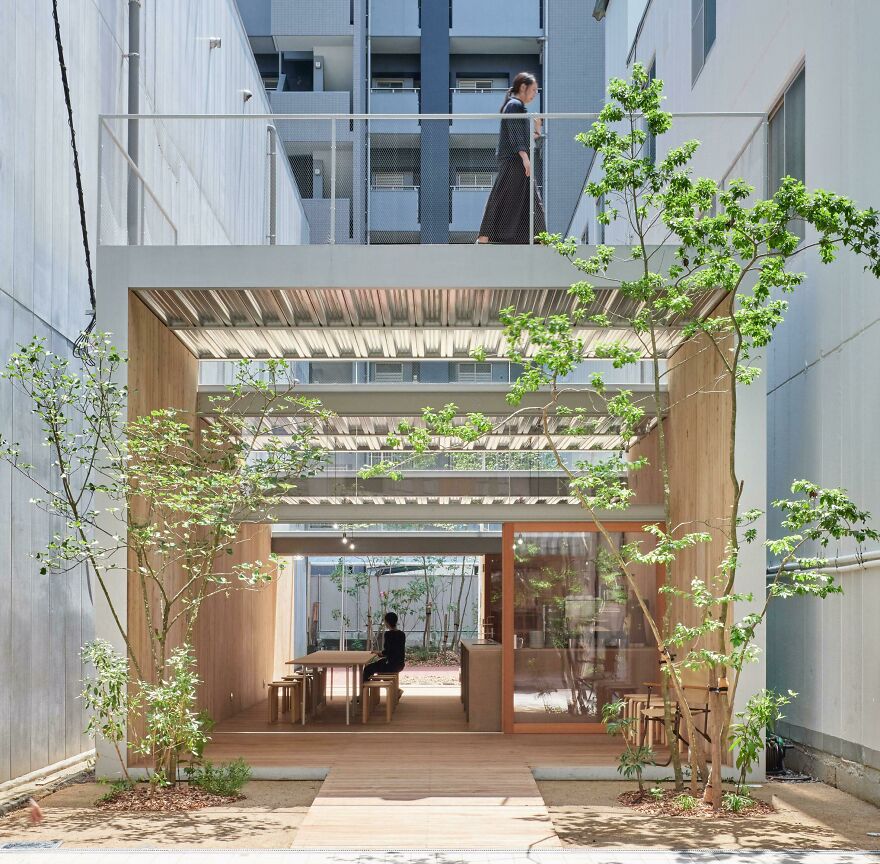
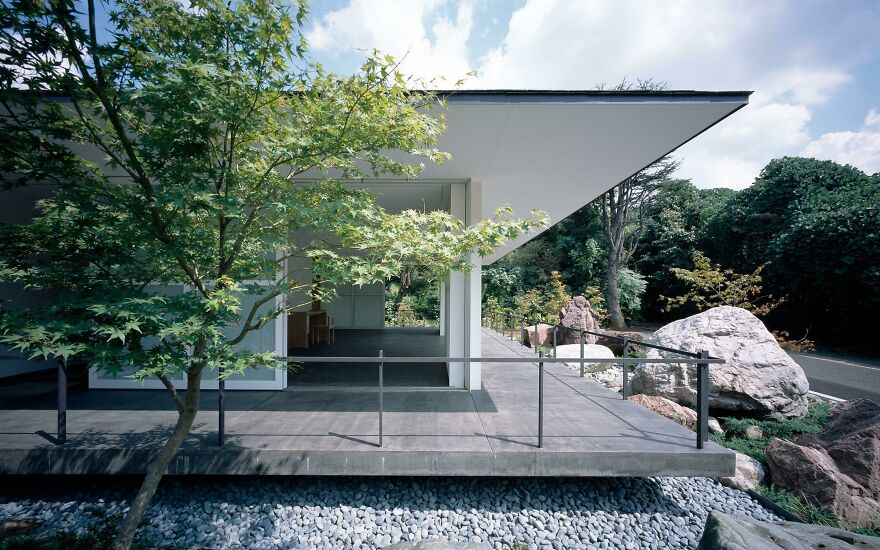
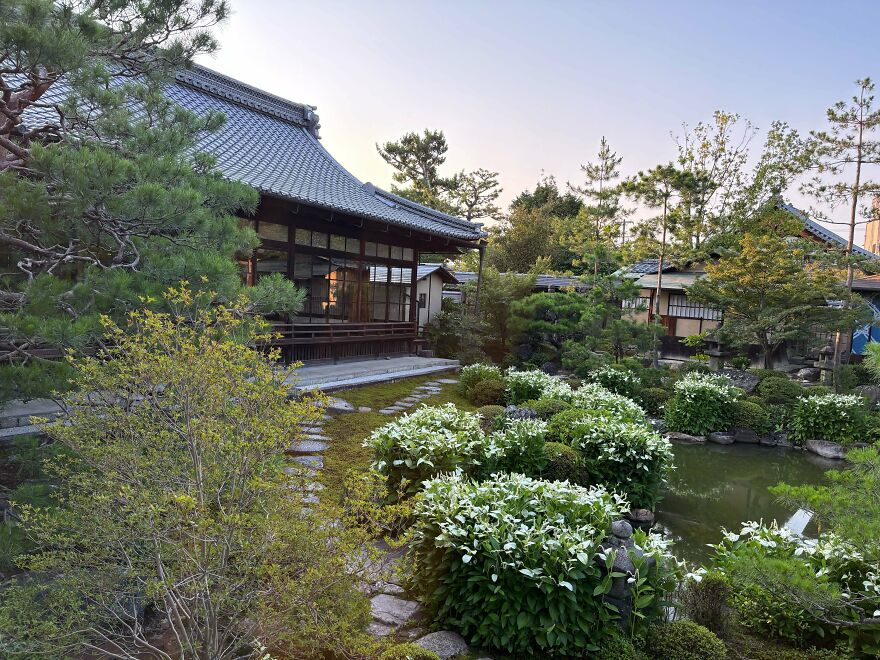
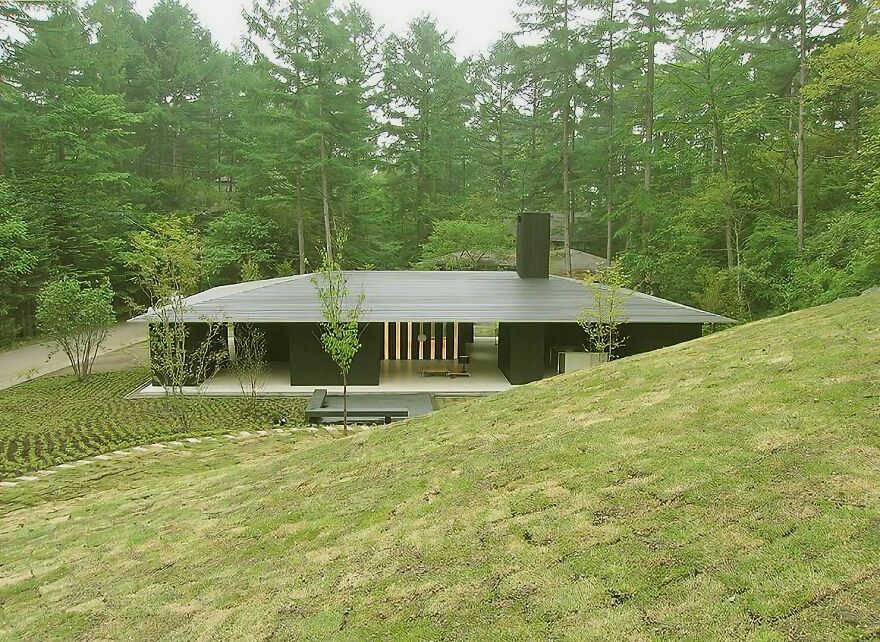
Connection with nature was also an important part of Japanese architecture. Buildings seemed to follow the shape of the land. The strict symmetry of Chinese-style temples gave way to asymmetrical layouts that adapted to hills and mountains.
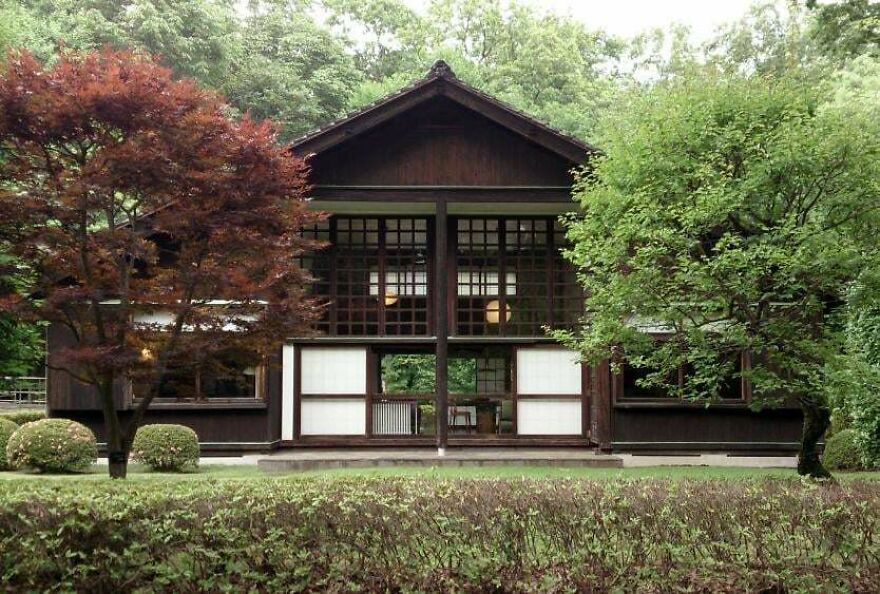
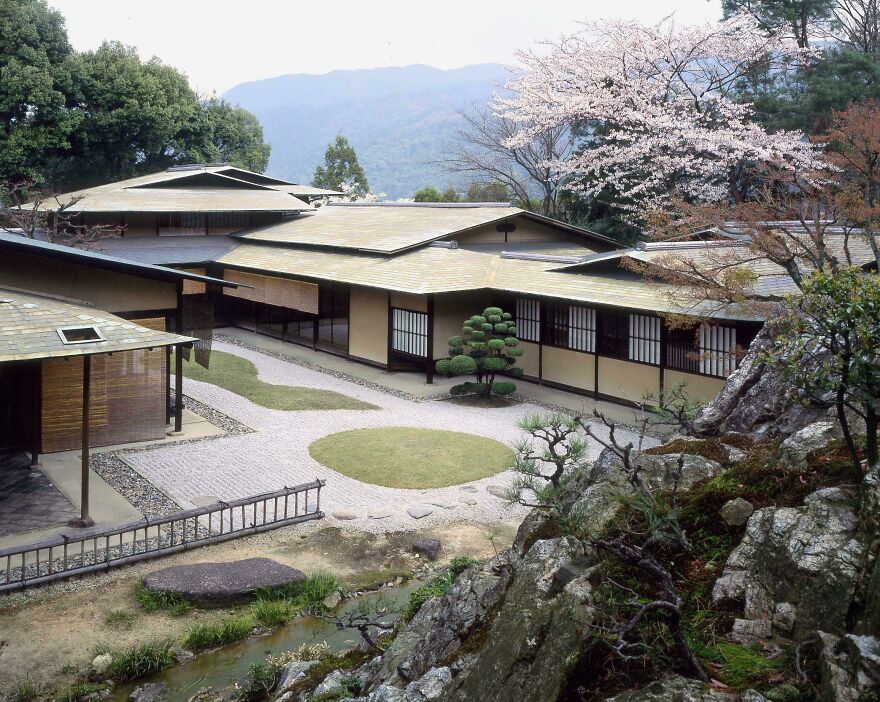
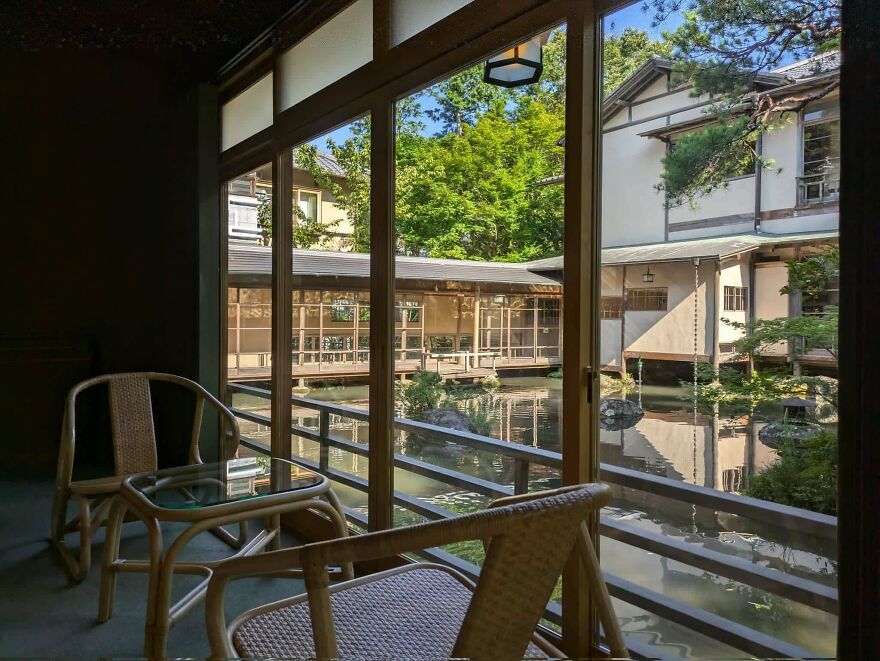
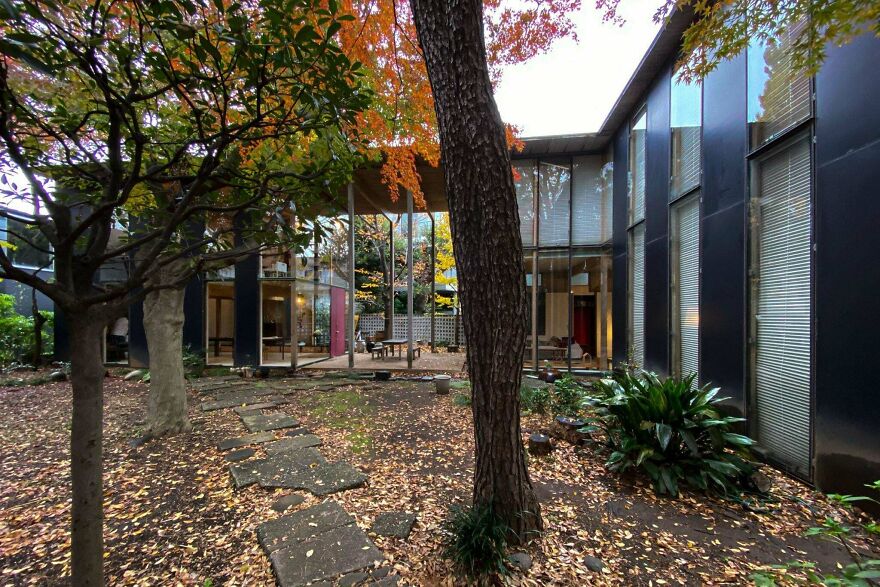
The boundaries between buildings and the natural world were intentionally blurred. Features like long verandas and sliding panels provided constant views of nature—though that nature was often carefully arranged and designed rather than completely wild.

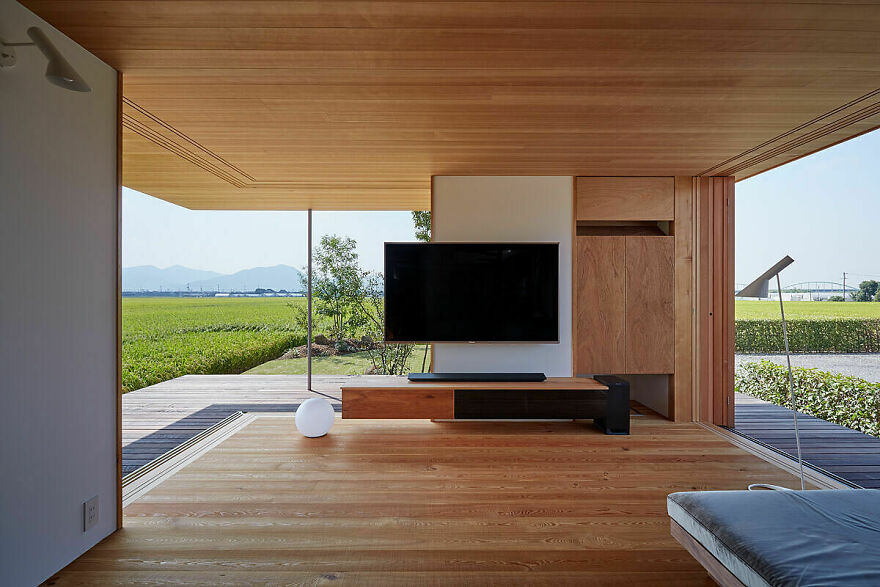
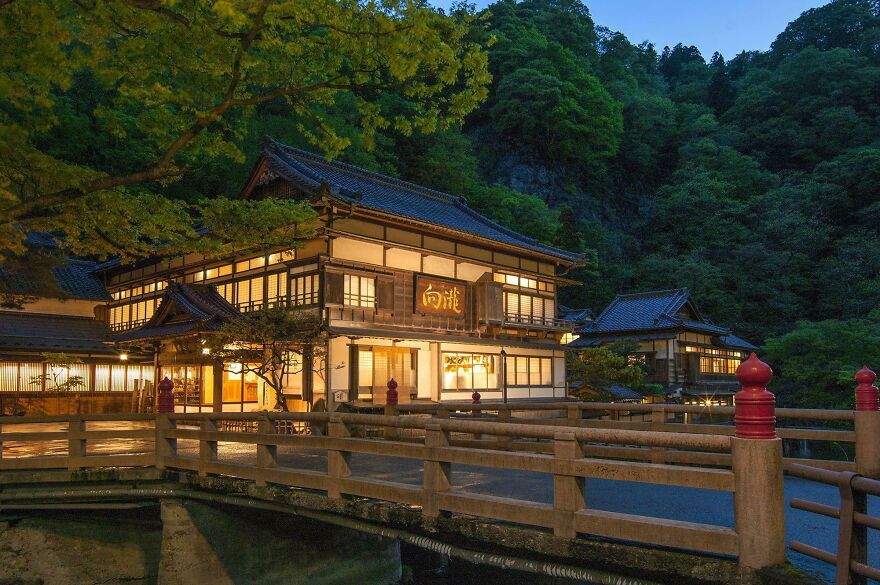
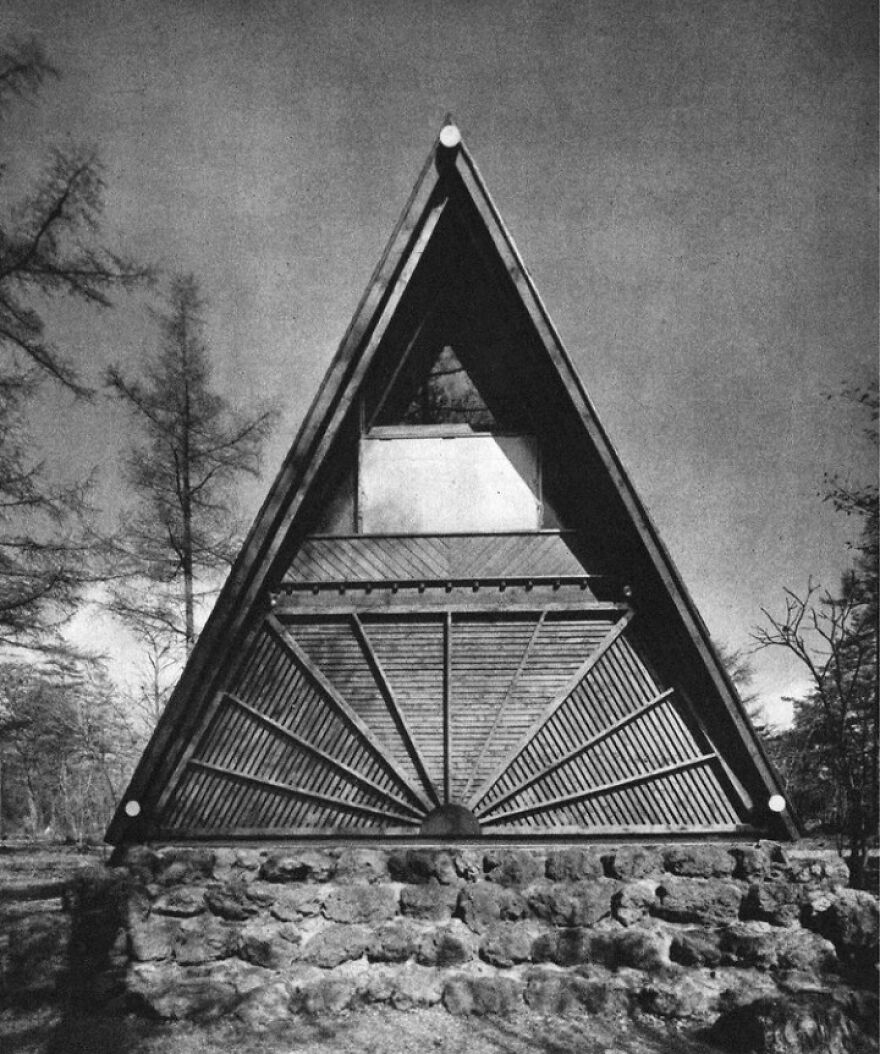
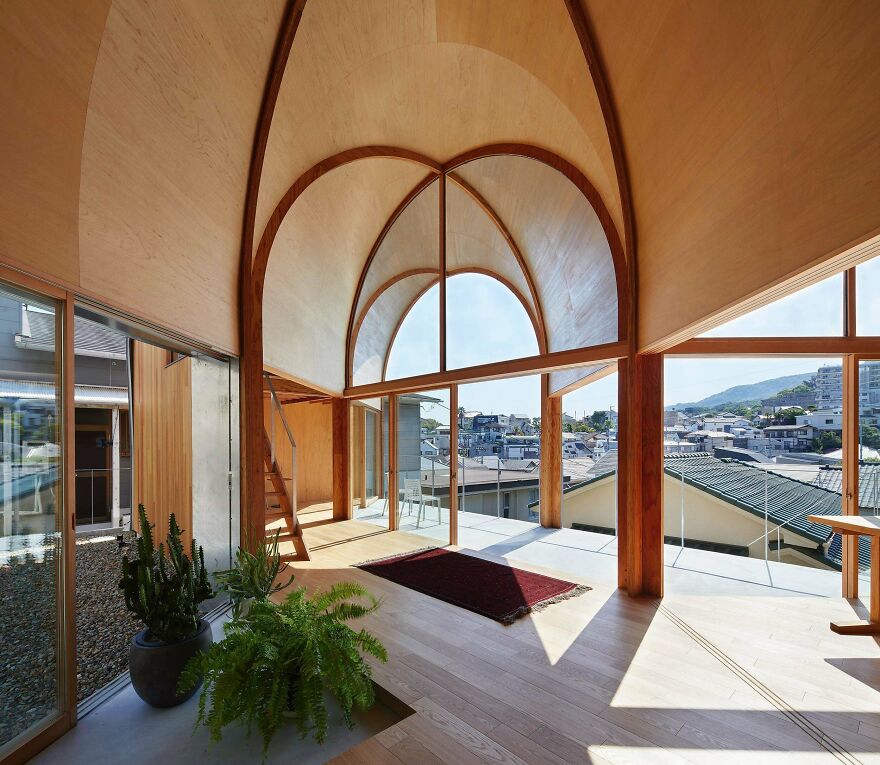
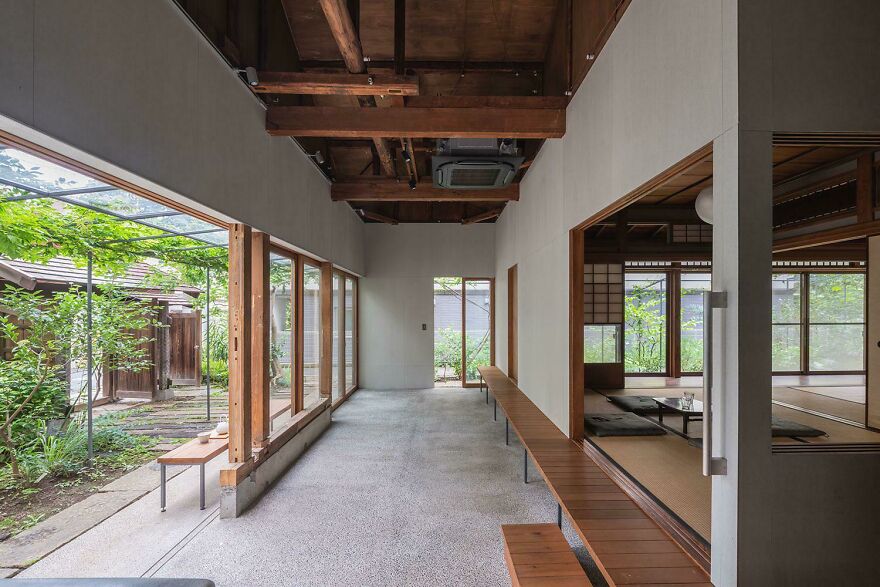
Wow. So much rice paper and bamboo matting. A very traditional looking site.
Perfectly polished buildings were often seen as distant, cold, or even unsettling. This attitude also appeared in Japanese religious imagery. The ordered, hierarchical sacred structure of the Buddhist world, largely inherited from China, reflected the features of China’s imperial court. While some of these features remained in Japanese art, there was also a strong trend toward making deities more approachable. This often translated into more attention and devotion to secondary figures like Jizō Bosatsu (Sanskrit: Kshitigarbha) or Kannon Bosatsu (Avalokiteshvara).
The exact boundaries of Japan's modern period can be debated, but many experts agree it began with the Meiji Restoration in 1868 and continues to this day.
In the Japanese dating system, this timeframe encompasses the Meiji period (1868–1912), the Taisho period (1912–1926), the Showa period (1926–1989), as well as the Heisei period (1989–2019) and the current Reiwa era (2019–present).
Modernity for Japan has been a process of seeking definition in its cultural and political relationships with other nations, both Asian and Western. It is characterized by rapid modernization, imperialism, post-war economic growth, and technological development.

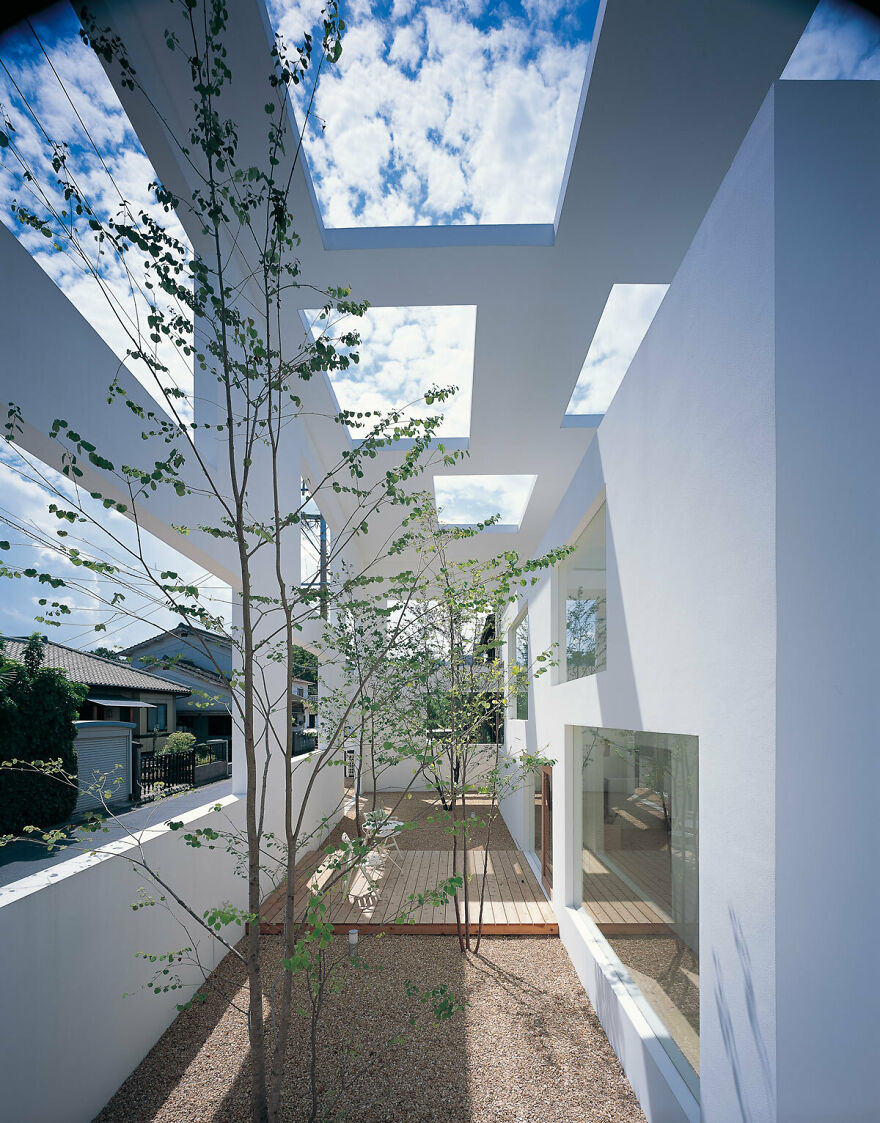
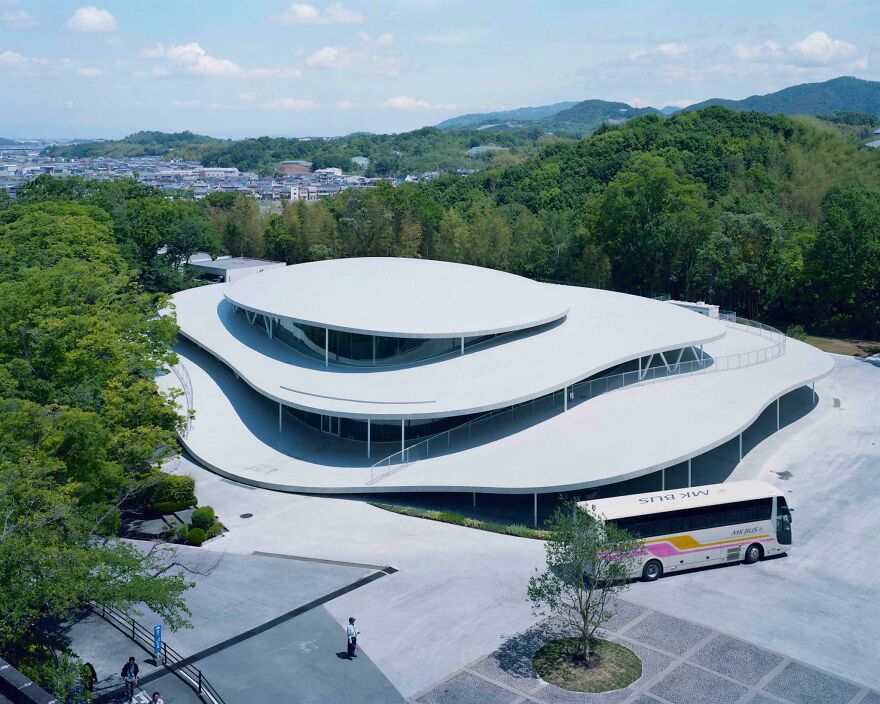
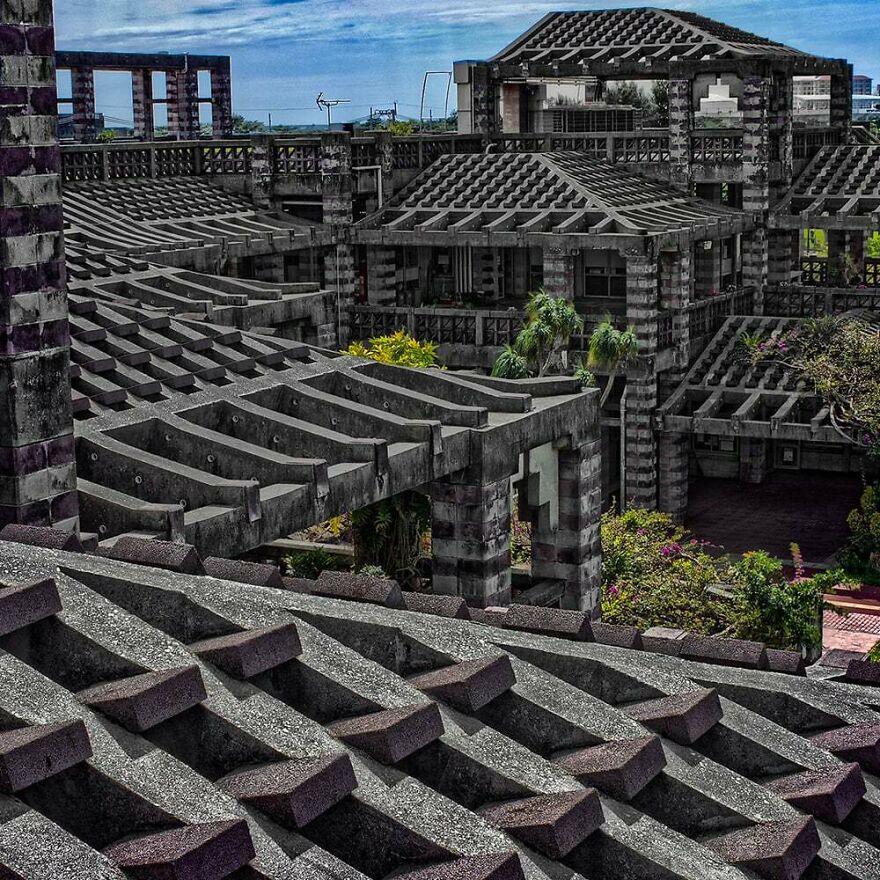
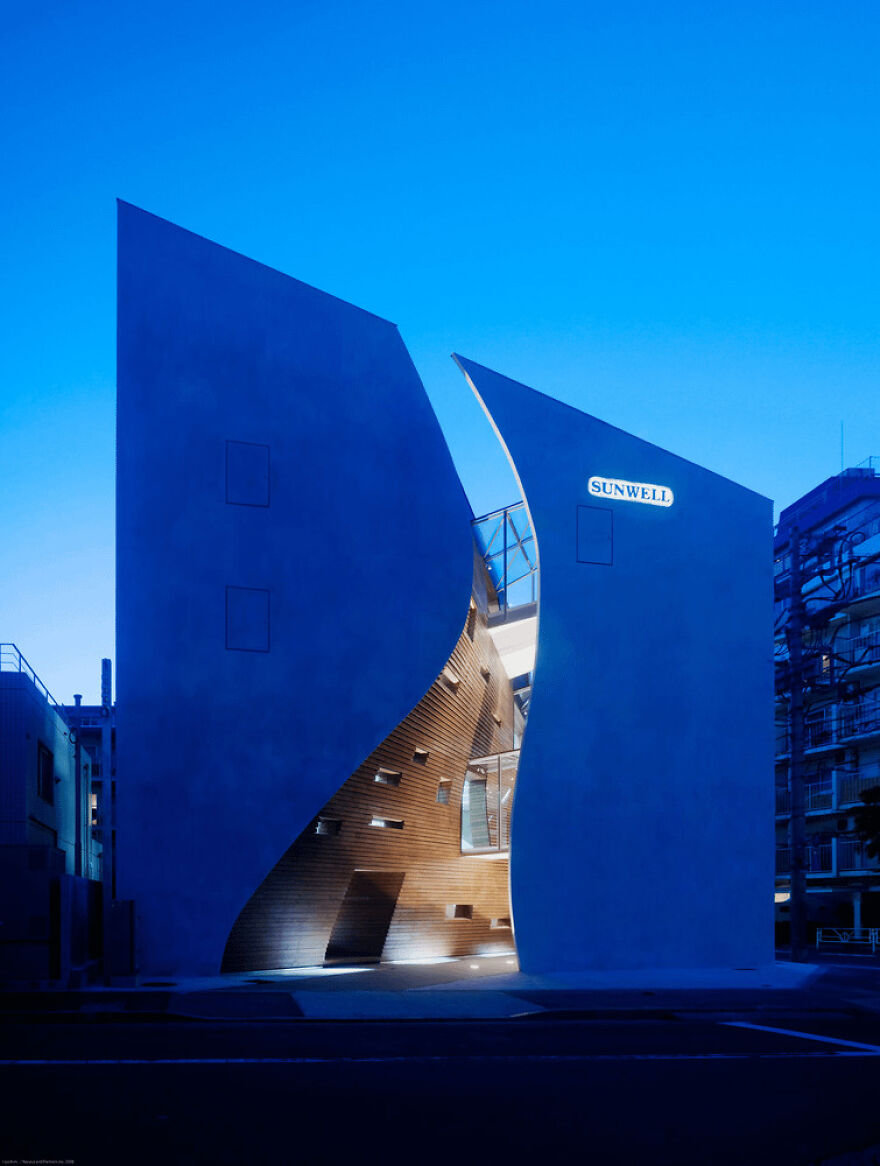
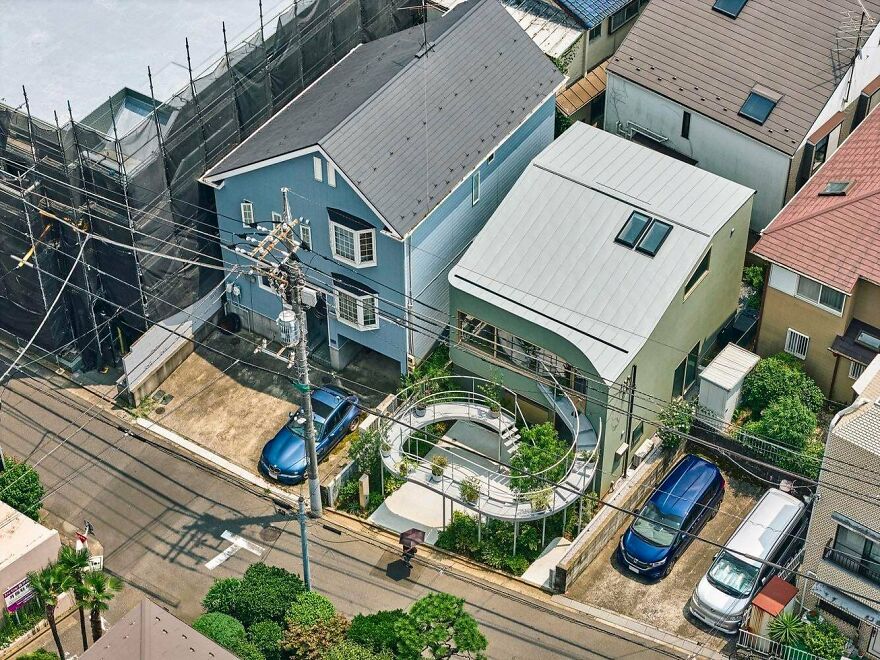
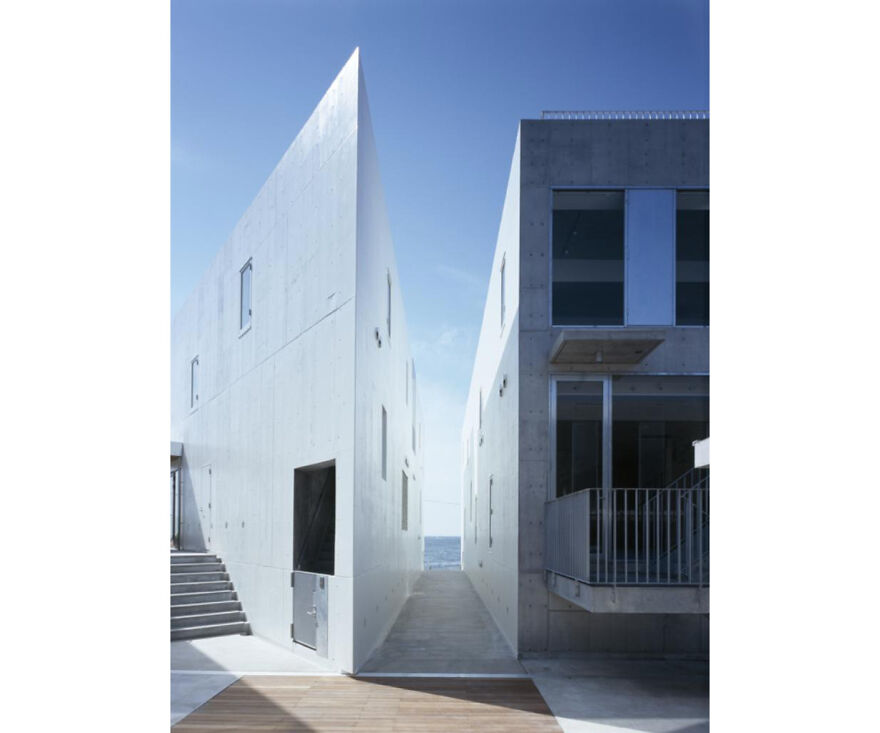
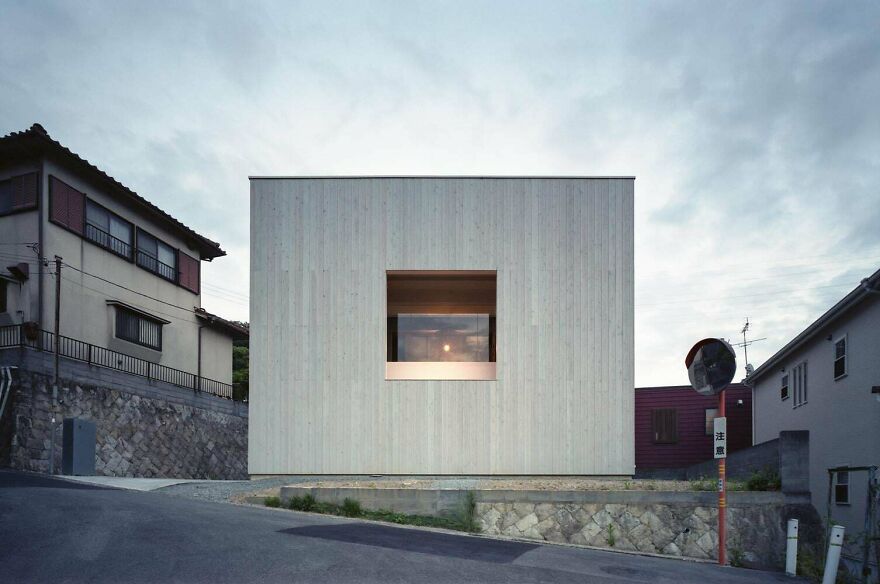
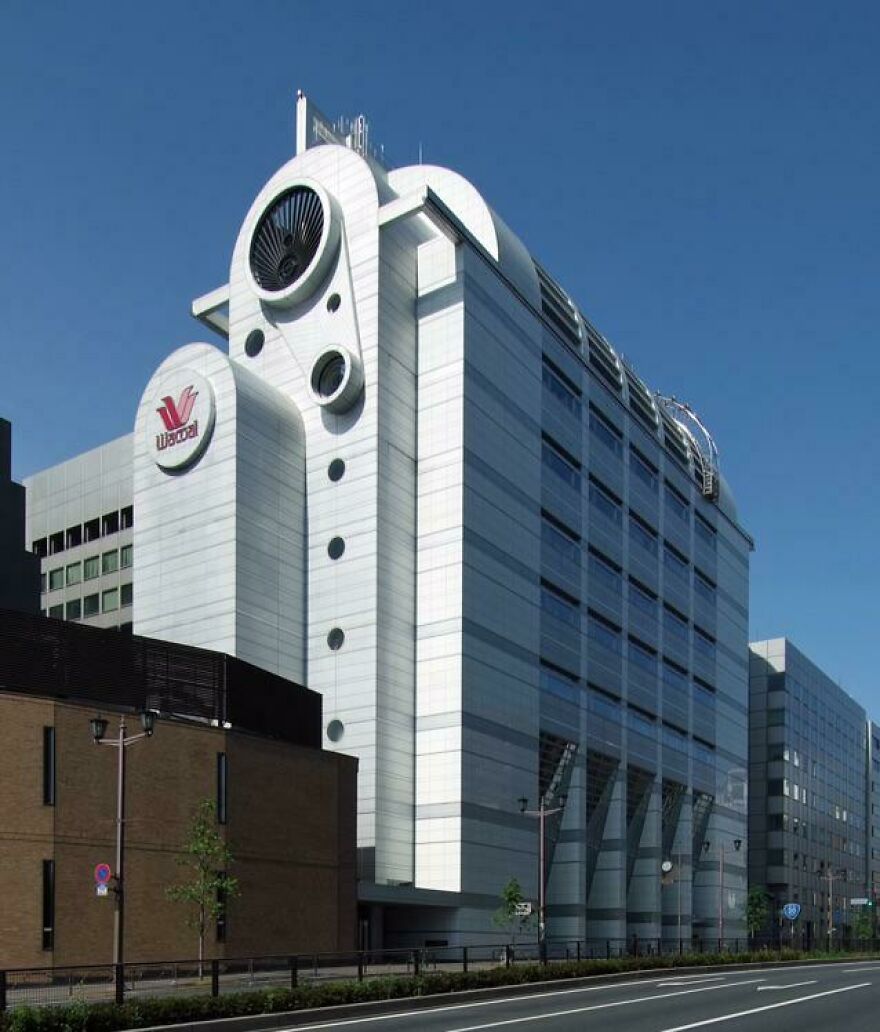
Nope. The lack of symmetry ruins it for me completely. My brain just can't.
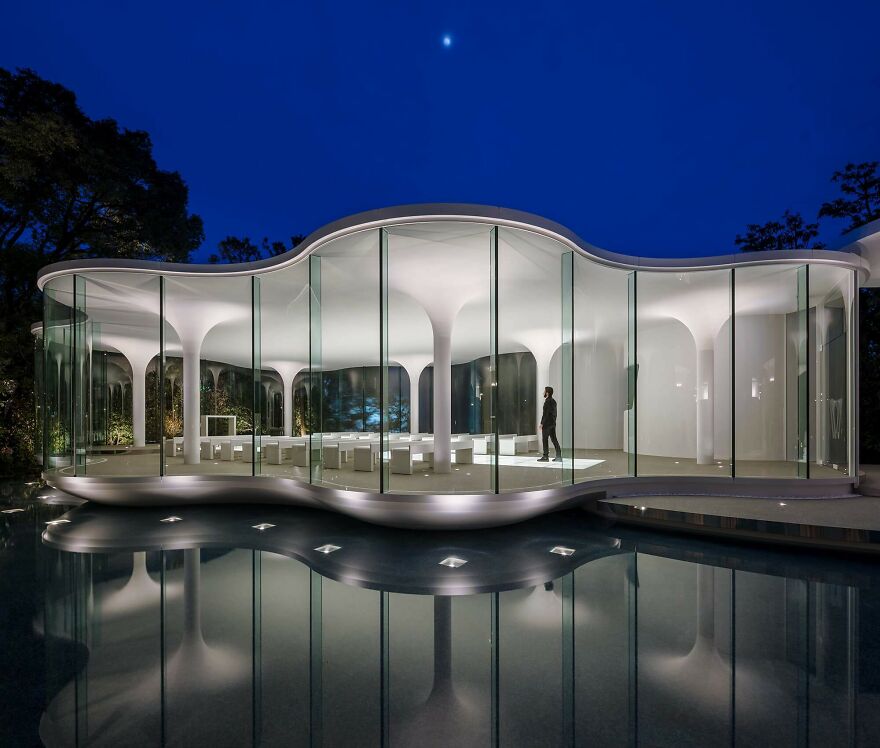
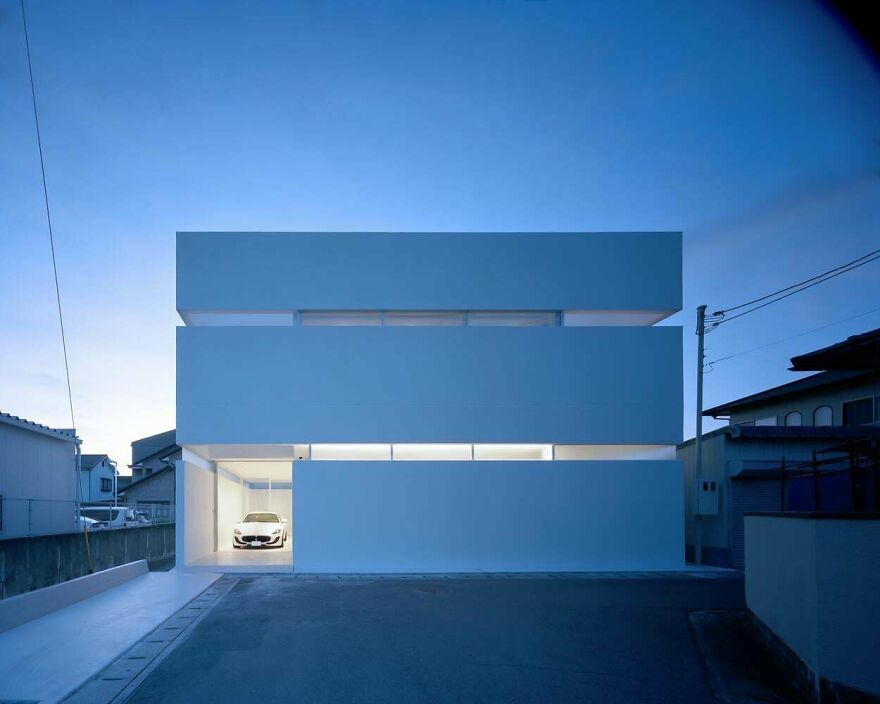
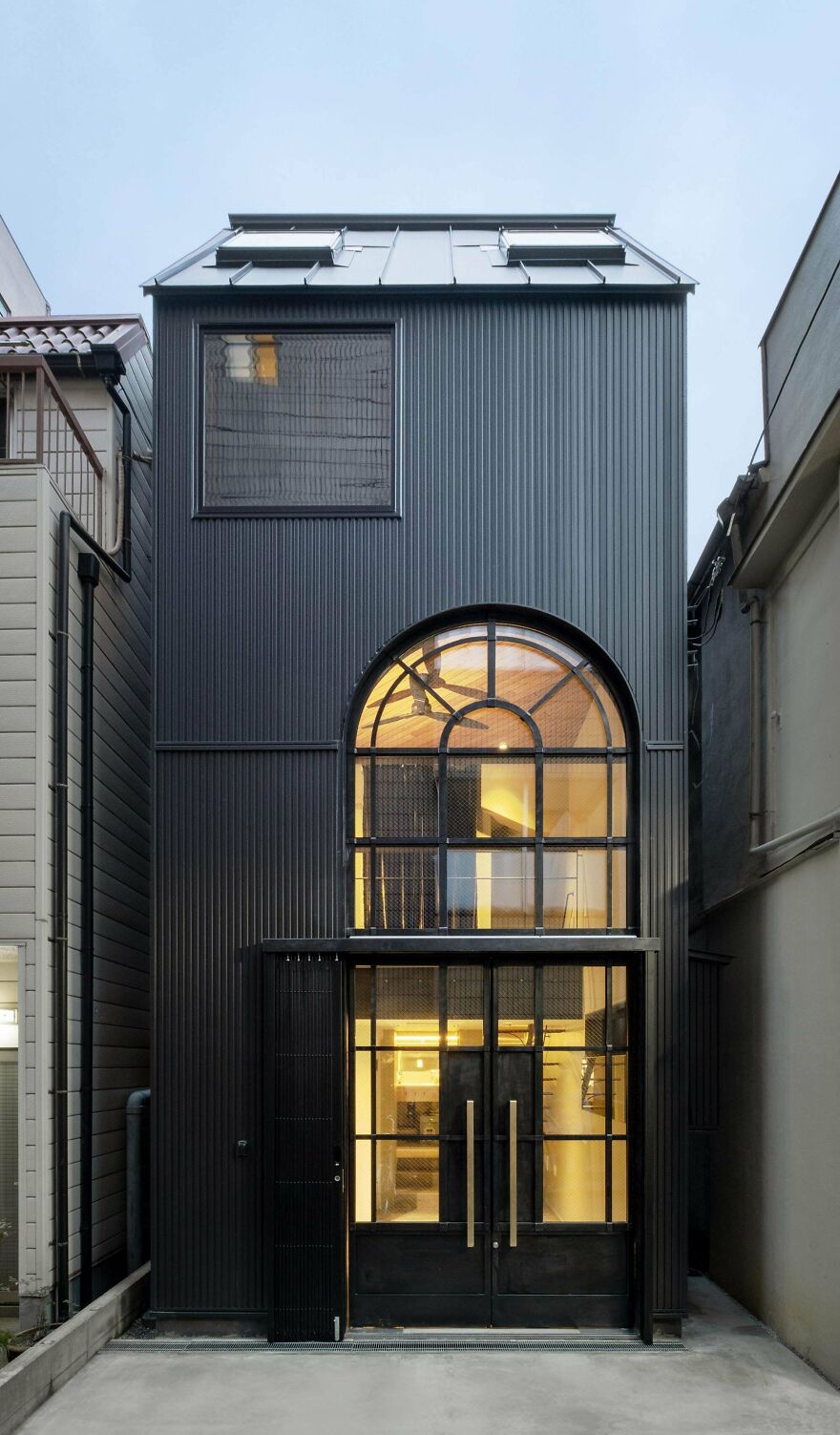
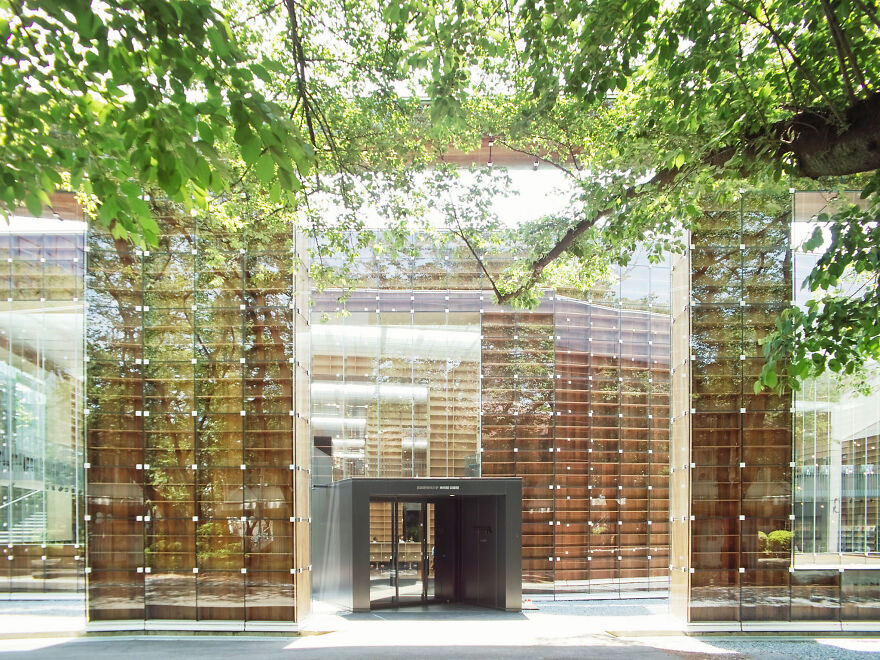
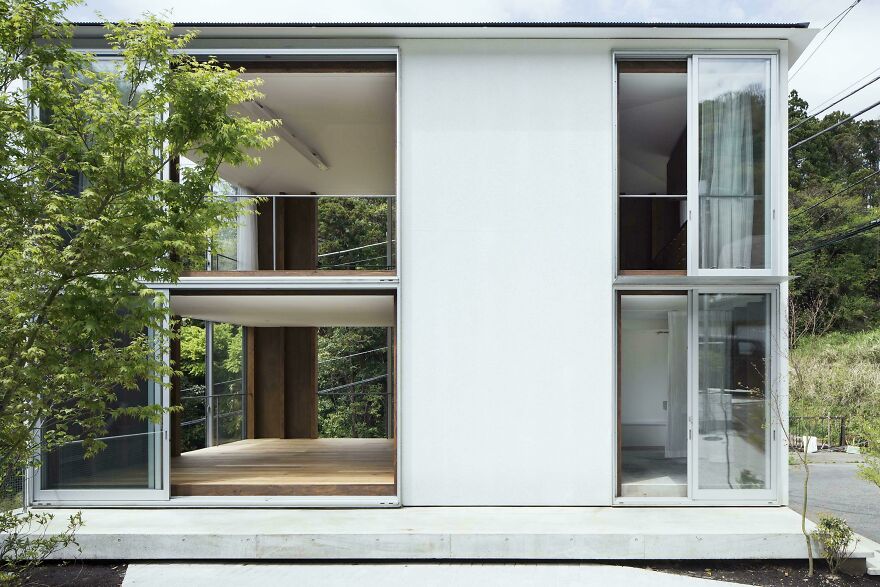
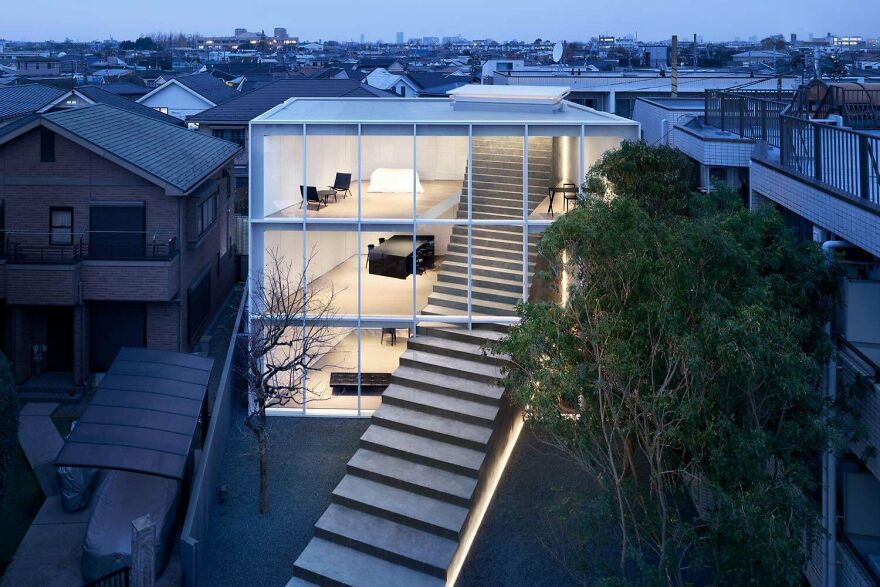
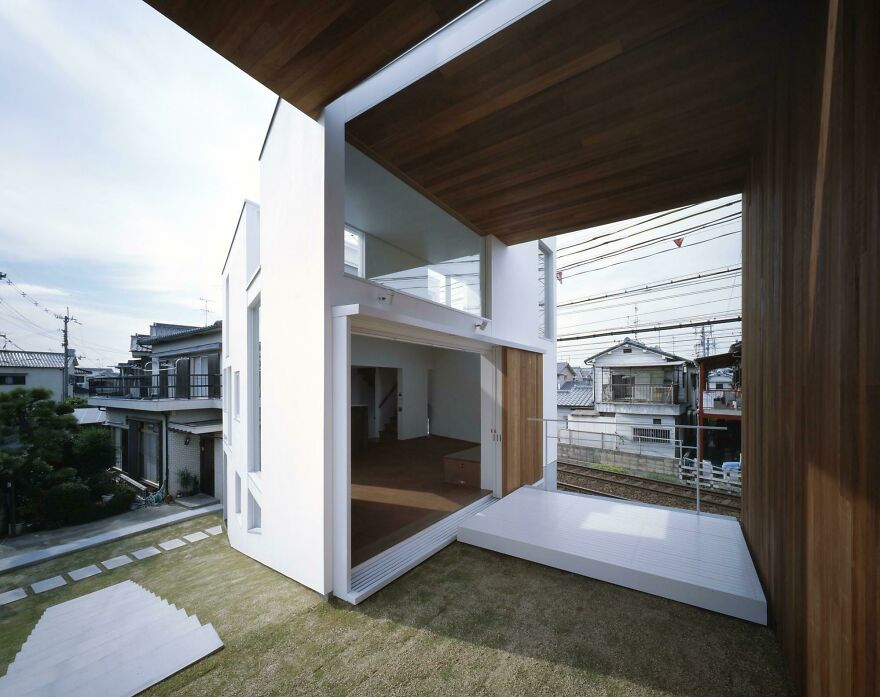
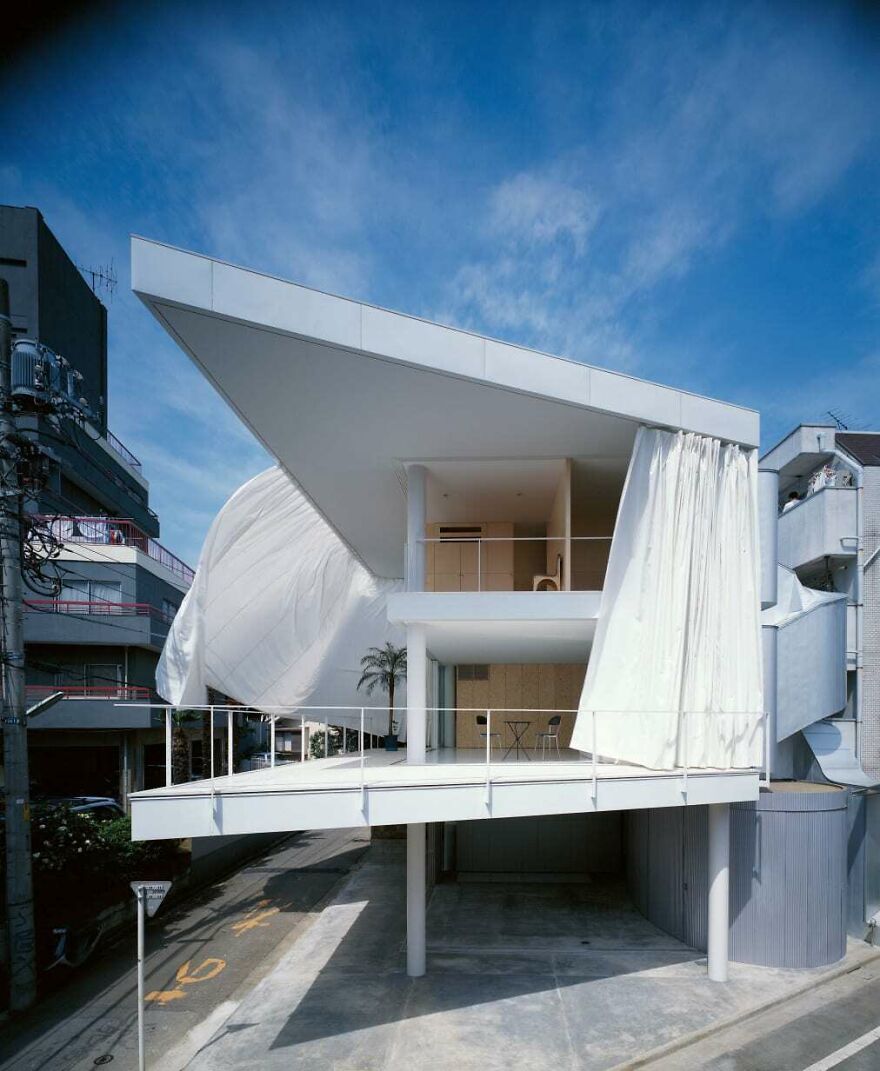
Japanese architecture from the late 19th century onward is notable for how quickly it adopted Western styles and building techniques that were very different from traditional local approaches.
Large public and government buildings were no longer made of wood but instead used reinforced brick, often covered with stone and designed with European motifs.
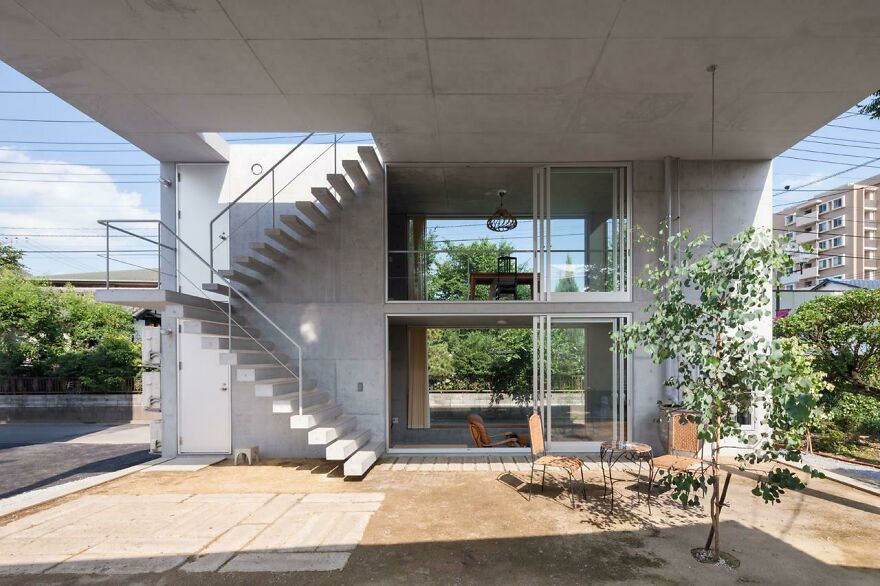
During the Taishō period, steel-reinforced concrete was introduced, making it possible to create much larger interior spaces.
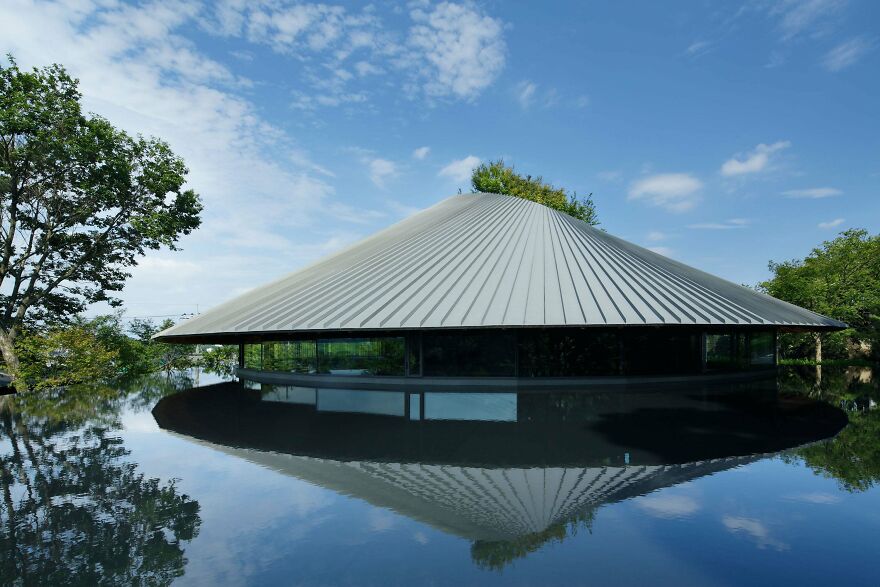
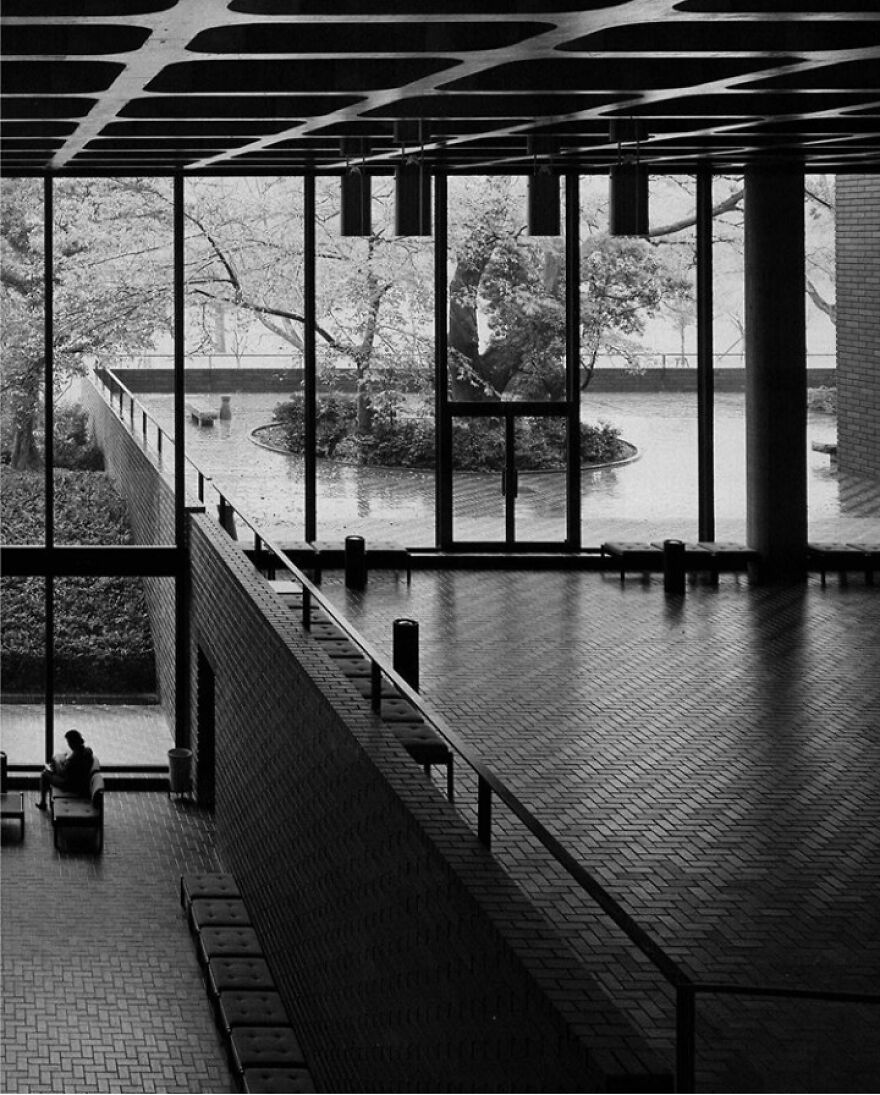
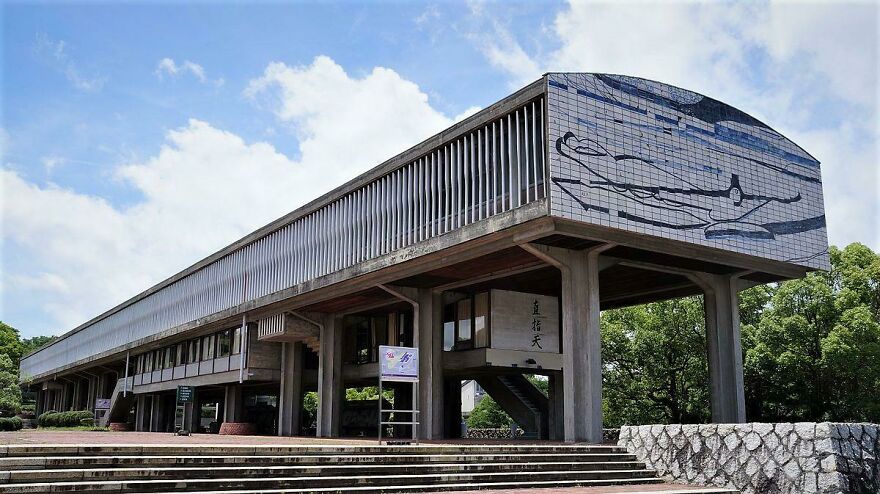
But even though post-war Japanese architecture was influenced by styles from around the world, some of its most notable achievements came from modern takes on traditional forms.
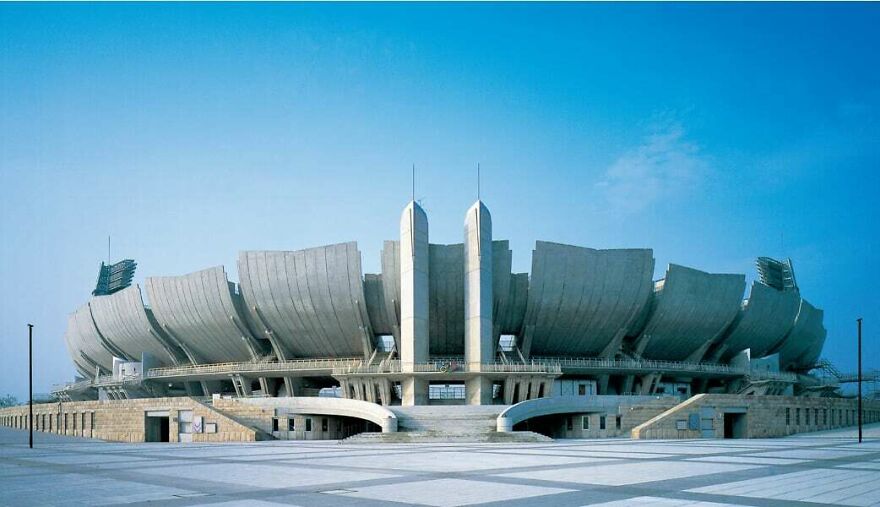
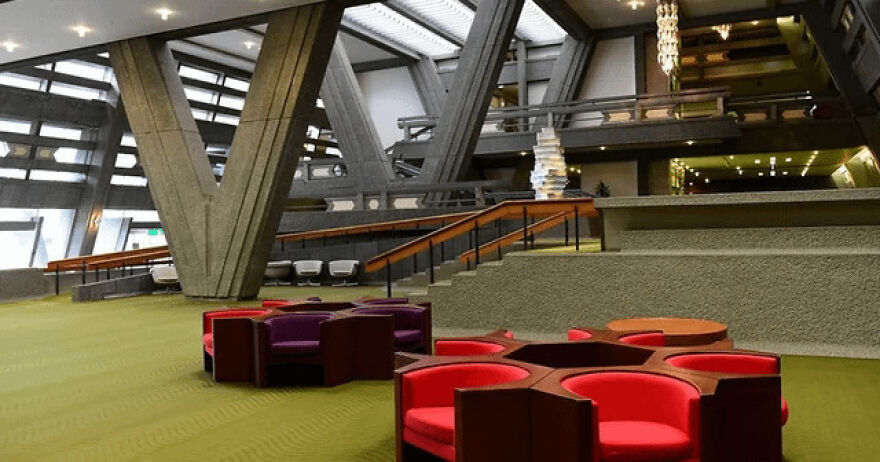
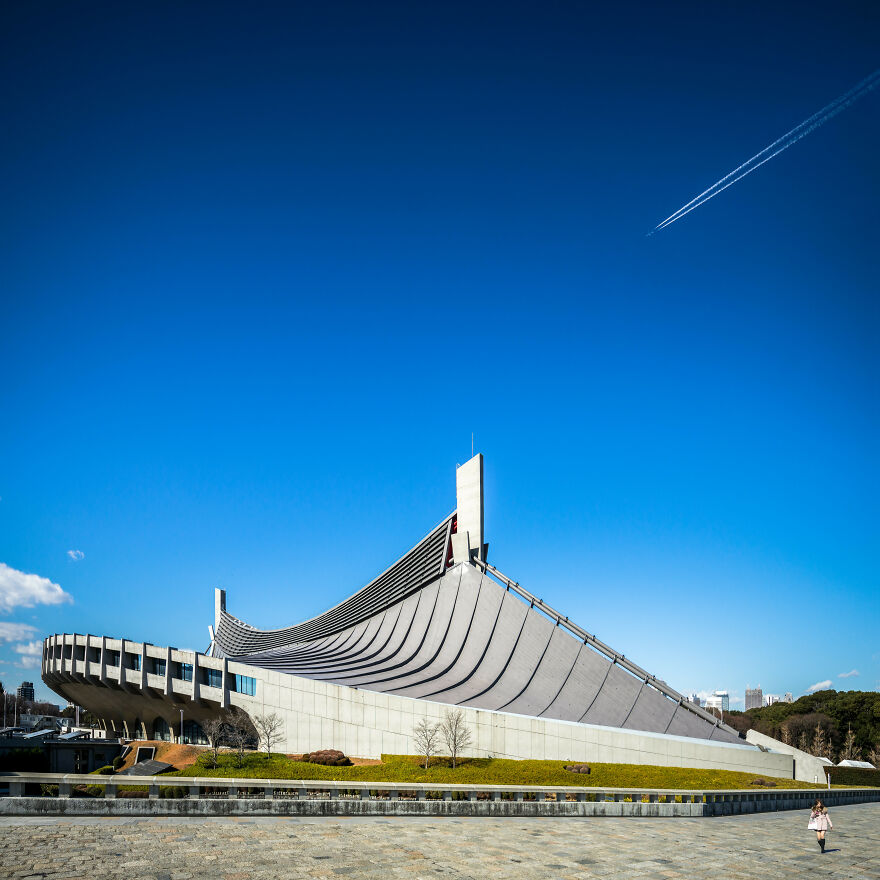
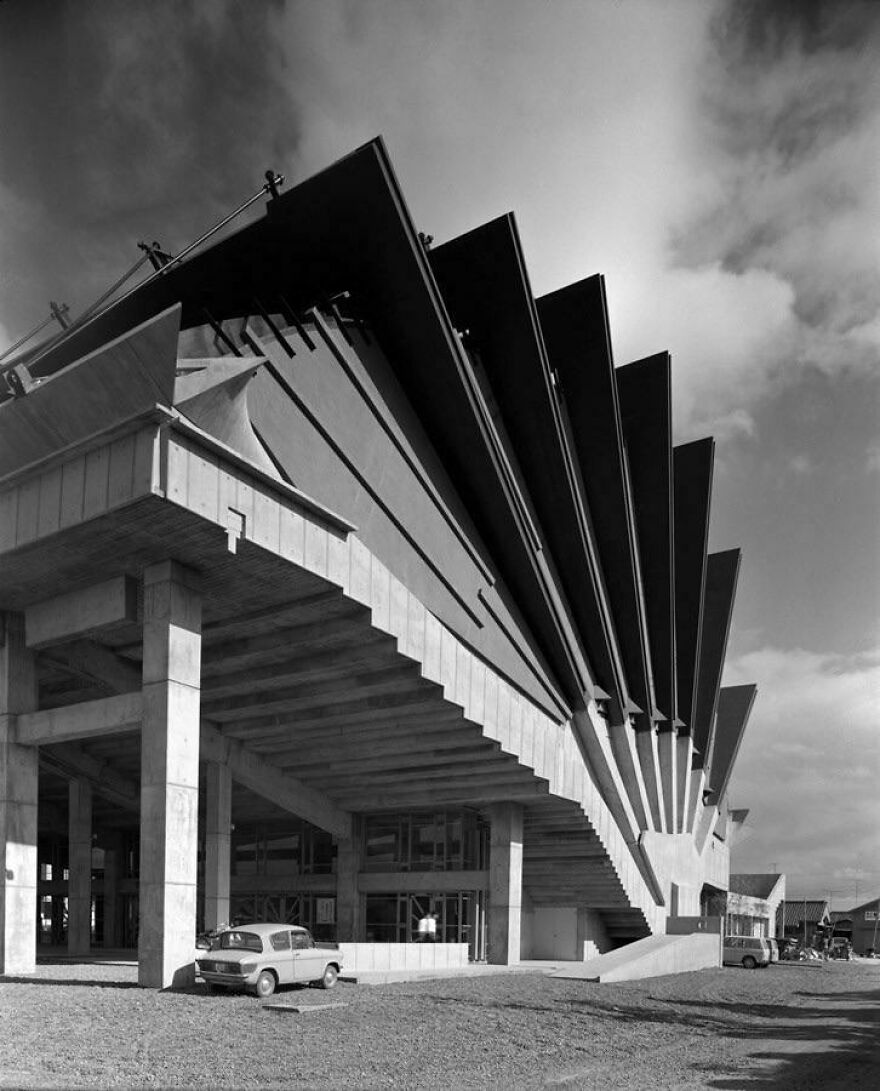
For example, the buildings designed by Tange Kenzō for the 1964 Tokyo Olympics — while still modern and abstract — beautifully reflect old local forms.

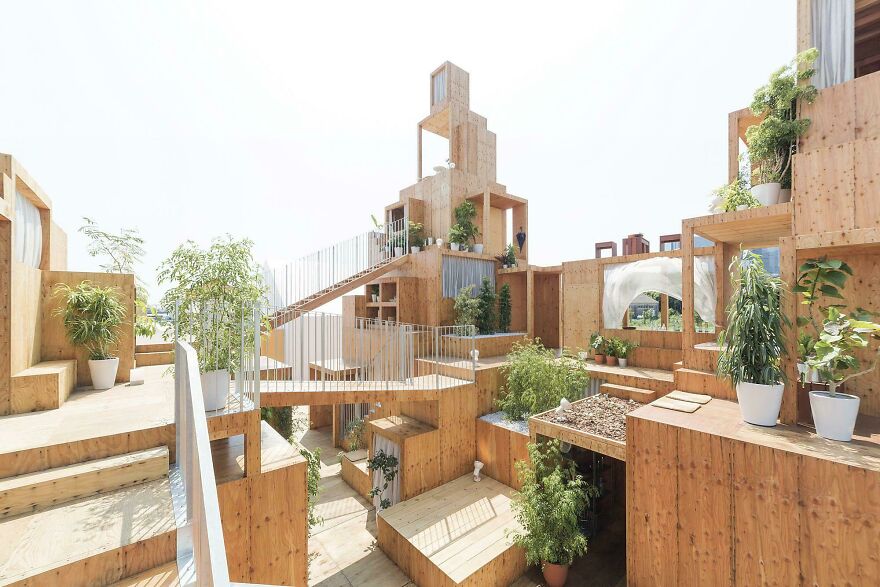
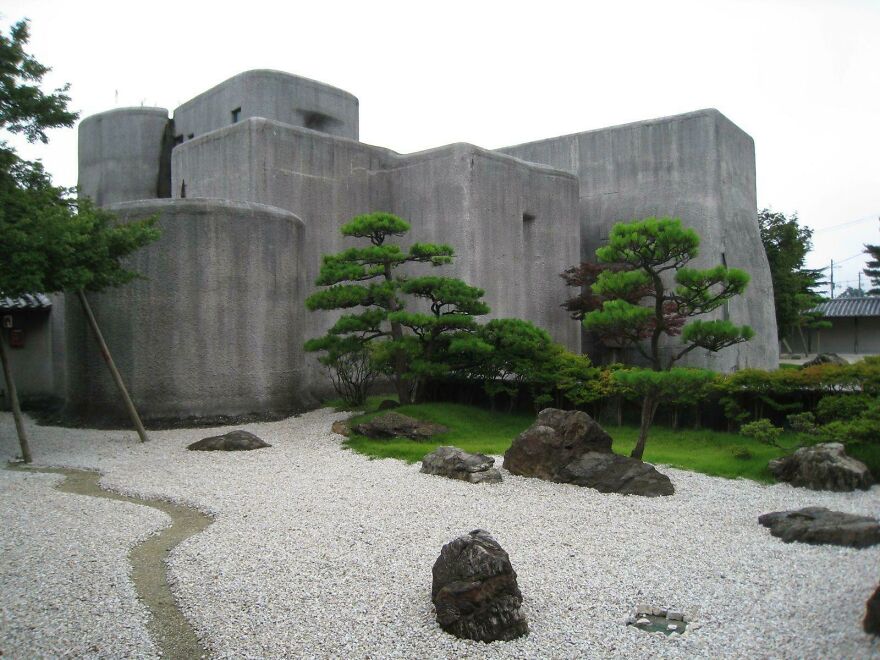
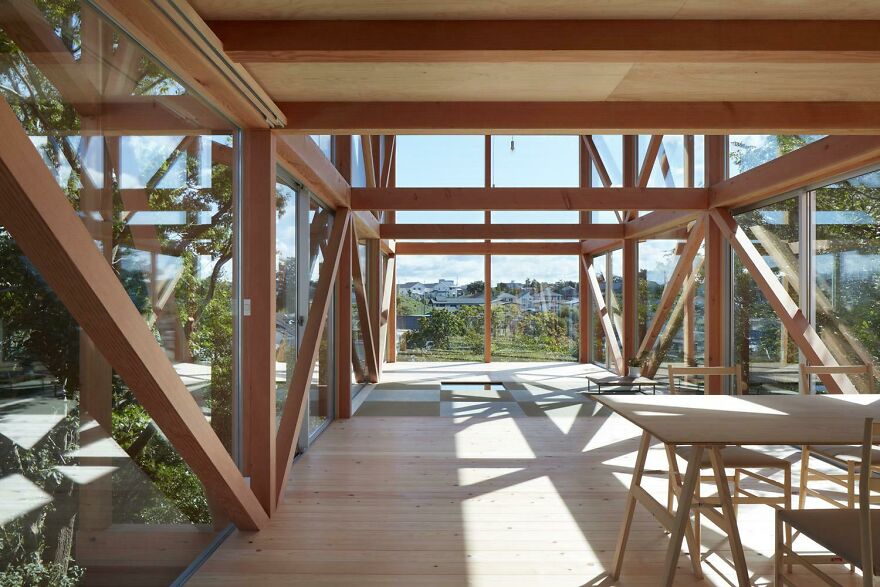
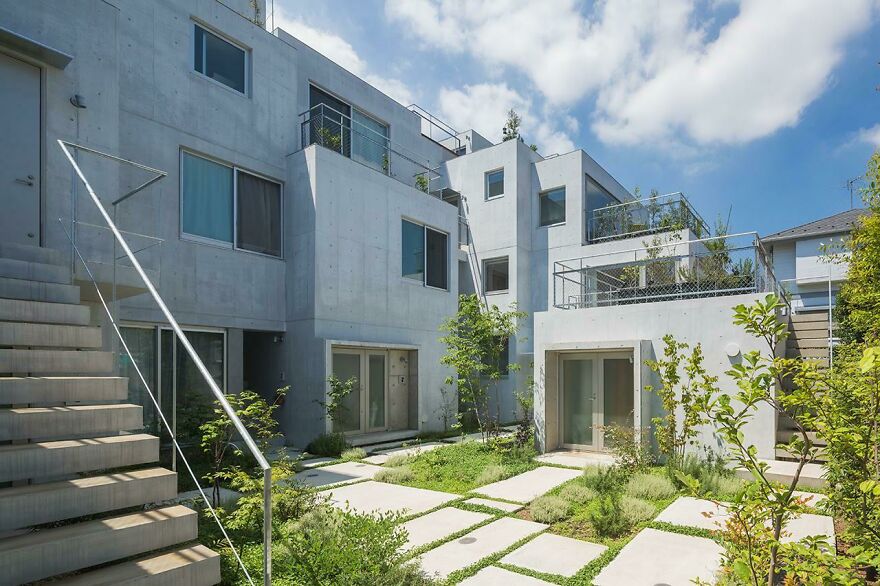
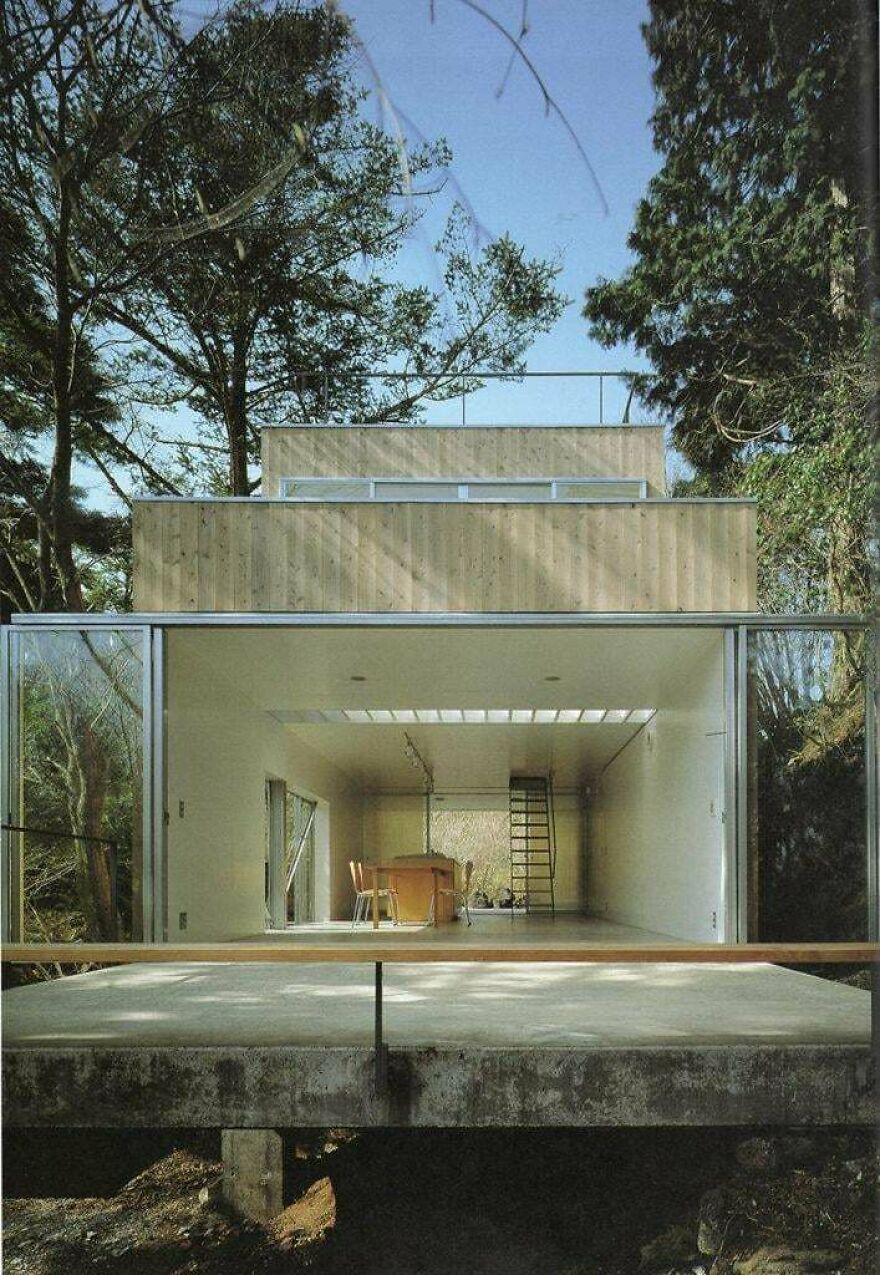
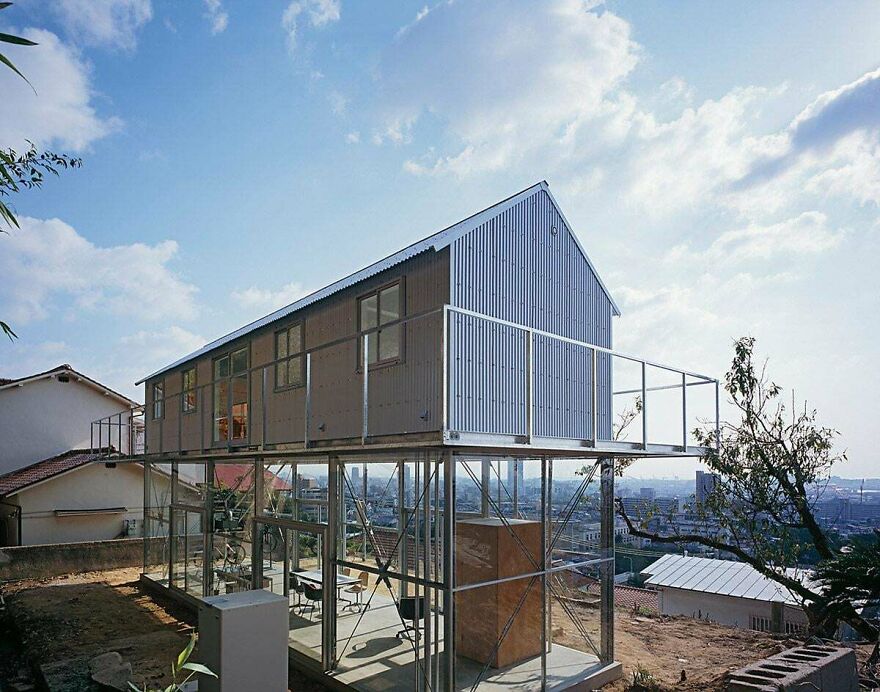
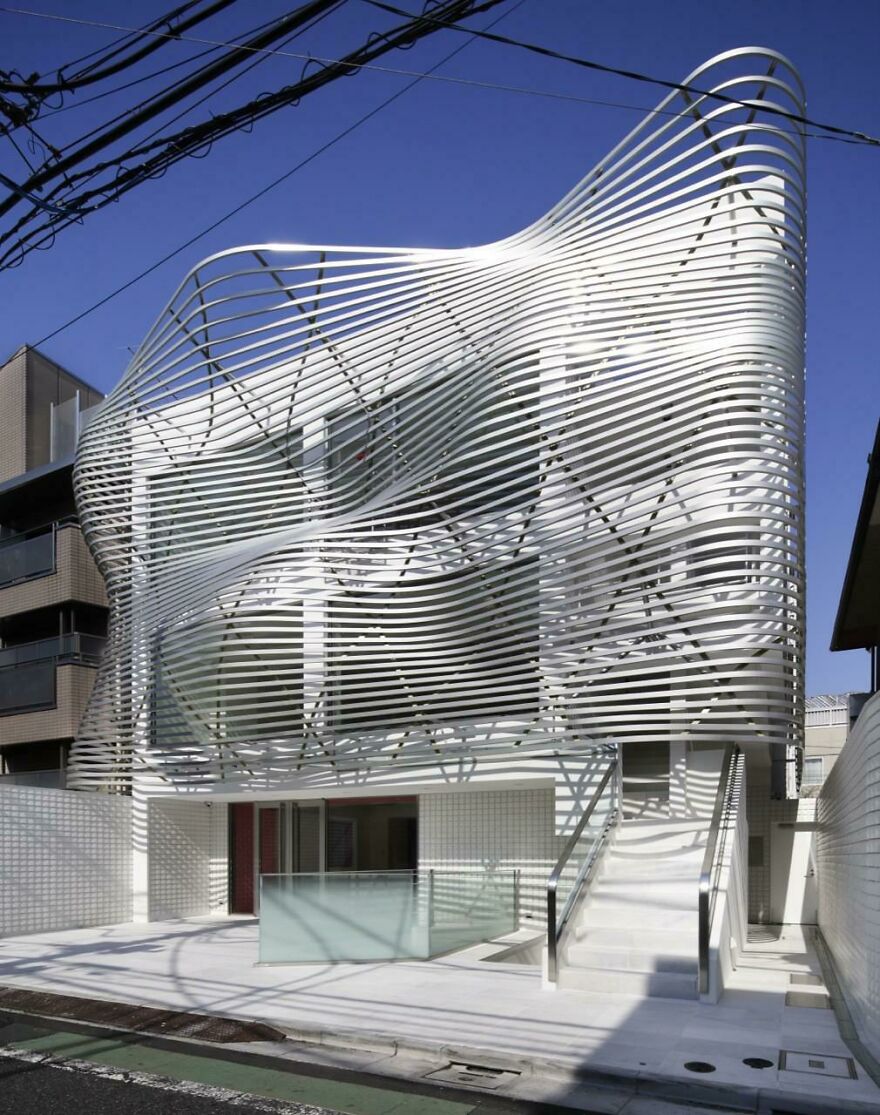
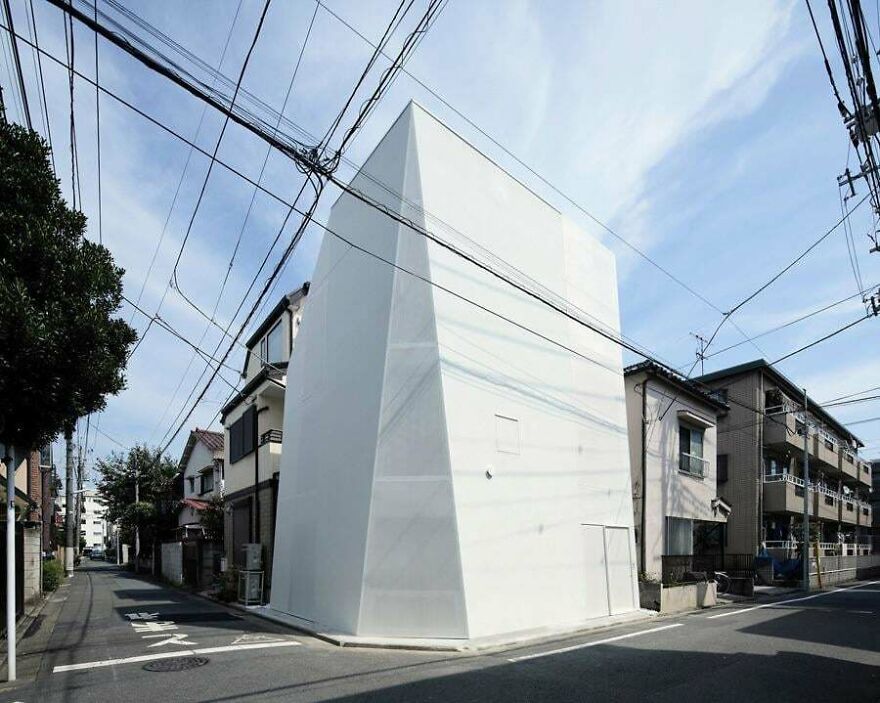
Out of curiosity, in a country that has a lot of earthquakes, is this any more or less safe than other similar architecture? It could be that this is what is under other buildings when you take away the outside, but it looks as if it would be easier to collapse if there was an earthquake. Does anyone know? Thanks!

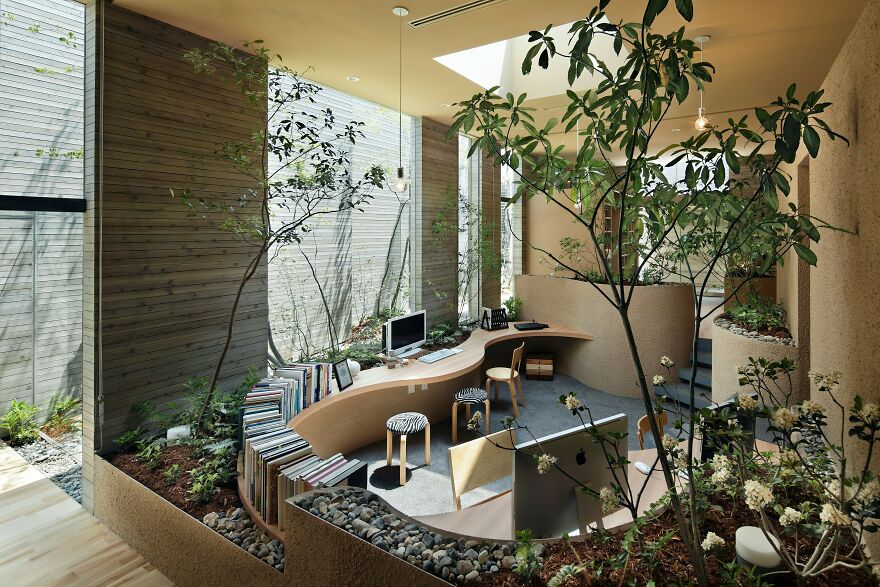
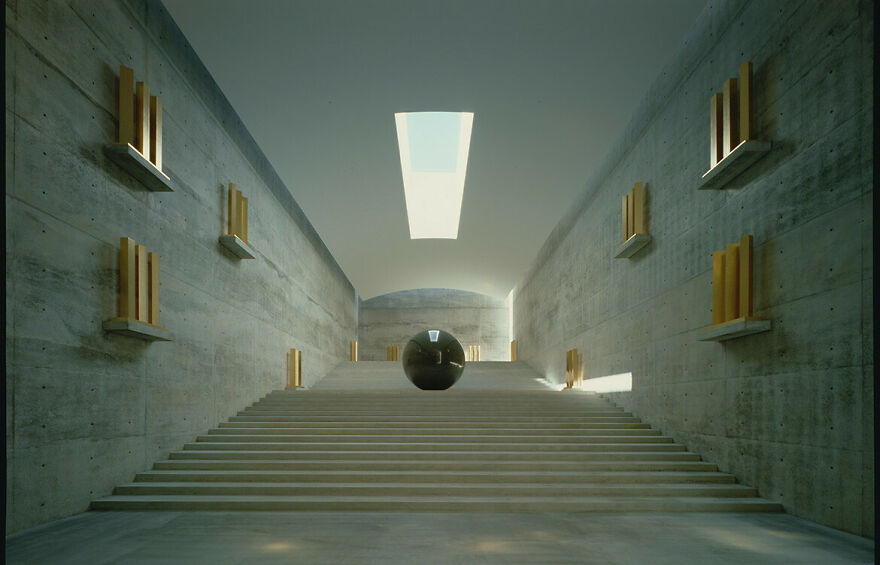
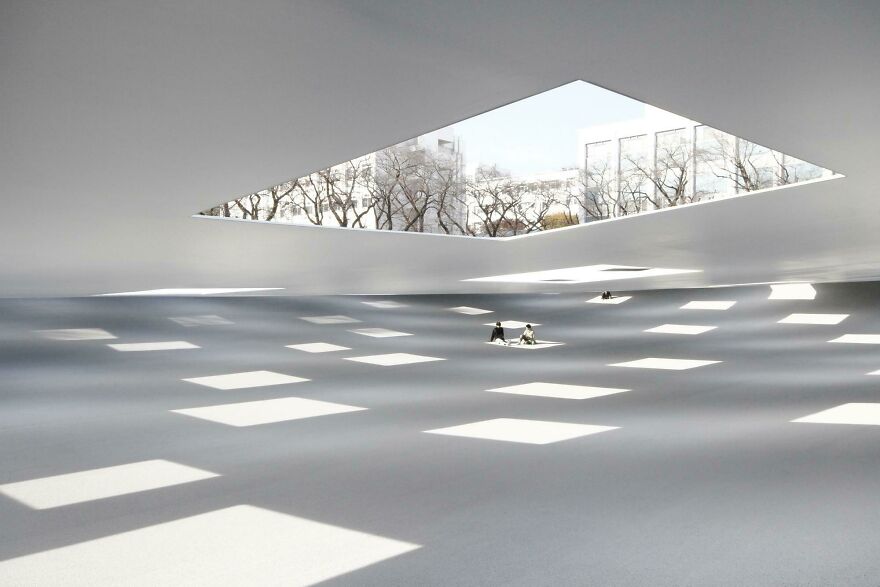
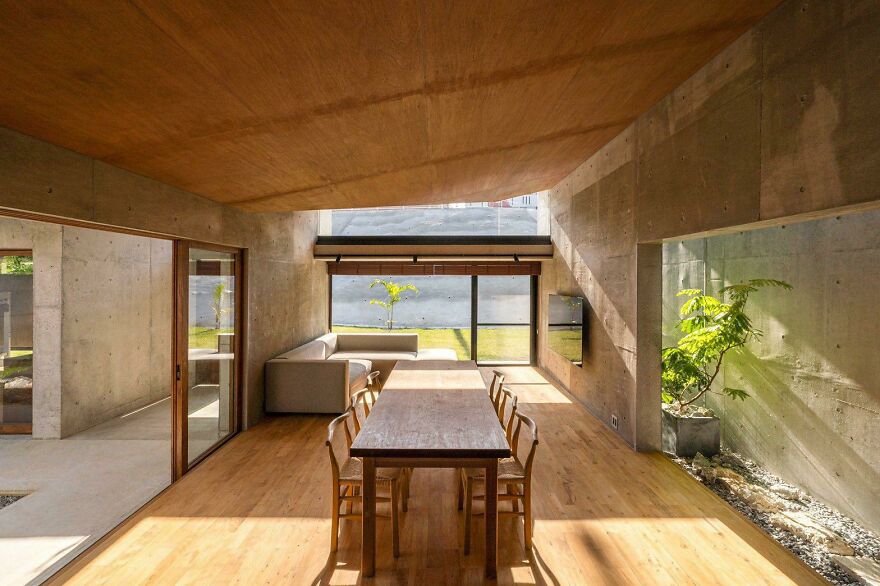
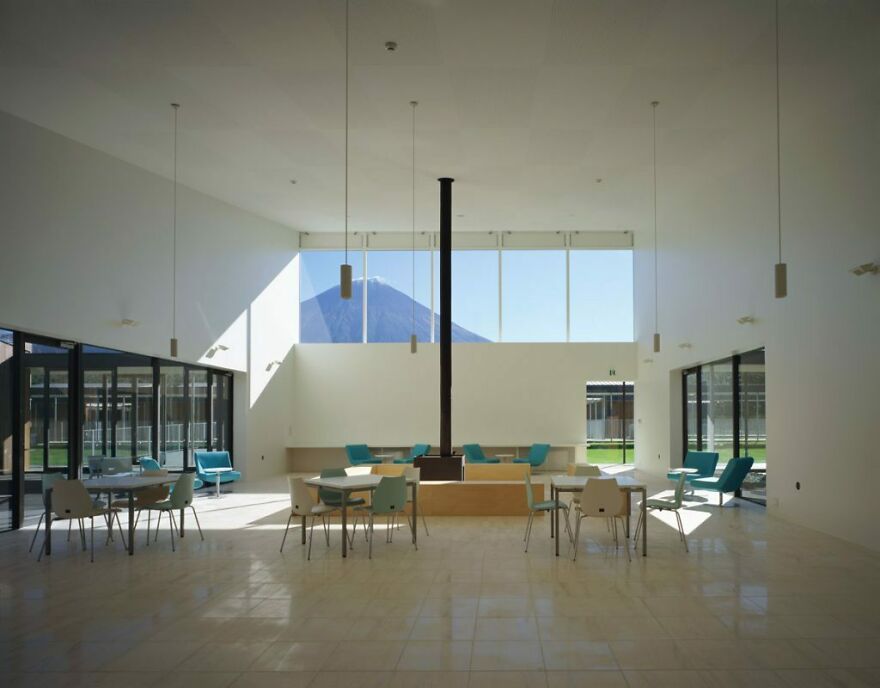
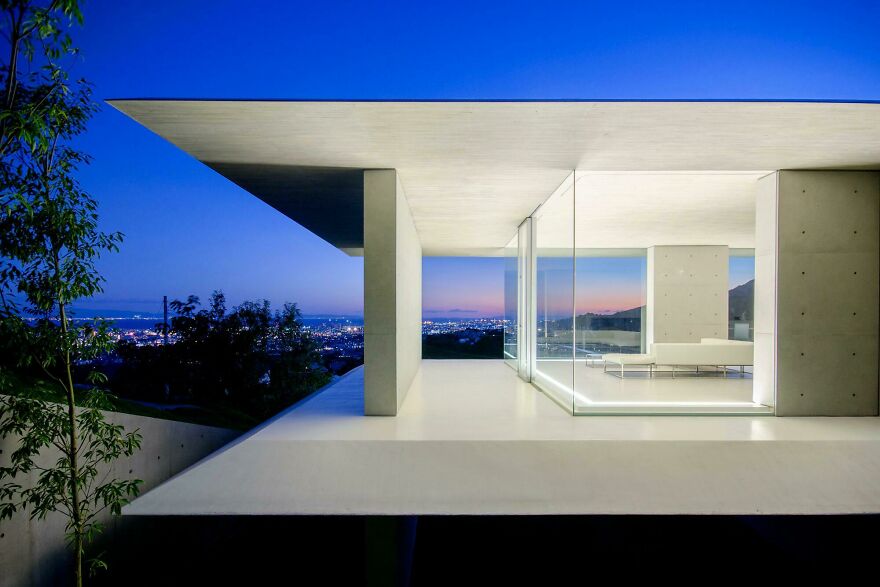
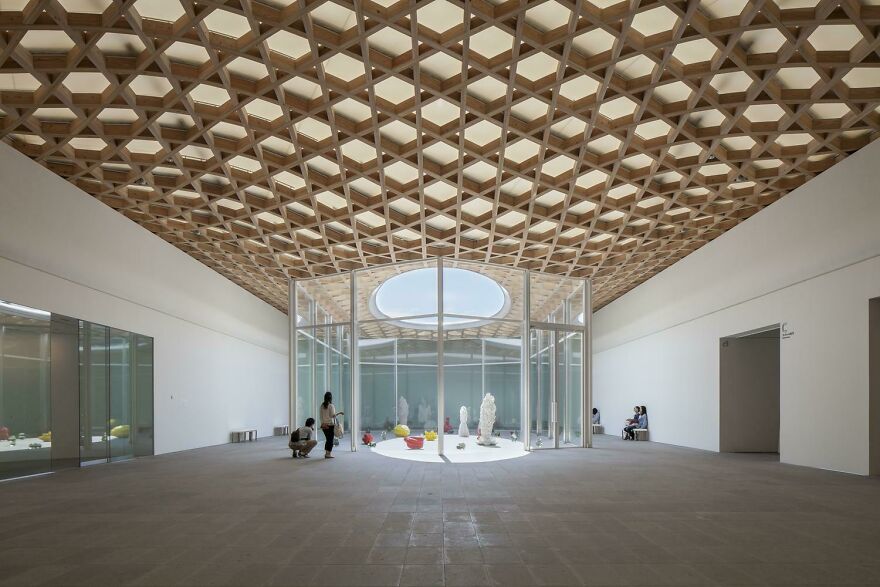
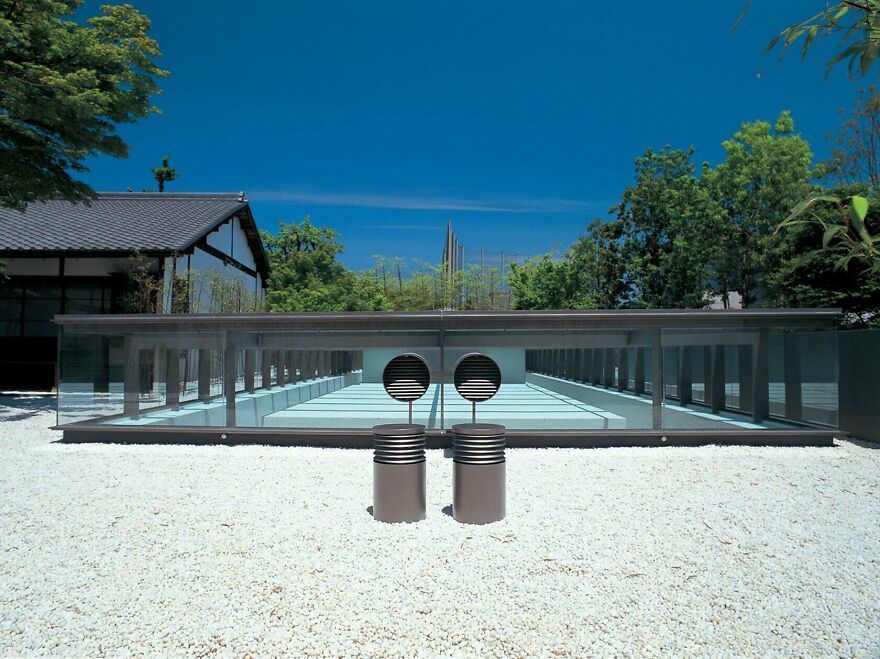
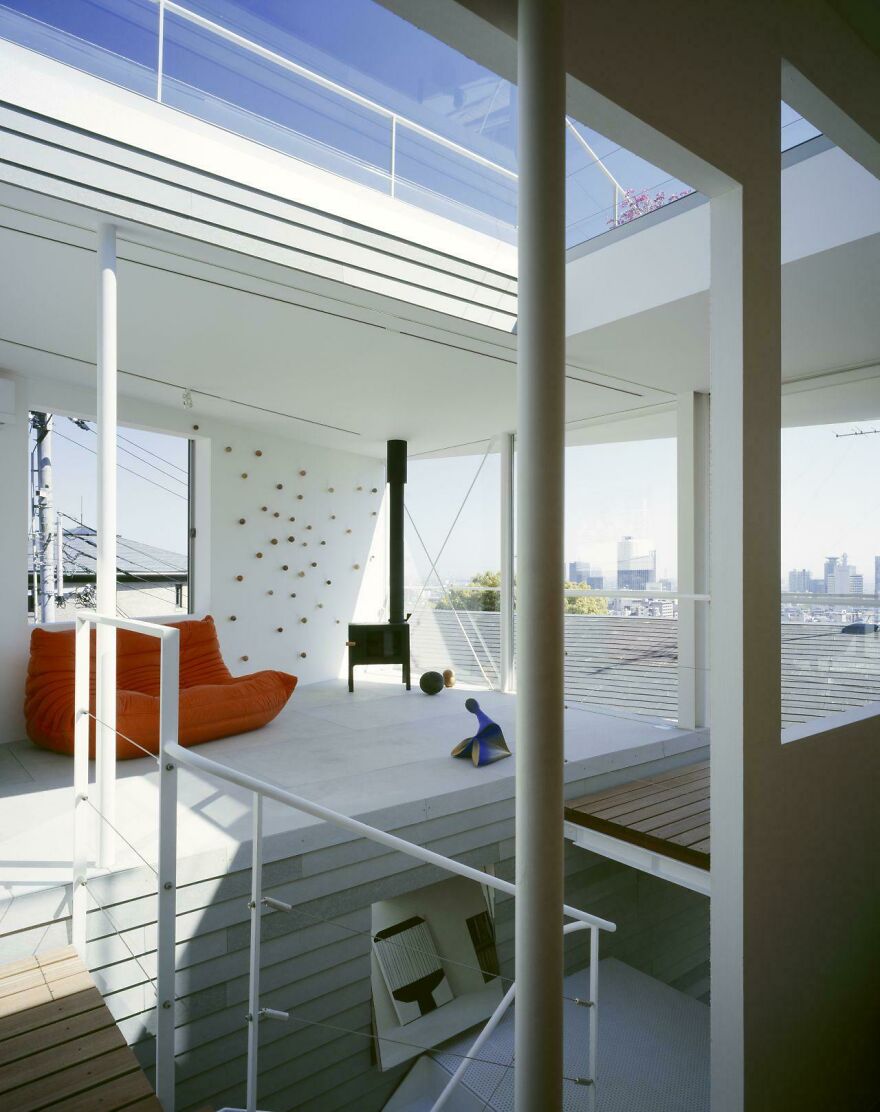
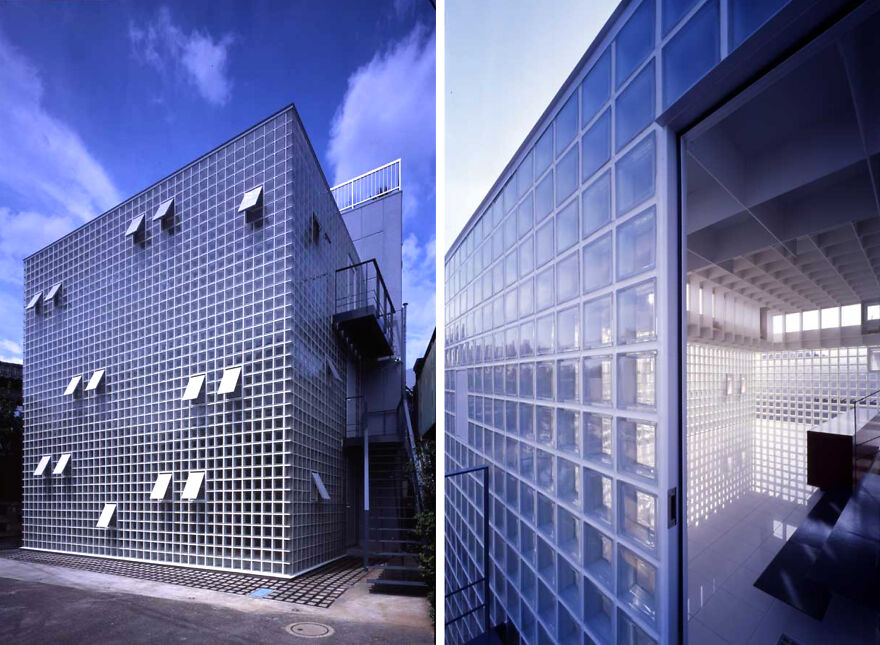
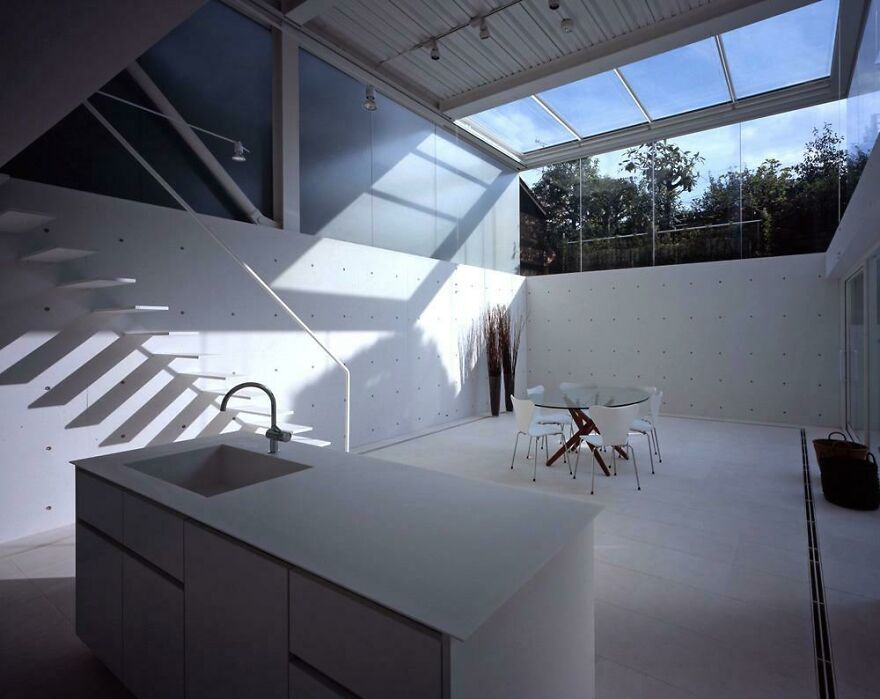
Nothing in it! Is that a square hole in floor or glass bottom to let light below?


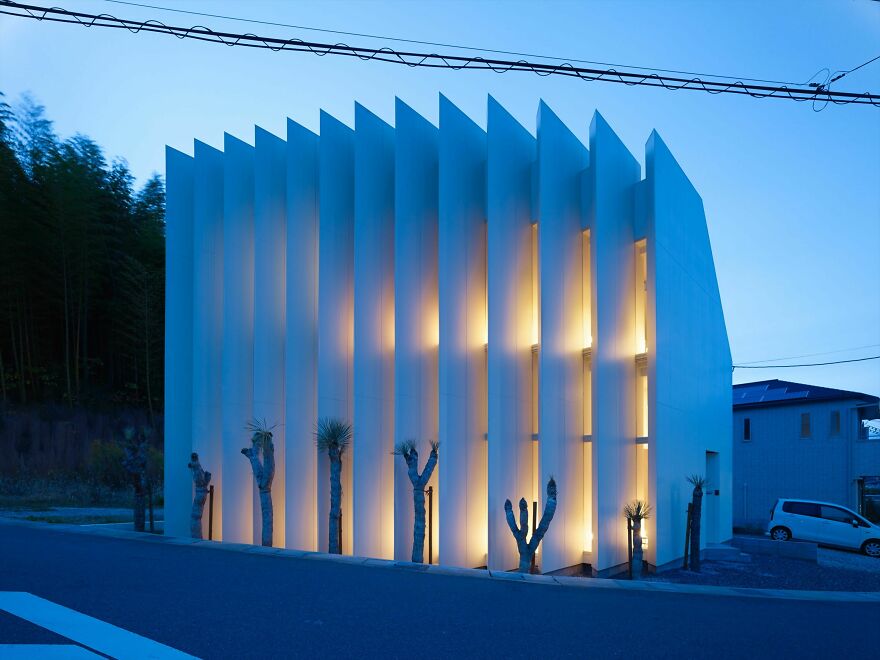
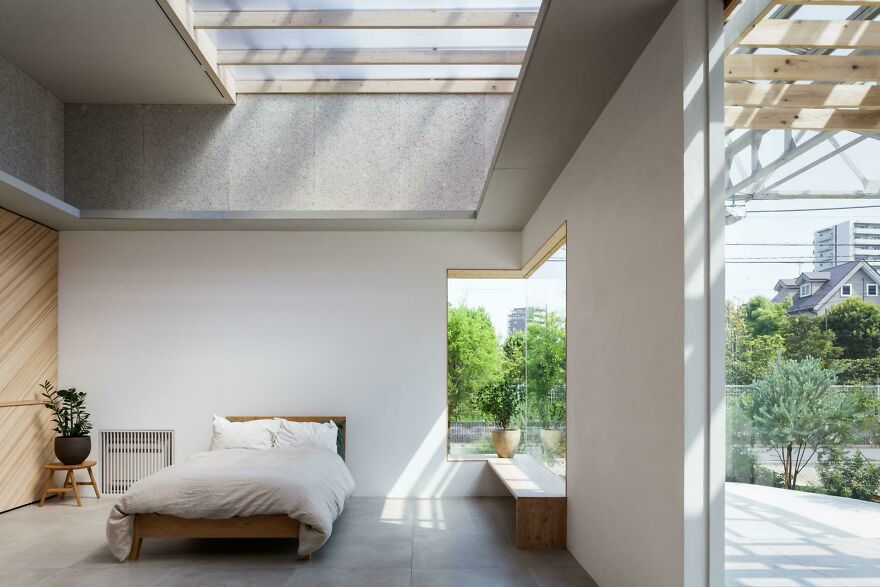
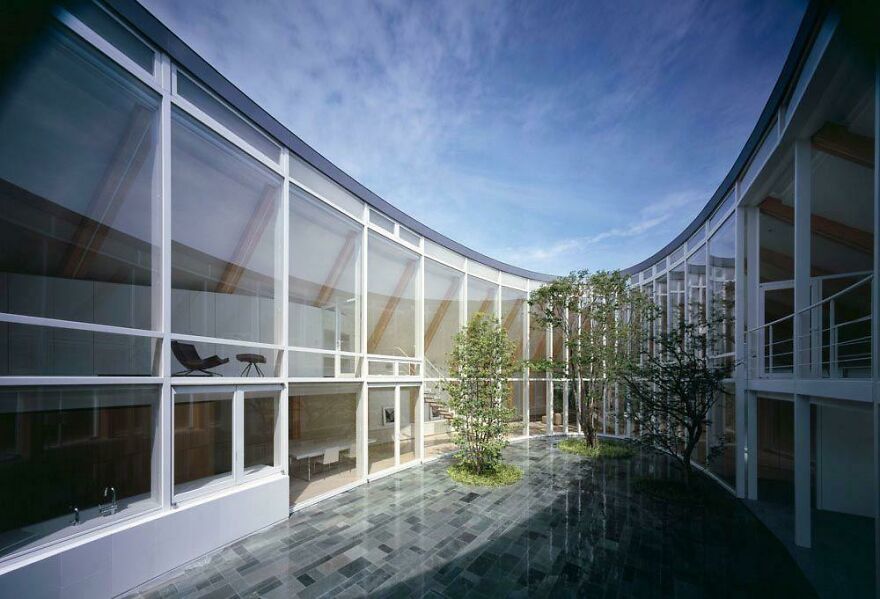
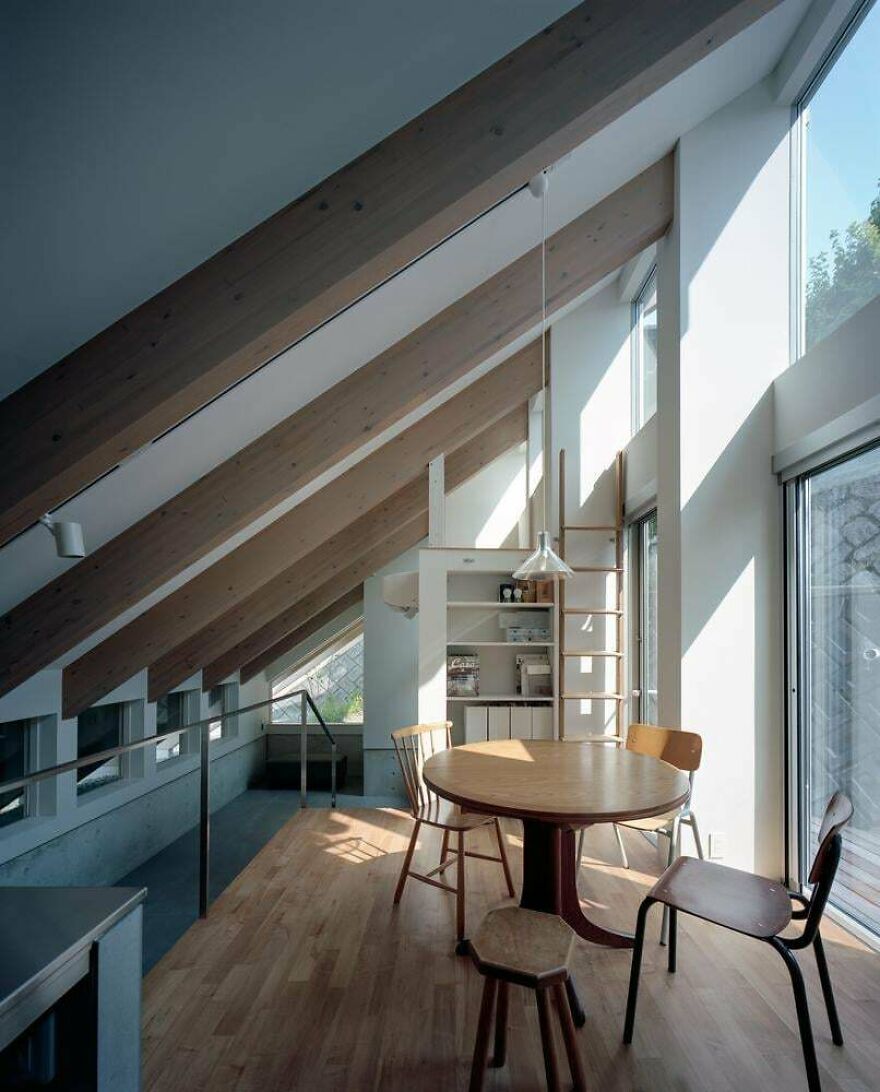
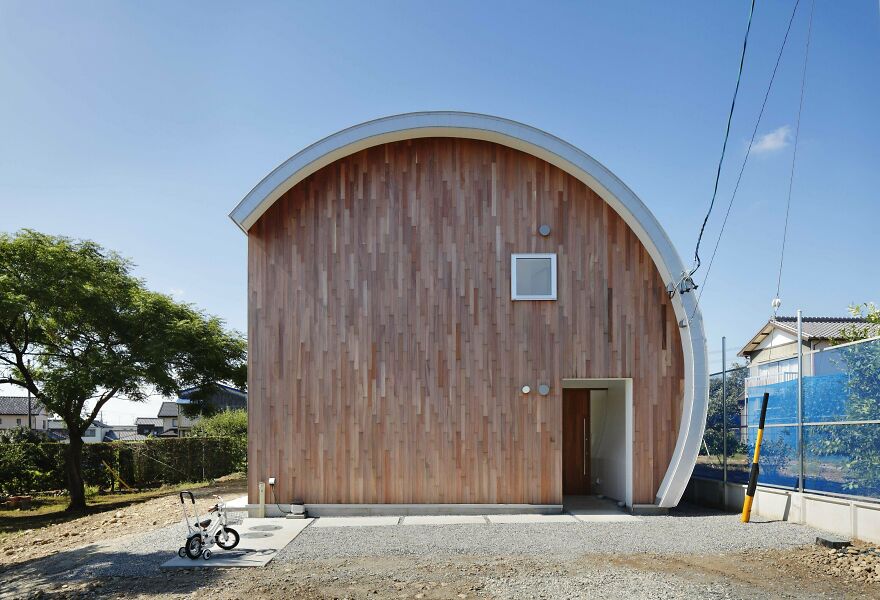
Fantastic inside. What I find grating from an electricians perspective are the overhead supply lines that ruin the aesthetic. :-)
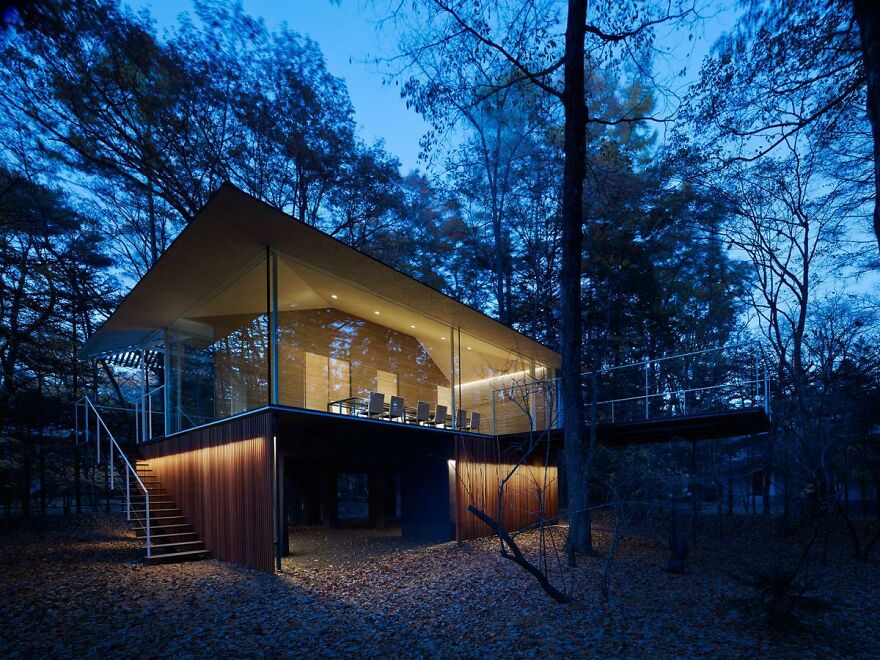
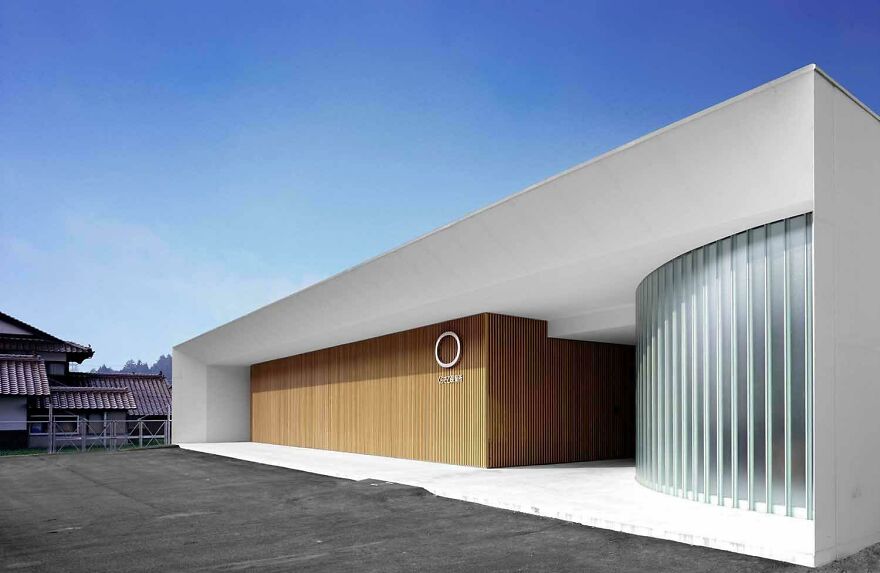
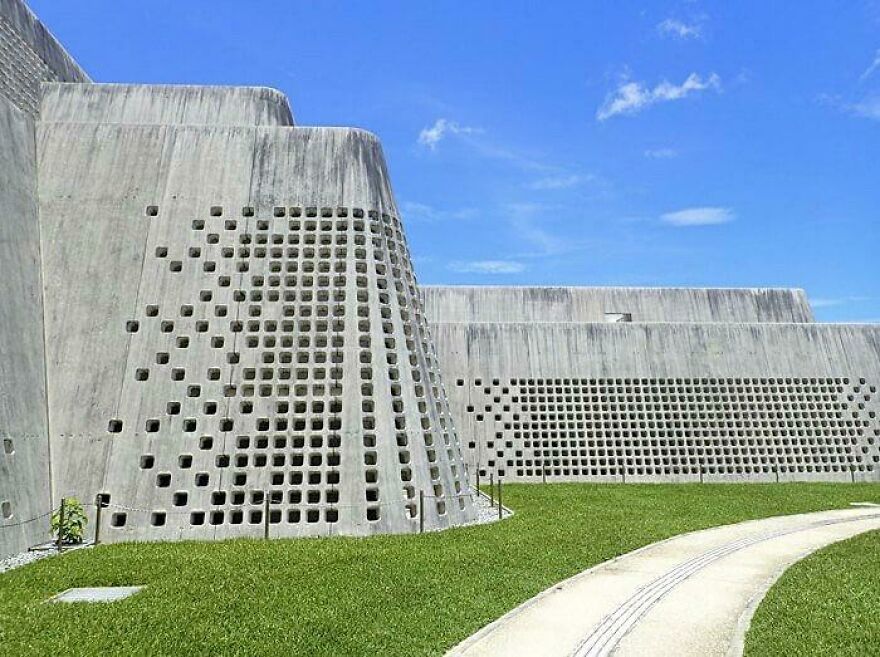
I may be a dinosaur but the burger king of my childhood had glass blocks like this, inside, dividing the booths. Did this happen anywhere else?


The more traditional oneas especially with a nice garden outside, the rest meh•••
Thank you for this refreshing list! So many great out of the box ideas. The Japanese are known for their embrace of innovation and that really comes out with the pieces here.
The more traditional oneas especially with a nice garden outside, the rest meh•••
Thank you for this refreshing list! So many great out of the box ideas. The Japanese are known for their embrace of innovation and that really comes out with the pieces here.






































 No fees, cancel anytime