Get Premium
Dark mode theme is available exclusively for premium users. Learn more about the benefits of subscribing.
No fees, cancel anytime.

 Dark Mode Ad-Free Browsing Unlimited Content
 Ad-Free Browsing Unlimited Content Dark Mode
Join 1.2 million Panda readers who get the best art, memes, and fun stories every week!

Living alongside neighbors and community members can sometimes lead to unexpected conflicts, especially when some people feel entitled to ignore boundaries or private property. This becomes even more frustrating when personal investments, such as renting a private parking space, are dismissed by someone who believes old habits matter more than current agreements.
That was the situation faced by the Original Poster (OP), a working man who shared a story about a repeated parking dispute with a member of his community. After repeated episodes where his parking spot was blocked and he tried to handle the issue calmly, the narrator eventually reached a breaking point.
More info: Reddit
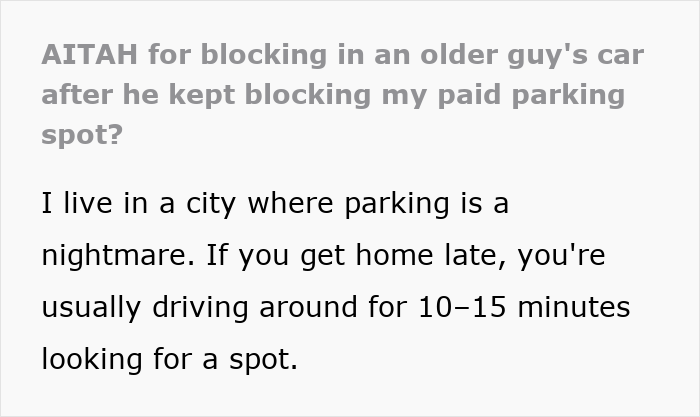
Image credits: senivpetro / Magnific (not the actual photo)
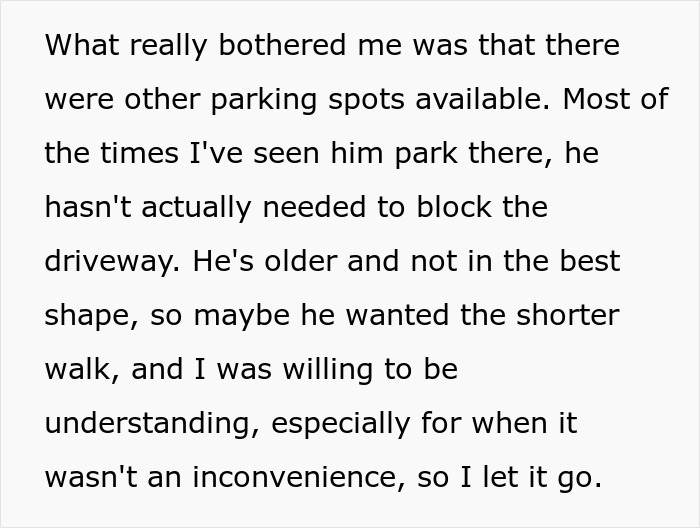
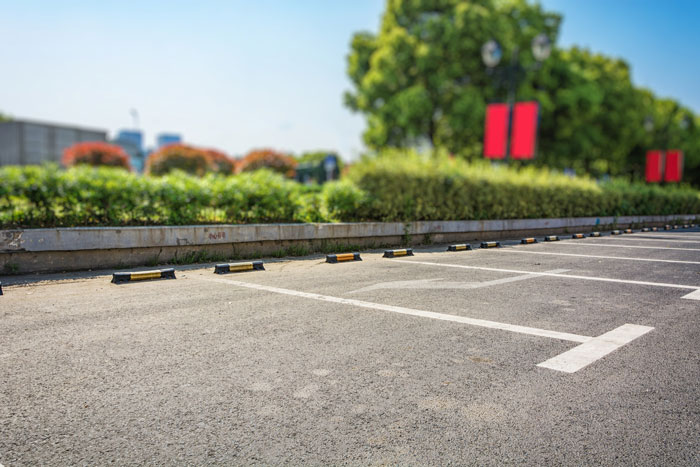
Image credits: evening_tao / Magnific (not the actual photo)
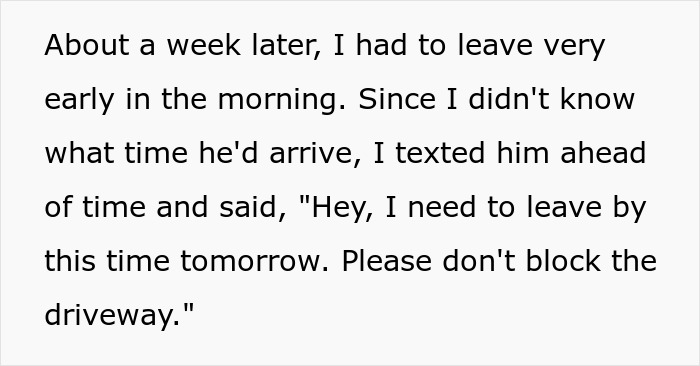
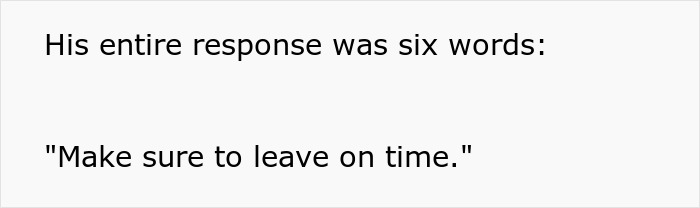
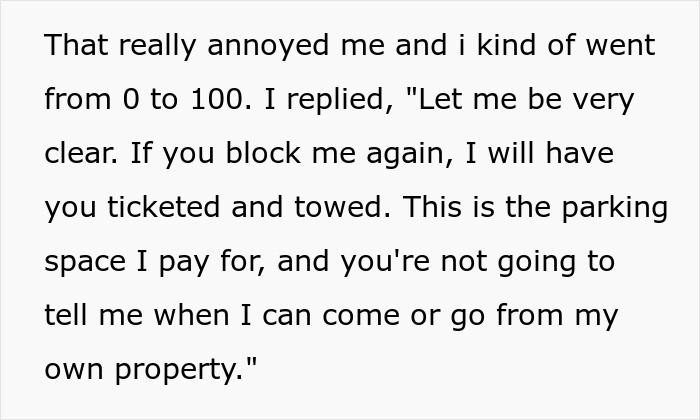
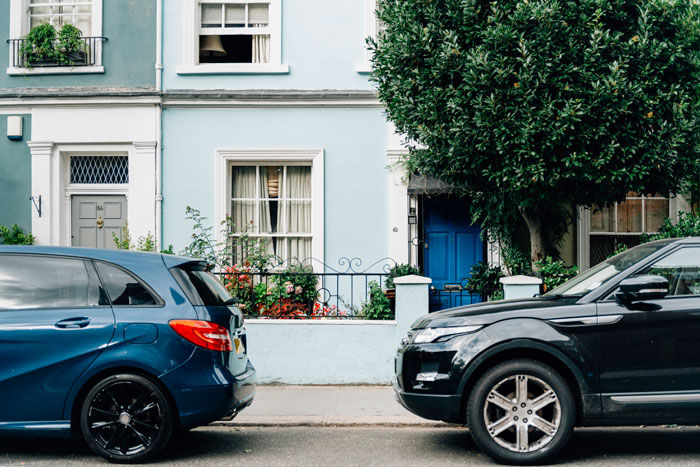
Image credits: rawpixel / Magnific (not the actual photo)
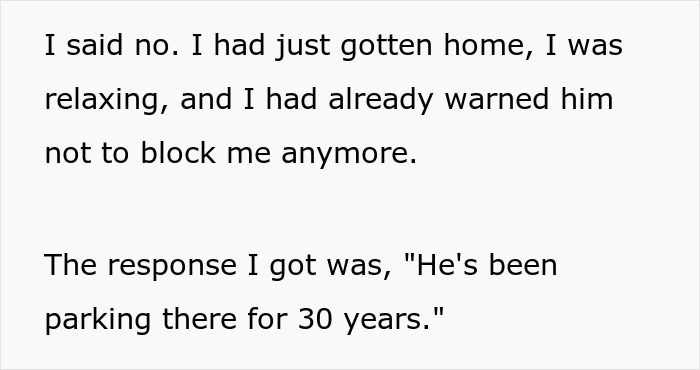
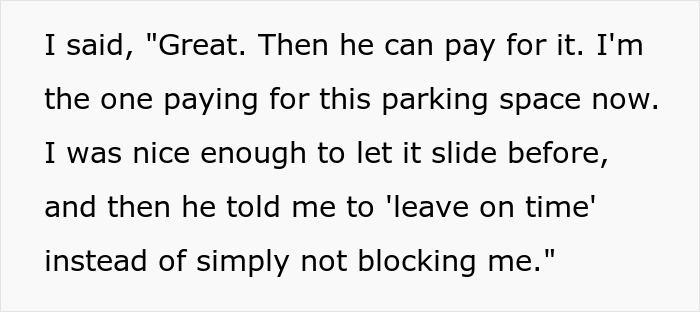
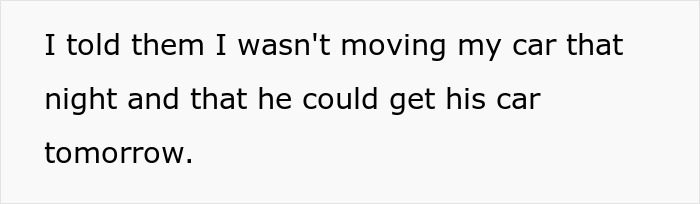
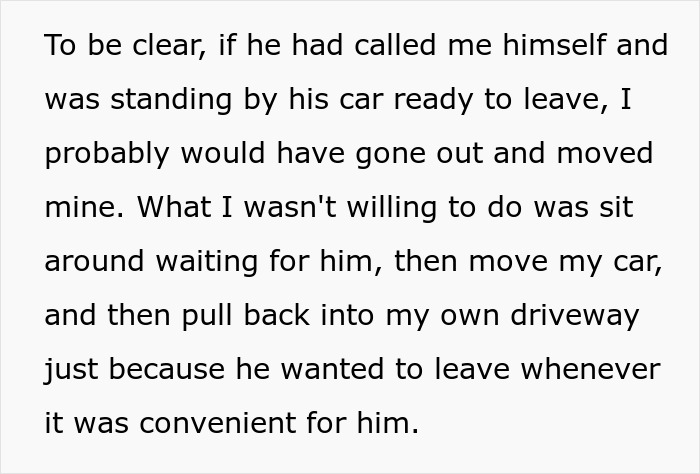
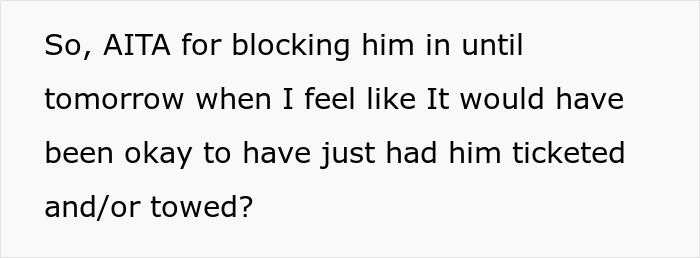
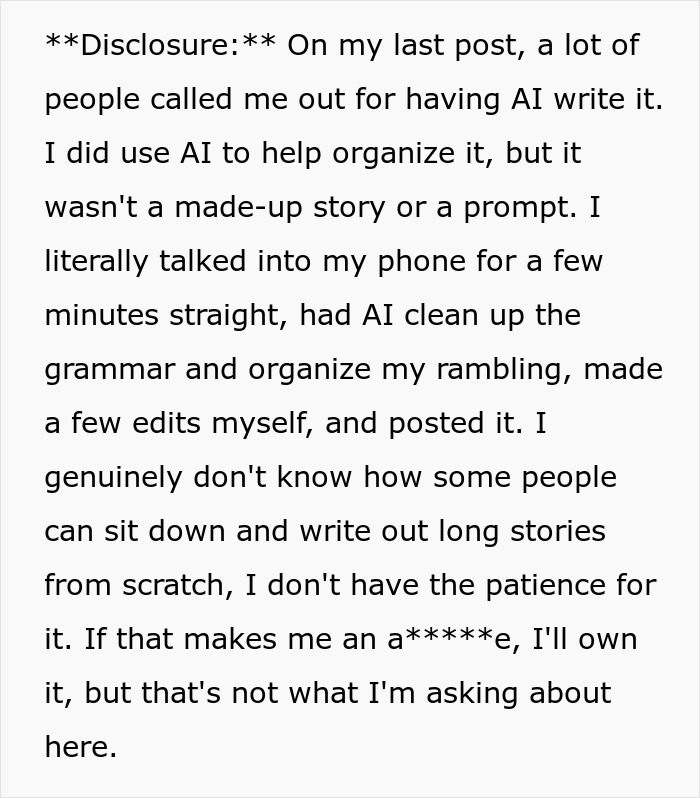
Image credits: SharpCost7136
The OP explained that parking in his city was a nightmare, with drivers often spending several minutes searching for available spaces. To avoid this, he rented a private parking spot near his home, even though it was expensive. Before taking it, the owner warned him that an older churchgoer occasionally blocked the driveway, but assured him that a quick call or message solved the issue.
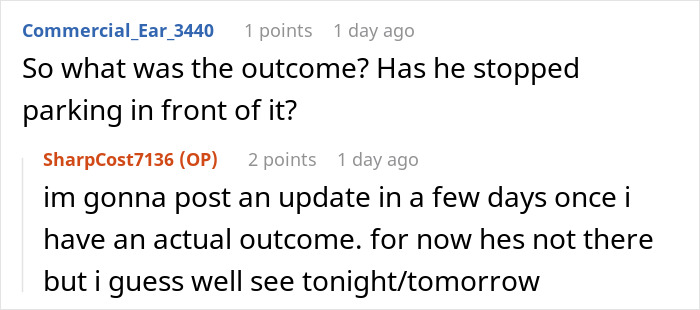
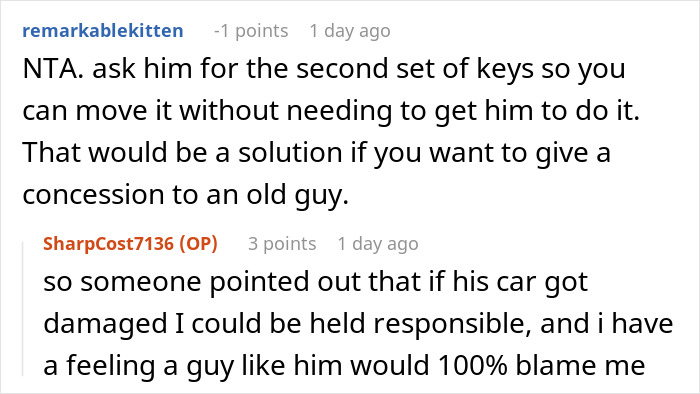
The first time it happened, the narrator tried to contact the man but received no answer. He eventually went into the nearby church to find him, only to discover that the man expected him to move the vehicle himself by handing over the keys. Although frustrated, the author decided to remain understanding because he believed the shorter walk might have been helpful for the older man.
Later, the OP sent a message asking the churchgoer not to block the driveway before an early departure. Instead of apologizing, the man replied, “Make sure to leave on time,” leading the narrator to give a firm warning: if he continued to occupy the parking space, he would call for assistance and have the car ticketed and towed.
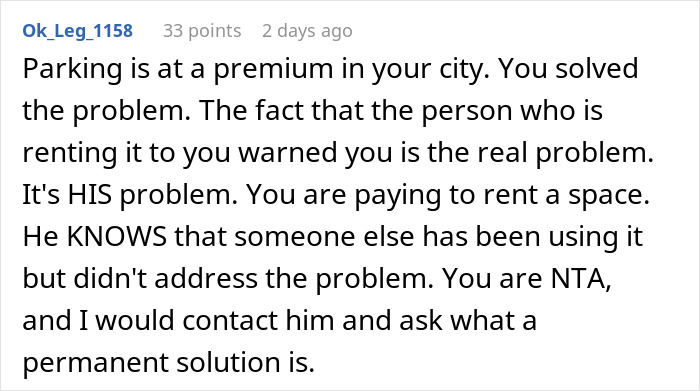
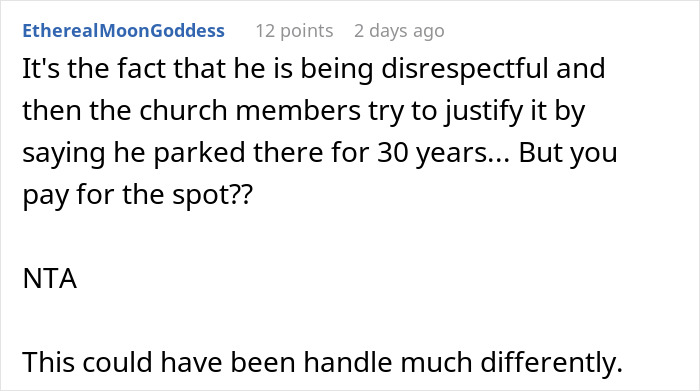
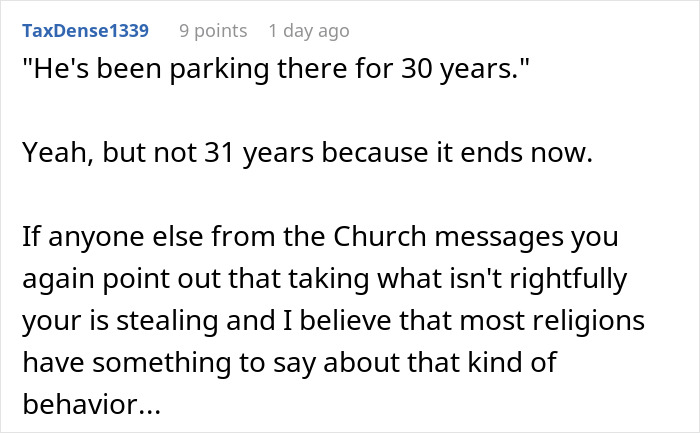
It all escalated after returning home from a long trip, the author found the parking spot blocked again, but this time he chose payback. The OP parked behind the elder neighbor’s vehicle, blocking it as well. When another church member asked him to move, he refused, arguing that a thirty-year habit did not matter more than the space he paid for and needed on a daily basis.
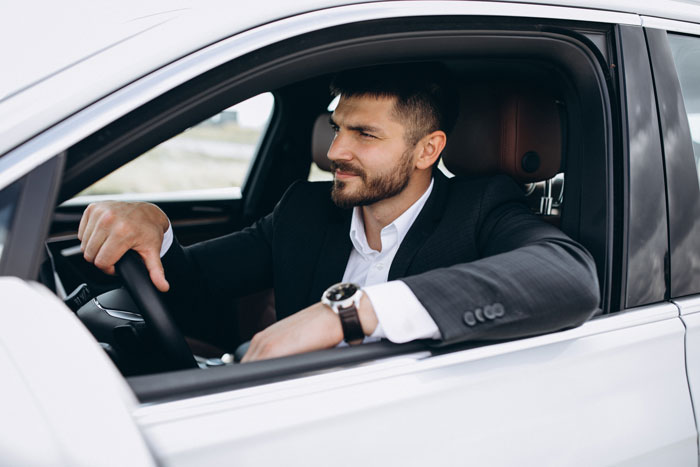
Image credits: benzoix/ Magnific (not the actual photo)
The narrator’s dilemma raises the same question I had when reading, which is also explored by this article: why does parking drive us insane? In crowded cities, parking is a scarce resource that creates constant competition, turning simple moments into stressful experiences. That daily pressure can escalate even the smallest inconveniences.
That tension becomes even stronger when someone parks where they should not. According to this note, unauthorized parking is often driven by convenience, the belief that enforcement is unlikely, indifference toward rules, or simply choosing the easiest option over the correct one. In some situations, a shortage of available spaces also encourages people to skip the rules.
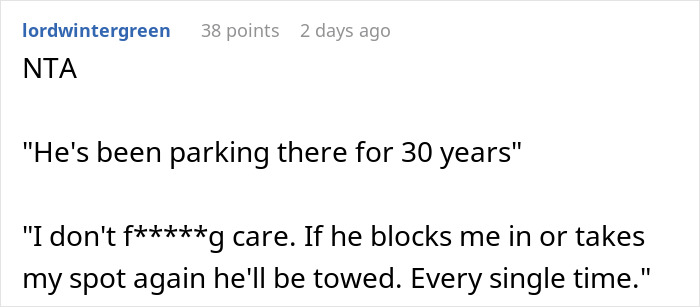
Those factors closely resemble what happened here. According to the OP, the churchgoer had other places available, yet repeatedly chose the closest and most familiar option despite knowing someone else rented it. From the narrator’s perspective, it became a matter of respecting boundaries, while the other driver appeared to treat a long-standing habit as more important.
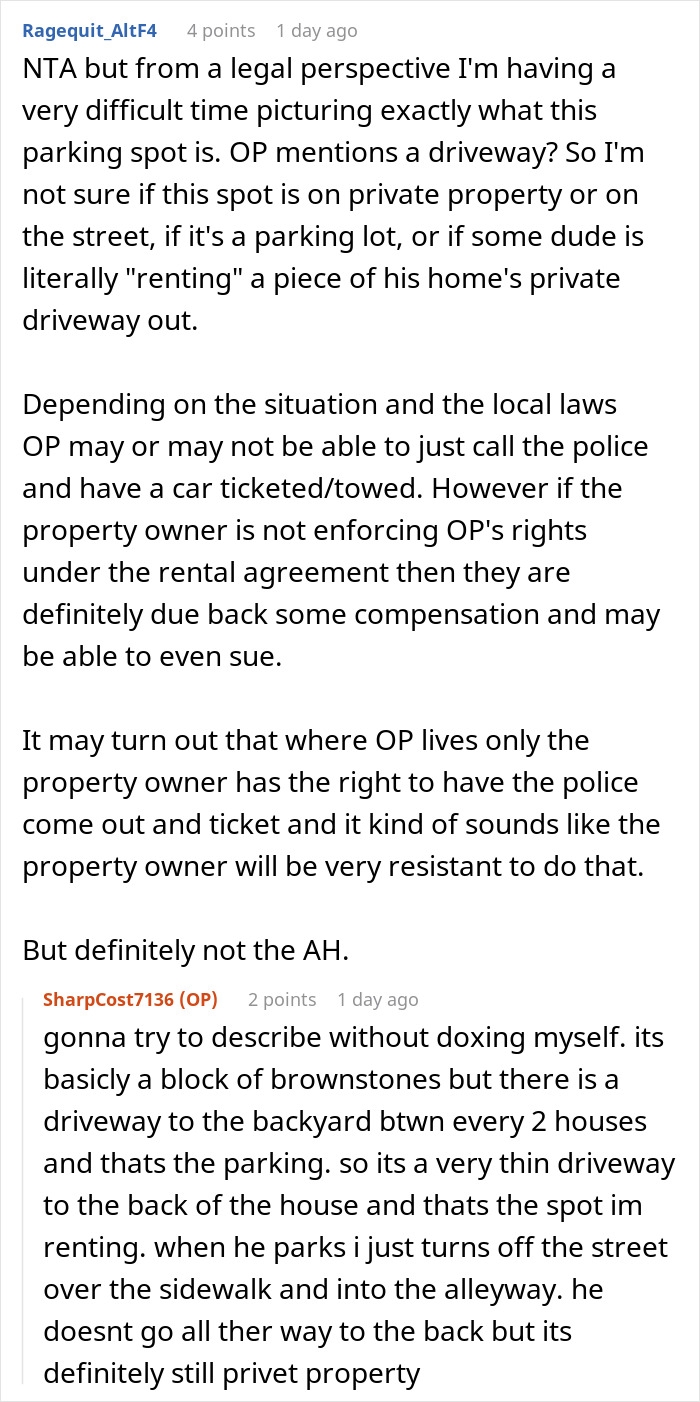
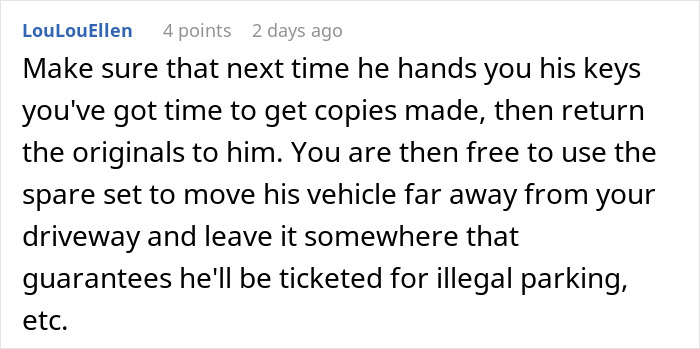
You could think that calling a tow truck would have solved the issue, but the reality is more complicated. As car experts state, towing a vehicle from private property often depends on local regulations, and who is legally authorized to request the removal. Unfortunately for the narrator, renting the space does not make him the property owner, leaving the problem with no immediate solution.
What would you have done in this situation? Would you have called for assistance or taken matters into your own hands? Share your thoughts and let us know where you think the line should be drawn.






By entering your email and clicking Subscribe, you're agreeing to let us send you customized marketing messages about us and our advertising partners. You are also agreeing to our Privacy Policy.
Thank you! You've successfully subscribed to newsletters!


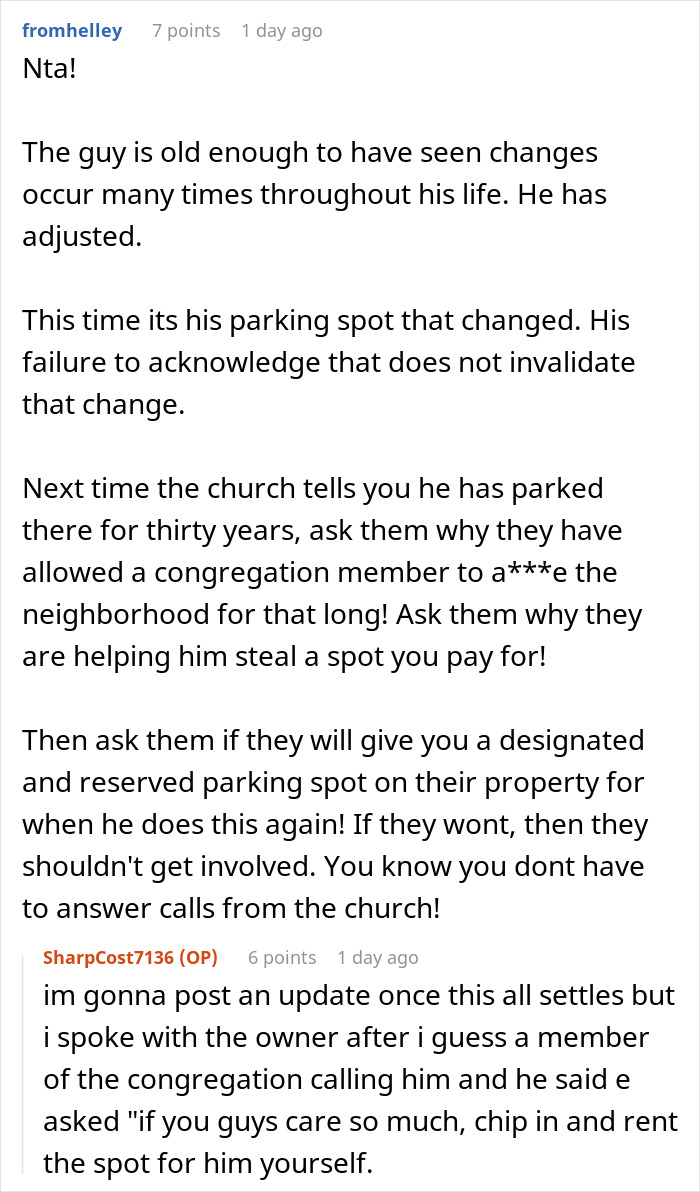
"My religion cancels out your rights." A familiar theme in contemporary America.


OP 7d ago: "im gonna post an update once this all settles but i spoke with the owner after i guess a member of the congregation calling him and he said e asked "if you guys care so much, chip in and rent the spot for him yourself."
Load More Replies...
The day this dude handed me the keys to his car and told me to move it .... I would have moved it all right ... I would have driven it several blocks away, parked it in the middle of a busy intersection, and tossed the keys into a storm sewer. Vengeful, yes. Childish, sure. But, ...

Oh, I would have just left the keys on the drivers seat. Maybe the car will be there later, maybe it won’t
Load More Replies... "My religion cancels out your rights." A familiar theme in contemporary America.
OP 7d ago: "im gonna post an update once this all settles but i spoke with the owner after i guess a member of the congregation calling him and he said e asked "if you guys care so much, chip in and rent the spot for him yourself."
Load More Replies... The day this dude handed me the keys to his car and told me to move it .... I would have moved it all right ... I would have driven it several blocks away, parked it in the middle of a busy intersection, and tossed the keys into a storm sewer. Vengeful, yes. Childish, sure. But, ...
Oh, I would have just left the keys on the drivers seat. Maybe the car will be there later, maybe it won’t
Load More Replies...









 No fees, cancel anytime






31
11