Get Premium
Dark mode theme is available exclusively for premium users. Learn more about the benefits of subscribing.
No fees, cancel anytime.

 Dark Mode Ad-Free Browsing Unlimited Content
 Ad-Free Browsing Unlimited Content Dark Mode
Join 1.2 million Panda readers who get the best art, memes, and fun stories every week!
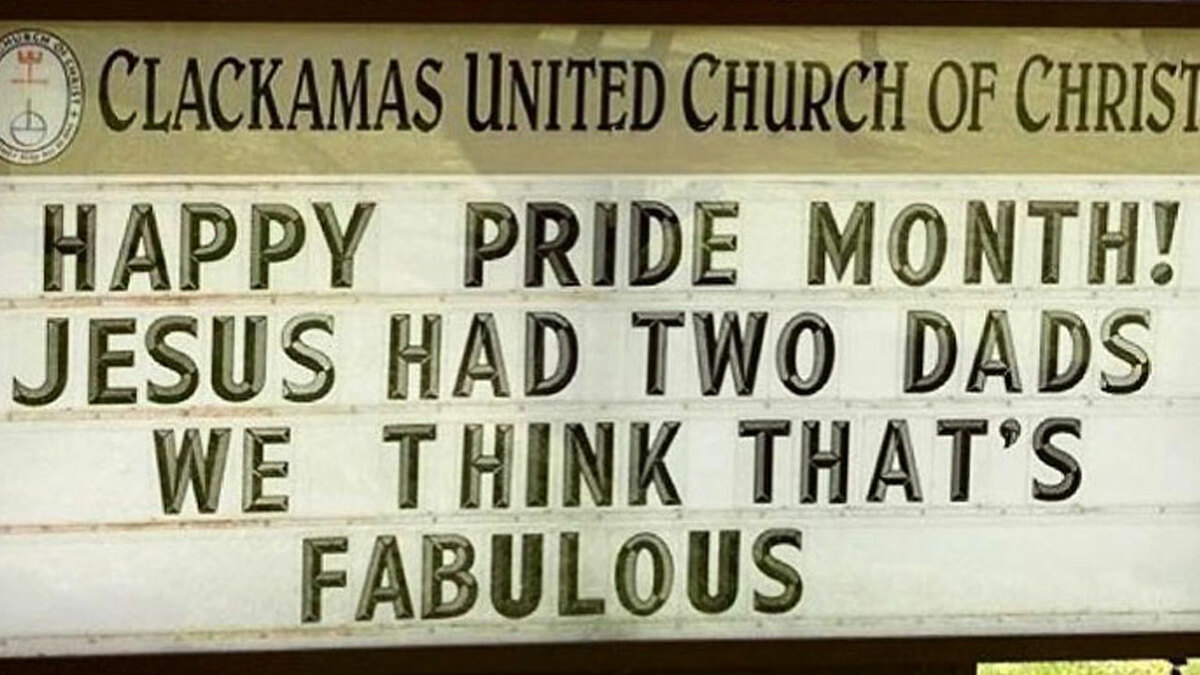
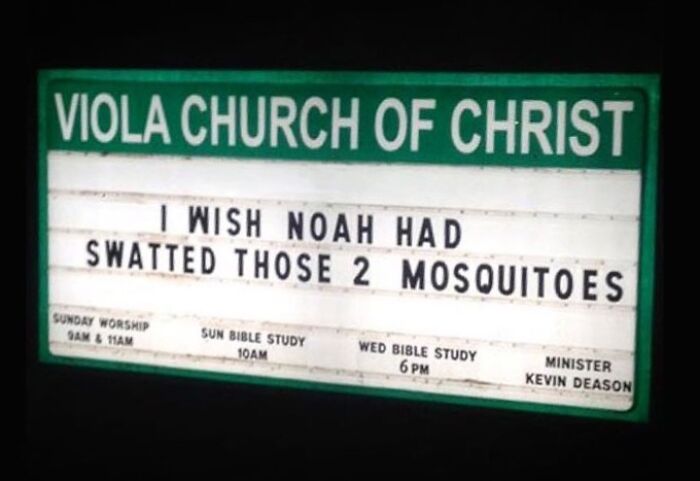
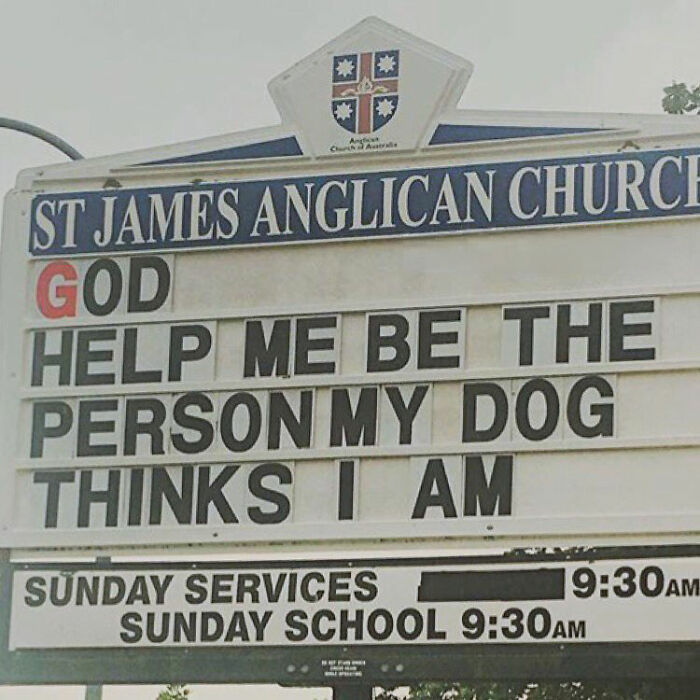
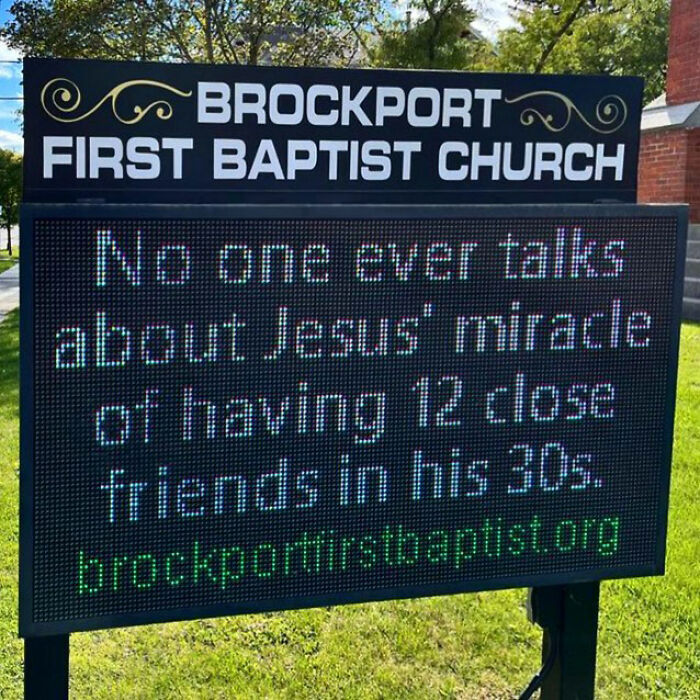
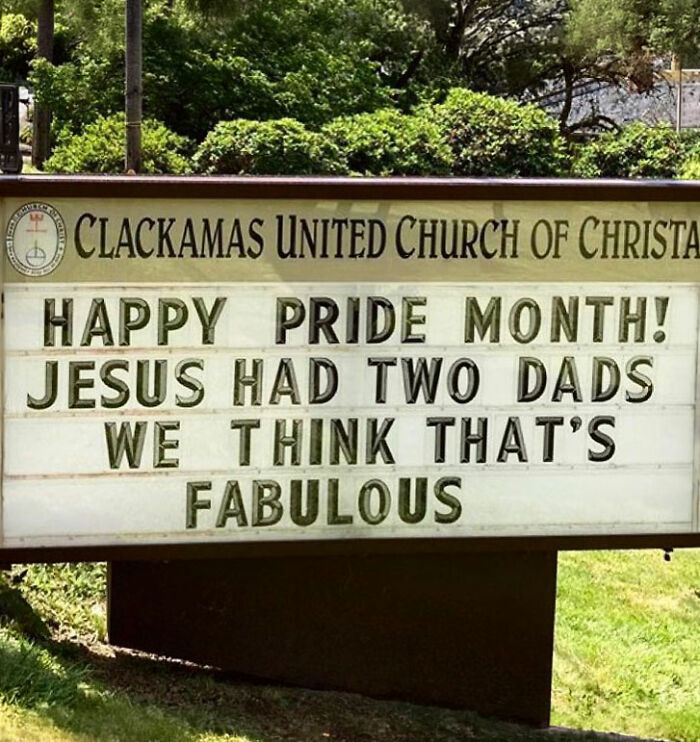
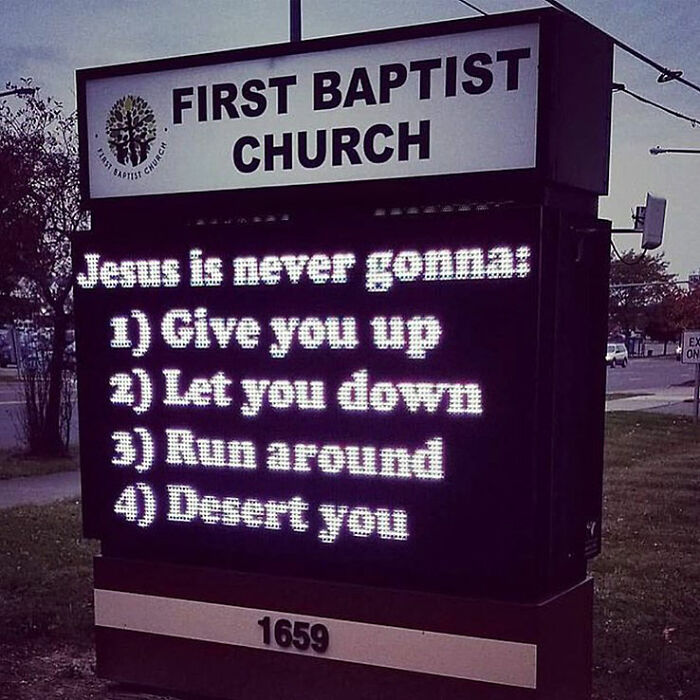
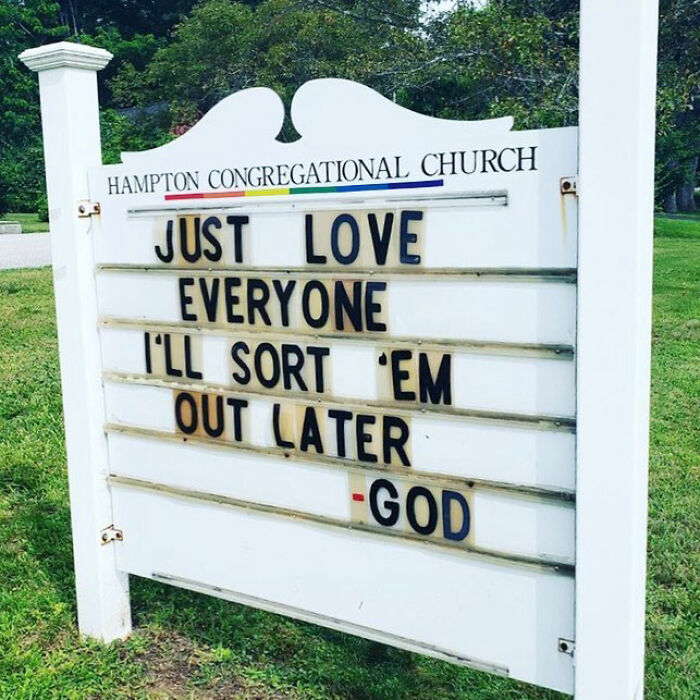
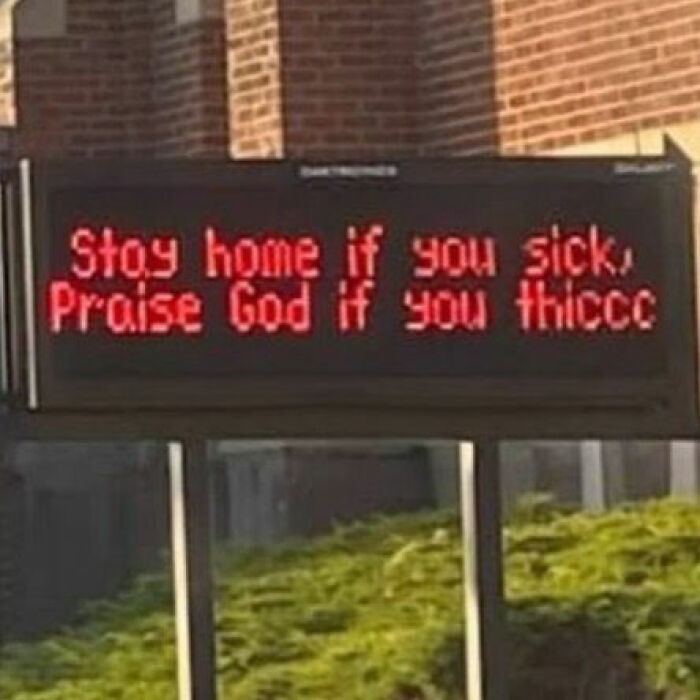
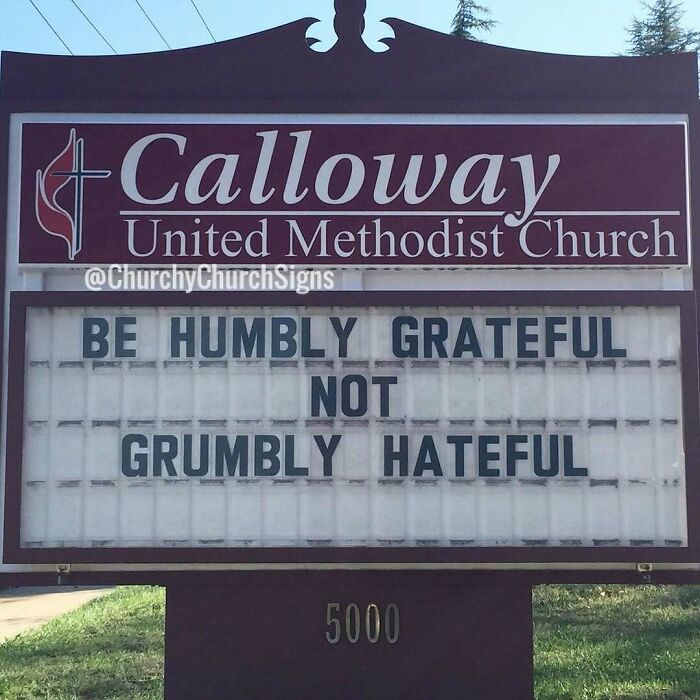
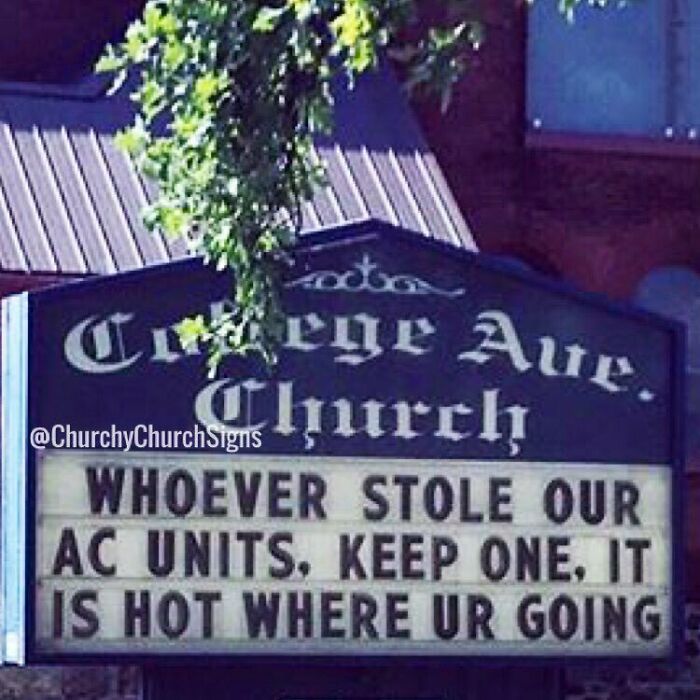
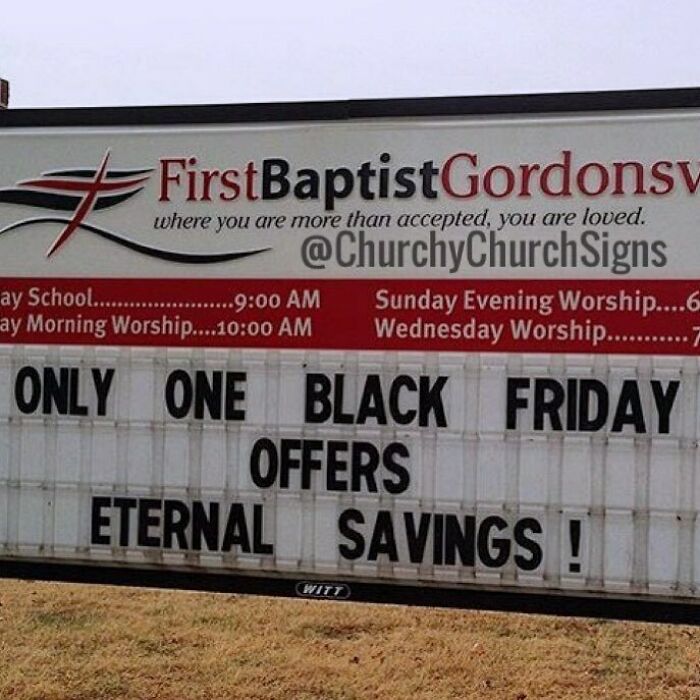
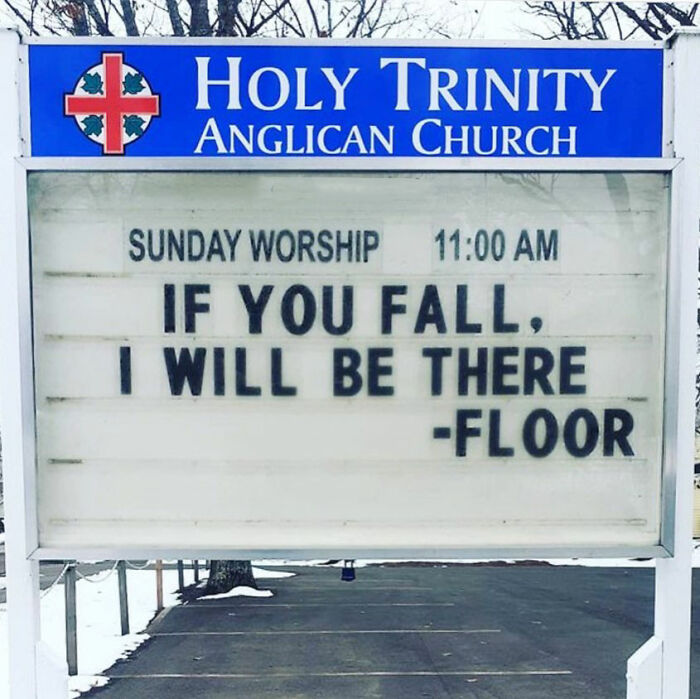
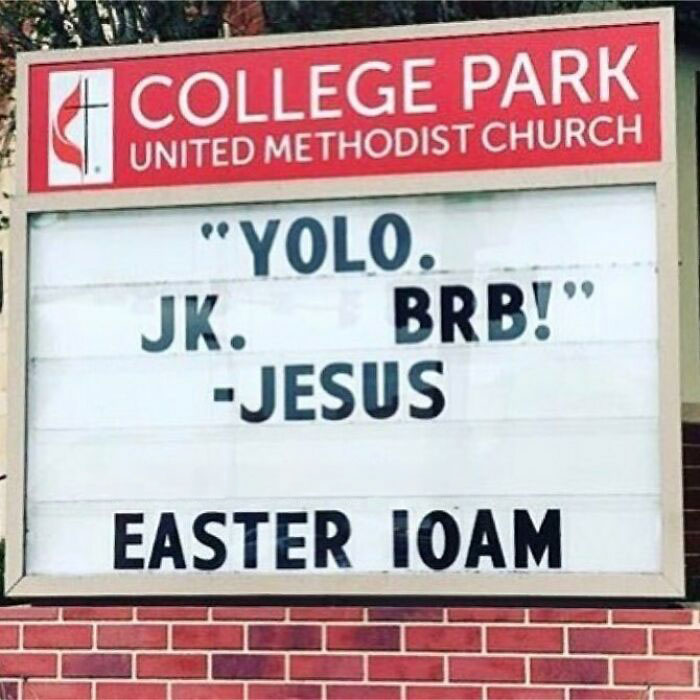
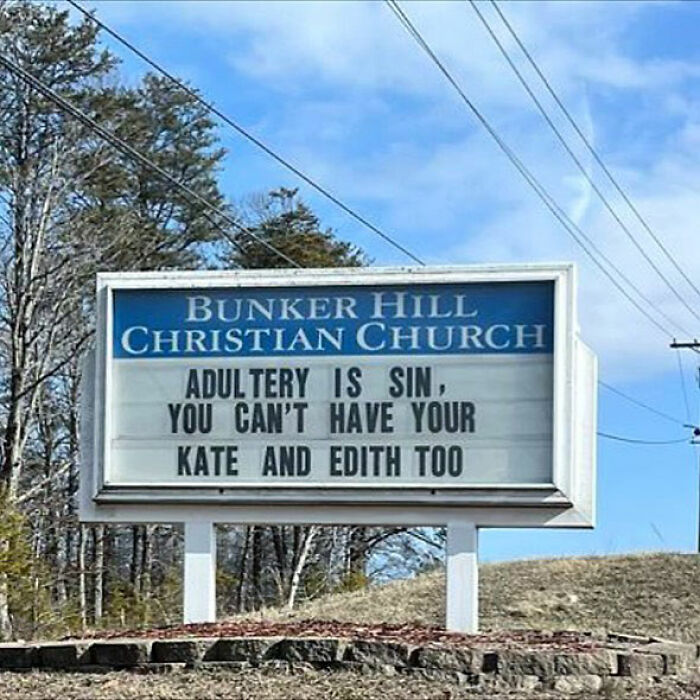
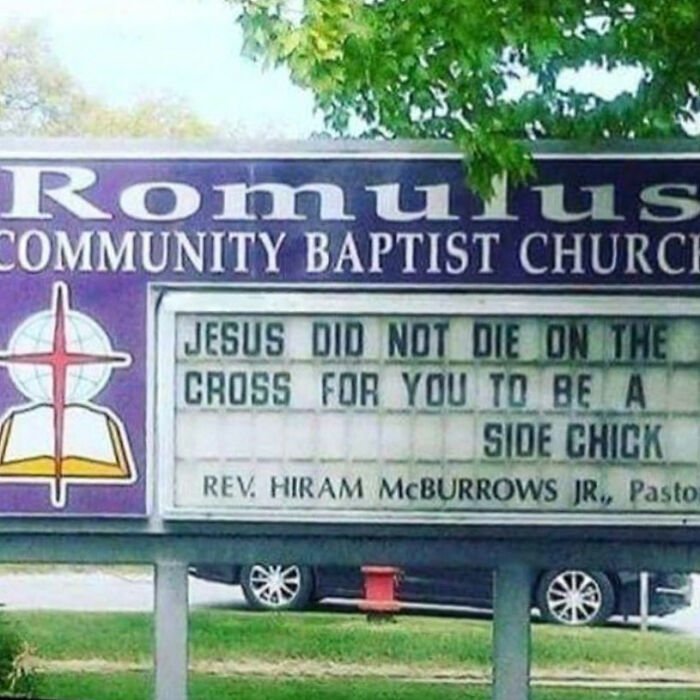
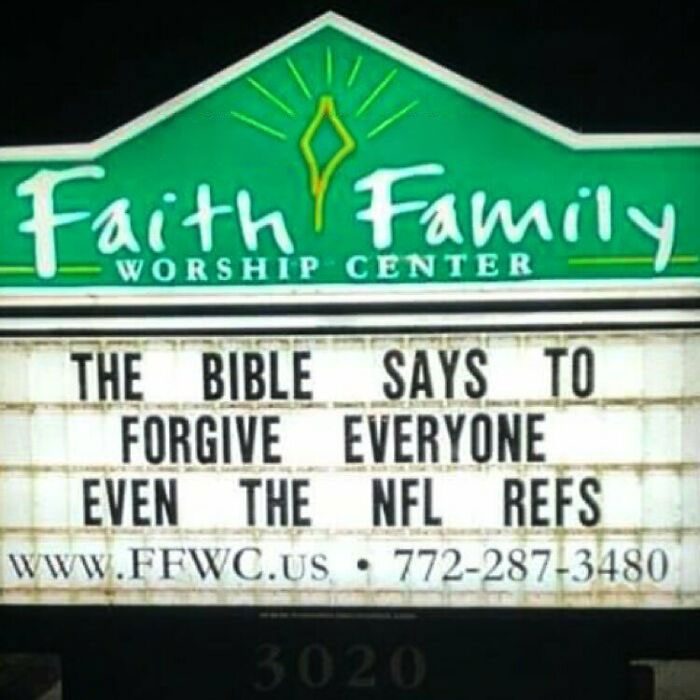
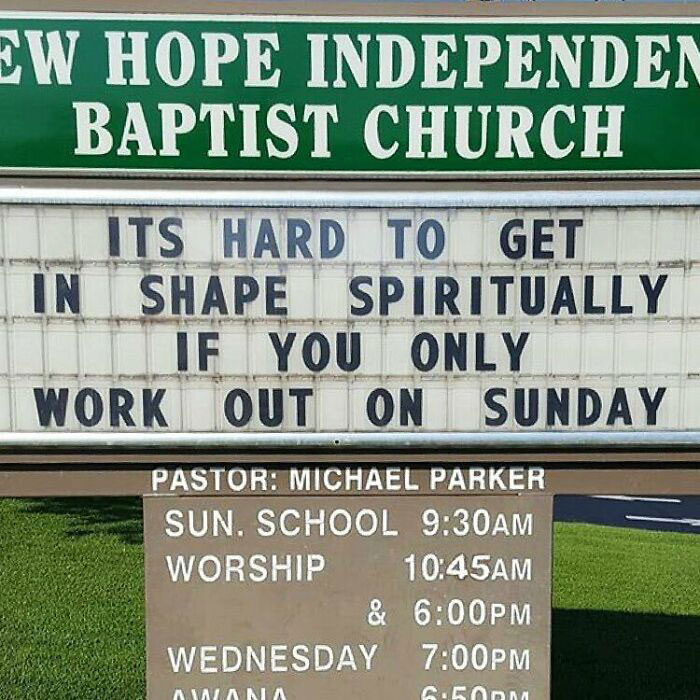
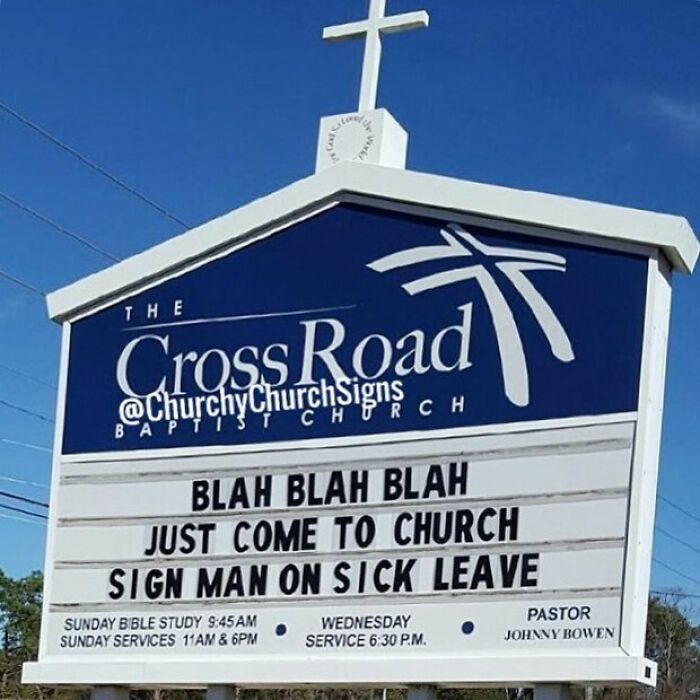
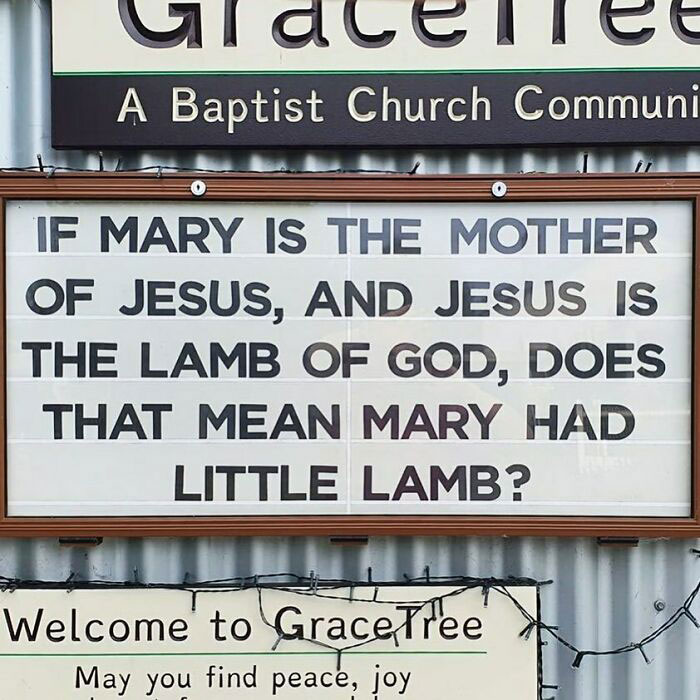
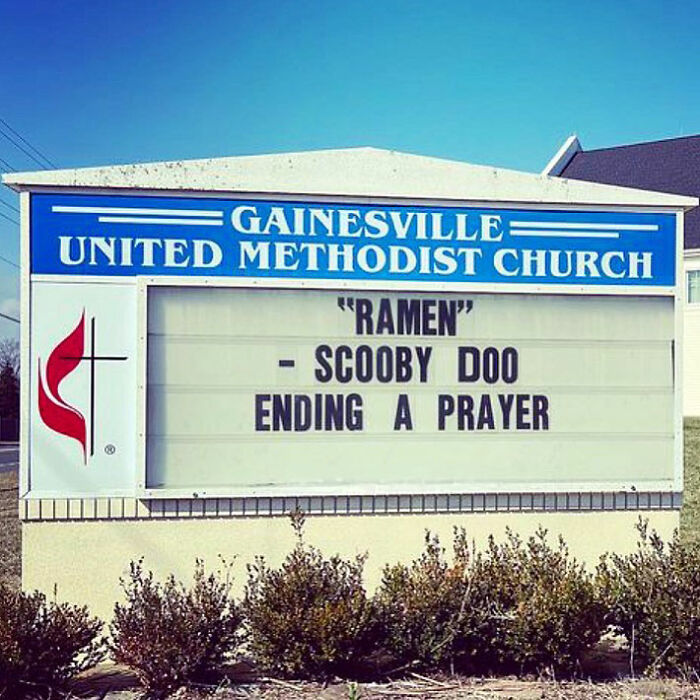
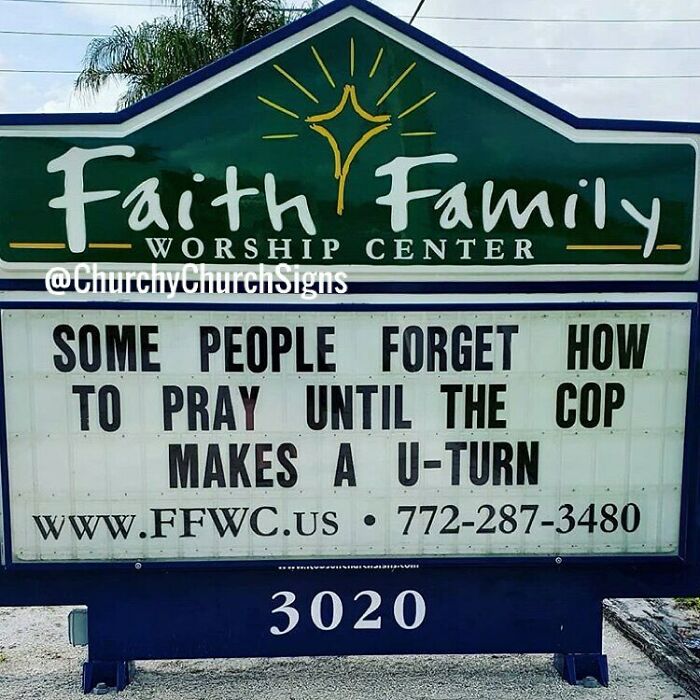
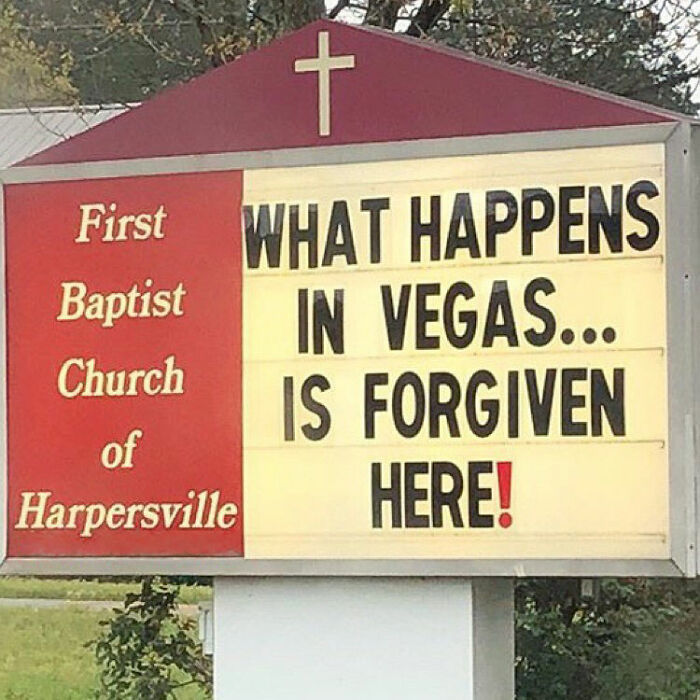
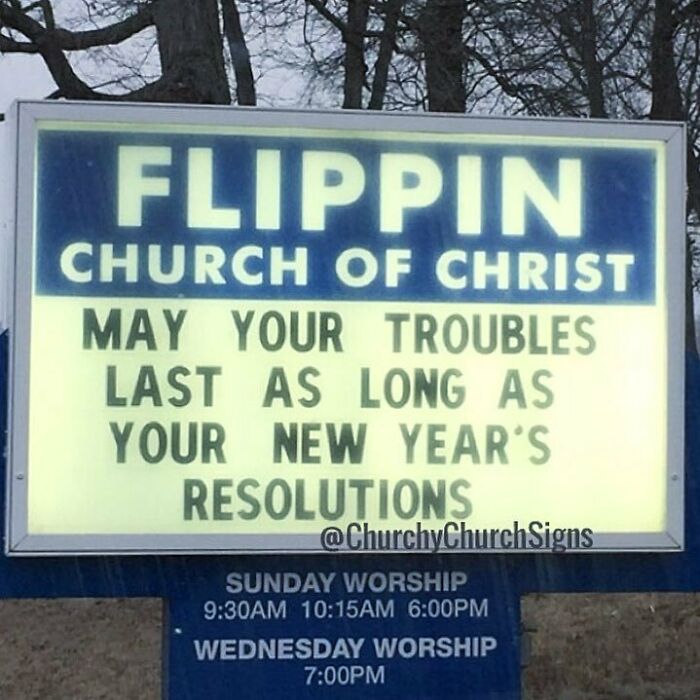
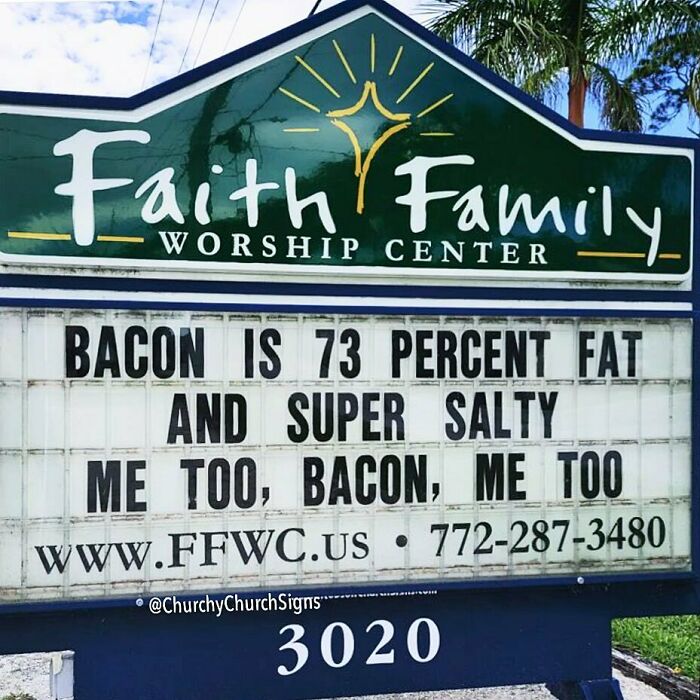
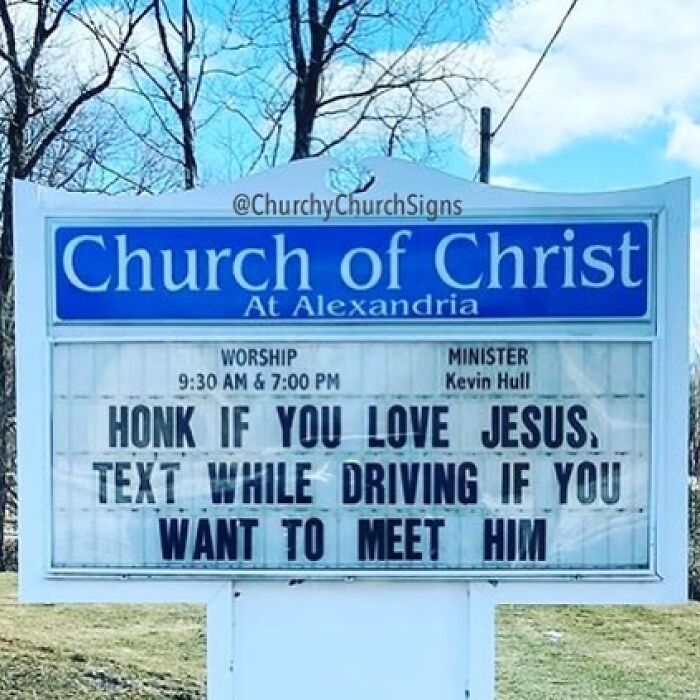
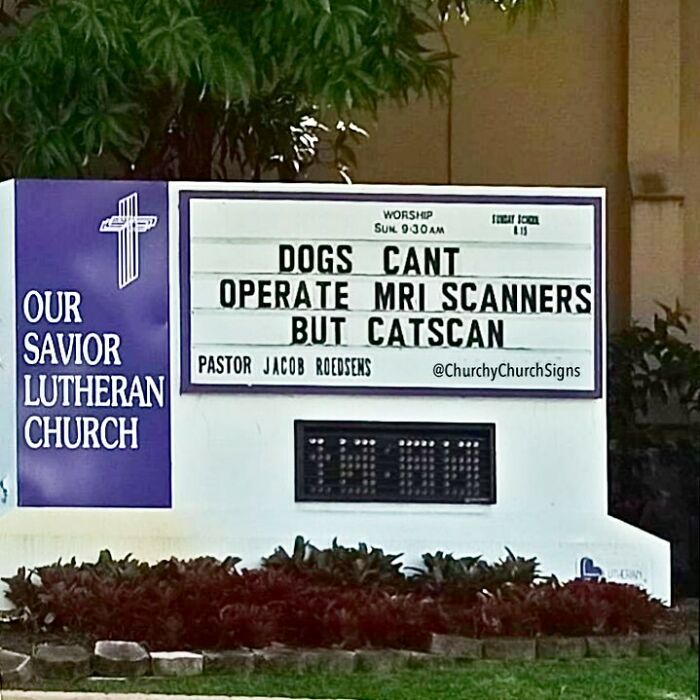
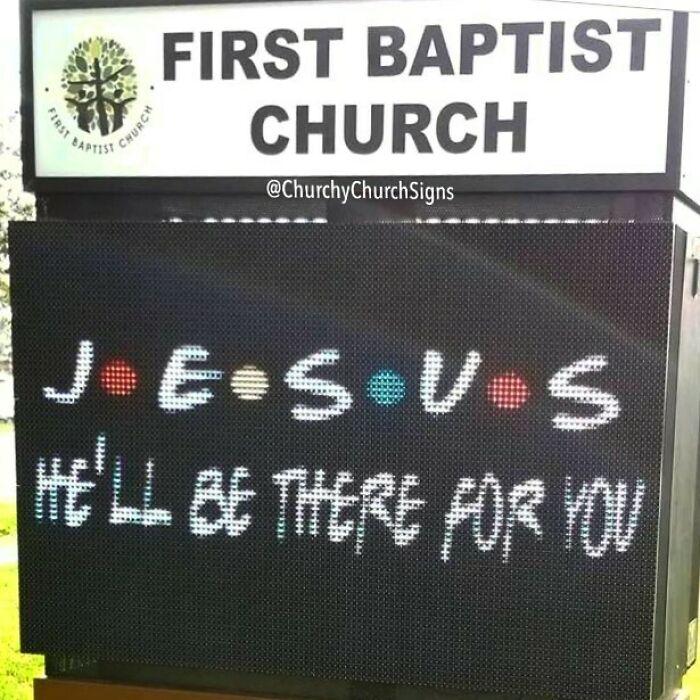
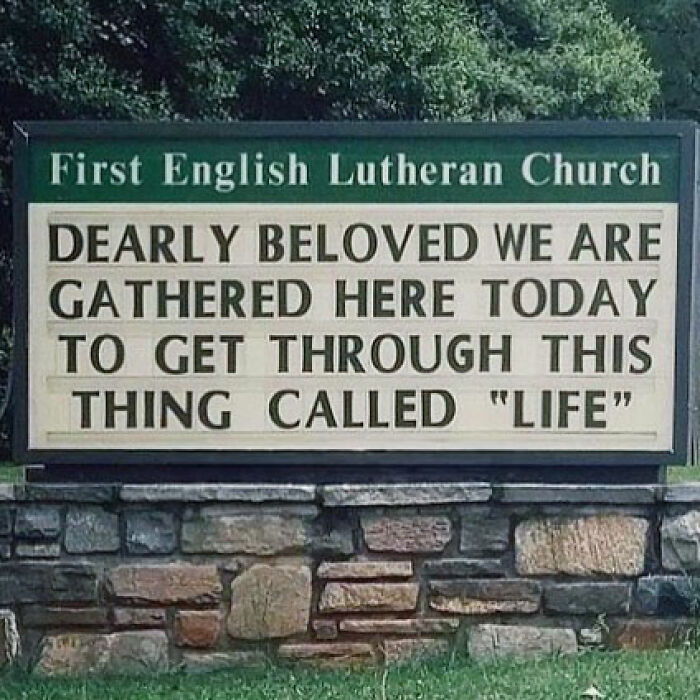
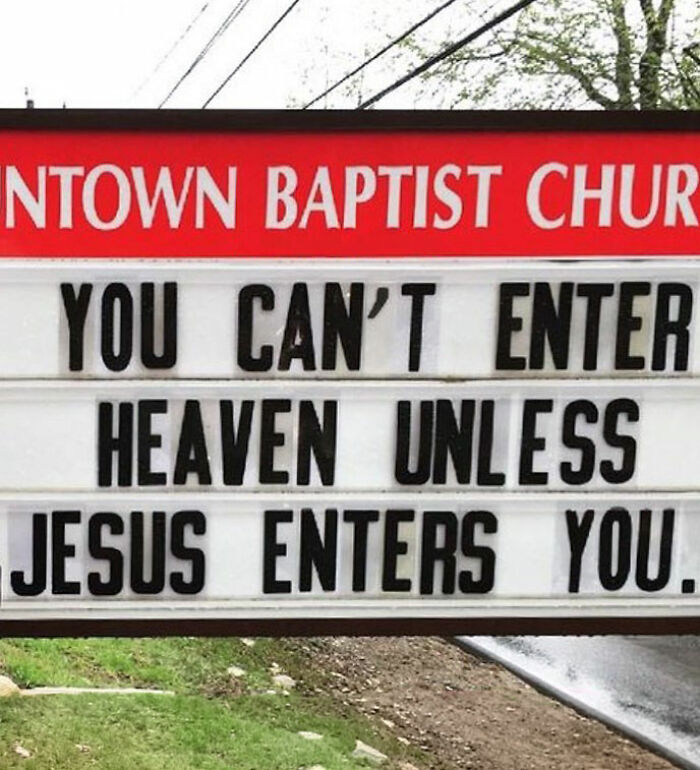
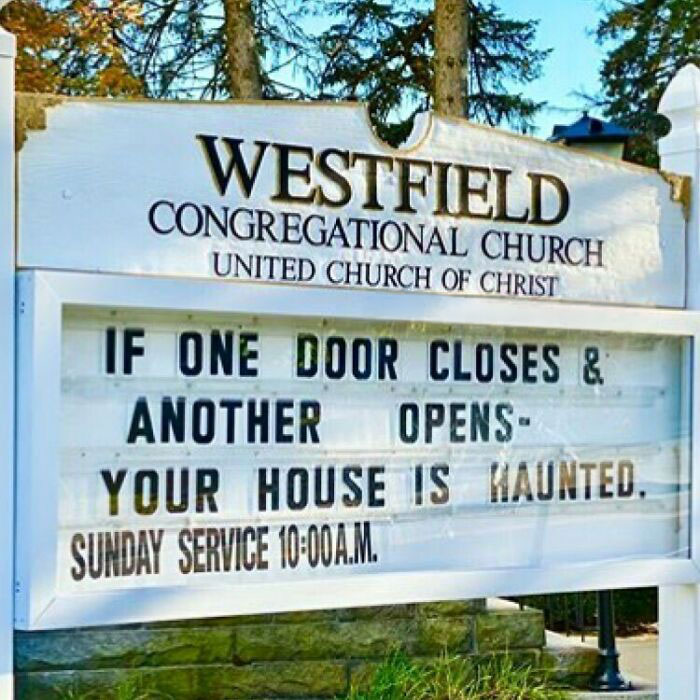
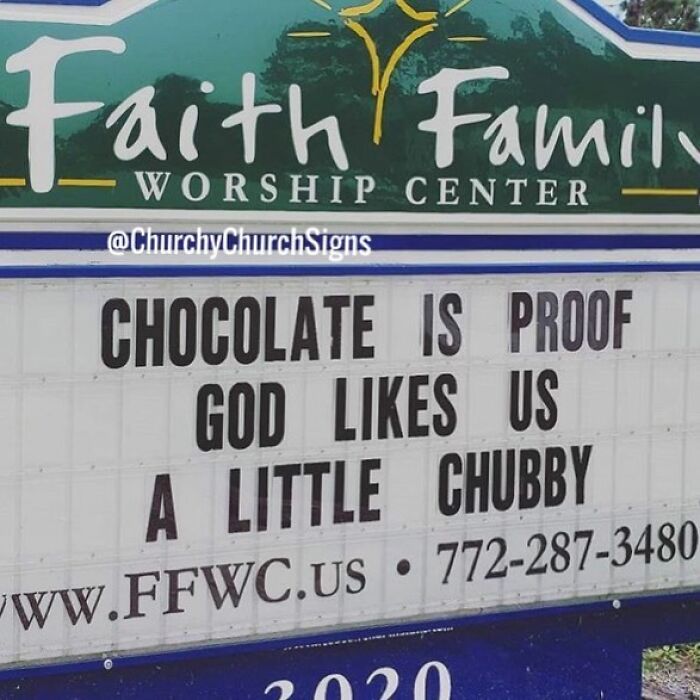
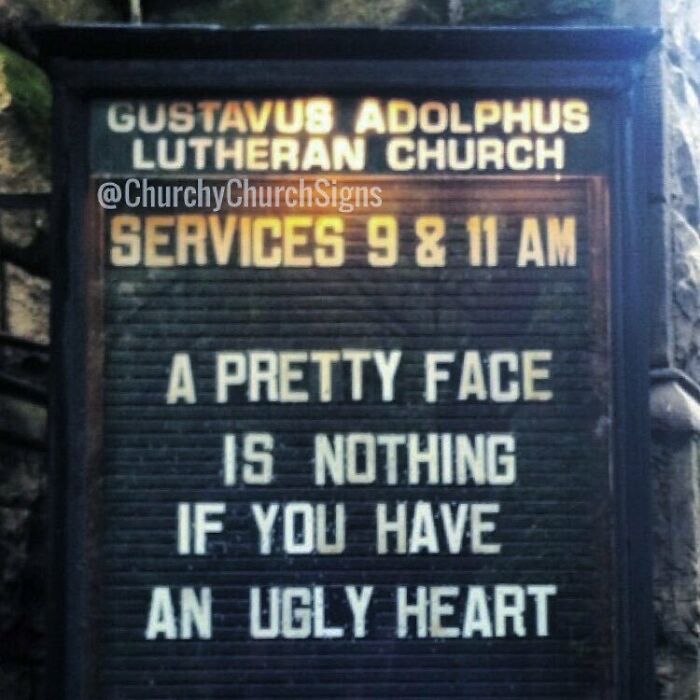
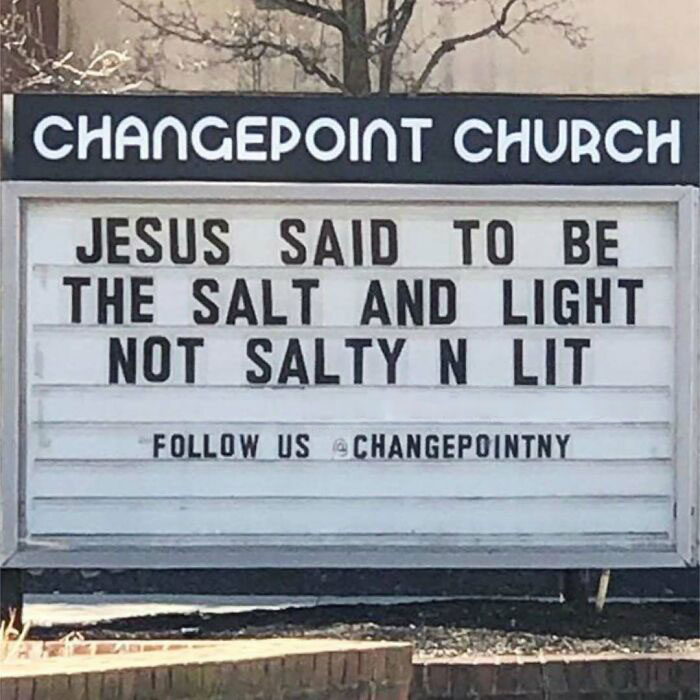
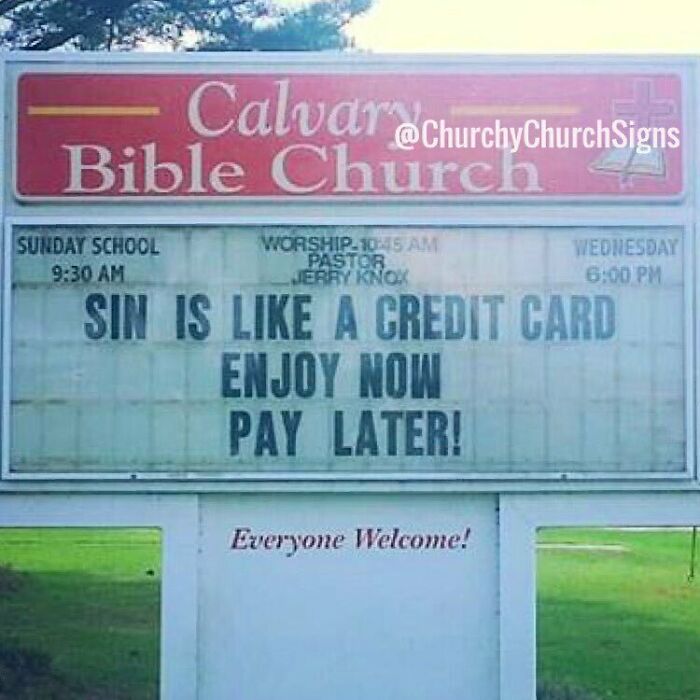
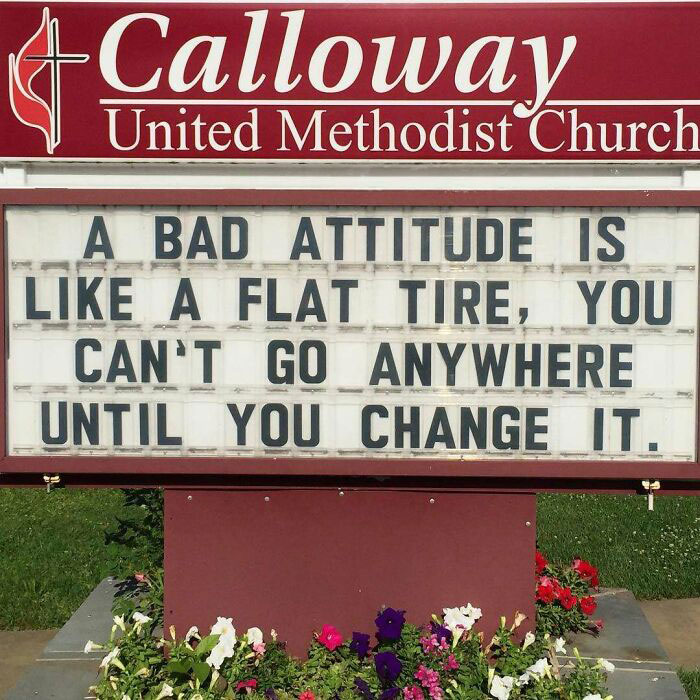
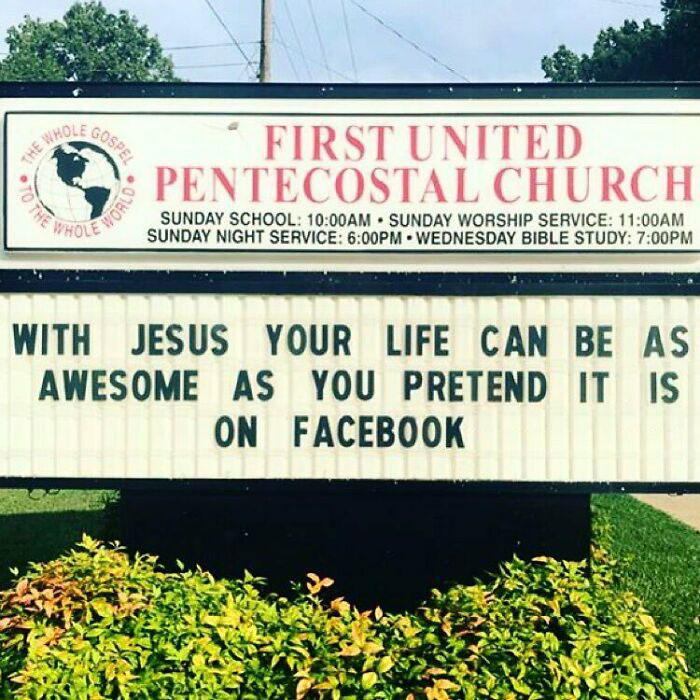
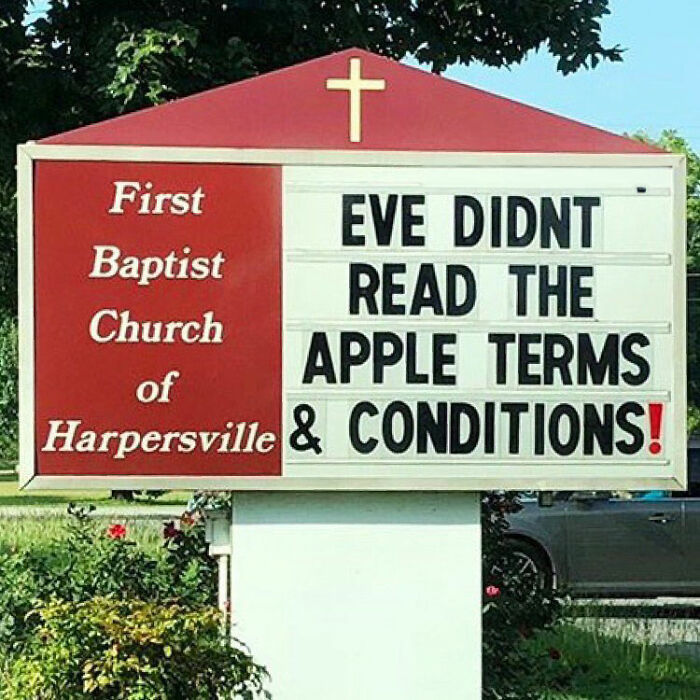
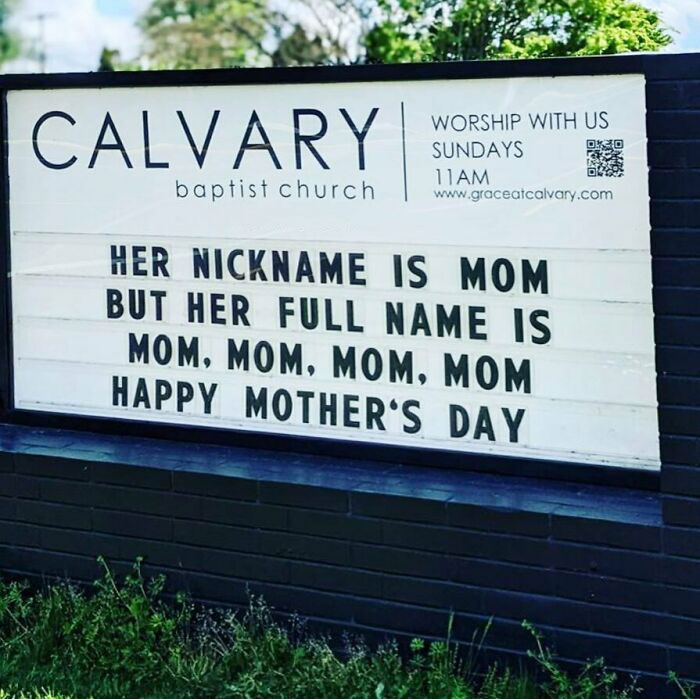
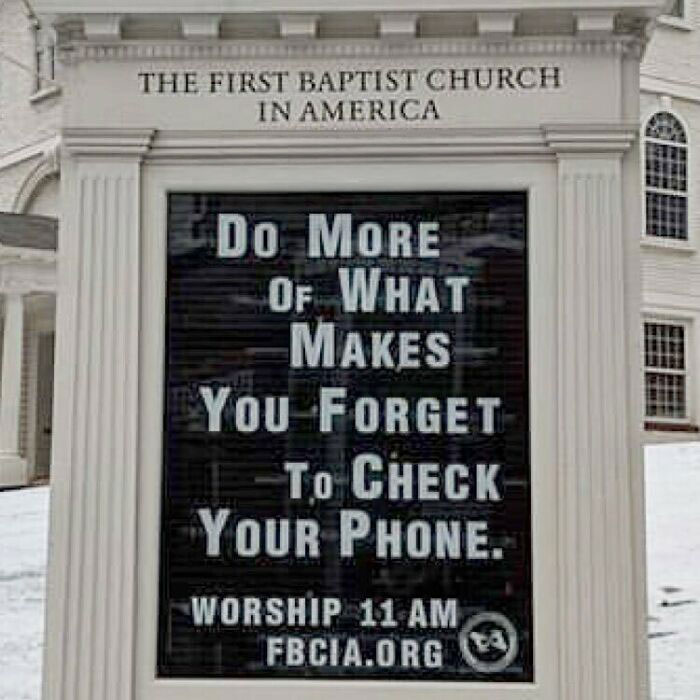
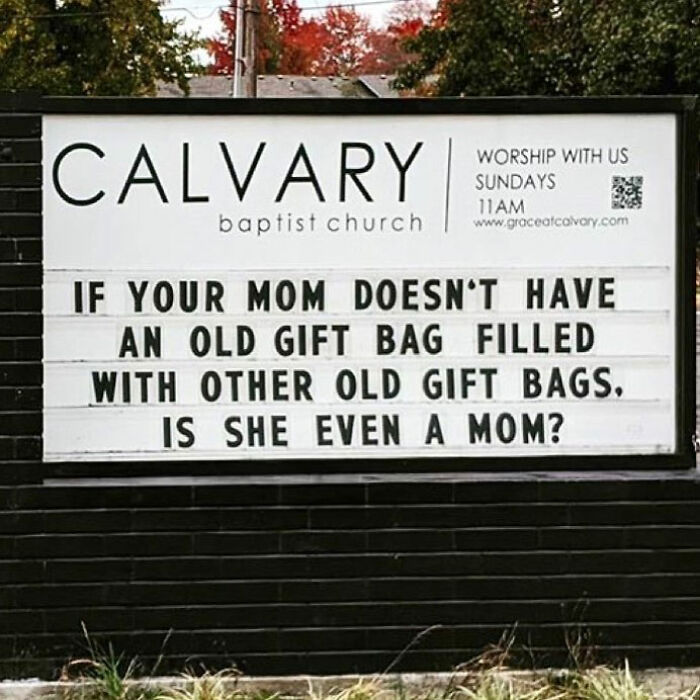
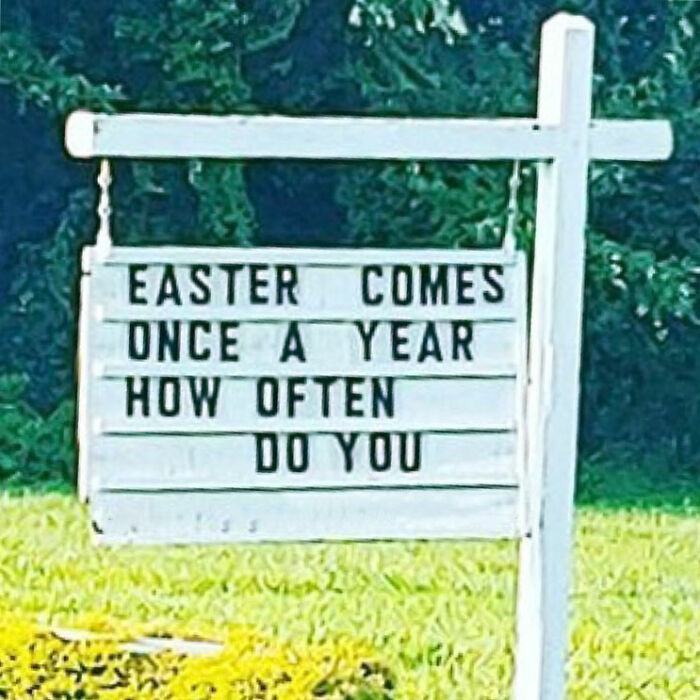
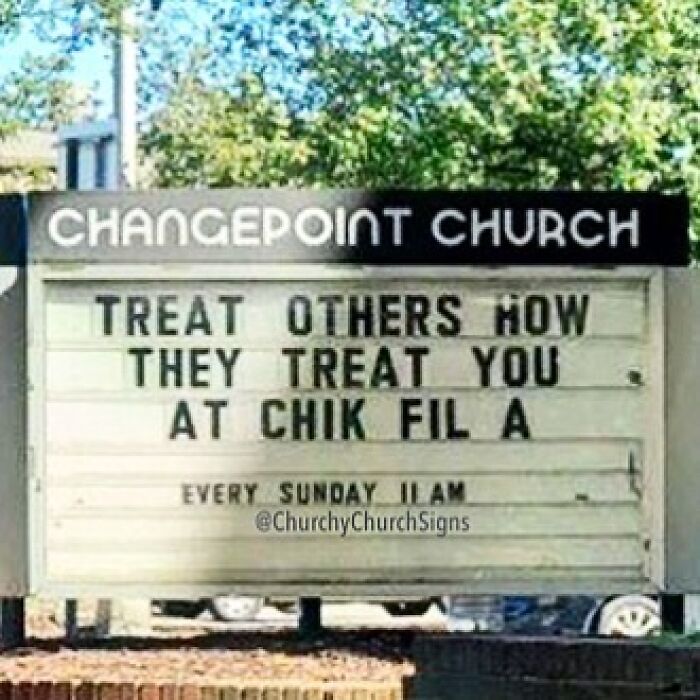
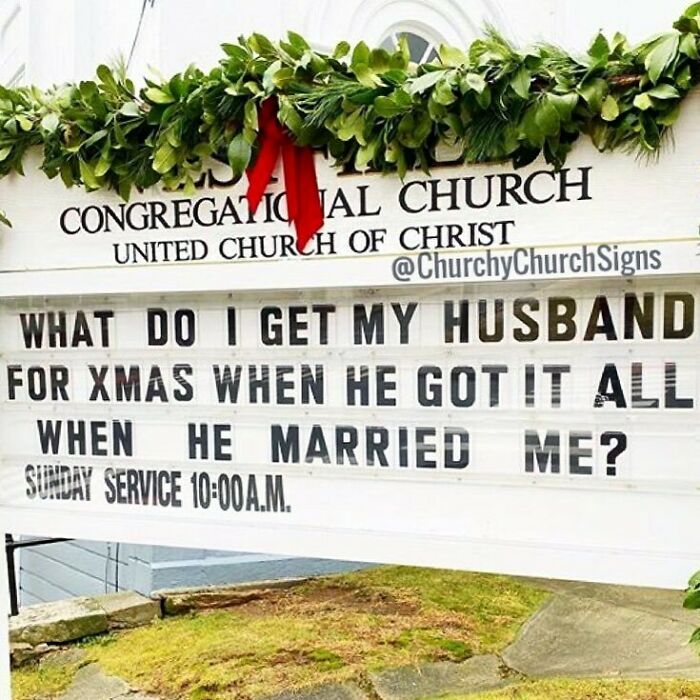
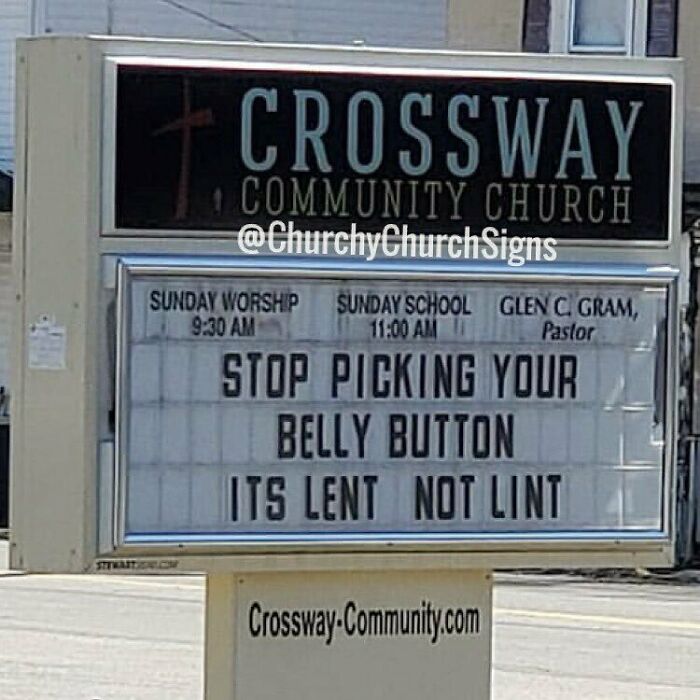
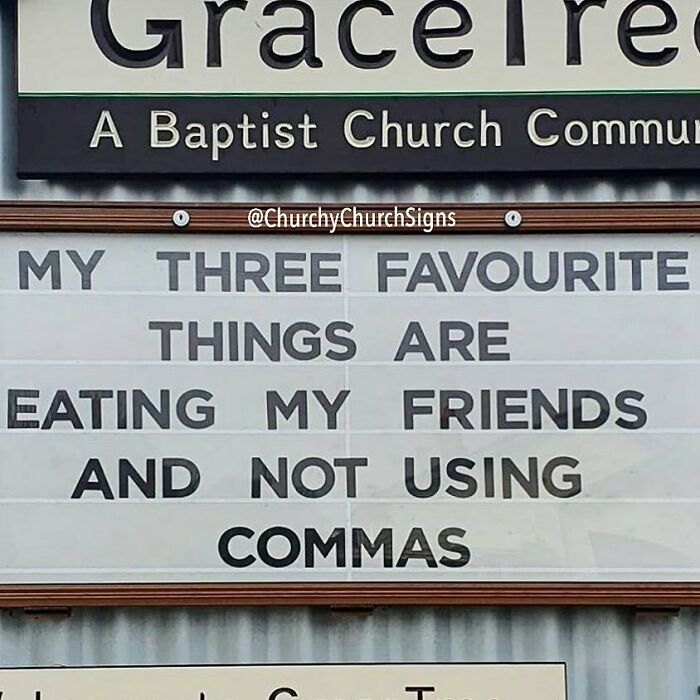
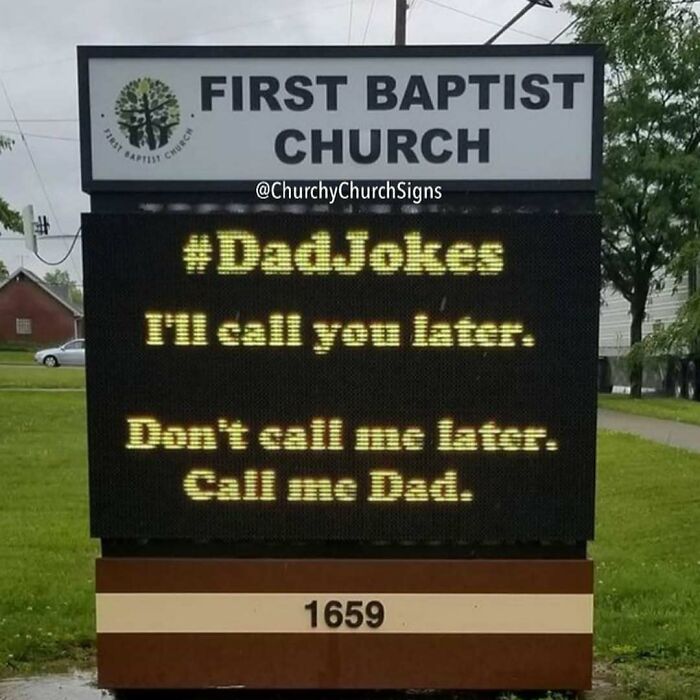
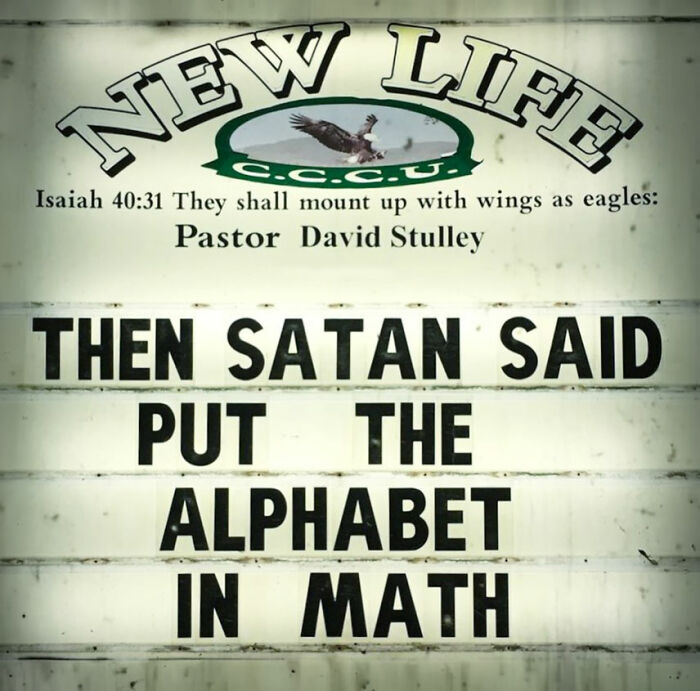
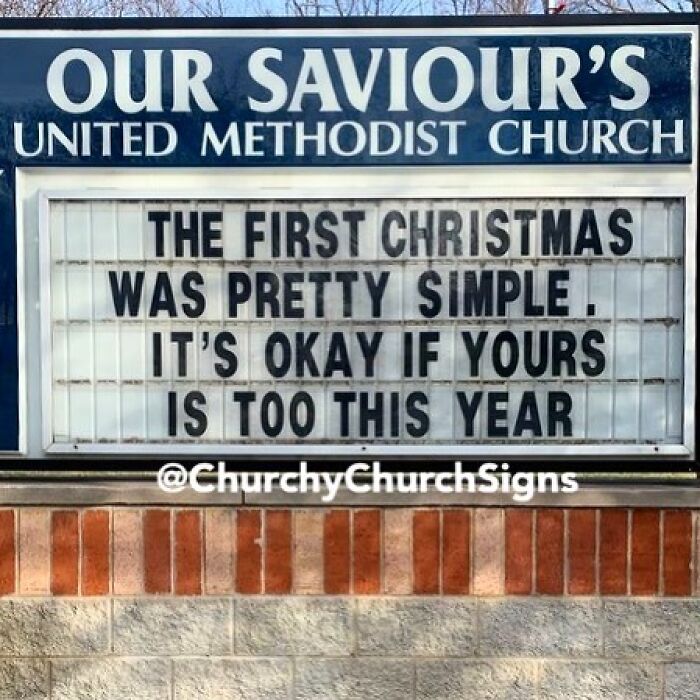
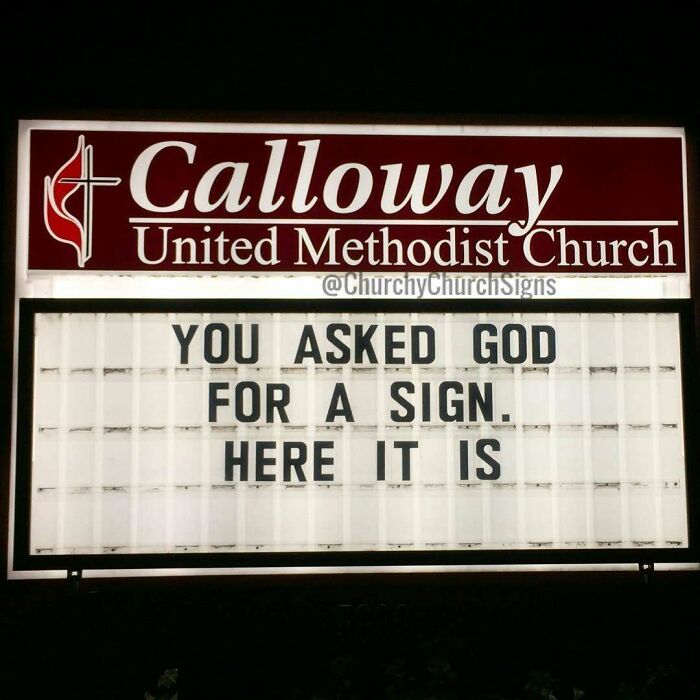
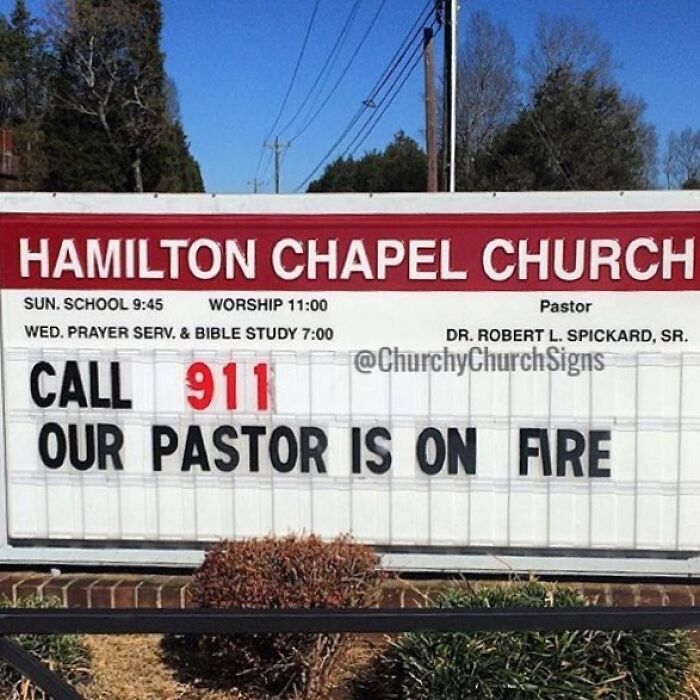
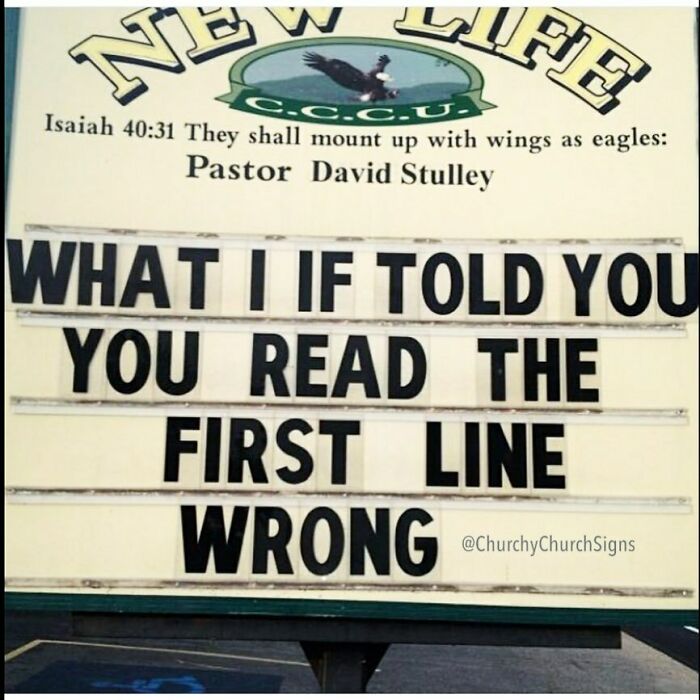
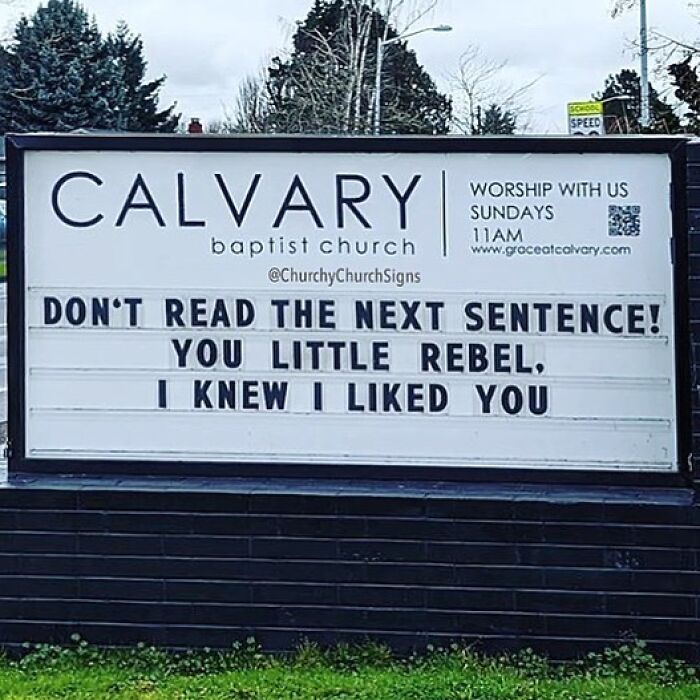
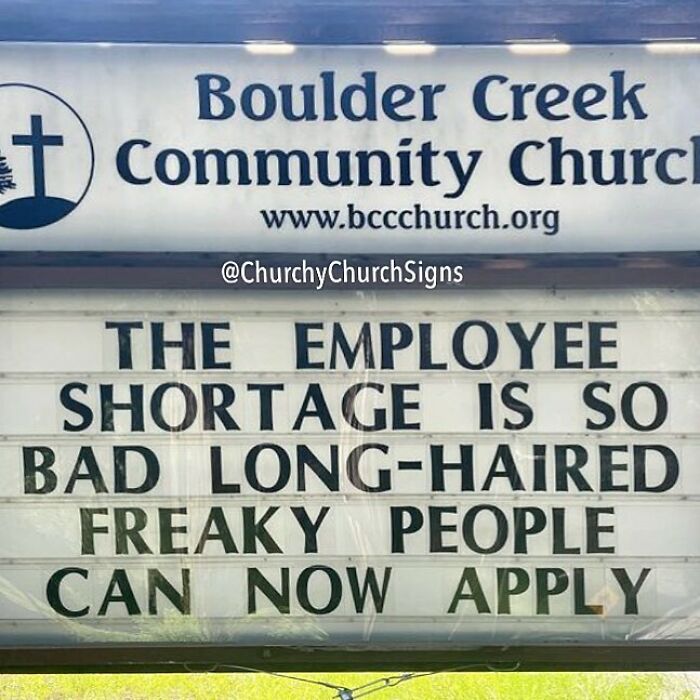
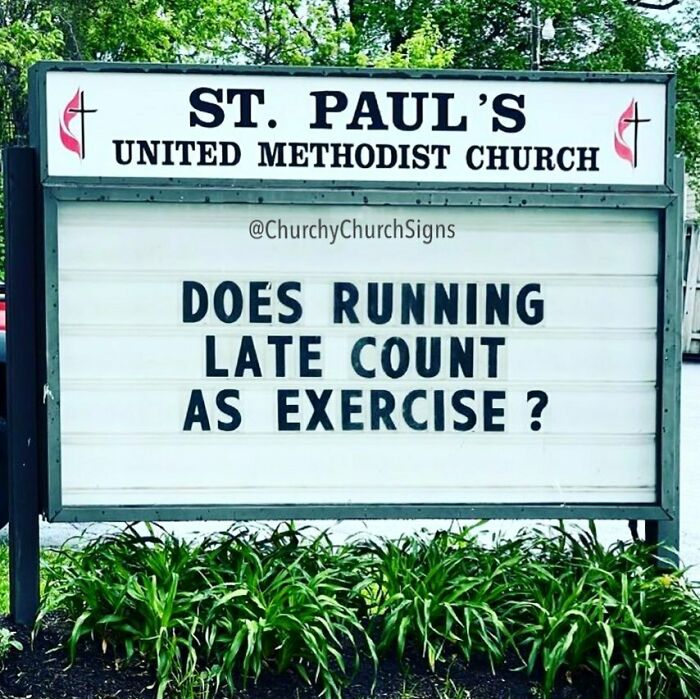
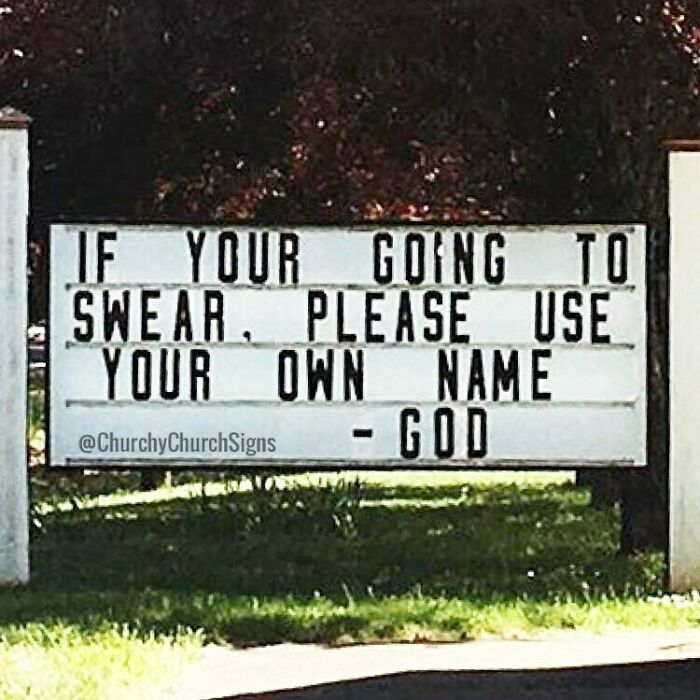
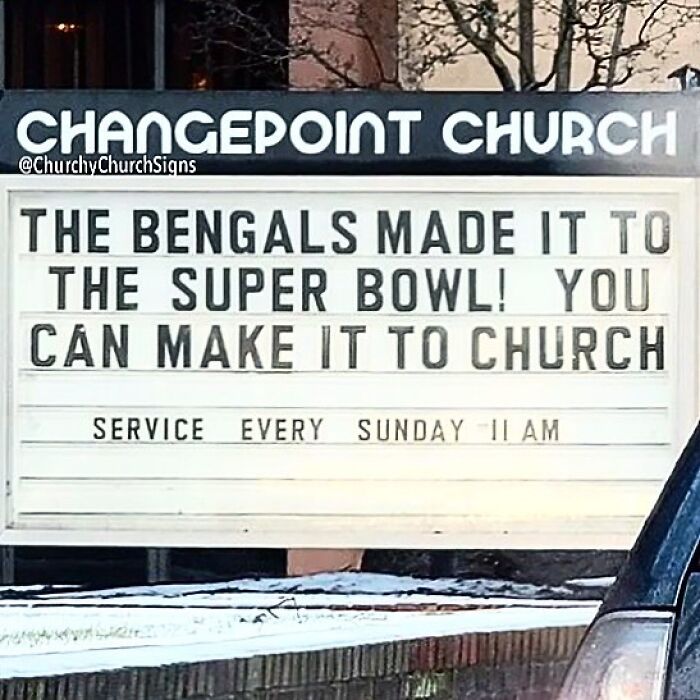
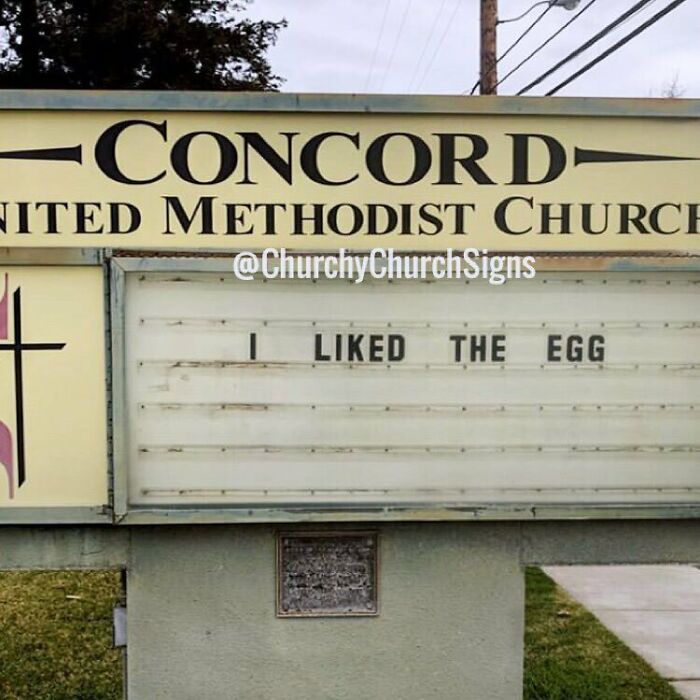
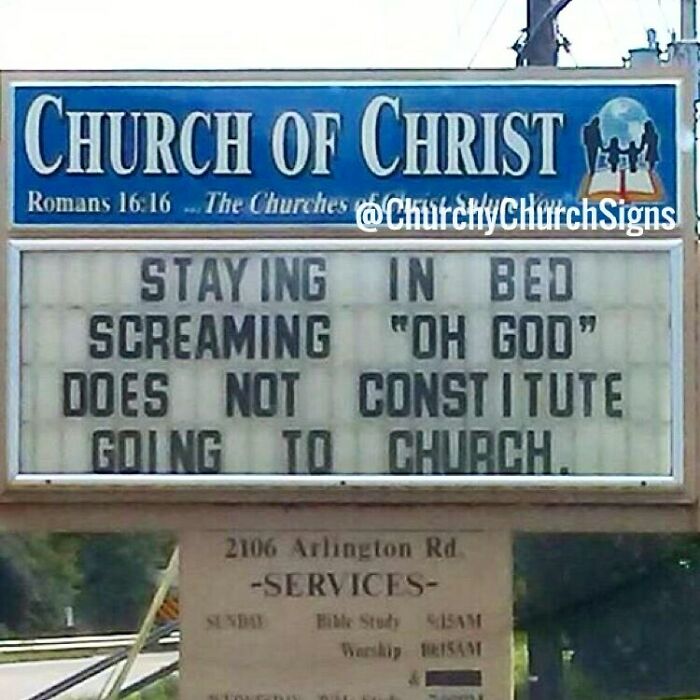
The humble church sign has become a bit of a staple of American roadside culture. While they’re often used to share service times or words of encouragement, plenty of churches have turned them into something much more entertaining. Some go for clever puns, others get surprisingly witty, and a few aren’t afraid to slip in a cheeky social or political message.
We’ve rounded up a collection of some of the most memorable ones shared by the Instagram page “Churchy Church Signs.” Scroll down to be blessed with a few good laughs, and don’t forget to upvote the signs that made you smile the most.
This post may include affiliate links.
For many people, churches are an important part of their community, and they have been for hundreds of years.
They’re not simply places people visit for Sunday service. People get married there, gather for holidays, meet their neighbors, or simply pass the building on their way somewhere else.
Naturally, churches have always found ways to stay connected to the people around them. And long before Instagram posts and funny roadside signs, some of those methods were pretty creative.
One of the most obvious ways churches reached people was through bells. For centuries, they were part of the soundtrack of everyday life, with their sound carrying far beyond the church itself. They could call people to worship, mark important moments, or warn a town when something was wrong.
Some had an even more practical job. At the Chapel of St Lawrence in Warminster, England, an “awakening bell” was rung at 4 a.m. from 1694 until around 1800, according to Historic England. Basically, the church was functioning as one very large alarm clock.
In medieval England, you could also find large stone crosses standing in the middle of busy public spaces. Some sat in marketplaces or along wide streets where plenty of people would naturally pass by.
Historic England explains that these crosses became places for preaching and public announcements. So if you were out doing your shopping, you might end up hearing a sermon along the way.

Haven't seen this one before. And it may make the most sense of all.
Inside churches themselves, there were plenty of other ways to share religious stories and ideas. Walls and windows were filled with paintings, sculptures, and images showing biblical figures and events.
This was especially useful at a time when many people could not read. Religious art had an important educational role and helped teach people about the faith.
By the 19th century, churches had another way to stay in touch with local people: parish magazines. These small publications could include service times, local news, religious writing, and updates about births and marriages.
The modern parish magazine is generally traced back to 1859, when Rev. John Erskine Clarke launched one in Derby, England. The idea spread quickly, giving churches a simple way to bring information from the parish straight into people’s homes.
Then came radio. On January 2, 1921, Pittsburgh station KDKA broadcast a service from Calvary Episcopal Church, helping take church services far beyond the people sitting inside the building.
It was such a success that the broadcasts became a regular feature. For listeners who were sick, elderly, or simply lived too far away, suddenly hearing a service from home was possible in a way it had never been before.
These days, of course, we have church signs. While they were originally designed to display service times or Bible quotations, you can now find just about anything on them. Some churches go for jokes and clever wordplay, while others use them to share their views on social and political issues.
One church sign became particularly famous in Australia in 2013. Anglican priest Rod Bower put up a message supporting LGBTQ+ people outside his church in Gosford. After it went viral, Bower went on to use his church signs to raise awareness about other issues, including marriage equality and climate change.
Of course, not every church sign needs to make a big statement. Sometimes, a clever pun or a funny observation is enough to brighten someone’s day.
And if it makes a passerby stop and pull out their phone for a picture, that’s a pretty good achievement for a humble roadside sign.






































 No fees, cancel anytime