Get Premium
Dark mode theme is available exclusively for premium users. Learn more about the benefits of subscribing.
No fees, cancel anytime.

 Dark Mode Ad-Free Browsing Unlimited Content
 Ad-Free Browsing Unlimited Content Dark Mode
Join 1.2 million Panda readers who get the best art, memes, and fun stories every week!

Office upgrades sound great on paper: faster systems, fewer headaches, and workflows that actually make sense. But change has a funny way of exposing power struggles and coworkers who liked the old chaos because it kept them comfortably in control.
One person turned to an online community for a sense check after they maliciously complied with the office Karen’s orders to undo everything they’d done to improve the company’s systems, leaving everything in shambles. Now they’re wondering if what they did was a jerk move.
More info: Reddit
Image credits: benzoix / Freepik (not the actual photo)
Image credits: The Yuri Arcurs Collection / Freepik (not the actual photo)
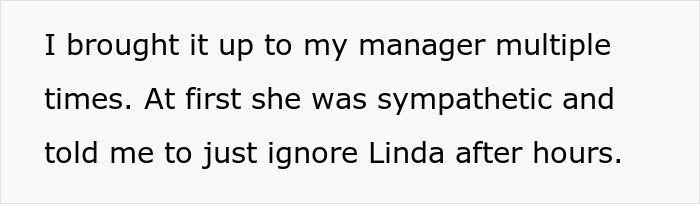
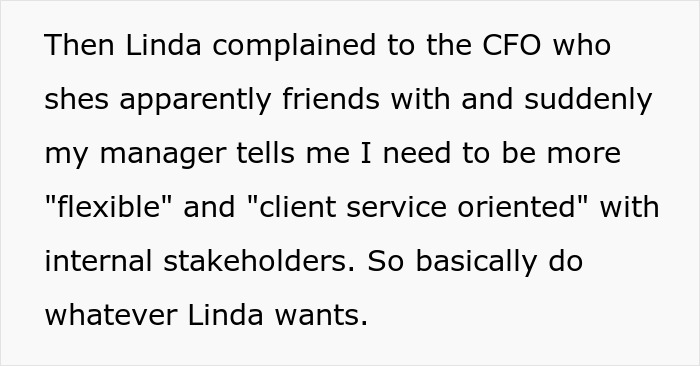
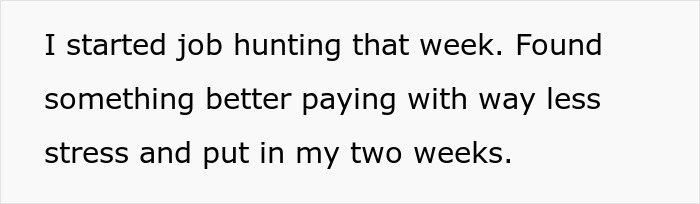
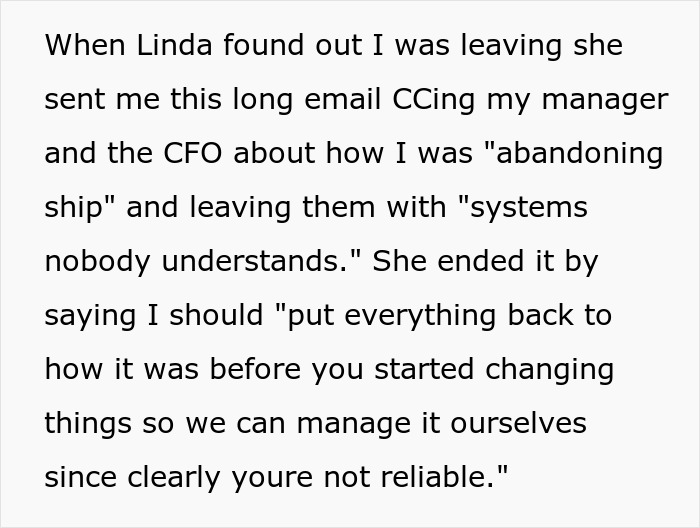
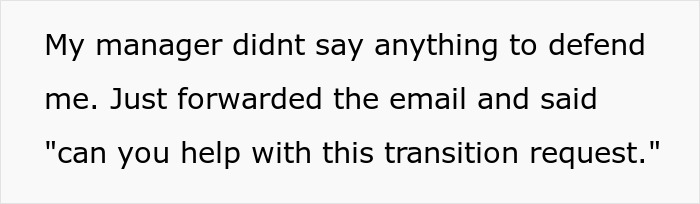

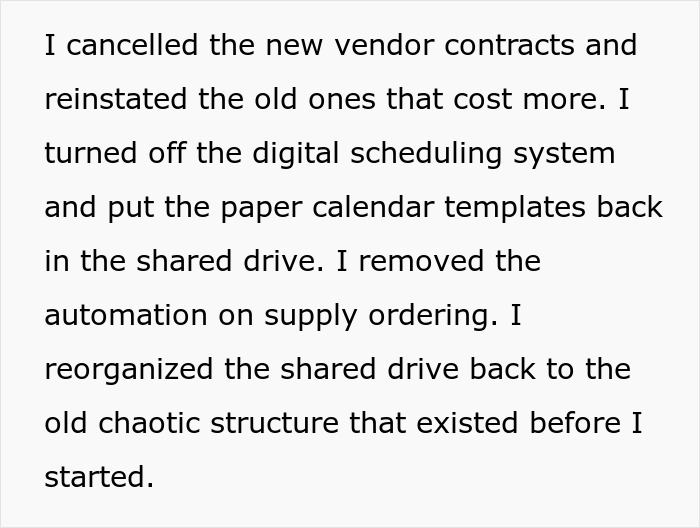
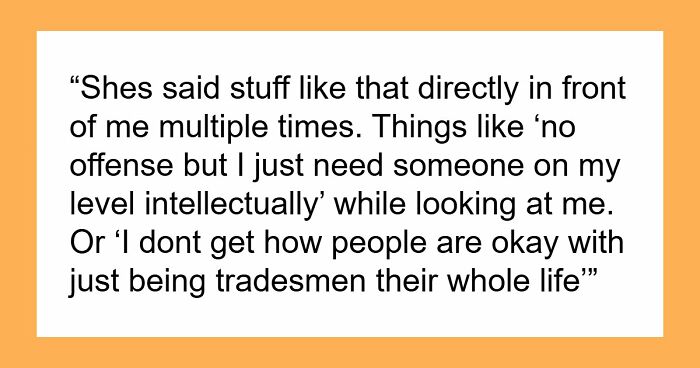
Image credits: DC Studio / Freepik (not the actual photo)
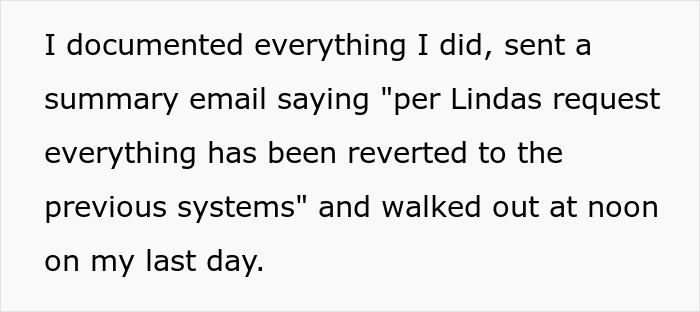
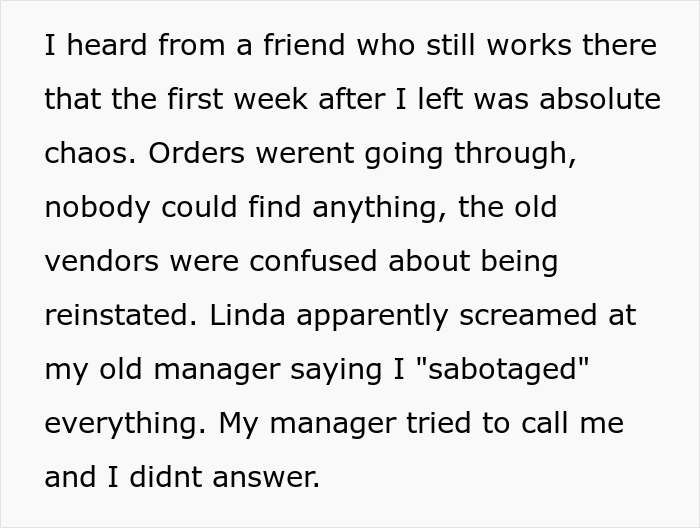
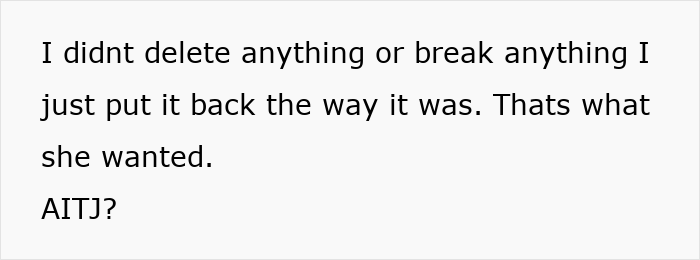
Image credits: Any-Atmosphere3680
One minute the original poster (OP), an office coordinator, was the unsung hero turning workplace chaos into a slick, spreadsheet-powered dream, the next they were starring in their own corporate villain origin story. After two years of fixing messy systems and dragging paper calendars into the digital age, their efforts earned applause from everyone… except one critic.
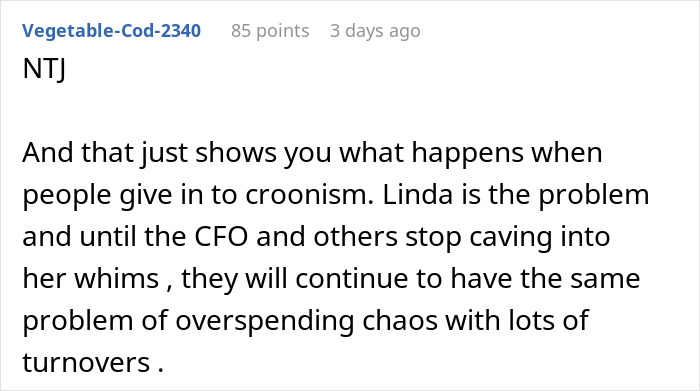
Linda (from accounting) treated every update like it was a personal attack. She fired off late-night emails about gourmet coffee, weekend calls about missing files, and CC’d management if replies weren’t instant. Despite OP’s repeated complaints, leadership suddenly decided “flexibility” meant becoming Linda’s on-demand tech support.
When OP landed a better job and handed in their notice, Linda unleashed a dramatic email worthy of a reality-show reunion episode, accusing them of abandoning ship and demanding every system be rolled back. Management shrugged, forwarded the message, and asked for help with the “transition”.
So instead of flipping desks, OP followed instructions like a corporate genie granting a very specific wish. Old vendors returned, digital tools vanished, and the office time-traveled back into chaos. After the fallout, accusations of sabotage flew, but technically nothing was broken, just restored, proving that sometimes malicious compliance writes the pettiest, most poetic ending possible.
Linda is a classic Luddite – someone who will start a riot before they embrace technology and the efficiencies it brings. The fact that she treated OP like her personal assistant only makes it worse. But why are some managers so resistant to change? Let’s find out.
Image credits: freepik / Freepik (not the actual photo)
The Inter-American Center of Tax Administrations says part of the issue lies in fear; the fear of risk, change, or admitting that a process no longer serves its purpose. Some managers associate updates with potential failure, preferring predictable inefficiency over potentially uncertain improvement. And that’s how outdated practices thrive.
You see, familiar procedures, no matter how clunky, feel reliable to leadership who’ve built their careers around them. Updating workflows might mean learning new tools, revising responsibilities, or acknowledging blind spots. Harvard Business School says that, for some, that’s uncomfortable, so they cling to stability, even when it’s slowing everything (and everyone) down.
But employees aren’t powerless. Clearly demonstrating how a small improvement saves time or reduces errors can shift perspectives. The prospect of change also lands better when it’s supported by data, patience, and empathy, instead of confrontation or frustration.
Workers can also build allies by sharing benefits clearly; things like less repetitive work, faster results, fewer headaches. Showing how change truly improves everyone’s day (not just yours) often helps break down resistance to it. Unless you’re dealing with Linda from accounting, that is.
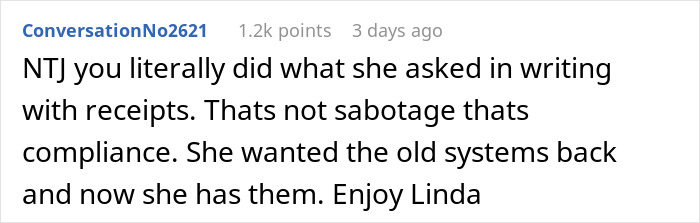
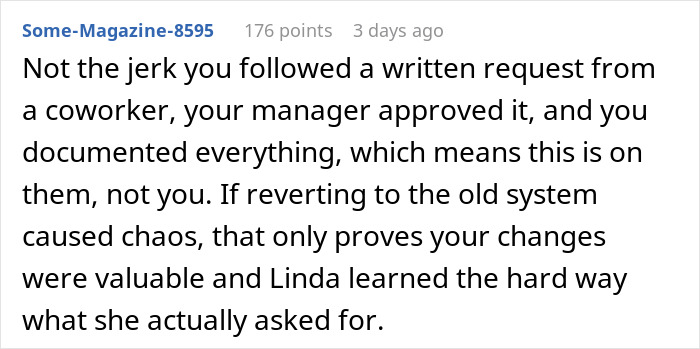
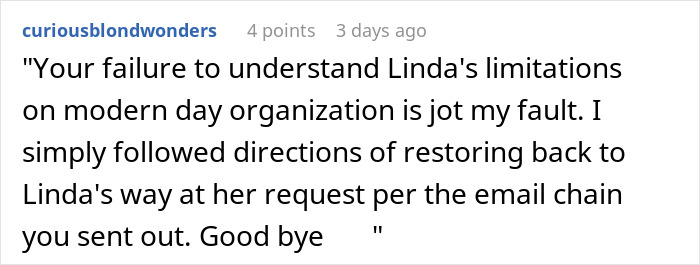
Well, OP was only following orders. Not that it matters anymore, but the email trail leads back to Linda and her worst decision ever. Here’s hoping she just retires soon so everyone can get back to work.
What’s your take? Do you think OP pulled a jerk move, or did Linda from accounting get exactly what she ordered? Drop your thoughts in the comments!










By entering your email and clicking Subscribe, you're agreeing to let us send you customized marketing messages about us and our advertising partners. You are also agreeing to our Privacy Policy.
Thank you! You've successfully subscribed to newsletters!


While this situation is not unique, this seems fake. Unless there was some sort imaging backup of everything prior to the change, who would you even restore most of these changes back to the original? OP made so many modernization upgrades and updated but was able to literally put everything back the way it was? It seems way too implausible.

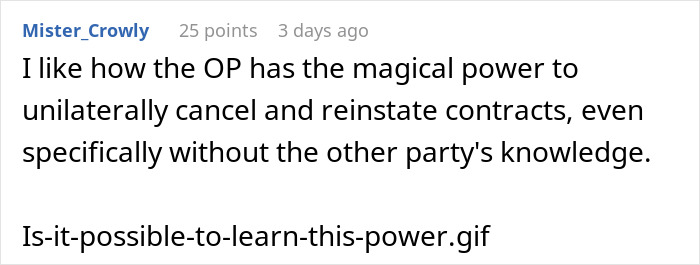
Imagine being able to cancel or initiate contracts w***y-nilly, without anyone else's approval in your company or the vendor. Badly written fantasy.
Load More Replies...
There are lots of people like Linda out there. For my husband, it was a project manager that wanted him to print out data (physical paper copies) from program A and manually type it into program B, rather than setting up a simple script to do it automatically because doing manually would (somehow?!?) be more accurate. The logic of these people is far beyond me.

They certainly did nothing wrong here. Simply what they were asked to do. After their employment was at an end, they had absolutely no obligation of any kind to respond to any calls from them. After all, we don't work for fun, we work for money, and if they are no longer paying us, they have no right to even a minute of our time.
While this situation is not unique, this seems fake. Unless there was some sort imaging backup of everything prior to the change, who would you even restore most of these changes back to the original? OP made so many modernization upgrades and updated but was able to literally put everything back the way it was? It seems way too implausible.
Imagine being able to cancel or initiate contracts w***y-nilly, without anyone else's approval in your company or the vendor. Badly written fantasy.
Load More Replies... There are lots of people like Linda out there. For my husband, it was a project manager that wanted him to print out data (physical paper copies) from program A and manually type it into program B, rather than setting up a simple script to do it automatically because doing manually would (somehow?!?) be more accurate. The logic of these people is far beyond me.
They certainly did nothing wrong here. Simply what they were asked to do. After their employment was at an end, they had absolutely no obligation of any kind to respond to any calls from them. After all, we don't work for fun, we work for money, and if they are no longer paying us, they have no right to even a minute of our time.


































 No fees, cancel anytime








35
8