Get Premium
Dark mode theme is available exclusively for premium users. Learn more about the benefits of subscribing.
No fees, cancel anytime.

 Dark Mode Ad-Free Browsing Unlimited Content
 Ad-Free Browsing Unlimited Content Dark Mode
Join 1.2 million Panda readers who get the best art, memes, and fun stories every week!
The British Museum is known for housing a vast collection of artifacts from across the globe. But what was the way some of these treasures were acquired? That’s where things get a little complicated.
Today, we’ve compiled a list of truly fascinating pieces, spanning cultures from China to Kenya. Each one has its own story to tell, and not all of them come without controversy. Curious to see what’s inside? Keep scrolling for a glimpse into the marvels and the mysteries they hold.
This post may include affiliate links.
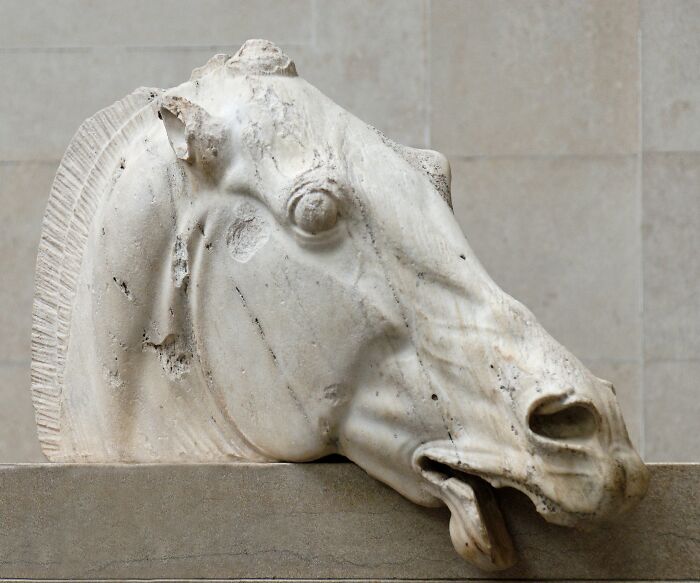
In the early 19th century, the Elgin Marbles, a collection of sculptures dating back 2500 years, were taken by a British diplomat from the Parthenon in Greece. He sold them to the British government, which then shipped them off to the British Museum. Believing the marbles were looted, the Greek government listed a dispute with UNESCO over their return, but the British government declined the organization’s attempt at mediation. Today, the Elgin Marbles remain in the British Museum, and discussions between the two countries regarding their return are in progress.


Fun fact: The British excused taking them out of Greece because they claimed that the Greek government at time was crazy. Hence, they "lost their marbles." (I've seen highly unconvincing refutations of this, citing uses of the phrase that are earlier than any context referencing Elgin, but (1) the issue of Elgin's marbles predates any reference to toy marbles by over half of a century, and (2) references to the toy marbles older than to Elgin's marbles are meant literally, not implying any reference to insanity.)
Load More Replies...


These do need to go back. Especially as right after acquiring them, we managed to damage them. We can't really argue we're keeping them protected.


At that time the Parthenon was just a pile of unattended, weed ridden junk. Everyone took bits and pieces of it. But let's forget all about those other guys and just hate on the British. It's popular to hate the British. Can't we just go back to hating the French?
Poor British Museum, its usual excuse "we are just protecting these valuable artefacts from the violence in its home country" doesn't work here.
https://www.britannica.com/topic/Elgin-Marbles Greece was under the control of the Ottoman empire at the time. See the comments in this article.
Load More Replies...
It's time to send foreign cultural artifacts back where they belong. We need to concentrate on restoring and reflecting on our own culture not other people's.
The Greeks can't be trusted with them. These would be the Greeks who, during a war with Turkey, stored all their gunpowder in the Parthenon. The Turks got a direct hit - thus why the Parthenon no longer has a roof. The Greeks have no common sense and no idea about how to preserve their history for future generations. The British Museum should absolutely keep them. That way no more valuable Greek history will be lost for future generations by Greek stupidity.


No excuse for keeping them whatsoever. If these marbles could talk they would tell you they want to be united with the rest at their home.

I can't believe it!!! 😭😭😭😭 I knew they were painted, but I thought the paint had disappeared "naturally" over the centuries. I didn't know some genius had sandblast led the sculptures to get rid of the colours.
Load More Replies...
Not to mention they sandblasted the paint off the sculptures to “clean” them up.
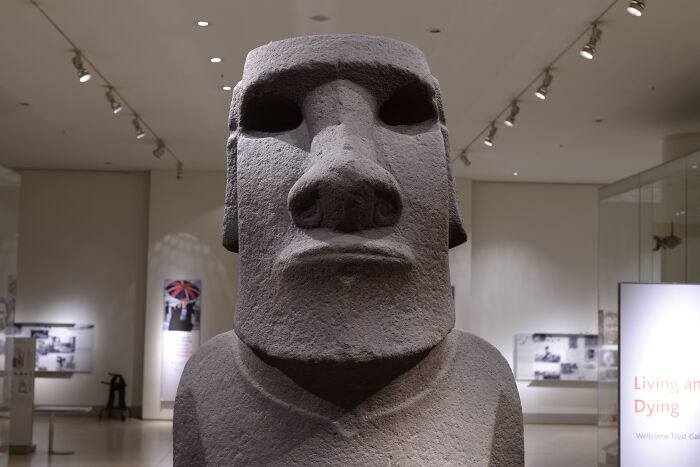
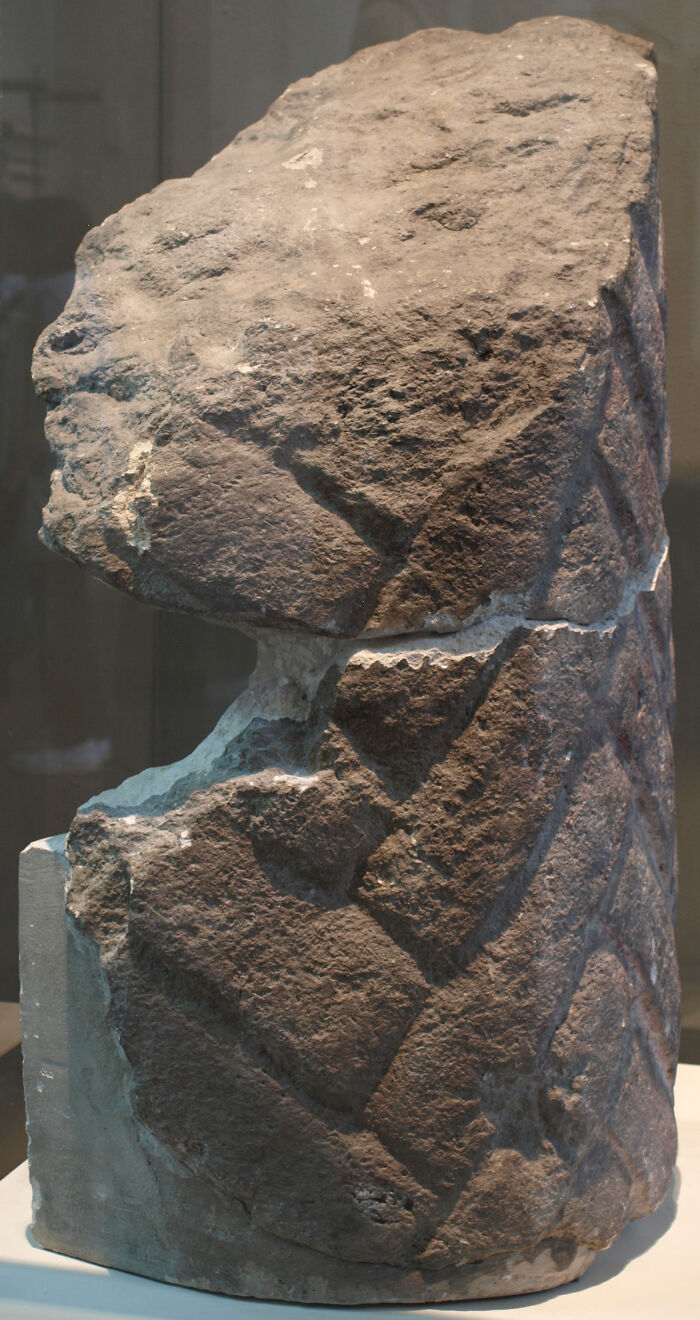
The Hoa Hakananai’a Head, a moai statue, was stolen from Orongo Easter Island in 1868 by a British Royal Navy ship crew and taken to the British Museum. The Rapa Nui people consider the statue as stolen and in 2018, the governor of Easter Island requested that the British Museum return it to them. Discussions to repatriate the statue have since stalled, and it remains in the British Museum.
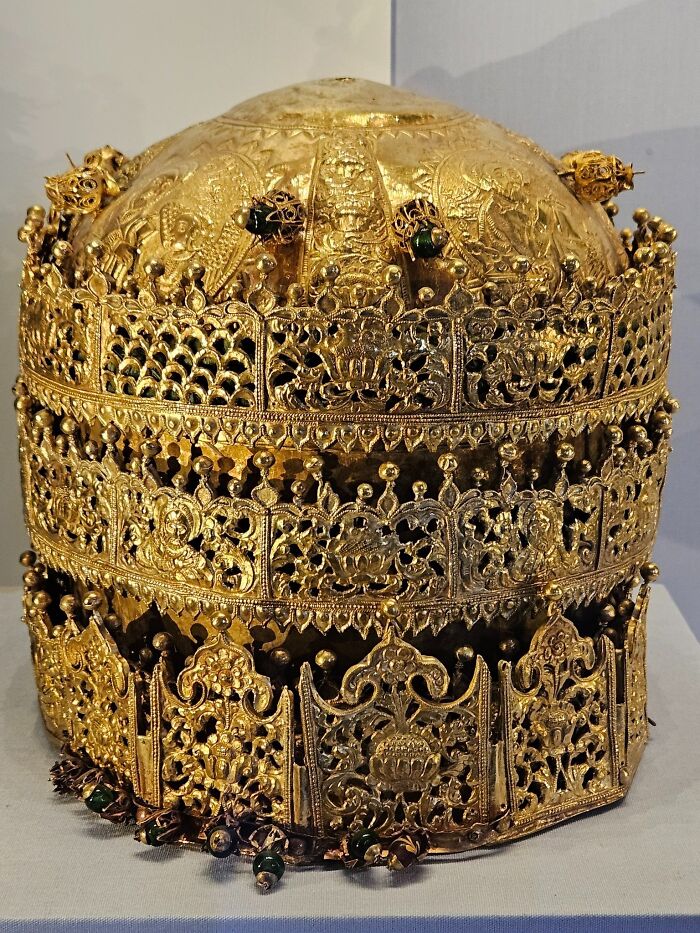
In 1868, after capturing the city of Maqdala, the British brought back many royal treasures. Of these treasures, the regal and highly detailed gold Crown of Maqdala was the most valuable. Currently owned by the Victoria and Albert Museum, the crown has been the subject of restitution claims made by Ethiopia since 2007. Many other royal treasures, far less significant than the crown, have since been returned to Ethiopia.
The British Museum states on its official website that its collection has been built through a variety of means. Some pieces, however, have drawn attention due to their disputed origins and have even been subject to requests for repatriation by other countries. This ongoing debate continues to raise questions about rightful ownership tied to cultural artifacts.
A considerable part of the museum’s holdings came from donations or bequests, especially throughout the 19th and 20th centuries. One notable example is the Sutton Hoo collection, a magnificent Anglo-Saxon ship burial discovery from 1939. Edith Pretty, the landowner of the site, donated the entire find, contributing significantly to the museum’s medieval treasures.
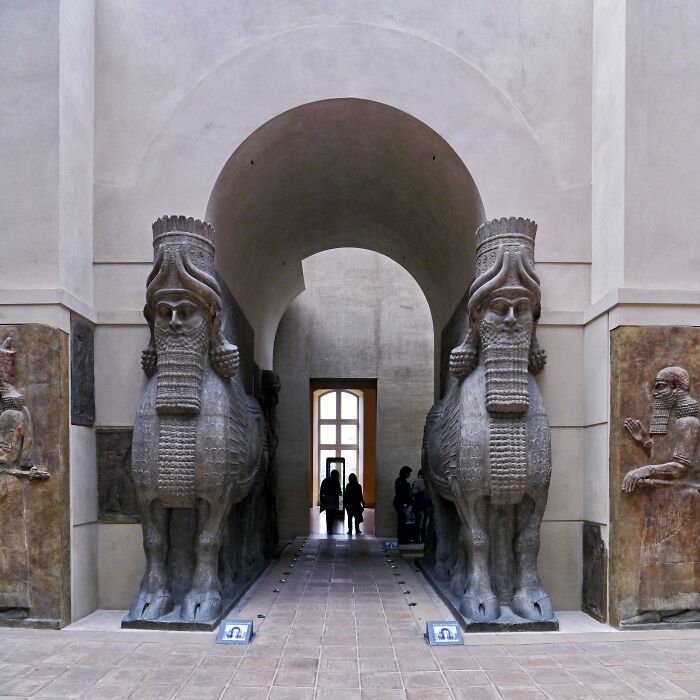
The Lamassu is a statue of a winged lion or bull with a human head that was placed in front of the Northwest Palace of Ashurnasirpal in Nimrud as a symbol of protection. Acquired by the British Museum in 1851, the statue dates back to 865 BC and was excavated by Austen Henry Layard. Other Lamassu statues are housed in museums across the world, such as the National Museum of Iraq and the Louvre Museum.
Given the damage done by both the extremists and the Americans in Iraq, this entry might be a very good thing.
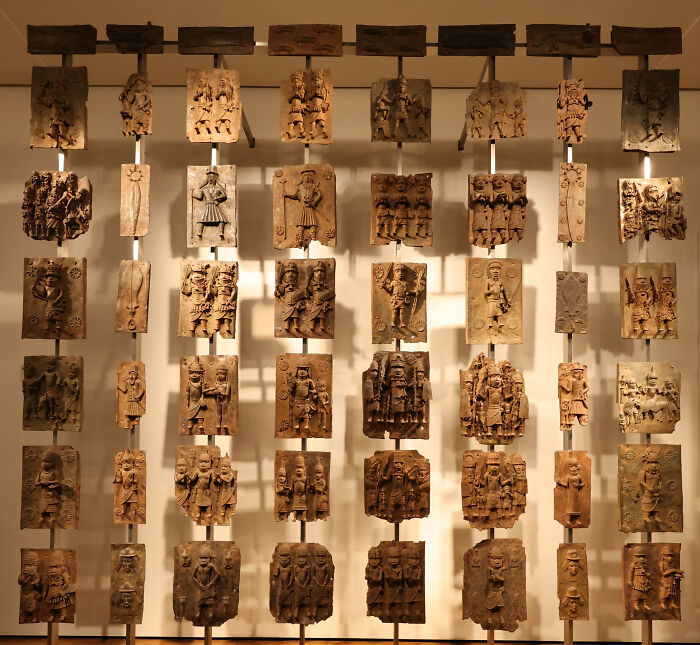
In the 1500s, a group of brass and bronze sculptures known as the Benin Bronzes was made in the West African Kingdom of Benin. Many of the pieces were used in ancestral rituals during that time. The artifacts were plundered by British troops in 1897 and were sent to the British Museum and other European institutions. Today, the Benin Royal Court has called for the return of the sculptures, but no plans have yet been made to fulfill its requests.
These absolutely need to go back, but the government needs to stop passing the buck. The government keeps saying it's a matter for the museum, but the British Museum is governed by certain legal statutes which means that, with certain exceptions for duplicates or irretrievably damaged items, they need parliamentary permission to dispose of items in the collection. The Museum have said a couple of times they're open to returning them but they need legal permission and the government just keeps saying it's not their business, despite it clearly being exactly their business.
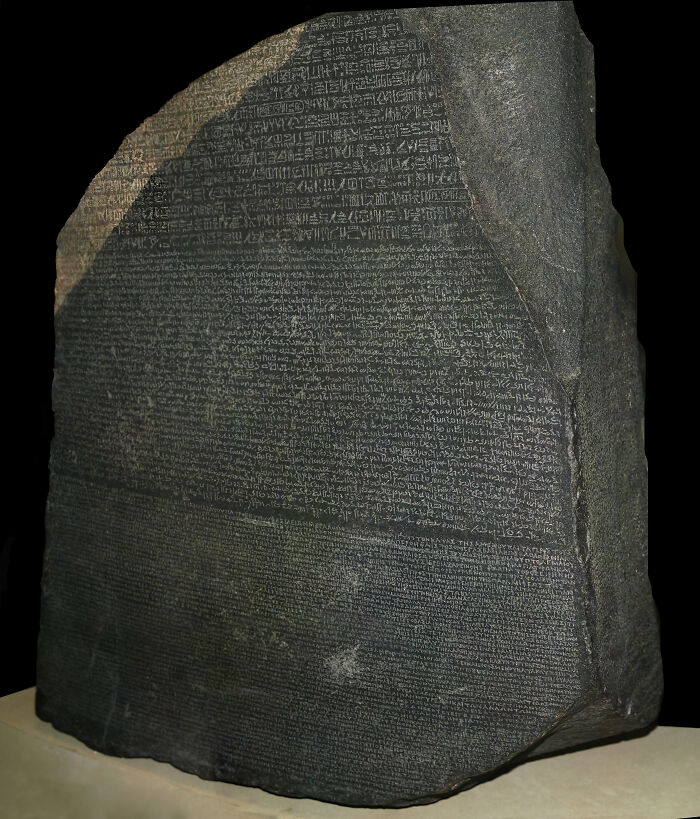
The Rosetta Stone is a fragment of a larger black basalt stone slab dating back to 196 BCE that was discovered by French troops in 1799. It contains a decree about King Ptolemy V written in Egyptian hieroglyphics, Demotic language, and Greek. The stone made its way to the British Museum in 1802 and remains one of its most famous pieces despite Egypt’s many attempts to reclaim it over the years.

There is actually a 1:1 copy in the British Museum you can touch. The original is under glass and the copy is next to it.
Generosity hasn’t waned in modern times either. In 2003, Alexander Walker, a prominent film critic for the Evening Standard, bequeathed a remarkable collection of modern prints and drawings. His donation included works by artistic giants like Matisse and Bridget Riley, further enriching the museum’s 20th-century archives.
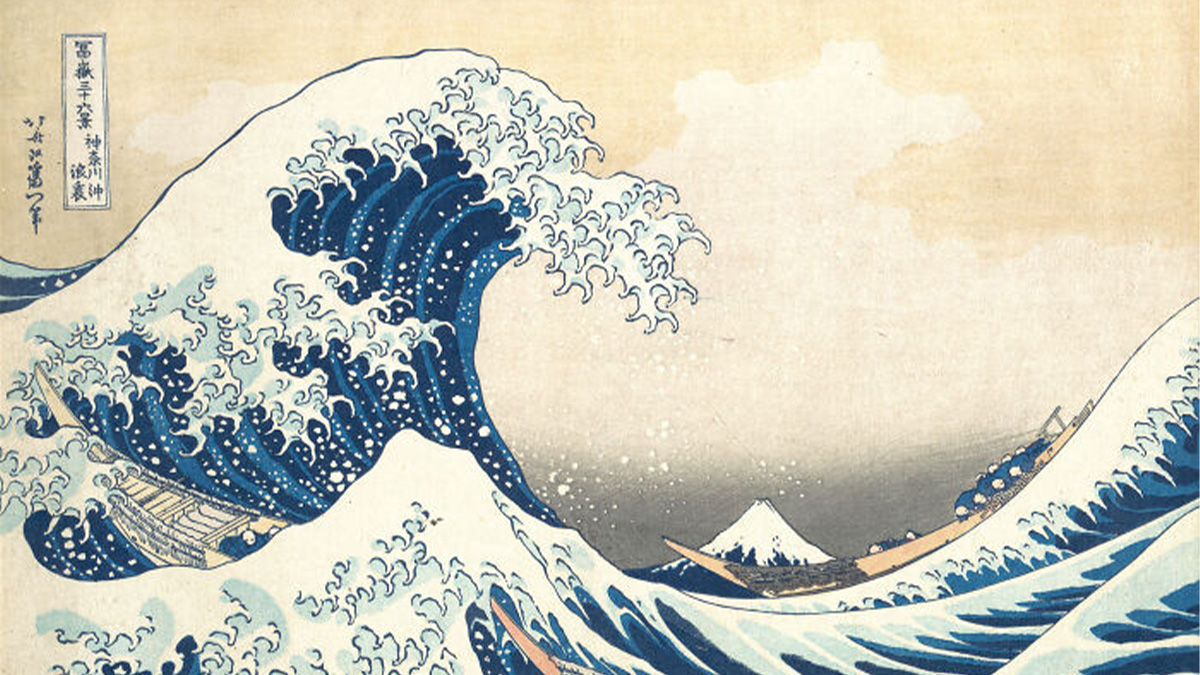
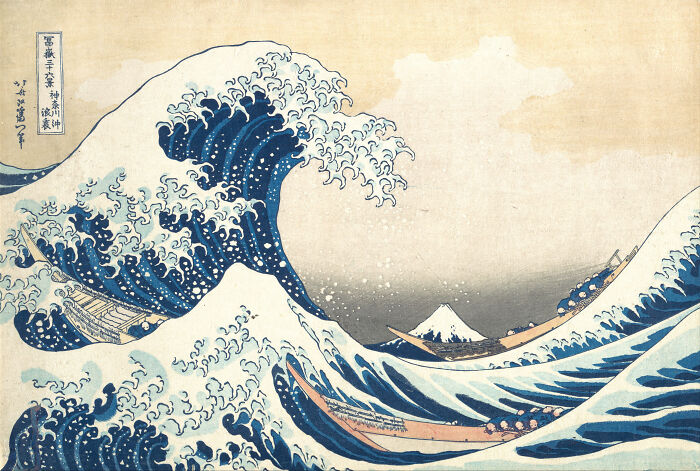
Katsushika Hokusai is one of Japan’s most revered and innovative artists. Hokusai’s painting “Under the Waves off Kanagawa,” also known as “the Great Wave,” is considered his best work. The painting is a color woodblock print depicting an enormous wave crashing down on three fishing boats off the coast of Kanagawa. One of the surviving prints of "Under The Wave Off Kanagawa" and many of his other works are displayed at an exhibition called “The Great Picture Book of Everything” in the British Museum.
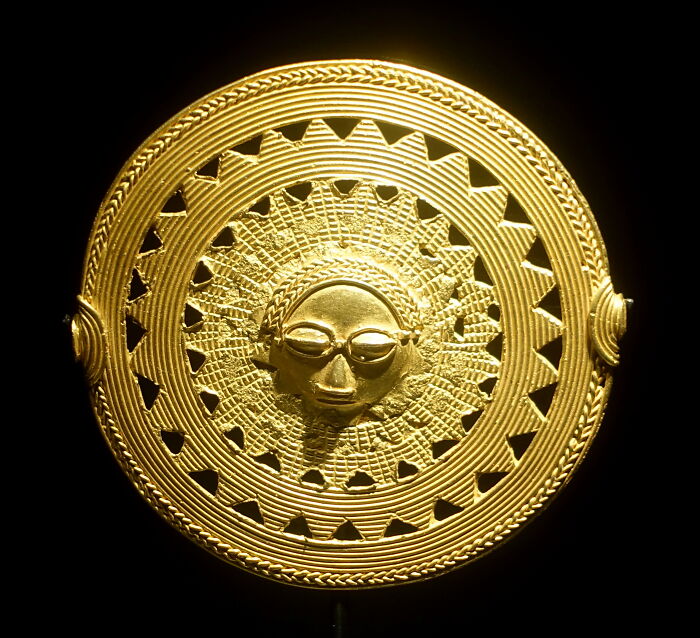
The Asante Gold Regalia comprises more than 200 gold items, including jewelry, royal insignia worn by the King of the Asante people, and badges worn by his officials. Many of the pieces were looted from Kumasi, the Asante capital, during the war in the 1800s. While some were sold to the British Museum, others formed part of a forced British indemnity payment. The remaining items were acquired by other museums and even some private collectors.
Many other items in the British Museum have come from archaeological excavations across the globe. These digs, which continue today in regions from the Caribbean to the Nile Valley, aren’t just about acquiring relics: they aim to answer research questions and provide deeper historical context to existing collections.
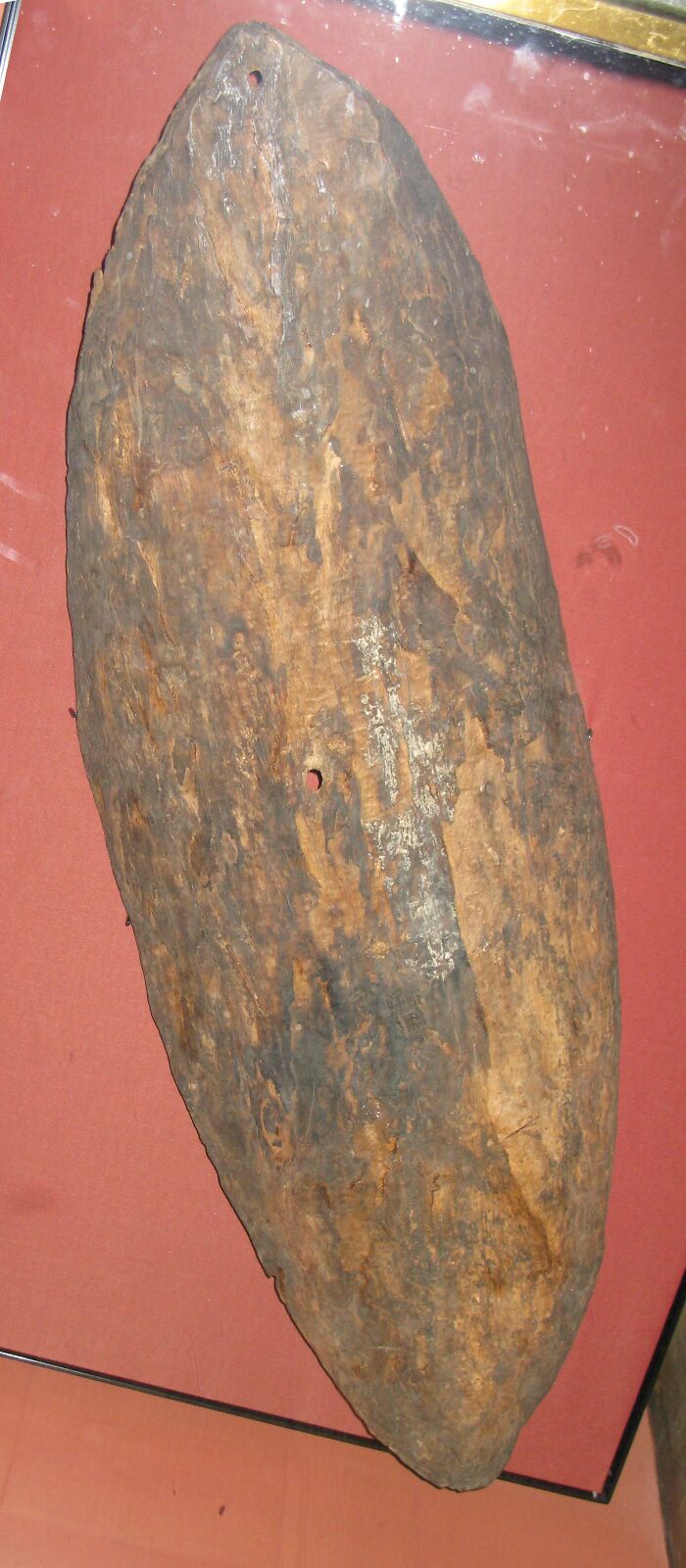
The Aboriginal Australian shield, presumably originating from the coastal regions of New South Wales, dates back to the late 1700s and was made from the bark of the red mangrove plant. It has a distinct hole near the center, most likely from being hit by a spear. Despite several requests from Aboriginal communities for its return to Australia, the shield remains at the British Museum in London.
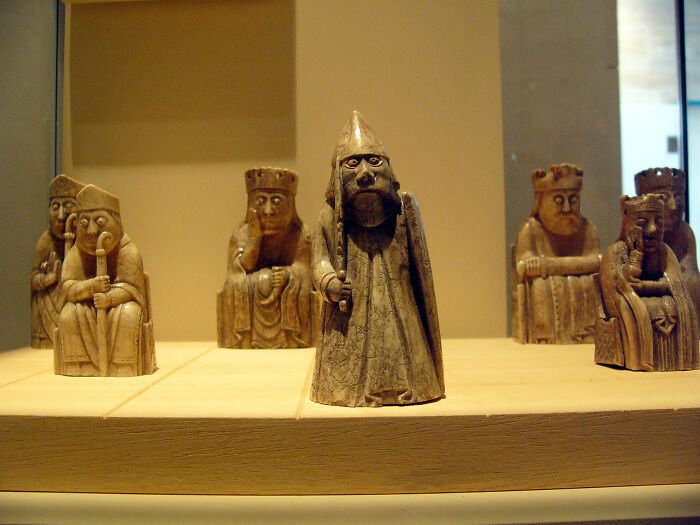
The Lewis Chessmen are a group of chess pieces from the 12th century, carved from walrus ivory. After their discovery in Scotland in 1831 and exhibition that same year, 67 chessmen and 14 tablemen of the 94 objects available were purchased on behalf of the British Museum. As of today, 82 pieces are exhibited in the British Museum, 11 at the National Museum of Scotland in Edinburgh, with the last chess piece privately owned.

How are these considered foreign if their location actually pits them in Great Britain? The same country as the British Museum?
Despite these legitimate contributions, many of the museum’s most famous and controversial pieces are of foreign origin. As Euronews highlights, although England contributes the largest volume overall, it’s often the globally sourced items that spark the loudest calls for return.
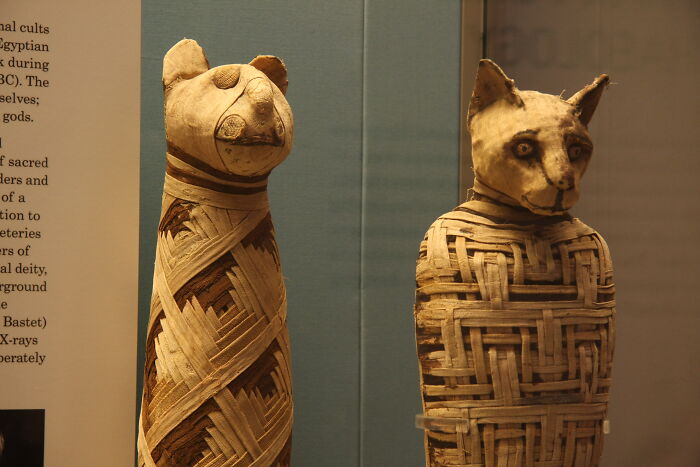
The British Museum houses one of the largest collections of animal mummies in the world, with around 500 examples of cats, crocodiles, fish, snakes, and more. Originating in Ancient Egypt, these mysterious mummified animals were excavated in large numbers across different sites in Egypt. The crocodile mummy excavated in 1895, at Kom Ombo, Egypt, hasn’t been on display at the British Museum for 75 years. This is due to the complex conservation processes required to keep it intact for future exhibitions.

I know I risk sounding awful, but Egypt is profoundly bad at preserving it's own past. At least the UK is keeping it safe
The Oxus Treasure is a collection of 180 pieces of silver and gold that were found in the Oxus River between 1877 and 1880. Said to be from a larger collection of around 1500 items, the pieces date back to the 5th century BC. Currently, the British Museum holds the surviving collection, which includes a gold model chariot, a pair of armlets, and other metalwork.
One of the museum’s harshest critics is Geoffrey Robertson, an Australian-British barrister and human rights advocate. He has condemned what he terms the museum’s “unofficial stolen goods tour,” pointing to pieces like the Elgin Marbles (claimed by Greece), Hoa Hakananai’a (from Easter Island), and the Benin Bronzes (claimed by Nigeria).
In the 19th century, fragments of the Beard of the Sphinx of Giza were discovered in the debris surrounding the base of the iconic sculpture. According to the British Museum, the beard was likely an enhancement added to the Sphinx by King Thutmose IV. The piece is currently located in the British Museum while other fragments are housed in the Egyptian Museum in Cairo.

Given that the museum in Cairo has some major security concerns, and was looted in 2011, as well as has multiple issues regarding their attempts at 'preservation' of the artifacts inside the museum... frankly, it's better off where it is until Egypt can get its act together.
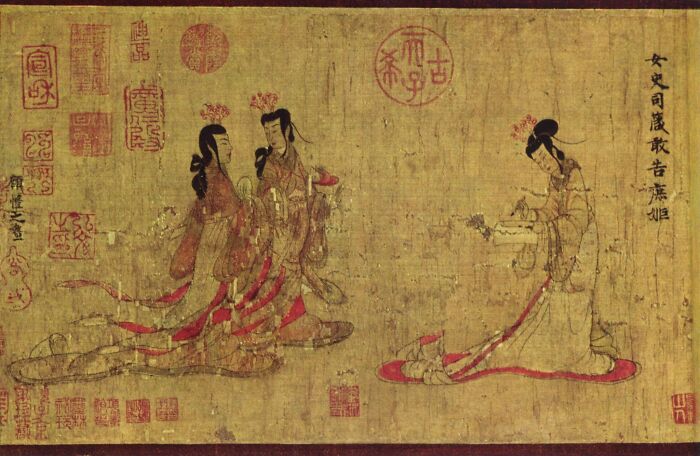
In 1900, during the Boxer Rebellion in Beijing, Captain Clarence Johnson acquired a silk scroll depicting a poetic narrative painting by the poet Zhang Hua. This scroll was called the Admonitions of the Instructress to the Court Ladies, and its text was aimed at correcting the behavior of an empress. Johnson then sold the scroll to the British Museum, which only displays it for six weeks every year due to its sensitivity to light.
Whether taken through conquest, colonialism, or negotiation, the history of these artifacts is complex. Many hold deep historical, cultural, and emotional importance for their places of origin. The question remains: Should such items be returned to their homelands, or does the museum serve a broader purpose in preserving and showcasing global heritage?
Which of these historical pieces do you think holds the strongest case for being returned? Or should they remain where they are for global education and access? Let us know what you think.
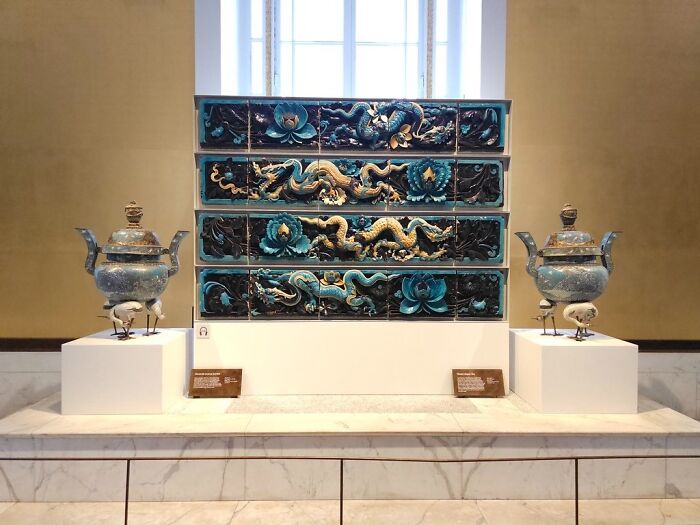
This collection of 20 glazed tiles, made during the Ming Dynasty, once adorned the roofs of small buildings in a temple in Shanxi, China. Seen as a symbol of protection against fire, the tiles are arranged in two rows, one with yellow dragons and the other with blue dragons. The colors and designs of the tiles also symbolize Chinese beliefs in the powers of Yin and Yang. The British Museum acquired them in 2006, and they have been on display ever since.
So, these are a legitimate acquisition, unlike other items that the British just stole.
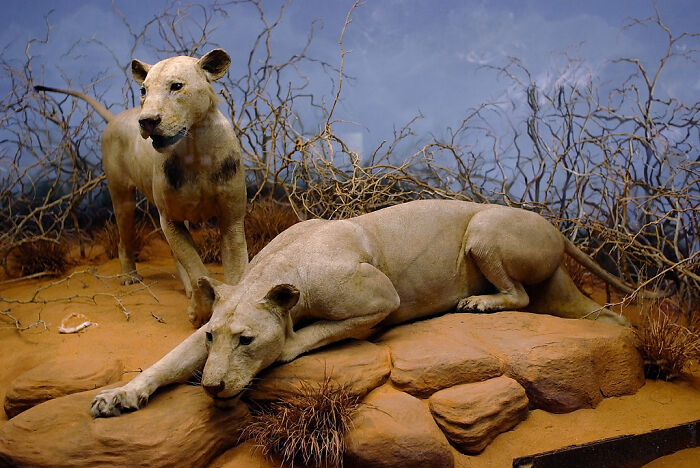
The Tsavo Lions, also known as the Tsavo man-eaters, were a pair of maneless male lions in the Tsavo region of Kenya. They were responsible for over one hundred human fatalities on the Kenya-Uganda Railway in 1898. British Lieutenant-Colonel John Henry Patterson eventually did away with the lions in December that same year. Patterson kept their skins as rugs in his home until he sold them to the Field Museum of Natural History in 1924. Today, after being reconstructed, the lions are on display at the museum along with their skulls.




Hey Maria, let’s now do threads in a similar vein on museums in Paris, Boston, Chicago, New York, Berlin etc etc

Or an article about how in a lot of countries those artifacts get sold to private collectors to finance whatever the regime spends money on
Load More Replies...
How many if these pieces would still exist, let alone be available for public viewing, if they had not been acquired and cared for by the British museum?
This is a tricky one. The British museum is not as safe as you might think. There was a director of antiquity there who was stealing Roman jewellery, forging notes on the cards, clipping out the cameos and gems to sell on eBay, and melting down the gold for scrap. It was going on for YEARS. Large objects may be safe at the museum, but many small ones have been lost over the years. https://www.bbc.com/news/articles/cpegg27g74do
Load More Replies... All museums around the world should return items that were stolen from their originating cultural sites. If the items were purchased from that original source location, then OK keep it in your collection.

What about if you were the ones who financed the excavations and found the pieces? After all, the chances are they’d still be unknown and buried in a lot of places around the world. That’s where it gets tricky.
Load More Replies...
While I tend to agree with the sentiments that stolen artefacts and those with questionable histories must in essence be given back to their Country of Origin, I do have a rosey view and wish that as a unified front Historians across the world would open "Global" museums, wherein objects that can safely be moved from location to location are frequently switched between Global museums and thus give more people the opportunity to see these pieces of history. Like how the Terracota soldiers are often shipped around for displays. That way there is a global understanding of the items origins, but also showing the history of its excavation and turbulent politics surrounding it (aka. The Brits stole it and got dodgy with returning it). AND it gives opportunities to people of all walks of life to see these unique and priceless parts of world history without needing to buy a plane ticket to do so. But I'm an idealist. I know there's substantial reasons making that impossible...


It's almost like the violently conquered a large portion of the planet.

It amazes me that people think the British museum is always the bad guy. The amount of history that would've been lost due to these bad guys is unknowable. It would have been a lot though. Not returning things sounds bad without the details, but the Museum isn't inherently evil.
There's nothing wrong with having foreign items as long as they were legally acquired and are treated respectfully. Should all Van Gogh paintings be returned to the Dutch? And what about empires that crossed borders. Should Roman artifacts all be returned to Italy regardless of the country they were found in?
There is a difference between legally acquired and looted. Also between countries of origin that are safe vs. war-torn. In the National Museum in Copenhagen, first floor, there is a display of North American Indigenous art, including a large buffalo skin that has pictures of tribal history etched into its pelt. While the ground floor of the museum (Danish history) has been modernized, the other floors are rather boring, old-fashioned collections crammed into cupboards behind glass. Not a lot of visitors seemed interested in the upper floors. Considering how much these native tribes are aching to restore the heritage that was stolen from them, it was just so wrong to see this item collecting dust in a random foreign museum.

The British Museum has Montezuma's crown and they will not return it to Mexico. Give the people back their artifacts.

None of the options on the poll are correct. The pieces should be on display if they have been acquired legitimately. If they were stolen, they must be returned safely to their rightful owners and supported in displaying them in a manner which preserves them for future generations to appreciate and value.
Mixed feelings on this. 1. As others have pointed out, there can be the will to return something but politics gets in the way. 2. There are similar items in private collections, so at least these items can be made viewable to the public. (And there are many international visitors to the BM.) 3. While I guess no location is ever fully safe, I look at what the Taliban have done to Hindu statues in Afghanistan and I wish some country had looted some of those statues so we could still see them.

Museums are places to go to learn about the world, not just your own small corner of it. Not everyone interested in learning about Egypt can afford to fly there to look at artifacts. That's why they are represented in museums around the world. I live in Ontario. What would a museum there have to interest me if they didn't have an international collection? Especially because our indigenous peoples want their own treasures back. Which would leave...pretty much nothing at all.
Question. Could this not be arranged through loan exchanges? So this week France and Britain have struck a deal to loan each other some artifacts. Ownership is retained, but I'm going to be fortunate to see the Bayuex Tapestry in the UK, when I was unlikely to travel to France to see it.
Load More Replies... Stolen items treated as legitimate is a serious problem, and it's time to address it. IIRC, the Museum Berlin had to return a pterosaur fossil that was stolen or at least not quite legally acquired from Brazil. It tells a lot about the arrogance in our Western countries, that so many people are unwilling to return stolen goods.
The argument of better conservation techniques was used with regard to Benin Bronzes in Germany. However, even if--digital copies could be made (before returning the items). Plus, plenty condescending to suggest that communities would not do their very best for their cultural heritage.
Load More Replies...
The Elgin Marbles need to go straight back to their homeland and right take their rightful place in the Athens Acropolis Museum where chunks of the Parthenon are glaringly missing. They stand in the British Museum with the story of Lord Elgin's responsibility in tearing pieces from the Parthenon and in the process destroying some of it forever. It's all very simple - give them back to Athens.

More like this, please. I won't ping you on a couple inaccuracies. I have a degree in Anthro and have done archaeology. While British Colonialism did save some treasures from destruction, their "Masters of the world" mentality also did irreparable harm to indigenous peoples around the world. Egypt has built a new first class museum in Cairo, Greece also has the tech to keep their artifacts in good order. Give them back. Save the ones that would be in danger from current wars and repatriate them when safe. I admit that the BM has shown me things I would have never experienced otherwise, like the Easter Island statue, but I hate the history of looting by greedy diggers in the 19th and early 20th centuries.
Some instances here are highly problematic. But if it's not truly unique (like the Japanese wave painting or the cat mummies), so that the home country is not deprived of their own culture , and Britain obtained it legally in the most ideal sense, and the British museum is allowing millions of people to see and learn from it, how can the British museum be criticized?


The idea of museums is so you can bring things of importance to show other cultures and explain why it important to you. And that's why bits of other cultures belong in museums - because way fewer people are going to have to ability to travel all over the world. So there's some understanding.
So, to take your idea to its logical conclusion, is the UK going to send some of its most precious artifacts to museums around the world so non-British people can interpret them from their own perspective and not from the British perspective? I hear they've got some nice crown jewels in the Tower of London.
Load More Replies... Britons - we are country with long and rich history. Meanwhile British museum houses objects from all over the world BUT Britain.

That's where local museums come in - there are some amazing local museums across the country that are worth checking out. I can highly recommend the Castle Museum at Colchester, especially if you like Roman history.
Load More Replies...
Know why there’s those huge pyramids in Egypt? Because they’re too big to haul to the British Museum
Reading "16" in the headline, I thought it was a list of non-stolen ones (/j). Like, why are the pyramids of Gizah in Egypt -- Because the British weren't able to take them to Europe. (Applies to the Germans, the French etc for similar objects).

Not sure why everyone picks on the British. The Germans looted massive amounts of stuff, much of which still hasn't been found. Why not do a piece on that? And do people really imagine the French and Spanish, for example, have nothing in their museums from their various former colonies? But, it's always about the British, everybody else seems to get a free pass.
Load More Replies...
Not even every entry on that list was stolen. You should learn about things before letting them make you upset.
Load More Replies...
Hey Maria, let’s now do threads in a similar vein on museums in Paris, Boston, Chicago, New York, Berlin etc etc
Or an article about how in a lot of countries those artifacts get sold to private collectors to finance whatever the regime spends money on
Load More Replies... How many if these pieces would still exist, let alone be available for public viewing, if they had not been acquired and cared for by the British museum?
This is a tricky one. The British museum is not as safe as you might think. There was a director of antiquity there who was stealing Roman jewellery, forging notes on the cards, clipping out the cameos and gems to sell on eBay, and melting down the gold for scrap. It was going on for YEARS. Large objects may be safe at the museum, but many small ones have been lost over the years. https://www.bbc.com/news/articles/cpegg27g74do
Load More Replies... All museums around the world should return items that were stolen from their originating cultural sites. If the items were purchased from that original source location, then OK keep it in your collection.
What about if you were the ones who financed the excavations and found the pieces? After all, the chances are they’d still be unknown and buried in a lot of places around the world. That’s where it gets tricky.
Load More Replies... While I tend to agree with the sentiments that stolen artefacts and those with questionable histories must in essence be given back to their Country of Origin, I do have a rosey view and wish that as a unified front Historians across the world would open "Global" museums, wherein objects that can safely be moved from location to location are frequently switched between Global museums and thus give more people the opportunity to see these pieces of history. Like how the Terracota soldiers are often shipped around for displays. That way there is a global understanding of the items origins, but also showing the history of its excavation and turbulent politics surrounding it (aka. The Brits stole it and got dodgy with returning it). AND it gives opportunities to people of all walks of life to see these unique and priceless parts of world history without needing to buy a plane ticket to do so. But I'm an idealist. I know there's substantial reasons making that impossible...
It's almost like the violently conquered a large portion of the planet.
It amazes me that people think the British museum is always the bad guy. The amount of history that would've been lost due to these bad guys is unknowable. It would have been a lot though. Not returning things sounds bad without the details, but the Museum isn't inherently evil.
There's nothing wrong with having foreign items as long as they were legally acquired and are treated respectfully. Should all Van Gogh paintings be returned to the Dutch? And what about empires that crossed borders. Should Roman artifacts all be returned to Italy regardless of the country they were found in?
There is a difference between legally acquired and looted. Also between countries of origin that are safe vs. war-torn. In the National Museum in Copenhagen, first floor, there is a display of North American Indigenous art, including a large buffalo skin that has pictures of tribal history etched into its pelt. While the ground floor of the museum (Danish history) has been modernized, the other floors are rather boring, old-fashioned collections crammed into cupboards behind glass. Not a lot of visitors seemed interested in the upper floors. Considering how much these native tribes are aching to restore the heritage that was stolen from them, it was just so wrong to see this item collecting dust in a random foreign museum.
The British Museum has Montezuma's crown and they will not return it to Mexico. Give the people back their artifacts.
None of the options on the poll are correct. The pieces should be on display if they have been acquired legitimately. If they were stolen, they must be returned safely to their rightful owners and supported in displaying them in a manner which preserves them for future generations to appreciate and value.
Mixed feelings on this. 1. As others have pointed out, there can be the will to return something but politics gets in the way. 2. There are similar items in private collections, so at least these items can be made viewable to the public. (And there are many international visitors to the BM.) 3. While I guess no location is ever fully safe, I look at what the Taliban have done to Hindu statues in Afghanistan and I wish some country had looted some of those statues so we could still see them.
Museums are places to go to learn about the world, not just your own small corner of it. Not everyone interested in learning about Egypt can afford to fly there to look at artifacts. That's why they are represented in museums around the world. I live in Ontario. What would a museum there have to interest me if they didn't have an international collection? Especially because our indigenous peoples want their own treasures back. Which would leave...pretty much nothing at all.
Question. Could this not be arranged through loan exchanges? So this week France and Britain have struck a deal to loan each other some artifacts. Ownership is retained, but I'm going to be fortunate to see the Bayuex Tapestry in the UK, when I was unlikely to travel to France to see it.
Load More Replies... Stolen items treated as legitimate is a serious problem, and it's time to address it. IIRC, the Museum Berlin had to return a pterosaur fossil that was stolen or at least not quite legally acquired from Brazil. It tells a lot about the arrogance in our Western countries, that so many people are unwilling to return stolen goods.
The argument of better conservation techniques was used with regard to Benin Bronzes in Germany. However, even if--digital copies could be made (before returning the items). Plus, plenty condescending to suggest that communities would not do their very best for their cultural heritage.
Load More Replies... The Elgin Marbles need to go straight back to their homeland and right take their rightful place in the Athens Acropolis Museum where chunks of the Parthenon are glaringly missing. They stand in the British Museum with the story of Lord Elgin's responsibility in tearing pieces from the Parthenon and in the process destroying some of it forever. It's all very simple - give them back to Athens.
More like this, please. I won't ping you on a couple inaccuracies. I have a degree in Anthro and have done archaeology. While British Colonialism did save some treasures from destruction, their "Masters of the world" mentality also did irreparable harm to indigenous peoples around the world. Egypt has built a new first class museum in Cairo, Greece also has the tech to keep their artifacts in good order. Give them back. Save the ones that would be in danger from current wars and repatriate them when safe. I admit that the BM has shown me things I would have never experienced otherwise, like the Easter Island statue, but I hate the history of looting by greedy diggers in the 19th and early 20th centuries.
Some instances here are highly problematic. But if it's not truly unique (like the Japanese wave painting or the cat mummies), so that the home country is not deprived of their own culture , and Britain obtained it legally in the most ideal sense, and the British museum is allowing millions of people to see and learn from it, how can the British museum be criticized?
The idea of museums is so you can bring things of importance to show other cultures and explain why it important to you. And that's why bits of other cultures belong in museums - because way fewer people are going to have to ability to travel all over the world. So there's some understanding.
So, to take your idea to its logical conclusion, is the UK going to send some of its most precious artifacts to museums around the world so non-British people can interpret them from their own perspective and not from the British perspective? I hear they've got some nice crown jewels in the Tower of London.
Load More Replies... Britons - we are country with long and rich history. Meanwhile British museum houses objects from all over the world BUT Britain.
That's where local museums come in - there are some amazing local museums across the country that are worth checking out. I can highly recommend the Castle Museum at Colchester, especially if you like Roman history.
Load More Replies... Know why there’s those huge pyramids in Egypt? Because they’re too big to haul to the British Museum
Reading "16" in the headline, I thought it was a list of non-stolen ones (/j). Like, why are the pyramids of Gizah in Egypt -- Because the British weren't able to take them to Europe. (Applies to the Germans, the French etc for similar objects).
Not sure why everyone picks on the British. The Germans looted massive amounts of stuff, much of which still hasn't been found. Why not do a piece on that? And do people really imagine the French and Spanish, for example, have nothing in their museums from their various former colonies? But, it's always about the British, everybody else seems to get a free pass.
Load More Replies... Not even every entry on that list was stolen. You should learn about things before letting them make you upset.
Load More Replies... 





























 No fees, cancel anytime