Get Premium
Dark mode theme is available exclusively for premium users. Learn more about the benefits of subscribing.
No fees, cancel anytime.

 Dark Mode Ad-Free Browsing Unlimited Content
 Ad-Free Browsing Unlimited Content Dark Mode
Join 1.2 million Panda readers who get the best art, memes, and fun stories every week!
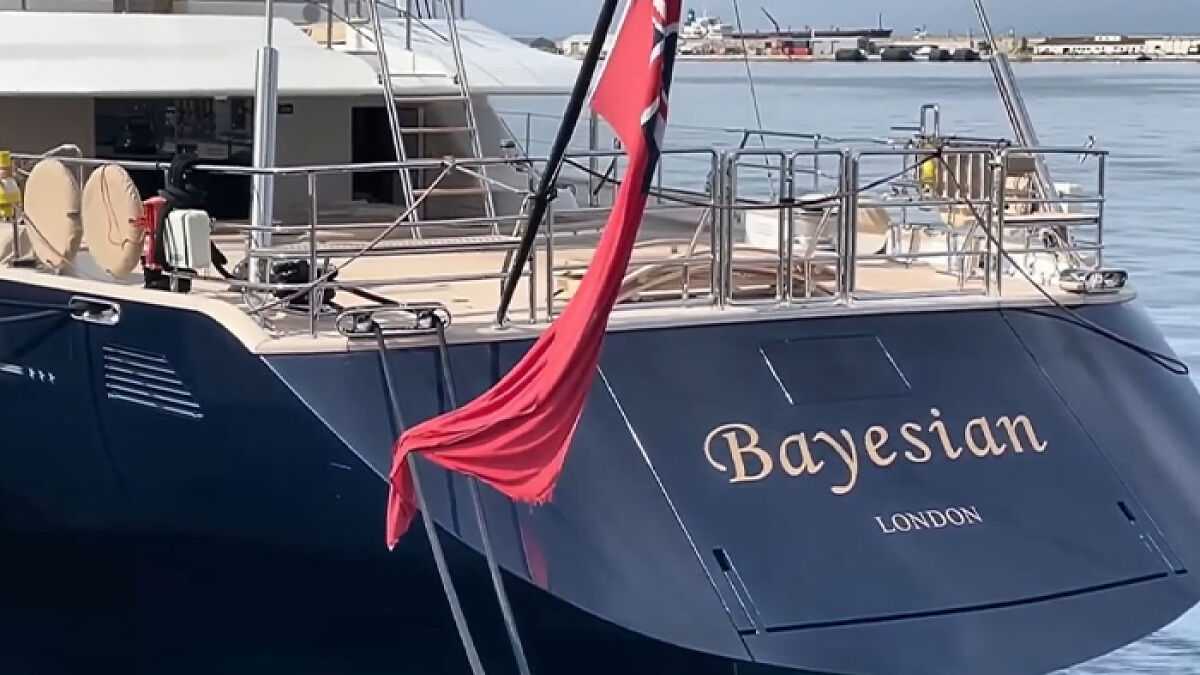
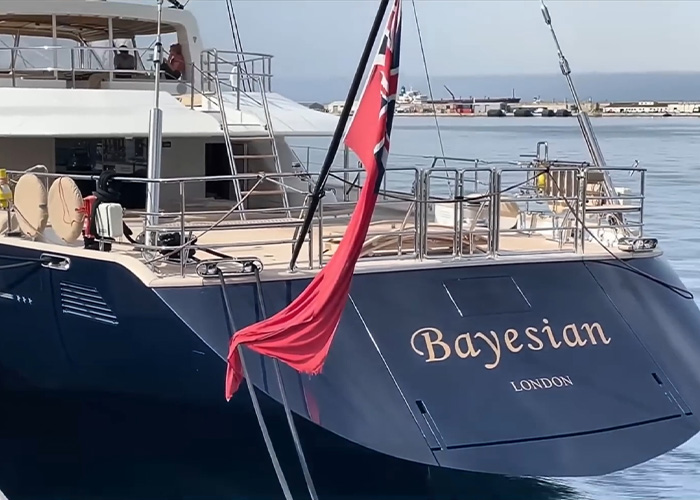
A new development has emerged in the investigation of the Bayesian superyacht tragedy that sank off the coast of Sicily on August 19, 2024, leaving British tech billionaire Mike Lynch, his teenage daughter, and five others deceased.
At the time, the incident was widely believed to have been caused by a sudden and extreme storm that hit the vessel early in the morning.
However, recent findings from experts reviewing the case suggested that the weather may not have been as severe as initially reported.
The update has now shifted attention toward what happened on board in the moments leading up to the sinking.
Image credits: The Royal Society/Wikipedia
At the time, the incident was widely believed to have been caused by a sudden and extreme storm that struck the vessel early in the morning.
The 184-foot luxury yacht was carrying 22 people, 12 passengers and 10 crew members, when it capsized and sank near Porticello just before 5 a.m. Survivors later described chaos as g*nshot-like sounds were heard and people rushed for safety while the vessel tilted rapidly.
Image credits: Sky News/Youtube
However, recent findings are now challenging the initial explanation and shifting focus toward what happened on board in the moments leading up to the sinking.
A preliminary report commissioned by Italian prosecutors found that the storm on the night of the incident may not have been as severe as originally believed.
Experts analyzing the weather over the Tyrrhenian Sea described it as “a little more than a squall,” suggesting that conditions were difficult but still manageable for a yacht of that size, per Sky News.
Image credits: WCNC/Youtube
This contradicted earlier theories that blamed a rare “black swan” weather event, such as a waterspout, for the sudden sinking.
While thunderstorms, lightning, and strong winds were present, experts now believe that the situation alone should not have led to such a rapid disaster.
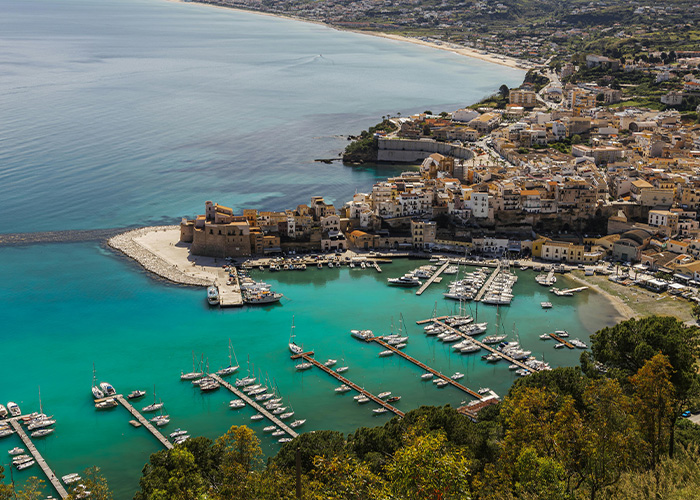
Image credits: Antonino Giangrasso/Pexels (Not the real image)
Instead, investigators are focusing on how the crew responded.
According to the report, the storm may have been underestimated, and key safety procedures were either not followed or were delayed.
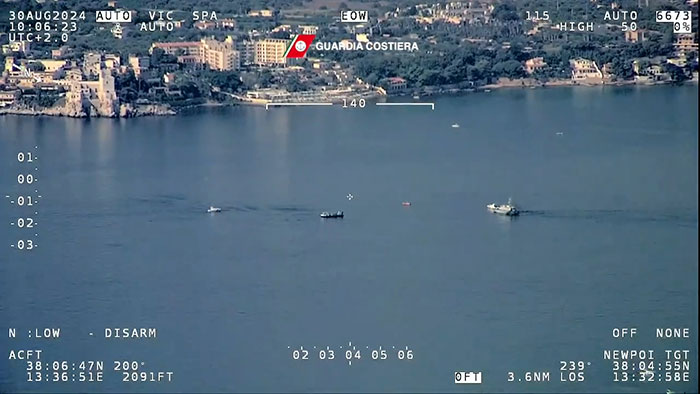
Image credits: guardiacostiera/X
The case is now under criminal investigation by prosecutors in Termini Imerese, with several crew members under scrutiny.
Captain James Cutfield, chief engineer Timothy Parker Eaton, and deckhand Matthew Griffiths could face charges including negligent shipwreck and multiple counts of manslaughter.
Griffiths, who was on night watch, has been accused of failing to recognize that the yacht had begun taking on water.
Prosecutors alleged he showed “malpractice, recklessness and inexperience.” At the same time, the crew has been said to have failed to properly alert the captain, and passengers were not warned about the risk of a possible shipwreck.
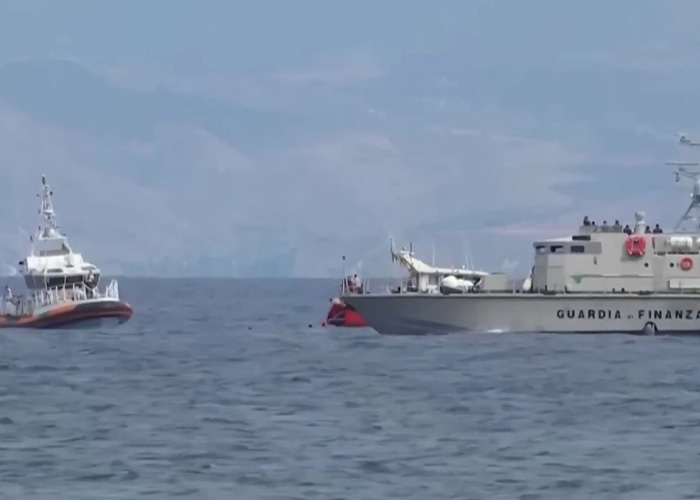
Image credits: news.com.au/Youtube
Adding to this, Giovanni Costantino, CEO of The Italian Sea Group, which includes the yacht’s builder Perini Navi, also blamed the crew’s actions.
He described the incident as the result of “indescribable, unreasonable errors” and said the yacht took on water due to mistakes that could have been avoided.
According to him, the vessel did not sink instantly but over a period of around 16 minutes, which he believes was enough time to act.
He pointed out that safety measures such as closing doors and hatches and lowering the keel to improve stability were not properly carried out.
“The captain should have prepared the boat and put it in a state of alert and of safety,” he said, adding that the weather disturbance could have been identified in advance through available forecasts.
Image credits: news.com.au/Youtube
Reports indicate that wind speeds suddenly increased to over 70 knots, causing the yacht to tilt sharply, reportedly up to 90 degrees, in less than 15 seconds.
This sudden shift led to a shutdown of the generators, worsening the situation onboard.
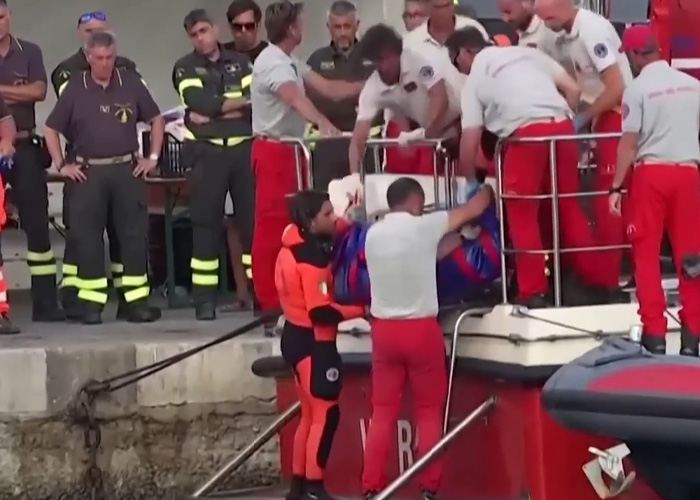
Out of the 22 people on board, 15 managed to escape, including Lynch’s wife, Angela Bacares, who survived despite being injured while fleeing the vessel. The remaining victims, including Lynch and his daughter, were later found inside the wreck.
Earlier theories suggested that a rare waterspout may have played a role, as meteorologists confirmed thunderstorms and unstable conditions in the area.
Image credits: MrCommonSense01
Image credits: faith_angi43542
Image credits: eyup_io
Image credits: Xve_Cherie
Image credits: GrahamJane89009
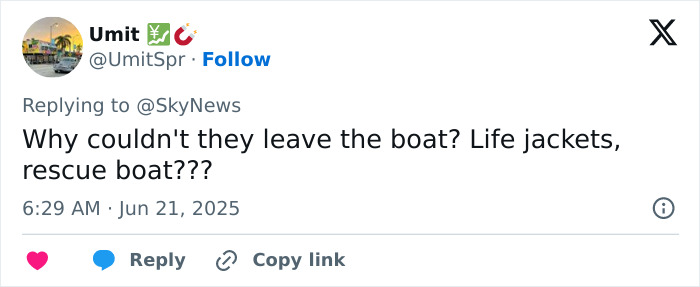
Image credits: UmitSpr
Image credits: Farisiyn
Image credits: BlackView_ZA
Image credits: Stranger146985
Image credits: tUCORS
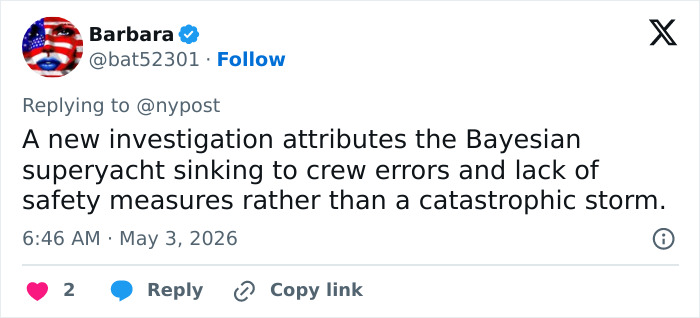
Image credits: bat52301
Image credits: TherealMCM2
Image credits: NELSONG13904607

By entering your email and clicking Subscribe, you're agreeing to let us send you customized marketing messages about us and our advertising partners. You are also agreeing to our Privacy Policy.
Thank you! You've successfully subscribed to newsletters!
































 No fees, cancel anytime





















27
10