Get Premium
Dark mode theme is available exclusively for premium users. Learn more about the benefits of subscribing.
No fees, cancel anytime.

 Dark Mode Ad-Free Browsing Unlimited Content
 Ad-Free Browsing Unlimited Content Dark Mode
Join 1.2 million Panda readers who get the best art, memes, and fun stories every week!
Article created by: Mariia Tkachenko
Some people think that learning history might be useless. "It already happened, what's the point?" Yet the truth is that history keeps on happening, as archeologists discover new artifacts and curios almost every day. In 2023, The British Museum reported that a whopping 74,506 finds were made by the public alone.
Still, the most game-changing discoveries are most often made by professional archeologists. We compiled a list of the most interesting finds from the ancient world that changed the way we look at history.
From evidence that pyramids weren't actually built by slaves to African coins showing up in Australia, these discoveries prove that archeologists are real rockstars (no pun intended!)
This post may include affiliate links.
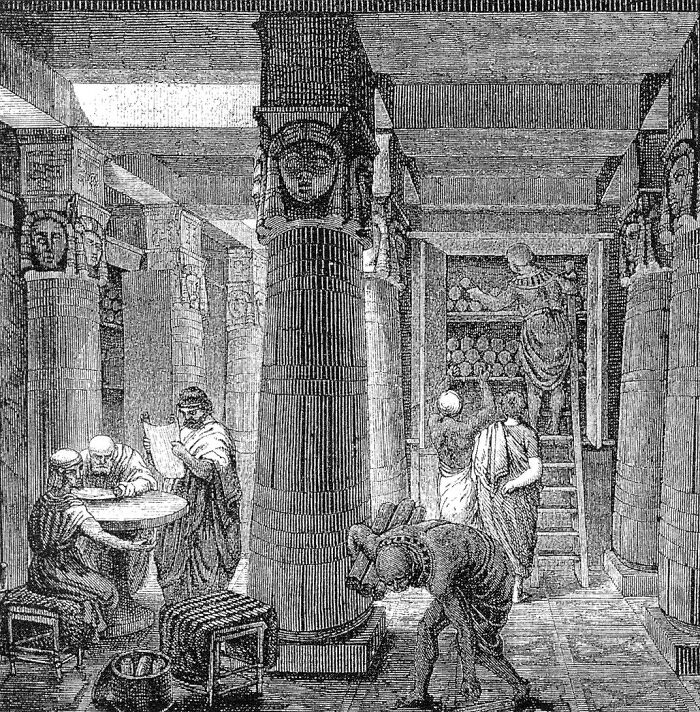
Contrary to popular belief that a fire, perhaps ordered by Julius Caesar, destroyed the Royal Library of Alexandria, recently discovered scrolls suggest a more gradual decline due to budget cuts. These ancient texts, uncovered by Luciano Canfora and written by library staff, indicate that government funding reductions led to the deterioration of scrolls and their transfer to other institutions. While remnants of its vast collection of ancient knowledge may have been destroyed in 642, the primary cause of its disappearance appears to be financial neglect rather than a single catastrophic event.
A 2,200-year-old rental agreement, found inscribed on a remarkably intact stele with 58 legible lines in Teos, Turkey, vividly illustrates the established bureaucracy of ancient Greek society. The document details how a group of gymnasium students inherited property—including buildings, an altar, and slaves—and subsequently rented it out via auction. This ancient contract also specified a guarantor (the renter's father), required witnesses from the city administration, and outlined the owners' rights, such as annual inspections and penalties for property damage or late rent.
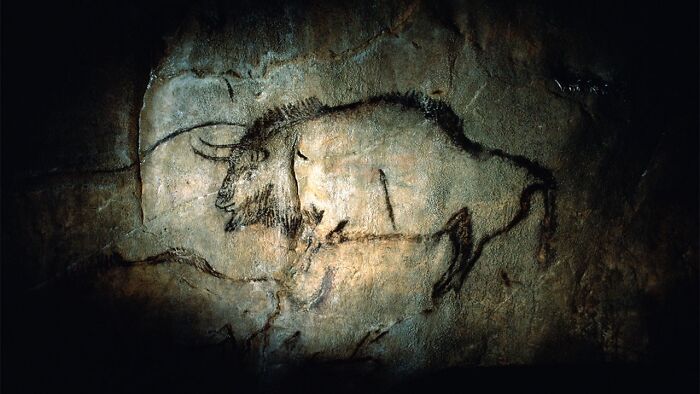
By studying ancient cave art from Lascaux and Pergouset, researchers noticed distinct changes in bison depictions over a 5,000-year period, suggesting a new species. DNA analysis of bison bones and teeth dating from 22,000 to 12,000 years ago confirmed their hypothesis, revealing that this "Higgs bison" descended from the steppe bison and aurochs. This discovery not only introduced a new animal species but also resolved previous confusion surrounding the steppe bison's genome sequencing.
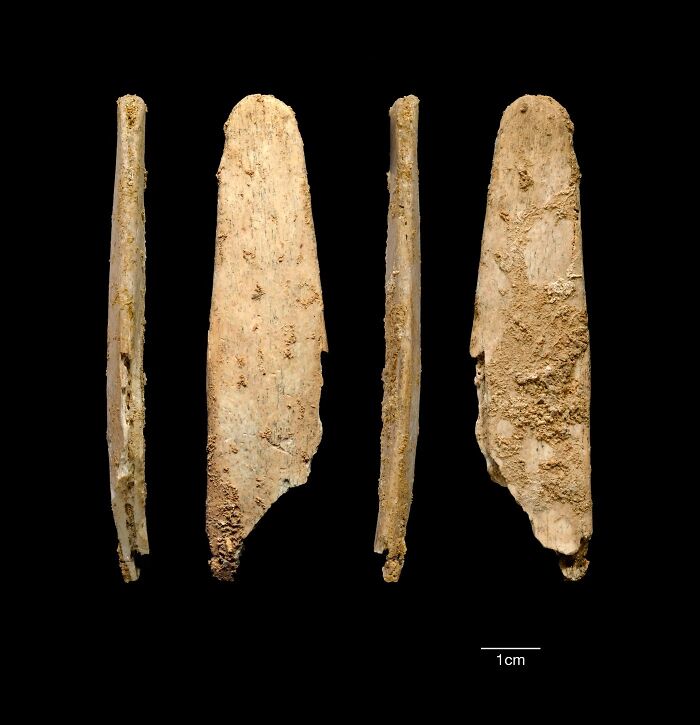
The discovery of a specialized tool called a lissoir at a Neanderthal site, dating to before Homosapiens arrived in Europe, challenges the outdated image of Neanderthals as primitive. This flexible device, used for crafting leather, is remarkably still in use today. This continuity suggests that modern humans likely adopted the technology directly from the more advanced Neanderthals, rather than inventing it independently.
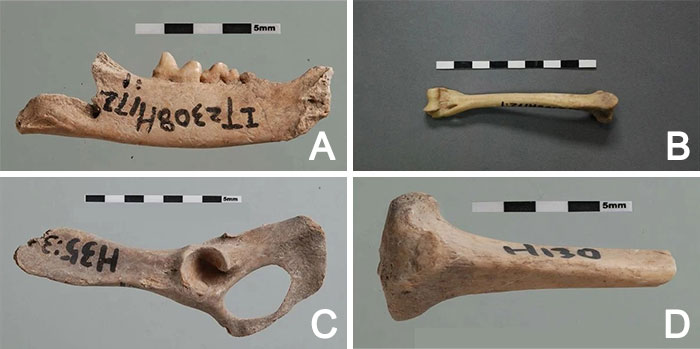
A recent archaeological find in China has shed new light on the domestication of cats, a process that has long intrigued researchers. While ancient Egyptian art previously provided the earliest evidence, dating back roughly 4,000 years, the discovery of wildcat remains near Chinese farming communities suggests an earlier interaction. It's believed that these cats were drawn to the area by rodent infestations threatening farmers' grain, leading to a mutually beneficial relationship that gradually fostered closer ties between humans and felines.
Contrary to the long-held belief that slaves built the Egyptian pyramids, a 1990 discovery of ancient burial plots suggests a different reality. These tombs, found near the sacred pyramids of the pharaohs, contained workers who were interred with provisions like beer and bread for the afterlife, an honor not typically afforded to slaves. The proximity of their burial sites to those of royalty further indicates that these individuals were respected, paid laborers rather than enslaved people.
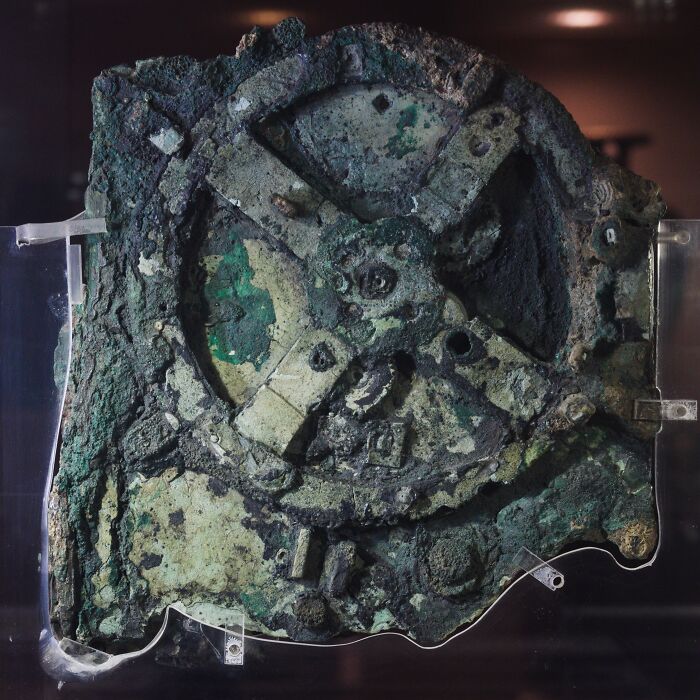
Discovered in a shipwreck in 1900, the Antikythera Mechanism, dating back to at least 100 BCE, has redefined our understanding of ancient Greek technological capabilities. This intricate device, essentially an early analog computer, used a complex system of gears to predict planetary orbits, the timing of eclipses, and to track solar and zodiac calendars. Its sophistication predates any comparable known technology by nearly a millennium, highlighting the advanced astronomical and mechanical knowledge of the Ancient Greeks.
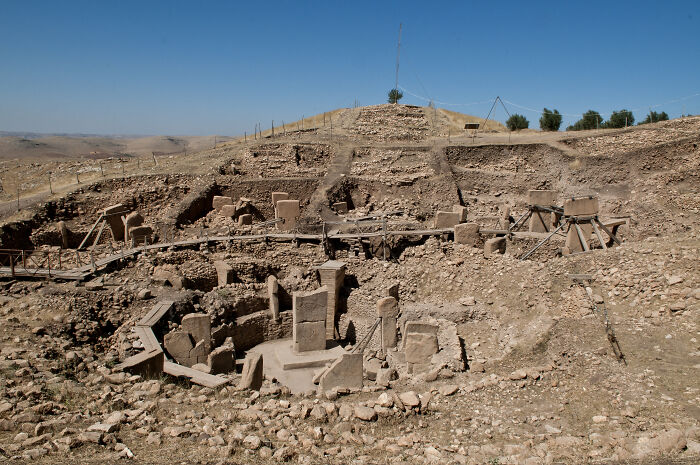
Challenging established timelines for human settlement, the Gobekli Tepe, believed to be the world's oldest temple, predates the previously accepted start of permanent city-building by over a thousand years. This remarkable structure, built more than 11,000 years ago, suggests that humans were constructing significant, permanent settlements much earlier than paleontologists had traditionally thought. The existence of these ruins forces a re-evaluation of when and why early humans began to establish fixed communities.
The discovery of five African coins in Australia's Northern Territory, each over 900 years old, significantly challenges the traditional account of James Cook "discovering" the continent in 1770. These artifacts suggest that people from other regions may have reached Australian shores long before European explorers. When considered with other evidence such as cave art and additional coin finds, this raises the possibility that traders from Africa, India, China, and Europe visited Australia much earlier than previously acknowledged.
Unearthed in Iraq in 1850, the Nimrud Lens, a 3,000-year-old piece of rock crystal, offers a tantalizing glimpse into ancient Assyrian technology. Some researchers propose it functioned as an early magnifying glass or even a component of a primitive telescope. If these theories hold true, it suggests that ancient civilizations possessed an understanding of optics far earlier than previously thought. This small artifact has the potential to significantly alter our perception of scientific knowledge in the ancient world.
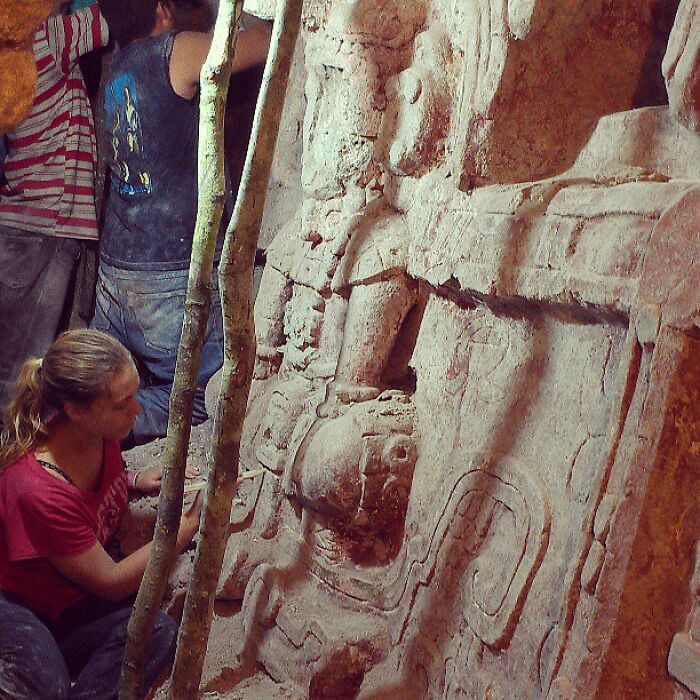
In 2013, archaeologists in Guatemala unearthed a massive stone carving that offered fresh insights into Mayan culture. This enormous facade showcased depictions of previously unknown gods, expanding the Mayan pantheon for researchers. The carving also provided new details about the transfer of power between different Mayan groups as new rulers ascended. Remarkably, the wall was so well-preserved that it even retained traces of its original colorful paint.
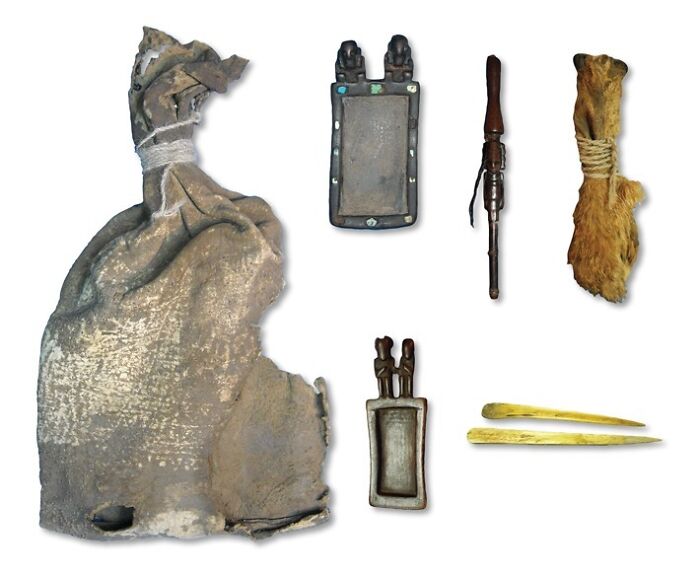
A 1,000-year-old medicine pouch, likely belonging to a shaman and unearthed in a Bolivian cave, has provided the earliest direct evidence of ayahuasca preparation, a potent hallucinogenic tea. The discovery is significant because the psychoactive plants found within the pouch are not native to the high-altitude region, suggesting the owner either traveled to gather them or had access to a trading network. According to archaeologist Melanie Miller, whose team found the bundle, “This is the first evidence of ancient South Americans potentially combining different medicinal plants to produce a powerful substance like ayahuasca.” This find, which also included tools for grinding and snorting the substances, supports the idea that the use of such powerful plant combinations for psychedelic journeys has ancient roots.
In 2016, archaeologists in China's Shaanxi Province unearthed beer-making equipment dating back to 3400–2900 BC, providing the first direct evidence of on-site beer production in ancient China. Analysis of residue found in the vessels revealed a unique recipe including broomcorn millet, lily, Job’s tears, and, surprisingly, barley. This discovery was particularly significant as it indicated barley arrived in China 1,000 years earlier than previously thought and was initially used for brewing beer centuries before it became a food staple.
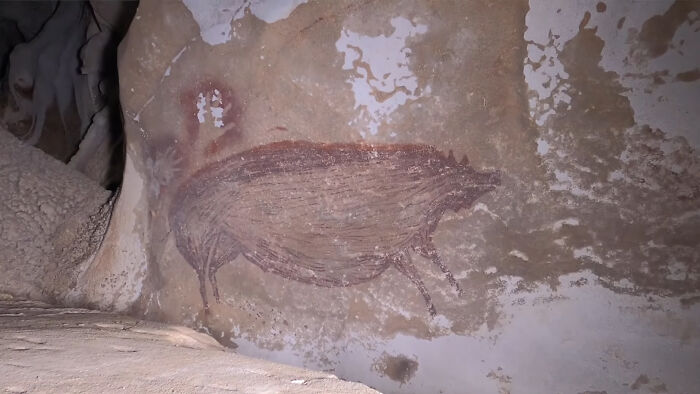
A 43,900-year-old cave painting found on the Indonesian island of Sulawesi, now believed to be the oldest story on record, depicts what appears to be a hunting scene where the hunters are portrayed as animal-human hybrids, or therianthropes. Archaeologist Maxime Aubert suggests this imagery might represent a religious myth rather than a literal event, potentially making it the earliest evidence of spiritual belief. The cave itself, Liang Bulu'Sipong 4, shows no signs of habitation and required climbing to access, hinting it may have served as a sacred site. This discovery suggests early humans were capable of complex conceptualizations fundamental to religious thought far earlier than previously understood.
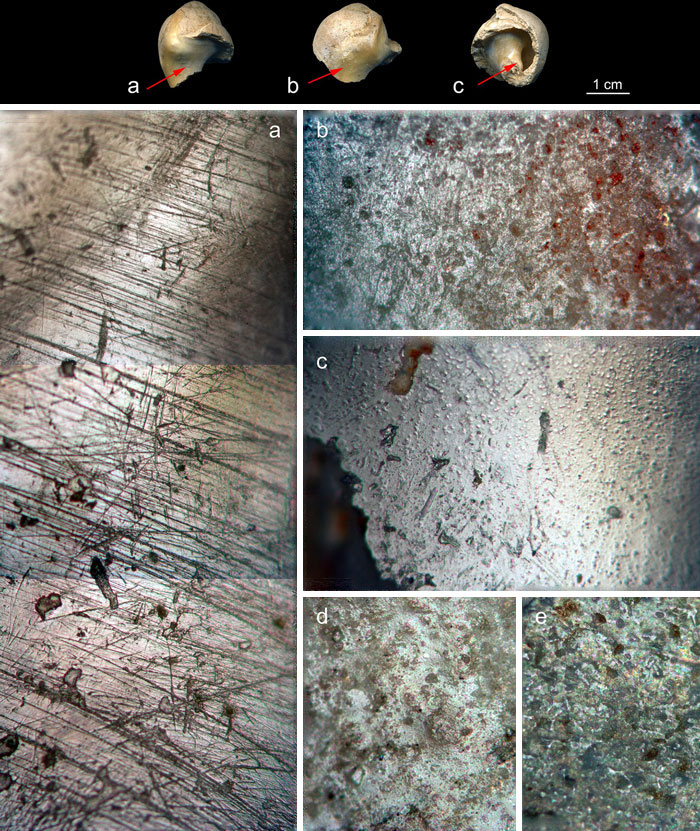
Challenging the outdated notion of Neanderthals as primitive, the discovery of painted shells in Italy, dated to a period before Homosapiens entered Europe, suggests a more sophisticated culture. These ornamental pieces, likely decorated by Neanderthals, indicate an early capacity for creating and collecting artwork. Such findings contribute to a growing body of modern research demonstrating that Neanderthals were more similar to modern humans than previously believed.
The discovery of an 11th-century Viking coin at a Native American site in Maine in 1957, now known as the Maine Penny, has significantly altered our understanding of early North American exploration. This silver coin, minted in Norway between 1065 and 1080 AD, was found amongst thousands of Indigenous artifacts. Its presence provides compelling evidence that Norse explorers may have journeyed much farther south into the continent than previously documented, challenging established timelines of European contact.
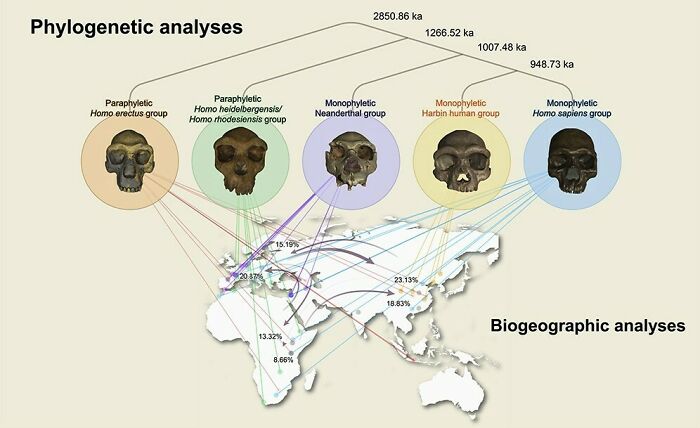
Discovered by a laborer in 1933 but hidden until 2018, a 146,000-year-old skull from northeastern China, nicknamed "Dragon Man," may represent an entirely new human species. Scientists propose naming this lineage Homolongi, noting its massive size, large cranial capacity comparable to modern humans, and a unique combination of primitive and derived features like almost square eye sockets and a wide, low face. This well-preserved fossil, found near the Dragon River, could even be more closely related to Homosapiens than Neanderthals, potentially reshaping our understanding of human evolution.
The discovery of a bronze bell in New Zealand during the 1830s, surprisingly being used as a cooking pot by a local woman, introduced an intriguing historical puzzle. Experts dated the bell, which was covered in ancient Tamil script linking it to southern India, to be around 500 years old, or possibly even older. This remarkable artifact's presence raises the significant possibility that Indian sailors reached New Zealand long before European explorers, thereby challenging accepted timelines of early Pacific exploration.
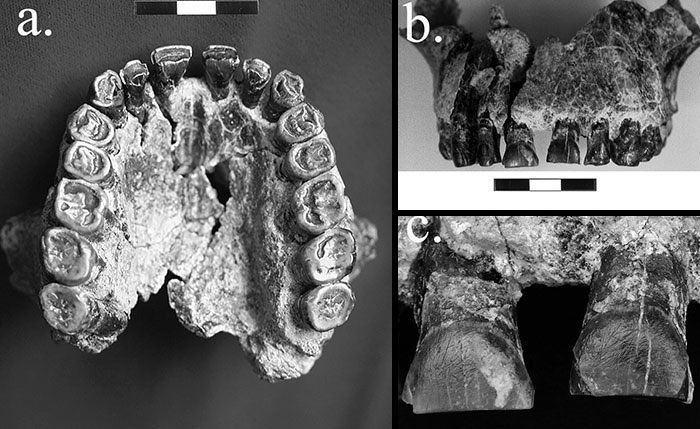
Evidence of right-handedness has been found in Homohabilis fossils dating back 1.8 million years, pushing back the timeline for this trait in hominins. Paleoanthropologist David Frayer's study, published in the Journal of Human Evolution, analyzed scrapes on teeth fossils consistent with right-handed tool use when processing meat. While the methodology of recreating the behavior—modern subjects holding meat with their mouths and left hands while using right-handed tools—has sparked some debate, the mere existence of hand dominance in Homohabilis is significant. This discovery suggests the trait, still not fully understood in modern humans, is much older than previously believed and could offer new insights into human brain evolution.
Using multispectral imaging, researchers recently discovered previously invisible lines of text on fragments of the Sea Scrolls that were long thought to be blank. These authentically verifiable fragments, part of the original Qumran trove, offer new pieces to the ancient puzzle, with some scholars suggesting potential links to the book of Ezekiel. This success story, highlighted by Professor Joan Taylor's comparison of the find to "missing pieces of a jigsaw puzzle," underscores the value of applying new technologies to provenanced artifacts, contrasting with recent instances of forged scroll fragments.
A new AI tool is revolutionizing the study of paleofeces (fossilized excrement) by enabling scientists to more accurately distinguish between ancient human and dog waste, which are often remarkably similar. Molecular archaeologist Christina Warinner and her colleagues developed this program, which learns from massive datasets of modern human and canine excrement, to re-evaluate past assumptions about ancient diets. This enhanced ability to identify human paleofeces offers new insights into the historical composition of human gut microbiota and provides a more accurate understanding of how ancient diets relate to modern food knowledge and diseases like diabetes.
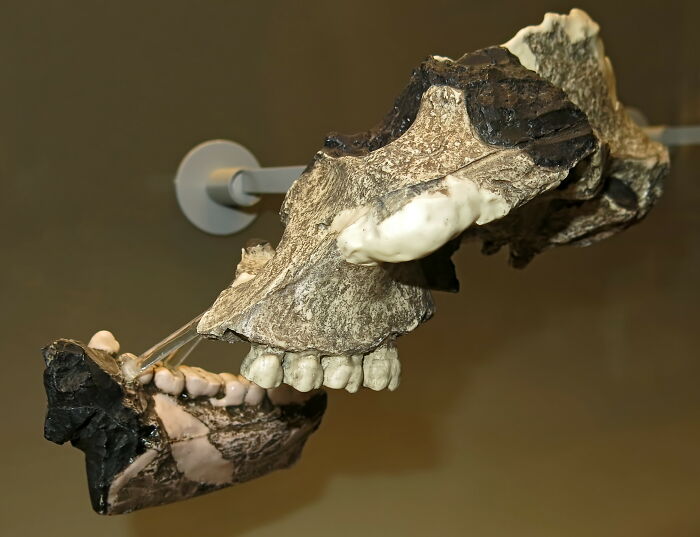
The discovery of Skull 5, a remarkably complete 1.8 million-year-old hominid fossil found in Dmanisi, Georgia, has prompted a re-evaluation of early human evolution. Because the skull was preserved in one piece, researchers could conduct a detailed analysis of its features. Their findings suggest that previously identified distinct species of early humans might actually represent variations within a single, more diverse lineage, challenging the common understanding of human evolutionary branches.
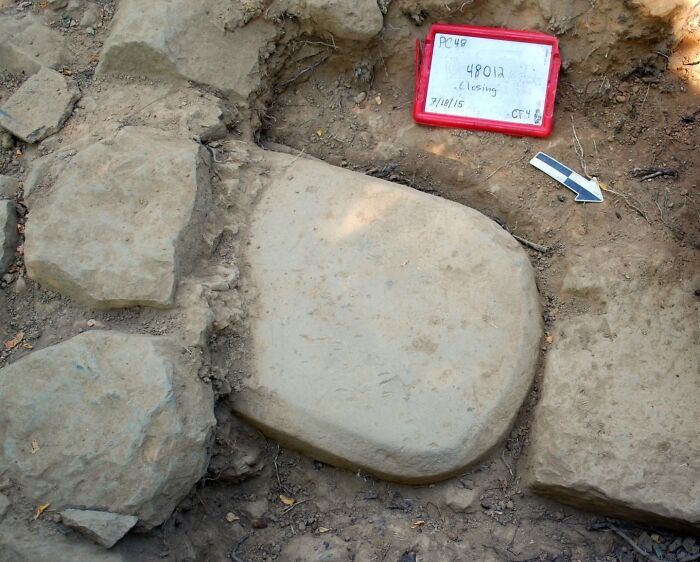
Despite Etruscan being an extinct language for nearly two millennia, its influence on Latin and subsequently many modern European languages makes any new text discovery significant. In 2016, archaeologists in Tuscany unearthed a well-preserved, 1.2-meter (4 ft) stele inscribed with Etruscan, dating back 2,500 years; it had been reused as a temple foundation. While scholars anticipate the text is religious and will offer new insights into Etruscan beliefs, they plan to thoroughly clean and preserve the chipped and abraded stone slab before attempting a full translation.
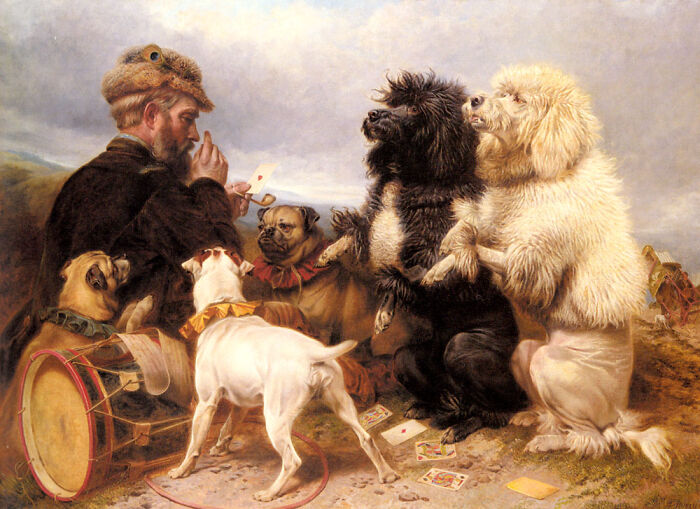
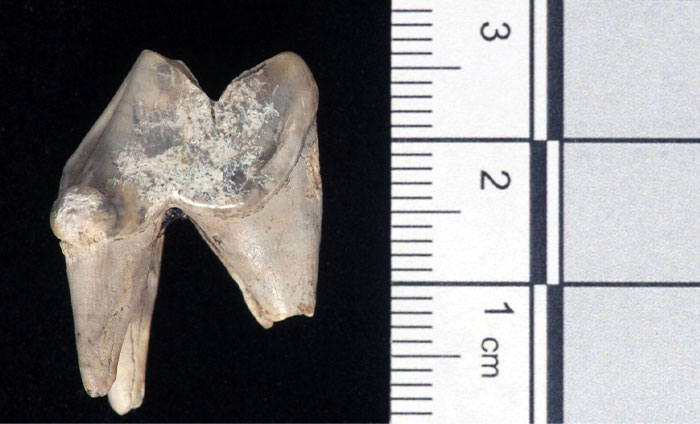
A 7,000-year-old dog's tooth, found by archaeologist David Jacques at Blick Mead near Stonehenge, has revealed what is now considered the oldest known journey in British history. Isotope analysis confirmed the dog, likely a domesticated hunting companion resembling an Alsatian with wolflike features, undertook a 400-kilometer (250 mi) trip with a Mesolithic hunter-gatherer from the Vale of York to Wiltshire. This discovery offers a unique window into ancient human-animal companionship and long-distance travel in prehistoric Britain.
The discovery of stone tools on the Indonesian island of Sulawesi, dating back at least 118,000 years, has raised intriguing questions about its early inhabitants, as current evidence suggests modern humans only arrived there 50,000 to 60,000 years ago. This discrepancy points to the possibility of an as-yet-undetermined hominin species occupying the island, perhaps a new ancestor, a migration of Homofloresiensis from nearby Flores, or an earlier arrival of modern humans than currently believed. Archaeologists are now actively searching for fossils to solve this puzzle and clarify who made these ancient tools.
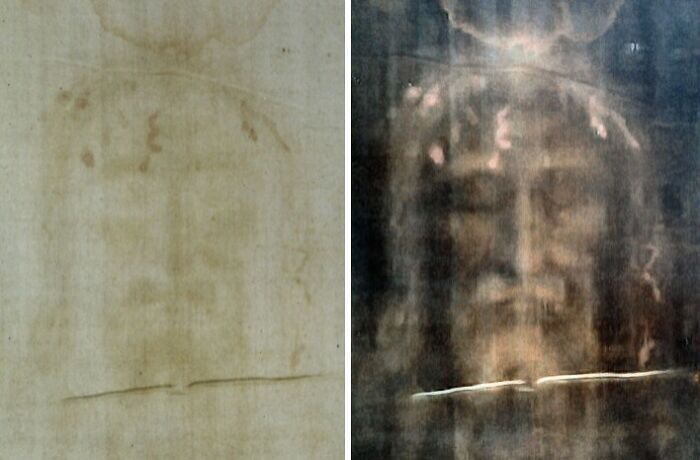
First recorded in the 14th century, the Shroud of Turin, a linen cloth bearing the faint image of a man, has ignited centuries of debate regarding its authenticity as the burial shroud of Jesus Christ. While some scientific tests have dated the cloth to the Middle Ages, others suggest a much earlier origin, fueling the ongoing mystery. Its enigmatic image and contested history continue to present a profound challenge to both scientific understanding and religious faith.








































 No fees, cancel anytime