Get Premium
Dark mode theme is available exclusively for premium users. Learn more about the benefits of subscribing.
No fees, cancel anytime.

 Dark Mode Ad-Free Browsing Unlimited Content
 Ad-Free Browsing Unlimited Content Dark Mode
Join 1.2 million Panda readers who get the best art, memes, and fun stories every week!

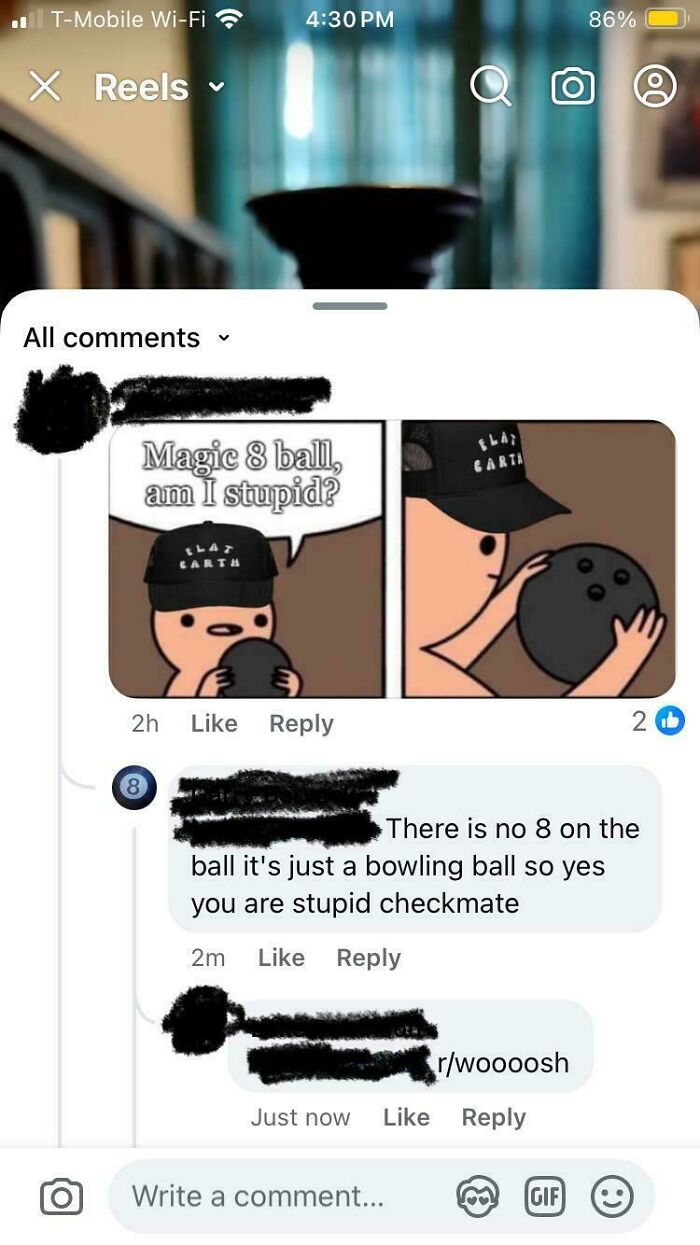
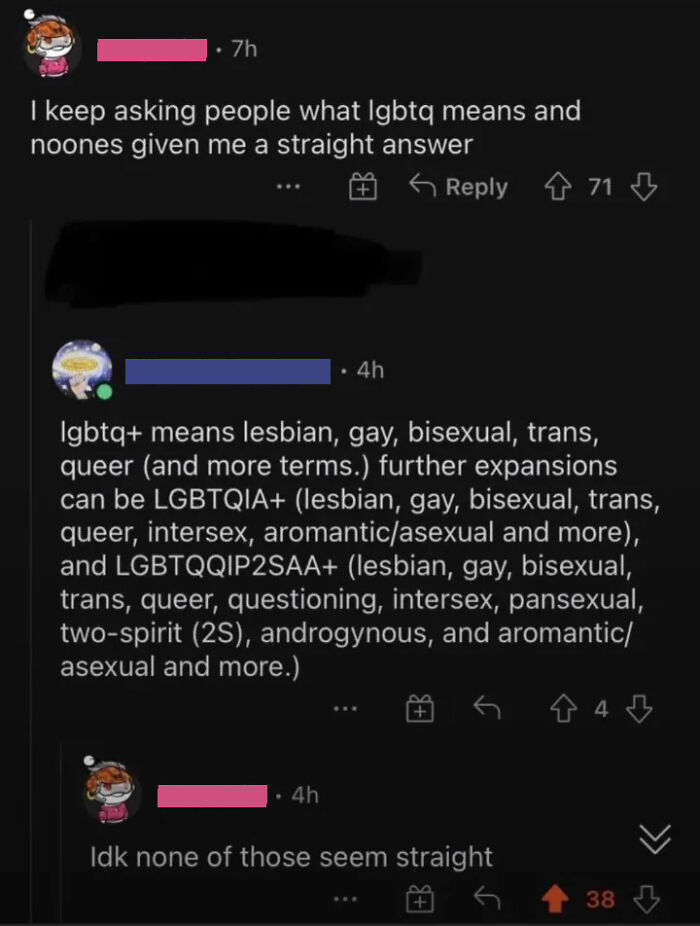
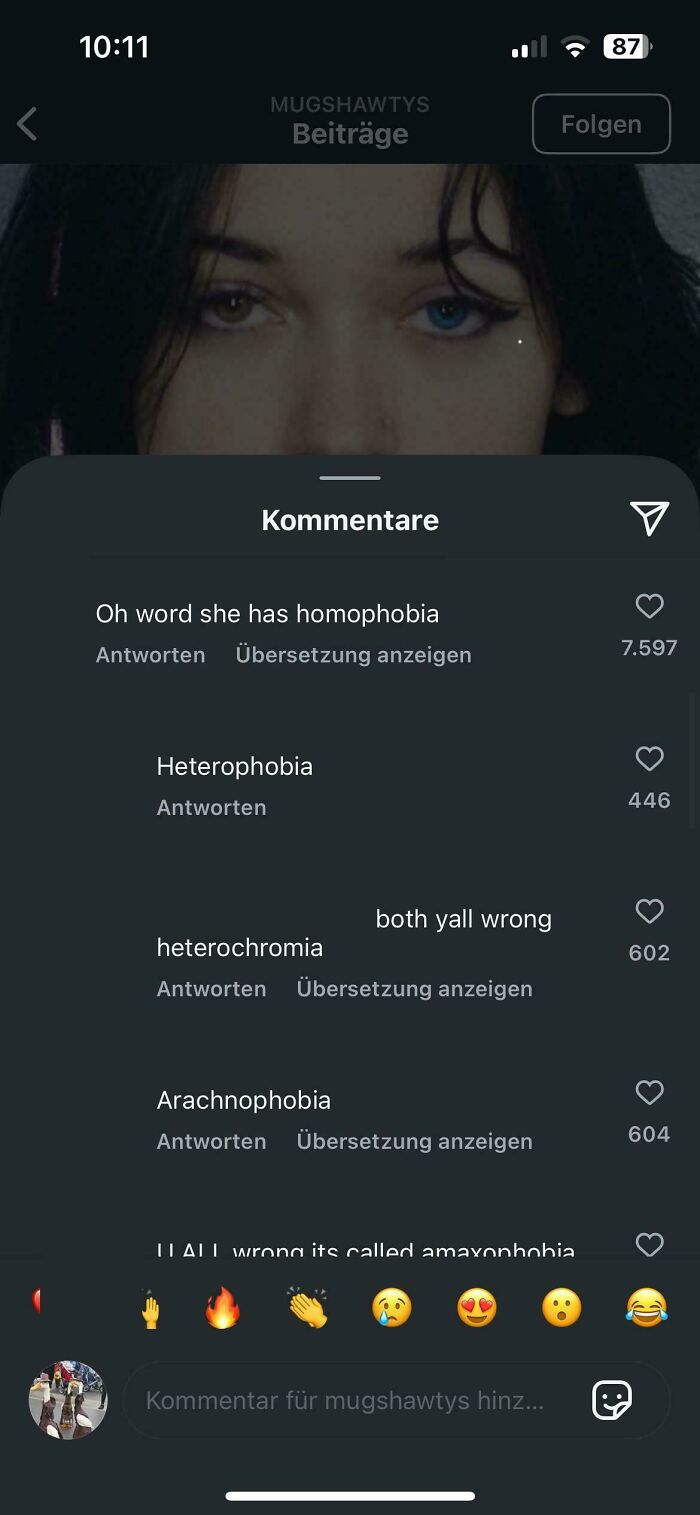
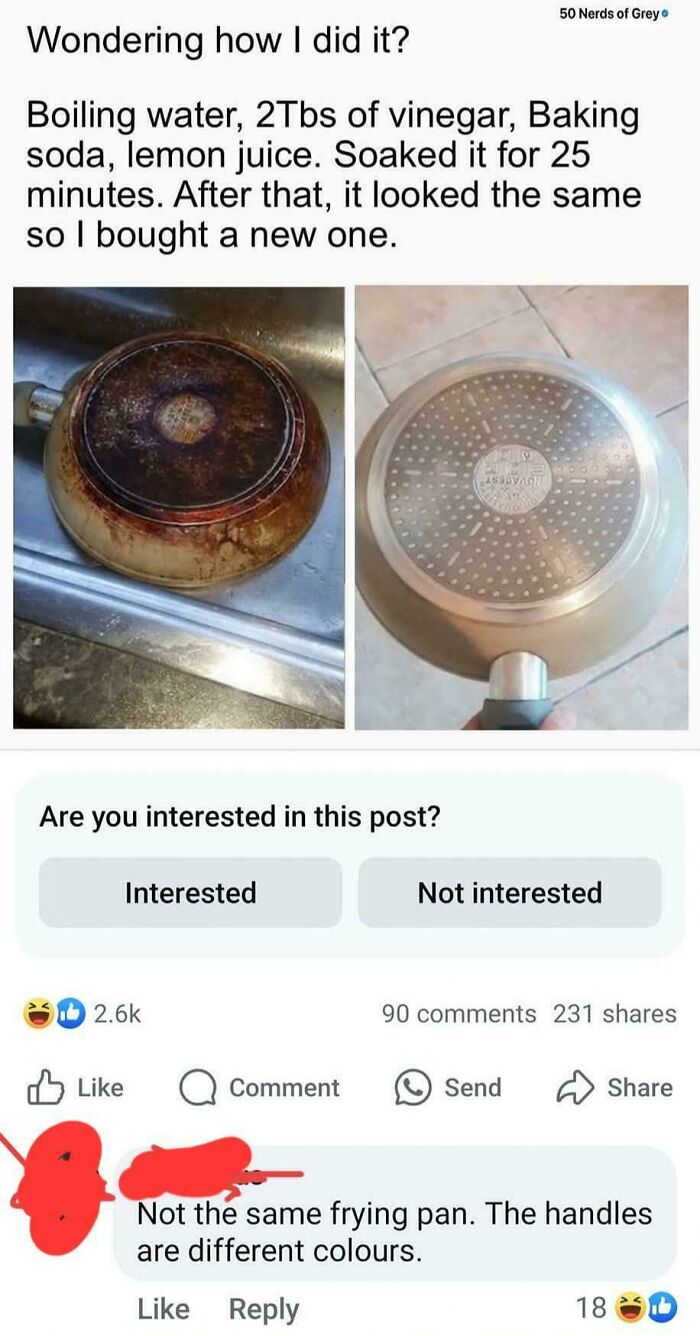
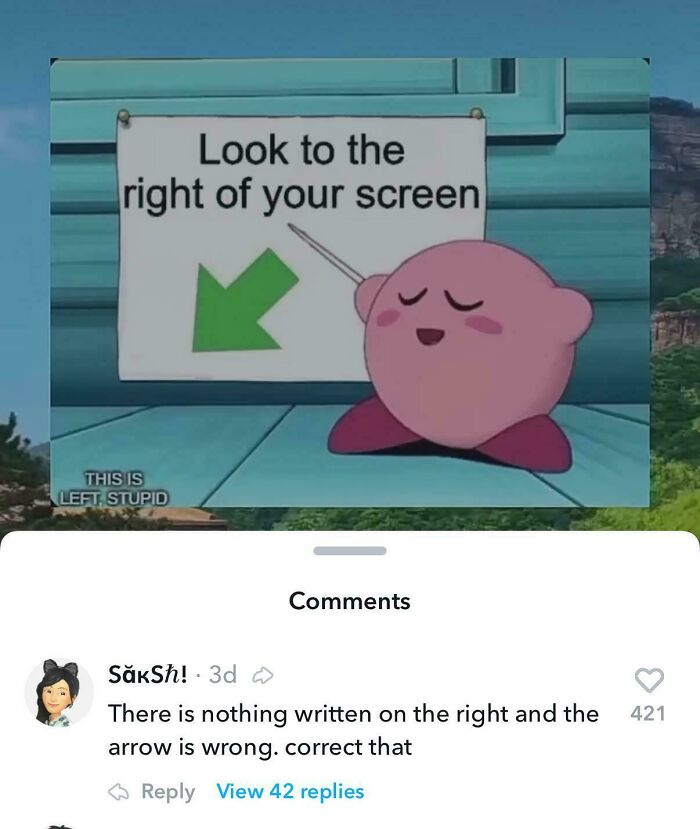
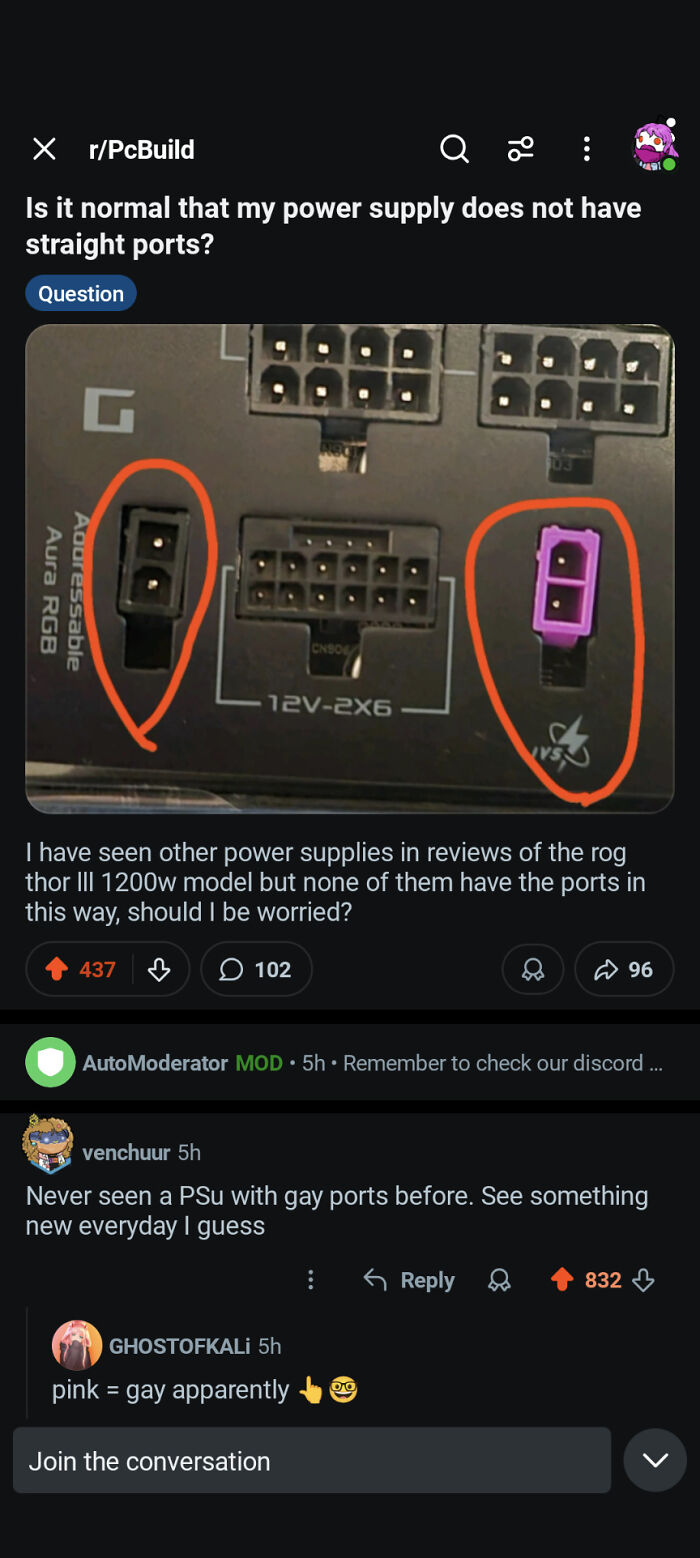
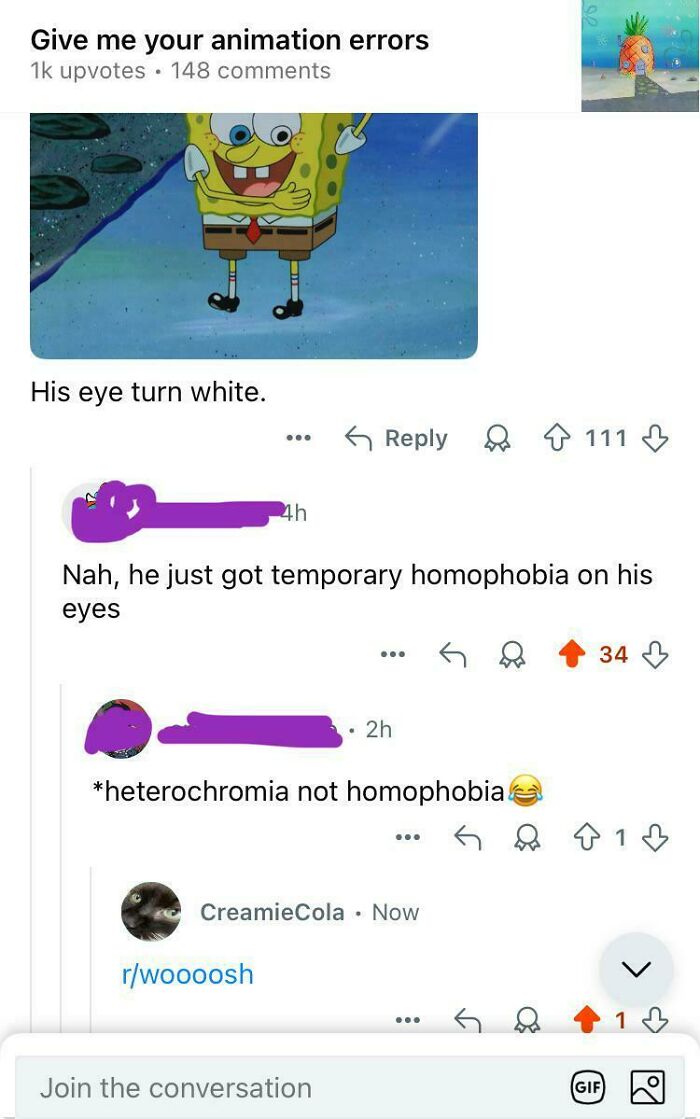
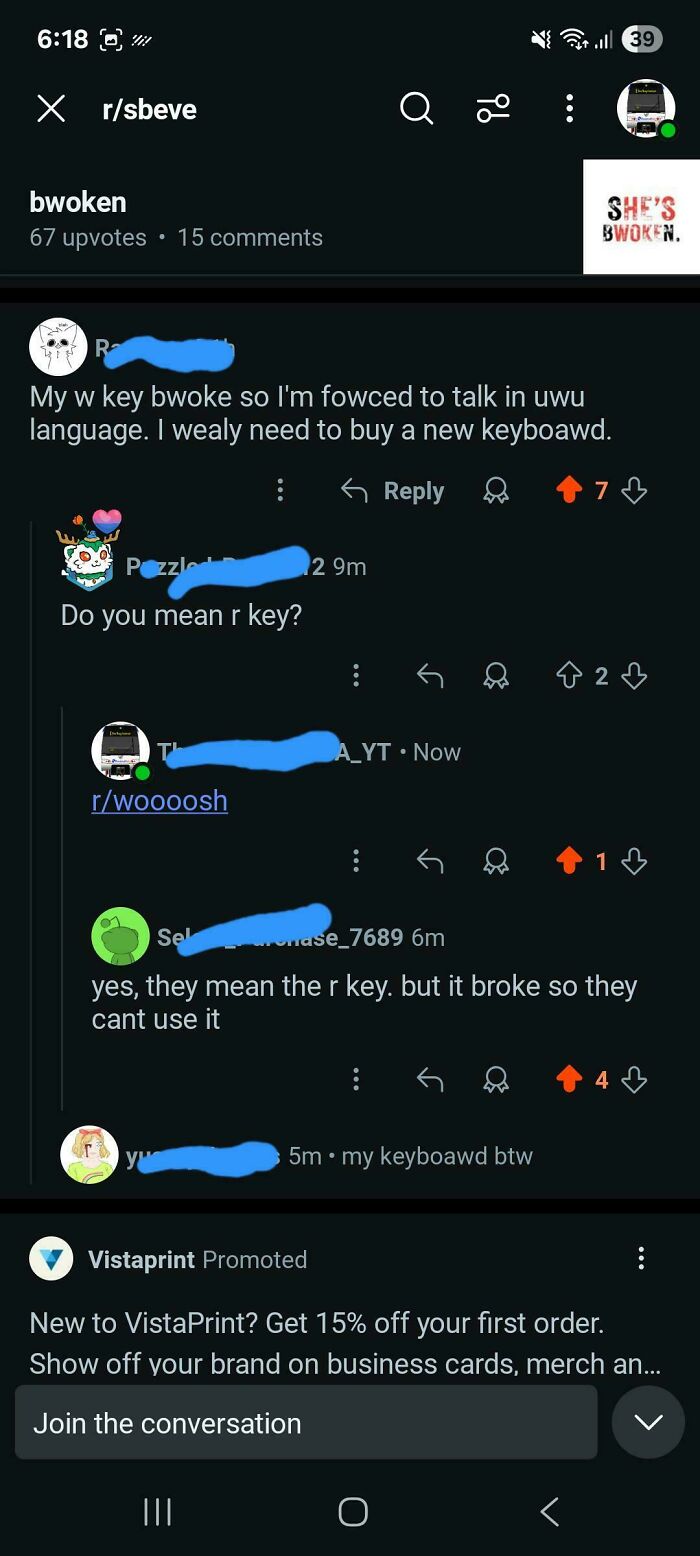
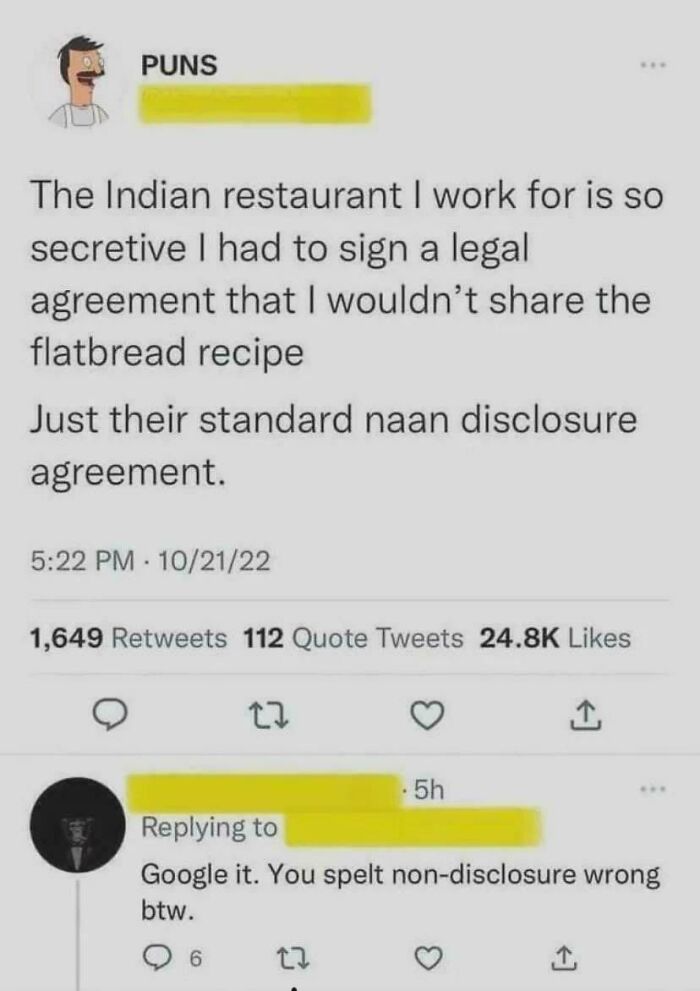
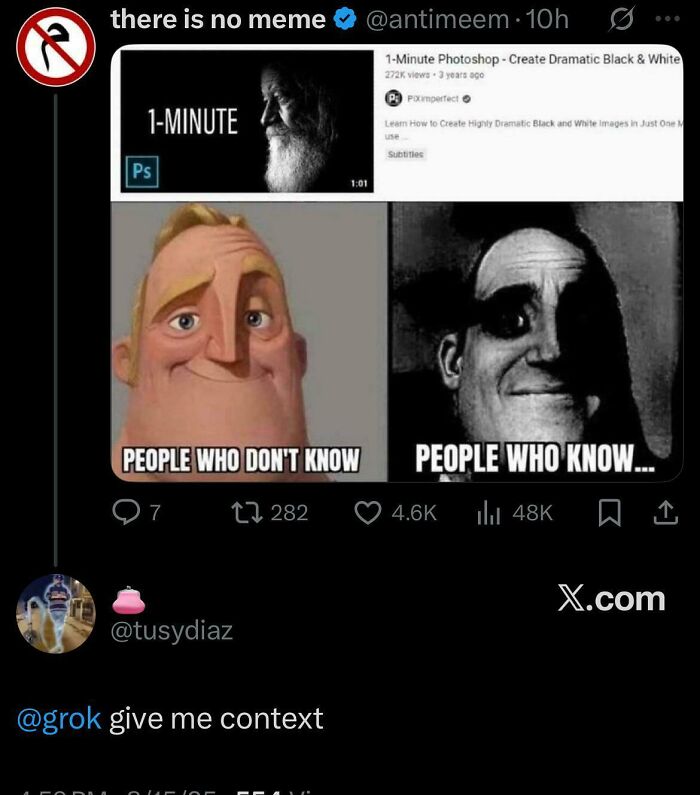
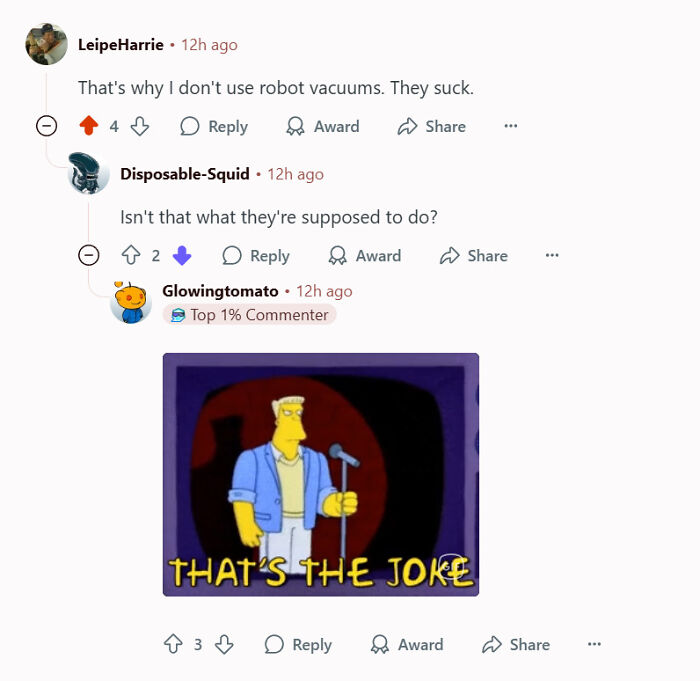
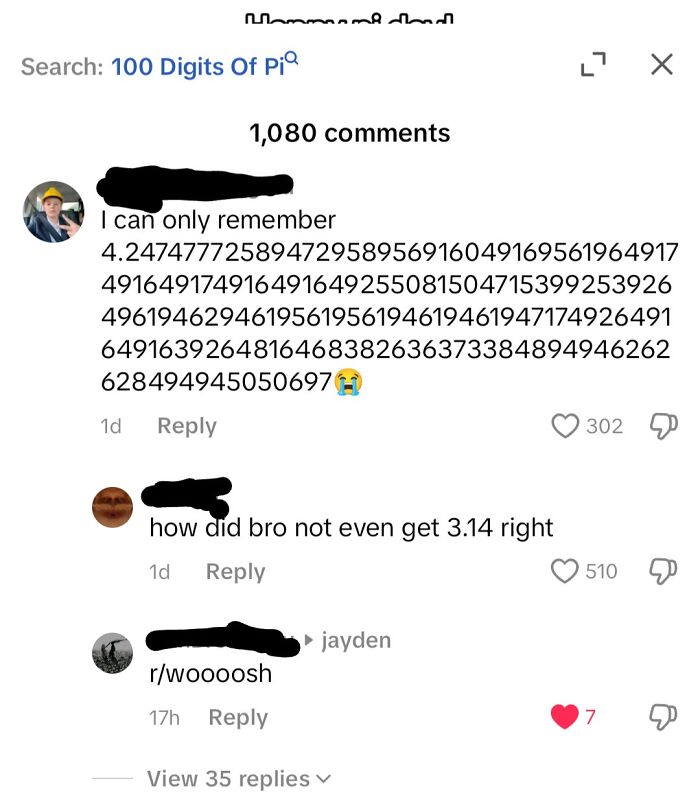
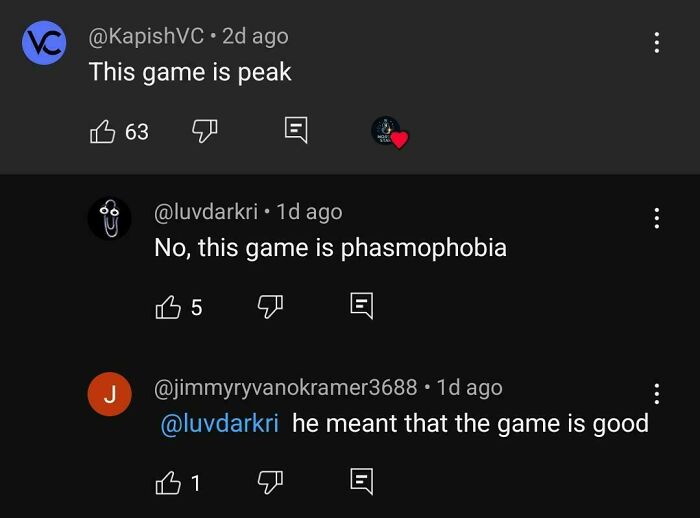
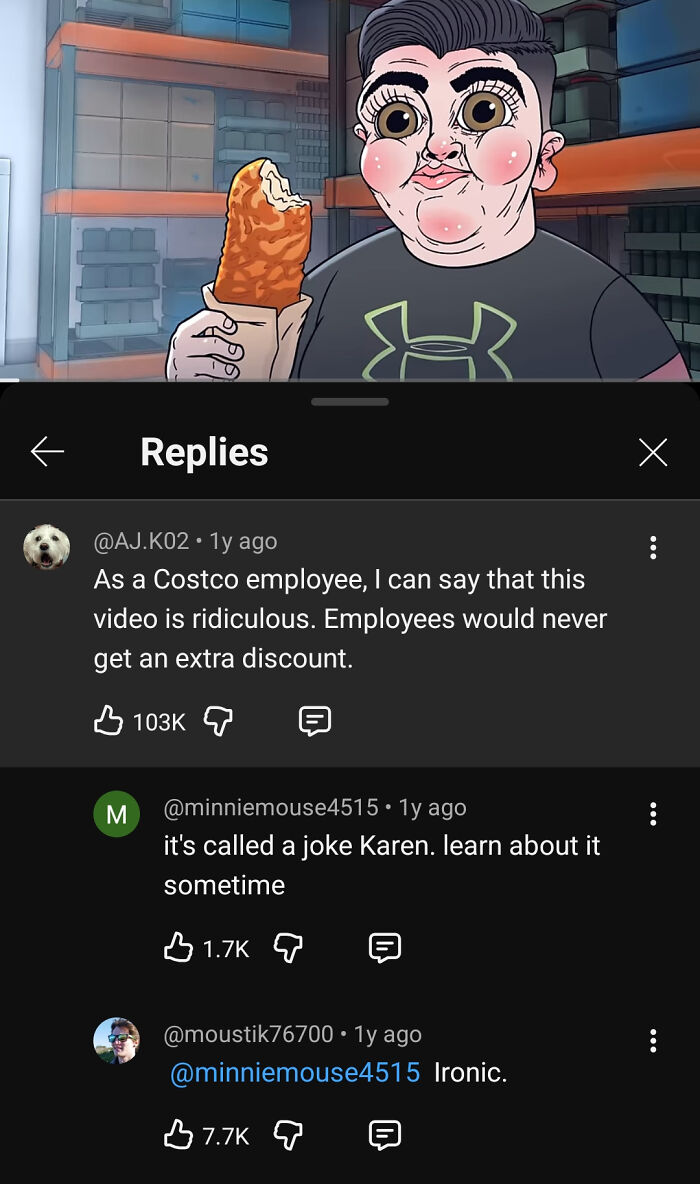
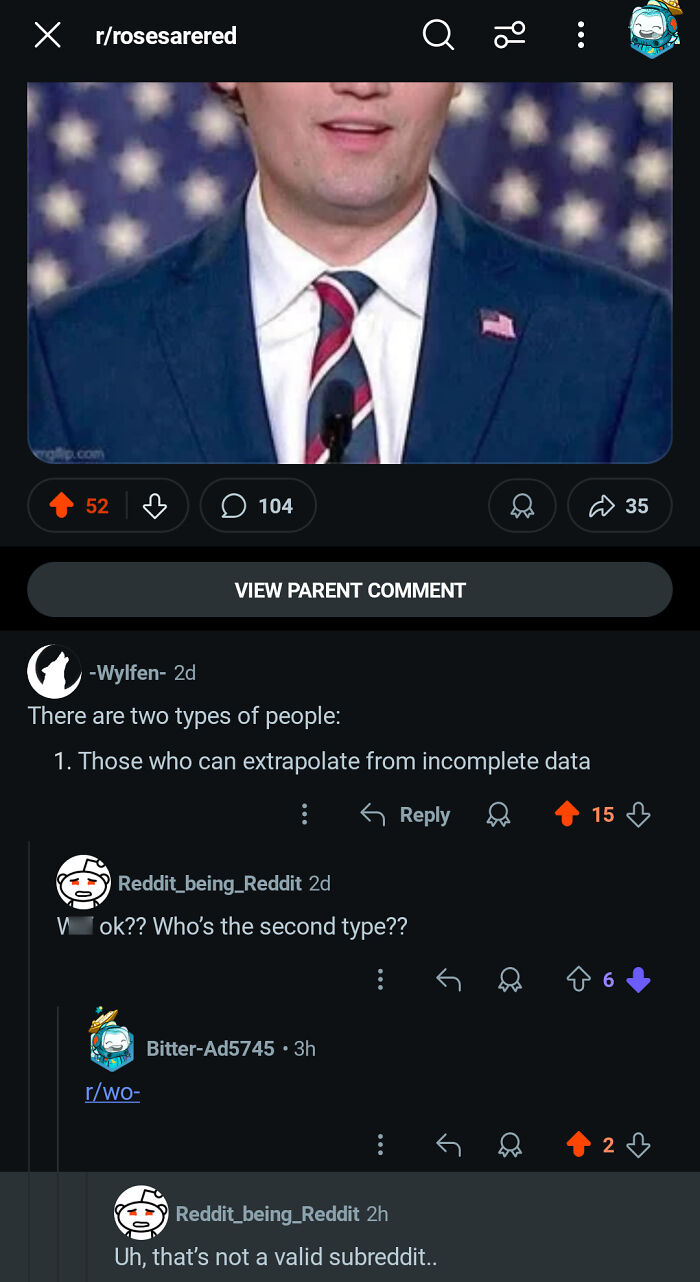
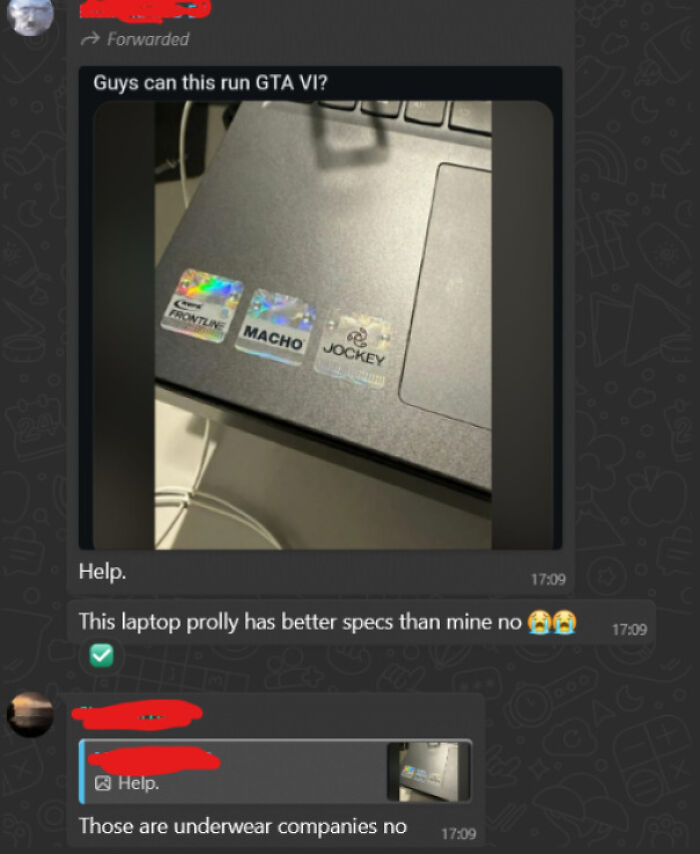
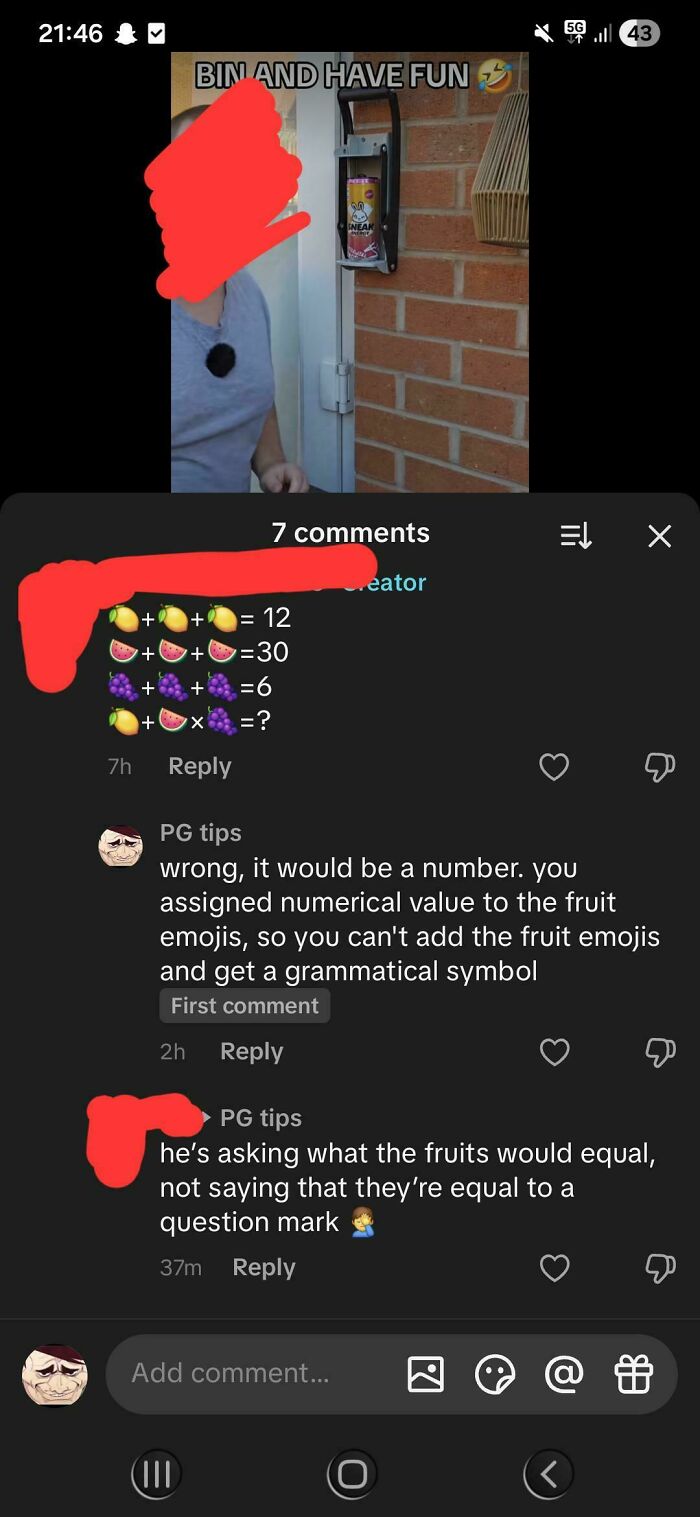
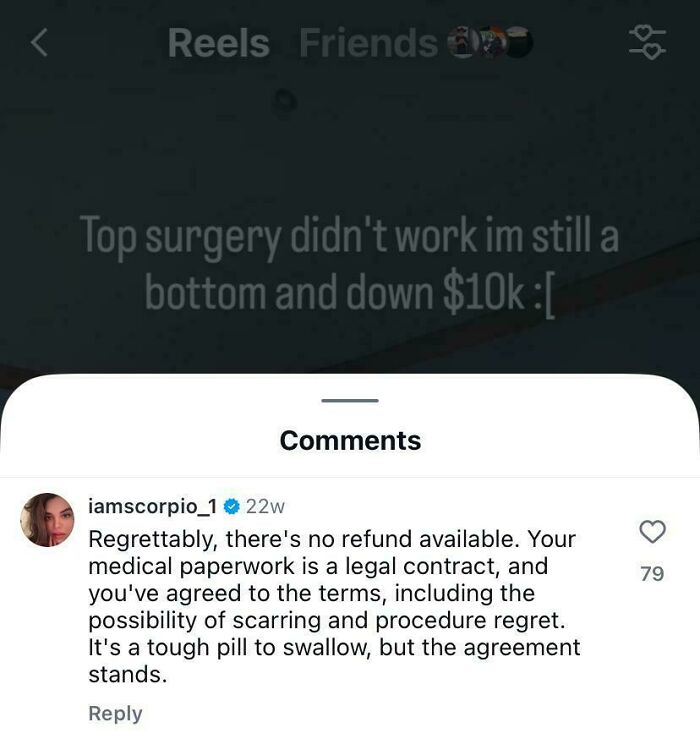
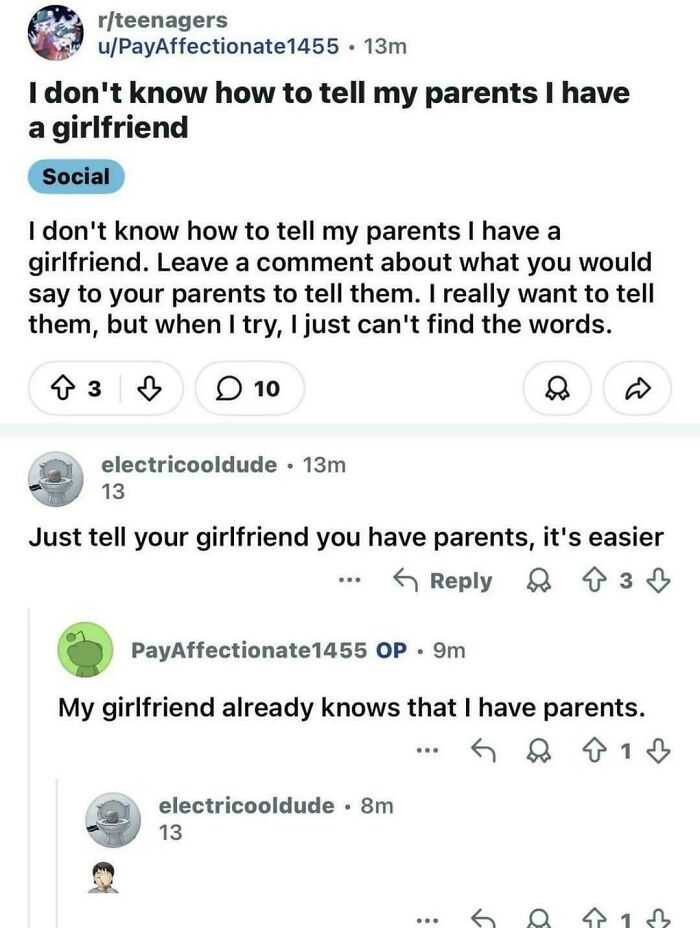
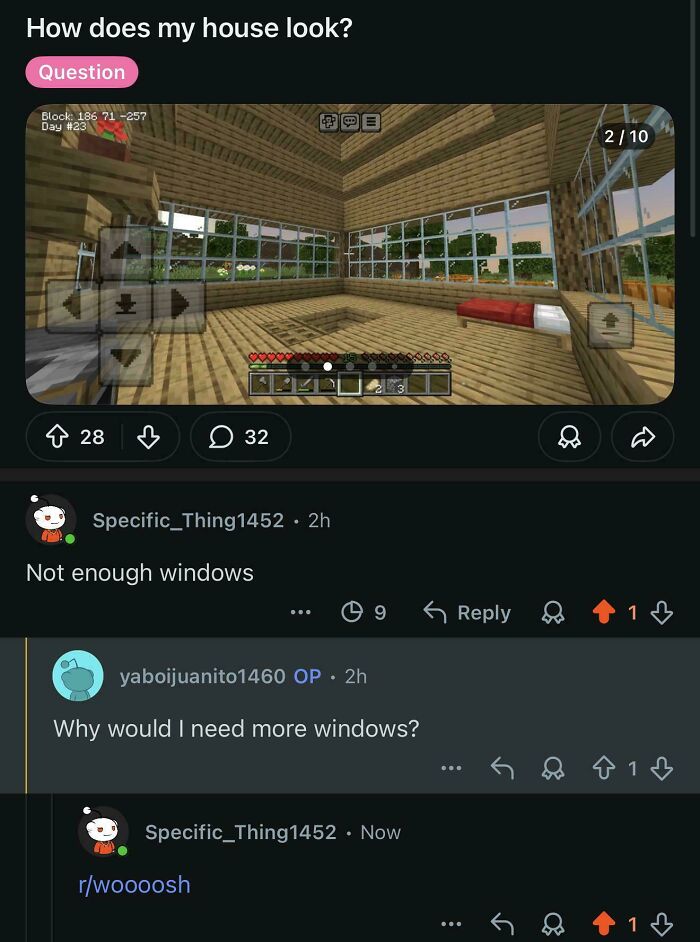
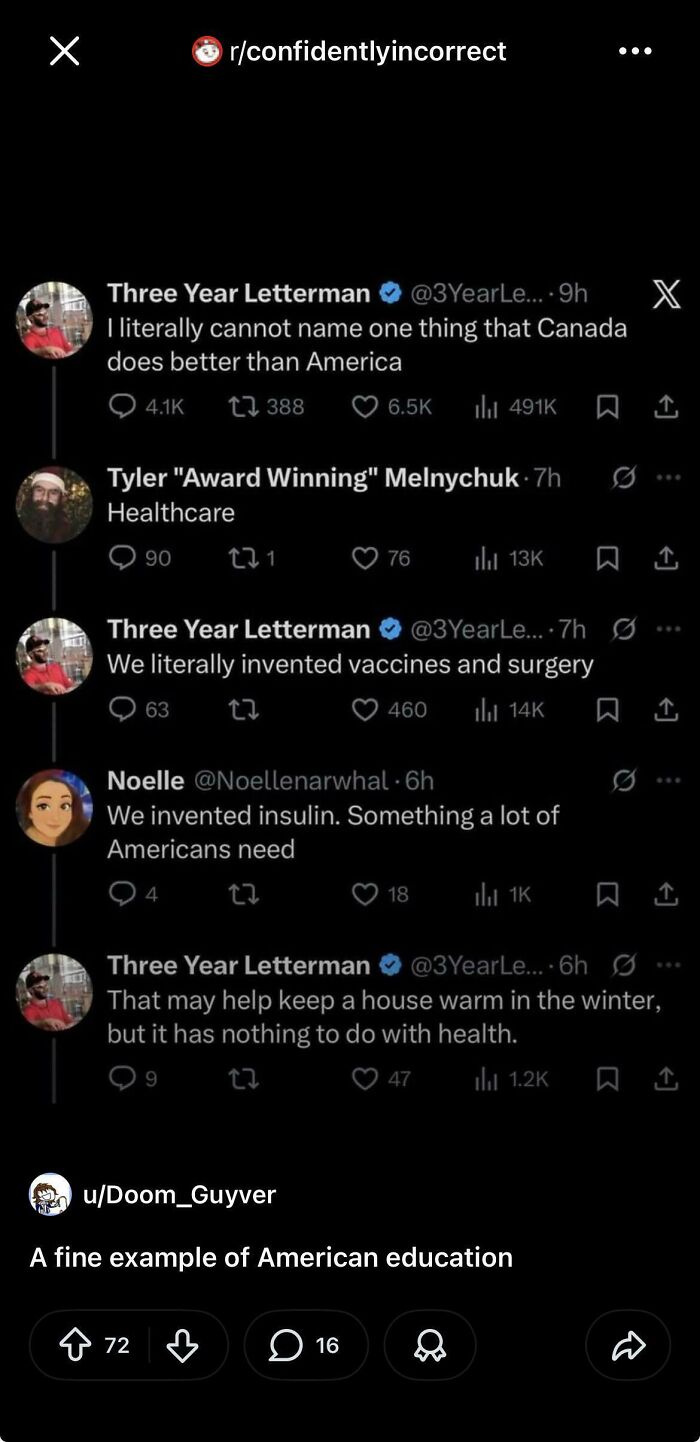
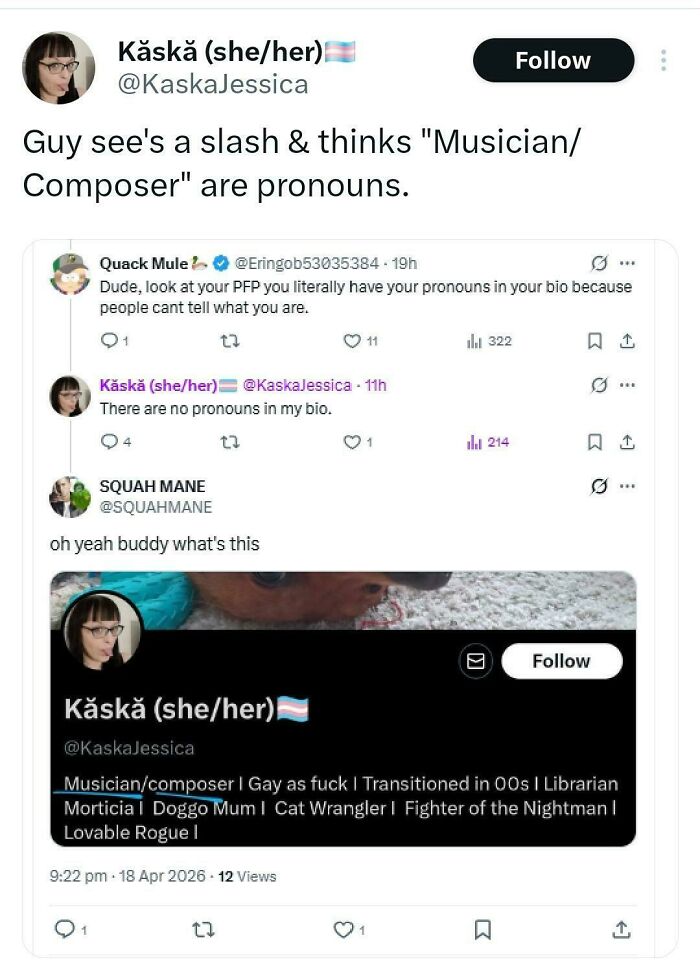
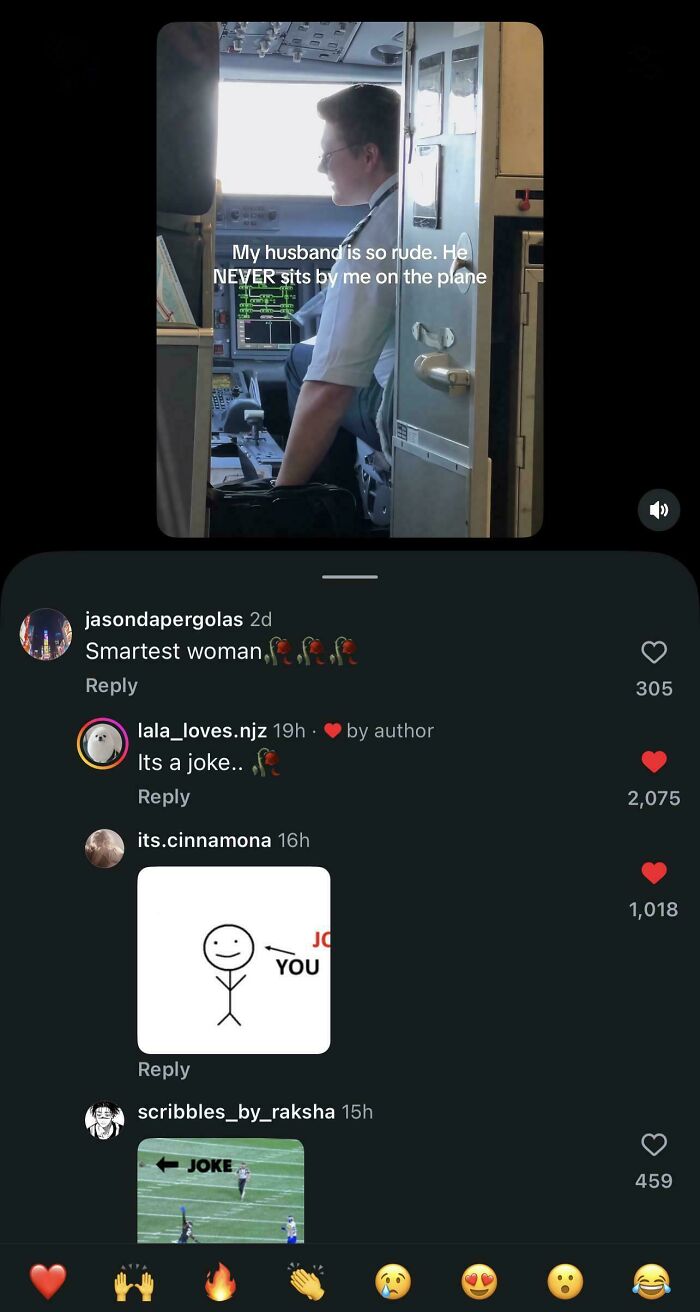
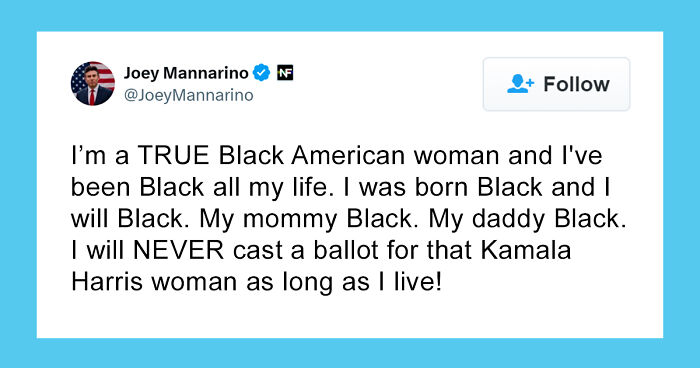
In sarcasm, the literal text says one thing, but the true meaning is the exact opposite — and that’s where the humor lies. But some people’s comedy radar is a bit broken, and they tend to take certain jokes literally.
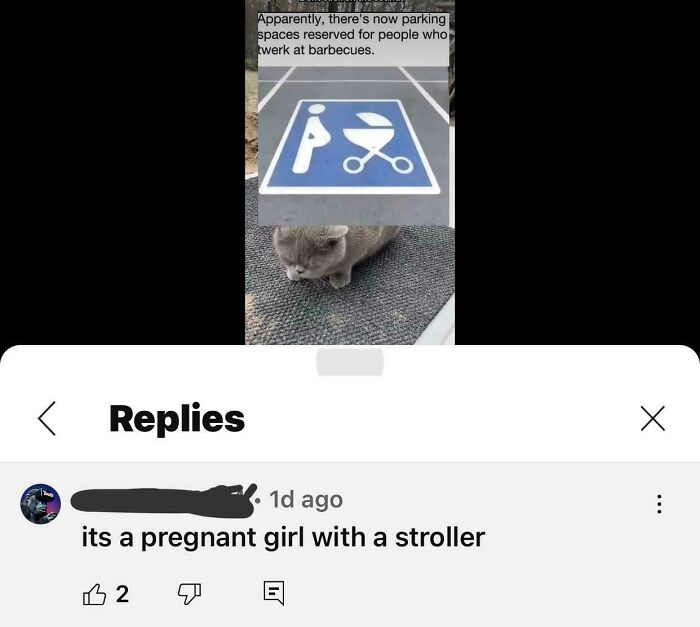
For example, someone shared a picture poking fun at a sign, claiming it marked “reserved parking for people twerking at barbecues.” Right on cue, a self-proclaimed genius jumped into the comments to patiently explain that the icon actually shows a pregnant person next to a baby stroller. As if we had no idea.
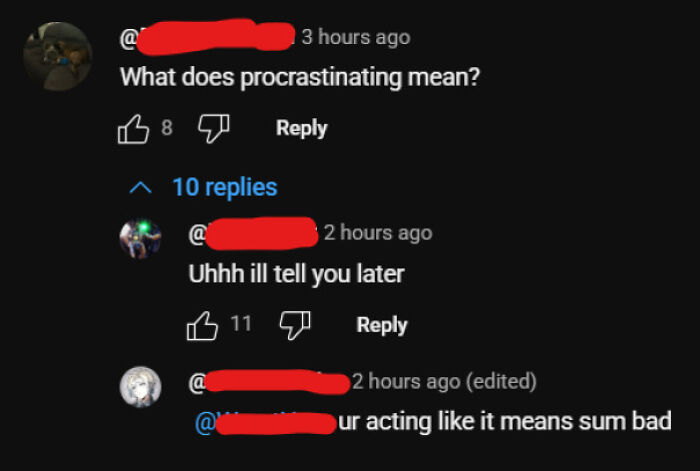
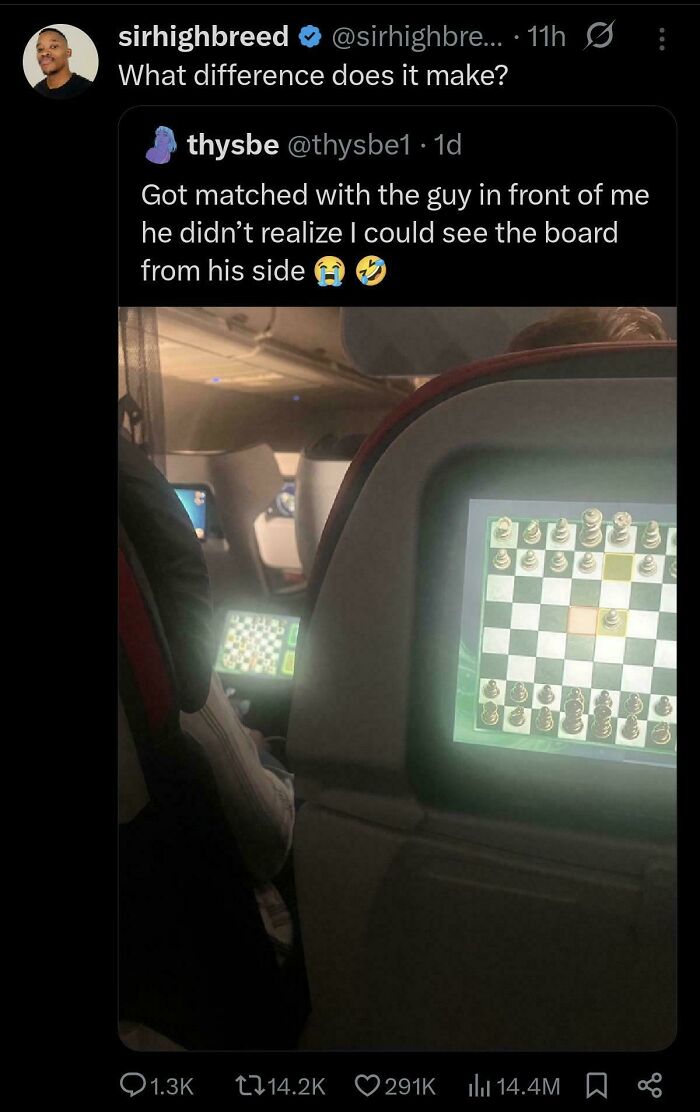
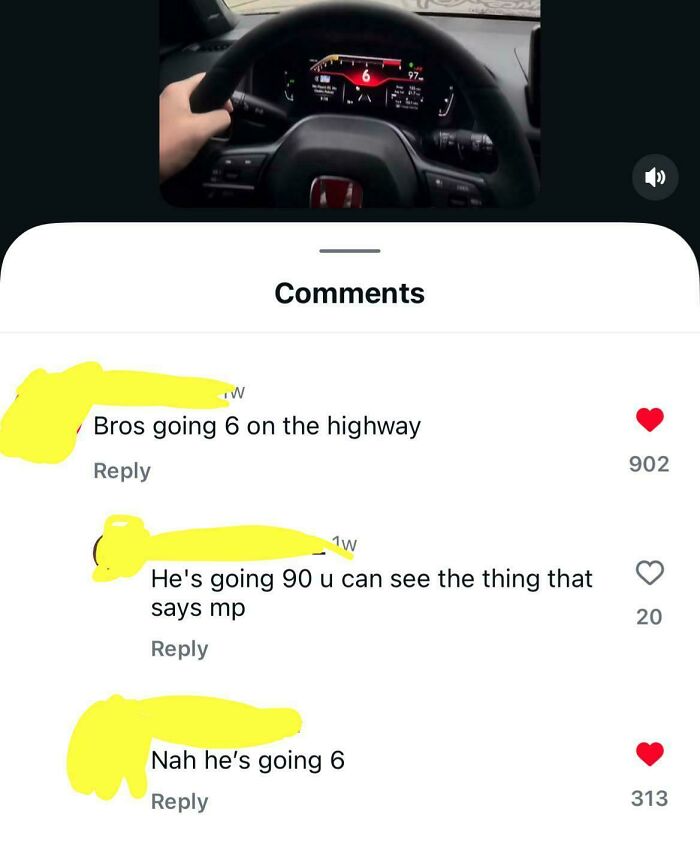
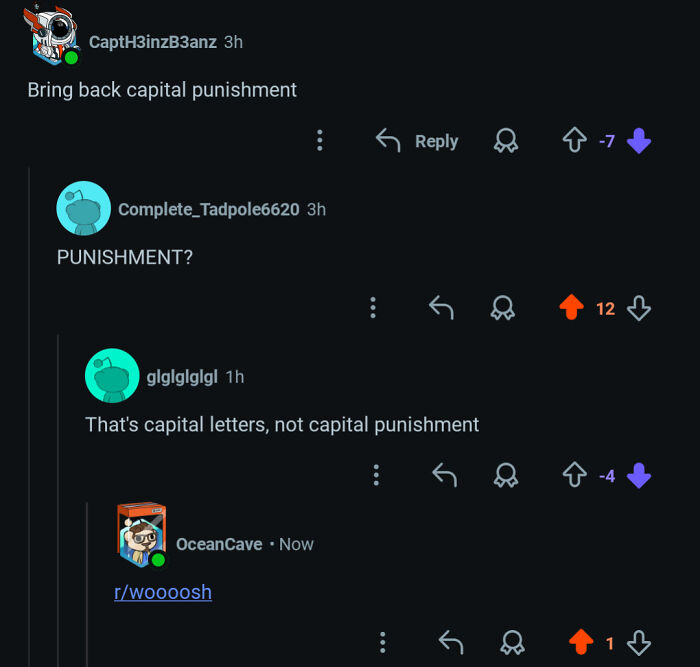
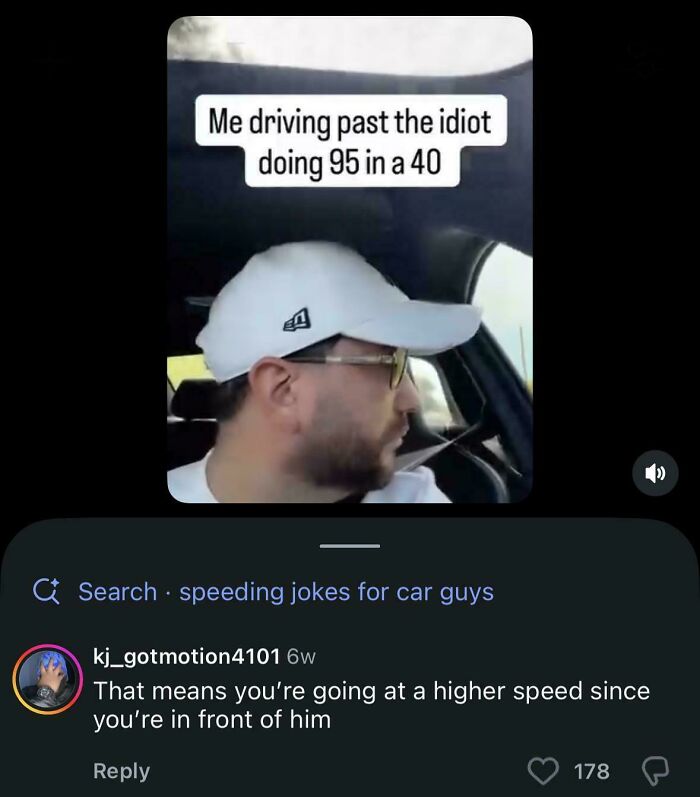
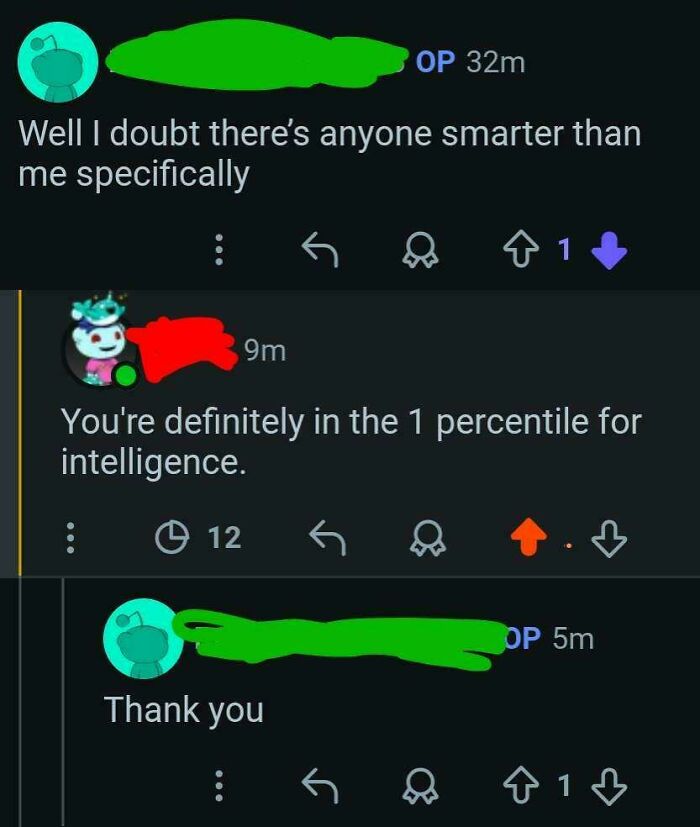
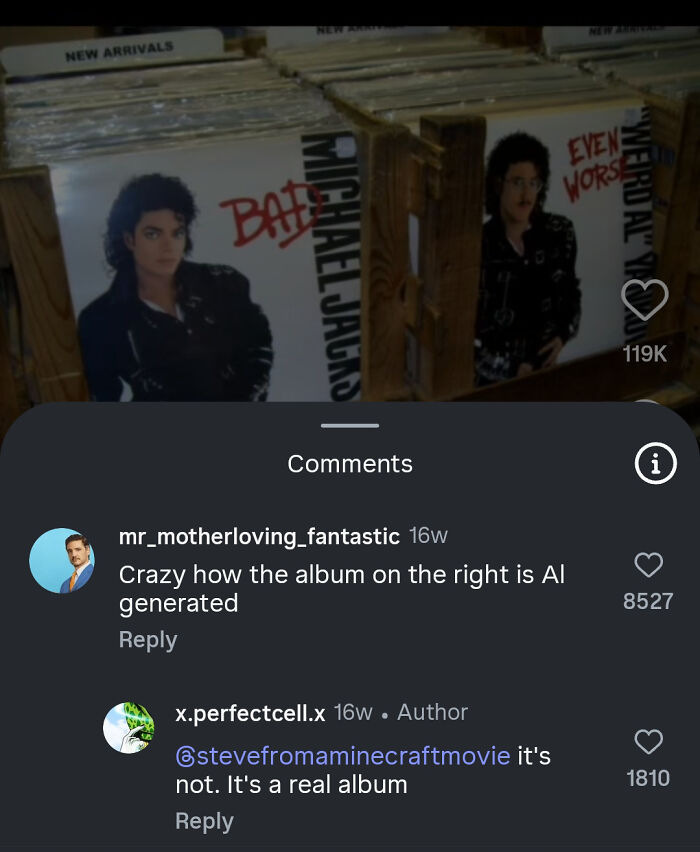
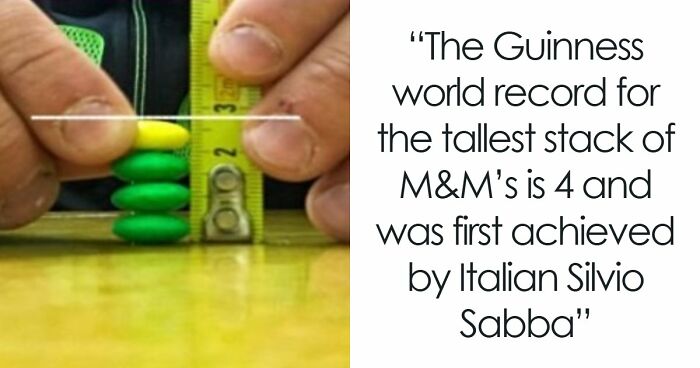
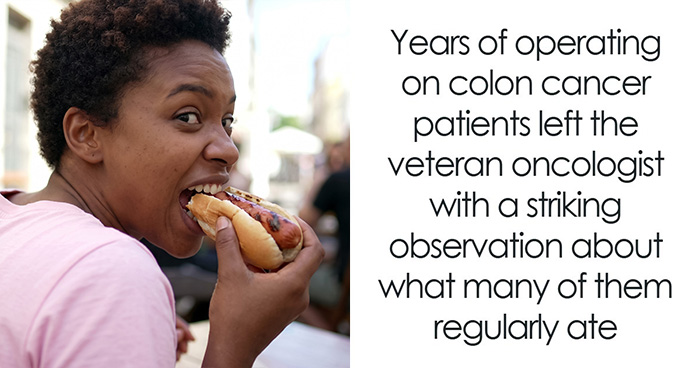
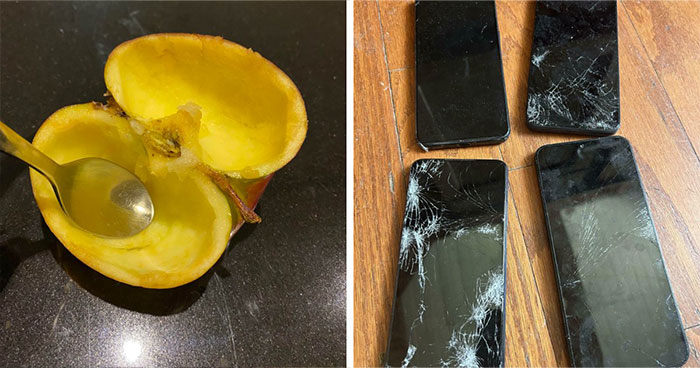
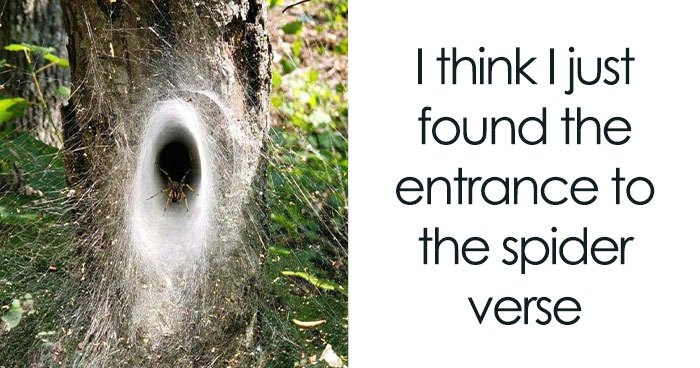
We’ve rounded up some of the absolute best online posts where satire and dry wit flew straight over people’s heads. Watching clueless commenters aggressively explain the joke makes the whole thing ten times funnier. Scroll down and enjoy the second-hand embarrassment.
This post may include affiliate links.
Missing the joke isn’t an anomaly; pop culture has been poking fun at it for decades. Sheldon Cooper from The Big Bang Theory is so hyper-intellectual that dry wit flies completely over his head, making his deadpan literalism an iconic running joke.
Even The Simpsons spoofed the struggle in a classic episode where Professor Frink creates a literal “sarcasm detector” — only for the machine to instantly explode under the sheer weight of Homer’s cluelessness.

In that case, one should drink a bloody mary with that liver
In the real world, picking up on sarcasm requires reading a complex mix of tone, facial expressions, body language, and broader context all at once. That delicate decoding process is why so many people stumble. In an online comment section, those subtle cues vanish completely. It leaves text vulnerable to being taken literally.
Studies show that most people overestimate their ability to get dry humor across in text. When researchers analyzed email exchanges, they found that even when writers were convinced their sarcasm was blindingly obvious, readers still took the message seriously.
Sarcasm thrives on ambiguity, which makes written communication a minefield.
Sarcasm isn’t something we’re born with — it’s a skill our brains have to learn.
Research from the University of Calgary found that children begin recognizing the sarcastic intent behind a speaker’s tone as early as age five. They gradually learn to map social context onto spoken words throughout childhood.
Scientists are also now finding that a broken sarcasm detector often stems from specific neurological shifts. Conditions such as autism, closed-head injuries, brain lesions, and schizophrenia can all disrupt the brain’s ability to process indirect communication. For people on the autism spectrum, struggling with sarcastic nuances often goes hand in hand with broader challenges — such as reading facial cues, interpreting vocal tones, and navigating social settings.
Science says that sarcasm processing relies on intact frontal and temporal lobes, and losing this ability out of nowhere can signal a major neurological shift. A study led by researchers at the University of California, San Francisco, revealed that people with frontotemporal dementia lose their capacity to detect sarcasm long before other obvious cognitive symptoms appear.
Neuropsychologist Katherine Rankin, who led the research, says that a sudden drop in sarcasm perception could serve as a vital early warning sign for neurodegenerative disease. “If someone who has the sensitivity loses it, that’s a bad sign. If you suddenly think Stephen Colbert is truly right wing, that’s when I would worry.”
She believes our culture, in particular, is permeated with sarcasm. “People who don’t understand sarcasm are immediately noticed. They’re not getting it. They’re not socially adept.”
Some everyday phrases have been so thoroughly hijacked by sarcasm that their literal meanings have almost completely evaporated. For example, the phrase “yeah, right.” A study analyzing thousands of real-world phone conversations revealed that 23% of the time people said “yeah, right,” they meant the exact opposite. The same goes for snappy staples like “big deal” or “aren’t you special”— say them out loud today, and almost no one expects a genuine compliment.
So why do we rely so heavily on sarcasm in the first place?
First and foremost, it’s funny. Sarcasm adds wit and dramatic flair to everyday conversations. Beyond humor, researchers like psychologist Skye McDonald note that sarcasm is often simpler and more efficient for venting complex feelings. Instead of delivering a long, dull lecture about how annoying a situation is, a quick eye-roll or a cutting remark gets the entire emotional point across in a second.
Sarcasm also acts as a social buffer. For many speakers, wrapping a critique in sarcasm feels like a less aggressive way to air grievances. Instead of starting an open fight, dry humor softens the blow… or at least gives the speaker plausible deniability.
Historically, that decoding process was much easier because sarcasm was reserved for close relationships. Traditionally, we used sarcasm with friends, family, and coworkers — people who already understand our tone and humor style. Shared history provides the safety net needed to make a sharp joke land lightly, not offensively.
Online, however, that boundary has completely dissolved.
We now fling dry wit and biting irony into public comment sections filled with complete strangers who lack any context about who we are. Combine that with the absence of voice modulation and facial cues, and online sarcasm can become totally confusing.
So perhaps we can give these folks a little break. Instead of judging them, let’s just enjoy the comedy and laugh along.



























 No fees, cancel anytime